
Ancient Greece
Ancient Greece isn’t a place or a nation — it’s the first time history became a written argument about power.
 13:00
Ashoka took the Mauryan throne in the third century BC and conquered the kingdom of Kalinga at enormous human cost before turning, over subsequent years, toward an ethical code he called dhamma and eventually Buddhism. His own edicts are the only contemporary evidence for his reign; the dramatic stories of fratricide and conversion come from Buddhist chronicles composed centuries afterward, and the two surviving legendary traditions disagree with each other. His empire declined quickly after his death, and he was largely forgotten until nineteenth-century decipherment restored him to history.

Samarkand at -800 BC is archaeologically verifiable, institutionally attested, and geographically explicable — but its ‘founding’ remains a scholarly estimate, not a recorded event.
The atomic bombings of Hiroshima and Nagasaki were deliberate, authorised, and executed military operations using newly developed nuclear weapons. Their scale, method, and human impact are well-documented in the source. Their causal relationship to Japan’s surrender is asserted only as ‘precipitation’—not proof of necessity or sufficiency. No claim about motives, alternatives, or internal Japanese decision-making appears in the material.
The Battle of Talikota was a decisive military defeat for Vijayanagara, caused by coalition warfare and military asymmetry — not civilizational conflict. Its legacy lies in how early-modern South Asian states negotiated power, not in mythic binaries.
A legally non-binding referendum produced a narrow Leave majority — triggering Brexit through political promise, not statute. Its authority rested on convention, not law. That gap remains unbridged.
The 2014 Russian annexation of Crimea was a coordinated military and political operation executed without formal declaration, relying on unmarked forces, coerced legislative action, and a referendum stripped of legitimacy by occupation and exclusion of the status quo. It altered Black Sea maritime claims, triggered sustained Western sanctions, and remains internationally condemned as a violation of Ukraine’s sovereignty and the UN Charter. No credible evidence supports the referendum’s fairness or voluntariness. Its legal and geopolitical consequences endure.
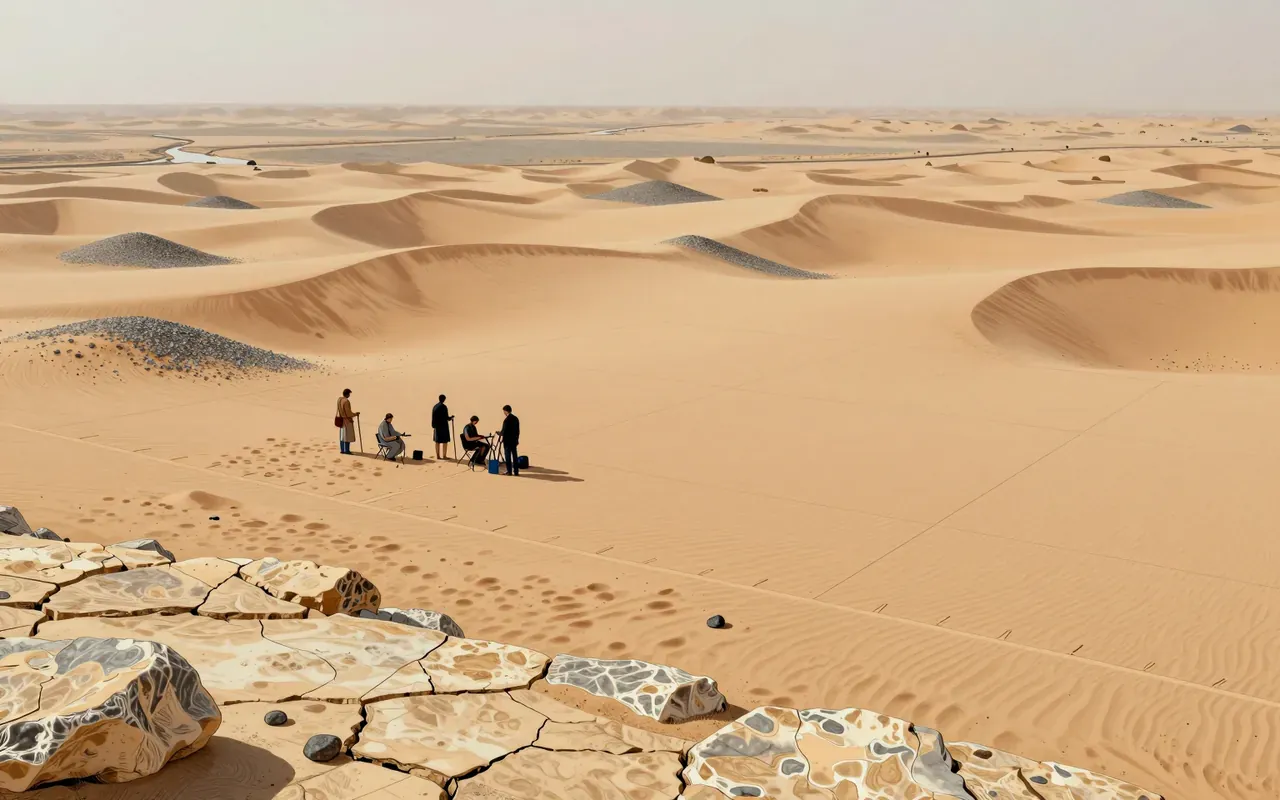
The Gulf War was a short, sharply bounded conflict defined by UN authorisation, phased military execution, and unprecedented media access — but the record says nothing about its aftermath, costs, or contested legacies.
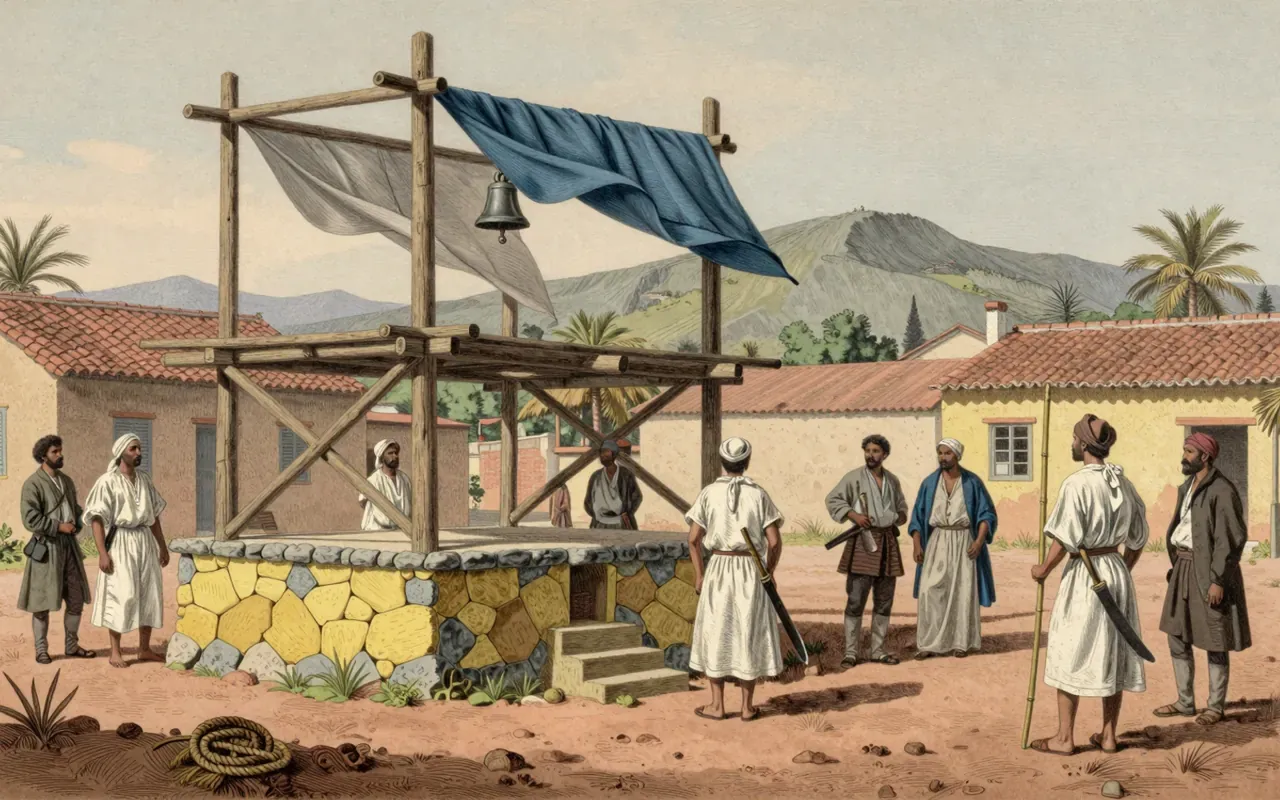
The Haitian Declaration of Independence is a foundational rupture—not in rhetoric, but in precedent. It established the first Black-led post-slavery state, yet refused the language of rights that defined other Atlantic revolutions. Its authority derived not from consent or constitution, but from military victory and collective sanction. It changed the map, but not the grammar, of sovereignty.
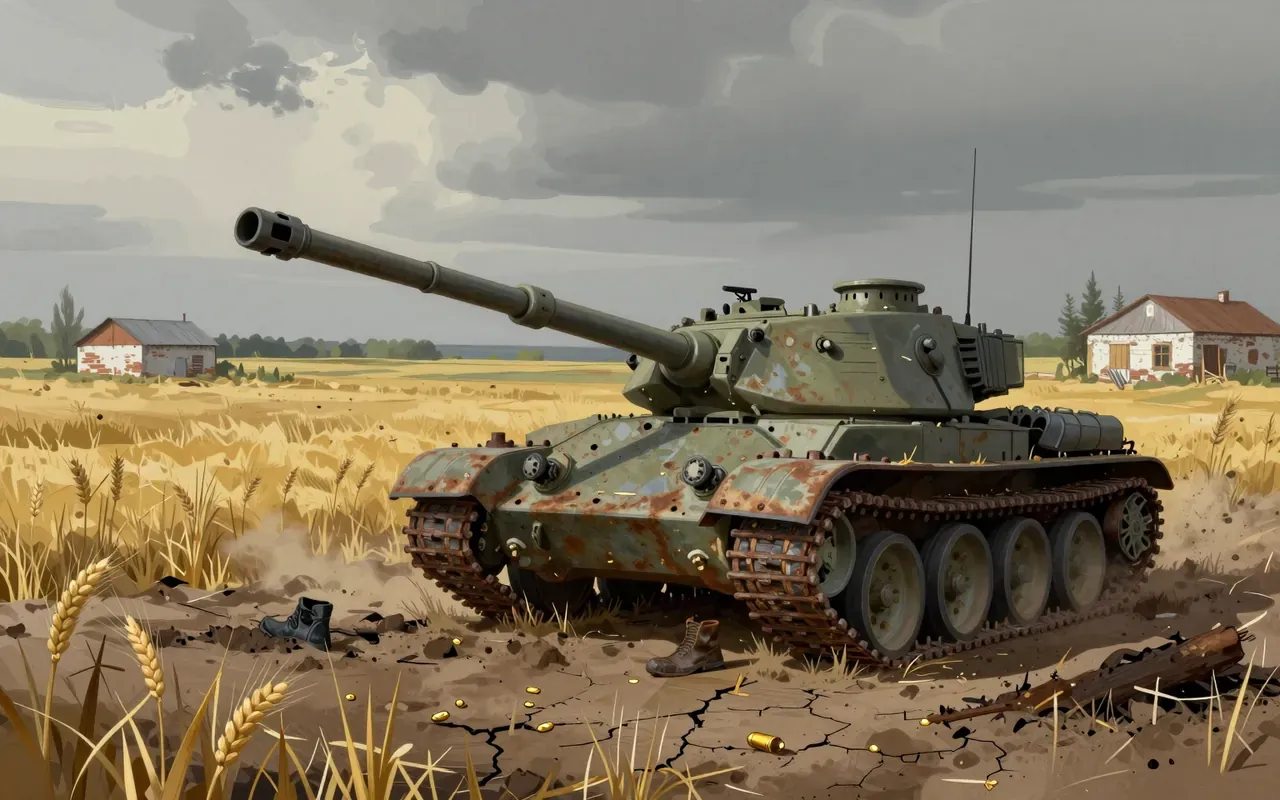
The 2022 Russian invasion of Ukraine was a full-scale assault launched on 24 February 2022. It failed its core objective — rapid decapitation and conquest — by April 2022. Ukraine’s resistance halted the northern advance on Kyiv. Russia retained occupation in the southeast and later unilaterally annexed four oblasts. The plan, reportedly designed for victory in ten days, exposed critical flaws in Russian military execution while revealing Ukraine’s adaptive, battle-hardened defence.
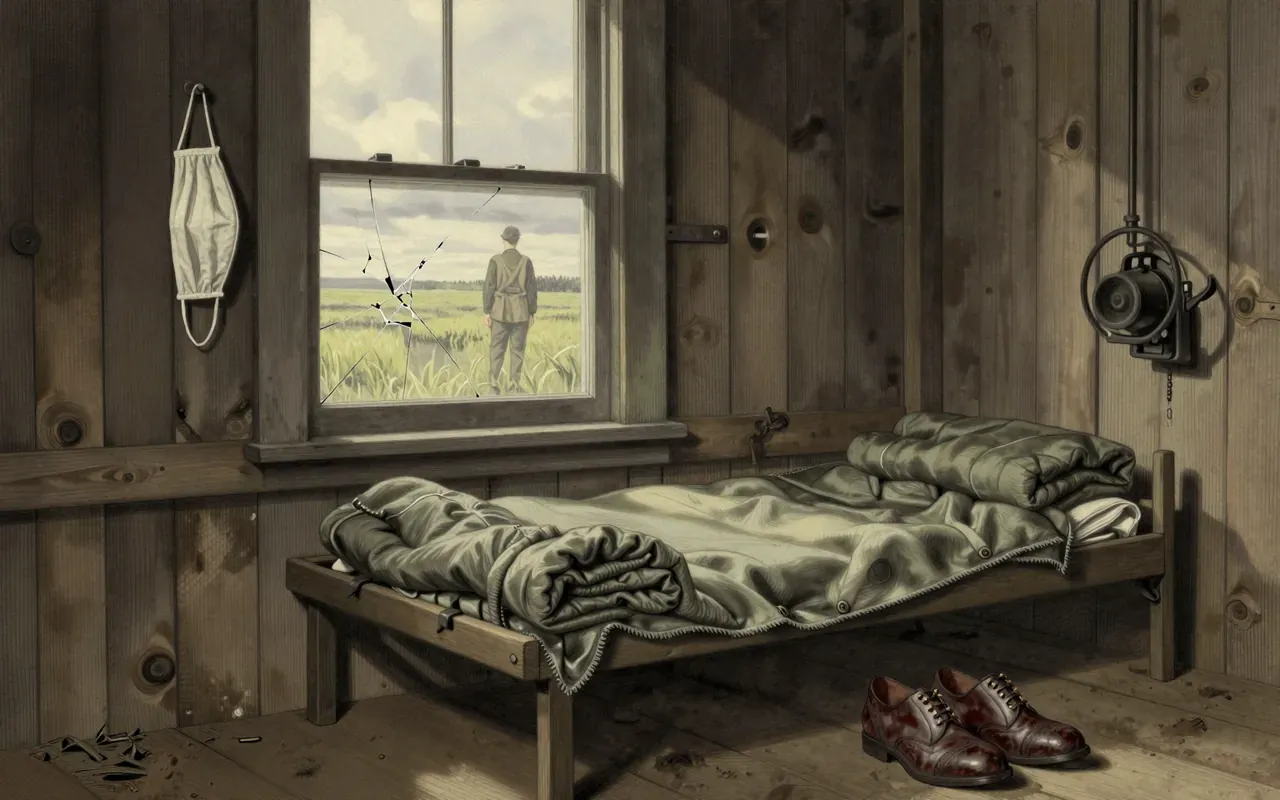
The 1918–1920 flu pandemic was caused by H1N1. Earliest documented cases were in Haskell County, Kansas, in March 1918. It infected ~500 million people. Death estimates range from 17 million to 100 million. Wartime censorship created the false impression that Spain was the origin. Its unusually high mortality among young adults likely resulted from immune overreaction compounded by war-induced malnourishment and overcrowding. Geographic origin remains indeterminate.
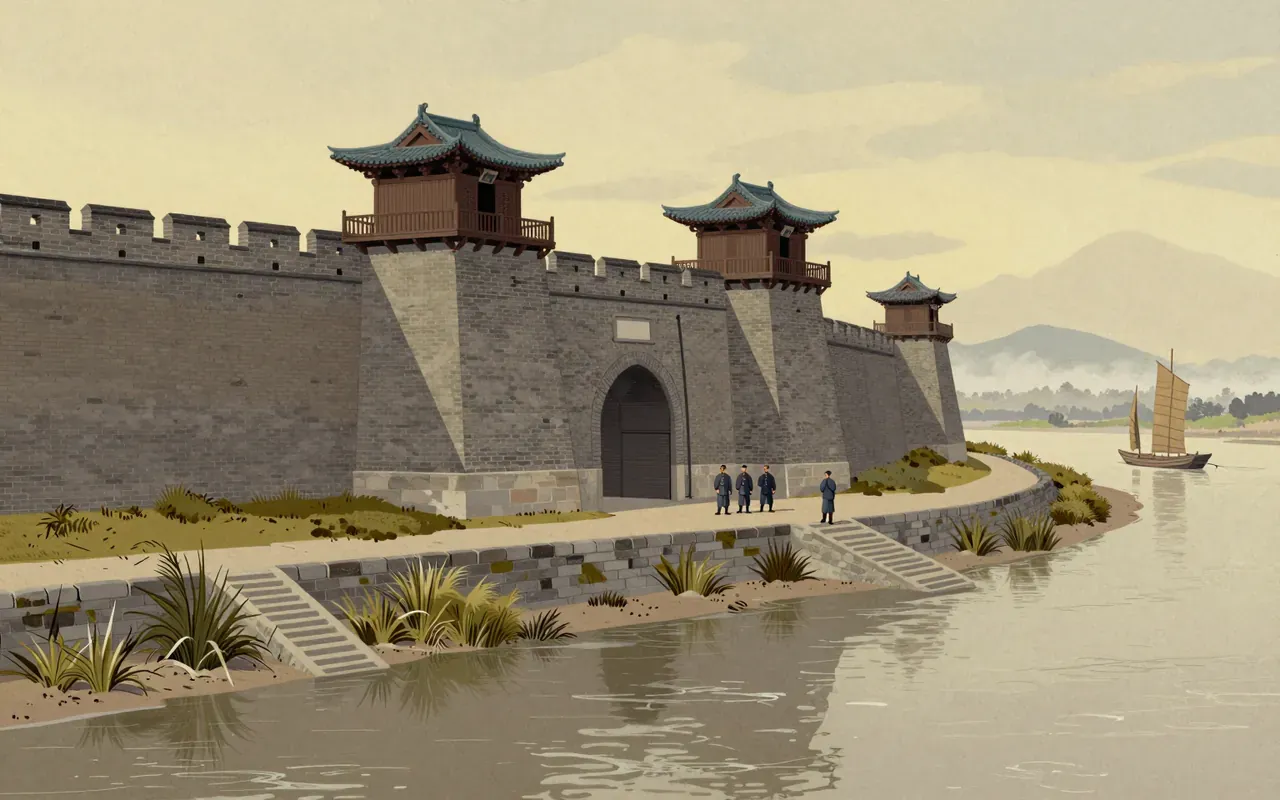
The 1911 Revolution ended the Qing dynasty and founded the Republic of China. Its success rested on military defection, not mass mobilisation. Its institutions collapsed because they lacked independent authority — Yuan Shikai controlled the army, not the constitution. It changed the form of rule but not the distribution of power.
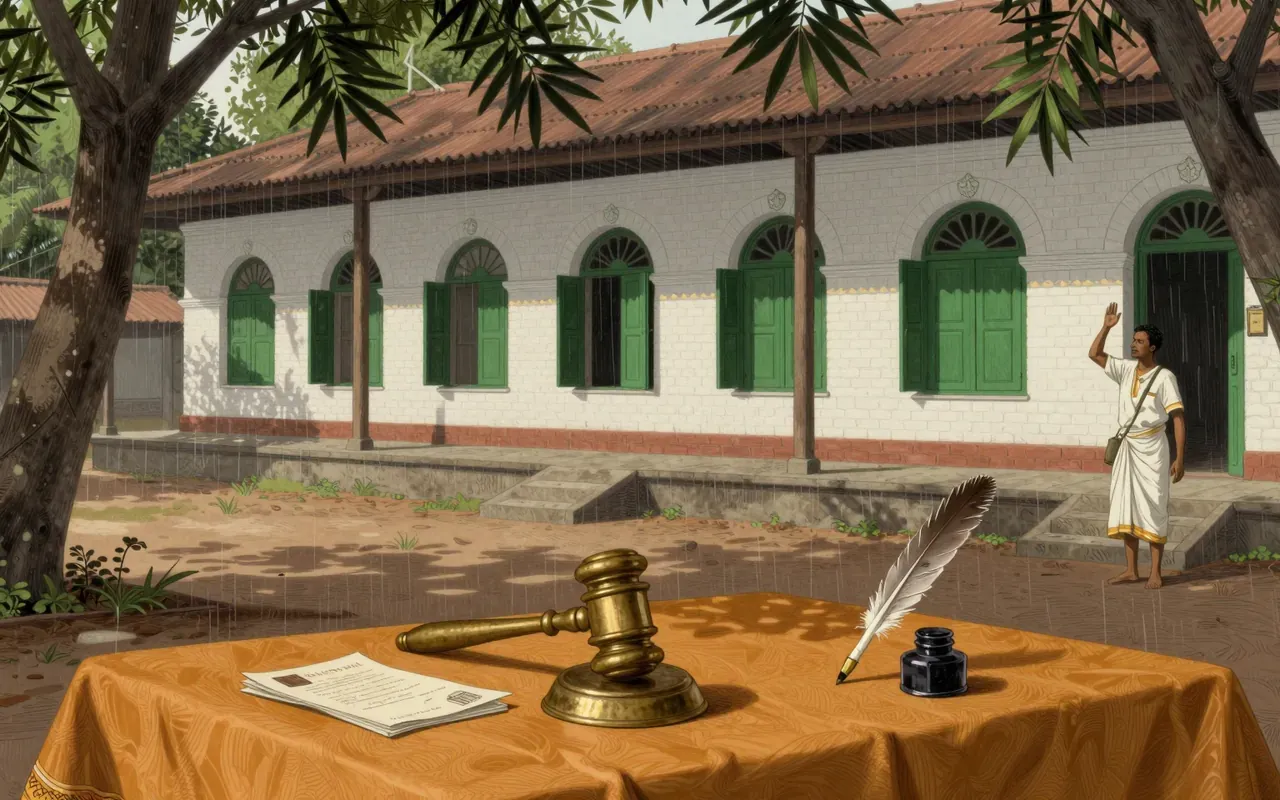
Keshub Chandra Sen was a doctrinal entrepreneur who built institutions and doctrines in rapid succession—school, association, sect, creed—each anchored in a documented act or statement. His work shows no mass following, no legislative effect, and no settled interpretation. What remains is a sequence of deliberate, dated interventions in Bengal’s religious and civic life.
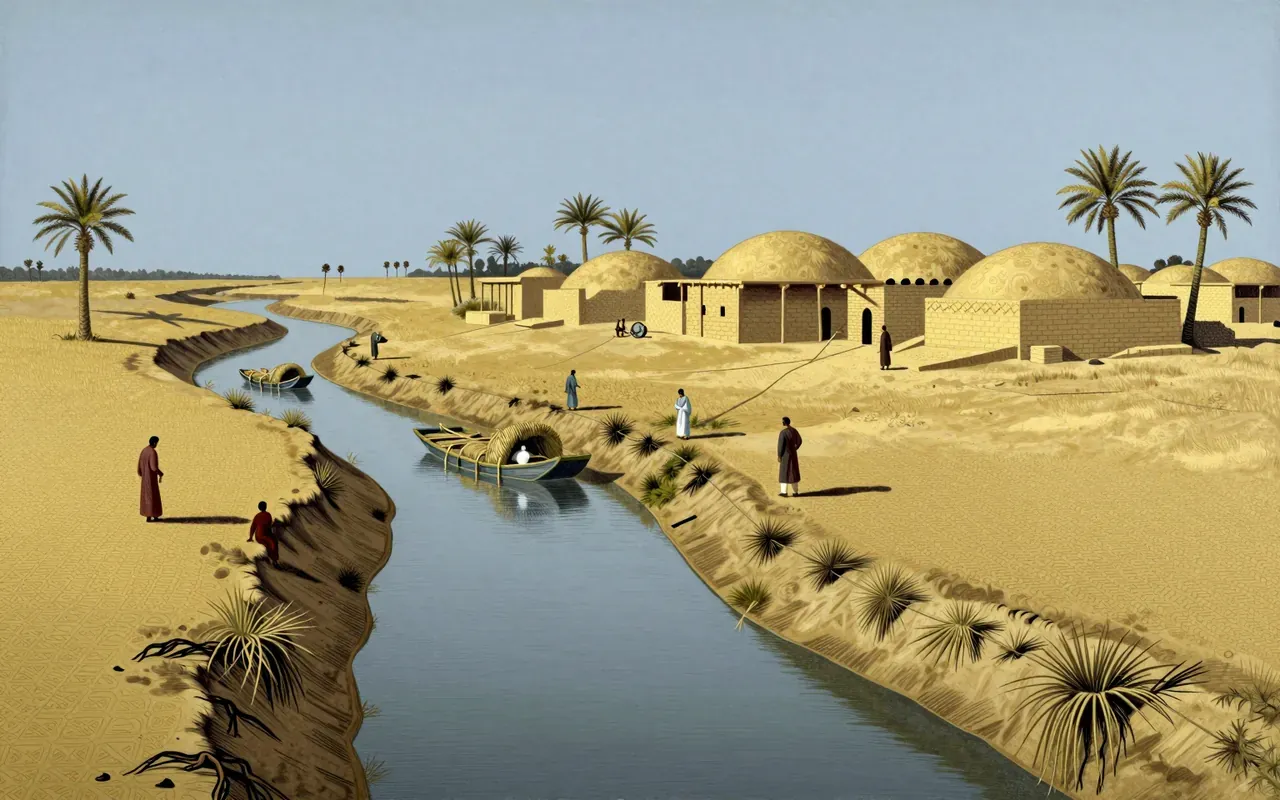
Baghdad’s founding in 762 was a decisive, documented act of imperial design — not evolution, not accident. It created a new kind of capital: planned, symbolic, and engineered for intellectual and administrative dominance. Its scale, longevity and influence are verifiable. Its motives and internal politics are not.

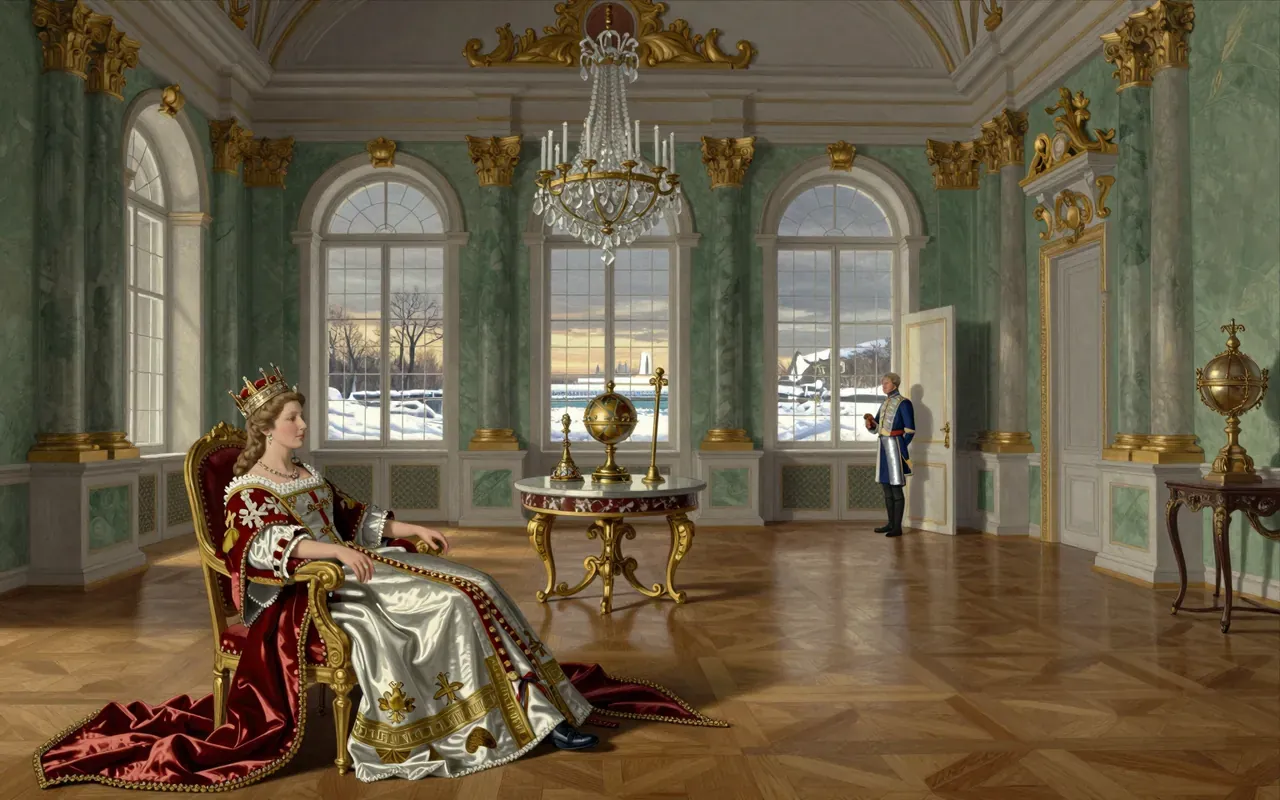
Catherine the Great’s reign was defined by method, not motive: coup, favouritism, military appointment, and diplomatic intervention produced imperial expansion and cultural renaissance — and elevated Russia to great-power status — without requiring Enlightenment ideals to be operationalised in governance.
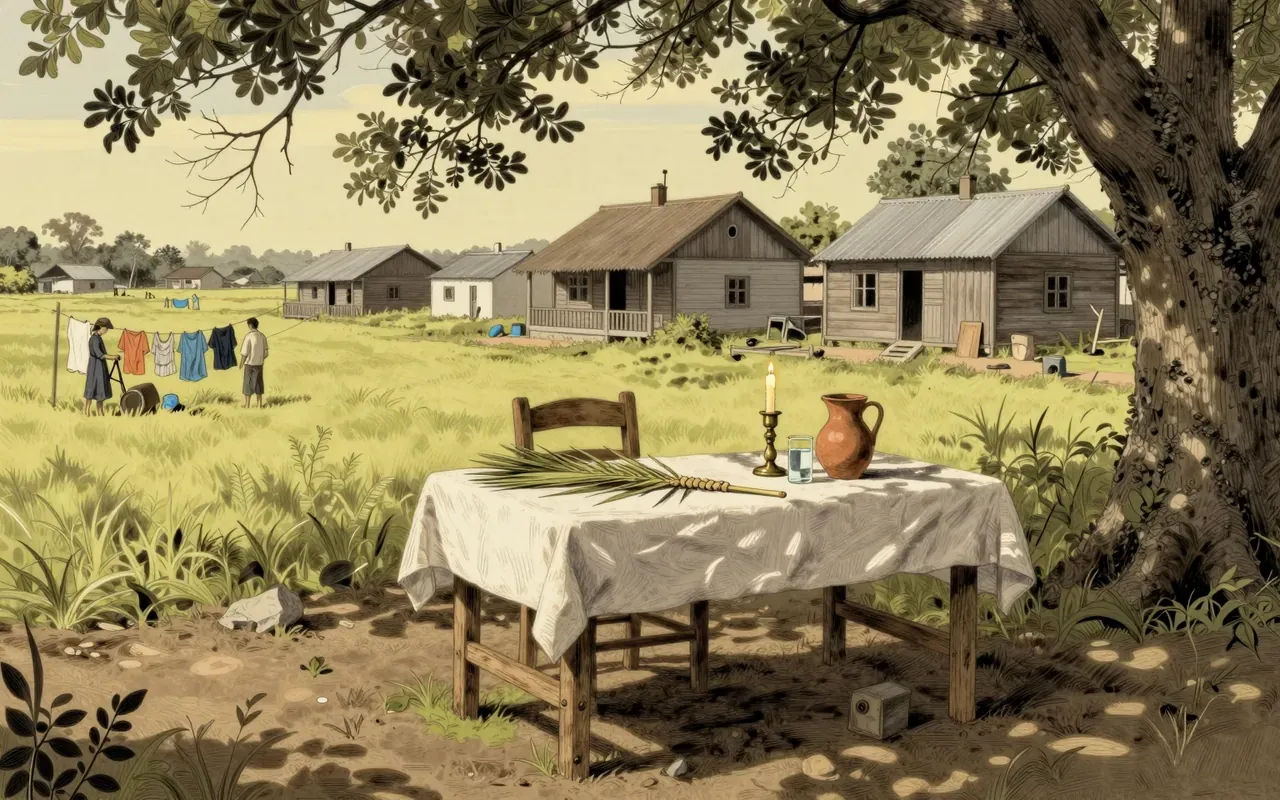
Cesar Chavez co-founded the National Farm Workers Association in Delano, California in 1962. He launched an insurance scheme, credit union, and El Malcriado newspaper. He led the Delano grape strike from 1965 to 1970. His NFWA merged with Larry Itliong’s Agricultural Workers Organizing Committee in 1967 to form the United Farm Workers. He used nonviolent resistance — picketing, boycotting, public processions, Masses, and fasts — inspired by Gandhi and infused with Catholic symbolism. In the early 1970s, he opened UFW branches outside California.

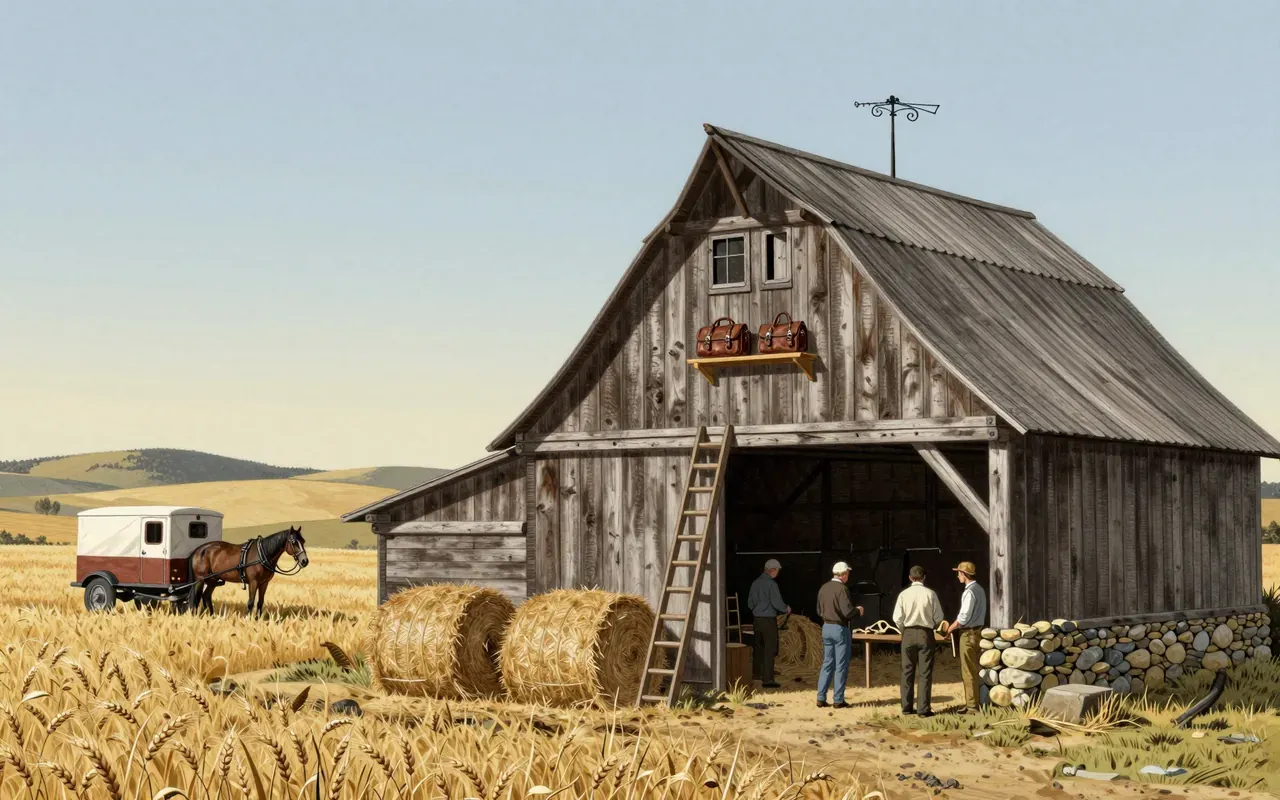
Clara Barton’s documented life establishes a direct line from childhood caregiving to wartime triage to institutional foundation — all without formal credentials, and all before women held civic power. The record shows method, scale and timing — but nothing about dissent, implementation, or impact beyond founding.
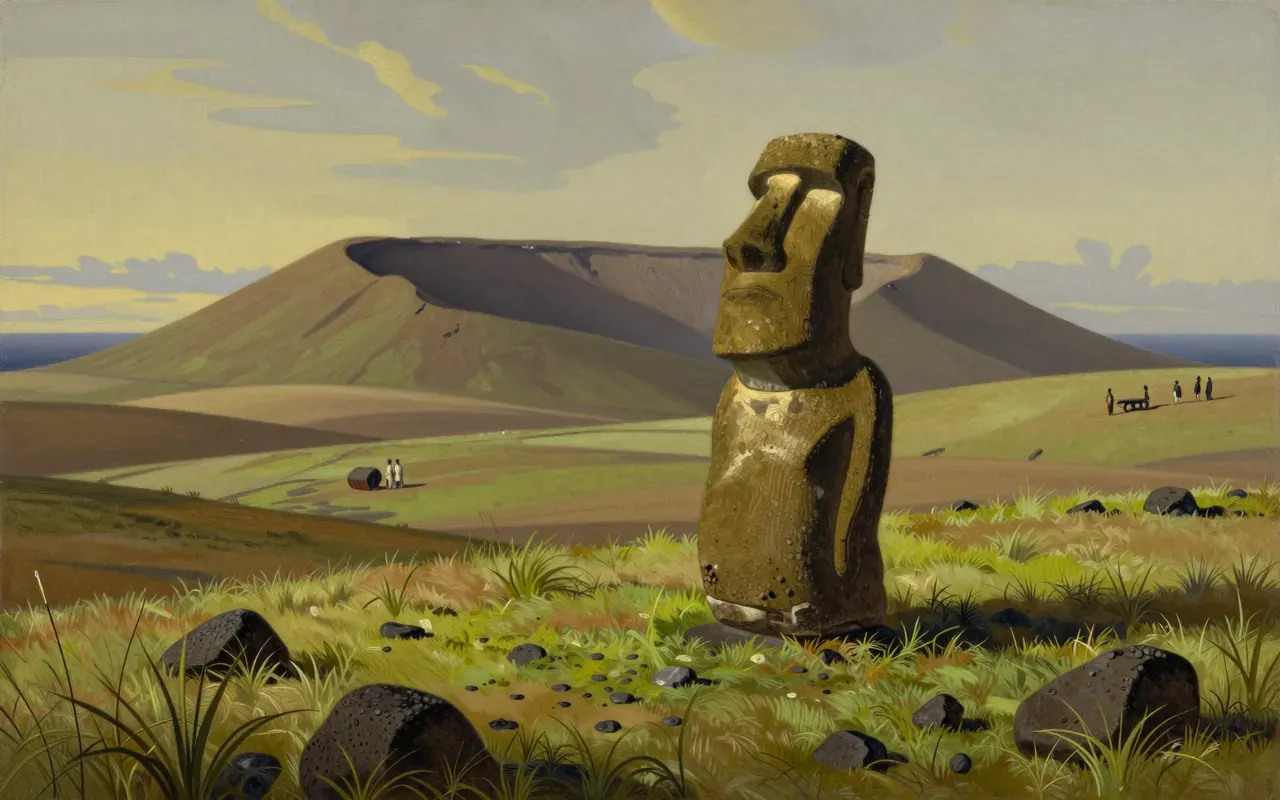
1722 is the hinge — not between isolation and connection, but between self-determined time and imposed chronology. Roggeveen did not find a blank slate. He sighted a society that had already shaped its landscape, language, and cosmology over centuries — and whose moai predated his arrival by up to 600 years. The event changed nothing on the island that day. But it guaranteed that everything after would be measured against European time.
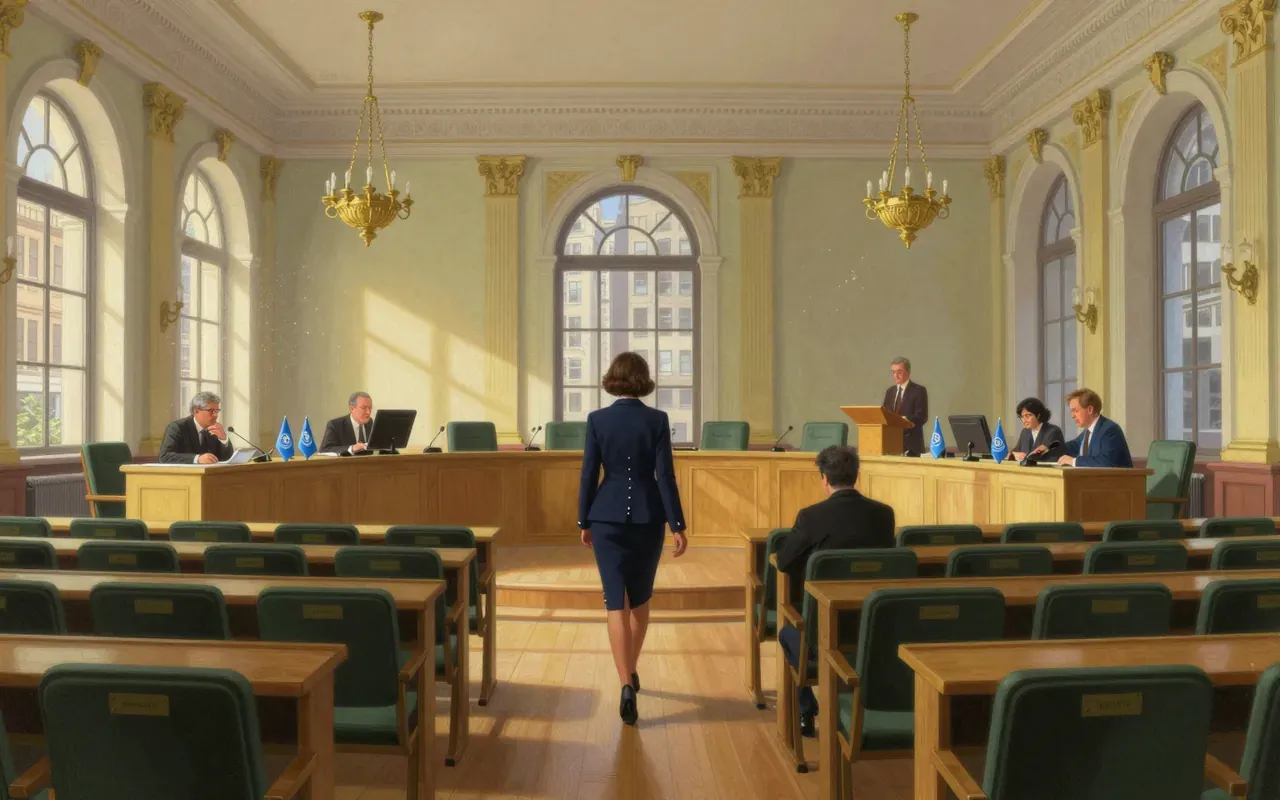
Eleanor Roosevelt redefined the first lady’s role through sustained public engagement, media innovation, and advocacy — including leading the drafting and adoption of the Universal Declaration of Human Rights. Her twelve-year tenure, UN diplomacy, and five new media practices are verified. Arthurdale is explicitly labelled a failure. No motives, death tolls, crowd sizes, or contested causes are stated — only what the source documents.

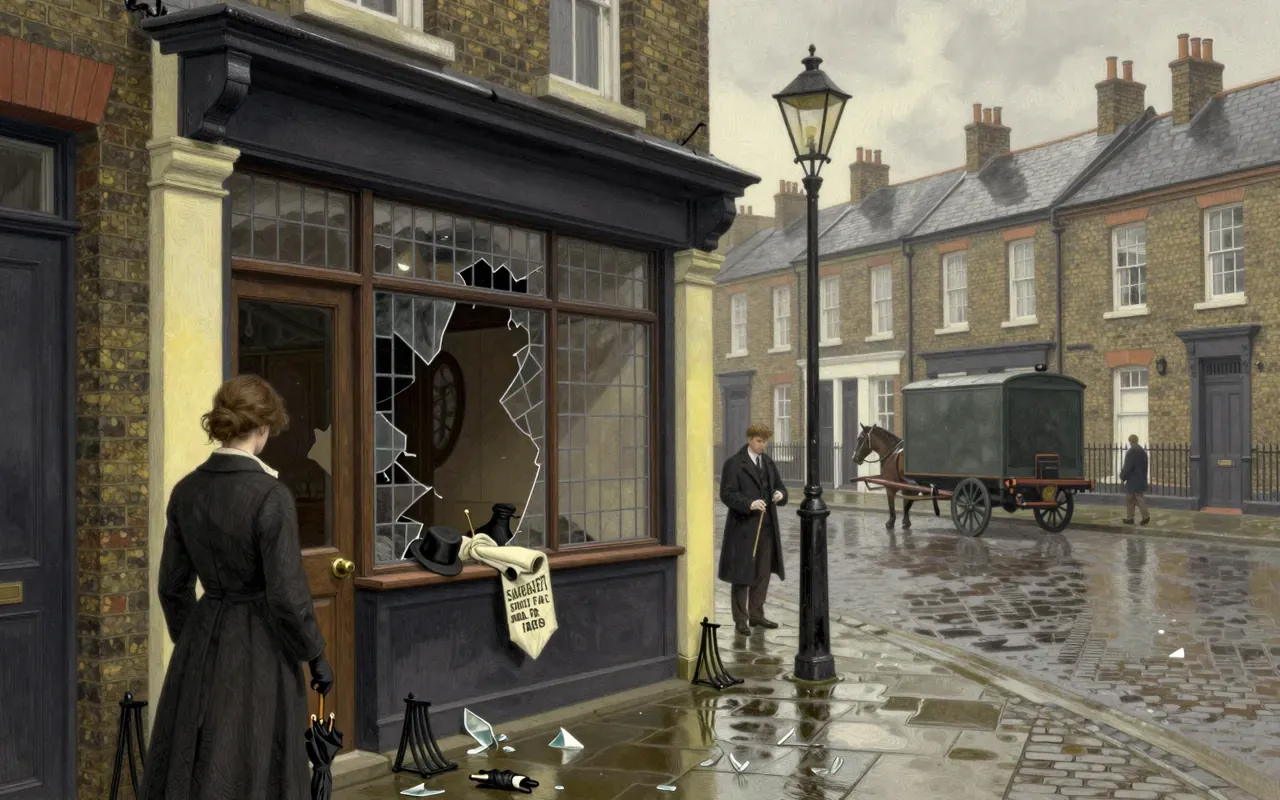

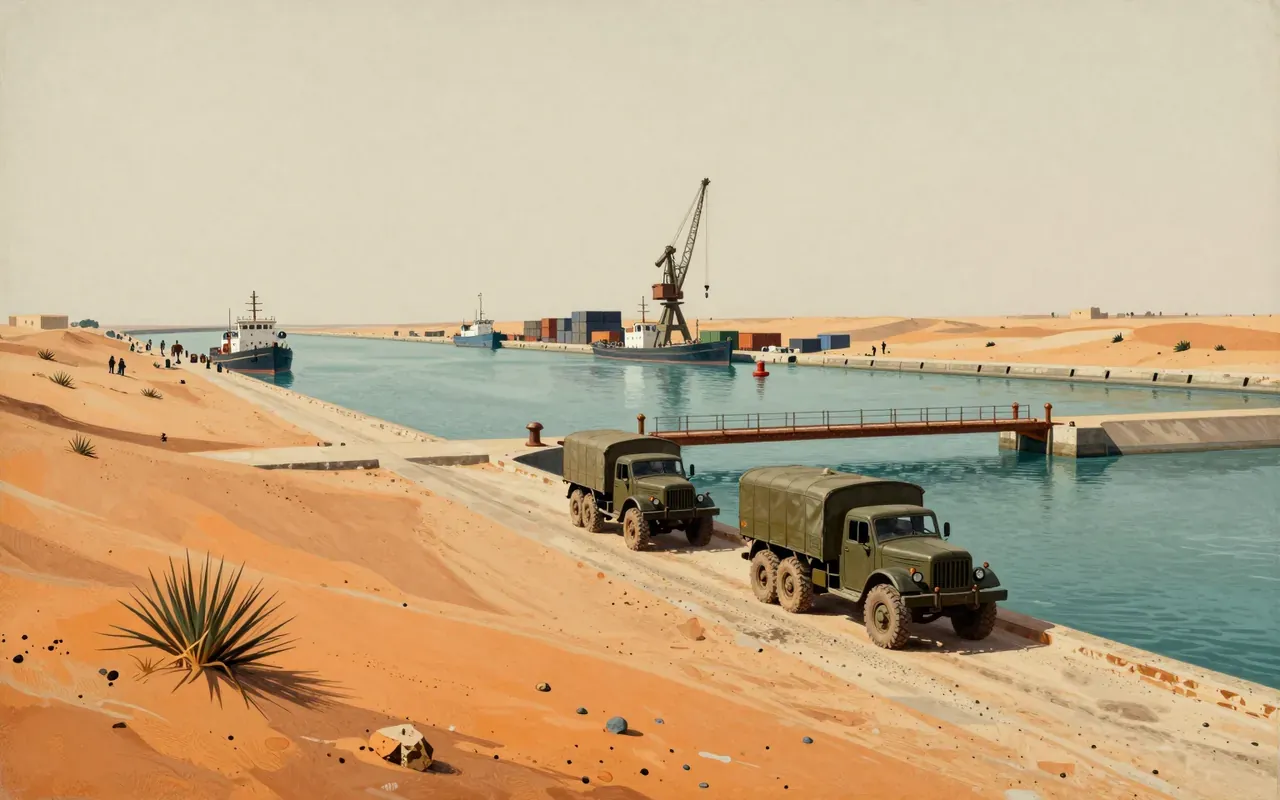
Ferdinand de Lesseps built the Suez Canal — a sea-level maritime link between the Mediterranean and Red Seas — opening it in 1869 after beginning construction at Port Said in 1859. He raised over half its capital via French public subscriptions. In the 1880s, he repeated the model for Panama: a sea-level canal approved by a 1879 Paris congress. But tropical disease, technical challenges and financial collapse led to bankruptcy in December 1888. The record establishes these events, methods and outcomes — but says nothing about motives, dissent, or wider consequences.
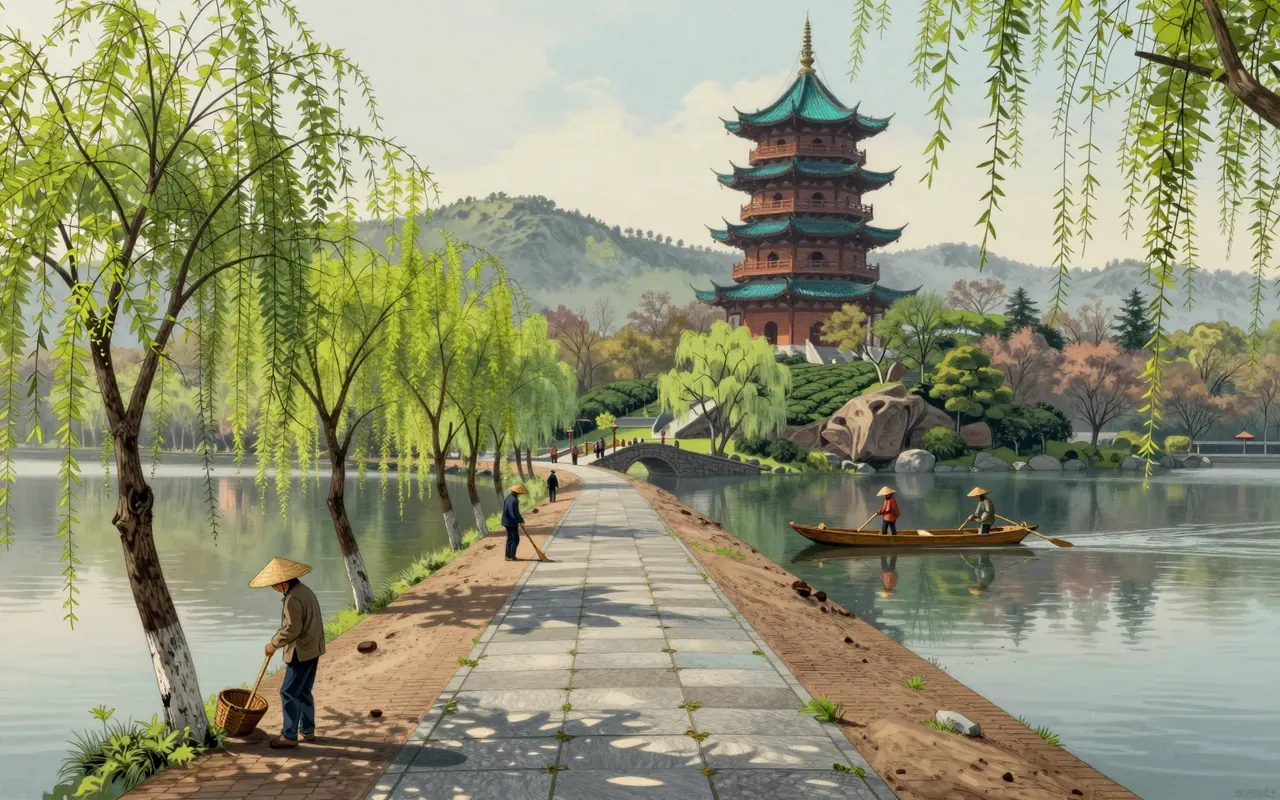
Hangzhou is a record of governance as iterative repair — not a story of rise and fall, but of wall, lake, capital, fire, and algorithm, each layer responding to a documented crisis.
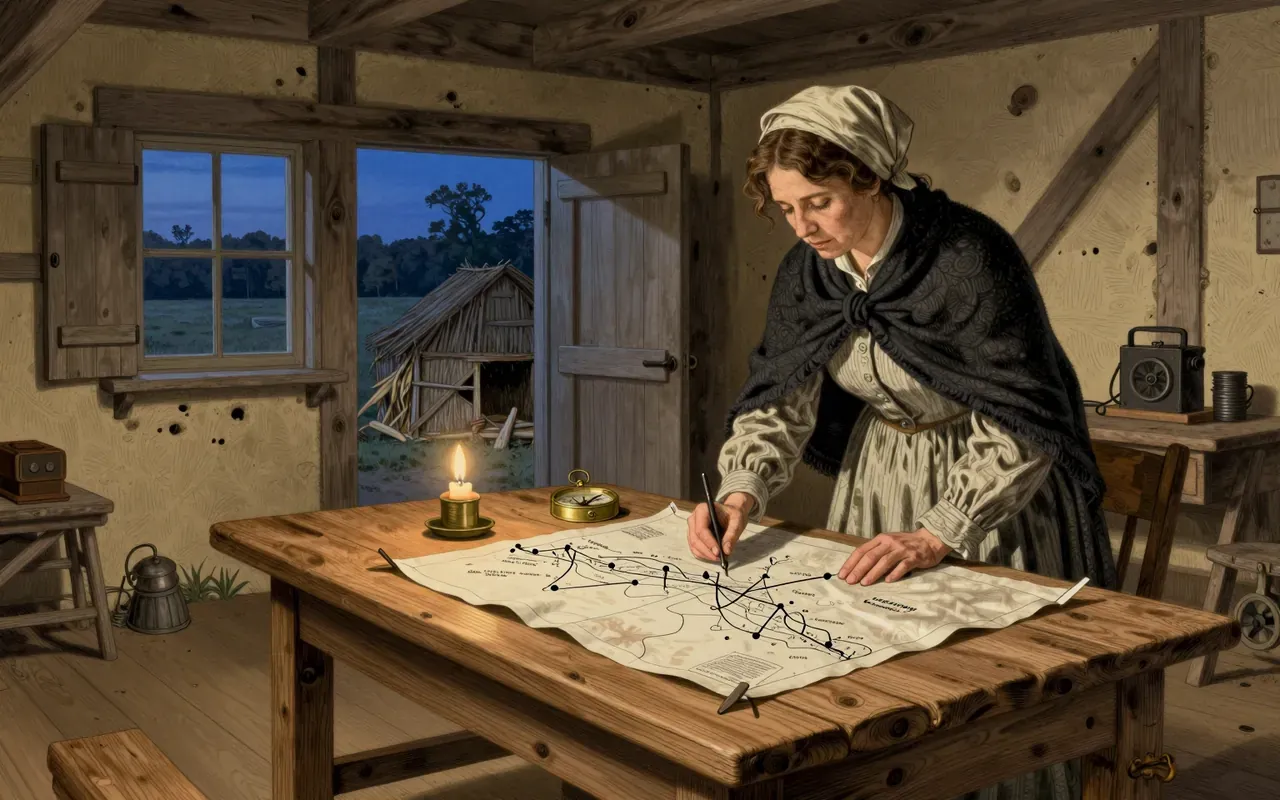
Harriet Tubman’s documented actions redefine what was possible for an enslaved woman in 19th-century America — not through myth or retrospective praise, but through three verifiable, high-stakes operations: 13 rescues, armed intelligence work, and a 700-person military liberation.
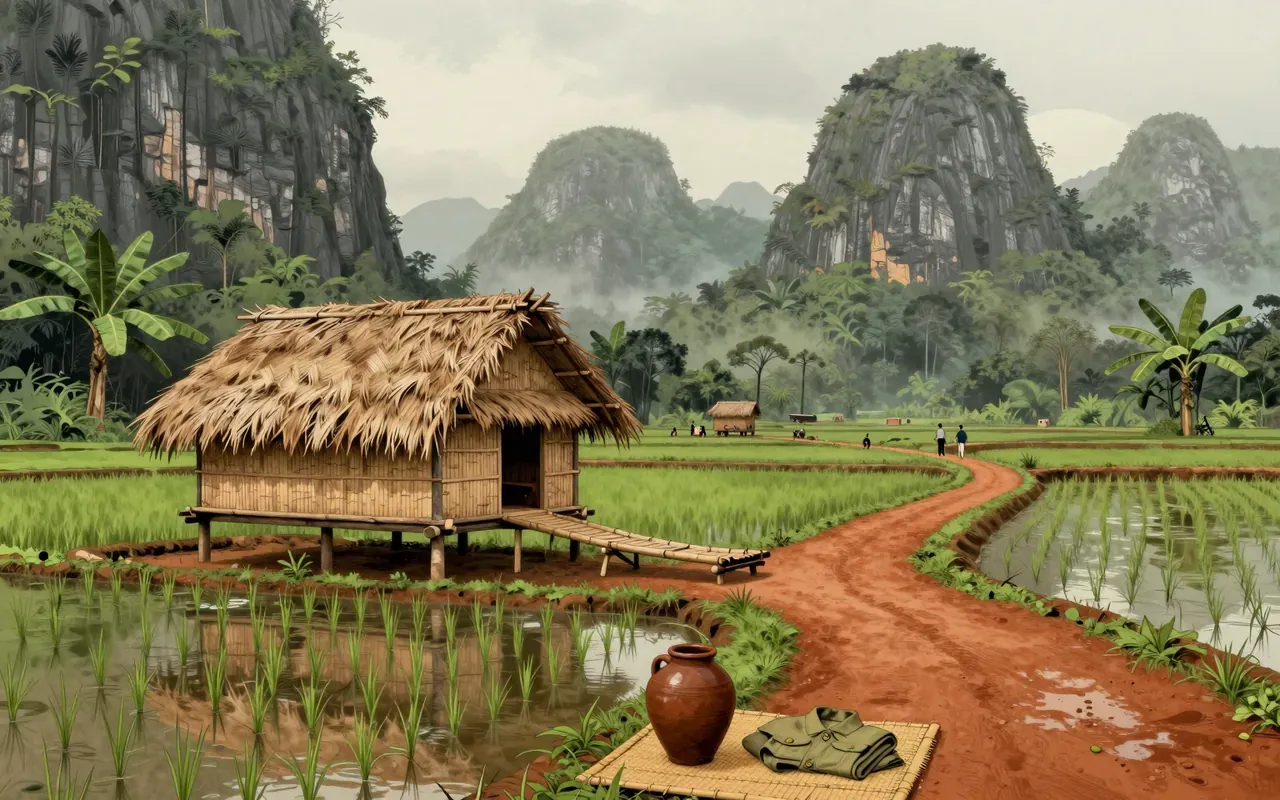
A tightly sourced, action-focused account of Ho Chi Minh’s documented political output — no speculation, no omission of violence, no celebration without evidence.
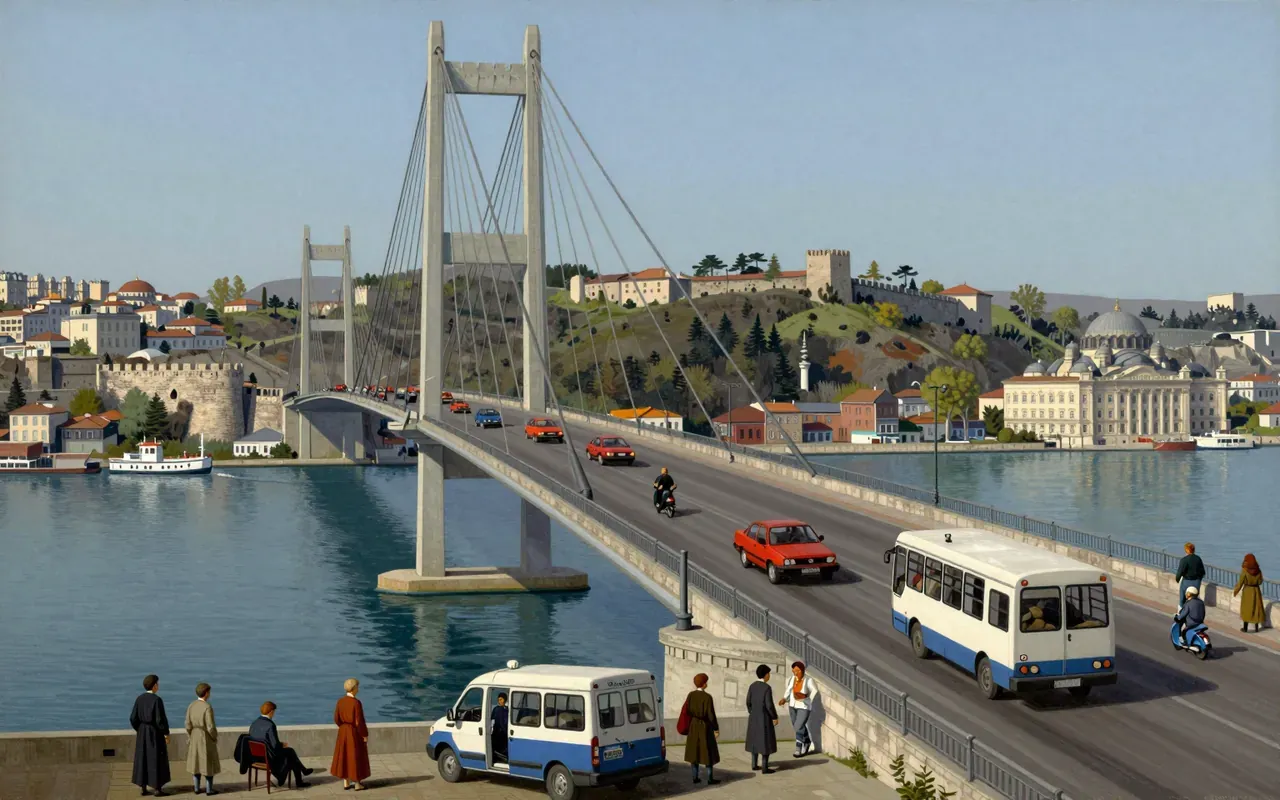
This brief treats only what the sources verify: Istanbul’s 20th-century political reconstitution. The year 1453 appears only as a footnote in a song lyric—cited solely to date the composition of 'Istanbul (Not Constantinople)', not to assert historical causation. No claim connects 1453 to the city’s modern governance, demography, infrastructure, or naming. To centre 1453 would be to ignore the evidence.


John’s reign is the hinge between Angevin transnational rule and English constitutional monarchy — but only because the record shows it collapsed under its own weight, not because John was uniquely flawed.
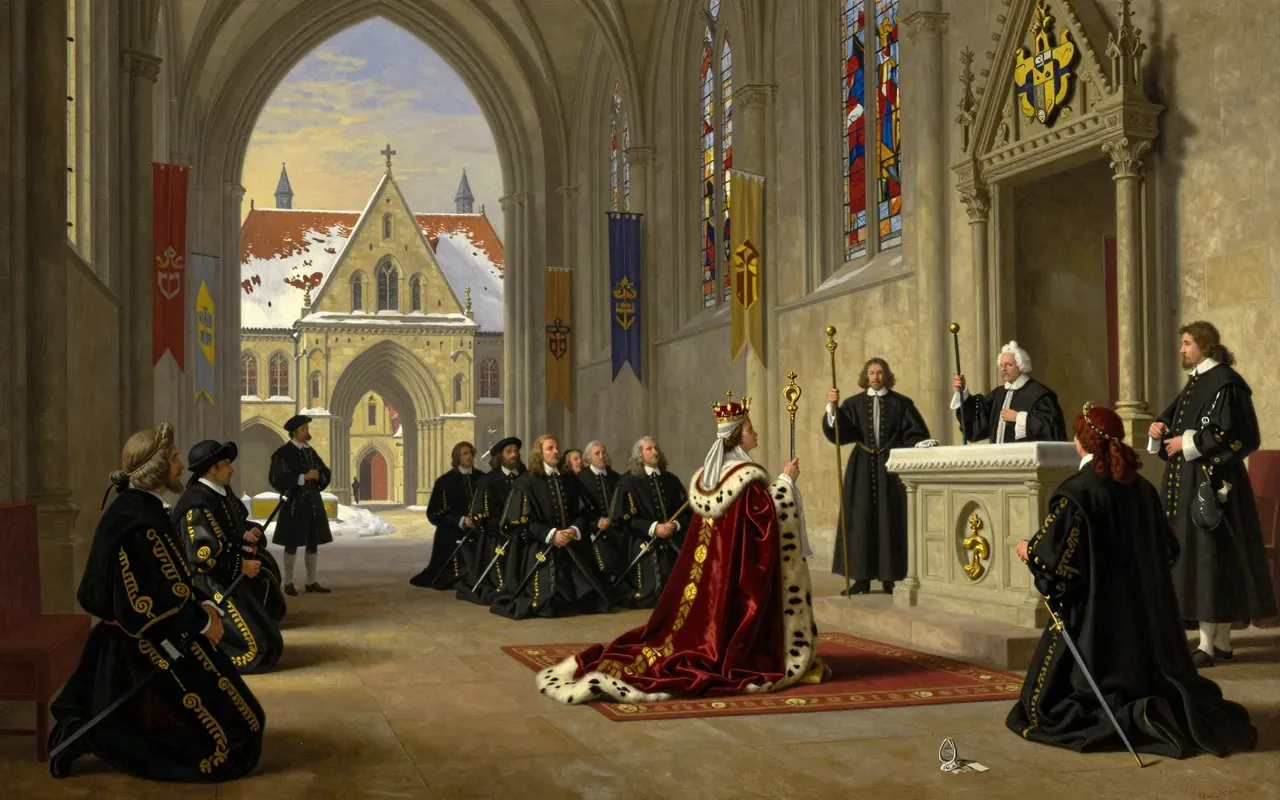
Maria Theresa’s accession in 1740 exposed the hollowness of diplomatic guarantees divorced from military and fiscal reality. Her survival depended not on inherited legitimacy but on real-time negotiation — especially with Hungary — and decades of reform that entrenched central control while excluding dissenters. It changed who ruled, how the state functioned, and what territory it held — but not its foundational inequalities.
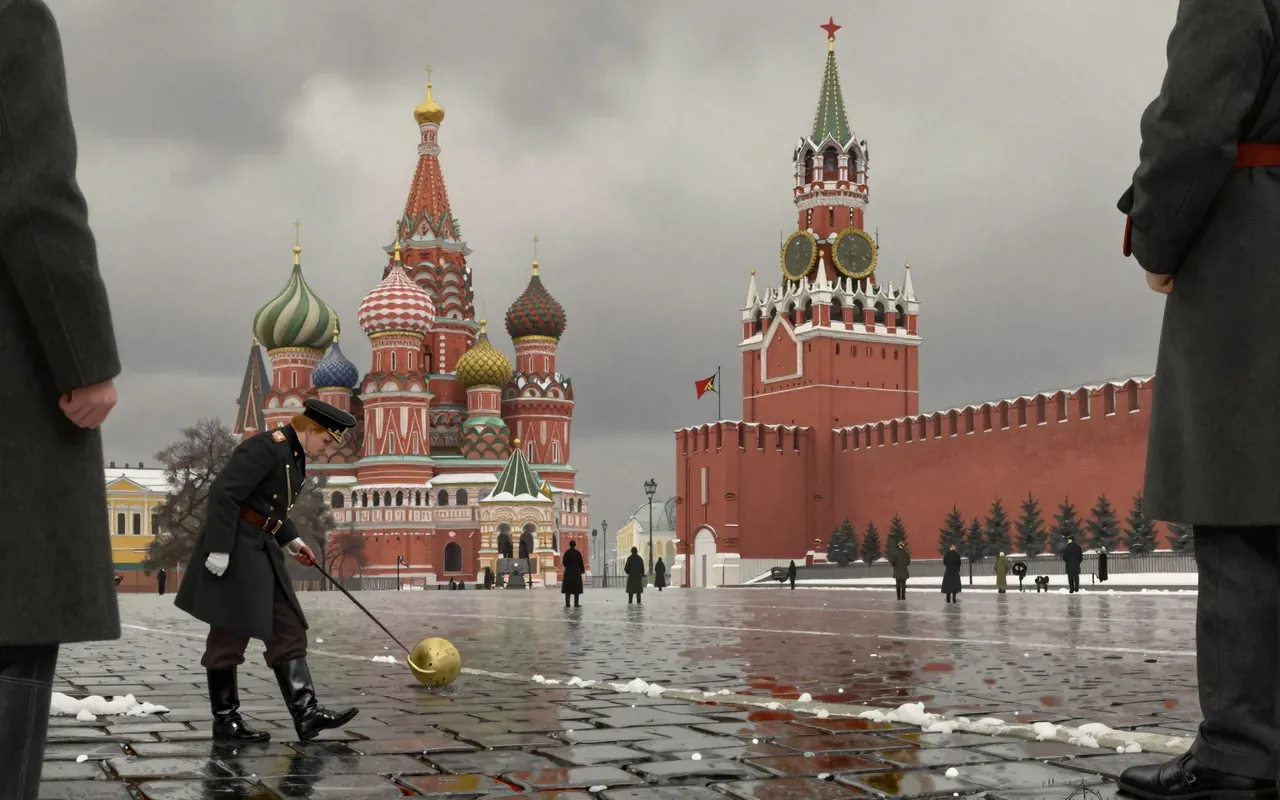
Gorbachev’s leadership was defined by deliberate, irreversible institutional concessions — not negotiation. His policies had no exit ramp. The record shows he did not foresee dissolution. It does not show he welcomed it.

Pol Pot’s rule was a deliberate, ideologically driven dismantling of Cambodian society — not a chaotic collapse. Its end came via foreign invasion, not internal reform. The scale and method of killing remain documented, but the motives behind key decisions do not.

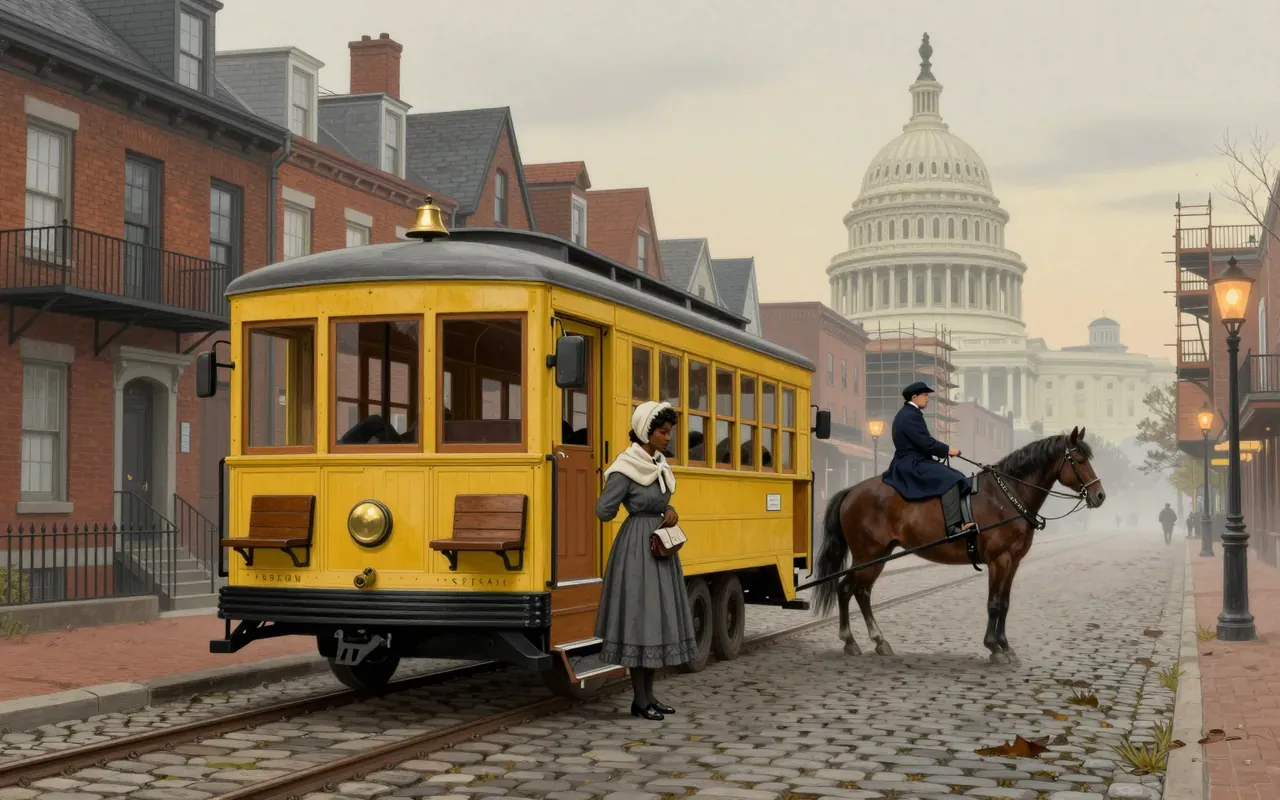
Sojourner Truth’s documented actions — legal, rhetorical, organisational, and bodily — show a consistent pattern of using available institutions to assert Black women’s personhood and agency. The record confirms specific victories and methods, but not their systemic outcomes or contested reception.

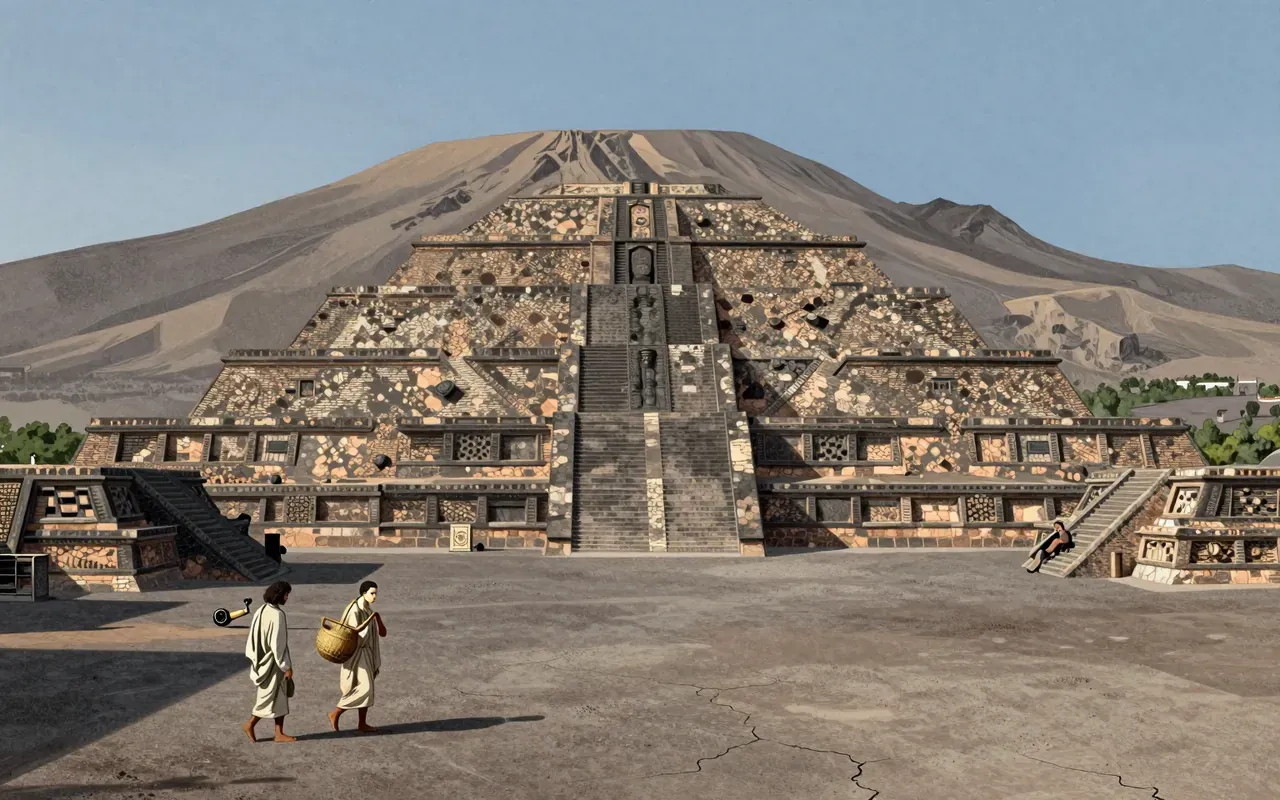
Teotihuacan was the largest city in the Americas before 500 CE. Its monuments were built over 350 years. Its central structures were burned around 550 CE. It housed ~100,000 people — 80–90% of the Valley of Mexico’s population. It ended between the 7th and 8th centuries CE. We know none of its rulers’ names. We do not know why it burned. We do not know what its people called it.

The 1931 China floods were a meteorologically driven, multi-phase disaster spanning June–August 1931 across China — especially Wuhan and Nanjing — culminating in a dike breach at Lake Gaoyou on 25 August. Verified evidence includes hydrological extremes (record water levels, nine cyclones in July, >600 mm rainfall), systematic fatality estimation (University of Nanking survey, official reports), institutional responses (National Flood Relief Commission, League of Nations, Lindbergh aerial survey), and disease outcomes (31,974 cholera deaths in 1932). Disputed claims include total death tolls: Buck’s survey estimated 150,000 drowned — less than a quarter of all fatalities in the first 100 days — while an official report claimed 140,000 drowned and 2 million dead from drowning or starvation. No source reconciles these figures with the verified cholera toll or provides demographic corroboration. The event exposed limits of Kuomintang governance and flood-control infrastructure but did not trigger structural reform.
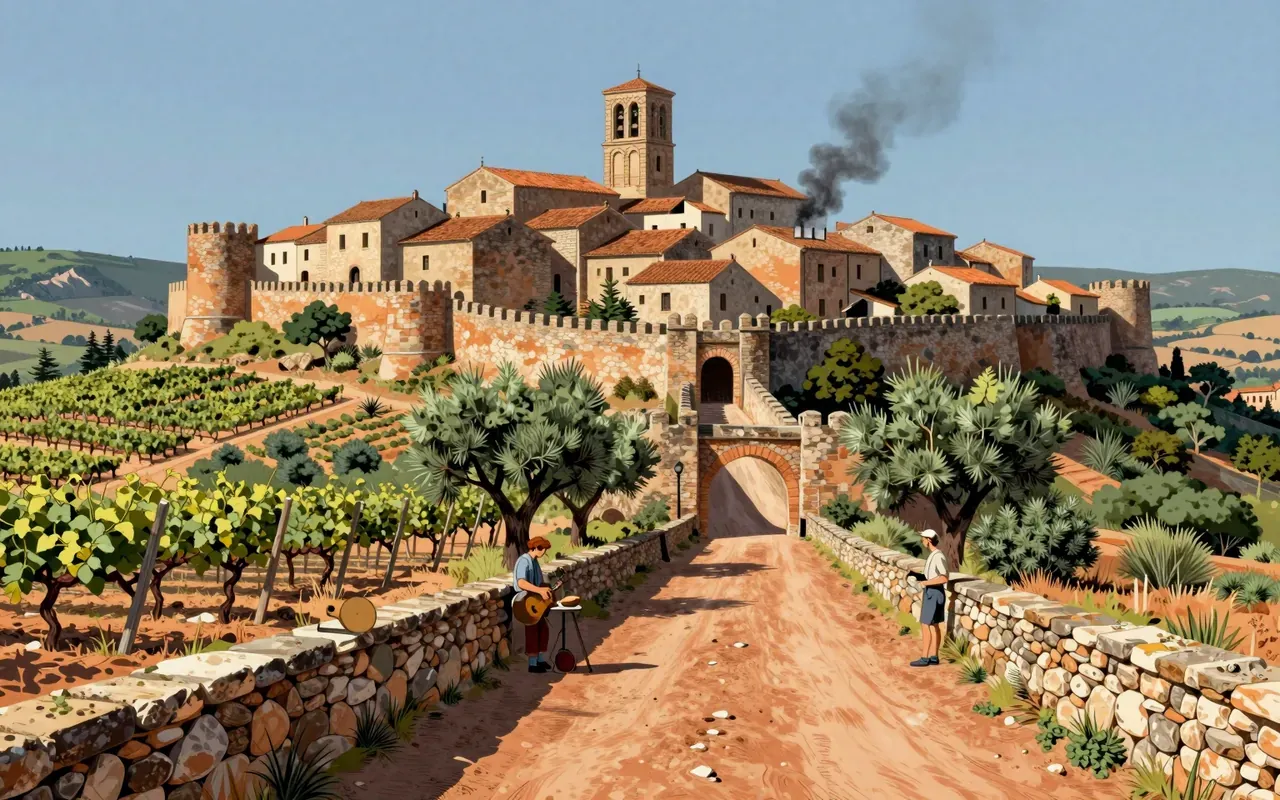
The Albigensian Crusade was a 1209–1229 papally initiated, French royally executed campaign against Catharism in Languedoc. It succeeded militarily in phases, realigned Toulouse with the French crown, diminished regional culture, and aided the institutional rise of the Dominicans and Inquisition. Its record is coherent but narrow: no dissent, no numbers, no motives beyond those stated.
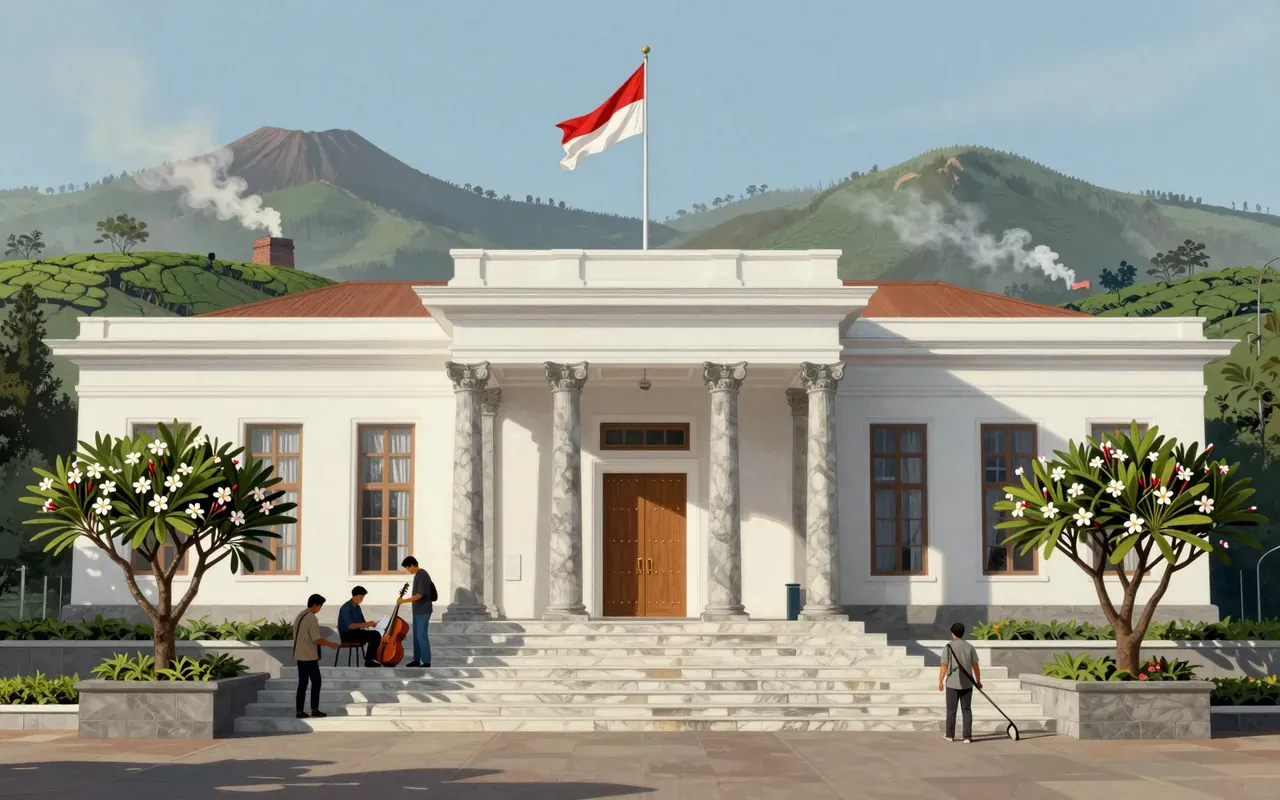
The Bandung Conference was the first large-scale diplomatic gathering of newly independent Asian and African states. It produced a unanimous 10-point declaration condemning colonialism in all forms, affirming peaceful coexistence, and committing to mutual technical and economic cooperation. Twenty-nine countries participated — representing 54% of the world’s population. Organised by Indonesia, Burma, India, Ceylon, and Pakistan, it asserted a collective voice outside Cold War binaries and laid groundwork for later South–South cooperation frameworks.

The Battle of Hastings was not a turning point because of prophecy or heroism — it was won by deliberate, repeatable tactics applied against a rigid formation. Its consequences were immediate, systematic, and legible in documents within twenty years. No other English battle so directly remade the state’s personnel, language, law, and landholding in a single generation.

The Bay of Pigs Invasion was a U.S.-backed military operation conducted by over 1,400 Cuban exiles against Fidel Castro's government in April 1961. It began with airstrikes on Cuban airfields on 15 April, followed by the main amphibious landing at Playa Girón on 17 April. Initial success against local militia was reversed when U.S. President John F. Kennedy withheld promised air support, leaving the invaders critically under-resourced. The Cuban Revolutionary Armed Forces defeated the force within three days; it surrendered on 20 April. Most survivors were imprisoned, interrogated, and tried. The operation occurred at the height of the Cold War and marked a major U.S. foreign policy failure.

The Boston Tea Party was a deliberate, lawful-looking violation of imperial authority—staged to expose contradiction, not conceal intent. It succeeded in provoking exactly the response its organisers anticipated: punitive overreach that alienated moderates and united colonies. Its legacy is procedural, not patriotic.

The Carrington Event is the only historical episode with contemporaneous, instrumented, and visual evidence tying solar activity directly to terrestrial electromagnetic disruption. It did not prove the solar–terrestrial link — that came later — but it forced astronomers to take it seriously. Its intensity remains unmatched. Its mechanism — a double-CME sequence — is plausible but not confirmed. It changed nothing in 1859 beyond prompting suspicion. Today, it anchors worst-case planning for grid failure — yet no modern system has been tested against anything like it.
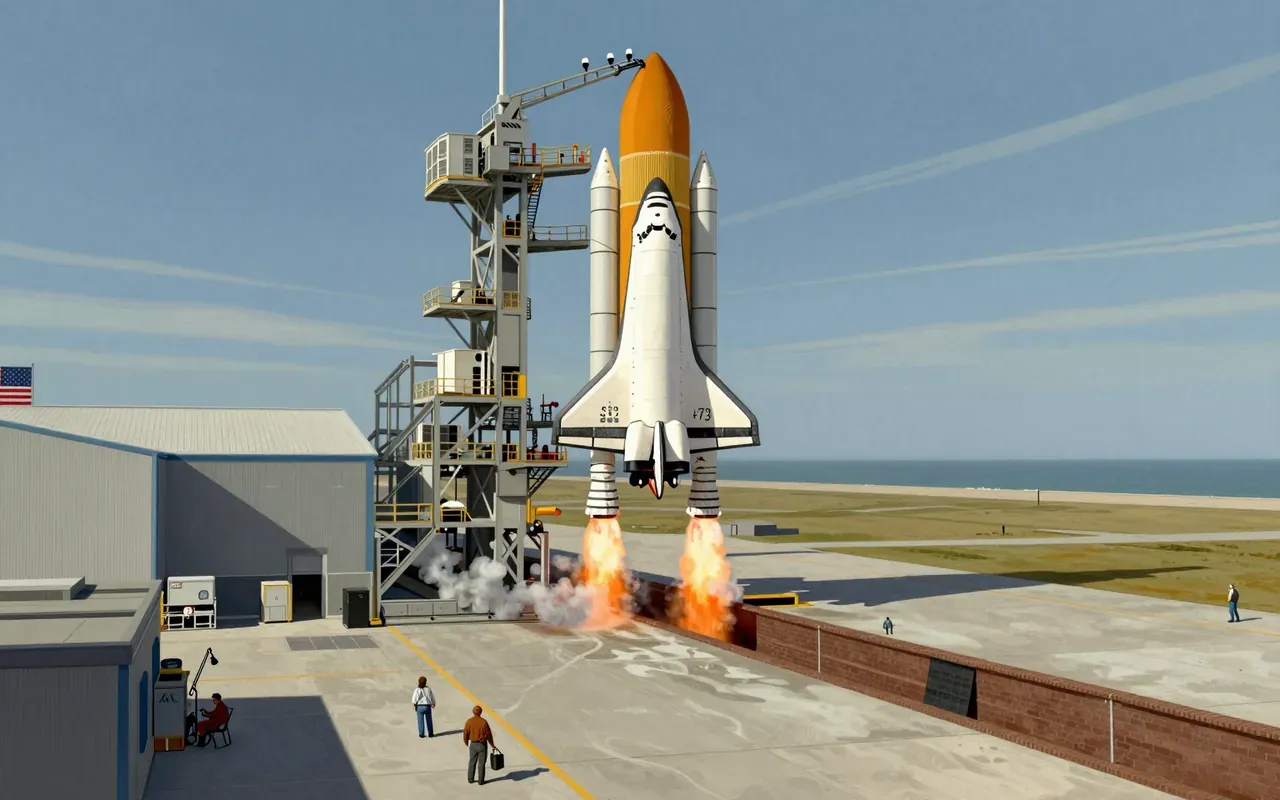
A 2013 TV movie dramatises Richard Feynman’s investigation into the 1986 Challenger explosion. It establishes cold-temperature-induced O-ring failure as the cause, shows Feynman discovering he has cancer mid-inquiry, and highlights institutional resistance—but offers no evidence of what changed afterward, no contested interpretations, and no insight into the astronauts’ experience beyond their likely death at takeoff.

The Chernobyl disaster was a cascade of physical failures triggered by a safety test conducted under unstable conditions — not human error alone, but design flaws made manifest. The Soviet state responded with delay, staging and silence until external detection compelled admission. The record establishes sequence, scale and official action — nothing more.
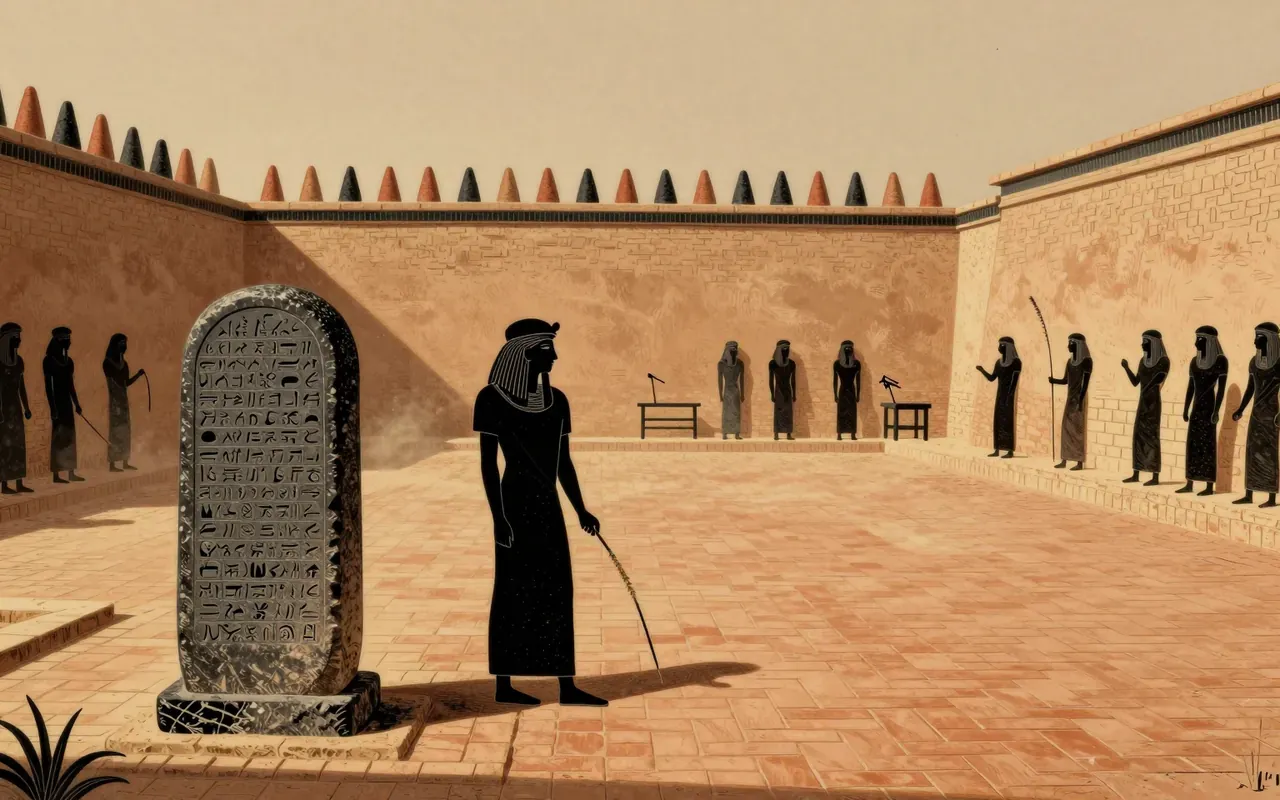
The Code of Hammurabi is the earliest complete, datable, and materially intact legal code — a monument to royal authority, not a manual for courts. It declares intent, not practice. Its survival rests on one stele, one language, one date, and one claim: that justice flows from the king through the gods. That claim is legible. Its implementation is not.
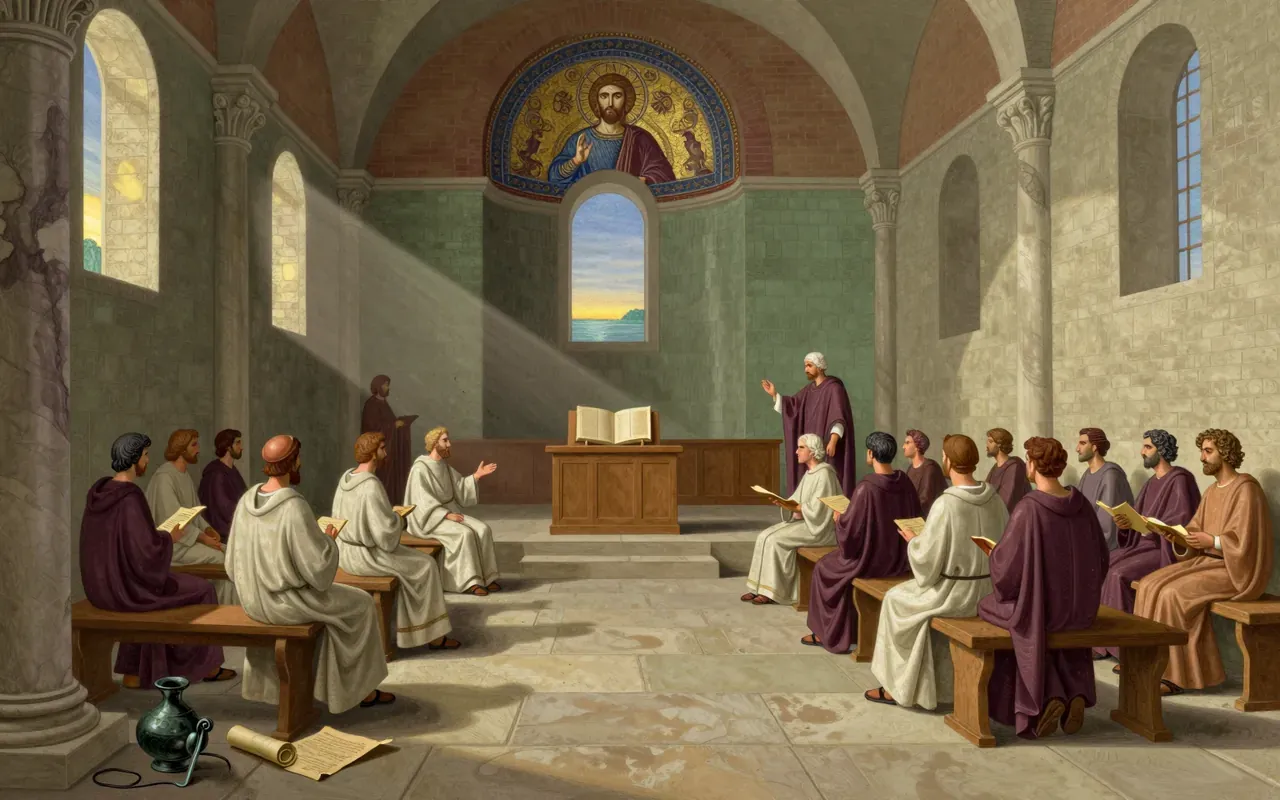
The First Council of Nicaea was the first empire-backed attempt to standardise Christian doctrine by assembly. It succeeded procedurally — nearly all bishops signed — but the record reveals nothing about internal debate, enforcement, or theological nuance. Its legacy is structural, not doctrinal.
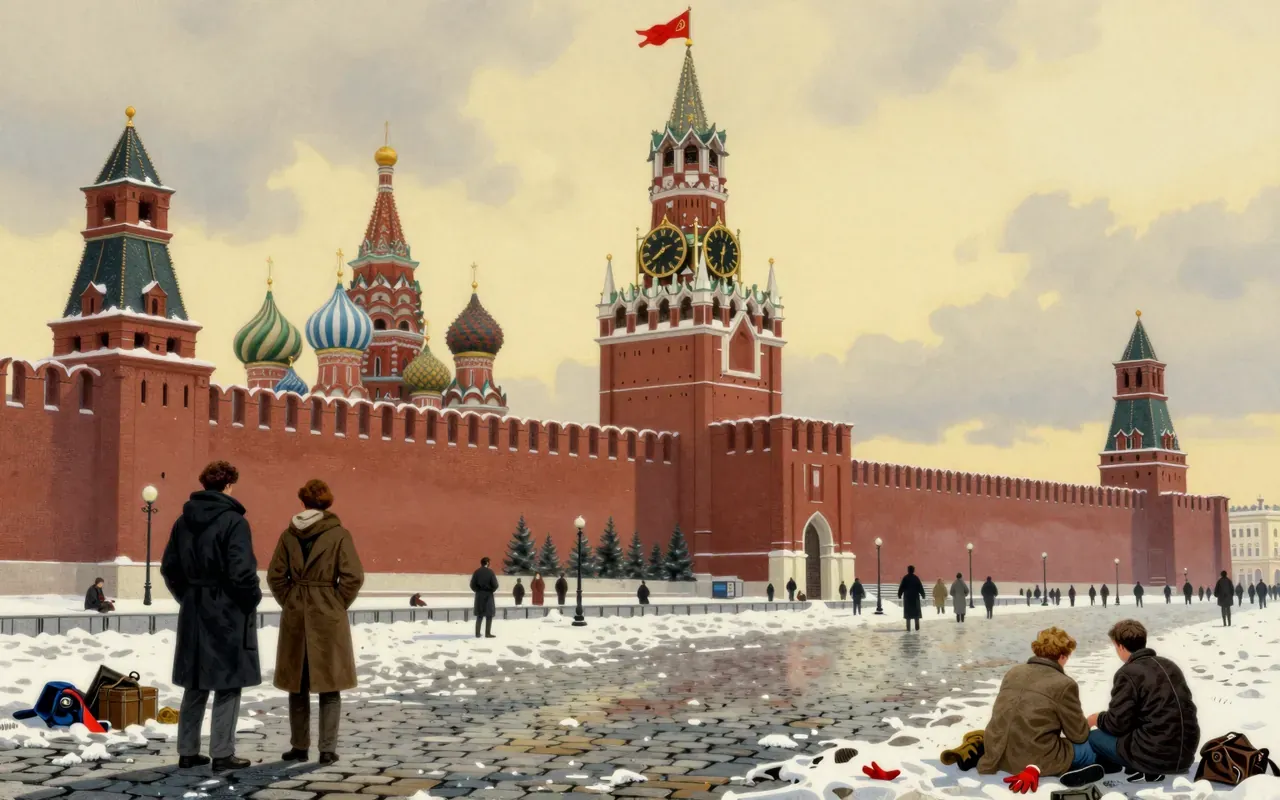
The Soviet Union was formally dissolved on 26 December 1991 — not by uprising or invasion, but by inter-republic treaty, presidential resignation, and parliamentary decree. Its end was legal, deliberate, and televised.
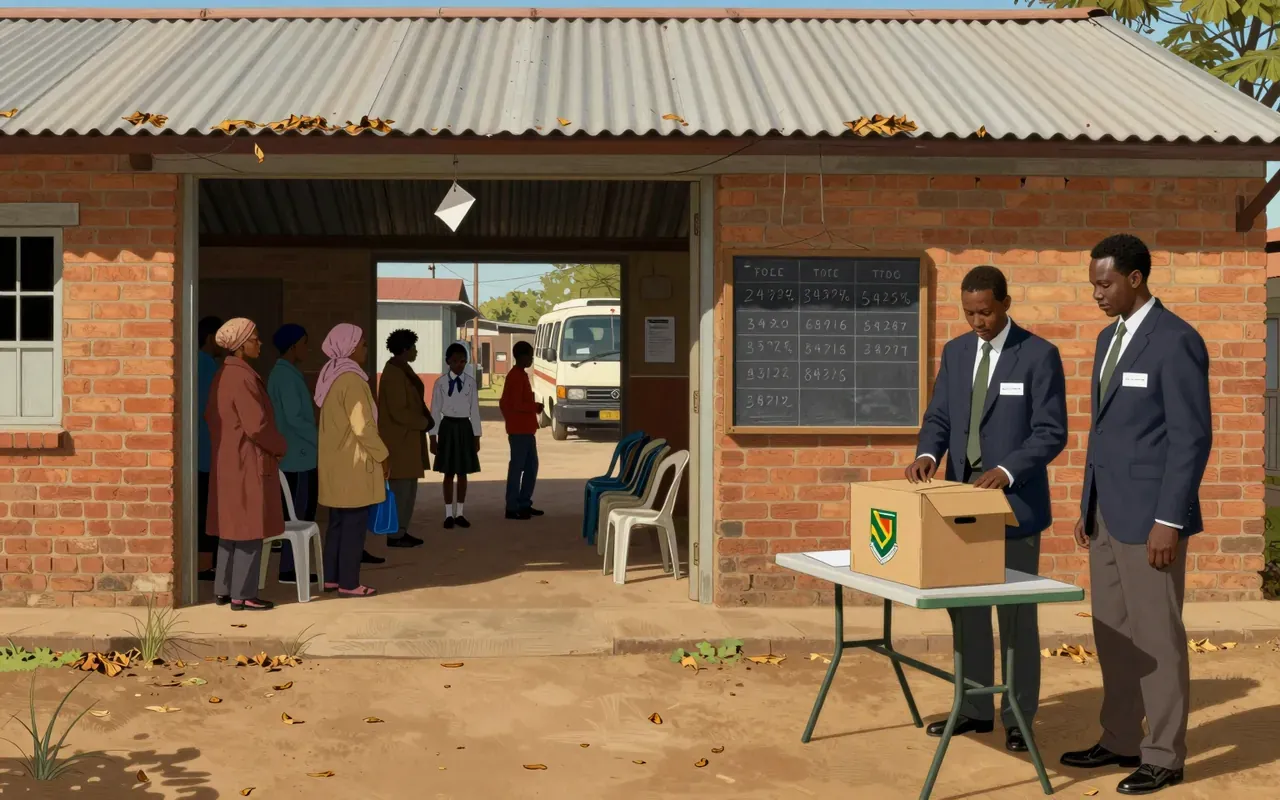
The negotiations to end apartheid were a deliberate, documented, stage-gated process — not a spontaneous uprising or a top-down decree. They succeeded because both sides accepted that negotiation was the only remaining option. But the record does not confirm who forced whom to the table, or why violence recurred when talks paused.
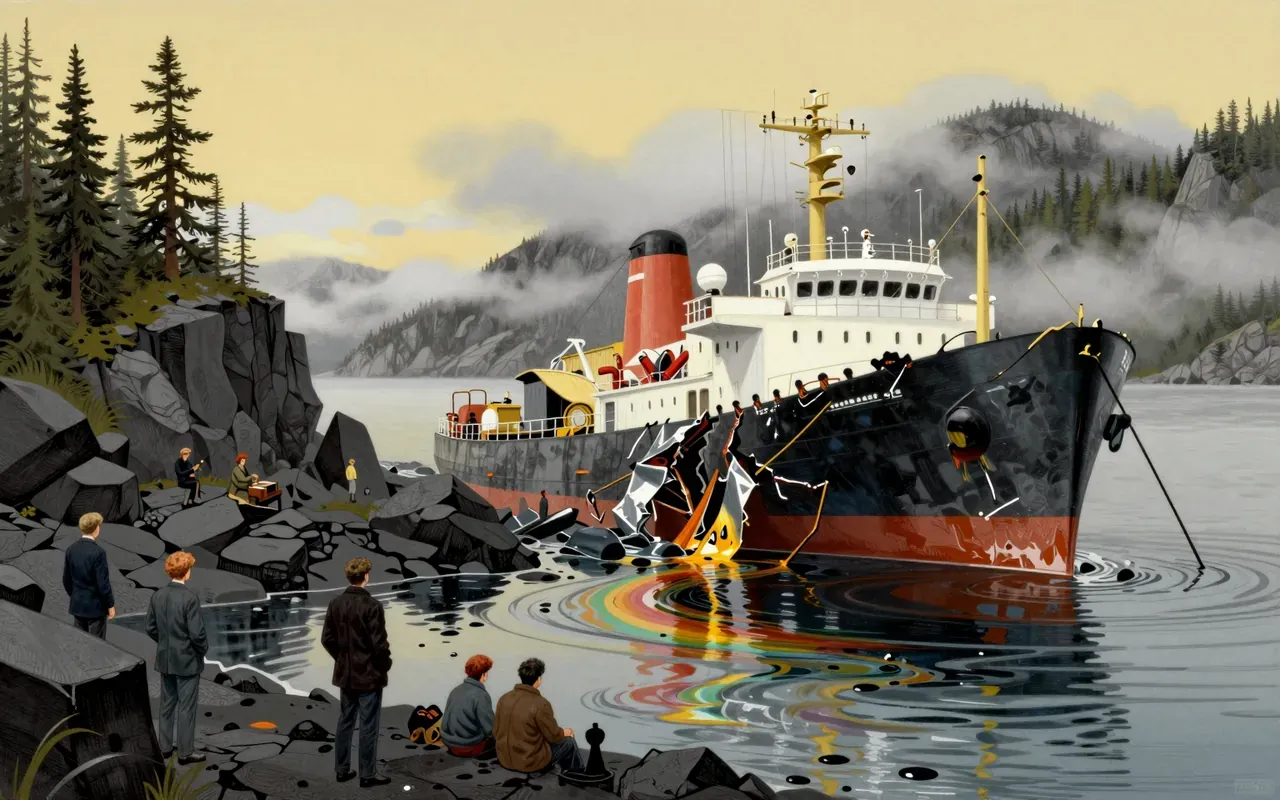
The Exxon Valdez oil spill was a major environmental disaster caused by the grounding of the Exxon Valdez on Bligh Reef in Prince William Sound, Alaska, on March 24, 1989. Approximately 10.8 million US gallons of crude oil spilled, making it the second-largest oil spill in U.S. waters by volume and the costliest disaster ever with no direct human fatalities.

The Fall of Saigon was the conclusive military event of the Vietnam War: North Vietnam captured the city on 30 April 1975, dissolving South Vietnam and unifying the country under one regime for the first time since 1954. Its speed and finality stemmed from the prior U.S. withdrawal and ARVN’s rapid disintegration — not battlefield indecision or last-minute diplomacy. The record is clear on what happened, when, and who carried it out. What remains outside the source — casualty figures, refugee totals, internal debates — stays contested.

The Berlin Wall fell on 9 November 1989 when East Berlin transit restrictions collapsed. Harald Jäger opened the Bornholmer Straße crossing without orders. Crowds poured through. Mauerspechte began chipping away at the Wall that same night. Official dismantling began on 13 June 1990. This event helped trigger the fall of the inner German border, the Malta Summit’s Cold War declaration in early December 1989, and German reunification on 3 October 1990. It was one event in a series that started communism’s fall across Central and Eastern Europe. The source gives two times for Jäger’s decision but no reason for it. It names no other actors, documents no policy change, and does not specify how the Wall’s fall caused wider political change.
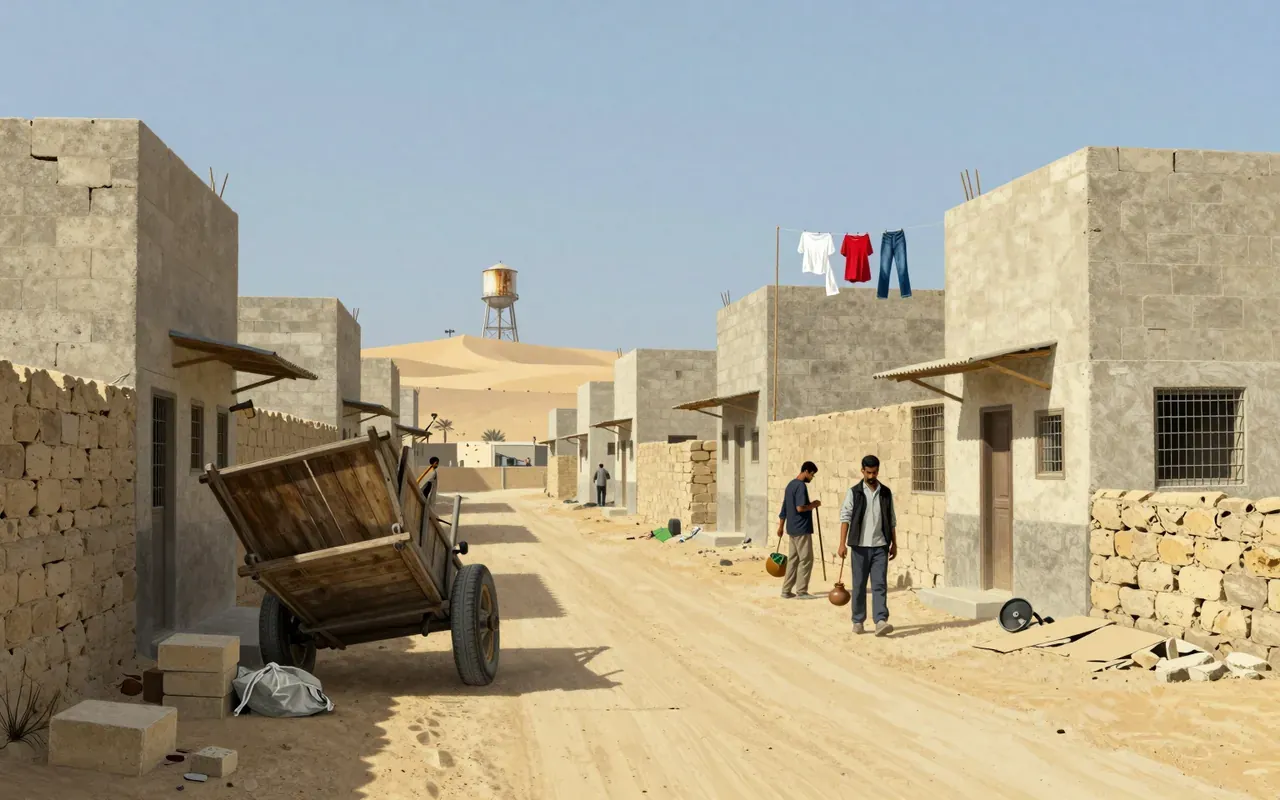
The First Intifada was a locally led, mixed-method uprising beginning in December 1987 in the Jabalia refugee camp, combining non-violent civil resistance (strikes, boycotts, tax refusal) with violent tactics (stone-throwing, Molotov cocktails, graffiti, barricading), and lasting until at least 1991.
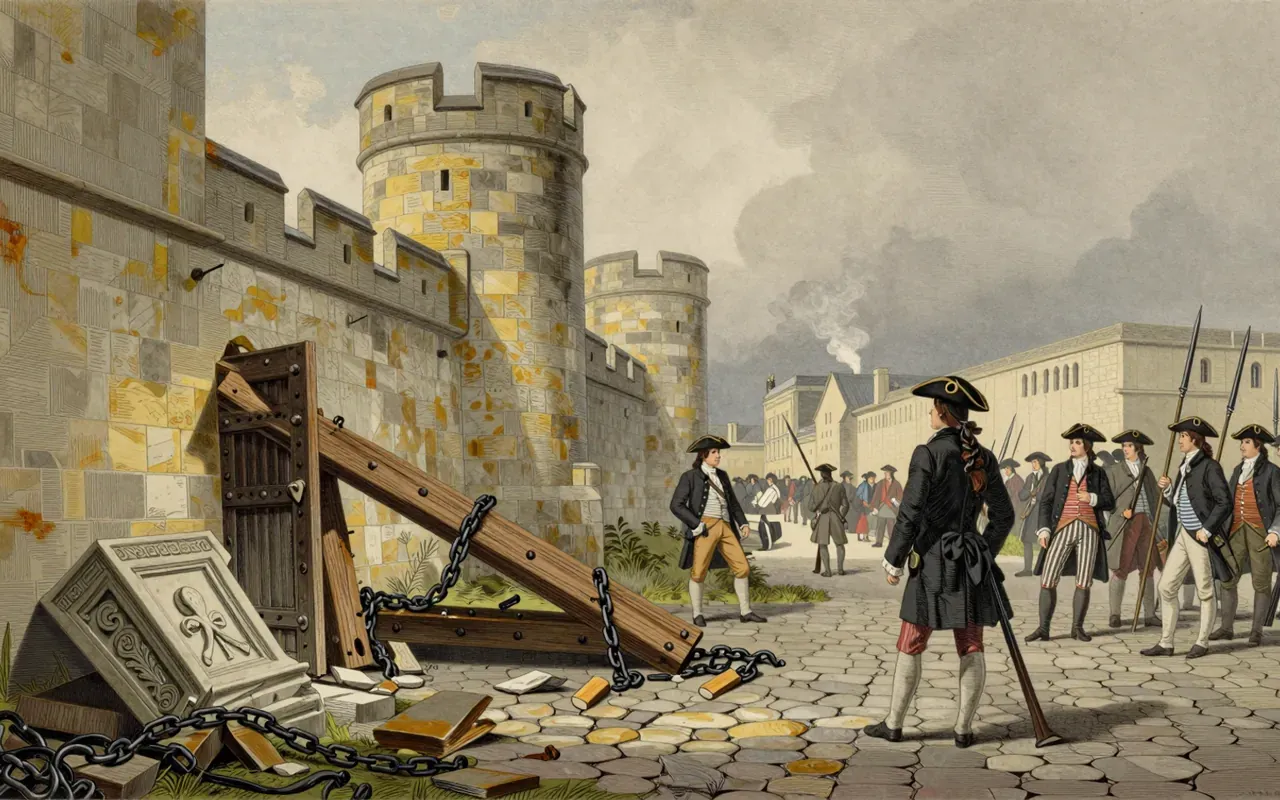
The French Revolution was a period of political and societal change in France that began with the Estates General of 1789 and ended with the Coup of 18 Brumaire on 9 November 1799.
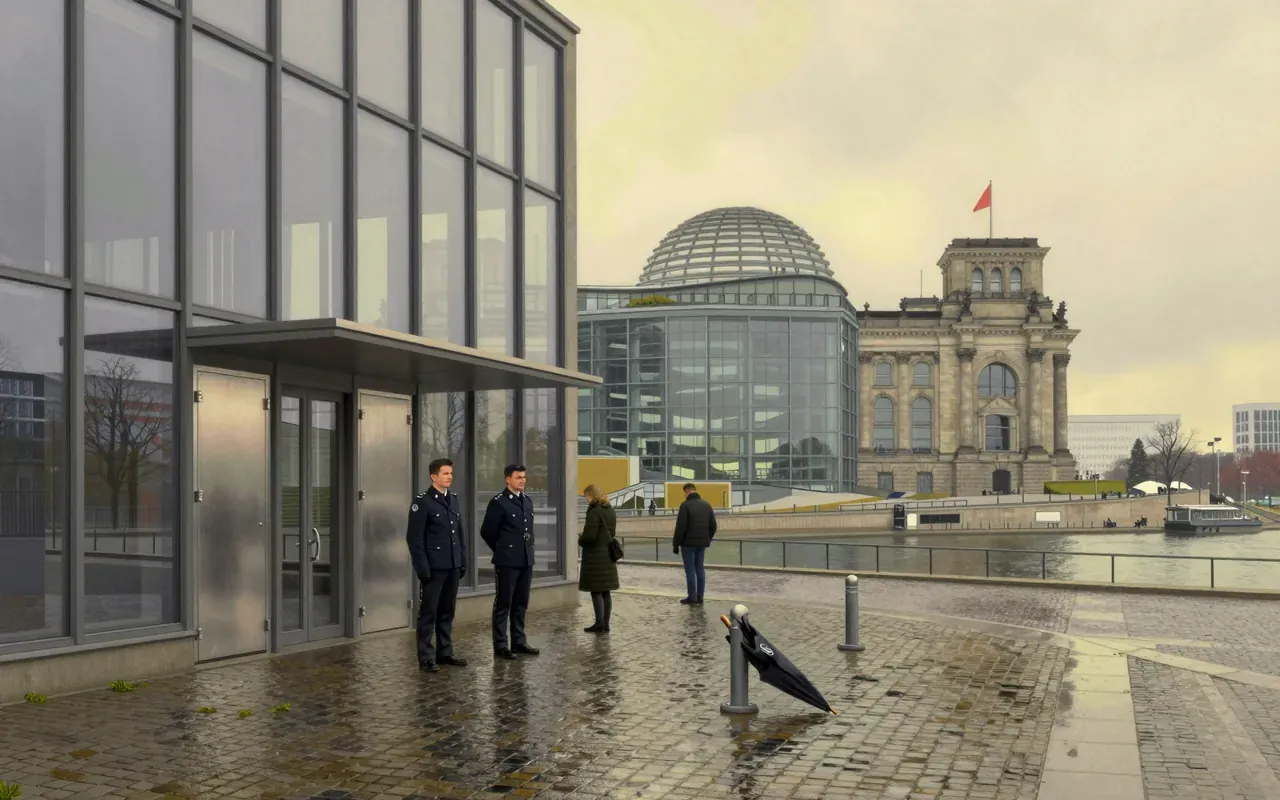
The 2009 phase of the global financial crisis produced the first partial nationalisation of a German financial institution — Commerzbank — following its merger with Dresdner Bank and subsequent reliance on the SoFFin fund. The record shows that official explanations for state intervention shifted under pressure, and that market reaction preceded and shaped the aid. No broader systemic conclusions — about causes, contagion, or policy coherence — can be drawn from this material alone.

The Iraqi invasion of Kuwait was a swift, centrally ordered act of annexation — verified by its codename, timing, troop composition, and administrative reorganisation. It triggered the first major test of UN collective security after the Cold War. The record shows no ambiguity in sequence or outcome — but also no evidence of motive, dissent, or alternative interpretations. Its legacy is procedural: it proved the Security Council could unify and enforce borders — but only once, under narrow conditions.

The Khmer Rouge was not a spontaneous uprising but a deliberately constructed, externally supported, and strategically rebranded insurgency — one whose name, origins, alliances, and methods are all attested in a single authoritative record.

The Meiji Restoration was a top-down political transfer of power in 1868 that ended feudalism, abolished the shogunate, and launched Japan’s rapid industrialisation and westernisation under imperial authority. It laid the foundations of the Empire of Japan—and its institutions enabled colonial expansion. No evidence is given for popular involvement, democratic intent, or internal dissent beyond the Saga and Satsuma Rebellions, which are cited only as backlash, not as competing visions.

The Night of the Long Knives was not a spontaneous outburst. It was a calculated, multi-day purge ordered by Hitler and executed by Nazi security organs to eliminate rivals and win over the army — then legally ratified by Germany’s own courts and cabinet. It established that legality could be weaponised, not just suspended.
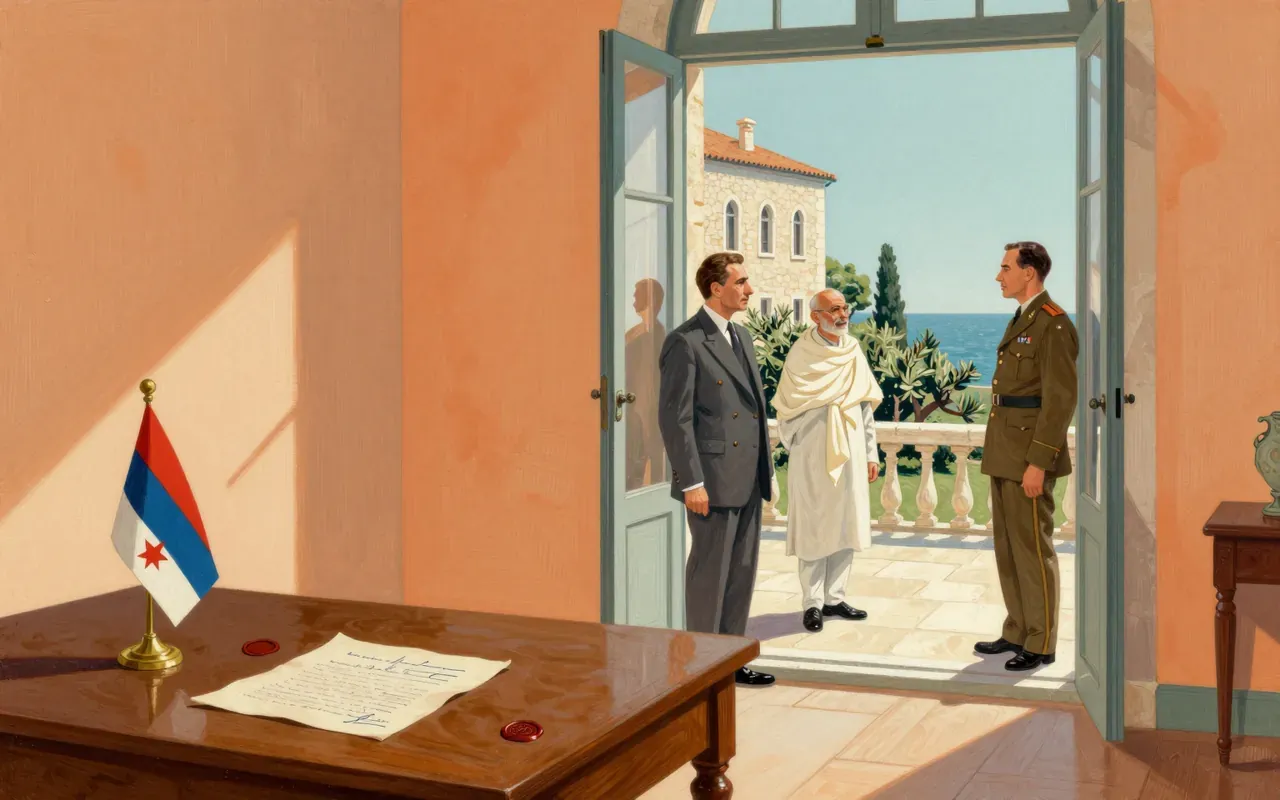
The Non-Aligned Movement was not a spontaneous reaction but a deliberately constructed diplomatic architecture—forged in the shadow of the Korean War, named at the UN, grounded in Bandung, and launched across two stages: Brijuni in 1956 and Belgrade in 1961. It gave 120 developing nations a shared voice without requiring them to choose sides—a structural innovation in Cold War geopolitics.

The Potsdam Conference was a tightly bounded, procedurally self-conscious effort to manage postwar Germany — not to end the war (that had happened), nor to build peace (no treaties were signed), nor to reconcile allies (disagreements are unrecorded). Its significance lies in its method: scheduled, interrupted, adaptive, and shadowed by a weapon no one named aloud.

The Great Pyramid of Giza is the oldest and only largely intact Wonder of the Ancient World. Built c. 2600 BC as Khufu’s tomb, it stood 146.6 m tall for over 3,700 years. Its dimensions — 230.3 m per side, 2.6 million m³ volume — are precisely measured. What remains visible today is the underlying core structure, after most of its smooth white limestone casing was removed.
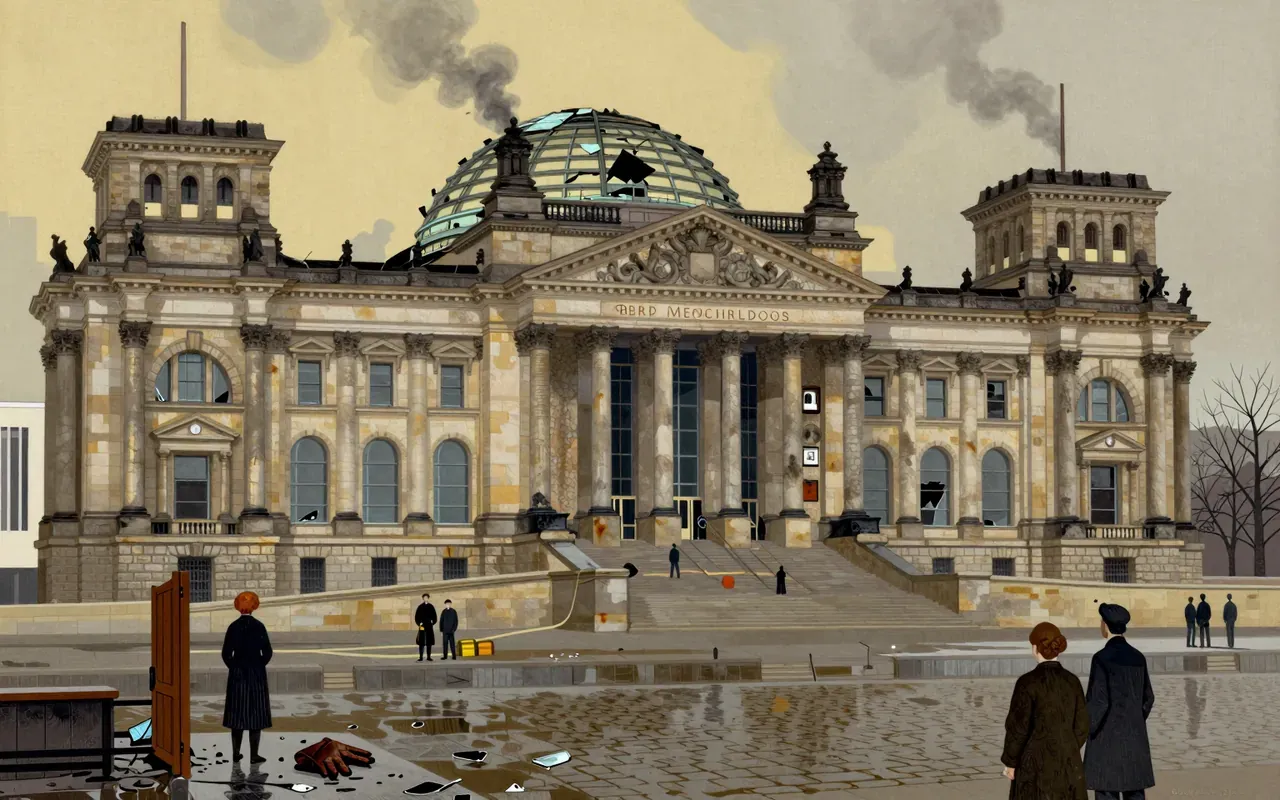
The Reichstag fire was an arson attack on 27 February 1933 in Berlin. It was reported at 9:00 p.m., extinguished by 11:30 p.m., and gutted most of the building. Van der Lubbe was arrested inside. Twenty unburned firelighters were found. The Nazi government used it within 24 hours to suspend civil liberties. Who started it remains contested. The record proves method and consequence — not motive, conspiracy or sole agency.
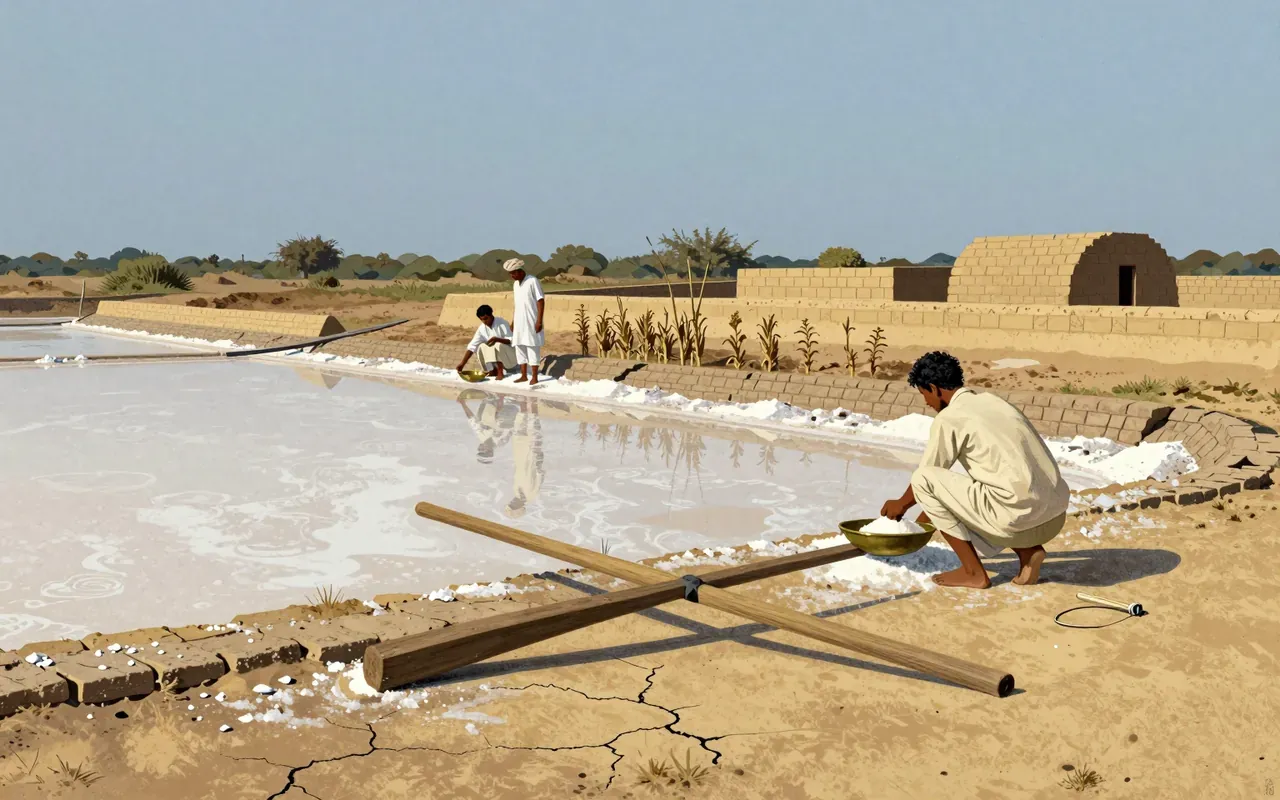

The Spanish Civil War was a domestically rooted civil conflict (1936–1939) between Republicans defending the Popular Front government and Nationalists launching a failed coup. It ended with Nationalist victory and Franco’s authoritarian regime — lasting until 1975. Evidence confirms militia mobilisation, Franco’s October 1936 appointment as supreme leader, organised purges in conquered zones, and Casado’s March 1939 coup fracturing Republican resistance. What remains contested includes the scale, coordination and motives behind Republican executions — the source only states local authority involvement 'varied by location'. The war changed Spain’s constitutional order permanently and demonstrated how foreign powers weaponise civil wars as ideological proxies.
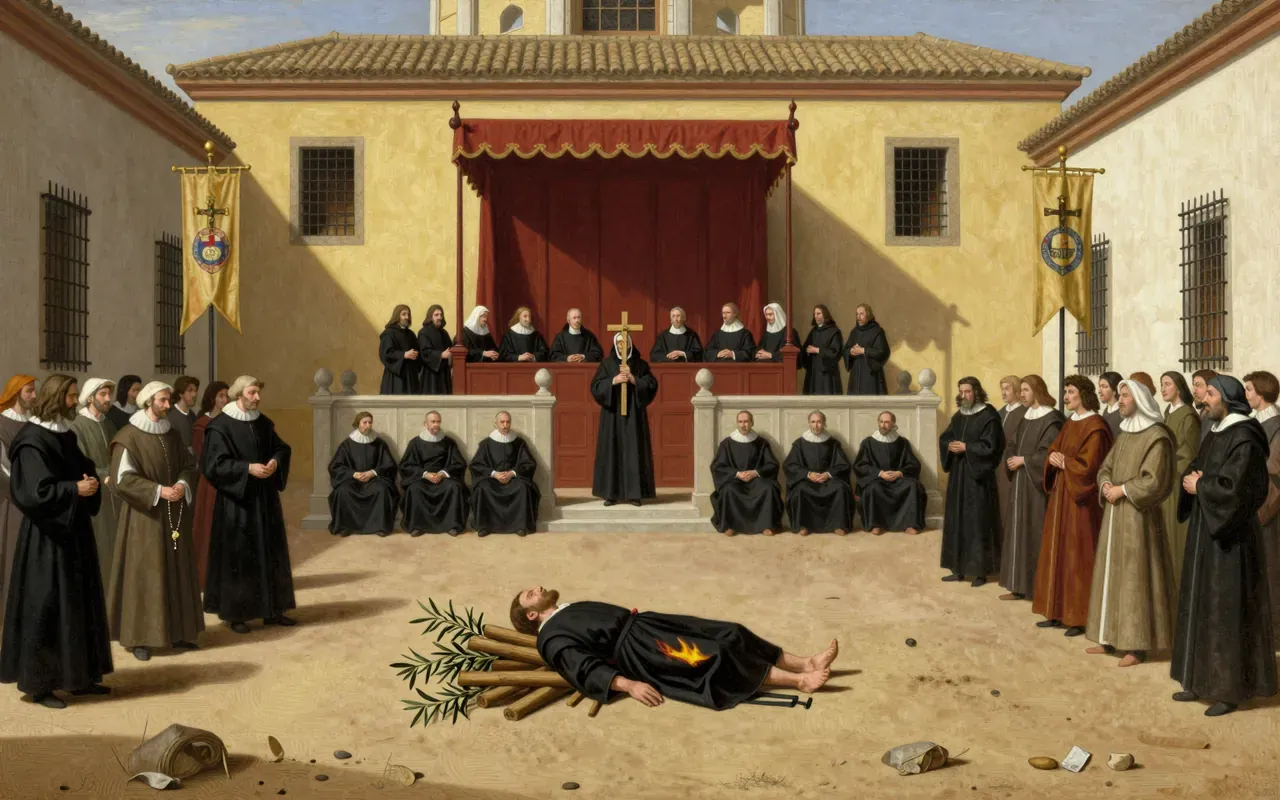
The Spanish Inquisition was a centrally directed, royally staffed, financially incentivised tribunal targeting converted Jews and Muslims. It operated from 1480 to 1834. Its first fifty years saw the highest execution rate—3,000–5,000 people burned—and systematic property confiscation. It replaced Papal oversight with Crown control. It enforced post-1492 and 1502 conversion decrees. It prosecuted ~150,000 people. Its methods included torture, public shaming, and lifelong penalties. Its legacy is administrative, not spiritual.

The Three Mile Island accident was a partial nuclear meltdown of the TMI-2 reactor beginning at 4:00 a.m. on March 28, 1979, releasing radioactive gases and iodine; it is rated Level 5 on the International Nuclear Event Scale and remains the worst U.S. commercial nuclear power plant accident. The event originated in the non-nuclear secondary system and involved a stuck-open pilot-operated relief valve causing coolant loss, compounded by operator failure to recognize a loss-of-coolant accident due to inadequate training and procedures.
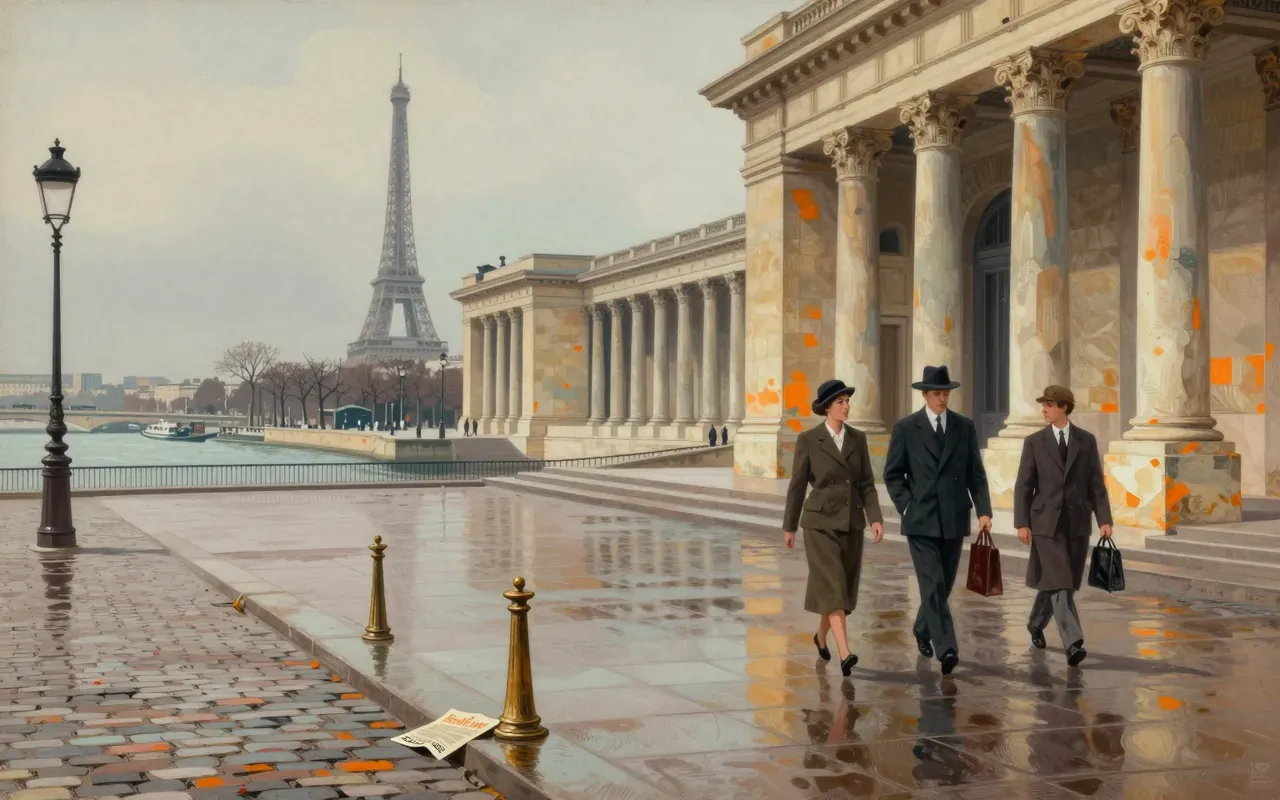
The Universal Declaration of Human Rights established a shared vocabulary for rights — but not a shared understanding of their source, scope, or enforcement.
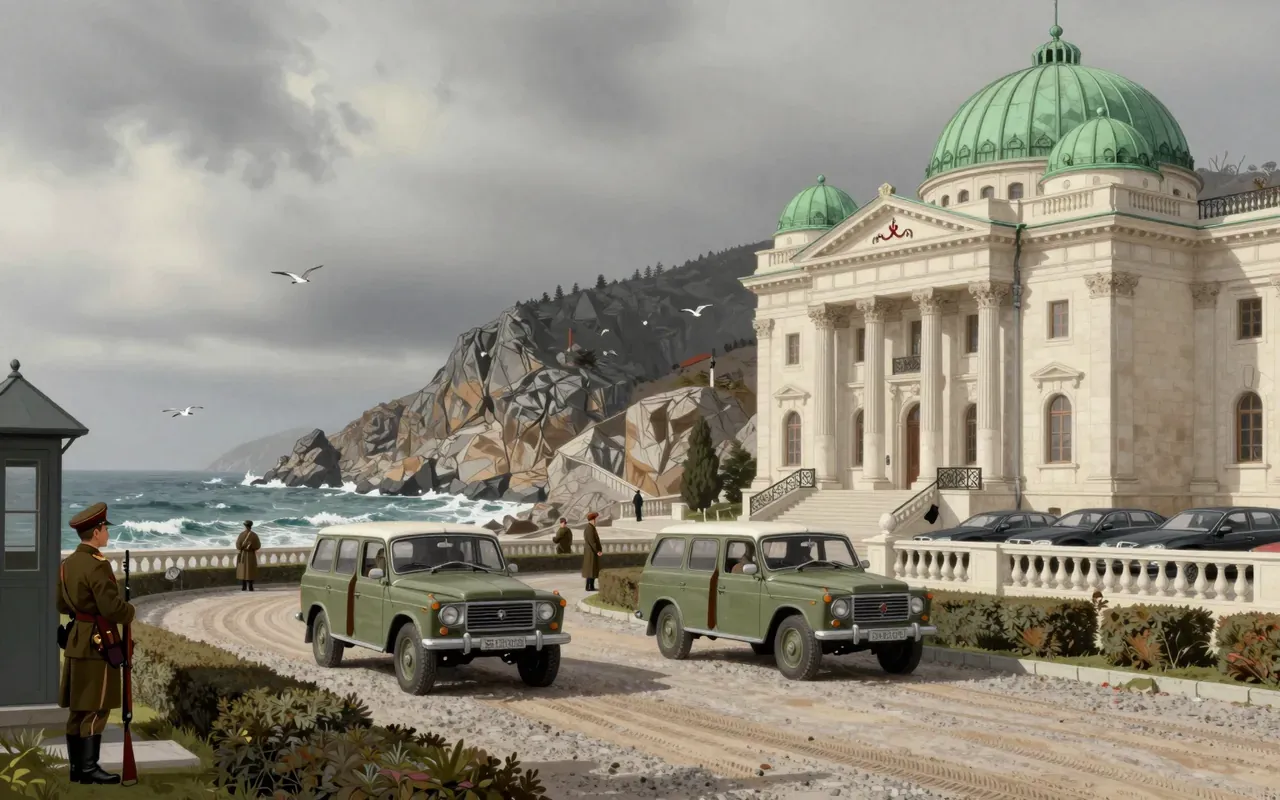
The Yalta Conference was a decisive wartime coordination meeting—not a peace settlement—that formalised Allied control over postwar Germany and pledged democratic self-determination for liberated Europe. Its outcomes were concrete: occupation zones, a French role, and a written declaration. Its limits were structural: no enforcement mechanism, no input from affected nations, and no record of dissent or doubt in the source material.


Hideyoshi’s rise and rule are documented as a sequence of dated, geolocated acts: battles won, provinces subdued, names granted, weapons seized. The record shows method—not motive. It confirms institutional shifts—not their social reach. It names factions—but not their ideologies or grievances. It reports outcomes—but omits dissent, debate, or delay.
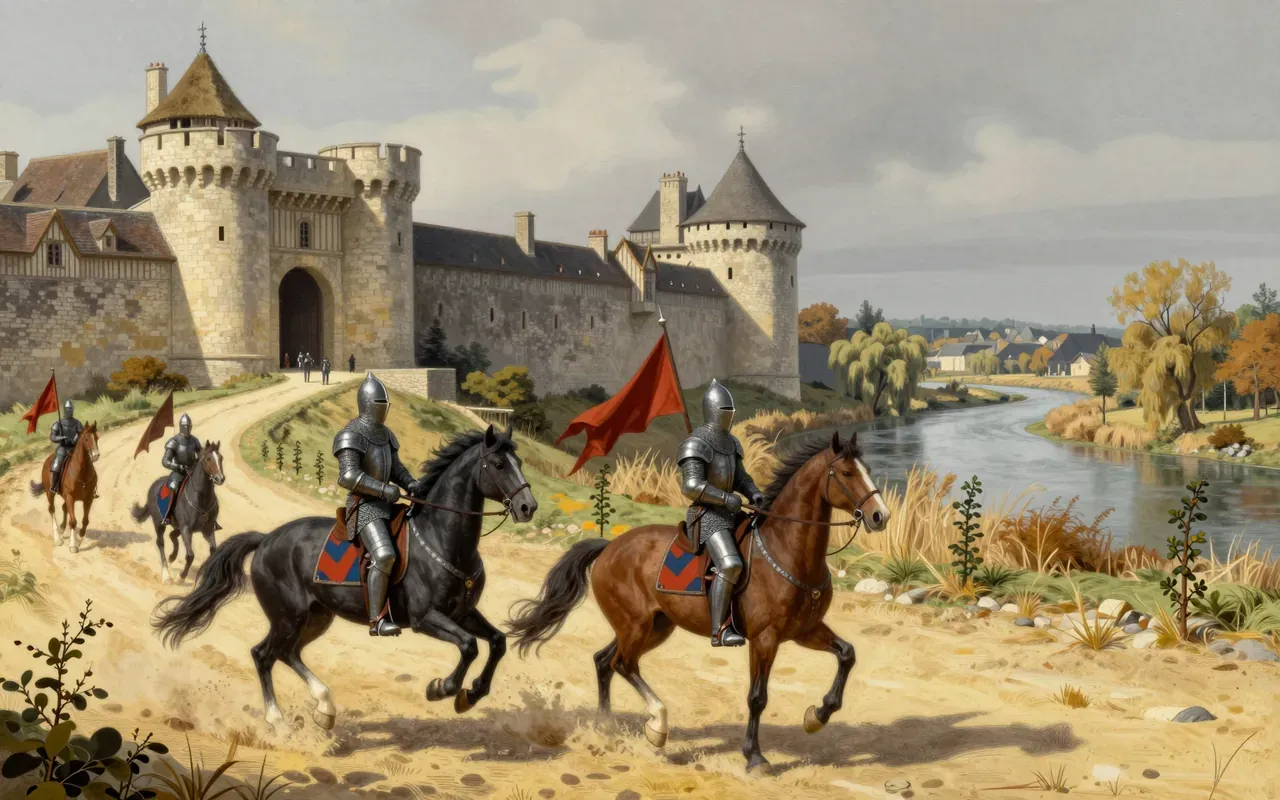
William the Conqueror is the founding figure of Norman rule in England. The source documents his titles, dates, military action, coronation, suppression of revolt, and commissioning of the Domesday Book. It makes no claims about motive, ideology, resistance scale, or cultural impact beyond administration. It treats consolidation as chronological fact — not contested process.


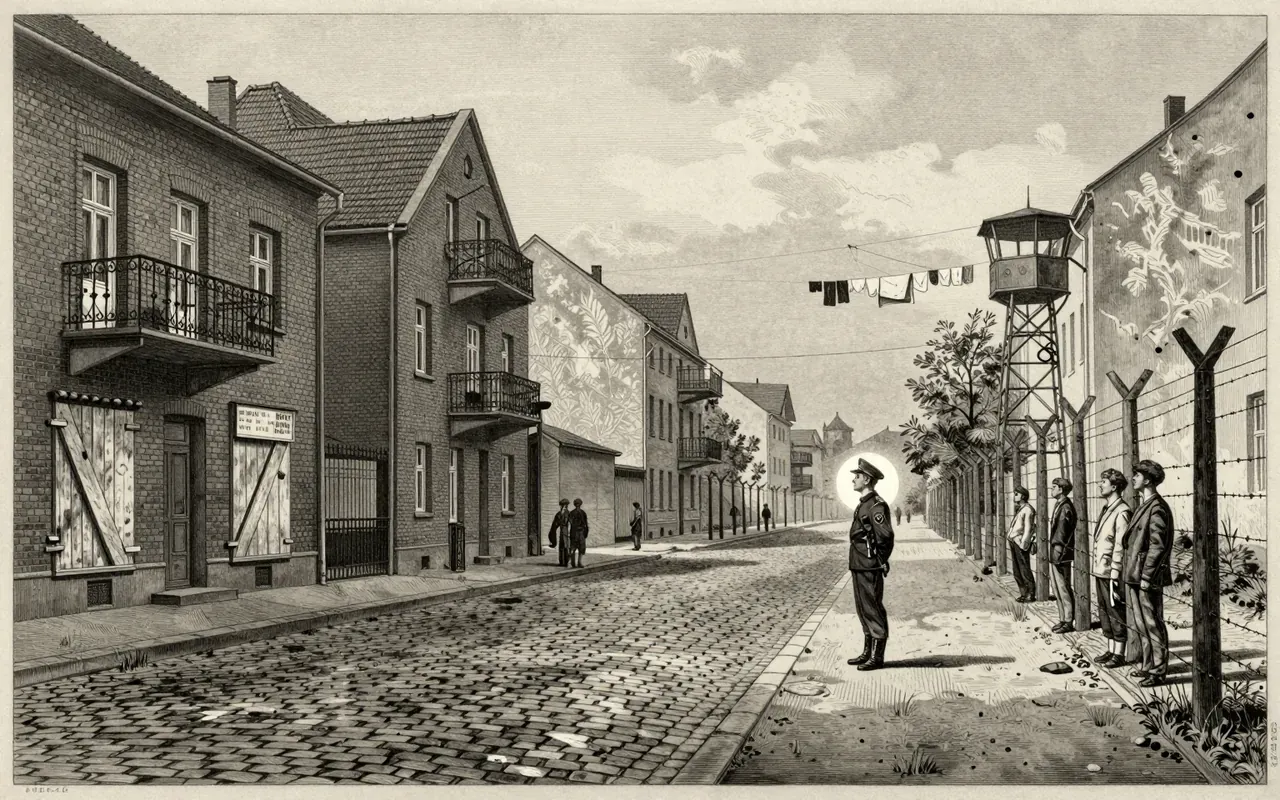











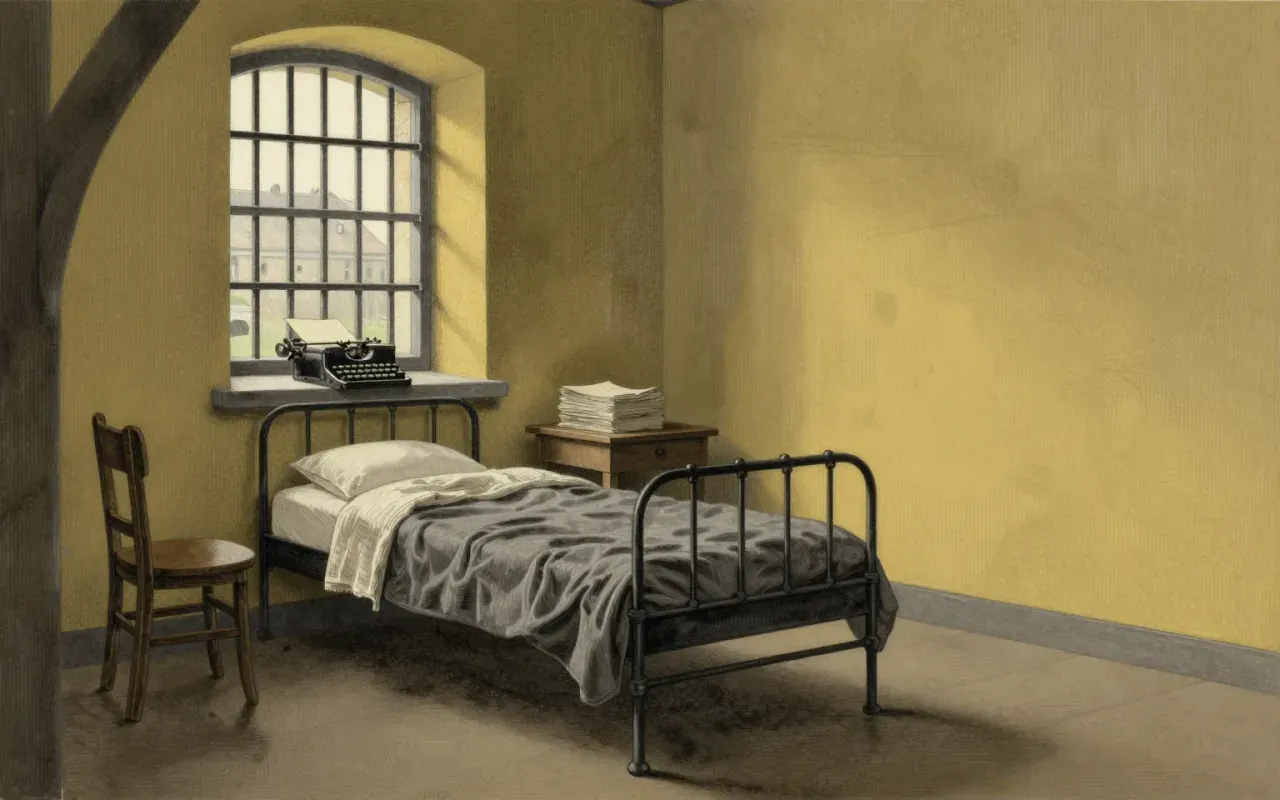
Adolf Hitler rose from a failed art student and decorated First World War soldier to leader of the Nazi Party by 1921, became German chancellor in January 1933 through a backroom deal among conservative politicians who believed they could control him, and consolidated absolute power within months through the Enabling Act. His government pursued territorial expansion that triggered the Second World War and orchestrated the Holocaust, killing an estimated six million Jews and millions of others, before his suicide in Berlin on 30 April 1945 as Soviet forces closed in on the city.
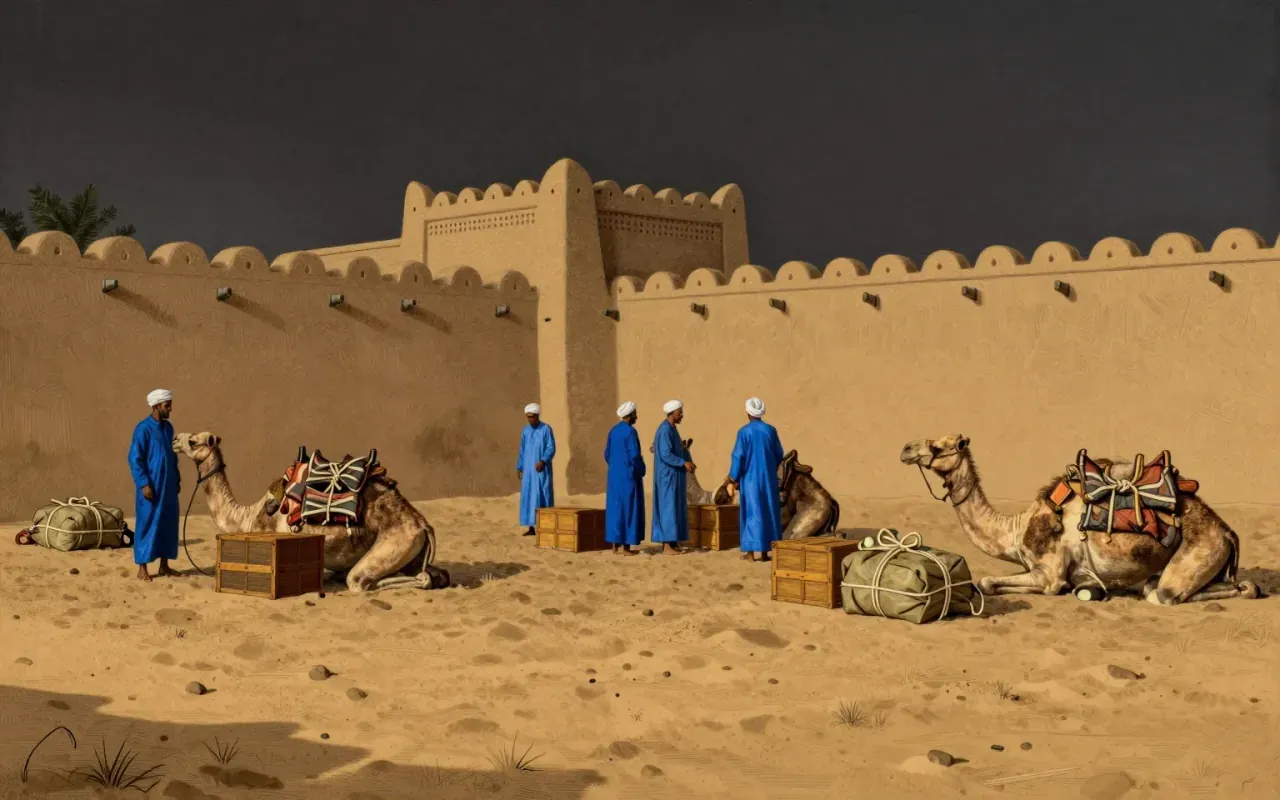
Ahmad Baba became one of Timbuktu's most prominent Islamic jurists before Moroccan forces invading the Songhai empire deported him to Marrakesh in 1594, where he remained until 1608. He continued writing throughout his exile and after his return, authoring more than forty works, including a nuanced treatment of slavery that historians still interpret differently. His career and library form part of the much larger Timbuktu manuscript tradition, whose survival was tested again in 2012 when local families and archivists evacuated the bulk of the collection ahead of an armed conflict.
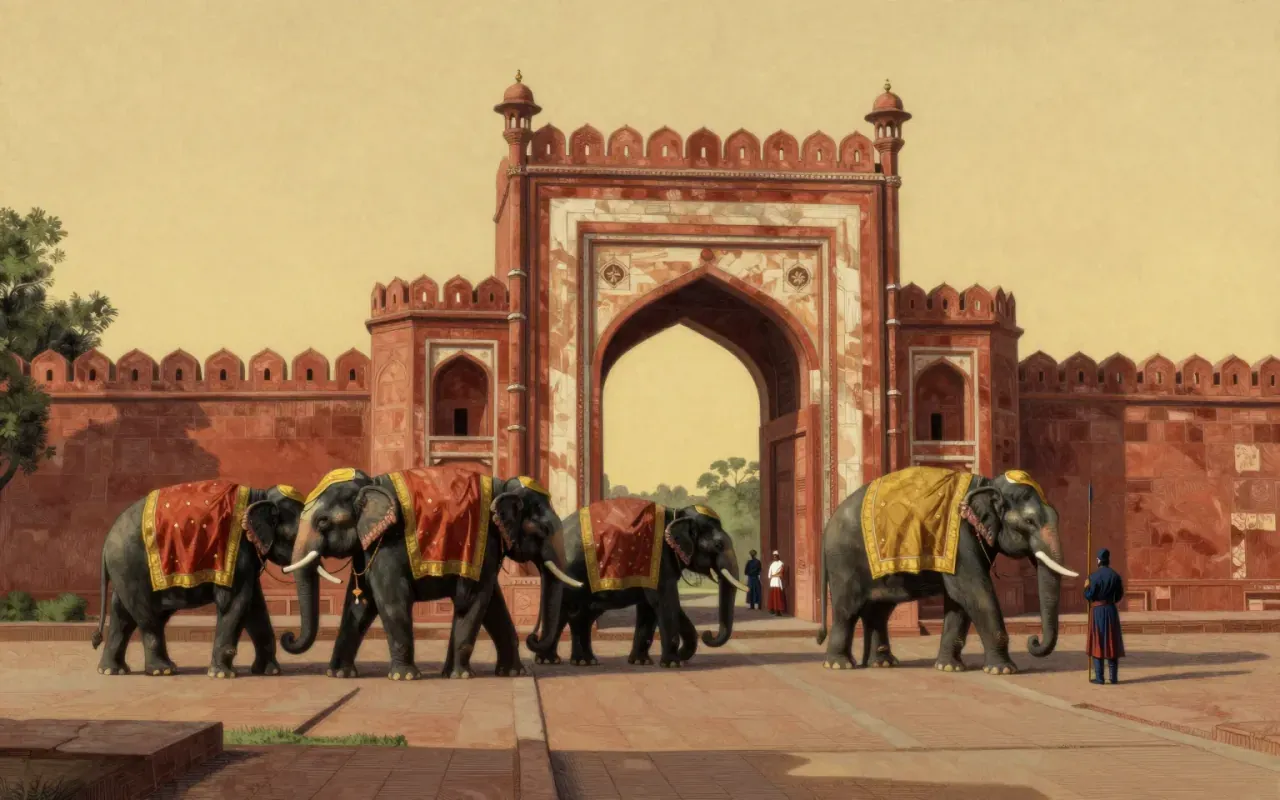
Akbar ruled the Mughal Empire from 1556 to 1605, expanding its territory from Bengal to Kabul and Kashmir through campaigns that included the four-month siege of Chittorgarh in 1567 and 1568, while building an administrative system of ranked military-civil officers and a revenue system based on a ten-year average of production. He abolished the tax on non-Muslims, married into Rajput noble families on terms that preserved the women's status, and promoted a syncretic court faith drawing on Islam, Hinduism and other traditions, a record known largely through the court chronicle of his minister Abul Fazl, which modern historians read with considerably more scepticism than it was originally intended to invite.
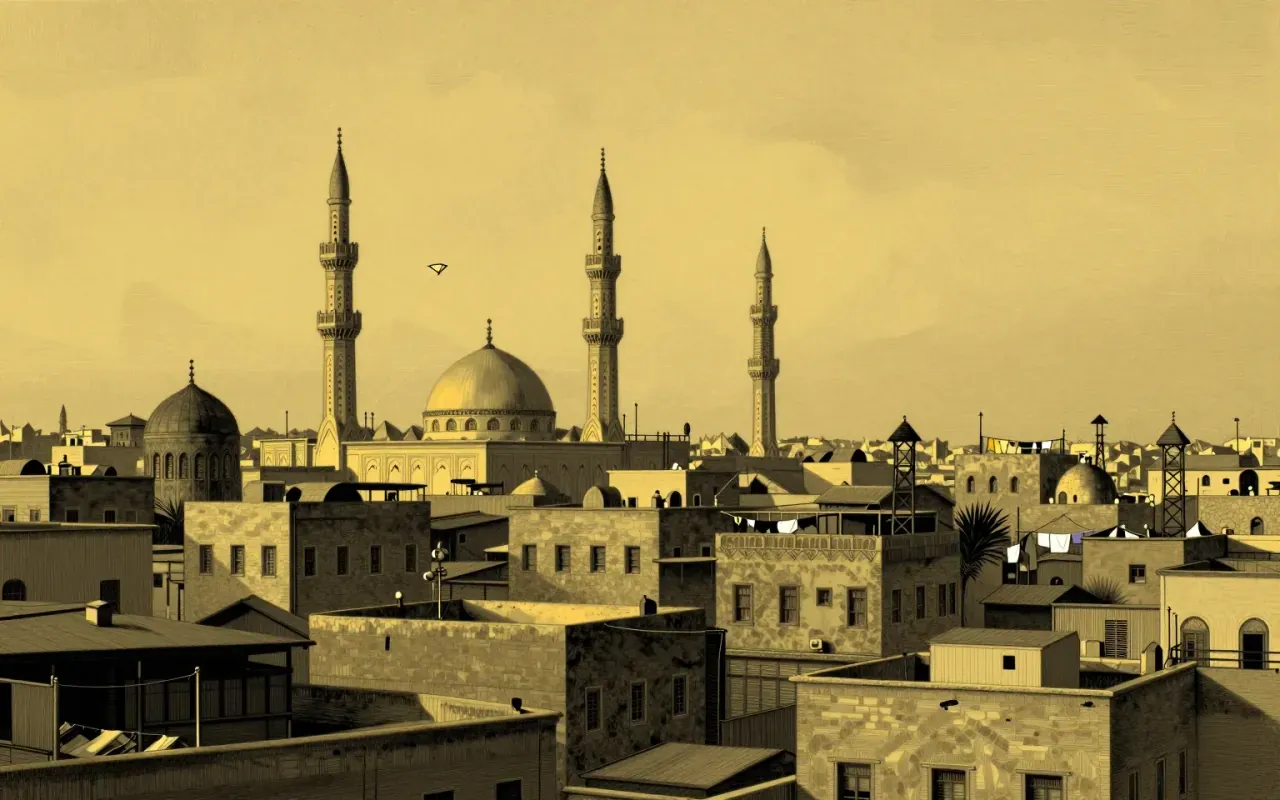
Founded by the Fatimid caliphate between 970 and 972 to promote Ismaili Shia teaching in newly conquered Egypt, Al-Azhar was repurposed after Saladin's twelfth-century conquest into a Sunni Shafi'ite institution, a transition that reportedly involved destroying a large part of its original library. Mamluk patronage and Ottoman-era prestige built it into the leading centre of Sunni Islamic learning, and Gamal Abdel Nasser's 1961 reforms added secular faculties, turning a traditional madrasa into a modern university that today oversees a national school network reaching some two million students.
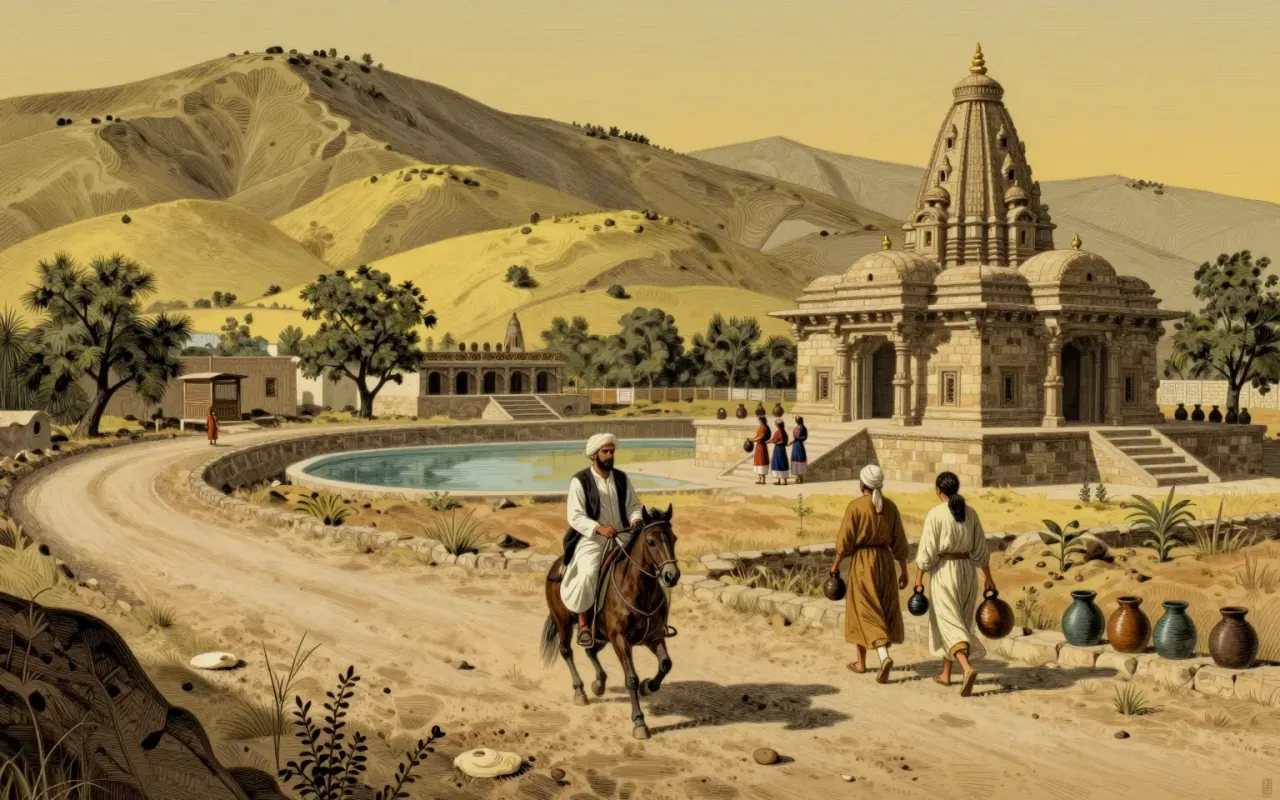
Al-Biruni, born in 973 in Khwarazm and dead in 1048 in Ghazni, catalogued 103 of his own works by the age of sixty-five, spanning astronomy, geodesy, pharmacology and history, and produced in around 1030 a study of Indian civilization based on learning Sanskrit and consulting Hindu texts directly. He calculated Earth's radius to within about two percent of its true value using mountain-height trigonometry, and worked much of his career under Mahmud of Ghazni, whose conquest of al-Biruni's home region and subsequent invasions of India brought the scholar to the court that funded his most celebrated research.
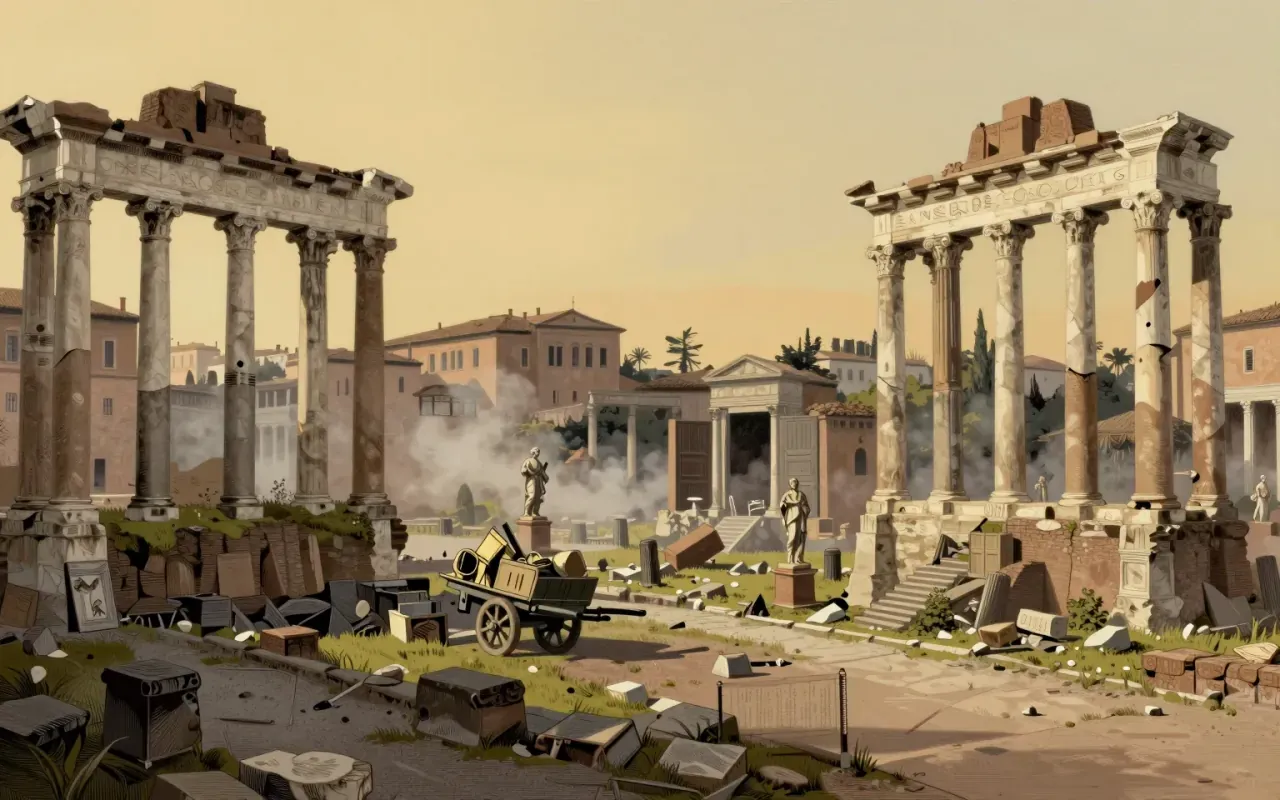
Alaric led Visigothic forces in an on-again, off-again relationship with the Roman Empire for over a decade, seeking recognised rank, land and provisions before finally sacking Rome in 410 after repeated refusals. What survives of his story comes entirely from Roman and later Gothic writers with their own agendas, leaving his exact origins and true motives genuinely uncertain.
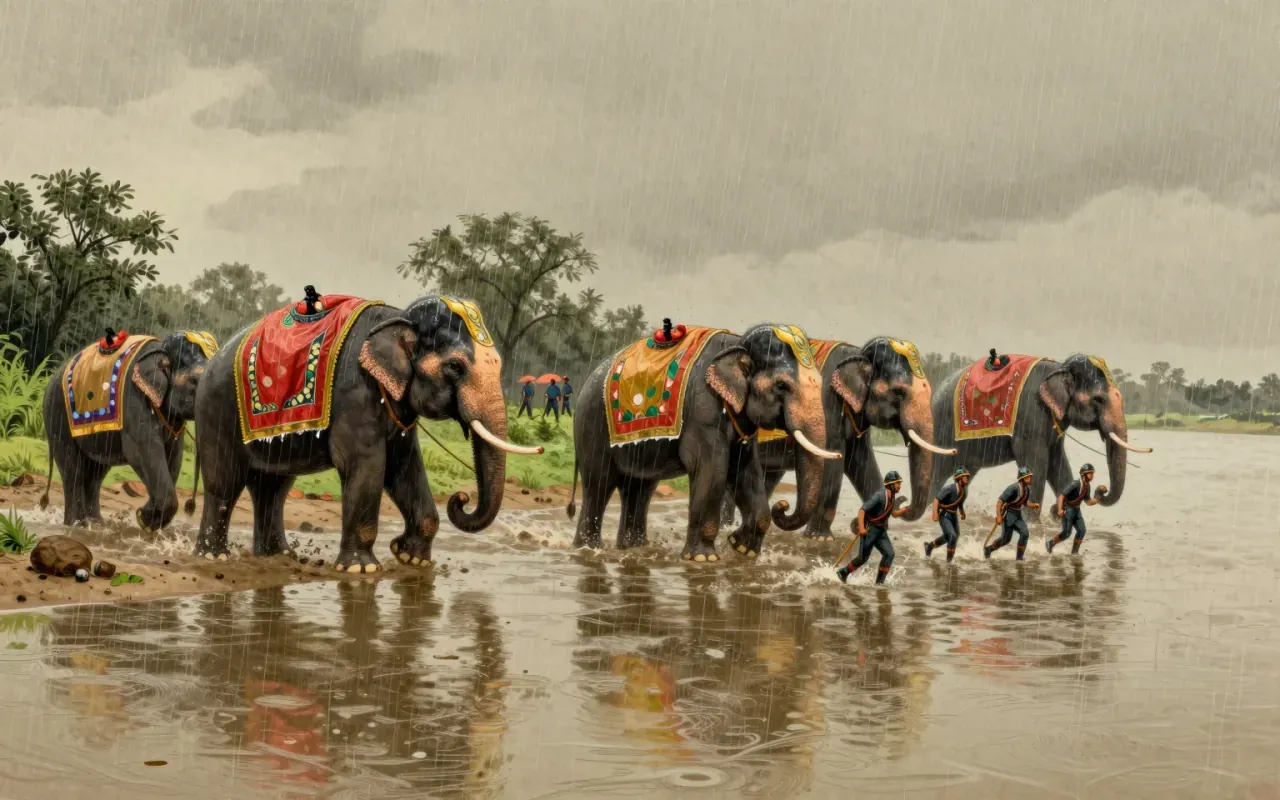
Alexander III of Macedon inherited his father's throne and army at twenty and, over the following decade, defeated the Achaemenid Persian Empire and pushed as far as northwestern India before turning back and dying at thirty-two. The battles and territory are documented reasonably well; the personal anecdotes that make him vivid, such as the taming of the horse Bucephalas and the meeting with the philosopher Diogenes, come mostly from Plutarch, writing about four centuries after Alexander's death.

Alexander the Great founded Alexandria in April 331 BC after taking Egypt from Persian control, then departed shortly afterward, leaving his successors, particularly Ptolemy I, to build it into the largest city in the world within a century through institutions including its famous library and the Pharos lighthouse, one of the ancient world's seven wonders. The library's eventual destruction, often attributed to a single dramatic event during Julius Caesar's siege in 47 BC, remains disputed among historians, and the city's long decline followed Portuguese discovery of alternative sea routes to India in the late fifteenth century.

Angkor Thom was the last great capital of the Khmer Empire, laid out by Jayavarman VII in the late twelfth century as a walled square nine kilometres in area, centred on the many-faced towers of the Bayon temple. Building continued until 1295, after which the city's fortunes tracked the empire's decline, ending in abandonment following an Ayutthaya sack that pushed Khmer rule toward Phnom Penh. What survives is known mainly through its own inscriptions and through the French colonial-era survey work that first mapped and restored it.

King Suryavarman II commissioned Angkor Wat around 1113, building it as a Hindu temple dedicated to Vishnu, and construction continued until his death around 1150 left some of its bas-relief carving unfinished. Decades later King Jayavarman VII, following his wife's faith, oversaw the temple's gradual conversion toward Buddhist use, and though the site was never fully abandoned, no surviving inscription records the name its builders actually gave it, leaving even that basic fact to scholarly inference.

Askia Muhammad seized the Songhai throne in 1493 by framing a succession dispute as a defence of proper Islamic rule, then built the empire into West Africa's largest state through provincial administrative reform and a lavish pilgrimage to Mecca that reinforced his religious legitimacy. His reign is known chiefly through two Arabic chronicles compiled in Timbuktu generations later by scholars sharing his own religious culture, making his portrayal as an exemplary Muslim ruler somewhat self-reinforcing. Even his family origins and the source of his royal title remain genuinely disputed among historians.
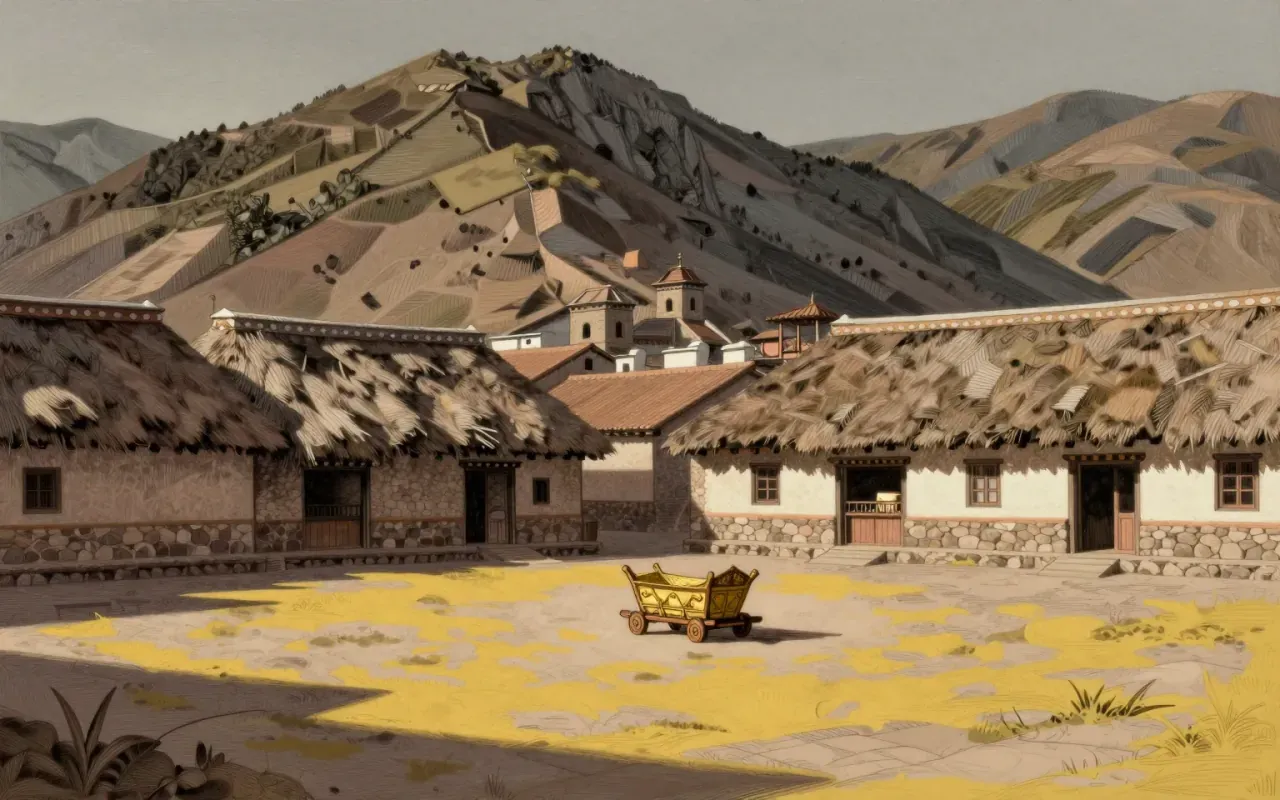
Atahualpa won a civil war against his half-brother Huascar in April 1532, only for Francisco Pizarro's expedition to reach Cajamarca days later and capture him in an ambush his own recent overconfidence had helped enable. He paid an enormous ransom in gold and silver, but Spanish forces executed him anyway in July 1533. Surviving chroniclers, some drawing on direct testimony from Inca nobility, disagree on basic facts including his birthplace and mother's identity, and historians differ on whether his ransom offer aimed at genuine freedom or simply survival.
Born Gaius Octavius, Augustus rose from Julius Caesar's teenage heir to sole ruler of Rome, defeating rivals in successive stages before accepting the title Augustus from the Senate in 27 BC and governing for four more decades. He kept republican forms intact while concentrating power in his own hands, and the fullest accounts of how he managed it come either from his own self-justifying record or from biographers writing a century or more after his death.
Ruhollah Khomeini, exiled in 1964 for opposing the Shah's modernisation programme, returned to Iran in February 1979 to lead the revolution that established the Islamic Republic, built around his own doctrine of clerical governance. His rule included the 444-day American hostage crisis, the devastating war with Iraq, and documented mass executions of political prisoners, alongside a 1989 fatwa against author Salman Rushdie that extended his authority's reach well beyond Iran's borders.
Bartolome de las Casas arrived in the Caribbean in 1502 as a colonist who held enslaved Native labourers under the encomienda system, before a 1514 reading of scripture convinced him Spanish treatment of Indigenous peoples was fundamentally unjust. He spent the following decades as a Dominican friar and eventually bishop, writing A Short Account of the Destruction of the Indies and debating Juan Gines de Sepulveda at Valladolid in 1550 and 1551 over whether Indigenous peoples could be justly subjugated, work that helped shape Spain's 1542 New Laws and later fed into the broader Black Legend narrative about Spanish colonial brutality.
Bartolomeu Dias rounded the southern tip of Africa in 1488, proving for the first time that a sea passage to the Indian Ocean existed, a discovery that directly enabled Vasco da Gama's more celebrated voyage to India a decade later. Almost no contemporary record of his voyage survives, since Portugal's maritime archives were destroyed in the 1755 Lisbon earthquake, leaving historians to rely on an account written some sixty years after the fact.
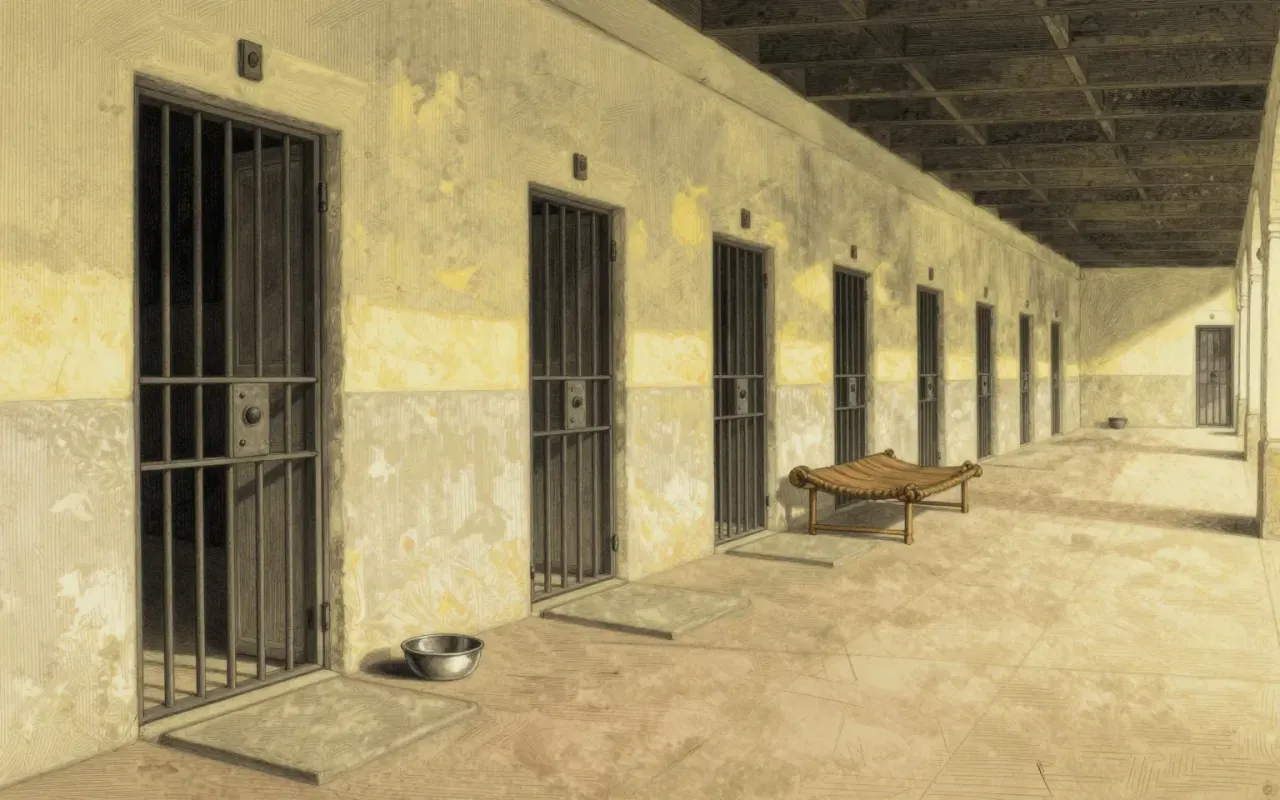
Benazir Bhutto became the first woman to lead the government of a Muslim-majority country when she was sworn in as Pakistan's prime minister in December 1988 at thirty-five, following her father's execution and years of imprisonment and exile under military ruler Zia-ul-Haq. She served two terms, in 1988 to 1990 and 1993 to 1996, each ended by presidential dismissal over corruption allegations that later produced a 2003 Swiss conviction, and after a decade of exile she returned to Pakistan in 2007 only to be assassinated that December in Rawalpindi, an attack that killed roughly twenty others and whose exact circumstances remain disputed among competing forensic and investigative accounts.
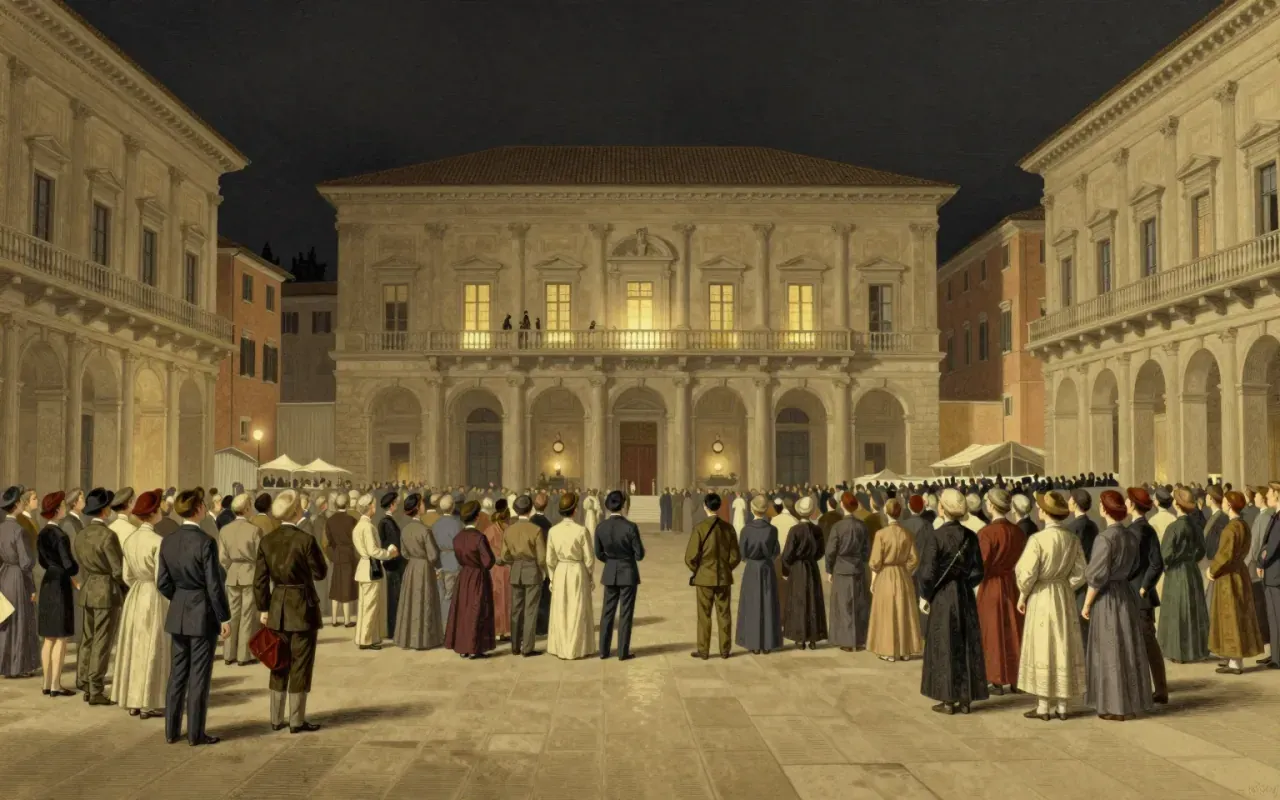
Benito Mussolini built his early reputation as a socialist journalist before breaking with the party over the First World War, founding the fascist movement that took power in 1922 through a mostly legal transfer he later mythologised as a revolutionary march on Rome. His alliance with Hitler, sealed through Ethiopia's invasion, the Spanish Civil War, and the Pact of Steel, ended in his own removal by the king he had served, capture by partisans, and summary execution in April 1945.
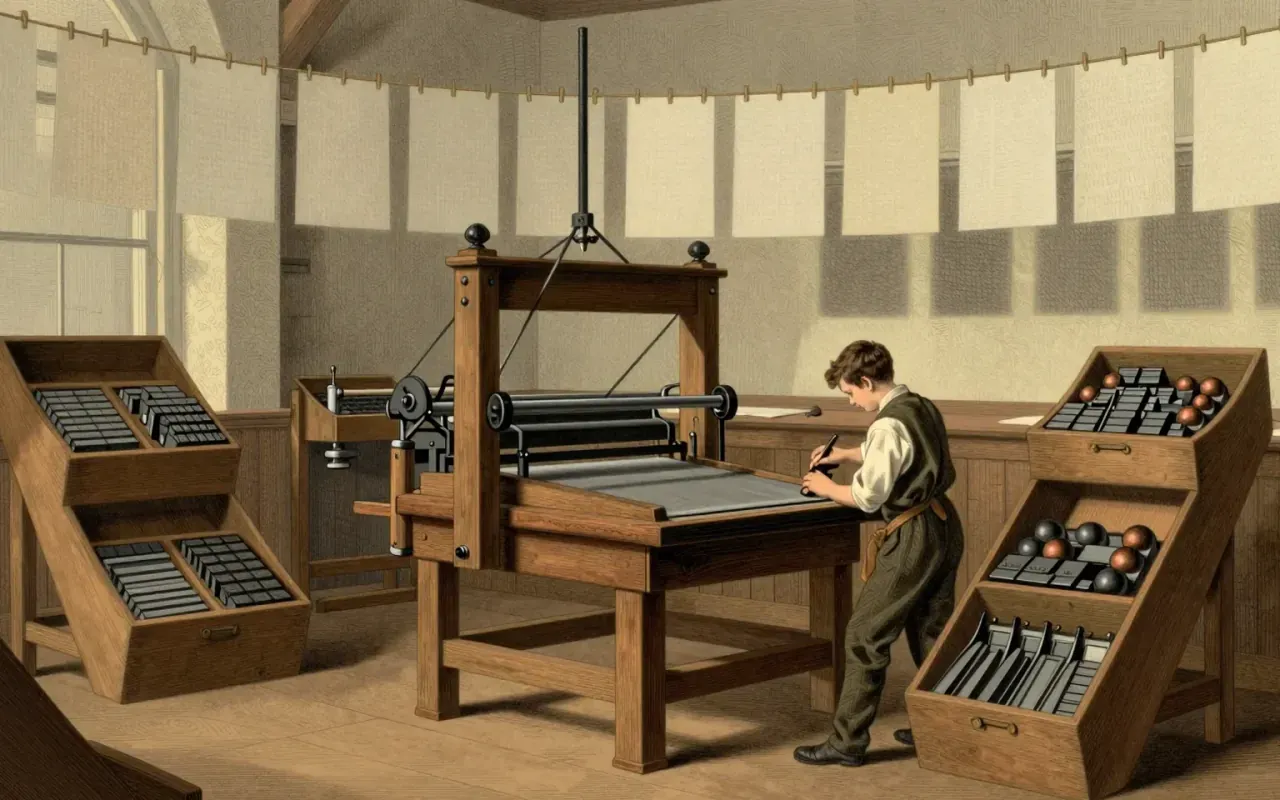
Benjamin Franklin built a career as printer, scientist, and diplomat before becoming the only person to put his signature on the Declaration of Independence, the Treaty of Paris, and the Constitution. His electrical experiments and his years securing French support for the Revolution are well documented; less often mentioned is that he owned enslaved people for decades before turning, late in life, into president of Pennsylvania's abolition society.

Catalhoyuk was a densely built Neolithic settlement in southern Anatolia occupied from roughly 7500 to 5600 BC, notable for honeycomb-like mudbrick houses entered through their roofs and for eighteen successive layers of rebuilding uncovered by archaeologists. James Mellaart, who discovered the site in 1958, argued its clay figurines pointed to a mother-goddess religion and an egalitarian social structure, but later excavations led by Ian Hodder, examining thousands more figurines and other evidence, found little support for a dominant female deity and some evidence of growing inequality over time.
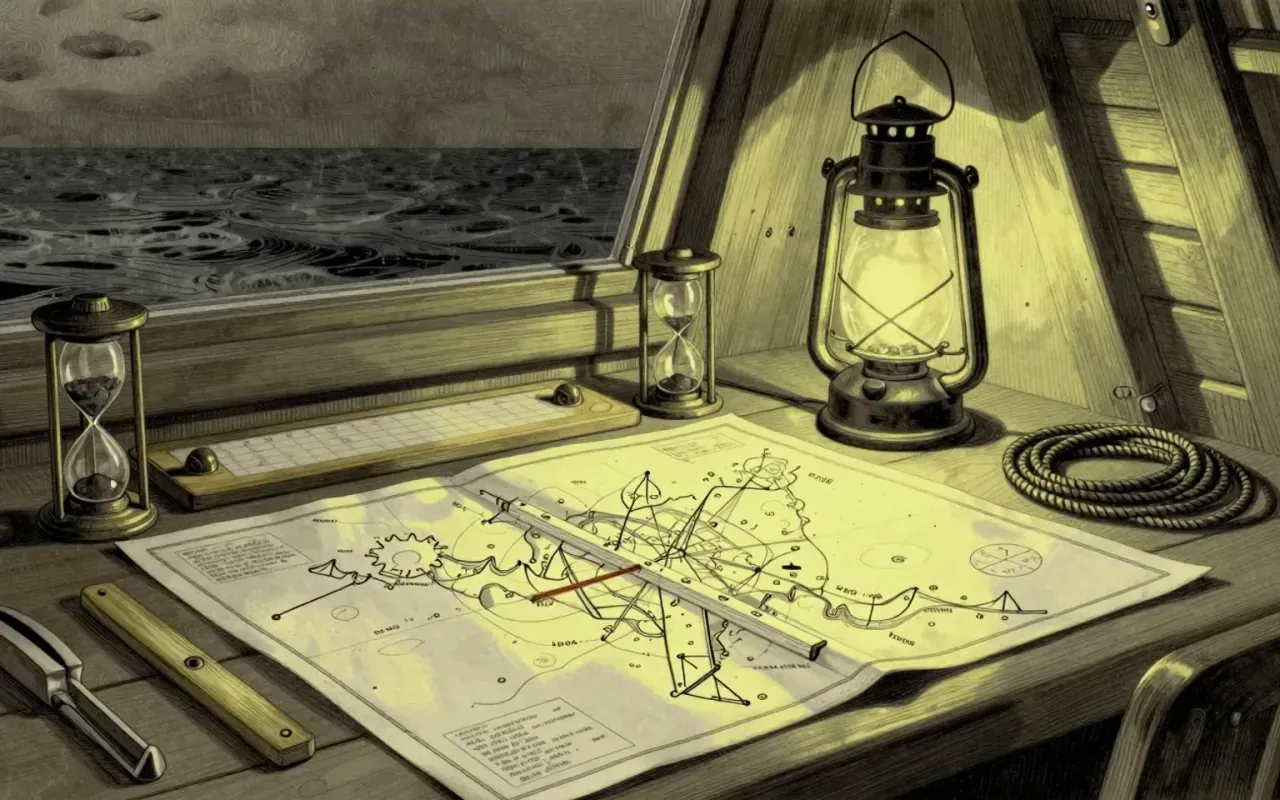
Christopher Columbus, a Genoese sailor working for the Spanish crown, crossed the Atlantic four times between 1492 and 1504, reaching the Bahamas, Cuba, Hispaniola and later the South and Central American coasts while insisting throughout that he had reached Asia. His governance of Spanish settlements involved documented brutality toward indigenous populations that led to his removal from office, and modern historians increasingly weigh his navigational achievement against the enslavement and demographic collapse that followed his voyages.
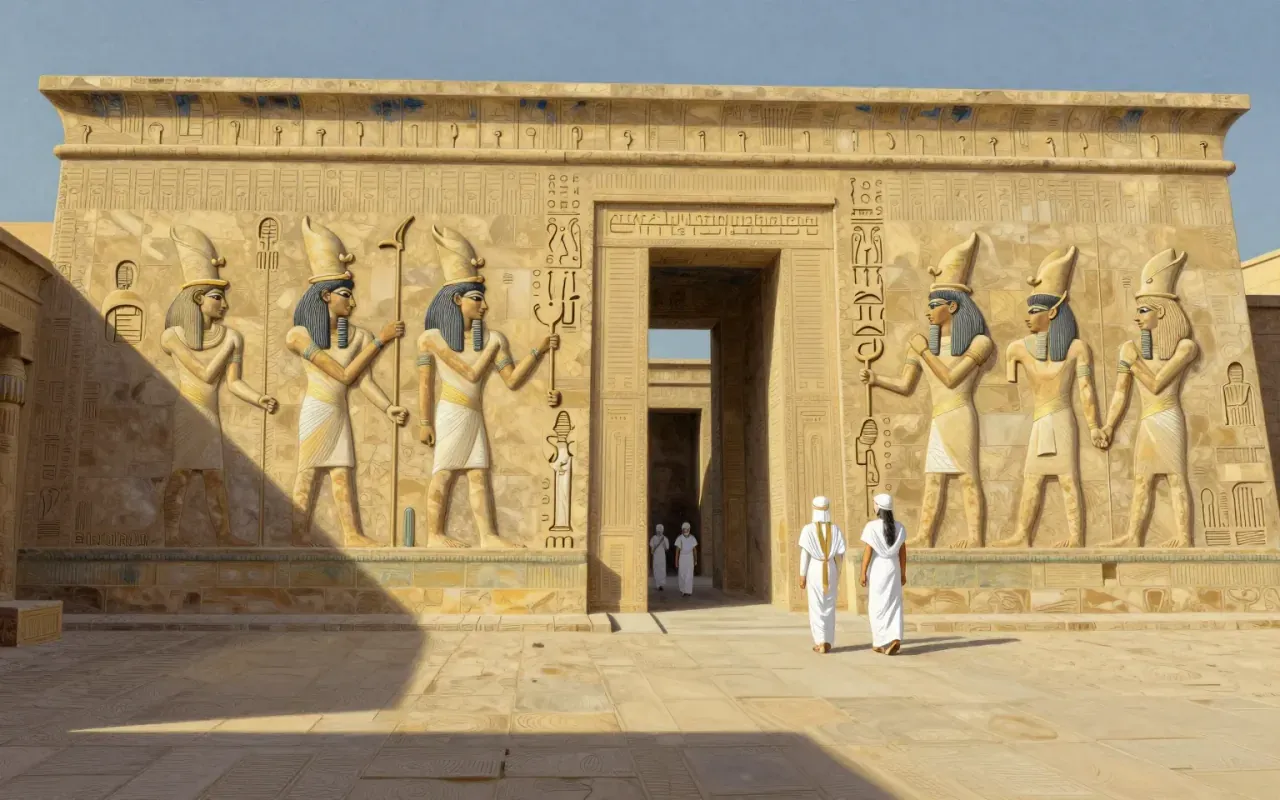
Cleopatra VII ruled Ptolemaic Egypt from 51 to 30 BC, allying in turn with Julius Caesar and Mark Antony and bearing children by both, before Octavian's forces defeated Antony at Actium and she died by suicide as Rome absorbed Egypt. The fullest ancient account, Plutarch's, was written about a century and a half after her death, and much of the negative Roman portrait that shaped later European memory of her originated as wartime propaganda against Antony rather than as neutral reporting.
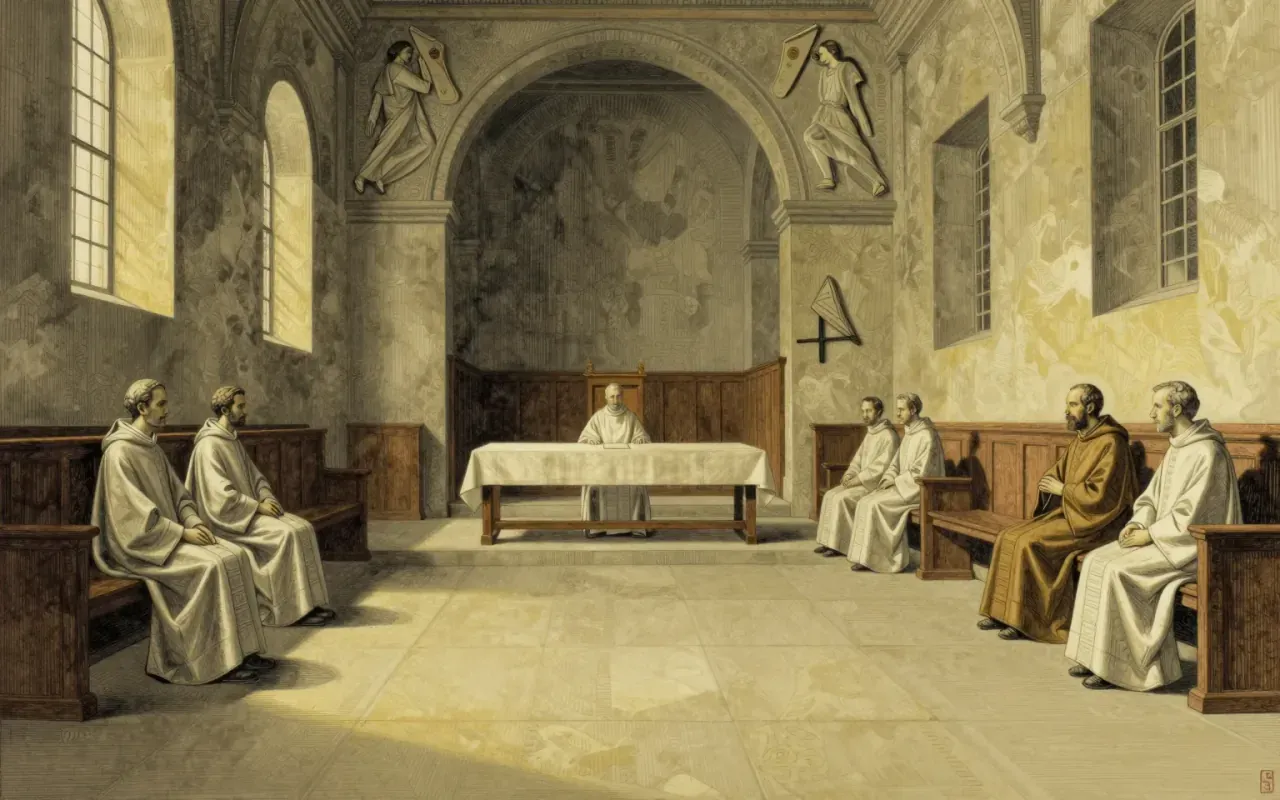
Constantine won sole control of the Roman Empire by 324 after nearly two decades of war against rival claimants, founded the new capital of Constantinople, and convened bishops at Nicaea in 325 to settle a dispute over the nature of Christ. Nearly every surviving account of him was written by Christian admirers or later ecclesiastical writers with their own doctrinal stakes, leaving his personal beliefs, and the details of his most famous conversion story, genuinely uncertain.
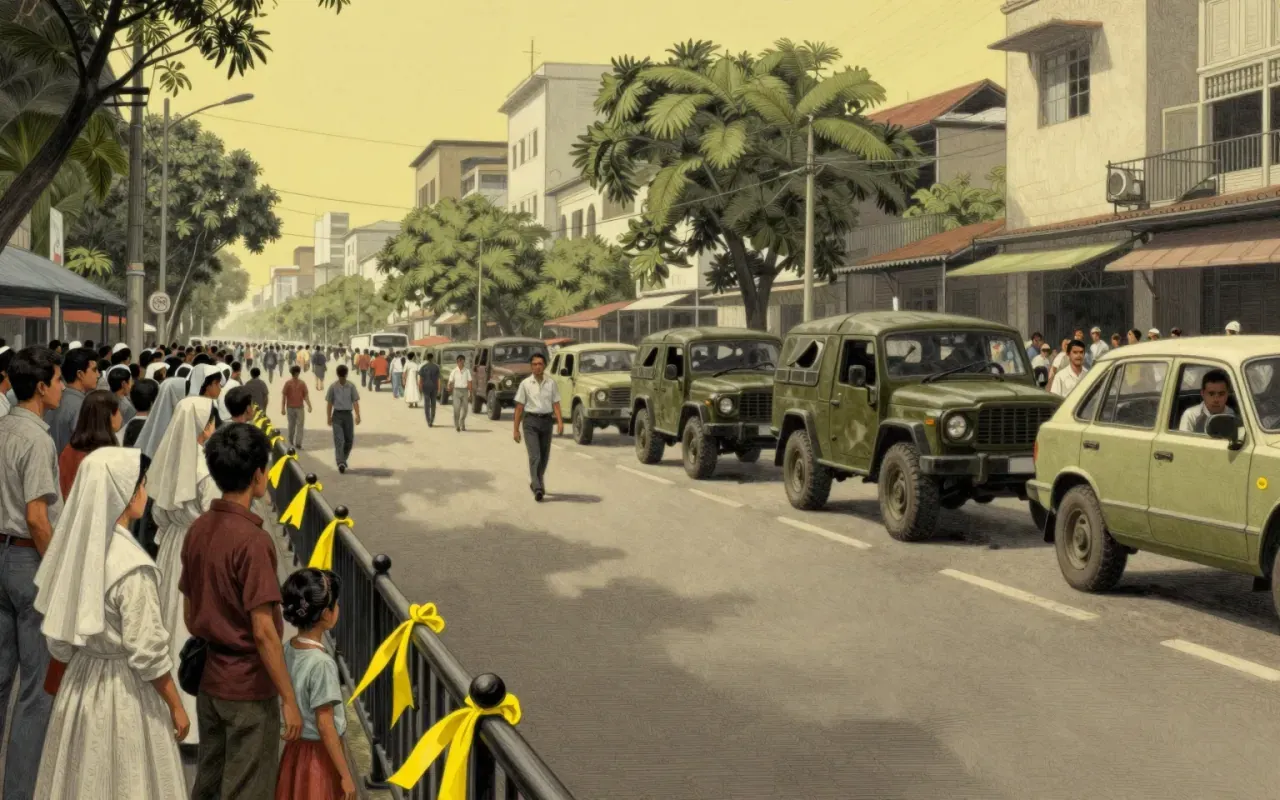
Corazon Aquino became the Philippines' first female president after leading the 1986 People Power Revolution that ousted Ferdinand Marcos following her husband's 1983 assassination and Marcos's fraud-marred snap election. Her presidency restored democratic constitutional government and paid down billions in inherited debt, but her family's own Hacienda Luisita underwent a disputed stock-redistribution scheme rather than the land division her Comprehensive Agrarian Reform Law imposed elsewhere, an inconsistency critics cited for years afterward.
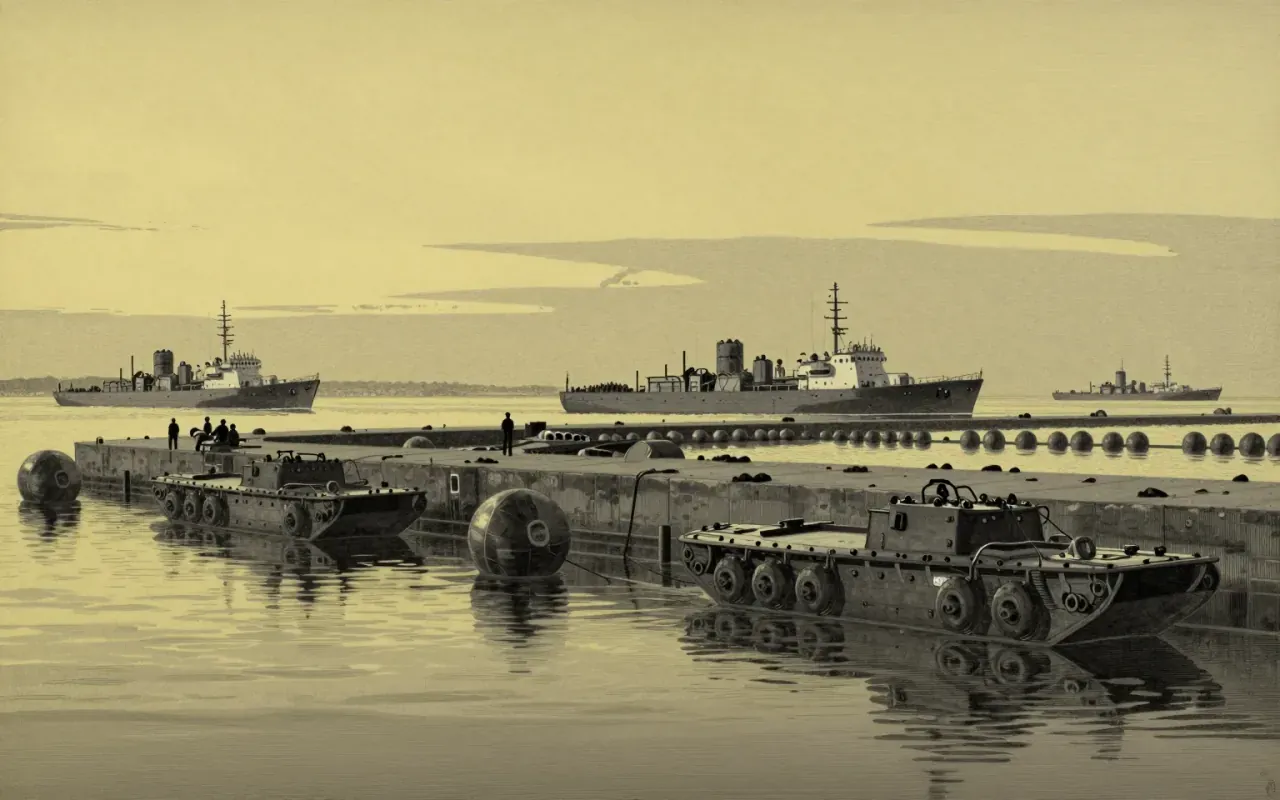
The Allied invasion of Normandy on 6 June 1944, the opening of Operation Overlord, put roughly 160,000 troops ashore across five beaches on a single day, supported by nearly 5,000 vessels and a 1,200-plane airborne assault, after a monthslong deception campaign, Operation Bodyguard, convinced German commanders the main landing would come at Calais. Allied casualties on the day itself totalled at least 10,000, with 4,414 confirmed dead, and the broader Normandy campaign that followed committed over a million troops before liberating Paris on 25 August 1944.
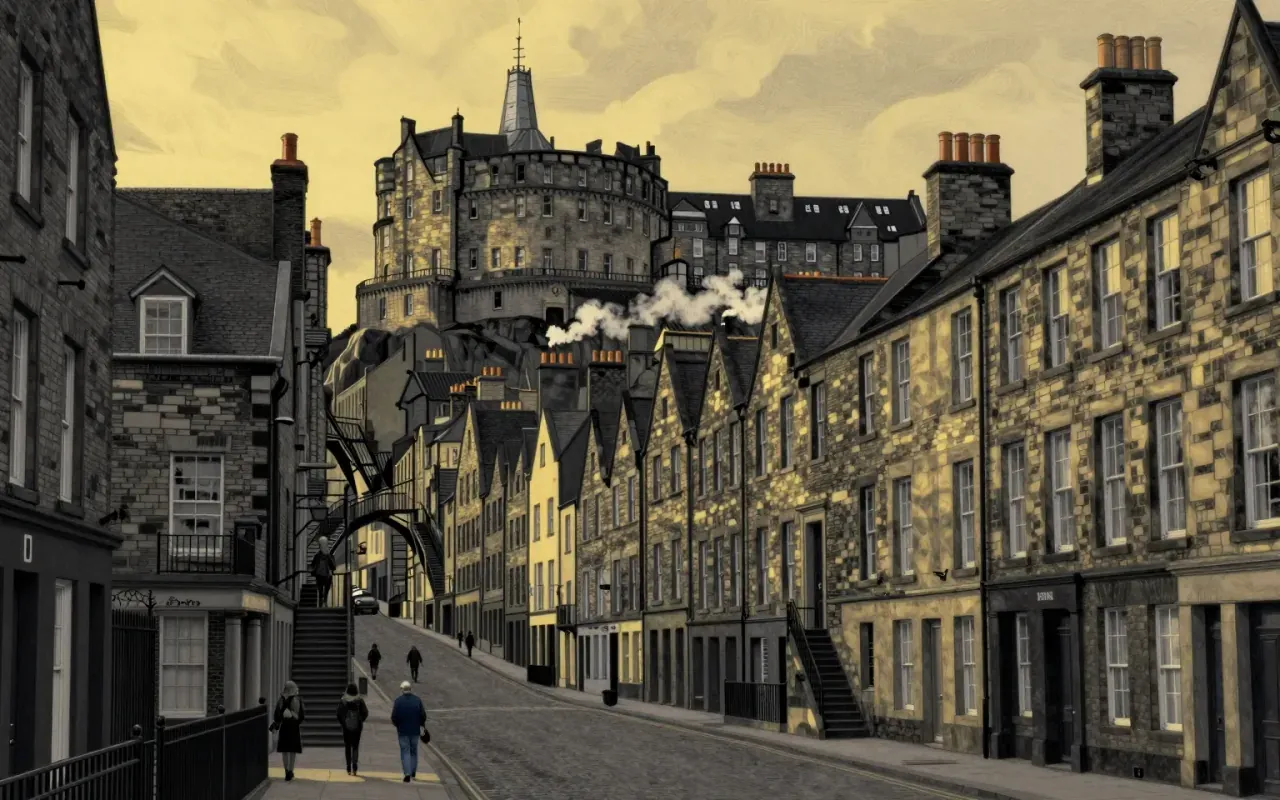
David Hume argued that reason alone cannot justify our confidence that the future will resemble the past, pushing empiricist philosophy toward a scepticism about causation and personal identity that unsettled many contemporaries, while making his public reputation chiefly as a bestselling historian rather than as a philosopher. A 2014 discovery of correspondence touching on Caribbean slavery, along with a disputed footnote on race in one of his essays, has left his personal record more genuinely contested than his tidy autobiographical account suggests.

Ellis Island operated as an immigration station from 1892 to 1954, processing roughly twelve million immigrants across two distinct buildings, the first destroyed by a fire in 1897 that also burned all immigration records dating back to 1855. Its function shifted sharply after the Immigration Act of 1924 downgraded it from a primary inspection point to a detention facility, and even its own physical land remained under legal dispute until a 1998 Supreme Court case split jurisdiction between New York and New Jersey.
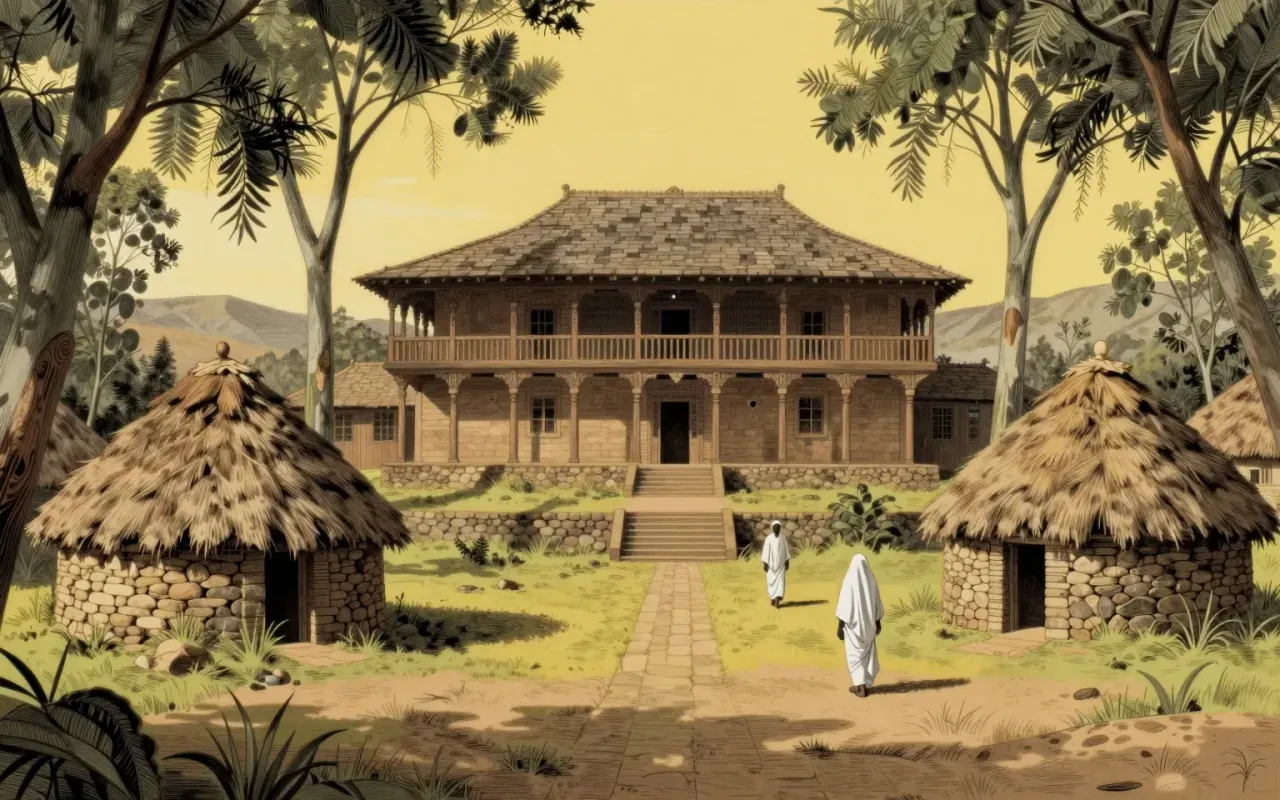
Imprisoned as a child after his father's death, Menelik built his own power base in Shewa for decades before declaring himself emperor of Ethiopia in 1889. His 1896 victory over an invading Italian army secured full European recognition of Ethiopian sovereignty at the height of Africa's colonial partition, while his modernisation programme built railways, a national bank and centralised taxation. Historians still dispute whether the mismatched Italian and Amharic versions of an earlier treaty reflect deliberate deception or mutual miscalculation, and his territorial expansion carried real costs for the peoples incorporated under his rule.
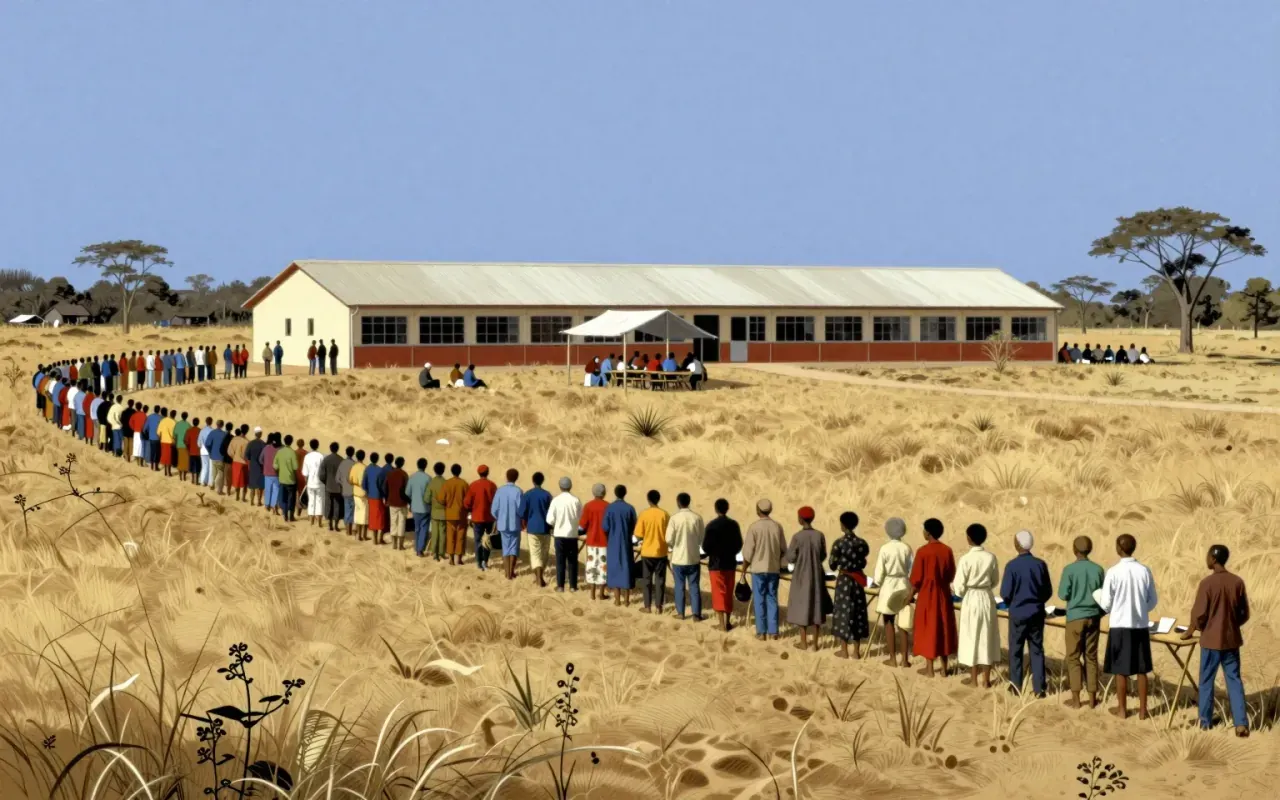
F.W. de Klerk rose through South Africa's National Party before becoming state president in 1989 and, within months, legalising the ANC and releasing Nelson Mandela, steering negotiations that ended apartheid and led to the 1994 elections. He shared the Nobel Peace Prize with Mandela in 1993, but the Truth and Reconciliation Commission later found his denials of authorising security force violence indefensible, and a 2020 claim minimising apartheid's harms forced a retraction from his own foundation before his death the following year.

Ferdinand Magellan proposed a westward route to the Spice Islands, secured Spanish backing after falling out of favour in his native Portugal, and led an expedition that found a passage through South America and crossed the Pacific before his death in the Philippines in 1521. The voyage's completion, and the fuller credit for its most reliable record, belong respectively to his subordinate Juan Sebastian Elcano and to the crew member Antonio Pigafetta rather than to Magellan alone.

Francis Bacon combined a long career in English law and politics, rising to Lord Chancellor, with an influential argument for building scientific knowledge from careful observation rather than inherited authority, published in 1620 as the Novum Organum. The following year Parliament convicted him on twenty-three counts of corruption, ending his public career, and historians now read both his conviction and several colourful anecdotes about his life with considerable caution.

Francisco Franco rose from Europe's youngest general in 1926 to leader of the Nationalist side in Spain's civil war, winning with substantial German and Italian military aid before ruling as dictator from 1939 until his death in 1975. His regime's repression killed tens of thousands after the war ended, though estimates for that toll, and for the war's own death count, vary so widely between historians that the scale of the uncertainty is itself a documented feature of his legacy rather than a gap waiting to be closed.
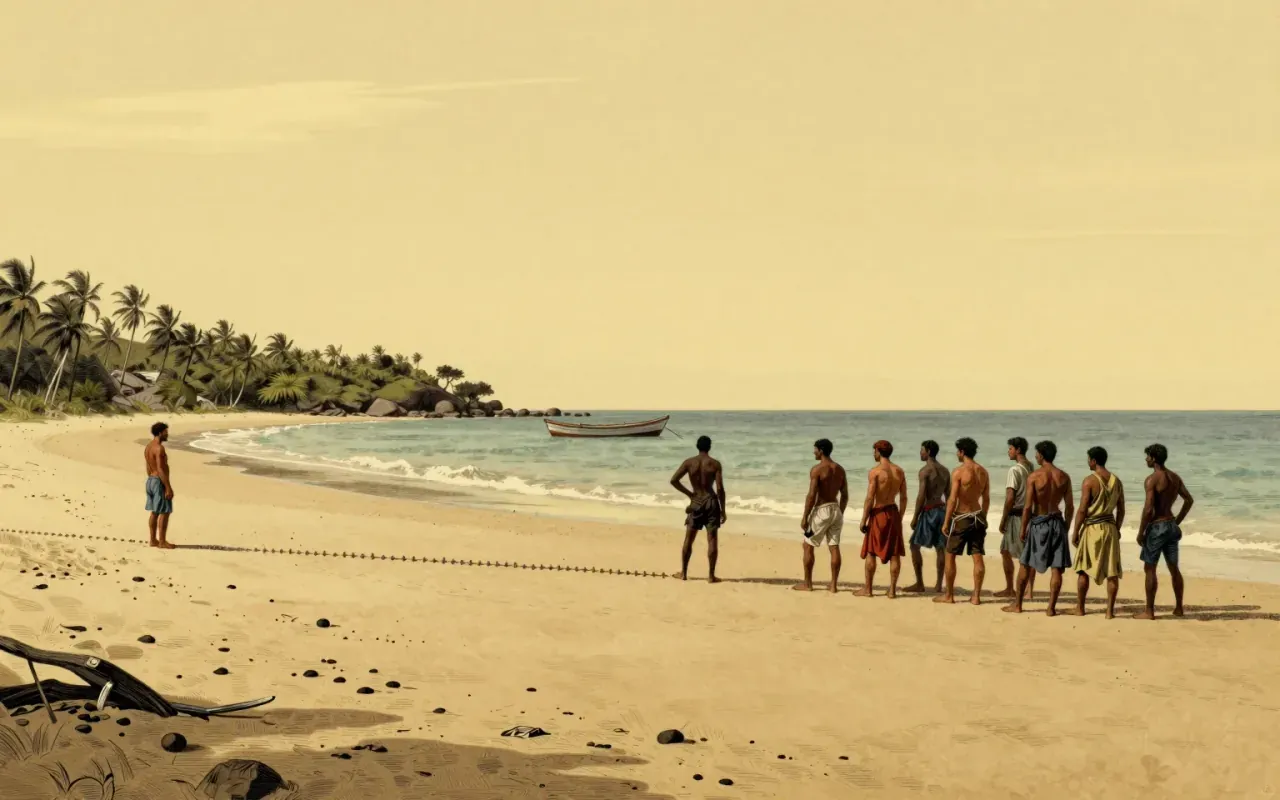
An illiterate colonist from a poor Spanish family, Francisco Pizarro spent nearly fifteen years building standing within Panama's colonial administration before leading a small, well-timed expedition that captured the Inca emperor Atahualpa in 1532. After collecting an enormous ransom he had Atahualpa executed anyway, founded Lima in 1535, and was assassinated by rival conquistadors in 1541. Historians question how genuine his reluctance to execute Atahualpa actually was, and his most celebrated anecdotes, including the famous line drawn in the sand, rest on chronicle tradition rather than independent verification.

Frederick II of Prussia fought three wars that turned a middling state into a rival of Austria, while writing against tyranny and building a bureaucracy and legal code that outlasted him. His reputation was later annexed by German nationalists and then by the Nazi regime, which is why assessing him now means separating the reign from what was made of it afterward.

Gamal Abdel Nasser rose through a secret military faction to help overthrow Egypt's monarchy in 1952, then out-manoeuvred his own revolutionary partner to become sole ruler by 1954, surviving an assassination attempt that year that only strengthened his popular standing. His 1956 nationalisation of the Suez Canal and subsequent political survival against British, French, and Israeli attack made him the era's dominant Arab nationalist figure, a reputation that never fully recovered from Egypt's crushing defeat in the 1967 Six-Day War, and one historians still weigh against an authoritarian domestic record that set a lasting template for military rule in Egypt.

Temüjin, born on the Mongolian steppe around 1162 into a chieftain's family that later fell into poverty after his father's death, spent roughly two decades defeating rival tribes before being proclaimed Genghis Khan in 1206 and going on to conquer territory from northern China to Central Asia before his death in 1227. The fullest early source, the anonymous Secret History of the Mongols, records uncomfortable episodes, including a killing within his own family, that later Persian and Chinese chronicles compiled for his descendants tend to omit or soften.
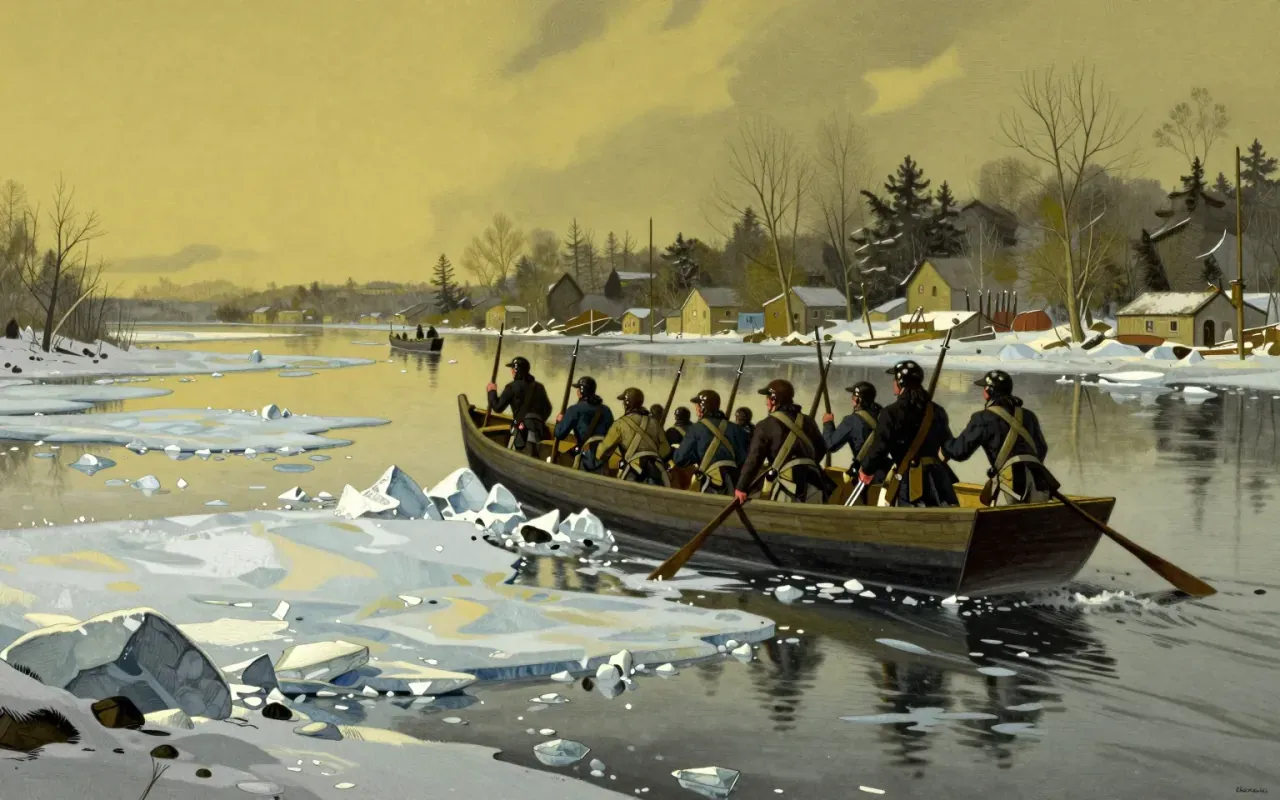
George Washington's ambush at Jumonville Glen in 1754 helped trigger the French and Indian War, and two decades later he commanded the Continental Army through a war he did not always look likely to win, from a chaotic retreat across New Jersey to the decisive siege at Yorktown. As president he set precedents, including a voluntary two-term limit, that outlasted the law requiring them by more than a century, while his own household at Mount Vernon depended on more than a hundred enslaved people whose freedom he provided for only in his will.

Geronimo, a Bedonkohe Apache medicine man rather than a hereditary chief, led repeated breakouts from American reservations over decades before surrendering to General Nelson Miles in 1886, then spent the rest of his life as a prisoner of war. His own dictated 1905 autobiography, delivered under his tight personal control, directly contradicts the American military's official account of an unconditional surrender. Even as a prisoner, he became a public celebrity exhibited at expositions and parades, and his name later entered American military and popular culture, most controversially as the code name for the 2011 operation that killed Osama bin Laden.
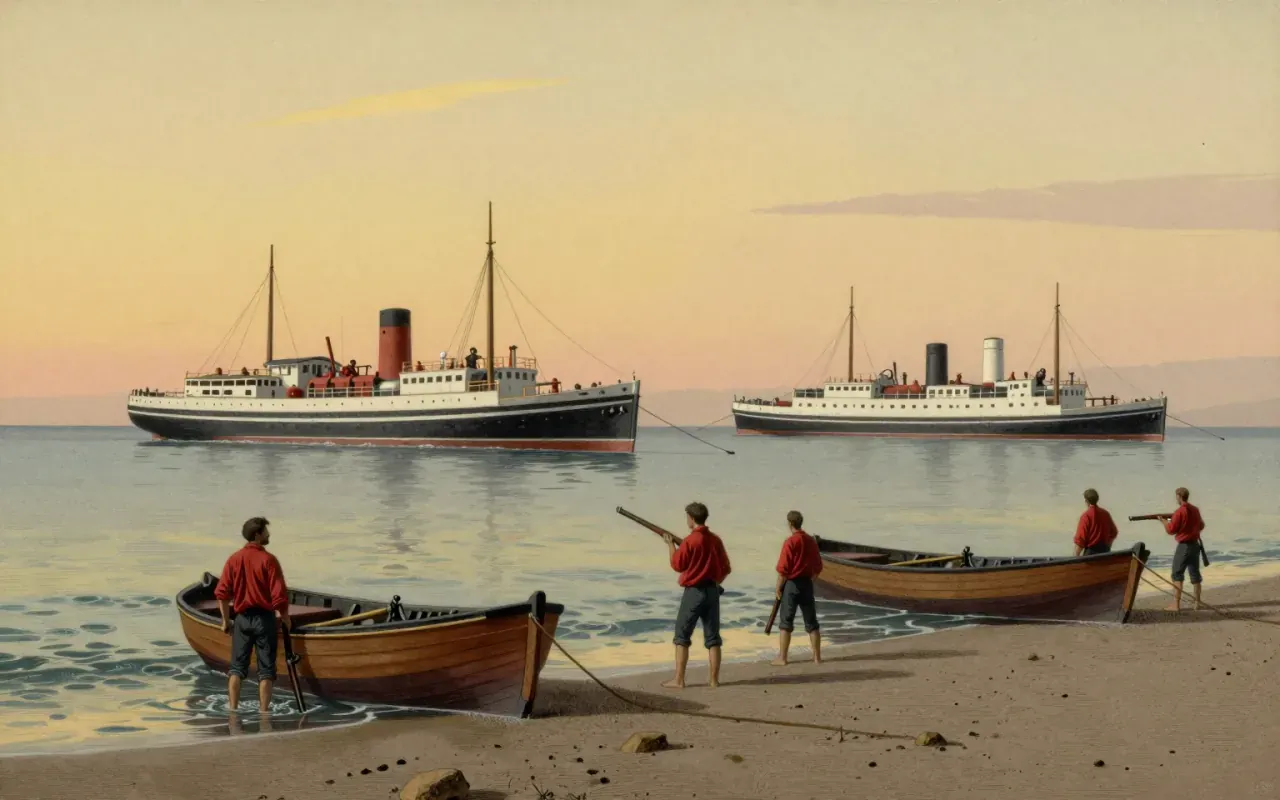
Giuseppe Garibaldi spent fourteen years fighting in South American civil wars before returning to Italy, where he led a volunteer force of roughly a thousand men to conquer Sicily and Naples in 1860 and then handed both to King Victor Emmanuel II rather than pursue the republic he actually believed in. Historians have increasingly complicated the heroic myth built around him, noting that the peasants who supported his cause in Sicily were driven by hatred of local landlords rather than nationalism, and that Garibaldi himself sided with those same landlords once uprisings threatened his campaign's order.
Golda Meir rose from a Milwaukee schoolteacher to Israeli labour minister, foreign minister and, from 1969, the country's fourth prime minister at seventy-one, a role in which she oversaw responses to the 1972 Munich Olympics massacre and the surprise Egyptian and Syrian attack that opened the 1973 Yom Kippur War. An official inquiry, the Agranat Commission, cleared her of direct responsibility for Israel's lack of preparedness, crediting her decision to approve full mobilisation despite political risk, but she resigned in April 1974 after her coalition lost seats, and historians generally judge her earlier work overseeing housing and immigration as more successful than her wartime premiership.
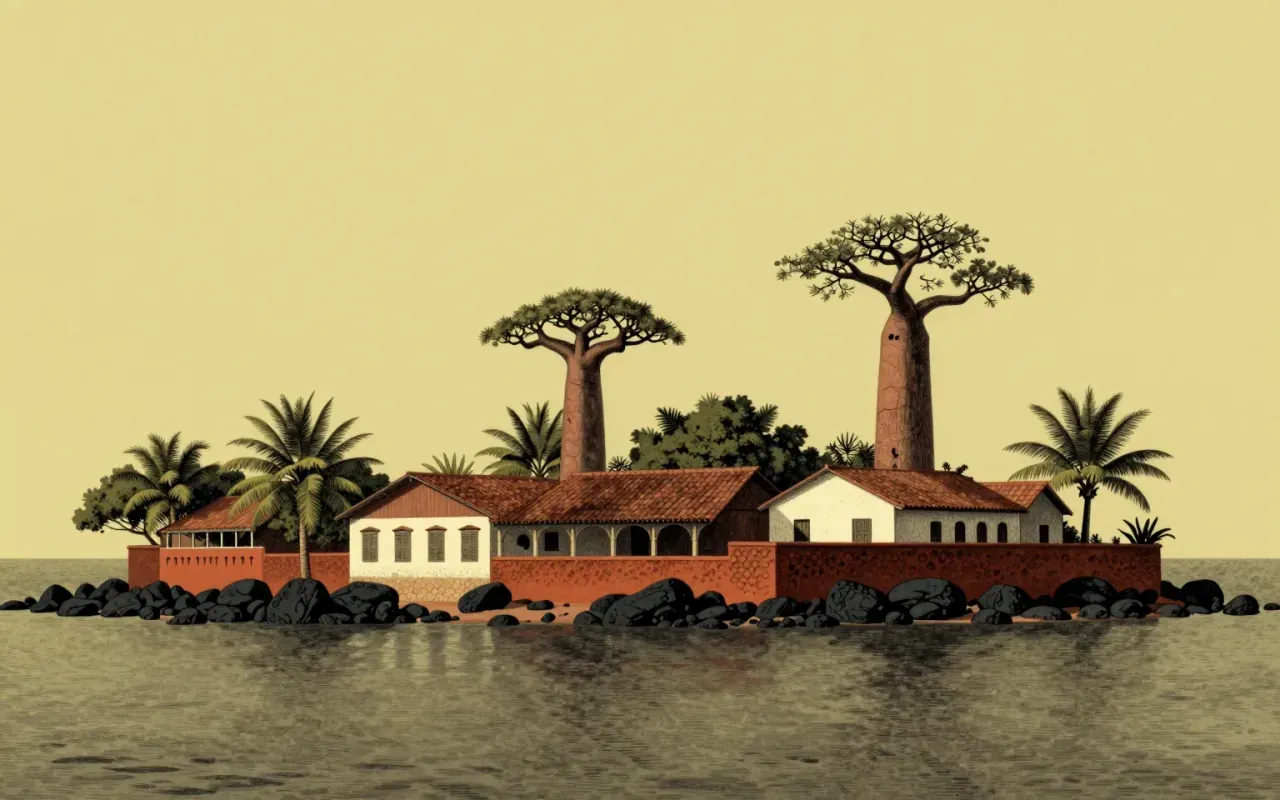
Portuguese traders reached Goree Island off Senegal in 1444, and the island passed through Dutch and then French control before Senegalese independence in 1960, developing a reputation as a major hub of the Atlantic slave trade that UNESCO's own heritage listing still describes as the largest on the African coast. Historical research has since challenged that framing directly, estimating no more than five hundred people were traded through the island annually, a small fraction of regional slave exports, and finding that the famous House of Slaves building itself lacks archaeological evidence of large-scale trans-Atlantic trafficking, complicating a narrative that took shape largely through one influential curator's account from the 1990s onward.

Hannibal led Carthaginian forces across the Alps into Italy in 218 BC and won a string of victories, most famously at Cannae, before spending over a decade occupying southern Italy without ever taking Rome itself. Recalled to Africa, he was defeated at Zama in 202 BC, and everything known about his campaigns and motives comes from Greek and Roman historians rather than any surviving Carthaginian source.

Harun al-Rashid became the fifth Abbasid caliph in 786 and ruled from Raqqa for most of his reign, exchanging gifts with Charlemagne's court and presiding over the beginnings of the Islamic Golden Age. His sudden purge of the powerful Barmakid family around 803 remains unexplained even in contemporary sources, and his decision to split succession between two sons collapsed into civil war within a decade of his death. His court became fixed in popular memory through a legendary story collection with little basis in the documented record.

After nearly fifteen years working through Spanish colonial administration in the Caribbean, Hernan Cortes defied his own superior to lead an unauthorised expedition to Mexico in 1519, exploiting divisions among Aztec tributary peoples to conquer Tenochtitlan by 1521. His own letters to the Spanish crown, written to justify the illegal campaign, remain the central source for his career, supplemented by a soldier's later memoir and his chaplain's admiring biography. Several of his most flattering claims, including Aztec reverence toward him as a god, have not held up to modern scrutiny, and unresolved accusations, including his first wife's suspicious death, shadow his personal reputation.
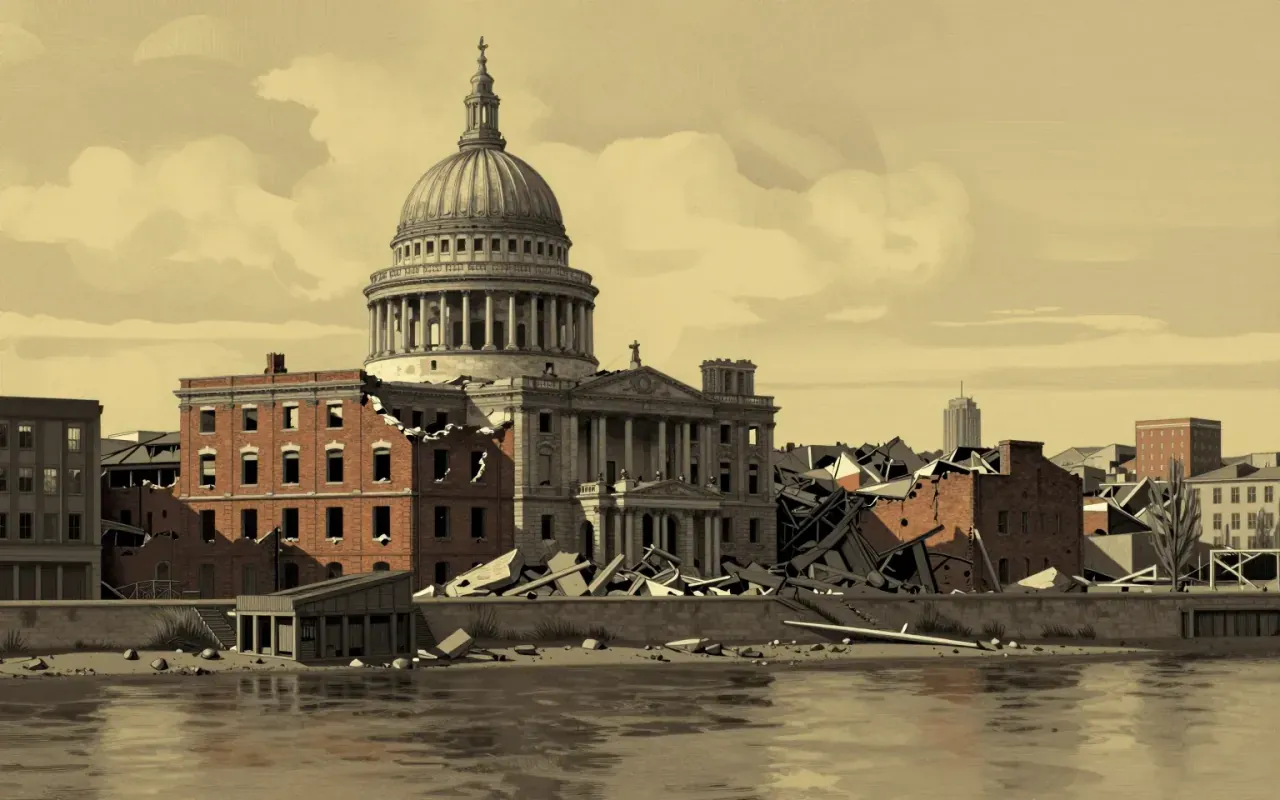
Founded as a castle town in 1589, Hiroshima grew into a regional military and industrial centre before the United States dropped an atomic bomb on it on 6 August 1945. Immediate deaths ran into the tens of thousands, with the toll continuing to climb from injury and radiation for months afterward, and occupation censorship kept much of the detail from the Japanese public for years. The rebuilt city has since made remembrance its civic purpose, formalised as a City of Peace in 1949.

Grandson of the Prophet Muhammad, Husayn ibn Ali lived quietly under a peace agreement with the Umayyad caliphate for nearly two decades before refusing to submit to the caliph's chosen heir in 680. His march toward promised support in Kufa ended in his death at Karbala, an episode reconstructed almost entirely through a single early historian working within about twenty years of the events. His killing transformed a political dispute over leadership into the founding martyrdom of Shia Islam, still commemorated annually by tens of millions.

Immanuel Kant spent his entire career at the University of Konigsberg, publishing the Critique of Pure Reason in 1781 to reconcile rationalist and empiricist philosophy before developing his categorical imperative as a foundation for ethics grounded in reason alone. Several familiar details of his biography, including his believed Scottish ancestry and the legend of his clockwork daily walks, have not held up under later scrutiny, and his own religious and racial views remain genuinely disputed by historians.
Educated in England and imprisoned repeatedly across a quarter century of resistance to British rule, Jawaharlal Nehru became independent India's first prime minister in 1947 and led it for seventeen years. He built a lasting parliamentary democracy, secular constitution and non-aligned foreign policy across a vast, diverse country, while decisions on Kashmir, economic planning and defence readiness against China remain sharply contested. His own prolific writing, combined with colonial records and party archives, makes him unusually well documented for a leader of his era.

Jayavarman VII took the Khmer throne in 1181 after leading the recovery from a devastating Cham invasion, then built Angkor Thom, the Bayon and a network of hospitals and roads across a thirty-seven-year reign. Almost all surviving evidence for his rule comes from inscriptions and bas-reliefs he commissioned himself, since no independent chronicle or personal account survives. Historians caution against reading his monuments as literal proof of administrative reach, and his Buddhist religious programme did not outlast his own reign.

Jean-Jacques Rousseau argued that civilisation and private property had corrupted a naturally good humanity, and that legitimate government could only rest on the collective general will of the people, publishing The Social Contract and Emile within weeks of each other in 1762 before both were banned and burned. His autobiography, the Confessions, is the main source for his life but is acknowledged even by sympathetic scholars to contain confused chronology and shifting self-justifications, particularly around his decision to give up his own children.
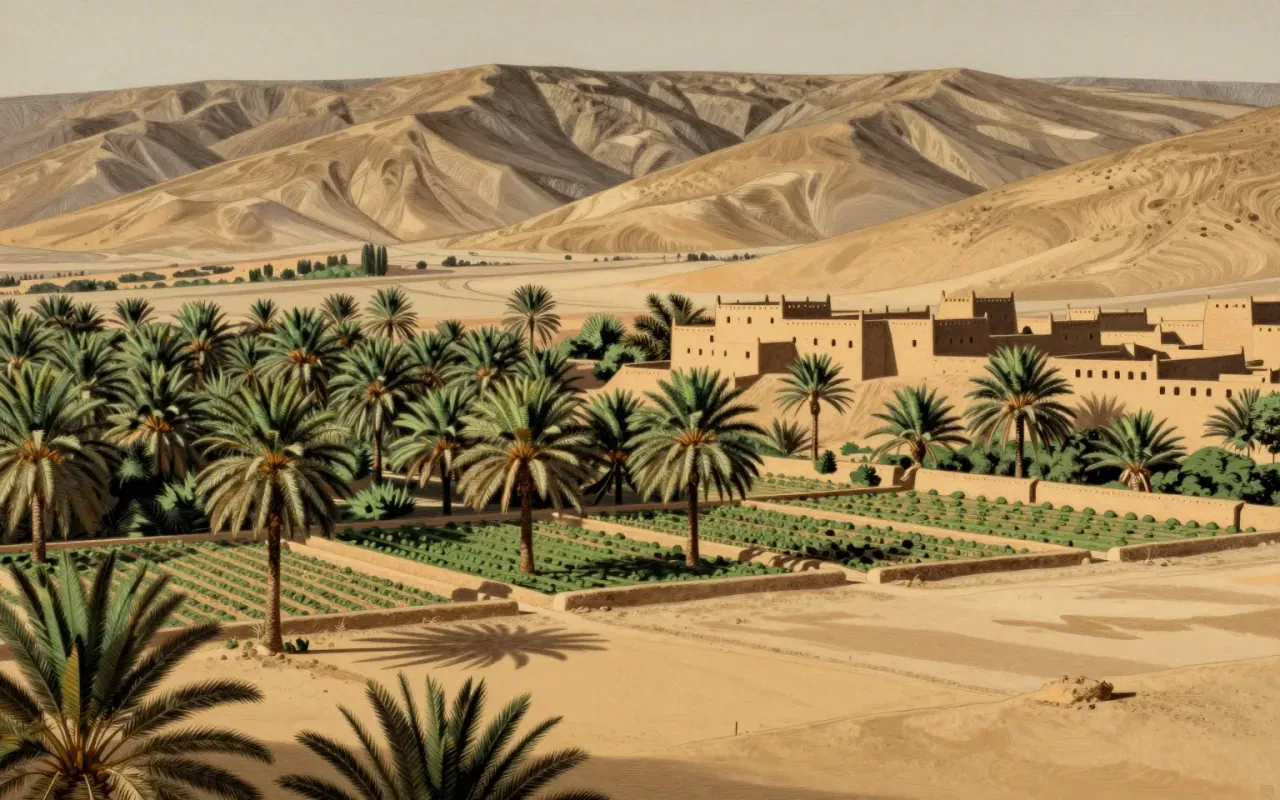
Long before it was a byword for tumbling walls, Jericho was a spring-fed settlement in the Jordan Valley occupied, on and off, for some eleven thousand years. A century of digging has traced a Neolithic tower and wall from around 8300 BC through Bronze Age destructions to a Byzantine revival, but the excavators disagree about what some of it was for, and the famous conquest story from the Hebrew Bible sits awkwardly beside what the trenches actually show.

A peasant girl from Domremy, Joan of Arc reported religious visions that led her to the French court in 1429, where she helped break the siege of Orleans and see Charles VII crowned before her capture and execution for heresy in 1431. Her trial and a later rehabilitation hearing preserve unusually detailed testimony in her own words, though what her visions actually were remains a question the sources describe without settling.

Johannes Gutenberg developed a practical system of movable-type printing in Mainz around 1440, completing his celebrated 42-line Bible around 1455 before a lawsuit from his financier stripped him of his own workshop the following year. Almost nothing survives from his own hand, so his biography rests largely on legal records and physical analysis of surviving type rather than any personal account of his methods or intentions.
John Locke developed influential arguments for natural rights, government by consent and the mind as a blank slate shaped by experience, publishing his major works in 1689 and 1690 after returning from political exile in the Dutch Republic. His preface claiming the Two Treatises defended the recent Glorious Revolution was later shown by scholars to be misleading about when the book was actually written, and his personal financial ties to slavery sit uneasily against his universal language of rights.

José de San Martín spent over two decades as a Spanish officer before returning to Argentina to lead its independence campaign, crossing the Andes into Chile in 1817 and later liberating Peru. After a private meeting with Simón Bolívar at Guayaquil in 1822, he resigned his command and left South American politics for good, a withdrawal historians still argue over the meaning of, since no full account of what the two men said to each other survives.
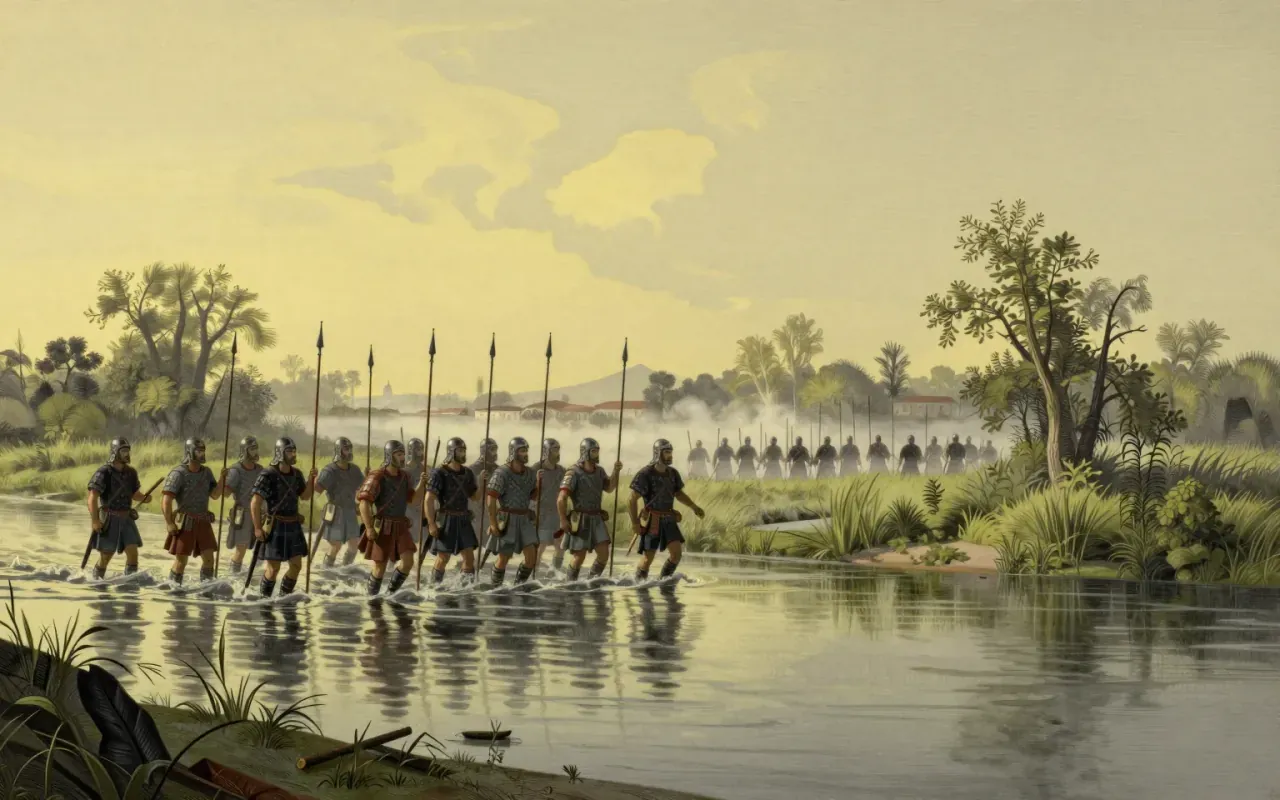
Julius Caesar rose through Roman political and military office in the first century BC, conquered Gaul in the 50s BC, and then led an army against the Senate and his former ally Pompey in a civil war that made him dictator of Rome. He was assassinated by a group of senators, including Brutus and Cassius, on the Ides of March in 44 BC. The fullest evidence for his career comes partly from his own self-justifying commentaries and partly from biographers writing more than a century later.

Kublai Khan, a grandson of Genghis Khan, won a civil war against his brother to become Great Khan in 1260, founded the Yuan dynasty in 1271 by moving the Mongol capital to modern Beijing, and completed the conquest of Southern Song China by 1279 to become the first non-Han ruler of all China. He governed through a deliberate blend of Chinese administrative practice and Mongol tradition that satisfied neither group fully, issued some of the earliest widespread paper currency before inflation undermined it, and launched two failed invasions of Japan, in 1274 and 1281, the second involving roughly 4,400 ships and 140,000 troops, that a modern archaeologist has argued failed partly because the fleet was built in a fraction of the time such construction normally required.

Lech Wałęsa led the August 1980 shipyard strike that produced Solidarity, the first independent trade union recognised in a Warsaw Pact state, surviving martial law and imprisonment before receiving the 1983 Nobel Peace Prize and becoming Poland's first freely elected president in 1990. Documents surfacing between 2008 and 2017, including files seized from a deceased interior minister's home, allege he collaborated with Polish security services as an informant in the early 1970s, a claim he denies and that remains genuinely disputed among historians examining the same evidence.

Leonardo da Vinci trained as a painter's apprentice in Florence, worked for patrons including the Duke of Milan and the King of France, and produced a small surviving body of paintings, among them the Mona Lisa and the Last Supper, alongside extensive notebooks covering anatomy, engineering and natural philosophy that he never published in his lifetime. Much of the familiar personal narrative about him comes from Giorgio Vasari's biography, written decades after Leonardo's death in 1519, which modern historians treat as containing apocryphal or unverifiable episodes alongside genuine information.

Lloyd's of London began as a coffee house on Tower Street run by Edward Lloyd, where sailors and merchants gathered to arrange marine insurance informally before the participants formed a proper society in 1773. For most of its history, policies were backed by wealthy individuals called Names carrying unlimited personal liability, a system that paid off through disasters like the 1906 San Francisco earthquake and the Titanic but nearly collapsed the market when asbestos liability claims from decades earlier surfaced in the 1990s, bankrupting a meaningful share of the Names underwriting the losses. The market has since restructured around corporate capital with limited liability.
Lord Byron became famous overnight with the first cantos of Childe Harold's Pilgrimage, then scandal over his marriage and rumoured relationship with his half-sister drove him from England for good in 1816. He spent his final months and most of his remaining fortune backing the Greek war of independence, dying of fever at Missolonghi in 1824 without seeing a Greek victory his death nonetheless helped bring closer.
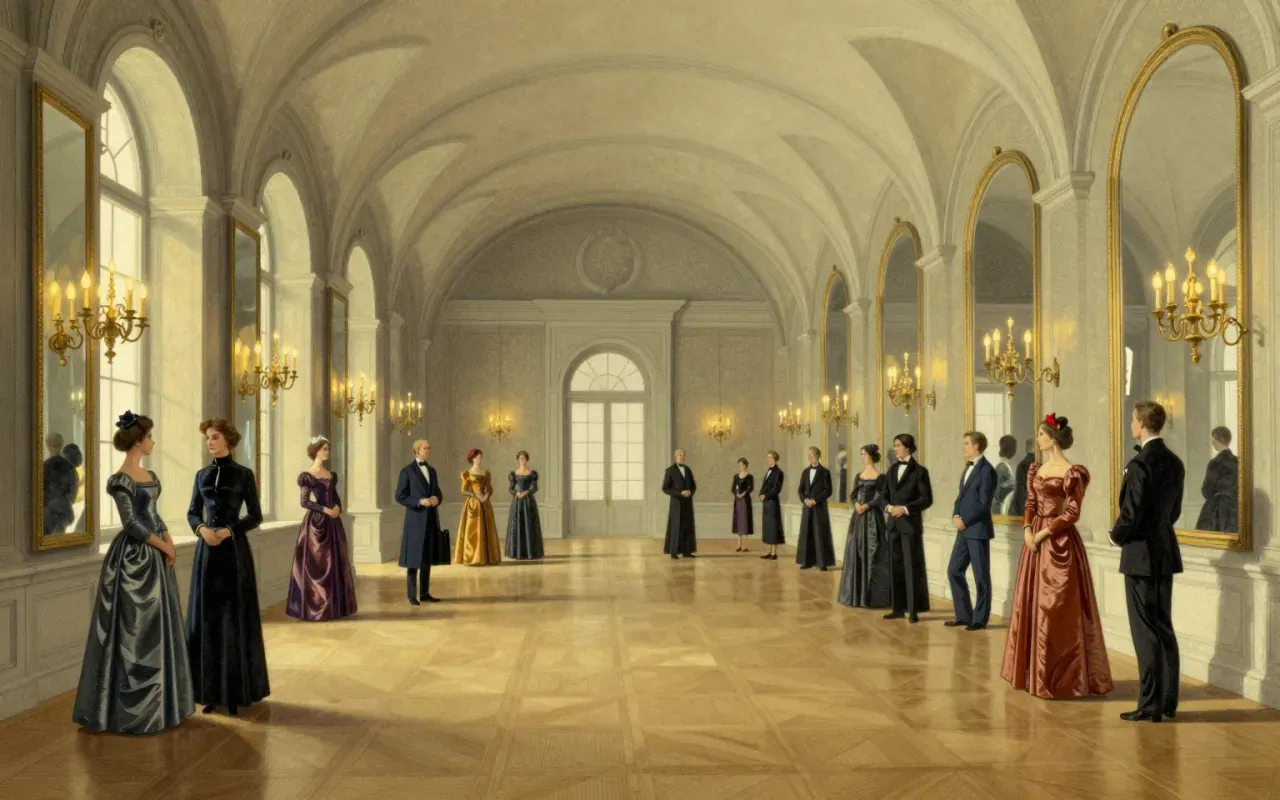
Louis XIV reigned over France from 1643 to 1715, seventy-two years, the longest of any sovereign monarch on record, building the Palace of Versailles as a mechanism for controlling a nobility that had rebelled against the crown during his childhood, and revoking the Edict of Nantes to strip legal protection from French Protestants. His three major wars, the Franco-Dutch War, the Nine Years' War and the War of the Spanish Succession, extended French influence but left his successor a kingdom deep in debt, a legacy that combines genuine administrative and cultural achievement with the costs of near-constant warfare.
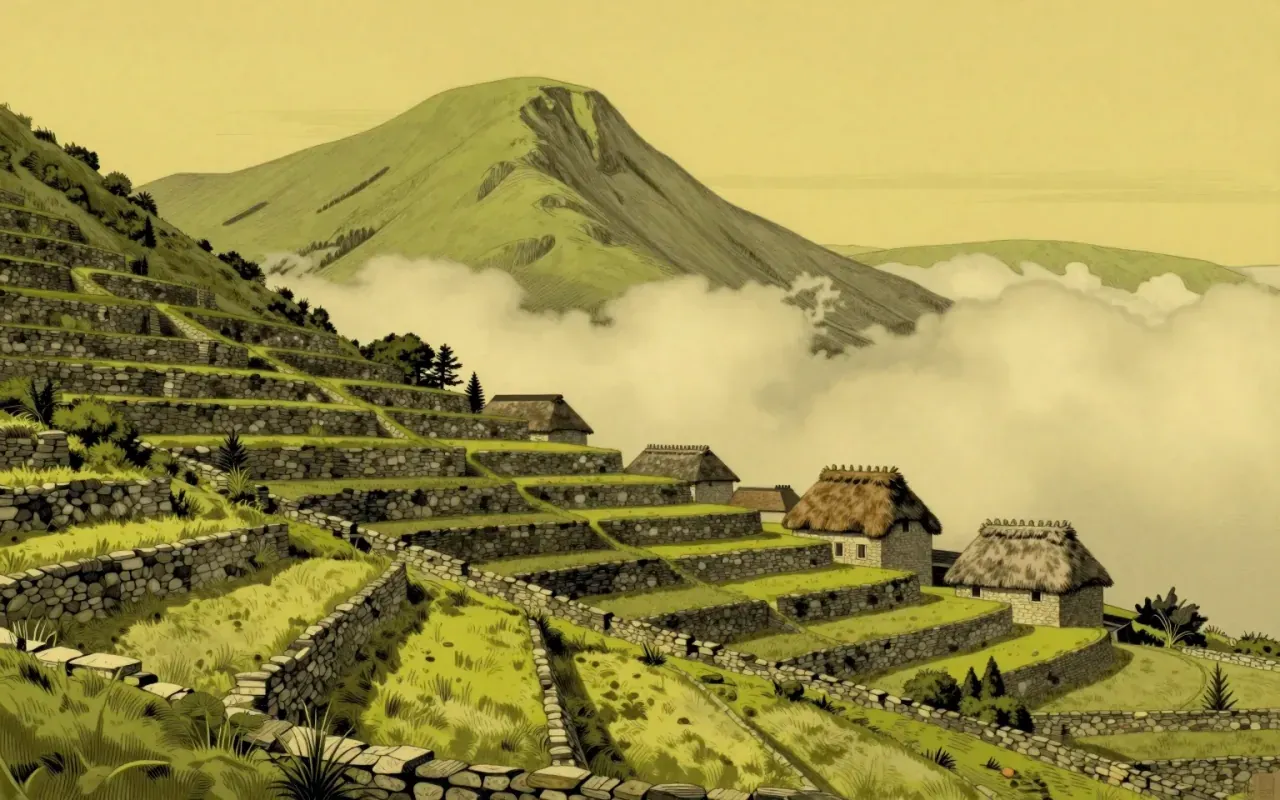
Inca ruler Pachacutec commissioned Machu Picchu as a royal estate following his conquest of the Urubamba region, with traditional dating placing construction around 1450, though 2021 radiocarbon analysis pushed occupation as early as 1420. The site housed a genetically diverse population of roughly 750 support staff before being abandoned around the Spanish conquest, and though the Peruvian farmer Agustin Lizarraga reached the ruins in 1902, American historian Hiram Bingham's 1911 visit and subsequent writing established him as the site's credited discoverer, a framing Bingham himself later hardened despite initially acknowledging Lizarraga.

Mansa Musa ruled the Mali Empire from around 1312 to 1337, a reign later chroniclers regarded as its golden age, and became widely known in the Islamic world after his pilgrimage to Mecca in 1324, during which his gold spending reportedly depressed the metal's value in Cairo for years afterward. He annexed Timbuktu and Gao, recruited scholars including the poet Abu Ishaq al-Sahili, and helped establish Timbuktu's Sankore as a centre of Islamic learning, though the precise scale of his wealth, drawn from a handful of Arabic chroniclers writing after the fact, cannot be independently verified.
From a Hunan peasant household to chairman of the Chinese Communist Party for over three decades, Mao Zedong built his power on a rural strategy Marxist orthodoxy had dismissed, then used control of propaganda and education to shape how his rule would be remembered. His decades in office combined rapid industrialisation and literacy gains with famine and political purges whose full toll remains disputed. Assessments of his legacy still split sharply between accounts of a nation-builder and a mass killer.
Adopted as heir in 138 and made emperor in 161, Marcus Aurelius spent much of his nineteen-year reign fighting wars in the east and along the Danube while a severe epidemic killed millions across the empire. His private notebook, the Meditations, records a Stoic-trained mind working through the burdens of rule, but the actual chronicle of his reign rests on other, less personal sources whose own reliability historians still weigh carefully.

Klemens von Metternich rose from a minor German diplomatic family to become Austria's foreign minister and, from 1821, its chancellor, presiding over the Congress of Vienna and then building a continent-wide network of censorship and surveillance meant to hold back liberal and nationalist movements. The 1848 revolutions ended his career in a single day, and historians still argue over whether to remember him as a stabiliser who kept Europe largely at peace for three decades or as a reactionary who left problems to compound rather than resolving them.

Michael Collins escaped execution after the 1916 Easter Rising through what his biographer calls sheer luck, then built an intelligence network so effective during Ireland's War of Independence that it reached deep into the British administration itself. He went on to negotiate the 1921 treaty that created the Irish Free State, telling a British official he might have signed his own death warrant in doing so, a prediction that came true eight months later when anti-treaty forces killed him in an ambush in his native County Cork.
Michelangelo trained as a painter before becoming the era's defining sculptor, producing the Pieta, David and the Sistine Chapel ceiling for a series of Medici and papal patrons across nearly seven decades of work. His two earliest biographies were written by admirers, one with his own direct input, and both are now understood to have shaped his public image, including by obscuring the men to whom he addressed much of his surviving love poetry.
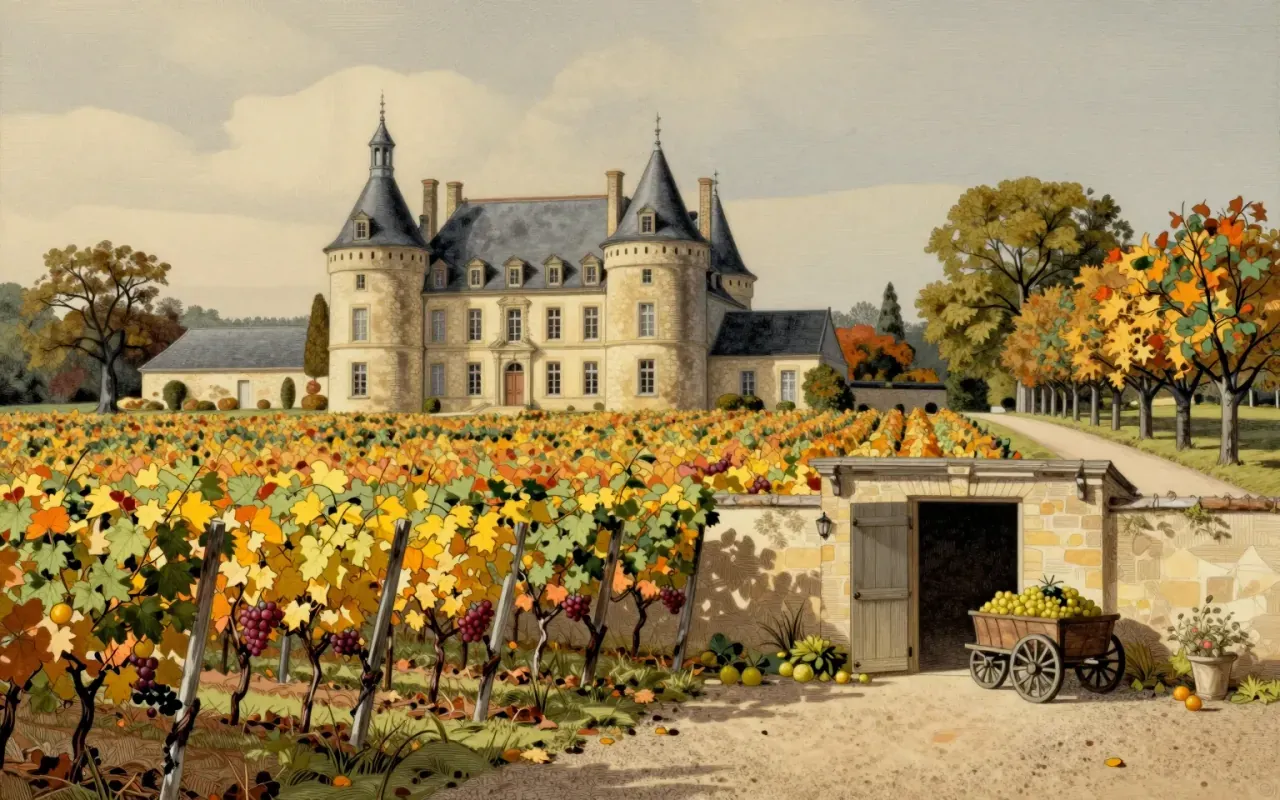
Montesquieu argued in The Spirit of the Laws, published in 1748, that political liberty required dividing government into separate legislative, executive and judicial powers, drawing his model partly from an extended stay observing England. That model became enormously influential in colonial and revolutionary America, even though scholars now treat his account of English government as an idealised simplification rather than a fully accurate description of how England was actually run.
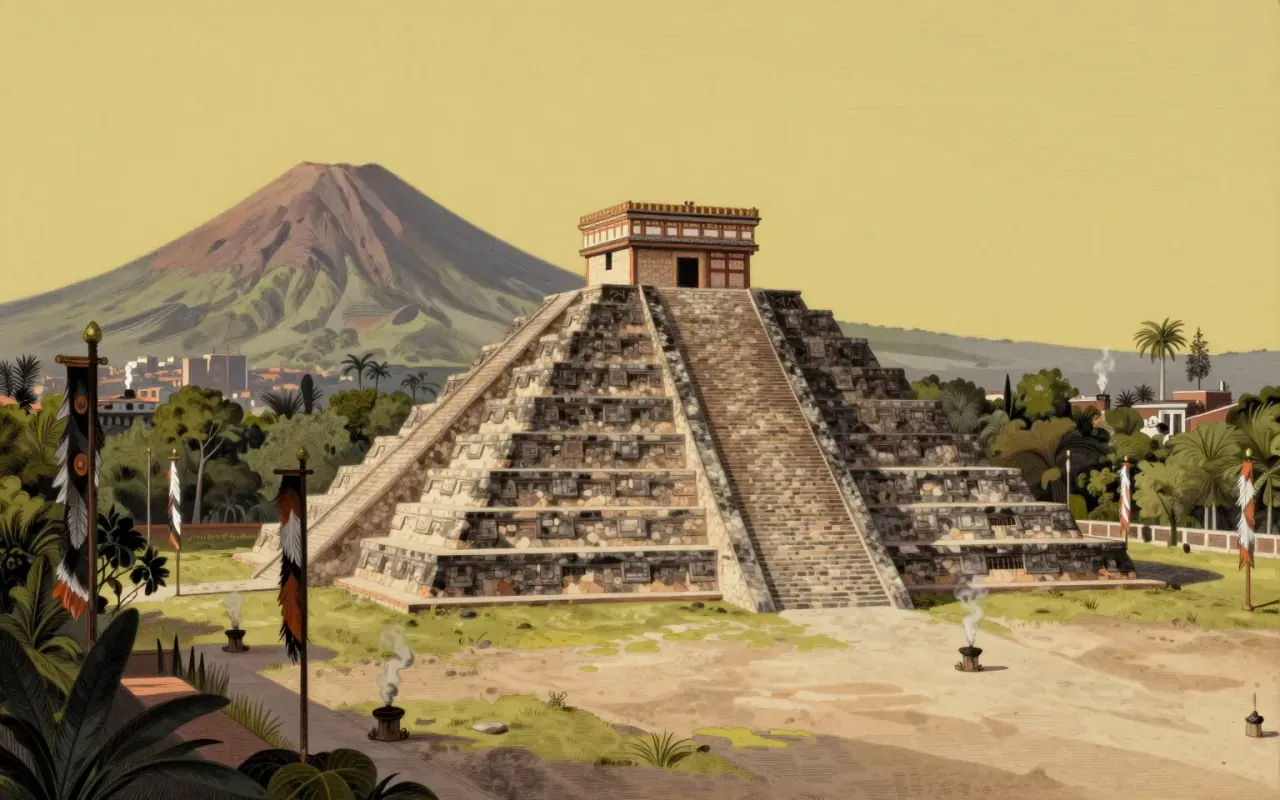
Moctezuma II expanded the Aztec Empire to its greatest territorial extent, fought some seventy-three military campaigns, and reorganised imperial administration into centrally governed provinces before Spanish forces reached Tenochtitlan in 1519. Spanish and indigenous sources diverge sharply in their portrayal of him, and his death in June 1520 remains disputed between accounts of his own subjects stoning him and testimony that Spanish soldiers killed him directly. His decades of successful rule have been largely overshadowed in popular memory by the empire's collapse the following year, leaving no single settled portrait of the man behind either extreme characterisation.
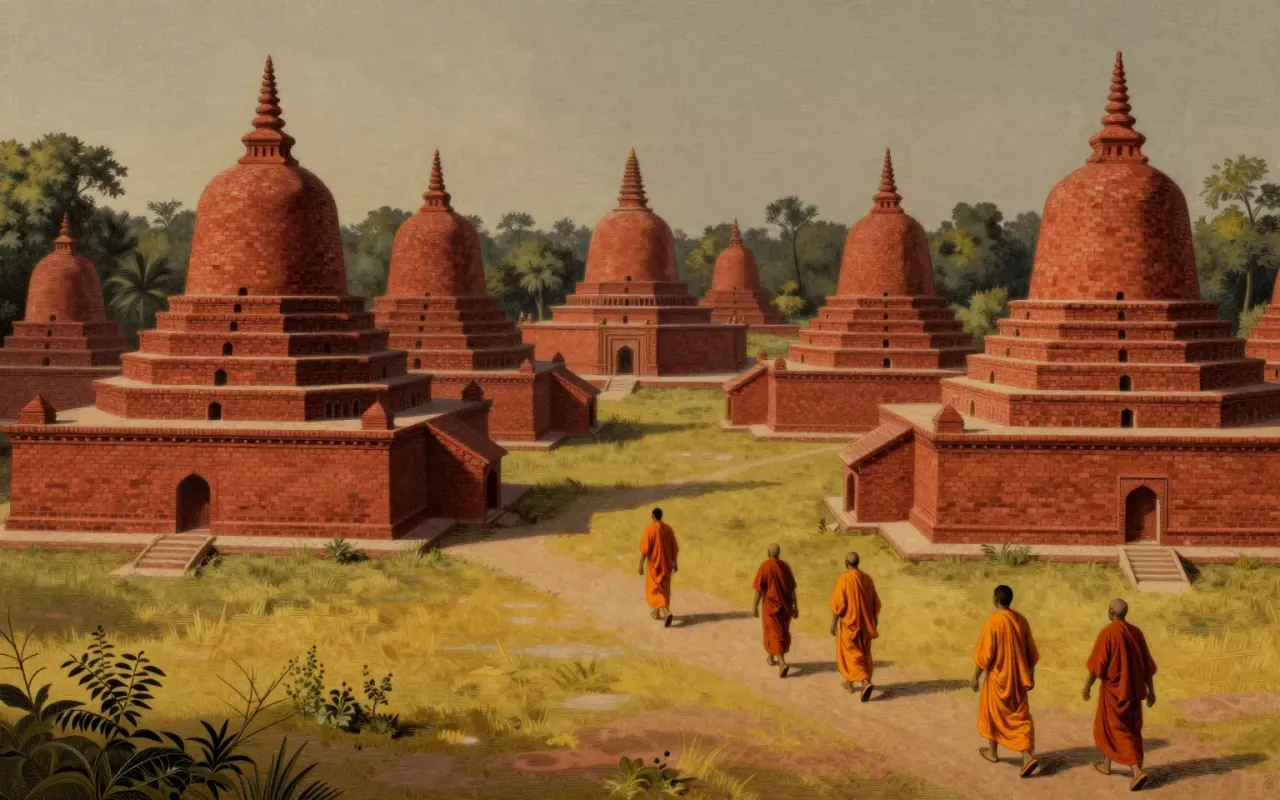
Nalanda, founded around 427 under the Gupta emperor Kumaragupta I, grew into a major Buddhist centre of learning that at its height supported over 1,500 faculty on revenue from a hundred villages, according to the Chinese pilgrim Xuanzang, who studied there for roughly two years from 637 and later left an account mixing careful observation with unverifiable legend. The institution was burned by Muhammad Bakhtiyar Khalji's forces around 1200, though it did not vanish immediately, with reduced scholarly activity continuing for some decades and its traditions carried onward into Tibetan Buddhism through fleeing monks.

Napoleon Bonaparte rose from a Corsican artillery officer to First Consul of France after the 1799 coup of 18 Brumaire and Emperor from 1804, leading French armies through more than a decade of victories, at Austerlitz, Jena and Friedland among them, before catastrophic defeat in Russia in 1812 and final loss at Waterloo in 1815 ended his rule and sent him into exile on Saint Helena, where he died in 1821. His legal reforms, the Napoleonic Code among them, spread across much of Europe even as his own conquests reinstated slavery in French colonies and rolled back civil liberties at home.
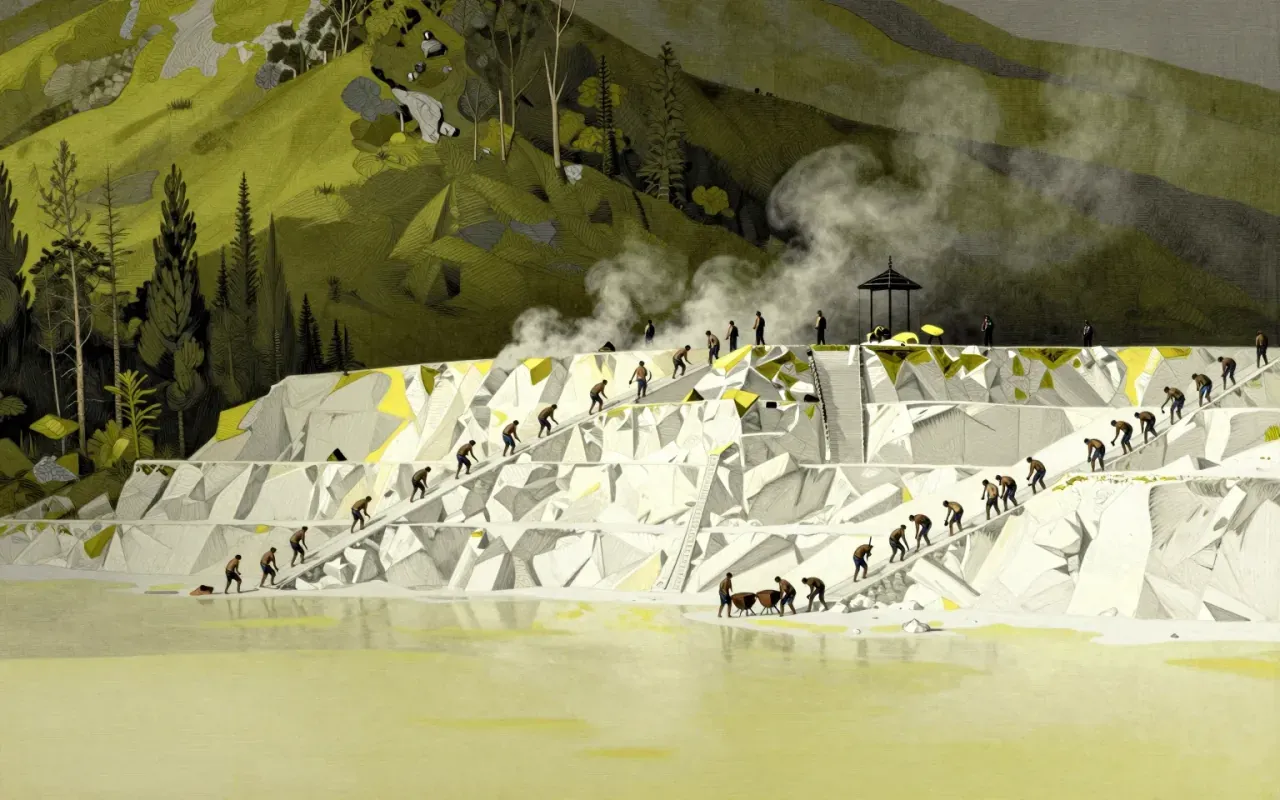
Nelson Mandela moved from law student and African National Congress organiser to leader of an armed resistance wing, then spent twenty-seven years in prison after the 1964 Rivonia Trial before his 1990 release and his election as South Africa's first Black president in 1994. His single term prioritised reconciliation over retribution, most visibly through the Truth and Reconciliation Commission, and he declined a second term, an unusual choice among leaders who had spent decades fighting for power.
Nero became Roman emperor in AD 54 at sixteen, ruled competently under his advisers' guidance for several years, and then, after having his mother killed and losing his steadying counsellors, presided over a reign remembered for the great fire of Rome in AD 64 and a wave of executions before his suicide in AD 68. Every surviving account of him was written decades or centuries later by hostile senatorial writers, none of whom witnessed his reign firsthand.
Neville Chamberlain spent nearly two decades in cabinet before becoming prime minister in 1937 and pursuing the policy of appeasement that produced the 1938 Munich Agreement, an outcome he initially returned home to genuine public acclaim for. His reputation collapsed within two years, cemented by a bestselling wartime pamphlet blaming him for Britain's unpreparedness, and though later historians have argued declassified evidence shows Britain was in fact militarily unready for war in 1938, that reassessment has not restored his standing among British prime ministers.
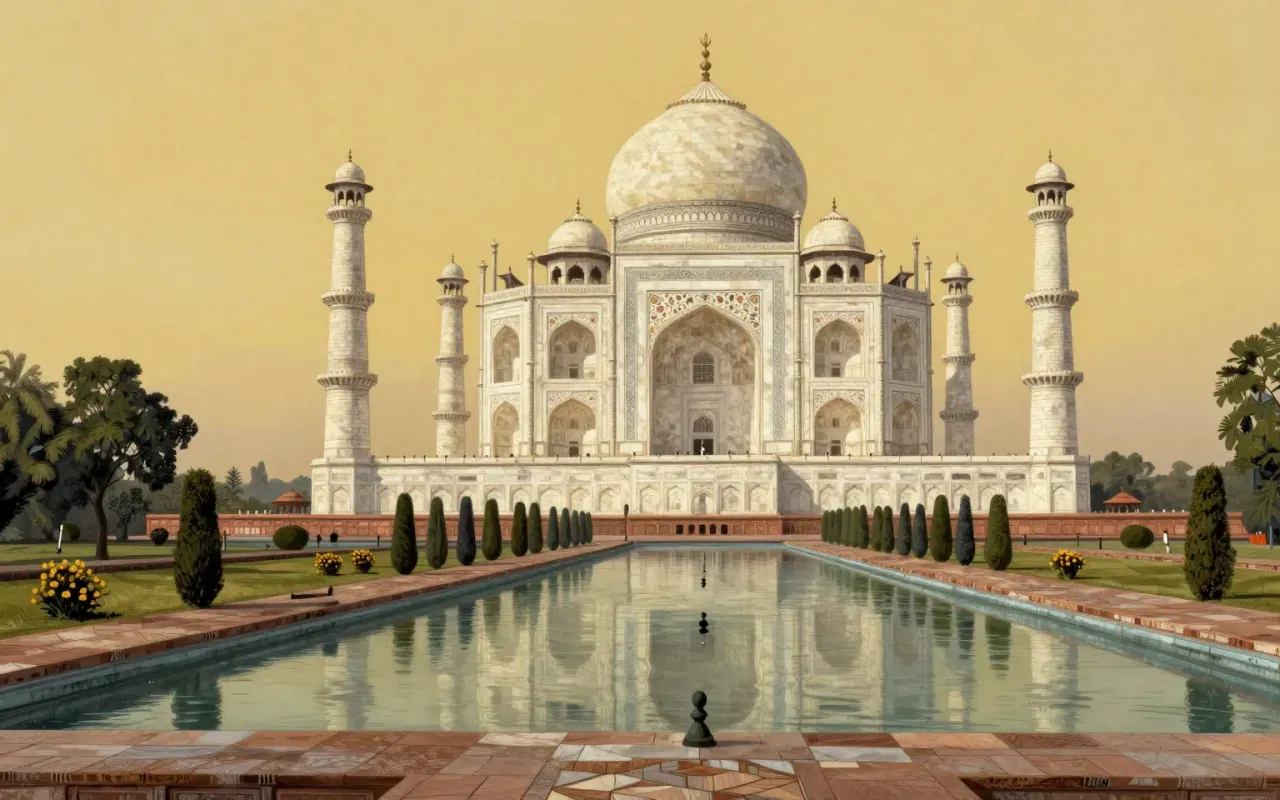
Nur Jahan, born Mehr-un-Nissa in 1577, became Emperor Jahangir's twentieth and last legal wife in 1611 and, through his dependence on opium and alcohol, accumulated genuine political authority, holding the imperial seal, minting silver rupees in her own name at Patna, and once leading troops on an elephant to rescue her captured husband in 1626. Her power collapsed after Jahangir's death in 1627, when her brother Asaf Khan backed her stepson Shah Jahan in the succession struggle, and she spent her remaining years under a comfortable but constrained house arrest in Lahore until her death in 1645.

Oda Nobunaga rose from control of a single Japanese province to command roughly twenty central provinces by the early 1580s, defeating rival clans, destroying fortified religious strongholds, and beginning the unification of Japan that his successors Toyotomi Hideyoshi and Tokugawa Ieyasu would complete after his death in 1582, when a subordinate general's betrayal at Kyoto's Honno-ji temple forced him to take his own life. Long-credited tactical innovations attributed to him, notably a supposed three-stage firing formation at the Battle of Nagashino, are now regarded by historians as later misinterpretation rather than accurate contemporary description.

Oliver Cromwell rose from a struggling minor gentry background to command Parliament's cavalry, sign Charles I's death warrant, and rule as Lord Protector until his death in 1658. His brutal 1649 campaign in Ireland, including mass killings at Drogheda and Wexford that he justified explicitly in religious terms, remains the most contested part of a record historians read as genuine religious conviction entangled with ruthless political and military necessity.
Otto von Bismarck engineered three wars in six years to unify Germany under Prussian leadership, then spent nearly two decades as chancellor building a European balance-of-power system credited with preventing major war during his tenure while suppressing Catholics and socialists at home. Historians remain split on how much responsibility his diplomatic architecture, however successful while he ran it, deserves for the less stable arrangement that followed his forced resignation in 1890 and eventually produced the war it had been built to avoid.

Oxford has no clean founding date, with teaching documented there as early as 1096, but its rapid growth followed a 1167 decision by Henry II to bar English students from studying in Paris. A deadly town-versus-gown dispute in 1209 drove some scholars to flee and found what became the University of Cambridge, while Oxford itself gained a chancellor by 1214 and a royal charter in 1248. The university sided with the Crown during the English Civil War while the town backed Parliament, endured religious upheaval during the Reformation, and continued reforming into the twentieth century, introducing the doctorate of philosophy only in 1917.

The Imperial Japanese Navy's surprise attack on the American naval base at Pearl Harbor on 7 December 1941 brought the United States into the Second World War, a strike American commanders were unprepared for because they had judged a Japanese attack on Wake Island or the Philippines far more likely and had, according to the record, no meaningful air-defence plan for Hawaii itself. Two senior commanders, Admiral Husband Kimmel and Lieutenant General Walter Short, were demoted shortly afterward, and the base has since been merged into what is now Joint Base Pearl Harbor-Hickam.
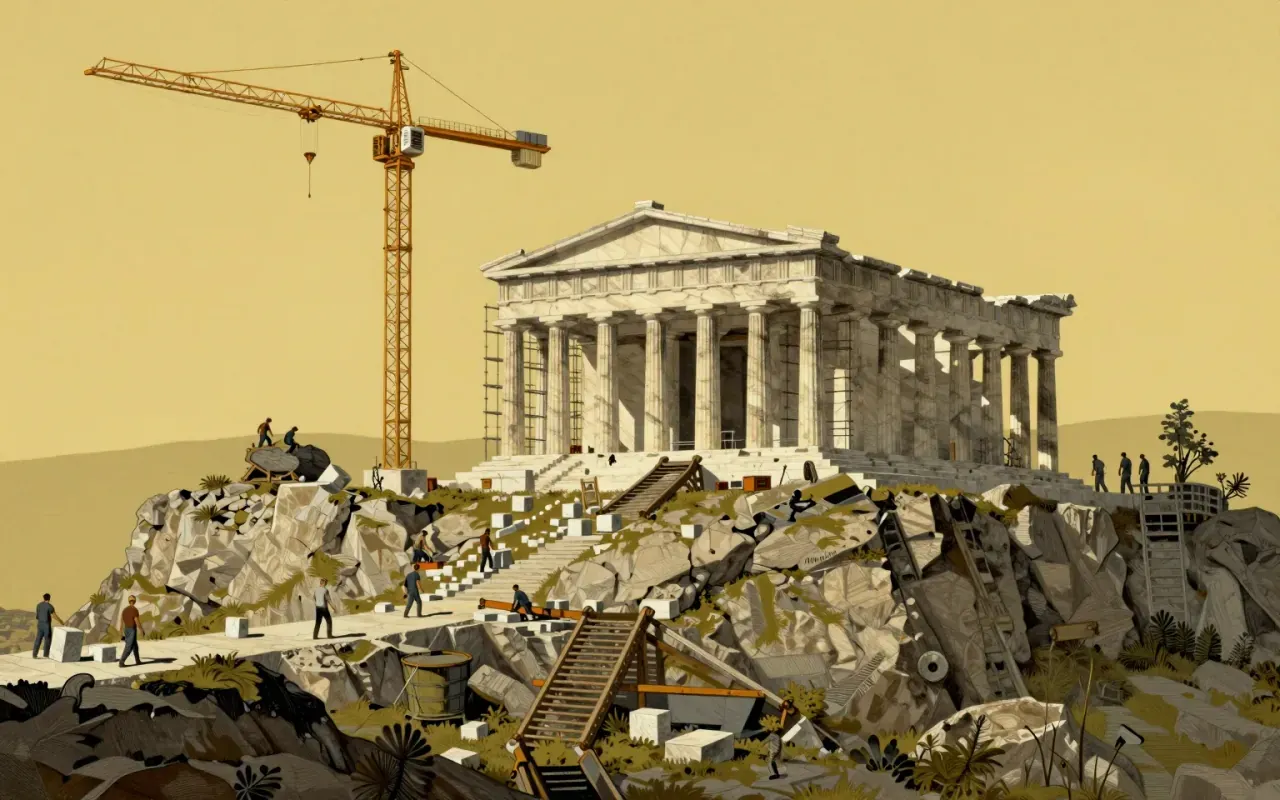
Pericles rose to unchallenged leadership of Athens by the 440s BC through repeated use of prosecution and ostracism against rivals, then financed the Parthenon and other monuments with treasury redirected from the Delian League before leading Athens into the Peloponnesian War, dying of plague in 429 BC. Thucydides's admiring portrait, including a famous funeral oration he admitted reconstructing from memory, sits alongside Plato's sharp condemnation and Aristophanes's contemporary mockery. Historians remain divided over his responsibility for the war, the soundness of his defensive strategy, and whether his imperial management of allied states undermined the democratic ideals he is credited with championing.

Peter I ruled Russia as tsar from 1682 and as its first emperor from 1721 until his death in 1725, transforming the country through an eighteen-month tour of Western Europe in 1697 and 1698, victory over Sweden in the Great Northern War culminating at Poltava in 1709, and the founding of St Petersburg in 1703 as a new, Western-facing capital. His reforms came paired with severe repression, including the torture and execution of roughly 1,182 rebel Streltsy soldiers after a 1698 uprising, a record that has left historians divided between crediting him as Russia's essential modernizer and condemning the violence his state-building consistently relied on.

The Nabataeans, an Arab people whose origins scholars no longer trace to Aramean roots, built Petra into a thriving trading city that reached a population of roughly twenty thousand in the century before Rome annexed it in 106. A 1964 discovery of Nabataean inscriptions established the city's original name as Raqmu, and after earthquake damage and the decline of the trade routes it depended on, Petra faded from written record by the seventh century until the Swiss traveller Johann Ludwig Burckhardt, disguised as a local, rediscovered it for European scholarship in 1812.

Petrarch abandoned law for scholarship and poetry, wrote lifelong verse addressed to a woman he called Laura, and helped launch the humanist recovery of classical texts after finding a cache of Cicero's letters in 1345. He is unusually well documented through his own vast correspondence, but that same abundance means historians read his most flattering self-portraits, including the Laura story itself, with real caution.
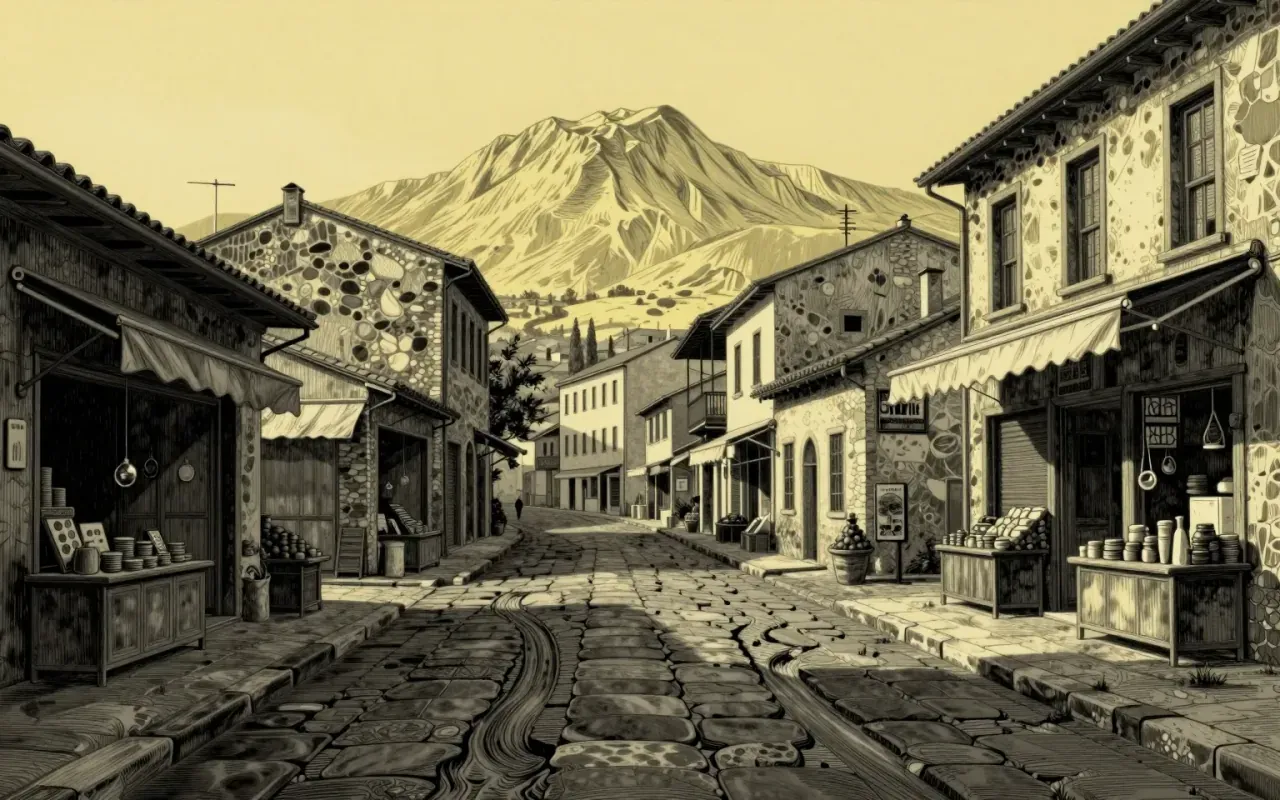
Mount Vesuvius erupted over roughly two days, first burying Pompeii under nearly eighteen hours of falling pumice that let many residents flee, then killing those who remained with pyroclastic flows hot enough to be fatal even at a distance of ten kilometres. Pliny the Younger's eyewitness letters, written years afterward, long placed the eruption in August, but a 2022 study using seasonal produce, clothing and coin evidence redated it to late October, correcting a chronology that had stood for centuries.

Qin Shi Huang unified China by 221 BC after conquering the six remaining Warring States, took the newly created title of emperor, and standardised the empire's writing, currency, weights and measures while organising it into centrally administered commanderies rather than hereditary fiefs, reforms whose influence Sinologist Michael Loewe has argued shaped Chinese history until 1911. He also conscripted enormous labour forces for the early Great Wall and his own vast mausoleum, discovered in part through the Terracotta Army unearthed in 1974, and died in 210 BC, probably in his forty-ninth year, while still searching for an elixir of immortality, leaving behind a reputation as a brutal tyrant that historians now trace largely to Sima Qian's history, written roughly a century later for the dynasty that had replaced his own.
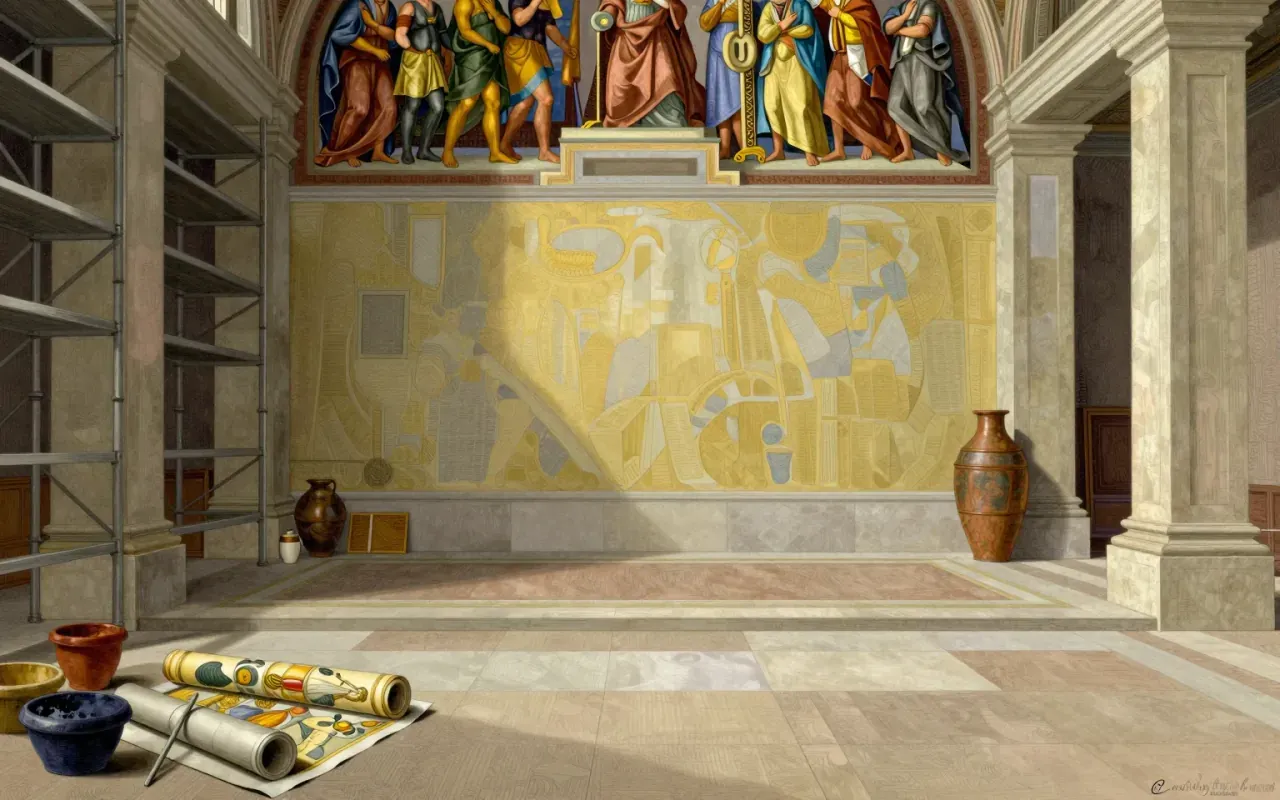
Raphael trained under Perugino, absorbed elements of Leonardo's technique, and spent his final twelve years producing major works for two popes in Rome, including the Vatican frescoes, before dying in 1520 at thirty-seven. His workshop, reportedly numbering around fifty assistants, means many later paintings attributed to him were only partly his own work, and much of his biography still rests on a single, decades-later account by Giorgio Vasari.
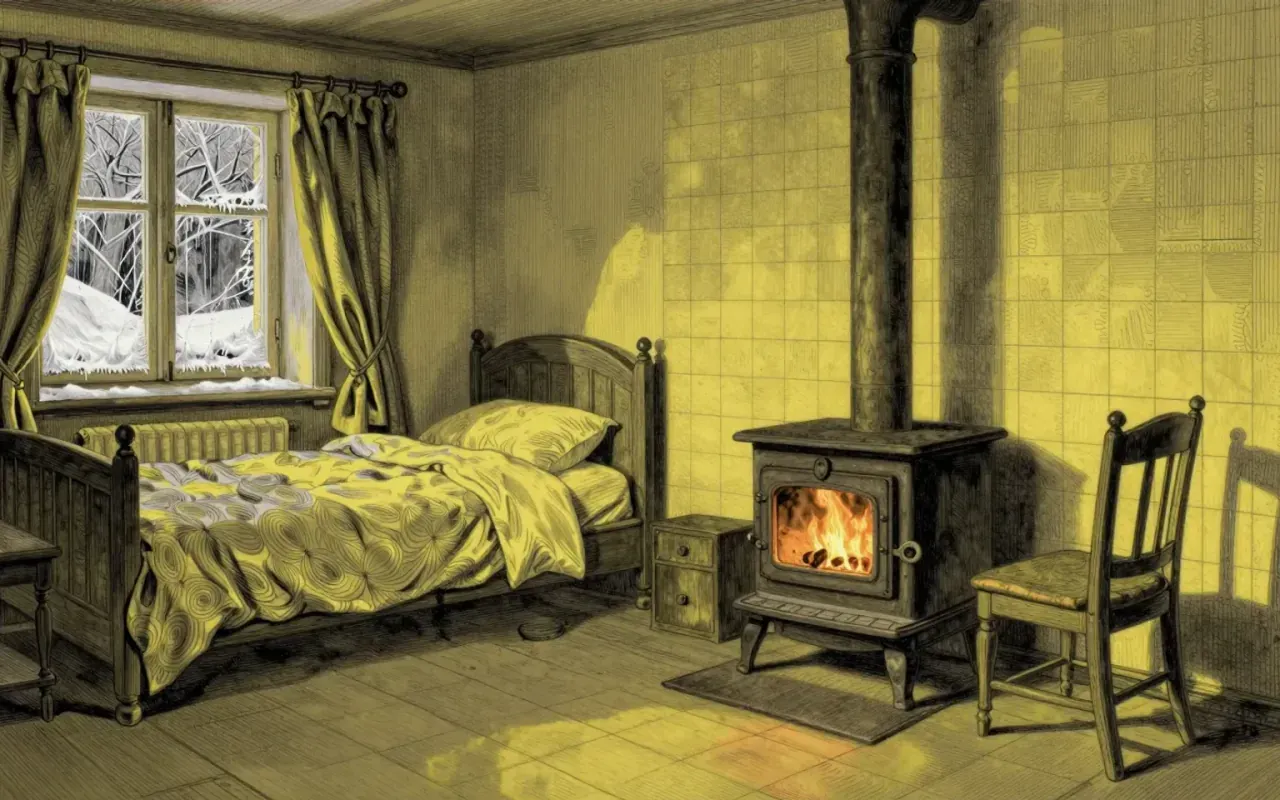
Rene Descartes built a systematic method of doubting every belief that could possibly be questioned in order to find one certain foundation, concluding that the fact of his own thinking proved his existence, and used that starting point to argue for a strict division between mind and body. His posthumous editor reshaped his surviving letters for publication, and even the familiar account of his death in Sweden in 1650 has since been questioned by researchers working from the attending physician's own correspondence.

Richard I ruled England from 1189 to 1199 but spent most of that decade on crusade, in captivity, or defending his family's continental territories, leading the Third Crusade to within twelve miles of Jerusalem before withdrawing and ordering the execution of roughly 2,700 Muslim prisoners at Acre in 1191. Captured near Vienna on his way home and held for a ransom of 150,000 marks, roughly two to three years of England's crown revenue, he spent his final years at war with Philip II of France, building the innovative fortress of Chateau Gaillard, before dying in 1199 from a crossbow wound whose shooter he forgave on his deathbed, a reputation later historians alternately built up as chivalric ideal and tore down as a neglectful absentee king.

A Polish-German Marxist theorist and one of the first women to earn a doctorate in political economy, Rosa Luxemburg spent her career arguing for revolutionary spontaneity against both reformist socialism and Bolshevik authoritarianism, before co-founding the German Communist Party during the 1918-1919 revolution. Captured after the Spartacist uprising's defeat, she was beaten and shot by Freikorps paramilitaries on 15 January 1919, and how much official sanction lay behind her killing remains unresolved.
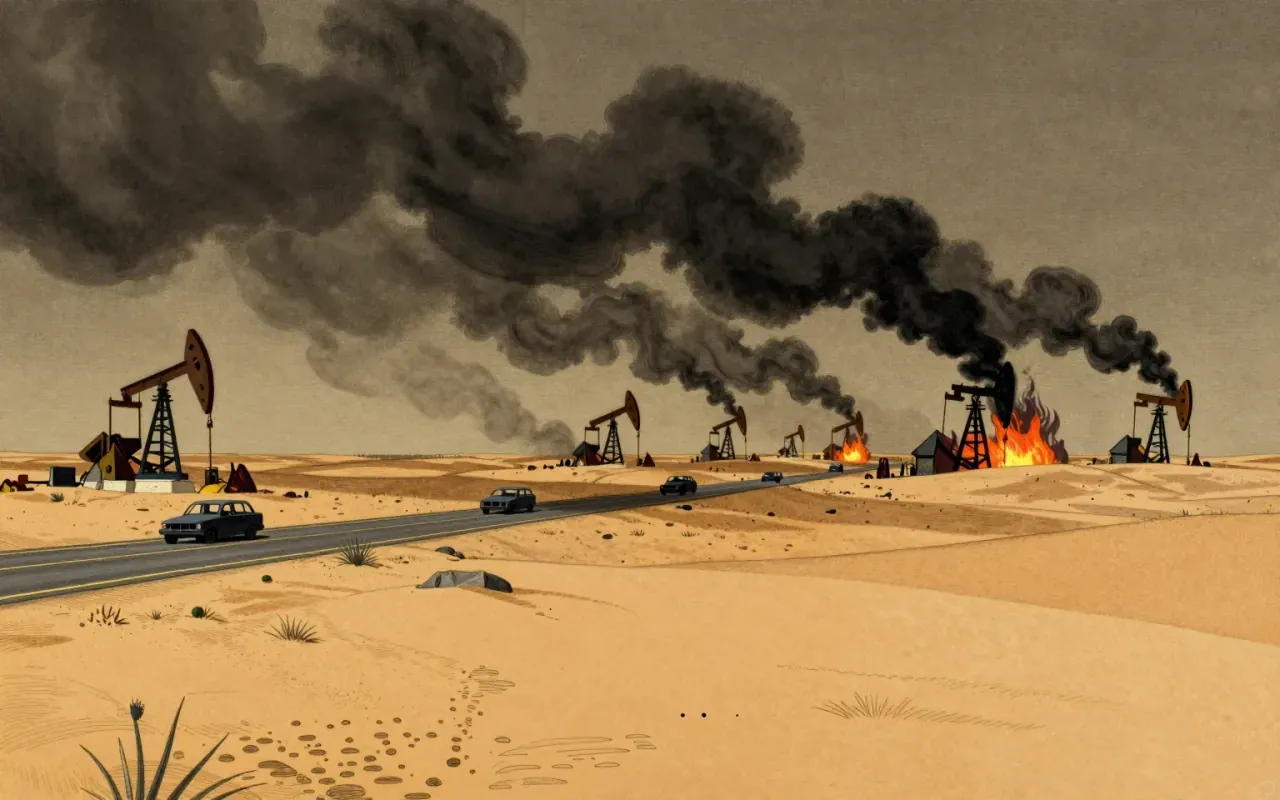
From a Ba'athist plotter in 1959 to president from 1979 to 2003, Saddam Hussein built one of the Arab world's more literate, industrialised states while running a security apparatus that Human Rights Watch estimates killed or disappeared a quarter of a million people. He invaded Iran, then Kuwait, survived one war and was toppled by another, and was hanged in 2006 after a trial for a single 1982 massacre.
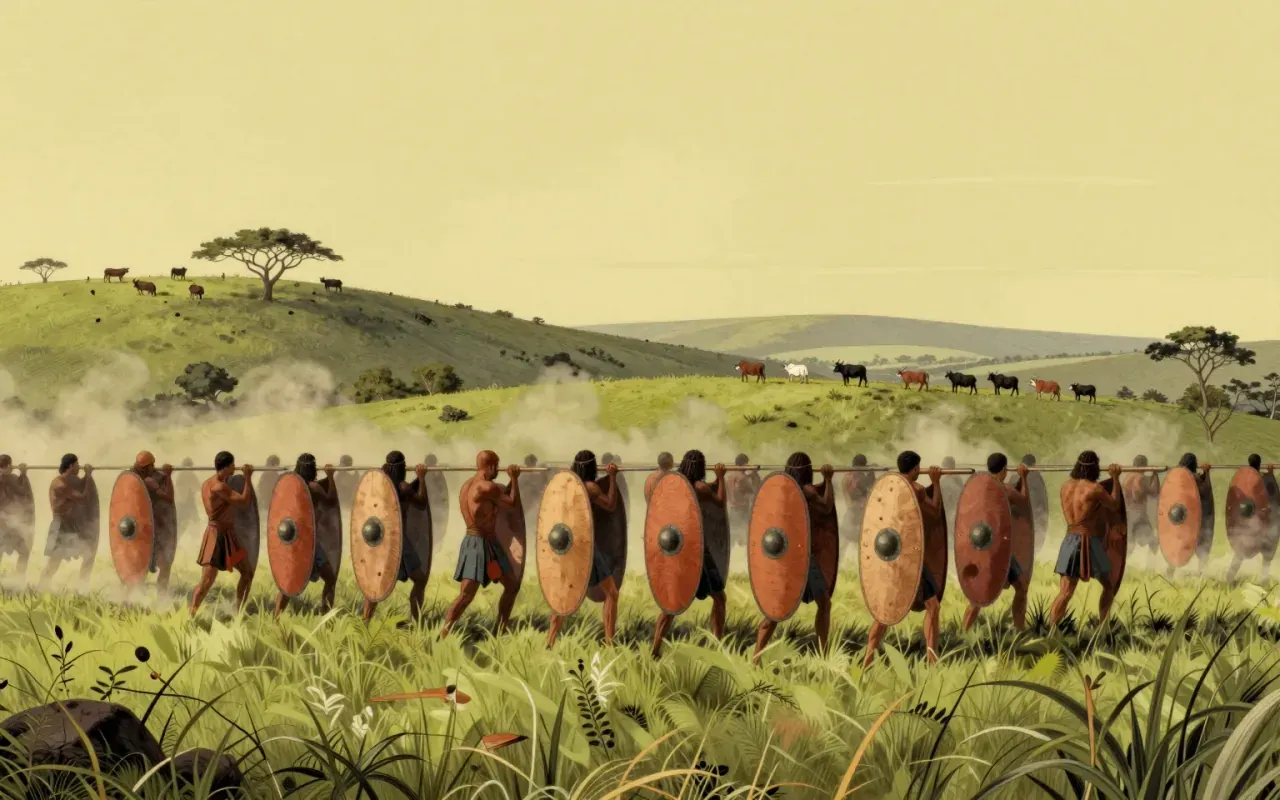
Shaka rose from illegitimate birth to Zulu kingship in 1816, building a disciplined, centrally controlled military force that expanded his kingdom rapidly before his assassination by half-brothers in 1828. His reputation for extreme brutality descends largely from two European traders at his court, one of whom is documented urging the other to exaggerate his savagery for a more compelling book and a personal land claim. Historians remain divided between revisionists who see later colonial and apartheid-era exaggeration and traditionalists who credit genuine documented military innovation, leaving Shaka's actual character considerably harder to pin down than either extreme allows.

From The Interpretation of Dreams in 1899 through decades of case studies and theoretical works, Sigmund Freud built psychoanalysis into an international movement centred on the unconscious, infantile sexuality and the talking cure. His methodology, including the abandoned seduction theory and the botched treatment of patient Emma Eckstein, has drawn sustained criticism, and his scientific status remains genuinely contested nearly a century after his death in 1939.
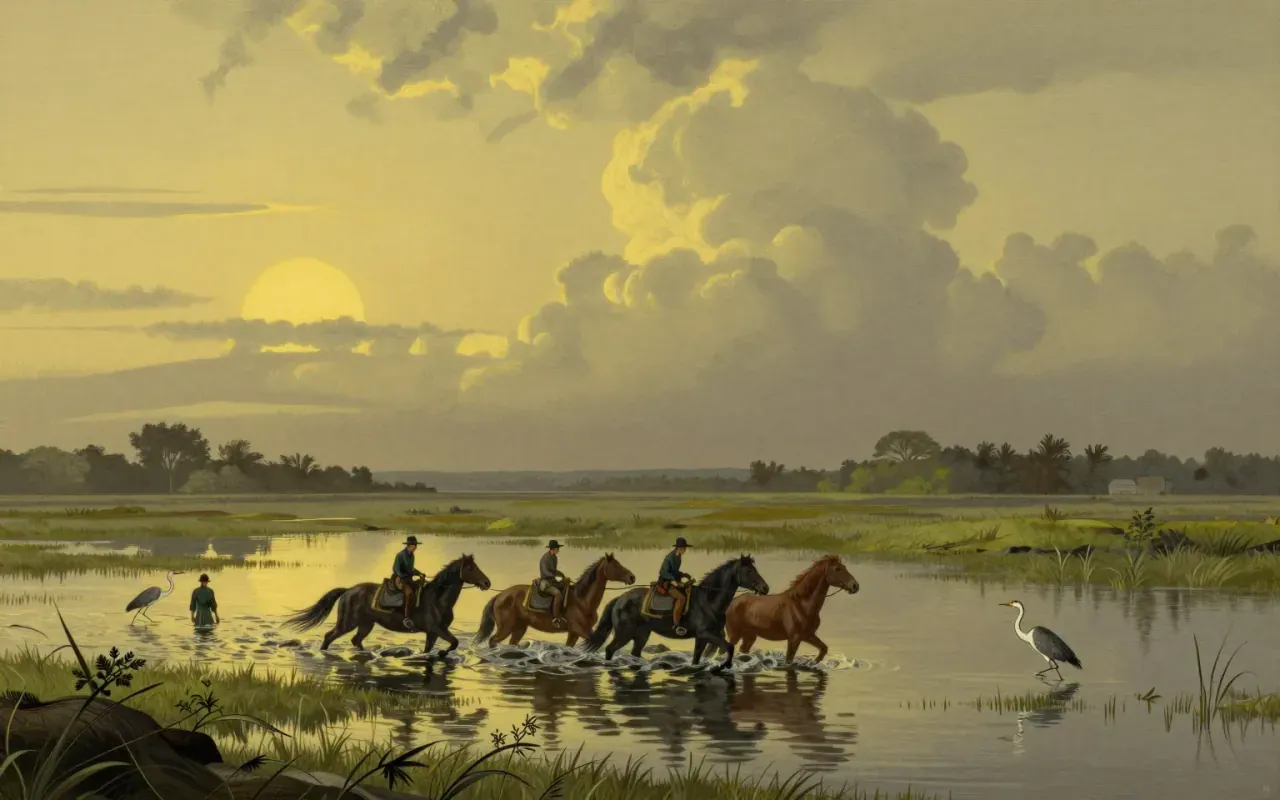
Simon Bolivar led independence campaigns across what is now Venezuela, Colombia, Ecuador, Peru and Bolivia between the 1810s and 1825, entering Caracas in 1813 to the title El Libertador and later serving as president of the short-lived Gran Colombia, dictator of Peru and first president of Bolivia. He also issued and later annulled a Decree of War to the Death, ordering the execution of Spaniards who did not actively support his forces, and he died of tuberculosis in 1830 at forty-seven, disillusioned and stripped of the offices he had once held, a decline the surviving record acknowledges without fully accounting for.
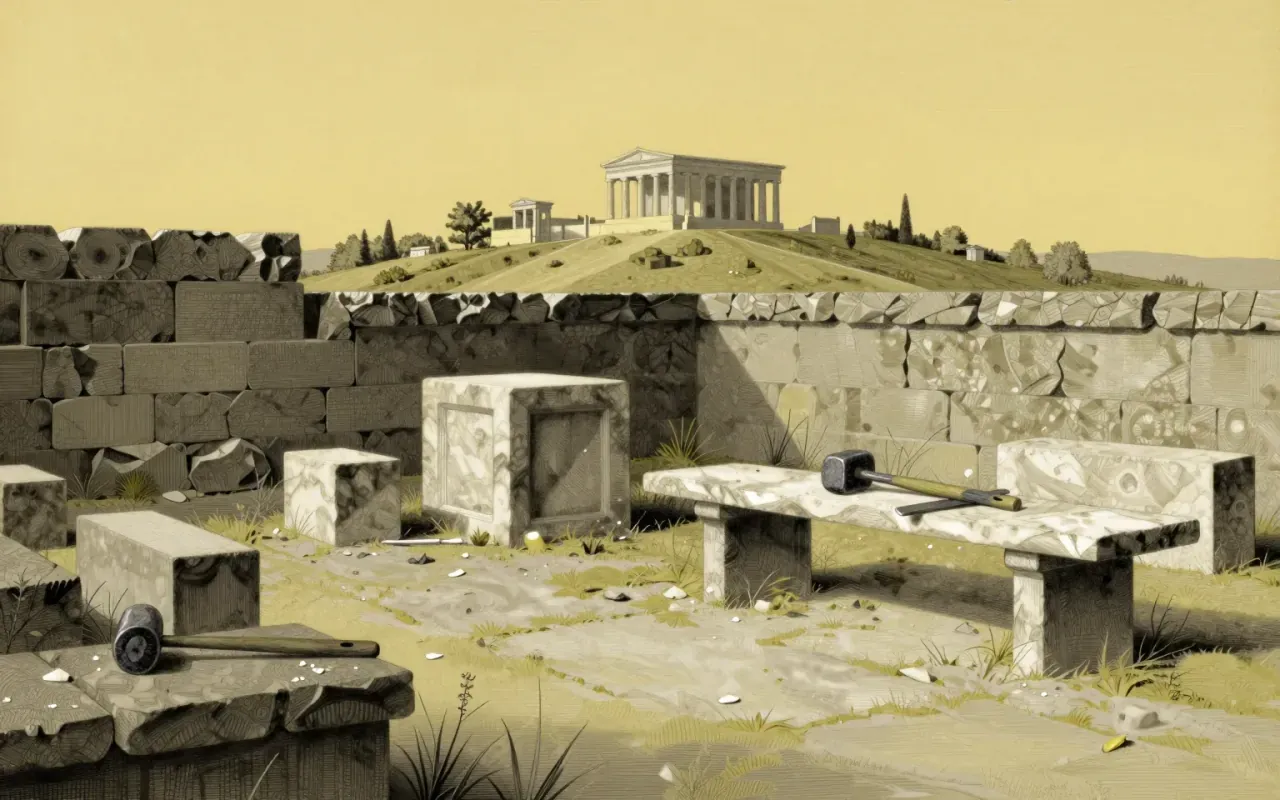
Socrates spent much of his adult life questioning prominent Athenians in public rather than pursuing wealth or office, a habit that made him enemies in a small city where reputational damage carried real consequences. Tried and executed in 399 BC on charges of impiety and corrupting the young, he left no writing of his own, so everything known about him comes through Plato, Xenophon and Aristophanes, sources that genuinely contradict each other in what scholars call the Socratic problem. Historians remain divided on whether his famous claim to know nothing was sincere humility or rhetorical strategy, whether he was religiously sincere, and whether his trial reflected genuine belief or a political pretext.
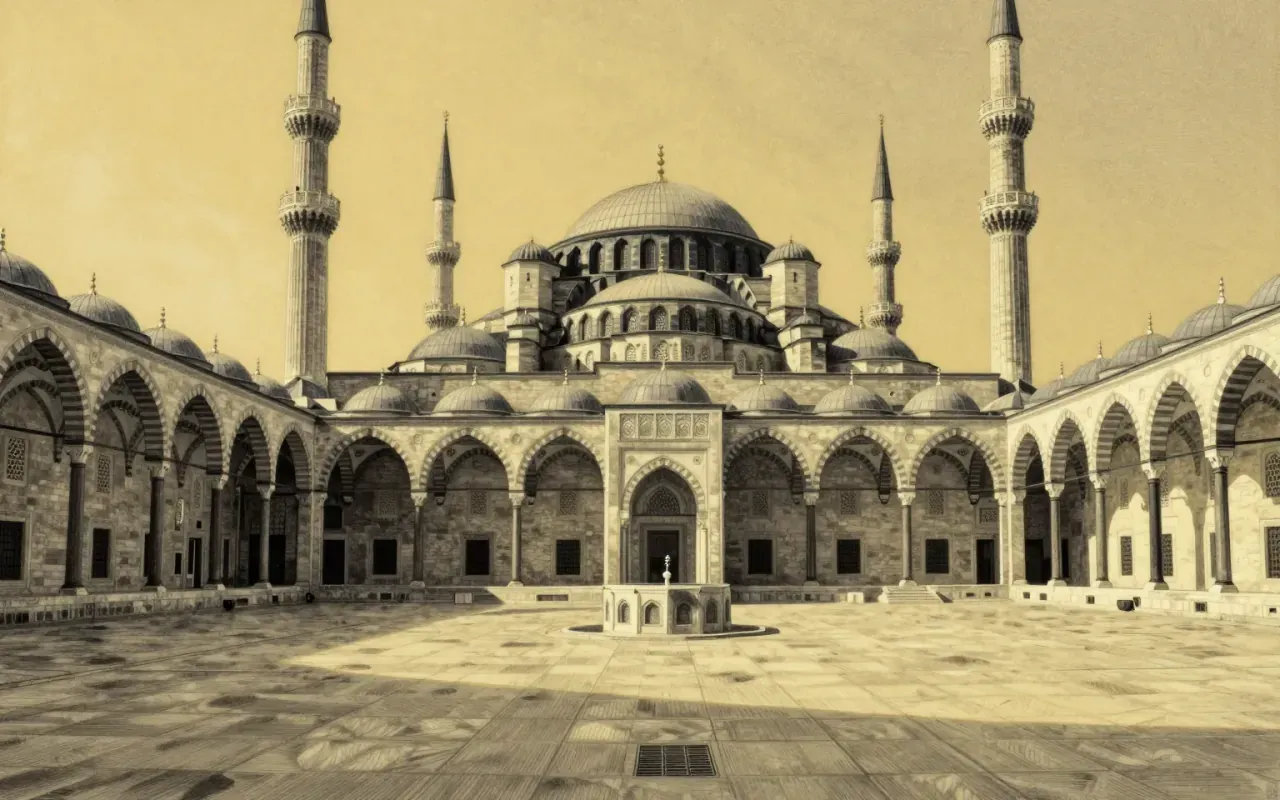
Suleiman I ruled the Ottoman Empire from 1520 to 1566, its longest reign, extending Ottoman territory through campaigns that captured Belgrade, Rhodes and much of Hungary while twice failing to take Vienna, and commissioning architect Mimar Sinan to build hundreds of structures including the Suleymaniye mosque complex. He compiled a unified legal code drawing on nine previous sultans' judgments, earning the Ottoman title Kanuni, or Lawgiver, even as his court saw his wife Hurrem Sultan rise to unprecedented influence and his eldest surviving son, Mustafa, executed on his own order in 1553 amid succession politics.

Educated abroad and converted to a republican vision far removed from Qing officialdom, Sun Yat-sen spent most of two decades in exile organising failed uprisings and stitching together revolutionary factions before the 1911 Wuchang mutiny succeeded without his direct involvement. He returned to a brief provisional presidency, then years of political struggle to rebuild influence in southern China. His ideology outlived his limited direct power, and both the Nationalist and Communist governments that later divided China still honour him as their founding figure.
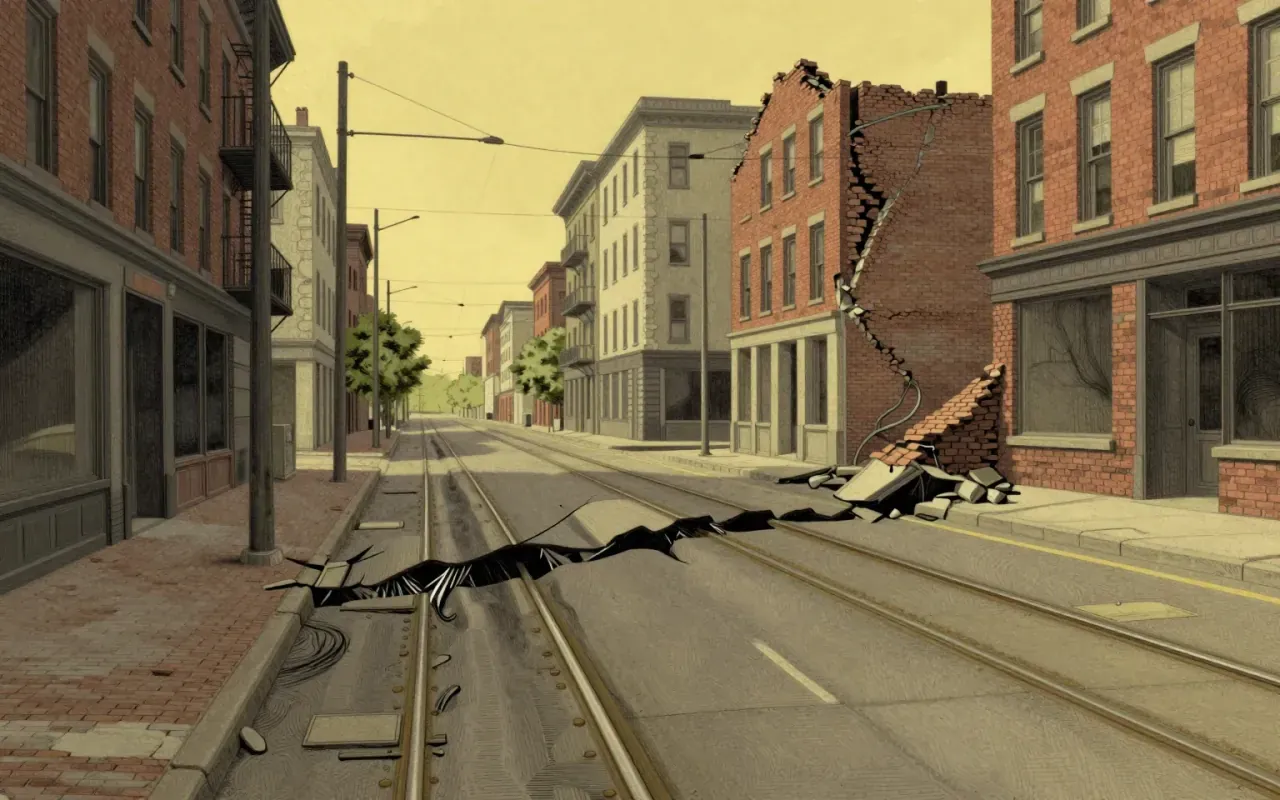
The earthquake that struck San Francisco at 5:12 on the morning of 18 April 1906 registered somewhere between magnitude 7.7 and 8.3 and ruptured close to three hundred miles of the San Andreas Fault, but most of the city's destruction came not from the shaking itself, which is estimated to account for as little as five to twenty percent of the damage, but from the fires that followed and destroyed some twenty-five thousand buildings. Early death tolls of a few hundred left out most of the dead in Chinatown, and San Francisco's Board of Supervisors did not formally acknowledge a toll above three thousand until 2005. The disaster also drove the geologist Andrew Lawson's foundational research connecting the earthquake directly to the fault he had already identified in 1895.

The Loma Prieta earthquake struck the San Francisco Bay Area at 5:04 p.m. on 17 October 1989 with a magnitude of 6.9, killing 63 people, injuring more than 3,700 and causing an estimated 5.6 to 6 billion dollars in damage, its worst single toll coming when a section of the double-deck Cypress Street Viaduct in Oakland collapsed and killed 42 people. The quake struck just before Game 3 of the World Series was due to begin at Candlestick Park, interrupting a live national broadcast and, because many commuters had left work early or stayed to watch the game, leaving area freeways unusually empty at an hour that would otherwise have carried tens of thousands more vehicles into danger.
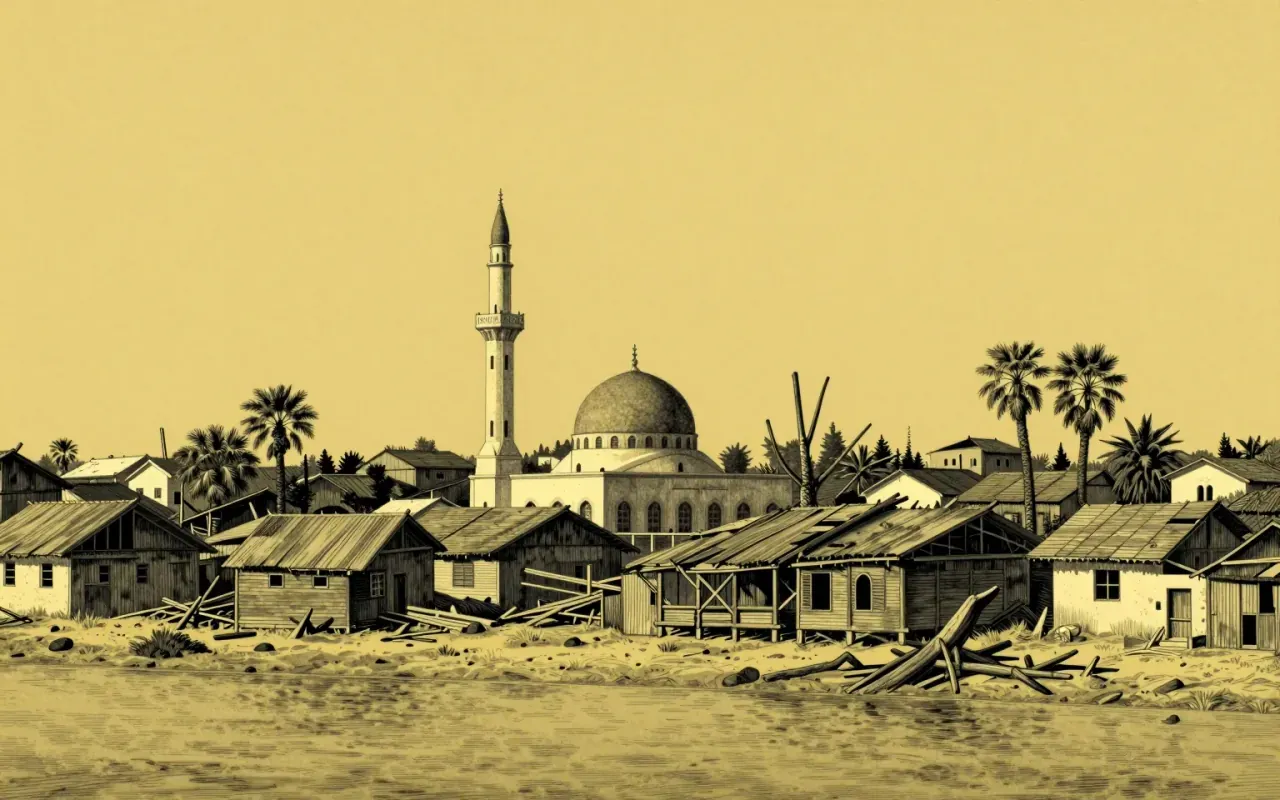
The magnitude 9.2 to 9.3 earthquake off Sumatra on 26 December 2004 ruptured roughly 1,600 kilometres of fault and sent tsunami waves as high as fifty-one metres near Banda Aceh across fourteen countries, killing an estimated 227,898 people in the deadliest tsunami on record. No tsunami warning system existed in the Indian Ocean at the time, since major tsunamis there had been rare since Krakatoa in 1883, so most victims had no warning despite gaps of fifteen minutes to seven hours between the quake and the waves reaching different shores. The response eventually raised over ten billion dollars, though aid officials at the time criticised both slow-moving pledges from wealthy governments and, separately, misdirected donations that left affected countries with unneeded supplies rather than what they actually required.
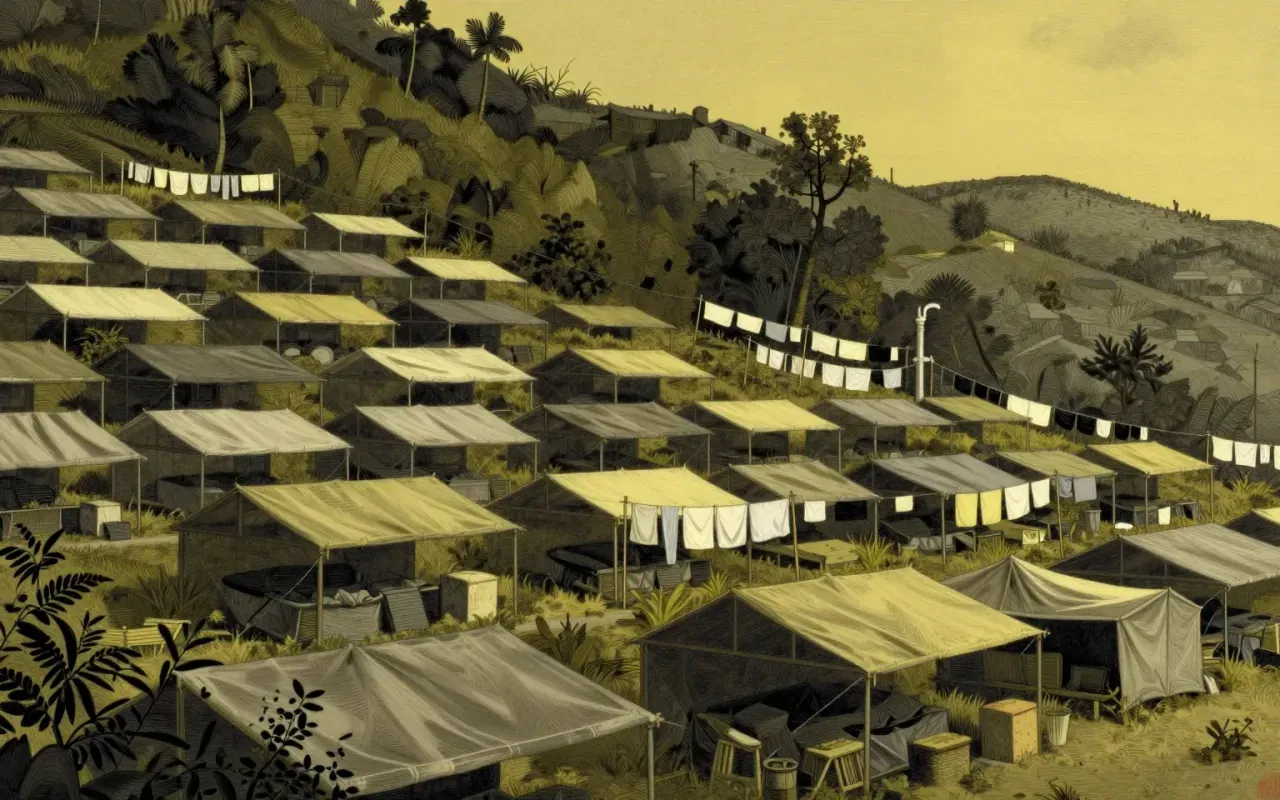
The magnitude 7.0 earthquake that struck near Port-au-Prince on 12 January 2010 lasted under thirty seconds but killed somewhere between roughly 46,000 and 316,000 people, with estimates varying so widely between the Haitian government, USAID, and independent researchers that no single figure commands full agreement. Haiti's near-total absence of building codes, its position as the poorest country in the Western Hemisphere, and a long history of debt and foreign intervention left its buildings unable to withstand the shaking. The international response eventually raised roughly 3.5 billion dollars, yet five years on, more than half a million survivors were still living in temporary shelters without electricity, plumbing, or sewage.
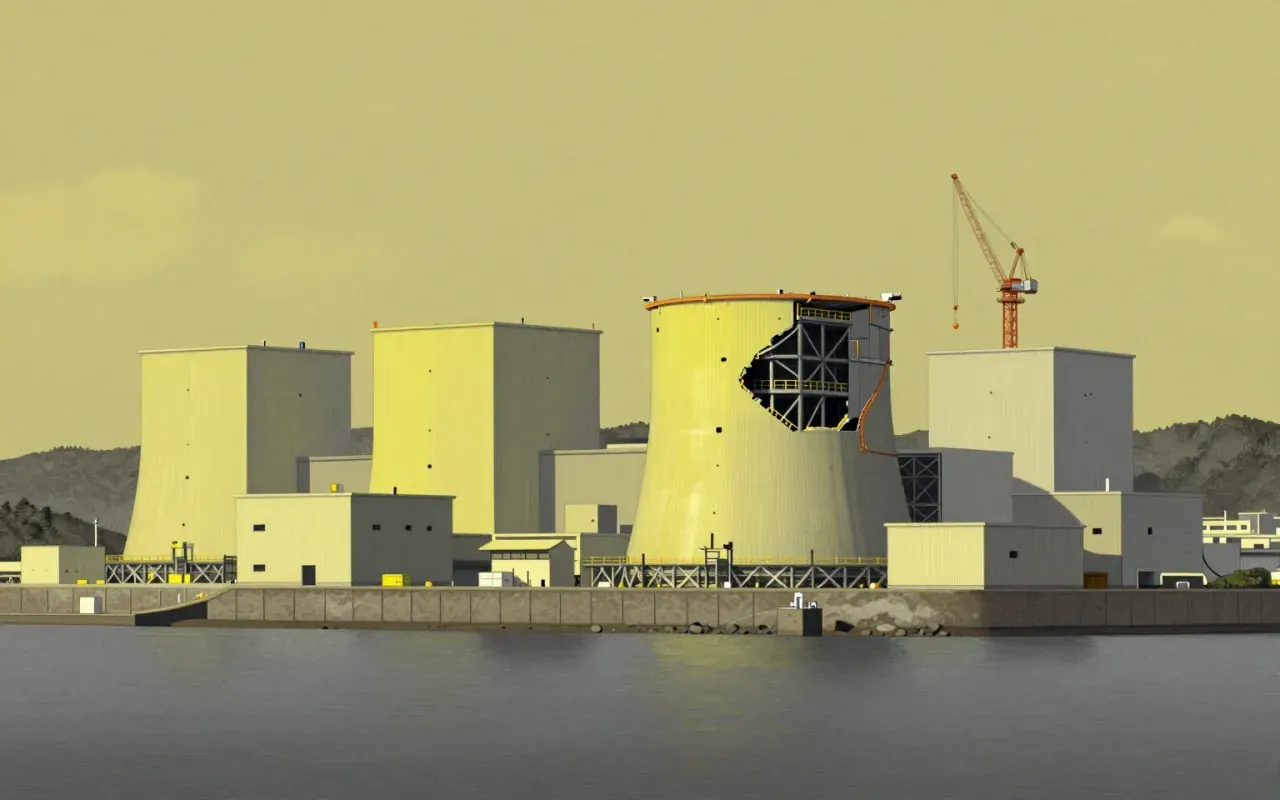
The magnitude 9.0 to 9.1 earthquake that struck off Japan's Oshika Peninsula on 11 March 2011 was the most powerful ever recorded in the country, generating tsunami waves as high as 40.5 metres that reached ten kilometres inland and killed close to twenty thousand people. Total damage exceeded three hundred billion dollars, making it the costliest natural disaster in recorded history even before accounting for the Fukushima Daiichi nuclear accident the tsunami triggered. The earthquake shifted Honshu by 2.4 metres, generated more than thirteen thousand aftershocks, and measurably altered the length of Earth's day, prompting a fundamental rethinking of Japan's disaster prevention policy afterward.
Typhoon Haiyan reached one-minute sustained winds of 315 kilometres an hour before striking the Philippines on 7 November 2013, at the time the strongest tropical cyclone ever recorded by wind speed, and it went on to make six separate landfalls across the Visayas. Its storm surge, reaching 5.2 metres at Tacloban's airport, proved deadlier than the wind itself, destroying an estimated ninety percent of the city and even flooding the evacuation centre meant to shelter residents from the storm. The disaster killed at least 6,300 people, displaced over six million, and caused roughly 2.2 billion dollars in damage, making it the costliest typhoon in Philippine history, while triggering a large international relief effort complicated by damaged infrastructure and, controversially, an initially very small pledge of aid from China.

The magnitude 7.8 to 7.9 earthquake that struck central Nepal on 25 April 2015 killed 8,962 people across four countries, most of them in Nepal, and left about 3.5 million people homeless. It toppled the nineteenth-century Dharahara tower and damaged or destroyed more than thirty monuments across the Kathmandu Valley's historic squares, triggered an avalanche on Mount Everest that killed at least nineteen climbers, the deadliest single incident on the mountain's record, and buried the village of Langtang under a slide two to three kilometres wide. Geophysicists had warned for years that the Central Himalayan Gap, unruptured since 1505, held enough accumulated energy for a major quake, and the roughly ten billion dollars in damage this one caused amounted to about half of Nepal's annual economic output.
On 11 September 2001, al-Qaeda operatives hijacked four airliners and crashed three of them into the World Trade Center and the Pentagon, with the fourth brought down by passengers over Pennsylvania, killing 2,977 people. The 9/11 Commission's 2004 report established the plot's planning in detail, while the wars in Afghanistan and Iraq that followed are estimated by the Costs of War Project to have contributed to over 4.5 million deaths in the decades since.
The Acts of Union 1707 followed a decade of Scottish economic disaster, most sharply the collapse of the Darien scheme, a failed colonial venture in Panama that lost the country's investors well over £150,000. Negotiators from both parliaments, thirty-one apiece, met in London through the spring and summer of 1706 and produced a twenty-five-article treaty offering Scotland a cash payment known as the Equivalent, parliamentary representation, and guaranteed protection for its church and legal system. The Scottish Parliament ratified the treaty in January 1707 by a vote of 110 to 67, with 123 of its 300 members absent, amid public opposition strong enough to produce riots in several Scottish cities and allegations, still debated, that some votes had been bought.

Soviet forces assassinated Afghan leader Hafizullah Amin and installed a replacement government in December 1979, opening a nine-year war against mujahideen fighters backed by the United States, Pakistan and Saudi Arabia that killed between one and three million Afghan civilians by scholarly consensus. Soviet forces withdrew in February 1989 having failed to secure the country, a defeat historians widely cite as a significant contributing factor to the Soviet Union's own collapse two years later, and the war's foreign fighter networks fed directly into al-Qaeda's later formation.
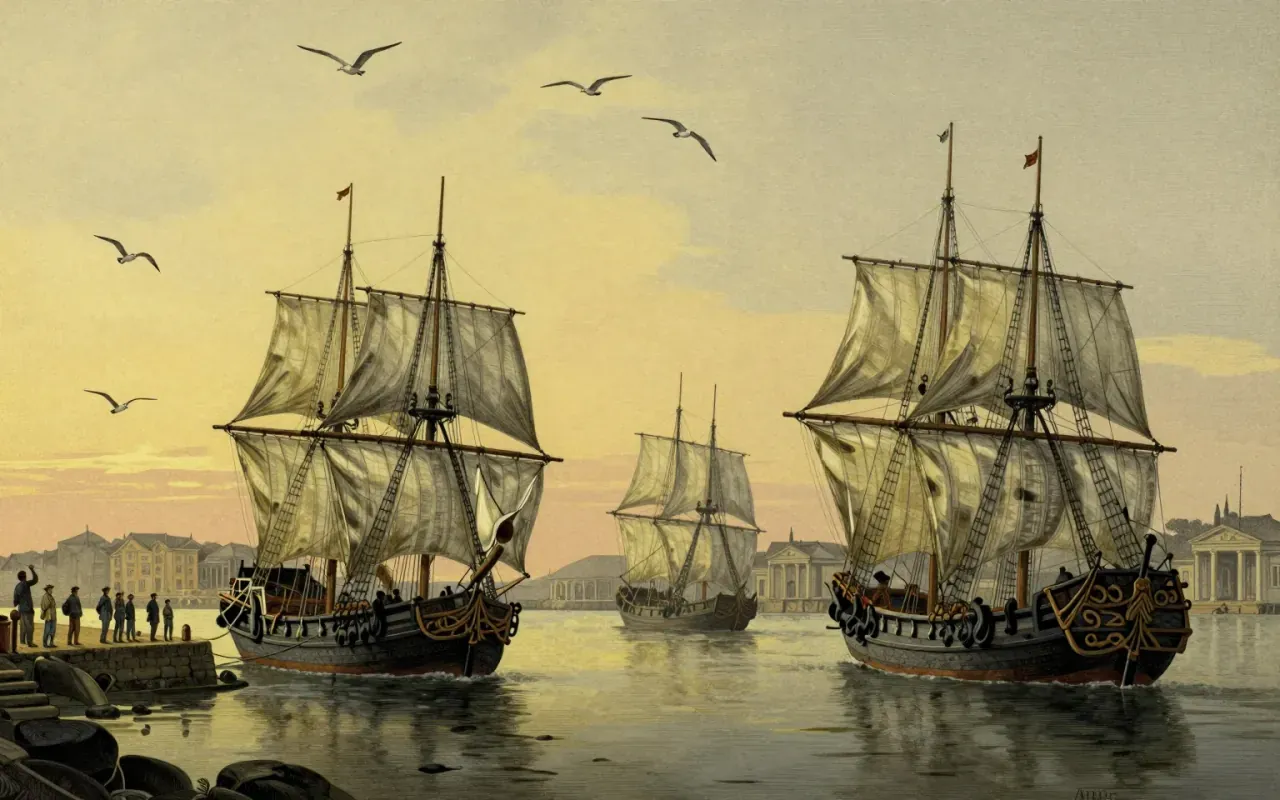
Running roughly from Portugal's systematic exploration of the African coast in the early fifteenth century to the mid-seventeenth century, the Age of Discovery saw Portuguese, Spanish and later other European voyages reach India, the Americas and the Pacific, driven by the search for direct access to Asian trade goods, religious mission and improved navigational technology. The resulting contact produced the Columbian Exchange of goods, people and disease, alongside colonisation, enslavement and catastrophic population loss among indigenous peoples, and historians increasingly question whether discovery is an honest term for a process better described from more than one side.

The American Civil War, fought from 1861 to 1865 after eleven Southern states seceded following Abraham Lincoln's election, killed an estimated 616,000 to over a million people through combat, disease and civilian and enslaved deaths whose exact toll remains genuinely uncertain, and ended with Confederate surrender, the abolition of slavery, and a Union preserved under expanded federal authority. Modern historians overwhelmingly identify slavery as the war's central cause, a conclusion the seceding states' own secession documents support directly, in explicit contrast to the later Lost Cause narrative that denied it.

Congress voted for independence on 2 July 1776 and approved Jefferson's wording two days later, but the parchment copy most people picture, with fifty-six signatures, was not signed by most delegates until 2 August and later still. The gap between the vote, the text, and the signing says something about how founding documents get simplified in memory.

Sparked by British attempts after 1763 to tighten control and taxation over colonies that had grown accustomed to a policy of salutary neglect, the American Revolution moved from organised political resistance, the Stamp Act Congress of 1765 and the Boston Tea Party of 1773 among its landmarks, into open war after the Battles of Lexington and Concord in April 1775, and culminated in the Declaration of Independence in July 1776 and, after French intervention, British recognition of American sovereignty in the 1783 Treaty of Paris. Historians continue to debate how far ideology, economic interest, or the simple desire to preserve existing self-governance actually drove the revolution.

Angola's independence in November 1975 immediately fractured into civil war among the MPLA, UNITA and FNLA, drawing Cuban troops, Soviet advisers, South African forces and covert American funding into a conflict that ran, with interruptions, until Jonas Savimbi's death in 2002. Estimated deaths range from 500,000 to 800,000, with Cuba's intervention, launched independently before Soviet involvement deepened, remaining one of the clearer instances of a Cold War client acting ahead of rather than at the direction of its superpower patron.

Adolf Hitler annexed Austria in March 1938 after coercing Chancellor Kurt Schuschnigg's resignation and sending German troops in under the pretext of a forged invitation, ending Austrian independence and folding it into the Reich as Ostmark. A plebiscite the following month reported 99.7 percent approval, but arrests, disenfranchisement of political opponents and Jews, and intense propaganda surrounding the vote have left historians divided over how genuine that figure actually was.
Beginning after the 1848 US annexation of former Mexican territory, conflict between Apache bands and American forces ran through loosely connected phases for decades, hardened by episodes of betrayal such as the killing of Mangas Coloradas after he came in to negotiate. The final campaign against Geronimo's small band required over five thousand soldiers using coordinated heliograph communication before his 1886 surrender, though scattered incidents continued into the 1920s. The general narrative rests heavily on later military-history synthesis, and while it flags relatively few open disputes, real ambiguities remain around specific acts of betrayal and an Apache treaty Congress never actually ratified.

German negotiators, given seventy-two hours and almost no leverage, signed the armistice ending the First World War in a railway carriage near Compiègne at five in the morning on 11 November 1918, with the ceasefire set to take effect six hours later, at the eleventh hour of the eleventh day of the eleventh month. Fighting continued through that gap and killed nearly eleven thousand men on the war's final day, and the armistice itself was only a pause, not a formal peace, one German generals later exploited by claiming their army had never actually been defeated in the field.
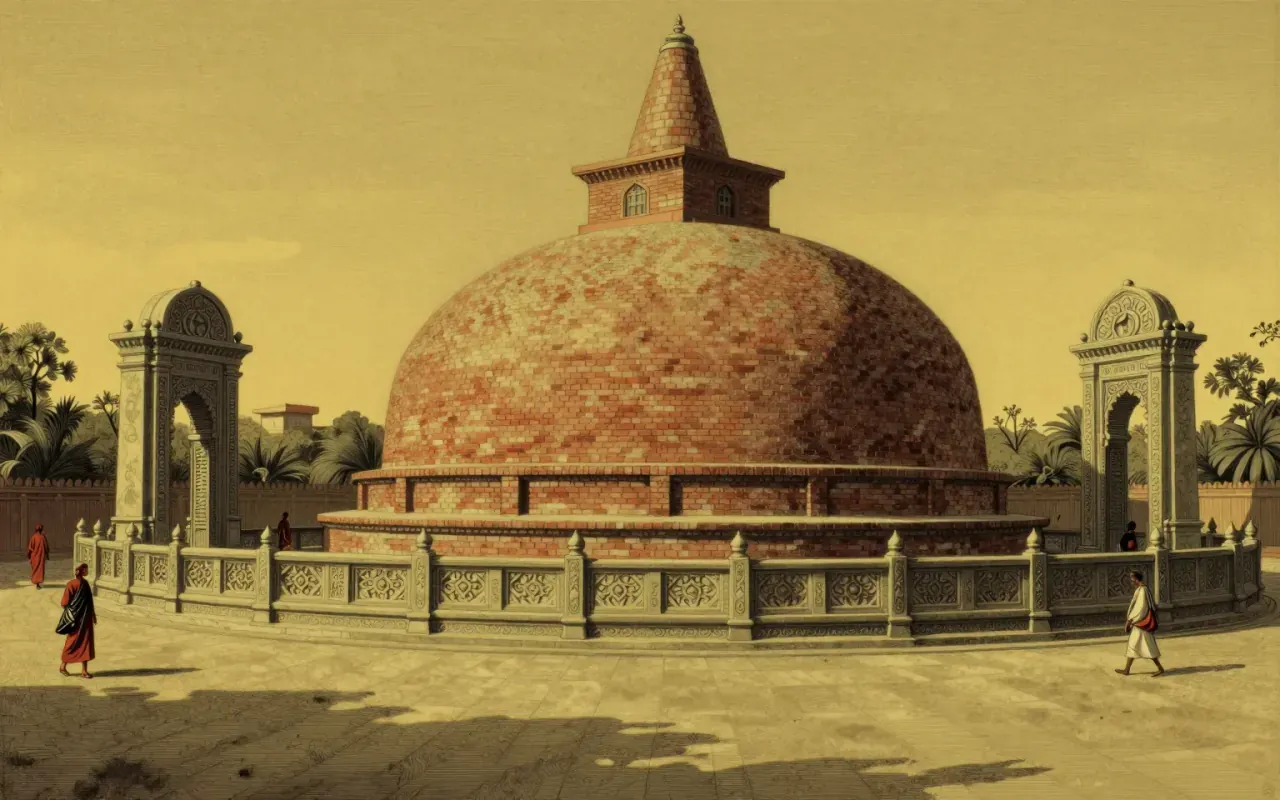
Across more than thirty rock faces and pillars from Afghanistan to Bangladesh, the Mauryan emperor Ashoka had proclamations on ethical governance carved in the third century BC. Lost to readers once Brahmi script fell out of use, the edicts were only deciphered in the 1830s, and their authorship was confirmed as Ashoka's only in 1915, when an inscription at Maski paired his personal name with the title used elsewhere. They remain the earliest datable written texts from the Indian subcontinent.

President Kennedy was shot in Dallas on 22 November 1963 and died within the half hour, and his accused killer, Lee Harvey Oswald, was himself shot dead two days later before facing trial. The Warren Commission concluded within ten months that Oswald acted alone, a finding scholarly consensus still broadly supports, but a later congressional investigation found a probable conspiracy without identifying who was involved, and public opinion has never fully aligned with either official inquiry's conclusions.

Martin Luther King Jr. was shot at the Lorraine Motel in Memphis on 4 April 1968 and died within the hour. James Earl Ray was captured two months later, pleaded guilty, and then recanted within days, spending decades unsuccessfully trying to withdraw his plea. A 1999 civil trial found a Memphis businessman and unnamed others liable for a conspiracy in King's death, a verdict that carried no legal effect on Ray's conviction and left the case formally split between two contradictory findings.

On the morning of 20 March 1995, five members of the Aum Shinrikyo cult released sarin nerve agent on three Tokyo subway lines during rush hour, killing fourteen people and injuring roughly a thousand more, an attack that followed the cult's own earlier, less-publicised sarin attack in Matsumoto in June 1994 that killed eight. Police had already found chemical residue consistent with sarin production near the group's compound the previous October but had no legal basis to act on it, and cult leader Shoko Asahara learned of a planned raid from Self-Defense Force sympathisers in time to accelerate the subway attack, a sequence of missed warnings that later became as central to the event's history as the attack itself.
Bushfires have killed roughly eight hundred people in Australia since 1851, through a recurring sequence of major disasters including Black Friday in 1939, Ash Wednesday in 1983, and Black Saturday in 2009, the country's deadliest single fire event with 173 deaths. The Black Summer season of 2019 to 2020 surpassed them all in scale, burning around twenty-four million hectares, killing thirty-three people directly and contributing to a further 417 deaths through smoke inhalation, and causing an estimated 100 billion dollars in damage, making it the costliest natural disaster in Australian history. Roughly forty percent of fires in the country's southeast between 1997 and 2009 were deliberately lit, but Black Summer's scale is tied by the sources to record heat, prolonged drought, and a debate over climate change and fire management that remains unresolved in Australian politics.

Australia's deadliest recorded flood remains the 1852 Gundagai disaster, which killed 89 people, but the country has continued to suffer serious flooding through the twentieth and twenty-first centuries, including a 1934 Yarra River flood that killed 35 people in Victoria. The 2010 to 2011 Queensland floods, driven by a strong La Niña and Tropical Cyclone Tasha, affected more than 200,000 people and killed 33, including nine in a sudden flash flood at Grantham that Premier Anna Bligh described as an inland tsunami. Total economic costs reached an estimated 14.1 billion Australian dollars, and a subsequent legal battle over whether mismanagement of the Wivenhoe Dam worsened Brisbane's flooding ran until the High Court declined a final appeal in 2022.

Three Nahua city-states, Tenochtitlan, Texcoco and Tlacopan, formed the Triple Alliance around 1428 after a civil war, building an empire that dominated central Mexico by the early sixteenth century before Hernán Cortés and his indigenous allies destroyed it between 1519 and 1521. Much of the empire's own documentary record may have been deliberately destroyed by one of its own administrators, leaving historians dependent on a mix of surviving pictographic codices, Spanish conquistador accounts, and archaeology to reconstruct its history.

Founded in 1694 to raise money for naval rebuilding after defeat at the Battle of Beachy Head, the Bank of England began as a private institution lending to the Crown at interest, secured by shipping duties. It stayed in private hands for more than two and a half centuries until the postwar Attlee government nationalised it in 1946, and it did not gain formal independence to set its own interest rates until the late 1990s. Along the way it weathered the end of the gold standard, sterling devaluations, decimalisation, and the 2008 financial crisis, which prompted new regulatory bodies under its umbrella.

On 1 March 1896, an overextended and poorly coordinated Italian army was decisively defeated by Emperor Menelik's larger, better-armed Ethiopian force near Adwa, one of the heaviest reverses a European colonial power suffered in Africa. The battle is documented from both sides in unusual depth, yet historians still dispute troop numbers, casualty figures, the cause of Italy's fatal column split, and whether Menelik's decision not to pursue the retreat reflected wisdom or hesitation. Italy's government collapsed within days, and the resulting treaty secured Ethiopian sovereignty for four decades, making Adwa a lasting reference point for anti-colonial resistance across Africa.

In 938, the Vietnamese general Ngo Quyen ended roughly a millennium of Chinese administrative control by luring a Southern Han invasion fleet onto iron-tipped stakes concealed in the Bach Dang River, then attacking as the tide dropped and stranded the ships. What survives of the battle comes largely from near-contemporary Chinese chronicles and much later Vietnamese legendary collections written for nation-building purposes. Ngo Quyen proclaimed himself king the following spring, though his own dynasty collapsed into succession disputes within decades.

From July to October 1940 the Royal Air Force and Germany's Luftwaffe fought for control of the skies over southern Britain, a contest Hitler had made a precondition for any invasion. Britain's radar-linked defence system, built under Air Chief Marshal Hugh Dowding, let a numerically stretched Fighter Command meet each wave of attacks; Germany's shift in September to bombing cities came after it failed to destroy that defence outright. The invasion, Operation Sea Lion, was postponed and then abandoned. Dowding himself was removed from command within weeks of the victory, a decision historians still argue over.

In 680, Husayn ibn Ali, grandson of the Prophet Muhammad, was intercepted and killed near Karbala after marching toward Kufa on the promise of support that failed to materialise. The core account descends from a single compiler working within two decades of the battle, preserved through later historians, and shows signs that soldiers from the winning army softened the record out of guilt. The killing transformed a political dispute over leadership into the foundation of a distinct Shia religious identity, still commemorated annually by tens of millions.

In September 490 BC, an outnumbered Athenian force under Miltiades defeated a Persian invasion army at Marathon, ending Darius I's first attempt to conquer mainland Greece. The account rests almost entirely on Herodotus, writing decades later in what amounted to a genuinely new form of historical inquiry, and while his broad narrative is trusted, his specific troop and casualty figures are treated with real scepticism. The battle's most famous element, a dying messenger announcing victory in Athens, does not appear in Herodotus at all and was assembled centuries later from separate, unrelated stories, eventually inspiring the modern Olympic marathon.
German forces trapped Napoleon III's Army of Châlons at Sedan on 1 and 2 September 1870, taking over a hundred thousand French prisoners and forcing the emperor's own surrender, a defeat so total it collapsed the Second French Empire within two days once news reached Paris. The war Bismarck had manoeuvred France into continued for five more months under a new republican government, but Sedan itself was decisive enough that Germans marked its anniversary as a national holiday for close to fifty years afterward.

The Battle of Stalingrad, fought from July 1942 to February 1943, ended with the surrender of Germany's Sixth Army after Soviet forces encircled it in Operation Uranus that November, a defeat that ended Germany's 1942 summer offensive and shifted the strategic initiative on the Eastern Front permanently toward the Soviet Union. Total deaths across both sides are estimated at somewhere between 1.1 and over 3 million, a range reflecting genuine and substantial disagreement among historians, including between rival Soviet casualty analysts Krivosheev and Pereslegin, over how losses should be classified and counted.

The Battle of the Somme ran from July to November 1916, opening with close to sixty thousand British casualties on its first day and ending, after more than a million combined losses on all sides, with neither the town of Bapaume nor Péronne captured. Douglas Haig commanded the offensive throughout, and his reputation has swung since between the nickname Butcher Haig and a more recent revisionist defence arguing the casualties reflected the era's tactical realities rather than a single commander's incompetence.
In 480 BC, roughly seven thousand Greek defenders, including three hundred Spartans under Leonidas, held the narrow pass at Thermopylae against a vastly larger Persian invasion force for two days before a betrayed mountain path let Persian troops outflank them, and the rearguard fought to the death. The battle survives almost entirely through Herodotus, whose narrative is broadly trusted even as his Persian troop figures, running into the millions, are universally rejected by modern historians in favour of far lower estimates. Whether the delay meaningfully shaped the subsequent Greek naval victory at Salamis remains disputed, and the battle's cultural fame now rests more on its moral example than on its military outcome.

In October 732, Frankish infantry under Charles Martel held off an Umayyad raiding force near Tours, and the death of the Umayyad commander during the fighting prompted a withdrawal rather than renewed battle. Modern estimates put both armies far below the inflated figures later chroniclers reported, and the notorious casualty count of hundreds of thousands appears to have been recycled from an earlier battle at Toulouse. Historians remain sharply divided over whether the battle saved European Christendom or has been dramatically overstated as a mostly local, if consequential, Frankish victory.

German commander Erich von Falkenhayn planned the assault on Verdun in February 1916 explicitly to bleed French reserves through attrition rather than to win territory outright, opening ten months of fighting that killed or wounded over seven hundred thousand men on both sides. Philippe Pétain's defence, built on rotating units and a supply road that kept ammunition and reinforcements flowing, made him France's most celebrated general of the war, a reputation that makes his later collaboration with Nazi Germany one of the starkest reversals in twentieth-century political memory.

Hitler's attempt to seize power in Munich on 8 and 9 November 1923 collapsed within hours once a police cordon met his marching supporters with gunfire, killing sixteen Nazis and four police officers before Hitler was arrested two days later. His trial gave him national publicity he had not had before, his sentence amounted to comfortable fortress confinement rather than harsh imprisonment, and the nine months he actually served produced Mein Kampf and a deliberate strategic shift from armed putsch to the legal route that brought him to power a decade later.

The Bengal famine of 1943 killed somewhere between 800,000 and 3.8 million people, with most historians now converging on a figure near 2.1 million, following a combination of a cyclone that struck in October 1942, the loss of Burmese rice imports after Japan's invasion, wartime demand from Allied troops, and British colonial policies including the confiscation of tens of thousands of boats and the removal of surplus grain from coastal districts judged vulnerable to invasion. More than half the deaths came in 1944 from disease rather than outright starvation. Whether the underlying cause was genuine scarcity or a failure of distribution, and how much responsibility rests with Winston Churchill's wartime government, remain disputed among historians.
On 24 June 1948, the Soviet Union cut all rail, road and canal access to the Western-controlled sectors of Berlin, an enclave inside its own occupation zone, after Western powers introduced a new currency in their zones of Germany. The United States, Britain and their allies responded with the Berlin Airlift, flying over 2.3 million tons of supplies across 278,000 flights until the blockade was lifted on 12 May 1949, an operation that cost 101 lives in accidents and left West Berlin permanently tied to Western support.

East Germany closed its border with West Berlin overnight on 13 August 1961, building the wall in response to the departure of roughly 3.5 million citizens, disproportionately young and educated, since the country's founding. The wall stood until it was opened on 9 November 1989, a moment triggered less by policy than by a confused press conference, and its full demolition took until 1994. Estimates of how many died attempting to cross range from 136 to over 200.
Around thirty-two militants from the Riyad-us Saliheen Brigade seized a school in Beslan, North Ossetia, on 1 September 2004, holding more than 1,100 hostages, including 777 children, in the gymnasium for fifty-two hours. The siege collapsed into chaos on 3 September after explosions of disputed origin brought down the gymnasium roof, and Russian special forces stormed the building with tanks and thermobaric weapons in a roughly twelve-hour battle that left 334 hostages dead, 186 of them children. Russian authorities faced sustained criticism for understating hostage numbers to the captors, allowing a premature assault despite ongoing negotiation, and responding with force that many observers judged disproportionate to the goal of protecting the hostages inside.

Islam took shape in early seventh-century Arabia around the teaching of Muhammad, who reported his first revelation around 610, migrated from Mecca to Medina in 622, and by his death in 632 had brought most of the Arabian Peninsula under Muslim rule. The earliest full biography was written well over a century later, and historians continue to debate how much of it, and of the hadith literature recording his sayings, reflects reliable transmission rather than material composed afterward to support later theological and legal positions.
The Black Death reached Europe through Crimea in 1347 and, over the following six years, killed an estimated quarter to three-fifths of the continent's population, though contemporary records kept no census and modern historians' own population baselines vary enough to make precise mortality figures unreliable. Even the mechanism of its spread, long assumed to run mainly through rat fleas, is now disputed by researchers who argue human fleas and lice, or straightforward person-to-person transmission, better explain how fast it moved through cooler parts of Europe.
German bombing of London and other British cities ran from September 1940 to May 1941, killing around forty thousand civilians and destroying or damaging two million homes without ever achieving its strategic aim of breaking British war production or morale. The unified Blitz spirit later celebrated in popular memory sits awkwardly against wartime survey data showing most people simply stayed home rather than sheltering together, and showing real anxiety, prejudice, and social friction beneath the surface resilience contemporaries and later histories preferred to emphasise.

Gold discovered at the Witwatersrand in 1884 turned tension between Britain and the Boer republics into open war by October 1899, a conflict that moved from conventional battles the Boers initially won, through a British counteroffensive that captured both capitals, into more than a year of guerrilla warfare Britain answered with scorched-earth tactics and concentration camps. Those camps killed over twenty-six thousand Boer civilians and an uncertain but substantial number of Black African internees, a death toll historians still argue was either deliberate policy or catastrophic administrative failure.
Bosnian Serb forces under General Ratko Mladić overran the UN-declared safe area of Srebrenica in July 1995, killing more than eight thousand Bosniak men and boys over an eleven-day span while roughly 370 lightly armed Dutch peacekeepers stood unable to stop them, and forcibly displacing a further 25,000 to 30,000 Bosniak women and children. Both the International Criminal Tribunal for the former Yugoslavia in 2004 and the International Court of Justice in 2007 ruled that the killings constituted genocide, the first such legal finding in Europe since the Second World War, and Mladić himself was convicted of genocide in 2017 alongside Bosnian Serb political leader Radovan Karadžić. Nearly seven thousand victims had been identified through DNA analysis by 2020, and the United Nations designated 11 July as an annual day of international commemoration in 2024.
When Bosnia and Herzegovina voted for independence in 1992, its Serb population rejected the result and, backed by Serbia, fought a three-year war against Bosniak and Croat forces that killed over 100,000 people and displaced 2.2 million more. The siege of Sarajevo and the Srebrenica massacre became its defining atrocities, and the war ended only after NATO air strikes and American-brokered negotiations produced the Dayton Accords in late 1995.


The Boxer Rebellion grew through 1899 and 1900 from economic distress, foreign encroachment and resentment of missionary privilege in northern China, as members of the Society of Righteous and Harmonious Fists, believing rituals made them invulnerable to bullets, besieged foreign legations in Beijing for fifty-five days from 20 June to 14 August 1900. An Eight-Nation Alliance of roughly 51,000 troops relieved the siege and then carried out extensive looting and reprisal killings across Beijing and the surrounding countryside, and the resulting Boxer Protocol of September 1901 imposed an indemnity of 450 million taels of silver payable over 39 years, a sum exceeding the Qing government's annual tax revenue and a debt that historians credit with accelerating the reforms that led to the dynasty's collapse a decade later.

Chartered by Elizabeth I in 1600 with a monopoly on English trade east of the Cape of Good Hope, the East India Company spent its first century as a trading concern before turning, after the 1757 Battle of Plassey, into the effective ruler of large parts of India, funded by taxation of the people it governed and defended by an army that at its peak outnumbered Britain's own. Its opium trade with China, its tax policies during the Bengal famine of 1770, and its use of torture to extract revenue are all part of the documented record. The Indian Rebellion of 1857 ended Company rule outright; the Crown assumed direct control the following year, and the Company itself was formally dissolved in 1874.

Beginning with tentative fifteenth-century voyages and expanding through Atlantic colonisation, the loss of the American colonies in 1783, and a subsequent pivot toward Asia, Africa and the Pacific, the British Empire reached its territorial peak around 1920, covering roughly 35.5 million square kilometres and governing close to a quarter of the world's population. Decolonisation accelerated after the Second World War, culminating symbolically in the 1997 handover of Hong Kong, and the empire's legacy remains genuinely disputed between its constitutional and linguistic influence and its foundational reliance on slavery, extraction and violent suppression of colonised peoples.
On 22 March 2016, three suicide bombers from the same Brussels-based ISIS cell responsible for the November 2015 Paris attacks struck Brussels Airport and the city's Maelbeek metro station, killing 32 civilians and injuring more than three hundred. All five attackers involved that day had also helped plan and carry out the Paris attacks, and Belgian investigators believe the arrest of Paris attacker Salah Abdeslam just four days earlier may have accelerated the Brussels operation before the cell was fully prepared. A parliamentary inquiry later found serious failures in Belgian security coordination and information-sharing, and separate trials in Paris and Brussels eventually convicted the cell's surviving members, sentencing several, including Abdeslam, to life imprisonment.
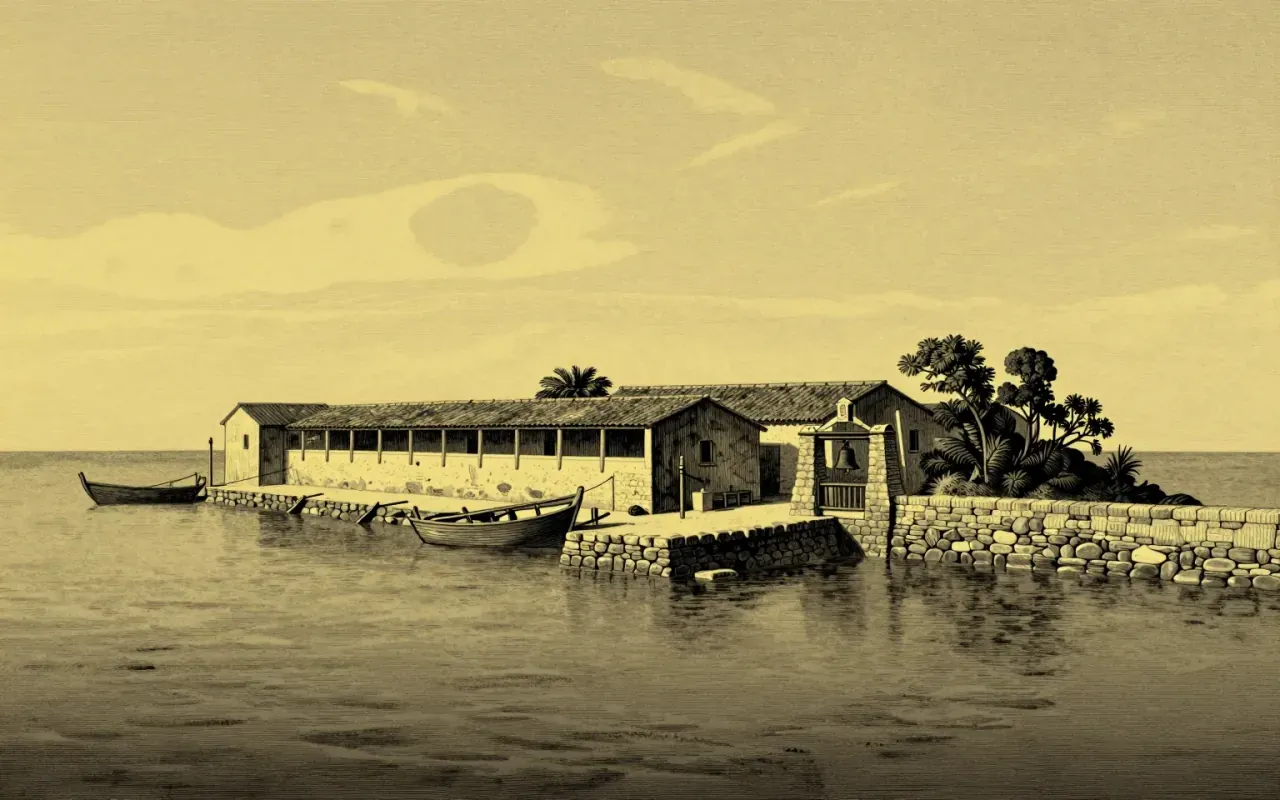
The second plague pandemic began with the Black Death, which reached Europe in 1346 and is estimated to have killed between 75 and 200 million people across Eurasia within a few years, before the disease became endemic and returned in recurring outbreaks including the Great Plague of London in 1665 and 1666 and a final wave in Ottoman territory as late as 1813 and 1814. Historians reconstruct its spread from parish and tax records, contemporary accounts such as Boccaccio's Decameron, and, more recently, DNA extracted from victims' teeth, evidence that has confirmed Yersinia pestis as the cause while leaving the pandemic's precise geographic origin and eventual decline still not fully explained.

According to Sima Qian's Records of the Grand Historian, written about a century after the events it describes, Qin Shi Huang ordered the burning of rival philosophical texts in 213 BC on the advice of his chancellor Li Si and had more than 460 scholars killed the following year after alchemists he had employed to seek immortality fled his court. Modern historians including Michael Nylan and Ulrich Neininger have raised serious doubts about this traditional account, noting that no source earlier than Sima Qian mentions the killings, that texts supposedly burned continued to be quoted in Qin and early Han writing, and that the label of persecuted Confucian martyrs appears to be a later Han-dynasty embellishment layered onto a real but more limited campaign against politically inconvenient texts and individuals.

The Byzantine Empire was the continuation of the Roman state centred on Constantinople after the western empire's collapse, reaching its greatest extent under Justinian in the sixth century, surviving devastating territorial losses to Arab conquest in the seventh century, and enduring in reduced form until the Ottoman conquest of Constantinople in 1453. Historians disagree on when to date its beginning, and note that the empire's own inhabitants never called themselves Byzantine, a label applied only after the state had ceased to exist.
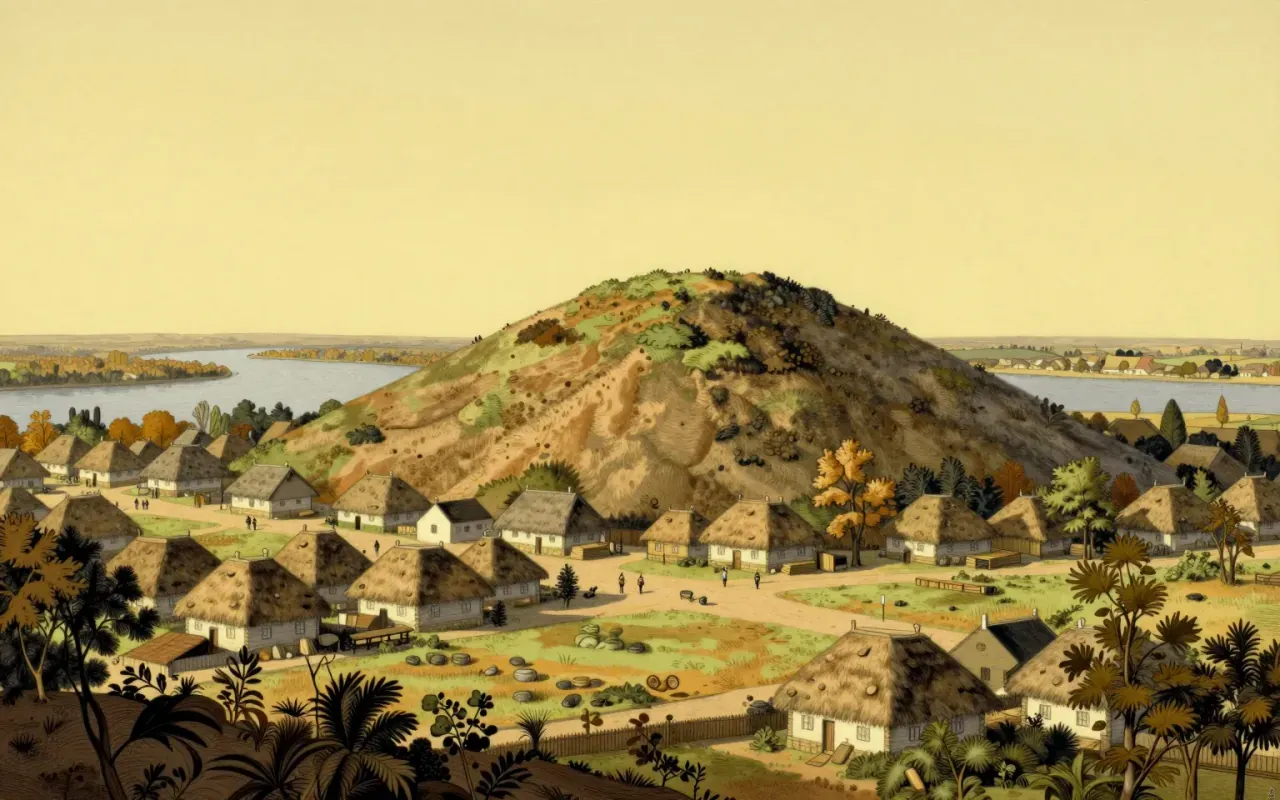
Beginning around 1050, a settlement across the Mississippi from present-day St Louis grew explosively into a city of thousands, its inhabitants moving millions of cubic feet of earth by hand to build over a hundred mounds. Because Cahokians left no written records, everything known about the city comes from excavation, radiocarbon dating and soil analysis rather than testimony, leaving population estimates and the causes of its abandonment by 1350 genuinely disputed among archaeologists. Long misattributed to a vanished non-Native civilisation, the site is now recognised as ancestral heritage by multiple Indigenous nations and holds UNESCO World Heritage status.

James Marshall's discovery of gold at Sutter's Mill in January 1848 drew roughly three hundred thousand people to California within seven years, most of whom made little or no profit while merchants supplying them, and California itself, gained wealth and statehood by 1850. The boom also brought organised violence against Native Californians on a scale some historians now describe as genocide, a consequence the gold rush's popular memory has generally left out.
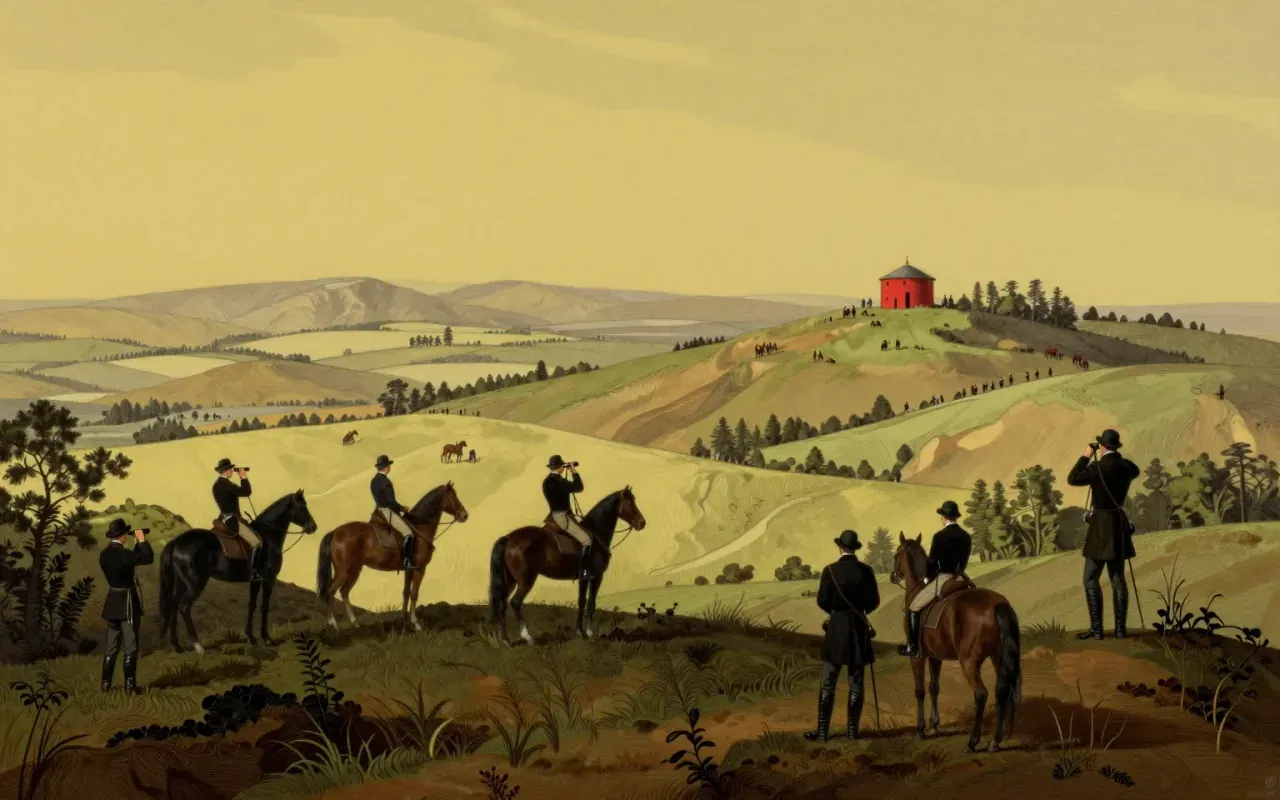
At Balaclava on 25 October 1854, roughly six hundred and seventy British cavalrymen charged into a valley ringed by Russian artillery after an order meant for a different set of guns was passed down through officers who disagreed about what it meant. More than half the brigade became casualties within minutes; the aide who delivered the order was killed almost immediately, and the surviving commanders spent years publicly blaming each other for a mistake no single surviving account can fully explain.

Following the 1828 Georgia gold rush and the 1830 Indian Removal Act, a minority Cherokee faction signed the Treaty of New Echota in 1835, ceding tribal land against the wishes of the elected leadership and over sixteen thousand petitioning Cherokee. When voluntary emigration fell short, federal troops forcibly removed roughly fifteen thousand five hundred Cherokee people in 1838 and 1839, a journey historians estimate killed between two and six thousand people, figures that cannot be fixed precisely from the surviving records. Historians remain divided over whether the policy amounted to genocide, ethnic cleansing, or a catastrophic outcome of paternalistic but non-murderous intent.

Between the founding of the Chinese Communist Party in 1921 and the proclamation of the People's Republic in 1949, China passed through warlordism, a fractured alliance with the Nationalists, a Japanese invasion, and a civil war that the Communists eventually won. The victory owed as much to Nationalist collapse and rural discontent as to any single Communist strategy, and the party's own founding date is only one of several plausible starting points historians use for the story.

The Cold War ran from roughly 1947 to the Soviet Union's dissolution in December 1991, pitting the United States and its allies against the Soviet Union and the communist bloc. It never produced direct combat between the two superpowers but shaped proxy wars in Korea, Vietnam and elsewhere, an arms race, and a divided Europe, and historians still disagree over how much blame for its outbreak belongs to Soviet expansion versus American containment policy.

A Georgian prospector's 1858 discovery near present-day Denver drew an estimated hundred thousand people into the southern Rockies, fast enough to justify creating Colorado Territory in 1861, years before the region had otherwise earned that status. The same wave of settlement fed the tensions that produced the Sand Creek Massacre in 1864, an atrocity historians treat as a direct consequence of the demographic pressure the gold rush created, even though the Wikipedia record of the rush itself says comparatively little about that connection.
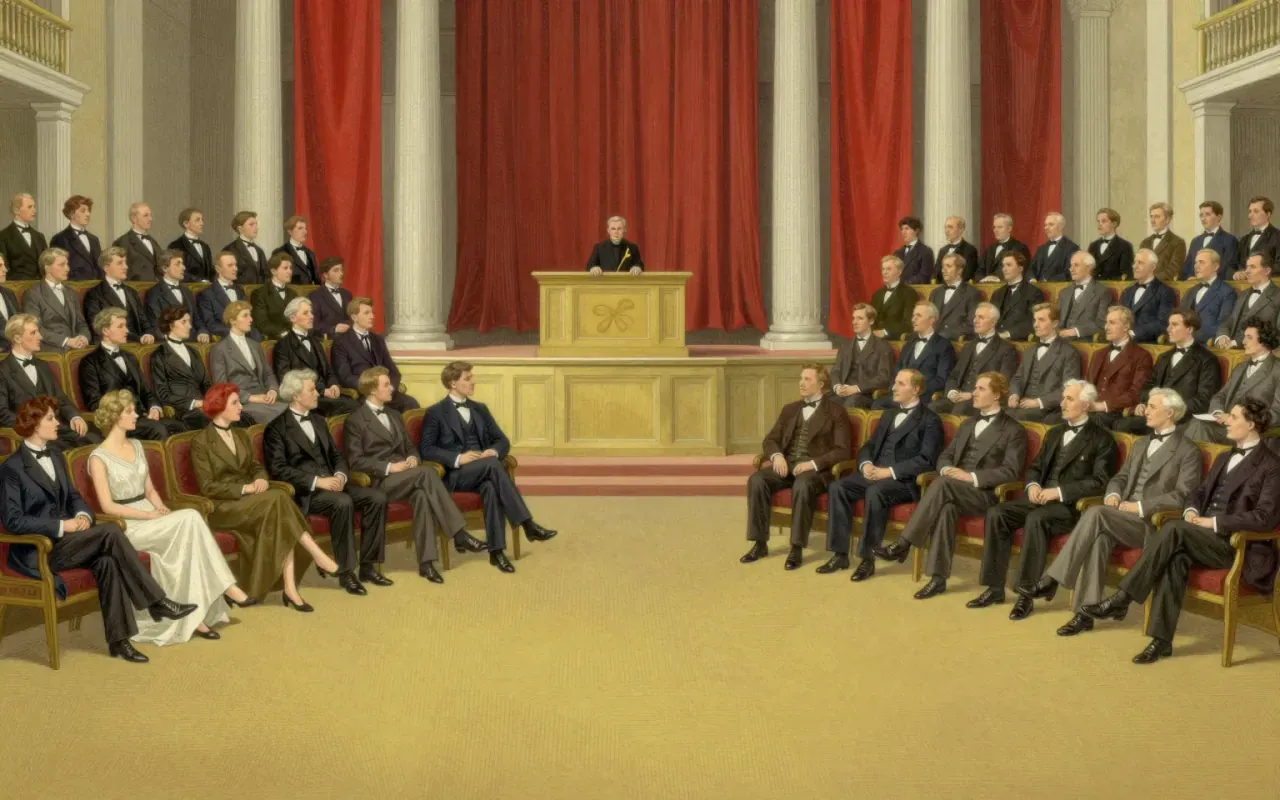
Lenin founded the Communist International in Moscow in March 1919 to coordinate a world communist movement around Bolshevik leadership, binding member parties to twenty-one strict conditions adopted the following year. Under Stalin the organisation was steadily subordinated to Soviet state interests, first through a sectarian policy in the late 1920s and early 1930s that branded social democrats as fascists, then through a reversal into broad anti-fascist popular fronts after 1934, even as many of its own foreign officials were swept up and executed in the Great Purge. Stalin dissolved the Comintern in 1943 as a wartime gesture to his Western allies.

Diplomats from more than two hundred states met in Vienna from September 1814 to June 1815, redrawing Europe's map after Napoleon's defeat under the direction of Austria's Klemens von Metternich, Britain's Castlereagh, Russia's Tsar Alexander, and France's Talleyrand. Contemporaries mocked it as a congress that danced rather than worked; a century later historians remain divided on whether its conservative settlement should be credited with a long peace or blamed for suppressing the liberal and national movements that eventually broke it apart.

Between 58 and 50 BC, Julius Caesar subdued Gaul in a series of campaigns against Celtic and Germanic peoples, culminating in the defeat of a unified Gallic revolt under Vercingetorix at the siege of Alesia. The war's main record is Caesar's own Commentaries, written and circulated during the fighting to build his political standing at Rome, and its startling casualty figures are now treated by historians as propaganda rather than count.
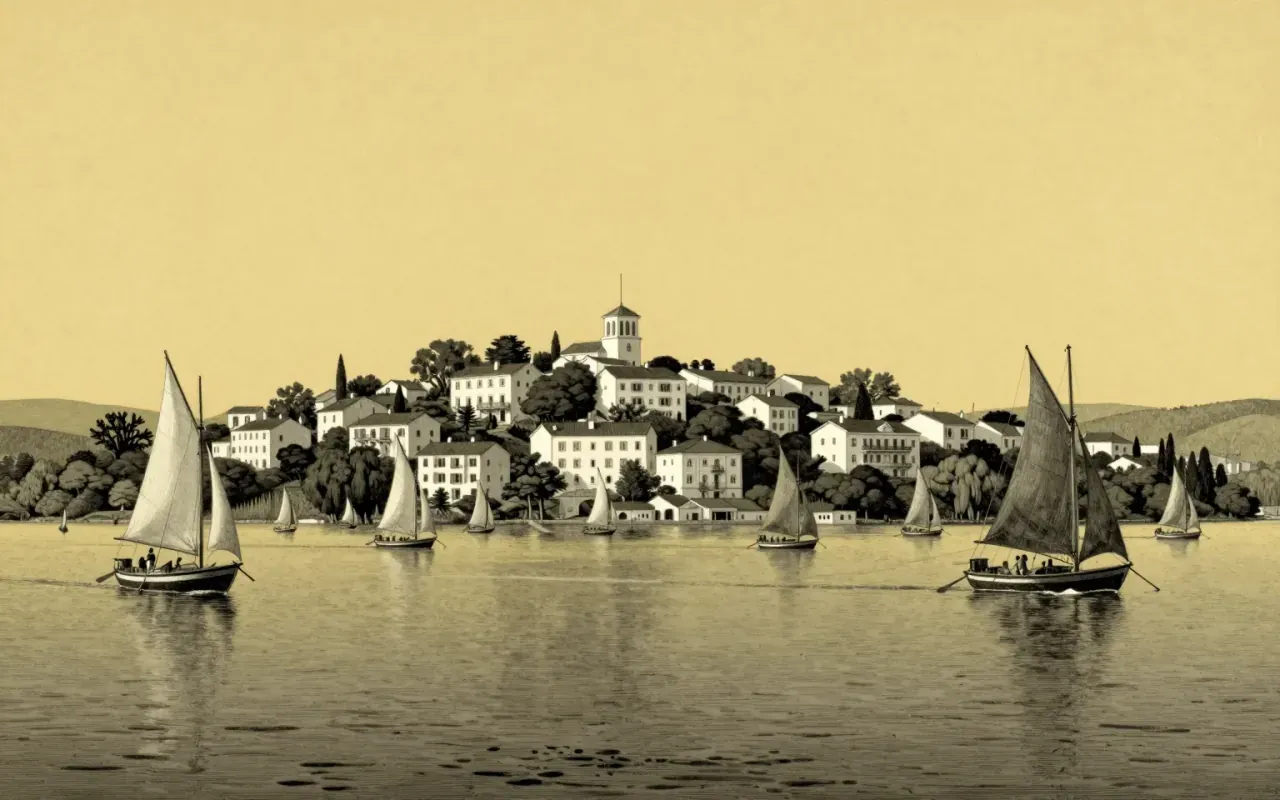
Hernan Cortes landed on the Gulf coast of Mexico in 1519 and, through alliances with Aztec tributary peoples resentful of imperial rule, marched on Tenochtitlan, where an initial peaceful reception collapsed into violence, a chaotic Spanish retreat, and a devastating smallpox epidemic before the capital finally fell after siege in August 1521. Spanish accounts dominate the surviving record, though indigenous testimony recorded after the conquest under colonial supervision offers a partial counterweight. Historians now doubt several staples of the traditional story, including the belief that Moctezuma saw Cortes as a returning god, tracing that idea only to European writing from the 1540s.

A smallpox epidemic killed the Inca emperor Huayna Capac around 1525 and triggered a civil war between his sons that was still raging when Francisco Pizarro landed with roughly a hundred and eighty men in 1532. Pizarro ambushed and captured the victorious Atahualpa at Cajamarca, collected an enormous ransom, then executed him anyway, and organised Inca resistance continued in diminishing form until 1572. Most surviving accounts derive from Spanish chroniclers, and historians still dispute how much credit for the conquest belongs to Spanish technology versus the empire's prior weakness, while disease ultimately killed far more people than any battle did.

Delegates from twelve states met in Philadelphia from May to September 1787, intending only to revise the Articles of Confederation and instead writing an entirely new constitution, with the size-versus-population dispute settled by the Connecticut Compromise and slavery accommodated through the three-fifths clause. The convention's secrecy was deliberate and effective; James Madison's notes, the most complete record of the debates, were not published until 1840, decades after the document itself had already taken effect.

David Ben-Gurion proclaimed the State of Israel on 14 May 1948 as British rule over Palestine ended, in a declaration whose drafters deliberately left the new state's borders undefined. Arab states invaded the next day, beginning a war that ran into 1949, displaced more than 700,000 Palestinians in what they call the Nakba, and ended with armistice lines rather than a negotiated peace. Historians still disagree sharply over how much of that displacement resulted from expulsion versus flight.

A dispute over which church controlled Christian holy sites in Ottoman Palestine escalated, through Russian ambitions and British and French fears of Russian expansion, into a war fought mainly around Sevastopol between 1854 and 1856 that killed several hundred thousand people, most of them to disease rather than combat. The war exposed British and Russian military and medical failures so starkly that it produced Florence Nightingale's nursing reforms and helped push Russia toward freeing its serfs, a case where a badly managed war left a more durable mark through its failures than through anything it settled militarily.

The First Crusade established four Christian territories in the eastern Mediterranean between 1098 and 1109: Edessa, Antioch, Tripoli and the Kingdom of Jerusalem, which survived until the Mamluks captured the last mainland strongholds in 1291. Their persistence for nearly two centuries owed as much to divisions between Sunni and Shia Muslim powers as to Crusader strength, and historians have long debated whether nineteenth-century comparisons of these states to modern European colonies hold up under scrutiny.
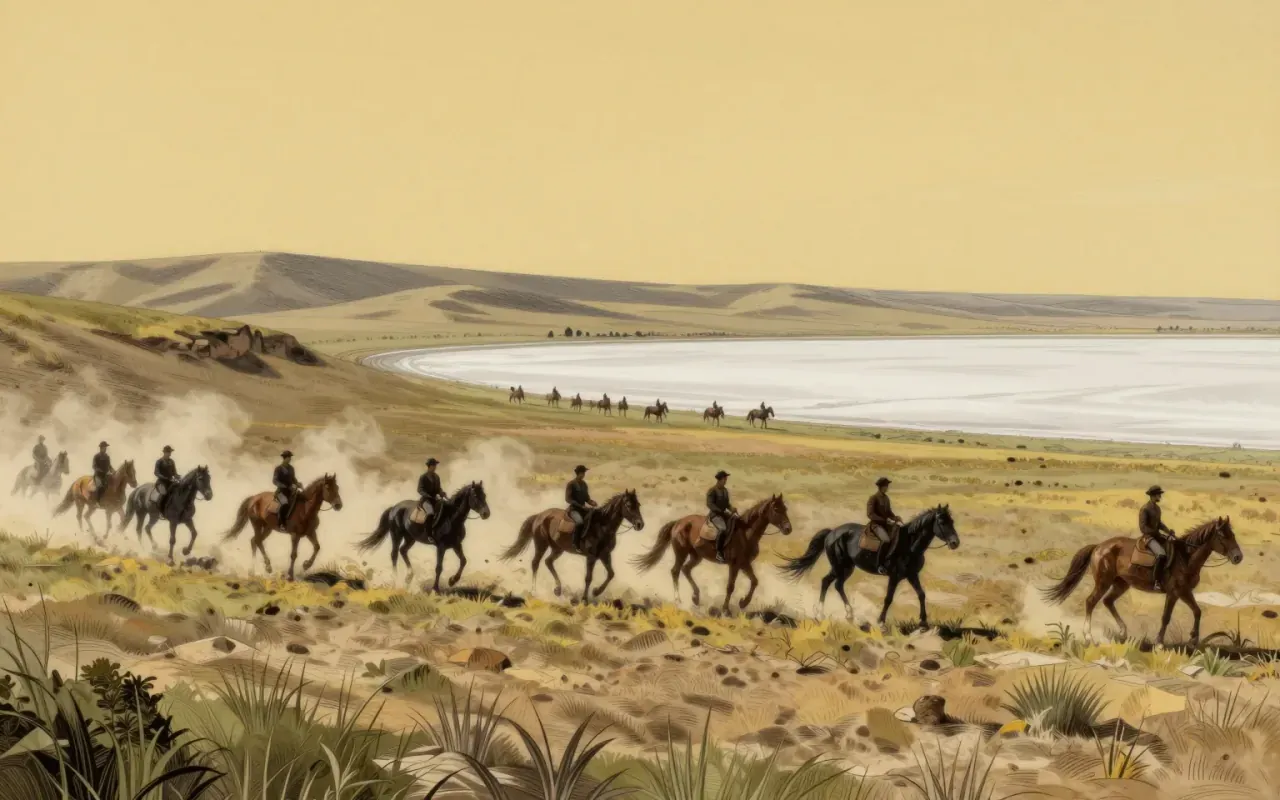
Beginning with Pope Urban II's call in 1095 and running in various forms into the thirteenth century, the Crusades sent waves of Western European Christians toward the eastern Mediterranean, capturing Jerusalem in 1099 and establishing Crusader states that Muslim forces, first under Saladin and later the Mamluks, gradually reconquered, with the fall of Acre in 1291 ending mainland Crusader rule. Historians disagree over how far religious conviction, economic opportunity and political calculation each drove participation, and over how coherent the term crusade even was to contemporaries.

The Cuban Missile Crisis unfolded between 16 and 28 October 1962, after American reconnaissance confirmed Soviet nuclear missiles being installed in Cuba. President Kennedy's administration responded with a naval blockade rather than the invasion his military advisers preferred, and the crisis ended with a negotiated withdrawal that included a secret, unpublicised American concession over missiles in Turkey. It is remembered as the closest the Cold War came to direct nuclear conflict.

The Cuban Revolution ran from the failed Moncada Barracks attack in July 1953 to Fulgencio Batista's flight from Havana on New Year's Eve 1958, led by Fidel Castro and a small core of allies including his brother Raúl and Che Guevara. It grew out of economic inequality, unemployment and political repression under Batista, and historians still debate whether the movement was communist from the outset or became so only after it took power.

Mao Zedong launched the Cultural Revolution in May 1966 to purge rivals and eliminate what he saw as capitalist and traditional influence within Chinese society, mobilising Red Guards against officials, intellectuals and cultural institutions. It ran for a decade, until his death in September 1976, disrupting education, displacing millions of urban youth to the countryside, and killing an estimated one to two million people, before the Communist Party's own 1981 verdict formally condemned it as catastrophic.

Negotiated at Wright-Patterson Air Force Base in November 1995 after intense American-led shuttle diplomacy, the Dayton Agreement ended the Bosnian War by dividing the country into two semi-autonomous entities under a complex power-sharing constitution. Scholars credit it with successfully stopping the fighting, but criticise its entrenchment of the ethnic partition it was meant to overcome, an assessment sharpened by the loss of original signed copies from both Serbian and Bosnian archives in the years since.

Diana, Princess of Wales, died in the early hours of 31 August 1997 after the car carrying her through Paris's Pont de l'Alma tunnel crashed at high speed, with driver Henri Paul found to have a blood alcohol level over three times the legal limit. Both a 1999 French judicial inquiry and Britain's own multi-year Operation Paget investigation rejected conspiracy theories advanced by Mohamed Al-Fayed, concluding the crash resulted from grossly negligent driving rather than any orchestrated plot.

An explosion aboard the Deepwater Horizon drilling rig on 20 April 2010 killed eleven workers and began the largest marine oil spill in history, releasing an estimated 4.9 million barrels of oil into the Gulf of Mexico over eighty-seven days before the well was finally capped. The flow rate BP initially reported, one to five thousand barrels a day, turned out to understate the true figure of roughly 62,000 barrels a day by more than tenfold. BP pleaded guilty to eleven counts of manslaughter in 2012 and was later found grossly negligent, culminating in a 2016 settlement of 20.8 billion dollars, the largest environmental damage settlement in American history, on top of total costs that had reached over 65 billion dollars by 2018.
Yugoslavia, a federation of six republics held together for thirty-five years partly by Josip Broz Tito's authority, began unravelling after his death in 1980 amid mounting foreign debt, unemployment and the rise of Slobodan Milosevic in Serbia. Slovenia and Croatia declared independence on 25 June 1991, followed by Macedonia and Bosnia and Herzegovina, and the wars that followed over the next decade killed an estimated 130,000 to 140,000 people and displaced more than four million, ending the country historians still argue over how to explain.
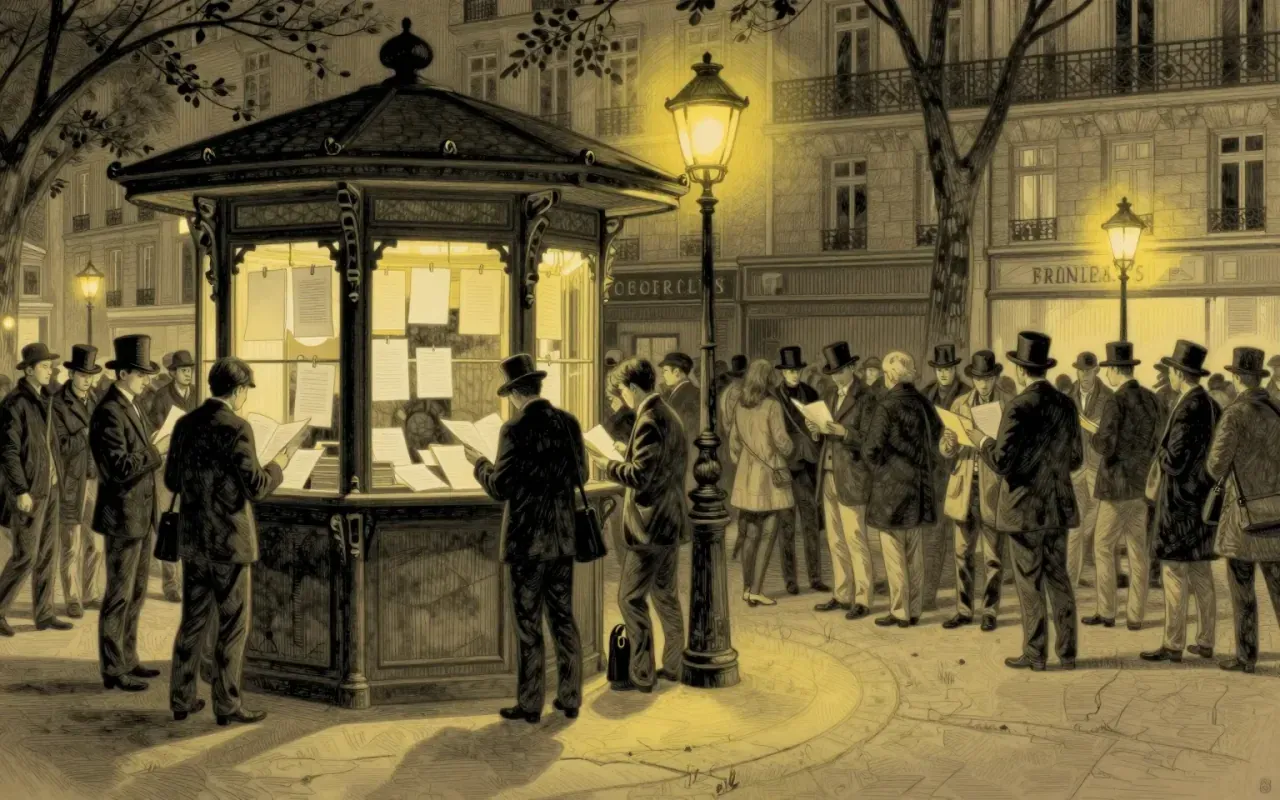
Alfred Dreyfus, a Jewish artillery officer, was wrongly convicted of treason in 1894 on the strength of disputed handwriting evidence and imprisoned on Devil's Island, while the army suppressed subsequent proof identifying the real culprit. Émile Zola's 1898 open letter J'Accuse galvanised public opinion, and Dreyfus was eventually pardoned in 1899 and fully exonerated in 1906, an affair that split French society and exposed institutional antisemitism at the highest levels of the military.

Severe drought combined with farming practices that had stripped the Great Plains of native grasses produced a decade of catastrophic dust storms through the 1930s, peaking with the storm known as Black Sunday in April 1935. Federal programmes under Franklin Roosevelt's New Deal introduced soil conservation measures that cut blowing soil by roughly two-thirds by 1938, but recent scholarship has challenged the popular image of a mass exodus, arguing migration out of the Plains rose only slightly compared with the previous decade.

Chartered in 1602 as a state-backed merger of rival Dutch trading firms, the VOC pioneered the joint-stock company, raising capital from shareholders while holding the power to wage war, sign treaties, and mint currency. Its spice monopoly and Asian trading network made it hugely profitable for close to two centuries, but that same monopoly was enforced with documented violence, including the destruction of much of the Banda Islands' population in the 1620s. Debt, war losses, and corruption brought the company down; its charter expired in 1799, and its territories became a Dutch state colony that lasted until Indonesian independence in the twentieth century.
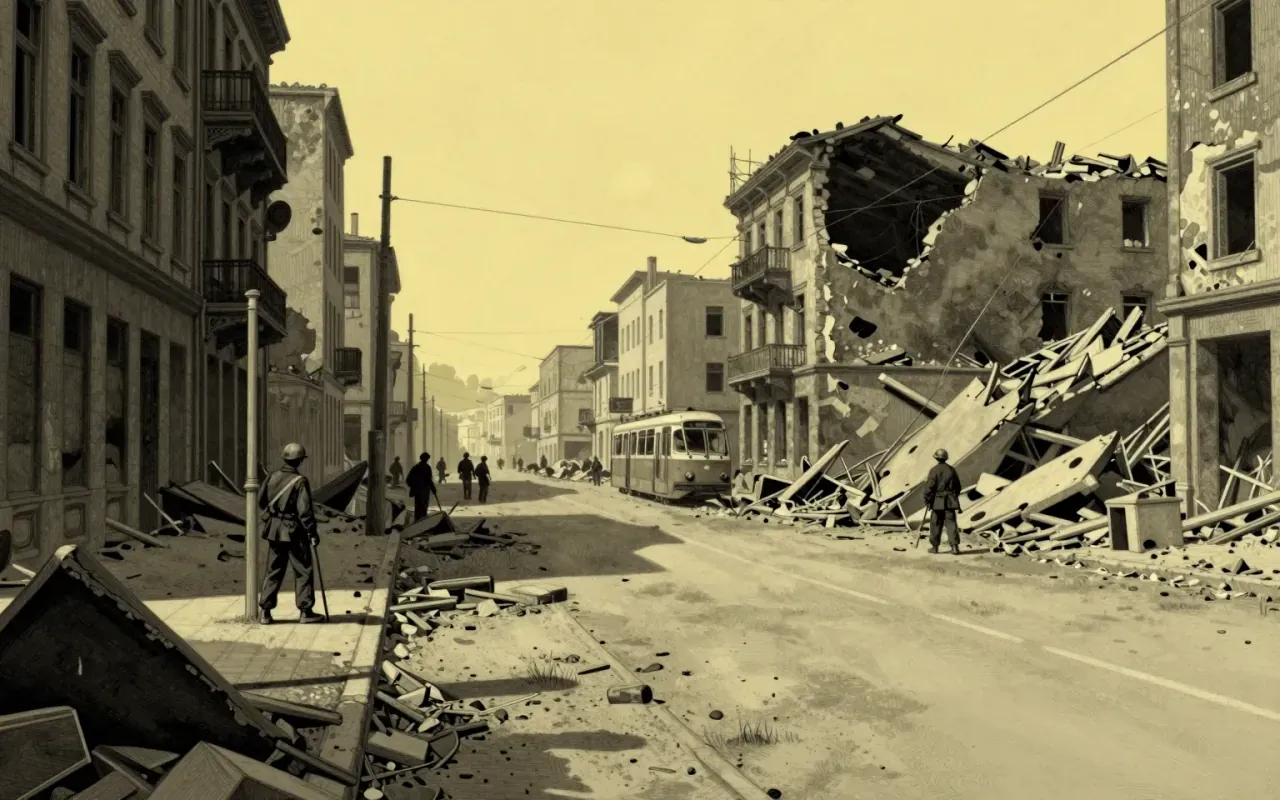
Roughly fifteen hundred republican volunteers seized key buildings across Dublin over Easter week 1916, holding out for six days against a British garrison that grew to over sixteen thousand before Patrick Pearse surrendered to prevent further civilian deaths. Public opinion in Dublin was initially hostile to the rising, but the execution of sixteen leaders that May reversed that sentiment so thoroughly that it helped produce Sinn Féin's landslide in the 1918 election, a shift historians treat as the rising's real historical consequence rather than anything it achieved militarily.

In February 313, Constantine and Licinius agreed at Milan to grant Christians legal standing and restore confiscated property, a policy Licinius then circulated to eastern governors that June. Known today only through two later, differing accounts, it granted toleration rather than establishment, a status Christianity would not formally gain for another sixty-seven years.

Issued in April 1598 to end decades of the French Wars of Religion, the Edict of Nantes gave French Protestants freedom of worship in specified areas, access to public office, state-funded schools, and control of fortified towns including La Rochelle, while leaving them subject to Catholic tithes and holidays. Henry IV, who had converted to Catholicism himself in 1593 after years fighting as a Protestant leader, signed it to secure a fragile peace, and provincial parlements delayed its registration for years. His grandson Louis XIV revoked it through the Edict of Fontainebleau in October 1685, triggering an exodus of roughly 400,000 Huguenots that religious freedom in France would not formally match again until 1787.

Between 26 and 29 April 1994, South Africans of every race voted together for the first time, and the African National Congress won just under 63 percent, enough to make Nelson Mandela president without the two-thirds majority that would have let his party govern alone. The vote followed four years of negotiation, boycotts and mass violence since Mandela's release in 1990, and it produced a compromise government sharing power with the outgoing National Party and the Inkatha Freedom Party.

Mikhail Gorbachev's reforms from 1985, combined with a series of summits with Ronald Reagan and the Soviet abandonment of the Brezhnev Doctrine, opened the way for Eastern European communist governments to collapse peacefully through 1989, culminating in German reunification and the Soviet Union's own dissolution by December 1991. Historians remain divided over whether Soviet economic decay, Gorbachev's genuine ideological conviction, or Western pressure deserves primary credit, a debate the evidence supports multiple readings of rather than settling definitively.

Fought between 1642 and 1651 as part of a wider conflict across England, Scotland and Ireland, the English Civil War pitted King Charles I against a Parliament unwilling to accept his authority unchecked, ending in Charles's execution and a short-lived republic. Historians remain divided over its basic character, with Whig, Marxist and revisionist interpretations all drawing on the same surviving pamphlets and parliamentary records to reach quite different conclusions about what really caused it.
The Enlightenment is conventionally dated somewhere between the late seventeenth century and 1789, though scholars propose starting points as early as Descartes' 1637 treatise and end points as late as Kant's death in 1804. Thinkers including Voltaire, Rousseau, Locke and Kant promoted reason, empirical method and individual liberty through salons, academies and printed works like the Encyclopédie, but historians remain divided over whether this amounted to one coherent movement or several distinct, sometimes conflicting, strands of thought.

In 79 AD, Mount Vesuvius buried Pompeii, Herculaneum and neighbouring towns under ash and superheated volcanic flows over roughly two days, killing an unknown but substantial number of people. The event is known chiefly through two letters Pliny the Younger wrote to Tacitus a quarter-century later, and through the archaeology itself, which has recently pushed the long-accepted August date toward autumn instead.

On 1 October 1949, Mao Zedong announced the founding of the People's Republic of China from Tiananmen Gate, closing more than two decades of intermittent civil war against the Nationalist government, which withdrew to Taiwan by year's end. The Communist victory owed as much to Nationalist economic collapse and wartime attrition as to any single battle. No peace treaty was ever signed, and the division of legitimacy the proclamation created between Beijing and Taipei persists unresolved.
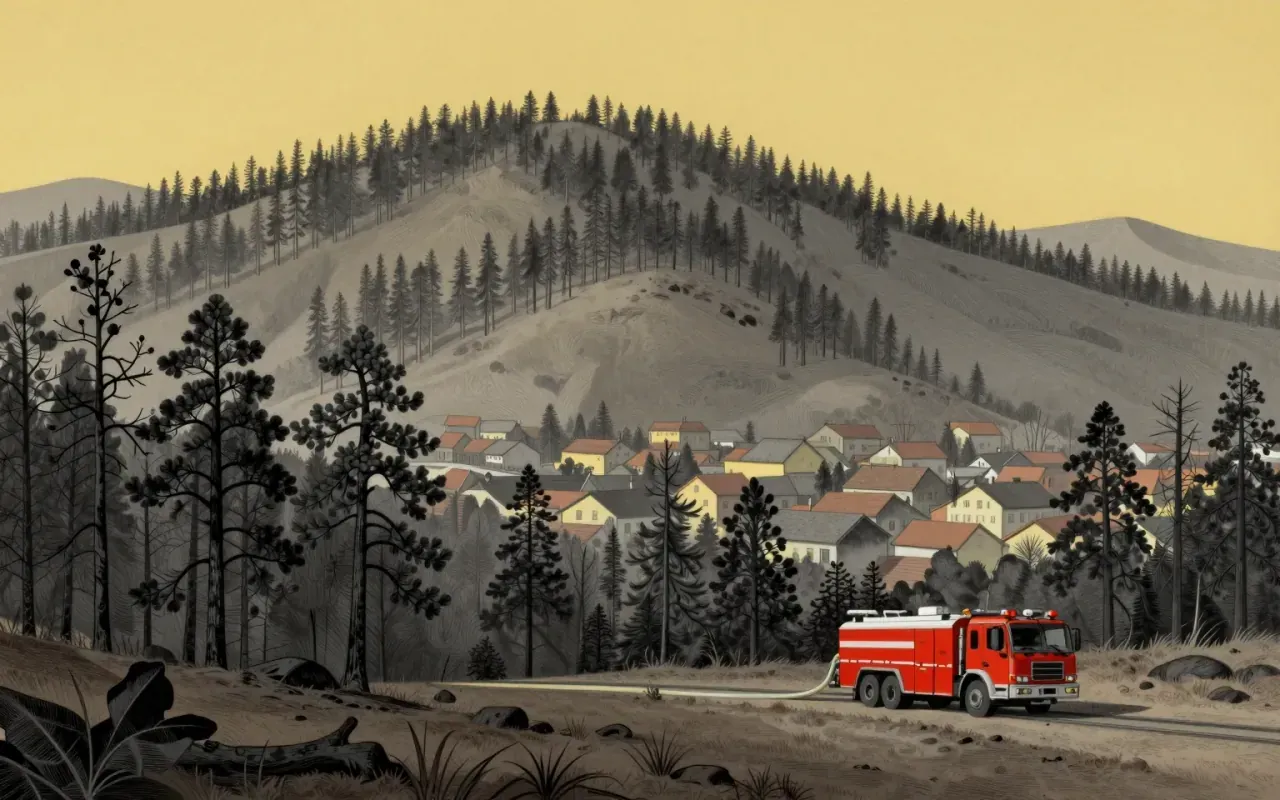
The summer of 2003 was Europe's hottest since at least 1540, with temperatures reaching 47.3 degrees Celsius in Portugal and record highs across Britain, Germany, and Switzerland, and it is estimated to have killed around 72,000 people across the continent. France suffered the heaviest toll, somewhere between roughly 14,800 and 19,000 deaths, driven less by the heat itself than by nights that stayed unusually warm, housing without air conditioning, and a health and social care system that emptied out for the traditional August holiday just as elderly people living alone needed it most. The scandal cost Health Minister Jean-François Mattei his job the following year and led France to build a national heat wave response plan that has measurably reduced death tolls in subsequent hot summers.

European integration began institutionally in 1948 and took concrete shape with the 1950 Schuman Declaration, which led six countries to form the European Coal and Steel Community in 1952 on the premise that shared control of war-making industries would prevent renewed conflict. Successive treaties and enlargements built the European Economic Community, then the European Union itself in 1993, expanding eventually to twenty-seven members, a scale of integration that has produced its own recurring tensions over sovereignty, migration and, in 2020, the departure of the United Kingdom.
Angkor was besieged and occupied twice by the Ayutthaya kingdom before a final seven-month siege in 1430 forced the Khmer court to abandon it in 1431 for the site of modern Phnom Penh. Historians attribute the fall to some combination of military pressure, drought revealed only by modern tree-ring analysis, ecological strain from the city's own irrigation system, and a religious shift away from the older cult of divine kingship. Many temples remained in use long after the court's departure, and Sanskrit gave way gradually to Middle Khmer rather than the culture vanishing all at once.

In January and February 1258, the Mongol prince Hulegu Khan besieged and took Baghdad after the Abbasid caliph al-Musta'sim refused full submission, ending five centuries of Abbasid independent rule. Death toll estimates range enormously, from Hulegu's own figure of roughly two hundred thousand to later Muslim accounts running into the millions, compiled well after the event. The famous image of the Tigris running black with ink from discarded books is now traced by historians to a recycled literary trope, and whether 1258 truly marked the end of the Islamic Golden Age remains genuinely disputed.
Ottoman forces under the nineteen-year-old Mehmed II besieged Constantinople for fifty-three days before breaching its ancient walls on 29 May 1453, ending over a thousand years of Byzantine imperial continuity. Defenders numbering fewer than eight thousand faced an Ottoman force contemporaries estimated anywhere from fifty thousand to three hundred thousand, a discrepancy that has never been resolved, while massive gunpowder cannon, one reportedly capable of firing six-hundred-pound projectiles over a mile, demonstrated that the era of medieval fortification was ending.

Between the last week of April and 8 May 1945, Nazi Germany's government, army and territory disintegrated under simultaneous pressure from the Soviet Union in the east and Britain, the United States and their allies in the west. Hitler killed himself in Berlin, his successor Karl Dönitz oversaw a cascade of surrenders, and the country was carved into occupation zones that hardened, within four years, into two separate states.
The Western Roman Empire's collapse, conventionally dated to 476 AD when the Germanic commander Odoacer deposed the emperor Romulus Augustulus, followed a century of Gothic and other Germanic incursions, military strain and repeated civil war. Historians propose climatic, epidemiological, economic, political and religious explanations, and disagree sharply about whether to describe the process as a catastrophic fall or a more gradual transformation into successor kingdoms that preserved much of Roman law, language and administration.

After a disputed snap presidential election on 7 February 1986, in which the government's electoral commission and an independent monitoring group reported opposite winners, defense minister Juan Ponce Enrile and armed forces deputy chief Fidel Ramos broke from President Ferdinand Marcos on 22 February. Over the next three days, an estimated two million civilians filled Manila's EDSA avenue to shield the defectors, in a peaceful confrontation that ended Marcos's twenty-year rule and sent him into American-brokered exile in Hawaii, installing Corazon Aquino as president.

The Final Solution, the Nazi programme to murder Europe's Jewish population, killed around six million people through mobile shooting units operating from mid-1941 and then through gas chambers at dedicated camps from late 1941 onward, formalised administratively at the Wannsee Conference in January 1942. Historians remain divided over whether Hitler issued a single early master plan for total extermination or whether the policy escalated in stages through competing bureaucratic pressures, a debate complicated by the fact that no written order from Hitler himself has ever surfaced.
Ferdinand Magellan's 1519 expedition found a passage through South America and crossed the Pacific before his death in the Philippines, after which Juan Sebastian Elcano brought the sole surviving ship home in 1522, completing the first known voyage around the world. The venture proved the earth could be circled by sea and revealed the Pacific's true scale, even though the western route it pioneered turned out too long and costly to be commercially useful.

A series of wartime declarations and conferences, from the 1941 Atlantic Charter through Dumbarton Oaks and Yalta, culminated in fifty nations signing the UN Charter at the San Francisco Conference in June 1945, formally establishing the organisation that October. Franklin Roosevelt's vision of great-power cooperation, embedded in the Security Council's veto structure, was designed around wartime Allied unity that had already begun fracturing into Cold War division before the ink on the Charter had properly dried.

Bismarck's editing of the Ems Dispatch in July 1870 turned a diplomatic exchange over a Spanish succession dispute into a war France declared and then lost within weeks, its main army captured at Sedan and Metz before a four-month siege forced Paris to surrender. The German Empire was proclaimed at Versailles as the war ended, and the Treaty of Frankfurt's transfer of Alsace and part of Lorraine to Germany left a grievance in French politics that outlasted everyone who fought the war itself.

The 2011 Tohoku tsunami overtopped Fukushima Daiichi's seawall about fifty minutes after the earthquake, flooding the plant and destroying ten of its thirteen backup generators, which led to fuel melting in three reactors and hydrogen explosions across the site between 12 and 15 March. Radiation released into the atmosphere made it the worst nuclear accident since Chernobyl, and roughly 164,000 residents were displaced at the evacuation's peak, but the evacuation itself proved directly lethal to at least fifty-one people, mostly elderly patients relocated without adequate medical support. The UN Scientific Committee has found no confirmed radiation-linked health effects among residents, even as cleanup costs run to an estimated 180 billion dollars and more than 41,000 people remained displaced a decade later.
William of Orange landed in England in November 1688 with a fleet larger than any assembled in European waters to that point, and James II's rule collapsed within weeks, leading Parliament to install William and his wife Mary as joint monarchs. The change of ruler in England involved little direct fighting, but the settlement's aftermath produced genuine, sustained violence in Ireland, and historians now describe the episode as substantially a Dutch military operation rather than a purely English uprising.

In January 1888 a fast-moving Arctic front crossed the Great Plains, dropping temperatures from near freezing to as low as minus forty within hours during a day that had begun mild enough to be mistaken for spring, catching schoolchildren and workers outdoors and killing at least 235 people in what became known as the Schoolhouse Blizzard. Two months later, an entirely separate storm buried the northeastern United States under snowfall reaching fifty-eight inches in places, with drifts up to fifty-two feet, killing around 400 people and wrecking over two hundred ships along the Atlantic coast. The Northeastern storm's paralysis of surface transport helped push New York and Boston toward building underground subways and burying utility lines.

The Great Depression began with the October 1929 Wall Street crash and, over the following years, produced a roughly 46 per cent drop in American industrial production, unemployment reaching a quarter of the workforce, and a worldwide contraction in trade and output that lasted until the outbreak of the Second World War. Economists have proposed several overlapping explanations, monetary contraction, insufficient aggregate demand, and a debt-deflation spiral among them, and continue to debate how much credit each deserves alongside factors including the Smoot-Hawley Tariff and the rigidity of the gold standard.

A bakery fire on Pudding Lane in the early hours of 2 September 1666 spread through London's densely packed, largely wooden housing over four days, destroying more than thirteen thousand houses and eighty-six parish churches before burning out on 5 September. Official accounts recorded only a handful of deaths, but the historian Neil Hanson has argued the true toll, including undocumented poor and deaths from exposure and extreme heat, likely ran into the hundreds or thousands, a dispute that remains unresolved. Samuel Pepys's diary provides the most detailed surviving eyewitness account.

A potato blight that destroyed most of Ireland's harvest in 1846 became a famine that killed around a million people and drove more than two million to emigrate, worsened by a British government that leaned on laissez-faire economics and refused to halt food exports even as people starved. Historians still argue over whether that response amounts to policy failure or something closer to deliberate neglect, an argument the contested name for the event, famine, great hunger, or worse, reflects directly.

In 1958 Mao Zedong launched a campaign to industrialise China rapidly through mass collectivisation and backyard steel production. Inflated harvest reports fed state procurement that stripped grain from the countryside, and a famine took hold by 1959 that lasted into 1961. Estimates of the death toll, reconstructed only decades later from demographic data, range from roughly fifteen to fifty-five million, and historians still argue over how to divide responsibility between Mao, provincial officials and genuine weather disasters.

A secret society's planned uprising against Ottoman rule broke out early in 1821 and turned into eight years of war, complicated by two Greek civil wars fought alongside it and by massacres on a scale historians still total in the hundreds of thousands. Britain, France, and Russia intervened only in 1827, when their fleets destroyed the Ottoman-Egyptian navy at Navarino in a battle that began as an accident, tipping a war Greeks had sustained largely by themselves toward independence recognised in 1830.

Around 1440, Johannes Gutenberg combined existing technologies with his own innovations in metal type and ink to create a practical movable-type printing system, completing his famous 42-line Bible around 1455 before the press spread to well over a hundred European cities within decades. Because Gutenberg left no personal account of his methods, most of what is known comes from legal records connected to a financial dispute rather than any direct description of his work.

Beginning with a 1791 uprising among the roughly 450,000 enslaved people of the French colony of Saint-Domingue and continuing through wars against French, British and Spanish forces, the Haitian Revolution ended in January 1804 with the declaration of Haiti's independence, the only successful slave revolt in history to establish a sovereign state. Historian Michel-Rolph Trouillot has argued the revolution has been systematically overshadowed in mainstream history compared with the French Revolution it followed, despite its more direct and lasting consequences for the institution of slavery itself.

The Hanseatic League grew out of merchant guilds in northern German towns, loosely bound by shared trading privileges rather than any central government, with Lübeck as its de facto leader from the mid-fourteenth century. At its height after the 1370 Treaty of Stralsund it could blockade cities and win wars, running trading posts from Novgorod to London. Dutch and English competition, the closure of its Russian outpost, and the shift of trade toward the Atlantic wore it down over three centuries, and its last formal assembly met in Lübeck in 1669, with no single act ever declaring it ended.
The Hellenistic period runs conventionally from Alexander's death in 323 BC to Cleopatra VII's death in 30 BC, spanning the successor kingdoms, Ptolemaic Egypt, the Seleucid realm and Macedon among them, that emerged from the wars fought among his former generals. It was a period of active scholarship and cultural mixing, producing figures such as Euclid and Archimedes and blending Greek culture with Egyptian, Persian and other local traditions, before Rome absorbed the last of the successor states.

The German passenger airship Hindenburg caught fire while landing at Lakehurst, New Jersey, on 6 May 1937, killing 36 people in under a minute despite the Zeppelin Company's previously spotless safety record across 1.6 million kilometres of flight. German and American investigations reached different emphases on the ignition cause, static electricity remains the most widely accepted explanation, and the extensive newsreel and radio coverage of the disaster effectively ended commercial passenger airship travel within months.

The Holocaust, the systematic murder of approximately six million Jews by Nazi Germany and its collaborators between 1941 and 1945, proceeded through mass shootings, ghettoization and purpose-built extermination camps including Auschwitz-Birkenau and Treblinka, formalised at the January 1942 Wannsee Conference, alongside the murder of millions of others including Soviet prisoners of war, Roma and Sinti people, and people with disabilities. Historians divide over the intentionalist and functionalist interpretations of when and how the decision for total extermination was actually made, a debate that remains unresolved even as the scale and mechanics of the genocide itself are not in dispute.

A 99-year lease on Hong Kong's New Territories, set to expire in 1997, forced Britain and China into negotiations that produced the 1984 Sino-British Joint Declaration and its promise of one country, two systems. The handover ceremony on 1 July 1997 transferred sovereignty to China with guarantees of autonomy meant to last fifty years, guarantees that Britain now says China has broken and China says no longer carry any legal force at all.

Tradition places the founding of Baghdad's House of Wisdom under the eighth-century Abbasid caliphs, reaching its peak as a centre of translation and original scholarship under al-Ma'mun before its supposed destruction in the 1258 Mongol siege. Modern historians, led by Dimitri Gutas, have challenged whether it existed as the formal academy popularly described, noting that the name barely appears in Abbasid-era sources and that the grand image may have been built up by nineteenth-century Orientalist scholarship. Real translation and original research undoubtedly took place in Baghdad; its precise institutional shape remains genuinely disputed.

In 1956 Mao Zedong invited public criticism of the Communist Party, encouraging intellectuals to speak freely under the slogan of a hundred flowers blooming. Criticism grew sharper through early 1957 until, within months, Mao reversed course and recast critics as hostile rightists, launching a crackdown that branded roughly four hundred thousand people rightists. Historians still dispute whether the invitation was a deliberate trap or a genuine liberalisation that alarmed its own author once it succeeded.
Fought intermittently between 1337 and 1453 over rival claims to the French throne and over English-held territory in southwestern France, the Hundred Years' War passed through several distinct phases, marked by English victories at Crécy, Poitiers and Agincourt, French recovery under commanders such as Bertrand du Guesclin, and the campaign associated with Joan of Arc that helped tip the war's final phase toward France. It ended with England retaining only Calais on the continent and left both kingdoms with markedly different governing structures and senses of national identity.

Students, workers and soldiers rose against Hungary's communist government in October 1956, forcing out its Stalinist leadership and briefly installing Imre Nagy, who took the extraordinary step of declaring neutrality and leaving the Warsaw Pact. The Soviet army returned within days and crushed the revolt, executing Nagy after a secret trial.

The Inca state took its imperial form as Tawantinsuyu under Pachacuti from 1438, expanding under his successors to become the largest pre-Columbian empire in the Americas by the 1520s, governed through knotted-cord records called khipu that later generations lost the ability to read. Francisco Pizarro's small Spanish force captured the emperor Atahualpa in 1532 amid an Inca civil war, and though resistance continued under a rump Neo-Inca State until 1572, disease and conquest together killed a population historians can now only estimate in the millions.

The Indian Rebellion of 1857 began on 10 May with a sepoy mutiny at Meerut over rumours that new rifle cartridges were greased with cow and pig fat, and spread across northern India, drawing in the aged Mughal emperor Bahadur Shah Zafar as a reluctant figurehead before British forces recaptured Delhi by late September and suppressed the last resistance by mid-1858. The uprising killed roughly 6,000 British subjects and an estimated 800,000 or more Indians, including deaths from the war's associated famine and disease, and it ended East India Company rule entirely, transferring India to direct British Crown administration the following year.
The Indian Removal Act of 1830 passed Congress by narrow margins and authorised the federal government to exchange western land for territory held by tribes east of the Mississippi, language that in practice became coercion and, for the Cherokee in particular, an armed forced march that killed thousands. The Supreme Court ruled against Georgia's authority over Cherokee land in 1832, a decision Andrew Jackson's administration did not enforce, and historians now debate not whether the removals caused mass death but whether the policy and its intent amount to ethnic cleansing.

Sukarno and Mohammad Hatta proclaimed Indonesian independence on 17 August 1945, days after Japan's surrender, opening a four-year revolution against returning Dutch colonial rule that combined diplomatic negotiation with military conflict and a violent period of anti-European unrest known as Bersiap. The Netherlands formally transferred sovereignty in December 1949, but casualty estimates for the revolution still range widely, from roughly 97,000 to 150,000 Indonesian deaths and considerably disputed Dutch and Bersiap-period figures.

Beginning in Britain around 1760 and spreading to continental Europe and the United States by roughly 1840, the Industrial Revolution combined agricultural surplus, coal and iron resources, and a wave of textile and steam-power inventions to shift production from hand and cottage work to mechanised factories. Historians continue to dispute both how sharply this counts as a revolution rather than a gradual change and, more consequentially, when ordinary workers actually began to see rising living standards from it.

America's October 2001 invasion, launched after the Taliban refused to surrender al-Qaeda's leadership following the September 11 attacks, toppled the Taliban government within months but settled into a two-decade counterinsurgency that different tallies put at somewhere between 176,000 and over 212,000 deaths. The war ended in August 2021 with a Taliban takeover that returned Afghanistan to the same movement the invasion had removed.

Germany invaded Poland on 1 September 1939 behind the manufactured pretext of a staged attack at Gleiwitz, deploying newly mechanised blitzkrieg tactics that broke Polish resistance within weeks while the Soviet Union invaded from the east on 17 September under the secret terms of the Molotov-Ribbentrop Pact signed a week before the war began. Hitler's own instructions to his forces called for killing Polish people without pity or mercy, language historians treat as establishing genocidal intent from the campaign's very outset rather than something that developed only later in the occupation.

Germany launched the largest invasion in history against the Soviet Union on 22 June 1941, deploying nearly four million troops along a front stretching almost three thousand kilometres and capturing vast Soviet territory before the advance stalled outside Moscow that December. What followed became the largest and deadliest land campaign of the Second World War, ultimately killing millions on both sides, and historians still debate how much of the German failure traces to winter and logistics against how much reflects a strategic miscalculation built on racial assumptions about Soviet weakness that Hitler held from the outset.

Saddam Hussein's invasion of Iran in September 1980, aimed at exploiting the chaos of Iran's revolution and reclaiming disputed border territory, opened an eight-year war that killed an estimated 450,000 to 500,000 people and ended in 1988 with no permanent territorial change on either side. The conflict drew simultaneous American, Soviet and Arab state support for Iraq despite documented Iraqi chemical weapons use, a convergence of Cold War and regional interests that historians still treat as one of the war's most striking features.

Mass protests against Shah Mohammad Reza Pahlavi grew through 1978 into a revolution that forced his departure from Iran in January 1979 and brought the exiled cleric Ruhollah Khomeini back to establish an Islamic Republic that February. The coalition that toppled the Shah spanned Islamist, liberal, socialist and communist groups, but Khomeini had kept his plan for clerical rule largely hidden beforehand, and once in power he moved to eliminate the secular allies who had helped bring him there.
A US-led coalition invaded Iraq in March 2003 on claims that Saddam Hussein possessed weapons of mass destruction and had ties to al-Qaeda, both later shown to be unsupported by evidence. Saddam's government fell within weeks, but a sectarian insurgency and civil war followed, with death toll estimates ranging from around 150,000 to over a million depending on methodology, and the resulting instability helped enable the rise of the Islamic State after American withdrawal.

The Islamic Golden Age, running roughly from the eighth to the thirteenth or fourteenth century under the Abbasid Caliphate and centred on cities including Baghdad, Cairo and Córdoba, produced major advances in mathematics, medicine, astronomy and optics, building on translated Greek, Persian and Sanskrit scholarship. Historians disagree both about what caused the flourishing and about how sharply, or whether, it actually declined after the ninth century, and even the existence of Baghdad's famous House of Wisdom as a formal institution is now disputed.

A magnitude 7.6 earthquake struck Kocaeli province in northwestern Turkey on 17 August 1999, killing between roughly 17,000 and 18,000 people by official count, with some estimates running considerably higher, largely because of widespread substandard construction that caused over 60,000 buildings to collapse outright. A second, magnitude 7.2 earthquake struck nearby Duzce on 12 November that year, killing a further 845 to 894 people in a region already weakened by the first quake, and the two disasters together prompted Turkey to create earthquake insurance requirements and stricter enforcement of building codes, reforms whose adequacy remains tested by continuing seismic risk along the same fault system beneath the Sea of Marmara.
Jacobitism sought to restore the exiled Stuart dynasty to the British throne through several armed risings between 1689 and 1745, ending decisively at the Battle of Culloden after Charles Edward Stuart's final campaign. The movement's popular image as a Highland Catholic cause obscures a more varied reality of Protestant Lowland Episcopalians, English Tory sympathisers, and heavy dependence on French and Spanish sponsorship pursued mainly to distract British military resources.

On 5 August 2003, a vehicle loaded with explosives detonated in the lobby of the JW Marriott hotel in Jakarta, killing twelve people plus the bomber and injuring around 150, an attack the Indonesian government and forensic analysis linked to Jemaah Islamiyah, a network affiliated with al-Qaeda that had also carried out the 2002 Bali bombings and a 2000 wave of church bombings. Investigation traced planning back to December 2002 under organiser Noordin Mohammad Top, leading to convictions including a seven-year sentence for explosives transporter Muhammad Rais, but the same network struck the same hotel again on 17 July 2009 alongside the nearby Ritz-Carlton, killing nine people including two suicide bombers in an attack that showed how much of Jemaah Islamiyah's operational capacity had survived the earlier prosecutions.

Poland's January Uprising broke out in 1863 after Russian authorities tried to remove suspected agitators through long-term military conscription, triggering a rebellion that spread across the old Polish-Lithuanian lands before Russian forces crushed it by mid-1864. Its final commander, Romuald Traugutt, was captured and hanged after his land-reform decree arrived too late to rally the peasantry, and the roughly eighty thousand people Russia deported afterward, by one historian's count, made the reprisal the largest single deportation in Russian history.

Charles X's decrees dissolving parliament and gutting the press in July 1830 set off three days of Parisian street fighting that toppled him within a week, but the provisional government installed Louis Philippe of the House of Orleans as a constitutional citizen king rather than pursuing a republic. Historians still debate whether the fighting itself was a middle-class revolt that borrowed working-class muscle or a genuinely popular uprising whose result the bourgeoisie then claimed for itself.

The Great Hanshin earthquake struck the Kobe region at 5:46 a.m. on 17 January 1995 with a magnitude of 7.3, killing between roughly 5,500 and 6,400 people, injuring tens of thousands and displacing over 300,000, Japan's deadliest earthquake of the twentieth century after the 1923 Great Kanto disaster. Many of the deaths came from older wooden houses with heavy tiled roofs collapsing onto residents and from roughly 300 fires that swept through damaged neighbourhoods, while elevated highway sections built to 1960s standards failed even though structures meeting a revised 1981 building code generally held, prompting Japan to overhaul both its construction requirements and its disaster-response chain of command.
The Korean War ran from June 1950 to July 1953, pitting North Korea, backed by China and the Soviet Union, against South Korea and a United Nations force led by the United States. It followed directly from the hurried 1945 division of Korea at the 38th parallel, produced casualty estimates that historians still give only as wide ranges, and ended in an armistice rather than a settlement, leaving the peninsula formally still at war.

Kosovo Albanians' decade of failed non-violent resistance to Serbian rule gave way after 1996 to armed insurgency by the Kosovo Liberation Army, provoking a Serbian counter-campaign of expulsion and killing that NATO answered in March 1999 with an air campaign lacking Security Council backing. The war displaced hundreds of thousands and left casualty figures on both sides that historians still cannot fully reconcile.

Adopted in 1997 and taking effect in 2005 once Russia's ratification met the treaty's entry threshold, the Kyoto Protocol bound thirty-seven industrialised countries to specific greenhouse gas reduction targets against a 1990 baseline. All thirty-six parties assessed for the first commitment period complied with their targets, yet global emissions rose by roughly a third between 1990 and 2010, a gap that shaped the Paris Agreement's later shift toward voluntary national pledges rather than binding international targets.

When Napoleon deposed Spain's king in 1808, colonial elites across the Americas formed juntas that at first claimed loyalty to the deposed monarchy rather than independence outright. Over the following two decades that position collapsed into open war, fought regionally under leaders such as Simón Bolívar in the north and José de San Martín in the south, producing new republics whose independence did not by itself resolve the social inequalities the fighting had exposed.
Founded on 10 January 1920 out of the Paris Peace Conference, the League of Nations was the first standing international body meant to keep peace between states, championed above all by Woodrow Wilson even as the United States Senate refused to ratify American membership. It grew to fifty-eight members at its peak, ran a genuine secretariat and court in Geneva, and did real work on labour and refugee issues, but it failed to stop Japan's seizure of Manchuria in 1931 or Italy's invasion of Abyssinia in 1935, and it sat largely inactive through the Second World War before formally dissolving in 1946 in favour of the United Nations.
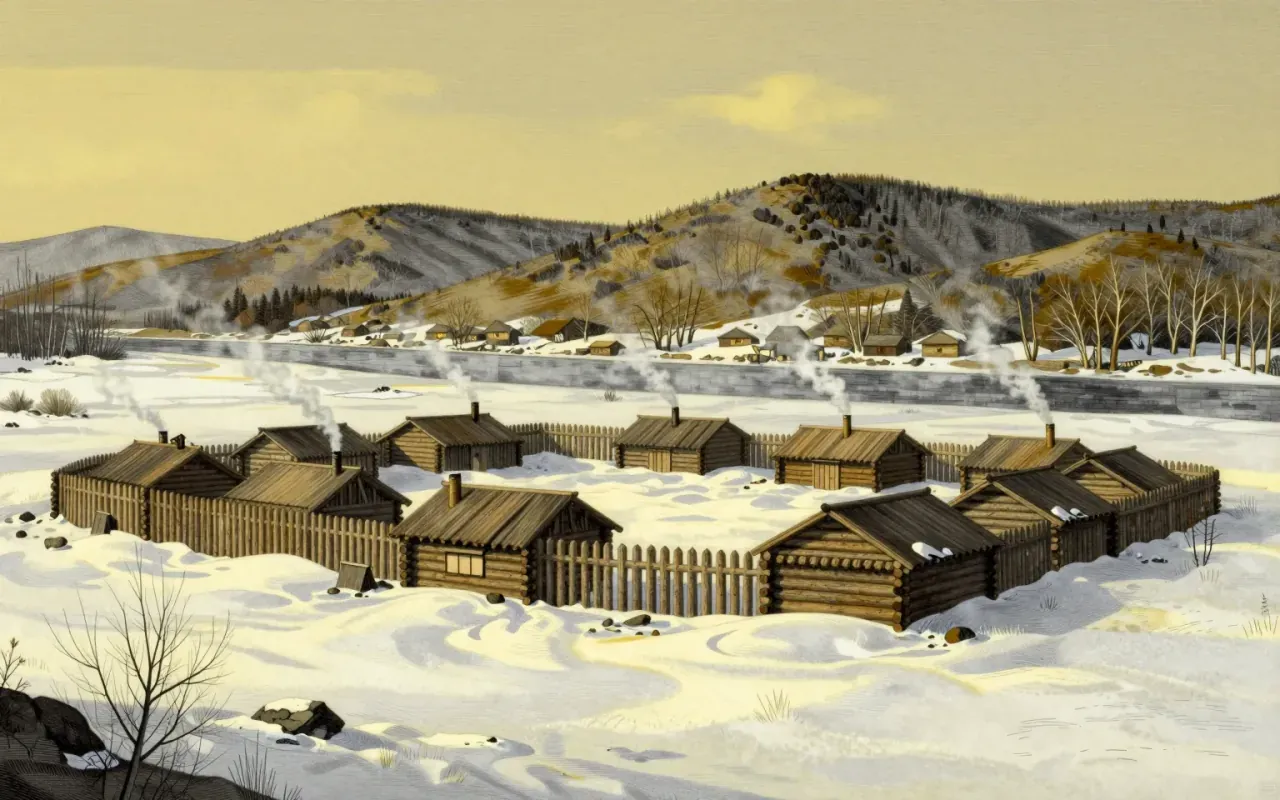
Between May 1804 and September 1806, Meriwether Lewis and William Clark led roughly forty-five people up the Missouri River, over the Continental Divide, and down to the Pacific coast and back, on President Jefferson's orders to survey the Louisiana Purchase and find a practical route to the ocean. The party met dozens of Native nations, recorded hundreds of new plant and animal species, and lost only one member to illness, but its written record was published in a severely cut version for ninety years before the full journals appeared.

The earthquake that struck Lisbon on the morning of 1 November 1755 is estimated at magnitude 7.7 or higher, destroyed some eighty-five percent of the city's buildings, and was followed by a tsunami and fires that together killed an estimated forty to fifty thousand people across Portugal and Morocco. The disaster shook European intellectual life as much as it shook Lisbon itself, prompting Voltaire's attack on optimistic philosophy in Candide and Immanuel Kant's attempts to explain earthquakes through natural rather than divine causes. The chief minister, the future Marquis of Pombal, organised relief, rebuilt the city centre with some of Europe's earliest earthquake-resistant construction, and commissioned a nationwide survey of the disaster's effects that later became a foundational document for modern seismology.

Four suicide bombers detonated devices on three London Underground trains and a bus during the morning rush hour of 7 July 2005, killing 52 civilians alongside themselves and injuring nearly 800 people in Britain's deadliest terrorist attack since Lockerbie. An independent inquest later ruled the deaths unlawful but unpreventable, while finding MI5's earlier, brief scrutiny of ringleader Mohammad Sidique Khan had not amounted to a missed warning. Two weeks later, on 21 July, four more attackers attempted an almost identical attack using bombs of similar size and construction, but faulty explosives meant only the detonators fired, and the resulting manhunt led police to fatally shoot an innocent Brazilian electrician, Jean Charles de Menezes, before all four bombers were caught and later sentenced to life imprisonment.

Driven from their Jiangxi base in 1934, perhaps 100,000 Communist soldiers and officials retreated on foot toward the north, losing most of their number to fighting, hunger and desertion along the way. The year-long ordeal remade the party's leadership around Mao Zedong and delivered survivors to a base from which they eventually took China. Decades of official retelling have since inflated and smoothed a story that was, at the time, closer to desperate flight than triumph.
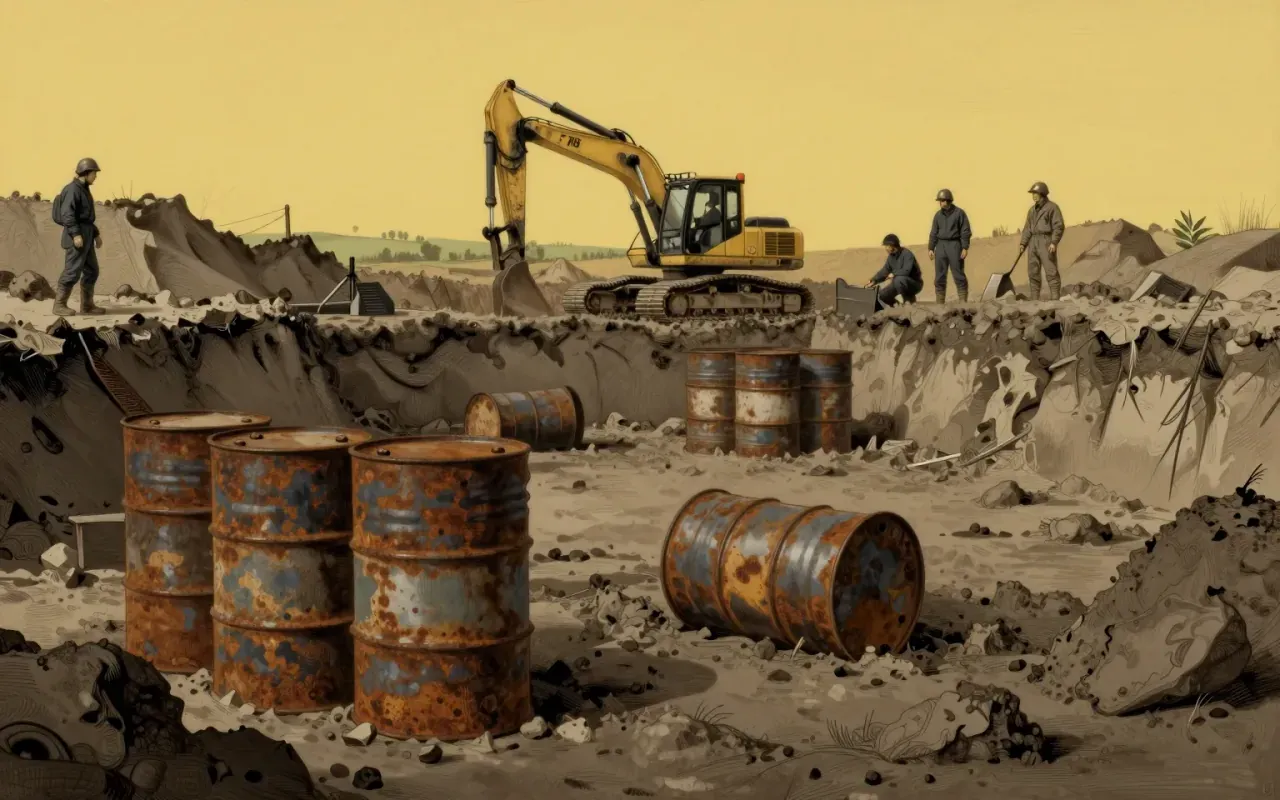
Between 1942 and 1952, Hooker Chemical Company buried roughly 21,800 tons of industrial waste in an abandoned canal excavation near Niagara Falls, then sold the site for one dollar to the local school board, which built an elementary school on it and allowed residential development around it. Contamination surfaced publicly in 1978 after journalists and then activist Lois Gibbs documented chemical vapours, elevated white blood cell counts and chromosomal damage among residents, prompting President Carter to declare the first federal emergency for a non-natural disaster and leading directly to the 1980 Superfund law, even though scientists remained divided for years over how conclusively the buried chemicals, as opposed to other factors, explained residents' specific health problems.

Ten bombs exploded across four commuter trains in Madrid on the morning of 11 March 2004, killing 193 people and injuring roughly 2,500 in the deadliest terrorist attack in Spanish history. The government of José María Aznar pointed to the Basque separatist group ETA within hours, even as evidence mounted toward a loosely organised, internet-radicalised cell of Moroccan, Syrian, and Algerian extremists inspired by rather than directed by al-Qaeda. Spontaneous protests erupted once that evidence became public on 12 and 13 March, and three days after the bombings, voters delivered an upset general election victory to the opposition Socialist Party, a result researchers have linked directly to public anger over the government's initial handling of the attack's aftermath.
British forces fought a twelve-year counterinsurgency against the Malayan National Liberation Army from 1948, relocating roughly a million civilians into fortified new villages under the Briggs Plan while pursuing communist guerrillas who never numbered more than eight thousand fighters. The conflict killed over eleven thousand people and included documented atrocities, notably the Batang Kali massacre of unarmed villagers, alongside Britain's first recorded use of herbicides in warfare, a precedent later cited when the United States considered similar tactics in Vietnam.

The Mamluk Sultanate began in 1250 when slave soldiers overthrew the Ayyubid dynasty in Egypt, installing a system of governance in which power passed largely by military promotion rather than inheritance. Mamluk forces stopped the Mongol advance at Ain Jalut in 1260 and cleared the last Crusader strongholds from the Levant by 1291, but the Black Death of 1347 and 1348 hit the sultanate's population and finances hard, and its Burji-era rulers failed to match Ottoman adoption of firearms. Ottoman Sultan Selim I conquered Cairo in January 1517, ending 267 years of Mamluk rule and inheriting the caliphate along with it.

Salman Abedi detonated a nail bomb in the foyer of Manchester Arena as concertgoers left an Ariana Grande show on 22 May 2017, killing 22 people and injuring over a thousand in Britain's deadliest terrorist attack since the 2005 London bombings. A public inquiry found a series of missed opportunities, including a security guard who noticed Abedi acting suspiciously but did not intervene for fear of appearing racist, understaffed police coverage of the arena's exit area, and an MI5 assessment that had judged Abedi low-risk despite community warnings about his extremist views. His brother Hashem was later convicted of helping build the bomb and sentenced to a minimum fifty-five years, the longest minimum term ever imposed by a British court, while Ariana Grande's One Love Manchester benefit concert raised more than ten million pounds within twelve hours.
Fascism's founding myth of a revolutionary seizure of power in October 1922 describes an event that, on the documented record, was a fewer-than-thirty-thousand-strong show of force the king chose not to resist, followed by Mussolini's entirely constitutional appointment as prime minister under Italy's existing statute. Victor Emmanuel III's refusal to sign a state-of-siege order, made amid fears of civil war and of his own pro-fascist cousin's ambitions, did more to bring Mussolini to power than any fighting the march itself involved.

Ferdinand Marcos declared martial law in September 1972 and ruled the Philippines by decree for the following decade, a period historian Alfred McCoy documents as involving over three thousand extrajudicial killings and tens of thousands tortured or detained, while the Marcos family allegedly stole as much as ten billion dollars from state coffers. His government fell to the peaceful 1986 People Power Revolution after a fraudulent snap election, and Philippine politics remains divided today between accounts of the era as a golden age of development and documented evidence of its authoritarian and economic costs.

Maya civilisation developed across roughly two thousand years, from early farming settlements around 2000 BC through a Classic period of competing city-states between about 250 and 900, a still-unexplained ninth-century decline, and a Postclassic phase that lasted until Spanish conquest reached the last independent stronghold in 1697. Only three Maya codices survived the conquest, so much of what is known comes from decoded hieroglyphic inscriptions and archaeology, and no single explanation for the Classic collapse commands agreement among historians.

Giovanni di Bicci de' Medici founded the bank in 1397 with 10,000 gold florins, building a holding-company structure of semi-independent branch partnerships and using bills of exchange to earn profit on currency conversion rather than charging interest banned under canon law. Wealth from the bank, later boosted by a papal monopoly on alum from Tolfa, let Cosimo de' Medici become Florence's unofficial ruler by 1434 without ever holding formal office. Bad loans to rulers including the English crown, mismanagement at the Bruges branch, and Lorenzo the Magnificent's neglect of the business left the bank unable to survive the political shock of the French invasion of 1494.

Founded when Temüjin was proclaimed Genghis Khan in 1206, the Mongol Empire expanded within a century to cover roughly 23.5 million square kilometres from the Pacific to Eastern Europe, the largest contiguous empire in recorded history, before splitting after 1260 into four khanates that followed separate paths. Its history is documented through Mongolian, Chinese and Persian chronicles composed at different distances from events and with different loyalties, and historians still debate what actually caused its rapid fragmentation.

Apollo 11 landed on the Moon on 20 July 1969, with Neil Armstrong and Buzz Aldrin spending about two and a half hours outside the lunar module while Michael Collins orbited above in the command module. The landing itself required Armstrong to take manual control past a boulder field with only seconds of propellant remaining, and the mission was watched live by hundreds of millions of people, a scale of audience unmatched at the time.

On 23 October 2002, Chechen militants led by Movsar Barayev seized Moscow's Dubrovka Theatre during a performance, taking roughly 850 to 900 hostages and demanding a Russian withdrawal from Chechnya, before special forces pumped an opioid-based aerosol through the ventilation system and stormed the building before dawn on 26 October, killing all forty hostage-takers. The gas, later identified in a 2012 study as a mixture of carfentanil and remifentanil, was implicated in the deaths of all but one of the 132 officially recorded hostage fatalities, and a Moscow health official stated most died from the gas's effects rather than gunfire, a toll worsened by rescuers who lacked the antidote information needed to treat overdosed survivors and who left seventy-three hostages, including six children, without any medical attention at all.

FRELIMO launched an armed insurgency against Portuguese colonial rule in Mozambique in September 1964, sustaining a decade-long guerrilla campaign that Portugal's military never decisively defeated despite escalating troop deployments. The war ended not through military resolution but through Portugal's 1974 Carnation Revolution, itself partly fuelled by soldiers' discontent over the colonial wars, leading to a negotiated ceasefire and Mozambican independence in June 1975 under FRELIMO's Marxist-Leninist government.

Founded in 1526 when Babur defeated the Delhi Sultanate's forces at Panipat, the Mughal Empire expanded across most of the Indian subcontinent, reaching its greatest territorial extent under Aurangzeb in the late seventeenth century before fragmenting rapidly after his death and formally ending with the deposition of its last emperor following the 1857 uprising. Historians still debate how religiously tolerant or intolerant various emperors actually were, how urbanised Mughal India really was compared with contemporary Europe, and even what to call the dynasty itself.

Britain, France, Germany, and Italy met in Munich in September 1938 and agreed to hand Germany the Sudetenland, a heavily fortified, industrially significant region of Czechoslovakia, without any Czechoslovak representative present at the actual negotiations. Neville Chamberlain returned home declaring peace for our time, a claim contemporary polling suggests most of the British public initially welcomed, before Hitler occupied the rest of Czechoslovakia within six months and turned the agreement into the standard historical example of appeasement's failure.

Cyclone Nargis made landfall in Myanmar's Ayeyarwady Delta on 2 May 2008 at near-peak strength, pushing a storm surge some forty kilometres up the densely populated delta and destroying roughly ninety-five percent of buildings there. The government's official count of 138,373 dead and missing is itself disputed, with aid workers and NGOs suggesting the true toll may have reached as high as 300,000, and the ruling military junta initially refused to allow foreign aid workers or military assistance into the country even as a United States carrier group sat offshore for weeks with undelivered supplies. UN Secretary-General Ban Ki-moon's direct negotiation eventually opened the country to aid workers of any nationality, though military assistance remained barred throughout.

On Bastille Day, 14 July 2016, Mohamed Lahouaiej-Bouhlel, a 31-year-old Tunisian delivery driver living in Nice, drove a nineteen-tonne truck into crowds on the Promenade des Anglais, killing 86 people and injuring 458 before police shot him dead roughly five minutes after the attack began. He had no prior links to organised terrorism and was not on any watchlist, but investigators found he had rapidly self-radicalised over the preceding months, growing a beard, researching mass-casualty attacks online, and surveying the Promenade in the days beforehand, while separately battling depression, addiction, and a recent divorce and firing. The Islamic State claimed him as acting on its behalf, but French prosecutors concluded he had acted with some accomplices yet without central direction from the group itself.

When Edward the Confessor died childless in January 1066, three men claimed the English throne; William, duke of Normandy, defeated Harold Godwinson at Hastings that October after Harold had already fought off a Norwegian invasion days earlier, and was crowned that Christmas. Full Norman control took nearly a decade to secure, and the conquest's central justifications, a promise from Edward and an oath from Harold, appear only in sources written by the Norman side.

Twenty-two senior Nazi leaders stood trial before judges from the four Allied powers between November 1945 and October 1946, charged under a newly created legal framework that made individuals, not just states, criminally responsible for aggression and atrocity, resulting in eleven death sentences and three acquittals. The trials established lasting precedents for international law even as critics have long pointed out their selective scope, a charter narrow enough that Soviet purges and deportations never came under the same scrutiny applied to the defendants in the dock.

Germany annexed the Sudetenland after the 1938 Munich Agreement, then seized the remainder of Czech lands in March 1939, establishing the Protectorate of Bohemia and Moravia while Slovakia declared a nominally independent, German-aligned state. The occupation killed an estimated 294,000 to 320,000 people, mostly Jews, exploited Czechoslovakia's advanced industrial base for German rearmament, and ended only with the Prague Uprising and Soviet arrival in May 1945.

The October Revolution unfolded over roughly twenty-four hours on 24 and 25 October 1917 in the old Russian calendar, as Bolshevik forces under Leon Trotsky's organisation seized key points in Petrograd and took the Winter Palace from a token garrison of cadets, cossacks and a women's battalion, forcing Alexander Kerensky's Provisional Government to flee. Vladimir Lenin became head of the new Soviet government, and though the Bolsheviks won only 24 percent of the vote in elections held weeks later, they dissolved the resulting Constituent Assembly after a single session, a seizure of power that Soviet-era propaganda later reimagined as a dramatic battle even though the original assault had produced almost no casualties at all.

Qing emperors issued prohibitions against opium from 1729 onward, but rising imports and two wars forced China to legalise the trade through the 1858 and 1860 treaties that ended the Second Opium War. Suppression campaigns in the early twentieth century briefly cut consumption sharply, only for the trade to resume under revenue pressure after the Qing collapse in 1911, until the Communist government's often brutal 1950s campaigns finally ended mass addiction within Chinese cities.
The First Opium War ran from 1839 to 1842 after Chinese commissioner Lin Zexu confiscated and destroyed over 20,000 chests of British-imported opium at Humen, prompting Britain to send a naval and military force that defeated Qing forces along the Pearl and Yangtze rivers while suffering only 87 combat deaths against several thousand Chinese casualties. The resulting Treaty of Nanking, signed in August 1842, ceded Hong Kong to Britain in perpetuity, opened five treaty ports, imposed a 21 to 27 million silver dollar indemnity and granted extraterritorial rights to British subjects, becoming the first of the unequal treaties that Chinese nationalist historiography later dated as the start of a Century of Humiliation.

Britain fought two wars against Qing China, from 1839 to 1842 and again from 1856 to 1860, after Chinese officials moved to suppress the opium trade British merchants had built up to offset a longstanding deficit in trade for Chinese tea, silk and porcelain. Chinese defeat in both conflicts led to the ceding of Hong Kong, the opening of treaty ports, and a set of unequal treaties that Chinese historiography treats as the beginning of what is called the century of humiliation.

Secret talks in Norway produced the September 1993 Declaration of Principles between Israel and the PLO, establishing mutual recognition and a Palestinian Authority meant to govern a five-year transition toward permanent status negotiations. Those final talks never concluded, settlement building continued throughout, and both the assassination of Yitzhak Rabin in 1995 and the collapse of the 2000 Camp David summit left the accords' unresolved questions of Jerusalem, borders and refugees exactly where they started.
Founded around 1299 by the Turkoman leader Osman I and expanded over the following two and a half centuries into a state spanning Southeastern Europe, West Asia and North Africa, the Ottoman Empire reached its territorial peak under Suleiman the Magnificent in the sixteenth century before undergoing a long process of institutional adaptation that older historiography mischaracterised as straightforward decline. It survived until the aftermath of the First World War, when military defeat, genocide against Armenians, Assyrians and Greeks, and the Turkish War of Independence led to the sultanate's abolition in 1922 and the caliphate's in 1924.
Founded in the fourteenth century as the Ottoman sultan's personal infantry, the Janissary corps was filled for nearly three centuries through the devshirme, a periodic levy of Christian boys from the Balkans who were converted, trained, and bound to lifelong service. Their early adoption of firearms made them one of the first true gunpowder infantry forces in the world, but by the seventeenth century the corps had opened membership to hereditary recruits, taken up trade and property, and turned repeatedly on the sultans who depended on it. Sultan Mahmud II finally destroyed the institution in 1826, in an episode still known as the Auspicious Incident.
Ferdinand de Lesseps's French company began excavating a sea-level canal across Panama in 1881, a project that collapsed in bankruptcy in 1889 after roughly 22,000 deaths from disease and an underestimation of the terrain's difficulty. The United States acquired the French assets, engineered Panama's 1903 secession from Colombia to secure treaty rights, and completed a lock-and-lake canal in 1914 after further improving disease control, before transferring full sovereignty to Panama in 1999.

The Roman Curia, the administrative body that runs the Catholic Church's central affairs, is generally traced to Pope Urban II at the end of the eleventh century, though the word curia itself simply meant royal court in medieval Latin. It has been reorganised repeatedly since: by Pius X in the early twentieth century, by Paul VI in the 1960s, by John Paul II in 1988, and most recently by Pope Francis, whose 2022 constitution Praedicate evangelium opened senior leadership roles to laypeople and, within three years, produced the Curia's first female prefect.
Adopted on 12 December 2015 by nearly two hundred countries at the United Nations climate conference outside Paris, the agreement commits parties to keeping global warming well below two degrees Celsius above pre-industrial levels, with an aspiration toward 1.5 degrees, through voluntary national pledges reviewed every five years. It entered into force in November 2016, and the United States has since withdrawn and rejoined it twice, first under Donald Trump in 2017 and Joe Biden in 2021, and again with Trump's second withdrawal taking effect in January 2026, underscoring how dependent the agreement's voluntary structure is on continued political will.

On the night of 13 November 2015, ten operatives from a Brussels-based ISIS cell carried out coordinated shootings and suicide bombings across six sites in Paris and Saint-Denis, killing 130 civilians and injuring more than four hundred, with the Bataclan theatre alone accounting for ninety deaths during a hostage-taking that ended in a police assault. President François Hollande called the attacks an act of war and declared a three-month state of emergency, and France launched major airstrikes against ISIS targets in Raqqa within two days. Salah Abdeslam, the only surviving member of the attack teams, evaded capture until March 2016, while the cell's ringleader, Abdelhamid Abaaoud, was killed in a raid five days after the attacks.

British India was divided into India and Pakistan in August 1947, ending decades of colonial rule and an independence movement that stretched back to the previous century. The partition triggered mass displacement across new religious lines, with estimates of deaths ranging from 200,000 to two million and displaced people numbered between 12 and 20 million, figures that remain disputed rather than settled. It left lasting hostility between the two new states that continues to shape the region.

The Government of Ireland Act of 1920 split the island into two self-governing territories, drawing Northern Ireland's border around six counties chosen specifically because they gave unionists a workable majority, even though two of those counties had nationalist majorities of their own. A boundary commission set up under the 1921 treaty to revisit that line spent years preparing its case, only for its 1925 report to leak, be suppressed by all three governments involved, and leave the original six-county border permanently fixed in place.

Korea was split at the 38th parallel in August 1945 after two young American officers, working overnight with a commercial atlas rather than any deep regional expertise, proposed the line to ensure Seoul fell under American rather than Soviet control. Separate governments under Kim Il Sung and Syngman Rhee formed by 1948, both claiming the whole peninsula, and the resulting Korean War of 1950 to 1953 killed well over a million civilians before ending in an armistice that left the country divided along almost the same line, without a peace treaty ever being signed.
Twenty separate treaties, negotiated at Utrecht between 1712 and 1715, ended the War of the Spanish Succession by confirming Philip V as Spain's king while barring any future union of the French and Spanish crowns. Britain emerged with Gibraltar, Minorca, Canadian territory and a lucrative slave-trading monopoly, cementing its naval and commercial rise even as historian Brendan Simms has argued the settlement addressed France's past threat rather than the Spanish Mediterranean ambitions that would trouble Europe next.
From 431 to 404 BC, Athens and Sparta fought for dominance of the Greek world, a conflict of shifting alliances, a devastating plague, and a catastrophic Athenian invasion of Sicily that ended in naval defeat and surrender. Nearly everything known about it comes from the Athenian general Thucydides, writing partly from exile, and from Xenophon's later, more Spartan-leaning continuation, sources historians still weigh carefully rather than take at face value.
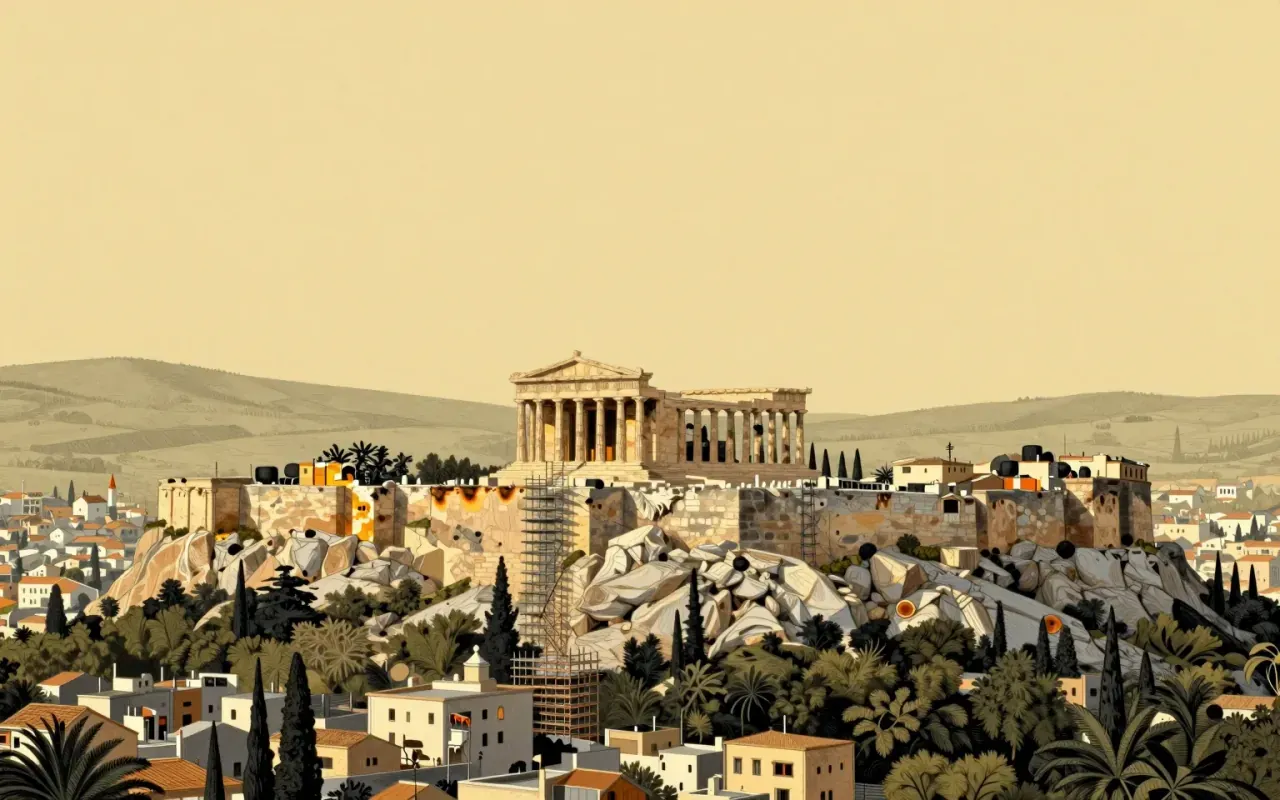
Between 499 and 449 BC, a coalition of Greek city-states resisted repeated Persian campaigns, from the burning of Sardis through the stands at Marathon, Thermopylae and Salamis to the eventual Persian withdrawal. Almost everything known about it comes from Herodotus, writing two generations later, whose troop figures modern historians treat with open scepticism even as they largely accept his outline of events.
The Piper Alpha platform in the North Sea exploded and burned through the night of 6 and 7 July 1988 after a night shift restarted a pump whose safety valve had been removed for maintenance, a hazard recorded only on a separate permit that had gone missing during the shift handover, killing 167 people including two rescuers in what remains the worst death toll in offshore oil and gas history. The subsequent Cullen Inquiry issued 106 safety recommendations and led to the transfer of North Sea safety regulation to an independent body, fundamentally reshaping offshore platform design and oversight standards later adopted internationally, even as a 1997 civil ruling controversially found two dead workers negligent for failures that occurred amid the same broken permit system.

On 25 April 1974, junior military officers in the Armed Forces Movement seized key positions across Lisbon, ending the Estado Novo regime that Antonio Salazar and then Marcelo Caetano had run since 1933. The operation, planned as a military coup against an unsustainable colonial war in Africa, was joined by unexpected crowds who placed carnations in soldiers' rifles, giving the revolution its name, and it triggered the rapid independence of Portugal's African colonies and the return of more than a million Portuguese settlers within two years.

The tanker Prestige suffered a hull breach off Galicia, Spain, during a storm on 13 November 2002 and, after Spanish, French and Portuguese authorities refused it safe harbour and ordered it back out to sea, broke apart and sank on 19 November roughly 210 kilometres from the coast, releasing an estimated 60,000 tonnes of fuel oil that polluted around 2,300 kilometres of coastline across three countries. The disaster produced cleanup costs estimated at 2.5 billion euros for Galicia alone, more than a decade of litigation that eventually saw Spain's Supreme Court convict the ship's captain of recklessness in 2016, and a London insurer ordered in 2017 to pay one billion dollars, though an English court later declined to enforce Spain's full compensation ruling.

Gutenberg's Latin Bible, printed in Mainz and reaching its first complete copies around 1454 or 1455, ran to somewhere between about 160 and 185 copies, of which forty-nine survive today with only twenty-five complete. Its production is documented mainly through physical study of surviving copies and a handful of outside references, since no complete written account of how the project was organised or financed has come down to us.

Conventionally dated from Martin Luther's 1517 publication of the Ninety-five Theses challenging the Catholic Church's sale of indulgences, the Reformation split Western Christianity into competing Protestant and Catholic camps over the following century, spreading through the work of Zwingli, Calvin and others and provoking wars of religion estimated to have killed between seven and seventeen million people before ending, in various accounts, at the Peace of Augsburg in 1555 or the close of the Thirty Years' War in 1648. Historians increasingly describe the period in the plural, as overlapping Reformations rather than one unified movement.

Prompted by a question from the astronomer Edmond Halley in 1684, Isaac Newton spent roughly two years producing the Principia, a three-book work establishing the mathematical laws of motion and gravitation, published in 1687 with Halley personally funding the print run. A priority dispute with Robert Hooke over the underlying gravitational insight nearly derailed the project, and historians now read that dispute as more nuanced than a simple case of Newton taking credit for someone else's idea.

In August 1680, Pueblo communities across Spanish New Mexico, coordinated by the Tewa religious leader Po'pay after five years of secret planning, rose simultaneously and expelled Spanish colonists for twelve years, the longest sustained indigenous victory over a European colonial power in the Americas. Spanish colonial letters dominate the immediate record, while Po'pay's own character survives mostly through hostile testimony, leaving historians uncertain whether he ruled afterward as visionary or tyrant. When Spain returned in 1692, it permanently abandoned earlier attempts at religious suppression, making the revolt one of the rare cases of resistance producing lasting concessions.

Rome and Carthage fought three wars between 264 and 146 BC, moving from a dispute over Sicily through Hannibal's invasion of Italy to the final siege and total destruction of Carthage itself. The whole surviving record comes from Greek and Roman writers, chiefly Polybius and Livy, since no Carthaginian account of any of the three wars has survived.

The International Committee of the Red Cross grew directly out of Henry Dunant's shock at the aftermath of the 1859 Battle of Solferino, where he organised civilian relief for roughly forty thousand wounded and dying soldiers regardless of which side they fought for. His 1862 book led to a founding committee in Geneva the following year and, in 1864, the first Geneva Convention. The organisation's strict neutrality, run by an assembly of Swiss citizens only, has sustained its access to conflicts for over a century and a half, but the same neutrality left it silent about the Holocaust while it was happening, a failure the ICRC has since formally acknowledged.
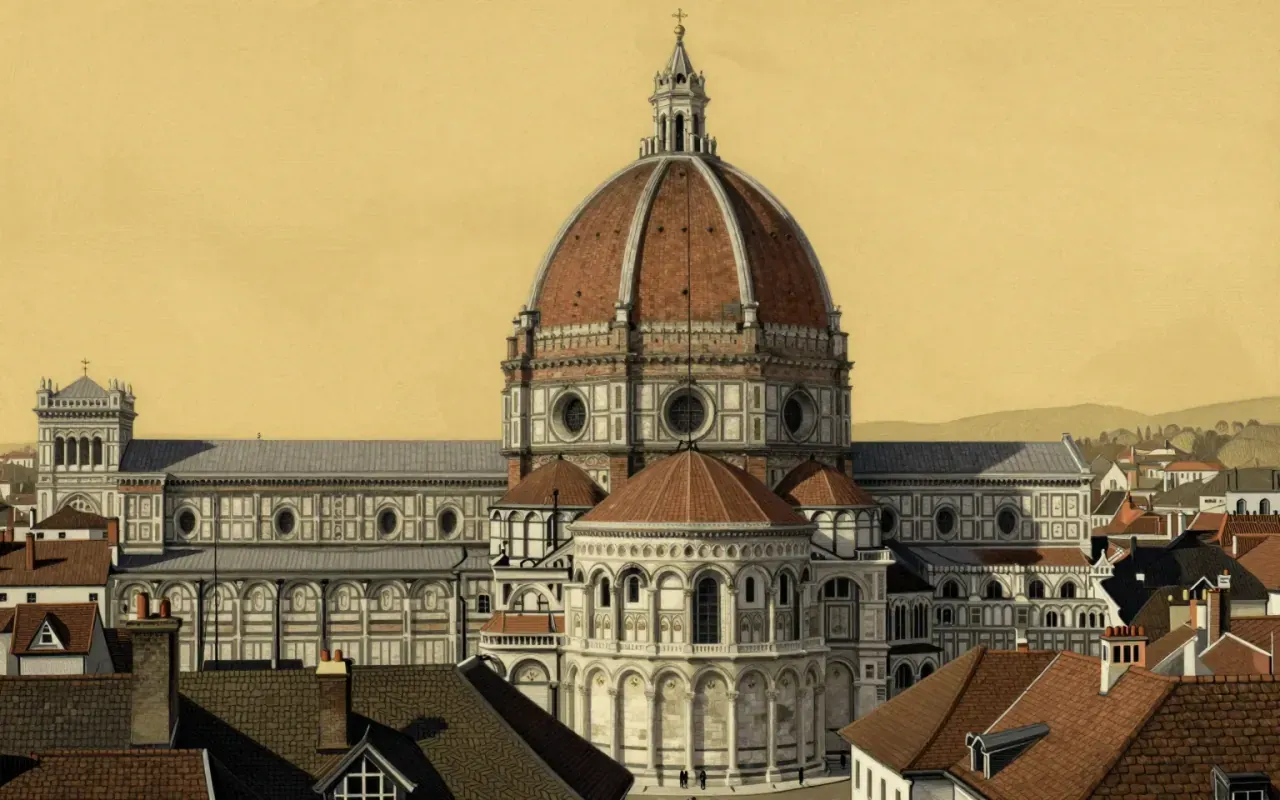
Conventionally dated from the fourteenth to the sixteenth or seventeenth century and beginning in the cities of northern Italy, the Renaissance combined a revival of interest in classical Greek and Roman texts with advances in art, printing, navigation and natural philosophy, spreading gradually across Europe from Florence and Venice outward. Modern historians dispute both what caused it, citing everything from Medici patronage to the aftermath of the Black Death, and whether it represents a genuine rupture with the medieval period or an extension of trends already under way before it.
After Richard Cromwell's protectorate collapsed, General George Monck's march on London opened the way for Charles II's return in May 1660, restoring the monarchy under a settlement that pardoned most former opponents while executing ten of the surviving regicides. Historians generally describe the Restoration as an act of constitutional continuity rather than revolutionary rupture, even though acceptance was neither universal nor immediate across the country.

East Germany's parliament voted in August 1990 to dissolve itself and accede to the Federal Republic under Article 23 of the West German constitution, completing formal reunification on 3 October after the Two Plus Four Treaty secured Allied agreement to full German sovereignty and NATO membership. The process, compressed into roughly six months once East Germany's first free elections opened the way, is remembered by most as reunification, though some analysts and politicians have described it in the more contested language of annexation given how completely West Germany's institutions simply absorbed the East.
A famine-driven economic crisis and a backlog of liberal, radical, and nationalist grievances broke out across more than fifty European states between January 1848 and October 1849, toppling governments in France, Austria, and Prussia within weeks. Almost all of it was rolled back within two years once the temporary alliances between workers, the middle class, and nationalists fractured and conservative armies regrouped, leaving historians to debate whether the episode was a genuine turning point or a rehearsal for the unifications and labour movements that followed decades later.

Ian Smith's white minority government fought a fifteen-year war against ZANU and ZAPU guerrilla movements after unilaterally declaring independence from Britain in 1965 rather than accept demands for majority rule, a conflict that killed roughly 20,000 people. Neither side achieved outright military victory; the war ended instead through the negotiated Lancaster House Agreement of December 1979, leading to internationally supervised elections and the birth of Zimbabwe under Robert Mugabe in 1980.

Fascism emerged as a distinct political movement in early twentieth-century Europe, rooted in a broader turn-of-the-century revolt against liberal democracy, and took power first in Italy under Benito Mussolini after the 1922 March on Rome, then in Germany under Adolf Hitler from 1933, before spreading in varied national forms to Spain, Hungary, Romania and elsewhere through the interwar period. Historians including Robert Paxton and Stanley Payne describe fascism as a genuinely diverse and evolving synthesis of ideas rather than a single coherent system, a definitional looseness that continues to complicate comparisons between its different national movements.

Between the traditional founding date of 753 BC and the completion of Roman rule over the Italian peninsula by the third century BC, Rome expanded from a small Latin settlement into the dominant power in Italy through a sequence of wars against the Latins, Samnites and Greek colonies in the south. The literary record for the earliest centuries, chiefly Livy, is now generally regarded by historians as unreliable in its detail and partly legendary, growing steadily more trustworthy from the fourth century BC onward.

After Ali's assassination ended years of civil war in 661, the Syrian governor Muawiya secured the caliphate through political patience and a well-organised private army rather than religious authority, then broke precedent by nominating his own son as hereditary successor. Later Umayyad caliphs expanded the empire to its greatest extent before the dynasty was overthrown by the Abbasids in 750. Much of the surviving historical record was compiled under that successor dynasty, giving Muslim historiography clear incentive to emphasise Umayyad injustice over administrative achievement, a bias historians now correct using coins, inscriptions and rarer outside sources.

The 1920s brought rapid economic growth, mass consumer goods, jazz and a new pace of urban life to the United States and, more unevenly, to parts of Europe. The prosperity behind the name was real but badly distributed: rural industries stagnated, and Prohibition, in force for most of the decade, produced a black market and thousands of poisoning deaths alongside whatever gains it made against drinking. The Wall Street crash of 1929 ended the boom abruptly, and the arguments the decade started, about excess, exclusion and the wisdom of Prohibition, ran on well past the crash.

The Roman Empire began in 27 BC when the Senate granted Octavian the title Augustus, and grew to its greatest territorial extent under Trajan around 117 AD before a third-century crisis of civil war and invasion forced administrative reform under Diocletian and Constantine. It split into western and eastern halves, of which the western collapsed in 476 while the eastern, Byzantine half continued for another millennium. Historians differ over whether to treat the empire's later centuries as decline, as Edward Gibbon argued, or as gradual transformation.

The Russo-Japanese War of 1904 and 1905 grew from rival Russian and Japanese ambitions in Manchuria and Korea, opening with a surprise Japanese attack on Port Arthur in February 1904 and culminating in the destruction of Russia's Baltic Fleet at Tsushima in May 1905 after a seven-month voyage of some 18,000 nautical miles. Total deaths reached roughly 43,000 to 71,000 for Russia and 80,000 to 99,000 for Japan, and the Treaty of Portsmouth, mediated by Theodore Roosevelt, awarded Japan control of the Liaodong Peninsula, the South Manchuria Railway and southern Sakhalin, a settlement whose lack of a cash indemnity sparked riots in Tokyo even as the war marked the first modern defeat of a European power by an Asian one and helped trigger Russia's 1905 revolution.

The Russian Revolution unfolded in two stages during 1917: the February Revolution, which forced Tsar Nicholas II's abdication amid wartime economic collapse and military failure, and the October Revolution, in which Vladimir Lenin's Bolsheviks overthrew the resulting Provisional Government. A civil war between Bolshevik Red forces and a loose anti-Bolshevik White coalition followed from 1918 to 1922, ending in Bolshevik victory and the formation of the Soviet Union, while Russia's withdrawal from the First World War via the 1918 Treaty of Brest-Litovsk and the loss of Poland, Finland and the Baltic states reshaped the region's map.
From October 1990, the Rwandan Patriotic Front invaded from Uganda seeking the return of Tutsi refugees exiled since the 1959 revolution, fighting a mostly stalemated war against Juvénal Habyarimana's government that was still unresolved when the president's assassination in April 1994 triggered the genocide. The RPF's renewed offensive that followed ended the war and the killing together in July 1994, but left the causes of both only partly settled among historians.
Following the assassination of President Juvénal Habyarimana on 6 April 1994, Hutu extremists in Rwanda's government and military organised the systematic killing of the Tutsi minority and moderate Hutu, coordinated in part through radio broadcasts and neighbourhood checkpoints, over roughly one hundred days. Scholarly estimates put the death toll between 500,000 and 662,000, well below the Rwandan government's own figure of over a million, and the killing ended only when the Rwandan Patriotic Front took military control of the country in July 1994.

Nicola Sacco and Bartolomeo Vanzetti, Italian immigrant anarchists, were convicted of a 1920 Massachusetts robbery and double murder on disputed ballistics evidence and eyewitness testimony, tried amid the anti-radical, anti-immigrant climate of the First Red Scare. Despite a separate man's later confession implicating a different gang, appeals failed and both were executed in 1927, a verdict Massachusetts's governor formally acknowledged as unfair fifty years later without issuing a pardon.

In August 410, Visigothic forces under Alaric looted Rome for three days, the first time a foreign army had taken the city in roughly eight centuries, after years of failed negotiation with the western Roman government. Ancient sources, none of them Gothic, describe the damage as concentrated and the violence relatively restrained by the standards of the age, while historians still debate how far Alaric sought the city's destruction against a secure, legitimate place within the empire he had spent his career fighting.

Between February 1692 and May 1693, accusations of witchcraft in Salem Village, Massachusetts, led to more than two hundred people being accused, nineteen hanged, and one man pressed to death for refusing to enter a plea, before the governor halted proceedings and later courts disallowed the spectral evidence that had driven convictions. The episode is small by the standards of the wider European witch panics that preceded it by more than a century, and historians still debate how much weight to give factional rivalry, wartime anxiety, and even a disputed poisoning theory in explaining why it happened when it did.

The samurai emerged gradually from the eighth century as landowning mounted warriors serving powerful families, formalised as a distinct hereditary class after the Genpei War in the twelfth century, and transitioned during the long Tokugawa peace from active fighters into administrators before the Meiji government dismantled their legal privileges from 1868 onward. Much of the popular idea of bushido as an ancient, unified samurai code in fact took its familiar shape only in Nitobe Inazo's 1899 book, published after the class it claimed to describe no longer legally existed.

Between roughly 1543, when Copernicus and Vesalius published their landmark works, and 1687, when Newton's Principia appeared, European natural philosophy shifted toward mathematical, mechanistic explanation and systematic observation, work later credited with founding modern science. The label revolution was not applied to this period until the eighteenth century, and historians remain divided over whether it represents a sharp break with medieval scholarship or a more gradual continuation of it, since many of its central figures trained within and built upon medieval university traditions.
John Scopes agreed to be prosecuted for teaching evolution under Tennessee's 1925 Butler Act, turning a publicity stunt for the town of Dayton into a national confrontation between defence attorney Clarence Darrow and prosecutor William Jennings Bryan. Scopes was convicted and fined, a verdict later overturned on an unrelated technicality, and while the trial is widely remembered through the largely fictionalised 1955 play Inherit the Wind, historians still dispute how much it actually changed American attitudes toward evolution in schools.
Between roughly 1881 and 1914, European powers moved from controlling about a tenth of Africa's territory to claiming roughly ninety per cent of it, a process regulated but not caused by the 1884 to 1885 Berlin Conference and driven by a combination of economic interest, strategic competition and new technology that made the continent's interior newly accessible. The human cost varied enormously by territory, with the Congo Free State under Leopold II of Belgium responsible for a documented mortality catastrophe whose exact scale historians still dispute, and the resulting arbitrary borders persisted through decolonisation to shape conflicts long afterward.
Japan's Sengoku, or Warring States, period saw the Ashikaga shogunate's authority collapse into more than a century of conflict among competing regional lords, a process historians variously date from incidents in 1454, 1467 or 1493, and which ended through the successive unification efforts of Oda Nobunaga, Toyotomi Hideyoshi and Tokugawa Ieyasu, culminating in the establishment of the Tokugawa shogunate by 1615. The introduction of firearms in 1543 and the resulting rise of large infantry armies reshaped Japanese warfare and enabled unusual social mobility during the conflict.

The Seven Years' War, fought from 1756 to 1763 across Europe, North America, India, the Caribbean and West Africa, grew out of unresolved tensions from the previous War of the Austrian Succession and a sudden realignment of European alliances. The 1763 Treaty of Paris confirmed Britain as the dominant global colonial power, and the resulting tax burden on Britain's American colonies fed directly into the grievances behind the American Revolution barely a decade later.

Between 1633 and 1639, the Tokugawa shogunate issued edicts restricting foreign contact and threatening execution for Japanese who left or returned from abroad, a policy later named sakoku that lasted until Commodore Perry's 1853 arrival forced its end. Revisionist historians since the 1970s have argued the policy, better described by the term kaikin or maritime prohibitions, permitted substantial regulated trade through Nagasaki and three other channels throughout its supposed closure.

After crushing Hungary's army at Mohács in 1526, Suleiman the Magnificent marched on Vienna in 1529 to extend Ottoman control over central Europe, but flooding along the Balkan approach forced him to abandon heavy artillery and pack animals well before he reached the city. His force, estimated between roughly seventy-five thousand and a hundred thousand men at the walls, besieged a garrison of some seventeen to twenty-one thousand defenders under Nicholas, Count of Salm, for about two and a half weeks in September and October before supply shortages, disease, and a failed final assault forced a retreat. The failure marked the effective limit of Ottoman expansion into central Europe and opened a century and a half of recurring conflict with the Habsburgs.

For roughly two thousand years, from around 114 BC until Ottoman control of overland routes hastened its decline after 1450, a shifting network of roads and sea lanes carried silk, spices, paper, religions and disease between China, Central Asia, India and the Mediterranean. The term Silk Road itself is a nineteenth-century coinage, and historians now argue over whether it overstates the coherence of what was really a patchwork of regional trades, with maritime routes through India possibly mattering more economically than the overland paths the name evokes.

On 7 May 1915 a German submarine torpedoed the Cunard liner Lusitania off the Irish coast, killing roughly twelve hundred of the 1,960 people aboard in eighteen minutes. Three inquiries, in Cork, London and New York, examined what happened, but they disagreed among themselves and with each other about the death toll, the cause of a mysterious second explosion, and whether a liner carrying declared war cargo was a legitimate target. The sinking hardened American opinion against Germany, though the United States did not enter the war for almost two more years.

War broke out between Qing China and Meiji Japan in August 1894 over rival influence in Korea. Japan's modernised military won a rapid succession of victories on land and sea, and the 1895 Treaty of Shimonoseki forced China to recognise Korean independence, cede Taiwan, and pay a large indemnity. The defeat exposed the limits of China's partial reforms and fed directly into the revolutionary politics that would end the Qing dynasty, while Japan emerged as the region's dominant power.

Israel launched a surprise air assault against Egypt on 5 June 1967 after weeks of escalating tension triggered partly by a false Soviet report of Israeli troop movements against Syria, and within six days had defeated Egyptian, Jordanian and Syrian forces, seizing the Sinai Peninsula, the West Bank, East Jerusalem, Gaza and the Golan Heights. The war displaced roughly 413,000 Palestinians and remains disputed over whether Israel's strike constituted legitimate pre-emption or aggression, a question tied to the closure of the Straits of Tiran that preceded it.

The University of Paris grew out of a twelfth-century cathedral school and was formally recognised by King Philip II in 1200, becoming the model medieval European university and drawing scholars into faculties of arts, law, medicine, and theology organised by nation of origin. Robert de Sorbon's 1253 theological college for poor students gave the whole institution its popular name. The French Revolution abolished the university outright in 1793, Napoleon restored a version of it in 1806, and the student unrest of May 1968 led directly to a 1970 law that split what remained into thirteen separate, autonomous universities.
From the mid-1950s to the mid-1970s, the United States and the Soviet Union competed to demonstrate technological supremacy through spaceflight, a rivalry that produced Sputnik, Yuri Gagarin's orbital flight, and the Apollo moon landings. The Soviets pursued a strategy of dramatic firsts announced only after success, while the Americans broadcast their efforts publicly, including their failures, and the competition faded rather than concluded, ending in a joint mission rather than a declared victory.

The Spanish-American War ran from April to August 1898, triggered by the unexplained sinking of the USS Maine in Havana harbour in February that year and fought over Spain's brutal suppression of Cuban independence movements. American victories at Manila Bay and Santiago de Cuba, alongside far heavier losses to disease than to combat, forced Spain to sue for peace, and the resulting Treaty of Paris transferred Puerto Rico, Guam and the Philippines to the United States for a payment of twenty million dollars while granting Cuba nominal independence, a settlement that made the United States an overseas imperial power and that historians still debate as either a humanitarian intervention or a calculated act of expansion dressed in moral language.

Formed from the 1469 union of Ferdinand of Aragon and Isabella of Castile and launched into overseas expansion by Columbus's 1492 voyage, the Spanish Empire grew to cover roughly 13.7 million square kilometres across the Americas, parts of Europe, Africa and Asia before contracting through independence movements in the 1810s and 1820s and finally ending with the loss of its last colony in 1976. Conquest of the Aztec and Inca empires brought catastrophic population loss to indigenous peoples, a record contemporaries and later scholars have argued over from opposing directions, from exaggerated Protestant-era atrocity propaganda to more recent scholarship documenting genuine and extensive harm.

On 14 July 1789, a Paris crowd searching for gunpowder and cannon attacked the Bastille, a royal fortress-prison, after seizing muskets from the Hotel des Invalides that morning. Fighting killed around ninety-eight attackers and one defender before the governor, Bernard-Rene de Launay, surrendered and was then killed by the crowd. The fortress held only seven inmates at the time, but its fall became the symbolic opening act of the French Revolution and the origin of France's national day.

Hong Xiuquan, a failed imperial examination candidate from Guangdong who came to believe he was the younger brother of Jesus Christ after a breakdown and a set of visions, founded a millenarian movement that captured Nanjing in 1853 and fought the Qing dynasty for fourteen years before the city fell in 1864 and Hong died during its final siege. Death toll estimates range from a commonly cited 20 to 30 million up to as high as 73 to 100 million, figures historians acknowledge are necessarily speculative given the absence of reliable census data and the destruction of most Taiping records, and modern scholars continue to disagree over whether to call the conflict a rebellion, a civil war or a revolution, each label carrying different implications about the Qing dynasty's legitimacy and the movement's own transformative ambitions.
The magnitude 7.6 earthquake that struck Tangshan at 3:42 in the morning on 28 July 1976 gave no perceptible warning, unlike a 1975 quake at Haicheng that had been successfully predicted, and it collapsed roughly 85 percent of the city's largely unreinforced brick buildings within minutes. China's official death toll stands at 242,469, though historians cross-checking government files put the true figure at 300,000 or more, a gap the state has never fully resolved. The disaster struck six weeks before Mao Zedong's death and amid the ideological pressures of the Cultural Revolution, and the government initially refused foreign aid, mobilising over 42,000 workers domestically instead to restore rail lines within weeks even as full economic recovery took well over a year.

RMS Titanic struck an iceberg at 23:40 ship's time on 14 April 1912 and sank roughly two hours and forty minutes later, killing between 1,490 and 1,635 of the 2,208 people aboard. The ship carried lifeboats for only about half those on board, a legal requirement it actually exceeded, and third-class passengers faced structural and practical barriers to reaching the boat deck that reduced their odds of survival. Modern surveys of the wreck have since revised earlier assumptions about the exact damage the iceberg caused.
Established by Tokugawa Ieyasu after his 1600 victory at Sekigahara and formalised when he took the title of shogun in 1603, the Tokugawa shogunate governed Japan for over two and a half centuries through a system dividing power between the shogunate in Edo and roughly 270 regional domains, enforced by hostage-style residence requirements on local lords and a strict limitation on foreign contact. The shogunate ended in 1868 when the fifteenth shogun resigned amid the Meiji Restoration, following decades of internal strain and mounting foreign pressure.

Between the fifteenth and nineteenth centuries, European traders transported an estimated 12.75 million enslaved Africans across the Atlantic, purchasing most from African merchants rather than capturing them directly, with roughly two million dying during the voyage itself. Portugal and Britain carried the largest shares, the trade fed plantation economies concentrated heavily in Brazil and the Caribbean, and historians continue to debate how equal a bargaining position African traders actually held against the European commercial networks driving demand.

Signed after a five-hour overnight session in March 1802, the Treaty of Amiens briefly ended a decade of war between Britain and France, with Britain returning most captured territory in exchange for French withdrawal from Egypt, Naples and the Papal States. Napoleon's continued expansion into Switzerland and Italy, and Britain's refusal to evacuate Malta as agreed, brought the two countries back to war within thirteen months, opening the Napoleonic Wars that would run for another twelve years.

Russia's new Bolshevik government tried to exit the First World War through a negotiating strategy of prolonged delay rather than concession, until a renewed German offensive in February 1918 forced Lenin to accept terms costing Russia roughly a third of its former population and the great majority of its industry and coalfields. The treaty freed a million German soldiers for the Western Front but was annulled within eight months by Germany's own defeat, leaving its territorial losses to be fought over again in the civil war that followed.

President Jimmy Carter mediated thirteen days of negotiation between Egyptian President Anwar Sadat and Israeli Prime Minister Menachem Begin at Camp David in September 1978, the two leaders so personally hostile toward each other that Carter had to shuttle between separate cabins rather than let them negotiate face to face. The resulting accords produced a framework for Palestinian autonomy that went largely unimplemented and a separate framework leading directly to the 1979 Egypt-Israel peace treaty, under which Israel withdrew fully from the Sinai Peninsula. Sadat and Begin shared the 1978 Nobel Peace Prize, but the Arab League suspended Egypt's membership for a decade in retaliation, and Sadat himself was assassinated by Egyptian Islamic Jihad militants in October 1981, a peace that has endured since as what observers describe as a cold one.

Signed aboard a British warship off Nanjing in August 1842, the treaty that ended the First Opium War opened five Chinese ports to British trade, ceded Hong Kong Island, and imposed an indemnity covering confiscated opium, ransom and war costs. Its one-sided terms followed directly from Britain's military advantage rather than negotiation. Only later did Chinese nationalists label it an unequal treaty and the opening of a century of humiliation, a framing quite different from the Qing court's muted contemporary response.

Signed in 1968 and in force since 5 March 1970, the Treaty on the Non-Proliferation of Nuclear Weapons recognises the United States, Russia, Britain, France and China as nuclear-weapon states while committing other signatories not to acquire such weapons, in exchange for access to civilian nuclear technology and a pledge from the five toward eventual disarmament. India, Pakistan and Israel never joined and have since built arsenals, North Korea withdrew in 2003 and tested a weapon in 2006, and the treaty, extended indefinitely in 1995, now has 189 parties even as roughly 13,400 warheads remain among the recognised nuclear powers.
Signed on 10 February 1763 in Paris, the treaty ended the Seven Years' War among Britain, France, Spain and Portugal after a conflict that historians estimate killed well over half a million soldiers across Europe. France ceded Canada and its territory east of the Mississippi to Britain and transferred Louisiana west of the river to Spain, while Spain gave Florida to Britain in exchange for the return of Havana and Manila, redrawing the map of North America and beginning what the treaty's own terms describe as an era of British dominance beyond Europe.
Signed on 3 September 1783 at the Hotel d'York in Paris, the treaty ended the American Revolutionary War, with Britain recognising the thirteen colonies as free and independent states after American negotiators Benjamin Franklin, John Jay, John Adams and Henry Laurens reached terms with British representative David Hartley. It set boundaries running to the Mississippi River, granted American fishing rights off Newfoundland, and included unenforceable promises on debts and loyalist property that left disputes simmering for years, some not resolved until the Jay Treaty of 1794.

Signed on 25 March 1957 on Capitoline Hill in Rome and effective from 1 January 1958, the Treaty of Rome established the European Economic Community among Belgium, France, Italy, Luxembourg, the Netherlands and West Germany, alongside a companion treaty founding the European Atomic Energy Community. Built on the 1955 Spaak Report and negotiations at Val Duchesse, it created a customs union intended to foster economic integration, and its institutions were later merged with those of the earlier Coal and Steel Community before evolving, through the Maastricht and Lisbon treaties, into the European Union.
Signed in 1494, the Treaty of Tordesillas divided newly encountered lands between Spain and Portugal along an imprecisely defined line west of the Cape Verde islands, a Portuguese diplomatic win that secured its route to India and a share of the South Atlantic including future Brazil. Other European powers rejected the treaty outright, and Spain and Portugal themselves never enforced its vague boundary with any real precision.

Negotiated by the Allied powers, chiefly the United States, France, Britain and Italy, at the Paris Peace Conference of 1919 and signed by Germany on 28 June 1919, the Treaty of Versailles required Germany to cede territory, disarm, accept sole responsibility for the war under its Article 231, and pay reparations, while establishing the League of Nations. Historians remain divided over whether the treaty was excessively punitive or insufficiently so, and the record explicitly connects German resentment of its terms to the rise of the Nazi Party and, eventually, the Second World War.

After five years of fragmented negotiations across two cities, the treaties of Münster and Osnabrück ended the Thirty Years' War in October 1648, reorganising the Holy Roman Empire's religious and territorial arrangements and granting Calvinism formal recognition for the first time. The peace did not end all European fighting, and the widely cited idea of Westphalian sovereignty as a founding principle of international law is now regarded by most historians as a myth constructed centuries after the treaties themselves were signed.

The Troubles ran from the late 1960s to the 1998 Good Friday Agreement, an ethno-nationalist conflict over whether Northern Ireland should remain part of the United Kingdom or unite with the Republic of Ireland, rooted in discrimination against the Catholic minority that dated back to seventeenth-century Protestant settlement in Ulster. More than 3,500 people died, over half of them civilians, with republican paramilitaries responsible for around sixty per cent of deaths and loyalist paramilitaries for roughly thirty per cent, before a peace agreement established power-sharing government and required paramilitary disarmament.

Beginning in 711, a small Muslim force crossed into Iberia, defeated and killed the Visigothic king Roderic, and within a few years had overrun most of the peninsula, aided by how fragile and contested Visigothic rule already was. No contemporary account survives from either side, and much of the conquest's famous detail, including the story of Count Julian's betrayal, is now regarded by historians as later legend rather than established fact. Muslim rule persisted in some form for nearly eight centuries, ending only with Granada's fall in 1492.

Between 230 and 221 BC, the state of Qin under the future First Emperor conquered the six remaining Warring States of ancient China in succession, Han, Zhao, Wei, Yan, Chu and Qi, using a strategy of allying with distant states while attacking nearby ones, guided by advisors including Li Si and the general Wang Jian. The campaign culminated in China's first unified empire under a single ruler, but the ancient sources reporting individual battle casualties in the hundreds of thousands, including the flooding of Wei's capital and fighting near Zhao, carry no independent corroboration, leaving historians to treat the conquest's scale as more reliably established than its specific, often dramatic death tolls.

German unification proceeded through a combination of economic integration under the Prussian-led customs union, or Zollverein, established in 1818, and three wars orchestrated chiefly by Otto von Bismarck against Denmark, Austria and France between 1864 and 1871, culminating in the proclamation of the German Empire in January 1871. Historians continue to debate whether Bismarck pursued unification as a deliberate long-term goal or arrived at it opportunistically through a series of separate decisions aimed more narrowly at expanding Prussian power.

The unification of Italy proceeded through a combination of diplomacy under Camillo Cavour, war against Austria, and Giuseppe Garibaldi's volunteer conquest of Sicily and Naples in 1860, culminating in the proclamation of the Kingdom of Italy in March 1861 and completed with the capture of Rome in 1870. Historians disagree about when the process should be considered finished, some extending it to 1871 or even 1920, and about how much popular support genuinely existed for a national project largely driven by elite diplomacy and military campaigns.

Vasco da Gama's 1497 to 1499 voyage rounded Africa, following a route Bartolomeu Dias had already shown was navigable, to become the first known European sea passage to India, reaching Calicut in May 1498 at the cost of most of his crew to disease on the return journey. A once-standard explanation tying the voyage to the Ottoman capture of Constantinople has been undermined by later research, and the expedition itself achieved far less immediate commercial success than its later reputation suggests.
Beginning with a police crackdown on a student march in Prague on 17 November 1989, Czechoslovakia's Velvet Revolution unfolded over six weeks through strikes, mass demonstrations reaching hundreds of thousands, and negotiations led by the newly formed Civic Forum under Vaclav Havel. The Communist Party's leading role was struck from the constitution on 27 November, Havel became president on 29 December, and the transition, named for its lack of violence, was completed without the bloodshed seen elsewhere in the region that year.
Venice began building its state shipyard around 1104, expanding it into the much larger Arsenale Nuovo in 1320, and by the early sixteenth century the complex employed roughly sixteen thousand workers using standardised parts, frame-first hull construction, and a canal-based assembly process capable of producing close to one ship a day. Dante described its labourers in the Inferno, and the state devoted close to a tenth of its revenue to keeping the fleet built there maintained and outfitted. The Arsenal declined alongside the Republic itself after Napoleon's conquest in 1797, and today it serves as a naval base, research site, and Biennale exhibition venue.

Fought from the mid-1950s to 1975 between communist North Vietnam and the American-backed south, the Vietnam War grew out of the unresolved partition that followed France's defeat in Indochina. It drew in the Soviet Union, China and a coalition of American allies, produced casualty estimates that vary by hundreds of thousands depending on methodology, and ended with North Vietnam's victory, reunification, and a war whose spillover into Cambodia and Laos killed hundreds of thousands more.
Scandinavian raids on England began around 789 and turned, from 865 onward, into sustained conquest by a force later called the Great Heathen Army, which took East Anglia, York and much of Mercia before King Alfred of Wessex halted it at Edington in 878. The main source, the Anglo-Saxon Chronicle, was compiled under Alfred's own patronage, and historians read its figures for Viking numbers with real caution as a result.

The War of the Austrian Succession began in 1740 when Prussia invaded Silesia within days of Maria Theresa's contested inheritance of the Habsburg lands, drawing in most of Europe's major powers across theatres on four continents. The 1748 peace confirmed Maria Theresa's succession but cost her Silesia permanently, a settlement so resented in Vienna that it triggered a full realignment of European alliances and directly set up the Seven Years' War less than a decade later.

The War of the Spanish Succession began in 1701 after the childless Spanish king Charles II left his throne to a French Bourbon prince, alarming the rest of Europe enough to trigger over a decade of continent-wide fighting. The 1713 and 1714 peace treaties confirmed the Bourbon succession in Spain while stripping it of most of its European territories, leaving Britain, not the dynastically victorious France, as the war's chief strategic beneficiary.

A break-in at the Democratic National Committee's Watergate offices in June 1972 unravelled over two years into a constitutional crisis, as investigation revealed Nixon's own White House taping system had captured him ordering the FBI investigation obstructed. Nixon resigned on 9 August 1974 rather than face near-certain impeachment, but the burglary's actual purpose and who ordered it have never been conclusively established, even after sixty-nine people were charged in connection with the wider scandal.

On 5 October 1789, thousands of Parisian market women, angry over bread shortages, gathered at the Hotel de Ville and then walked six hours through rain to Versailles, followed by the National Guard under Lafayette. After a tense night, part of the crowd breached the palace at dawn, killing two royal guards, and by afternoon the royal family had agreed to relocate to Paris under guard, a move that ended Louis XVI's independence and dragged the National Assembly into the capital's orbit for good.

The Anglo-Zulu War began in January 1879 after high commissioner Henry Bartle Frere issued King Cetshwayo deliberately unacceptable demands. A stunning Zulu victory at Isandlwana briefly shattered assumptions of colonial invincibility, but British forces regrouped to win decisively at Kambula and Ulundi, capturing Cetshwayo and dividing his kingdom into thirteen rival chiefdoms. Surviving correspondence between Frere and London shows the ultimatum was engineered to provoke war rather than respond to genuine threat, while contemporary dissent from figures like Bishop Colenso documents real opposition within the colonial establishment itself.
Thomas Aquinas joined the Dominican order against his family's fierce opposition and spent his career reconciling newly rediscovered Aristotelian philosophy with Christian theology, chiefly in his unfinished Summa Theologiae. Most of what is known about his life comes from testimony gathered decades later for his canonisation, and his sudden 1273 decision to stop writing before his death the following year remains genuinely unexplained.

Thomas Hobbes argued that without a powerful central authority human life would collapse into universal conflict, and that rational self-interest justified surrendering individual freedom to an absolute sovereign, publishing this case most fully in Leviathan in 1651. Accused of atheism by contemporaries for his insistence that everything, including God, was material, Hobbes left a thin early biographical record that historians have had to reconstruct largely from a later, sometimes unreliable collection of anecdotes.

Thomas Jefferson drafted the Declaration of Independence, served as governor, diplomat, secretary of state, and two-term president, and doubled the country's territory with the Louisiana Purchase, all while running a plantation worked by hundreds of enslaved people. For decades historians treated his likely children with Sally Hemings as unproven or unlikely; DNA evidence in the late 1990s forced a reckoning with what his own writing on liberty had left out.
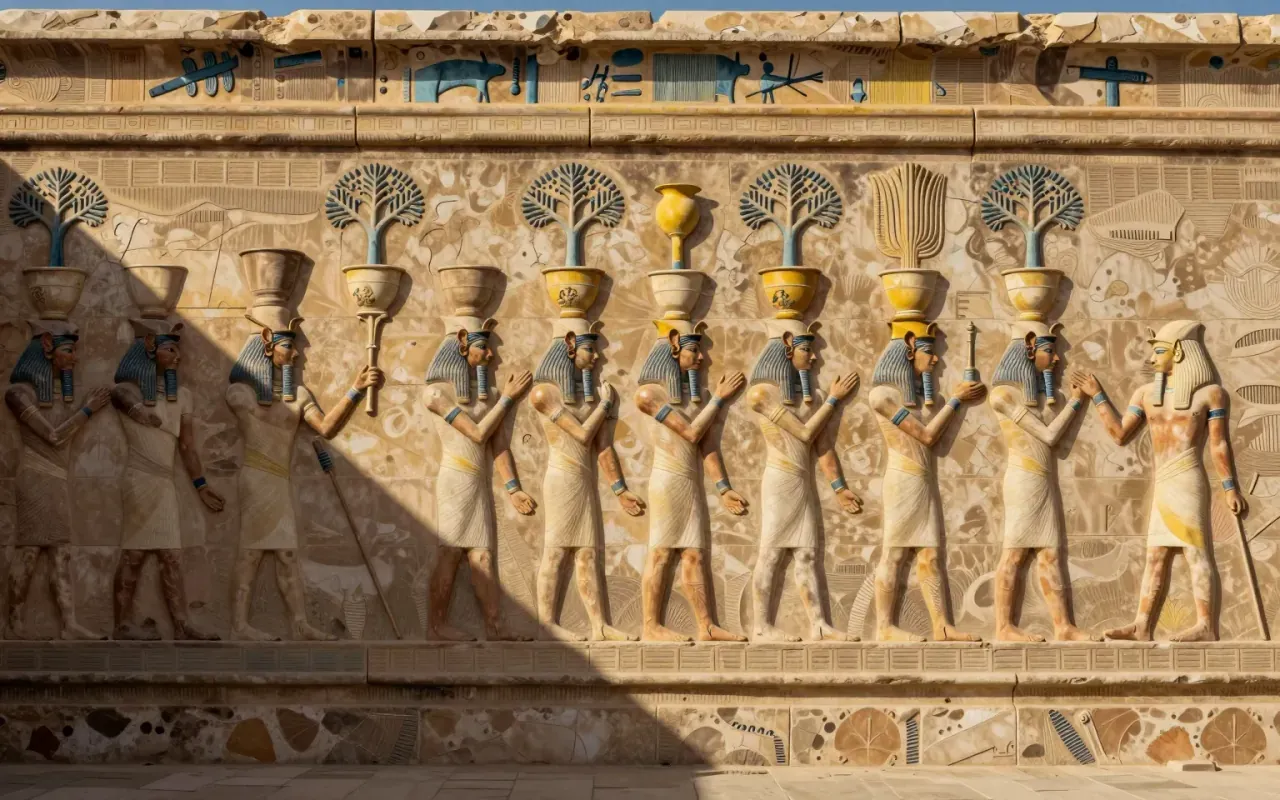
Thutmose III spent twenty-two years as junior partner to his stepmother Hatshepsut before assuming sole rule and launching a sustained run of military campaigns that brought Egypt to its greatest territorial extent, recorded in annals he had inscribed at Karnak. Long attributed to personal resentment, the later defacing of Hatshepsut's monuments has been redated by modern scholars to decades after his own death's approach, pointing instead to a succession strategy pursued under his son. His reign is unusually well checked against independent inscriptions and his own recovered mummy, letting historians separate genuine achievement from official propaganda.
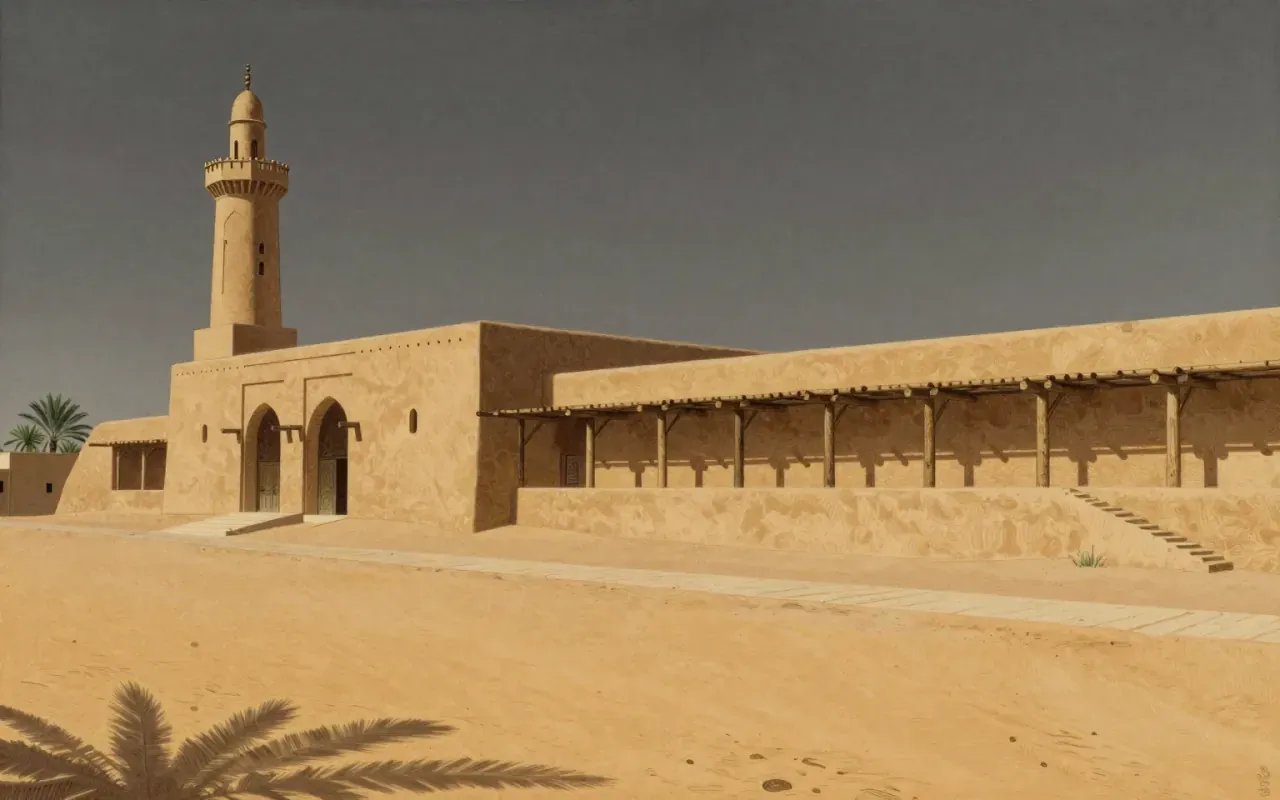
Timbuktu grew from an early twelfth-century settlement into a major trans-Saharan trade and Islamic scholarly centre, its rise accelerated after Mansa Musa's famous visit around 1325, reaching a population of roughly fifty thousand by the 1500s with three madrasas educating some twenty-five thousand students. A Moroccan invasion in 1591 killed or scattered many of its scholars and triggered a long decline, though hundreds of thousands of manuscripts documenting its intellectual life survived, some housed in libraries into the twenty-first century despite recent conflict-related threats.

Toussaint Louverture, freed well before the Haitian Revolution began, rose from plantation overseer to the colony's commander and governor, negotiating with Spain, Britain, and revolutionary France in turn before his own 1801 constitution provoked Napoleon into sending an invasion force. Captured under a broken amnesty and imprisoned in France, he died in 1803, months before his former officers completed the revolution and declared Haiti's independence.
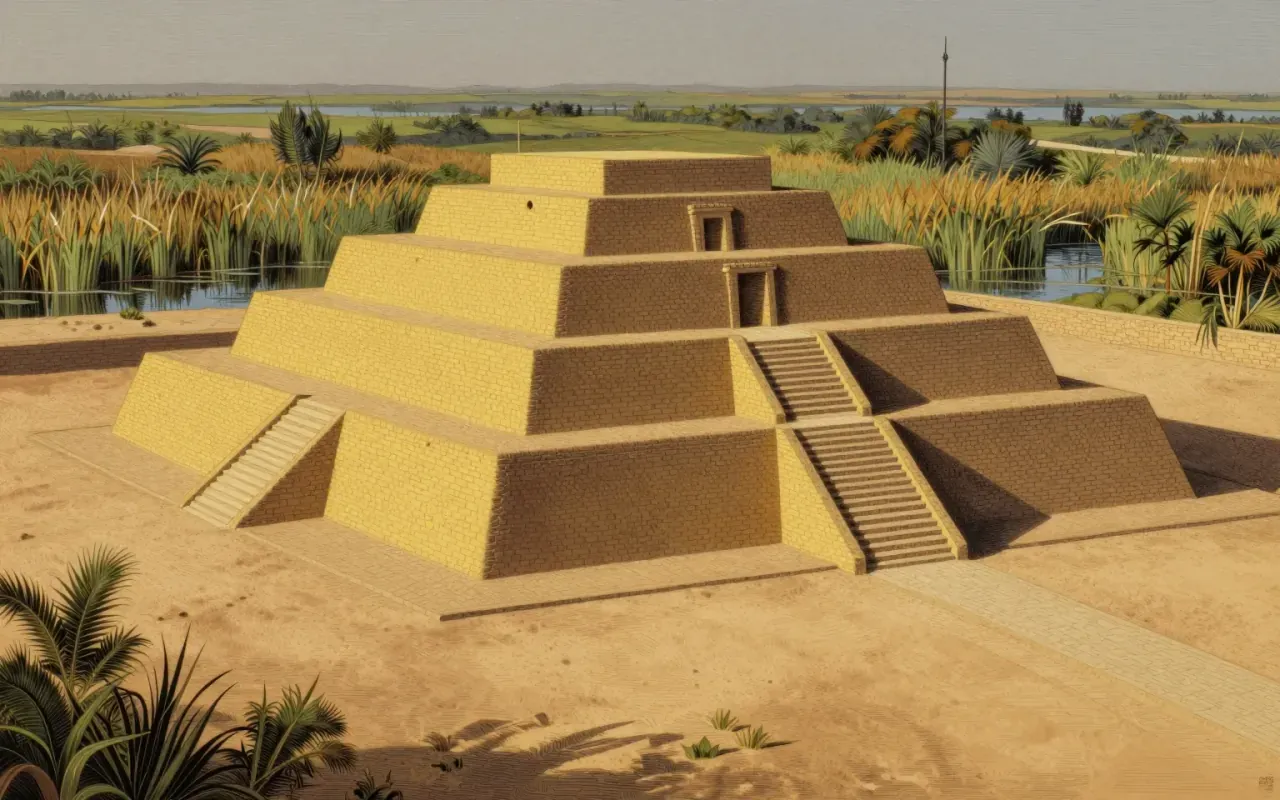
Ur grew from a small Ubaid-period settlement on the Euphrates into a Sumerian city-state, and briefly, under its Third Dynasty, into the largest city in the world. Most of what is known comes from Leonard Woolley's 1920s and 1930s excavation of its Royal Cemetery, a find as rich as it was troubling, since scores of attendants were buried alongside the dead. Woolley's theory of how they died has not survived contact with later forensic evidence, and the city's traditional link to the biblical Abraham runs into a chronological problem of its own.
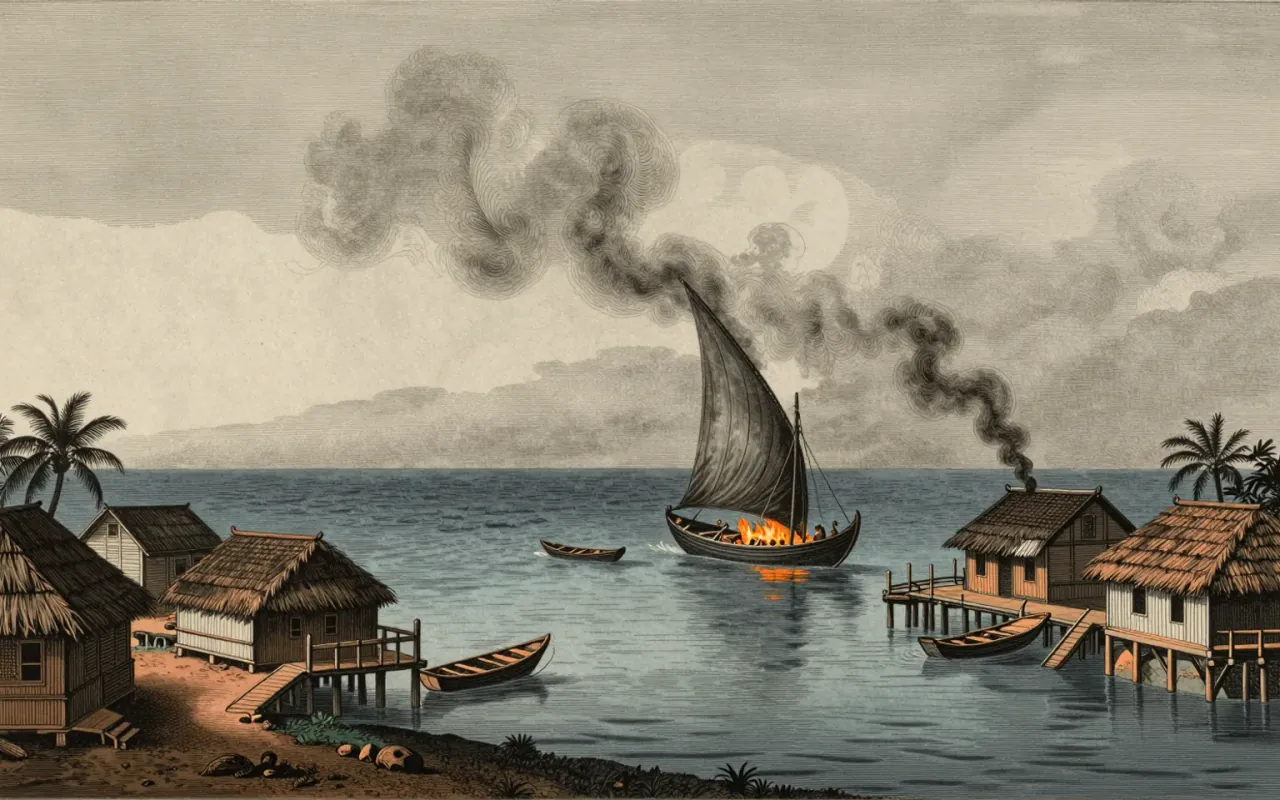
Vasco da Gama led the first European sea voyage to reach India in 1497 to 1499, opening a direct trade route that bypassed existing Arab and Venetian intermediaries, then returned on a far more heavily armed second voyage in 1502 marked by deliberate, documented violence against Muslim traders and pilgrims. He died as Portuguese viceroy of India in 1524, and his legacy now sits uneasily between celebrated navigational achievement and conduct historians no longer treat as incidental.

Venice's founding legend puts a precise date, noon on 25 March 421, on a process that in fact unfolded over generations, as people from Roman towns on the mainland retreated into the lagoon ahead of successive invasions. What followed was thirteen centuries of maritime power built on trade with Byzantium and the eastern Mediterranean, a republic that ended when Napoleon took the city in 1797, and a modern afterlife defined by tourism, subsidence, and a flood barrier still not finished decades after it was meant to be.

Vladimir Lenin's brother was executed for plotting against the tsar in 1887, a turning point that pushed him toward the revolutionary Marxism he spent three decades organising before leading the Bolsheviks to power in October 1917. His government's mix of land and peace decrees, a violent Red Terror, and a wartime economy built on forced grain requisition left a legacy historians still argue over: a champion of working-class liberation to his admirers, and to his critics the architect of a one-party, secret-police state with a direct line to Stalin's later atrocities.

Voltaire built a public career campaigning against religious intolerance and judicial injustice, most famously overturning the wrongful execution of the Protestant merchant Jean Calas, while producing an enormous body of writing including Candide and over twenty thousand surviving letters. His documented financial disputes and recorded views on Jewish people remain a genuine, unresolved blemish on his reputation as a champion of tolerance, and even a famous quotation attributed to him turns out to belong to a much later biographer instead.

William of Orange rose from Dutch stadtholder to English king by invading in 1688, ruling jointly with his wife Mary before continuing alone after her death in 1694 until his own in 1702. His record includes genuine constitutional achievement alongside episodes, including the unresolved circumstances of a political lynching and his own connection to the Glencoe massacre, that historians treat as evidence of calculated political ruthlessness beneath his public image as a defender of liberty.

Winston Churchill spent the 1930s as a marginalised backbencher warning about German rearmament before becoming prime minister in May 1940 and leading Britain through the war largely alone against Hitler until the Soviet Union and the United States joined. British voters rejected him at the ballot box within months of victory in 1945, and his record now carries alongside its wartime achievement a harder scrutiny of his imperialism, his recorded comments on race, and his government's response to the 1943 Bengal famine, questions historians increasingly weigh against his standing as a defender of liberal democracy.

World War I ran from 28 July 1914 to 11 November 1918, triggered by the assassination of Archduke Franz Ferdinand and escalating through a web of alliances into a conflict that killed an estimated fifteen to twenty-two million people across the Western, Eastern and several peripheral fronts. It ended with the collapse of the German, Austro-Hungarian, Ottoman and Russian empires and a peace settlement, centred on the Treaty of Versailles, that many historians connect directly to the political conditions enabling the Second World War two decades later.
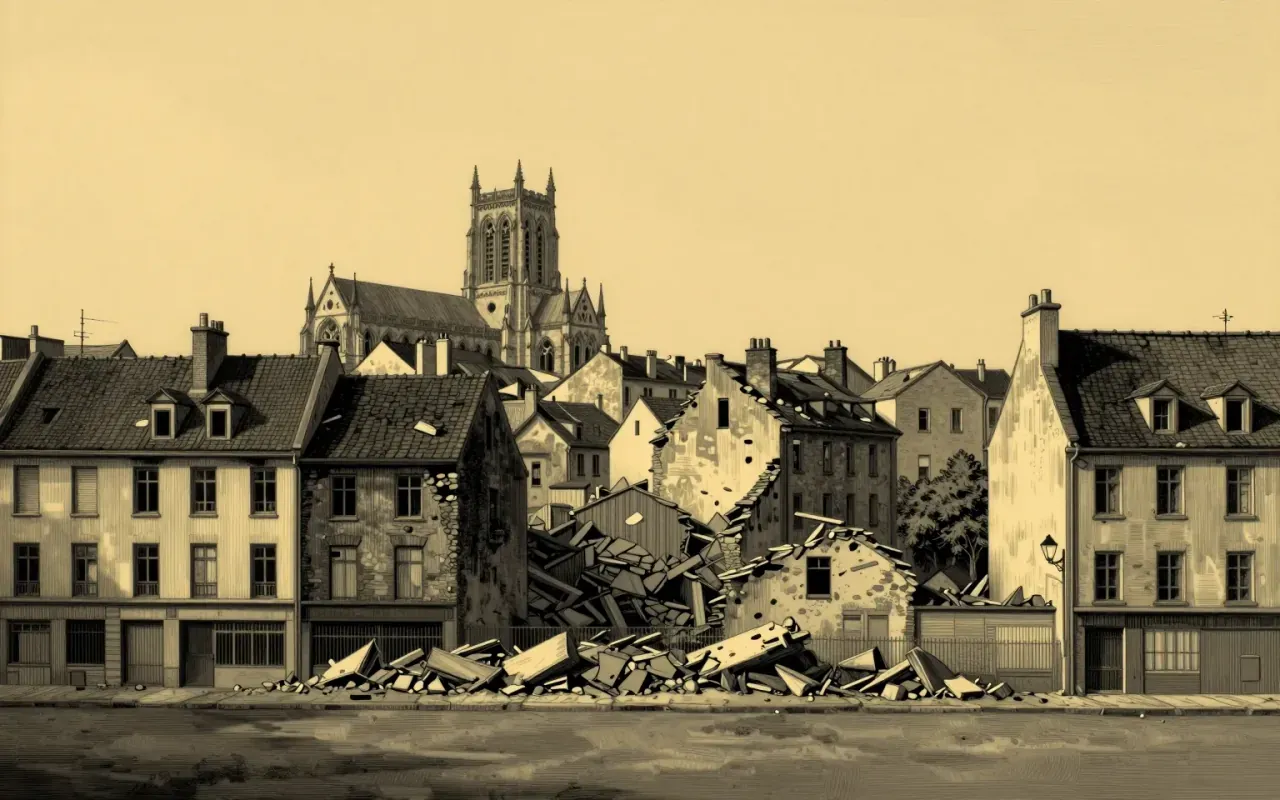
World War II is most commonly dated from Germany's invasion of Poland on 1 September 1939 to Japan's formal surrender on 2 September 1945, though historians propose earlier starting points including Japan's 1931 invasion of Manchuria and Italy's 1935 invasion of Ethiopia, reflecting genuine disagreement over which aggression should count as the war's true beginning. The conflict killed an estimated sixty to seventy-five million people, a majority of them civilians, across European, Pacific and Mediterranean theatres, and ended with the collapse of the League of Nations system, the founding of the United Nations, and the emergence of the United States and Soviet Union as rival superpowers.
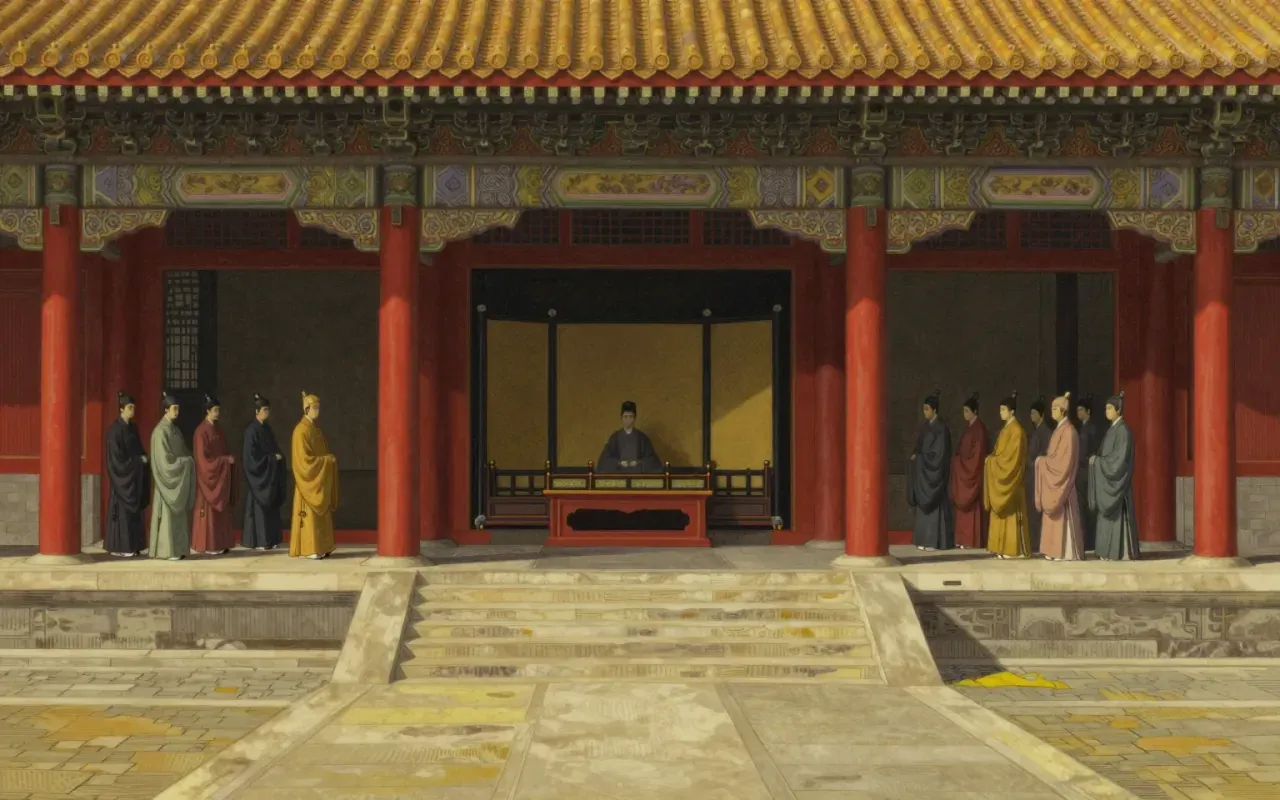
Wu Zetian rose from a concubine of Emperor Taizong to become, in 690, the only woman in Chinese history to rule in her own right as emperor, founding the short-lived Zhou dynasty after decades of steadily consolidating power under and then alongside Emperor Gaozong. Her fifteen-year reign expanded merit-based civil examinations, patronised Buddhism and coincided with a period of Tang cultural and political strength, though it was also marked by a secret-police apparatus that pursued rivals through denunciation and torture. She was deposed in 705 and died the same year, and traditional Confucian historians condemned her far more severely than modern scholars, who have reassessed several of the era's darker accusations against her.

Rabin rose through Israel's military to command its victory in the 1967 Six-Day War, then served two terms as prime minister bookending a period as a defence minister who authorised harsh measures against the First Intifada. His second term produced the Oslo Accords and a Nobel Peace Prize shared with Shimon Peres and Yasser Arafat, before he was shot dead at a Tel Aviv peace rally in November 1995 by an Israeli opposed to the agreement he had signed.
Every strand carries the hue of this subject, so a brief says where it belongs before you read the title.