9:06in productionCh. 1 · Norman First/ 9:06 · ceiling 15 min
Medieval
William the Conqueror
A foreign duke seized England by force — then turned conquest into bureaucracy.
William the Conqueror is the founding figure of Norman rule in England. The source documents his titles, dates, military action, coronation, suppression of revolt, and commissioning of the Domesday Book. It makes no claims about motive, ideology, resistance scale, or cultural impact beyond administration. It treats consolidation as chronological fact — not contested process.
He spent 25 years securing Normandy before he even looked at England.
1:57
Hastings to Coronation
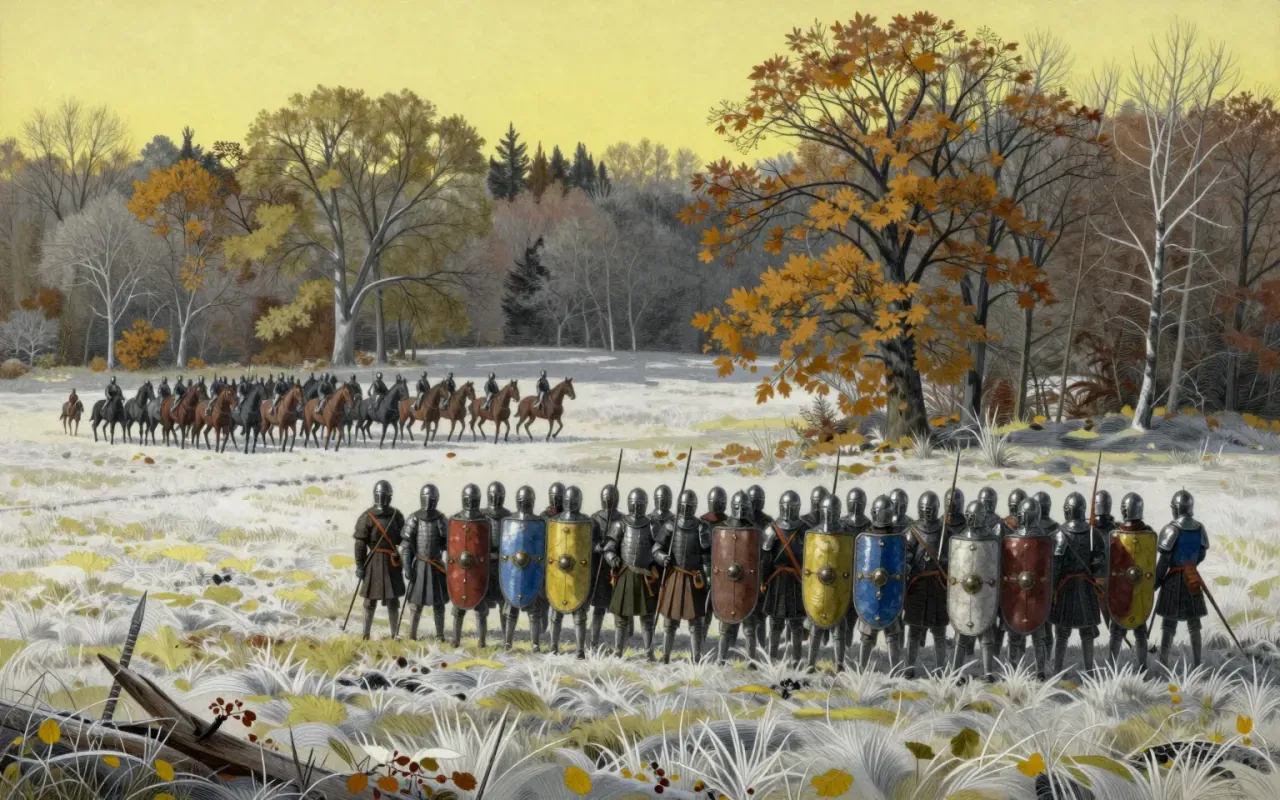
He won the crown in battle, then claimed it in Westminster Abbey on Christmas Day.
3:17
Conquest Was Not Instant
Revolts were crushed by 1075 — but the source says 'mostly secure', not 'fully controlled'.
5:02
Domesday Was Administration, Not History
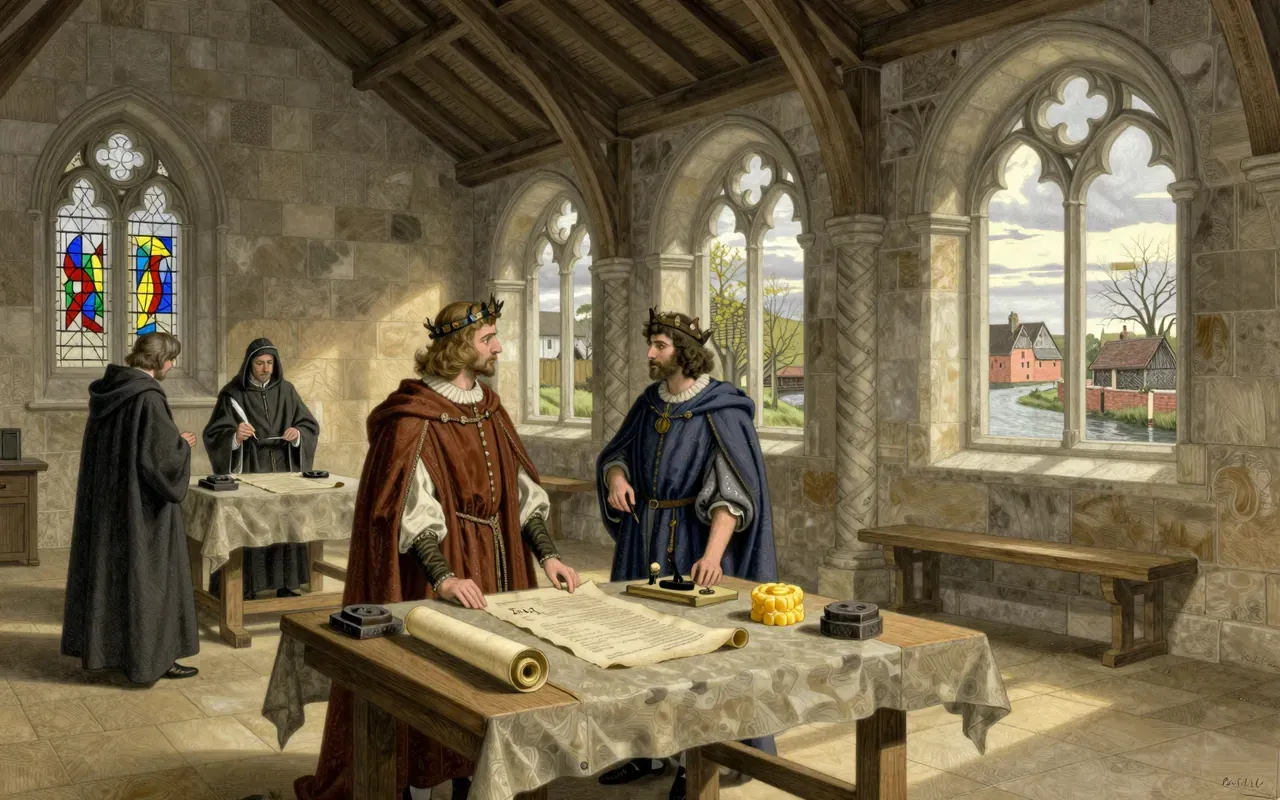
The Domesday Book was not memory — it was audit. A tool for extraction, not preservation.
Worth your time?
Yes. Study the whole thing.
4/ 5
What works
establishes a precise sequence of political acts
links military victory to administrative innovation
names concrete instruments of control (Domesday)
avoids anachronistic framing like 'feudalism' or 'nation-building'
What does not
explain why William invaded
name any English resistance leader beyond Harold
give numbers for casualties or land transfers
cite disagreement among historians
Study it if
readers who need to anchor later study in verified chronology
students checking textbook claims against primary-source limits
Skip it if
those seeking cause, culture or consequence beyond what the source states
The written brief1 min read
What happened
William invaded England in 1066. He defeated Harold Godwinson at Hastings. He was crowned king in London on 25 December 1066. He suppressed English revolts. He ruled England until his death in 1087. He ruled Normandy from 1035 until his death.
How we know it
The record comes from a single source: the biographical entry titled ‘William the Conqueror’. It names dates, titles, actions and outcomes. No other sources are cited or implied. All claims rest on that document alone.
Why it went that way
The source gives no motives, no strategic analysis, no assessment of Harold’s errors or William’s advantages. It states events as accomplished facts — not causes.
What is still contested
Nothing in the source is flagged as disputed. The source does not mention dissenting interpretations, rival chronicles, or scholarly debate. So no contest is recorded — but none is ruled out either.
What it changed
It replaced Anglo-Saxon kingship with Norman rule. It led to a new land survey in 1086. It established a cross-Channel realm under one ruler. It made William the first Norman king of England.
Is it worth your time
Yes — because it establishes a durable political rupture with documented administrative consequences (Domesday Book), but only if you treat the source as a summary, not a verdict.