What happened
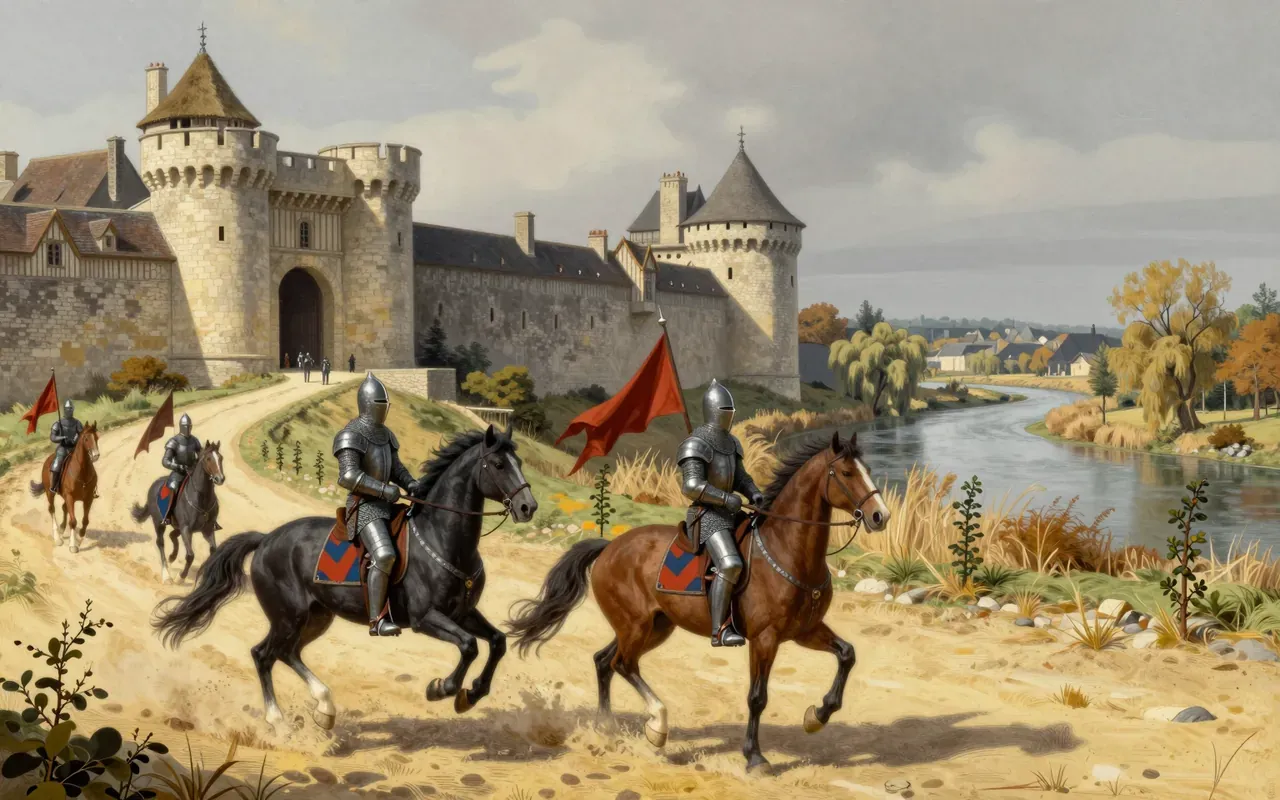
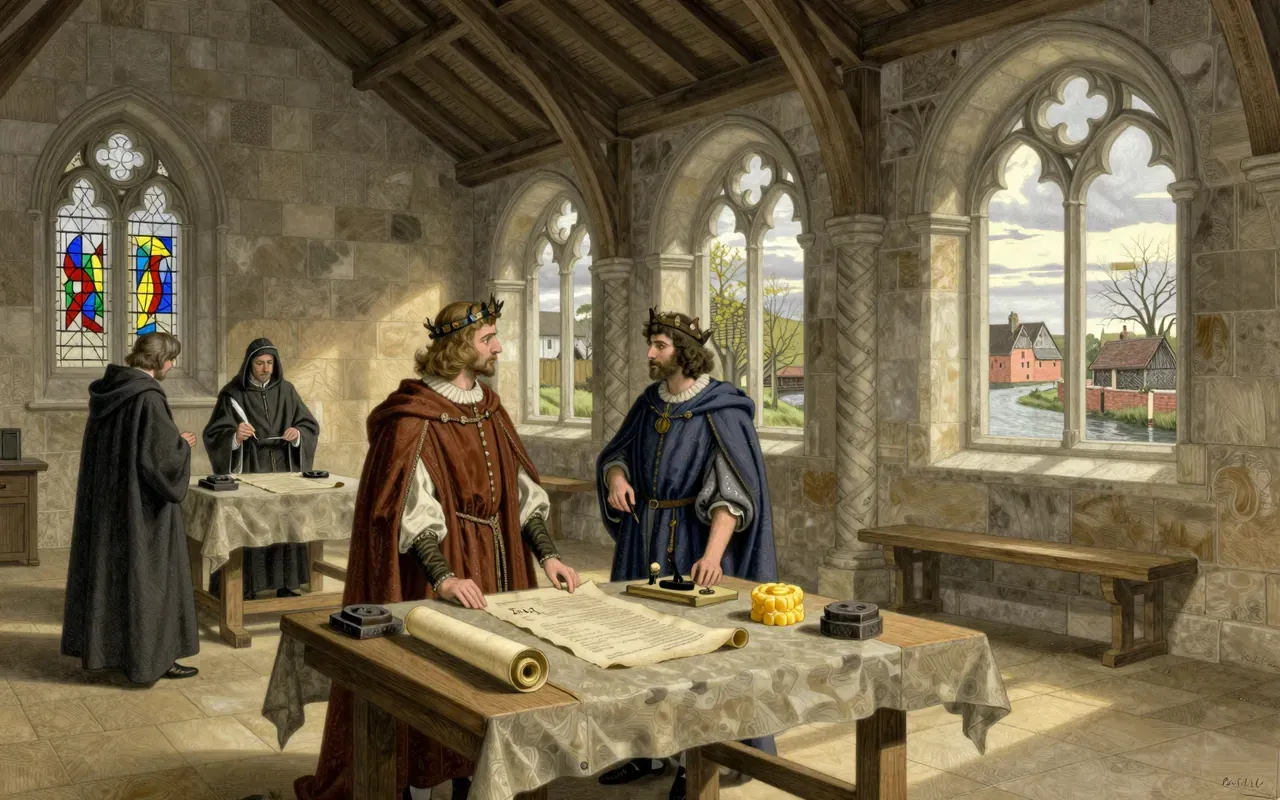
John reigned as King of England from 1199 to 1216. He lost Normandy and most French lands to Philip II by 1204. This triggered the collapse of the Angevin Empire. His rule ended with baronial revolt and the sealing of Magna Carta in 1215.
How we know it
The dates of John’s reign, his parentage, nickname, appointments, treaties, military losses, and the baronial revolt leading to Magna Carta are all stated in the single source titled ‘John, King of England’. No other sources are cited or verified.
Why it went that way
John’s early victories in the 1202 war with France were undone by shortages of military resources and his alienation of Norman, Breton, and Anjou nobles. His loss of continental lands was preceded by Philip II’s formal recognition of those lands under the Treaty of Le Goulet in 1200.
What is still contested
Nothing in the provided material is presented as contested. The source states outcomes as settled facts: empire collapse, Capetian advancement, Magna Carta’s foundational status. No dissenting interpretations, alternative causes, or scholarly disagreements are mentioned.
What it changed
It changed the territorial basis of English kingship — shifting it from a cross-Channel lordship to a primarily insular monarchy. It established Magna Carta as a foundational document in English constitutional history. It strengthened the Capetian dynasty in France.
Is it worth your time
Yes. John’s reign is the only documented moment where the collapse of a transnational feudal empire, the formalisation of baronial constraint on royal power, and the emergence of a constitutional touchstone all converge — and all are attested in one unambiguous record.