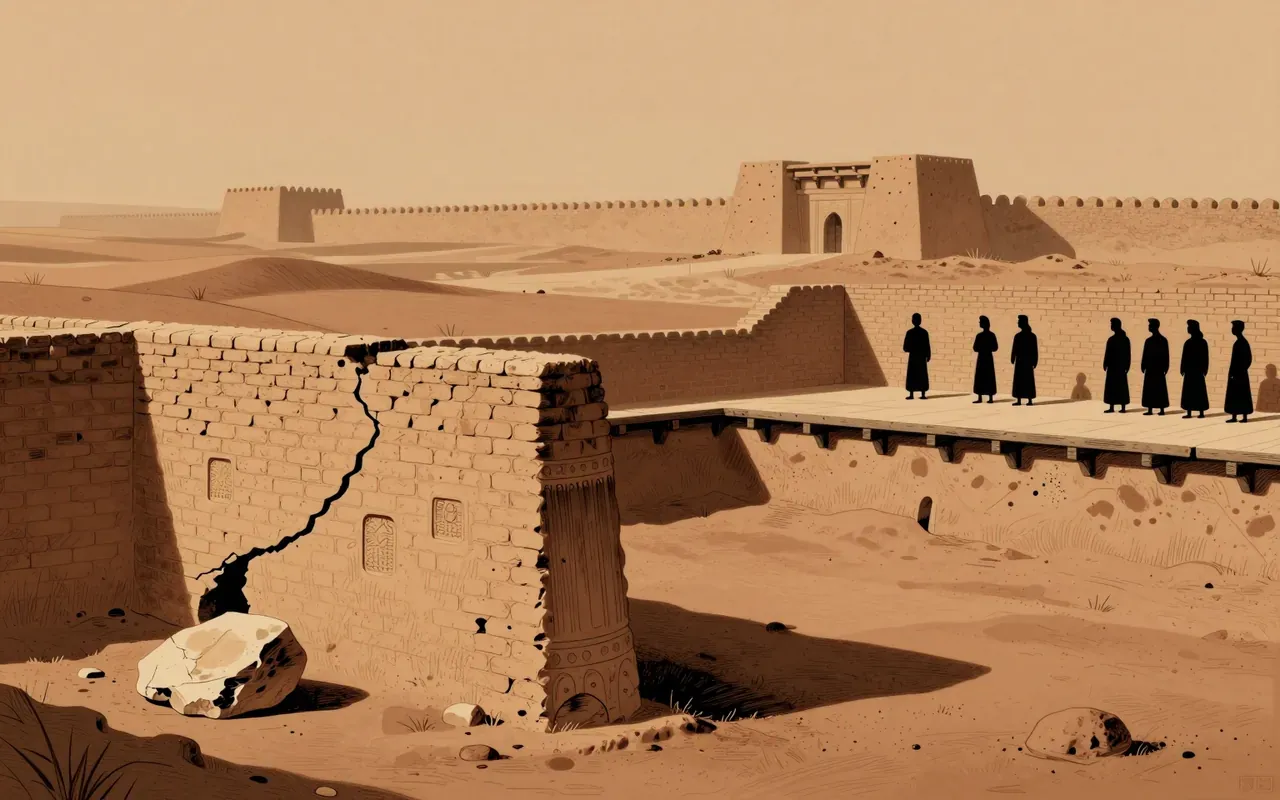
Samarkand
329 BC
Samarkand at -800 BC is archaeologically verifiable, institutionally attested, and geographically explicable — but its ‘founding’ remains a scholarly estimate, not a recorded event.
Samarkand at -800 BC is archaeologically verifiable, institutionally attested, and geographically explicable — but its ‘founding’ remains a scholarly estimate, not a recorded event.
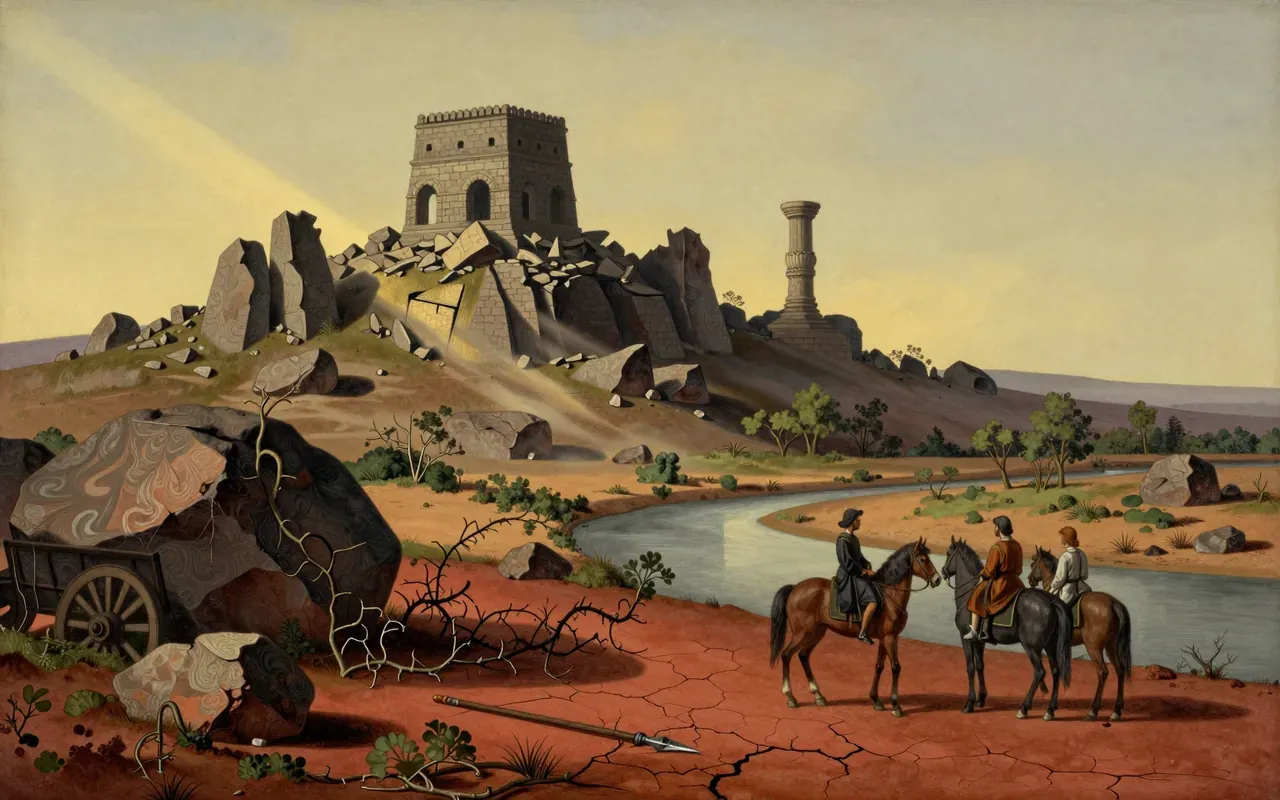
The Battle of Talikota was a decisive military defeat for Vijayanagara, caused by coalition warfare and military asymmetry — not civilizational conflict. Its legacy lies in how early-modern South Asian states negotiated power, not in mythic binaries.
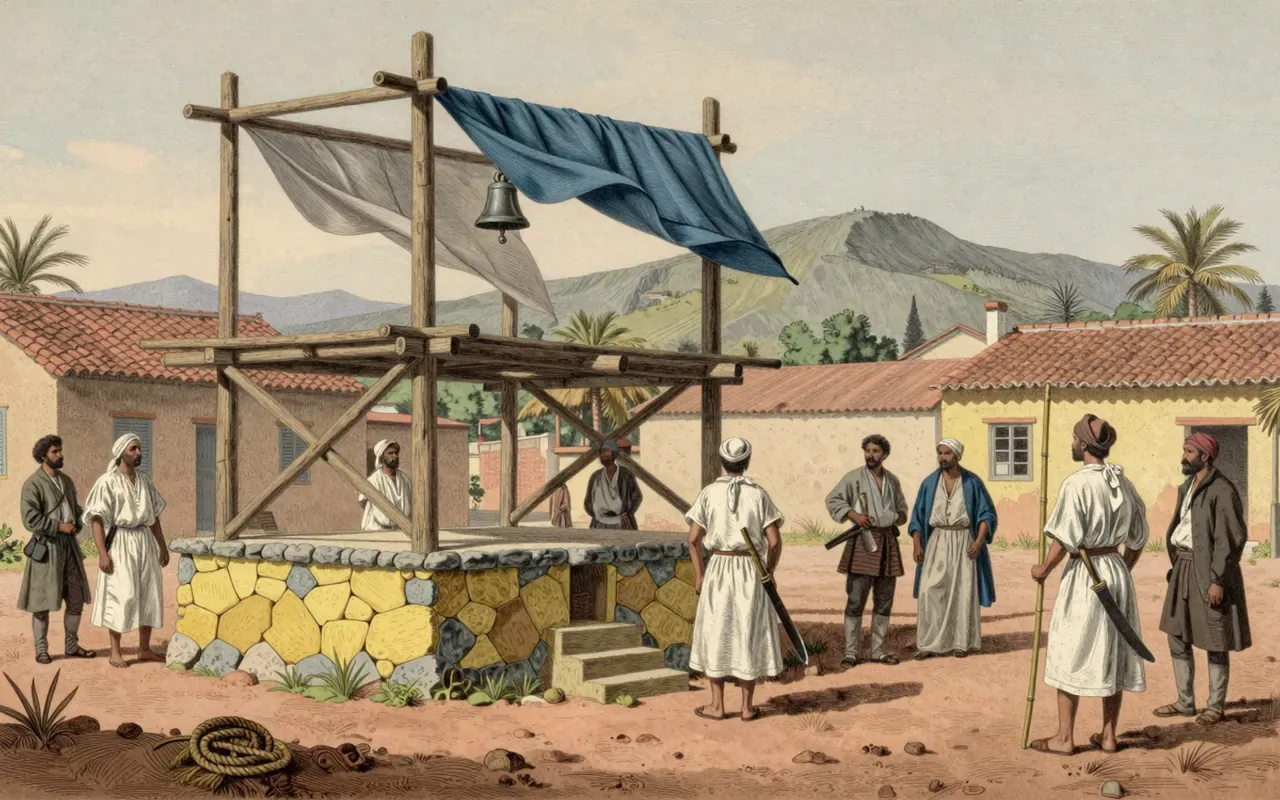
The Haitian Declaration of Independence is a foundational rupture—not in rhetoric, but in precedent. It established the first Black-led post-slavery state, yet refused the language of rights that defined other Atlantic revolutions. Its authority derived not from consent or constitution, but from military victory and collective sanction. It changed the map, but not the grammar, of sovereignty.
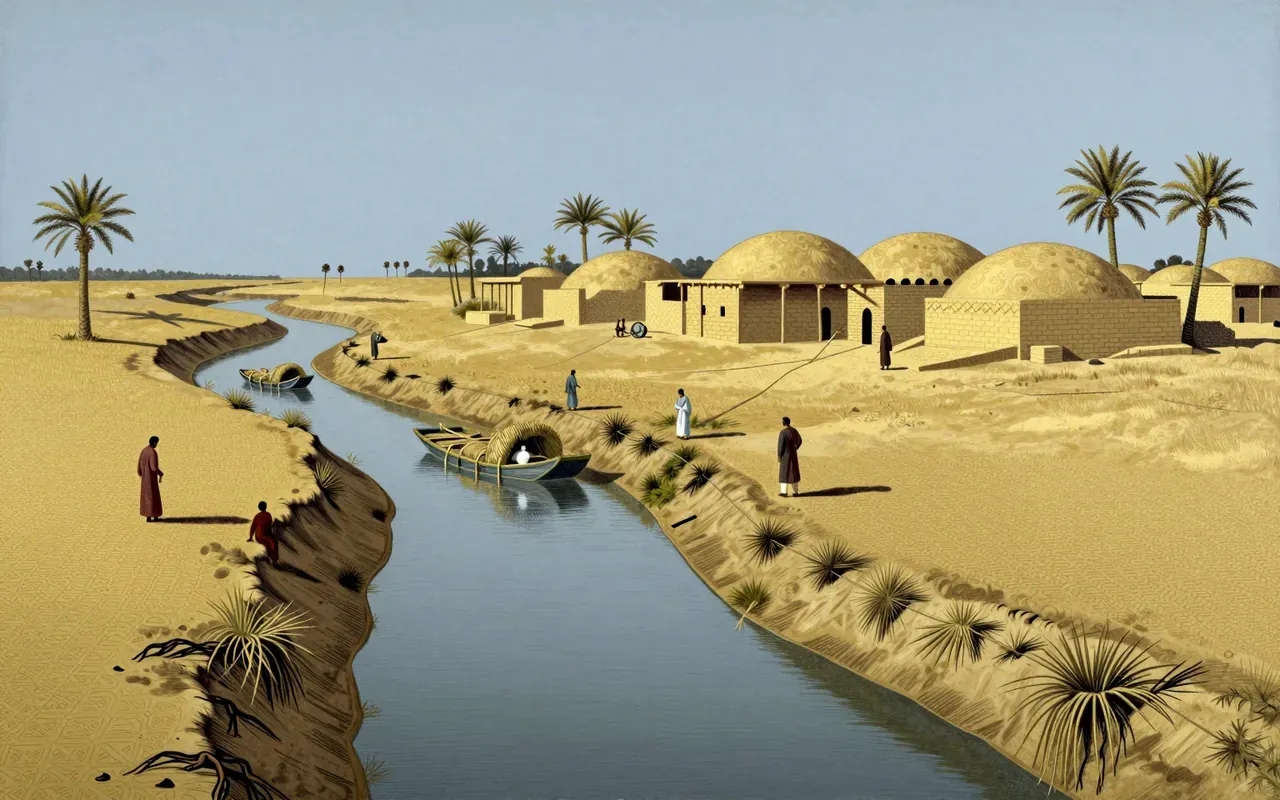
Baghdad’s founding in 762 was a decisive, documented act of imperial design — not evolution, not accident. It created a new kind of capital: planned, symbolic, and engineered for intellectual and administrative dominance. Its scale, longevity and influence are verifiable. Its motives and internal politics are not.
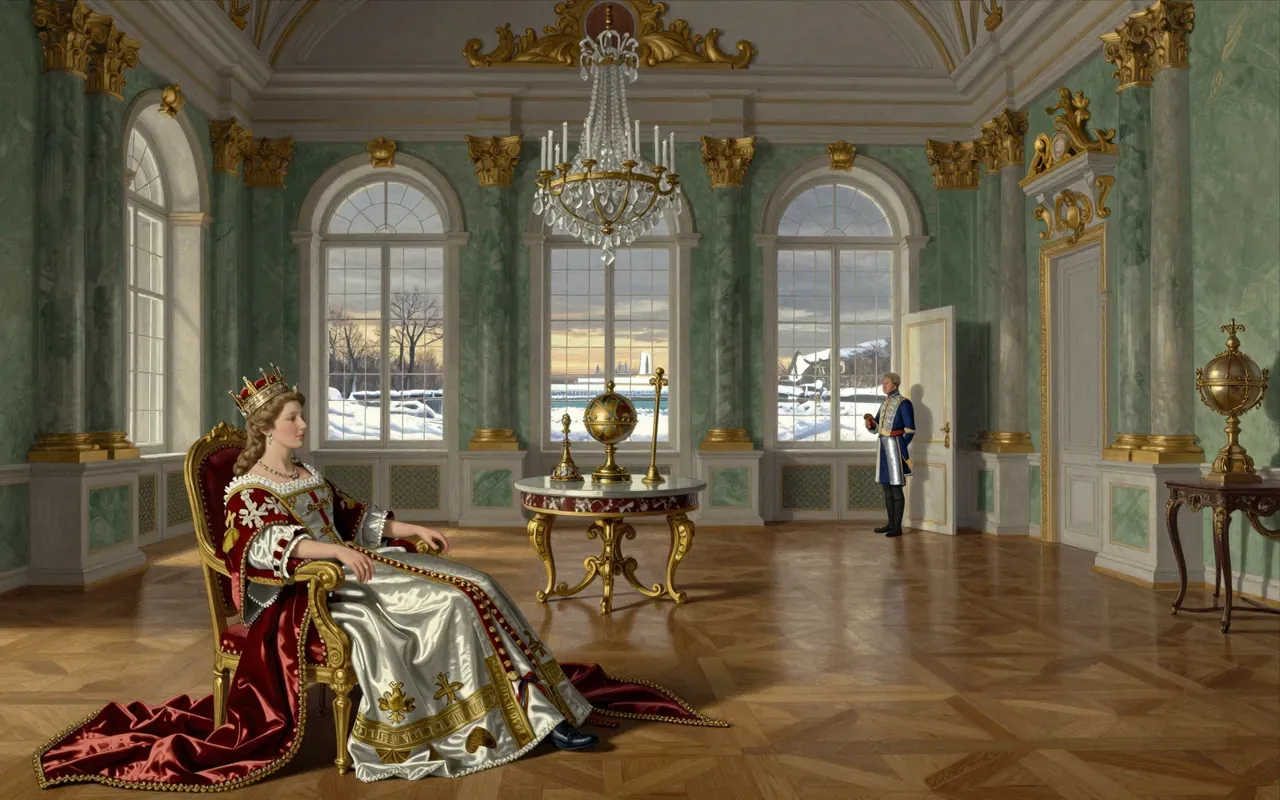
Catherine the Great’s reign was defined by method, not motive: coup, favouritism, military appointment, and diplomatic intervention produced imperial expansion and cultural renaissance — and elevated Russia to great-power status — without requiring Enlightenment ideals to be operationalised in governance.
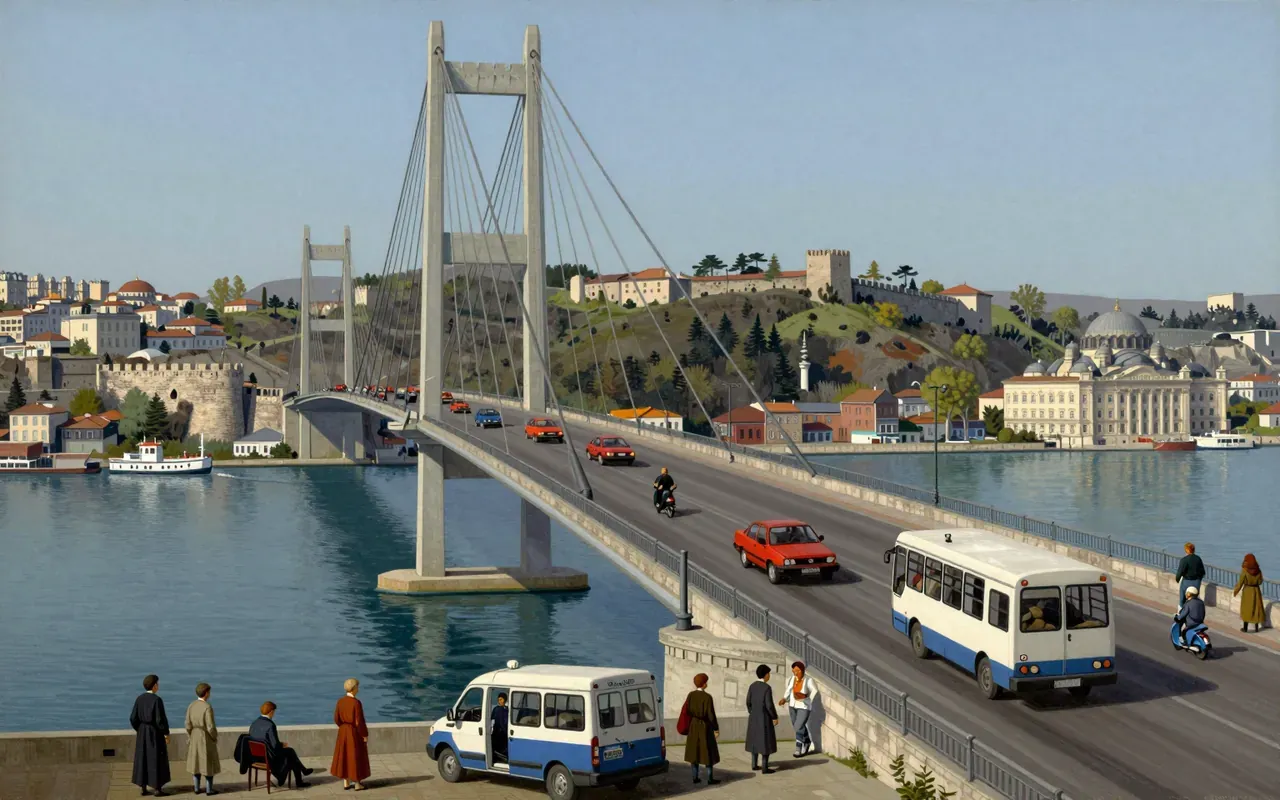
This brief treats only what the sources verify: Istanbul’s 20th-century political reconstitution. The year 1453 appears only as a footnote in a song lyric—cited solely to date the composition of 'Istanbul (Not Constantinople)', not to assert historical causation. No claim connects 1453 to the city’s modern governance, demography, infrastructure, or naming. To centre 1453 would be to ignore the evidence.
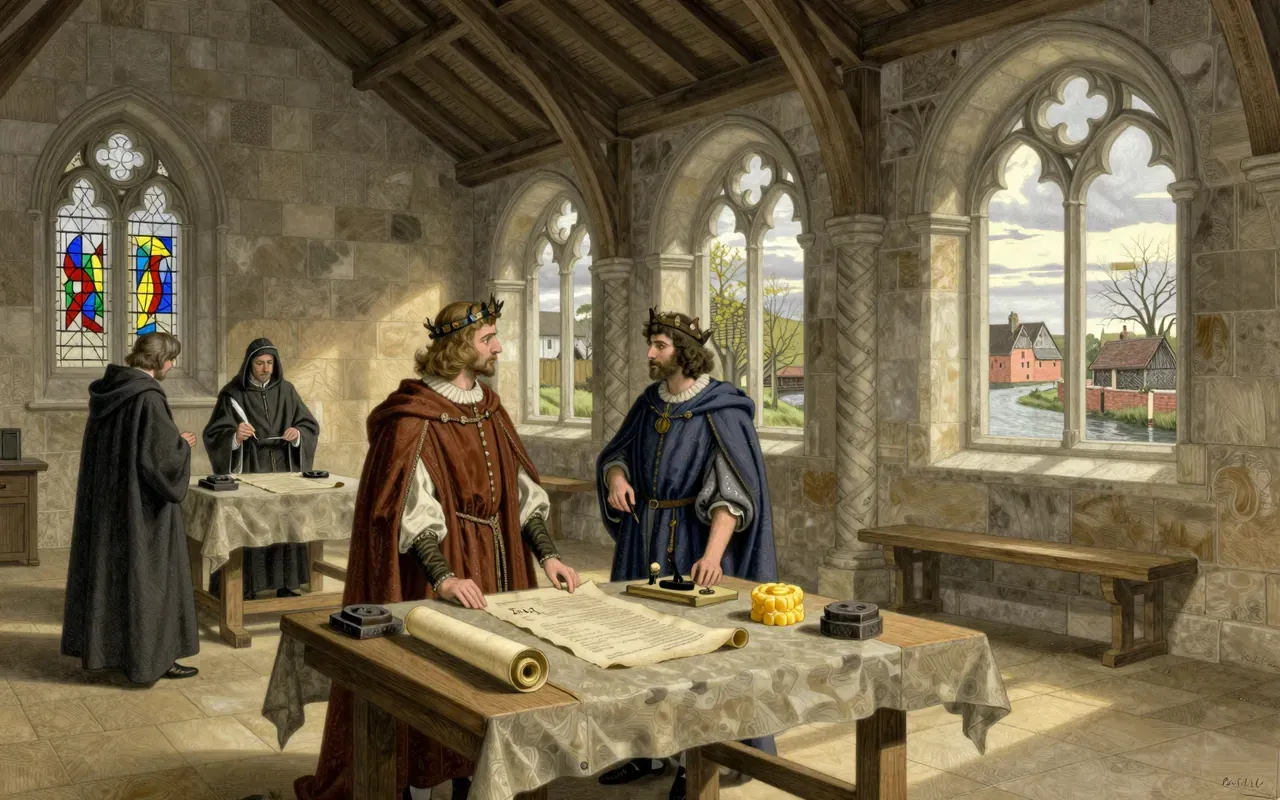
John’s reign is the hinge between Angevin transnational rule and English constitutional monarchy — but only because the record shows it collapsed under its own weight, not because John was uniquely flawed.
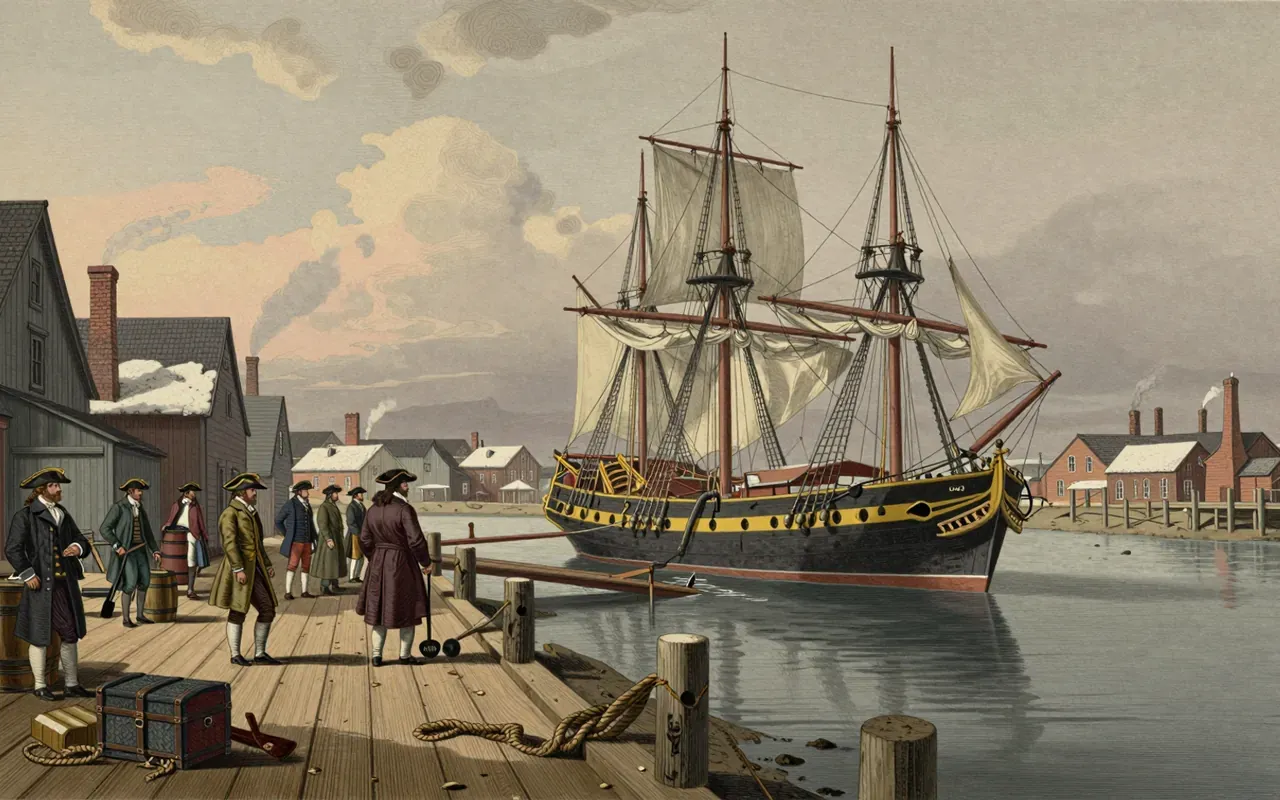
The Boston Tea Party was a deliberate, lawful-looking violation of imperial authority—staged to expose contradiction, not conceal intent. It succeeded in provoking exactly the response its organisers anticipated: punitive overreach that alienated moderates and united colonies. Its legacy is procedural, not patriotic.
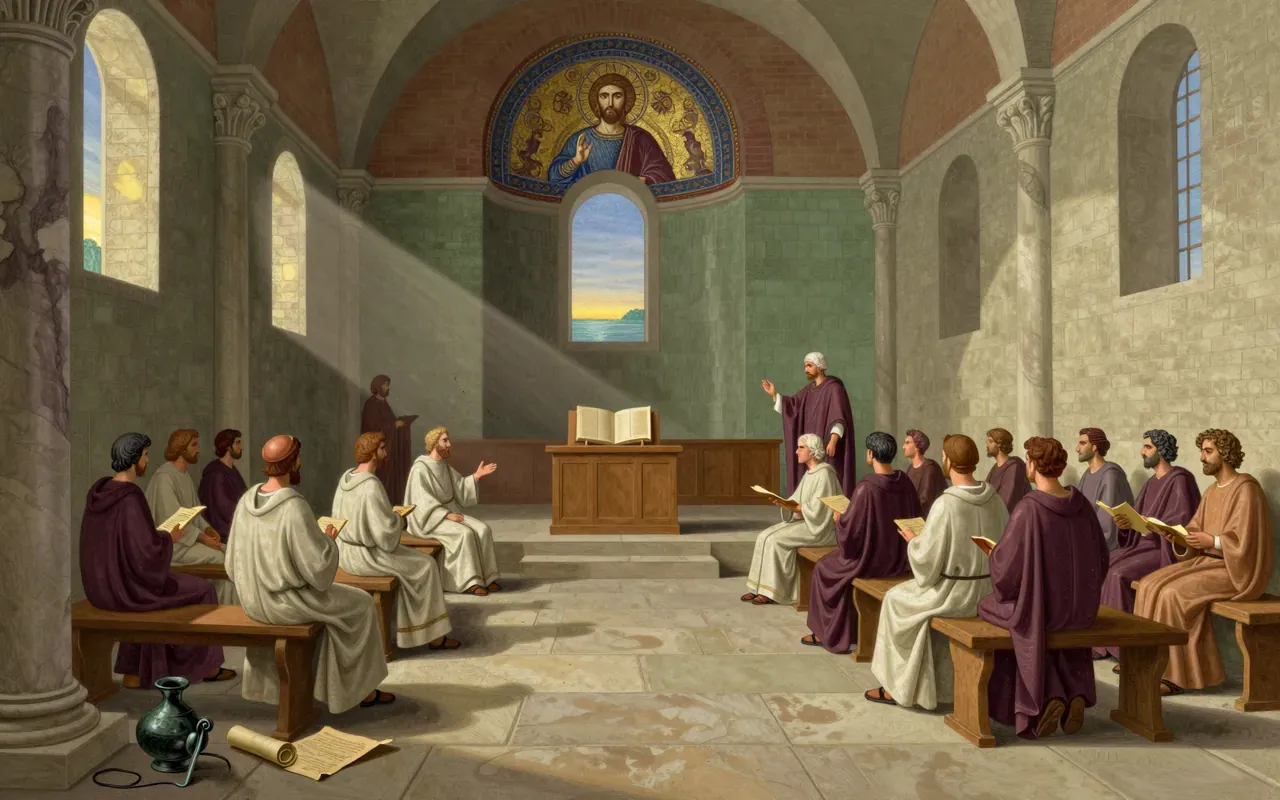
The First Council of Nicaea was the first empire-backed attempt to standardise Christian doctrine by assembly. It succeeded procedurally — nearly all bishops signed — but the record reveals nothing about internal debate, enforcement, or theological nuance. Its legacy is structural, not doctrinal.
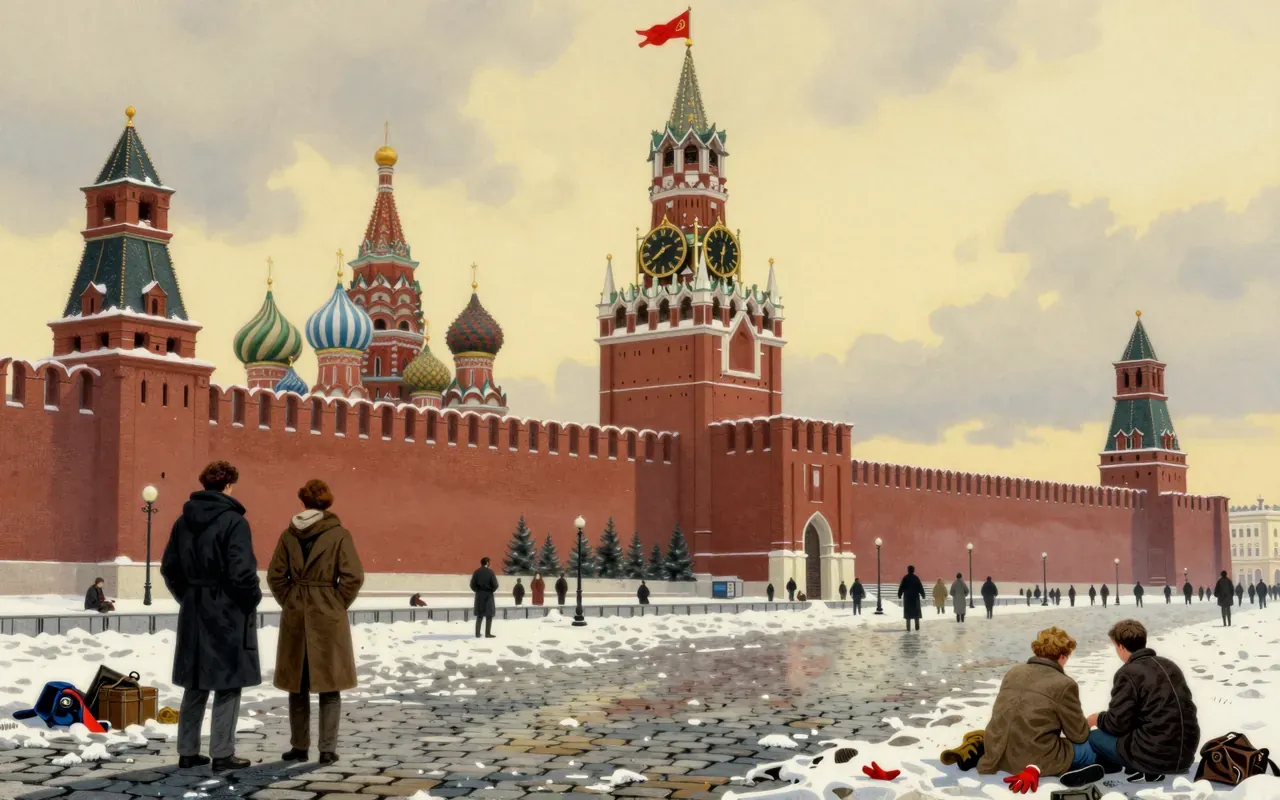
The Soviet Union was formally dissolved on 26 December 1991 — not by uprising or invasion, but by inter-republic treaty, presidential resignation, and parliamentary decree. Its end was legal, deliberate, and televised.
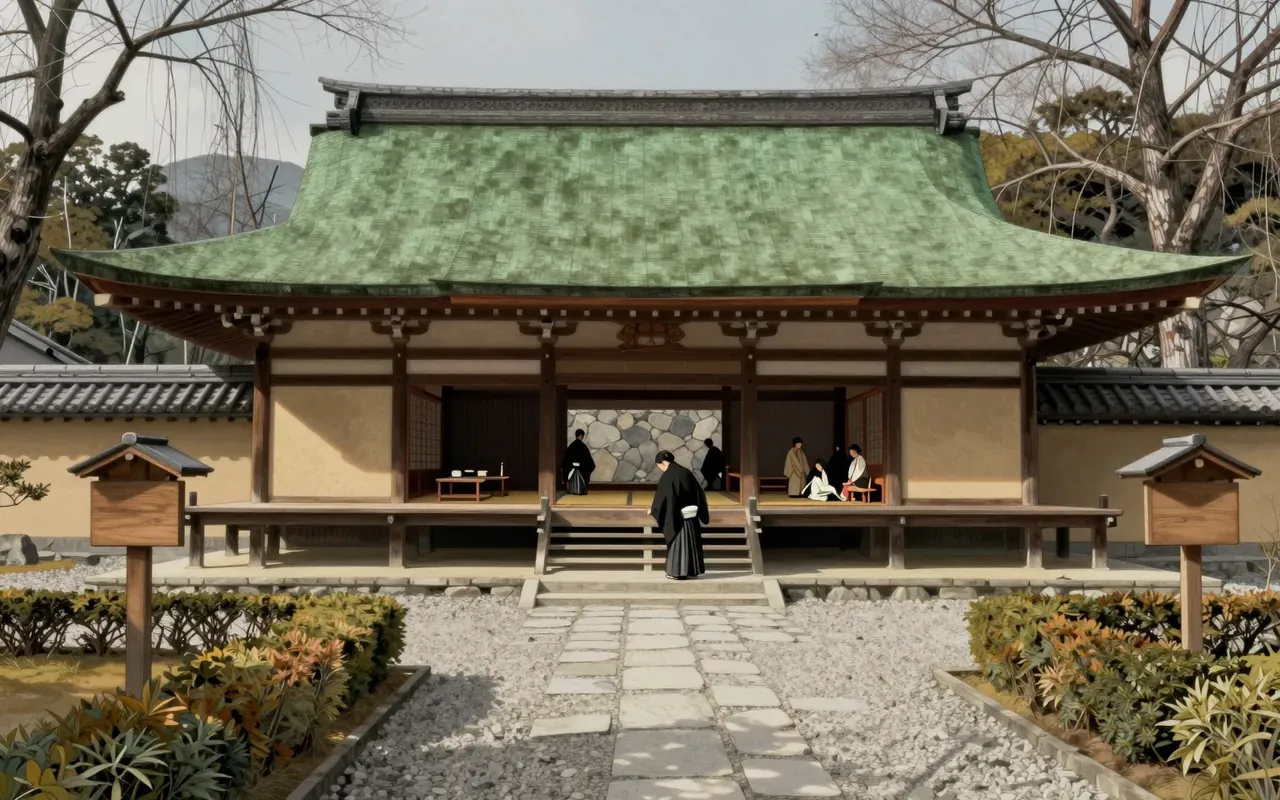
The Meiji Restoration was a top-down political transfer of power in 1868 that ended feudalism, abolished the shogunate, and launched Japan’s rapid industrialisation and westernisation under imperial authority. It laid the foundations of the Empire of Japan—and its institutions enabled colonial expansion. No evidence is given for popular involvement, democratic intent, or internal dissent beyond the Saga and Satsuma Rebellions, which are cited only as backlash, not as competing visions.
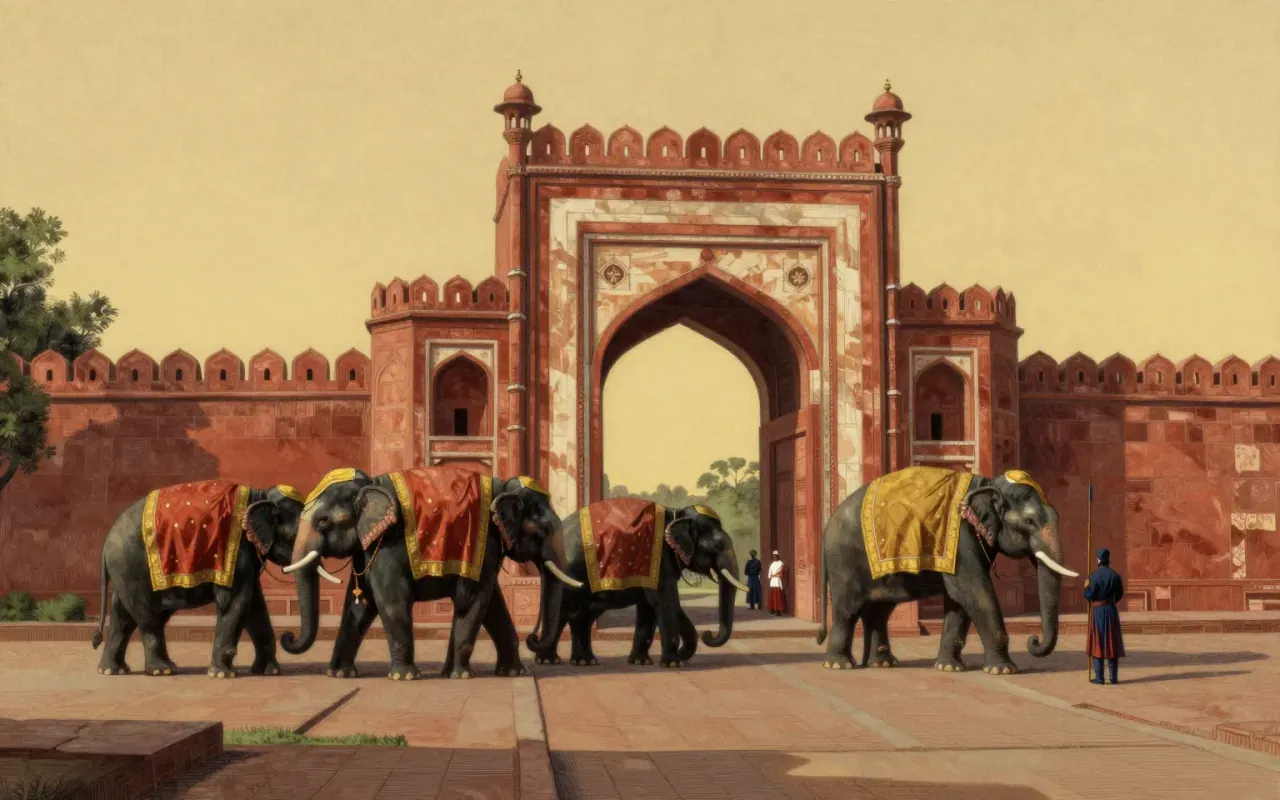
Akbar ruled the Mughal Empire from 1556 to 1605, expanding its territory from Bengal to Kabul and Kashmir through campaigns that included the four-month siege of Chittorgarh in 1567 and 1568, while building an administrative system of ranked military-civil officers and a revenue system based on a ten-year average of production. He abolished the tax on non-Muslims, married into Rajput noble families on terms that preserved the women's status, and promoted a syncretic court faith drawing on Islam, Hinduism and other traditions, a record known largely through the court chronicle of his minister Abul Fazl, which modern historians read with considerably more scepticism than it was originally intended to invite.
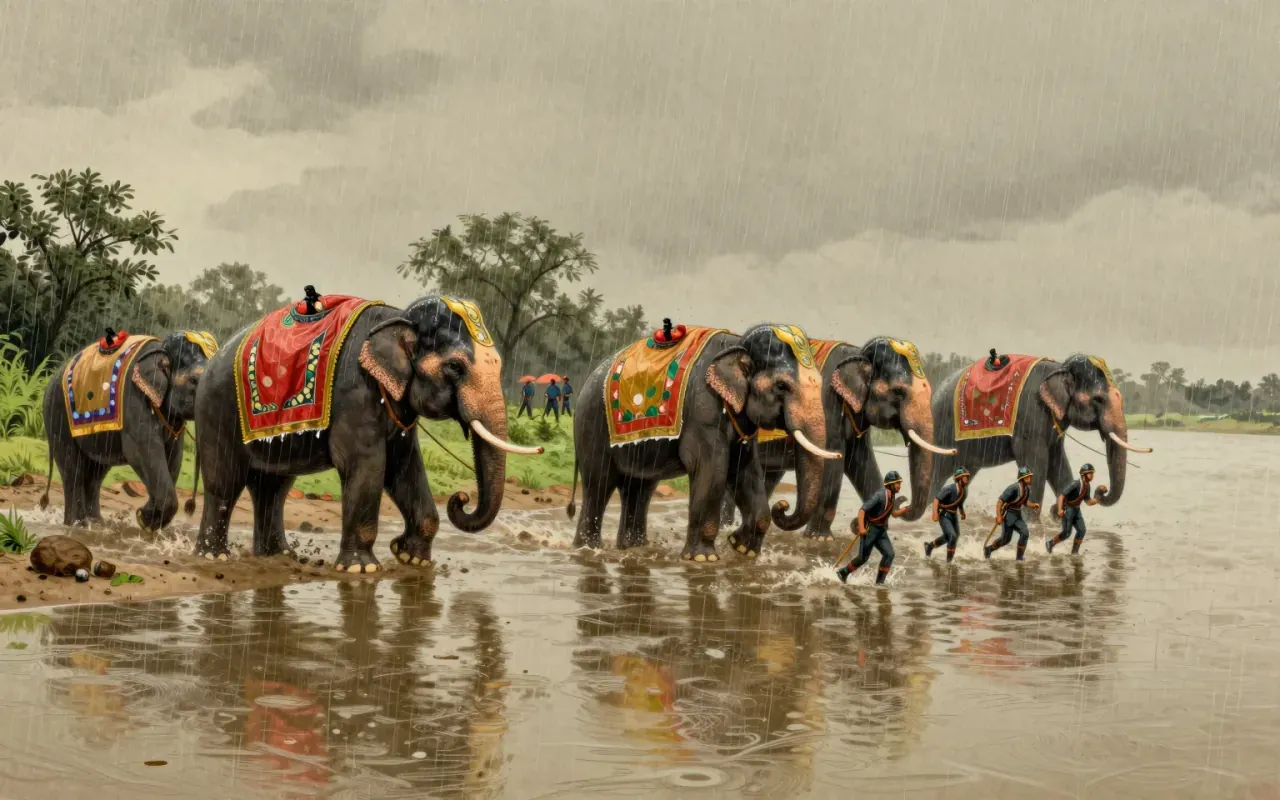
Alexander III of Macedon inherited his father's throne and army at twenty and, over the following decade, defeated the Achaemenid Persian Empire and pushed as far as northwestern India before turning back and dying at thirty-two. The battles and territory are documented reasonably well; the personal anecdotes that make him vivid, such as the taming of the horse Bucephalas and the meeting with the philosopher Diogenes, come mostly from Plutarch, writing about four centuries after Alexander's death.
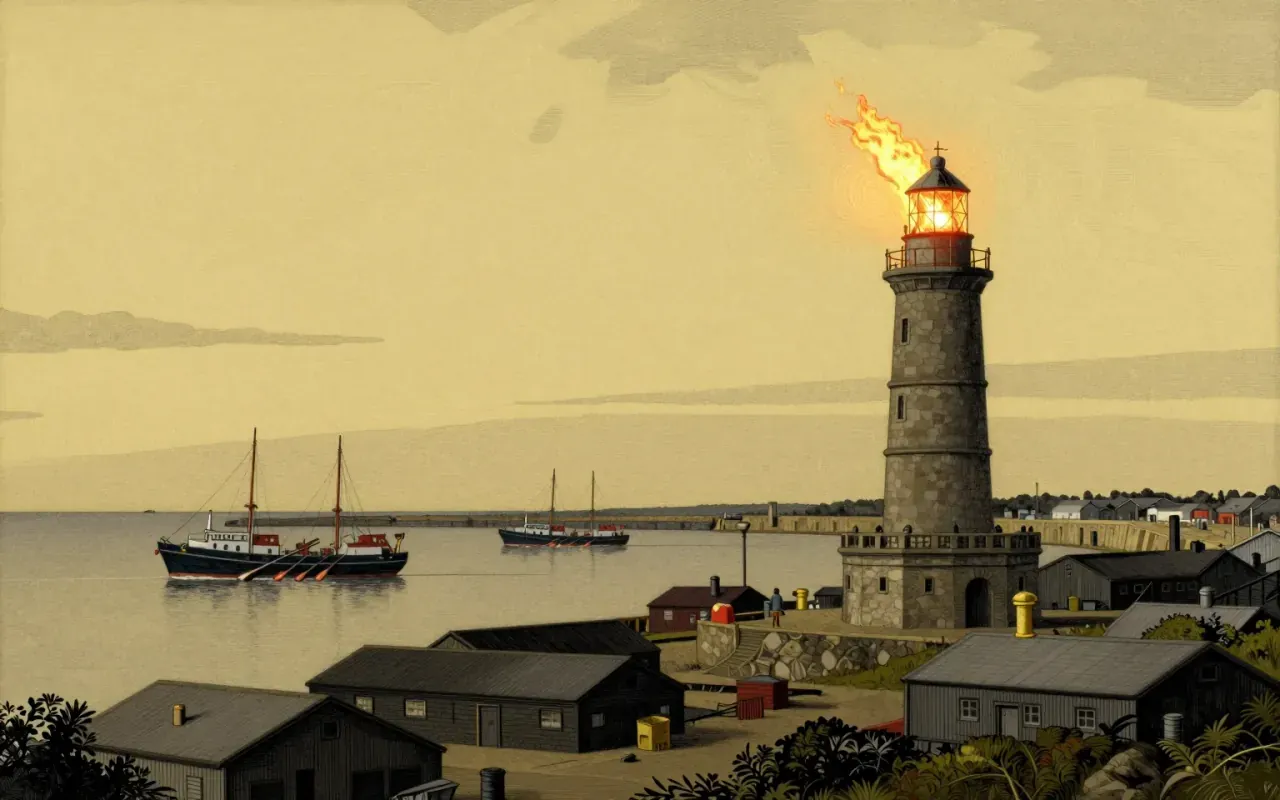
Alexander the Great founded Alexandria in April 331 BC after taking Egypt from Persian control, then departed shortly afterward, leaving his successors, particularly Ptolemy I, to build it into the largest city in the world within a century through institutions including its famous library and the Pharos lighthouse, one of the ancient world's seven wonders. The library's eventual destruction, often attributed to a single dramatic event during Julius Caesar's siege in 47 BC, remains disputed among historians, and the city's long decline followed Portuguese discovery of alternative sea routes to India in the late fifteenth century.
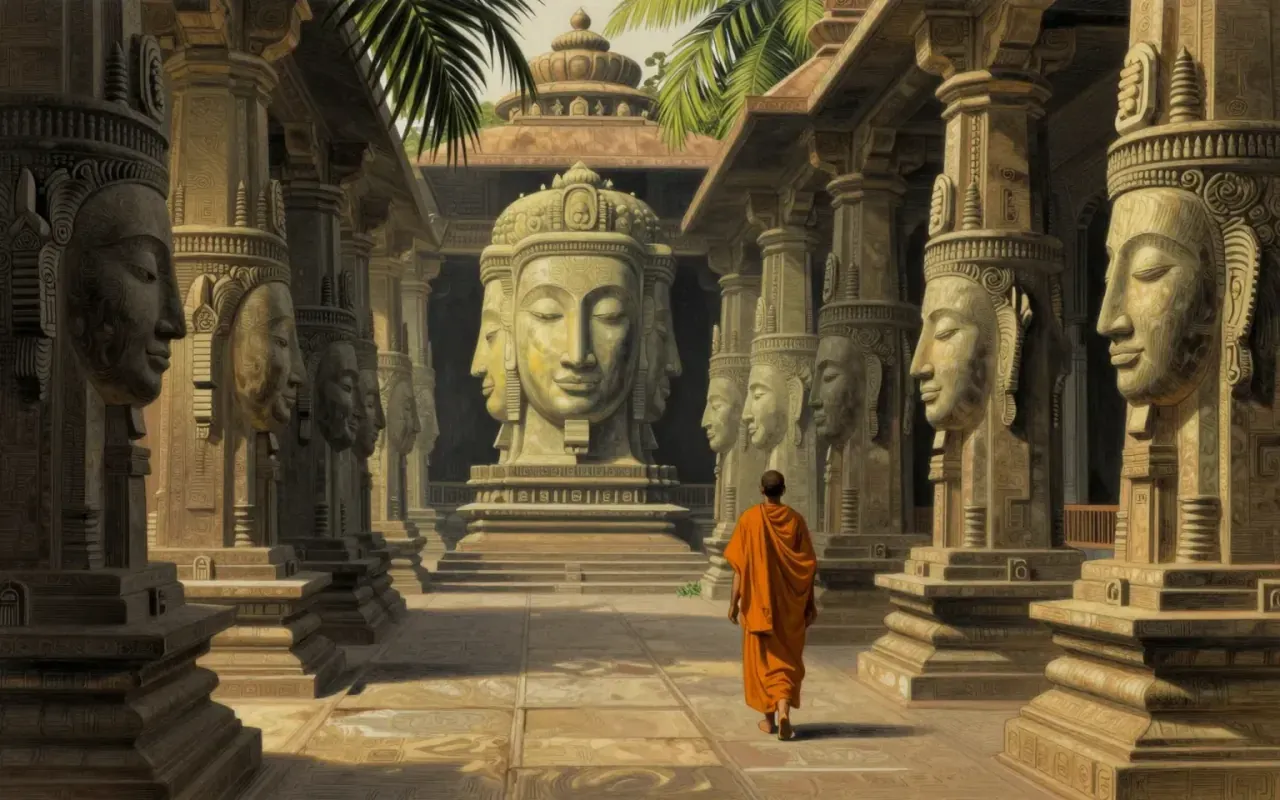
Angkor Thom was the last great capital of the Khmer Empire, laid out by Jayavarman VII in the late twelfth century as a walled square nine kilometres in area, centred on the many-faced towers of the Bayon temple. Building continued until 1295, after which the city's fortunes tracked the empire's decline, ending in abandonment following an Ayutthaya sack that pushed Khmer rule toward Phnom Penh. What survives is known mainly through its own inscriptions and through the French colonial-era survey work that first mapped and restored it.

Ashoka took the Mauryan throne in the third century BC and conquered the kingdom of Kalinga at enormous human cost before turning, over subsequent years, toward an ethical code he called dhamma and eventually Buddhism. His own edicts are the only contemporary evidence for his reign; the dramatic stories of fratricide and conversion come from Buddhist chronicles composed centuries afterward, and the two surviving legendary traditions disagree with each other. His empire declined quickly after his death, and he was largely forgotten until nineteenth-century decipherment restored him to history.
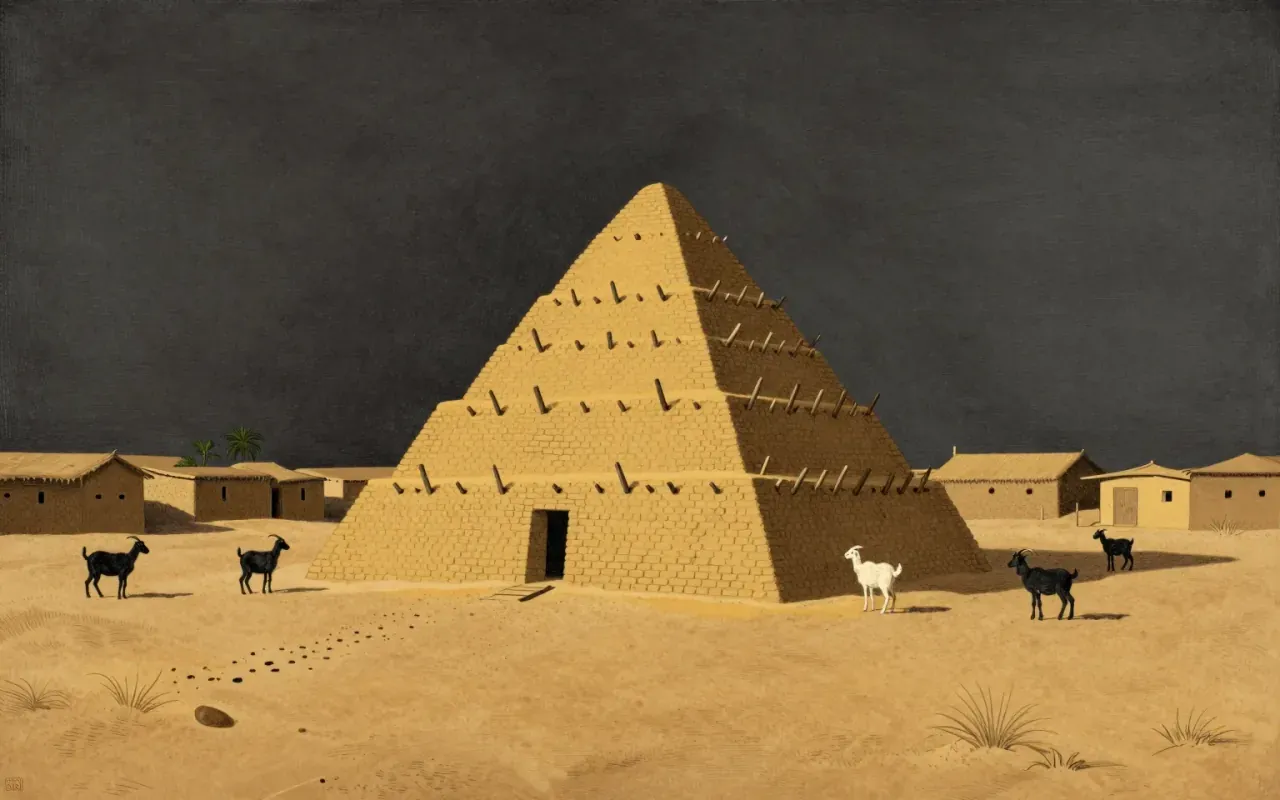
Askia Muhammad seized the Songhai throne in 1493 by framing a succession dispute as a defence of proper Islamic rule, then built the empire into West Africa's largest state through provincial administrative reform and a lavish pilgrimage to Mecca that reinforced his religious legitimacy. His reign is known chiefly through two Arabic chronicles compiled in Timbuktu generations later by scholars sharing his own religious culture, making his portrayal as an exemplary Muslim ruler somewhat self-reinforcing. Even his family origins and the source of his royal title remain genuinely disputed among historians.
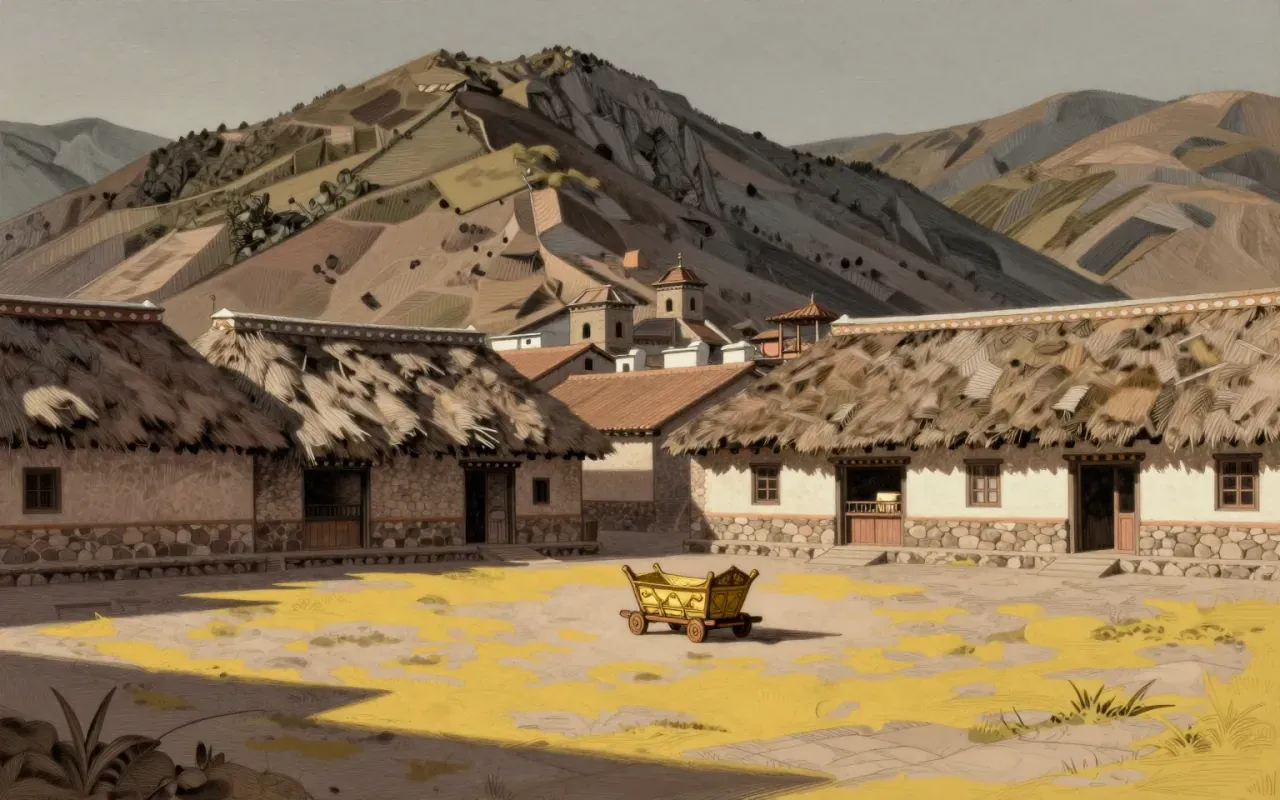
Atahualpa won a civil war against his half-brother Huascar in April 1532, only for Francisco Pizarro's expedition to reach Cajamarca days later and capture him in an ambush his own recent overconfidence had helped enable. He paid an enormous ransom in gold and silver, but Spanish forces executed him anyway in July 1533. Surviving chroniclers, some drawing on direct testimony from Inca nobility, disagree on basic facts including his birthplace and mother's identity, and historians differ on whether his ransom offer aimed at genuine freedom or simply survival.
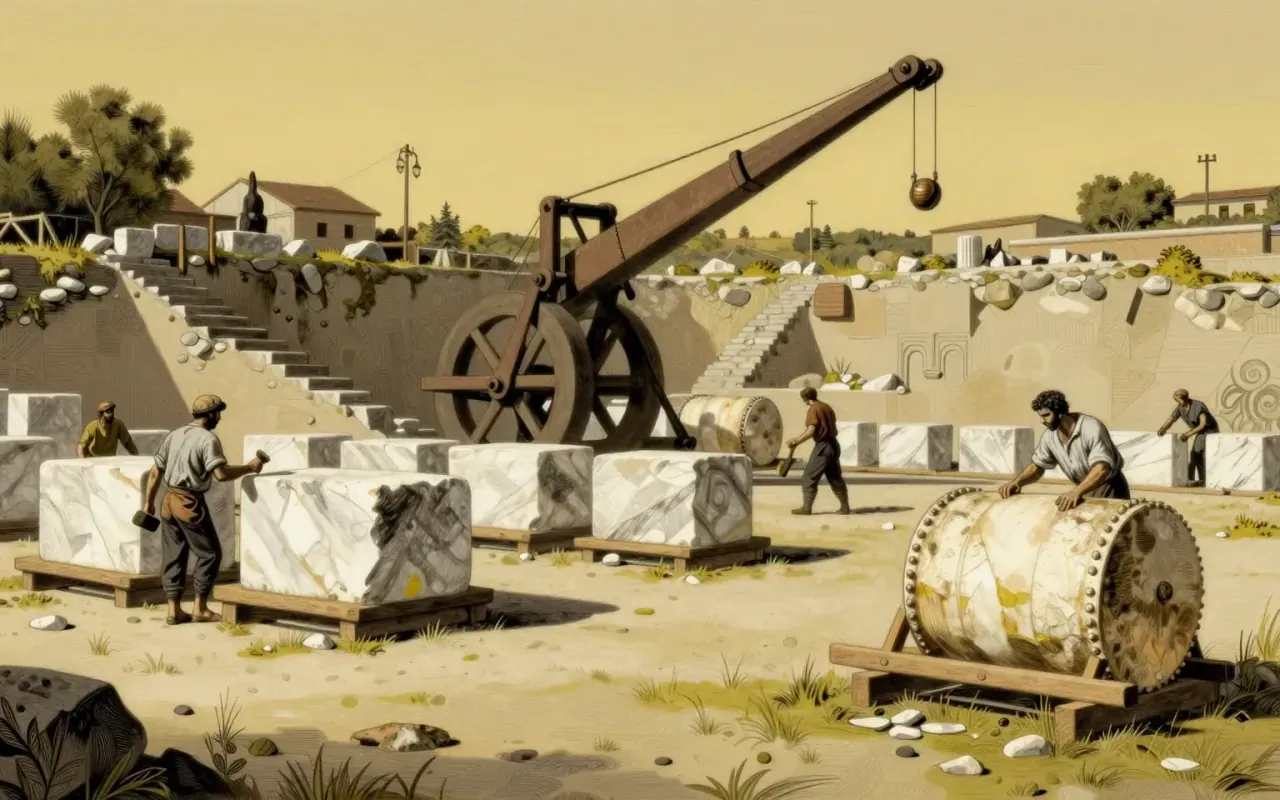
Born Gaius Octavius, Augustus rose from Julius Caesar's teenage heir to sole ruler of Rome, defeating rivals in successive stages before accepting the title Augustus from the Senate in 27 BC and governing for four more decades. He kept republican forms intact while concentrating power in his own hands, and the fullest accounts of how he managed it come either from his own self-justifying record or from biographers writing a century or more after his death.
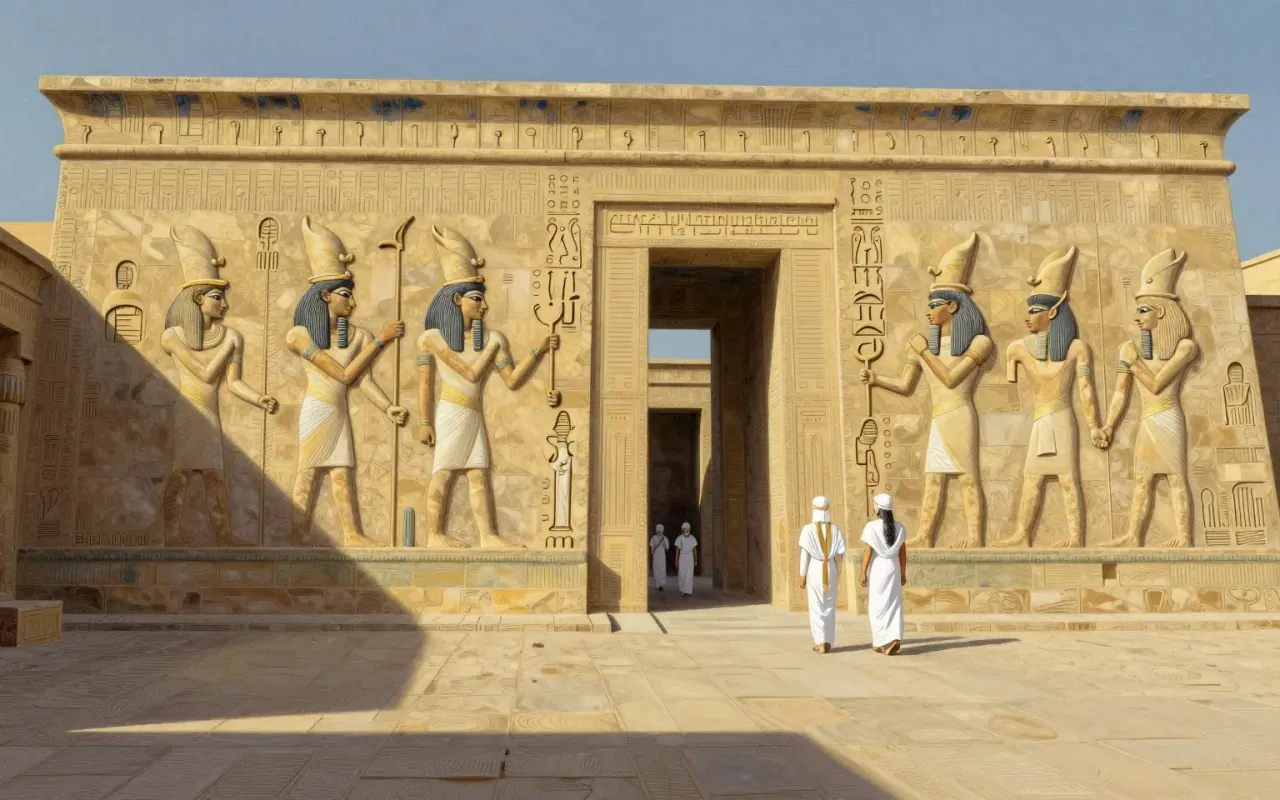
Cleopatra VII ruled Ptolemaic Egypt from 51 to 30 BC, allying in turn with Julius Caesar and Mark Antony and bearing children by both, before Octavian's forces defeated Antony at Actium and she died by suicide as Rome absorbed Egypt. The fullest ancient account, Plutarch's, was written about a century and a half after her death, and much of the negative Roman portrait that shaped later European memory of her originated as wartime propaganda against Antony rather than as neutral reporting.
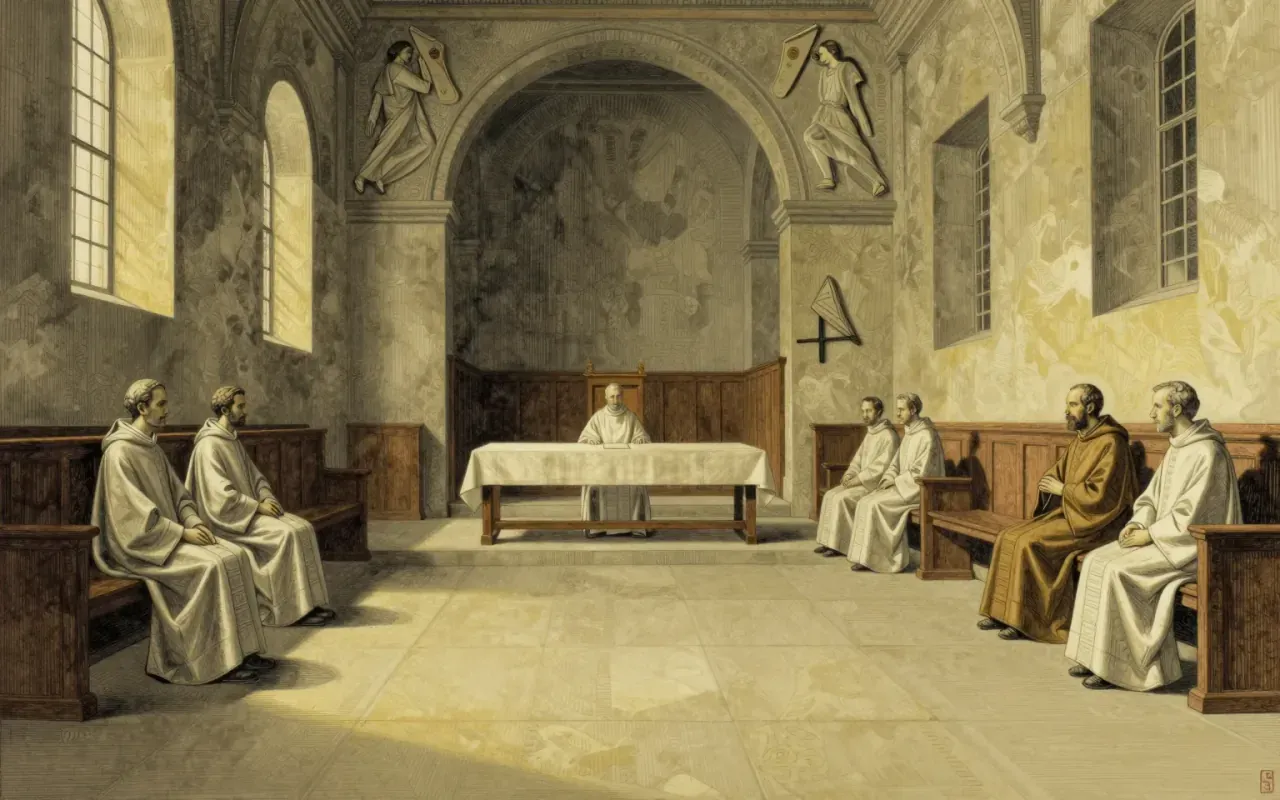
Constantine won sole control of the Roman Empire by 324 after nearly two decades of war against rival claimants, founded the new capital of Constantinople, and convened bishops at Nicaea in 325 to settle a dispute over the nature of Christ. Nearly every surviving account of him was written by Christian admirers or later ecclesiastical writers with their own doctrinal stakes, leaving his personal beliefs, and the details of his most famous conversion story, genuinely uncertain.

Imprisoned as a child after his father's death, Menelik built his own power base in Shewa for decades before declaring himself emperor of Ethiopia in 1889. His 1896 victory over an invading Italian army secured full European recognition of Ethiopian sovereignty at the height of Africa's colonial partition, while his modernisation programme built railways, a national bank and centralised taxation. Historians still dispute whether the mismatched Italian and Amharic versions of an earlier treaty reflect deliberate deception or mutual miscalculation, and his territorial expansion carried real costs for the peoples incorporated under his rule.
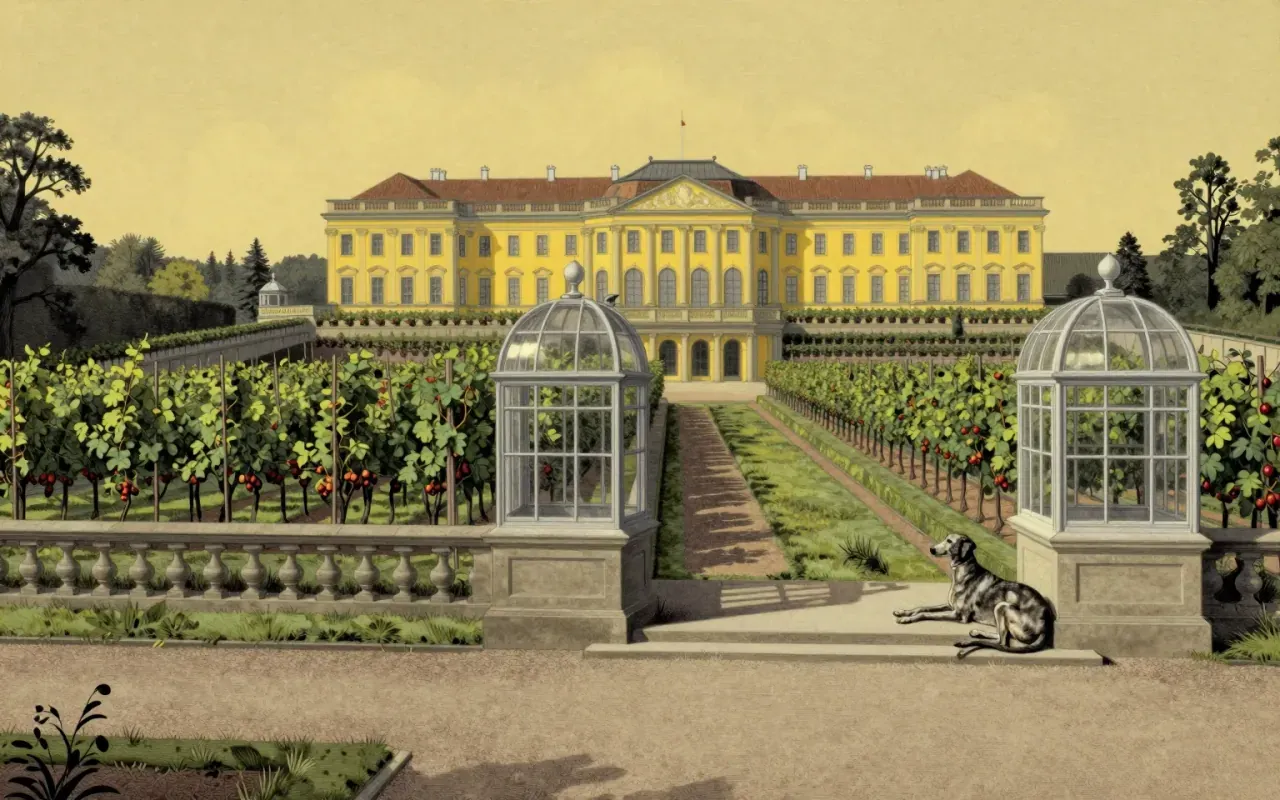
Frederick II of Prussia fought three wars that turned a middling state into a rival of Austria, while writing against tyranny and building a bureaucracy and legal code that outlasted him. His reputation was later annexed by German nationalists and then by the Nazi regime, which is why assessing him now means separating the reign from what was made of it afterward.
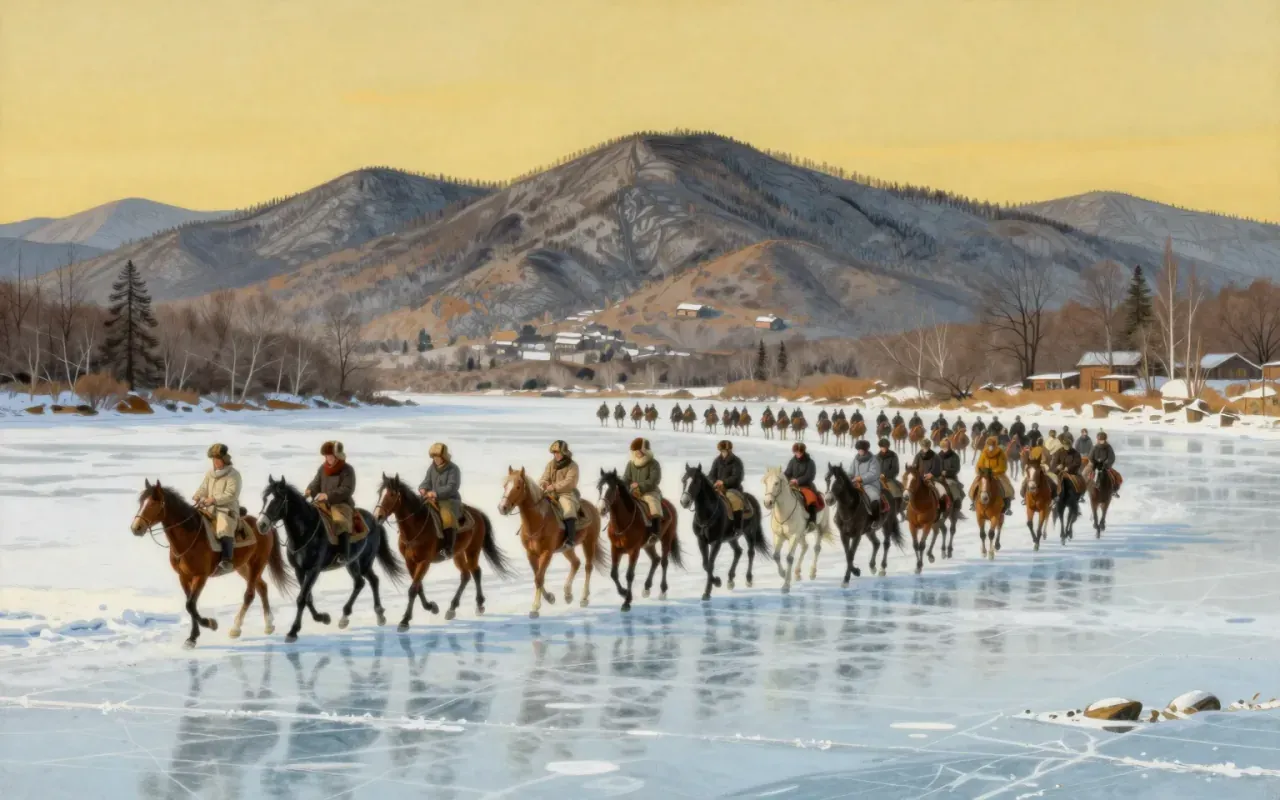
Temüjin, born on the Mongolian steppe around 1162 into a chieftain's family that later fell into poverty after his father's death, spent roughly two decades defeating rival tribes before being proclaimed Genghis Khan in 1206 and going on to conquer territory from northern China to Central Asia before his death in 1227. The fullest early source, the anonymous Secret History of the Mongols, records uncomfortable episodes, including a killing within his own family, that later Persian and Chinese chronicles compiled for his descendants tend to omit or soften.
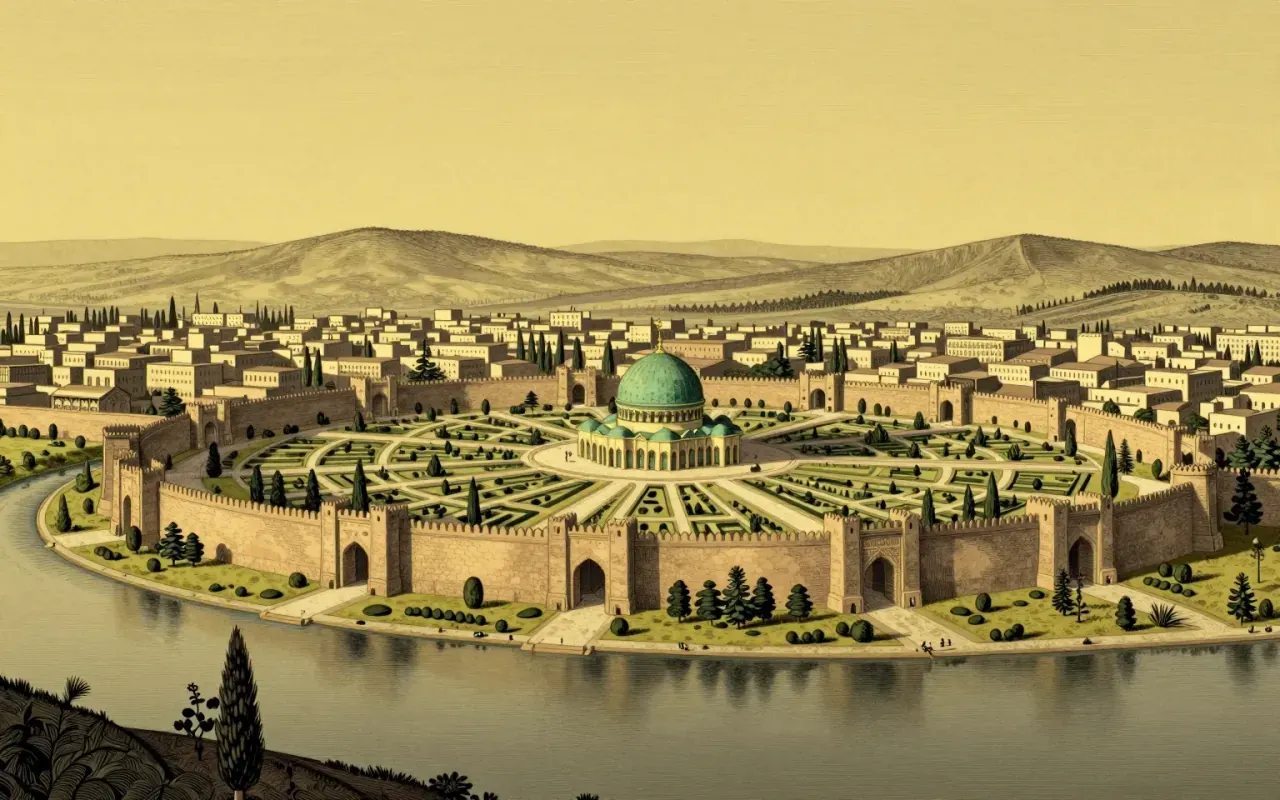
Harun al-Rashid became the fifth Abbasid caliph in 786 and ruled from Raqqa for most of his reign, exchanging gifts with Charlemagne's court and presiding over the beginnings of the Islamic Golden Age. His sudden purge of the powerful Barmakid family around 803 remains unexplained even in contemporary sources, and his decision to split succession between two sons collapsed into civil war within a decade of his death. His court became fixed in popular memory through a legendary story collection with little basis in the documented record.
Educated in England and imprisoned repeatedly across a quarter century of resistance to British rule, Jawaharlal Nehru became independent India's first prime minister in 1947 and led it for seventeen years. He built a lasting parliamentary democracy, secular constitution and non-aligned foreign policy across a vast, diverse country, while decisions on Kashmir, economic planning and defence readiness against China remain sharply contested. His own prolific writing, combined with colonial records and party archives, makes him unusually well documented for a leader of his era.
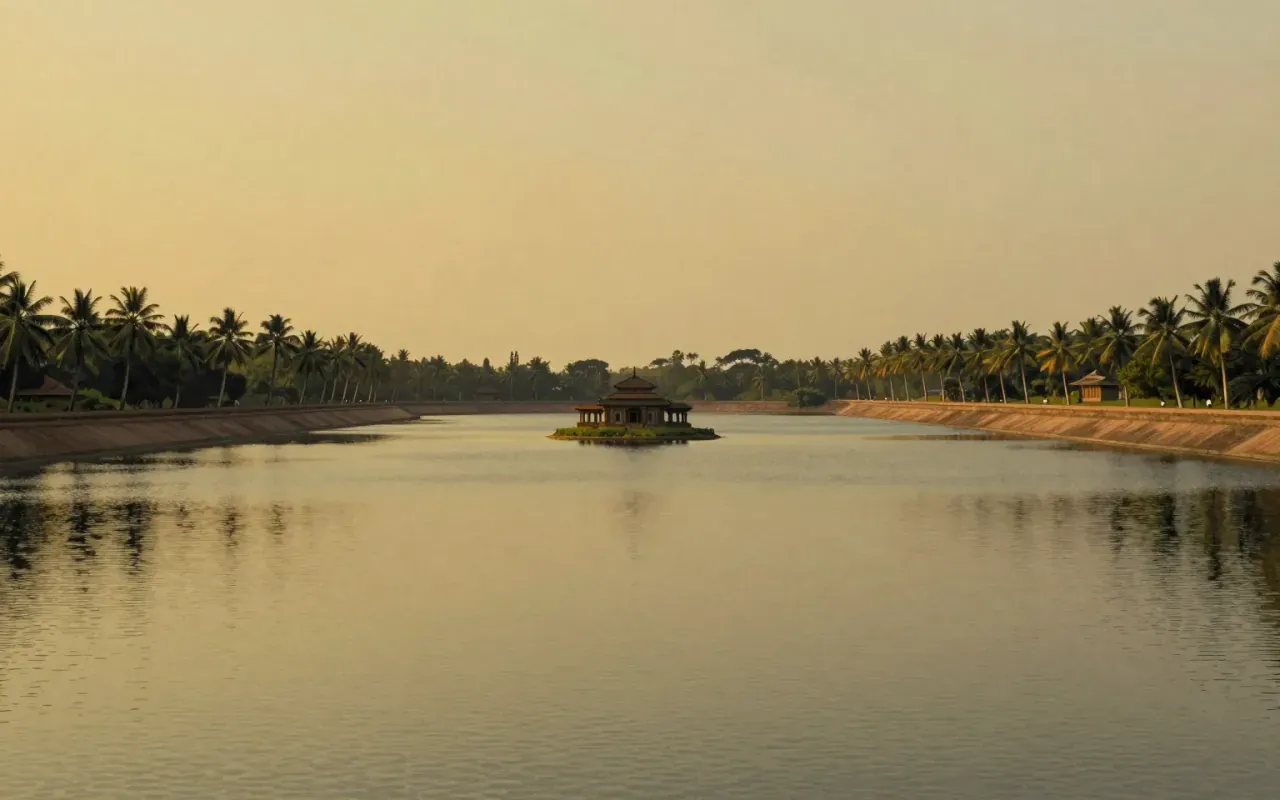
Jayavarman VII took the Khmer throne in 1181 after leading the recovery from a devastating Cham invasion, then built Angkor Thom, the Bayon and a network of hospitals and roads across a thirty-seven-year reign. Almost all surviving evidence for his rule comes from inscriptions and bas-reliefs he commissioned himself, since no independent chronicle or personal account survives. Historians caution against reading his monuments as literal proof of administrative reach, and his Buddhist religious programme did not outlast his own reign.
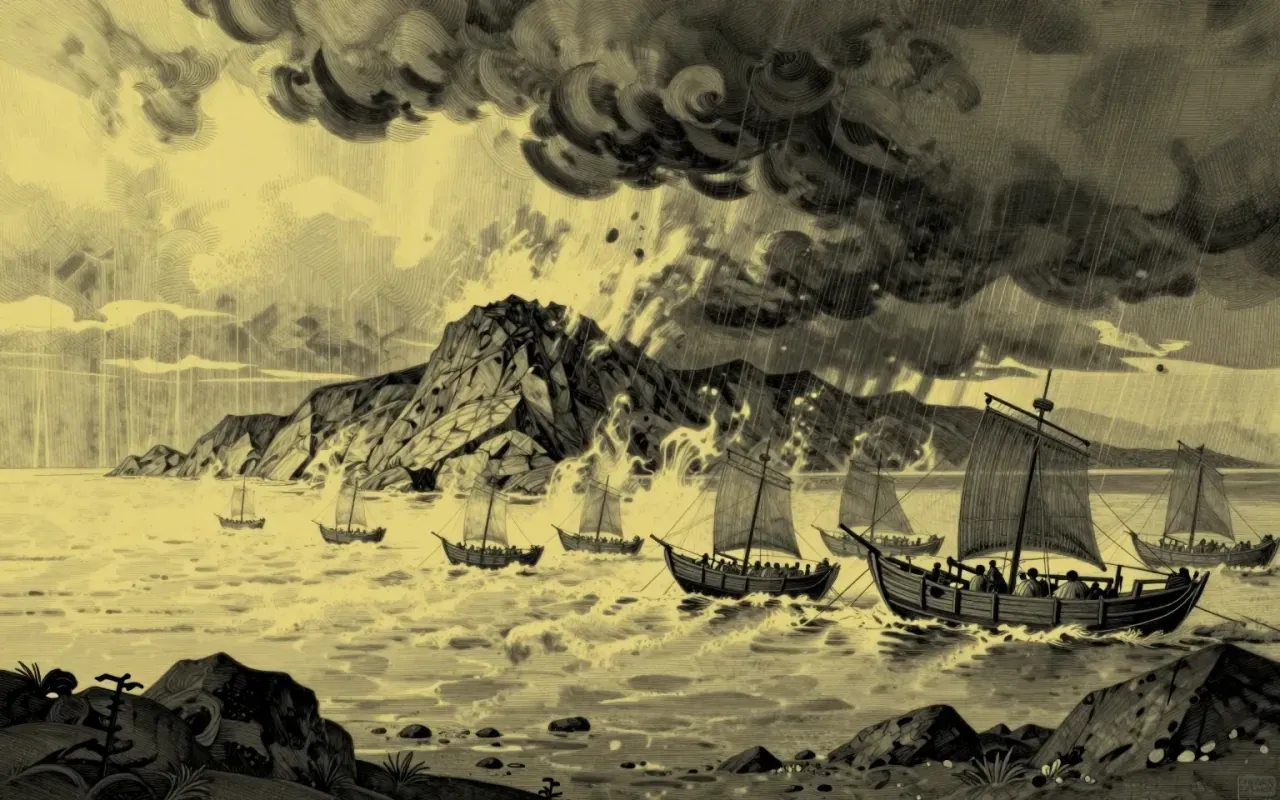
Kublai Khan, a grandson of Genghis Khan, won a civil war against his brother to become Great Khan in 1260, founded the Yuan dynasty in 1271 by moving the Mongol capital to modern Beijing, and completed the conquest of Southern Song China by 1279 to become the first non-Han ruler of all China. He governed through a deliberate blend of Chinese administrative practice and Mongol tradition that satisfied neither group fully, issued some of the earliest widespread paper currency before inflation undermined it, and launched two failed invasions of Japan, in 1274 and 1281, the second involving roughly 4,400 ships and 140,000 troops, that a modern archaeologist has argued failed partly because the fleet was built in a fraction of the time such construction normally required.
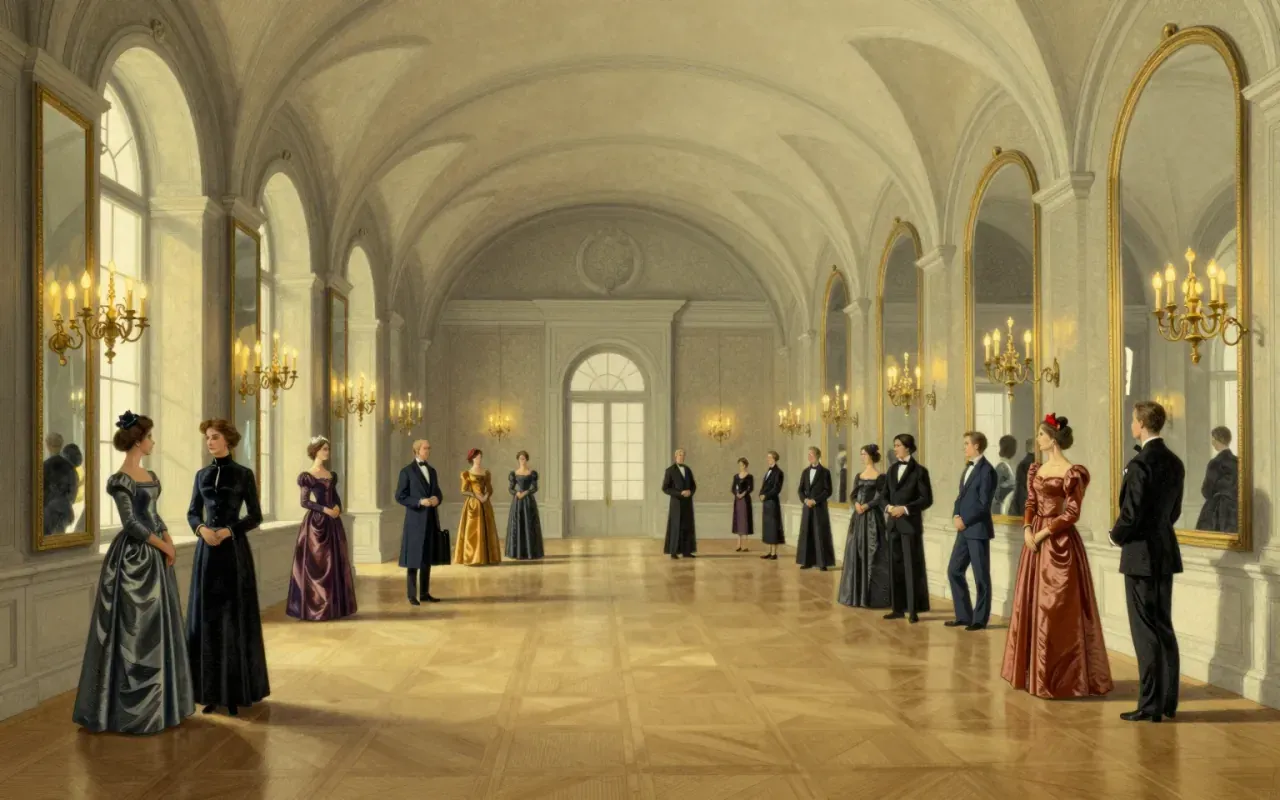
Louis XIV reigned over France from 1643 to 1715, seventy-two years, the longest of any sovereign monarch on record, building the Palace of Versailles as a mechanism for controlling a nobility that had rebelled against the crown during his childhood, and revoking the Edict of Nantes to strip legal protection from French Protestants. His three major wars, the Franco-Dutch War, the Nine Years' War and the War of the Spanish Succession, extended French influence but left his successor a kingdom deep in debt, a legacy that combines genuine administrative and cultural achievement with the costs of near-constant warfare.
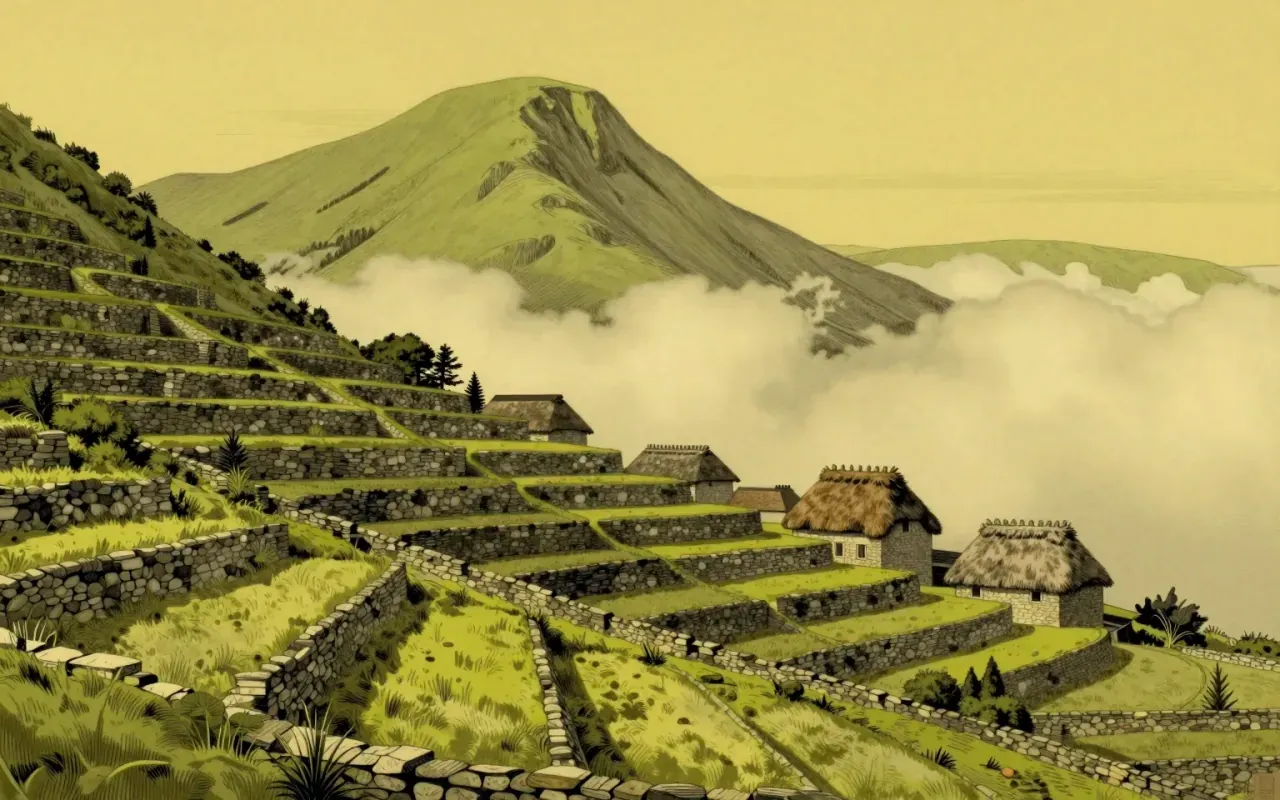
Inca ruler Pachacutec commissioned Machu Picchu as a royal estate following his conquest of the Urubamba region, with traditional dating placing construction around 1450, though 2021 radiocarbon analysis pushed occupation as early as 1420. The site housed a genetically diverse population of roughly 750 support staff before being abandoned around the Spanish conquest, and though the Peruvian farmer Agustin Lizarraga reached the ruins in 1902, American historian Hiram Bingham's 1911 visit and subsequent writing established him as the site's credited discoverer, a framing Bingham himself later hardened despite initially acknowledging Lizarraga.
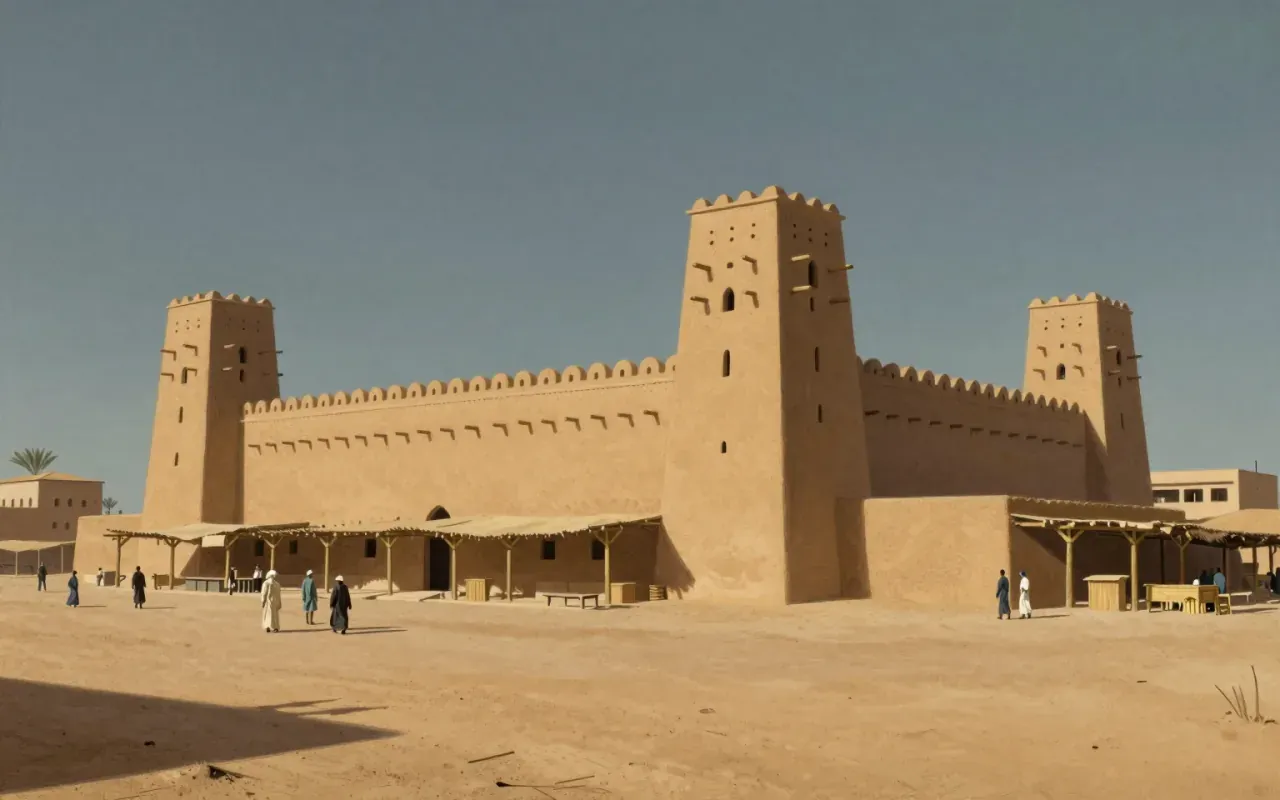
Mansa Musa ruled the Mali Empire from around 1312 to 1337, a reign later chroniclers regarded as its golden age, and became widely known in the Islamic world after his pilgrimage to Mecca in 1324, during which his gold spending reportedly depressed the metal's value in Cairo for years afterward. He annexed Timbuktu and Gao, recruited scholars including the poet Abu Ishaq al-Sahili, and helped establish Timbuktu's Sankore as a centre of Islamic learning, though the precise scale of his wealth, drawn from a handful of Arabic chroniclers writing after the fact, cannot be independently verified.
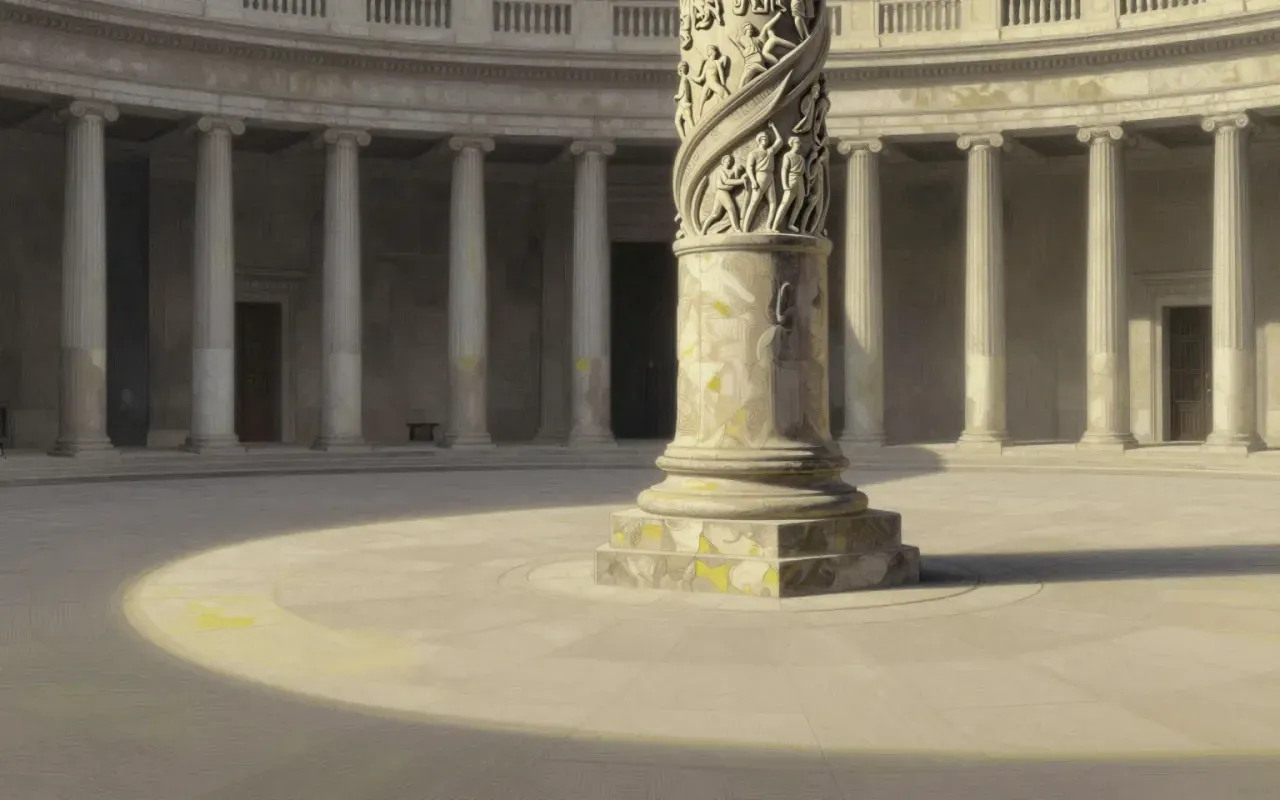
Adopted as heir in 138 and made emperor in 161, Marcus Aurelius spent much of his nineteen-year reign fighting wars in the east and along the Danube while a severe epidemic killed millions across the empire. His private notebook, the Meditations, records a Stoic-trained mind working through the burdens of rule, but the actual chronicle of his reign rests on other, less personal sources whose own reliability historians still weigh carefully.
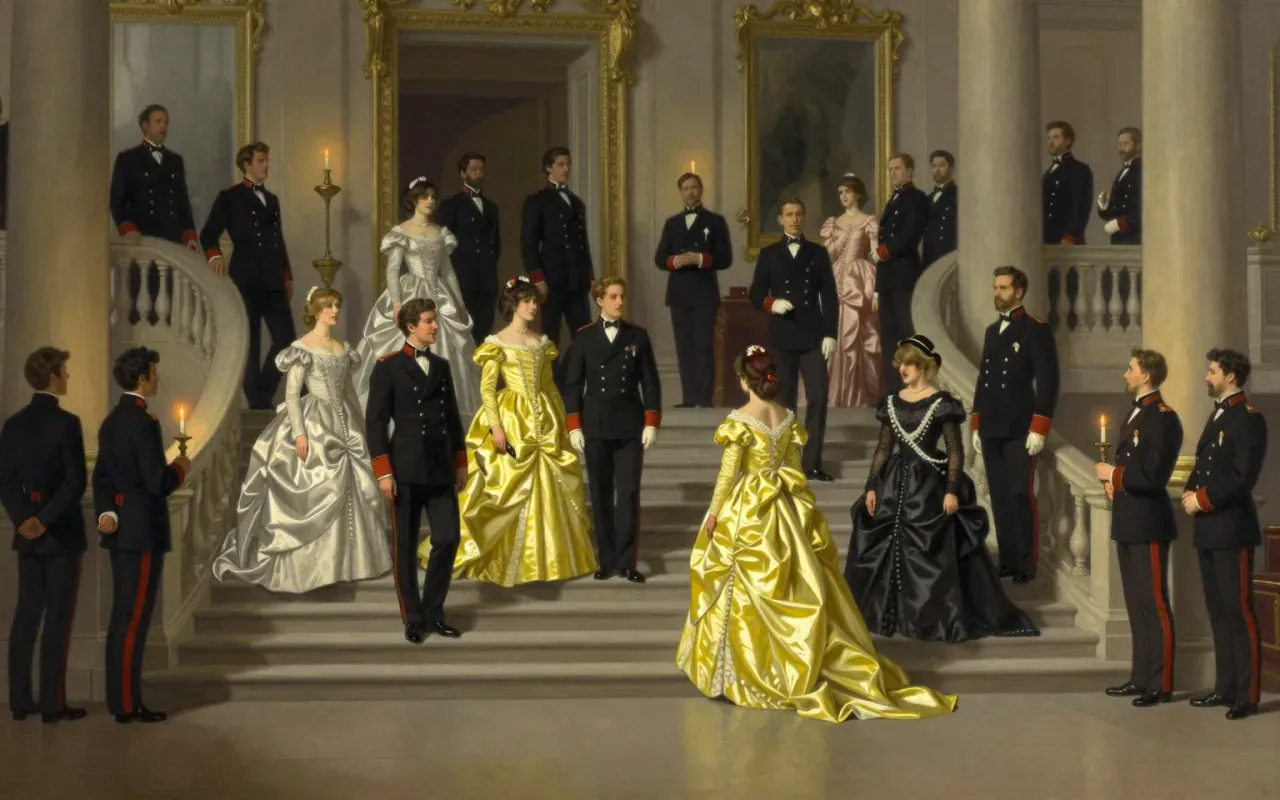
Klemens von Metternich rose from a minor German diplomatic family to become Austria's foreign minister and, from 1821, its chancellor, presiding over the Congress of Vienna and then building a continent-wide network of censorship and surveillance meant to hold back liberal and nationalist movements. The 1848 revolutions ended his career in a single day, and historians still argue over whether to remember him as a stabiliser who kept Europe largely at peace for three decades or as a reactionary who left problems to compound rather than resolving them.
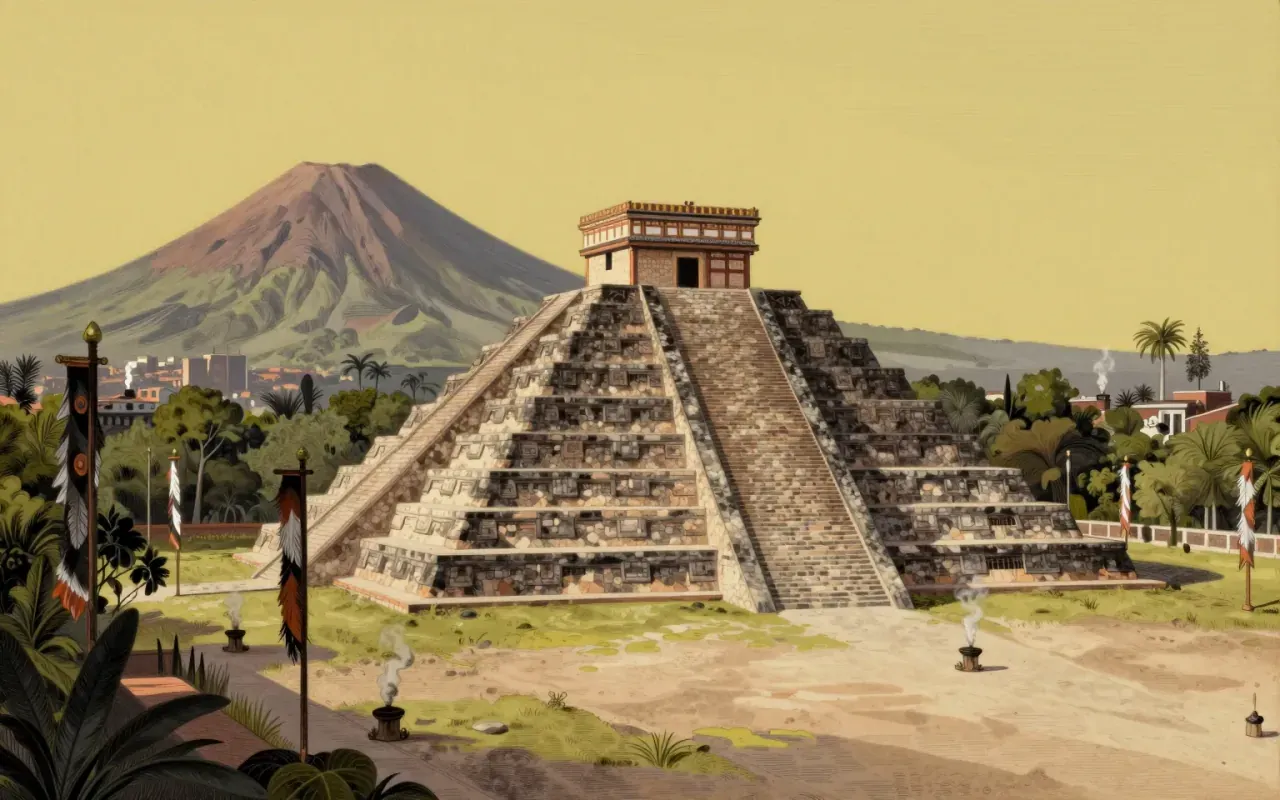
Moctezuma II expanded the Aztec Empire to its greatest territorial extent, fought some seventy-three military campaigns, and reorganised imperial administration into centrally governed provinces before Spanish forces reached Tenochtitlan in 1519. Spanish and indigenous sources diverge sharply in their portrayal of him, and his death in June 1520 remains disputed between accounts of his own subjects stoning him and testimony that Spanish soldiers killed him directly. His decades of successful rule have been largely overshadowed in popular memory by the empire's collapse the following year, leaving no single settled portrait of the man behind either extreme characterisation.
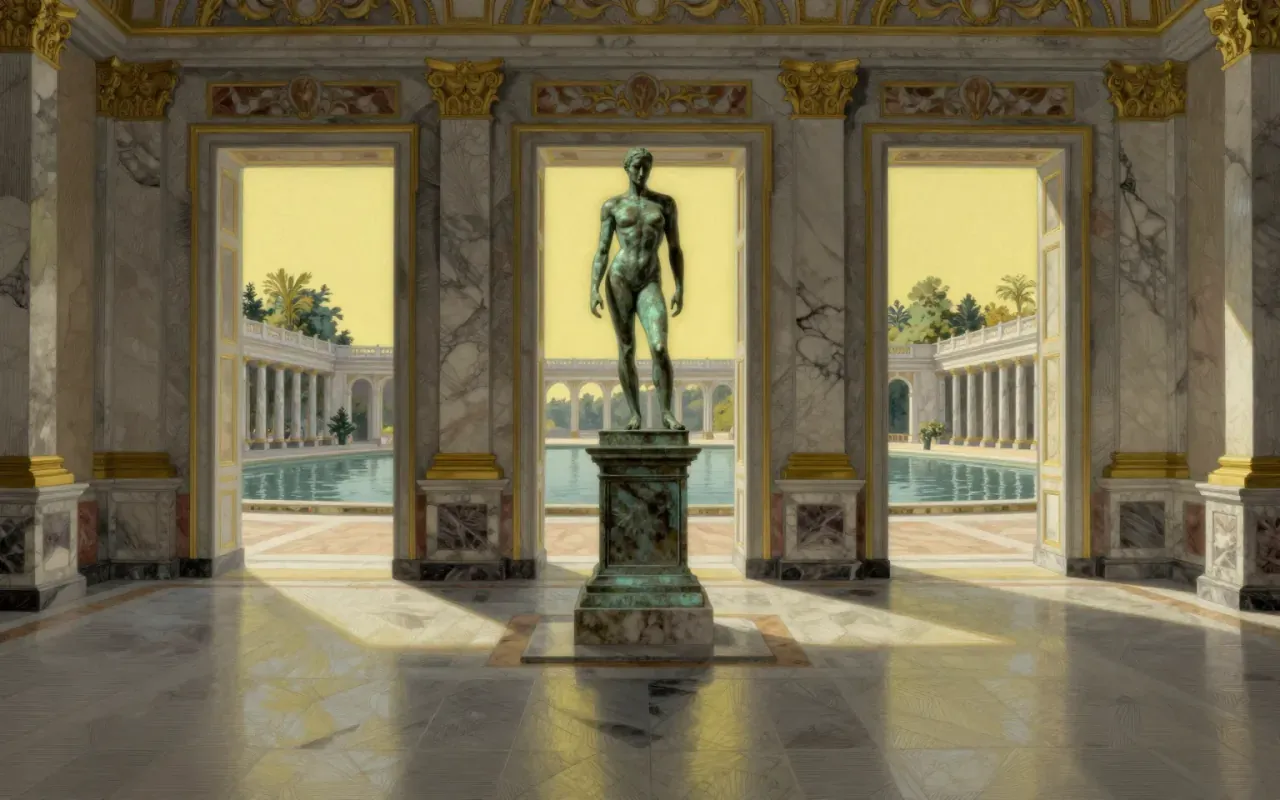
Nero became Roman emperor in AD 54 at sixteen, ruled competently under his advisers' guidance for several years, and then, after having his mother killed and losing his steadying counsellors, presided over a reign remembered for the great fire of Rome in AD 64 and a wave of executions before his suicide in AD 68. Every surviving account of him was written decades or centuries later by hostile senatorial writers, none of whom witnessed his reign firsthand.
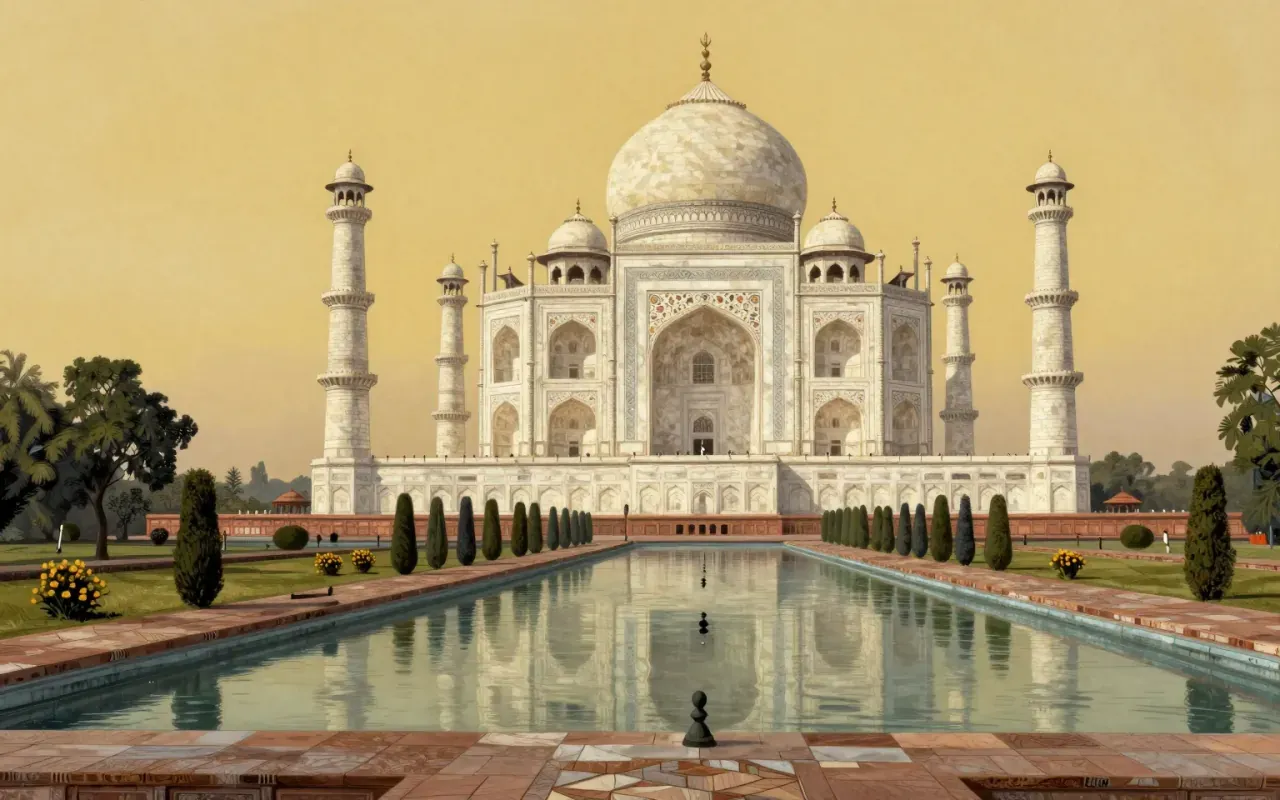
Nur Jahan, born Mehr-un-Nissa in 1577, became Emperor Jahangir's twentieth and last legal wife in 1611 and, through his dependence on opium and alcohol, accumulated genuine political authority, holding the imperial seal, minting silver rupees in her own name at Patna, and once leading troops on an elephant to rescue her captured husband in 1626. Her power collapsed after Jahangir's death in 1627, when her brother Asaf Khan backed her stepson Shah Jahan in the succession struggle, and she spent her remaining years under a comfortable but constrained house arrest in Lahore until her death in 1645.

Otto von Bismarck engineered three wars in six years to unify Germany under Prussian leadership, then spent nearly two decades as chancellor building a European balance-of-power system credited with preventing major war during his tenure while suppressing Catholics and socialists at home. Historians remain split on how much responsibility his diplomatic architecture, however successful while he ran it, deserves for the less stable arrangement that followed his forced resignation in 1890 and eventually produced the war it had been built to avoid.
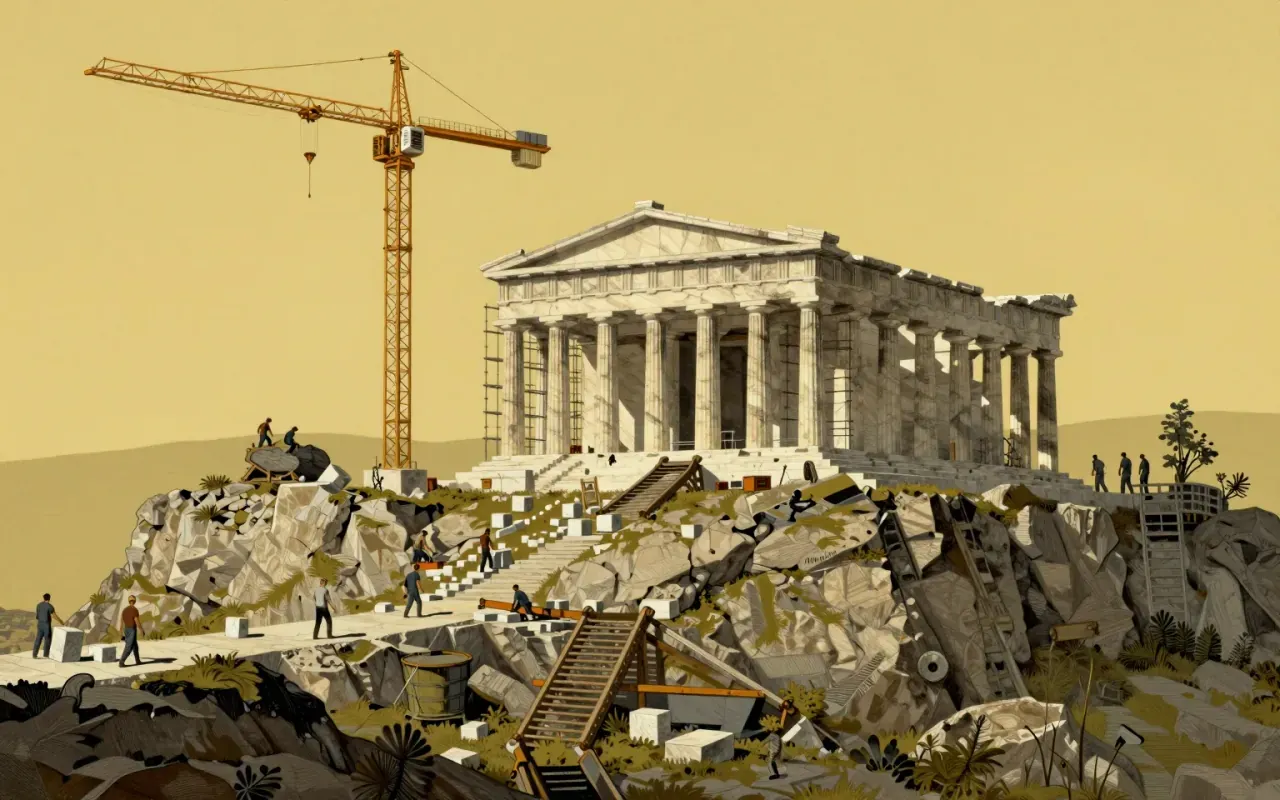
Pericles rose to unchallenged leadership of Athens by the 440s BC through repeated use of prosecution and ostracism against rivals, then financed the Parthenon and other monuments with treasury redirected from the Delian League before leading Athens into the Peloponnesian War, dying of plague in 429 BC. Thucydides's admiring portrait, including a famous funeral oration he admitted reconstructing from memory, sits alongside Plato's sharp condemnation and Aristophanes's contemporary mockery. Historians remain divided over his responsibility for the war, the soundness of his defensive strategy, and whether his imperial management of allied states undermined the democratic ideals he is credited with championing.
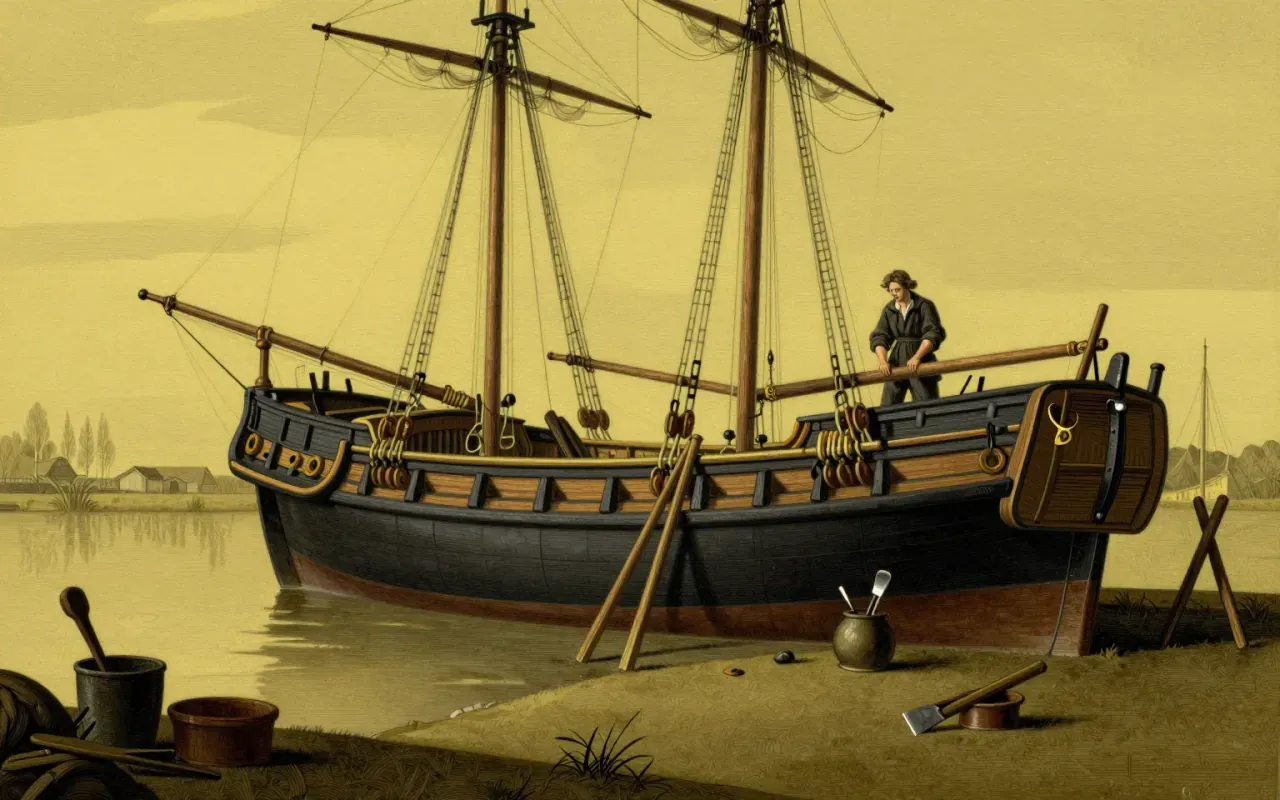
Peter I ruled Russia as tsar from 1682 and as its first emperor from 1721 until his death in 1725, transforming the country through an eighteen-month tour of Western Europe in 1697 and 1698, victory over Sweden in the Great Northern War culminating at Poltava in 1709, and the founding of St Petersburg in 1703 as a new, Western-facing capital. His reforms came paired with severe repression, including the torture and execution of roughly 1,182 rebel Streltsy soldiers after a 1698 uprising, a record that has left historians divided between crediting him as Russia's essential modernizer and condemning the violence his state-building consistently relied on.

The Nabataeans, an Arab people whose origins scholars no longer trace to Aramean roots, built Petra into a thriving trading city that reached a population of roughly twenty thousand in the century before Rome annexed it in 106. A 1964 discovery of Nabataean inscriptions established the city's original name as Raqmu, and after earthquake damage and the decline of the trade routes it depended on, Petra faded from written record by the seventh century until the Swiss traveller Johann Ludwig Burckhardt, disguised as a local, rediscovered it for European scholarship in 1812.
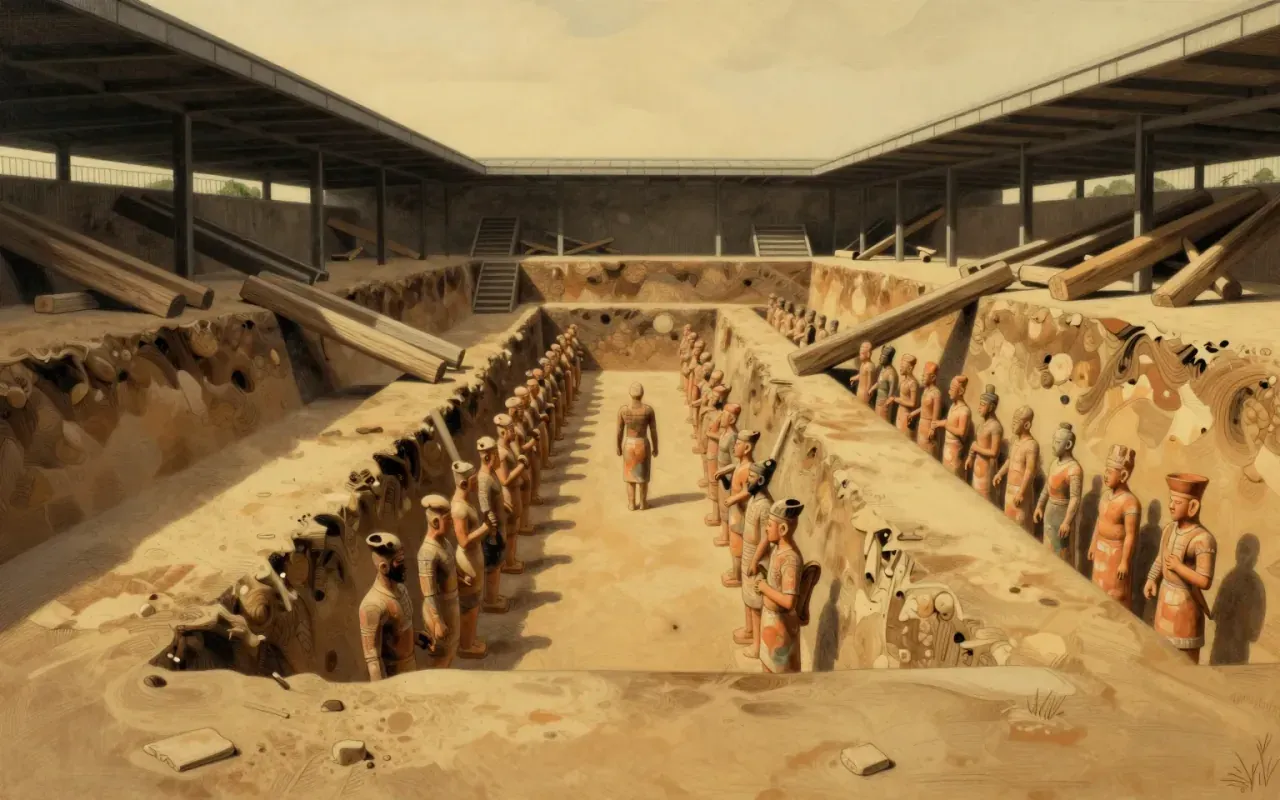
Qin Shi Huang unified China by 221 BC after conquering the six remaining Warring States, took the newly created title of emperor, and standardised the empire's writing, currency, weights and measures while organising it into centrally administered commanderies rather than hereditary fiefs, reforms whose influence Sinologist Michael Loewe has argued shaped Chinese history until 1911. He also conscripted enormous labour forces for the early Great Wall and his own vast mausoleum, discovered in part through the Terracotta Army unearthed in 1974, and died in 210 BC, probably in his forty-ninth year, while still searching for an elixir of immortality, leaving behind a reputation as a brutal tyrant that historians now trace largely to Sima Qian's history, written roughly a century later for the dynasty that had replaced his own.

Shaka rose from illegitimate birth to Zulu kingship in 1816, building a disciplined, centrally controlled military force that expanded his kingdom rapidly before his assassination by half-brothers in 1828. His reputation for extreme brutality descends largely from two European traders at his court, one of whom is documented urging the other to exaggerate his savagery for a more compelling book and a personal land claim. Historians remain divided between revisionists who see later colonial and apartheid-era exaggeration and traditionalists who credit genuine documented military innovation, leaving Shaka's actual character considerably harder to pin down than either extreme allows.
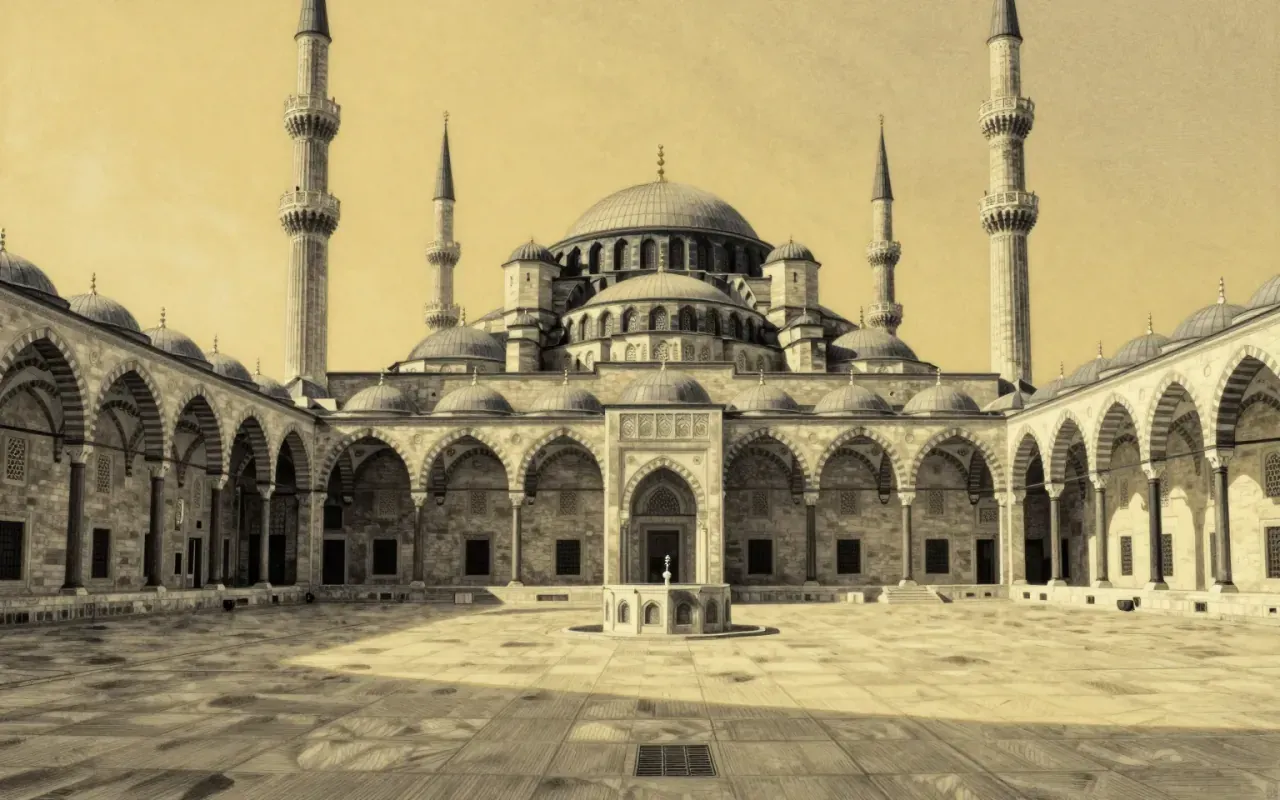
Suleiman I ruled the Ottoman Empire from 1520 to 1566, its longest reign, extending Ottoman territory through campaigns that captured Belgrade, Rhodes and much of Hungary while twice failing to take Vienna, and commissioning architect Mimar Sinan to build hundreds of structures including the Suleymaniye mosque complex. He compiled a unified legal code drawing on nine previous sultans' judgments, earning the Ottoman title Kanuni, or Lawgiver, even as his court saw his wife Hurrem Sultan rise to unprecedented influence and his eldest surviving son, Mustafa, executed on his own order in 1553 amid succession politics.
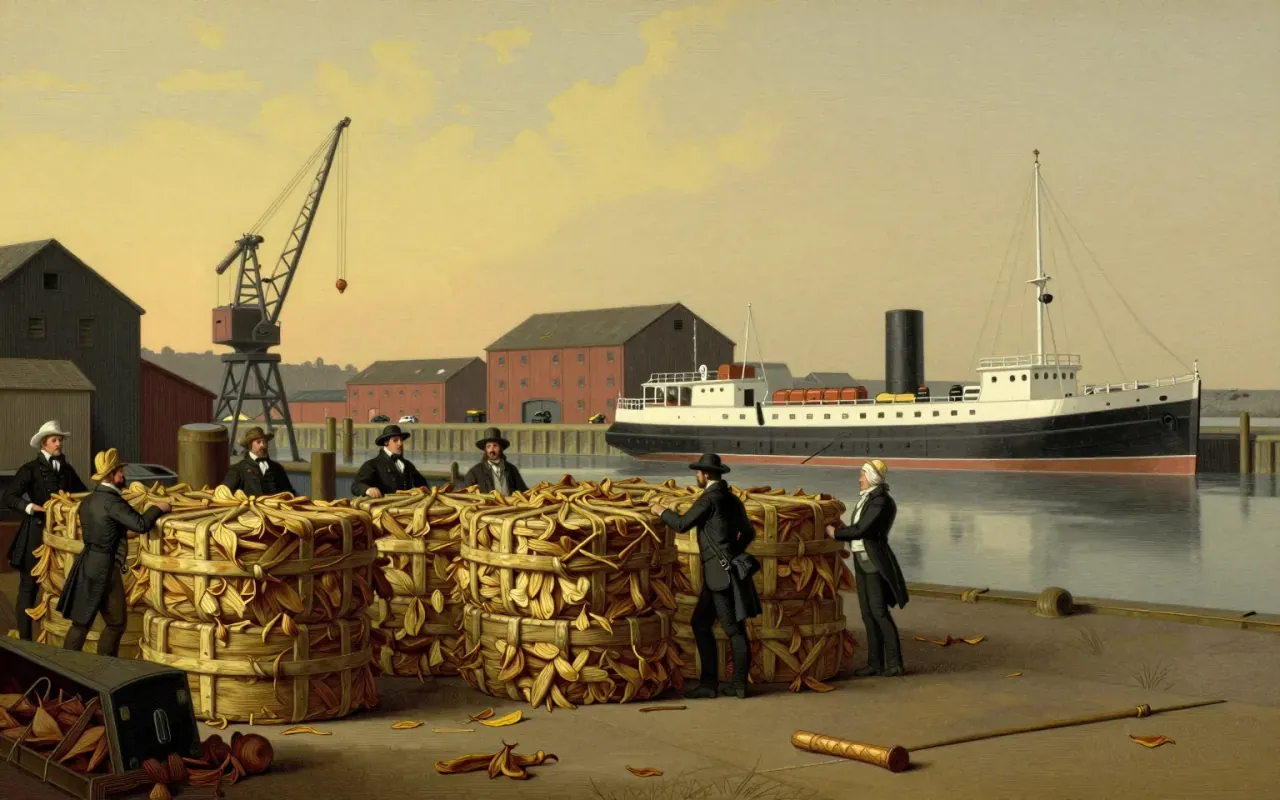
The Acts of Union 1707 followed a decade of Scottish economic disaster, most sharply the collapse of the Darien scheme, a failed colonial venture in Panama that lost the country's investors well over £150,000. Negotiators from both parliaments, thirty-one apiece, met in London through the spring and summer of 1706 and produced a twenty-five-article treaty offering Scotland a cash payment known as the Equivalent, parliamentary representation, and guaranteed protection for its church and legal system. The Scottish Parliament ratified the treaty in January 1707 by a vote of 110 to 67, with 123 of its 300 members absent, amid public opposition strong enough to produce riots in several Scottish cities and allegations, still debated, that some votes had been bought.
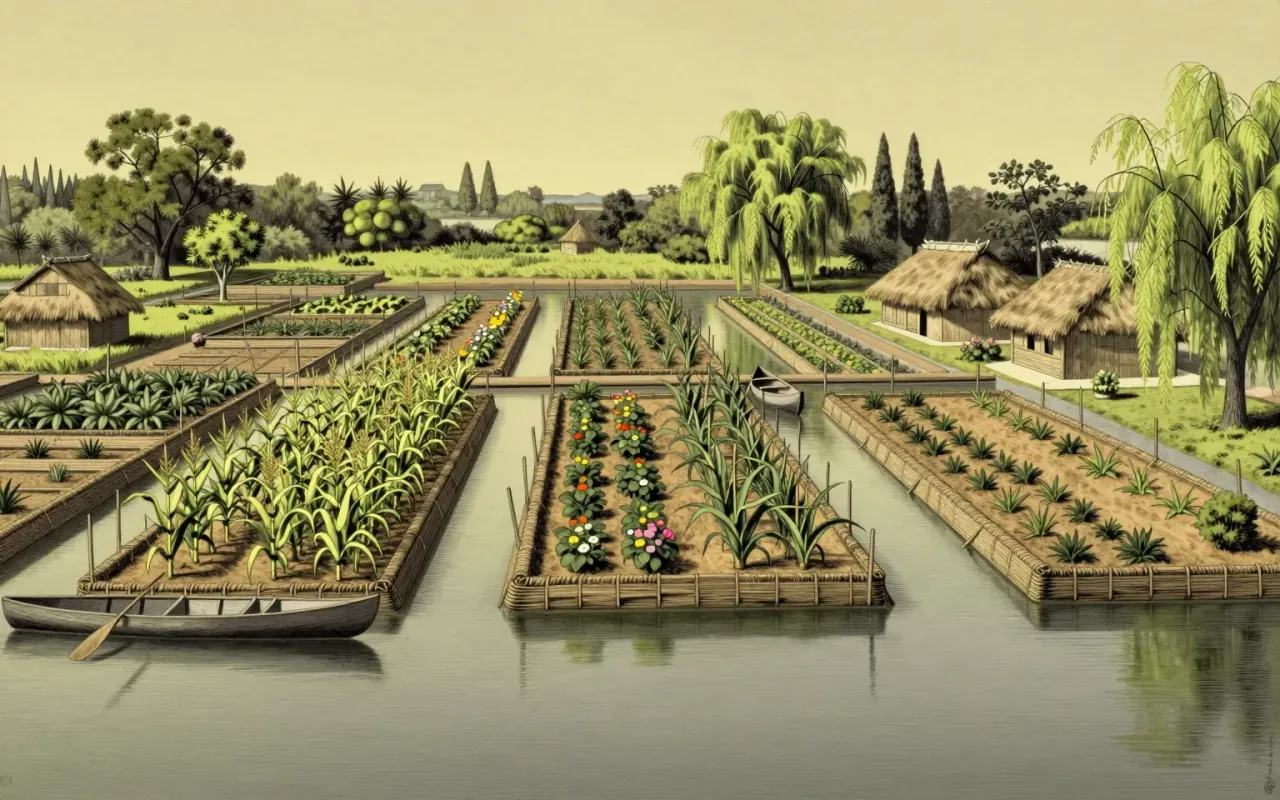
Three Nahua city-states, Tenochtitlan, Texcoco and Tlacopan, formed the Triple Alliance around 1428 after a civil war, building an empire that dominated central Mexico by the early sixteenth century before Hernán Cortés and his indigenous allies destroyed it between 1519 and 1521. Much of the empire's own documentary record may have been deliberately destroyed by one of its own administrators, leaving historians dependent on a mix of surviving pictographic codices, Spanish conquistador accounts, and archaeology to reconstruct its history.
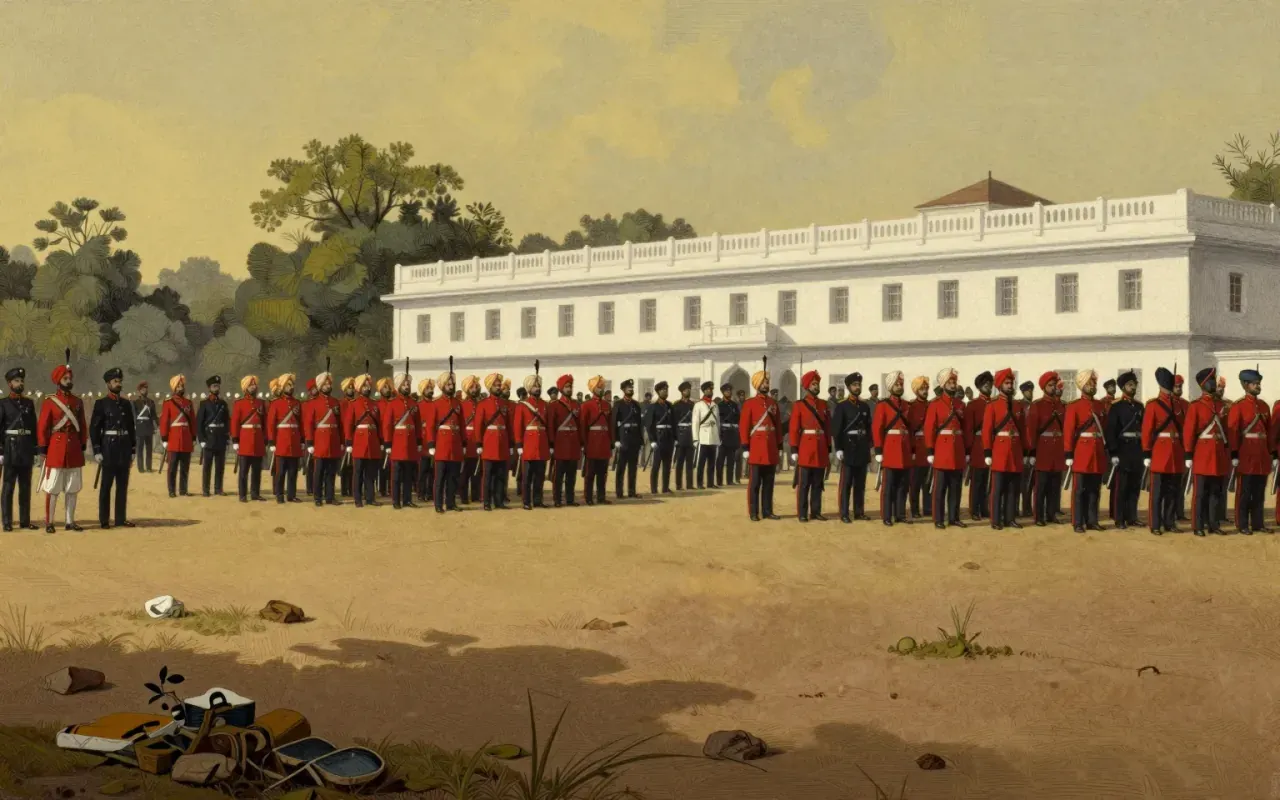
Chartered by Elizabeth I in 1600 with a monopoly on English trade east of the Cape of Good Hope, the East India Company spent its first century as a trading concern before turning, after the 1757 Battle of Plassey, into the effective ruler of large parts of India, funded by taxation of the people it governed and defended by an army that at its peak outnumbered Britain's own. Its opium trade with China, its tax policies during the Bengal famine of 1770, and its use of torture to extract revenue are all part of the documented record. The Indian Rebellion of 1857 ended Company rule outright; the Crown assumed direct control the following year, and the Company itself was formally dissolved in 1874.
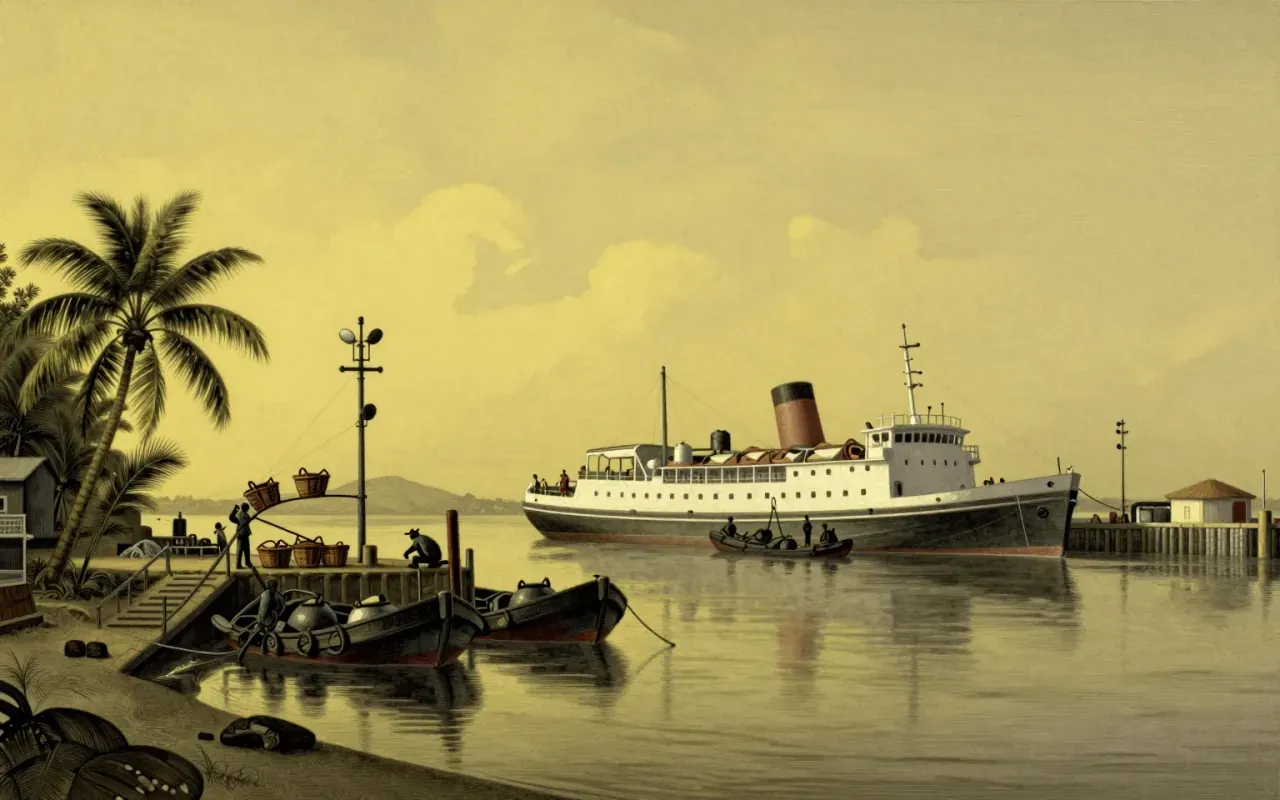
Beginning with tentative fifteenth-century voyages and expanding through Atlantic colonisation, the loss of the American colonies in 1783, and a subsequent pivot toward Asia, Africa and the Pacific, the British Empire reached its territorial peak around 1920, covering roughly 35.5 million square kilometres and governing close to a quarter of the world's population. Decolonisation accelerated after the Second World War, culminating symbolically in the 1997 handover of Hong Kong, and the empire's legacy remains genuinely disputed between its constitutional and linguistic influence and its foundational reliance on slavery, extraction and violent suppression of colonised peoples.
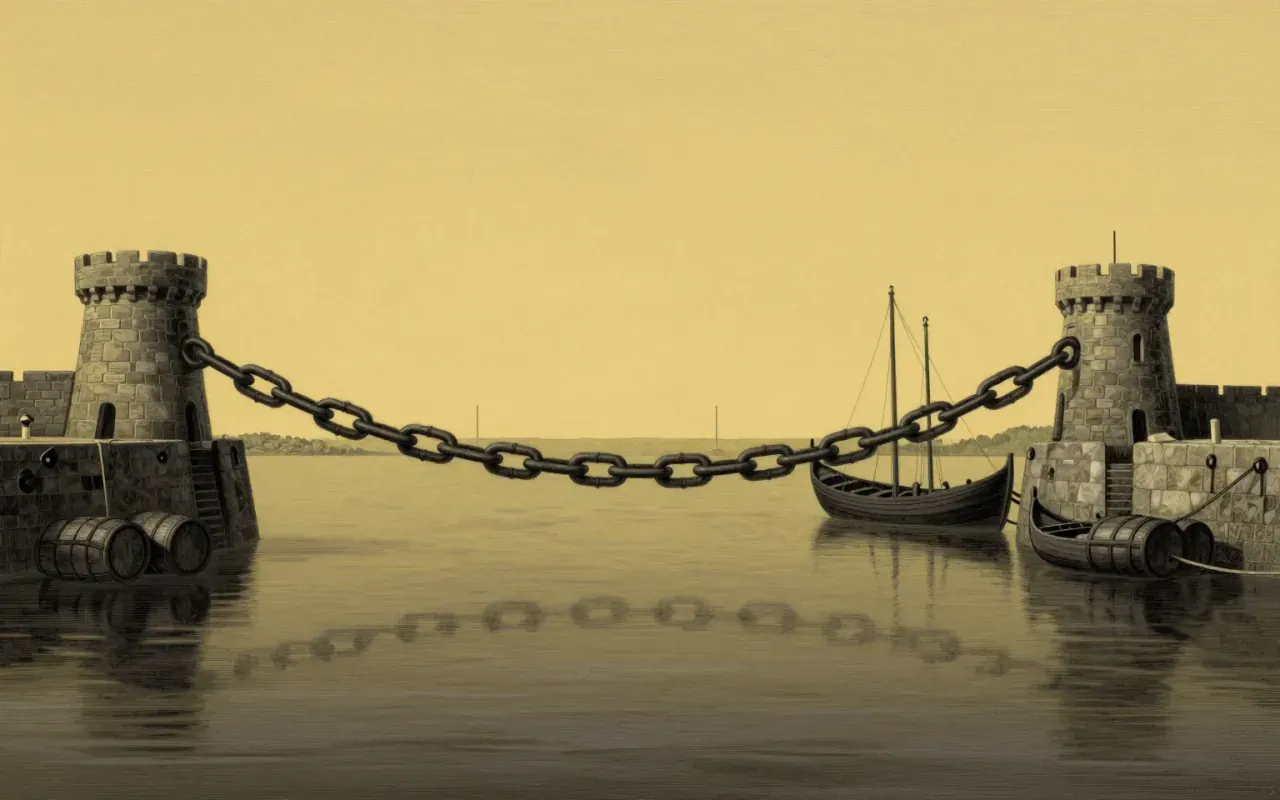
The Byzantine Empire was the continuation of the Roman state centred on Constantinople after the western empire's collapse, reaching its greatest extent under Justinian in the sixth century, surviving devastating territorial losses to Arab conquest in the seventh century, and enduring in reduced form until the Ottoman conquest of Constantinople in 1453. Historians disagree on when to date its beginning, and note that the empire's own inhabitants never called themselves Byzantine, a label applied only after the state had ceased to exist.
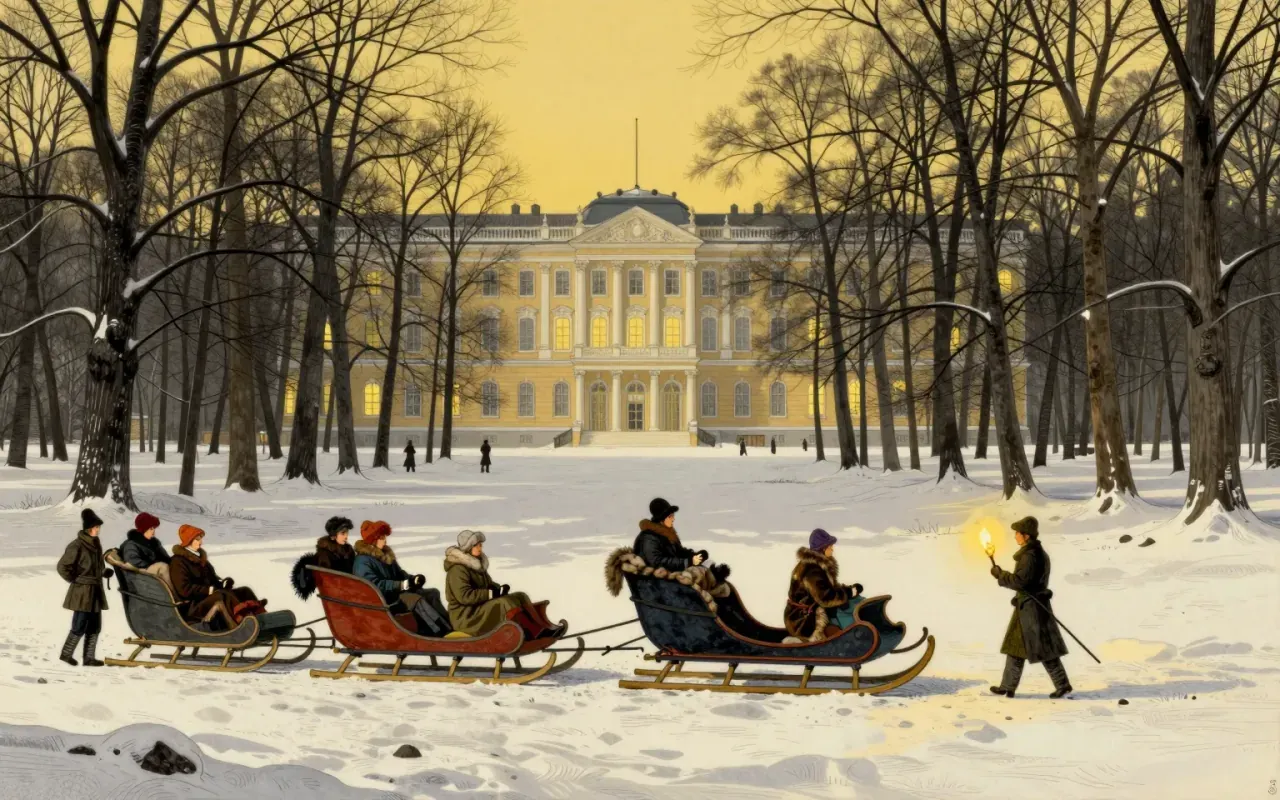
Diplomats from more than two hundred states met in Vienna from September 1814 to June 1815, redrawing Europe's map after Napoleon's defeat under the direction of Austria's Klemens von Metternich, Britain's Castlereagh, Russia's Tsar Alexander, and France's Talleyrand. Contemporaries mocked it as a congress that danced rather than worked; a century later historians remain divided on whether its conservative settlement should be credited with a long peace or blamed for suppressing the liberal and national movements that eventually broke it apart.
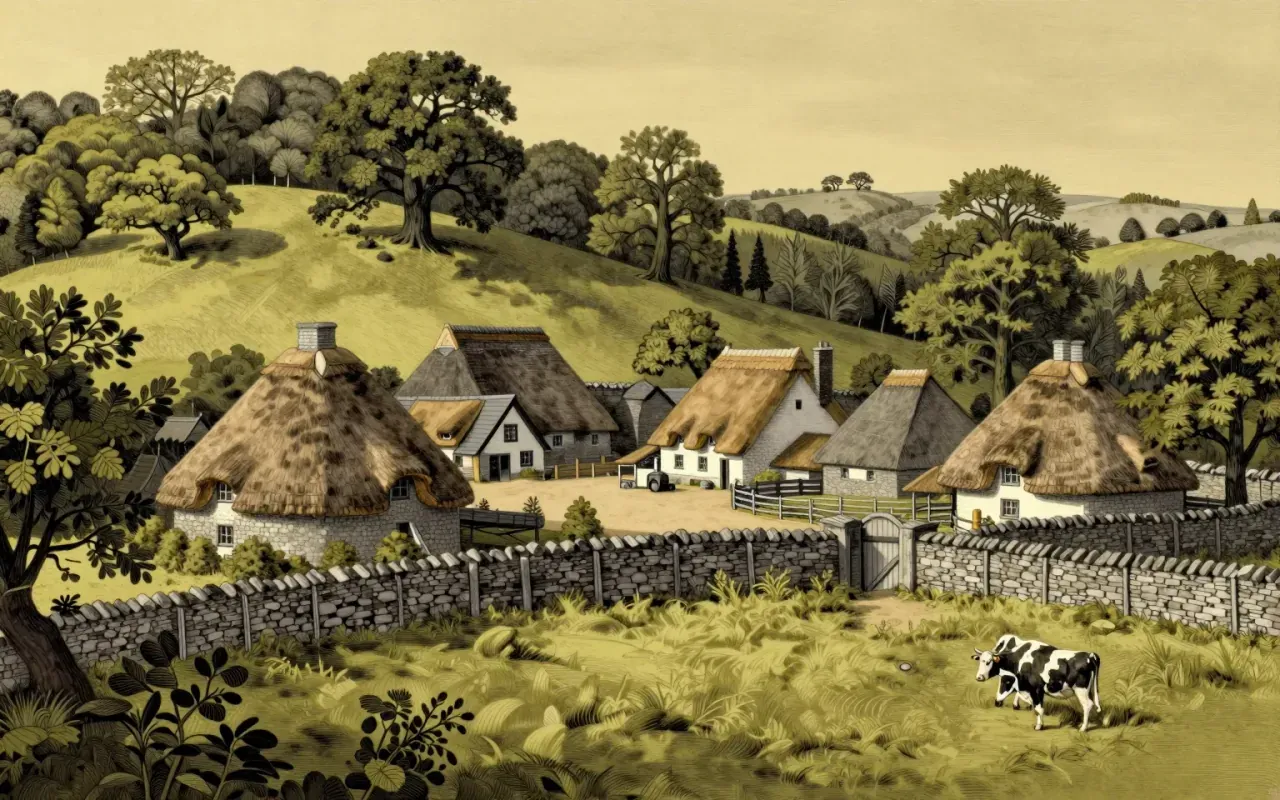
Between 58 and 50 BC, Julius Caesar subdued Gaul in a series of campaigns against Celtic and Germanic peoples, culminating in the defeat of a unified Gallic revolt under Vercingetorix at the siege of Alesia. The war's main record is Caesar's own Commentaries, written and circulated during the fighting to build his political standing at Rome, and its startling casualty figures are now treated by historians as propaganda rather than count.
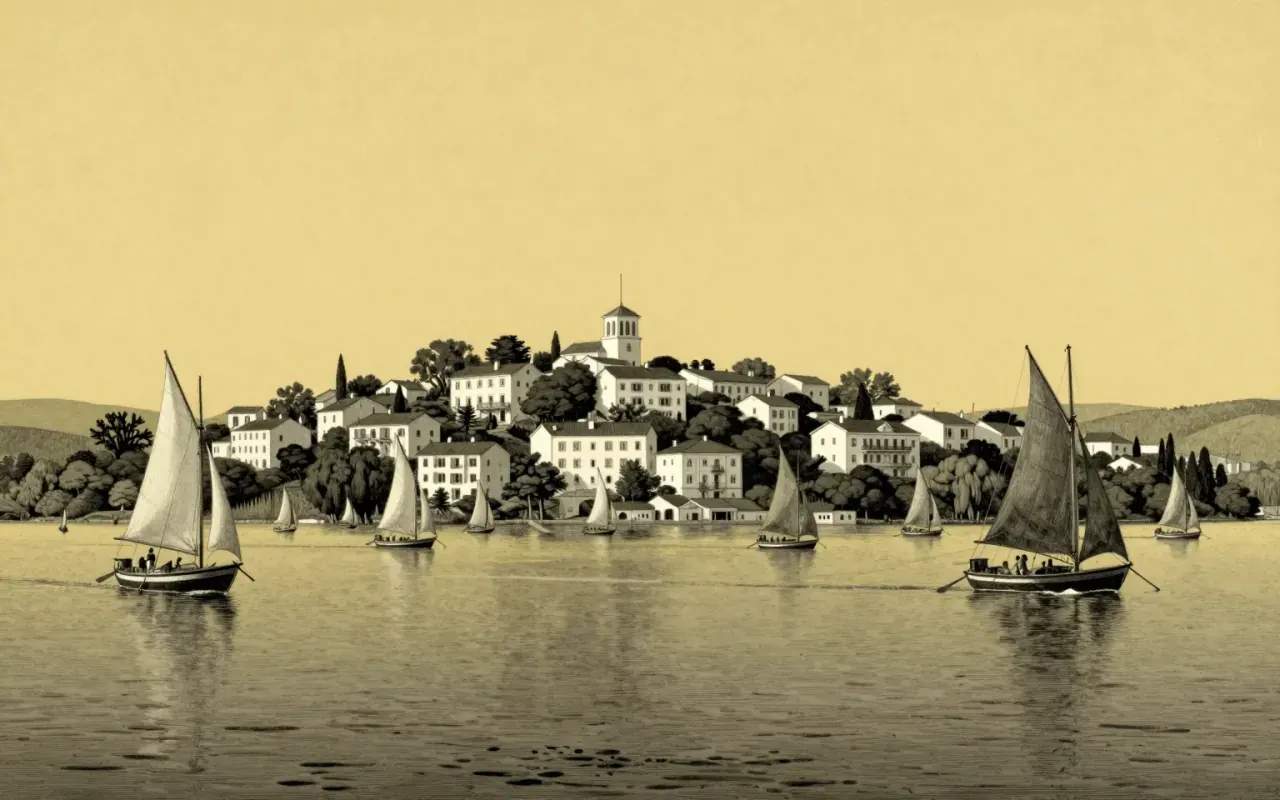
Hernan Cortes landed on the Gulf coast of Mexico in 1519 and, through alliances with Aztec tributary peoples resentful of imperial rule, marched on Tenochtitlan, where an initial peaceful reception collapsed into violence, a chaotic Spanish retreat, and a devastating smallpox epidemic before the capital finally fell after siege in August 1521. Spanish accounts dominate the surviving record, though indigenous testimony recorded after the conquest under colonial supervision offers a partial counterweight. Historians now doubt several staples of the traditional story, including the belief that Moctezuma saw Cortes as a returning god, tracing that idea only to European writing from the 1540s.
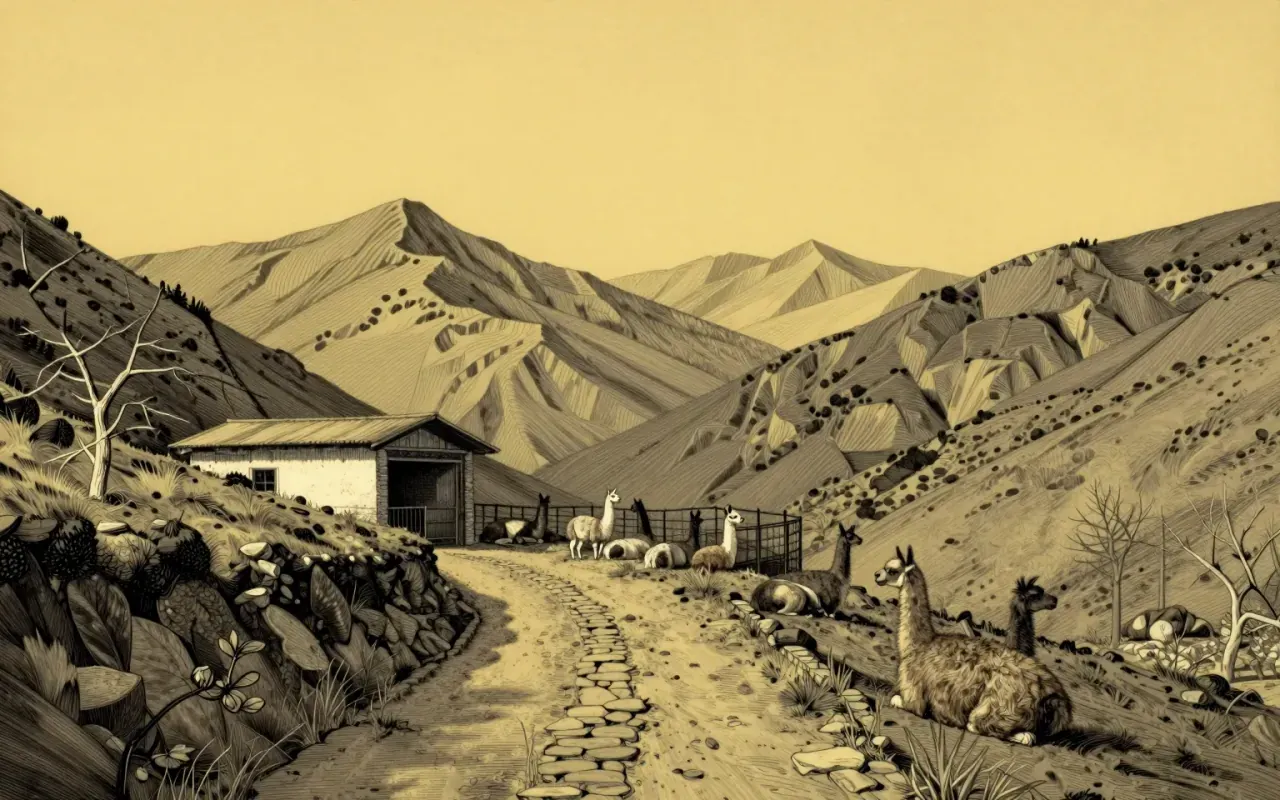
A smallpox epidemic killed the Inca emperor Huayna Capac around 1525 and triggered a civil war between his sons that was still raging when Francisco Pizarro landed with roughly a hundred and eighty men in 1532. Pizarro ambushed and captured the victorious Atahualpa at Cajamarca, collected an enormous ransom, then executed him anyway, and organised Inca resistance continued in diminishing form until 1572. Most surviving accounts derive from Spanish chroniclers, and historians still dispute how much credit for the conquest belongs to Spanish technology versus the empire's prior weakness, while disease ultimately killed far more people than any battle did.
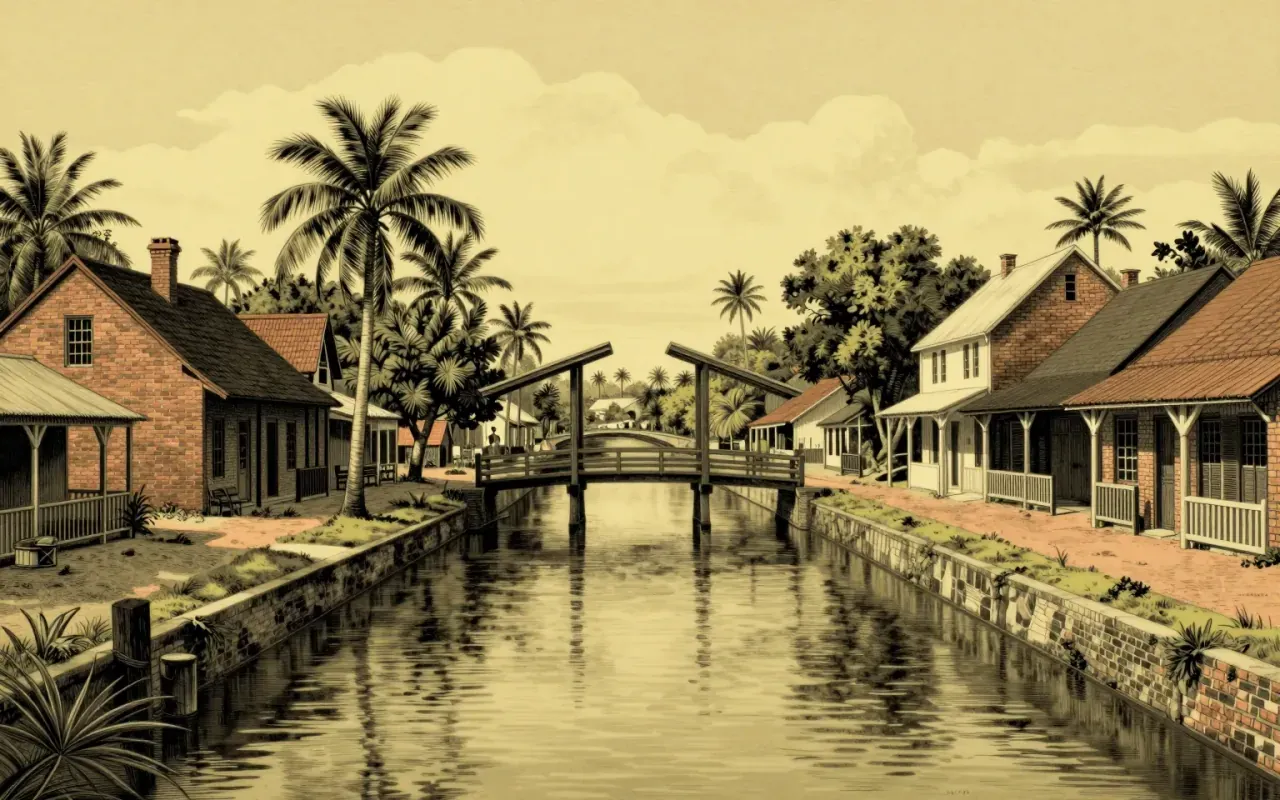
Chartered in 1602 as a state-backed merger of rival Dutch trading firms, the VOC pioneered the joint-stock company, raising capital from shareholders while holding the power to wage war, sign treaties, and mint currency. Its spice monopoly and Asian trading network made it hugely profitable for close to two centuries, but that same monopoly was enforced with documented violence, including the destruction of much of the Banda Islands' population in the 1620s. Debt, war losses, and corruption brought the company down; its charter expired in 1799, and its territories became a Dutch state colony that lasted until Indonesian independence in the twentieth century.
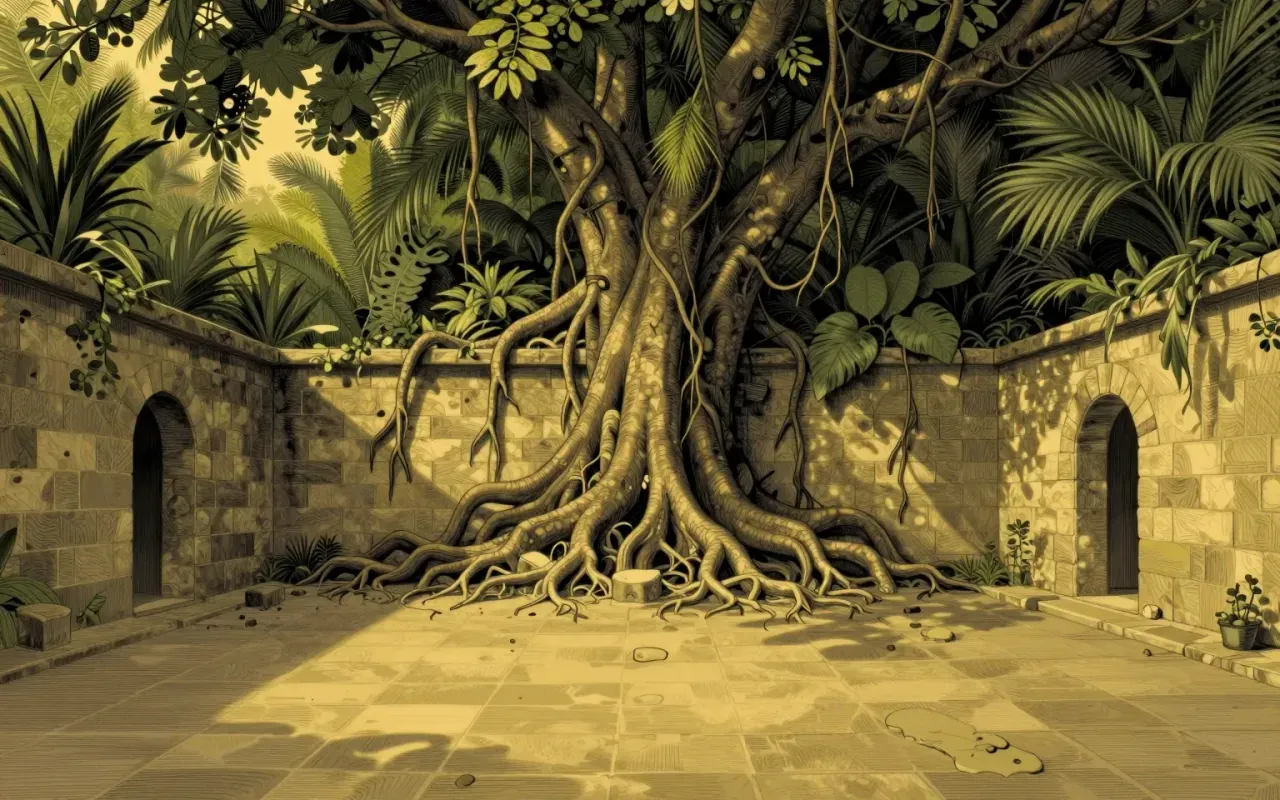
Angkor was besieged and occupied twice by the Ayutthaya kingdom before a final seven-month siege in 1430 forced the Khmer court to abandon it in 1431 for the site of modern Phnom Penh. Historians attribute the fall to some combination of military pressure, drought revealed only by modern tree-ring analysis, ecological strain from the city's own irrigation system, and a religious shift away from the older cult of divine kingship. Many temples remained in use long after the court's departure, and Sanskrit gave way gradually to Middle Khmer rather than the culture vanishing all at once.
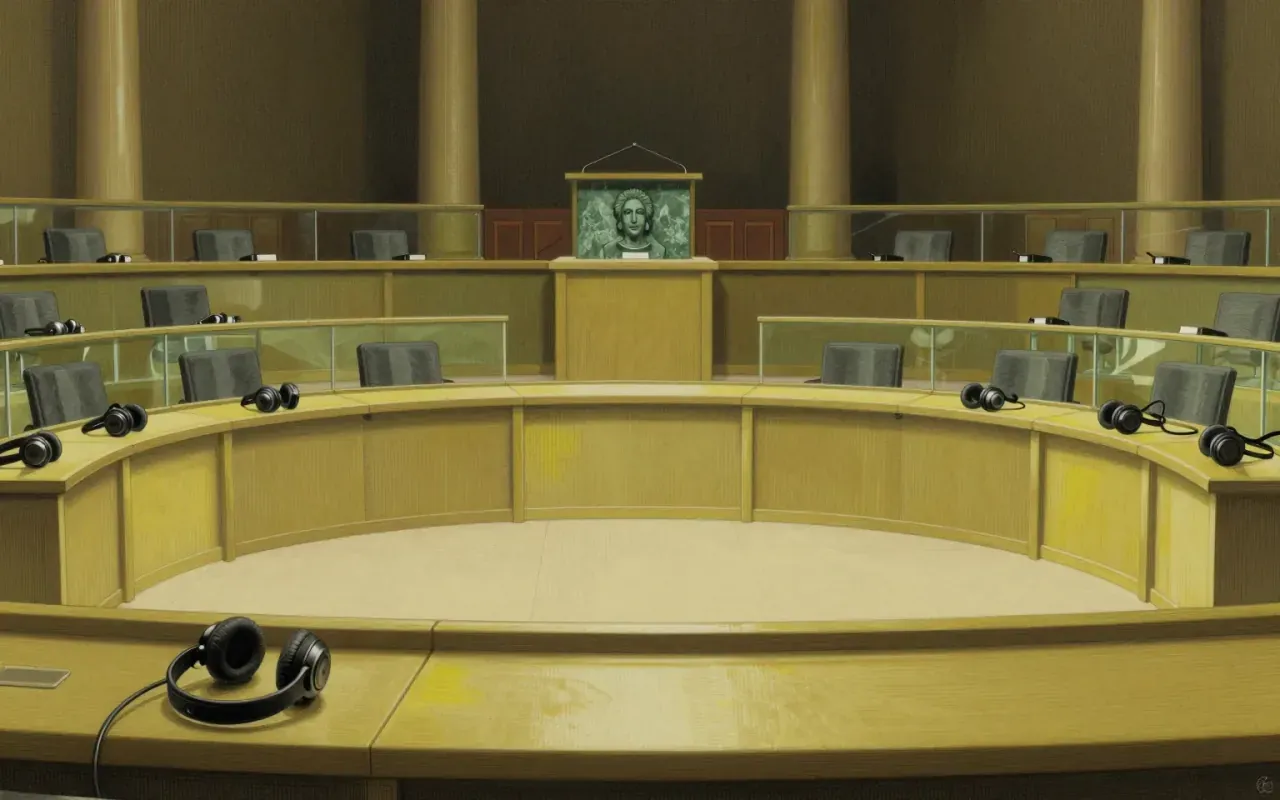
A series of wartime declarations and conferences, from the 1941 Atlantic Charter through Dumbarton Oaks and Yalta, culminated in fifty nations signing the UN Charter at the San Francisco Conference in June 1945, formally establishing the organisation that October. Franklin Roosevelt's vision of great-power cooperation, embedded in the Security Council's veto structure, was designed around wartime Allied unity that had already begun fracturing into Cold War division before the ink on the Charter had properly dried.
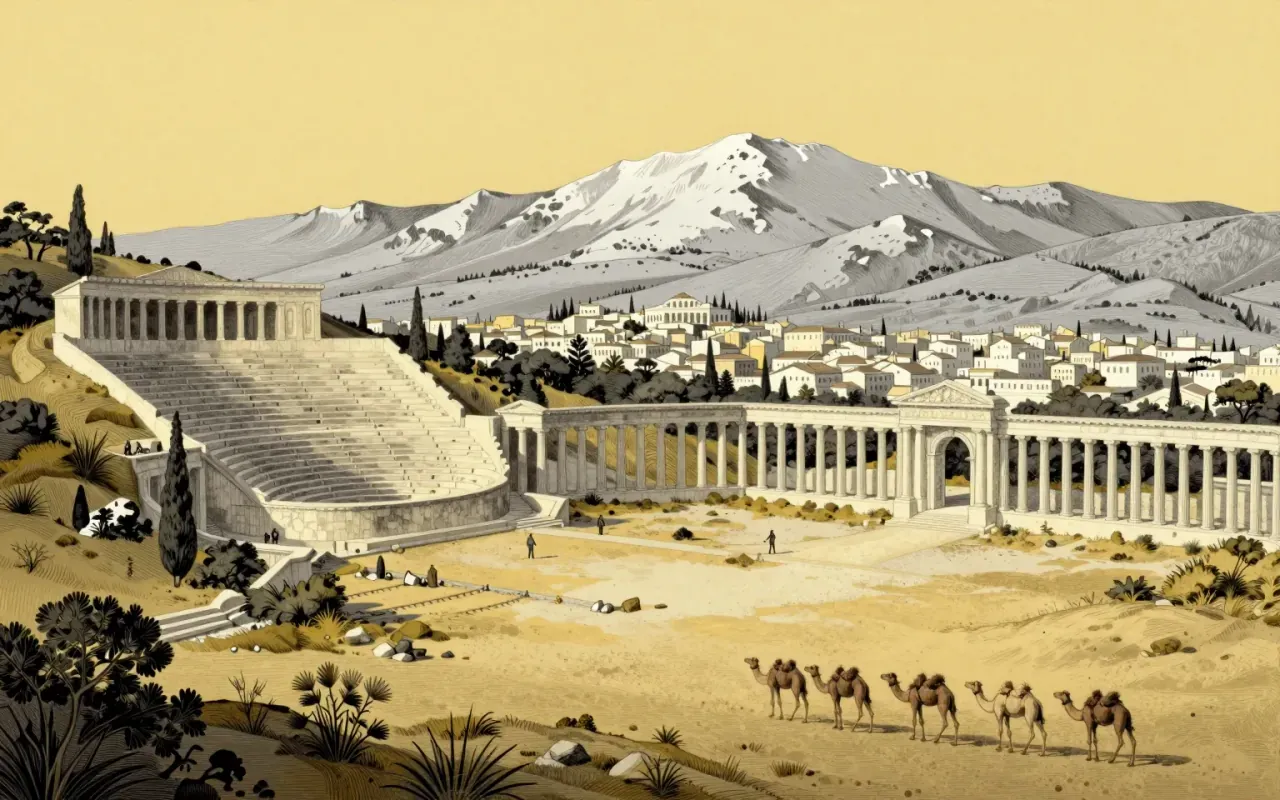
The Hellenistic period runs conventionally from Alexander's death in 323 BC to Cleopatra VII's death in 30 BC, spanning the successor kingdoms, Ptolemaic Egypt, the Seleucid realm and Macedon among them, that emerged from the wars fought among his former generals. It was a period of active scholarship and cultural mixing, producing figures such as Euclid and Archimedes and blending Greek culture with Egyptian, Persian and other local traditions, before Rome absorbed the last of the successor states.
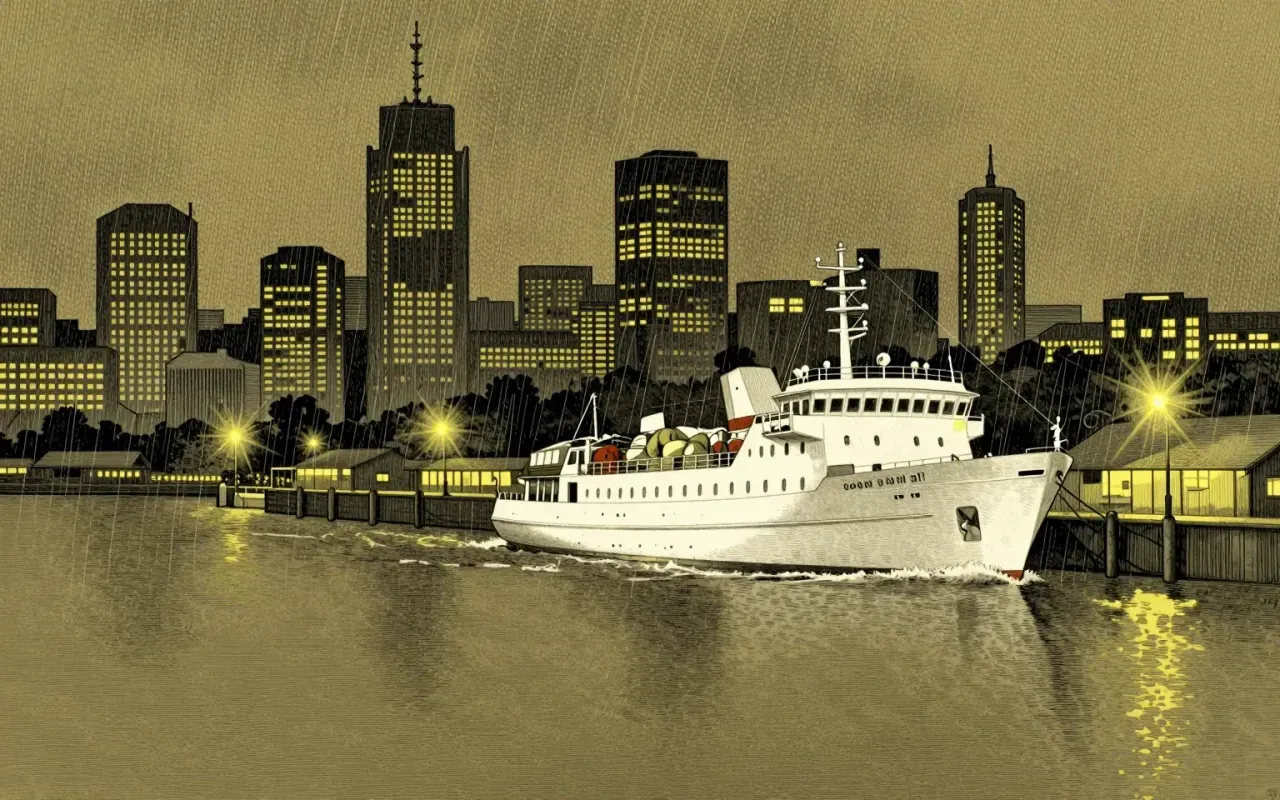
A 99-year lease on Hong Kong's New Territories, set to expire in 1997, forced Britain and China into negotiations that produced the 1984 Sino-British Joint Declaration and its promise of one country, two systems. The handover ceremony on 1 July 1997 transferred sovereignty to China with guarantees of autonomy meant to last fifty years, guarantees that Britain now says China has broken and China says no longer carry any legal force at all.
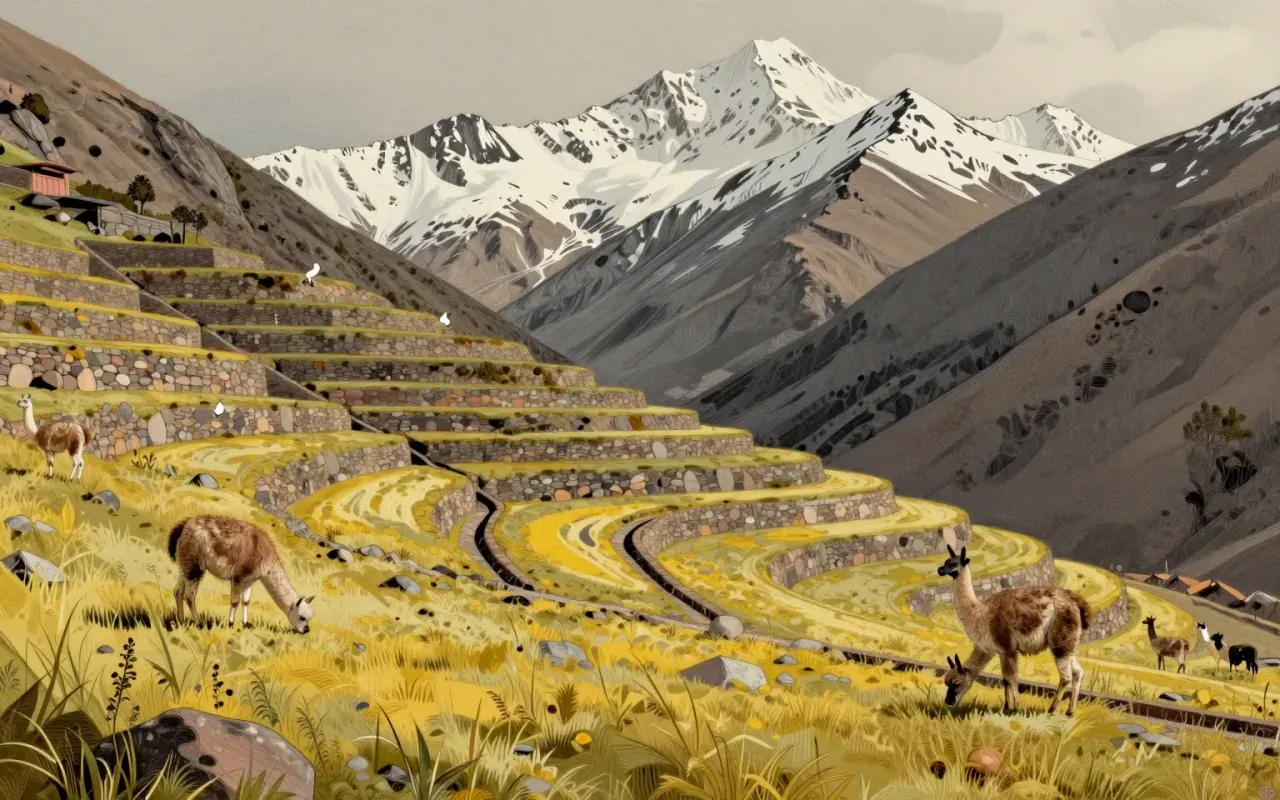
The Inca state took its imperial form as Tawantinsuyu under Pachacuti from 1438, expanding under his successors to become the largest pre-Columbian empire in the Americas by the 1520s, governed through knotted-cord records called khipu that later generations lost the ability to read. Francisco Pizarro's small Spanish force captured the emperor Atahualpa in 1532 amid an Inca civil war, and though resistance continued under a rump Neo-Inca State until 1572, disease and conquest together killed a population historians can now only estimate in the millions.
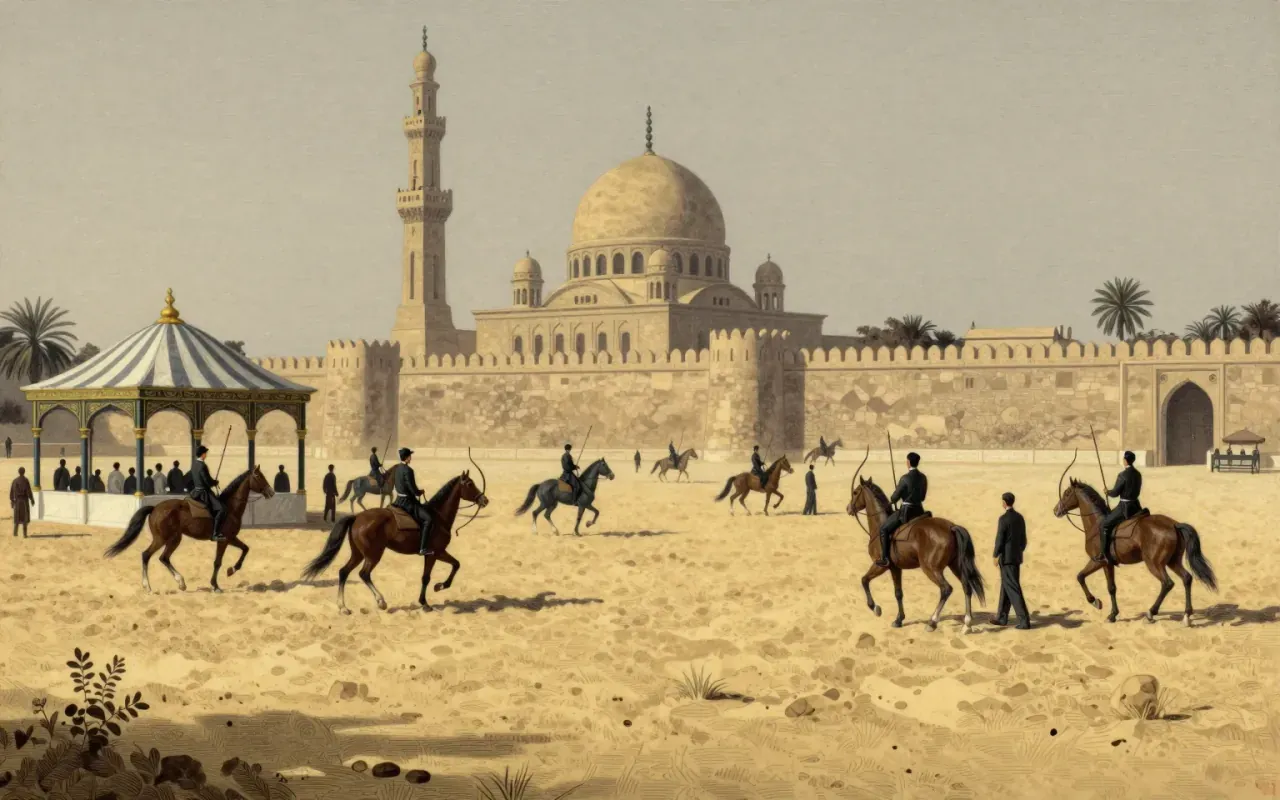
The Mamluk Sultanate began in 1250 when slave soldiers overthrew the Ayyubid dynasty in Egypt, installing a system of governance in which power passed largely by military promotion rather than inheritance. Mamluk forces stopped the Mongol advance at Ain Jalut in 1260 and cleared the last Crusader strongholds from the Levant by 1291, but the Black Death of 1347 and 1348 hit the sultanate's population and finances hard, and its Burji-era rulers failed to match Ottoman adoption of firearms. Ottoman Sultan Selim I conquered Cairo in January 1517, ending 267 years of Mamluk rule and inheriting the caliphate along with it.
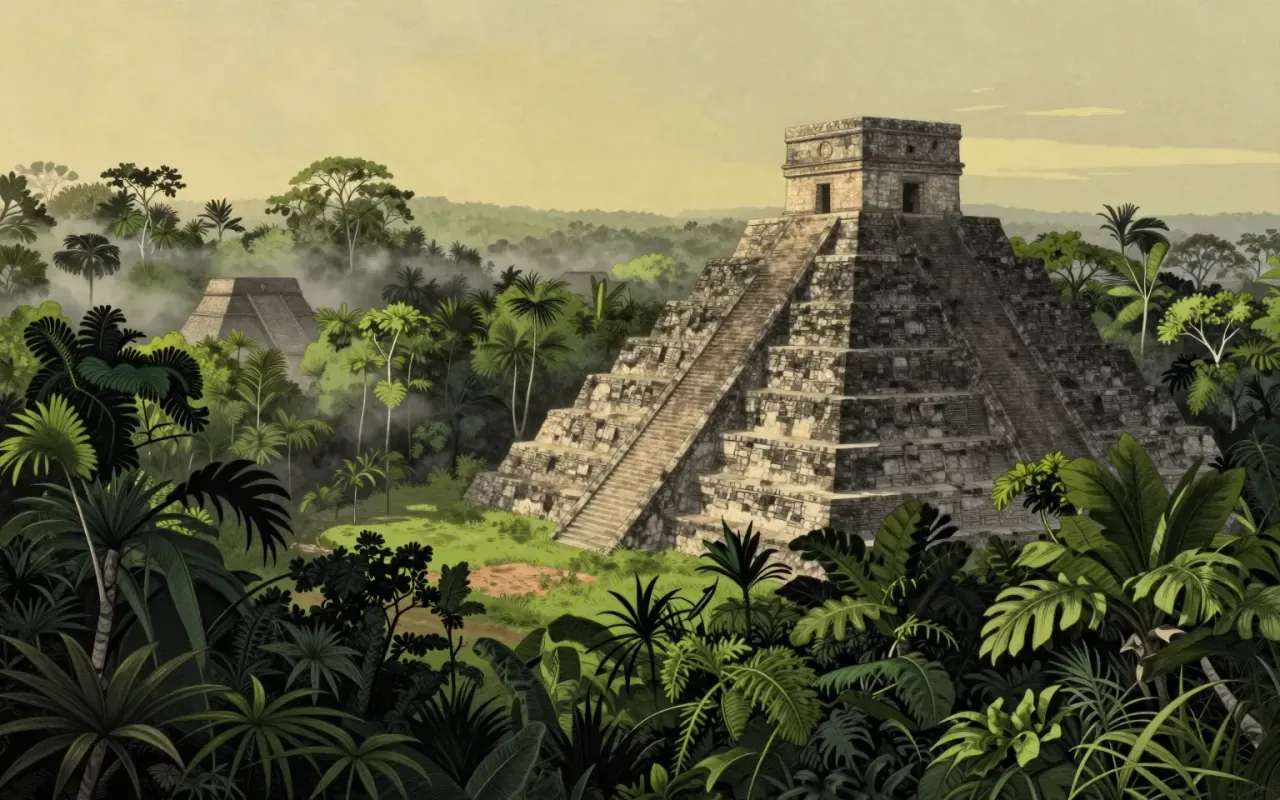
Maya civilisation developed across roughly two thousand years, from early farming settlements around 2000 BC through a Classic period of competing city-states between about 250 and 900, a still-unexplained ninth-century decline, and a Postclassic phase that lasted until Spanish conquest reached the last independent stronghold in 1697. Only three Maya codices survived the conquest, so much of what is known comes from decoded hieroglyphic inscriptions and archaeology, and no single explanation for the Classic collapse commands agreement among historians.
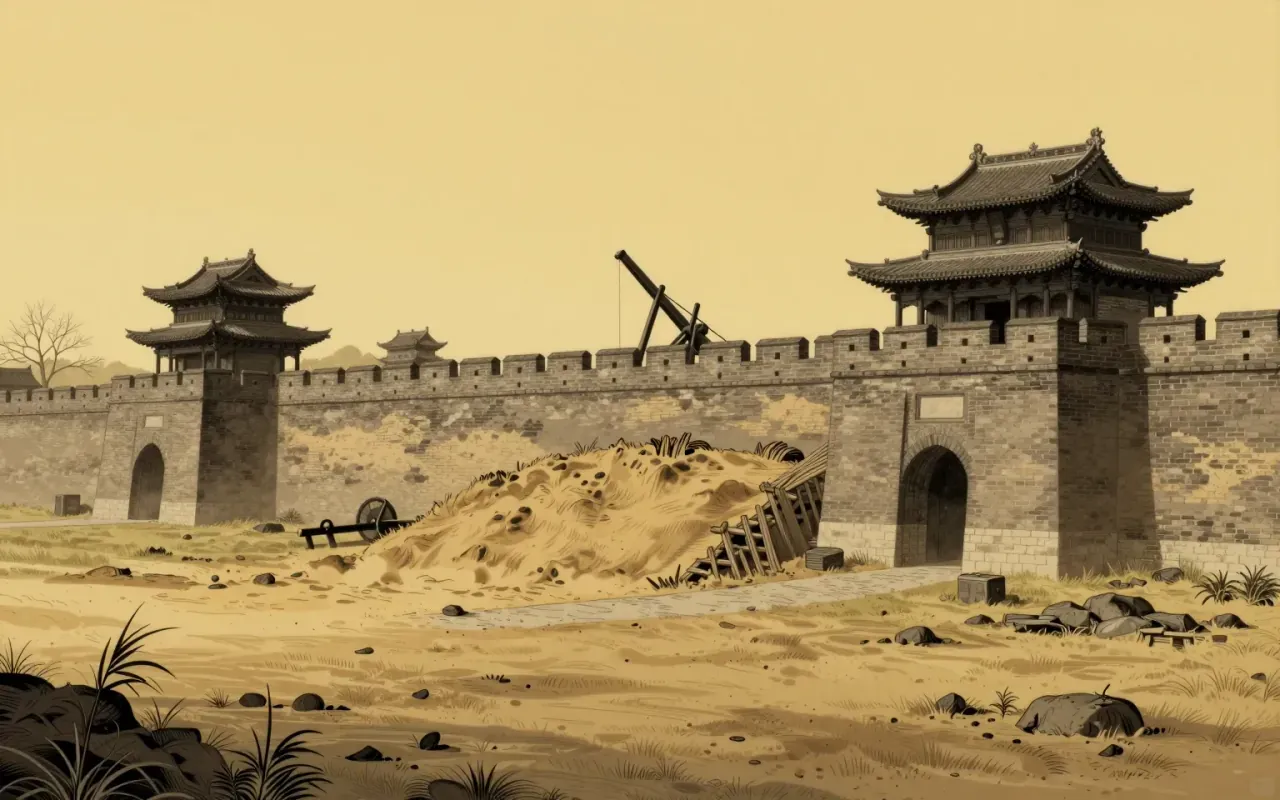
Founded when Temüjin was proclaimed Genghis Khan in 1206, the Mongol Empire expanded within a century to cover roughly 23.5 million square kilometres from the Pacific to Eastern Europe, the largest contiguous empire in recorded history, before splitting after 1260 into four khanates that followed separate paths. Its history is documented through Mongolian, Chinese and Persian chronicles composed at different distances from events and with different loyalties, and historians still debate what actually caused its rapid fragmentation.
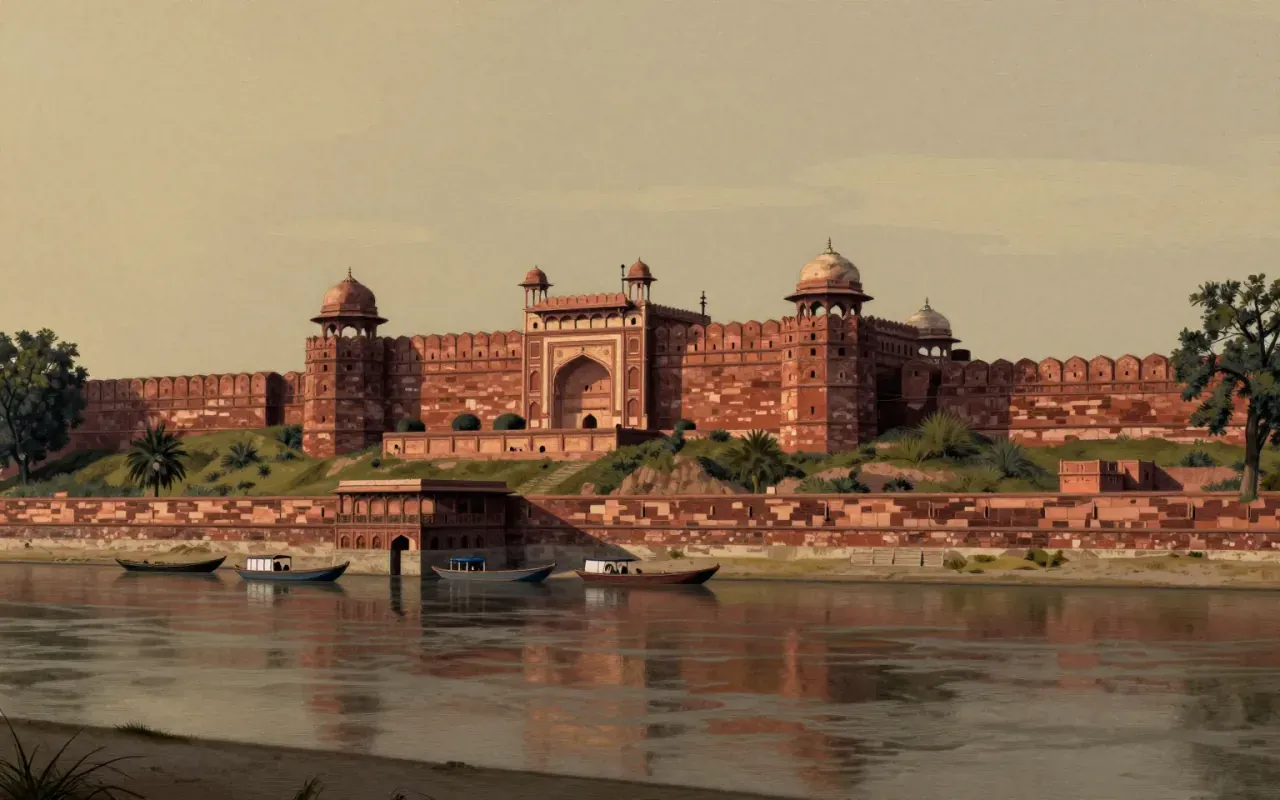
Founded in 1526 when Babur defeated the Delhi Sultanate's forces at Panipat, the Mughal Empire expanded across most of the Indian subcontinent, reaching its greatest territorial extent under Aurangzeb in the late seventeenth century before fragmenting rapidly after his death and formally ending with the deposition of its last emperor following the 1857 uprising. Historians still debate how religiously tolerant or intolerant various emperors actually were, how urbanised Mughal India really was compared with contemporary Europe, and even what to call the dynasty itself.
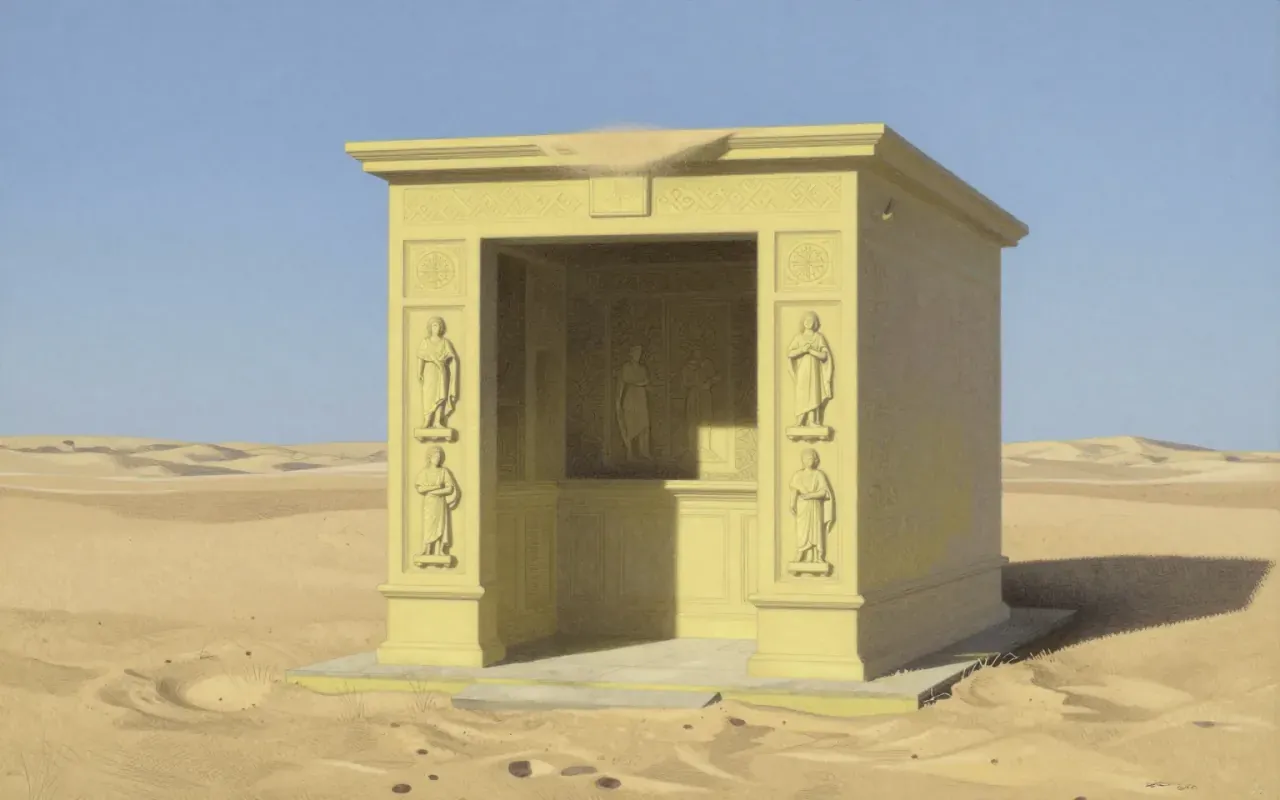

Founded around 1299 by the Turkoman leader Osman I and expanded over the following two and a half centuries into a state spanning Southeastern Europe, West Asia and North Africa, the Ottoman Empire reached its territorial peak under Suleiman the Magnificent in the sixteenth century before undergoing a long process of institutional adaptation that older historiography mischaracterised as straightforward decline. It survived until the aftermath of the First World War, when military defeat, genocide against Armenians, Assyrians and Greeks, and the Turkish War of Independence led to the sultanate's abolition in 1922 and the caliphate's in 1924.
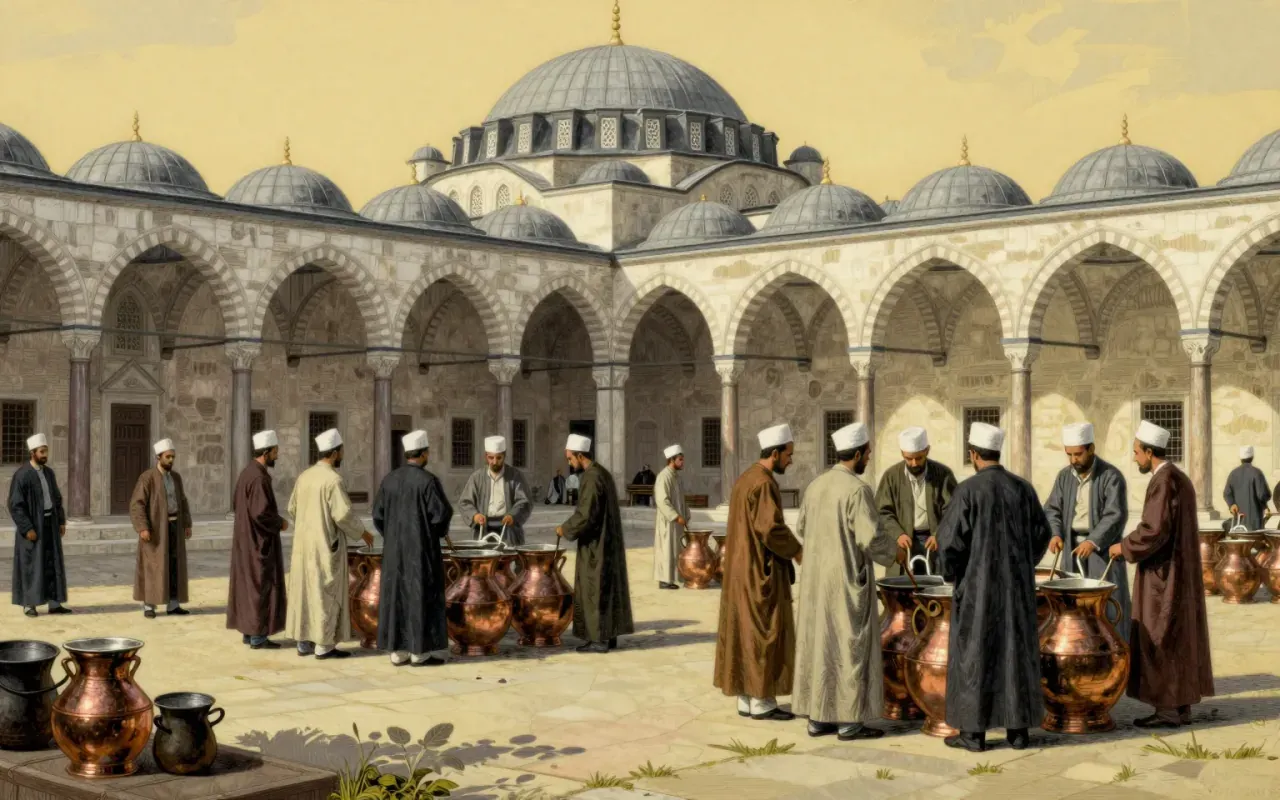
Founded in the fourteenth century as the Ottoman sultan's personal infantry, the Janissary corps was filled for nearly three centuries through the devshirme, a periodic levy of Christian boys from the Balkans who were converted, trained, and bound to lifelong service. Their early adoption of firearms made them one of the first true gunpowder infantry forces in the world, but by the seventeenth century the corps had opened membership to hereditary recruits, taken up trade and property, and turned repeatedly on the sultans who depended on it. Sultan Mahmud II finally destroyed the institution in 1826, in an episode still known as the Auspicious Incident.
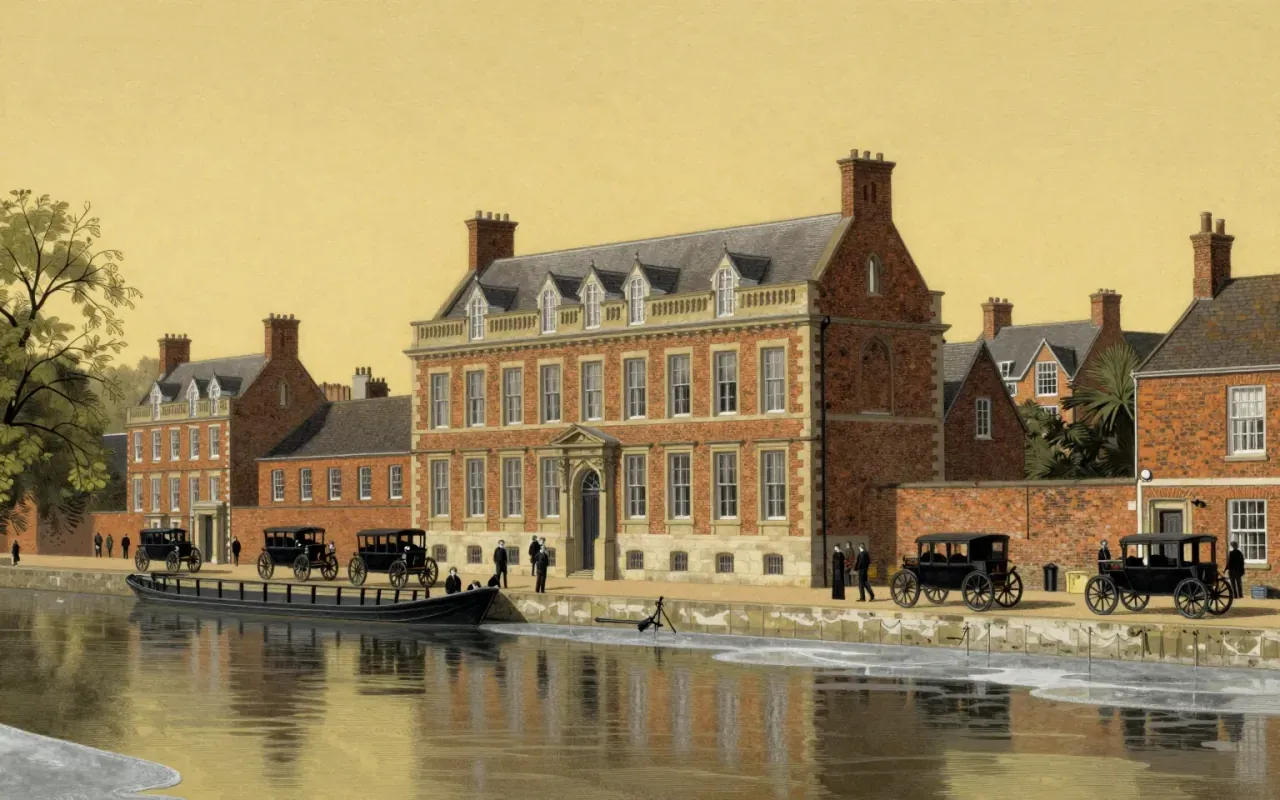
Twenty separate treaties, negotiated at Utrecht between 1712 and 1715, ended the War of the Spanish Succession by confirming Philip V as Spain's king while barring any future union of the French and Spanish crowns. Britain emerged with Gibraltar, Minorca, Canadian territory and a lucrative slave-trading monopoly, cementing its naval and commercial rise even as historian Brendan Simms has argued the settlement addressed France's past threat rather than the Spanish Mediterranean ambitions that would trouble Europe next.
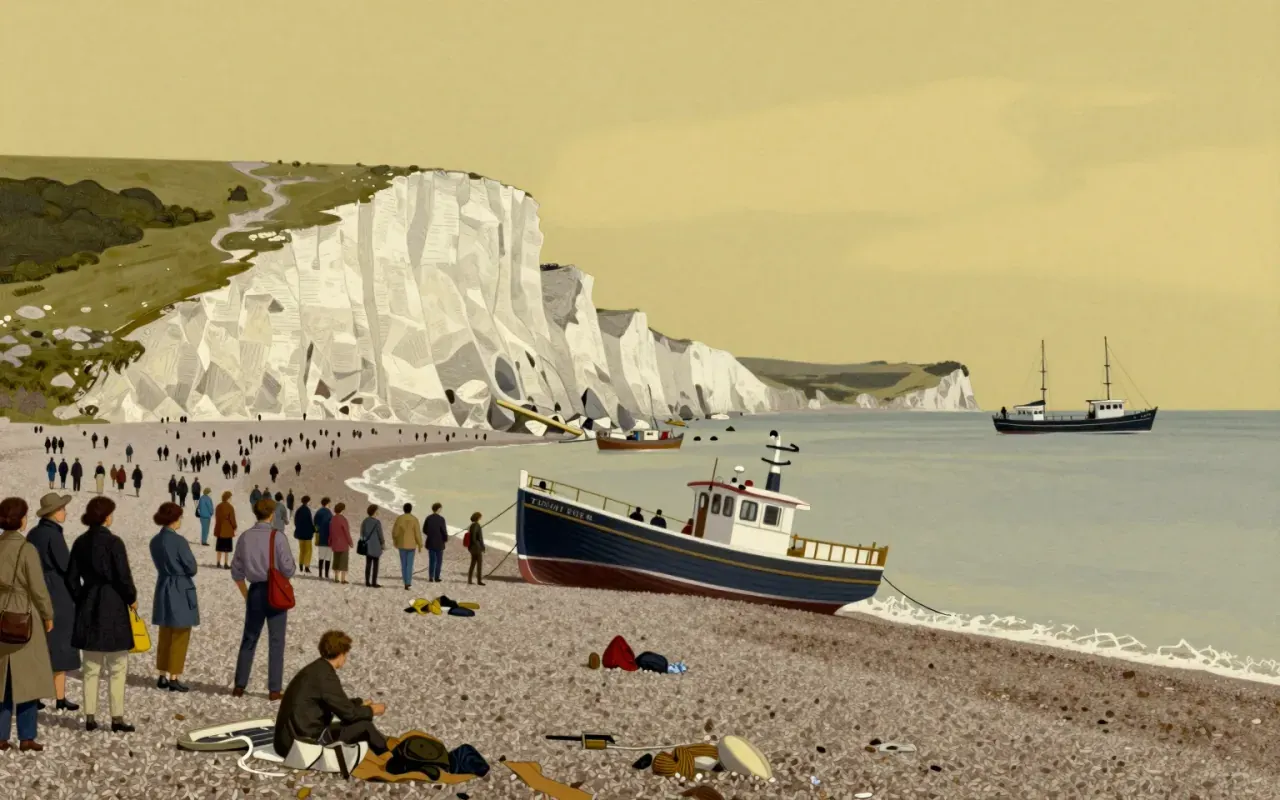
After Richard Cromwell's protectorate collapsed, General George Monck's march on London opened the way for Charles II's return in May 1660, restoring the monarchy under a settlement that pardoned most former opponents while executing ten of the surviving regicides. Historians generally describe the Restoration as an act of constitutional continuity rather than revolutionary rupture, even though acceptance was neither universal nor immediate across the country.
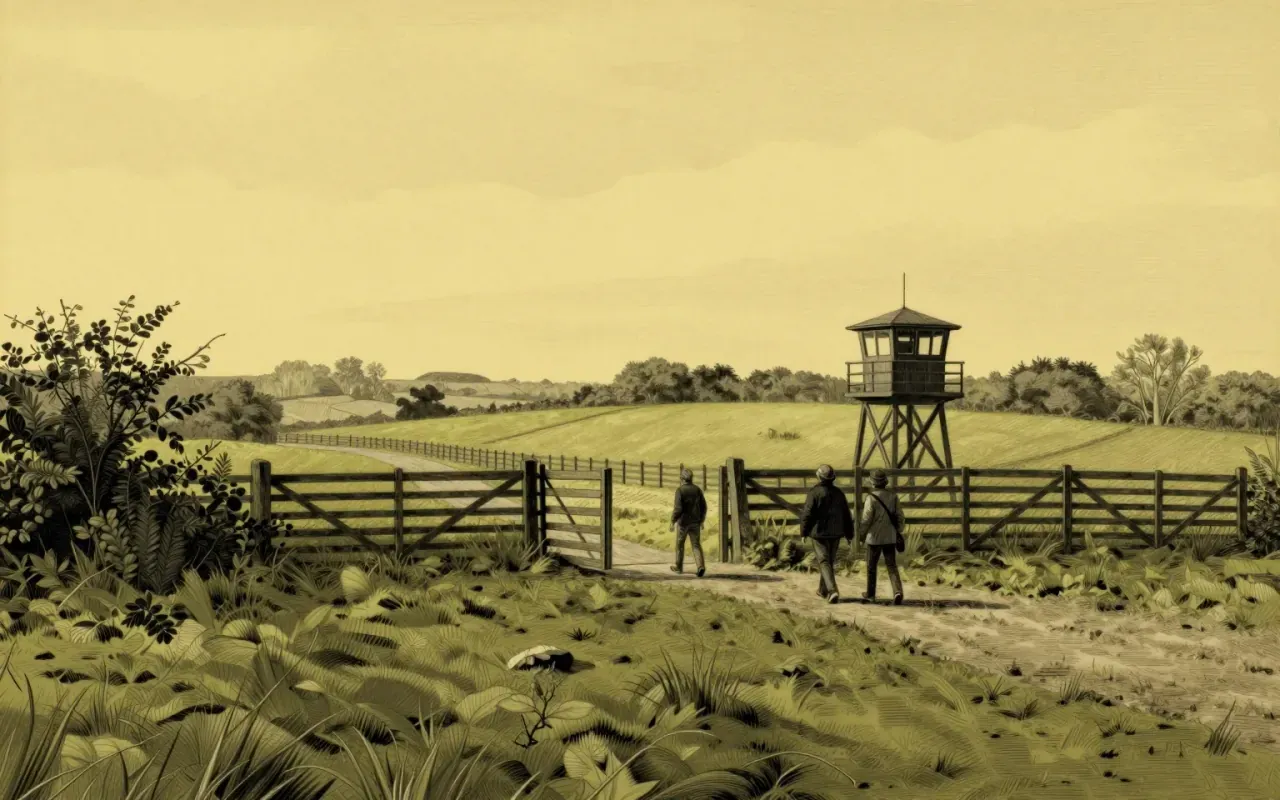
East Germany's parliament voted in August 1990 to dissolve itself and accede to the Federal Republic under Article 23 of the West German constitution, completing formal reunification on 3 October after the Two Plus Four Treaty secured Allied agreement to full German sovereignty and NATO membership. The process, compressed into roughly six months once East Germany's first free elections opened the way, is remembered by most as reunification, though some analysts and politicians have described it in the more contested language of annexation given how completely West Germany's institutions simply absorbed the East.
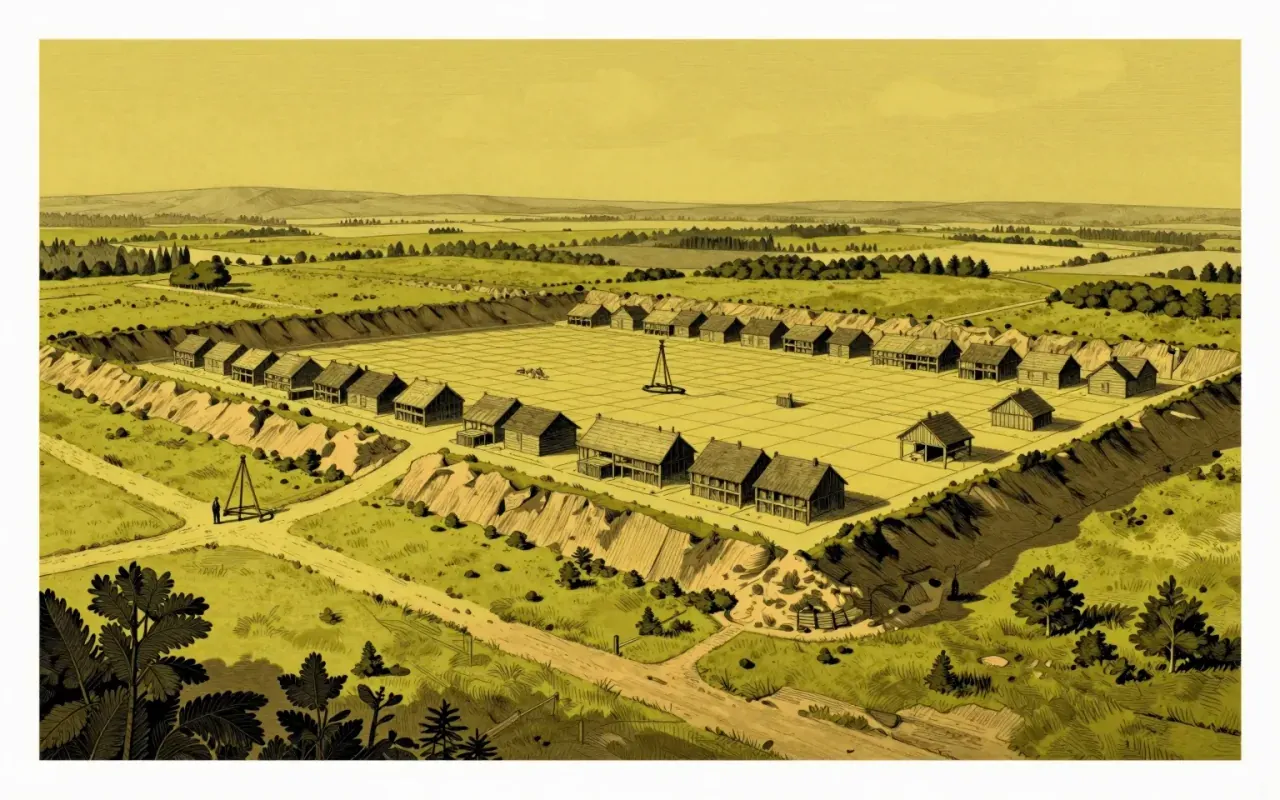
Between the traditional founding date of 753 BC and the completion of Roman rule over the Italian peninsula by the third century BC, Rome expanded from a small Latin settlement into the dominant power in Italy through a sequence of wars against the Latins, Samnites and Greek colonies in the south. The literary record for the earliest centuries, chiefly Livy, is now generally regarded by historians as unreliable in its detail and partly legendary, growing steadily more trustworthy from the fourth century BC onward.
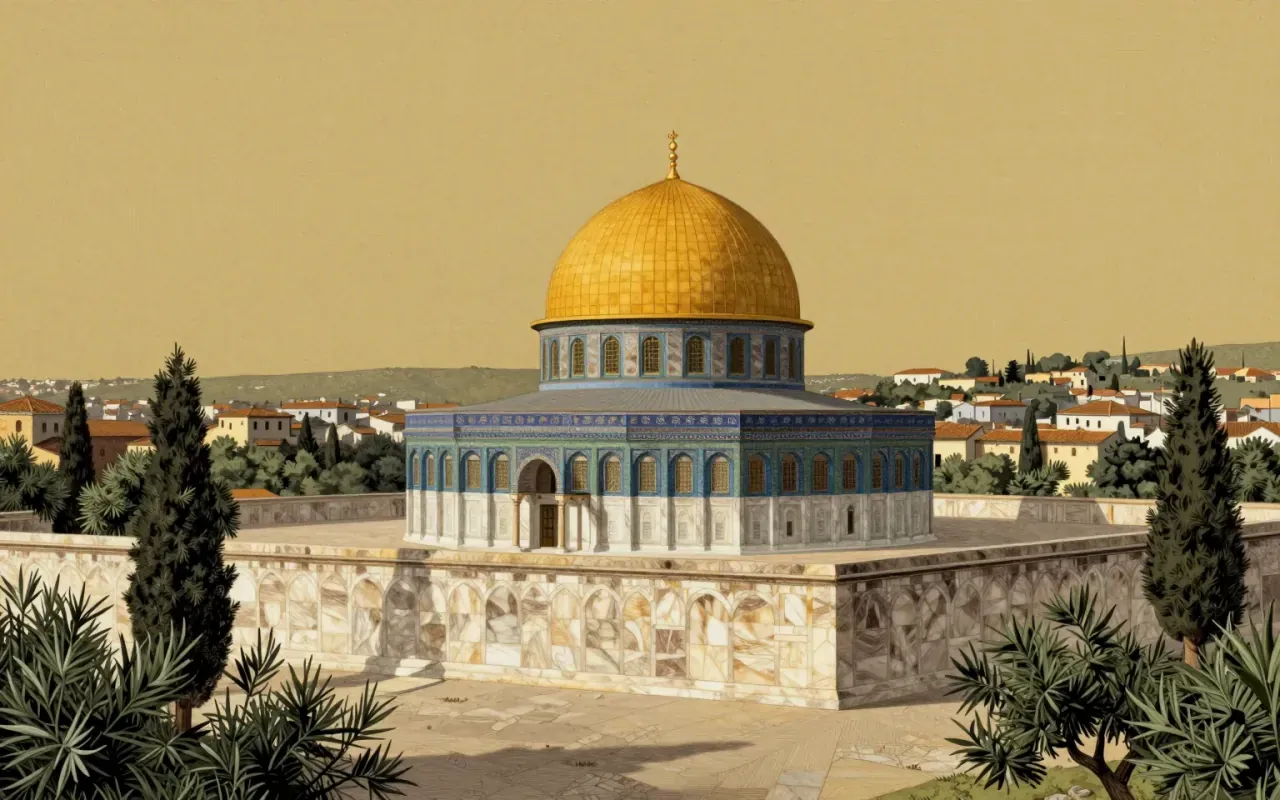
After Ali's assassination ended years of civil war in 661, the Syrian governor Muawiya secured the caliphate through political patience and a well-organised private army rather than religious authority, then broke precedent by nominating his own son as hereditary successor. Later Umayyad caliphs expanded the empire to its greatest extent before the dynasty was overthrown by the Abbasids in 750. Much of the surviving historical record was compiled under that successor dynasty, giving Muslim historiography clear incentive to emphasise Umayyad injustice over administrative achievement, a bias historians now correct using coins, inscriptions and rarer outside sources.
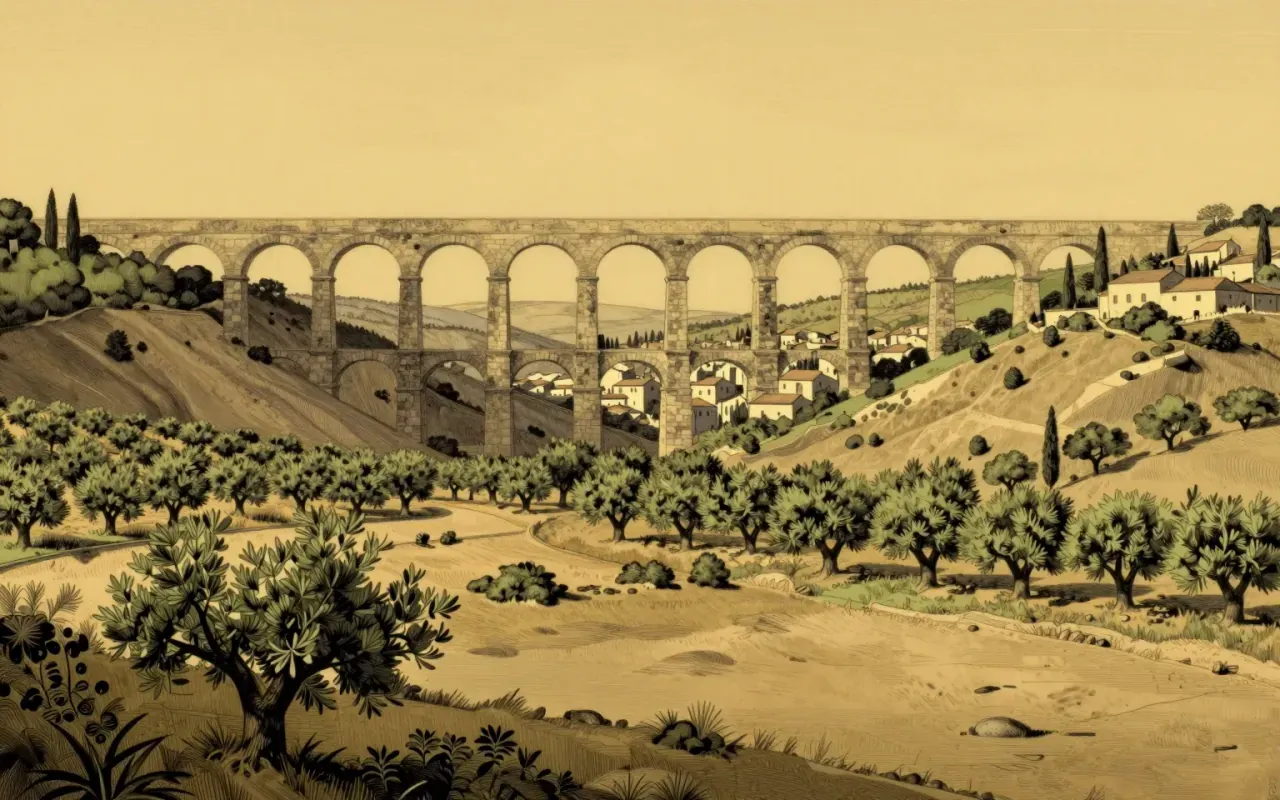
The Roman Empire began in 27 BC when the Senate granted Octavian the title Augustus, and grew to its greatest territorial extent under Trajan around 117 AD before a third-century crisis of civil war and invasion forced administrative reform under Diocletian and Constantine. It split into western and eastern halves, of which the western collapsed in 476 while the eastern, Byzantine half continued for another millennium. Historians differ over whether to treat the empire's later centuries as decline, as Edward Gibbon argued, or as gradual transformation.
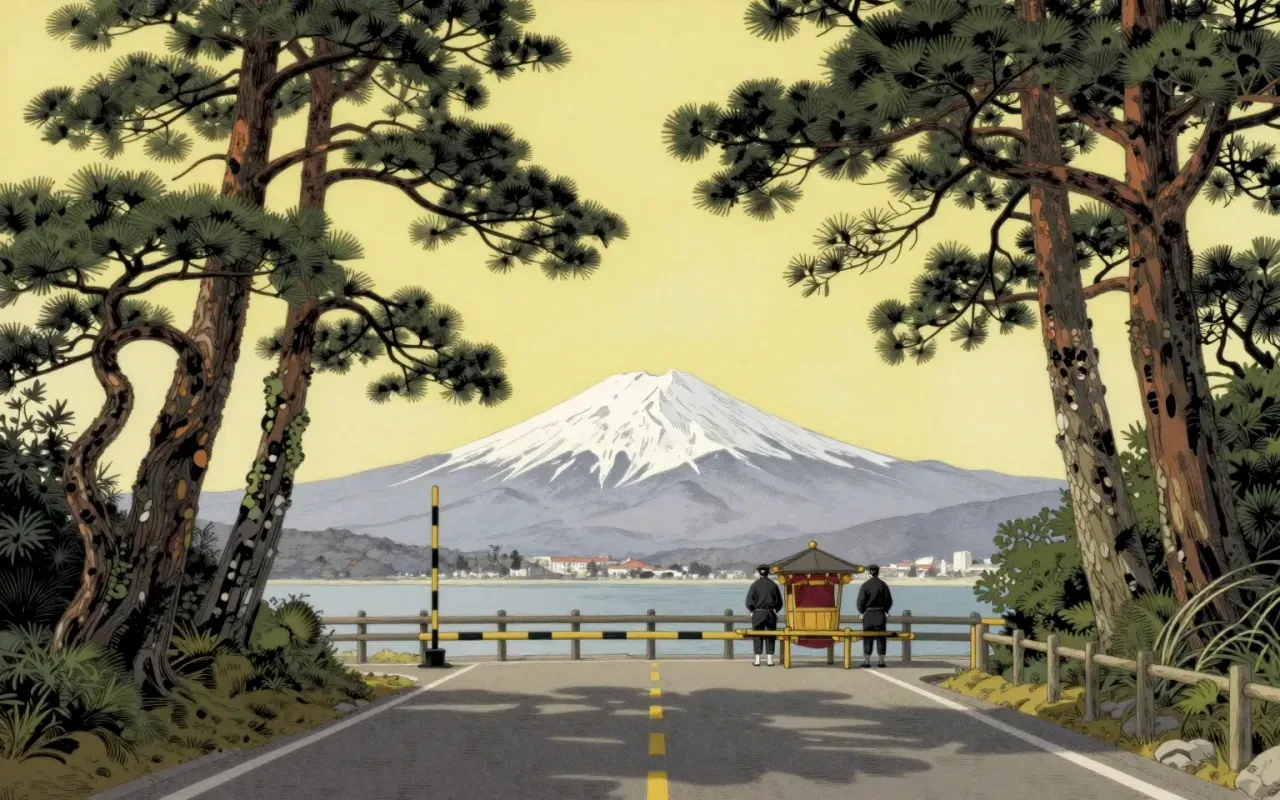
Between 1633 and 1639, the Tokugawa shogunate issued edicts restricting foreign contact and threatening execution for Japanese who left or returned from abroad, a policy later named sakoku that lasted until Commodore Perry's 1853 arrival forced its end. Revisionist historians since the 1970s have argued the policy, better described by the term kaikin or maritime prohibitions, permitted substantial regulated trade through Nagasaki and three other channels throughout its supposed closure.
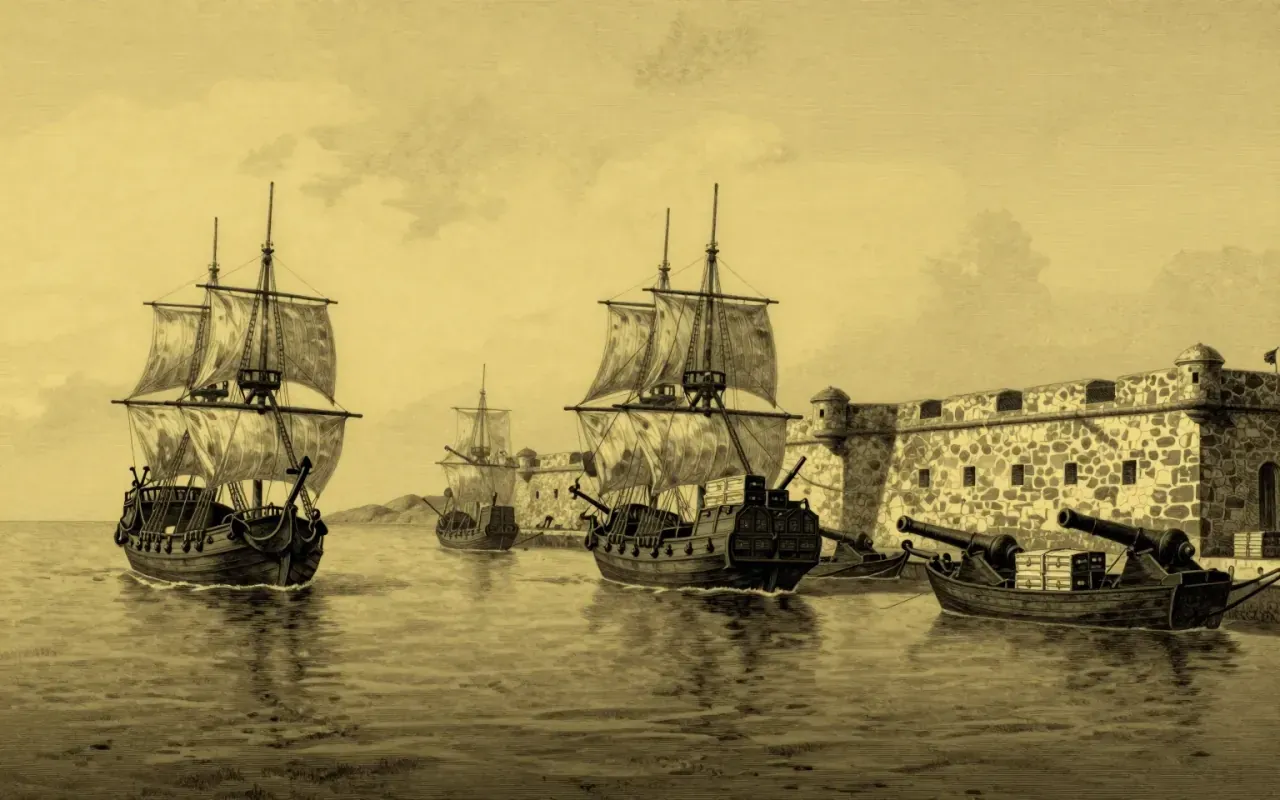
Formed from the 1469 union of Ferdinand of Aragon and Isabella of Castile and launched into overseas expansion by Columbus's 1492 voyage, the Spanish Empire grew to cover roughly 13.7 million square kilometres across the Americas, parts of Europe, Africa and Asia before contracting through independence movements in the 1810s and 1820s and finally ending with the loss of its last colony in 1976. Conquest of the Aztec and Inca empires brought catastrophic population loss to indigenous peoples, a record contemporaries and later scholars have argued over from opposing directions, from exaggerated Protestant-era atrocity propaganda to more recent scholarship documenting genuine and extensive harm.
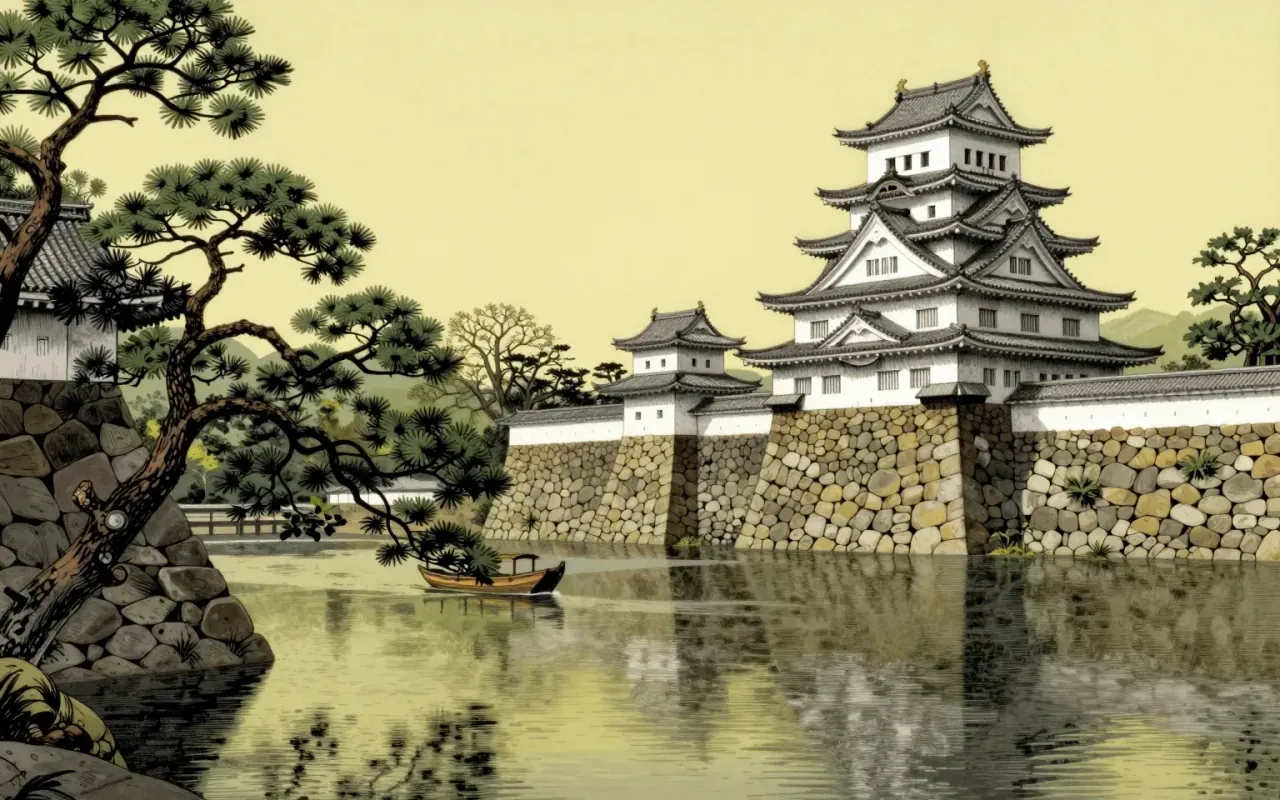
Established by Tokugawa Ieyasu after his 1600 victory at Sekigahara and formalised when he took the title of shogun in 1603, the Tokugawa shogunate governed Japan for over two and a half centuries through a system dividing power between the shogunate in Edo and roughly 270 regional domains, enforced by hostage-style residence requirements on local lords and a strict limitation on foreign contact. The shogunate ended in 1868 when the fifteenth shogun resigned amid the Meiji Restoration, following decades of internal strain and mounting foreign pressure.
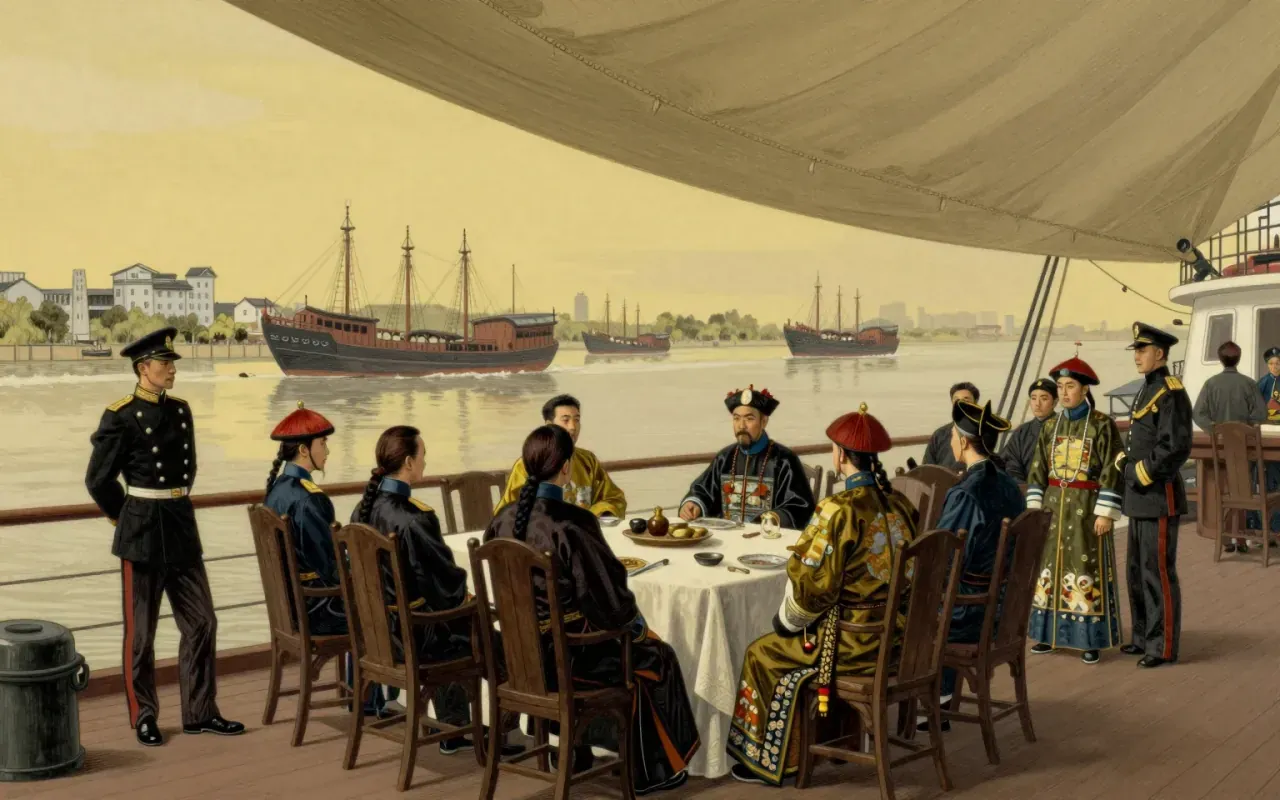
Signed aboard a British warship off Nanjing in August 1842, the treaty that ended the First Opium War opened five Chinese ports to British trade, ceded Hong Kong Island, and imposed an indemnity covering confiscated opium, ransom and war costs. Its one-sided terms followed directly from Britain's military advantage rather than negotiation. Only later did Chinese nationalists label it an unequal treaty and the opening of a century of humiliation, a framing quite different from the Qing court's muted contemporary response.
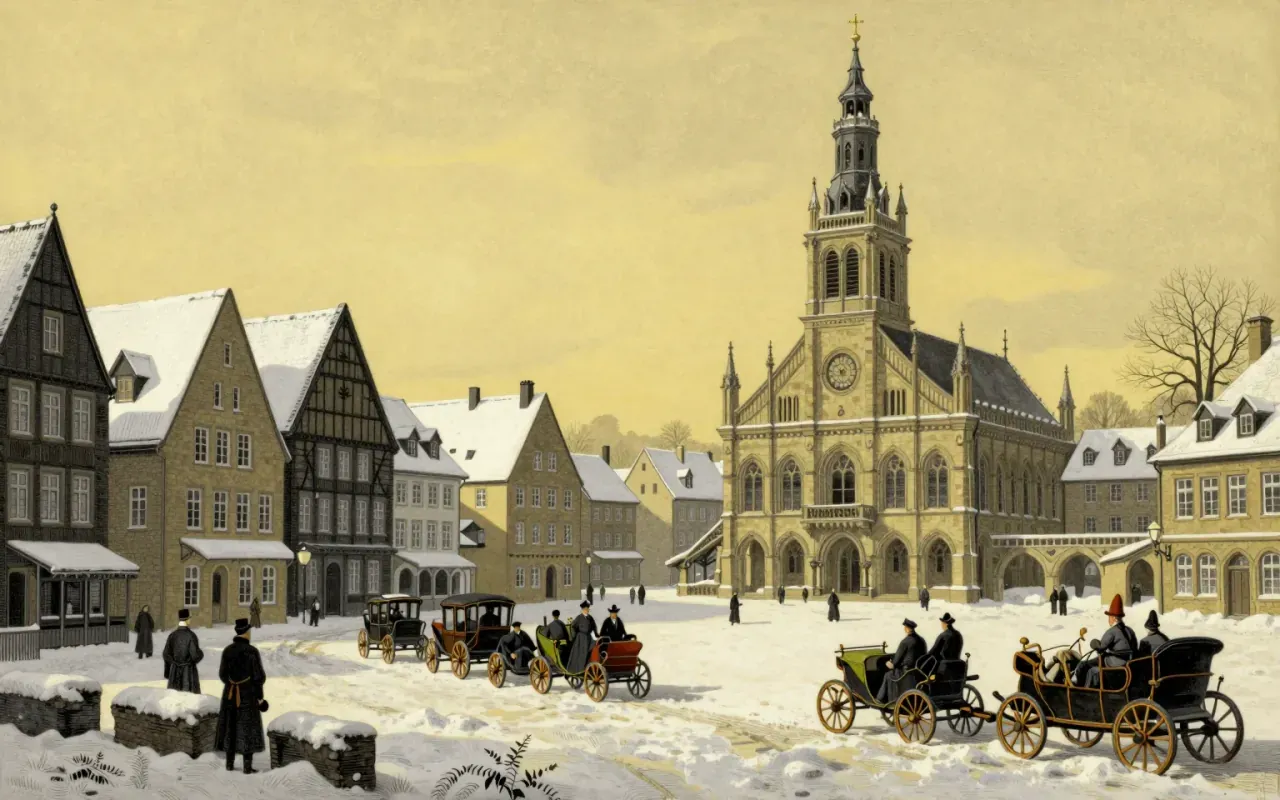
After five years of fragmented negotiations across two cities, the treaties of Münster and Osnabrück ended the Thirty Years' War in October 1648, reorganising the Holy Roman Empire's religious and territorial arrangements and granting Calvinism formal recognition for the first time. The peace did not end all European fighting, and the widely cited idea of Westphalian sovereignty as a founding principle of international law is now regarded by most historians as a myth constructed centuries after the treaties themselves were signed.
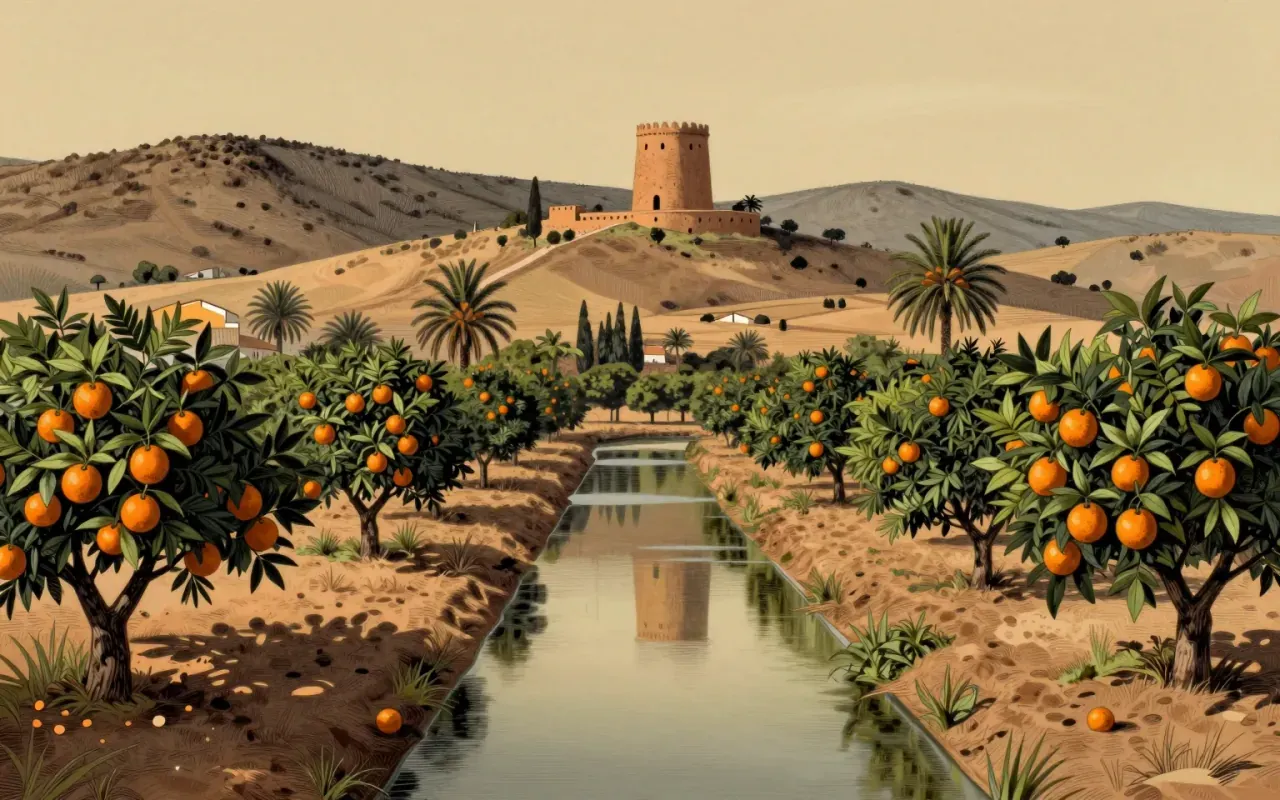
Beginning in 711, a small Muslim force crossed into Iberia, defeated and killed the Visigothic king Roderic, and within a few years had overrun most of the peninsula, aided by how fragile and contested Visigothic rule already was. No contemporary account survives from either side, and much of the conquest's famous detail, including the story of Count Julian's betrayal, is now regarded by historians as later legend rather than established fact. Muslim rule persisted in some form for nearly eight centuries, ending only with Granada's fall in 1492.
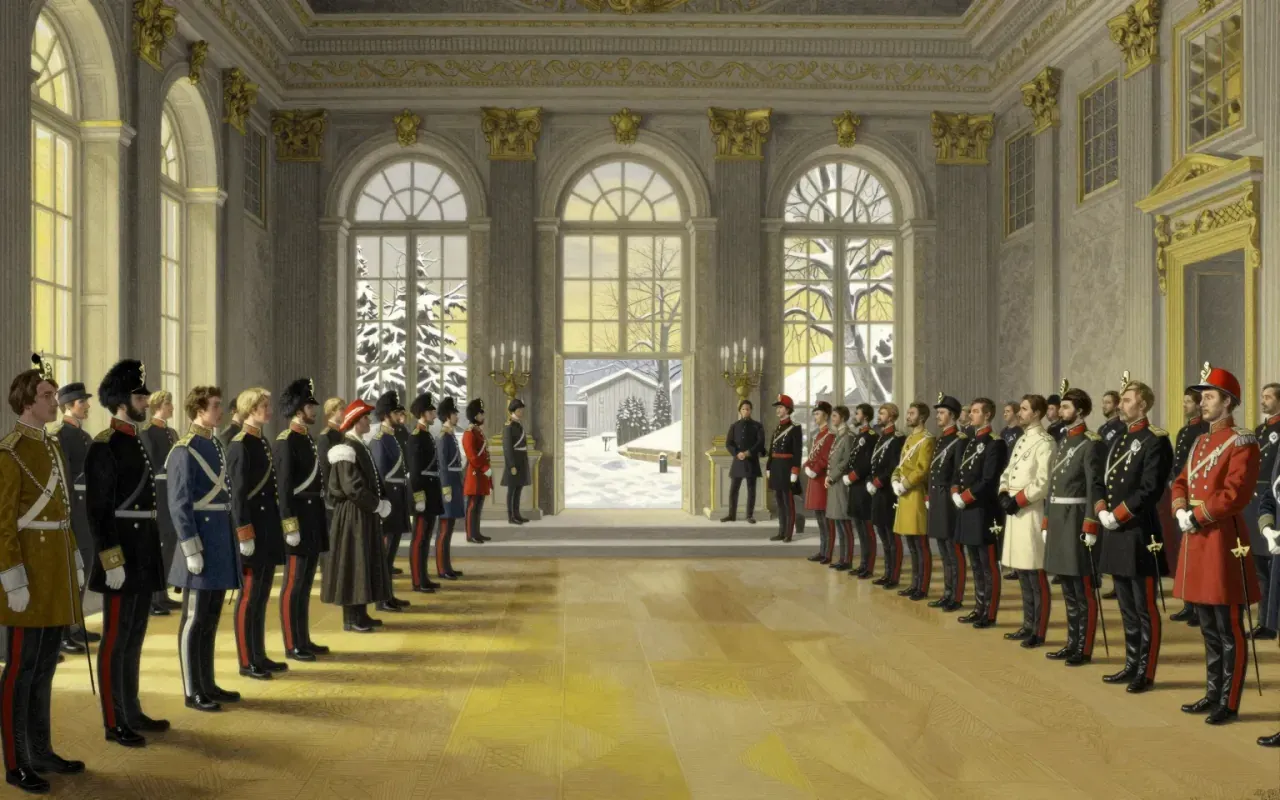
German unification proceeded through a combination of economic integration under the Prussian-led customs union, or Zollverein, established in 1818, and three wars orchestrated chiefly by Otto von Bismarck against Denmark, Austria and France between 1864 and 1871, culminating in the proclamation of the German Empire in January 1871. Historians continue to debate whether Bismarck pursued unification as a deliberate long-term goal or arrived at it opportunistically through a series of separate decisions aimed more narrowly at expanding Prussian power.

Thutmose III spent twenty-two years as junior partner to his stepmother Hatshepsut before assuming sole rule and launching a sustained run of military campaigns that brought Egypt to its greatest territorial extent, recorded in annals he had inscribed at Karnak. Long attributed to personal resentment, the later defacing of Hatshepsut's monuments has been redated by modern scholars to decades after his own death's approach, pointing instead to a succession strategy pursued under his son. His reign is unusually well checked against independent inscriptions and his own recovered mummy, letting historians separate genuine achievement from official propaganda.
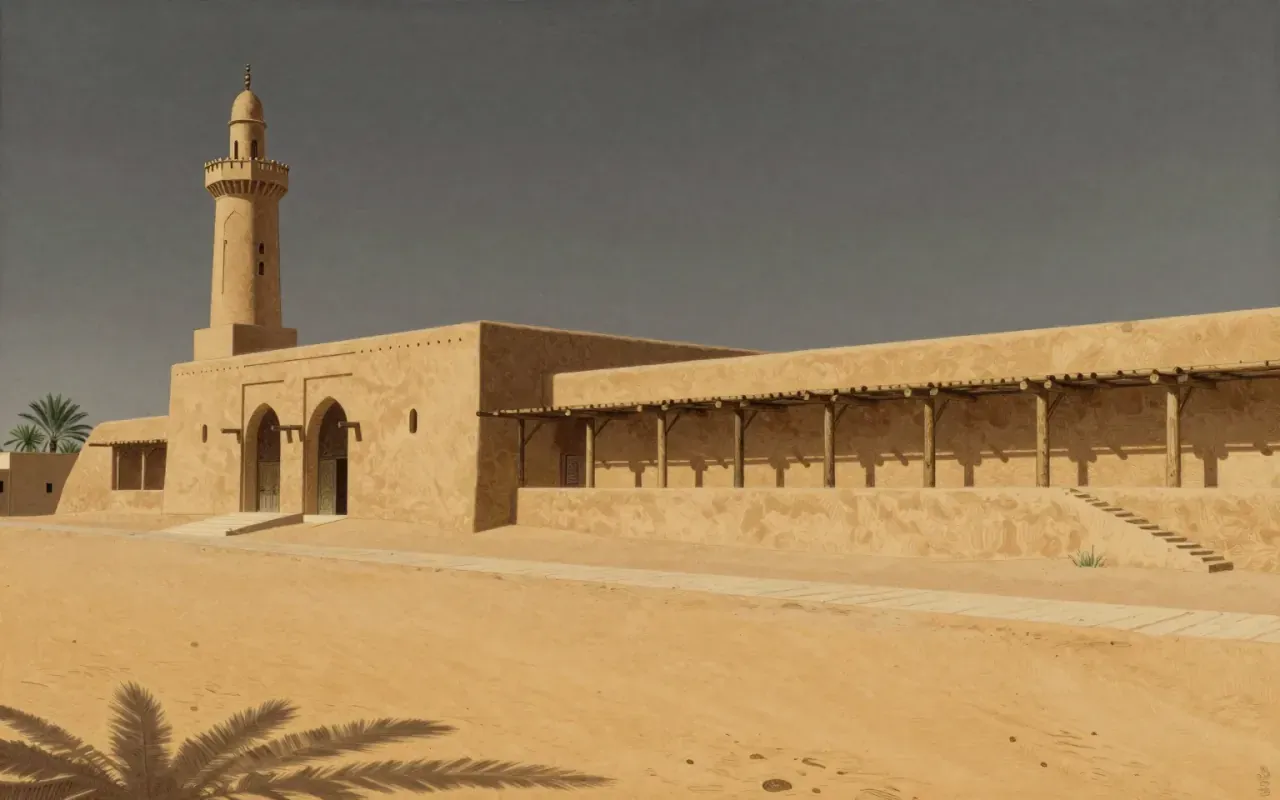
Timbuktu grew from an early twelfth-century settlement into a major trans-Saharan trade and Islamic scholarly centre, its rise accelerated after Mansa Musa's famous visit around 1325, reaching a population of roughly fifty thousand by the 1500s with three madrasas educating some twenty-five thousand students. A Moroccan invasion in 1591 killed or scattered many of its scholars and triggered a long decline, though hundreds of thousands of manuscripts documenting its intellectual life survived, some housed in libraries into the twenty-first century despite recent conflict-related threats.

Venice's founding legend puts a precise date, noon on 25 March 421, on a process that in fact unfolded over generations, as people from Roman towns on the mainland retreated into the lagoon ahead of successive invasions. What followed was thirteen centuries of maritime power built on trade with Byzantium and the eastern Mediterranean, a republic that ended when Napoleon took the city in 1797, and a modern afterlife defined by tourism, subsidence, and a flood barrier still not finished decades after it was meant to be.
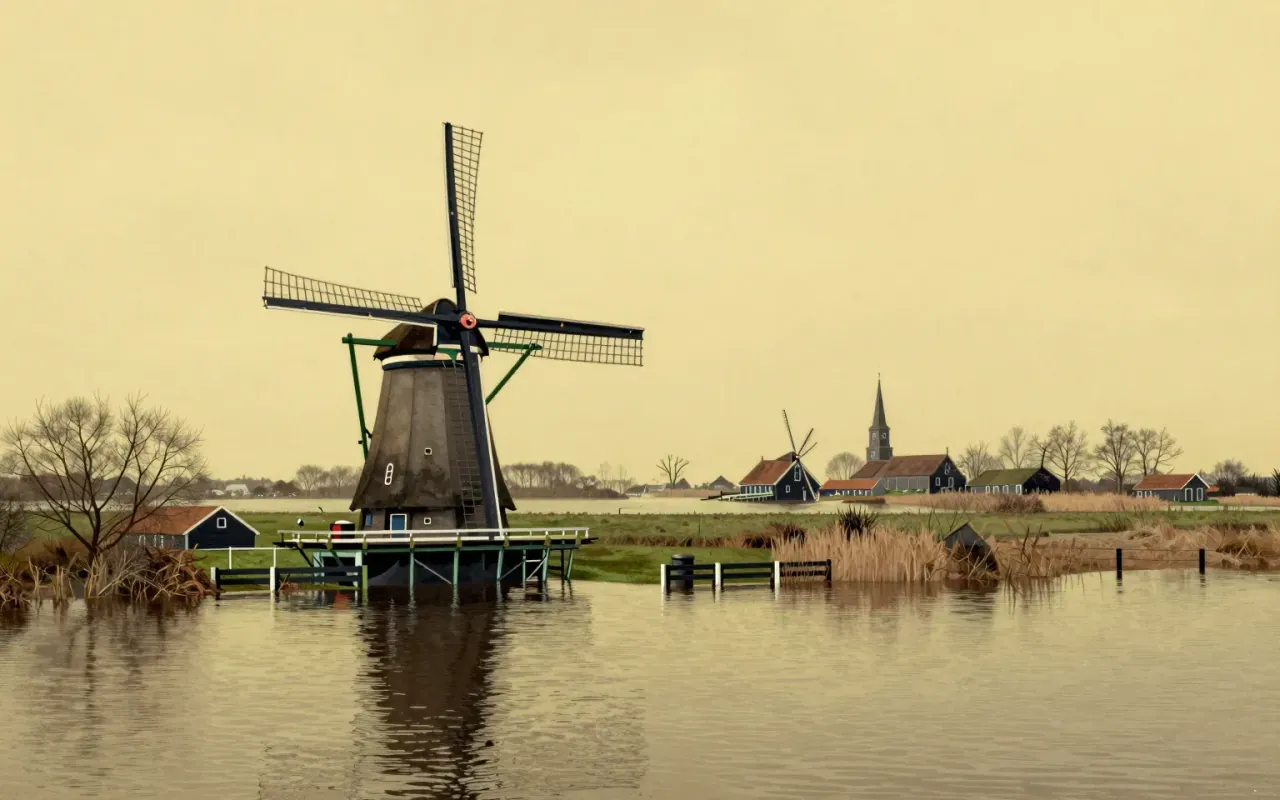
William of Orange rose from Dutch stadtholder to English king by invading in 1688, ruling jointly with his wife Mary before continuing alone after her death in 1694 until his own in 1702. His record includes genuine constitutional achievement alongside episodes, including the unresolved circumstances of a political lynching and his own connection to the Glencoe massacre, that historians treat as evidence of calculated political ruthlessness beneath his public image as a defender of liberty.
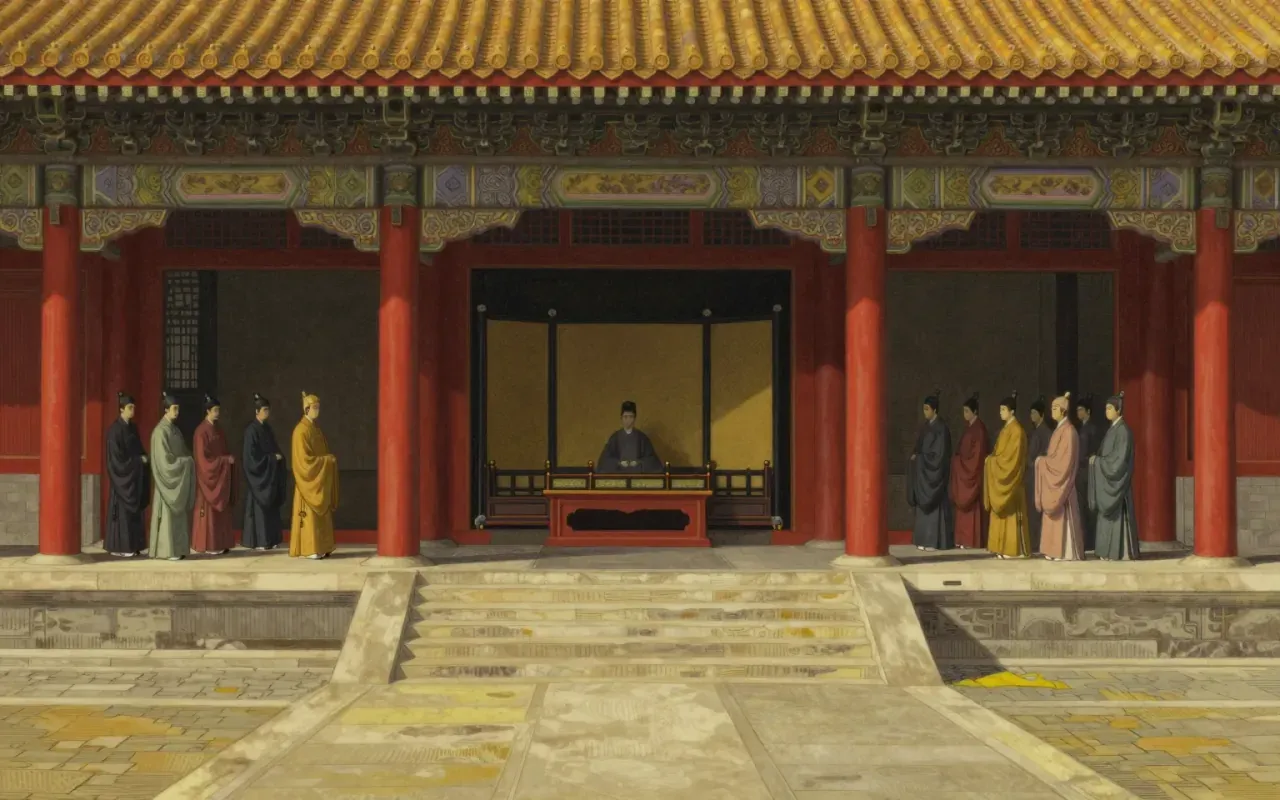
Wu Zetian rose from a concubine of Emperor Taizong to become, in 690, the only woman in Chinese history to rule in her own right as emperor, founding the short-lived Zhou dynasty after decades of steadily consolidating power under and then alongside Emperor Gaozong. Her fifteen-year reign expanded merit-based civil examinations, patronised Buddhism and coincided with a period of Tang cultural and political strength, though it was also marked by a secret-police apparatus that pursued rivals through denunciation and torture. She was deposed in 705 and died the same year, and traditional Confucian historians condemned her far more severely than modern scholars, who have reassessed several of the era's darker accusations against her.