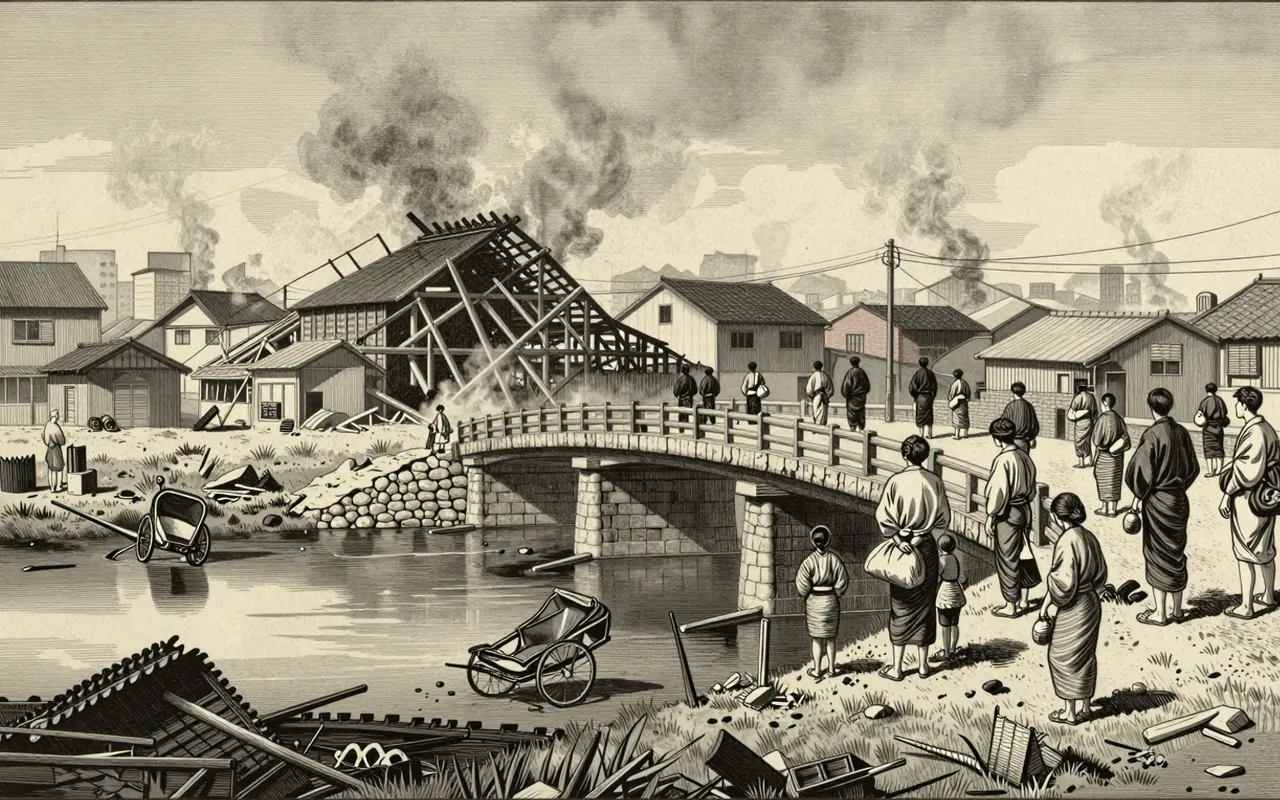
The Great Kantō Earthquake — 1923
Earthquake, fire and human violence require distinct explanations.
Worth it for the parts we point at, not all the way through.
48 briefs · 353 min






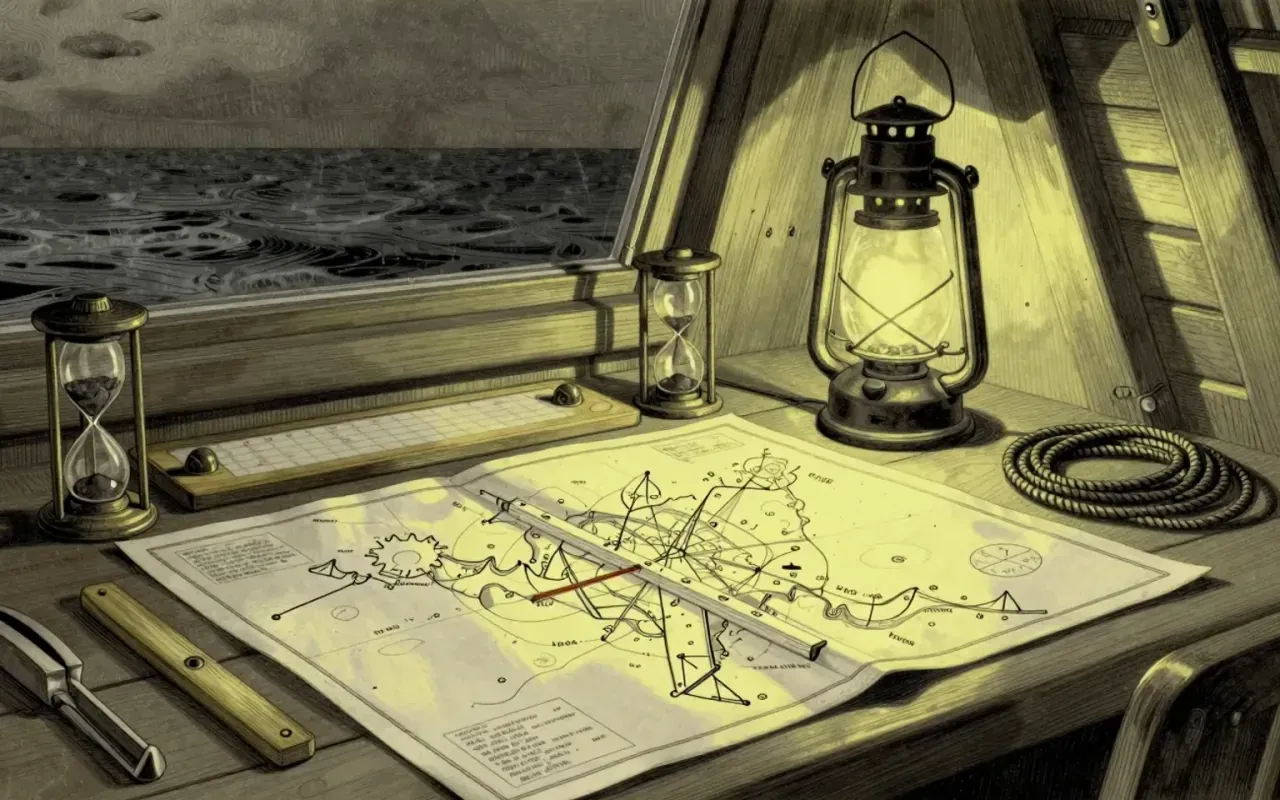
Christopher Columbus, a Genoese sailor working for the Spanish crown, crossed the Atlantic four times between 1492 and 1504, reaching the Bahamas, Cuba, Hispaniola and later the South and Central American coasts while insisting throughout that he had reached Asia. His governance of Spanish settlements involved documented brutality toward indigenous populations that led to his removal from office, and modern historians increasingly weigh his navigational achievement against the enslavement and demographic collapse that followed his voyages.

Jayavarman VII took the Khmer throne in 1181 after leading the recovery from a devastating Cham invasion, then built Angkor Thom, the Bayon and a network of hospitals and roads across a thirty-seven-year reign. Almost all surviving evidence for his rule comes from inscriptions and bas-reliefs he commissioned himself, since no independent chronicle or personal account survives. Historians caution against reading his monuments as literal proof of administrative reach, and his Buddhist religious programme did not outlast his own reign.

From The Interpretation of Dreams in 1899 through decades of case studies and theoretical works, Sigmund Freud built psychoanalysis into an international movement centred on the unconscious, infantile sexuality and the talking cure. His methodology, including the abandoned seduction theory and the botched treatment of patient Emma Eckstein, has drawn sustained criticism, and his scientific status remains genuinely contested nearly a century after his death in 1939.

Simon Bolivar led independence campaigns across what is now Venezuela, Colombia, Ecuador, Peru and Bolivia between the 1810s and 1825, entering Caracas in 1813 to the title El Libertador and later serving as president of the short-lived Gran Colombia, dictator of Peru and first president of Bolivia. He also issued and later annulled a Decree of War to the Death, ordering the execution of Spaniards who did not actively support his forces, and he died of tuberculosis in 1830 at forty-seven, disillusioned and stripped of the offices he had once held, a decline the surviving record acknowledges without fully accounting for.
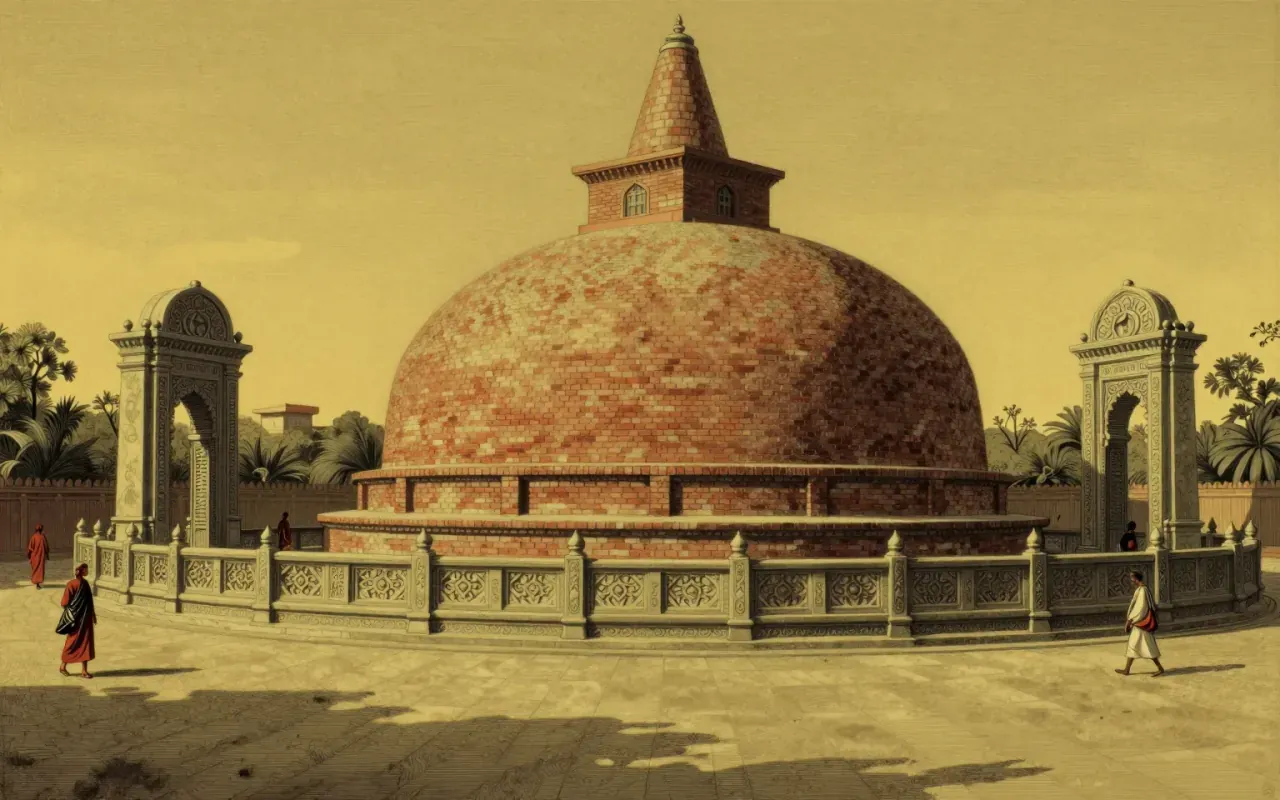
Across more than thirty rock faces and pillars from Afghanistan to Bangladesh, the Mauryan emperor Ashoka had proclamations on ethical governance carved in the third century BC. Lost to readers once Brahmi script fell out of use, the edicts were only deciphered in the 1830s, and their authorship was confirmed as Ashoka's only in 1915, when an inscription at Maski paired his personal name with the title used elsewhere. They remain the earliest datable written texts from the Indian subcontinent.
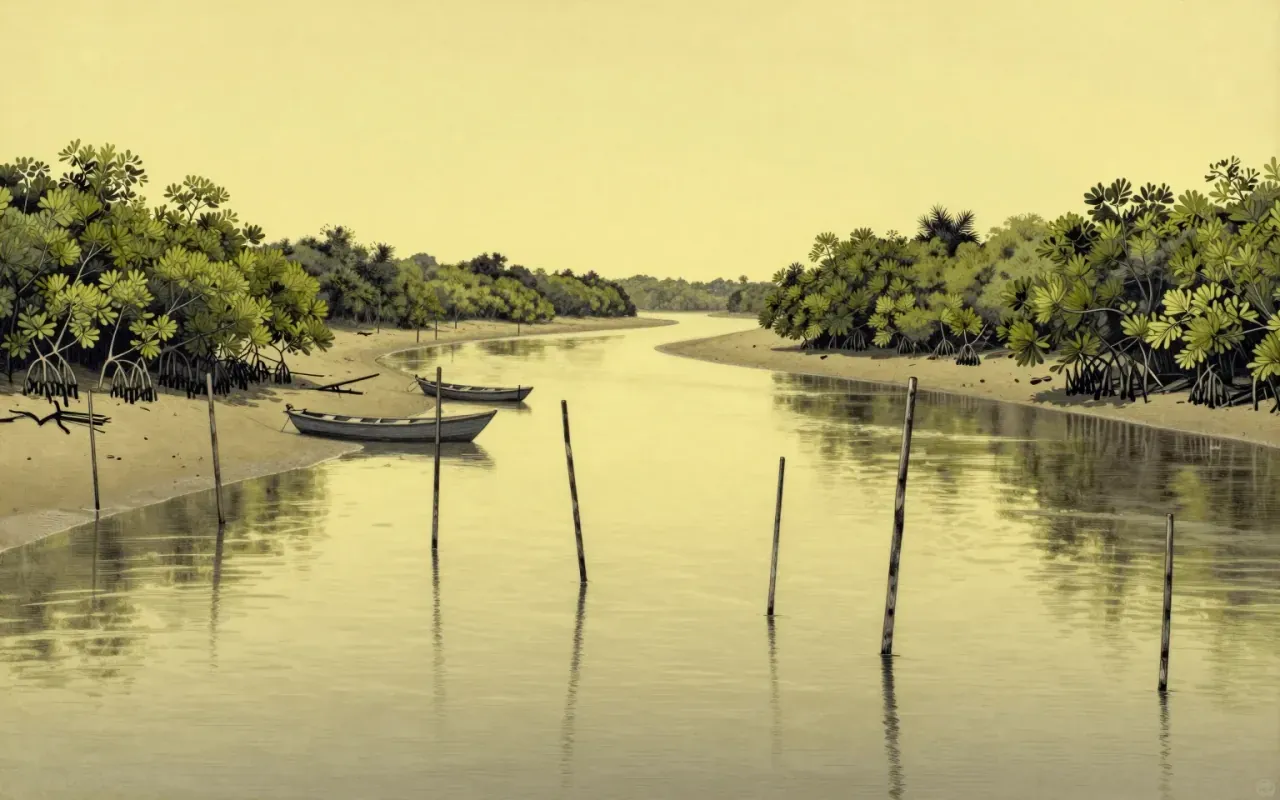
In 938, the Vietnamese general Ngo Quyen ended roughly a millennium of Chinese administrative control by luring a Southern Han invasion fleet onto iron-tipped stakes concealed in the Bach Dang River, then attacking as the tide dropped and stranded the ships. What survives of the battle comes largely from near-contemporary Chinese chronicles and much later Vietnamese legendary collections written for nation-building purposes. Ngo Quyen proclaimed himself king the following spring, though his own dynasty collapsed into succession disputes within decades.
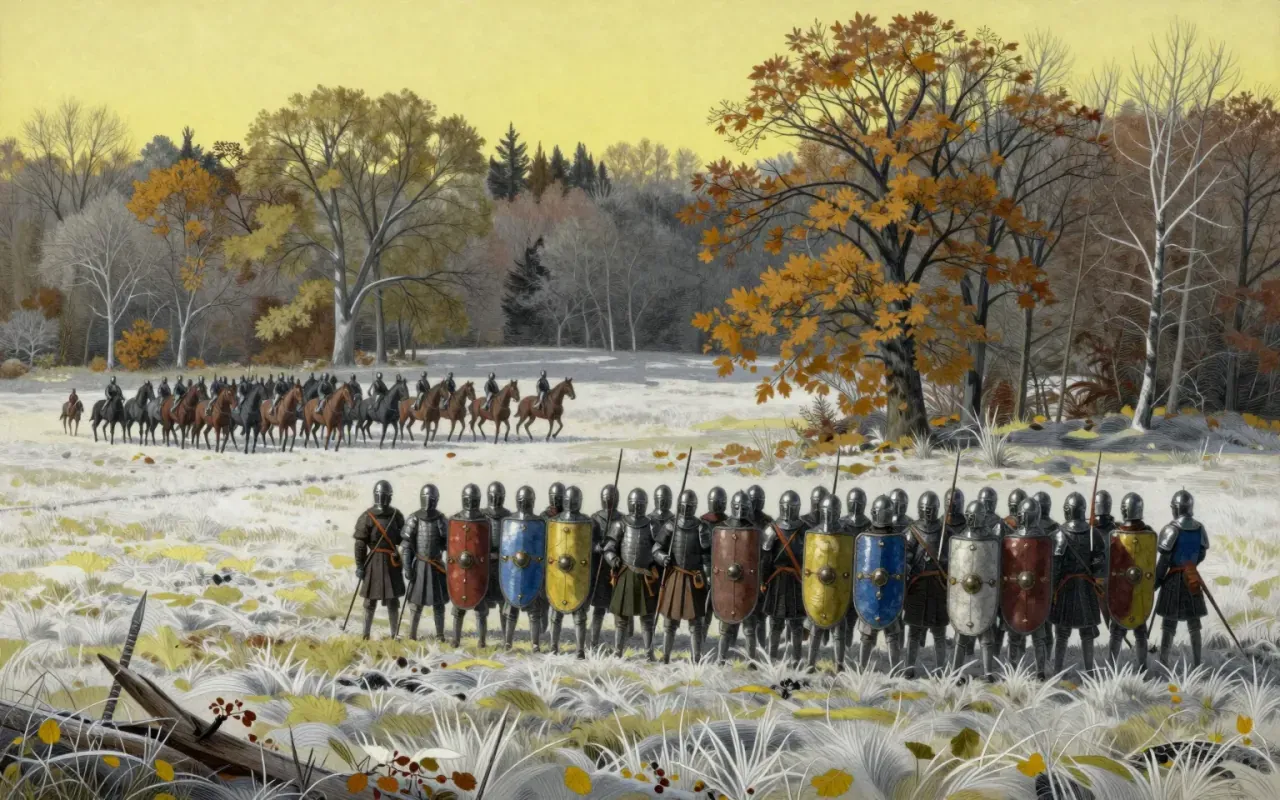
In October 732, Frankish infantry under Charles Martel held off an Umayyad raiding force near Tours, and the death of the Umayyad commander during the fighting prompted a withdrawal rather than renewed battle. Modern estimates put both armies far below the inflated figures later chroniclers reported, and the notorious casualty count of hundreds of thousands appears to have been recycled from an earlier battle at Toulouse. Historians remain sharply divided over whether the battle saved European Christendom or has been dramatically overstated as a mostly local, if consequential, Frankish victory.
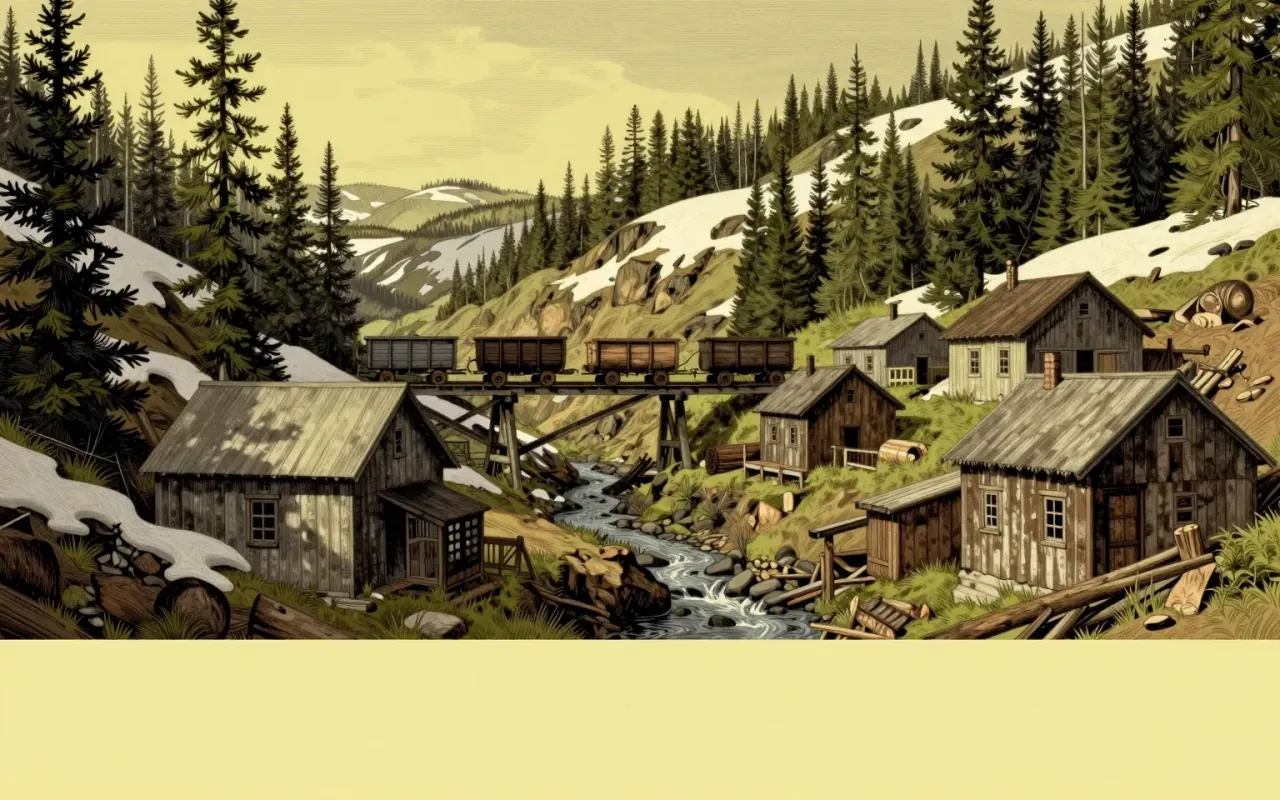
A Georgian prospector's 1858 discovery near present-day Denver drew an estimated hundred thousand people into the southern Rockies, fast enough to justify creating Colorado Territory in 1861, years before the region had otherwise earned that status. The same wave of settlement fed the tensions that produced the Sand Creek Massacre in 1864, an atrocity historians treat as a direct consequence of the demographic pressure the gold rush created, even though the Wikipedia record of the rush itself says comparatively little about that connection.

Diana, Princess of Wales, died in the early hours of 31 August 1997 after the car carrying her through Paris's Pont de l'Alma tunnel crashed at high speed, with driver Henri Paul found to have a blood alcohol level over three times the legal limit. Both a 1999 French judicial inquiry and Britain's own multi-year Operation Paget investigation rejected conspiracy theories advanced by Mohamed Al-Fayed, concluding the crash resulted from grossly negligent driving rather than any orchestrated plot.
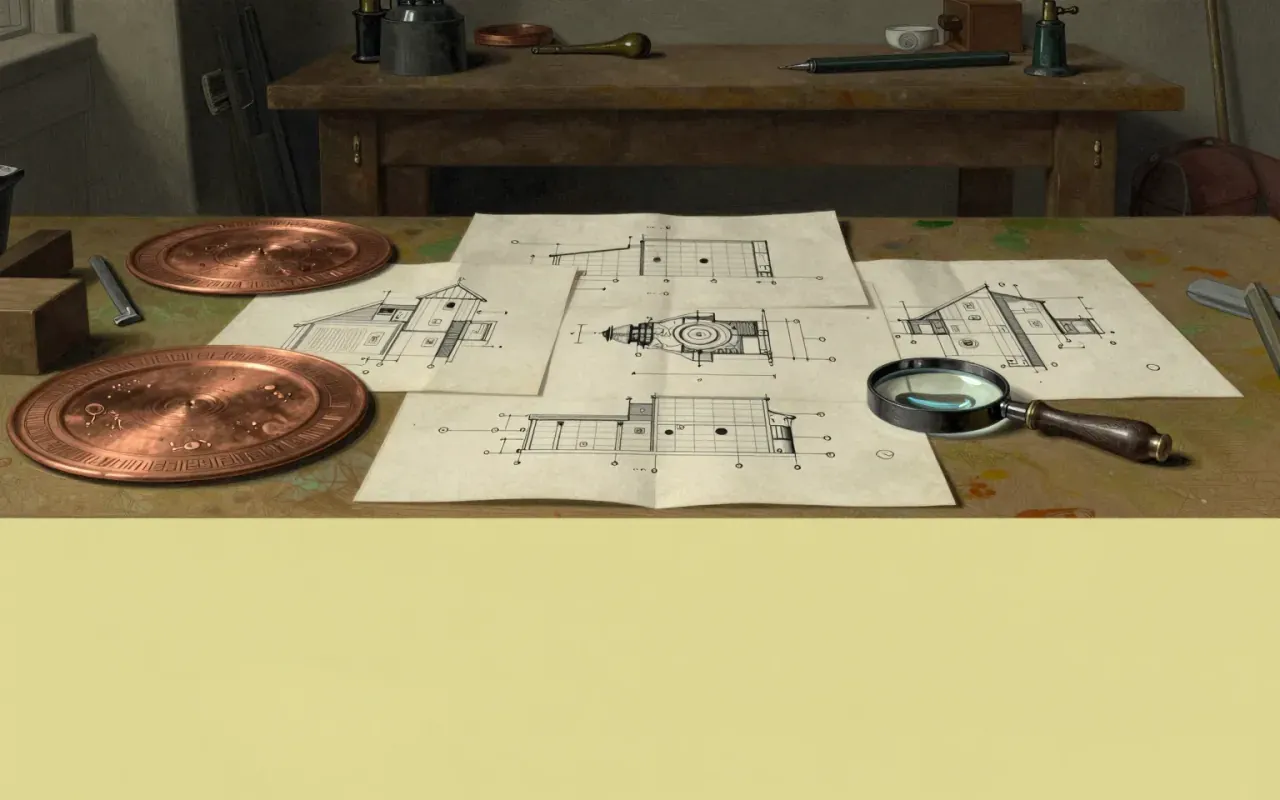
The Enlightenment is conventionally dated somewhere between the late seventeenth century and 1789, though scholars propose starting points as early as Descartes' 1637 treatise and end points as late as Kant's death in 1804. Thinkers including Voltaire, Rousseau, Locke and Kant promoted reason, empirical method and individual liberty through salons, academies and printed works like the Encyclopédie, but historians remain divided over whether this amounted to one coherent movement or several distinct, sometimes conflicting, strands of thought.

European integration began institutionally in 1948 and took concrete shape with the 1950 Schuman Declaration, which led six countries to form the European Coal and Steel Community in 1952 on the premise that shared control of war-making industries would prevent renewed conflict. Successive treaties and enlargements built the European Economic Community, then the European Union itself in 1993, expanding eventually to twenty-seven members, a scale of integration that has produced its own recurring tensions over sovereignty, migration and, in 2020, the departure of the United Kingdom.
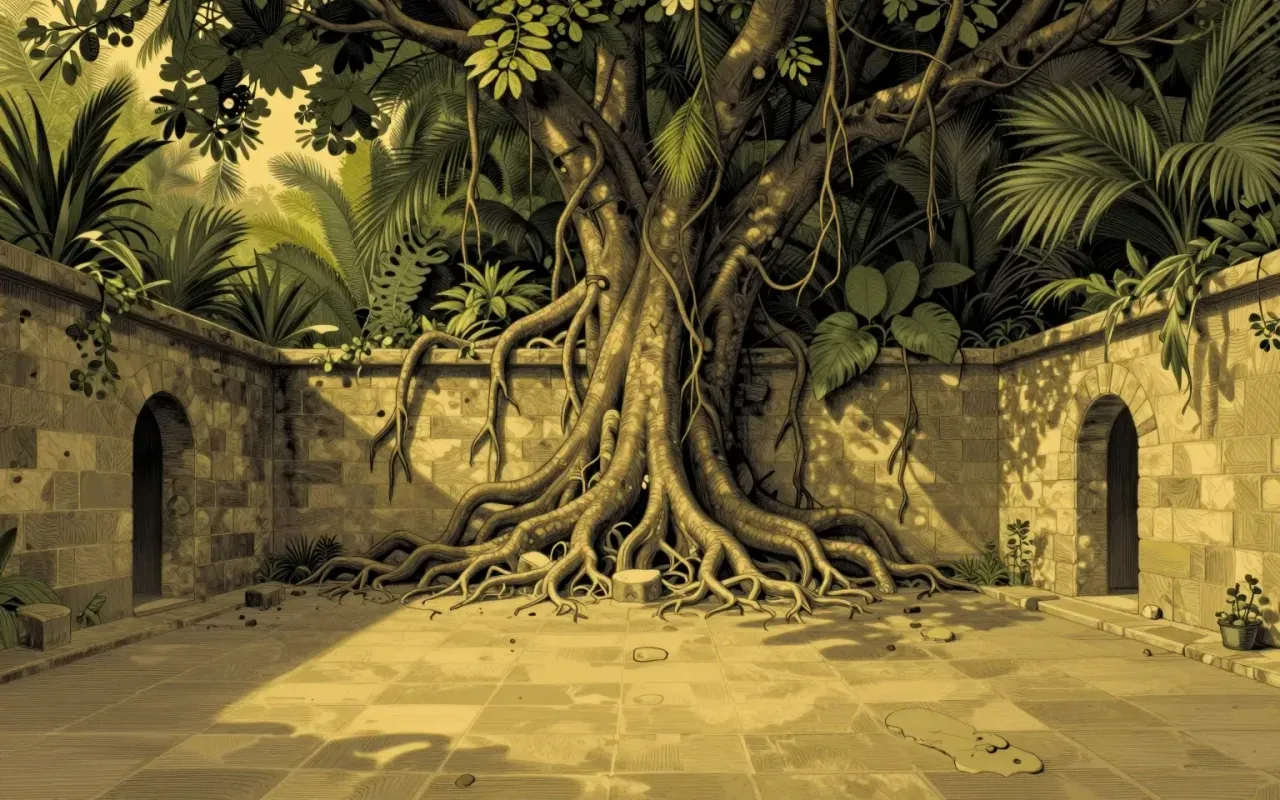
Angkor was besieged and occupied twice by the Ayutthaya kingdom before a final seven-month siege in 1430 forced the Khmer court to abandon it in 1431 for the site of modern Phnom Penh. Historians attribute the fall to some combination of military pressure, drought revealed only by modern tree-ring analysis, ecological strain from the city's own irrigation system, and a religious shift away from the older cult of divine kingship. Many temples remained in use long after the court's departure, and Sanskrit gave way gradually to Middle Khmer rather than the culture vanishing all at once.
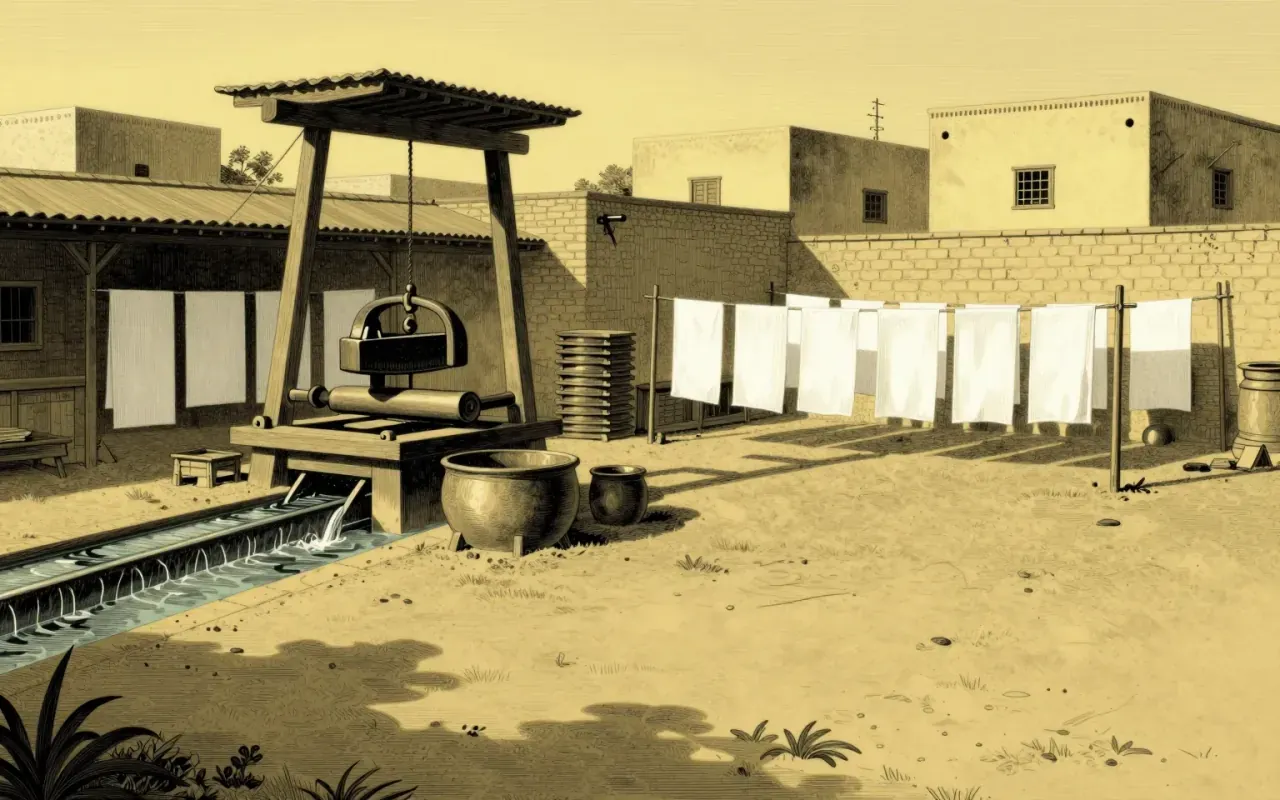
Tradition places the founding of Baghdad's House of Wisdom under the eighth-century Abbasid caliphs, reaching its peak as a centre of translation and original scholarship under al-Ma'mun before its supposed destruction in the 1258 Mongol siege. Modern historians, led by Dimitri Gutas, have challenged whether it existed as the formal academy popularly described, noting that the name barely appears in Abbasid-era sources and that the grand image may have been built up by nineteenth-century Orientalist scholarship. Real translation and original research undoubtedly took place in Baghdad; its precise institutional shape remains genuinely disputed.
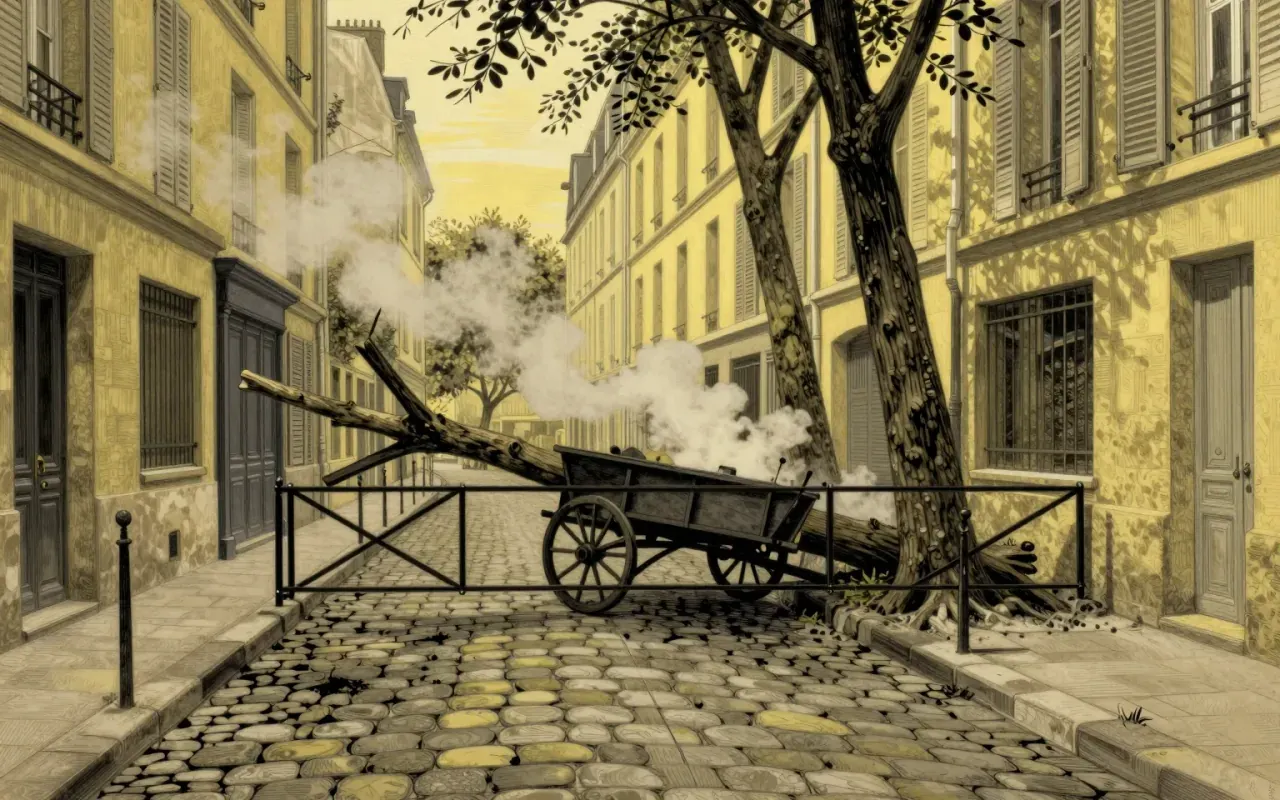
Charles X's decrees dissolving parliament and gutting the press in July 1830 set off three days of Parisian street fighting that toppled him within a week, but the provisional government installed Louis Philippe of the House of Orleans as a constitutional citizen king rather than pursuing a republic. Historians still debate whether the fighting itself was a middle-class revolt that borrowed working-class muscle or a genuinely popular uprising whose result the bourgeoisie then claimed for itself.
Kosovo Albanians' decade of failed non-violent resistance to Serbian rule gave way after 1996 to armed insurgency by the Kosovo Liberation Army, provoking a Serbian counter-campaign of expulsion and killing that NATO answered in March 1999 with an air campaign lacking Security Council backing. The war displaced hundreds of thousands and left casualty figures on both sides that historians still cannot fully reconcile.
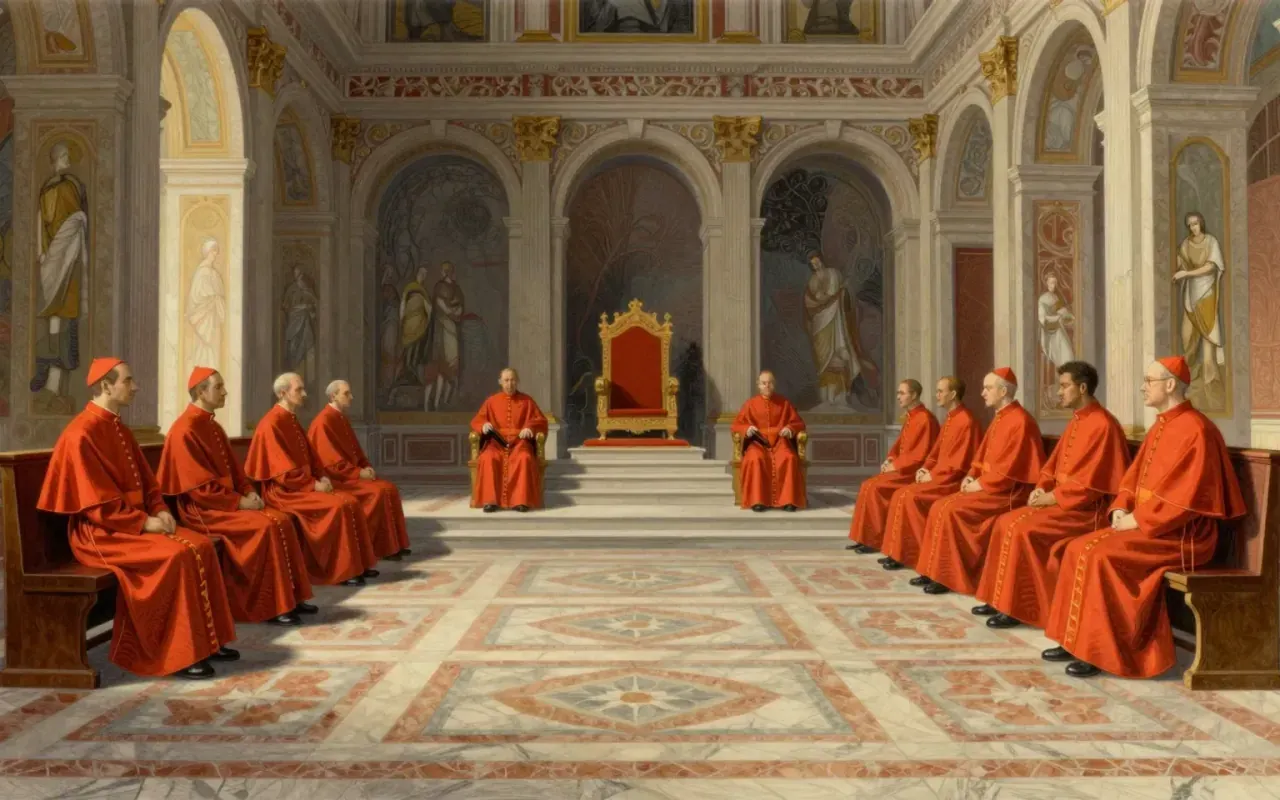
The Roman Curia, the administrative body that runs the Catholic Church's central affairs, is generally traced to Pope Urban II at the end of the eleventh century, though the word curia itself simply meant royal court in medieval Latin. It has been reorganised repeatedly since: by Pius X in the early twentieth century, by Paul VI in the 1960s, by John Paul II in 1988, and most recently by Pope Francis, whose 2022 constitution Praedicate evangelium opened senior leadership roles to laypeople and, within three years, produced the Curia's first female prefect.
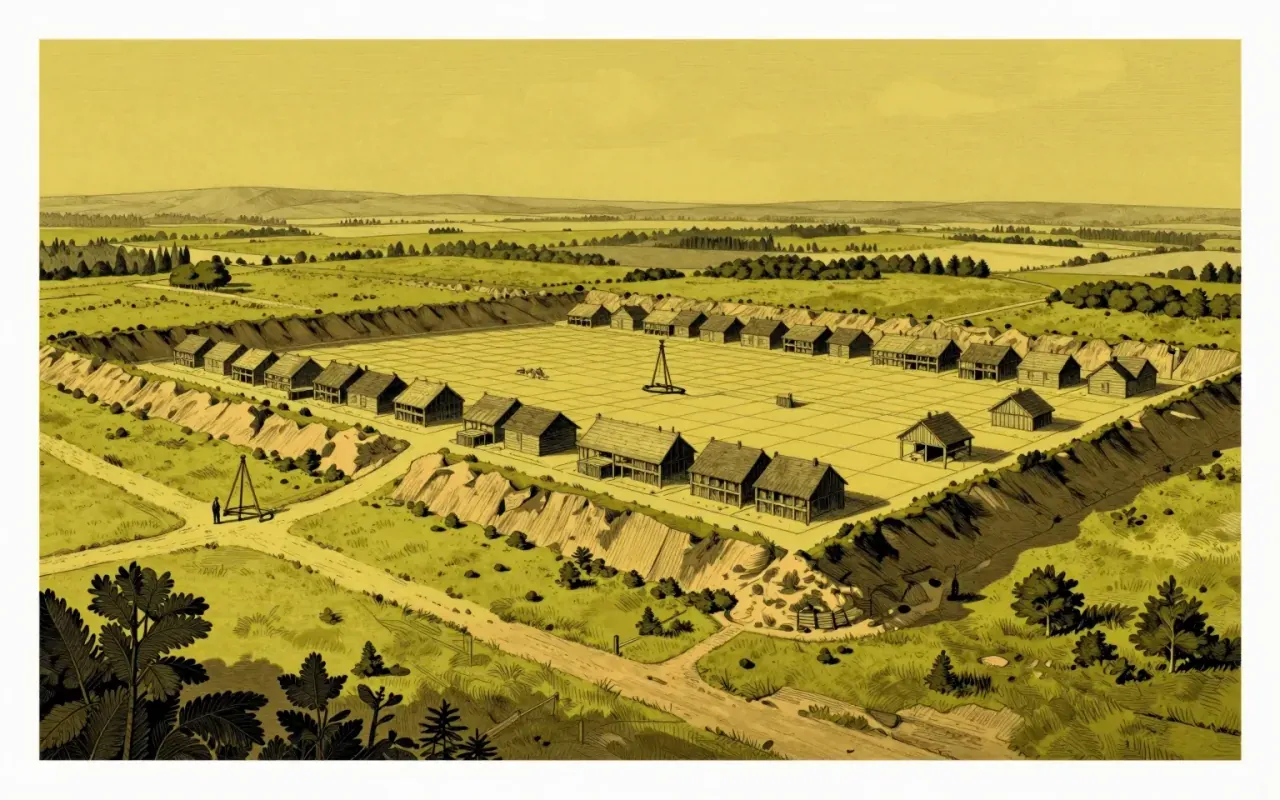
Between the traditional founding date of 753 BC and the completion of Roman rule over the Italian peninsula by the third century BC, Rome expanded from a small Latin settlement into the dominant power in Italy through a sequence of wars against the Latins, Samnites and Greek colonies in the south. The literary record for the earliest centuries, chiefly Livy, is now generally regarded by historians as unreliable in its detail and partly legendary, growing steadily more trustworthy from the fourth century BC onward.
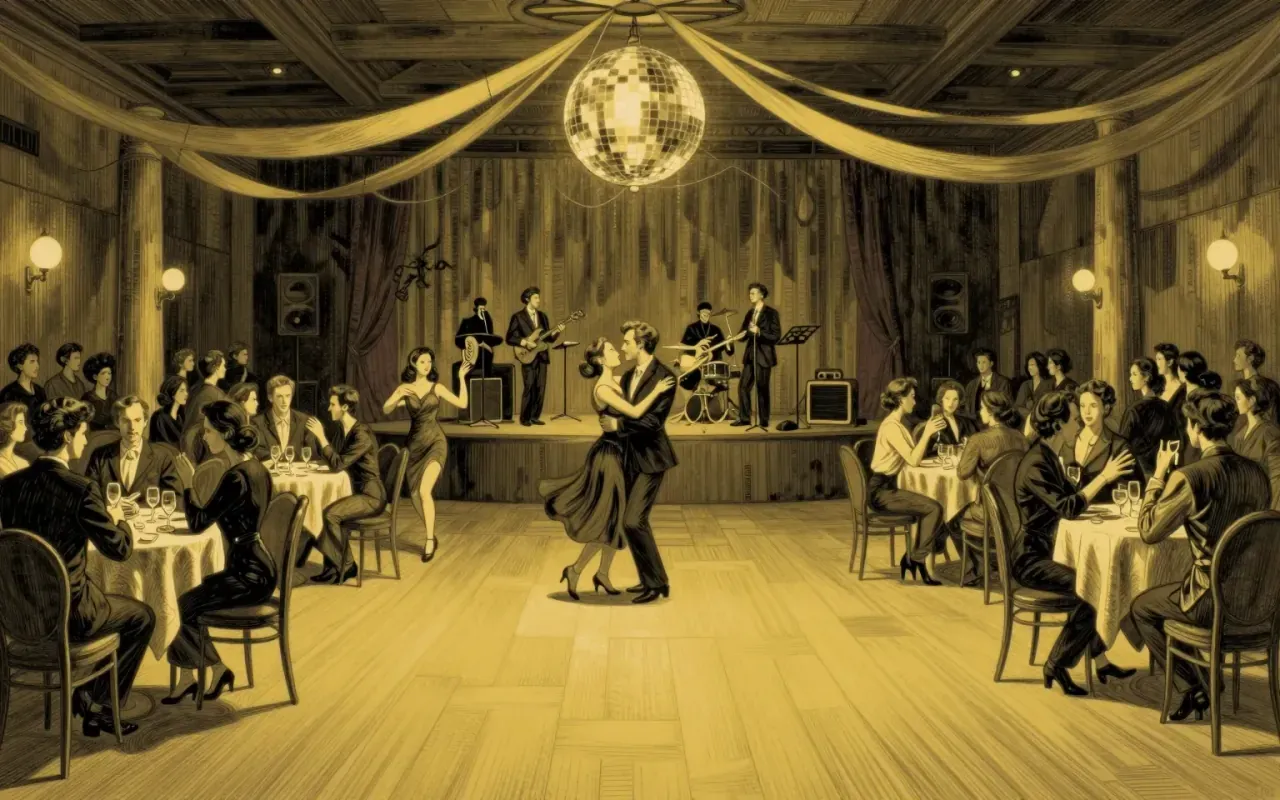
The 1920s brought rapid economic growth, mass consumer goods, jazz and a new pace of urban life to the United States and, more unevenly, to parts of Europe. The prosperity behind the name was real but badly distributed: rural industries stagnated, and Prohibition, in force for most of the decade, produced a black market and thousands of poisoning deaths alongside whatever gains it made against drinking. The Wall Street crash of 1929 ended the boom abruptly, and the arguments the decade started, about excess, exclusion and the wisdom of Prohibition, ran on well past the crash.
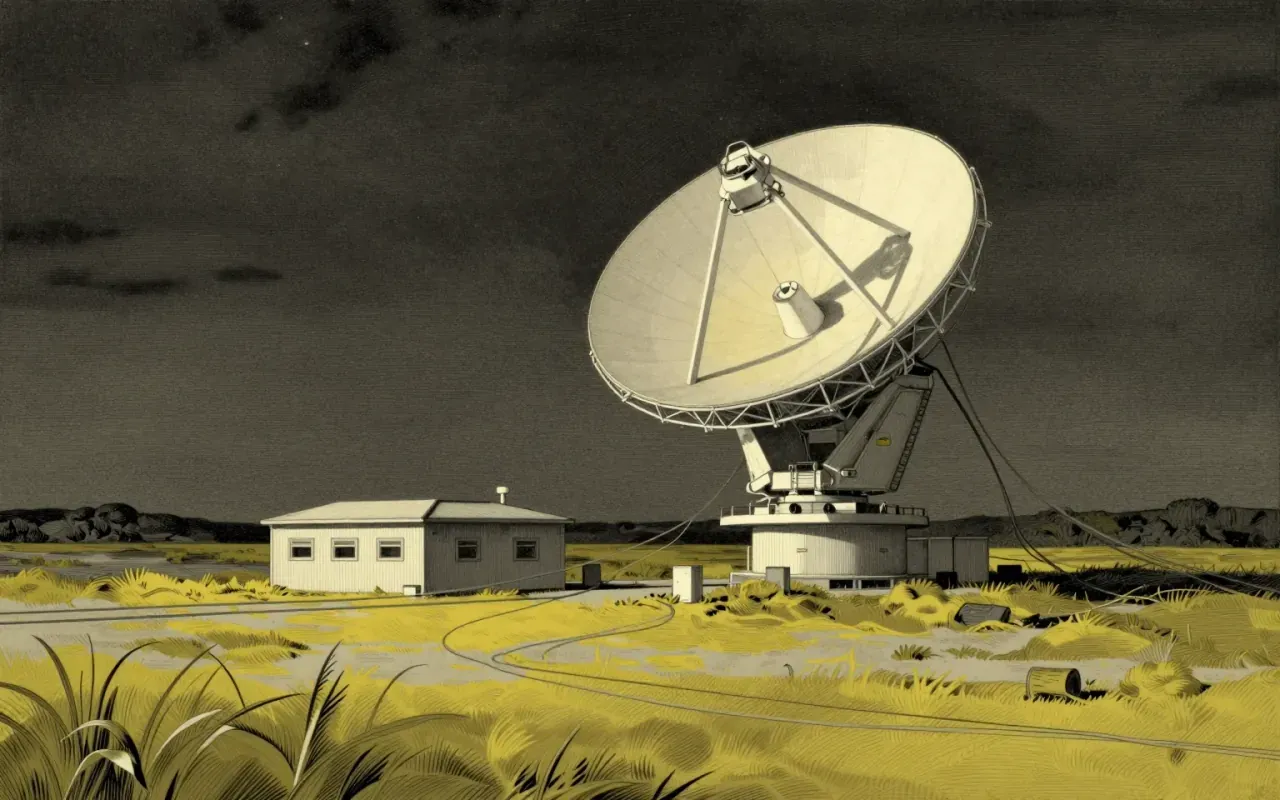
From the mid-1950s to the mid-1970s, the United States and the Soviet Union competed to demonstrate technological supremacy through spaceflight, a rivalry that produced Sputnik, Yuri Gagarin's orbital flight, and the Apollo moon landings. The Soviets pursued a strategy of dramatic firsts announced only after success, while the Americans broadcast their efforts publicly, including their failures, and the competition faded rather than concluded, ending in a joint mission rather than a declared victory.
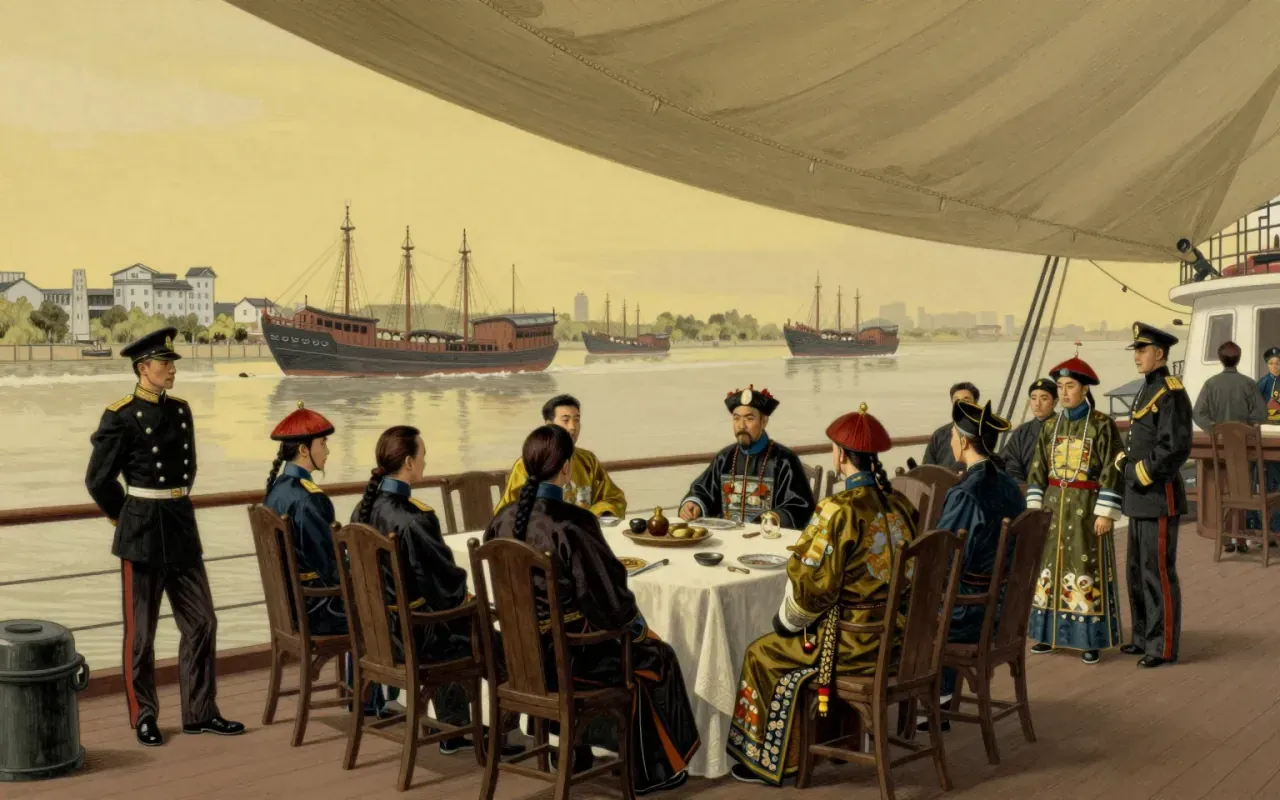
Signed aboard a British warship off Nanjing in August 1842, the treaty that ended the First Opium War opened five Chinese ports to British trade, ceded Hong Kong Island, and imposed an indemnity covering confiscated opium, ransom and war costs. Its one-sided terms followed directly from Britain's military advantage rather than negotiation. Only later did Chinese nationalists label it an unequal treaty and the opening of a century of humiliation, a framing quite different from the Qing court's muted contemporary response.
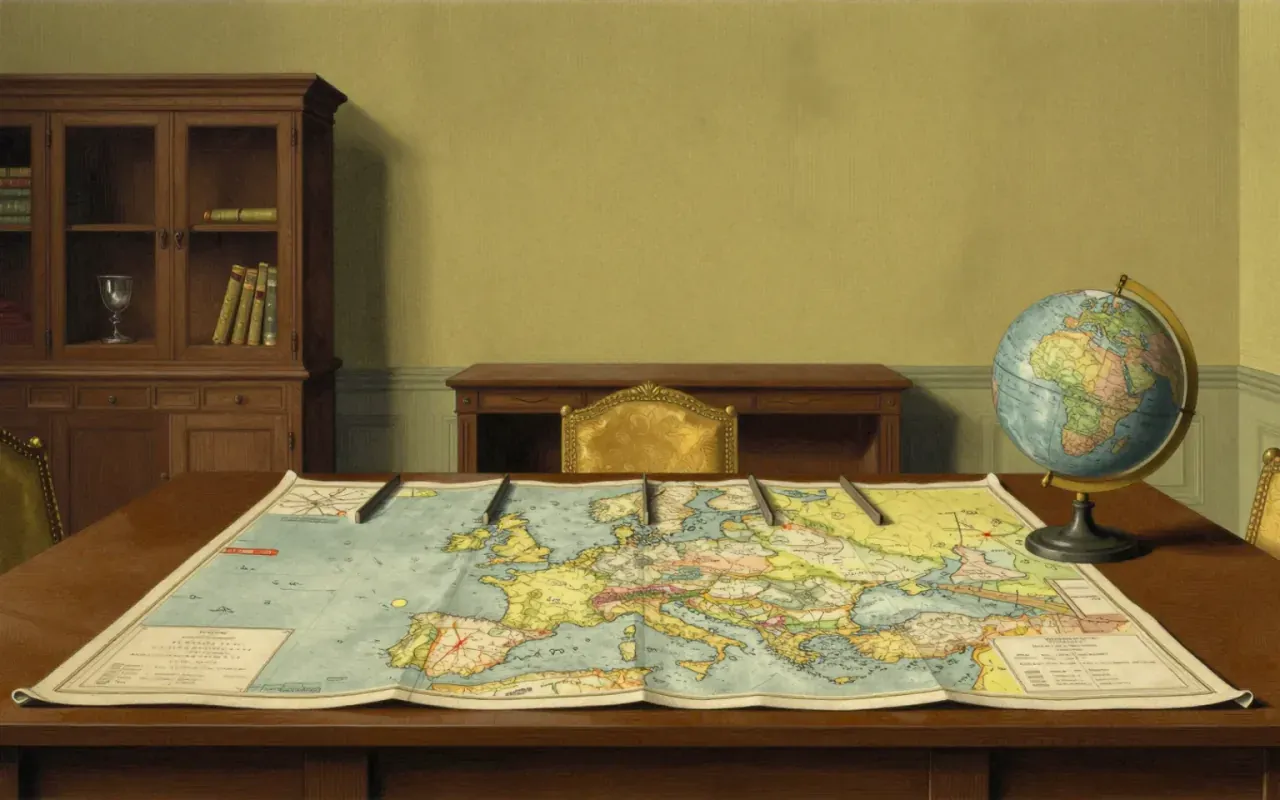
Signed on 10 February 1763 in Paris, the treaty ended the Seven Years' War among Britain, France, Spain and Portugal after a conflict that historians estimate killed well over half a million soldiers across Europe. France ceded Canada and its territory east of the Mississippi to Britain and transferred Louisiana west of the river to Spain, while Spain gave Florida to Britain in exchange for the return of Havana and Manila, redrawing the map of North America and beginning what the treaty's own terms describe as an era of British dominance beyond Europe.
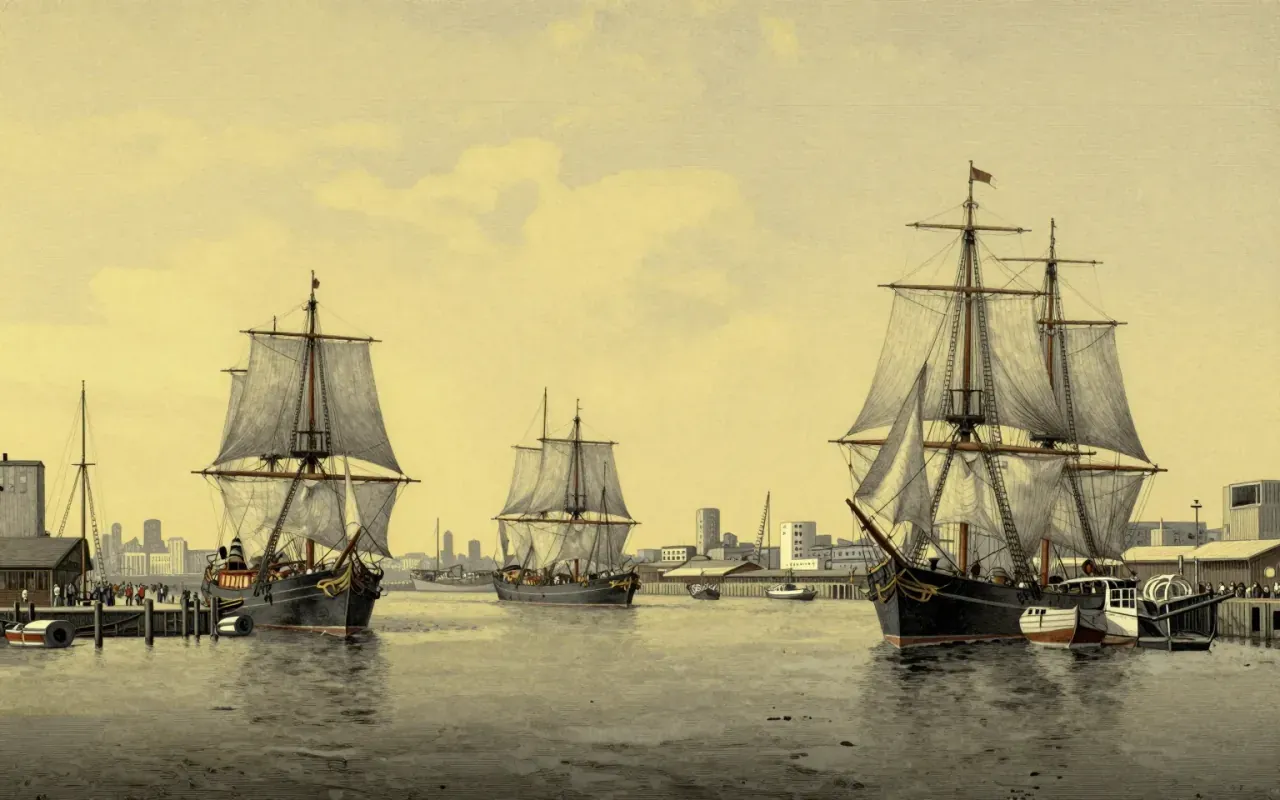
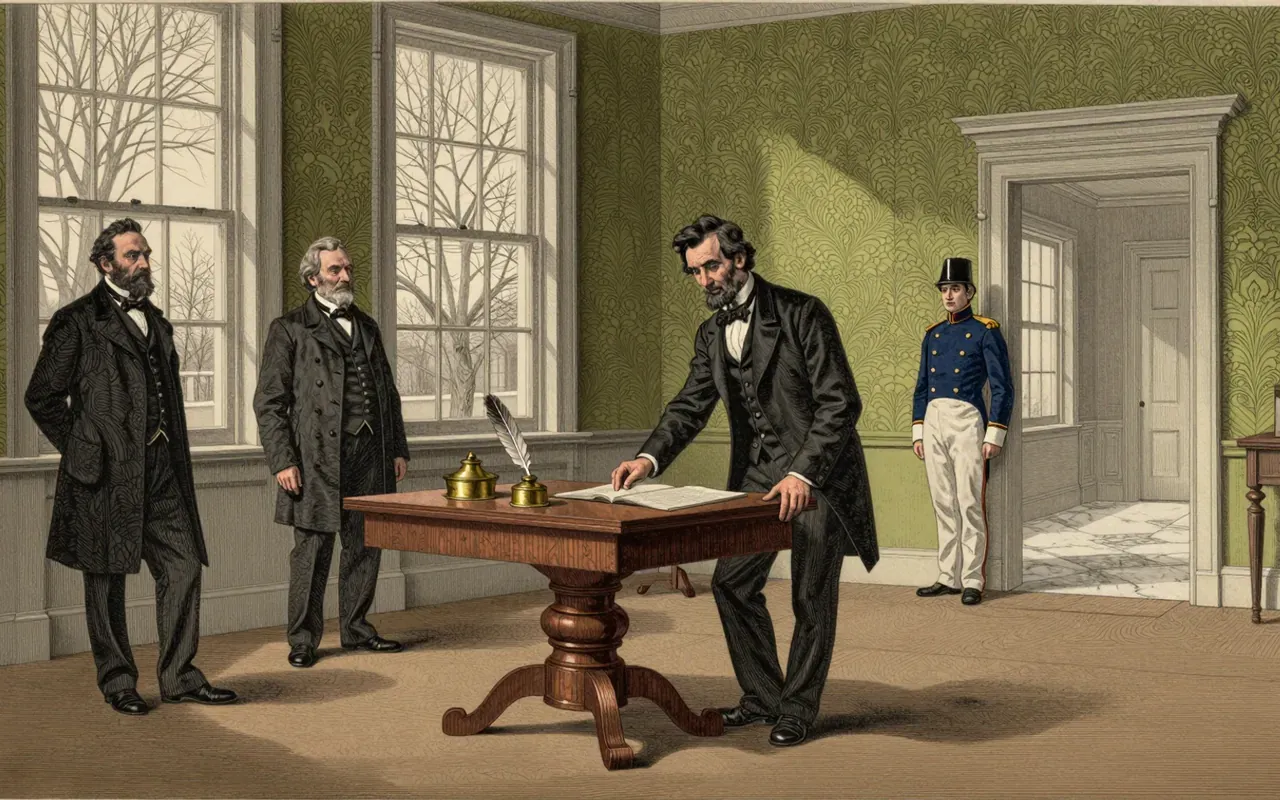
Signed on 3 September 1783 at the Hotel d'York in Paris, the treaty ended the American Revolutionary War, with Britain recognising the thirteen colonies as free and independent states after American negotiators Benjamin Franklin, John Jay, John Adams and Henry Laurens reached terms with British representative David Hartley. It set boundaries running to the Mississippi River, granted American fishing rights off Newfoundland, and included unenforceable promises on debts and loyalist property that left disputes simmering for years, some not resolved until the Jay Treaty of 1794.
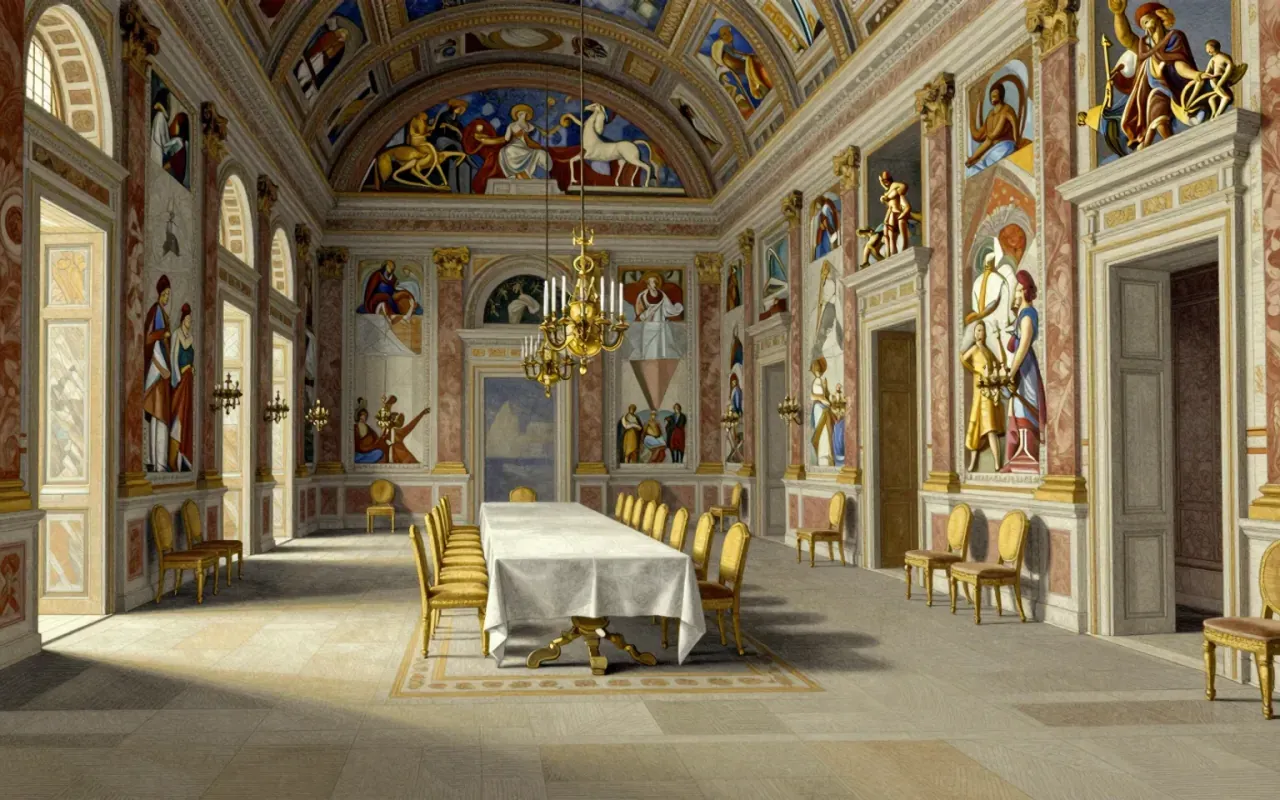
Signed on 25 March 1957 on Capitoline Hill in Rome and effective from 1 January 1958, the Treaty of Rome established the European Economic Community among Belgium, France, Italy, Luxembourg, the Netherlands and West Germany, alongside a companion treaty founding the European Atomic Energy Community. Built on the 1955 Spaak Report and negotiations at Val Duchesse, it created a customs union intended to foster economic integration, and its institutions were later merged with those of the earlier Coal and Steel Community before evolving, through the Maastricht and Lisbon treaties, into the European Union.
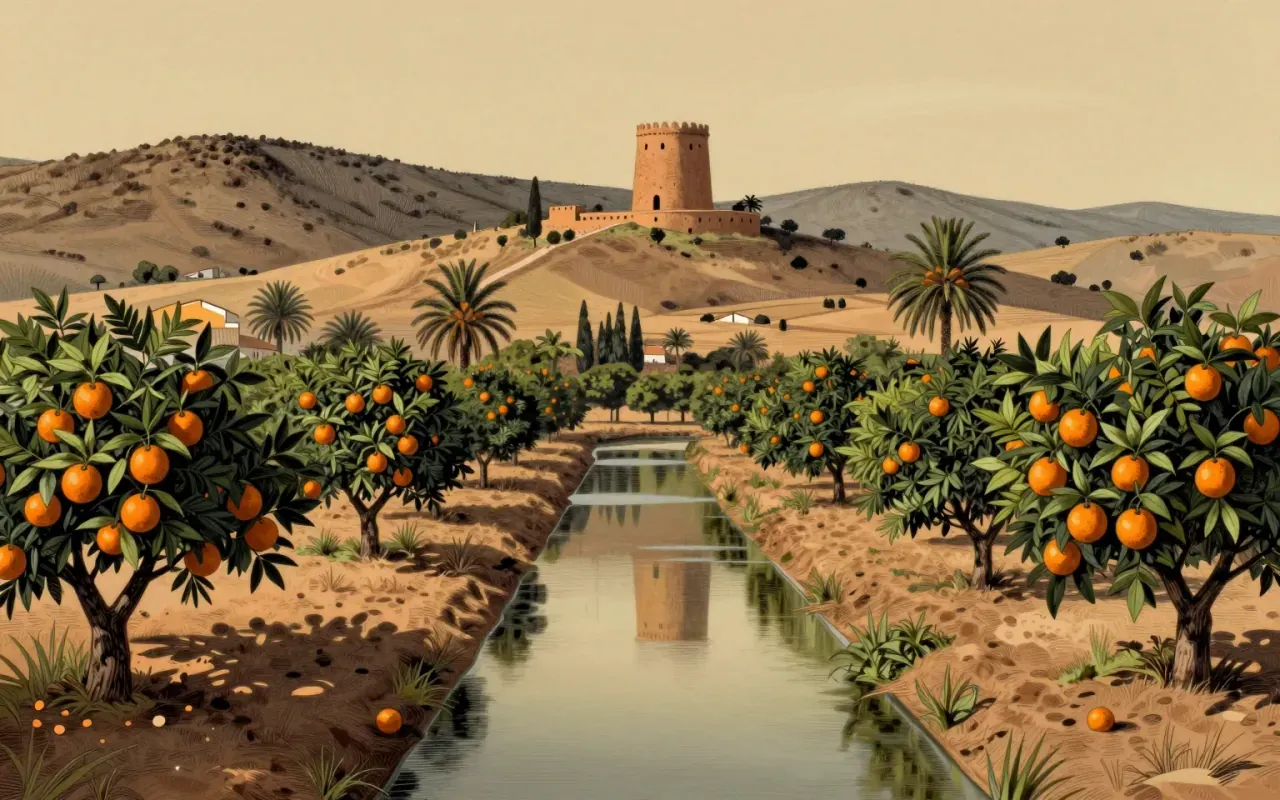
Beginning in 711, a small Muslim force crossed into Iberia, defeated and killed the Visigothic king Roderic, and within a few years had overrun most of the peninsula, aided by how fragile and contested Visigothic rule already was. No contemporary account survives from either side, and much of the conquest's famous detail, including the story of Count Julian's betrayal, is now regarded by historians as later legend rather than established fact. Muslim rule persisted in some form for nearly eight centuries, ending only with Granada's fall in 1492.
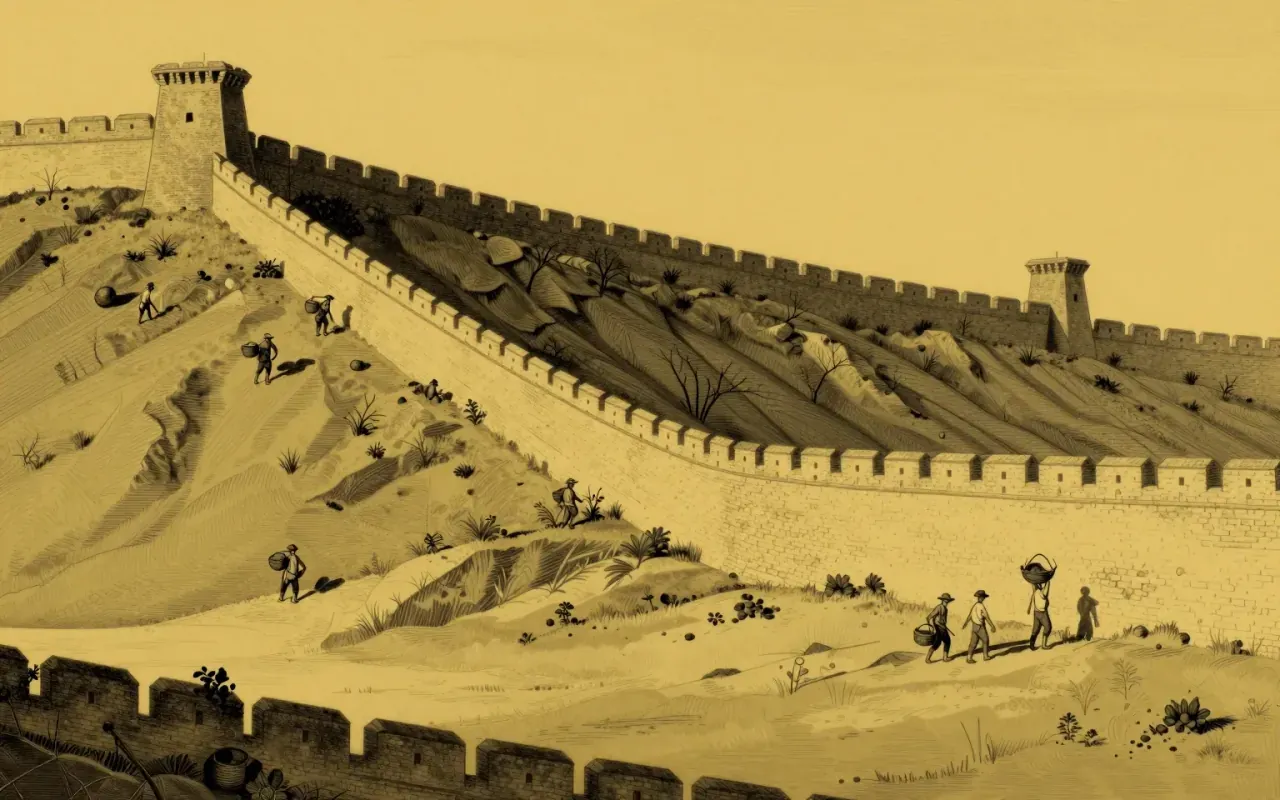
Between 230 and 221 BC, the state of Qin under the future First Emperor conquered the six remaining Warring States of ancient China in succession, Han, Zhao, Wei, Yan, Chu and Qi, using a strategy of allying with distant states while attacking nearby ones, guided by advisors including Li Si and the general Wang Jian. The campaign culminated in China's first unified empire under a single ruler, but the ancient sources reporting individual battle casualties in the hundreds of thousands, including the flooding of Wei's capital and fighting near Zhao, carry no independent corroboration, leaving historians to treat the conquest's scale as more reliably established than its specific, often dramatic death tolls.