A tunnel with no guard rails
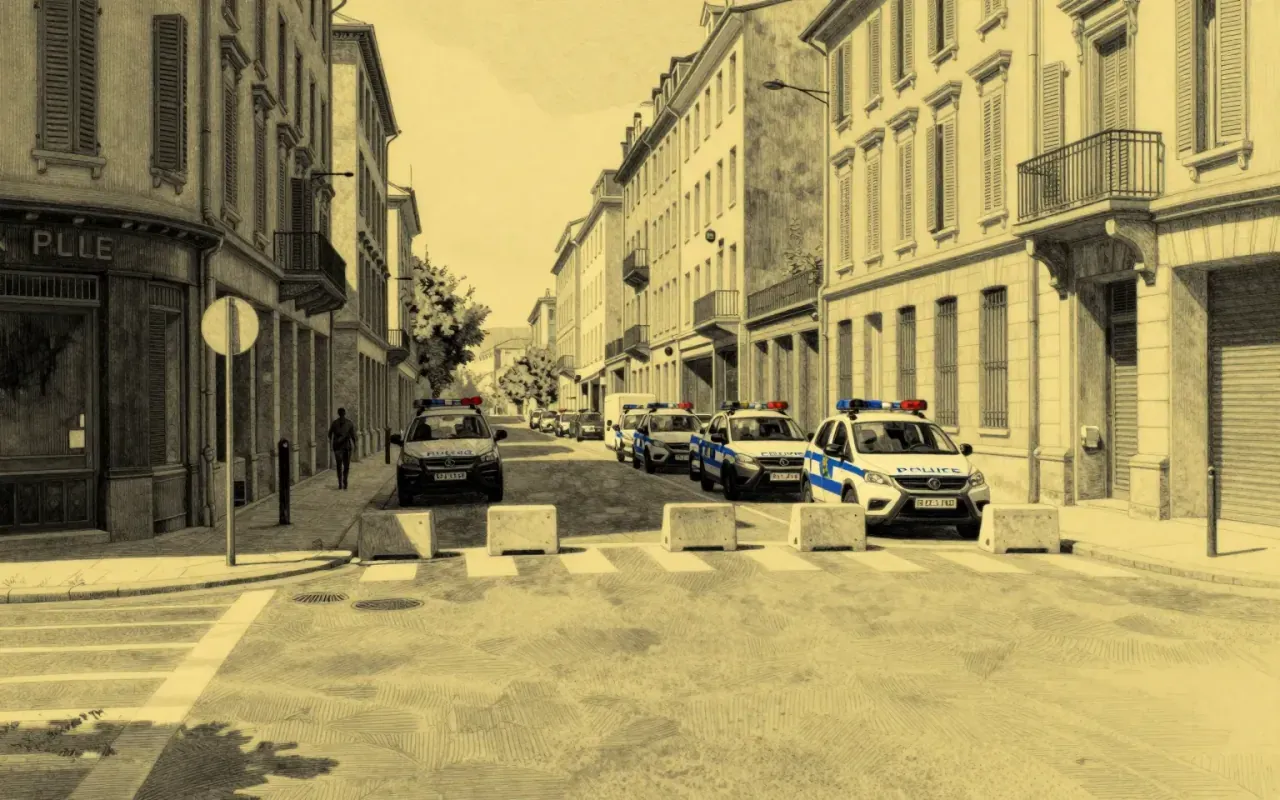
In the early hours of 31 August 1997, a Mercedes-Benz carrying Diana, Princess of Wales, her companion Dodi Fayed, driver Henri Paul and bodyguard Trevor Rees-Jones entered the Pont de l’Alma tunnel in Paris travelling at approximately 105 kilometres per hour, more than double the posted 50 kilometre limit. The vehicle struck a white Fiat Uno, then collided with the tunnel’s thirteenth support column and a stone wall, an impact made more severe by the tunnel’s lack of guard rails. Diana, critically injured but initially conscious, was taken to Pitié-Salpêtrière Hospital, where she died at 4am from internal injuries including a torn pulmonary vein; Dodi Fayed and Henri Paul were pronounced dead at the scene, while Rees-Jones survived with serious facial injuries.
A driver over three times the legal limit
A French judicial inquiry, concluded in 1999, found that Henri Paul, who had a blood alcohol level of 180 milligrams per 100 millilitres, over three times France’s legal driving limit, and was also under the influence of prescription antidepressants, bore sole responsibility for losing control of the vehicle. Britain’s own investigation, Operation Paget, ran for years afterward and concluded there was, in its own words, not a shred of evidence supporting conspiracy claims, with the subsequent inquest recording a verdict of unlawful killing through the grossly negligent driving of both Paul and the paparazzi vehicles pursuing the car. Together, the French inquiry and the British inquest, which alone cost around £4.5 million on top of an £8 million police investigation, produced a documentary record that reached the same conclusion twice through independent processes years apart.
An inquiry that cost more than the crash’s cause was ever in doubt
Mohamed Al-Fayed, Dodi’s father, maintained for years that the crash resulted from a deliberate plot orchestrated by British intelligence services on the instructions of the Royal Family, allegations that both the original French investigation and the subsequent Operation Paget inquiry examined at length and rejected for lack of supporting evidence. The coroner overseeing the inquest, Lord Justice Baker, stated explicitly that there was not a shred of evidence for murder theories, and a separate 2013 Scotland Yard review of claims involving a British soldier similarly found nothing to substantiate them. Prince Harry later described the official investigation’s conclusions as simplistic and absurd, though he and Prince William ultimately accepted the verdicts reached, a detail suggesting even close family members’ scepticism did not translate into evidence contradicting the established findings.
A father’s accusation, examined and rejected
The Royal Family’s immediate response to Diana’s death drew significant public criticism, particularly Queen Elizabeth II’s initial refusal to fly the Royal Standard at half-mast over Buckingham Palace, a decision rooted in longstanding protocol restricting that flag to occasions when the monarch was in residence rather than any deliberate coldness. The resulting public anger, amplified by newspaper coverage, led to a compromise in which the Union Flag was flown at half-mast instead, and Prince Charles woke his sons William, then fifteen, and Harry, twelve, before dawn to tell them of their mother’s death personally, a detail that has shaped subsequent accounts of the family’s private handling of the tragedy.
A monarchy slow to respond
Public mourning reached a scale without recent precedent in Britain: over a million bouquets accumulated outside Kensington Palace in the days following Diana’s death, and her funeral on 6 September drew an estimated three million mourners in London while roughly 2.5 billion people watched the broadcast worldwide. Subsequent research documented measurable psychological effects in the surrounding weeks, including elevated rates of suicide, self-harm and depression diagnoses, particularly among women aged twenty-five to forty-four, alongside increased demand for counselling services, evidence that the public grief extended well beyond ceremonial expression into documented mental health impact across the country.
Grief measured in bouquets and viewers
The crash is worth reading selectively rather than as a genuine unsolved mystery, since the causal investigation, conducted twice by independent French and British processes years apart, converged on the same conclusion of driver negligence rather than conspiracy. What repays closer attention is everything surrounding the crash: the Royal Family’s initial protocol misstep and its public relations consequences, the scale of public grief and its documented psychological aftermath, and the way Diana’s landmine advocacy work influenced the same year’s Ottawa Treaty. Read for those dimensions, the story offers more genuine insight than for the conspiracy theories, which the record addresses thoroughly enough to close rather than merely leave open.