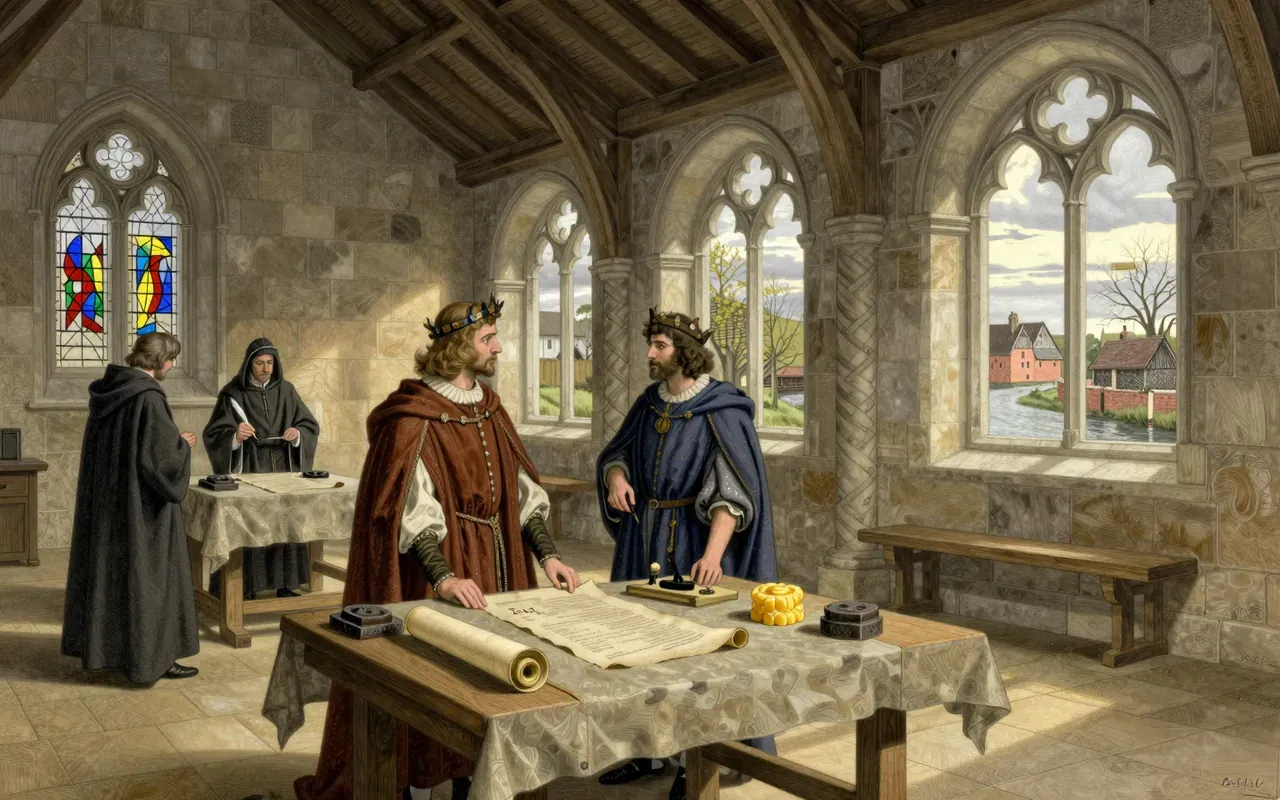
John, King of England
1166/7–1216
John’s reign is the hinge between Angevin transnational rule and English constitutional monarchy — but only because the record shows it collapsed under its own weight, not because John was uniquely flawed.
The country that decided taste was a matter of national policy.
John’s reign is the hinge between Angevin transnational rule and English constitutional monarchy — but only because the record shows it collapsed under its own weight, not because John was uniquely flawed.
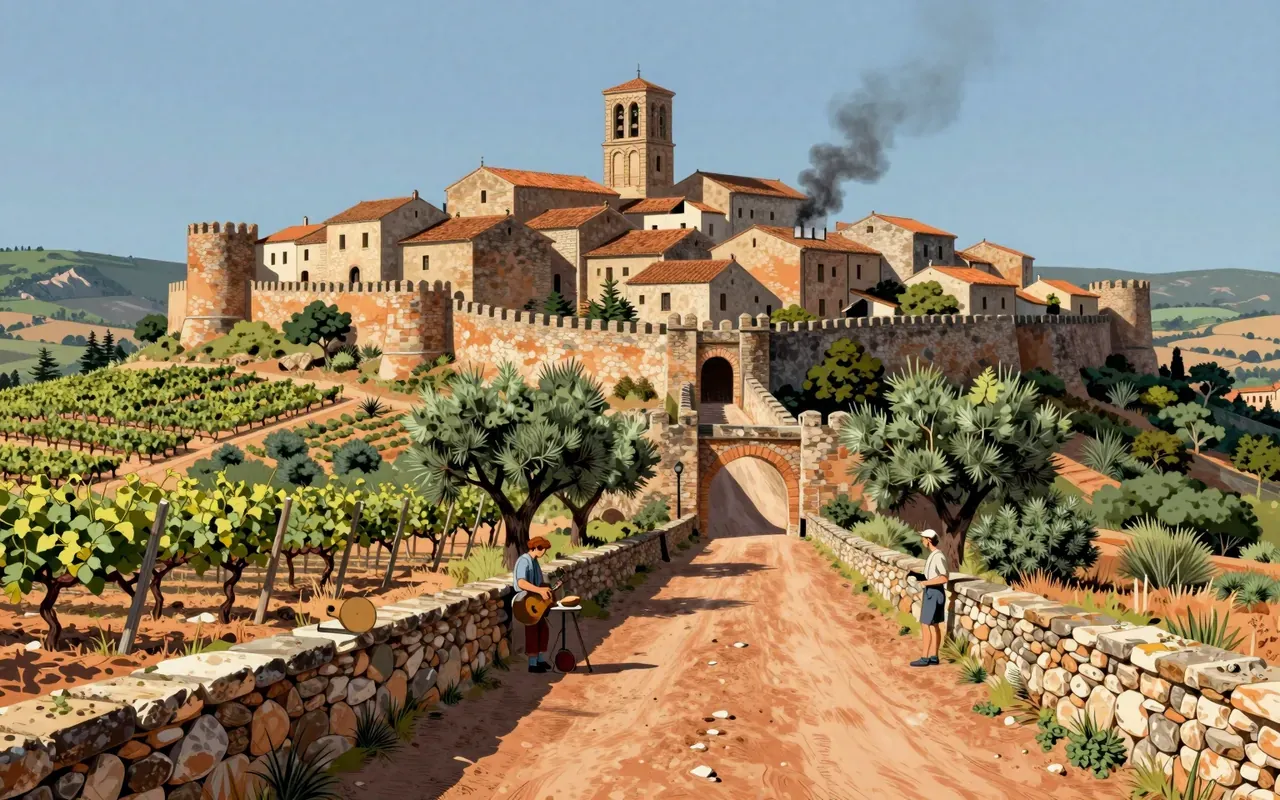
The Albigensian Crusade was a 1209–1229 papally initiated, French royally executed campaign against Catharism in Languedoc. It succeeded militarily in phases, realigned Toulouse with the French crown, diminished regional culture, and aided the institutional rise of the Dominicans and Inquisition. Its record is coherent but narrow: no dissent, no numbers, no motives beyond those stated.
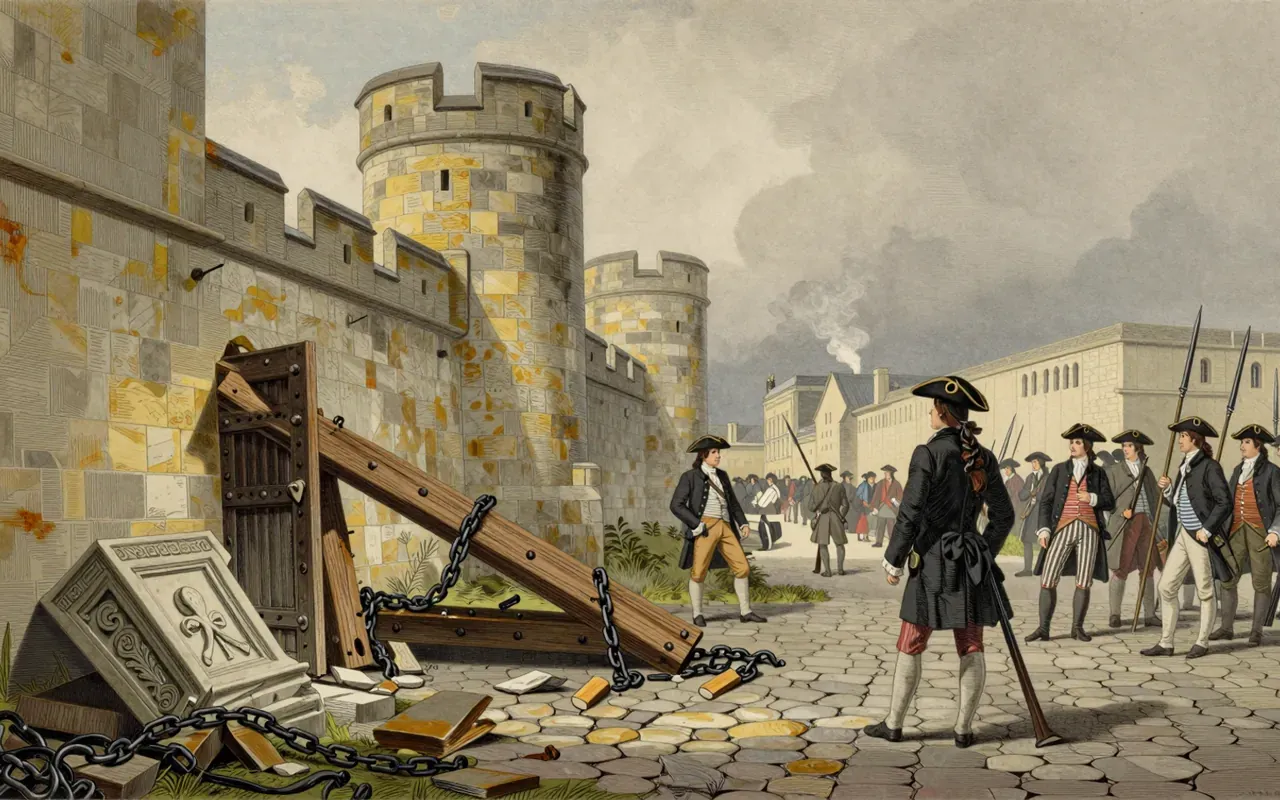
The French Revolution was a period of political and societal change in France that began with the Estates General of 1789 and ended with the Coup of 18 Brumaire on 9 November 1799.
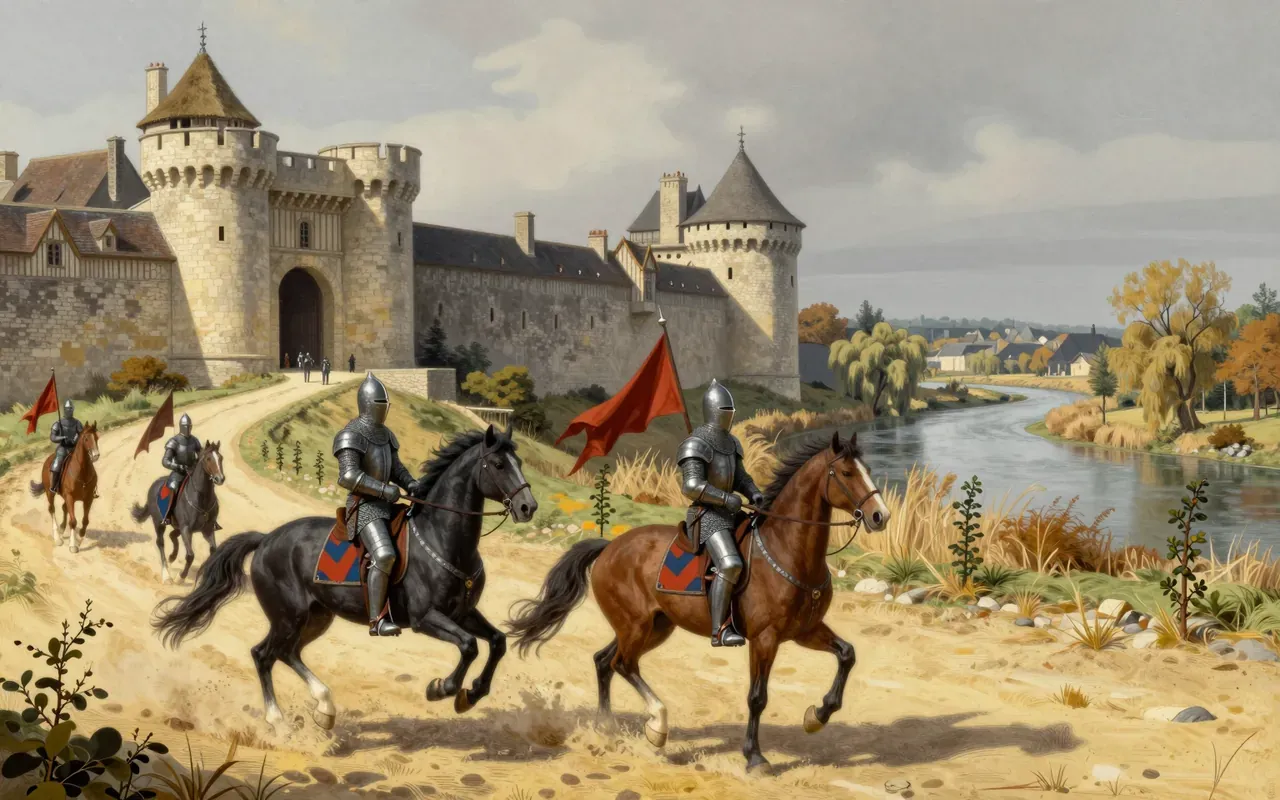
William the Conqueror is the founding figure of Norman rule in England. The source documents his titles, dates, military action, coronation, suppression of revolt, and commissioning of the Domesday Book. It makes no claims about motive, ideology, resistance scale, or cultural impact beyond administration. It treats consolidation as chronological fact — not contested process.
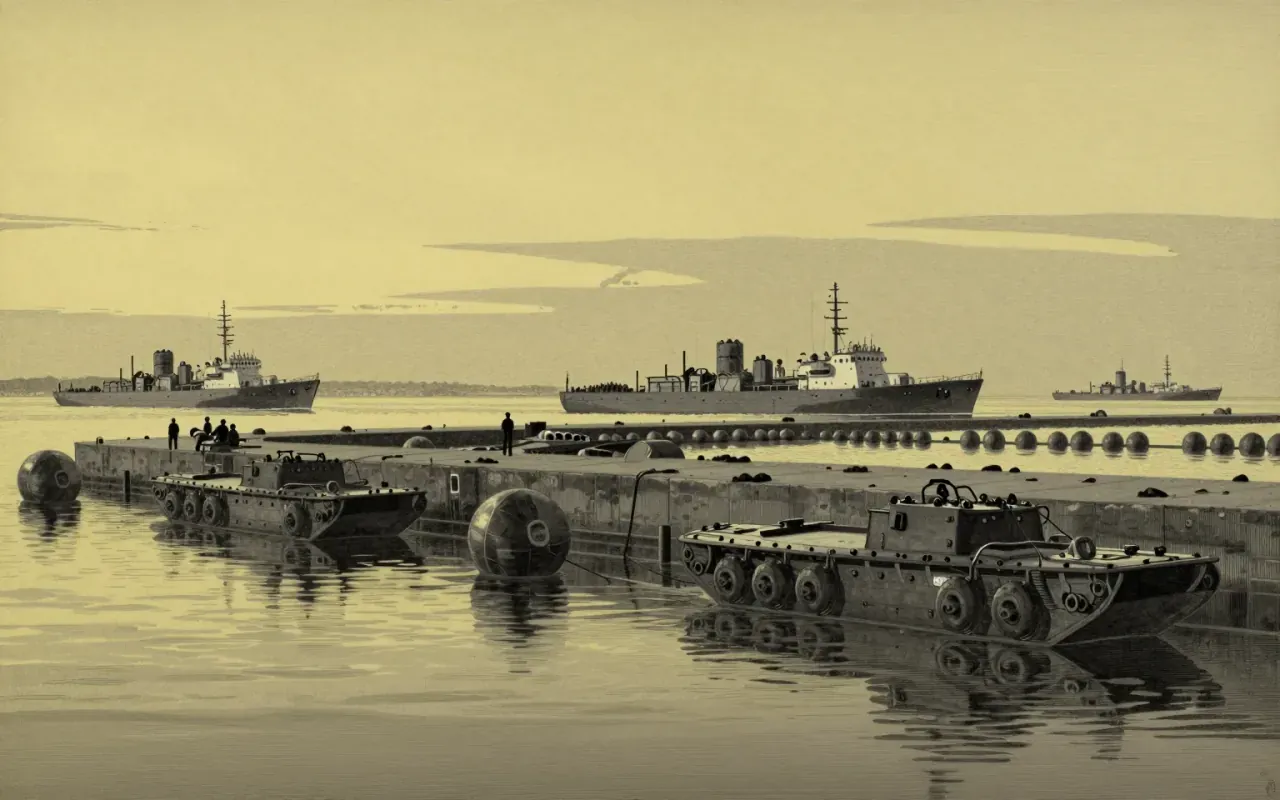
The Allied invasion of Normandy on 6 June 1944, the opening of Operation Overlord, put roughly 160,000 troops ashore across five beaches on a single day, supported by nearly 5,000 vessels and a 1,200-plane airborne assault, after a monthslong deception campaign, Operation Bodyguard, convinced German commanders the main landing would come at Calais. Allied casualties on the day itself totalled at least 10,000, with 4,414 confirmed dead, and the broader Normandy campaign that followed committed over a million troops before liberating Paris on 25 August 1944.
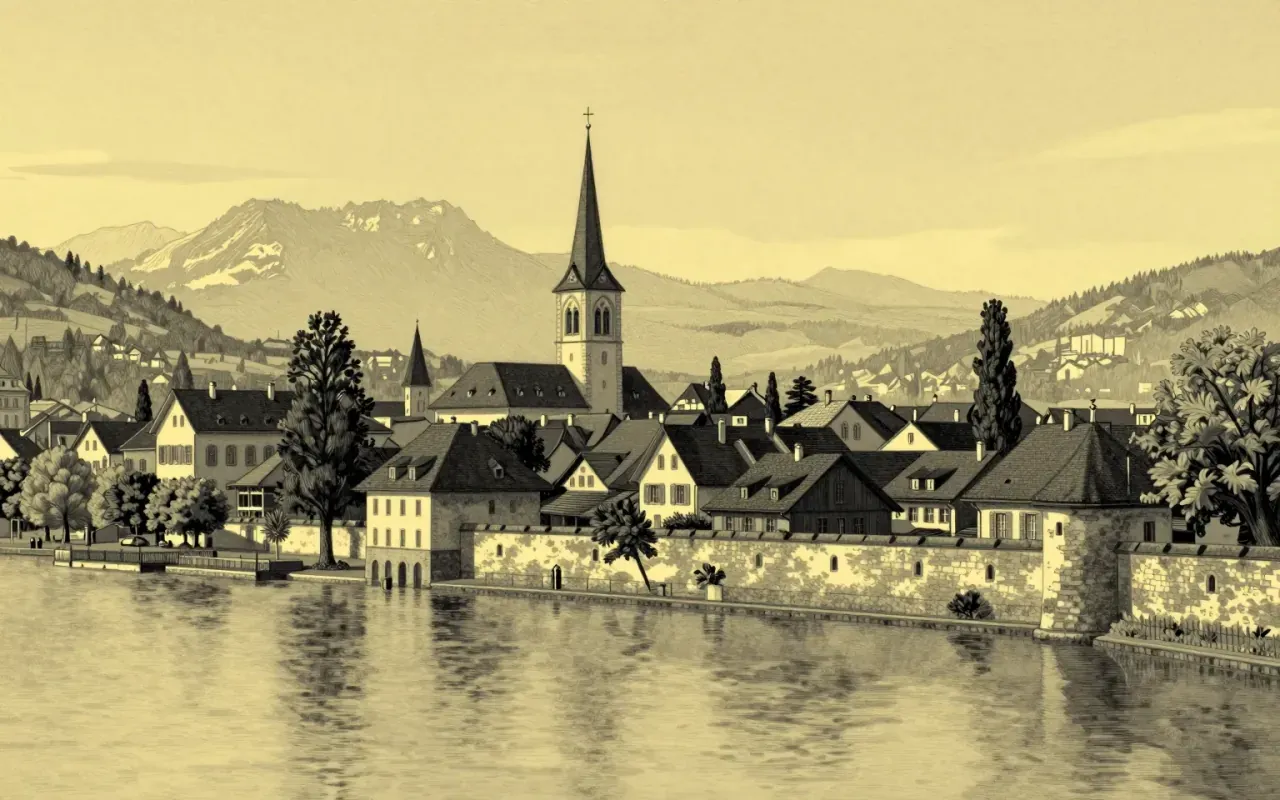
Jean-Jacques Rousseau argued that civilisation and private property had corrupted a naturally good humanity, and that legitimate government could only rest on the collective general will of the people, publishing The Social Contract and Emile within weeks of each other in 1762 before both were banned and burned. His autobiography, the Confessions, is the main source for his life but is acknowledged even by sympathetic scholars to contain confused chronology and shifting self-justifications, particularly around his decision to give up his own children.

A peasant girl from Domremy, Joan of Arc reported religious visions that led her to the French court in 1429, where she helped break the siege of Orleans and see Charles VII crowned before her capture and execution for heresy in 1431. Her trial and a later rehabilitation hearing preserve unusually detailed testimony in her own words, though what her visions actually were remains a question the sources describe without settling.
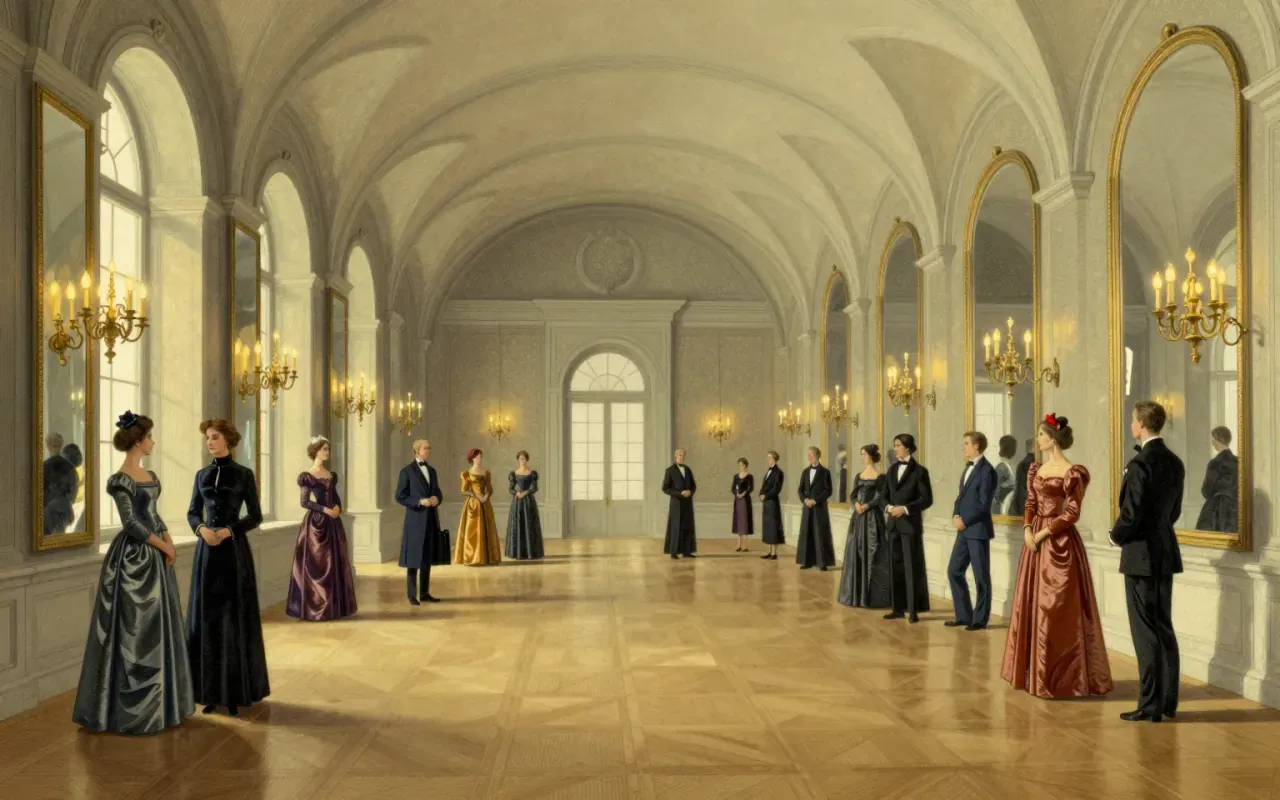
Louis XIV reigned over France from 1643 to 1715, seventy-two years, the longest of any sovereign monarch on record, building the Palace of Versailles as a mechanism for controlling a nobility that had rebelled against the crown during his childhood, and revoking the Edict of Nantes to strip legal protection from French Protestants. His three major wars, the Franco-Dutch War, the Nine Years' War and the War of the Spanish Succession, extended French influence but left his successor a kingdom deep in debt, a legacy that combines genuine administrative and cultural achievement with the costs of near-constant warfare.
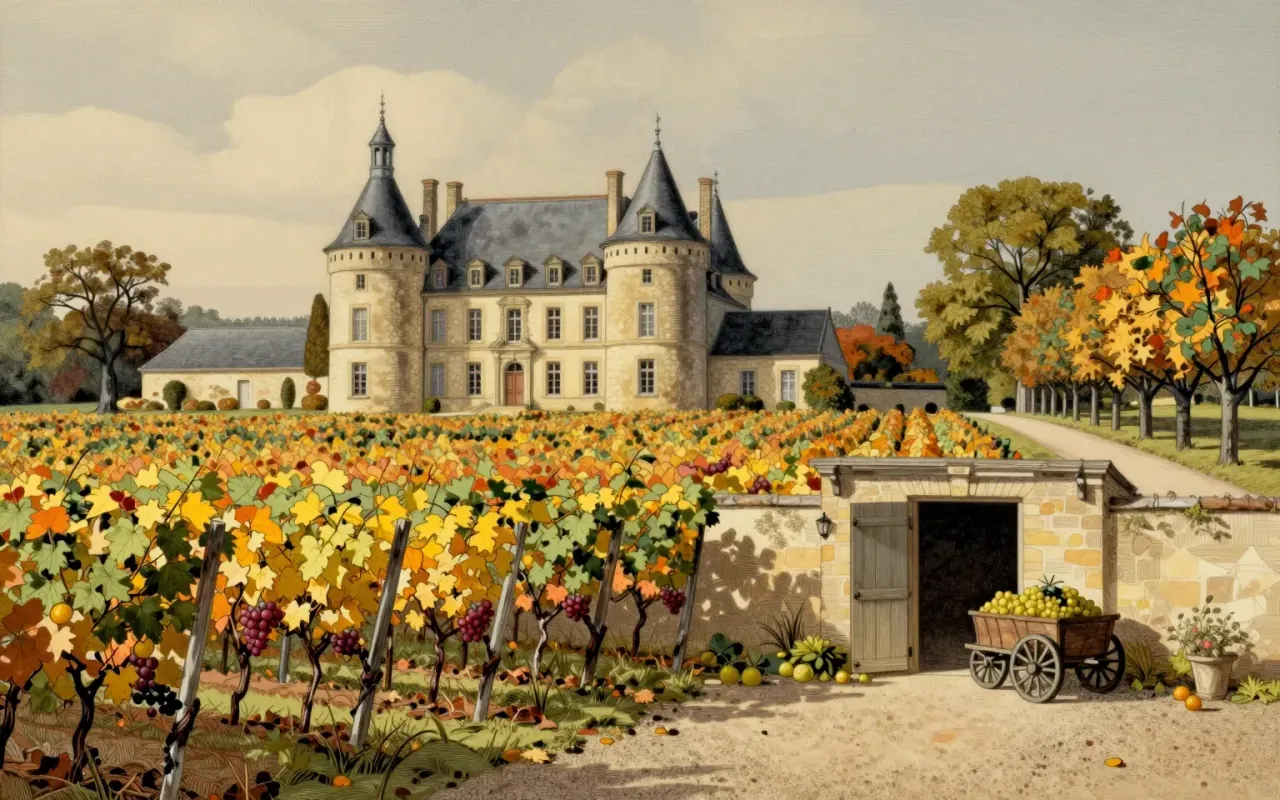
Montesquieu argued in The Spirit of the Laws, published in 1748, that political liberty required dividing government into separate legislative, executive and judicial powers, drawing his model partly from an extended stay observing England. That model became enormously influential in colonial and revolutionary America, even though scholars now treat his account of English government as an idealised simplification rather than a fully accurate description of how England was actually run.

Napoleon Bonaparte rose from a Corsican artillery officer to First Consul of France after the 1799 coup of 18 Brumaire and Emperor from 1804, leading French armies through more than a decade of victories, at Austerlitz, Jena and Friedland among them, before catastrophic defeat in Russia in 1812 and final loss at Waterloo in 1815 ended his rule and sent him into exile on Saint Helena, where he died in 1821. His legal reforms, the Napoleonic Code among them, spread across much of Europe even as his own conquests reinstated slavery in French colonies and rolled back civil liberties at home.
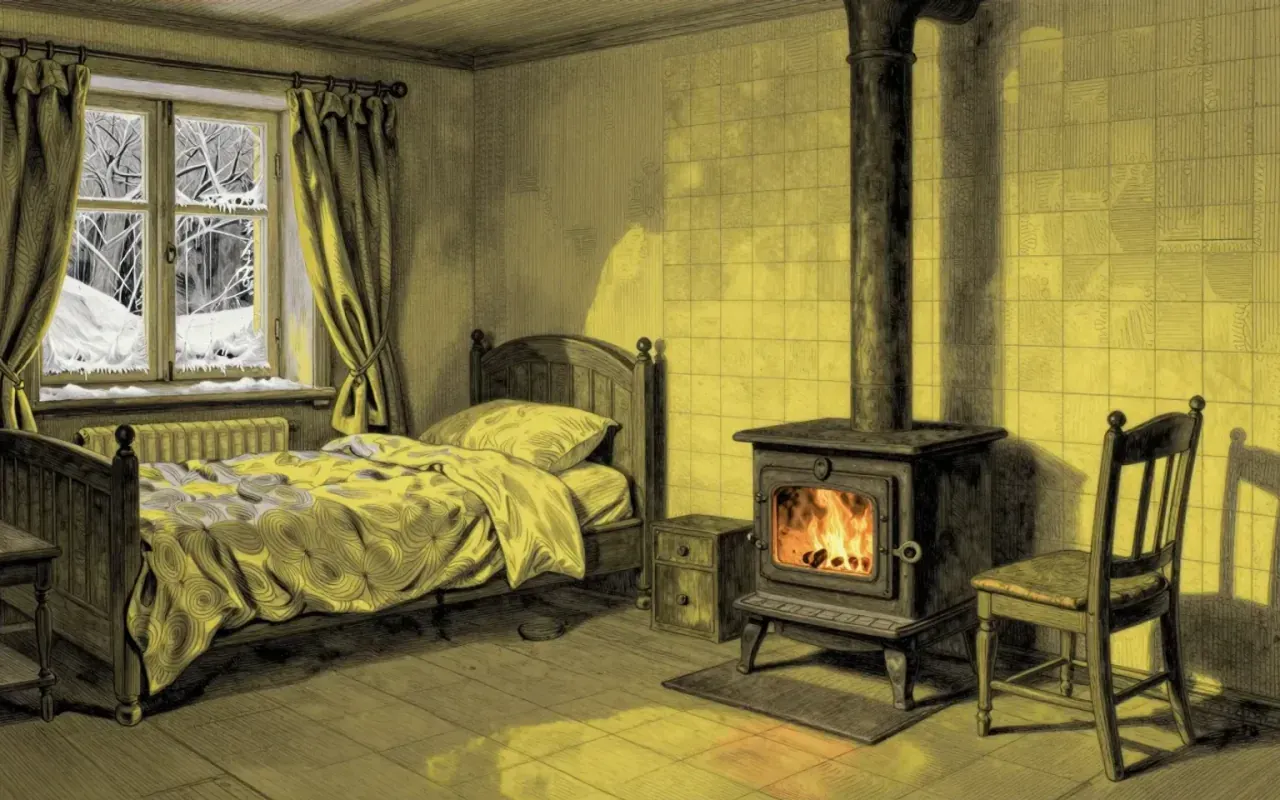
Rene Descartes built a systematic method of doubting every belief that could possibly be questioned in order to find one certain foundation, concluding that the fact of his own thinking proved his existence, and used that starting point to argue for a strict division between mind and body. His posthumous editor reshaped his surviving letters for publication, and even the familiar account of his death in Sweden in 1650 has since been questioned by researchers working from the attending physician's own correspondence.

German negotiators, given seventy-two hours and almost no leverage, signed the armistice ending the First World War in a railway carriage near Compiègne at five in the morning on 11 November 1918, with the ceasefire set to take effect six hours later, at the eleventh hour of the eleventh day of the eleventh month. Fighting continued through that gap and killed nearly eleven thousand men on the war's final day, and the armistice itself was only a pause, not a formal peace, one German generals later exploited by claiming their army had never actually been defeated in the field.
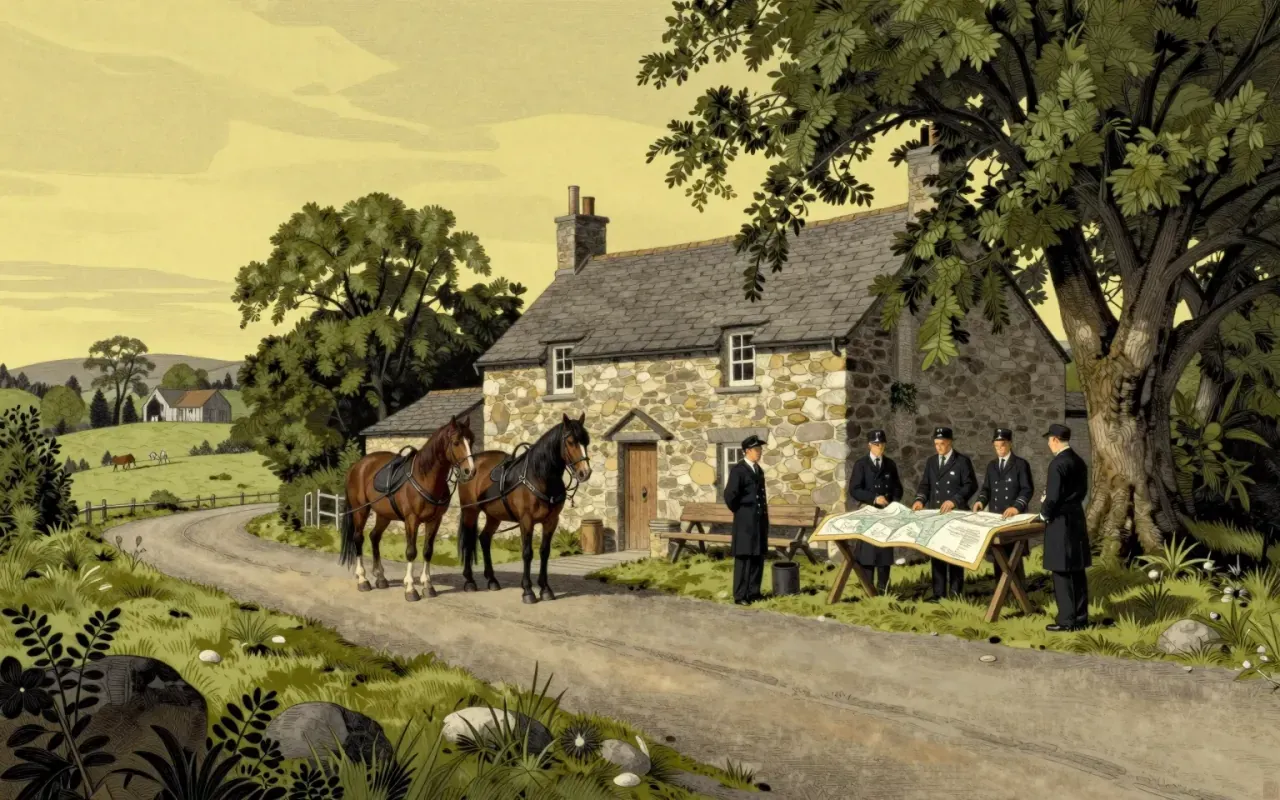
German forces trapped Napoleon III's Army of Châlons at Sedan on 1 and 2 September 1870, taking over a hundred thousand French prisoners and forcing the emperor's own surrender, a defeat so total it collapsed the Second French Empire within two days once news reached Paris. The war Bismarck had manoeuvred France into continued for five more months under a new republican government, but Sedan itself was decisive enough that Germans marked its anniversary as a national holiday for close to fifty years afterward.
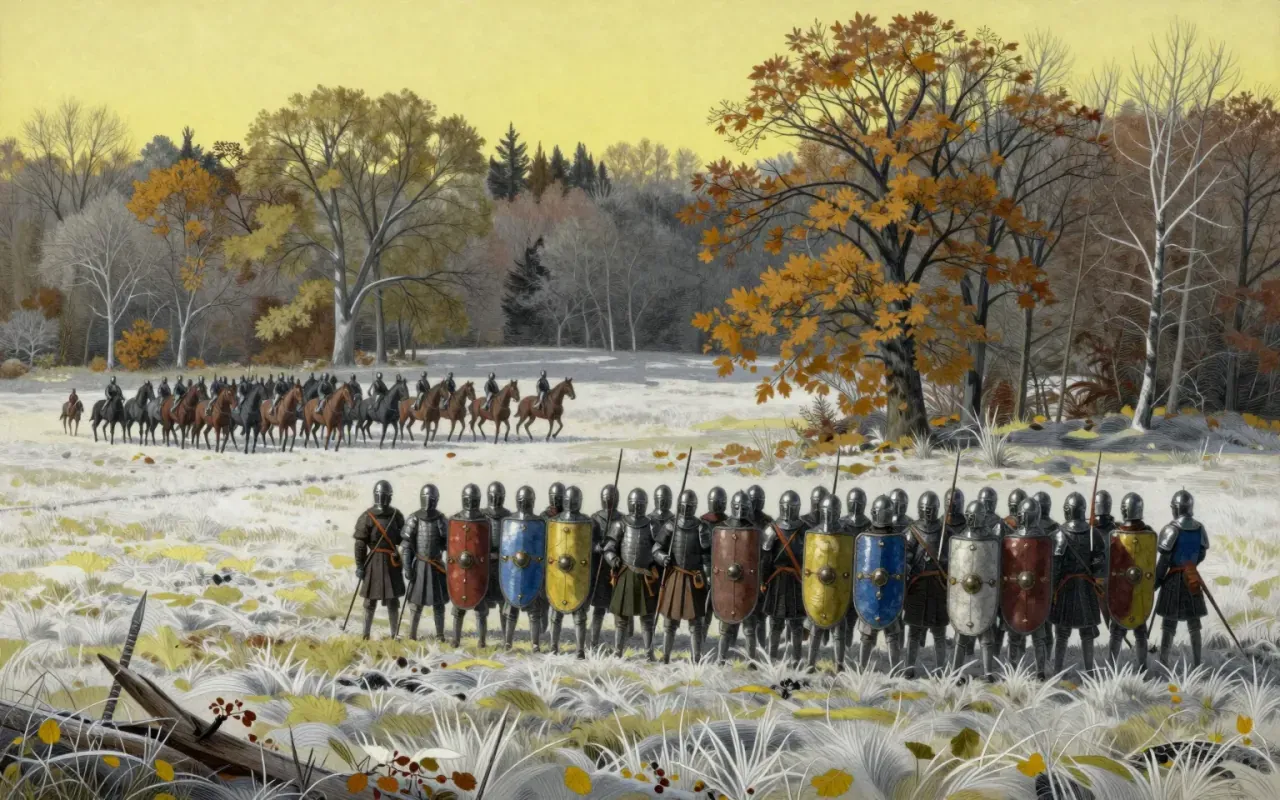
In October 732, Frankish infantry under Charles Martel held off an Umayyad raiding force near Tours, and the death of the Umayyad commander during the fighting prompted a withdrawal rather than renewed battle. Modern estimates put both armies far below the inflated figures later chroniclers reported, and the notorious casualty count of hundreds of thousands appears to have been recycled from an earlier battle at Toulouse. Historians remain sharply divided over whether the battle saved European Christendom or has been dramatically overstated as a mostly local, if consequential, Frankish victory.
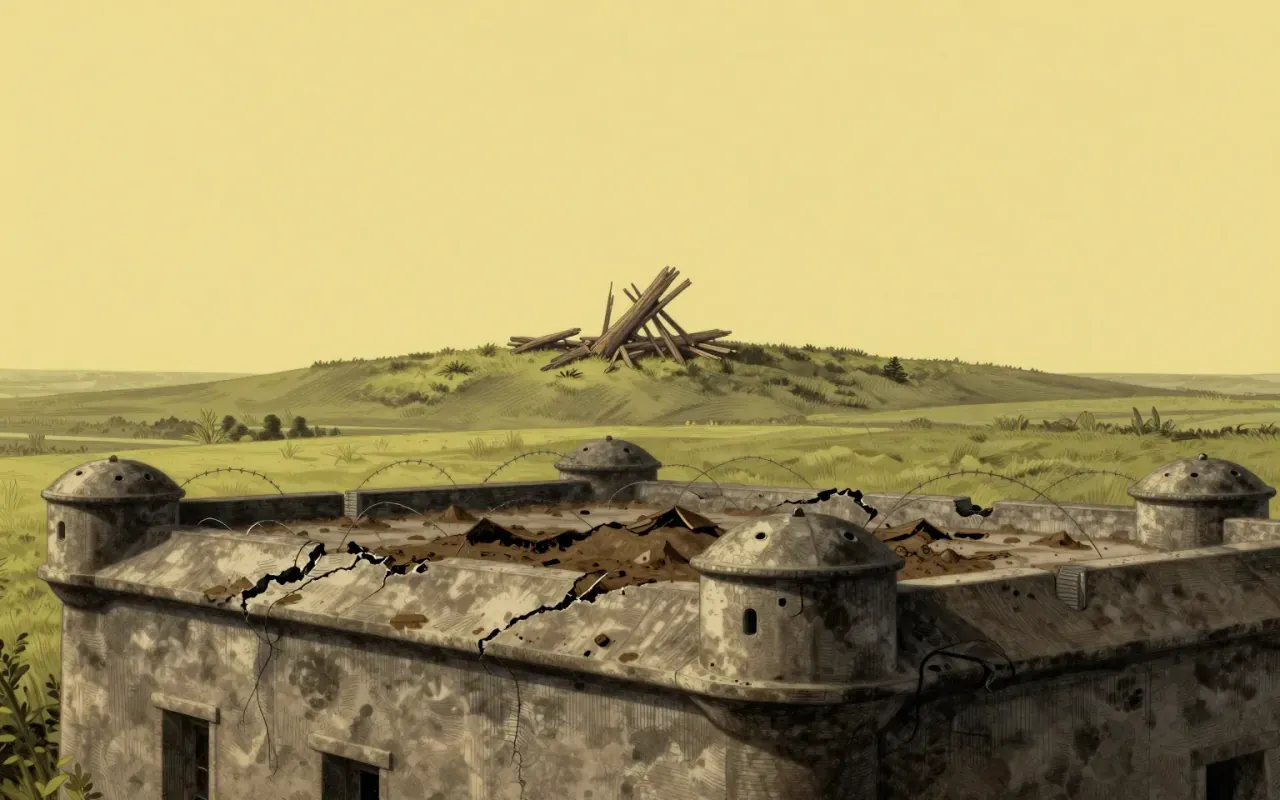
German commander Erich von Falkenhayn planned the assault on Verdun in February 1916 explicitly to bleed French reserves through attrition rather than to win territory outright, opening ten months of fighting that killed or wounded over seven hundred thousand men on both sides. Philippe Pétain's defence, built on rotating units and a supply road that kept ammunition and reinforcements flowing, made him France's most celebrated general of the war, a reputation that makes his later collaboration with Nazi Germany one of the starkest reversals in twentieth-century political memory.
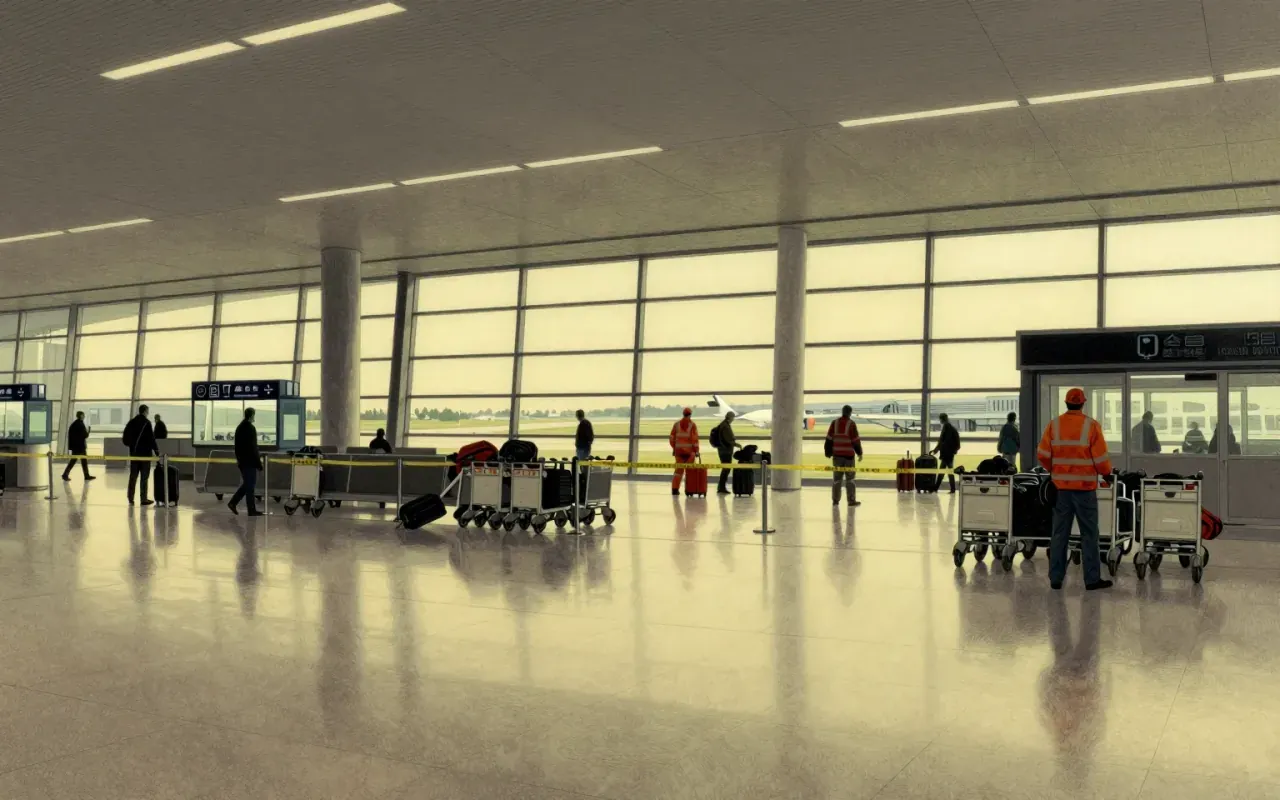
On 22 March 2016, three suicide bombers from the same Brussels-based ISIS cell responsible for the November 2015 Paris attacks struck Brussels Airport and the city's Maelbeek metro station, killing 32 civilians and injuring more than three hundred. All five attackers involved that day had also helped plan and carry out the Paris attacks, and Belgian investigators believe the arrest of Paris attacker Salah Abdeslam just four days earlier may have accelerated the Brussels operation before the cell was fully prepared. A parliamentary inquiry later found serious failures in Belgian security coordination and information-sharing, and separate trials in Paris and Brussels eventually convicted the cell's surviving members, sentencing several, including Abdeslam, to life imprisonment.

Diana, Princess of Wales, died in the early hours of 31 August 1997 after the car carrying her through Paris's Pont de l'Alma tunnel crashed at high speed, with driver Henri Paul found to have a blood alcohol level over three times the legal limit. Both a 1999 French judicial inquiry and Britain's own multi-year Operation Paget investigation rejected conspiracy theories advanced by Mohamed Al-Fayed, concluding the crash resulted from grossly negligent driving rather than any orchestrated plot.
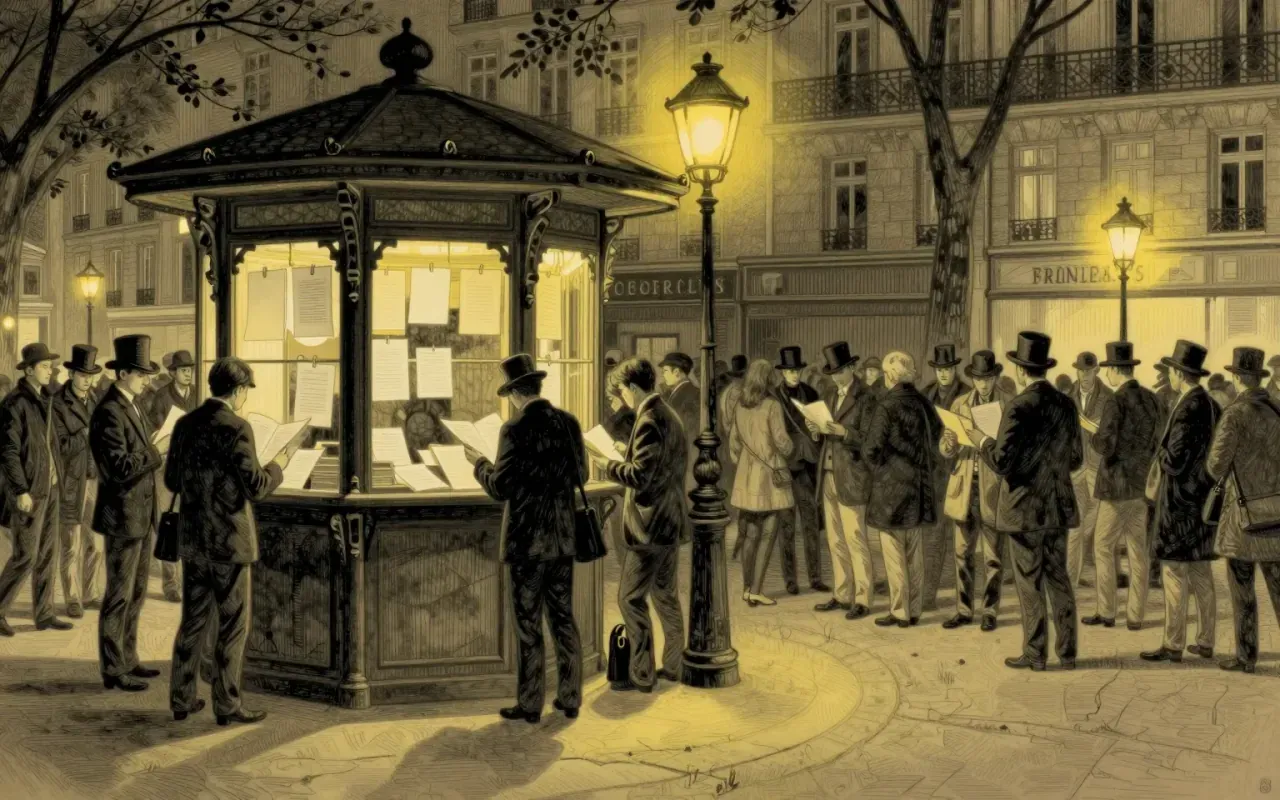
Alfred Dreyfus, a Jewish artillery officer, was wrongly convicted of treason in 1894 on the strength of disputed handwriting evidence and imprisoned on Devil's Island, while the army suppressed subsequent proof identifying the real culprit. Émile Zola's 1898 open letter J'Accuse galvanised public opinion, and Dreyfus was eventually pardoned in 1899 and fully exonerated in 1906, an affair that split French society and exposed institutional antisemitism at the highest levels of the military.
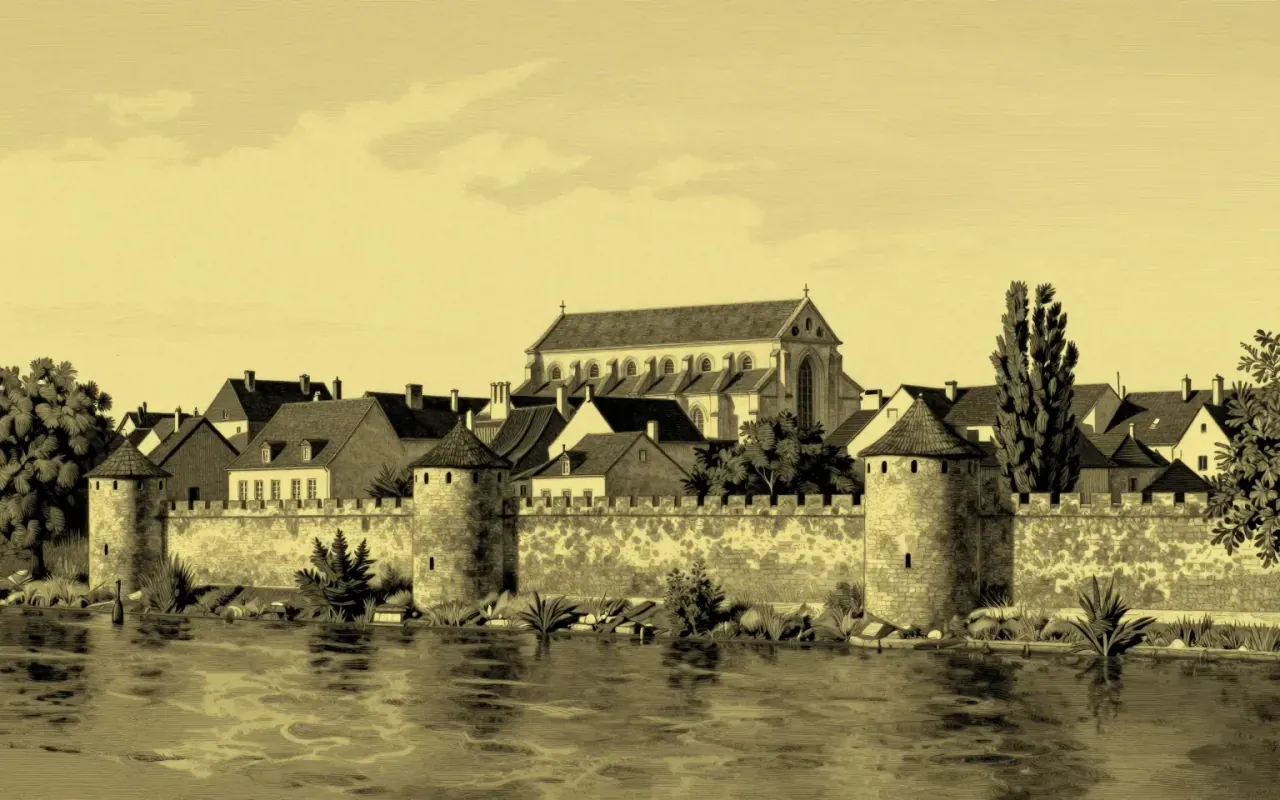
Issued in April 1598 to end decades of the French Wars of Religion, the Edict of Nantes gave French Protestants freedom of worship in specified areas, access to public office, state-funded schools, and control of fortified towns including La Rochelle, while leaving them subject to Catholic tithes and holidays. Henry IV, who had converted to Catholicism himself in 1593 after years fighting as a Protestant leader, signed it to secure a fragile peace, and provincial parlements delayed its registration for years. His grandson Louis XIV revoked it through the Edict of Fontainebleau in October 1685, triggering an exodus of roughly 400,000 Huguenots that religious freedom in France would not formally match again until 1787.
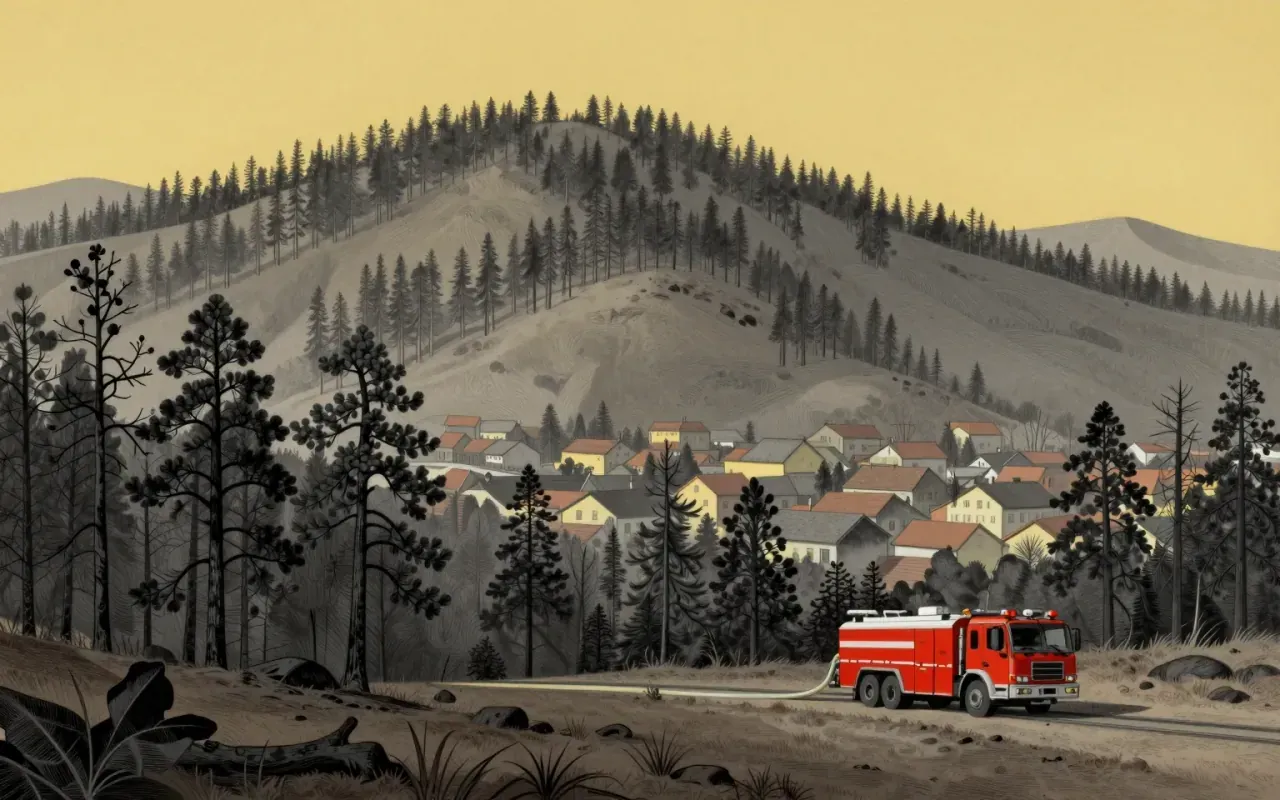
The summer of 2003 was Europe's hottest since at least 1540, with temperatures reaching 47.3 degrees Celsius in Portugal and record highs across Britain, Germany, and Switzerland, and it is estimated to have killed around 72,000 people across the continent. France suffered the heaviest toll, somewhere between roughly 14,800 and 19,000 deaths, driven less by the heat itself than by nights that stayed unusually warm, housing without air conditioning, and a health and social care system that emptied out for the traditional August holiday just as elderly people living alone needed it most. The scandal cost Health Minister Jean-François Mattei his job the following year and led France to build a national heat wave response plan that has measurably reduced death tolls in subsequent hot summers.

European integration began institutionally in 1948 and took concrete shape with the 1950 Schuman Declaration, which led six countries to form the European Coal and Steel Community in 1952 on the premise that shared control of war-making industries would prevent renewed conflict. Successive treaties and enlargements built the European Economic Community, then the European Union itself in 1993, expanding eventually to twenty-seven members, a scale of integration that has produced its own recurring tensions over sovereignty, migration and, in 2020, the departure of the United Kingdom.
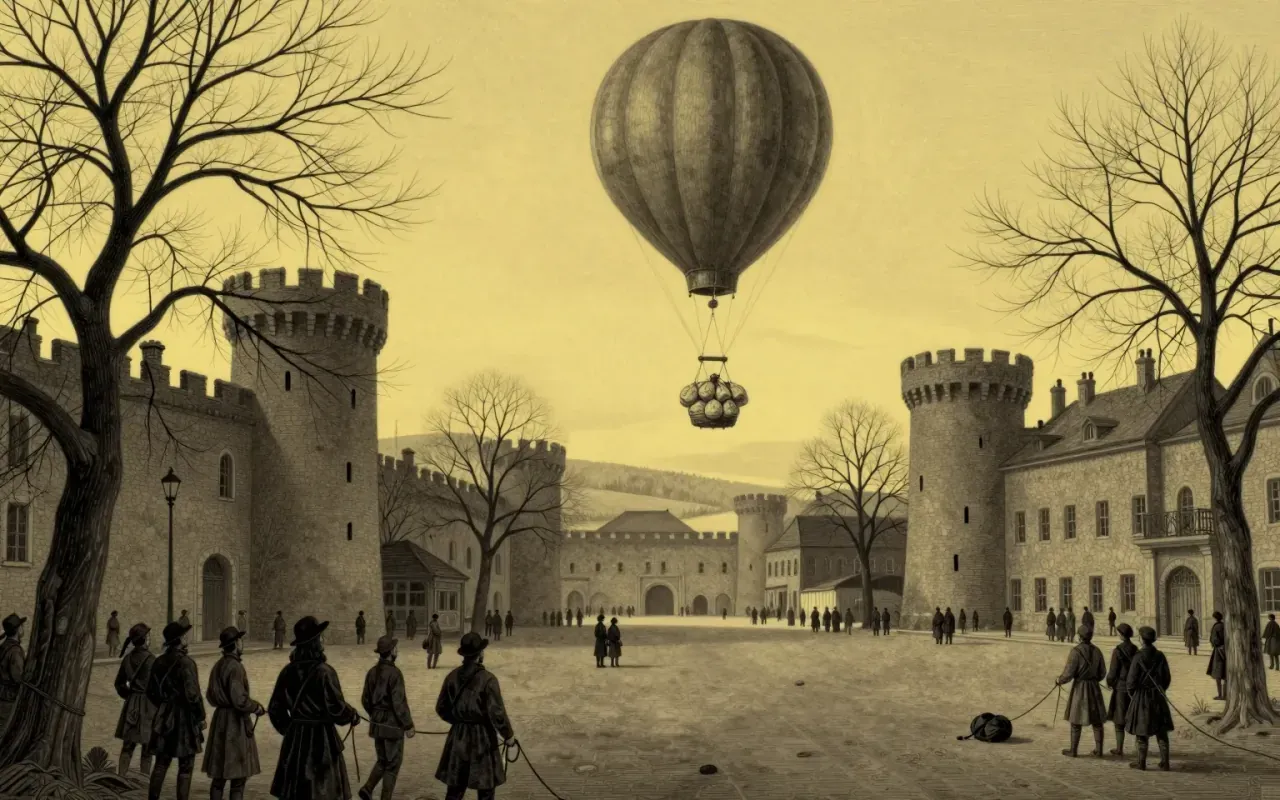
Bismarck's editing of the Ems Dispatch in July 1870 turned a diplomatic exchange over a Spanish succession dispute into a war France declared and then lost within weeks, its main army captured at Sedan and Metz before a four-month siege forced Paris to surrender. The German Empire was proclaimed at Versailles as the war ended, and the Treaty of Frankfurt's transfer of Alsace and part of Lorraine to Germany left a grievance in French politics that outlasted everyone who fought the war itself.
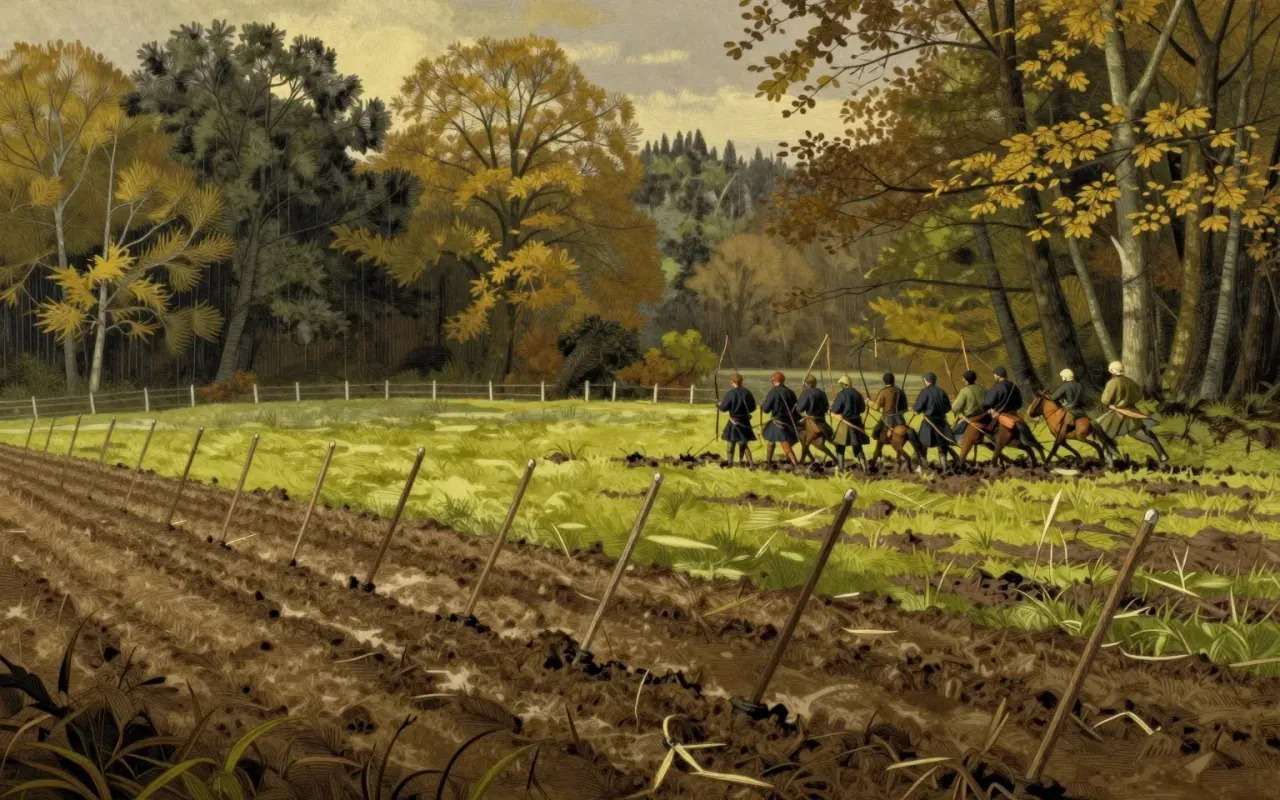
Fought intermittently between 1337 and 1453 over rival claims to the French throne and over English-held territory in southwestern France, the Hundred Years' War passed through several distinct phases, marked by English victories at Crécy, Poitiers and Agincourt, French recovery under commanders such as Bertrand du Guesclin, and the campaign associated with Joan of Arc that helped tip the war's final phase toward France. It ended with England retaining only Calais on the continent and left both kingdoms with markedly different governing structures and senses of national identity.
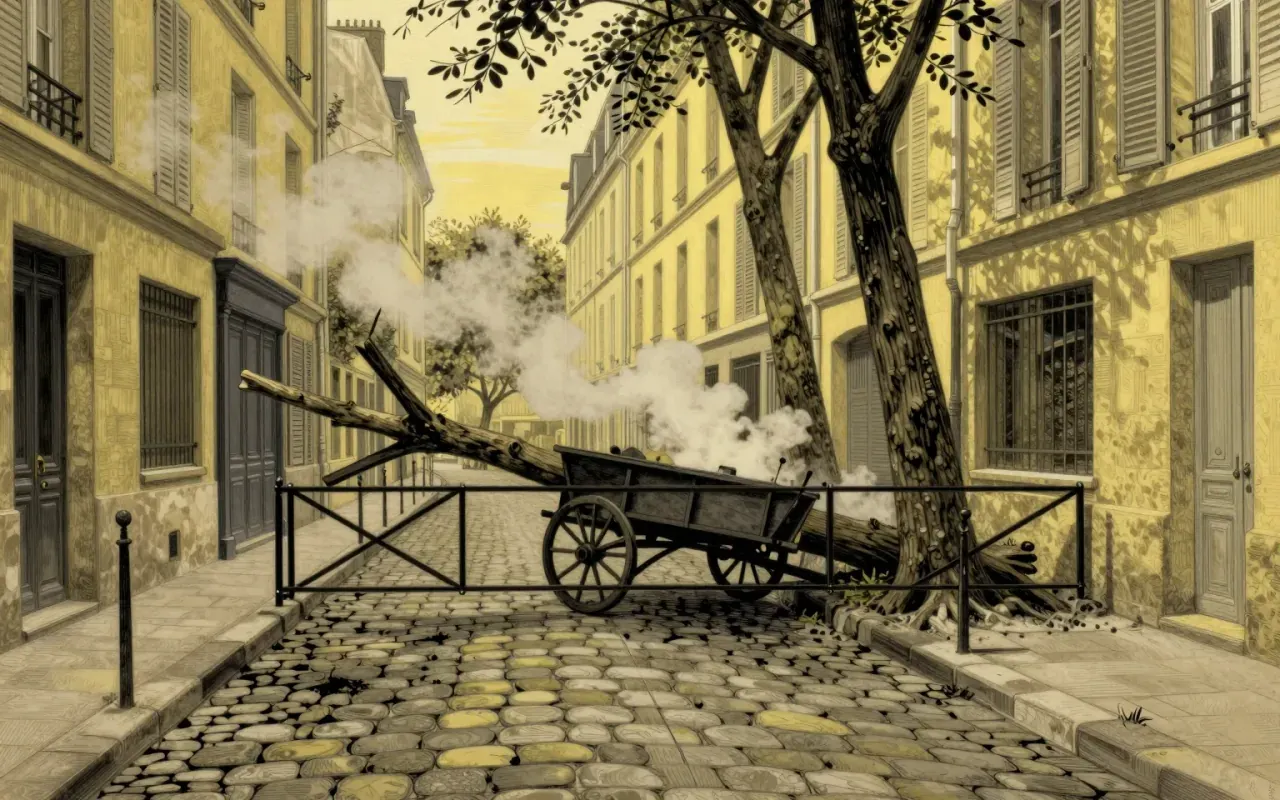
Charles X's decrees dissolving parliament and gutting the press in July 1830 set off three days of Parisian street fighting that toppled him within a week, but the provisional government installed Louis Philippe of the House of Orleans as a constitutional citizen king rather than pursuing a republic. Historians still debate whether the fighting itself was a middle-class revolt that borrowed working-class muscle or a genuinely popular uprising whose result the bourgeoisie then claimed for itself.
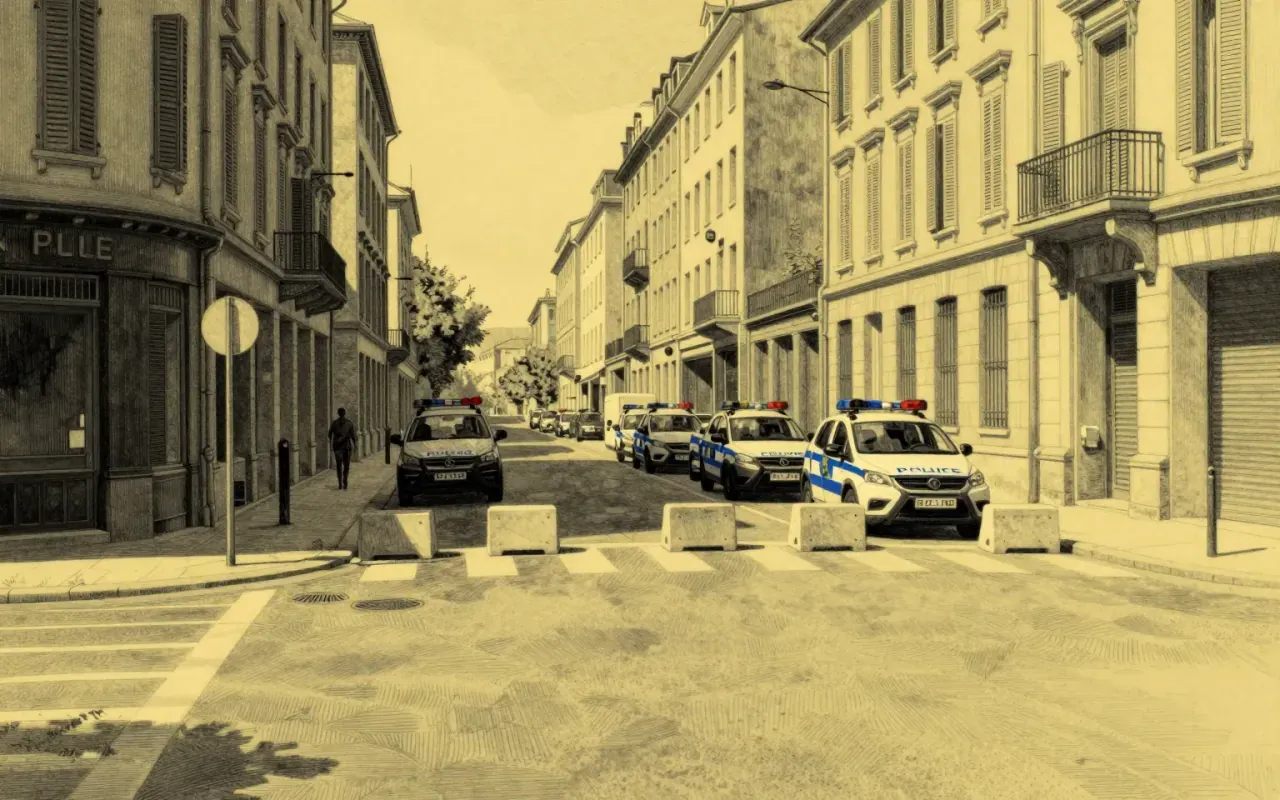
On Bastille Day, 14 July 2016, Mohamed Lahouaiej-Bouhlel, a 31-year-old Tunisian delivery driver living in Nice, drove a nineteen-tonne truck into crowds on the Promenade des Anglais, killing 86 people and injuring 458 before police shot him dead roughly five minutes after the attack began. He had no prior links to organised terrorism and was not on any watchlist, but investigators found he had rapidly self-radicalised over the preceding months, growing a beard, researching mass-casualty attacks online, and surveying the Promenade in the days beforehand, while separately battling depression, addiction, and a recent divorce and firing. The Islamic State claimed him as acting on its behalf, but French prosecutors concluded he had acted with some accomplices yet without central direction from the group itself.

On the night of 13 November 2015, ten operatives from a Brussels-based ISIS cell carried out coordinated shootings and suicide bombings across six sites in Paris and Saint-Denis, killing 130 civilians and injuring more than four hundred, with the Bataclan theatre alone accounting for ninety deaths during a hostage-taking that ended in a police assault. President François Hollande called the attacks an act of war and declared a three-month state of emergency, and France launched major airstrikes against ISIS targets in Raqqa within two days. Salah Abdeslam, the only surviving member of the attack teams, evaded capture until March 2016, while the cell's ringleader, Abdelhamid Abaaoud, was killed in a raid five days after the attacks.

The Seven Years' War, fought from 1756 to 1763 across Europe, North America, India, the Caribbean and West Africa, grew out of unresolved tensions from the previous War of the Austrian Succession and a sudden realignment of European alliances. The 1763 Treaty of Paris confirmed Britain as the dominant global colonial power, and the resulting tax burden on Britain's American colonies fed directly into the grievances behind the American Revolution barely a decade later.
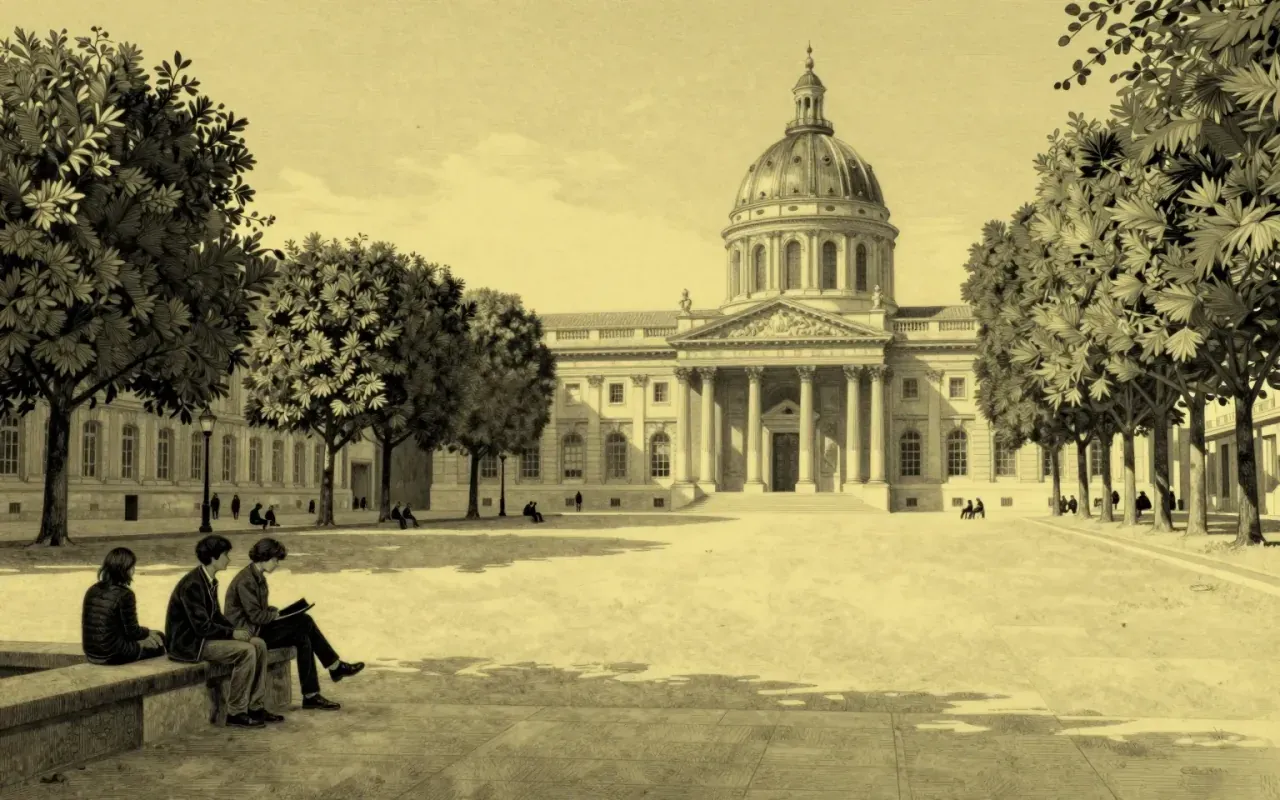
The University of Paris grew out of a twelfth-century cathedral school and was formally recognised by King Philip II in 1200, becoming the model medieval European university and drawing scholars into faculties of arts, law, medicine, and theology organised by nation of origin. Robert de Sorbon's 1253 theological college for poor students gave the whole institution its popular name. The French Revolution abolished the university outright in 1793, Napoleon restored a version of it in 1806, and the student unrest of May 1968 led directly to a 1970 law that split what remained into thirteen separate, autonomous universities.

On 14 July 1789, a Paris crowd searching for gunpowder and cannon attacked the Bastille, a royal fortress-prison, after seizing muskets from the Hotel des Invalides that morning. Fighting killed around ninety-eight attackers and one defender before the governor, Bernard-Rene de Launay, surrendered and was then killed by the crowd. The fortress held only seven inmates at the time, but its fall became the symbolic opening act of the French Revolution and the origin of France's national day.
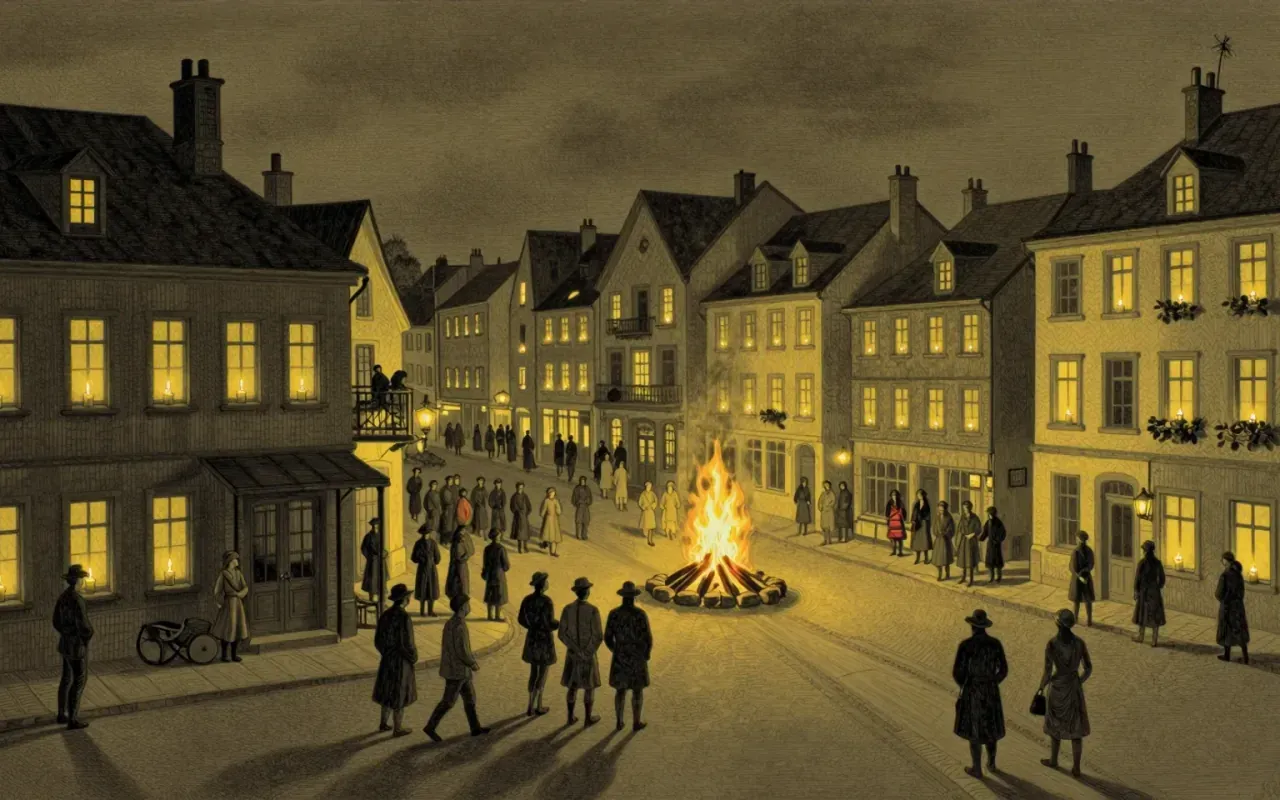
Signed after a five-hour overnight session in March 1802, the Treaty of Amiens briefly ended a decade of war between Britain and France, with Britain returning most captured territory in exchange for French withdrawal from Egypt, Naples and the Papal States. Napoleon's continued expansion into Switzerland and Italy, and Britain's refusal to evacuate Malta as agreed, brought the two countries back to war within thirteen months, opening the Napoleonic Wars that would run for another twelve years.
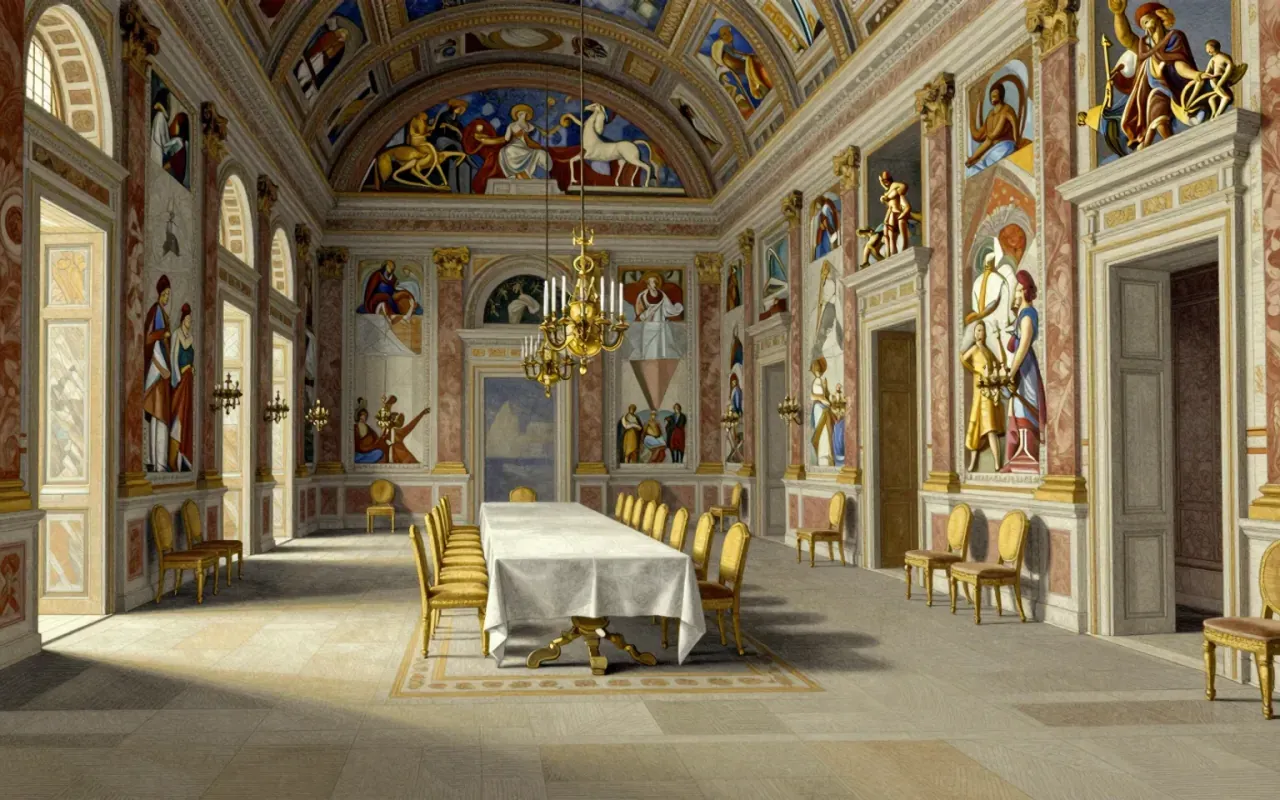
Signed on 25 March 1957 on Capitoline Hill in Rome and effective from 1 January 1958, the Treaty of Rome established the European Economic Community among Belgium, France, Italy, Luxembourg, the Netherlands and West Germany, alongside a companion treaty founding the European Atomic Energy Community. Built on the 1955 Spaak Report and negotiations at Val Duchesse, it created a customs union intended to foster economic integration, and its institutions were later merged with those of the earlier Coal and Steel Community before evolving, through the Maastricht and Lisbon treaties, into the European Union.
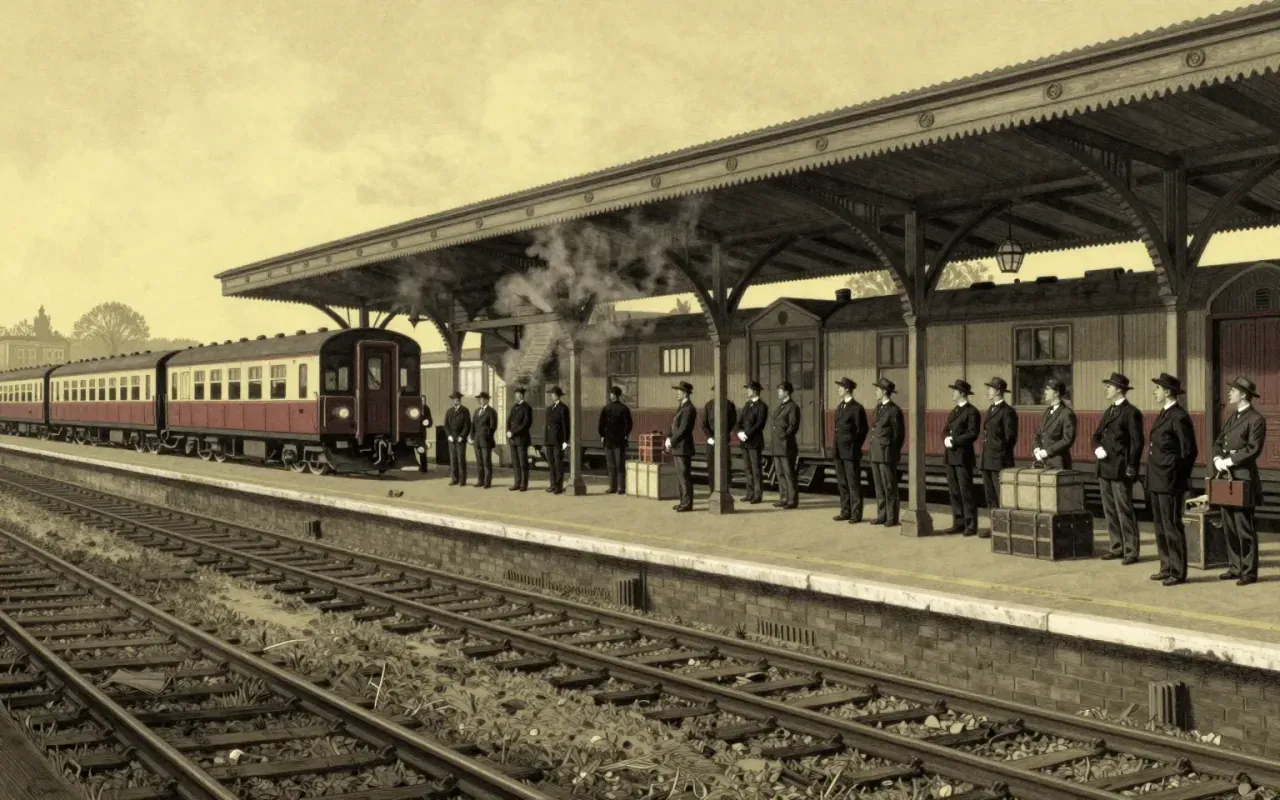
Negotiated by the Allied powers, chiefly the United States, France, Britain and Italy, at the Paris Peace Conference of 1919 and signed by Germany on 28 June 1919, the Treaty of Versailles required Germany to cede territory, disarm, accept sole responsibility for the war under its Article 231, and pay reparations, while establishing the League of Nations. Historians remain divided over whether the treaty was excessively punitive or insufficiently so, and the record explicitly connects German resentment of its terms to the rise of the Nazi Party and, eventually, the Second World War.
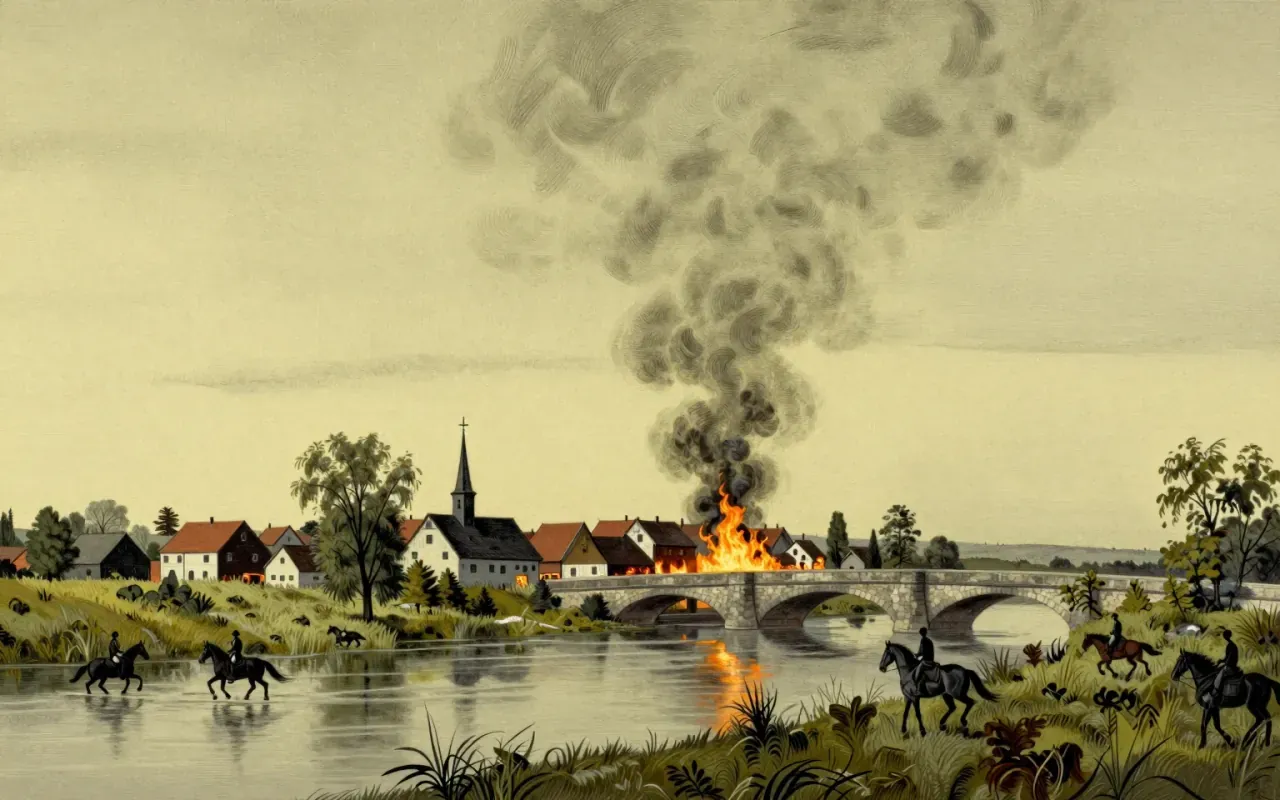
The War of the Spanish Succession began in 1701 after the childless Spanish king Charles II left his throne to a French Bourbon prince, alarming the rest of Europe enough to trigger over a decade of continent-wide fighting. The 1713 and 1714 peace treaties confirmed the Bourbon succession in Spain while stripping it of most of its European territories, leaving Britain, not the dynastically victorious France, as the war's chief strategic beneficiary.
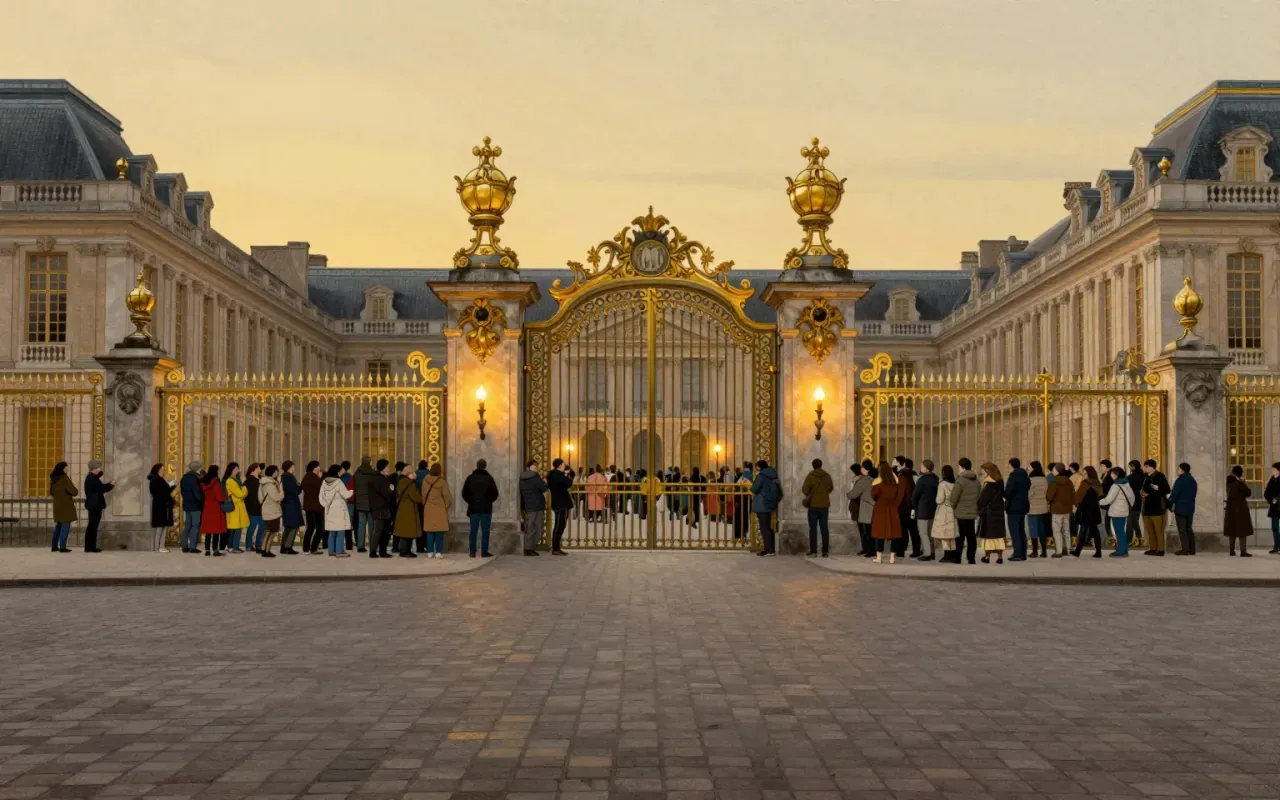
On 5 October 1789, thousands of Parisian market women, angry over bread shortages, gathered at the Hotel de Ville and then walked six hours through rain to Versailles, followed by the National Guard under Lafayette. After a tense night, part of the crowd breached the palace at dawn, killing two royal guards, and by afternoon the royal family had agreed to relocate to Paris under guard, a move that ended Louis XVI's independence and dragged the National Assembly into the capital's orbit for good.
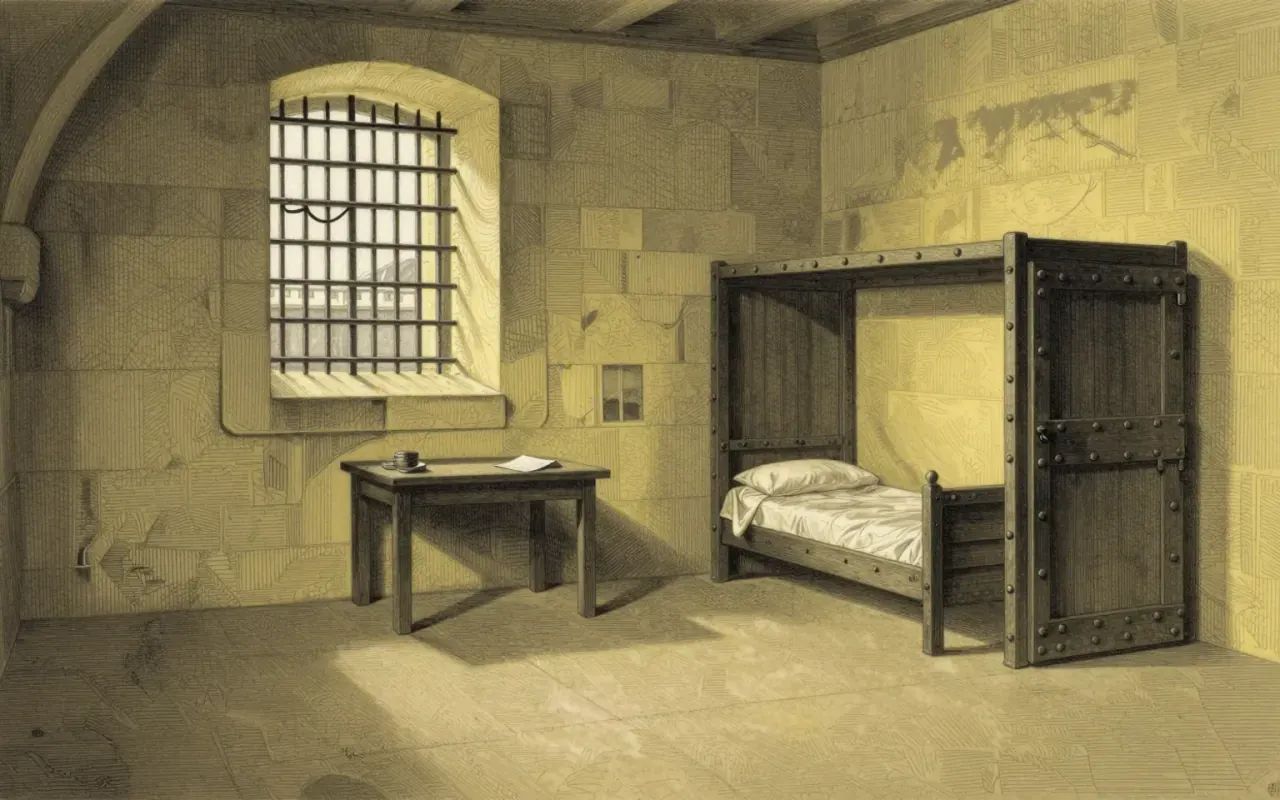
Voltaire built a public career campaigning against religious intolerance and judicial injustice, most famously overturning the wrongful execution of the Protestant merchant Jean Calas, while producing an enormous body of writing including Candide and over twenty thousand surviving letters. His documented financial disputes and recorded views on Jewish people remain a genuine, unresolved blemish on his reputation as a champion of tolerance, and even a famous quotation attributed to him turns out to belong to a much later biographer instead.