A torn note, a hasty conviction
In September 1894, French counter-intelligence discovered a torn, unsigned document, known as the bordereau, at the German embassy in Paris, apparently offering French military secrets to Germany. Suspicion fell on Captain Alfred Dreyfus, an Alsatian Jewish artillery officer and the only Jewish officer then serving on the General Staff, and he was arrested on 15 October 1894. A court-martial convicted him of treason on 22 December, relying heavily on handwriting comparisons from du Paty de Clam, an investigator with an amateur interest in graphology, and Alphonse Bertillon, a criminologist with no genuine handwriting expertise, despite other examiners noting the bordereau’s writing showed no signs of the disguise a genuine spy might have used.
The real spy identified, and buried
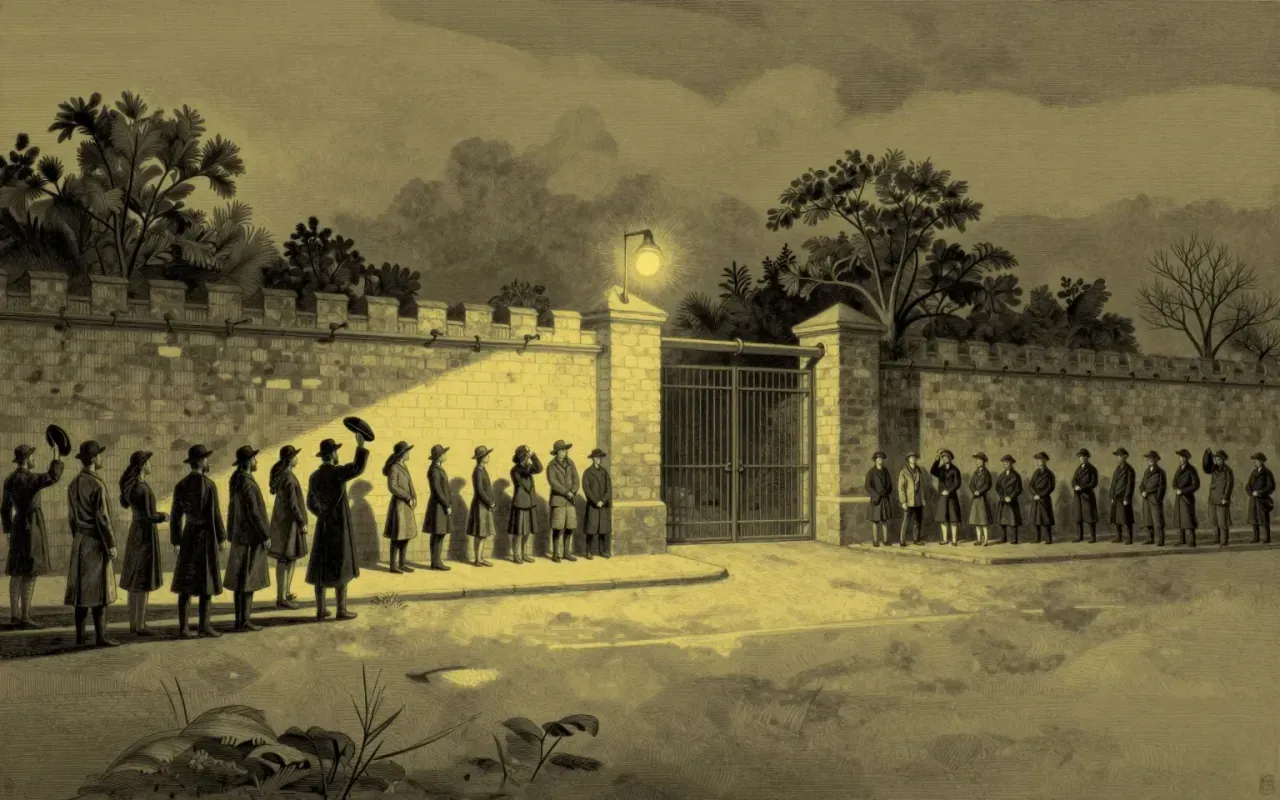
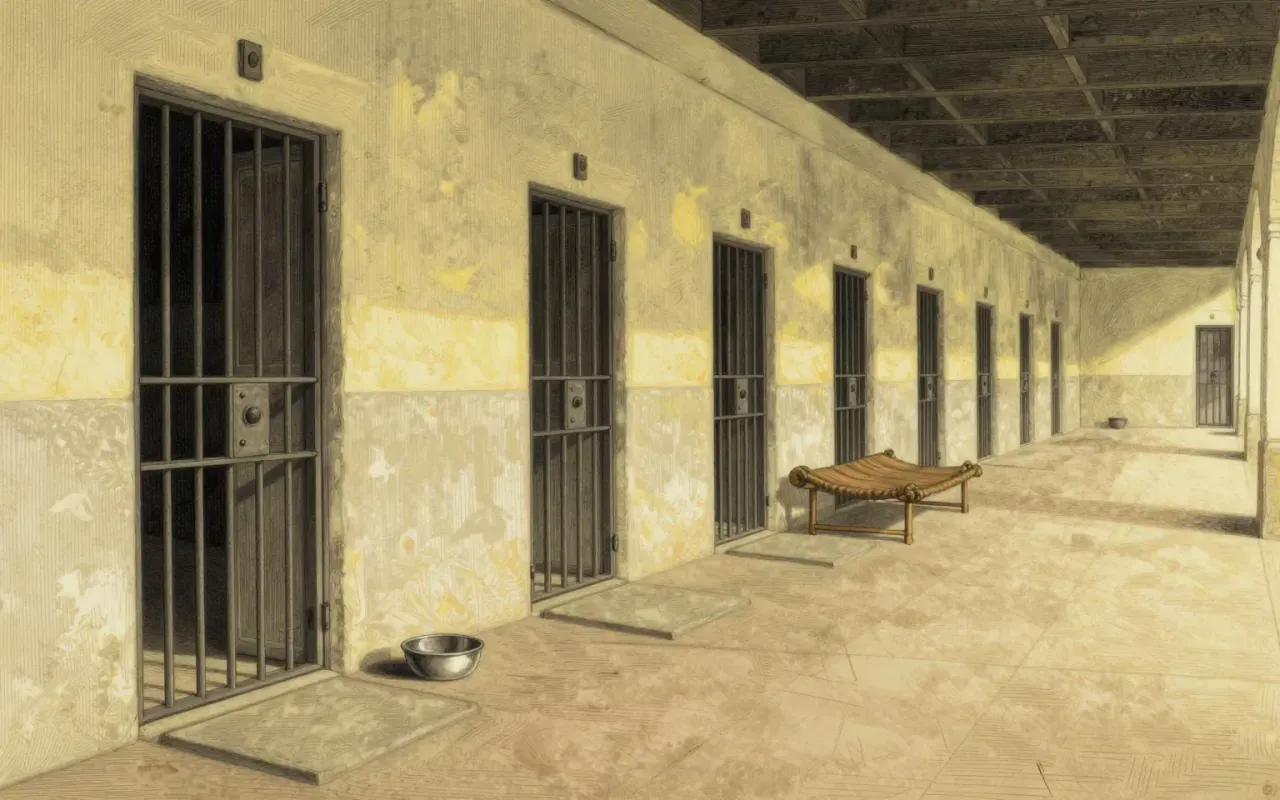
Dreyfus was publicly stripped of rank in a January 1895 degradation ceremony and deported to Devil’s Island in French Guiana, where he spent nearly five years in isolation. In 1896, Lieutenant Colonel Georges Picquart, newly appointed to army intelligence, discovered evidence identifying Major Ferdinand Walsin Esterhazy as the actual author of the bordereau, findings the military hierarchy suppressed rather than act on, since reopening the case would have meant admitting institutional error. When Esterhazy was eventually court-martialled in 1898, he was acquitted after a two-day trial, and forged documents were introduced to reinforce the case against Dreyfus instead, a sequence documented through trial transcripts and the extensive contemporary press coverage that increasingly scrutinised the army’s conduct.
Zola’s open letter
The case escalated into a national crisis after novelist Émile Zola published J’Accuse, an open letter addressed to the French president, in the newspaper L’Aurore in January 1898, accusing the military of a deliberate cover-up. The letter divided French society into Dreyfusards, who included Zola, Georges Clemenceau and Anatole France, and anti-Dreyfusards aligned with nationalist and often explicitly antisemitic publications such as Édouard Drumont’s La Libre Parole. Dreyfus was returned to France for a second court-martial in Rennes in 1899, which, remarkably, convicted him again despite the exonerating evidence by then in the public record, a verdict the French government resolved not by acquittal but by presidential pardon, releasing Dreyfus while leaving the conviction formally on the books for several more years.
A second trial, a second guilty verdict
The affair’s full documentary picture took much longer to assemble than its public resolution suggested. The secret dossier the General Staff had submitted improperly during the original 1894 jury deliberations, containing forged and dubiously relevant material, remained classified for well over a century, only becoming available to historians in 2013, meaning the precise evidentiary basis for Dreyfus’s initial conviction was not fully documented publicly until more than a hundred years after the event. Historians continue to weigh how far institutional antisemitism versus simple bureaucratic self-protection drove the military’s persistence in defending a conviction it had reason to doubt from at least 1896 onward, with recent scholarship also examining how homosexual correspondence between German and Italian military attachés was separately exploited to justify secrecy around the case.
A dossier classified for over a century
Dreyfus received full legal exoneration on 12 July 1906, was reinstated in the army as a major, and later served during the First World War at Verdun and the Aisne, retiring with the rank of lieutenant colonel before his death in 1935. The affair’s consequences for France extended well beyond Dreyfus’s own case, hardening the political divide between anticlerical republicans and the Catholic nationalist right, discrediting the military’s claim to immunity from civilian scrutiny, and demonstrating the press’s capacity to force accountability onto an institution determined to avoid it. In 2025, more than a century after his original conviction, France posthumously promoted Dreyfus to the rank of brigadier general, a symbolic act of continuing reparation for the case.
Full exoneration, eventually
The affair rewards close reading for how deliberately the institutional cover-up operated once the initial mistake had been made, since the record shows the army possessed the correct information by 1896 and chose suppression and a second wrongful conviction over admitting error. It is worth your time both as a case study in institutional self-protection and as the moment French antisemitism moved from social prejudice into the machinery of state justice in a way contemporaries could no longer ignore. The eventual outcome, full exoneration only after twelve years and two trials, is a reminder of how long a documented injustice can persist once an institution has staked its authority on denying it.