historybriefs
Themes

Crime & disaster

55
briefs
12:41
average
698 min
in total
All briefs55
9:26

Pol Pot

1925–1998

Pol Pot’s rule was a deliberate, ideologically driven dismantling of Cambodian society — not a chaotic collapse. Its end came via foreign invasion, not internal reform. The scale and method of killing remain documented, but the motives behind key decisions do not.

13:33

1931 China floods

June to August 1931

The 1931 China floods were a meteorologically driven, multi-phase disaster spanning June–August 1931 across China — especially Wuhan and Nanjing — culminating in a dike breach at Lake Gaoyou on 25 August. Verified evidence includes hydrological extremes (record water levels, nine cyclones in July, >600 mm rainfall), systematic fatality estimation (University of Nanking survey, official reports), institutional responses (National Flood Relief Commission, League of Nations, Lindbergh aerial survey), and disease outcomes (31,974 cholera deaths in 1932). Disputed claims include total death tolls: Buck’s survey estimated 150,000 drowned — less than a quarter of all fatalities in the first 100 days — while an official report claimed 140,000 drowned and 2 million dead from drowning or starvation. No source reconciles these figures with the verified cholera toll or provides demographic corroboration. The event exposed limits of Kuomintang governance and flood-control infrastructure but did not trigger structural reform.

10:18

Reichstag fire

27 February 1933

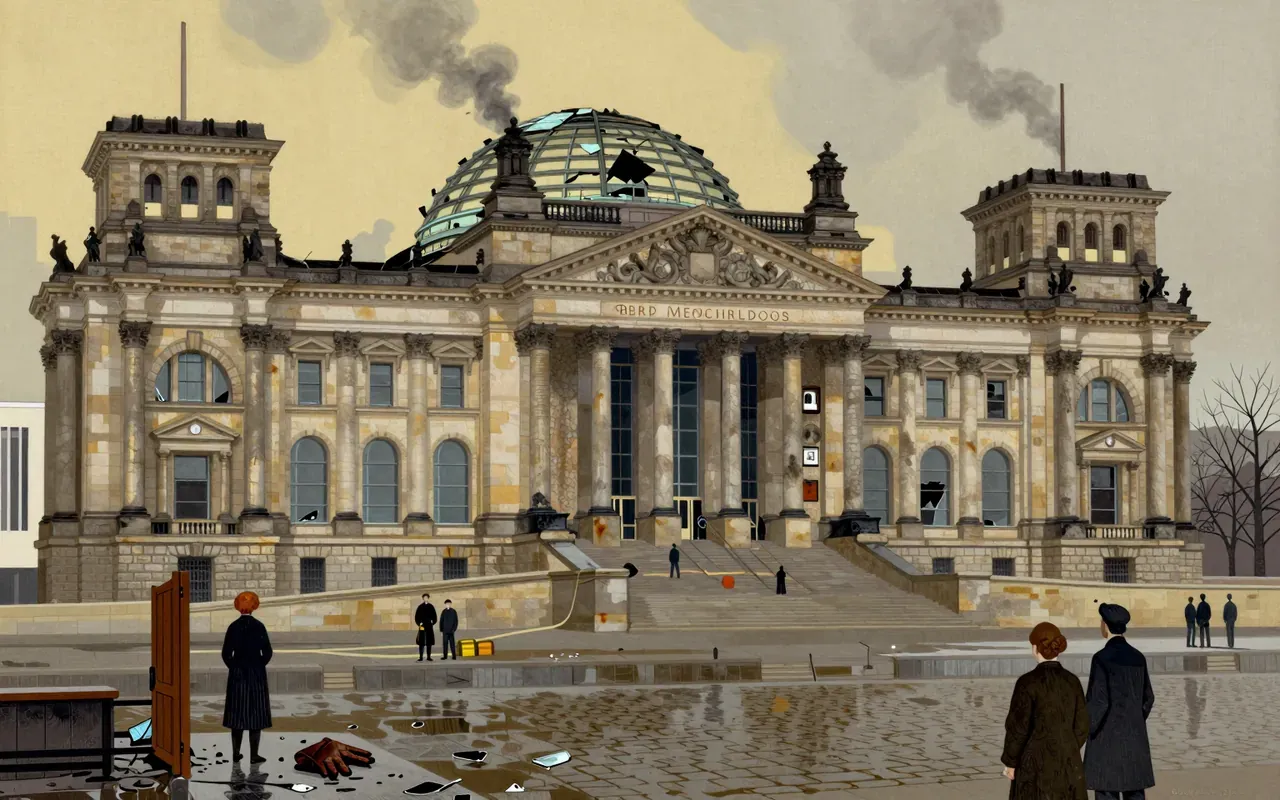
The Reichstag fire was an arson attack on 27 February 1933 in Berlin. It was reported at 9:00 p.m., extinguished by 11:30 p.m., and gutted most of the building. Van der Lubbe was arrested inside. Twenty unburned firelighters were found. The Nazi government used it within 24 hours to suspend civil liberties. Who started it remains contested. The record proves method and consequence — not motive, conspiracy or sole agency.

13:00

Benazir Bhutto

1953–2007

Benazir Bhutto became the first woman to lead the government of a Muslim-majority country when she was sworn in as Pakistan's prime minister in December 1988 at thirty-five, following her father's execution and years of imprisonment and exile under military ruler Zia-ul-Haq. She served two terms, in 1988 to 1990 and 1993 to 1996, each ended by presidential dismissal over corruption allegations that later produced a 2003 Swiss conviction, and after a decade of exile she returned to Pakistan in 2007 only to be assassinated that December in Rawalpindi, an attack that killed roughly twenty others and whose exact circumstances remain disputed among competing forensic and investigative accounts.

13:00

Pompeii

AD 79

Mount Vesuvius erupted over roughly two days, first burying Pompeii under nearly eighteen hours of falling pumice that let many residents flee, then killing those who remained with pyroclastic flows hot enough to be fatal even at a distance of ten kilometres. Pliny the Younger's eyewitness letters, written years afterward, long placed the eruption in August, but a 2022 study using seasonal produce, clothing and coin evidence redated it to late October, correcting a chronology that had stood for centuries.

13:00

1906 San Francisco earthquake

18 April 1906

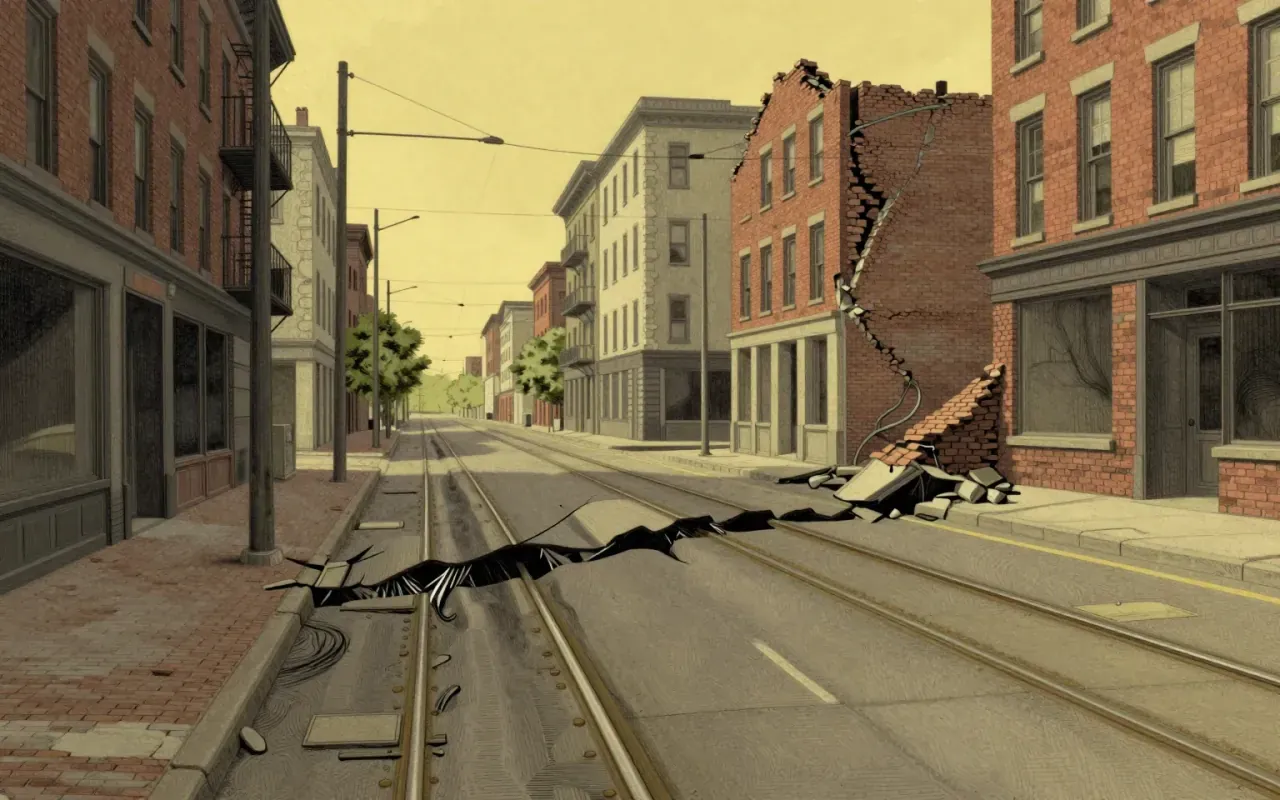
The earthquake that struck San Francisco at 5:12 on the morning of 18 April 1906 registered somewhere between magnitude 7.7 and 8.3 and ruptured close to three hundred miles of the San Andreas Fault, but most of the city's destruction came not from the shaking itself, which is estimated to account for as little as five to twenty percent of the damage, but from the fires that followed and destroyed some twenty-five thousand buildings. Early death tolls of a few hundred left out most of the dead in Chinatown, and San Francisco's Board of Supervisors did not formally acknowledge a toll above three thousand until 2005. The disaster also drove the geologist Andrew Lawson's foundational research connecting the earthquake directly to the fault he had already identified in 1895.

13:00

1989 Loma Prieta earthquake

17 October 1989

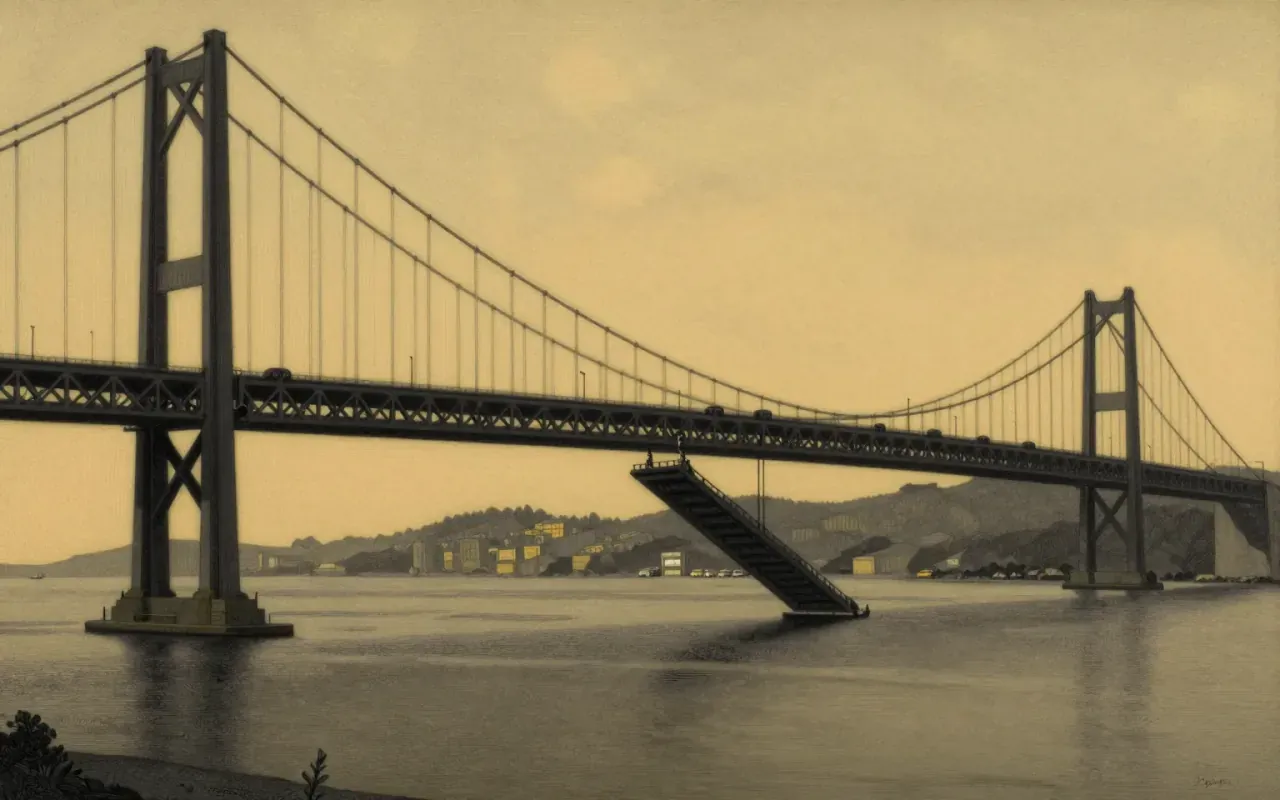
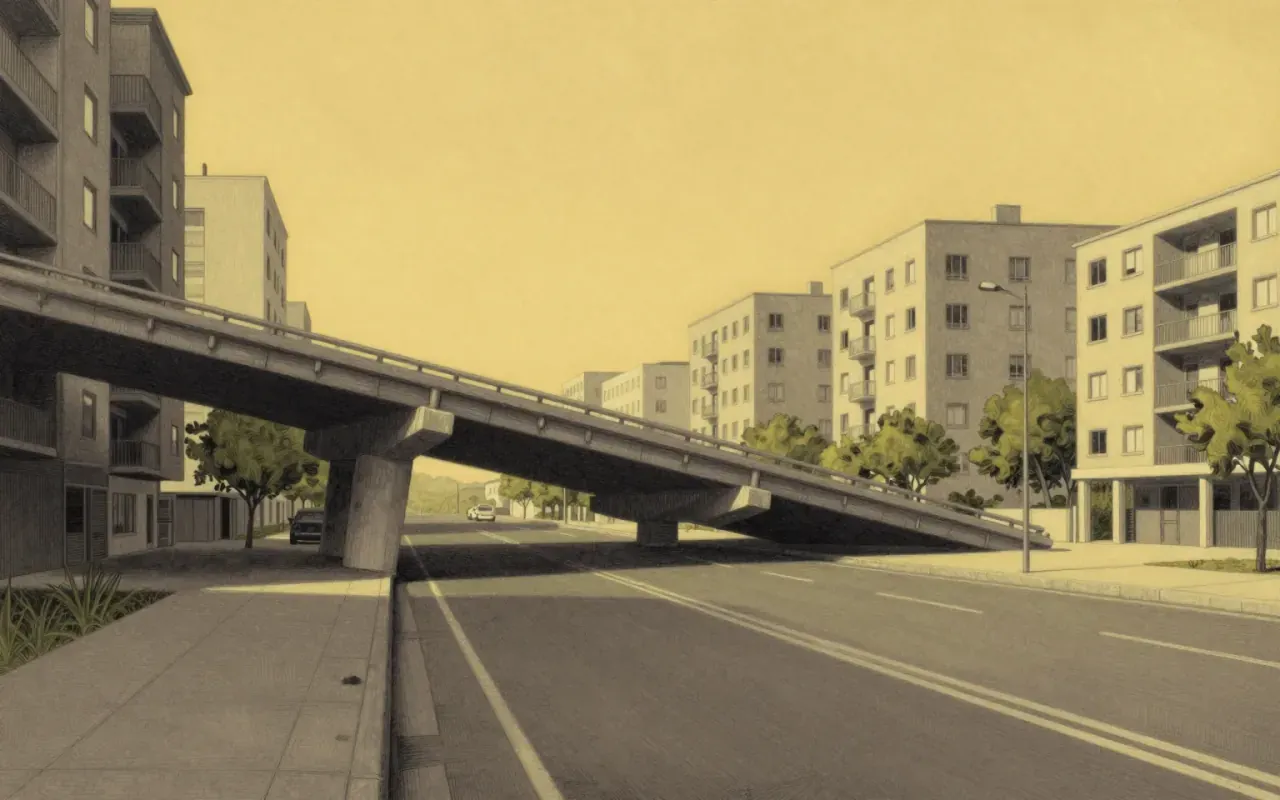
The Loma Prieta earthquake struck the San Francisco Bay Area at 5:04 p.m. on 17 October 1989 with a magnitude of 6.9, killing 63 people, injuring more than 3,700 and causing an estimated 5.6 to 6 billion dollars in damage, its worst single toll coming when a section of the double-deck Cypress Street Viaduct in Oakland collapsed and killed 42 people. The quake struck just before Game 3 of the World Series was due to begin at Candlestick Park, interrupting a live national broadcast and, because many commuters had left work early or stayed to watch the game, leaving area freeways unusually empty at an hour that would otherwise have carried tens of thousands more vehicles into danger.

13:00

2004 Indian Ocean earthquake and tsunami

26 December 2004

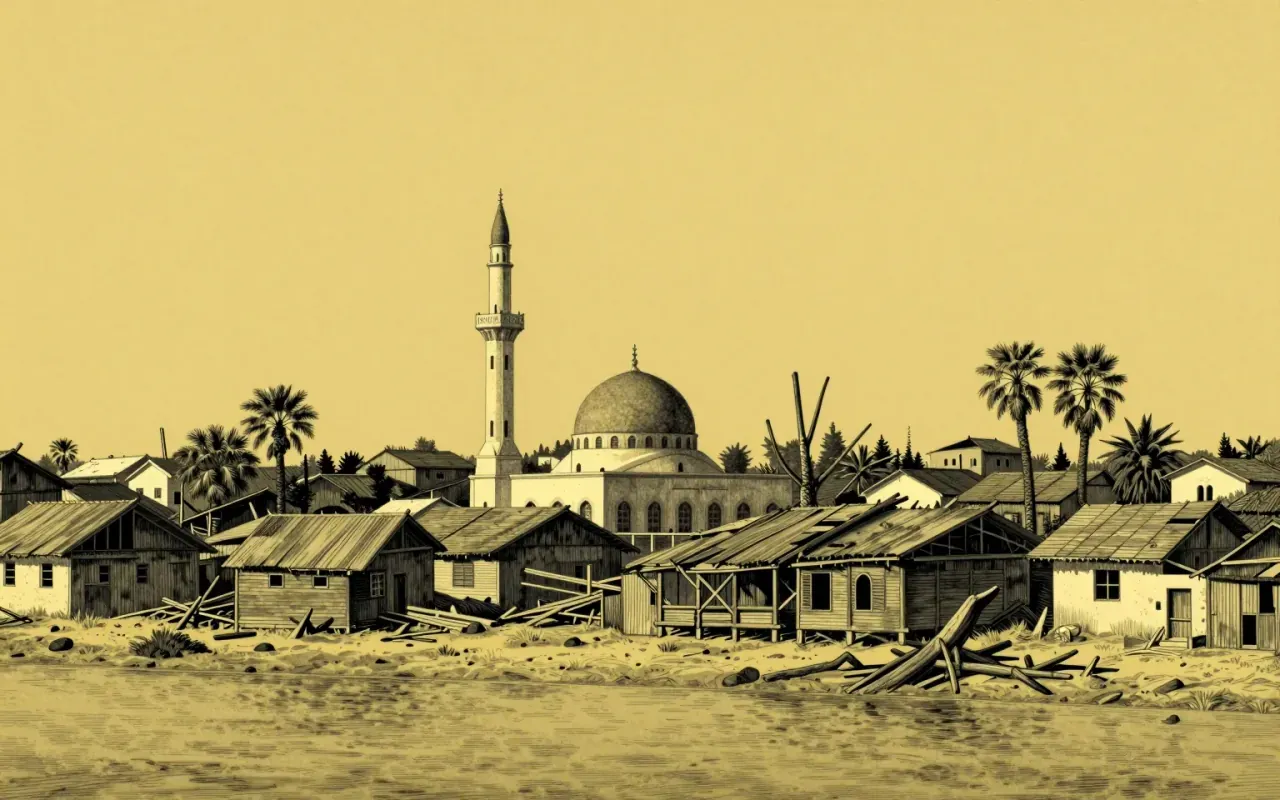
The magnitude 9.2 to 9.3 earthquake off Sumatra on 26 December 2004 ruptured roughly 1,600 kilometres of fault and sent tsunami waves as high as fifty-one metres near Banda Aceh across fourteen countries, killing an estimated 227,898 people in the deadliest tsunami on record. No tsunami warning system existed in the Indian Ocean at the time, since major tsunamis there had been rare since Krakatoa in 1883, so most victims had no warning despite gaps of fifteen minutes to seven hours between the quake and the waves reaching different shores. The response eventually raised over ten billion dollars, though aid officials at the time criticised both slow-moving pledges from wealthy governments and, separately, misdirected donations that left affected countries with unneeded supplies rather than what they actually required.

13:00

2010 Haiti earthquake

12 January 2010

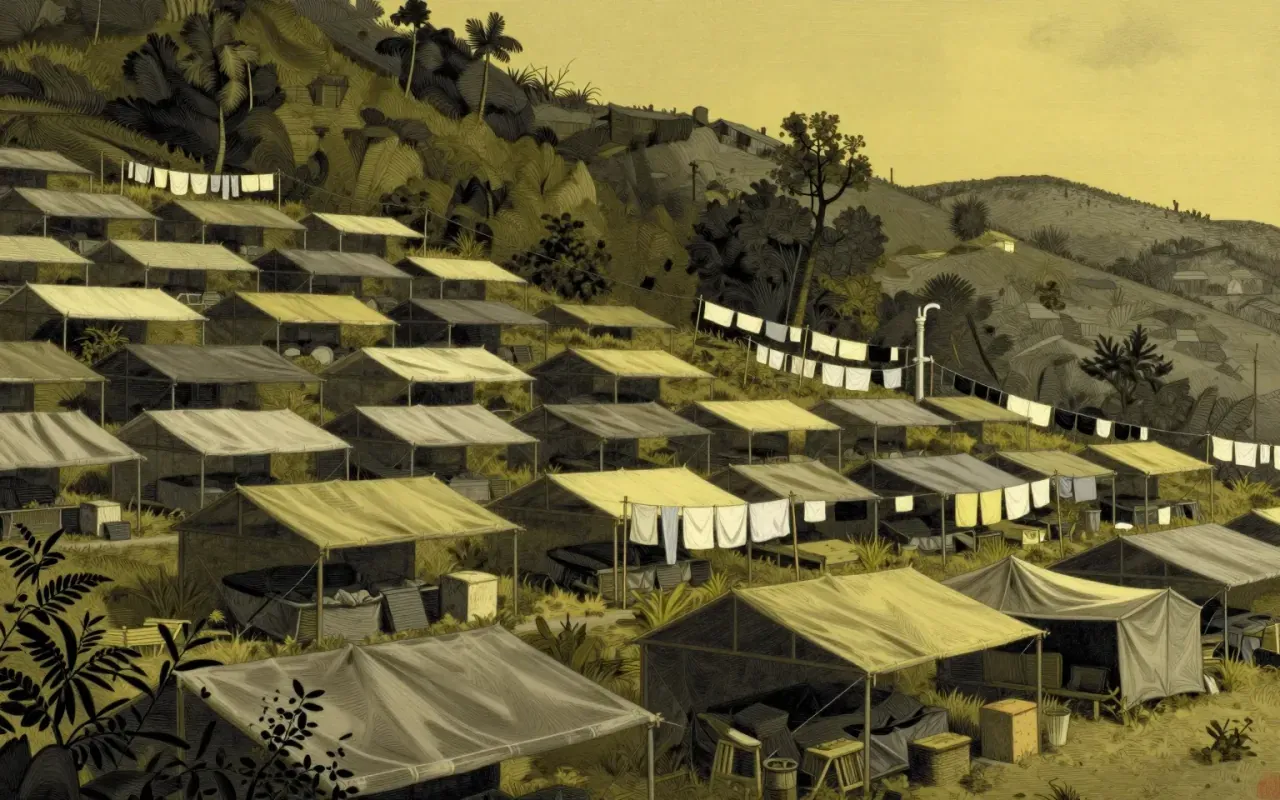
The magnitude 7.0 earthquake that struck near Port-au-Prince on 12 January 2010 lasted under thirty seconds but killed somewhere between roughly 46,000 and 316,000 people, with estimates varying so widely between the Haitian government, USAID, and independent researchers that no single figure commands full agreement. Haiti's near-total absence of building codes, its position as the poorest country in the Western Hemisphere, and a long history of debt and foreign intervention left its buildings unable to withstand the shaking. The international response eventually raised roughly 3.5 billion dollars, yet five years on, more than half a million survivors were still living in temporary shelters without electricity, plumbing, or sewage.

13:00

2011 Tōhoku earthquake and tsunami

11 March 2011

The magnitude 9.0 to 9.1 earthquake that struck off Japan's Oshika Peninsula on 11 March 2011 was the most powerful ever recorded in the country, generating tsunami waves as high as 40.5 metres that reached ten kilometres inland and killed close to twenty thousand people. Total damage exceeded three hundred billion dollars, making it the costliest natural disaster in recorded history even before accounting for the Fukushima Daiichi nuclear accident the tsunami triggered. The earthquake shifted Honshu by 2.4 metres, generated more than thirteen thousand aftershocks, and measurably altered the length of Earth's day, prompting a fundamental rethinking of Japan's disaster prevention policy afterward.

13:00

Typhoon Haiyan

3 November – 11 November 2013

Typhoon Haiyan reached one-minute sustained winds of 315 kilometres an hour before striking the Philippines on 7 November 2013, at the time the strongest tropical cyclone ever recorded by wind speed, and it went on to make six separate landfalls across the Visayas. Its storm surge, reaching 5.2 metres at Tacloban's airport, proved deadlier than the wind itself, destroying an estimated ninety percent of the city and even flooding the evacuation centre meant to shelter residents from the storm. The disaster killed at least 6,300 people, displaced over six million, and caused roughly 2.2 billion dollars in damage, making it the costliest typhoon in Philippine history, while triggering a large international relief effort complicated by damaged infrastructure and, controversially, an initially very small pledge of aid from China.
13:00

April 2015 Nepal earthquake

2015

The magnitude 7.8 to 7.9 earthquake that struck central Nepal on 25 April 2015 killed 8,962 people across four countries, most of them in Nepal, and left about 3.5 million people homeless. It toppled the nineteenth-century Dharahara tower and damaged or destroyed more than thirty monuments across the Kathmandu Valley's historic squares, triggered an avalanche on Mount Everest that killed at least nineteen climbers, the deadliest single incident on the mountain's record, and buried the village of Langtang under a slide two to three kilometres wide. Geophysicists had warned for years that the Central Himalayan Gap, unruptured since 1505, held enough accumulated energy for a major quake, and the roughly ten billion dollars in damage this one caused amounted to about half of Nepal's annual economic output.

13:00

Assassination of John F. Kennedy

22 November 1963

President Kennedy was shot in Dallas on 22 November 1963 and died within the half hour, and his accused killer, Lee Harvey Oswald, was himself shot dead two days later before facing trial. The Warren Commission concluded within ten months that Oswald acted alone, a finding scholarly consensus still broadly supports, but a later congressional investigation found a probable conspiracy without identifying who was involved, and public opinion has never fully aligned with either official inquiry's conclusions.

13:00

Assassination of Martin Luther King Jr.

4 April 1968

Martin Luther King Jr. was shot at the Lorraine Motel in Memphis on 4 April 1968 and died within the hour. James Earl Ray was captured two months later, pleaded guilty, and then recanted within days, spending decades unsuccessfully trying to withdraw his plea. A 1999 civil trial found a Memphis businessman and unnamed others liable for a conspiracy in King's death, a verdict that carried no legal effect on Ray's conviction and left the case formally split between two contradictory findings.
13:00

Tokyo subway sarin attack

20 March 1995

On the morning of 20 March 1995, five members of the Aum Shinrikyo cult released sarin nerve agent on three Tokyo subway lines during rush hour, killing fourteen people and injuring roughly a thousand more, an attack that followed the cult's own earlier, less-publicised sarin attack in Matsumoto in June 1994 that killed eight. Police had already found chemical residue consistent with sarin production near the group's compound the previous October but had no legal basis to act on it, and cult leader Shoko Asahara learned of a planned raid from Self-Defense Force sympathisers in time to accelerate the subway attack, a sequence of missed warnings that later became as central to the event's history as the attack itself.

13:00

Bushfires in Australia

Since 1851

Bushfires have killed roughly eight hundred people in Australia since 1851, through a recurring sequence of major disasters including Black Friday in 1939, Ash Wednesday in 1983, and Black Saturday in 2009, the country's deadliest single fire event with 173 deaths. The Black Summer season of 2019 to 2020 surpassed them all in scale, burning around twenty-four million hectares, killing thirty-three people directly and contributing to a further 417 deaths through smoke inhalation, and causing an estimated 100 billion dollars in damage, making it the costliest natural disaster in Australian history. Roughly forty percent of fires in the country's southeast between 1997 and 2009 were deliberately lit, but Black Summer's scale is tied by the sources to record heat, prolonged drought, and a debate over climate change and fire management that remains unresolved in Australian politics.

13:00

Floods in Australia

Since 1852

Australia's deadliest recorded flood remains the 1852 Gundagai disaster, which killed 89 people, but the country has continued to suffer serious flooding through the twentieth and twenty-first centuries, including a 1934 Yarra River flood that killed 35 people in Victoria. The 2010 to 2011 Queensland floods, driven by a strong La Niña and Tropical Cyclone Tasha, affected more than 200,000 people and killed 33, including nine in a sudden flash flood at Grantham that Premier Anna Bligh described as an inland tsunami. Total economic costs reached an estimated 14.1 billion Australian dollars, and a subsequent legal battle over whether mismanagement of the Wivenhoe Dam worsened Brisbane's flooding ran until the High Court declined a final appeal in 2022.

13:00

Bengal famine of 1943

1943–1944

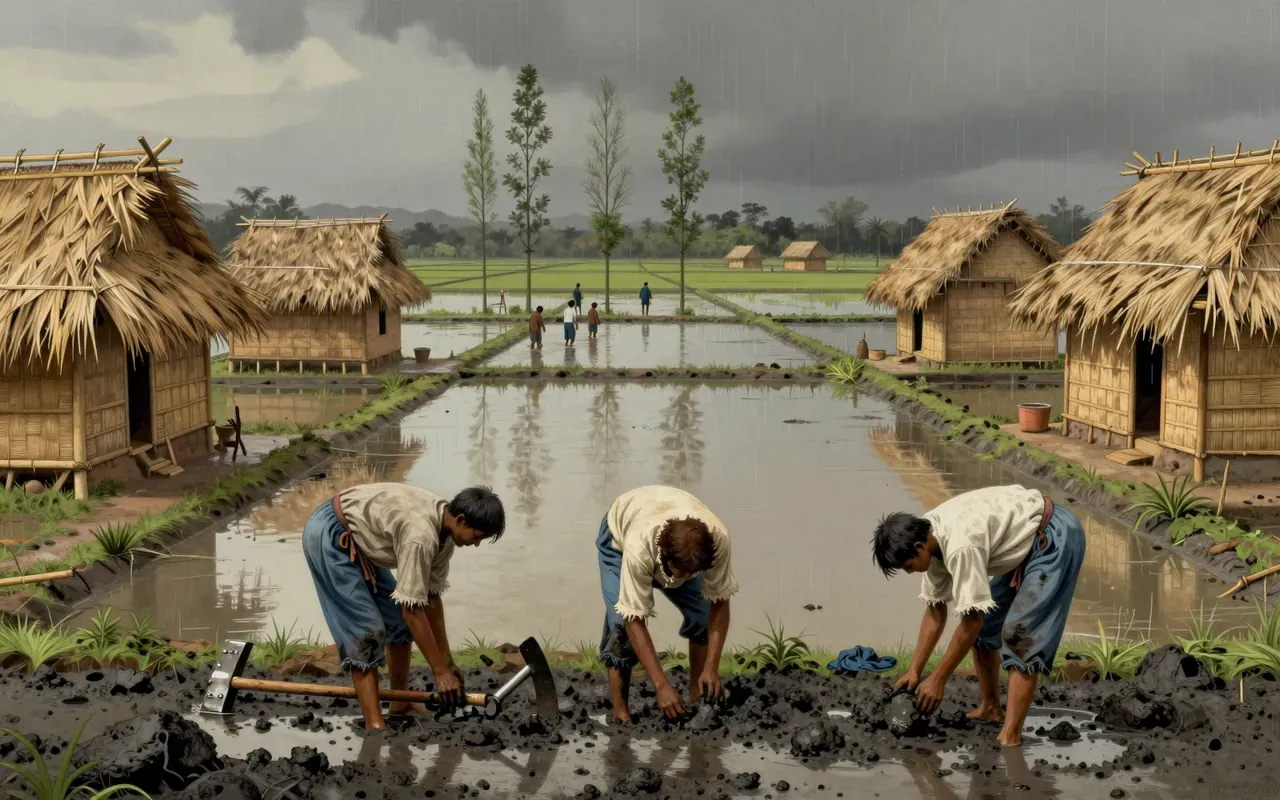
The Bengal famine of 1943 killed somewhere between 800,000 and 3.8 million people, with most historians now converging on a figure near 2.1 million, following a combination of a cyclone that struck in October 1942, the loss of Burmese rice imports after Japan's invasion, wartime demand from Allied troops, and British colonial policies including the confiscation of tens of thousands of boats and the removal of surplus grain from coastal districts judged vulnerable to invasion. More than half the deaths came in 1944 from disease rather than outright starvation. Whether the underlying cause was genuine scarcity or a failure of distribution, and how much responsibility rests with Winston Churchill's wartime government, remain disputed among historians.

13:00

Beslan school siege

1 September – 3 September 2004

Around thirty-two militants from the Riyad-us Saliheen Brigade seized a school in Beslan, North Ossetia, on 1 September 2004, holding more than 1,100 hostages, including 777 children, in the gymnasium for fifty-two hours. The siege collapsed into chaos on 3 September after explosions of disputed origin brought down the gymnasium roof, and Russian special forces stormed the building with tanks and thermobaric weapons in a roughly twelve-hour battle that left 334 hostages dead, 186 of them children. Russian authorities faced sustained criticism for understating hostage numbers to the captors, allowing a premature assault despite ongoing negotiation, and responding with force that many observers judged disproportionate to the goal of protecting the hostages inside.

13:00

Black Death

1346–1352

The Black Death reached Europe through Crimea in 1347 and, over the following six years, killed an estimated quarter to three-fifths of the continent's population, though contemporary records kept no census and modern historians' own population baselines vary enough to make precise mortality figures unreliable. Even the mechanism of its spread, long assumed to run mainly through rat fleas, is now disputed by researchers who argue human fleas and lice, or straightforward person-to-person transmission, better explain how fast it moved through cooler parts of Europe.

13:00

2016 Brussels bombings

22 March 2016

On 22 March 2016, three suicide bombers from the same Brussels-based ISIS cell responsible for the November 2015 Paris attacks struck Brussels Airport and the city's Maelbeek metro station, killing 32 civilians and injuring more than three hundred. All five attackers involved that day had also helped plan and carry out the Paris attacks, and Belgian investigators believe the arrest of Paris attacker Salah Abdeslam just four days earlier may have accelerated the Brussels operation before the cell was fully prepared. A parliamentary inquiry later found serious failures in Belgian security coordination and information-sharing, and separate trials in Paris and Brussels eventually convicted the cell's surviving members, sentencing several, including Abdeslam, to life imprisonment.

13:00

Second plague pandemic

1340–1880

The second plague pandemic began with the Black Death, which reached Europe in 1346 and is estimated to have killed between 75 and 200 million people across Eurasia within a few years, before the disease became endemic and returned in recurring outbreaks including the Great Plague of London in 1665 and 1666 and a final wave in Ottoman territory as late as 1813 and 1814. Historians reconstruct its spread from parish and tax records, contemporary accounts such as Boccaccio's Decameron, and, more recently, DNA extracted from victims' teeth, evidence that has confirmed Yersinia pestis as the cause while leaving the pandemic's precise geographic origin and eventual decline still not fully explained.

13:00

Cherokee removal

1838–1839

Following the 1828 Georgia gold rush and the 1830 Indian Removal Act, a minority Cherokee faction signed the Treaty of New Echota in 1835, ceding tribal land against the wishes of the elected leadership and over sixteen thousand petitioning Cherokee. When voluntary emigration fell short, federal troops forcibly removed roughly fifteen thousand five hundred Cherokee people in 1838 and 1839, a journey historians estimate killed between two and six thousand people, figures that cannot be fixed precisely from the surviving records. Historians remain divided over whether the policy amounted to genocide, ethnic cleansing, or a catastrophic outcome of paternalistic but non-murderous intent.

13:00

Death of Diana, Princess of Wales

31 August 1997

Diana, Princess of Wales, died in the early hours of 31 August 1997 after the car carrying her through Paris's Pont de l'Alma tunnel crashed at high speed, with driver Henri Paul found to have a blood alcohol level over three times the legal limit. Both a 1999 French judicial inquiry and Britain's own multi-year Operation Paget investigation rejected conspiracy theories advanced by Mohamed Al-Fayed, concluding the crash resulted from grossly negligent driving rather than any orchestrated plot.

13:00

Deepwater Horizon oil spill

2010

An explosion aboard the Deepwater Horizon drilling rig on 20 April 2010 killed eleven workers and began the largest marine oil spill in history, releasing an estimated 4.9 million barrels of oil into the Gulf of Mexico over eighty-seven days before the well was finally capped. The flow rate BP initially reported, one to five thousand barrels a day, turned out to understate the true figure of roughly 62,000 barrels a day by more than tenfold. BP pleaded guilty to eleven counts of manslaughter in 2012 and was later found grossly negligent, culminating in a 2016 settlement of 20.8 billion dollars, the largest environmental damage settlement in American history, on top of total costs that had reached over 65 billion dollars by 2018.

13:00

Dreyfus affair

1894–1906

Alfred Dreyfus, a Jewish artillery officer, was wrongly convicted of treason in 1894 on the strength of disputed handwriting evidence and imprisoned on Devil's Island, while the army suppressed subsequent proof identifying the real culprit. Émile Zola's 1898 open letter J'Accuse galvanised public opinion, and Dreyfus was eventually pardoned in 1899 and fully exonerated in 1906, an affair that split French society and exposed institutional antisemitism at the highest levels of the military.

13:00

Dust Bowl

1930–1936

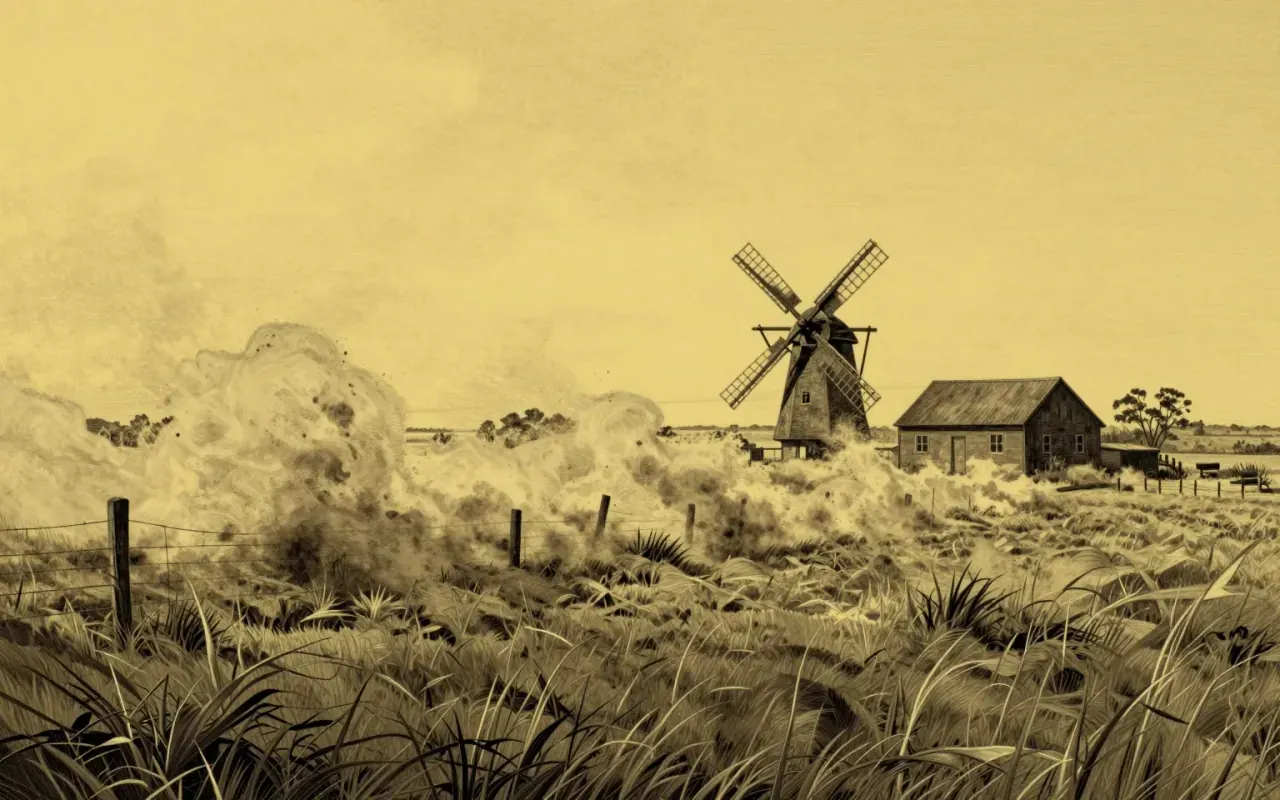
Severe drought combined with farming practices that had stripped the Great Plains of native grasses produced a decade of catastrophic dust storms through the 1930s, peaking with the storm known as Black Sunday in April 1935. Federal programmes under Franklin Roosevelt's New Deal introduced soil conservation measures that cut blowing soil by roughly two-thirds by 1938, but recent scholarship has challenged the popular image of a mass exodus, arguing migration out of the Plains rose only slightly compared with the previous decade.

13:00

Eruption of Mount Vesuvius in 79 AD

24 August 79

In 79 AD, Mount Vesuvius buried Pompeii, Herculaneum and neighbouring towns under ash and superheated volcanic flows over roughly two days, killing an unknown but substantial number of people. The event is known chiefly through two letters Pliny the Younger wrote to Tacitus a quarter-century later, and through the archaeology itself, which has recently pushed the long-accepted August date toward autumn instead.

13:00

2003 European heatwave

2003

The summer of 2003 was Europe's hottest since at least 1540, with temperatures reaching 47.3 degrees Celsius in Portugal and record highs across Britain, Germany, and Switzerland, and it is estimated to have killed around 72,000 people across the continent. France suffered the heaviest toll, somewhere between roughly 14,800 and 19,000 deaths, driven less by the heat itself than by nights that stayed unusually warm, housing without air conditioning, and a health and social care system that emptied out for the traditional August holiday just as elderly people living alone needed it most. The scandal cost Health Minister Jean-François Mattei his job the following year and led France to build a national heat wave response plan that has measurably reduced death tolls in subsequent hot summers.

13:00

Fukushima nuclear accident

2011

The 2011 Tohoku tsunami overtopped Fukushima Daiichi's seawall about fifty minutes after the earthquake, flooding the plant and destroying ten of its thirteen backup generators, which led to fuel melting in three reactors and hydrogen explosions across the site between 12 and 15 March. Radiation released into the atmosphere made it the worst nuclear accident since Chernobyl, and roughly 164,000 residents were displaced at the evacuation's peak, but the evacuation itself proved directly lethal to at least fifty-one people, mostly elderly patients relocated without adequate medical support. The UN Scientific Committee has found no confirmed radiation-linked health effects among residents, even as cleanup costs run to an estimated 180 billion dollars and more than 41,000 people remained displaced a decade later.

13:00

Great Blizzard of 1888

1888

In January 1888 a fast-moving Arctic front crossed the Great Plains, dropping temperatures from near freezing to as low as minus forty within hours during a day that had begun mild enough to be mistaken for spring, catching schoolchildren and workers outdoors and killing at least 235 people in what became known as the Schoolhouse Blizzard. Two months later, an entirely separate storm buried the northeastern United States under snowfall reaching fifty-eight inches in places, with drifts up to fifty-two feet, killing around 400 people and wrecking over two hundred ships along the Atlantic coast. The Northeastern storm's paralysis of surface transport helped push New York and Boston toward building underground subways and burying utility lines.

13:00

Great Fire of London

2 September – 6 September 1666

A bakery fire on Pudding Lane in the early hours of 2 September 1666 spread through London's densely packed, largely wooden housing over four days, destroying more than thirteen thousand houses and eighty-six parish churches before burning out on 5 September. Official accounts recorded only a handful of deaths, but the historian Neil Hanson has argued the true toll, including undocumented poor and deaths from exposure and extreme heat, likely ran into the hundreds or thousands, a dispute that remains unresolved. Samuel Pepys's diary provides the most detailed surviving eyewitness account.

13:00

Great Famine (Ireland)

1845–1852

A potato blight that destroyed most of Ireland's harvest in 1846 became a famine that killed around a million people and drove more than two million to emigrate, worsened by a British government that leaned on laissez-faire economics and refused to halt food exports even as people starved. Historians still argue over whether that response amounts to policy failure or something closer to deliberate neglect, an argument the contested name for the event, famine, great hunger, or worse, reflects directly.

13:00

Great Leap Forward

1958–1962

In 1958 Mao Zedong launched a campaign to industrialise China rapidly through mass collectivisation and backyard steel production. Inflated harvest reports fed state procurement that stripped grain from the countryside, and a famine took hold by 1959 that lasted into 1961. Estimates of the death toll, reconstructed only decades later from demographic data, range from roughly fifteen to fifty-five million, and historians still argue over how to divide responsibility between Mao, provincial officials and genuine weather disasters.

13:00

Hindenburg disaster

6 May 1937

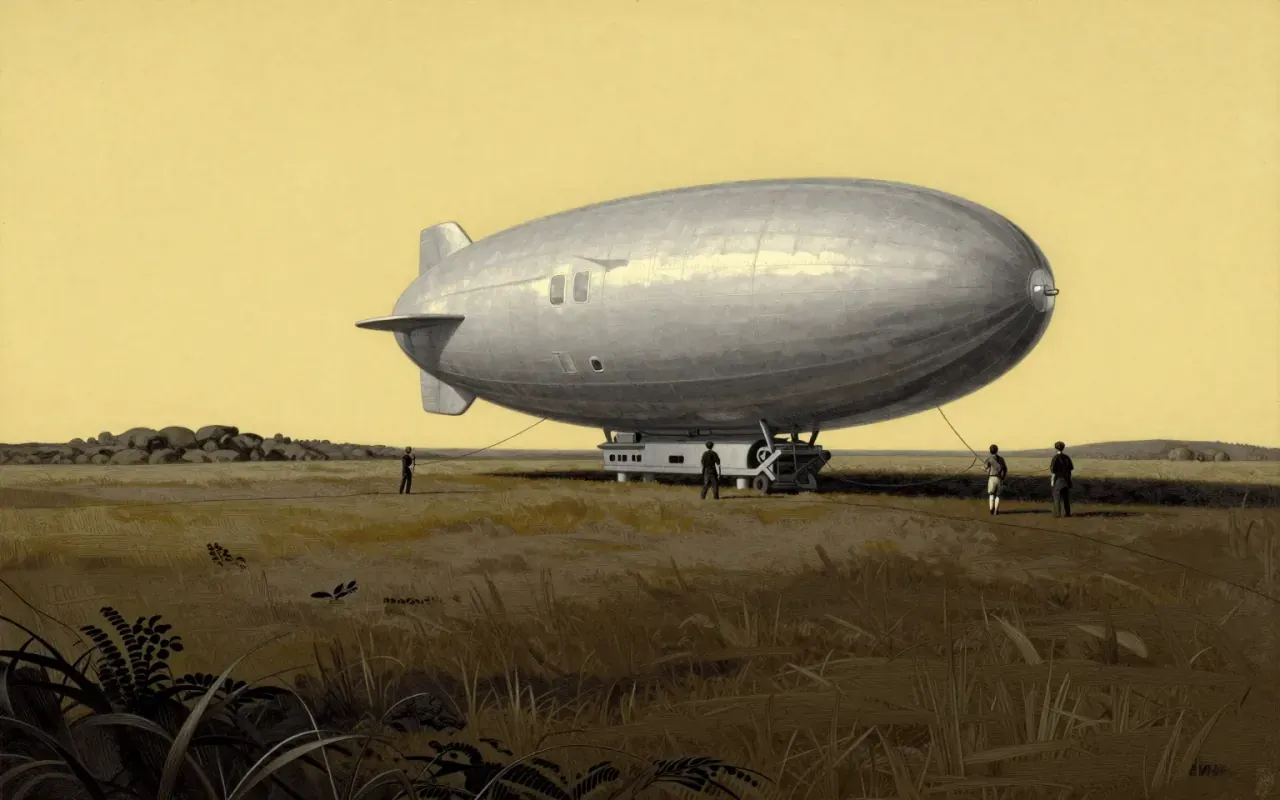
The German passenger airship Hindenburg caught fire while landing at Lakehurst, New Jersey, on 6 May 1937, killing 36 people in under a minute despite the Zeppelin Company's previously spotless safety record across 1.6 million kilometres of flight. German and American investigations reached different emphases on the ignition cause, static electricity remains the most widely accepted explanation, and the extensive newsreel and radio coverage of the disaster effectively ended commercial passenger airship travel within months.

13:00

Indian Removal Act

1830

The Indian Removal Act of 1830 passed Congress by narrow margins and authorised the federal government to exchange western land for territory held by tribes east of the Mississippi, language that in practice became coercion and, for the Cherokee in particular, an armed forced march that killed thousands. The Supreme Court ruled against Georgia's authority over Cherokee land in 1832, a decision Andrew Jackson's administration did not enforce, and historians now debate not whether the removals caused mass death but whether the policy and its intent amount to ethnic cleansing.

13:00

1999 İzmit earthquake

17 August 1999

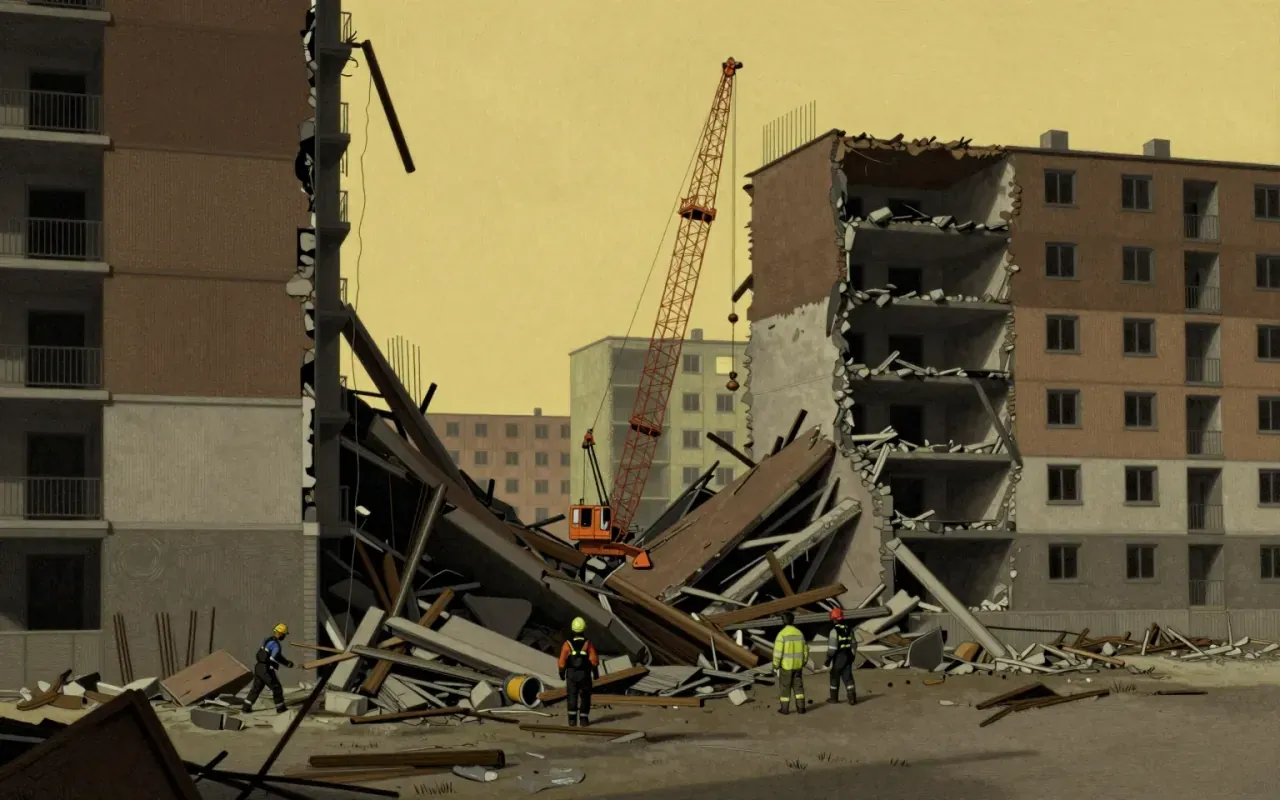
A magnitude 7.6 earthquake struck Kocaeli province in northwestern Turkey on 17 August 1999, killing between roughly 17,000 and 18,000 people by official count, with some estimates running considerably higher, largely because of widespread substandard construction that caused over 60,000 buildings to collapse outright. A second, magnitude 7.2 earthquake struck nearby Duzce on 12 November that year, killing a further 845 to 894 people in a region already weakened by the first quake, and the two disasters together prompted Turkey to create earthquake insurance requirements and stricter enforcement of building codes, reforms whose adequacy remains tested by continuing seismic risk along the same fault system beneath the Sea of Marmara.

13:00

2003 Marriott Hotel bombing

5 August 2003

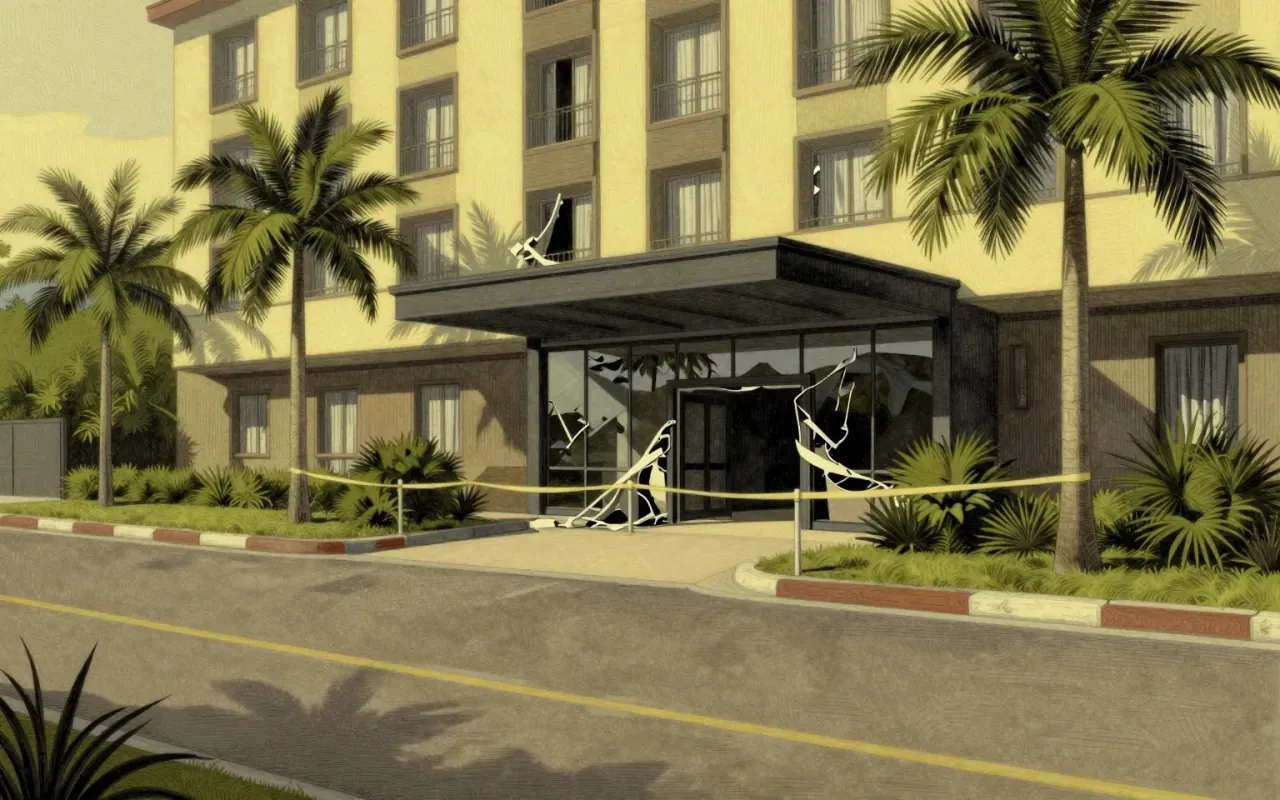
On 5 August 2003, a vehicle loaded with explosives detonated in the lobby of the JW Marriott hotel in Jakarta, killing twelve people plus the bomber and injuring around 150, an attack the Indonesian government and forensic analysis linked to Jemaah Islamiyah, a network affiliated with al-Qaeda that had also carried out the 2002 Bali bombings and a 2000 wave of church bombings. Investigation traced planning back to December 2002 under organiser Noordin Mohammad Top, leading to convictions including a seven-year sentence for explosives transporter Muhammad Rais, but the same network struck the same hotel again on 17 July 2009 alongside the nearby Ritz-Carlton, killing nine people including two suicide bombers in an attack that showed how much of Jemaah Islamiyah's operational capacity had survived the earlier prosecutions.

13:00

1995 Hanshin earthquake

17 January 1995

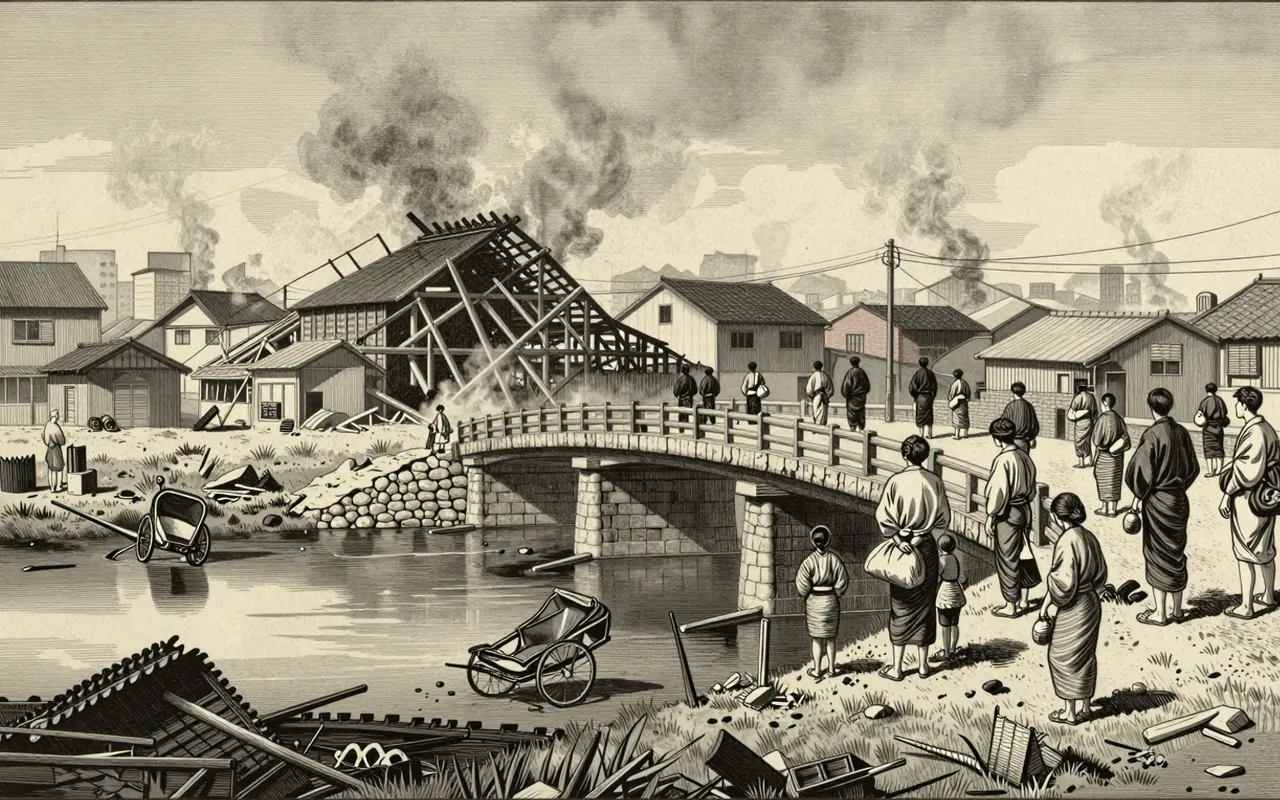
The Great Hanshin earthquake struck the Kobe region at 5:46 a.m. on 17 January 1995 with a magnitude of 7.3, killing between roughly 5,500 and 6,400 people, injuring tens of thousands and displacing over 300,000, Japan's deadliest earthquake of the twentieth century after the 1923 Great Kanto disaster. Many of the deaths came from older wooden houses with heavy tiled roofs collapsing onto residents and from roughly 300 fires that swept through damaged neighbourhoods, while elevated highway sections built to 1960s standards failed even though structures meeting a revised 1981 building code generally held, prompting Japan to overhaul both its construction requirements and its disaster-response chain of command.

13:00

1755 Lisbon earthquake

1 November 1755

The earthquake that struck Lisbon on the morning of 1 November 1755 is estimated at magnitude 7.7 or higher, destroyed some eighty-five percent of the city's buildings, and was followed by a tsunami and fires that together killed an estimated forty to fifty thousand people across Portugal and Morocco. The disaster shook European intellectual life as much as it shook Lisbon itself, prompting Voltaire's attack on optimistic philosophy in Candide and Immanuel Kant's attempts to explain earthquakes through natural rather than divine causes. The chief minister, the future Marquis of Pombal, organised relief, rebuilt the city centre with some of Europe's earliest earthquake-resistant construction, and commissioned a nationwide survey of the disaster's effects that later became a foundational document for modern seismology.

13:00

7 July 2005 London bombings

7 July 2005

Four suicide bombers detonated devices on three London Underground trains and a bus during the morning rush hour of 7 July 2005, killing 52 civilians alongside themselves and injuring nearly 800 people in Britain's deadliest terrorist attack since Lockerbie. An independent inquest later ruled the deaths unlawful but unpreventable, while finding MI5's earlier, brief scrutiny of ringleader Mohammad Sidique Khan had not amounted to a missed warning. Two weeks later, on 21 July, four more attackers attempted an almost identical attack using bombs of similar size and construction, but faulty explosives meant only the detonators fired, and the resulting manhunt led police to fatally shoot an innocent Brazilian electrician, Jean Charles de Menezes, before all four bombers were caught and later sentenced to life imprisonment.

13:00

Love Canal

1978–2004

Between 1942 and 1952, Hooker Chemical Company buried roughly 21,800 tons of industrial waste in an abandoned canal excavation near Niagara Falls, then sold the site for one dollar to the local school board, which built an elementary school on it and allowed residential development around it. Contamination surfaced publicly in 1978 after journalists and then activist Lois Gibbs documented chemical vapours, elevated white blood cell counts and chromosomal damage among residents, prompting President Carter to declare the first federal emergency for a non-natural disaster and leading directly to the 1980 Superfund law, even though scientists remained divided for years over how conclusively the buried chemicals, as opposed to other factors, explained residents' specific health problems.

13:00

2004 Madrid train bombings

11 March 2004

Ten bombs exploded across four commuter trains in Madrid on the morning of 11 March 2004, killing 193 people and injuring roughly 2,500 in the deadliest terrorist attack in Spanish history. The government of José María Aznar pointed to the Basque separatist group ETA within hours, even as evidence mounted toward a loosely organised, internet-radicalised cell of Moroccan, Syrian, and Algerian extremists inspired by rather than directed by al-Qaeda. Spontaneous protests erupted once that evidence became public on 12 and 13 March, and three days after the bombings, voters delivered an upset general election victory to the opposition Socialist Party, a result researchers have linked directly to public anger over the government's initial handling of the attack's aftermath.

13:00

Manchester Arena bombing

22 May 2017

Salman Abedi detonated a nail bomb in the foyer of Manchester Arena as concertgoers left an Ariana Grande show on 22 May 2017, killing 22 people and injuring over a thousand in Britain's deadliest terrorist attack since the 2005 London bombings. A public inquiry found a series of missed opportunities, including a security guard who noticed Abedi acting suspiciously but did not intervene for fear of appearing racist, understaffed police coverage of the arena's exit area, and an MI5 assessment that had judged Abedi low-risk despite community warnings about his extremist views. His brother Hashem was later convicted of helping build the bomb and sentenced to a minimum fifty-five years, the longest minimum term ever imposed by a British court, while Ariana Grande's One Love Manchester benefit concert raised more than ten million pounds within twelve hours.

13:00

Moscow theater hostage crisis

23 October – 26 October 2002

On 23 October 2002, Chechen militants led by Movsar Barayev seized Moscow's Dubrovka Theatre during a performance, taking roughly 850 to 900 hostages and demanding a Russian withdrawal from Chechnya, before special forces pumped an opioid-based aerosol through the ventilation system and stormed the building before dawn on 26 October, killing all forty hostage-takers. The gas, later identified in a 2012 study as a mixture of carfentanil and remifentanil, was implicated in the deaths of all but one of the 132 officially recorded hostage fatalities, and a Moscow health official stated most died from the gas's effects rather than gunfire, a toll worsened by rescuers who lacked the antidote information needed to treat overdosed survivors and who left seventy-three hostages, including six children, without any medical attention at all.

13:00

Cyclone Nargis

25 April – 4 May 2008

Cyclone Nargis made landfall in Myanmar's Ayeyarwady Delta on 2 May 2008 at near-peak strength, pushing a storm surge some forty kilometres up the densely populated delta and destroying roughly ninety-five percent of buildings there. The government's official count of 138,373 dead and missing is itself disputed, with aid workers and NGOs suggesting the true toll may have reached as high as 300,000, and the ruling military junta initially refused to allow foreign aid workers or military assistance into the country even as a United States carrier group sat offshore for weeks with undelivered supplies. UN Secretary-General Ban Ki-moon's direct negotiation eventually opened the country to aid workers of any nationality, though military assistance remained barred throughout.

13:00

2016 Nice truck attack

14 July 2016

On Bastille Day, 14 July 2016, Mohamed Lahouaiej-Bouhlel, a 31-year-old Tunisian delivery driver living in Nice, drove a nineteen-tonne truck into crowds on the Promenade des Anglais, killing 86 people and injuring 458 before police shot him dead roughly five minutes after the attack began. He had no prior links to organised terrorism and was not on any watchlist, but investigators found he had rapidly self-radicalised over the preceding months, growing a beard, researching mass-casualty attacks online, and surveying the Promenade in the days beforehand, while separately battling depression, addiction, and a recent divorce and firing. The Islamic State claimed him as acting on its behalf, but French prosecutors concluded he had acted with some accomplices yet without central direction from the group itself.

13:00

November 2015 Paris attacks

13 November 2015

On the night of 13 November 2015, ten operatives from a Brussels-based ISIS cell carried out coordinated shootings and suicide bombings across six sites in Paris and Saint-Denis, killing 130 civilians and injuring more than four hundred, with the Bataclan theatre alone accounting for ninety deaths during a hostage-taking that ended in a police assault. President François Hollande called the attacks an act of war and declared a three-month state of emergency, and France launched major airstrikes against ISIS targets in Raqqa within two days. Salah Abdeslam, the only surviving member of the attack teams, evaded capture until March 2016, while the cell's ringleader, Abdelhamid Abaaoud, was killed in a raid five days after the attacks.

13:00

Piper Alpha

July 1988

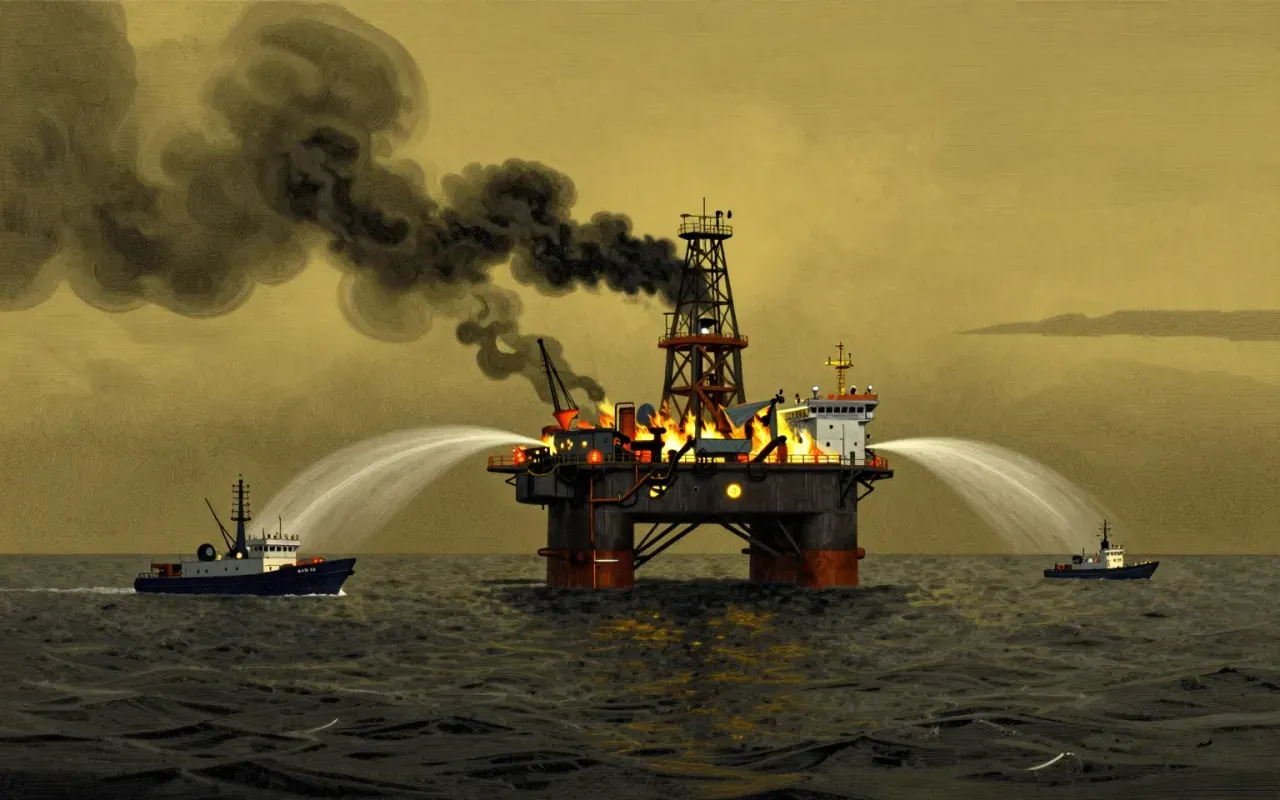
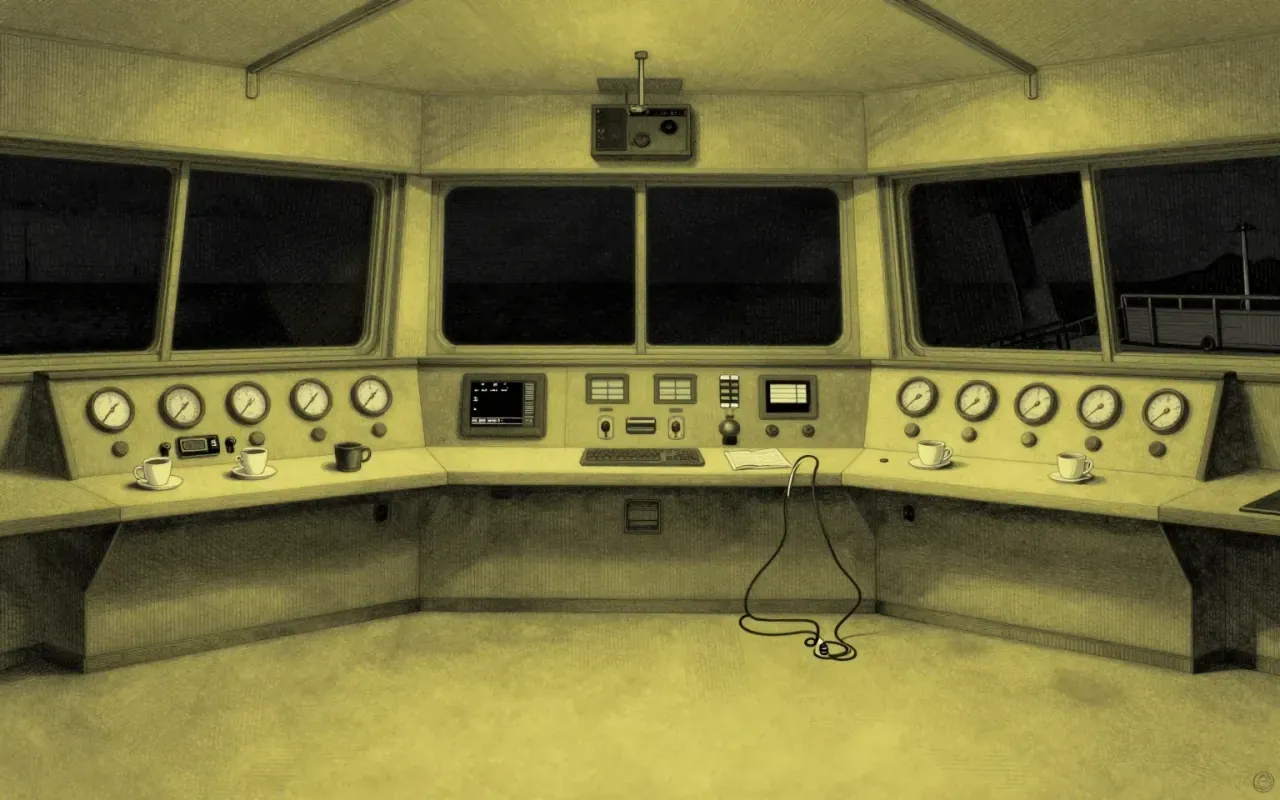
The Piper Alpha platform in the North Sea exploded and burned through the night of 6 and 7 July 1988 after a night shift restarted a pump whose safety valve had been removed for maintenance, a hazard recorded only on a separate permit that had gone missing during the shift handover, killing 167 people including two rescuers in what remains the worst death toll in offshore oil and gas history. The subsequent Cullen Inquiry issued 106 safety recommendations and led to the transfer of North Sea safety regulation to an independent body, fundamentally reshaping offshore platform design and oversight standards later adopted internationally, even as a 1997 civil ruling controversially found two dead workers negligent for failures that occurred amid the same broken permit system.

13:00

Prestige oil spill

19 November 2002

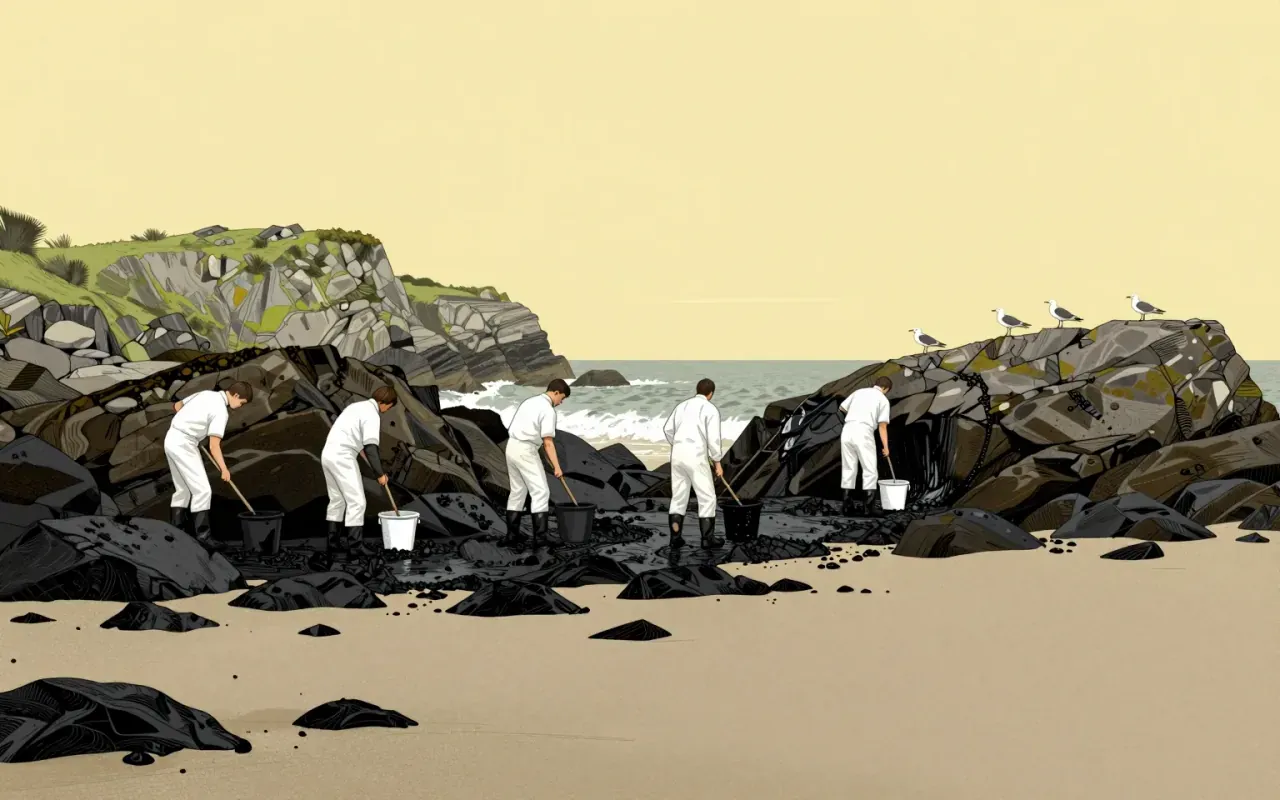
The tanker Prestige suffered a hull breach off Galicia, Spain, during a storm on 13 November 2002 and, after Spanish, French and Portuguese authorities refused it safe harbour and ordered it back out to sea, broke apart and sank on 19 November roughly 210 kilometres from the coast, releasing an estimated 60,000 tonnes of fuel oil that polluted around 2,300 kilometres of coastline across three countries. The disaster produced cleanup costs estimated at 2.5 billion euros for Galicia alone, more than a decade of litigation that eventually saw Spain's Supreme Court convict the ship's captain of recklessness in 2016, and a London insurer ordered in 2017 to pay one billion dollars, though an English court later declined to enforce Spain's full compensation ruling.

13:00

Sacco and Vanzetti

23 August 1927

Nicola Sacco and Bartolomeo Vanzetti, Italian immigrant anarchists, were convicted of a 1920 Massachusetts robbery and double murder on disputed ballistics evidence and eyewitness testimony, tried amid the anti-radical, anti-immigrant climate of the First Red Scare. Despite a separate man's later confession implicating a different gang, appeals failed and both were executed in 1927, a verdict Massachusetts's governor formally acknowledged as unfair fifty years later without issuing a pardon.

13:00

Salem witch trials

1692–1693

Between February 1692 and May 1693, accusations of witchcraft in Salem Village, Massachusetts, led to more than two hundred people being accused, nineteen hanged, and one man pressed to death for refusing to enter a plea, before the governor halted proceedings and later courts disallowed the spectral evidence that had driven convictions. The episode is small by the standards of the wider European witch panics that preceded it by more than a century, and historians still debate how much weight to give factional rivalry, wartime anxiety, and even a disputed poisoning theory in explaining why it happened when it did.

13:00

1976 Tangshan earthquake

28 July 1976

The magnitude 7.6 earthquake that struck Tangshan at 3:42 in the morning on 28 July 1976 gave no perceptible warning, unlike a 1975 quake at Haicheng that had been successfully predicted, and it collapsed roughly 85 percent of the city's largely unreinforced brick buildings within minutes. China's official death toll stands at 242,469, though historians cross-checking government files put the true figure at 300,000 or more, a gap the state has never fully resolved. The disaster struck six weeks before Mao Zedong's death and amid the ideological pressures of the Cultural Revolution, and the government initially refused foreign aid, mobilising over 42,000 workers domestically instead to restore rail lines within weeks even as full economic recovery took well over a year.

13:00

Sinking of the Titanic

14 April – 15 April 1912

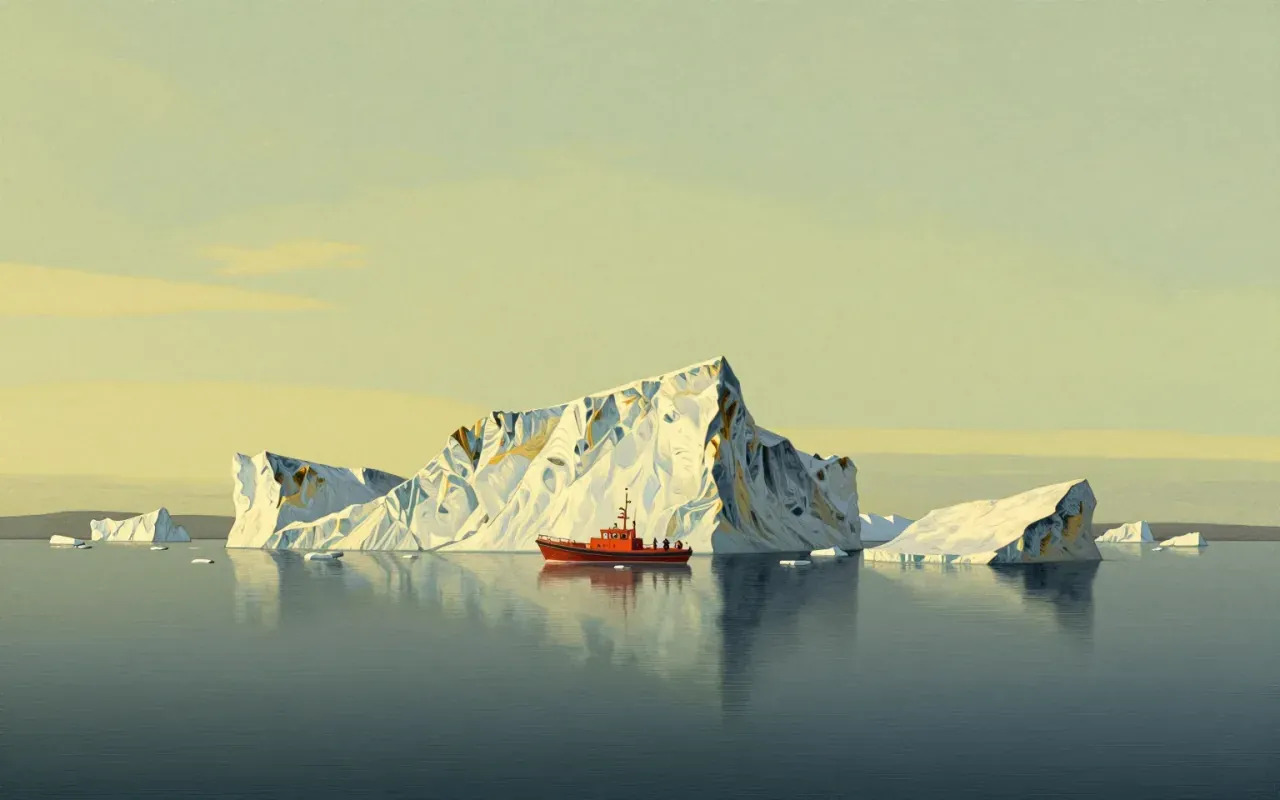
RMS Titanic struck an iceberg at 23:40 ship's time on 14 April 1912 and sank roughly two hours and forty minutes later, killing between 1,490 and 1,635 of the 2,208 people aboard. The ship carried lifeboats for only about half those on board, a legal requirement it actually exceeded, and third-class passengers faced structural and practical barriers to reaching the boat deck that reduced their odds of survival. Modern surveys of the wreck have since revised earlier assumptions about the exact damage the iceberg caused.