A warm noon, then an arctic front
On 12 January 1888, a fast-moving Arctic cold front swept across the Great Plains, from Montana in the early morning through Dakota Territory by midmorning and reaching as far south as Lincoln, Nebraska by three in the afternoon. What made the storm especially dangerous was the weather that preceded it: the day had begun unseasonably mild, warm enough by one account to melt ice and snow from windows around noon, lulling people into a false sense of a normal winter day. The advancing front then dropped temperatures with extraordinary speed, from near freezing to as low as minus twenty degrees Fahrenheit, and reportedly as low as minus forty in some locations, within a matter of hours.
Caught between school and home
The storm’s timing proved catastrophic because it struck during school and working hours across a rural region where people were routinely out in the open. Contemporary Weather Bureau forecasts had mentioned that snow would drift heavily but substantially underestimated the storm’s actual severity and speed of onset. Schoolchildren caught outdoors or attempting to travel home as conditions collapsed accounted for a large share of the storm’s victims, giving the event its lasting name, the Schoolhouse Blizzard; teachers who instead kept their students sheltered inside generally avoided losing them to the cold. Confirmed deaths stand at 235, though some sources suggest a toll as high as a thousand, and the storm ranks among the deadliest winter storms recorded anywhere in the world.
An entirely different storm, two months later
A second, entirely unrelated storm system struck a completely different part of the country only two months later. The Great Blizzard of 1888 hit the northeastern United States from 11 to 14 March, with the most intense snowfall beginning shortly after midnight on the 12th and continuing without pause for roughly a day and a half. Despite sharing the same year and a broadly similar nickname with the earlier Plains disaster, this was a distinct meteorological event affecting an entirely separate region, striking New York, New England, and the surrounding areas rather than the Great Plains states the January storm had devastated, a coincidence of naming that has caused some confusion between the two disasters ever since.
Fifty-eight inches in Saratoga Springs
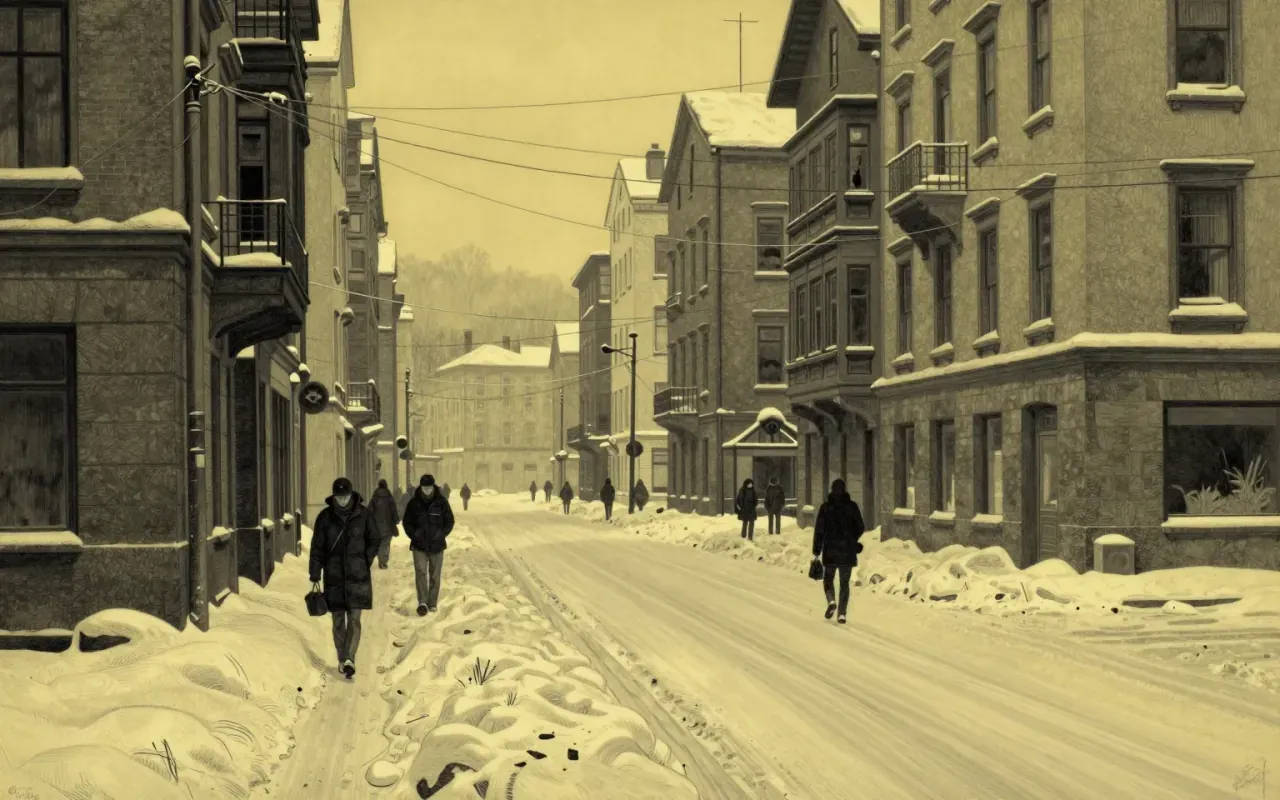
Snowfall totals from the Northeastern storm reached extraordinary levels in places. Saratoga Springs, New York recorded fifty-eight inches, the highest total documented, while Albany received forty-eight inches and New Haven, Connecticut recorded forty-five. New York City itself saw a comparatively modest twenty-two inches, but wind-driven drifting piled snow into far more dramatic accumulations elsewhere, with drifts commonly reaching thirty to forty feet and the single highest drift recorded at fifty-two feet in Gravesend, Brooklyn. This combination of heavy snowfall and severe drifting brought transportation and daily life across the region to a complete standstill for the storm’s duration and for a considerable period afterward, as clearing such volumes of snow with the equipment available in 1888 proved a genuinely slow undertaking.
Ships wrecked, an exchange closed
The storm’s toll extended well beyond the immediate difficulty of digging out. At least 400 people died as a direct result of the blizzard, and the total economic damage was estimated at 25 million dollars in 1888 terms, equivalent to roughly 900 million dollars in more recent terms. The Atlantic coast suffered particularly badly at sea: more than two hundred ships ran aground or were wrecked between Chesapeake Bay and New England, and at least a hundred seamen died in these maritime losses alone. The disruption reached financial markets directly as well, with the New York Stock Exchange closing for two full consecutive days, a closure that would not be matched by another full weather-related shutdown until Hurricane Sandy struck in 2012.
Digging the wires and the trains underground
The Northeastern storm’s paralysis of surface transportation left a lasting mark on how American cities built their infrastructure. The gridlock the blizzard caused is credited as one contributing factor behind the push toward underground transit, with Boston opening the first underground subway system in the United States roughly nine years later and New York following with its own underground line in 1904. New York also began moving telegraph and telephone lines underground in the storm’s aftermath, aiming to protect essential communications infrastructure from the kind of severe weather damage the March 1888 storm had inflicted on the exposed wires strung above the city’s streets, a direct and lasting policy response to a single, if unusually severe, weather event.