The treaty he signed in Amharic said one thing and the Italian version said another, and whether he was deceived or simply miscalculated is still argued over.
He dictated his own version of events with total control over the sessions, while the general who accepted his surrender gave Congress a directly contradicting account.
The man later called the only wholly admirable figure in modern history conquered a kingdom with a thousand volunteers and then handed it to a monarchy he privately despised, because unification mattered to him more than his own republicanism did.
A general who trained in the Spanish army he later fought crossed the Andes with an army that lost half its mules, then walked away from power at the moment he could have claimed the most of it.
The poet's own friends burned his memoirs a month after he died, which means the most candid record of his life was destroyed by the people who claimed to be protecting his reputation.
Pasteur kept his laboratory notebooks sealed for a century, and when historians finally opened them they found a scientist who sometimes shaded the truth about his own discoveries.
The man who built a continent-wide system for suppressing revolution was toppled by one in a single day in 1848, which either proves the system was fragile all along or that thirty years is a long run for any settlement.
The chancellor built the first modern welfare state specifically to stop workers from turning socialist, which makes the safety net's origin story considerably less generous than the thing it produced.
One of the two traders whose eyewitness accounts built his monstrous reputation admitted urging his co-author to exaggerate it, while seeking a land grant justified by that same savagery.
Simon Bolivar founded a union of South American republics meant to outlast him, then spent his final years being voted out of the offices he had created for it one by one, a dissolution the record notes without fully explaining.
Over five thousand American soldiers were eventually needed to corner a band that never exceeded a few dozen fighters, a mismatch decades of broken agreements helped produce.
An emperor's surrender on a battlefield turned into a revolution back home two days later, which meant France's government changed hands before anyone in Paris had lost a single soldier there.
More than a hundred thousand civilians died in British camps built to starve out guerrilla fighters, and historians still cannot agree whether that was policy or simple incompetence, which may itself be the more disturbing question.
A Qing general secretly sabotaged the siege his own government had ordered, withholding artillery and shielding foreigners because he judged a simultaneous war against eight nations unwinnable, a quiet act of self-preservation that likely saved the legations from being overrun.
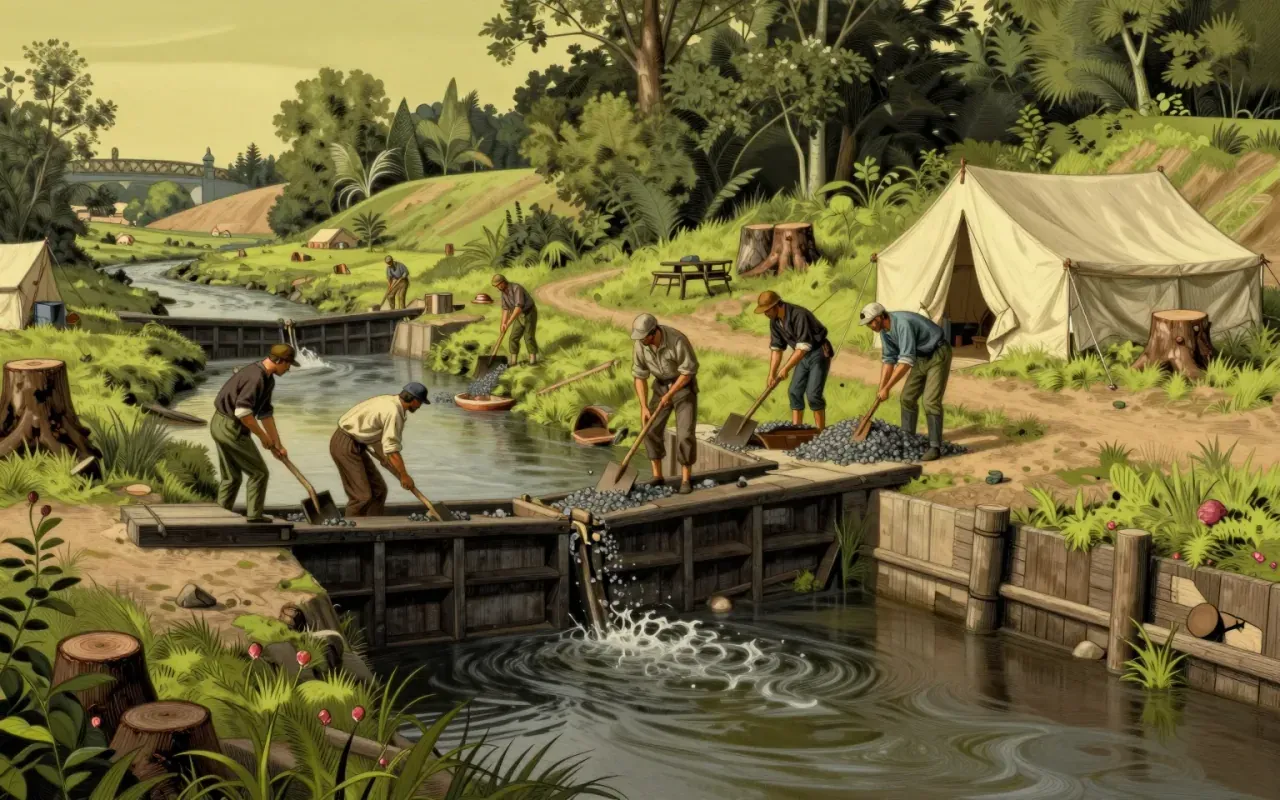
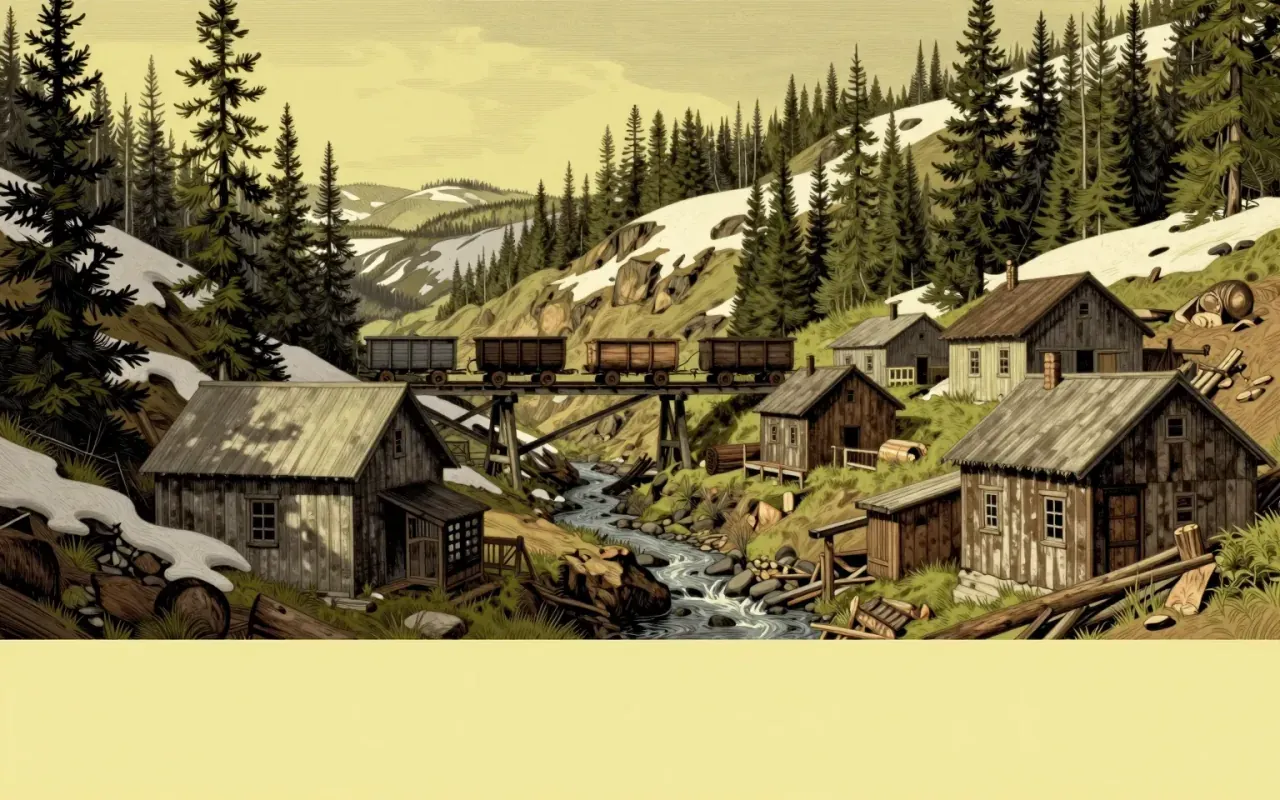
A modest twenty ounces of gold near a creek in 1858 built a territory within three years, and the same rush of settlers set in motion the pressures that led, six years later, to a massacre of Cheyenne and Arapaho people at Sand Creek.
More Russian soldiers died of disease than were ever killed in battle, and the nurse who became world-famous for treating them mattered less for what she cured than for what she made everyone else finally admit about military hospitals.
A French army convicted the wrong officer of treason on flimsy handwriting analysis, then spent twelve years defending the verdict rather than admitting the mistake.
A telegram edited to sound ruder than it was pushed France into a war it declared and lost within a month, a defeat that finished German unification and started forty-three years of French resentment over two provinces.
Food kept leaving Ireland by ship while roughly a million people starved, a fact that turns the argument over this famine less into what happened and more into what to call it.
The rebellion Greeks fought alone for six years is remembered in the West largely for the one naval battle three foreign fleets fought for them almost by accident.
A law that spoke only of voluntary land exchange produced forced marches that killed thousands, and a Supreme Court ruling against it changed nothing because the president simply declined to enforce it.
A Russian official's plan to draft young Polish radicals into decades of army service to defuse unrest instead set off the very rebellion he was trying to prevent, and its defeat produced the single largest deportation in Russian history.
Working-class Parisians did most of the street fighting, a wealthy cousin of the deposed king took the throne instead of the crowd's own choice, and the arrangement pleased almost no one who had actually fought for it.
Most of the juntas that started this began by insisting they were still loyal to the Spanish king, which makes it hard to say exactly when a movement to preserve the monarchy became a war to end it.
William Clark's enslaved manservant York walked and paddled the same 8,000 miles as everyone else on the expedition, even got a vote on where to camp, and came home to the one reward none of his companions received: continued bondage.
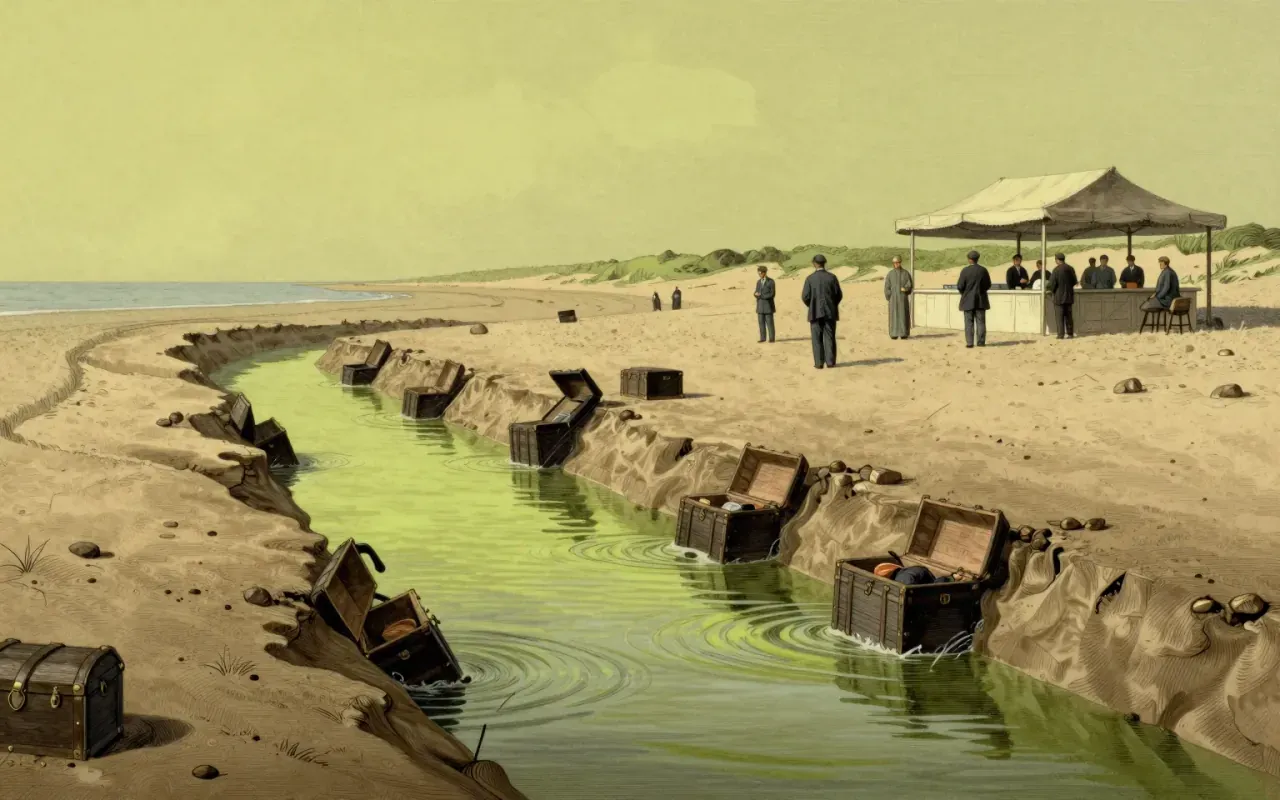
Britain went to war in 1839 partly to force China to keep buying a drug its own commissioner had just burned twenty thousand chests of, and historians still argue over whether opium was really the cause or just the convenient pretext for a wider fight over market access.
China's own eighteenth-century tea and silk exports so far outstripped British demand for anything in return that Britain turned to selling a drug just to balance the books.
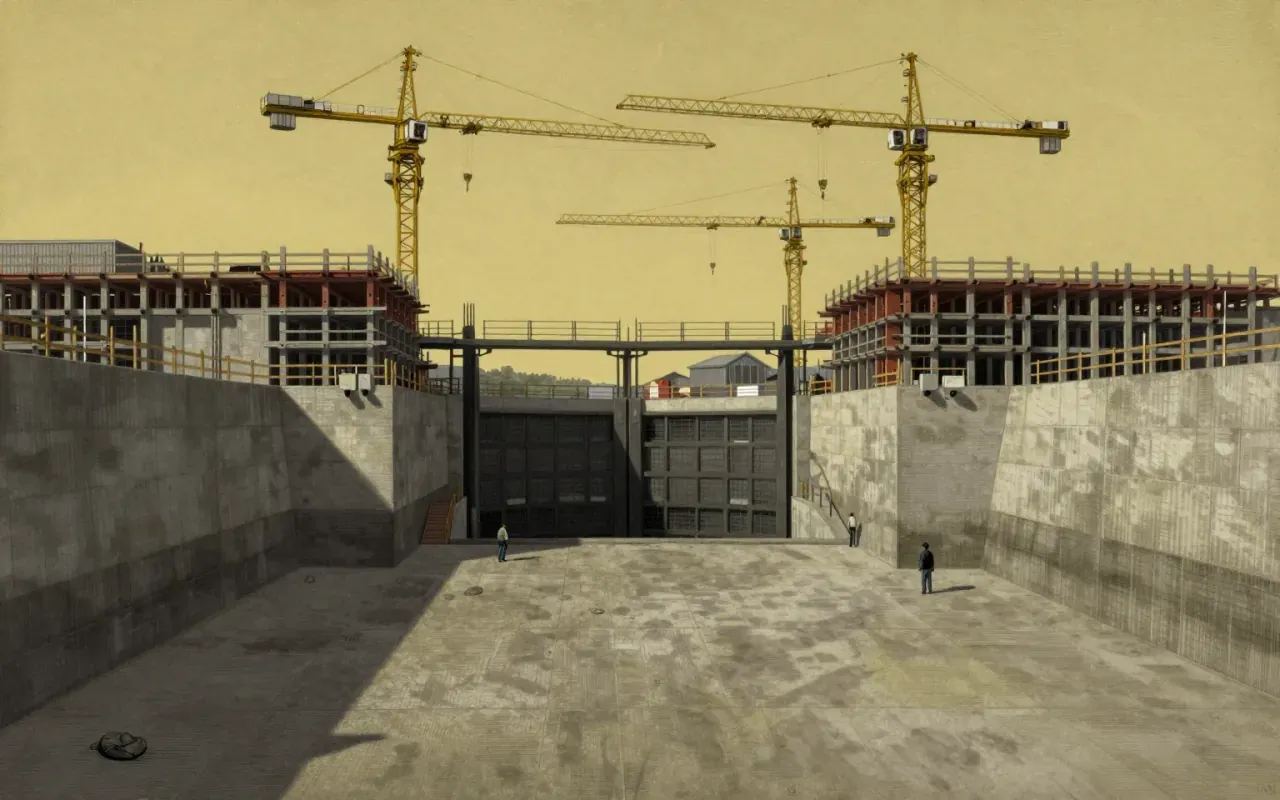
France's canal effort killed an estimated 22,000 workers and bankrupted 800,000 investors before America even began digging its own version of the same idea.
More than fifty countries had uprisings within the same eighteen months, and almost all of them failed for the same reason: the workers, the middle class, and the nationalists wanted different things and only briefly pretended otherwise.
Fourteen nations sat down in Berlin in 1884 to divide a continent, and not one African government was invited to the table, or even seriously considered for one.
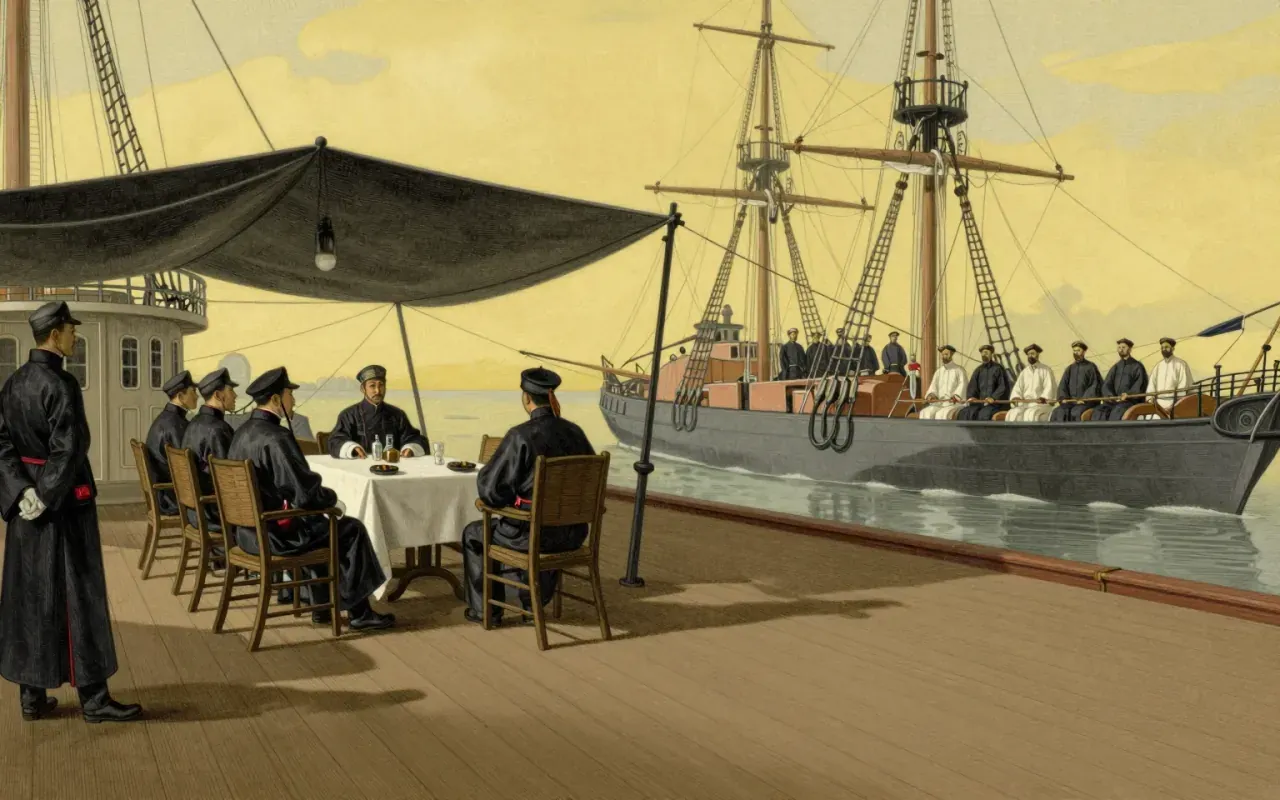
Fought mostly on Korean soil, this eight-month war was decided almost entirely by the two larger powers contesting it, and the surviving record still shows it.
The colonial administrator's own letters admit the ultimatum was designed to be refused, undercutting the righteous-defence story that dominated popular memory for generations.