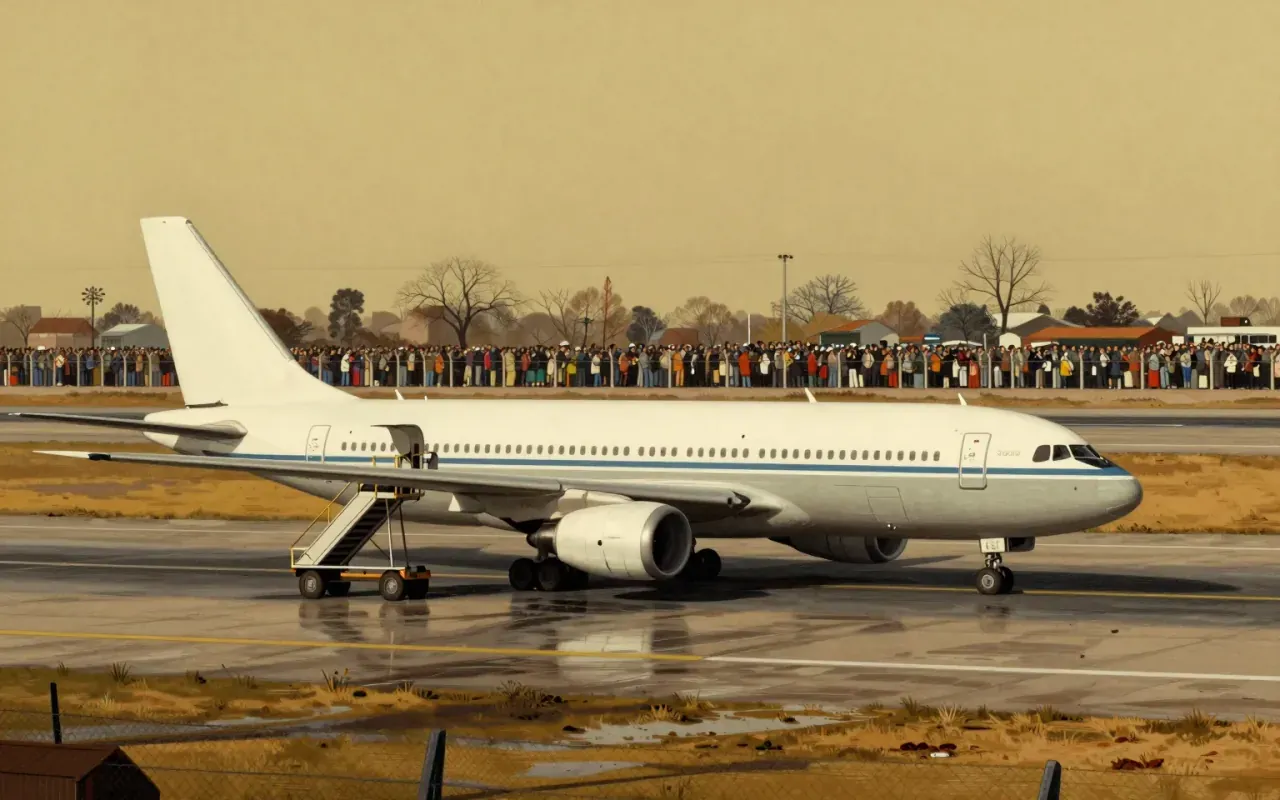
Khomeini spent fifteen years exiled from Iran for opposing the Shah, then returned to build a state with far more centralised religious authority than the monarchy he replaced ever claimed.
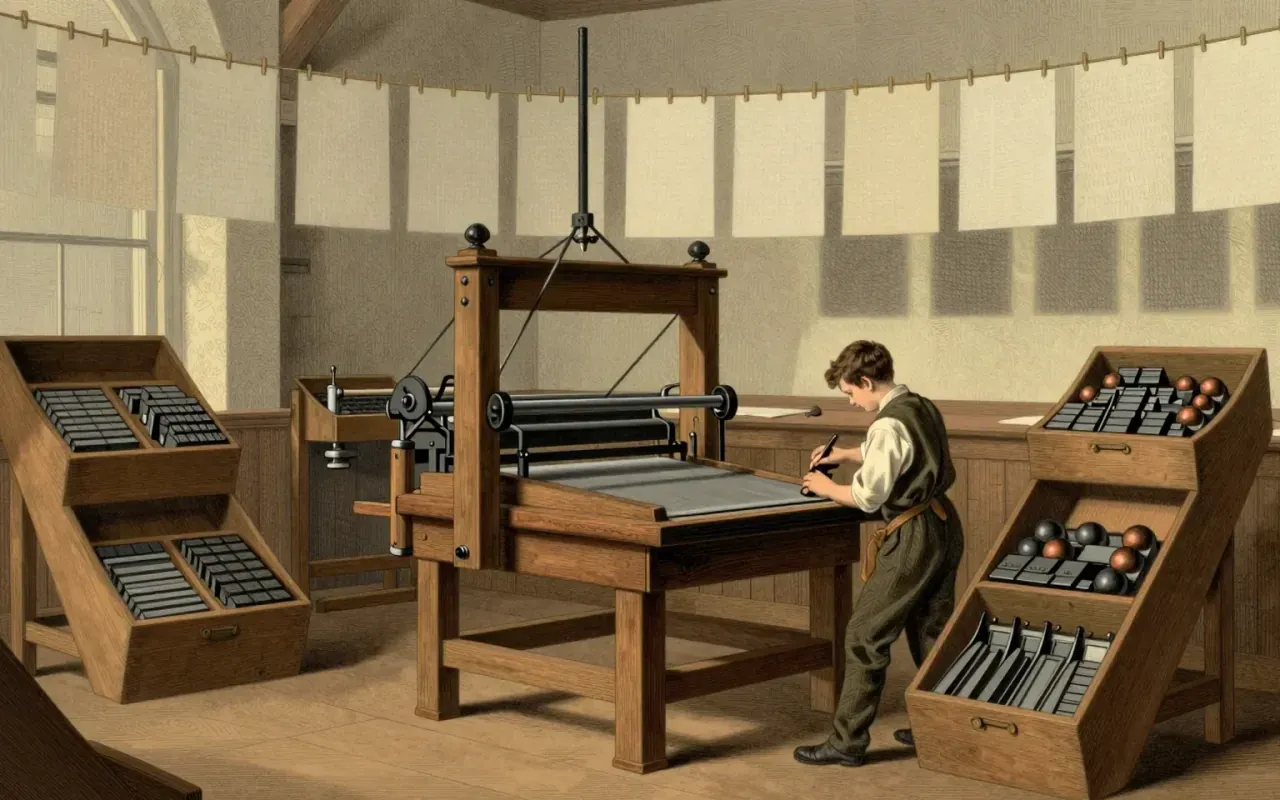
A runaway printer's apprentice became the one man to sign the Declaration, the peace treaty with Britain, and the Constitution, having spent decades as a slaveholder before turning into a public abolitionist.
Aquino paid off Marcos's inherited debt early to restore Philippine credit, then pushed land reform that spared her own family's estate the redistribution she imposed on everyone else.
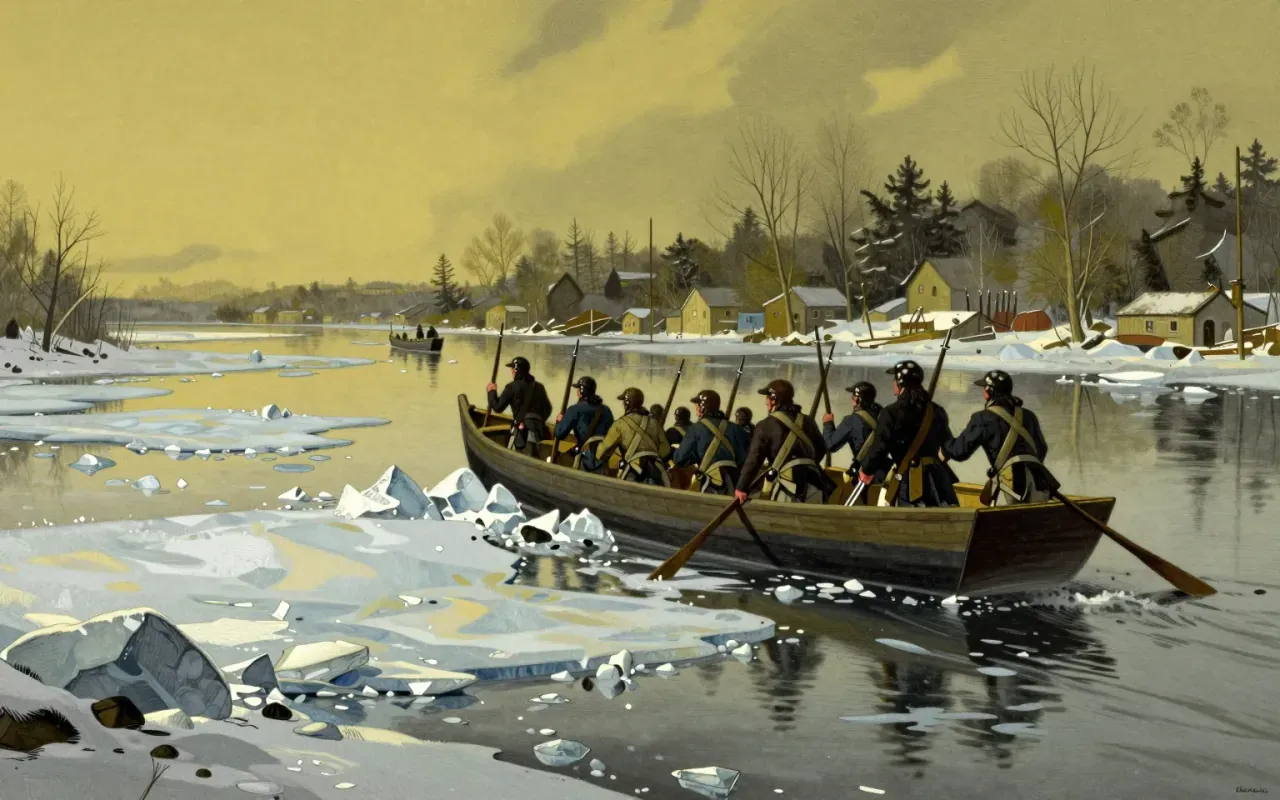
A young officer's ambush of a French detachment helped start a world war, and the general it made famous later gave up power twice, on his own terms, which is rarer than the story usually admits.
The man later called the only wholly admirable figure in modern history conquered a kingdom with a thousand volunteers and then handed it to a monarchy he privately despised, because unification mattered to him more than his own republicanism did.
The theorist behind a landmark treatise on raising children placed several of his own in a foundling hospital, and even he could not settle on one consistent explanation for why.
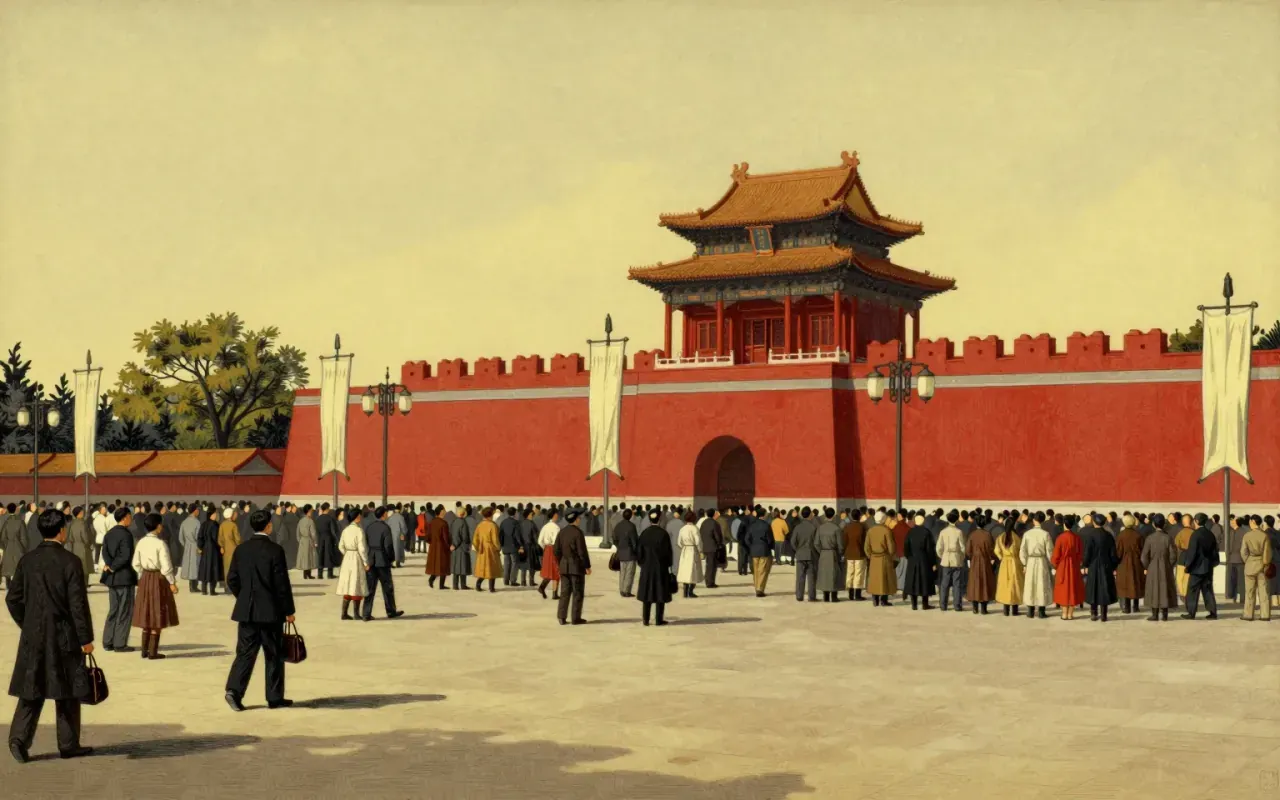
A general who trained in the Spanish army he later fought crossed the Andes with an army that lost half its mules, then walked away from power at the moment he could have claimed the most of it.
The electrician who signed the Gdańsk Agreement with an oversized pen for the cameras may also have signed a secret police collaboration agreement a decade earlier, and Polish historians still can't agree which document says more about him.
The poet's own friends burned his memoirs a month after he died, which means the most candid record of his life was destroyed by the people who claimed to be protecting his reputation.
The peasant strategy Mao's own party first rejected won him a country, and the archives that later opened show how much the resulting record was built to fit him.
Rosa Luxemburg was murdered by the paramilitaries of a government her own socialist movement had helped install, and historians still argue how far up that government the responsibility for her killing reached.
Simon Bolivar founded a union of South American republics meant to outlast him, then spent his final years being voted out of the offices he had created for it one by one, a dissolution the record notes without fully explaining.
The revolution he spent decades preparing succeeded without him in the room, yet both governments that later split China still claim him as their founder.
The document most Americans picture being signed on the Fourth of July was mostly signed a month later, and the vote that mattered had already happened two days earlier.
A revolution historians cannot even agree on the start date of, because it was really two long wars, a famine of governance, and a peasantry that ran out of patience.
Historians still can't agree whether Reagan's pressure or Gorbachev's own convictions ended the Cold War, and the honest answer is probably that neither side wants to give up the credit.
Four years of negotiation nearly collapsed twice, once after a massacre and once after an assassination, and the second crisis pushed the parties together rather than apart.
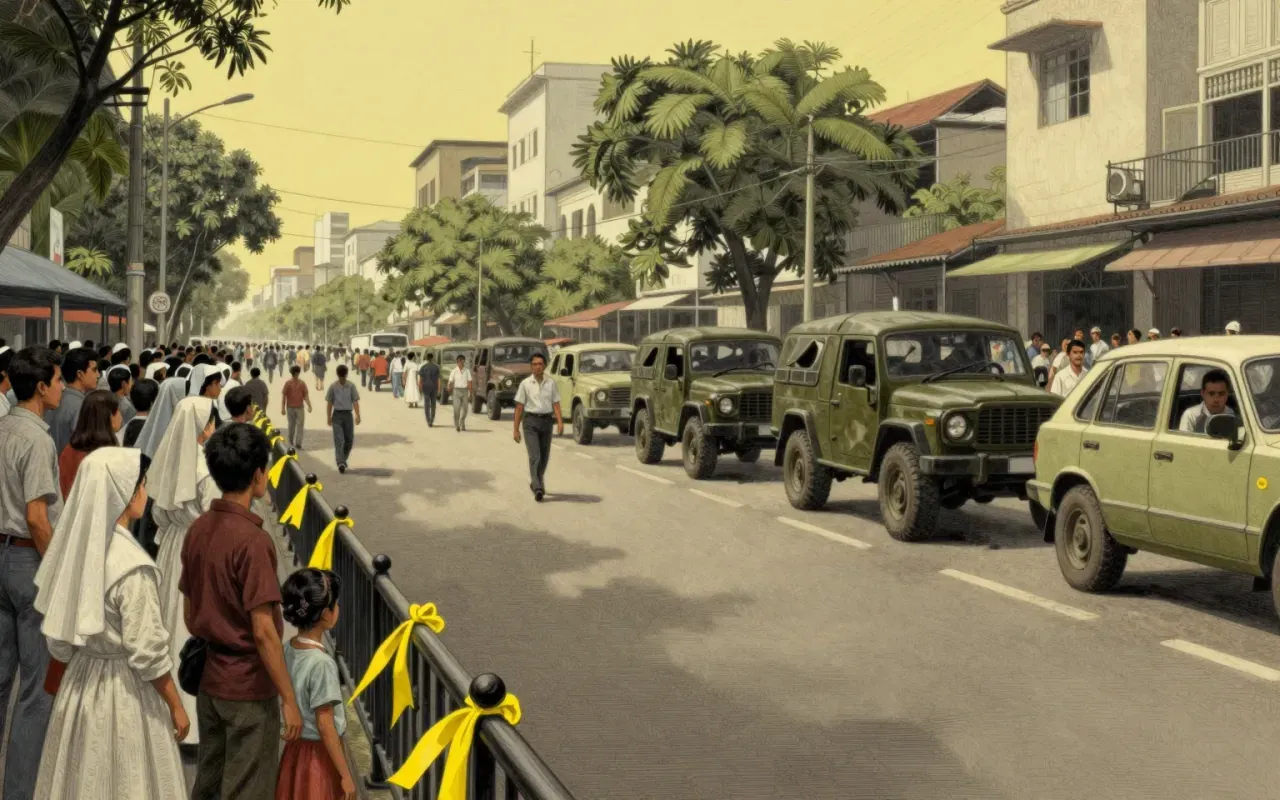
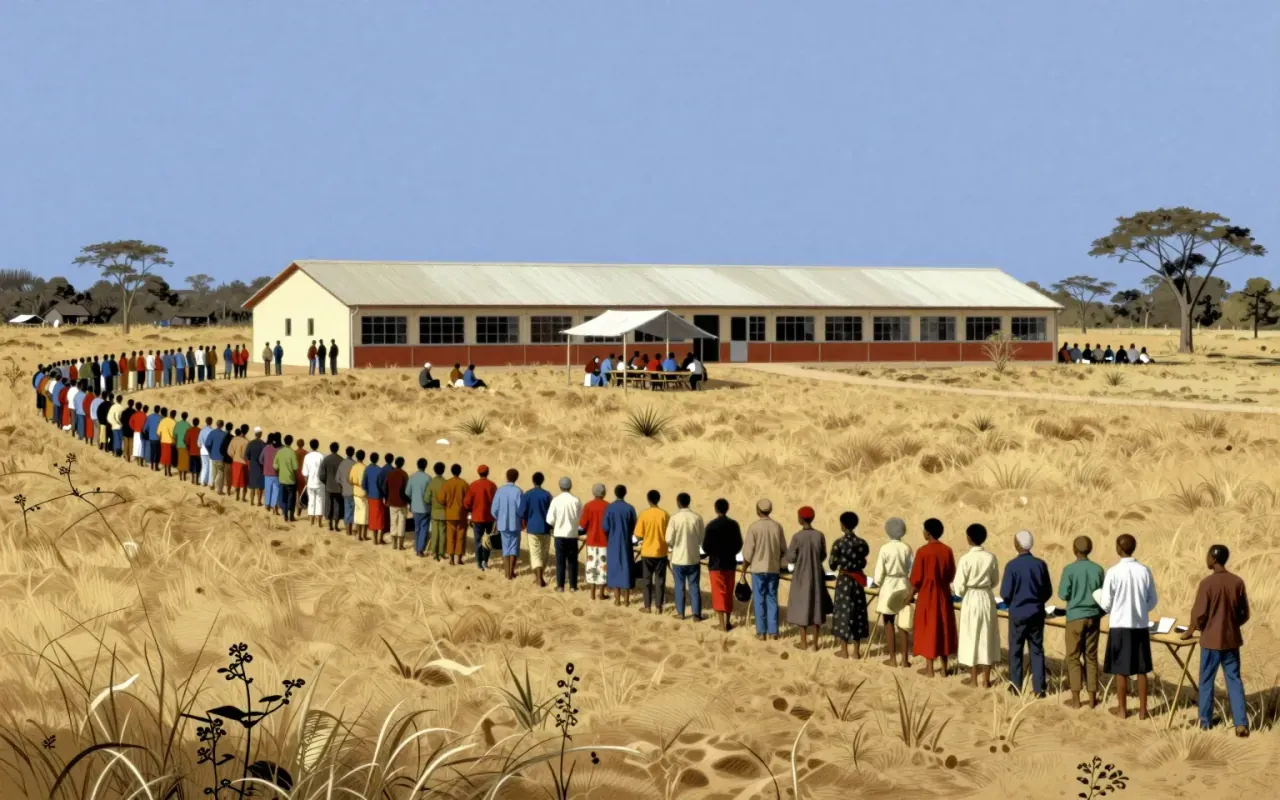
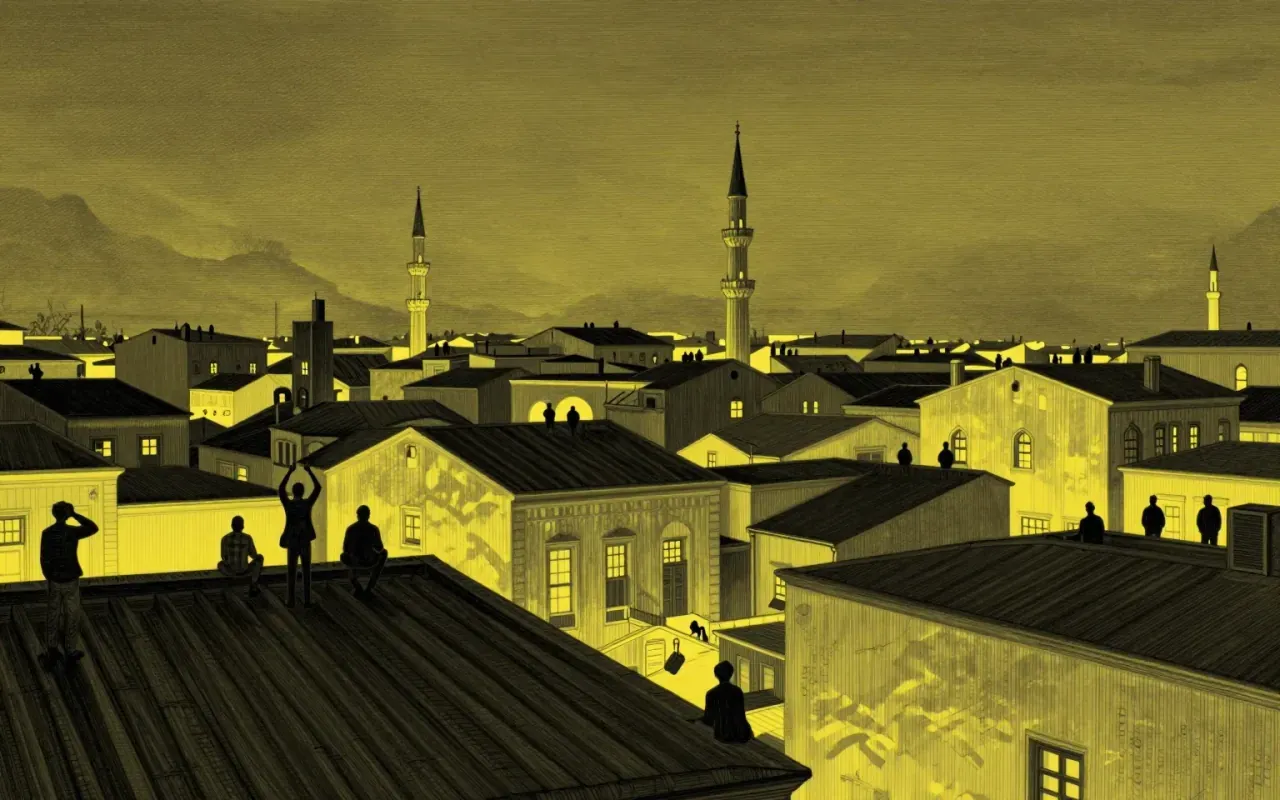
The vote counters walked out before the soldiers did: thirty computer technicians quit a government election tally over what they called deliberate manipulation, three weeks before generals started defecting toward the crowd instead.
The rebellion Greeks fought alone for six years is remembered in the West largely for the one naval battle three foreign fleets fought for them almost by accident.
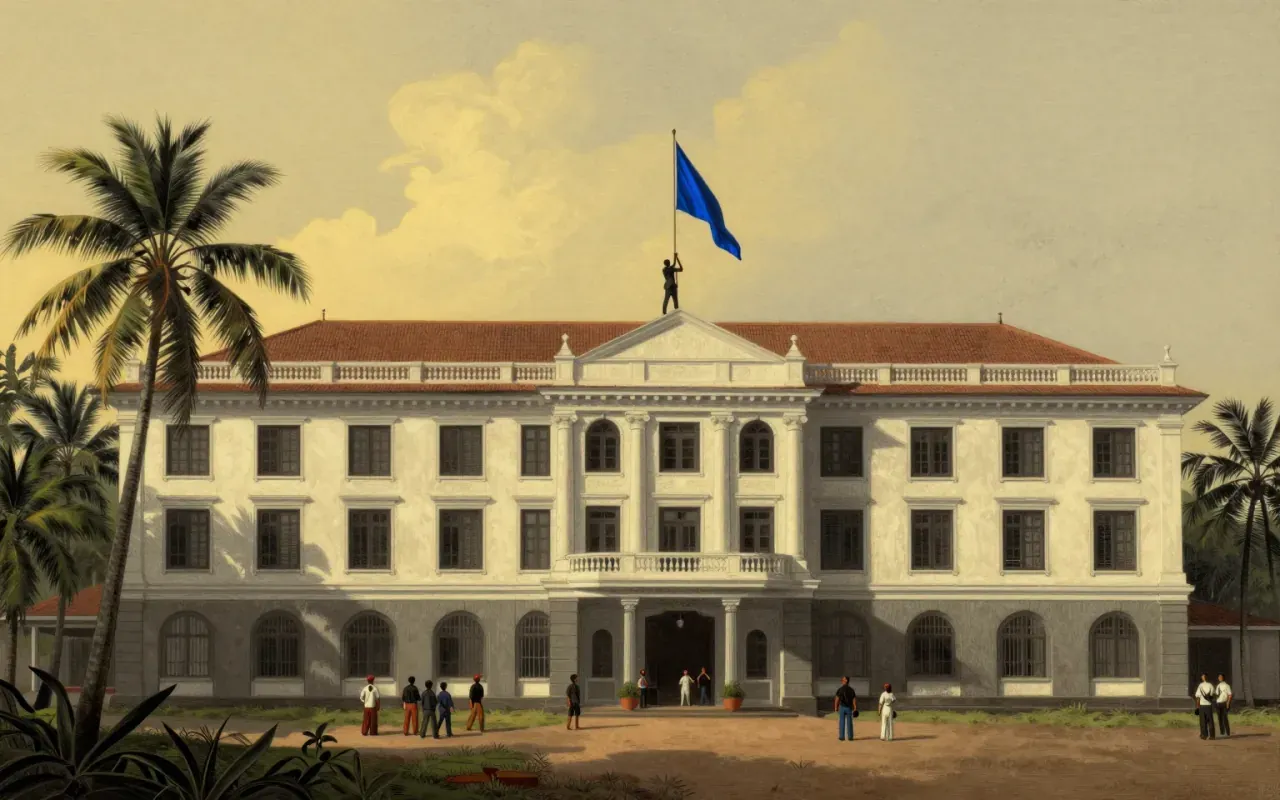
Sukarno declared independence on a borrowed typewriter within hours of Japan's surrender, wording it so ambiguously that Japan and Indonesia could read the same sentence as meaning entirely different things.
A Russian official's plan to draft young Polish radicals into decades of army service to defuse unrest instead set off the very rebellion he was trying to prevent, and its defeat produced the single largest deportation in Russian history.
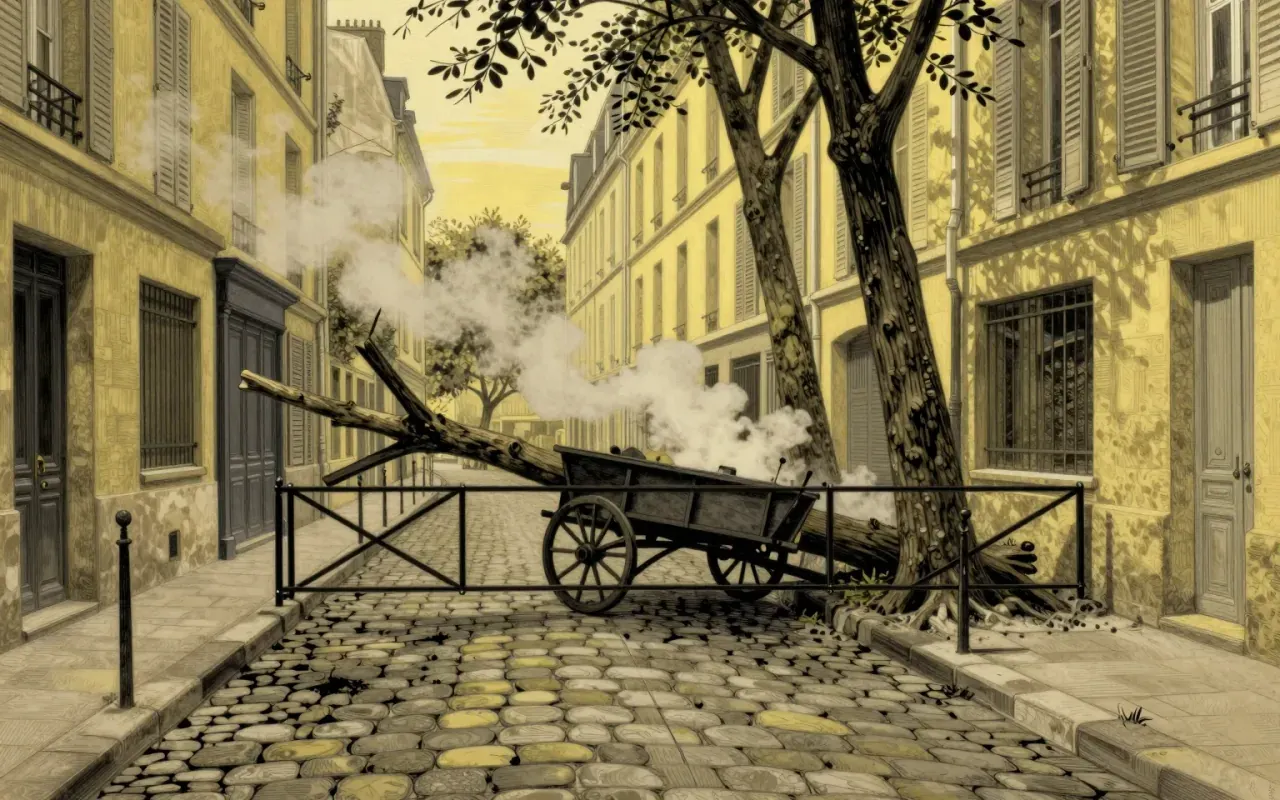
Working-class Parisians did most of the street fighting, a wealthy cousin of the deposed king took the throne instead of the crowd's own choice, and the arrangement pleased almost no one who had actually fought for it.
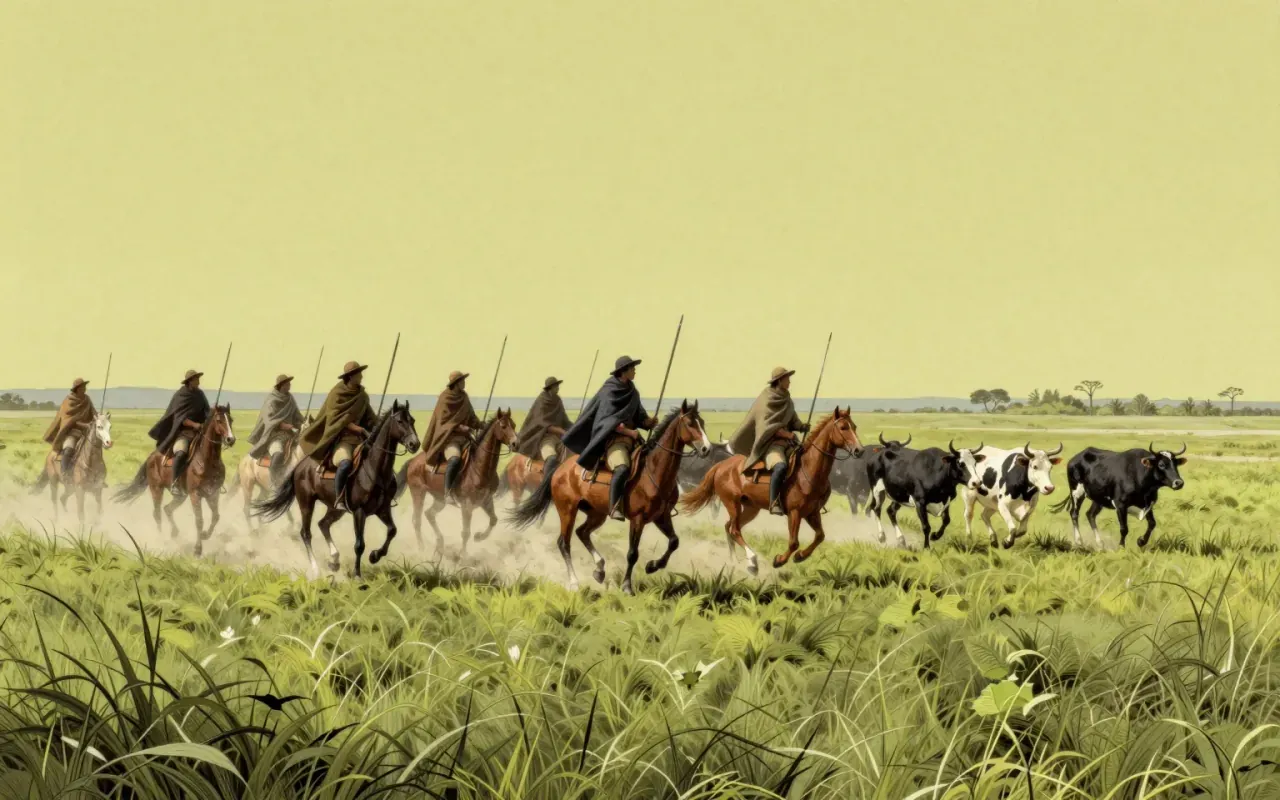
Most of the juntas that started this began by insisting they were still loyal to the Spanish king, which makes it hard to say exactly when a movement to preserve the monarchy became a war to end it.
The most successful sustained indigenous resistance to European colonisation anywhere in the Americas is barely known, and its organiser survives mostly through the words of people who feared him.
More than fifty countries had uprisings within the same eighteen months, and almost all of them failed for the same reason: the workers, the middle class, and the nationalists wanted different things and only briefly pretended otherwise.
The man who wrote that all men are created equal held more than six hundred people as property, and for two centuries historians were reluctant to say plainly what that meant for one enslaved family in particular.
A man freed from slavery years before the revolution that made him famous led the only successful slave uprising to found a state, then died in a French mountain prison denied medical care because of his colour.
His own dying warning about Stalin's growing power went largely unheeded, which makes the question of how much responsibility Lenin bears for what followed him one the sources themselves cannot fully settle.