Çatalhöyük
7500–5700 BC
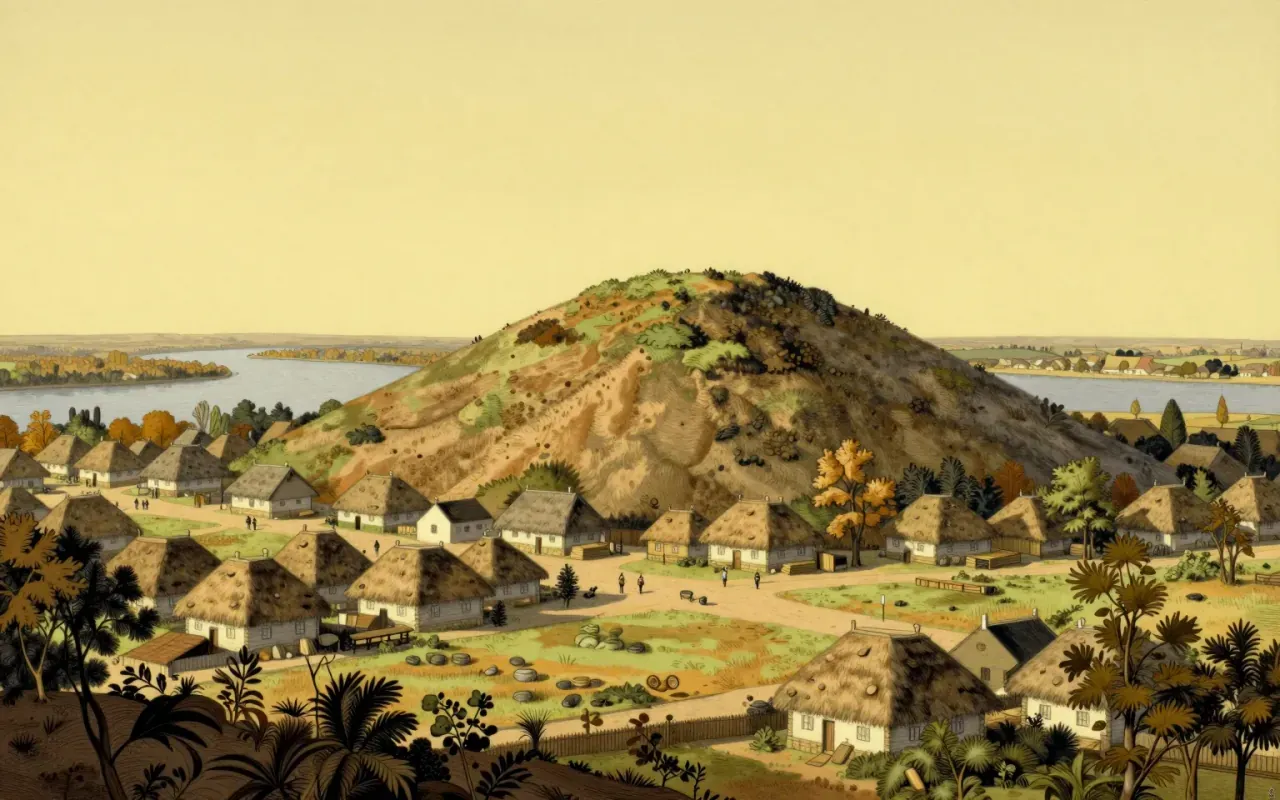
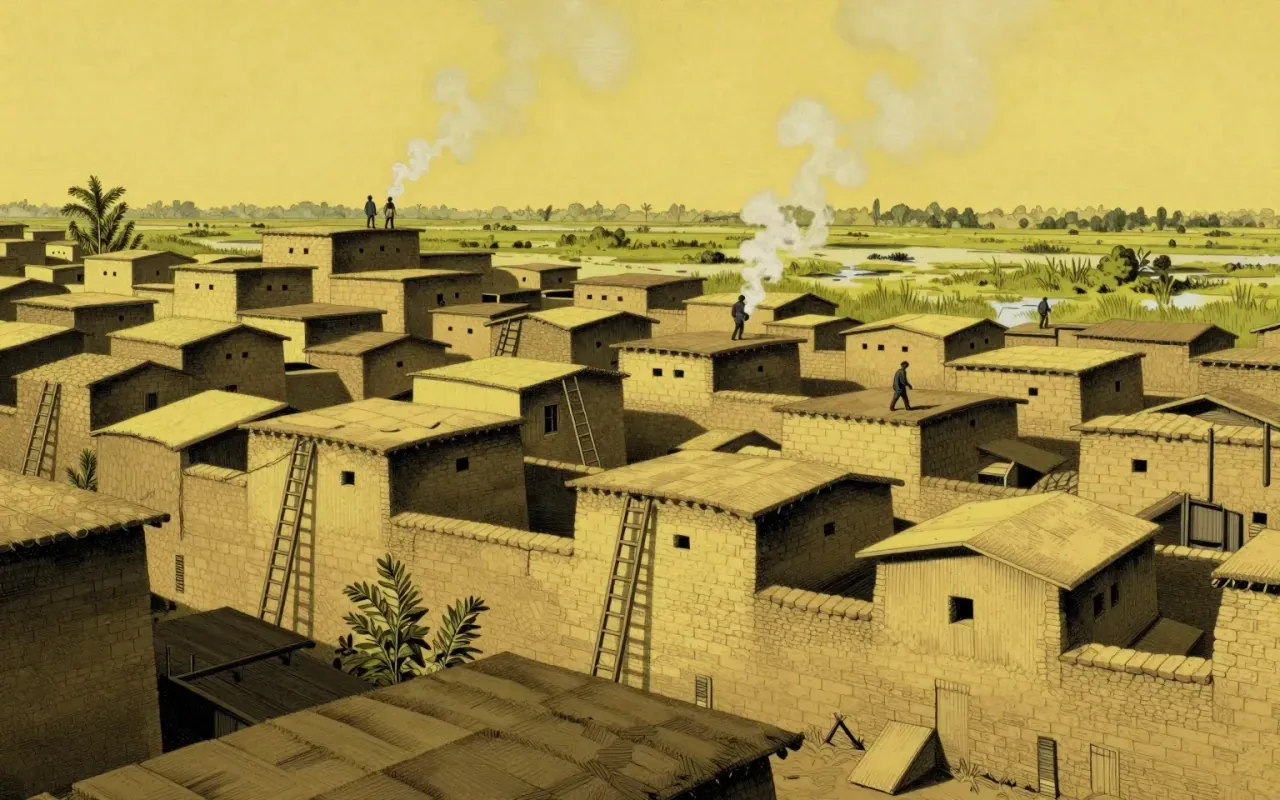
Catalhoyuk was a densely built Neolithic settlement in southern Anatolia occupied from roughly 7500 to 5600 BC, notable for honeycomb-like mudbrick houses entered through their roofs and for eighteen successive layers of rebuilding uncovered by archaeologists. James Mellaart, who discovered the site in 1958, argued its clay figurines pointed to a mother-goddess religion and an egalitarian social structure, but later excavations led by Ian Hodder, examining thousands more figurines and other evidence, found little support for a dominant female deity and some evidence of growing inequality over time.