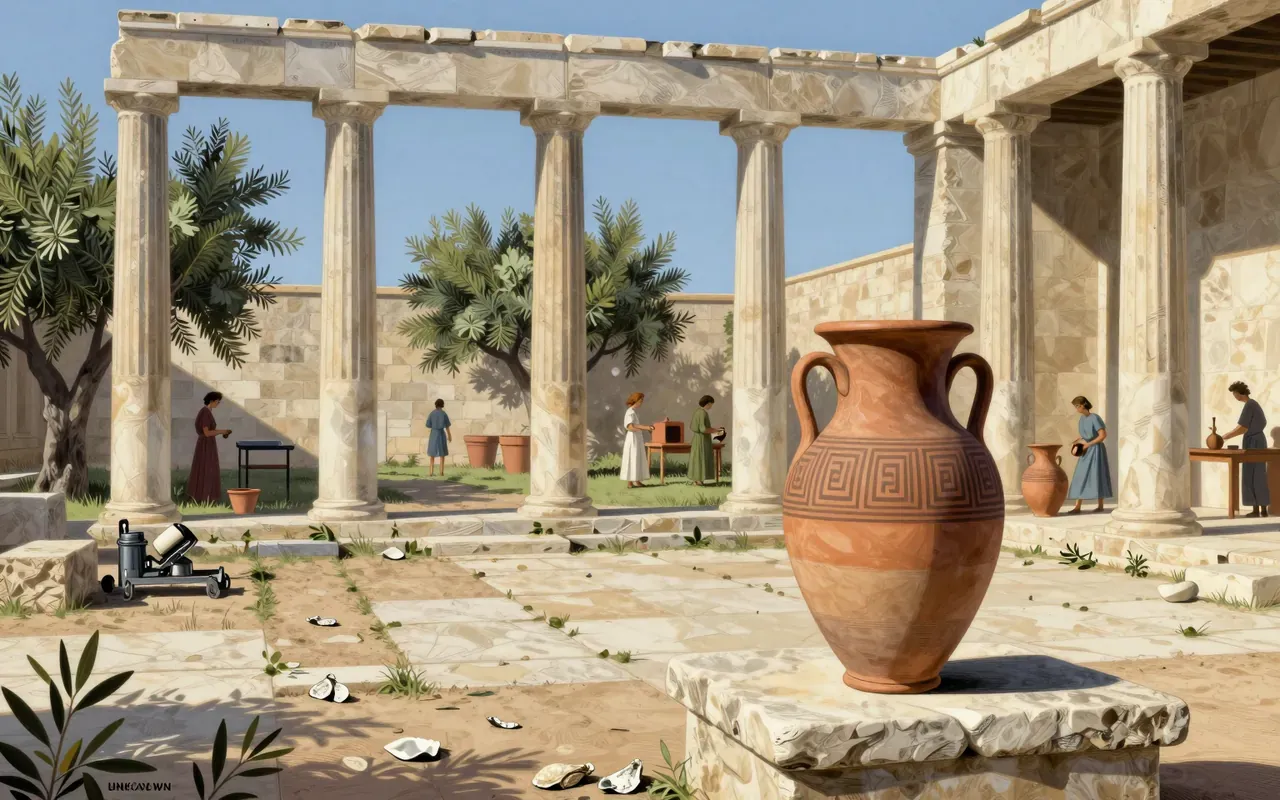
Ancient Greece
Ancient Greece isn’t a place or a nation — it’s the first time history became a written argument about power.
Rule over people who did not consent, and the long tail of it.
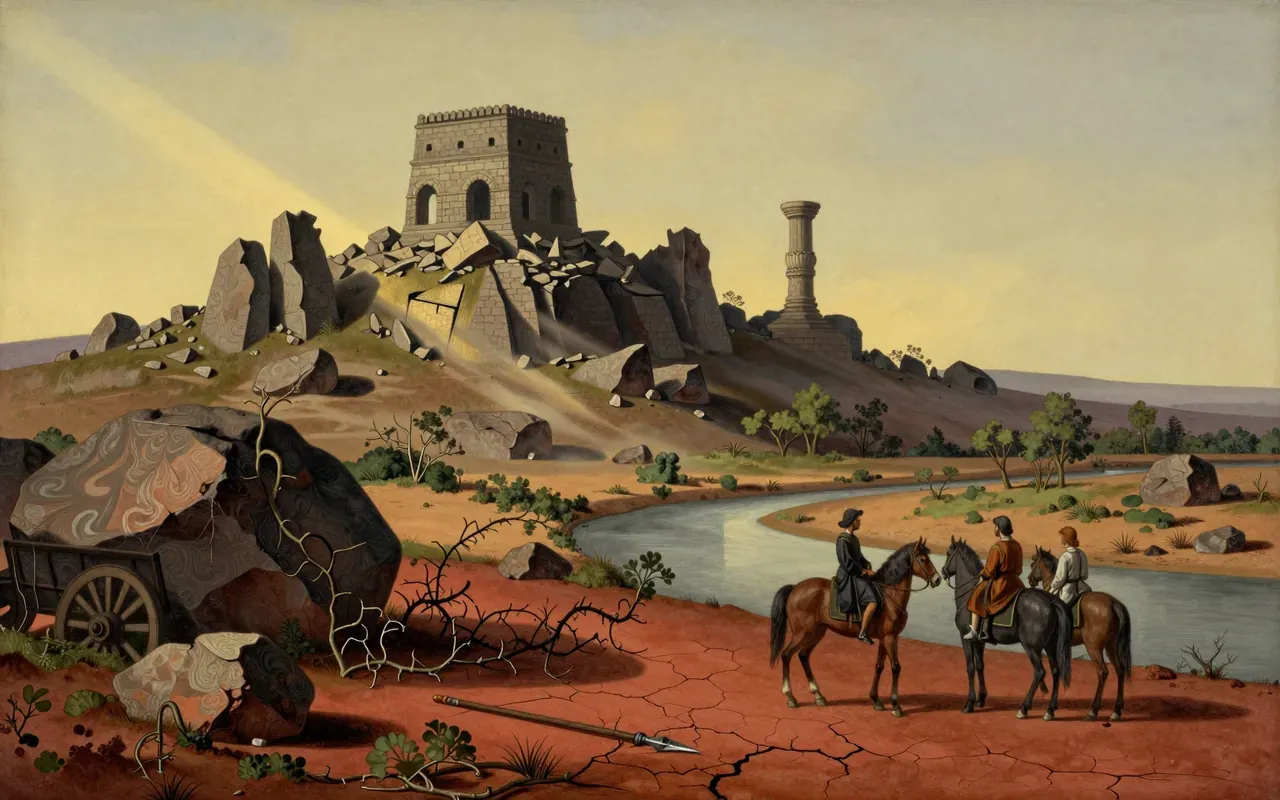
The Battle of Talikota was a decisive military defeat for Vijayanagara, caused by coalition warfare and military asymmetry — not civilizational conflict. Its legacy lies in how early-modern South Asian states negotiated power, not in mythic binaries.
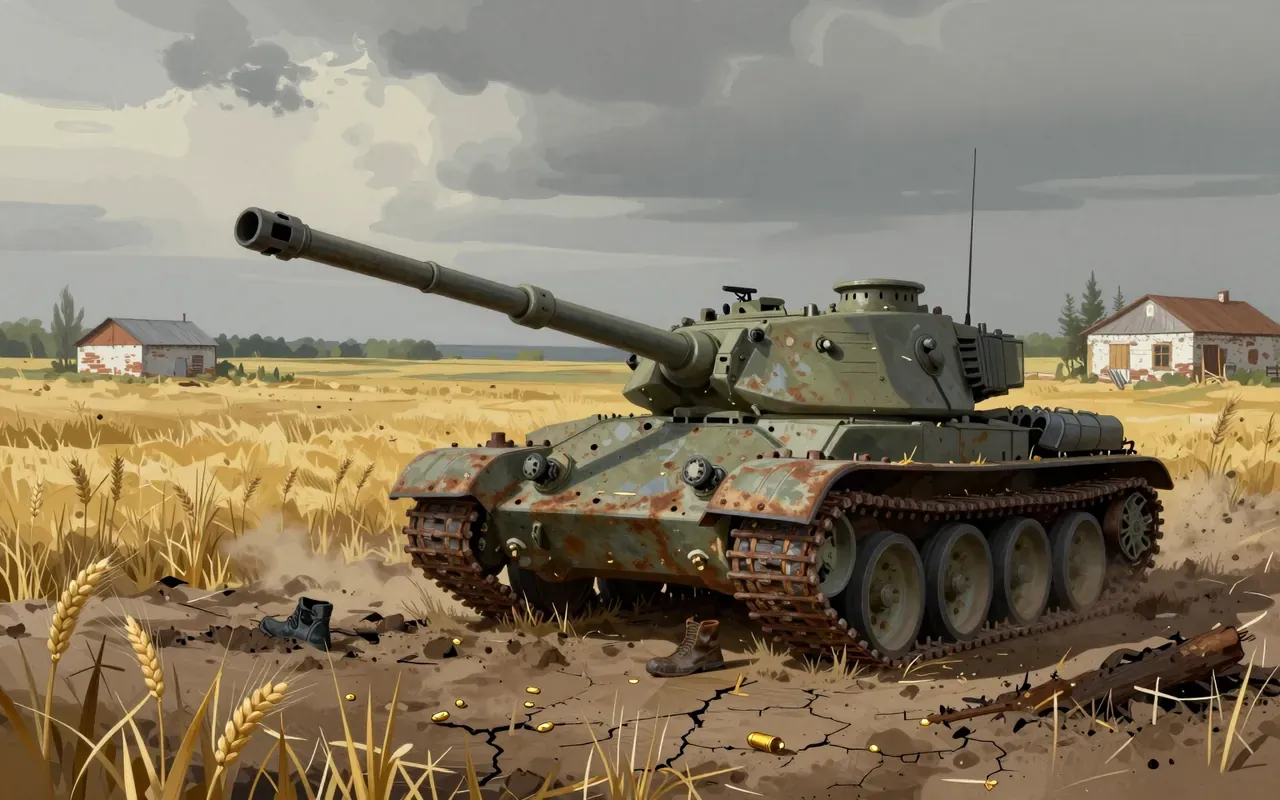
The 2022 Russian invasion of Ukraine was a full-scale assault launched on 24 February 2022. It failed its core objective — rapid decapitation and conquest — by April 2022. Ukraine’s resistance halted the northern advance on Kyiv. Russia retained occupation in the southeast and later unilaterally annexed four oblasts. The plan, reportedly designed for victory in ten days, exposed critical flaws in Russian military execution while revealing Ukraine’s adaptive, battle-hardened defence.
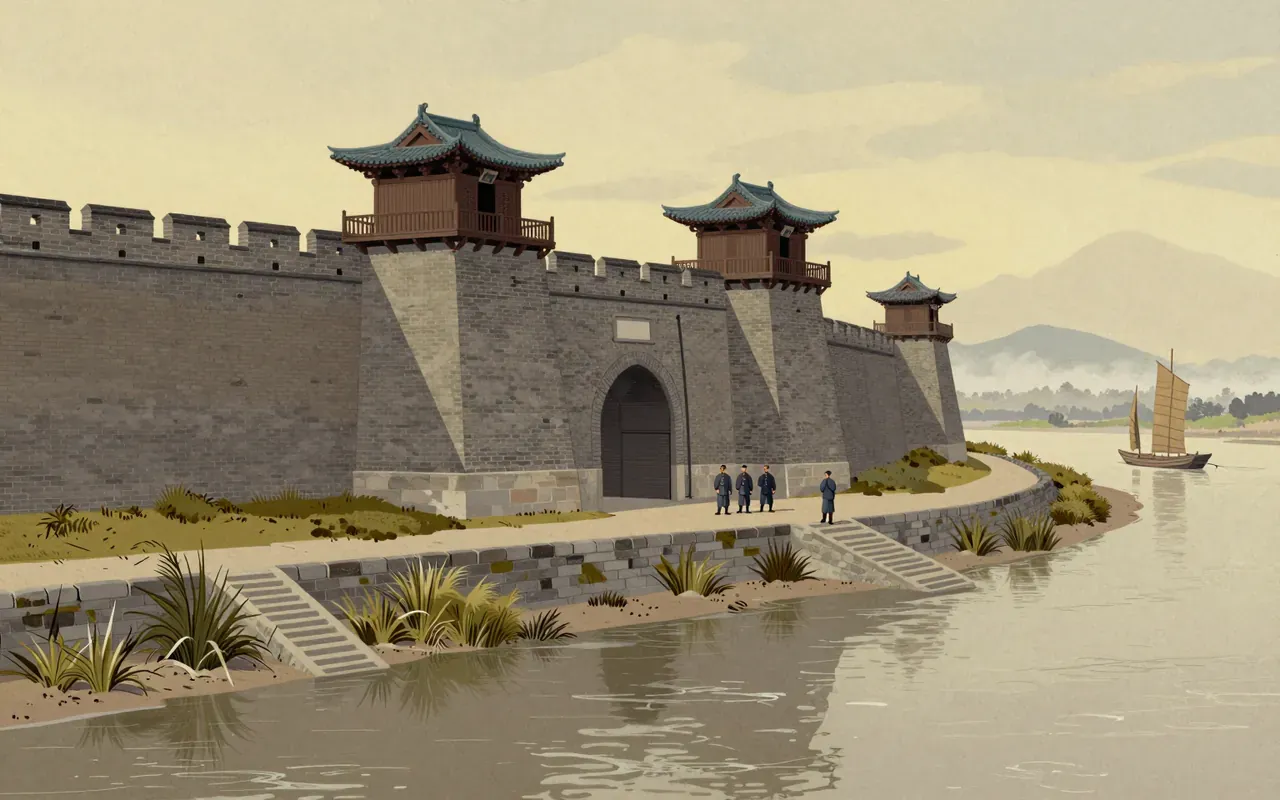
The 1911 Revolution ended the Qing dynasty and founded the Republic of China. Its success rested on military defection, not mass mobilisation. Its institutions collapsed because they lacked independent authority — Yuan Shikai controlled the army, not the constitution. It changed the form of rule but not the distribution of power.
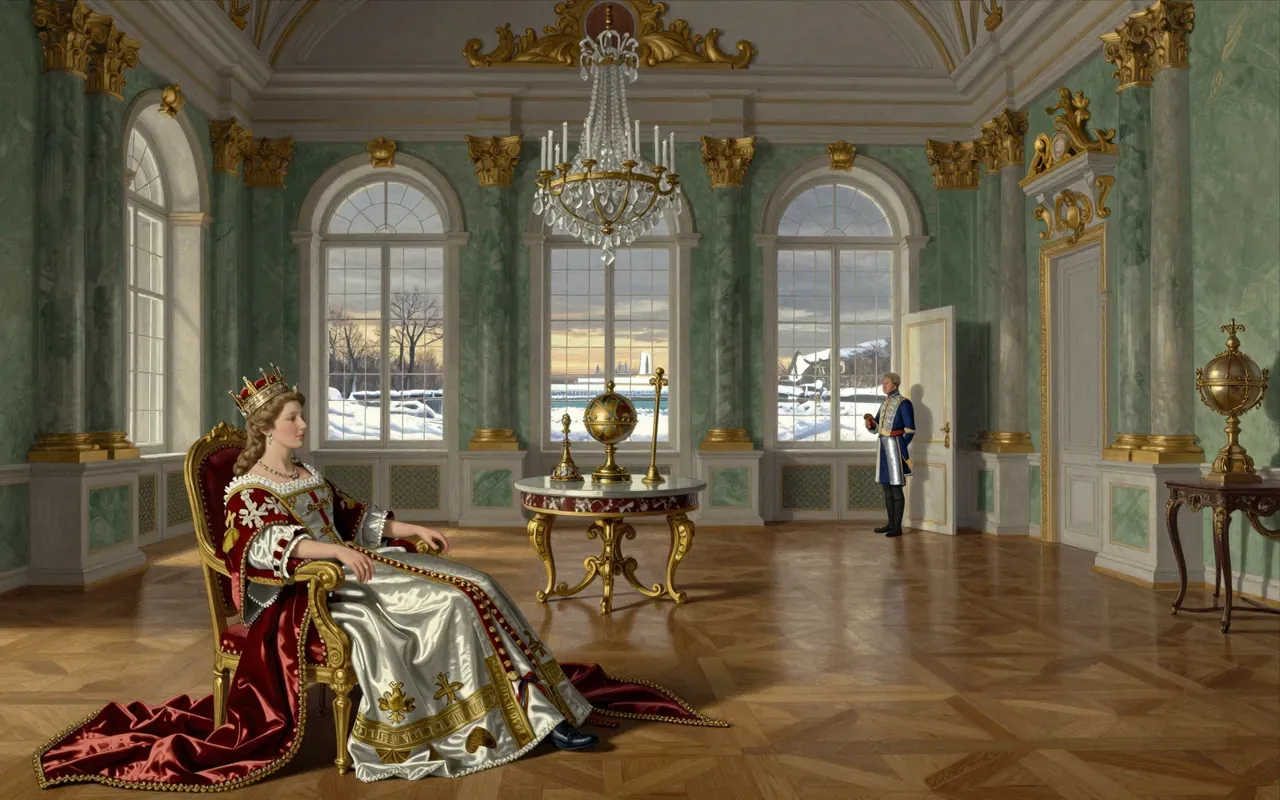
Catherine the Great’s reign was defined by method, not motive: coup, favouritism, military appointment, and diplomatic intervention produced imperial expansion and cultural renaissance — and elevated Russia to great-power status — without requiring Enlightenment ideals to be operationalised in governance.
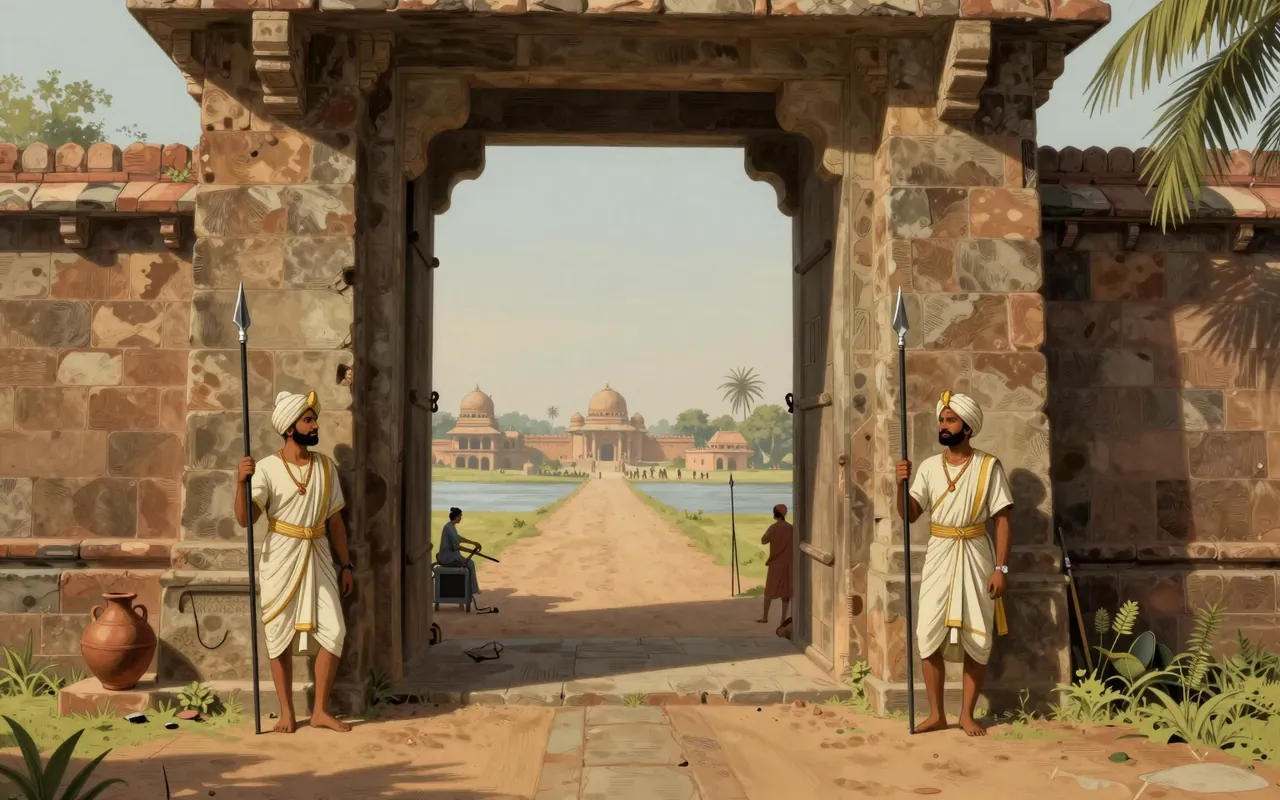

Maria Theresa’s accession in 1740 exposed the hollowness of diplomatic guarantees divorced from military and fiscal reality. Her survival depended not on inherited legitimacy but on real-time negotiation — especially with Hungary — and decades of reform that entrenched central control while excluding dissenters. It changed who ruled, how the state functioned, and what territory it held — but not its foundational inequalities.
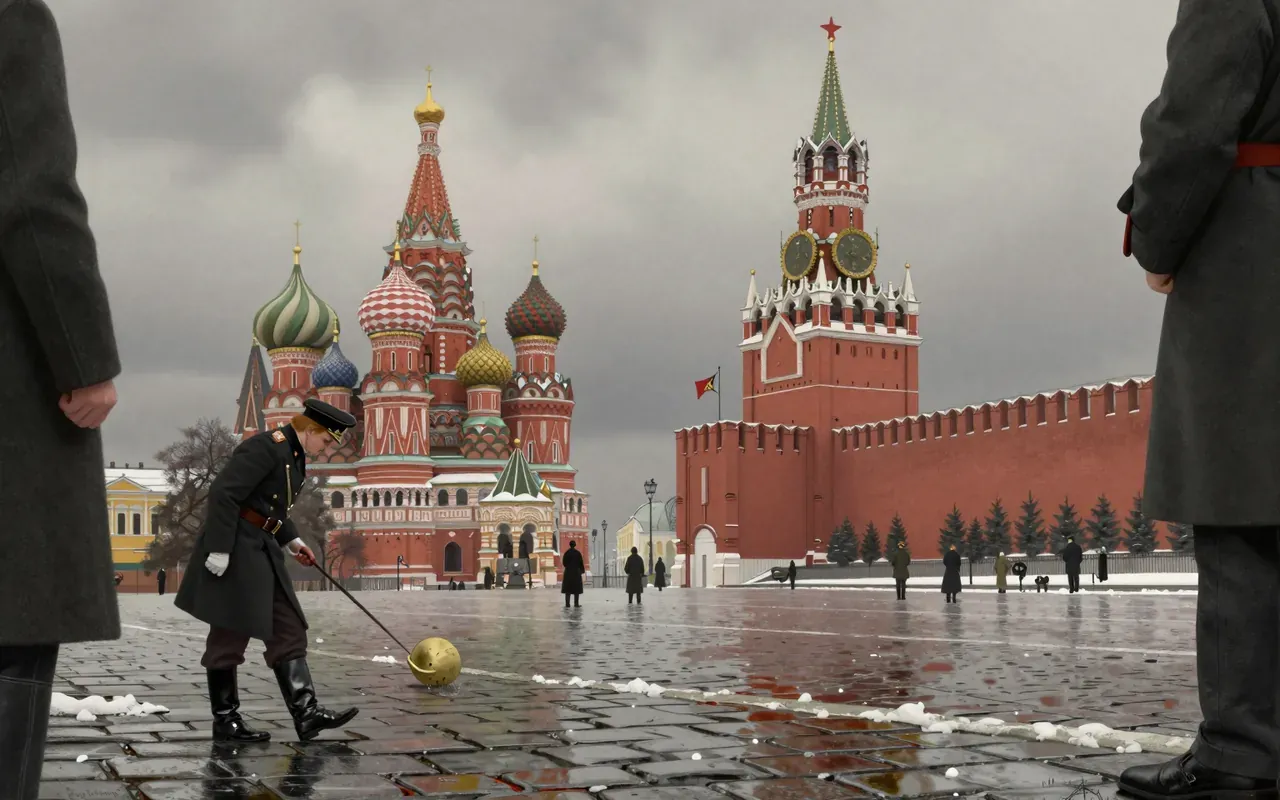
Gorbachev’s leadership was defined by deliberate, irreversible institutional concessions — not negotiation. His policies had no exit ramp. The record shows he did not foresee dissolution. It does not show he welcomed it.
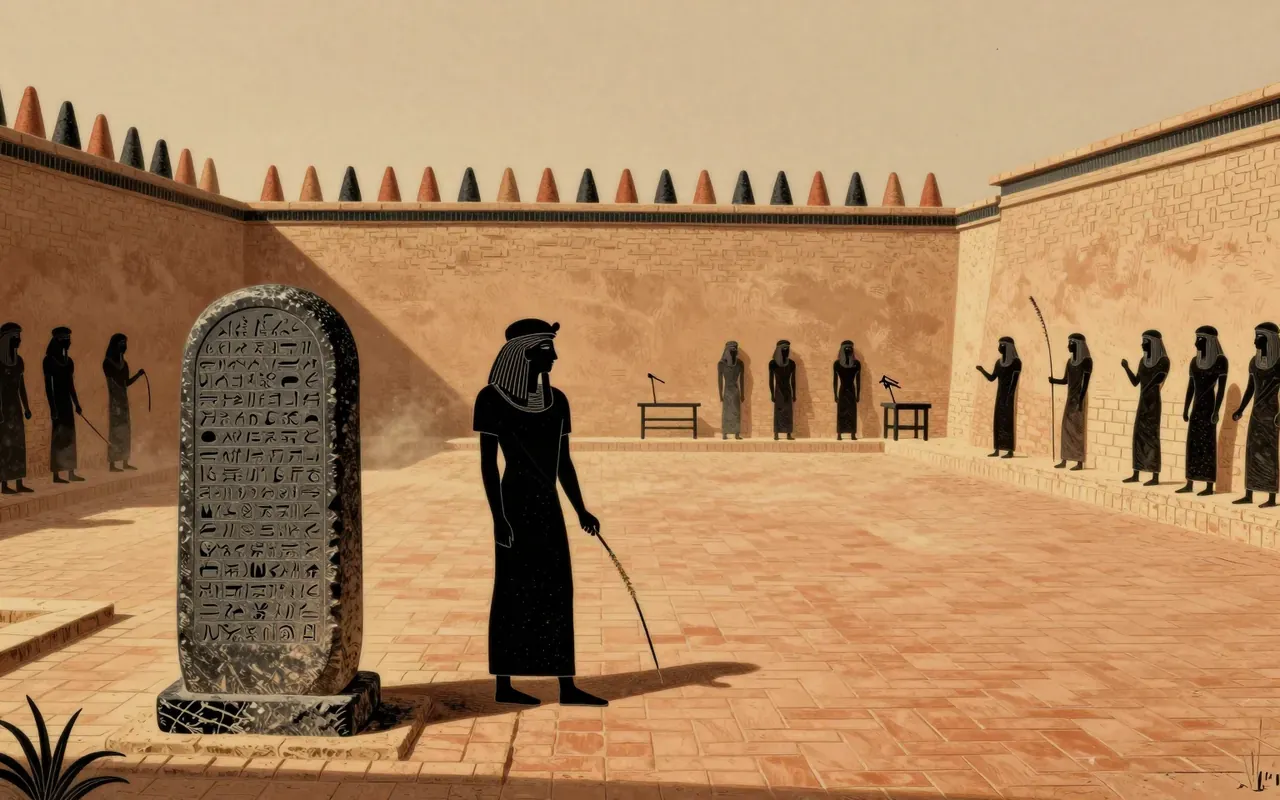
The Code of Hammurabi is the earliest complete, datable, and materially intact legal code — a monument to royal authority, not a manual for courts. It declares intent, not practice. Its survival rests on one stele, one language, one date, and one claim: that justice flows from the king through the gods. That claim is legible. Its implementation is not.
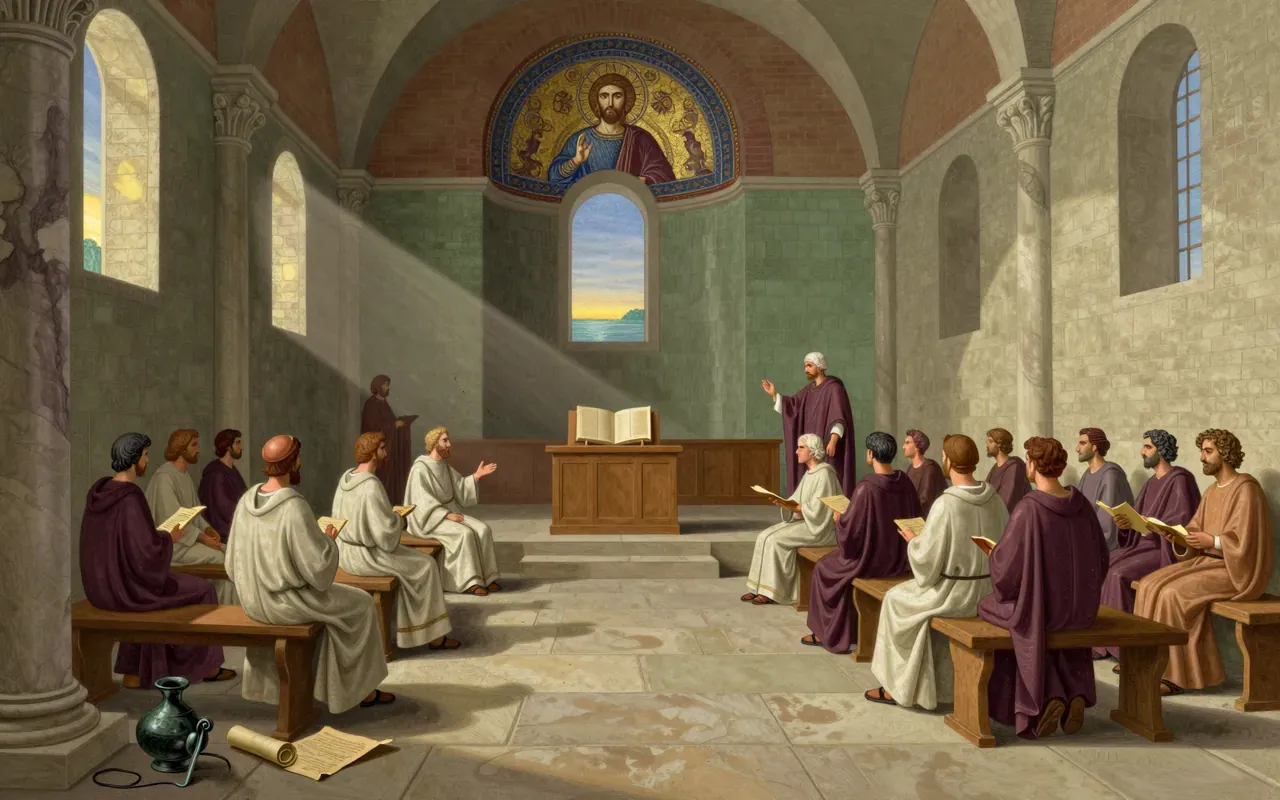
The First Council of Nicaea was the first empire-backed attempt to standardise Christian doctrine by assembly. It succeeded procedurally — nearly all bishops signed — but the record reveals nothing about internal debate, enforcement, or theological nuance. Its legacy is structural, not doctrinal.
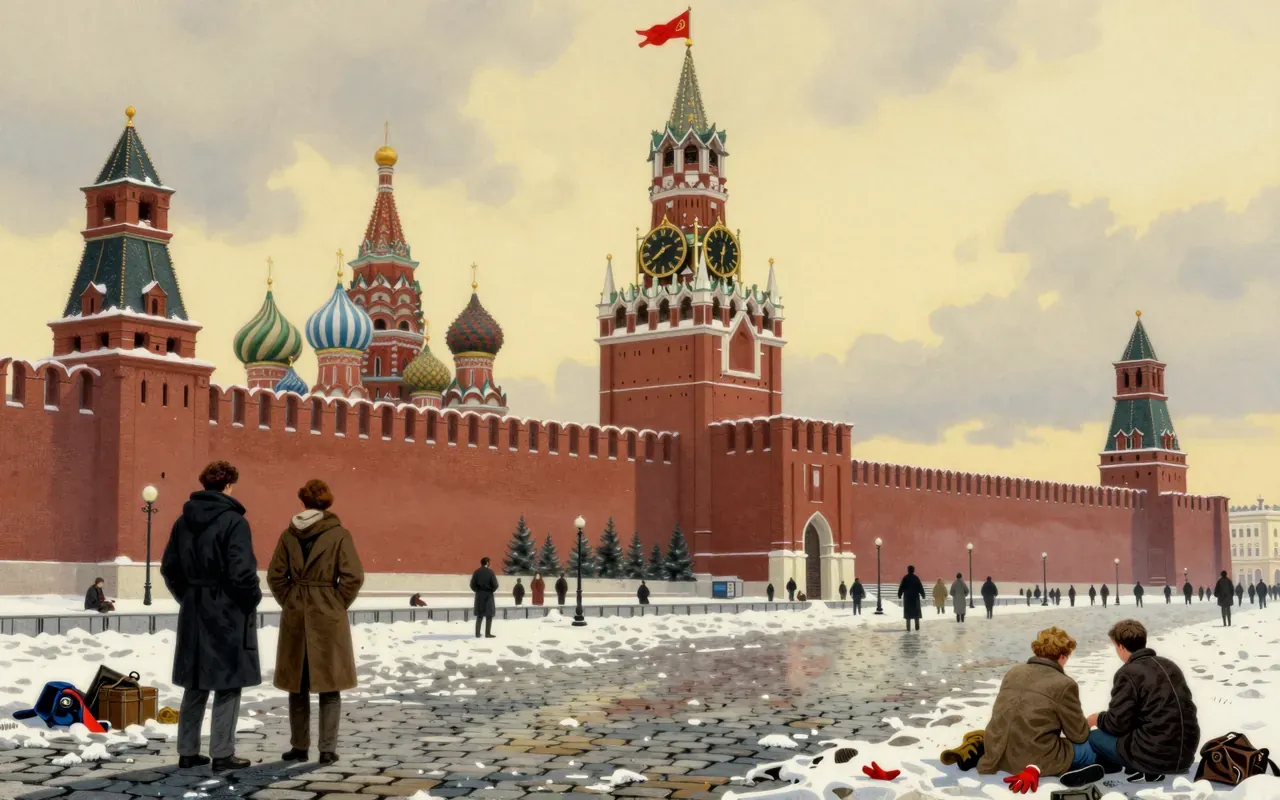
The Soviet Union was formally dissolved on 26 December 1991 — not by uprising or invasion, but by inter-republic treaty, presidential resignation, and parliamentary decree. Its end was legal, deliberate, and televised.
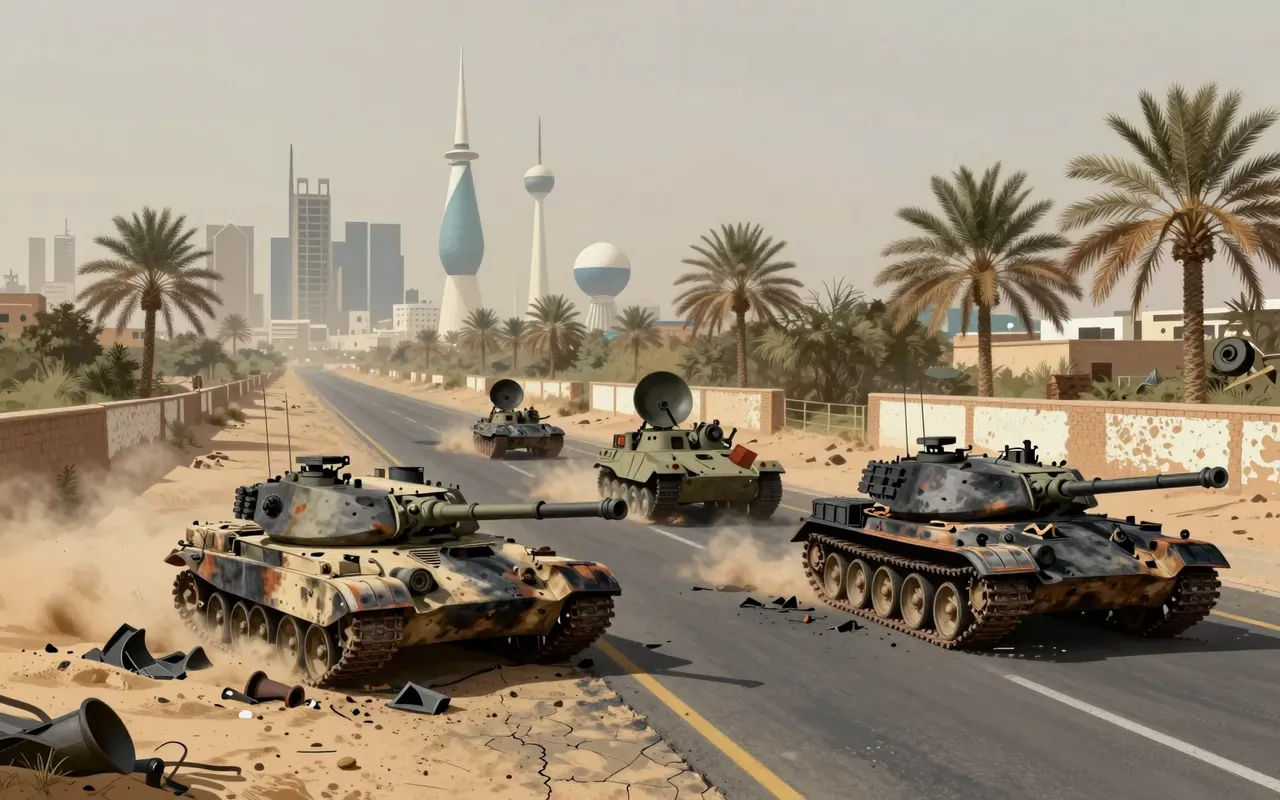
The Iraqi invasion of Kuwait was a swift, centrally ordered act of annexation — verified by its codename, timing, troop composition, and administrative reorganisation. It triggered the first major test of UN collective security after the Cold War. The record shows no ambiguity in sequence or outcome — but also no evidence of motive, dissent, or alternative interpretations. Its legacy is procedural: it proved the Security Council could unify and enforce borders — but only once, under narrow conditions.
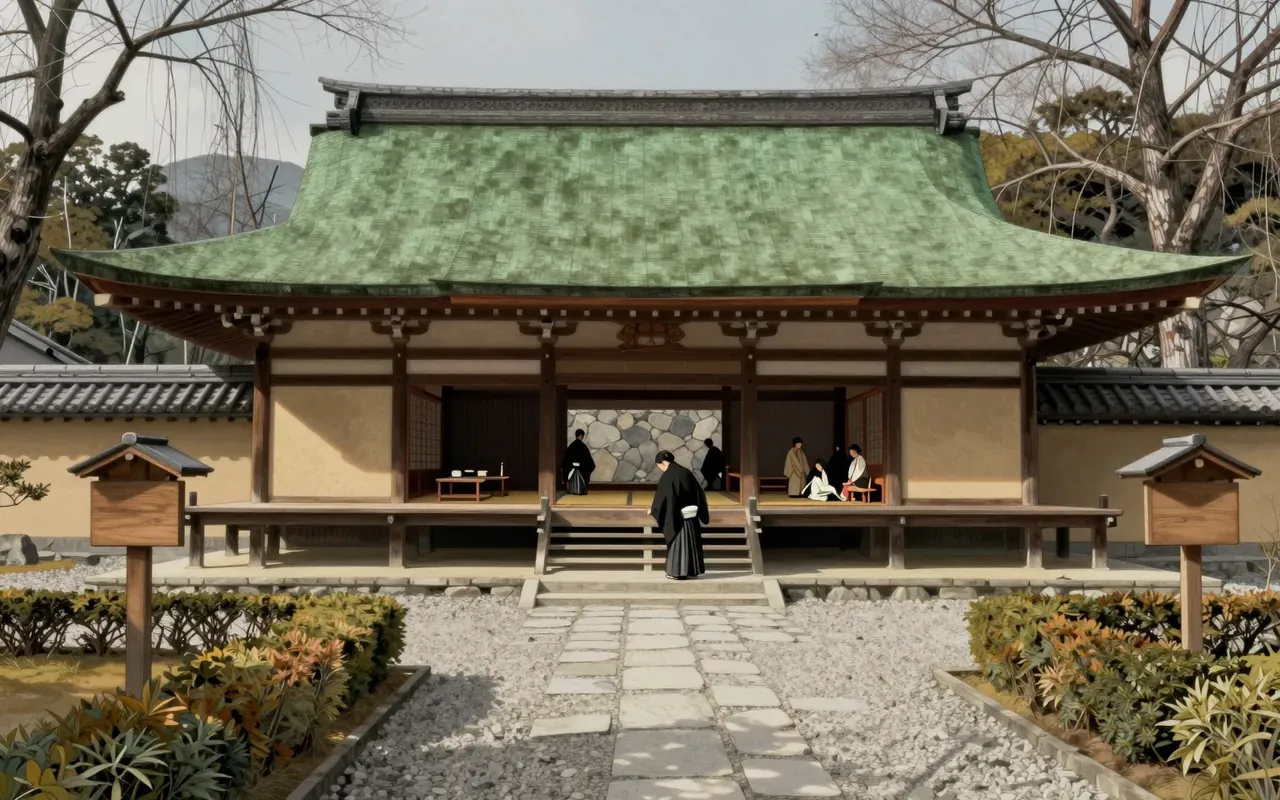
The Meiji Restoration was a top-down political transfer of power in 1868 that ended feudalism, abolished the shogunate, and launched Japan’s rapid industrialisation and westernisation under imperial authority. It laid the foundations of the Empire of Japan—and its institutions enabled colonial expansion. No evidence is given for popular involvement, democratic intent, or internal dissent beyond the Saga and Satsuma Rebellions, which are cited only as backlash, not as competing visions.
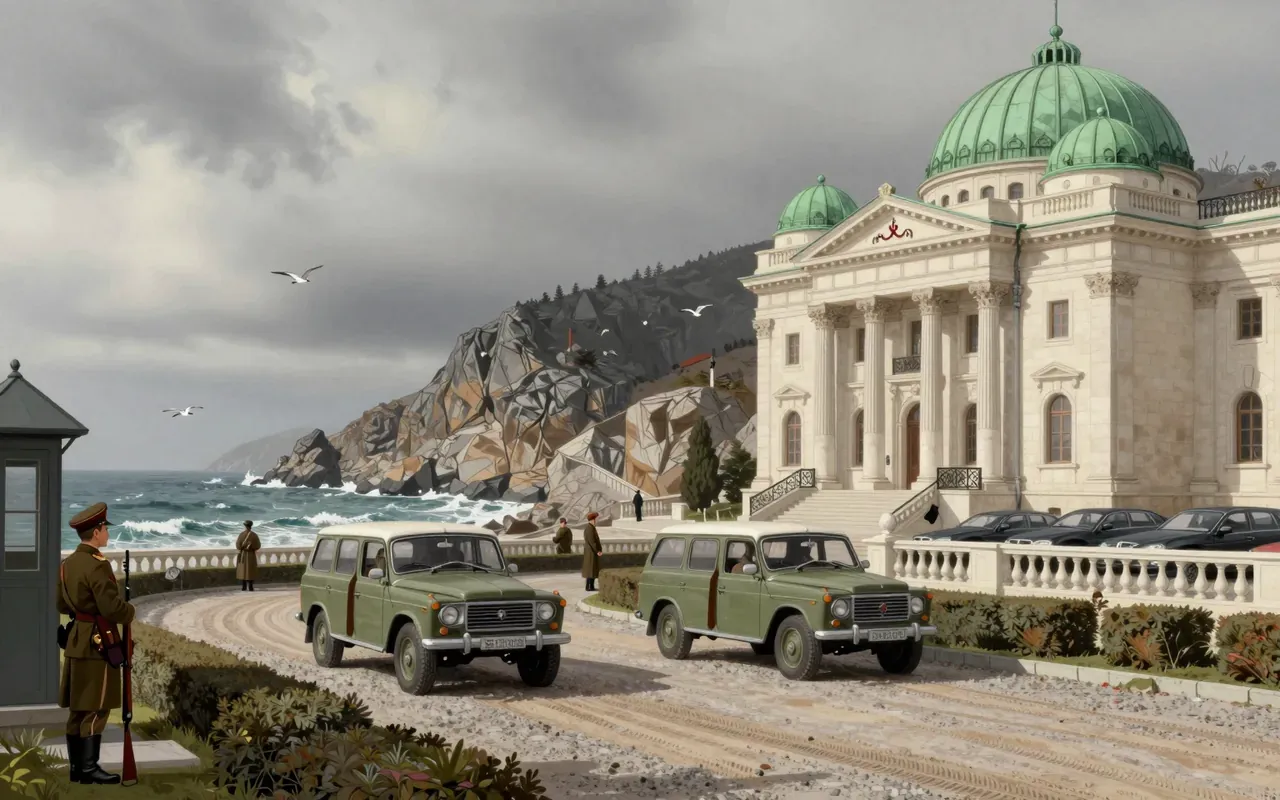
The Yalta Conference was a decisive wartime coordination meeting—not a peace settlement—that formalised Allied control over postwar Germany and pledged democratic self-determination for liberated Europe. Its outcomes were concrete: occupation zones, a French role, and a written declaration. Its limits were structural: no enforcement mechanism, no input from affected nations, and no record of dissent or doubt in the source material.
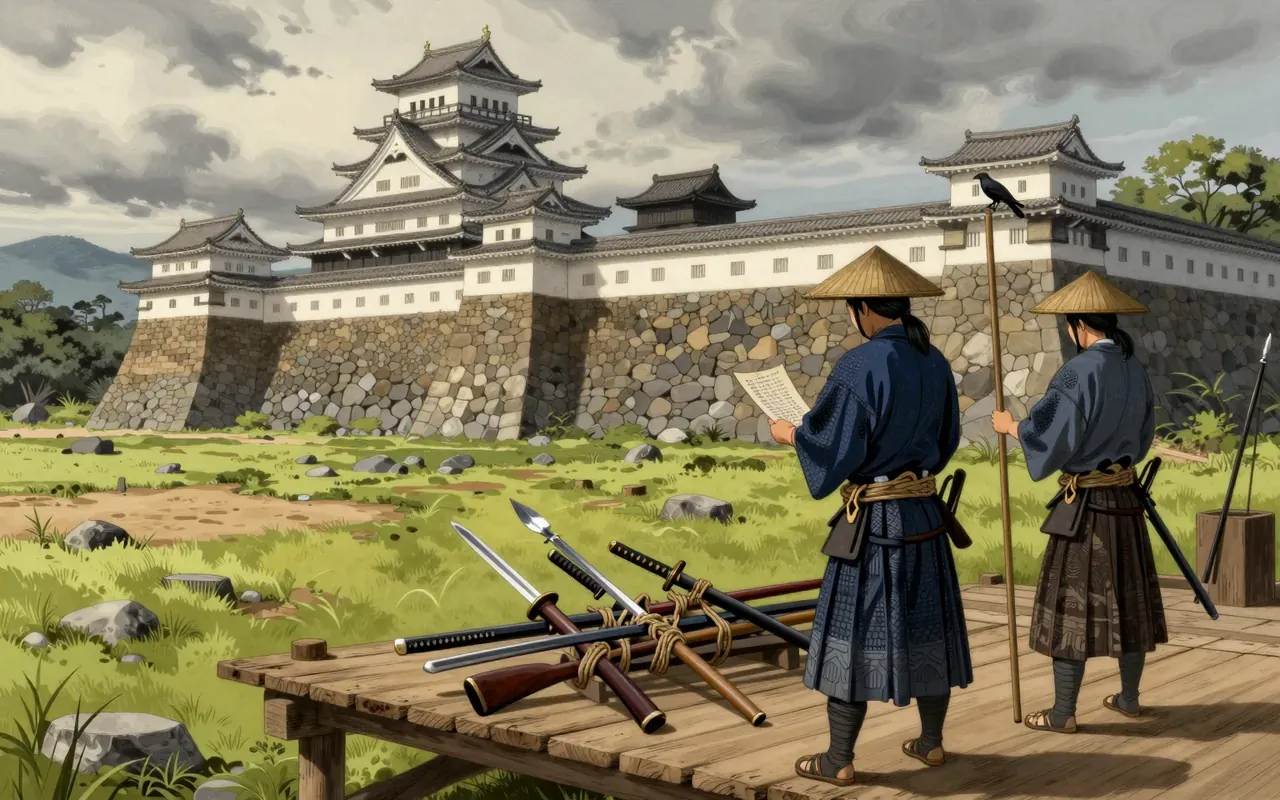
Hideyoshi’s rise and rule are documented as a sequence of dated, geolocated acts: battles won, provinces subdued, names granted, weapons seized. The record shows method—not motive. It confirms institutional shifts—not their social reach. It names factions—but not their ideologies or grievances. It reports outcomes—but omits dissent, debate, or delay.
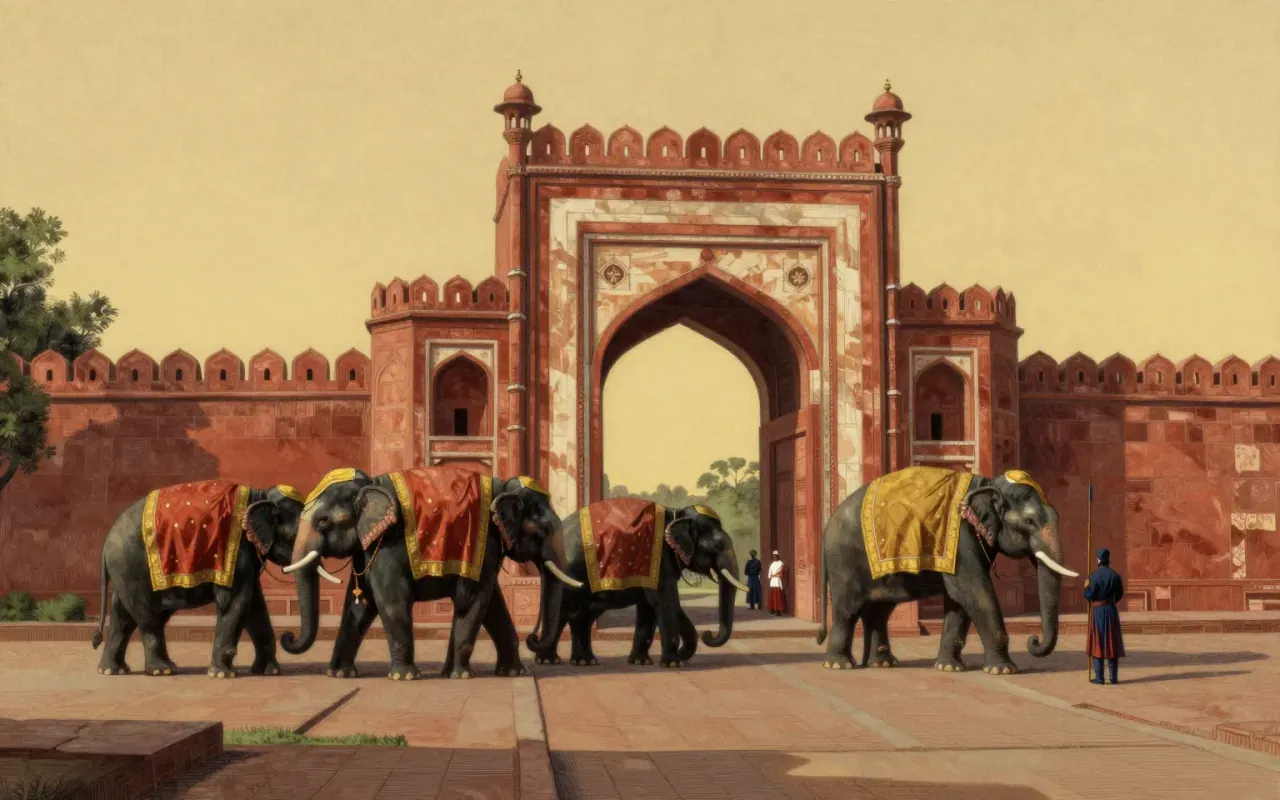
Akbar ruled the Mughal Empire from 1556 to 1605, expanding its territory from Bengal to Kabul and Kashmir through campaigns that included the four-month siege of Chittorgarh in 1567 and 1568, while building an administrative system of ranked military-civil officers and a revenue system based on a ten-year average of production. He abolished the tax on non-Muslims, married into Rajput noble families on terms that preserved the women's status, and promoted a syncretic court faith drawing on Islam, Hinduism and other traditions, a record known largely through the court chronicle of his minister Abul Fazl, which modern historians read with considerably more scepticism than it was originally intended to invite.
Alexander III of Macedon inherited his father's throne and army at twenty and, over the following decade, defeated the Achaemenid Persian Empire and pushed as far as northwestern India before turning back and dying at thirty-two. The battles and territory are documented reasonably well; the personal anecdotes that make him vivid, such as the taming of the horse Bucephalas and the meeting with the philosopher Diogenes, come mostly from Plutarch, writing about four centuries after Alexander's death.
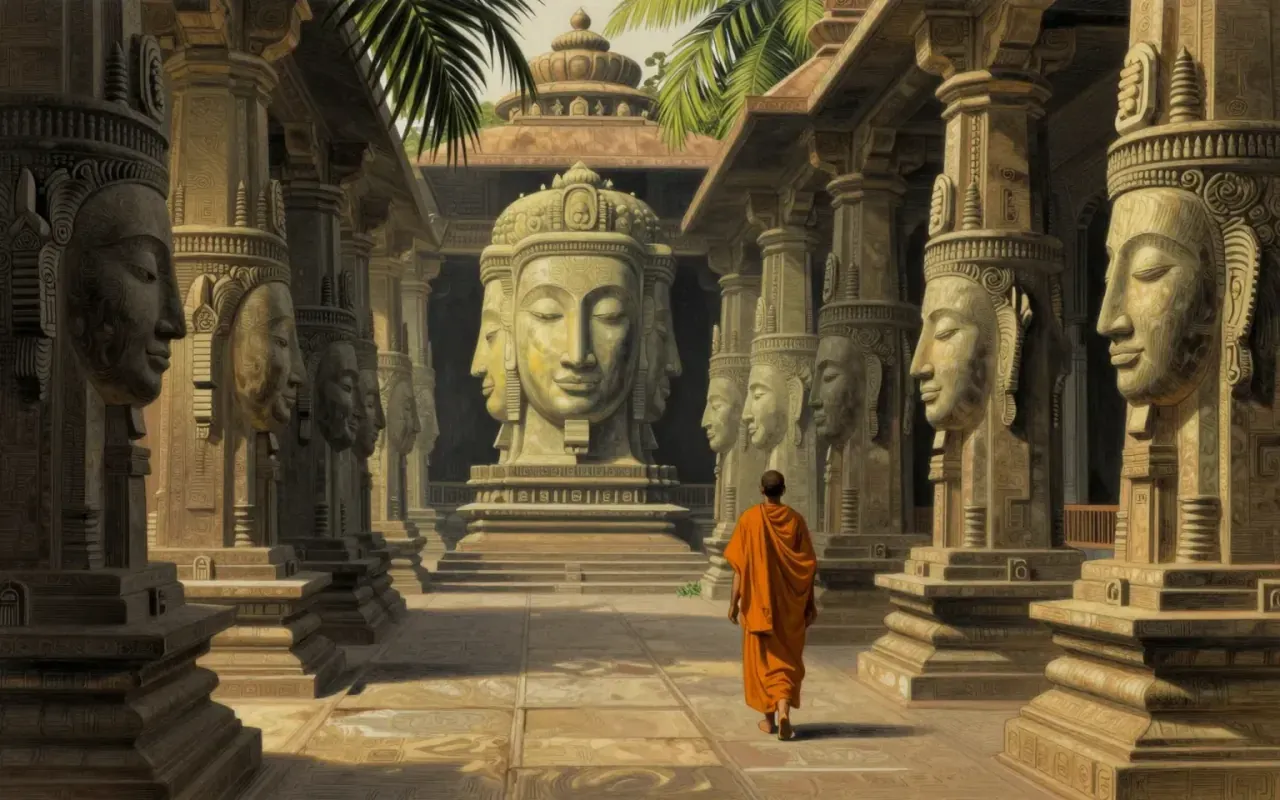
Angkor Thom was the last great capital of the Khmer Empire, laid out by Jayavarman VII in the late twelfth century as a walled square nine kilometres in area, centred on the many-faced towers of the Bayon temple. Building continued until 1295, after which the city's fortunes tracked the empire's decline, ending in abandonment following an Ayutthaya sack that pushed Khmer rule toward Phnom Penh. What survives is known mainly through its own inscriptions and through the French colonial-era survey work that first mapped and restored it.

Ashoka took the Mauryan throne in the third century BC and conquered the kingdom of Kalinga at enormous human cost before turning, over subsequent years, toward an ethical code he called dhamma and eventually Buddhism. His own edicts are the only contemporary evidence for his reign; the dramatic stories of fratricide and conversion come from Buddhist chronicles composed centuries afterward, and the two surviving legendary traditions disagree with each other. His empire declined quickly after his death, and he was largely forgotten until nineteenth-century decipherment restored him to history.
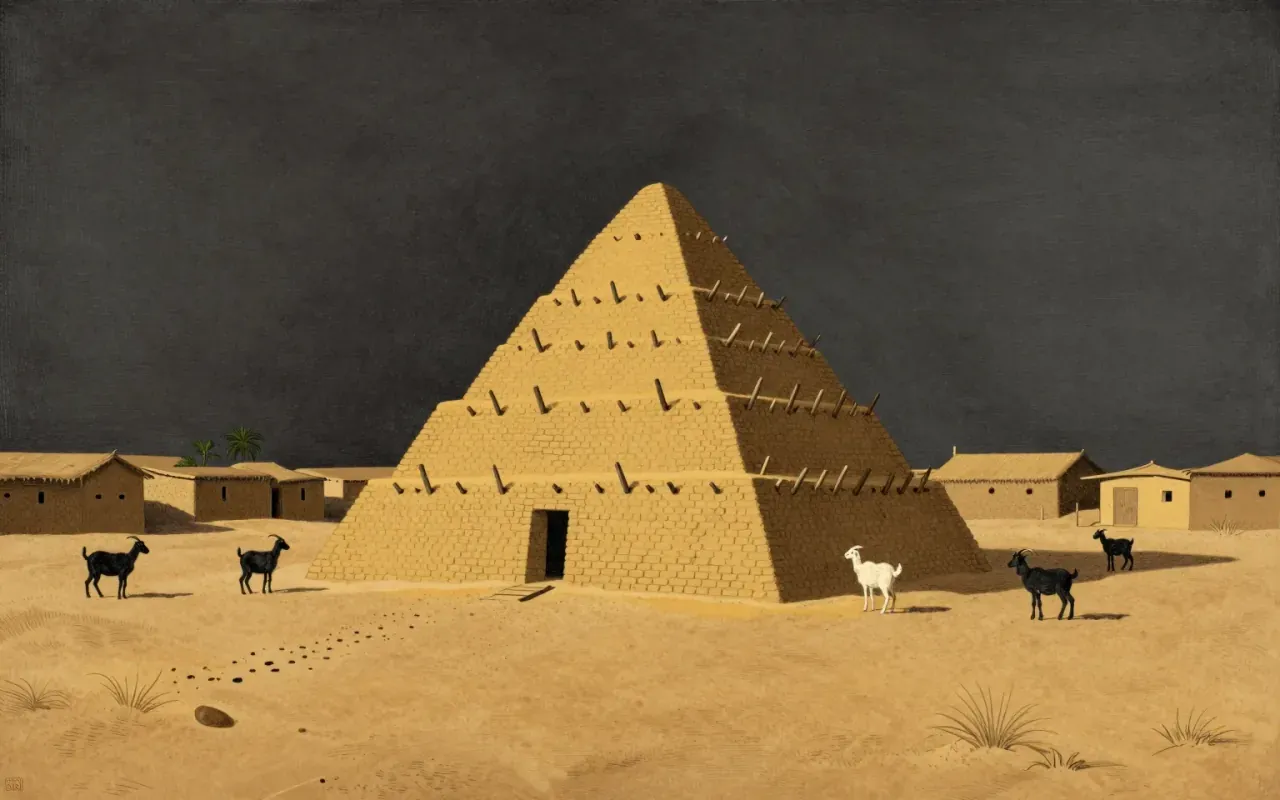
Askia Muhammad seized the Songhai throne in 1493 by framing a succession dispute as a defence of proper Islamic rule, then built the empire into West Africa's largest state through provincial administrative reform and a lavish pilgrimage to Mecca that reinforced his religious legitimacy. His reign is known chiefly through two Arabic chronicles compiled in Timbuktu generations later by scholars sharing his own religious culture, making his portrayal as an exemplary Muslim ruler somewhat self-reinforcing. Even his family origins and the source of his royal title remain genuinely disputed among historians.
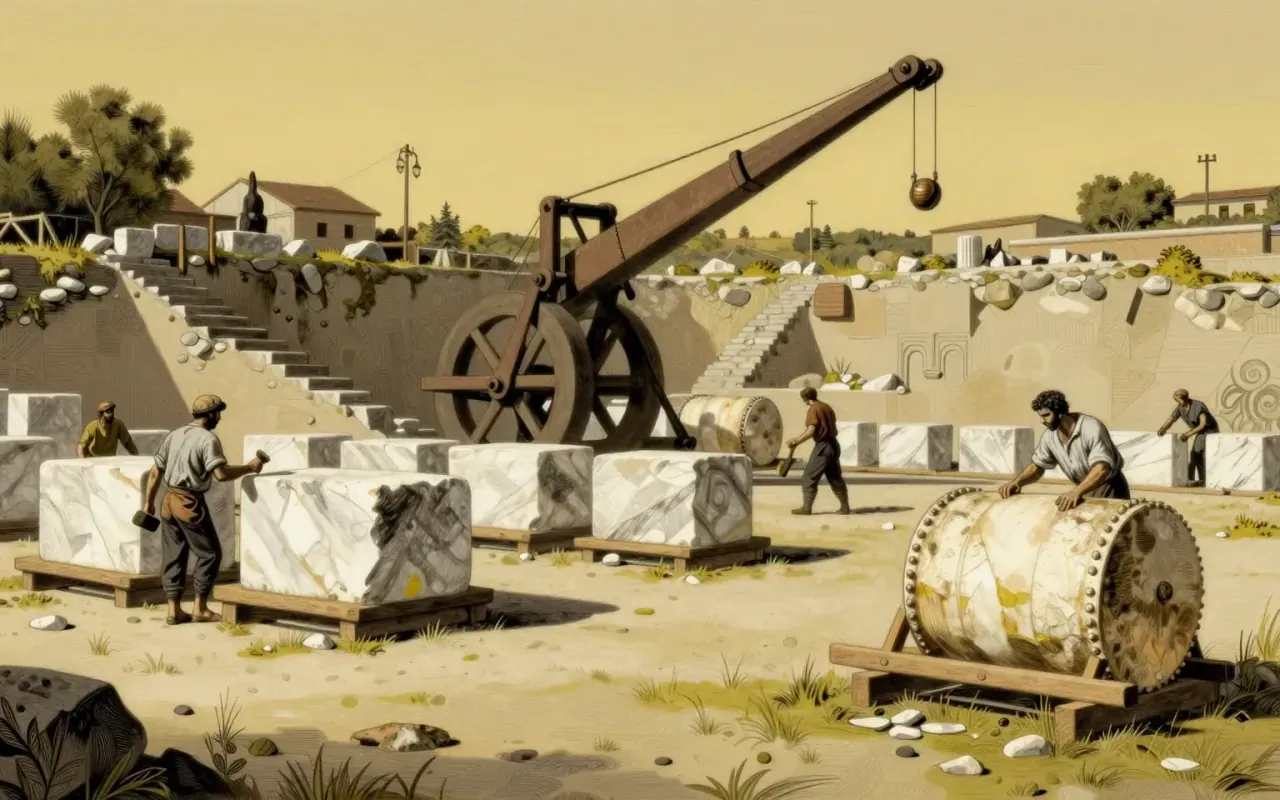
Born Gaius Octavius, Augustus rose from Julius Caesar's teenage heir to sole ruler of Rome, defeating rivals in successive stages before accepting the title Augustus from the Senate in 27 BC and governing for four more decades. He kept republican forms intact while concentrating power in his own hands, and the fullest accounts of how he managed it come either from his own self-justifying record or from biographers writing a century or more after his death.
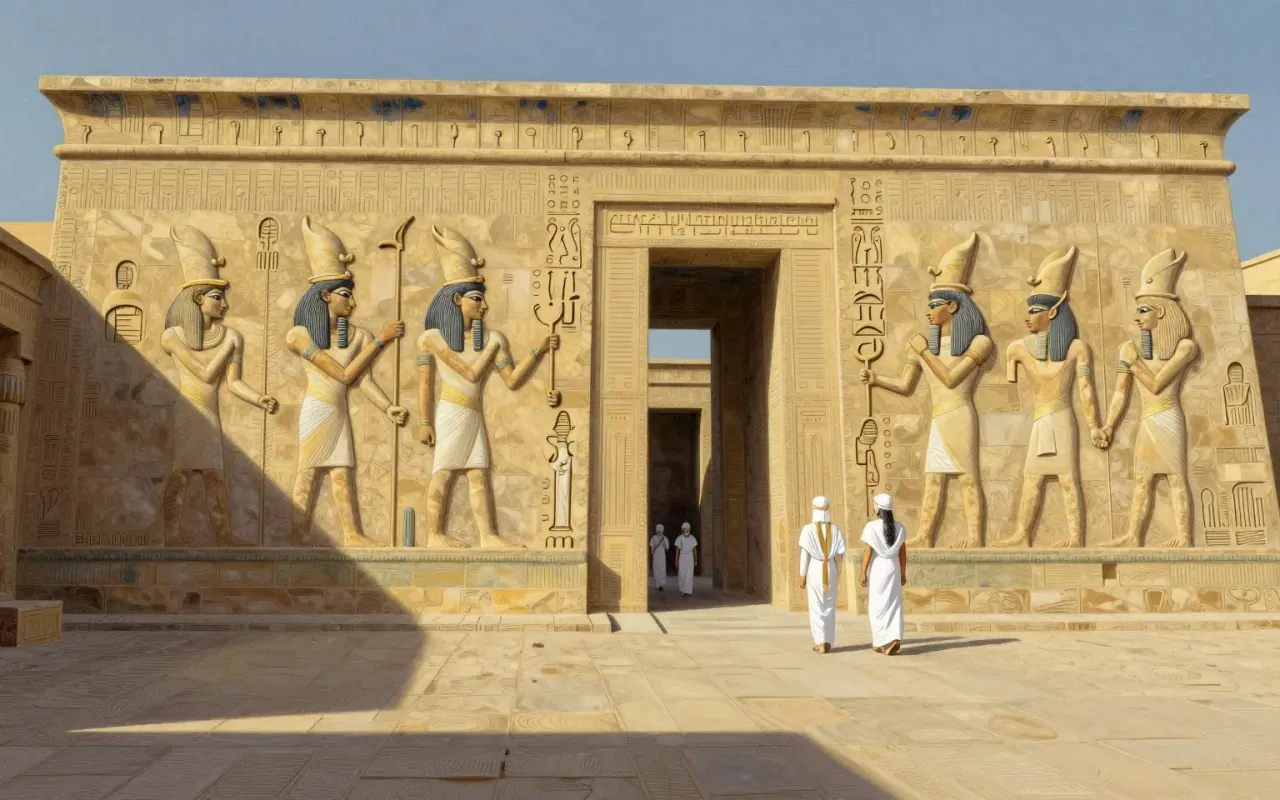
Cleopatra VII ruled Ptolemaic Egypt from 51 to 30 BC, allying in turn with Julius Caesar and Mark Antony and bearing children by both, before Octavian's forces defeated Antony at Actium and she died by suicide as Rome absorbed Egypt. The fullest ancient account, Plutarch's, was written about a century and a half after her death, and much of the negative Roman portrait that shaped later European memory of her originated as wartime propaganda against Antony rather than as neutral reporting.

Imprisoned as a child after his father's death, Menelik built his own power base in Shewa for decades before declaring himself emperor of Ethiopia in 1889. His 1896 victory over an invading Italian army secured full European recognition of Ethiopian sovereignty at the height of Africa's colonial partition, while his modernisation programme built railways, a national bank and centralised taxation. Historians still dispute whether the mismatched Italian and Amharic versions of an earlier treaty reflect deliberate deception or mutual miscalculation, and his territorial expansion carried real costs for the peoples incorporated under his rule.
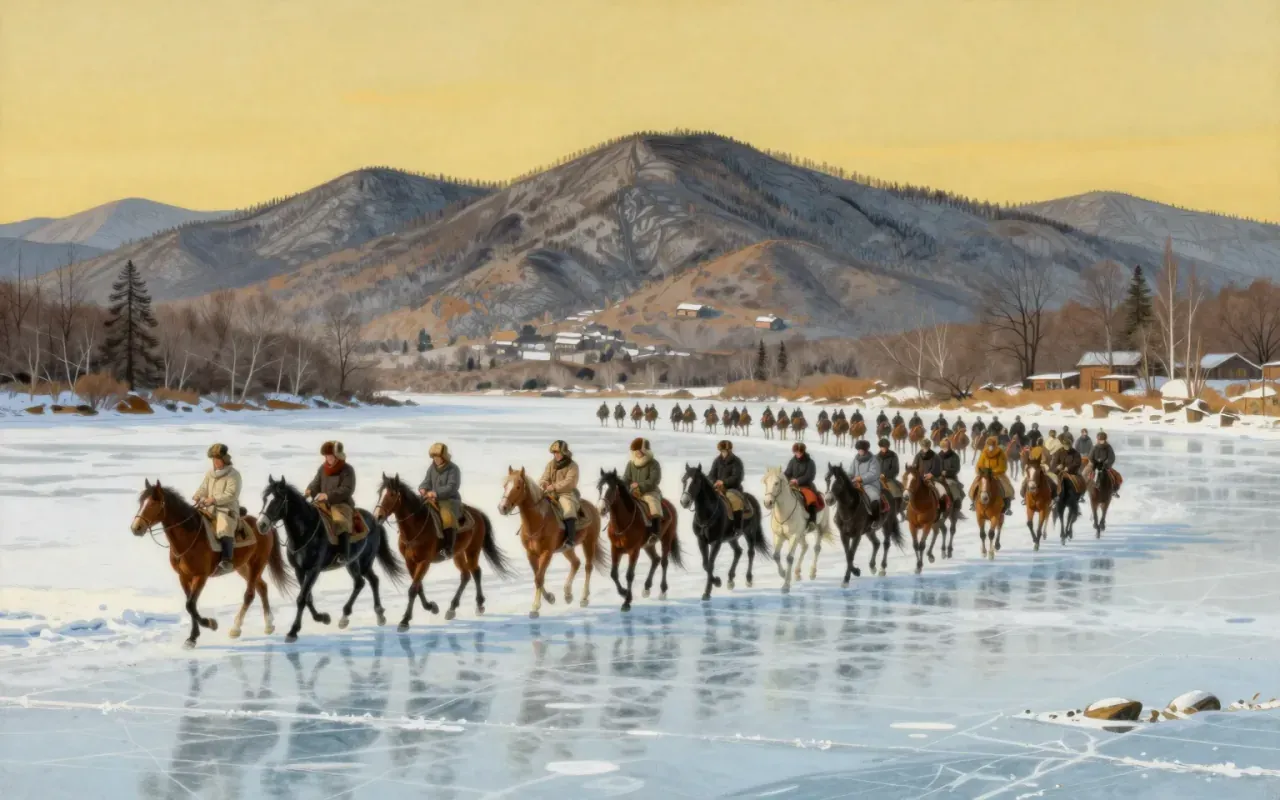
Temüjin, born on the Mongolian steppe around 1162 into a chieftain's family that later fell into poverty after his father's death, spent roughly two decades defeating rival tribes before being proclaimed Genghis Khan in 1206 and going on to conquer territory from northern China to Central Asia before his death in 1227. The fullest early source, the anonymous Secret History of the Mongols, records uncomfortable episodes, including a killing within his own family, that later Persian and Chinese chronicles compiled for his descendants tend to omit or soften.
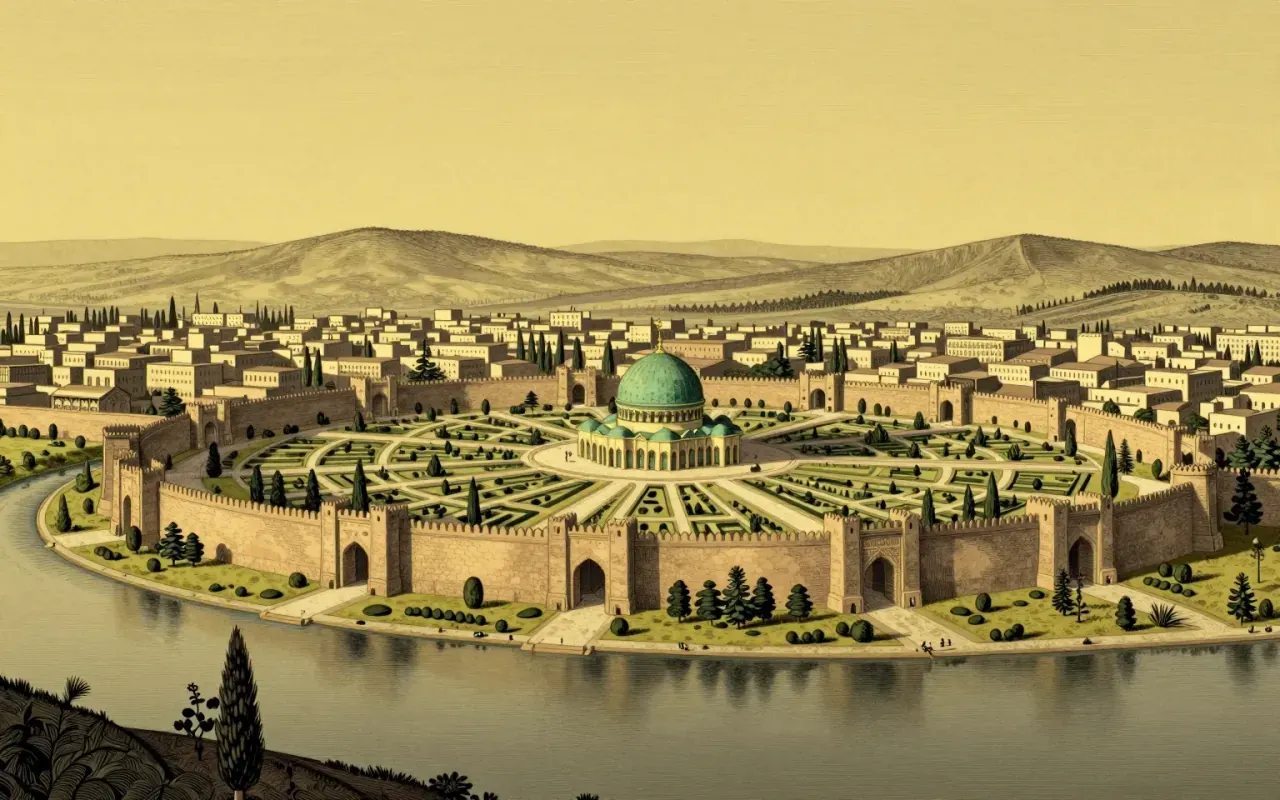
Harun al-Rashid became the fifth Abbasid caliph in 786 and ruled from Raqqa for most of his reign, exchanging gifts with Charlemagne's court and presiding over the beginnings of the Islamic Golden Age. His sudden purge of the powerful Barmakid family around 803 remains unexplained even in contemporary sources, and his decision to split succession between two sons collapsed into civil war within a decade of his death. His court became fixed in popular memory through a legendary story collection with little basis in the documented record.
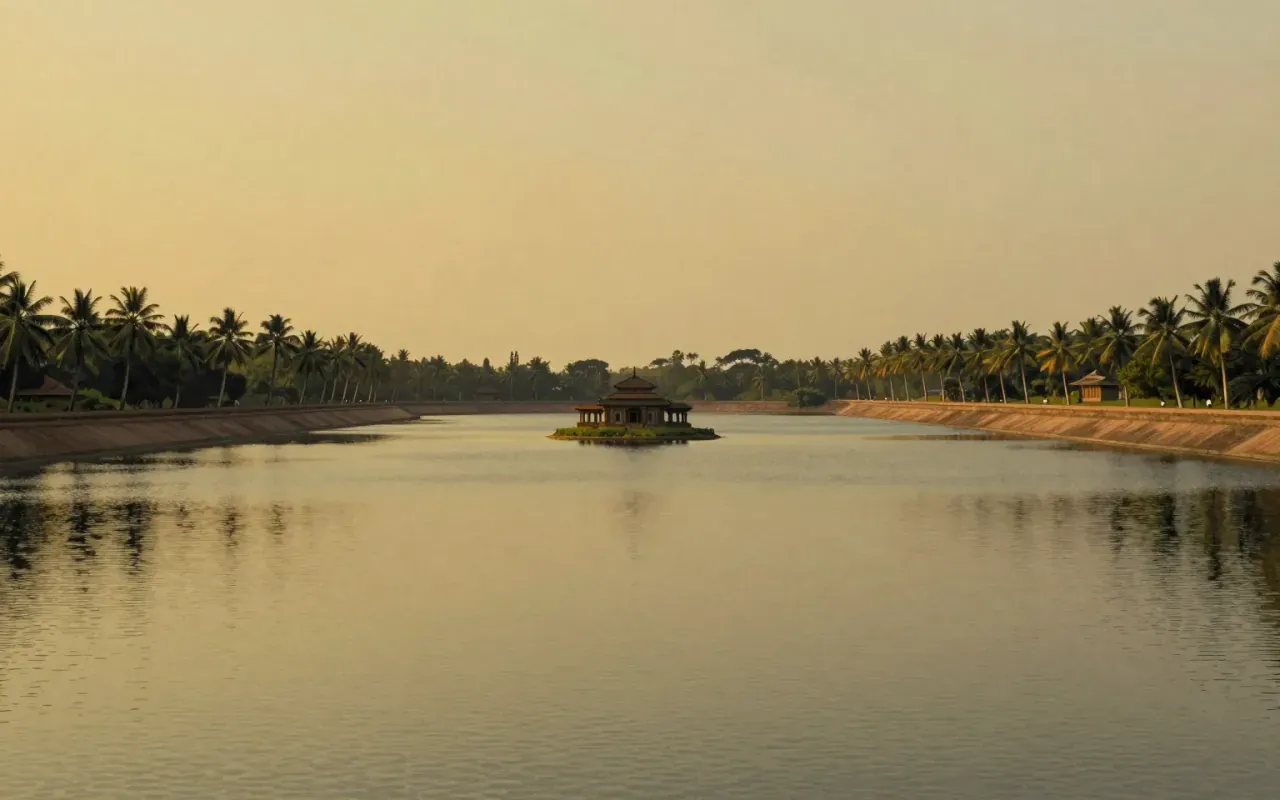
Jayavarman VII took the Khmer throne in 1181 after leading the recovery from a devastating Cham invasion, then built Angkor Thom, the Bayon and a network of hospitals and roads across a thirty-seven-year reign. Almost all surviving evidence for his rule comes from inscriptions and bas-reliefs he commissioned himself, since no independent chronicle or personal account survives. Historians caution against reading his monuments as literal proof of administrative reach, and his Buddhist religious programme did not outlast his own reign.
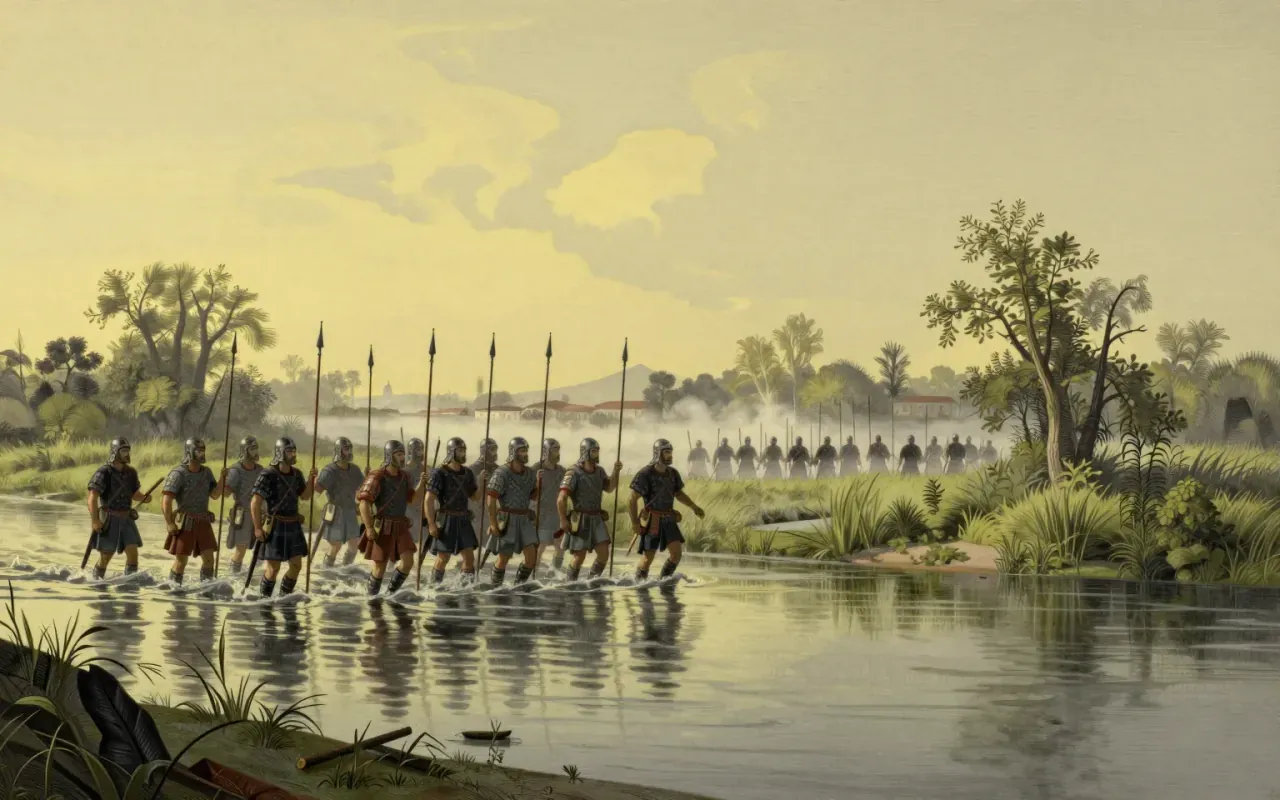
Julius Caesar rose through Roman political and military office in the first century BC, conquered Gaul in the 50s BC, and then led an army against the Senate and his former ally Pompey in a civil war that made him dictator of Rome. He was assassinated by a group of senators, including Brutus and Cassius, on the Ides of March in 44 BC. The fullest evidence for his career comes partly from his own self-justifying commentaries and partly from biographers writing more than a century later.
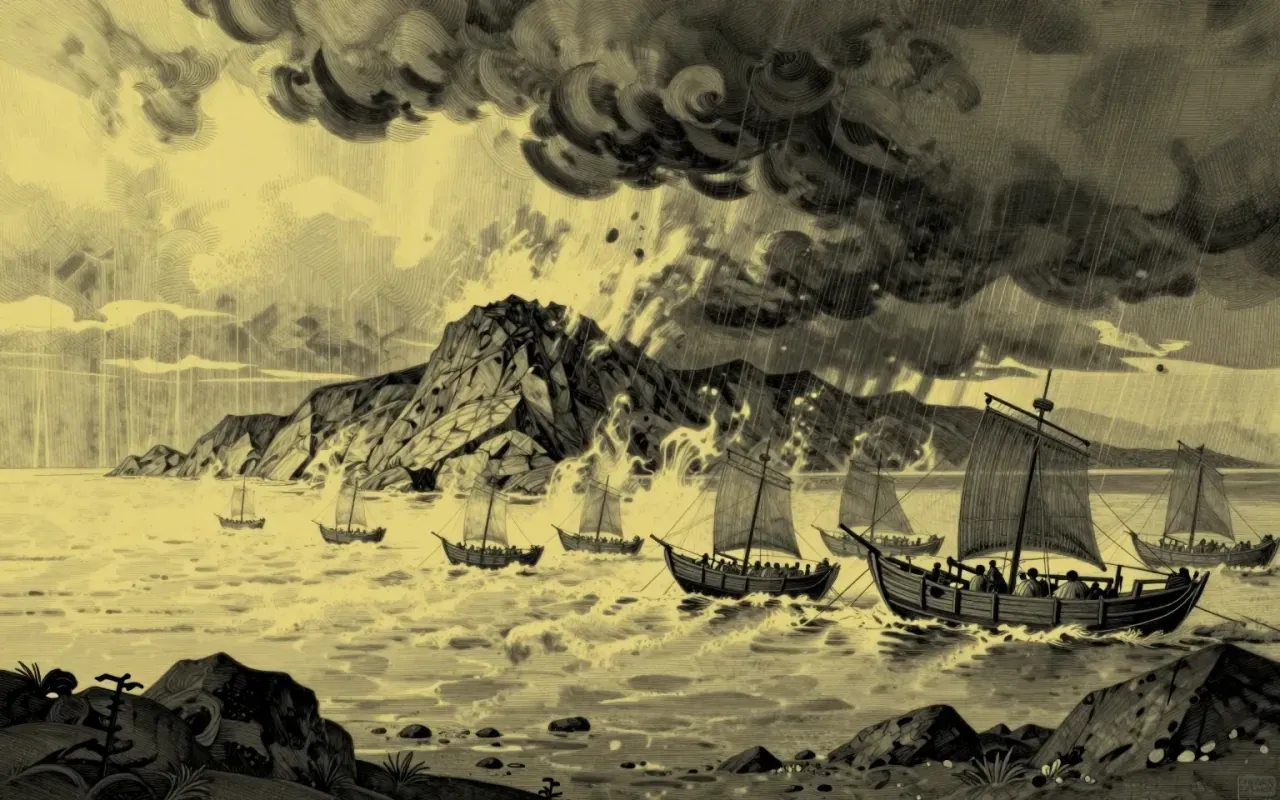
Kublai Khan, a grandson of Genghis Khan, won a civil war against his brother to become Great Khan in 1260, founded the Yuan dynasty in 1271 by moving the Mongol capital to modern Beijing, and completed the conquest of Southern Song China by 1279 to become the first non-Han ruler of all China. He governed through a deliberate blend of Chinese administrative practice and Mongol tradition that satisfied neither group fully, issued some of the earliest widespread paper currency before inflation undermined it, and launched two failed invasions of Japan, in 1274 and 1281, the second involving roughly 4,400 ships and 140,000 troops, that a modern archaeologist has argued failed partly because the fleet was built in a fraction of the time such construction normally required.
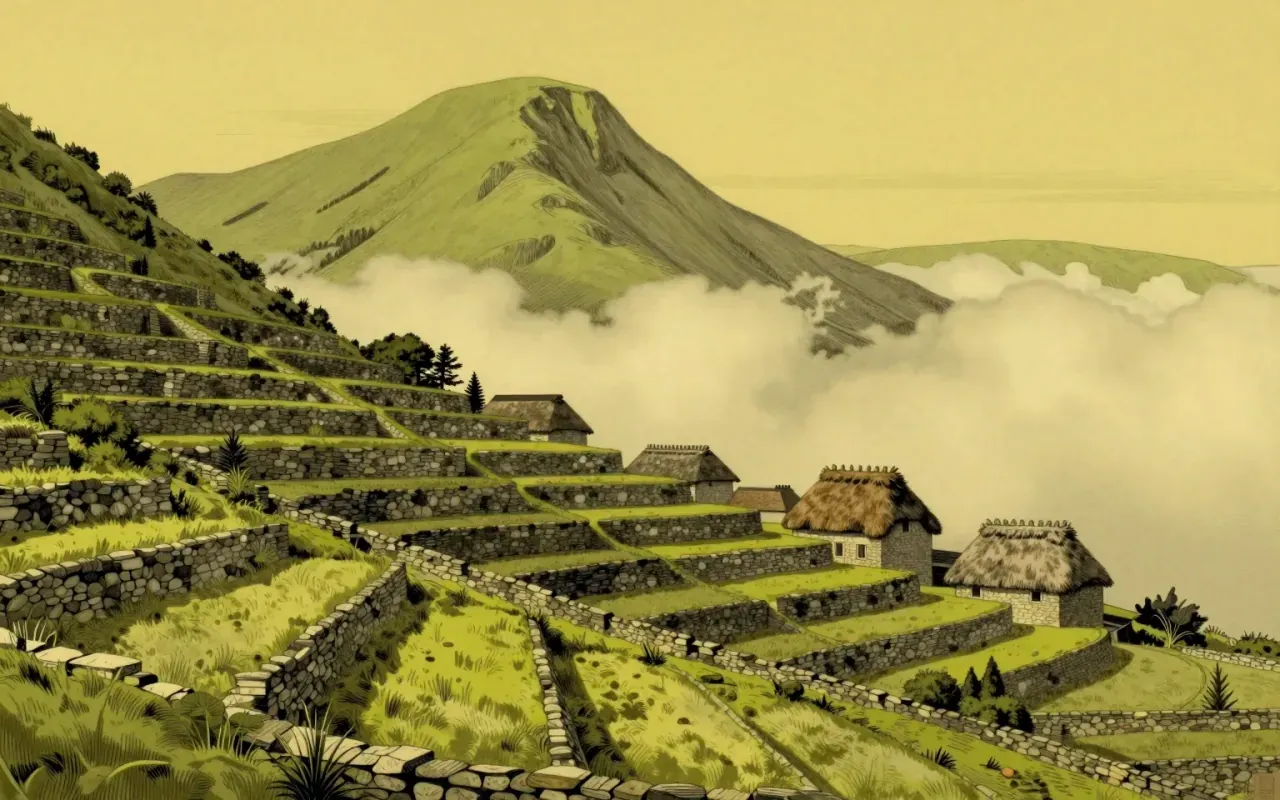
Inca ruler Pachacutec commissioned Machu Picchu as a royal estate following his conquest of the Urubamba region, with traditional dating placing construction around 1450, though 2021 radiocarbon analysis pushed occupation as early as 1420. The site housed a genetically diverse population of roughly 750 support staff before being abandoned around the Spanish conquest, and though the Peruvian farmer Agustin Lizarraga reached the ruins in 1902, American historian Hiram Bingham's 1911 visit and subsequent writing established him as the site's credited discoverer, a framing Bingham himself later hardened despite initially acknowledging Lizarraga.
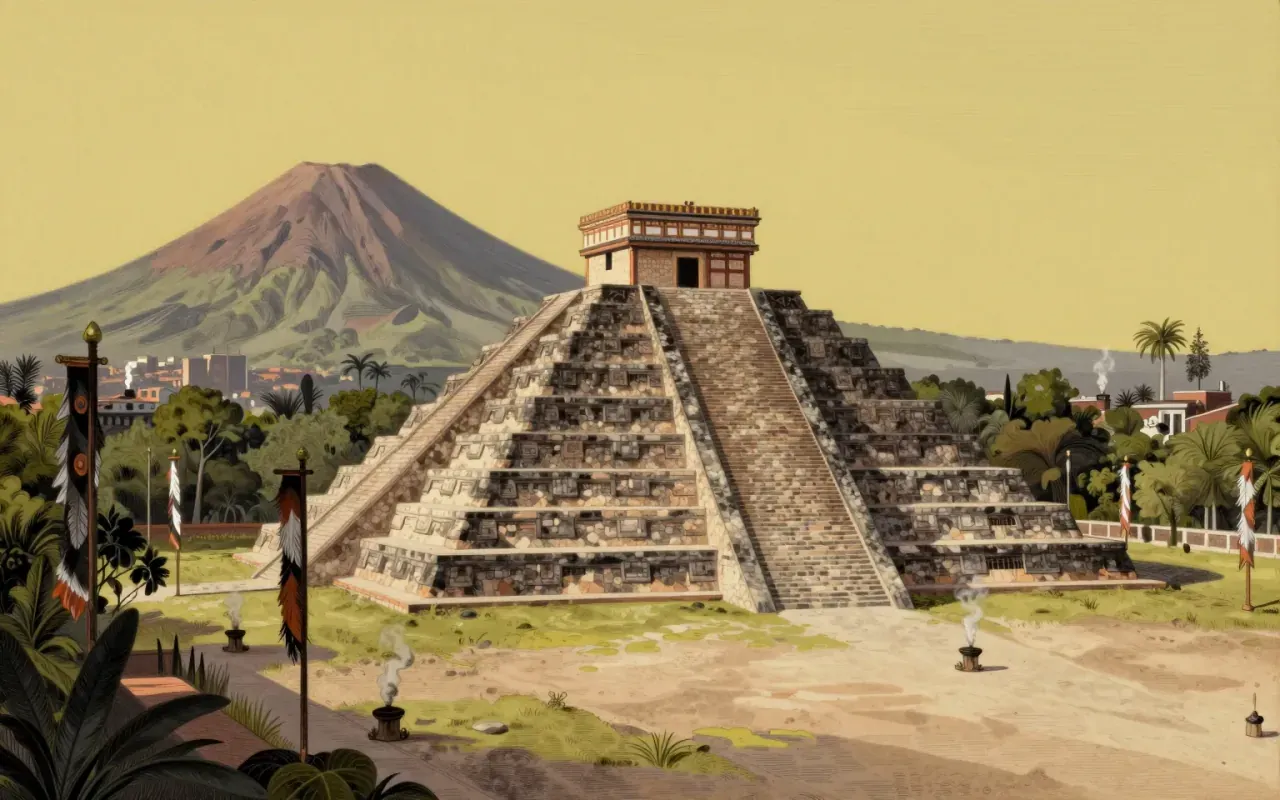
Moctezuma II expanded the Aztec Empire to its greatest territorial extent, fought some seventy-three military campaigns, and reorganised imperial administration into centrally governed provinces before Spanish forces reached Tenochtitlan in 1519. Spanish and indigenous sources diverge sharply in their portrayal of him, and his death in June 1520 remains disputed between accounts of his own subjects stoning him and testimony that Spanish soldiers killed him directly. His decades of successful rule have been largely overshadowed in popular memory by the empire's collapse the following year, leaving no single settled portrait of the man behind either extreme characterisation.

Napoleon Bonaparte rose from a Corsican artillery officer to First Consul of France after the 1799 coup of 18 Brumaire and Emperor from 1804, leading French armies through more than a decade of victories, at Austerlitz, Jena and Friedland among them, before catastrophic defeat in Russia in 1812 and final loss at Waterloo in 1815 ended his rule and sent him into exile on Saint Helena, where he died in 1821. His legal reforms, the Napoleonic Code among them, spread across much of Europe even as his own conquests reinstated slavery in French colonies and rolled back civil liberties at home.
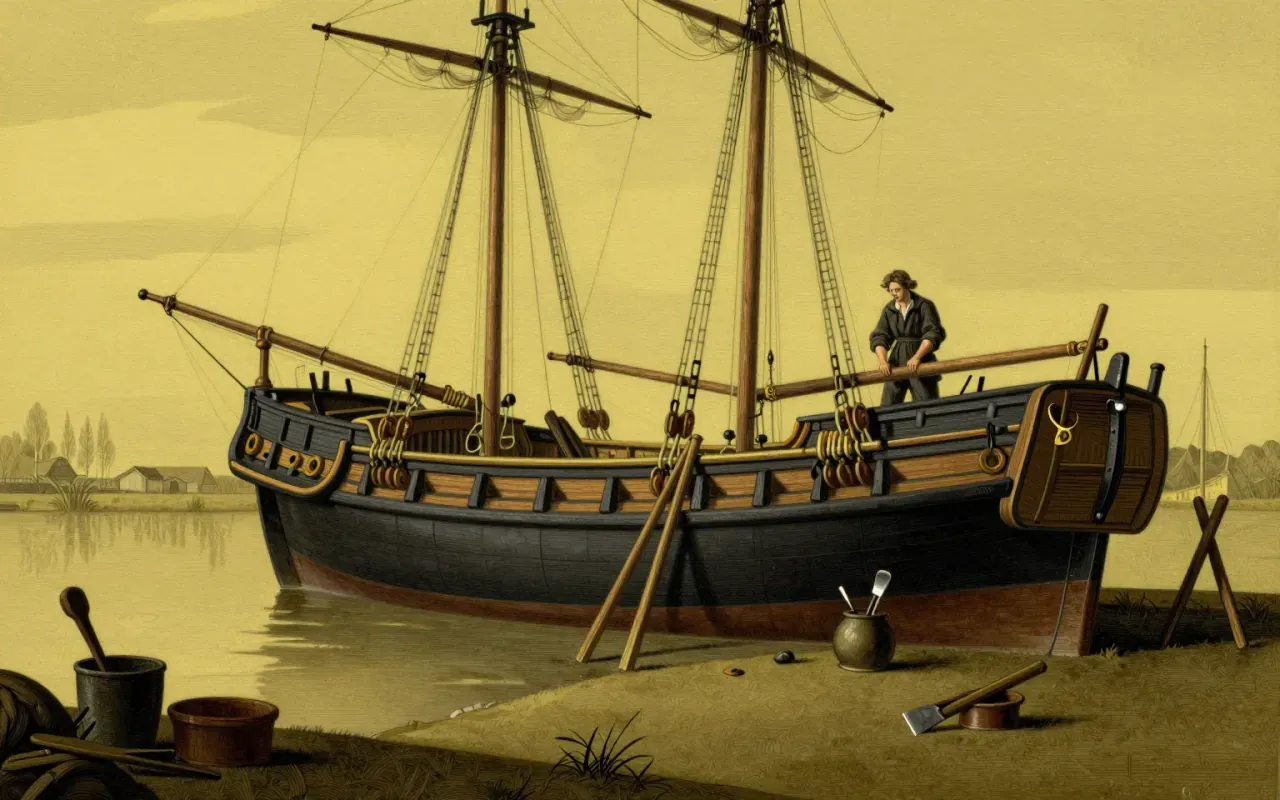
Peter I ruled Russia as tsar from 1682 and as its first emperor from 1721 until his death in 1725, transforming the country through an eighteen-month tour of Western Europe in 1697 and 1698, victory over Sweden in the Great Northern War culminating at Poltava in 1709, and the founding of St Petersburg in 1703 as a new, Western-facing capital. His reforms came paired with severe repression, including the torture and execution of roughly 1,182 rebel Streltsy soldiers after a 1698 uprising, a record that has left historians divided between crediting him as Russia's essential modernizer and condemning the violence his state-building consistently relied on.
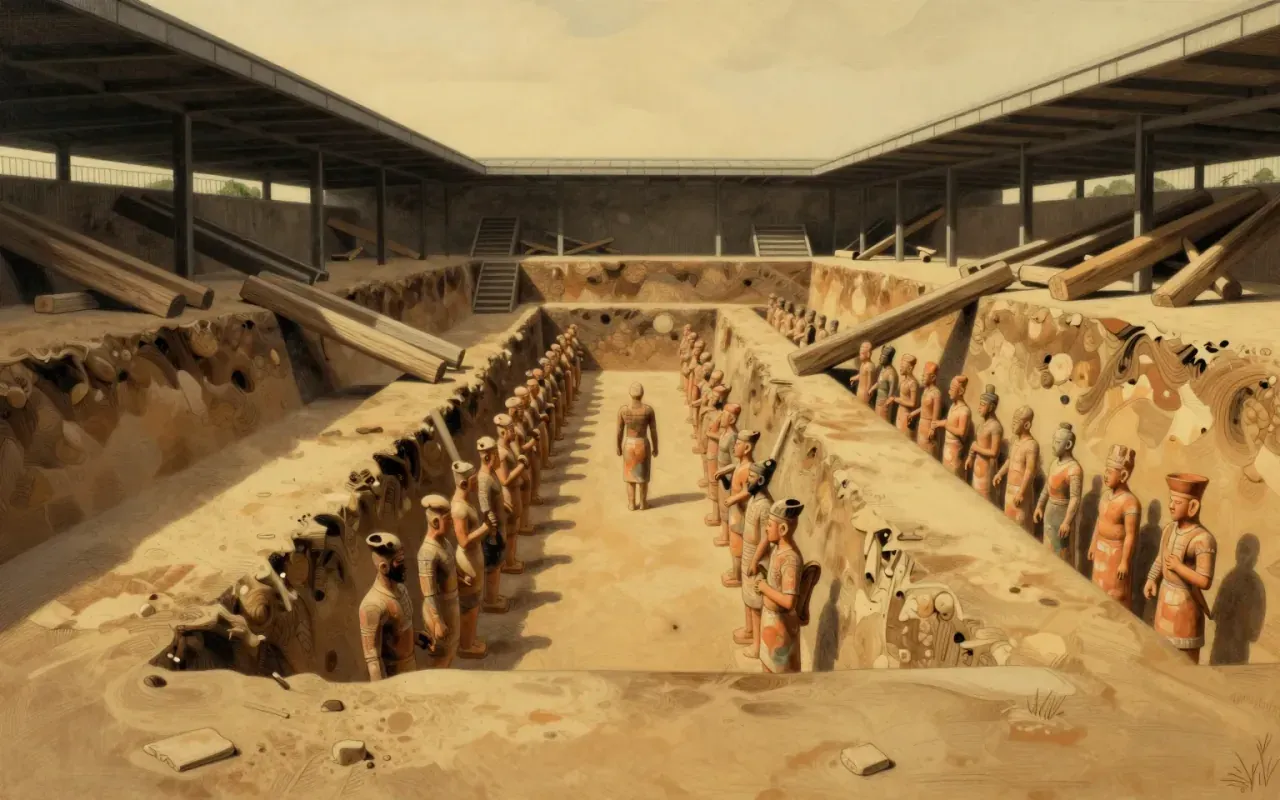
Qin Shi Huang unified China by 221 BC after conquering the six remaining Warring States, took the newly created title of emperor, and standardised the empire's writing, currency, weights and measures while organising it into centrally administered commanderies rather than hereditary fiefs, reforms whose influence Sinologist Michael Loewe has argued shaped Chinese history until 1911. He also conscripted enormous labour forces for the early Great Wall and his own vast mausoleum, discovered in part through the Terracotta Army unearthed in 1974, and died in 210 BC, probably in his forty-ninth year, while still searching for an elixir of immortality, leaving behind a reputation as a brutal tyrant that historians now trace largely to Sima Qian's history, written roughly a century later for the dynasty that had replaced his own.

Simon Bolivar led independence campaigns across what is now Venezuela, Colombia, Ecuador, Peru and Bolivia between the 1810s and 1825, entering Caracas in 1813 to the title El Libertador and later serving as president of the short-lived Gran Colombia, dictator of Peru and first president of Bolivia. He also issued and later annulled a Decree of War to the Death, ordering the execution of Spaniards who did not actively support his forces, and he died of tuberculosis in 1830 at forty-seven, disillusioned and stripped of the offices he had once held, a decline the surviving record acknowledges without fully accounting for.
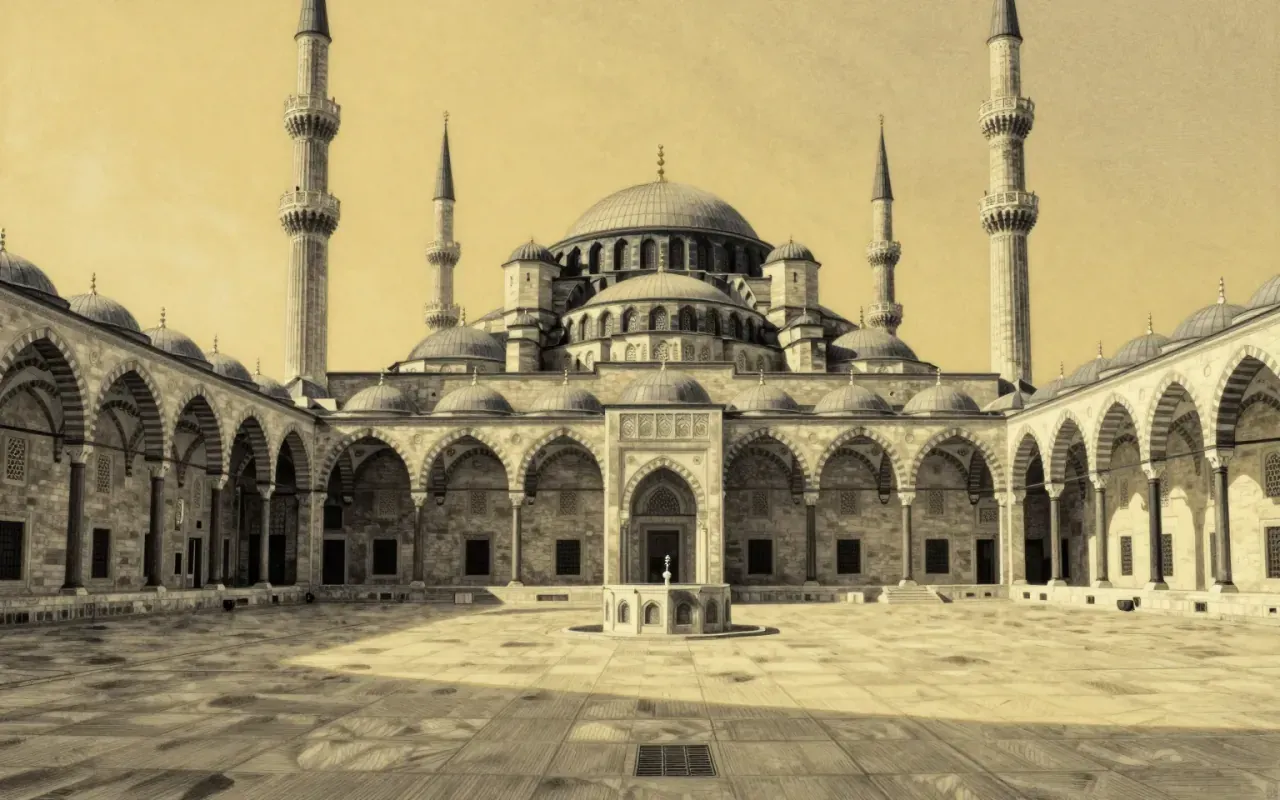
Suleiman I ruled the Ottoman Empire from 1520 to 1566, its longest reign, extending Ottoman territory through campaigns that captured Belgrade, Rhodes and much of Hungary while twice failing to take Vienna, and commissioning architect Mimar Sinan to build hundreds of structures including the Suleymaniye mosque complex. He compiled a unified legal code drawing on nine previous sultans' judgments, earning the Ottoman title Kanuni, or Lawgiver, even as his court saw his wife Hurrem Sultan rise to unprecedented influence and his eldest surviving son, Mustafa, executed on his own order in 1553 amid succession politics.
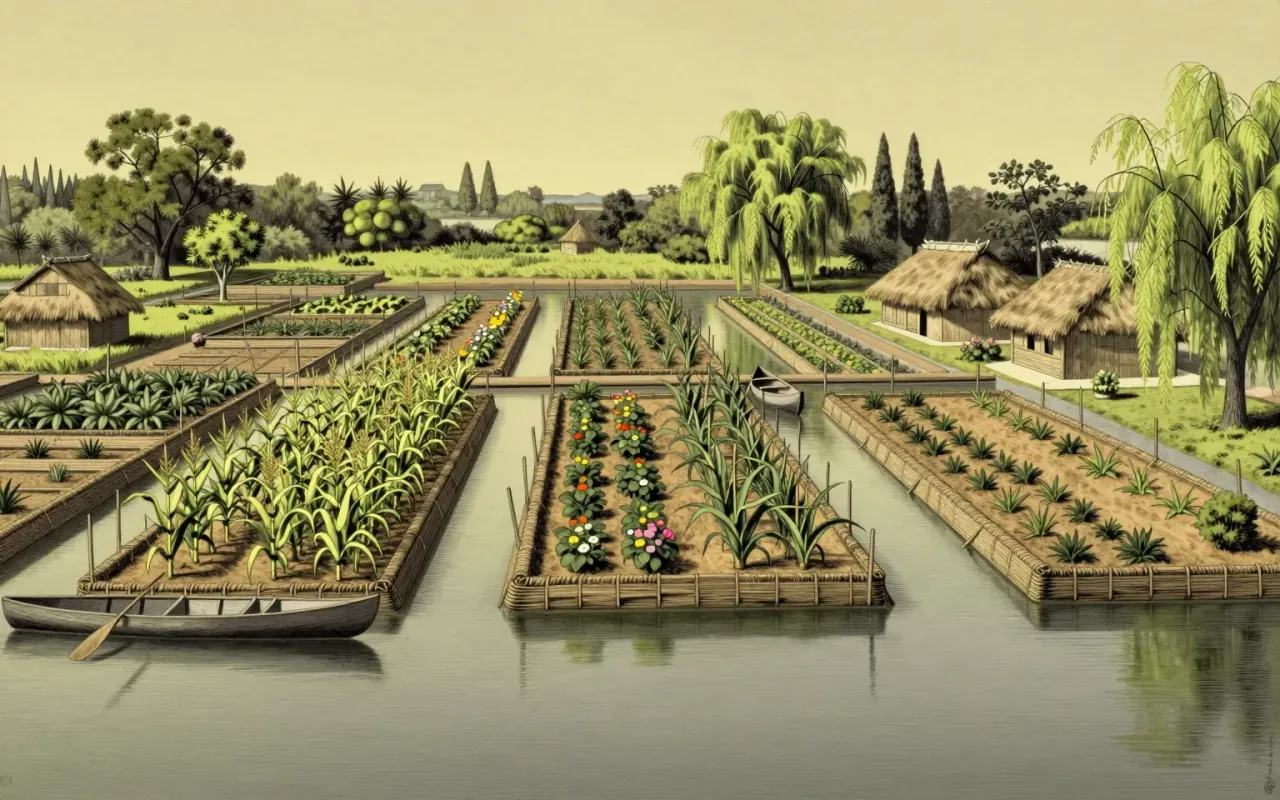
Three Nahua city-states, Tenochtitlan, Texcoco and Tlacopan, formed the Triple Alliance around 1428 after a civil war, building an empire that dominated central Mexico by the early sixteenth century before Hernán Cortés and his indigenous allies destroyed it between 1519 and 1521. Much of the empire's own documentary record may have been deliberately destroyed by one of its own administrators, leaving historians dependent on a mix of surviving pictographic codices, Spanish conquistador accounts, and archaeology to reconstruct its history.
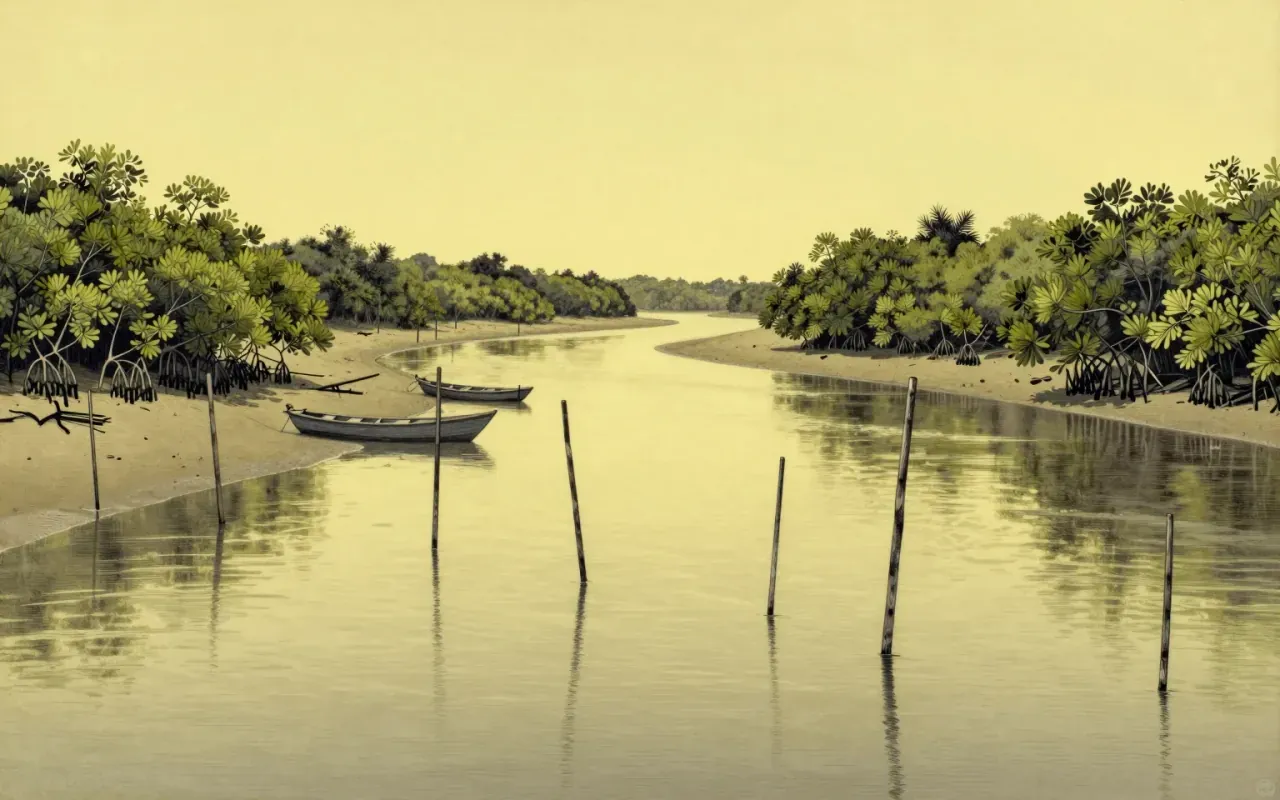
In 938, the Vietnamese general Ngo Quyen ended roughly a millennium of Chinese administrative control by luring a Southern Han invasion fleet onto iron-tipped stakes concealed in the Bach Dang River, then attacking as the tide dropped and stranded the ships. What survives of the battle comes largely from near-contemporary Chinese chronicles and much later Vietnamese legendary collections written for nation-building purposes. Ngo Quyen proclaimed himself king the following spring, though his own dynasty collapsed into succession disputes within decades.
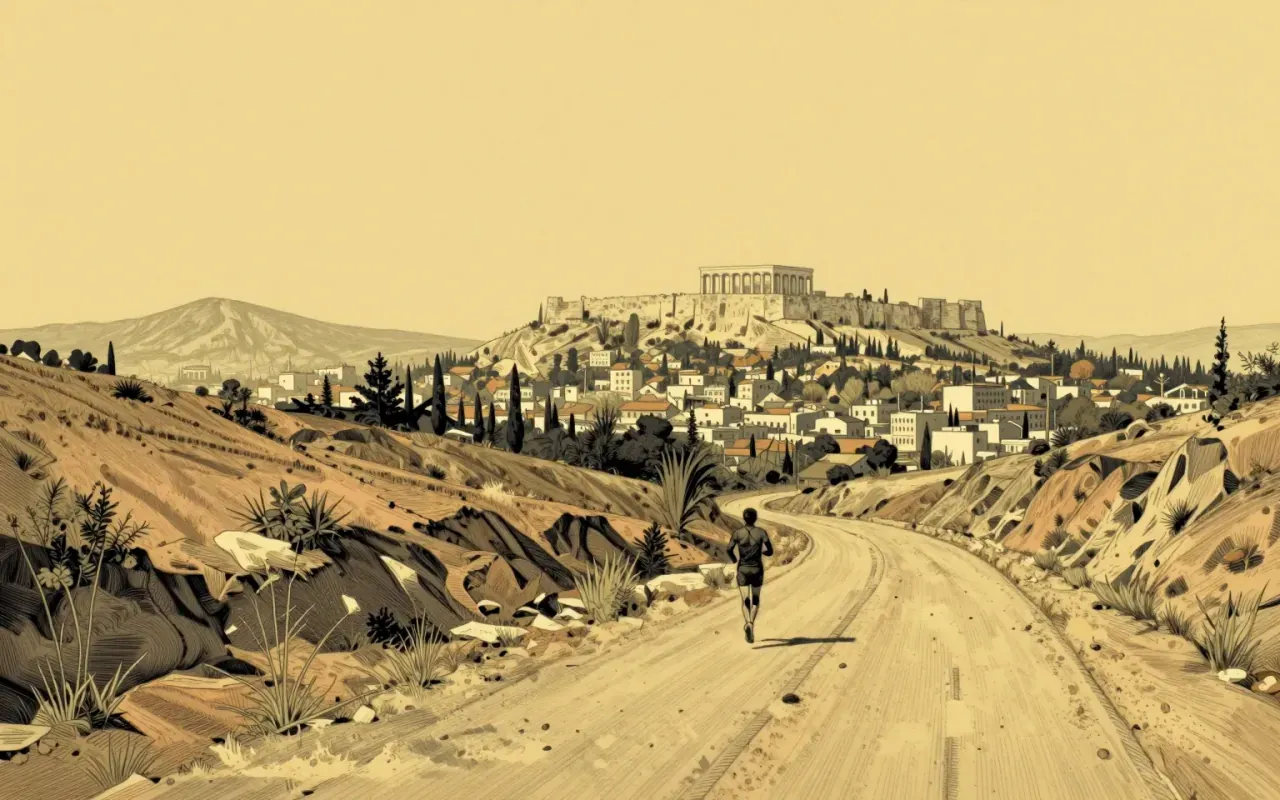
In September 490 BC, an outnumbered Athenian force under Miltiades defeated a Persian invasion army at Marathon, ending Darius I's first attempt to conquer mainland Greece. The account rests almost entirely on Herodotus, writing decades later in what amounted to a genuinely new form of historical inquiry, and while his broad narrative is trusted, his specific troop and casualty figures are treated with real scepticism. The battle's most famous element, a dying messenger announcing victory in Athens, does not appear in Herodotus at all and was assembled centuries later from separate, unrelated stories, eventually inspiring the modern Olympic marathon.
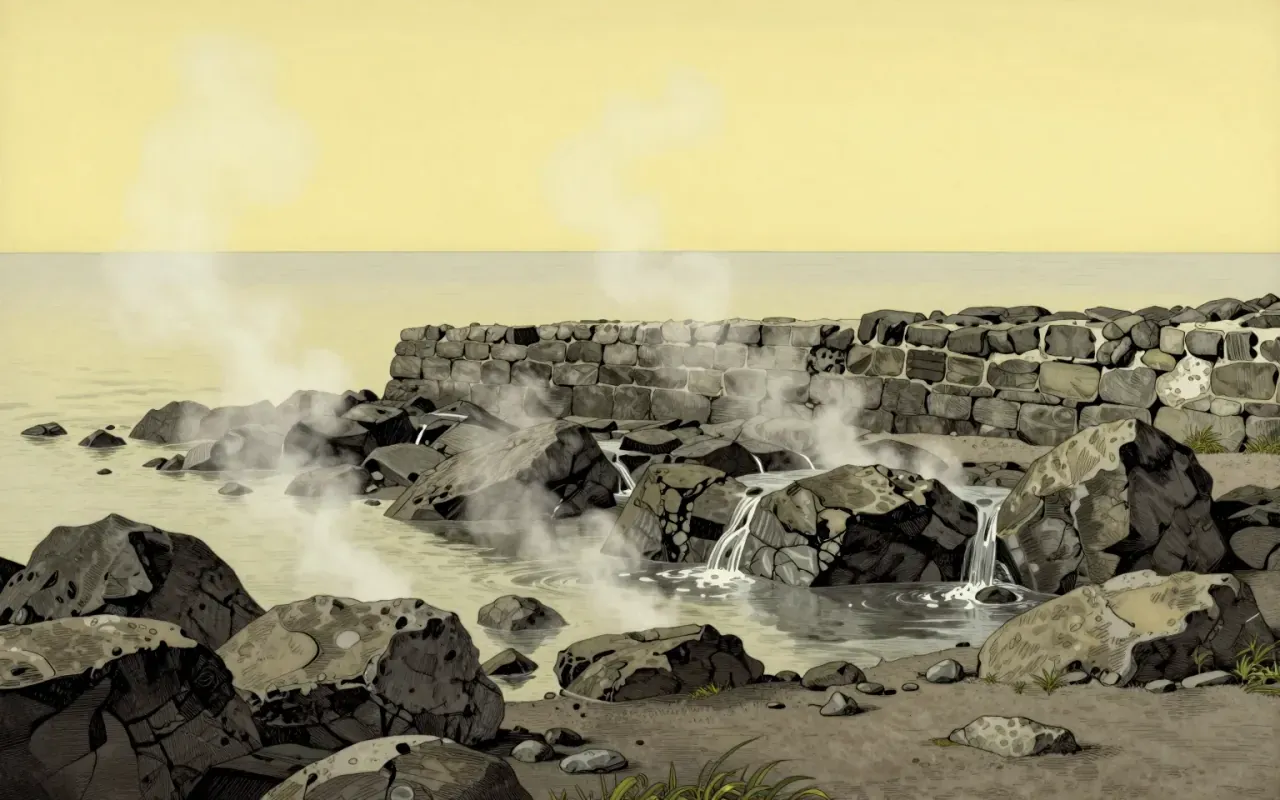
In 480 BC, roughly seven thousand Greek defenders, including three hundred Spartans under Leonidas, held the narrow pass at Thermopylae against a vastly larger Persian invasion force for two days before a betrayed mountain path let Persian troops outflank them, and the rearguard fought to the death. The battle survives almost entirely through Herodotus, whose narrative is broadly trusted even as his Persian troop figures, running into the millions, are universally rejected by modern historians in favour of far lower estimates. Whether the delay meaningfully shaped the subsequent Greek naval victory at Salamis remains disputed, and the battle's cultural fame now rests more on its moral example than on its military outcome.
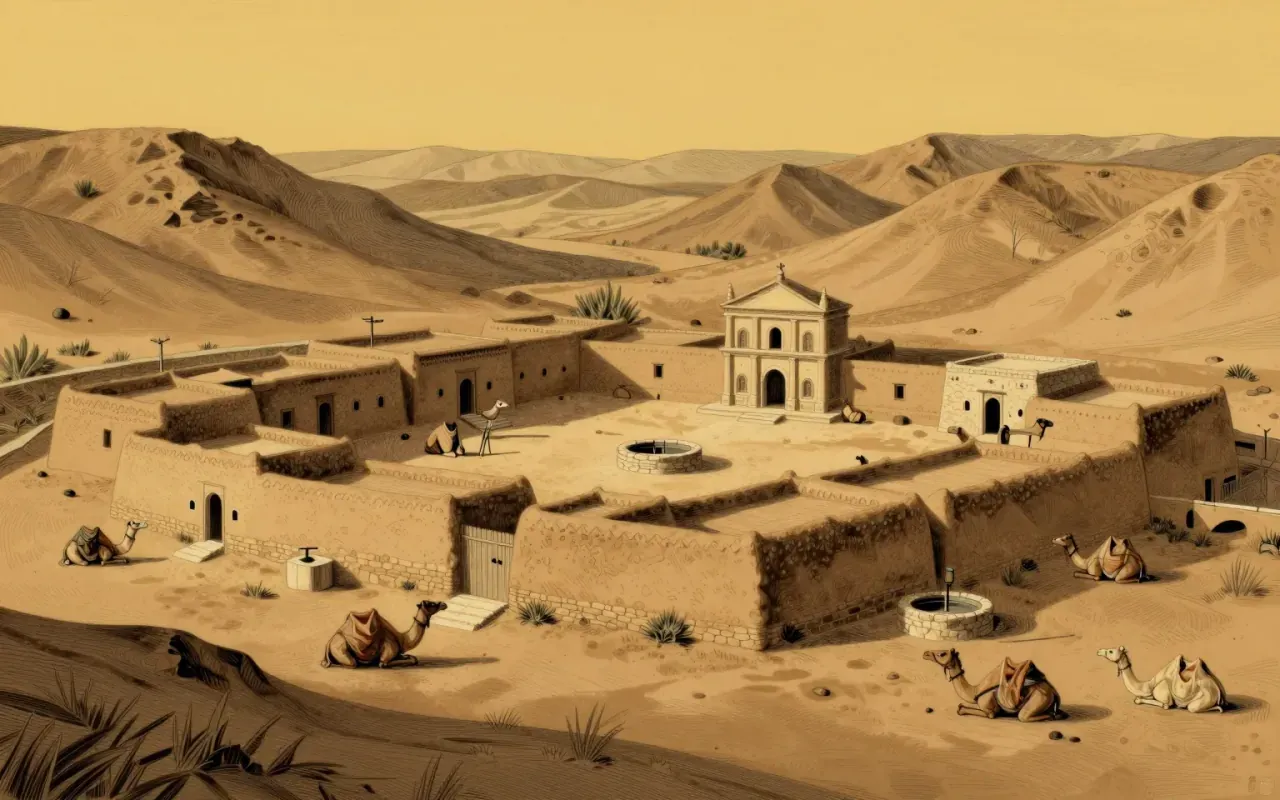
Islam took shape in early seventh-century Arabia around the teaching of Muhammad, who reported his first revelation around 610, migrated from Mecca to Medina in 622, and by his death in 632 had brought most of the Arabian Peninsula under Muslim rule. The earliest full biography was written well over a century later, and historians continue to debate how much of it, and of the hadith literature recording his sayings, reflects reliable transmission rather than material composed afterward to support later theological and legal positions.
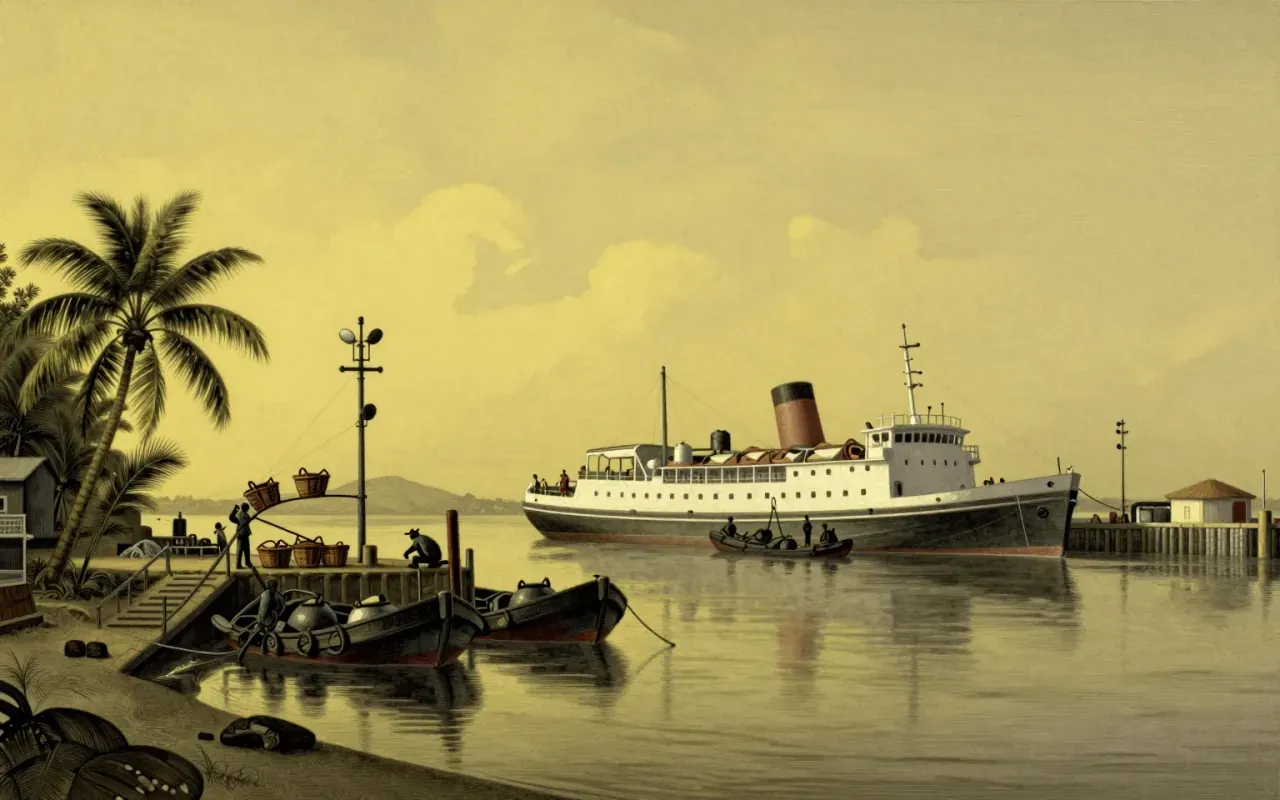
Beginning with tentative fifteenth-century voyages and expanding through Atlantic colonisation, the loss of the American colonies in 1783, and a subsequent pivot toward Asia, Africa and the Pacific, the British Empire reached its territorial peak around 1920, covering roughly 35.5 million square kilometres and governing close to a quarter of the world's population. Decolonisation accelerated after the Second World War, culminating symbolically in the 1997 handover of Hong Kong, and the empire's legacy remains genuinely disputed between its constitutional and linguistic influence and its foundational reliance on slavery, extraction and violent suppression of colonised peoples.
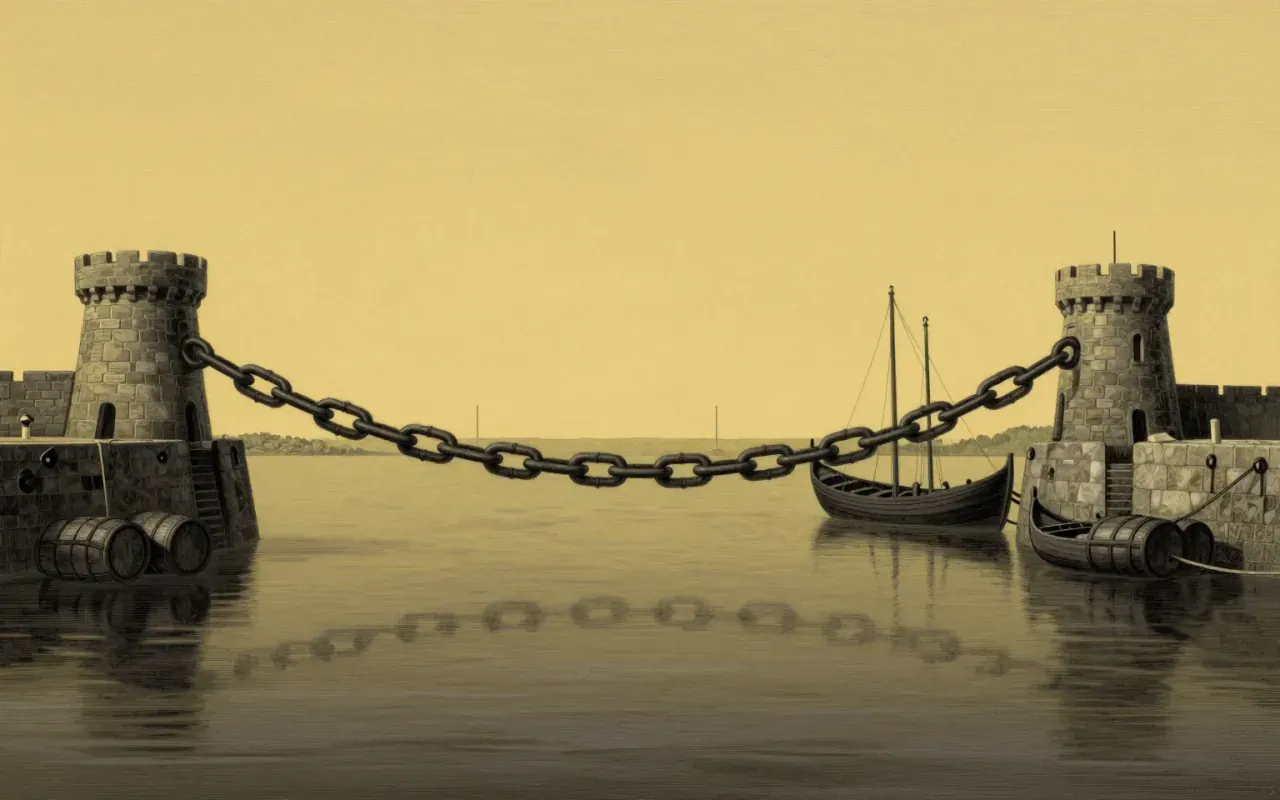
The Byzantine Empire was the continuation of the Roman state centred on Constantinople after the western empire's collapse, reaching its greatest extent under Justinian in the sixth century, surviving devastating territorial losses to Arab conquest in the seventh century, and enduring in reduced form until the Ottoman conquest of Constantinople in 1453. Historians disagree on when to date its beginning, and note that the empire's own inhabitants never called themselves Byzantine, a label applied only after the state had ceased to exist.
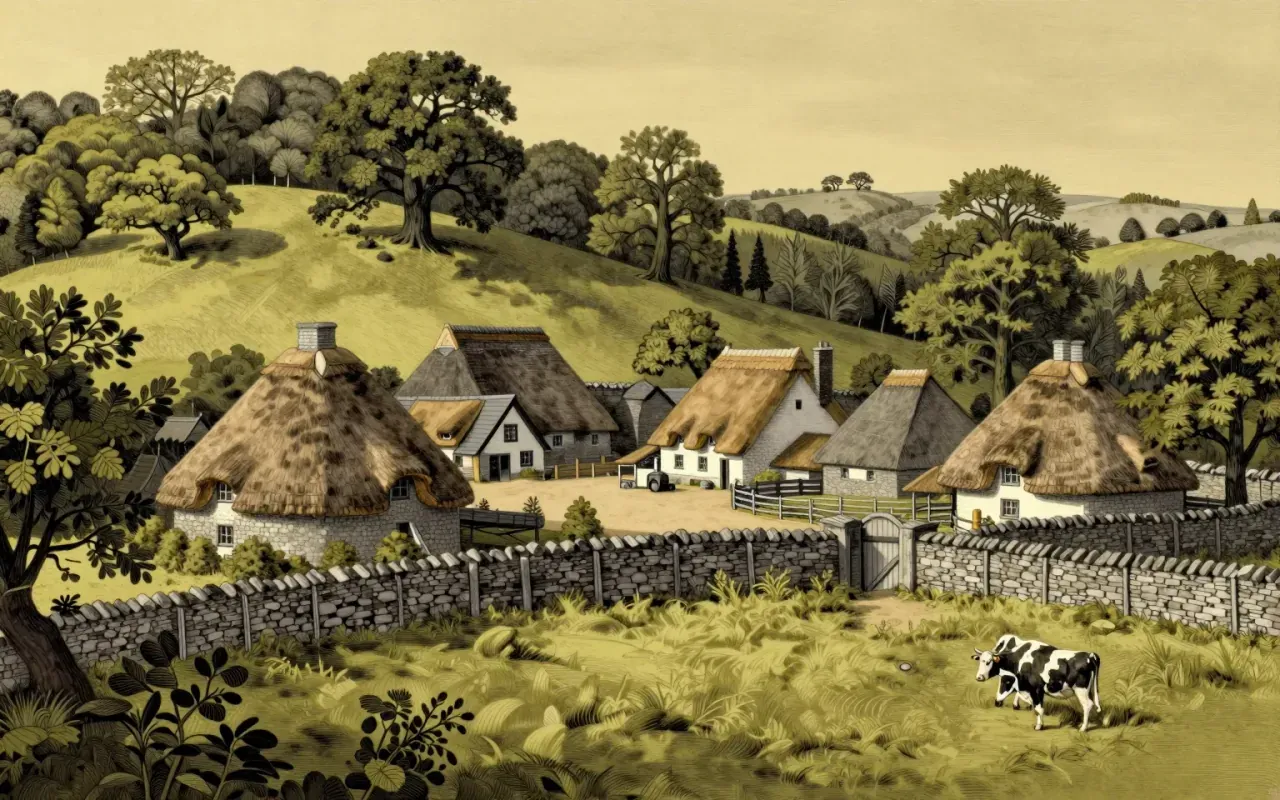
Between 58 and 50 BC, Julius Caesar subdued Gaul in a series of campaigns against Celtic and Germanic peoples, culminating in the defeat of a unified Gallic revolt under Vercingetorix at the siege of Alesia. The war's main record is Caesar's own Commentaries, written and circulated during the fighting to build his political standing at Rome, and its startling casualty figures are now treated by historians as propaganda rather than count.
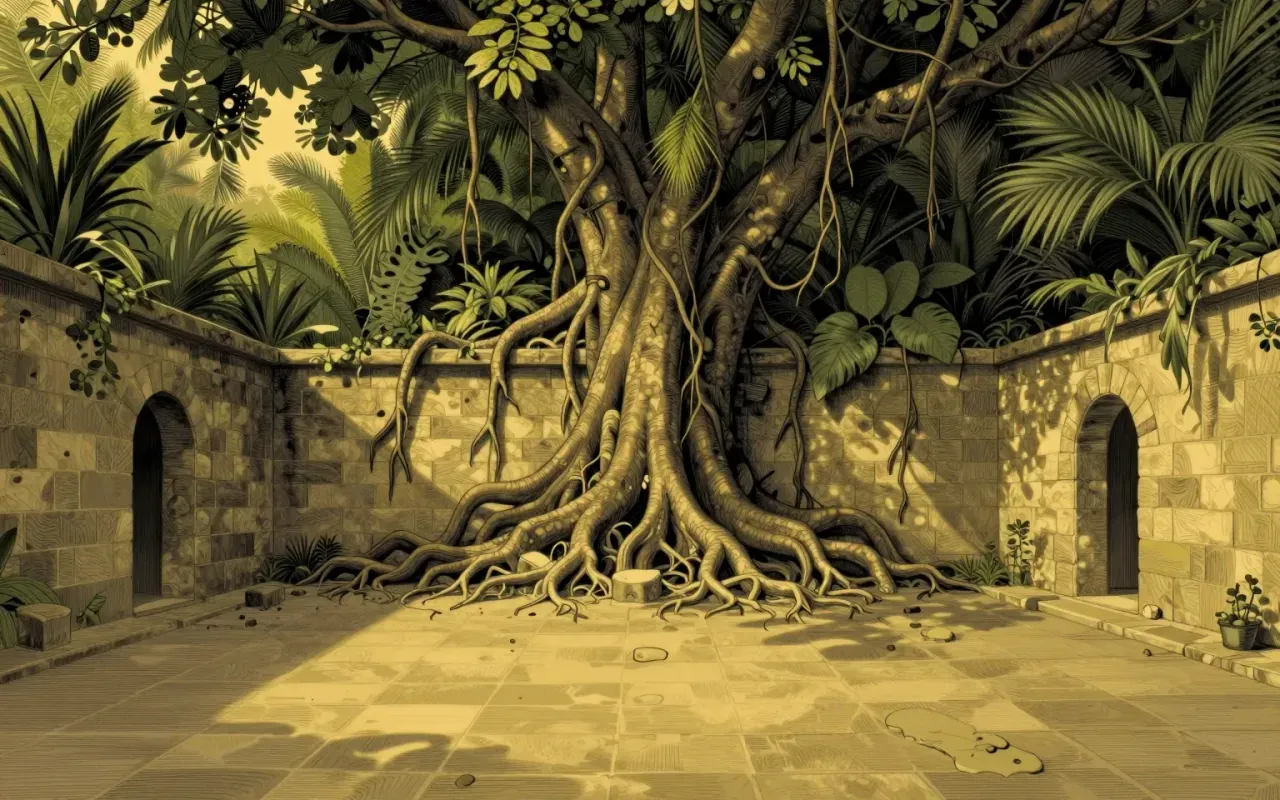
Angkor was besieged and occupied twice by the Ayutthaya kingdom before a final seven-month siege in 1430 forced the Khmer court to abandon it in 1431 for the site of modern Phnom Penh. Historians attribute the fall to some combination of military pressure, drought revealed only by modern tree-ring analysis, ecological strain from the city's own irrigation system, and a religious shift away from the older cult of divine kingship. Many temples remained in use long after the court's departure, and Sanskrit gave way gradually to Middle Khmer rather than the culture vanishing all at once.
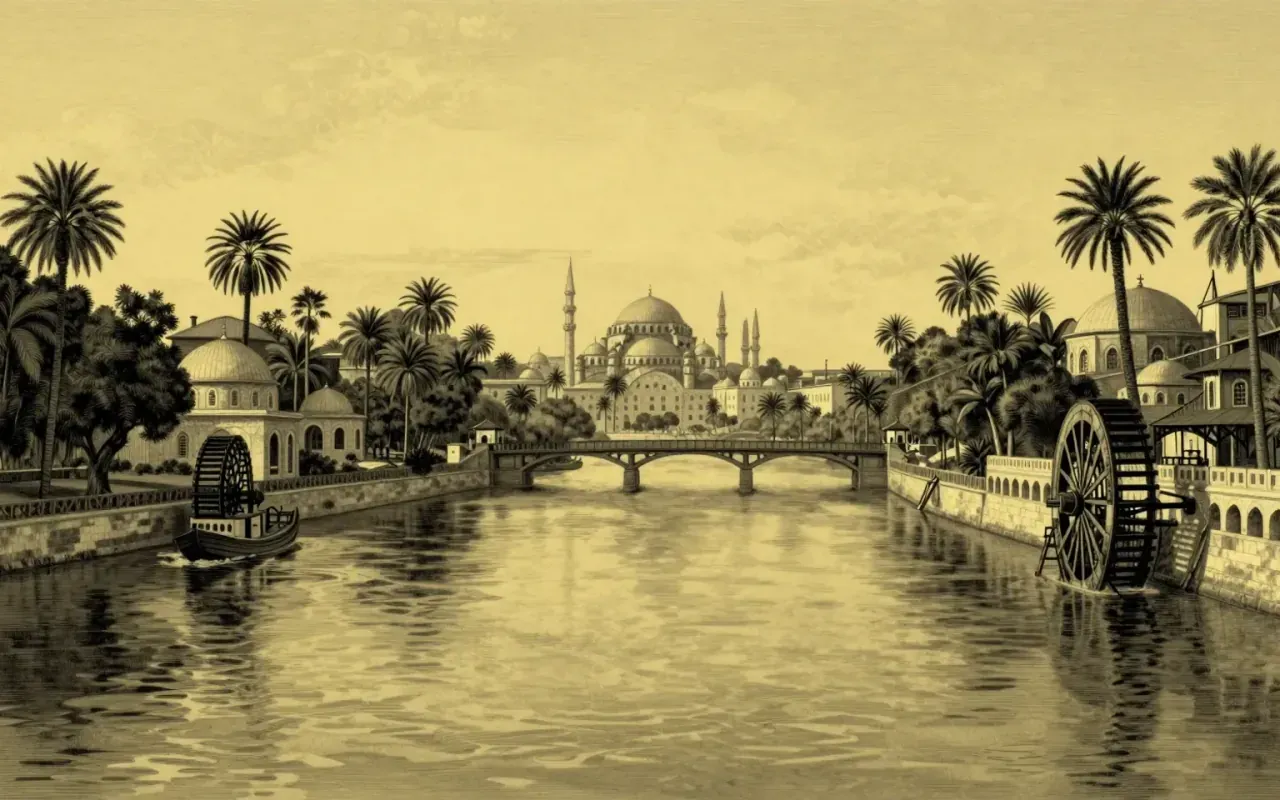
In January and February 1258, the Mongol prince Hulegu Khan besieged and took Baghdad after the Abbasid caliph al-Musta'sim refused full submission, ending five centuries of Abbasid independent rule. Death toll estimates range enormously, from Hulegu's own figure of roughly two hundred thousand to later Muslim accounts running into the millions, compiled well after the event. The famous image of the Tigris running black with ink from discarded books is now traced by historians to a recycled literary trope, and whether 1258 truly marked the end of the Islamic Golden Age remains genuinely disputed.
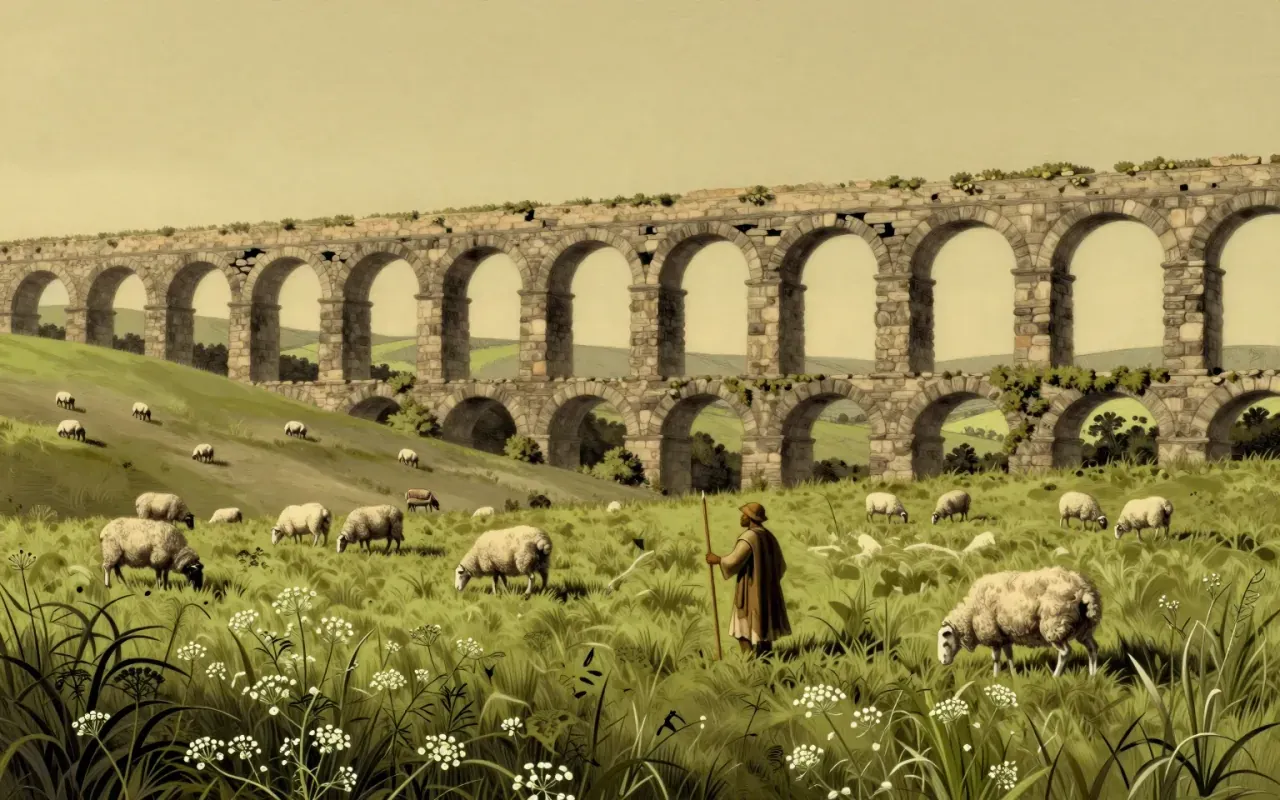
The Western Roman Empire's collapse, conventionally dated to 476 AD when the Germanic commander Odoacer deposed the emperor Romulus Augustulus, followed a century of Gothic and other Germanic incursions, military strain and repeated civil war. Historians propose climatic, epidemiological, economic, political and religious explanations, and disagree sharply about whether to describe the process as a catastrophic fall or a more gradual transformation into successor kingdoms that preserved much of Roman law, language and administration.
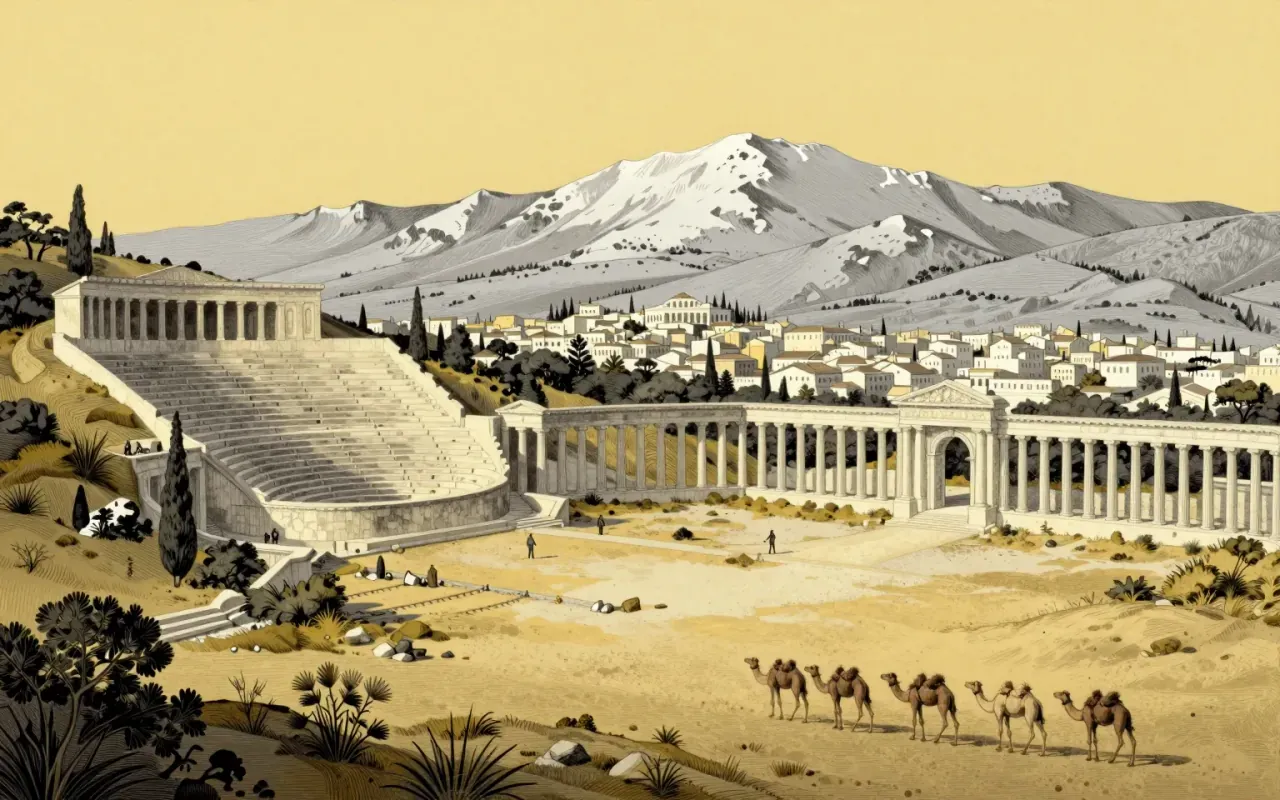
The Hellenistic period runs conventionally from Alexander's death in 323 BC to Cleopatra VII's death in 30 BC, spanning the successor kingdoms, Ptolemaic Egypt, the Seleucid realm and Macedon among them, that emerged from the wars fought among his former generals. It was a period of active scholarship and cultural mixing, producing figures such as Euclid and Archimedes and blending Greek culture with Egyptian, Persian and other local traditions, before Rome absorbed the last of the successor states.
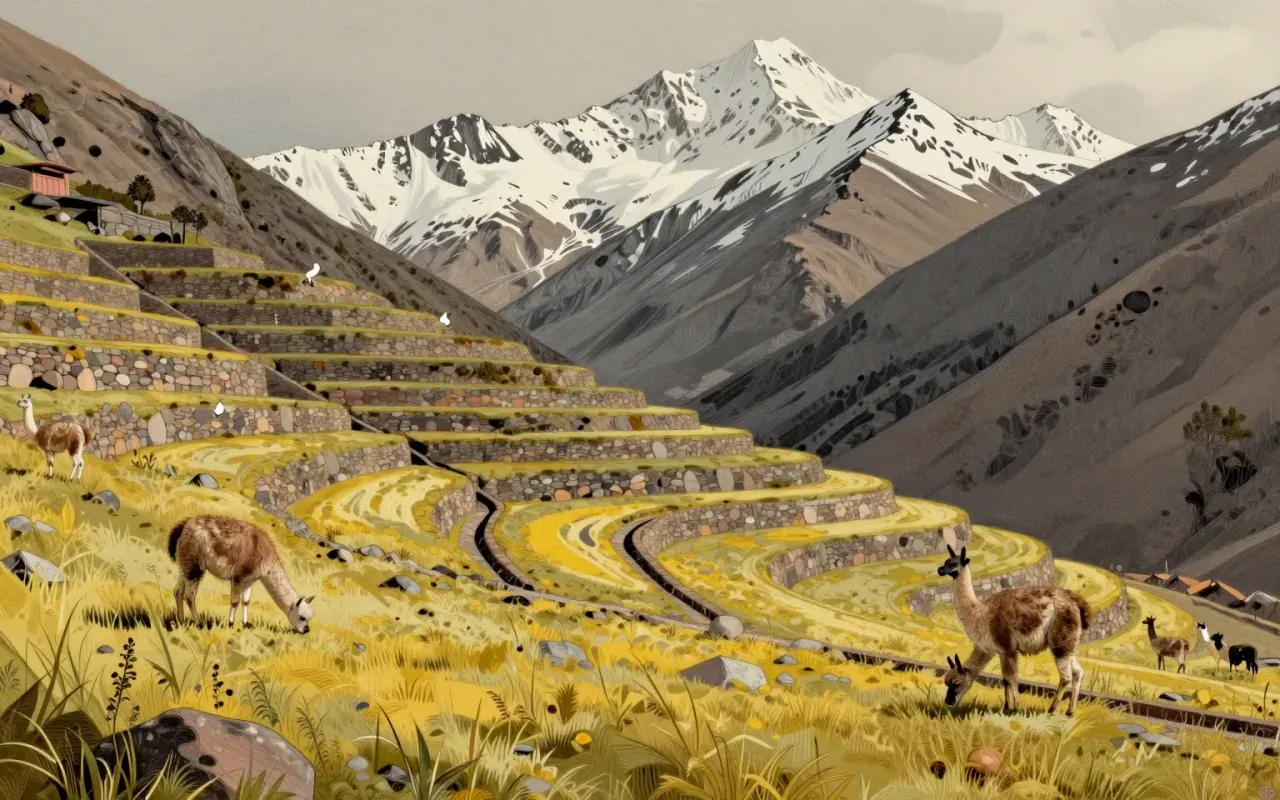
The Inca state took its imperial form as Tawantinsuyu under Pachacuti from 1438, expanding under his successors to become the largest pre-Columbian empire in the Americas by the 1520s, governed through knotted-cord records called khipu that later generations lost the ability to read. Francisco Pizarro's small Spanish force captured the emperor Atahualpa in 1532 amid an Inca civil war, and though resistance continued under a rump Neo-Inca State until 1572, disease and conquest together killed a population historians can now only estimate in the millions.
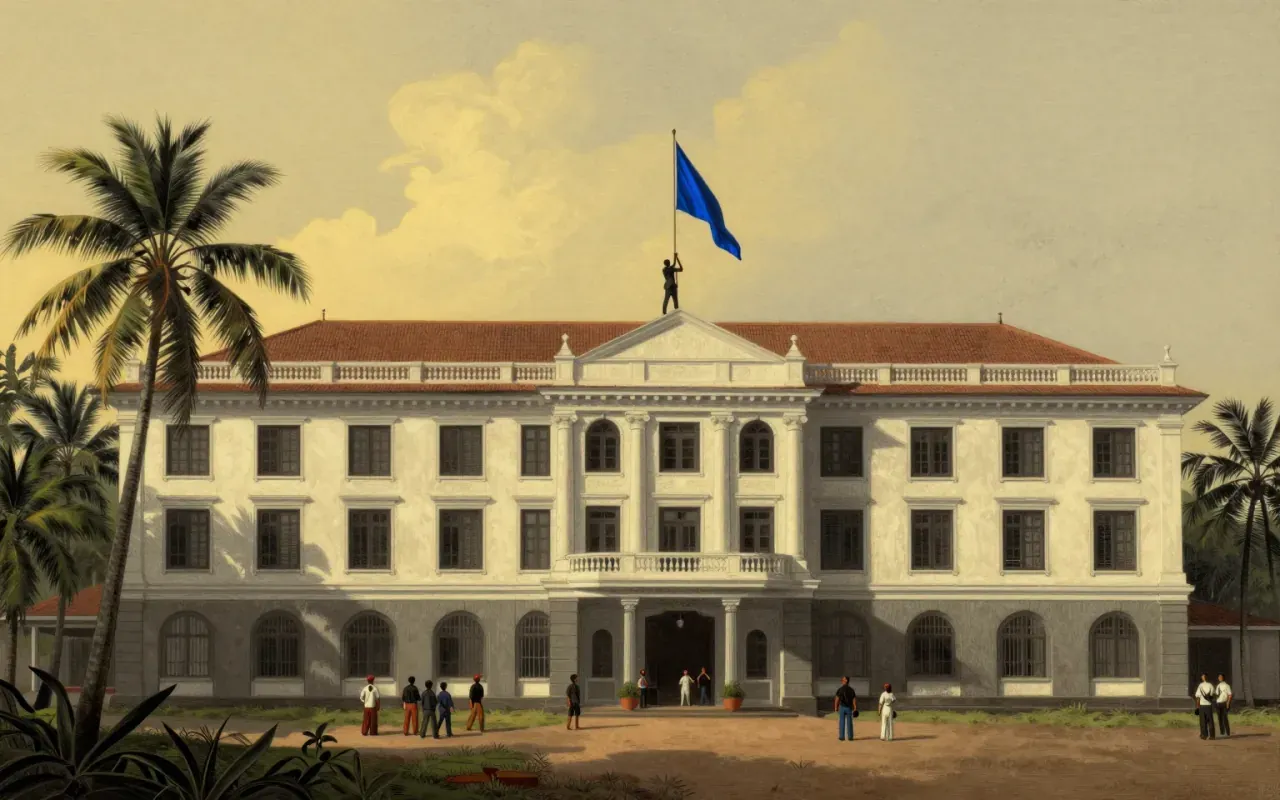
Sukarno and Mohammad Hatta proclaimed Indonesian independence on 17 August 1945, days after Japan's surrender, opening a four-year revolution against returning Dutch colonial rule that combined diplomatic negotiation with military conflict and a violent period of anti-European unrest known as Bersiap. The Netherlands formally transferred sovereignty in December 1949, but casualty estimates for the revolution still range widely, from roughly 97,000 to 150,000 Indonesian deaths and considerably disputed Dutch and Bersiap-period figures.
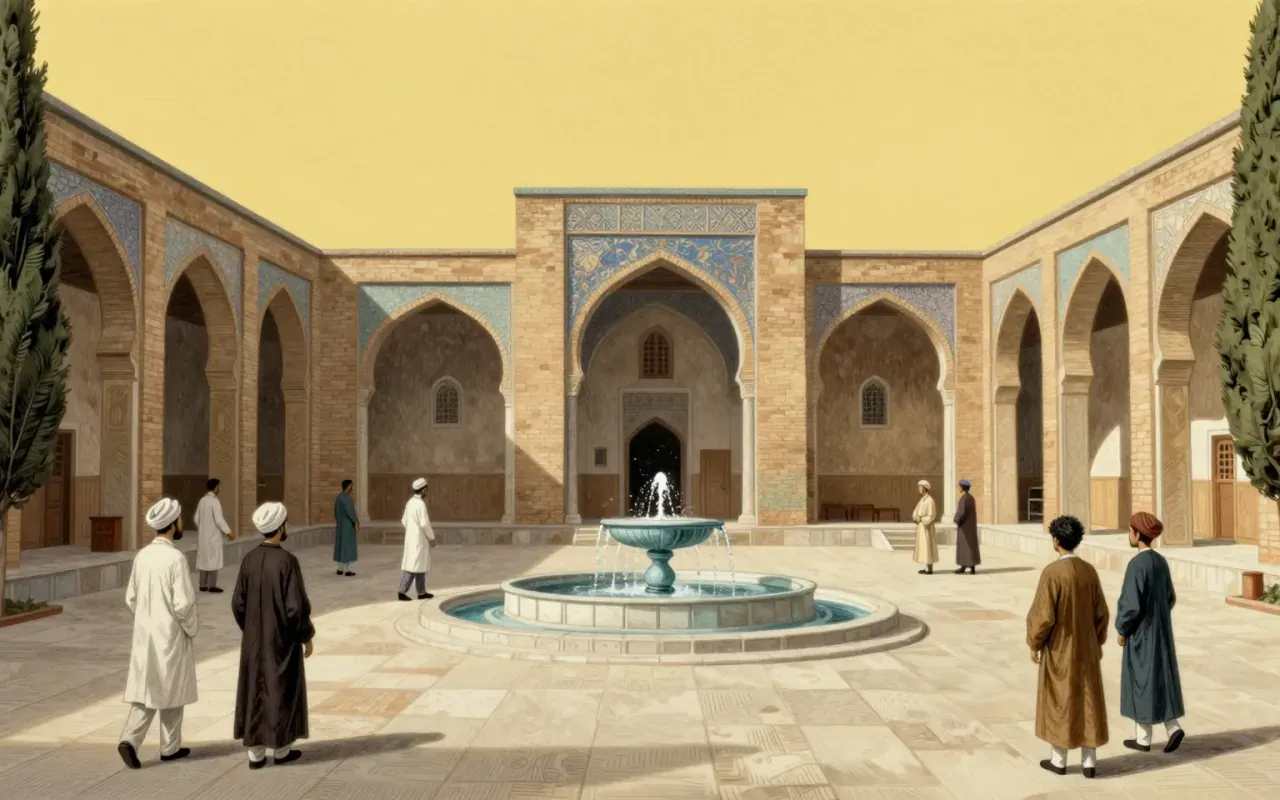
The Islamic Golden Age, running roughly from the eighth to the thirteenth or fourteenth century under the Abbasid Caliphate and centred on cities including Baghdad, Cairo and Córdoba, produced major advances in mathematics, medicine, astronomy and optics, building on translated Greek, Persian and Sanskrit scholarship. Historians disagree both about what caused the flourishing and about how sharply, or whether, it actually declined after the ninth century, and even the existence of Baghdad's famous House of Wisdom as a formal institution is now disputed.
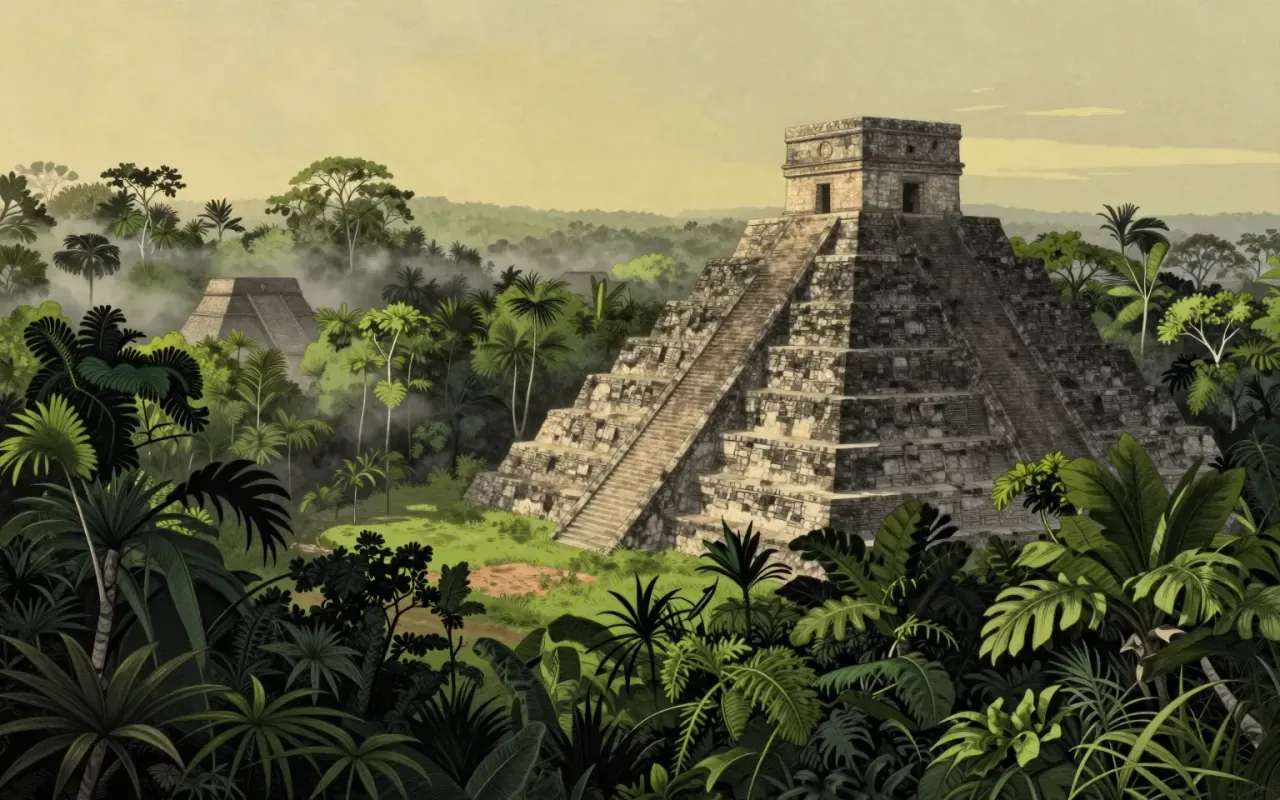
Maya civilisation developed across roughly two thousand years, from early farming settlements around 2000 BC through a Classic period of competing city-states between about 250 and 900, a still-unexplained ninth-century decline, and a Postclassic phase that lasted until Spanish conquest reached the last independent stronghold in 1697. Only three Maya codices survived the conquest, so much of what is known comes from decoded hieroglyphic inscriptions and archaeology, and no single explanation for the Classic collapse commands agreement among historians.
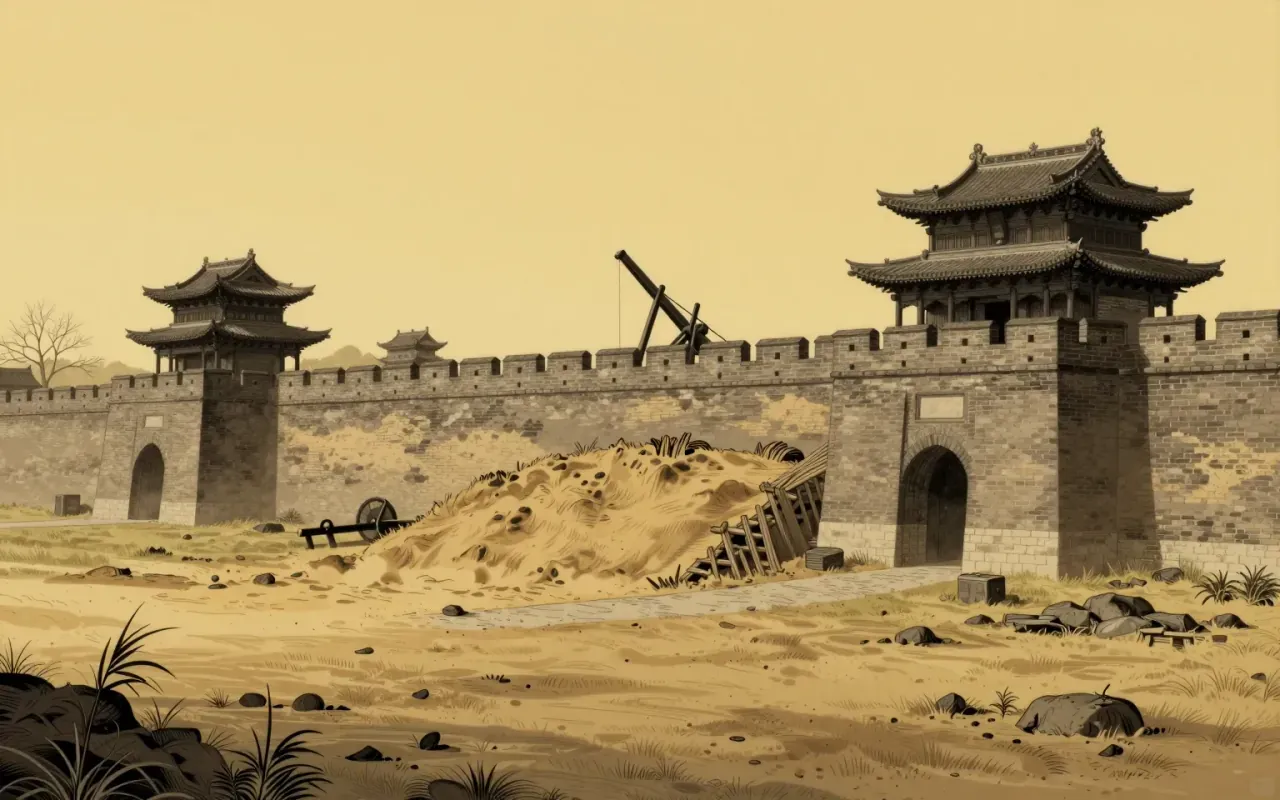
Founded when Temüjin was proclaimed Genghis Khan in 1206, the Mongol Empire expanded within a century to cover roughly 23.5 million square kilometres from the Pacific to Eastern Europe, the largest contiguous empire in recorded history, before splitting after 1260 into four khanates that followed separate paths. Its history is documented through Mongolian, Chinese and Persian chronicles composed at different distances from events and with different loyalties, and historians still debate what actually caused its rapid fragmentation.
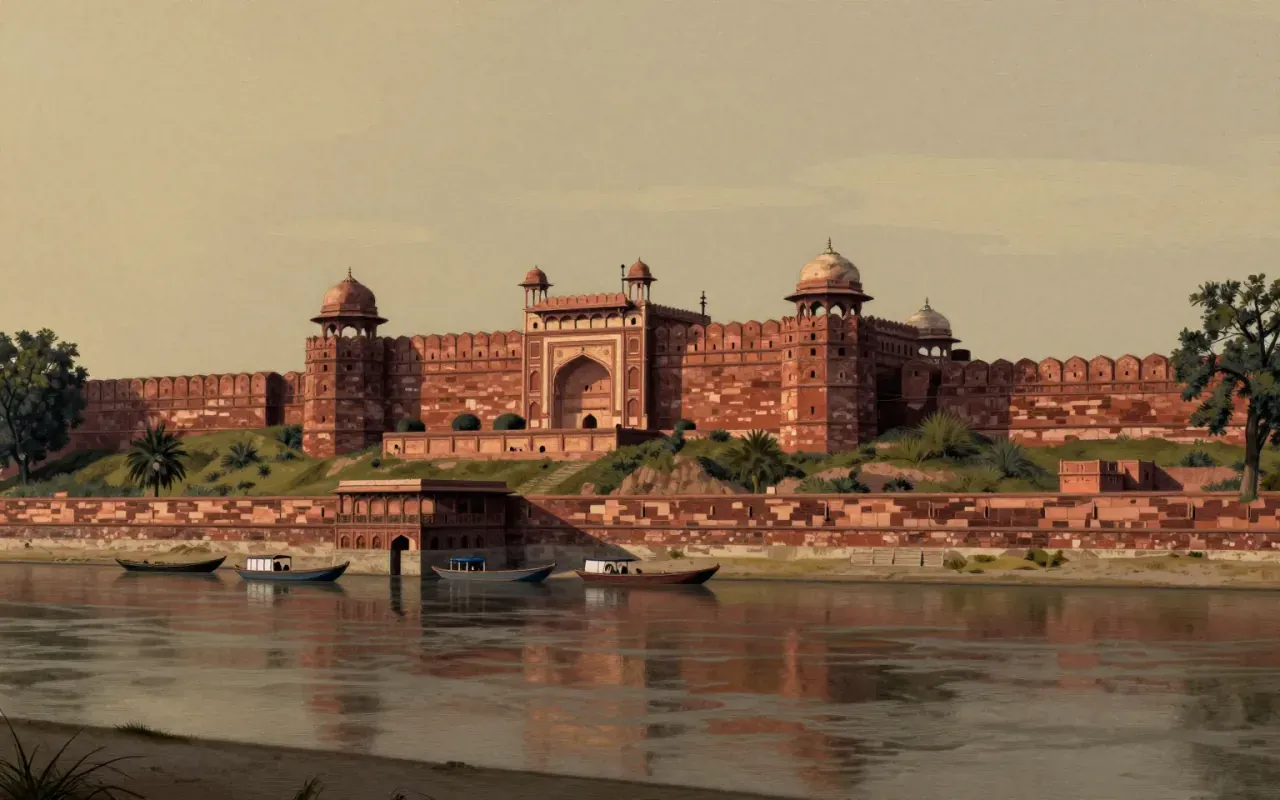
Founded in 1526 when Babur defeated the Delhi Sultanate's forces at Panipat, the Mughal Empire expanded across most of the Indian subcontinent, reaching its greatest territorial extent under Aurangzeb in the late seventeenth century before fragmenting rapidly after his death and formally ending with the deposition of its last emperor following the 1857 uprising. Historians still debate how religiously tolerant or intolerant various emperors actually were, how urbanised Mughal India really was compared with contemporary Europe, and even what to call the dynasty itself.
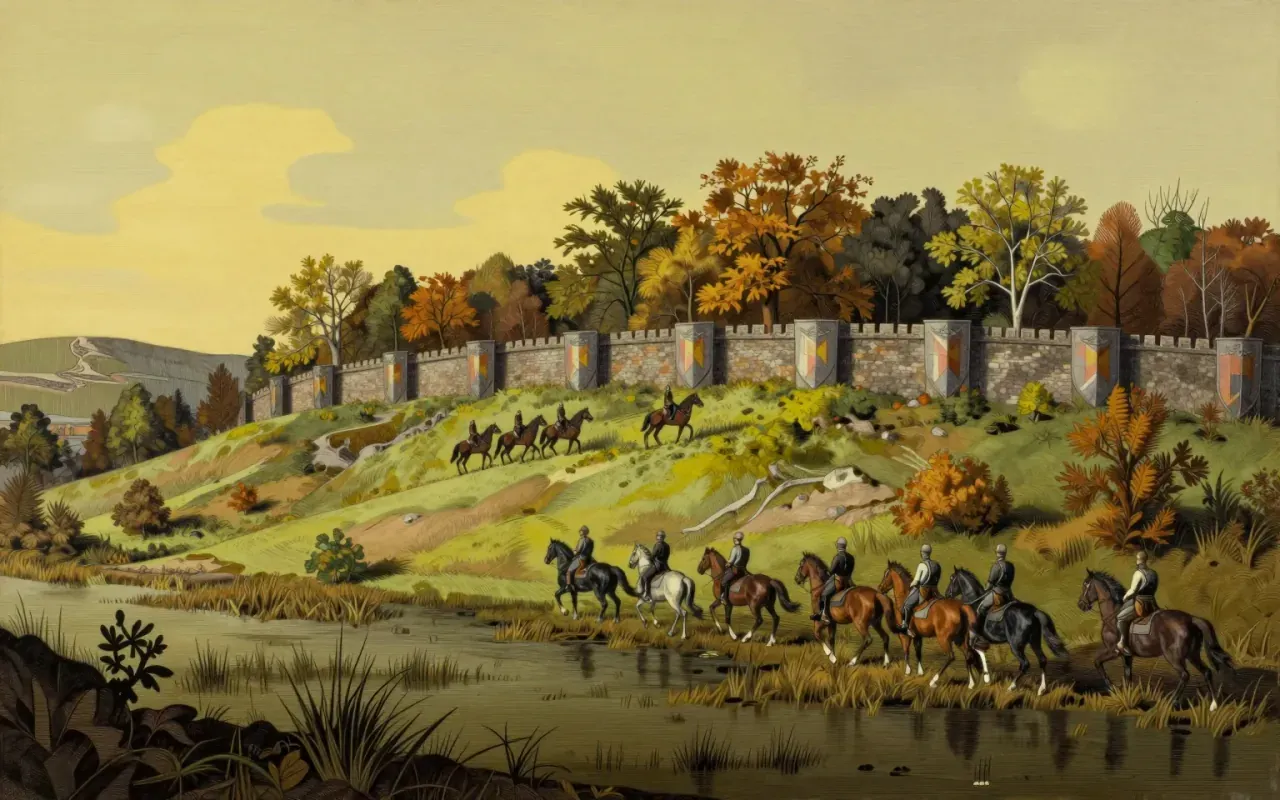
When Edward the Confessor died childless in January 1066, three men claimed the English throne; William, duke of Normandy, defeated Harold Godwinson at Hastings that October after Harold had already fought off a Norwegian invasion days earlier, and was crowned that Christmas. Full Norman control took nearly a decade to secure, and the conquest's central justifications, a promise from Edward and an oath from Harold, appear only in sources written by the Norman side.
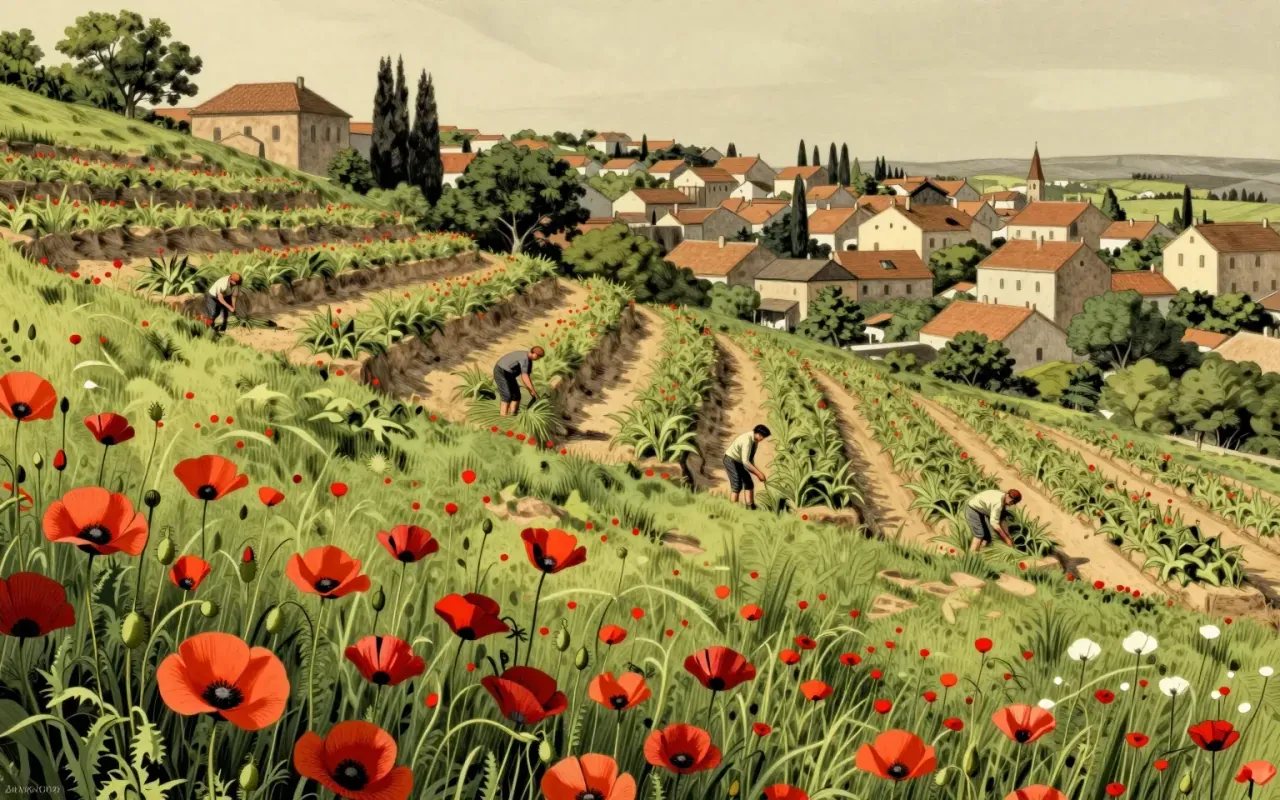
Qing emperors issued prohibitions against opium from 1729 onward, but rising imports and two wars forced China to legalise the trade through the 1858 and 1860 treaties that ended the Second Opium War. Suppression campaigns in the early twentieth century briefly cut consumption sharply, only for the trade to resume under revenue pressure after the Qing collapse in 1911, until the Communist government's often brutal 1950s campaigns finally ended mass addiction within Chinese cities.

Founded around 1299 by the Turkoman leader Osman I and expanded over the following two and a half centuries into a state spanning Southeastern Europe, West Asia and North Africa, the Ottoman Empire reached its territorial peak under Suleiman the Magnificent in the sixteenth century before undergoing a long process of institutional adaptation that older historiography mischaracterised as straightforward decline. It survived until the aftermath of the First World War, when military defeat, genocide against Armenians, Assyrians and Greeks, and the Turkish War of Independence led to the sultanate's abolition in 1922 and the caliphate's in 1924.
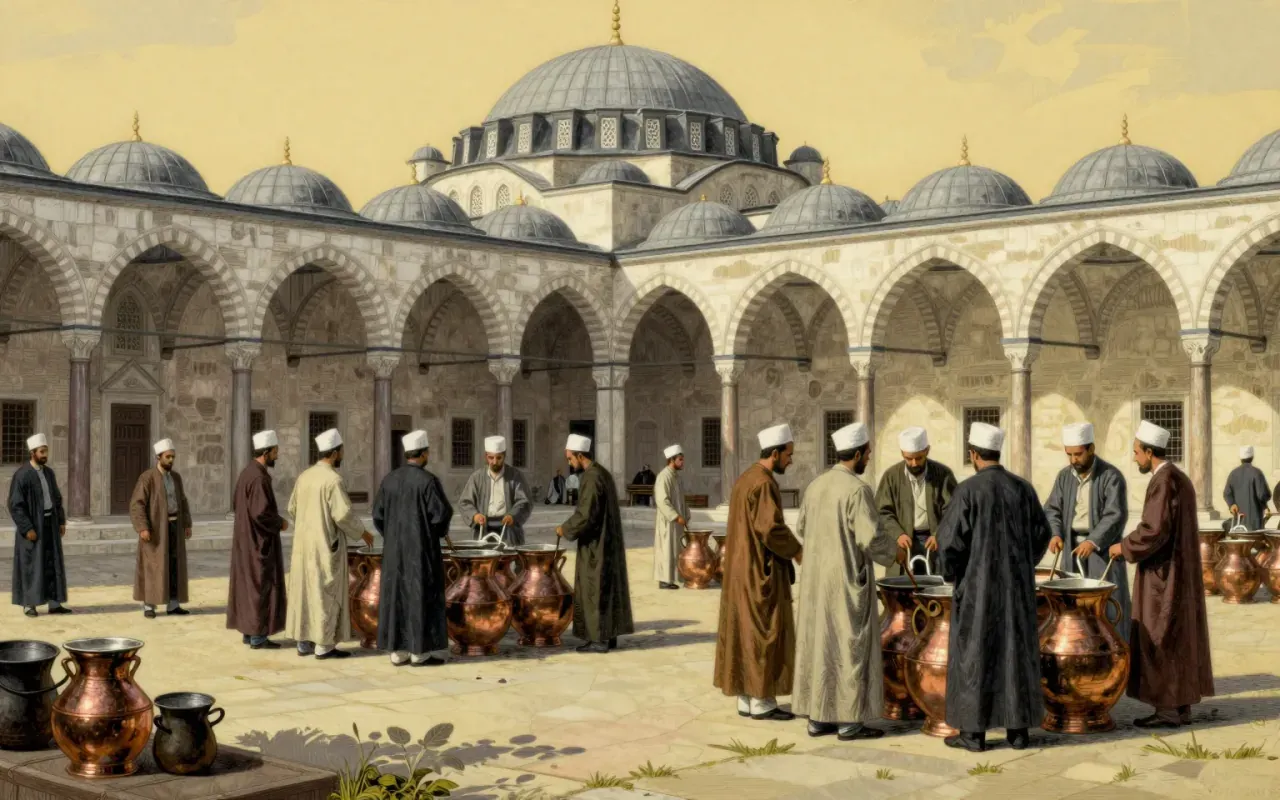
Founded in the fourteenth century as the Ottoman sultan's personal infantry, the Janissary corps was filled for nearly three centuries through the devshirme, a periodic levy of Christian boys from the Balkans who were converted, trained, and bound to lifelong service. Their early adoption of firearms made them one of the first true gunpowder infantry forces in the world, but by the seventeenth century the corps had opened membership to hereditary recruits, taken up trade and property, and turned repeatedly on the sultans who depended on it. Sultan Mahmud II finally destroyed the institution in 1826, in an episode still known as the Auspicious Incident.
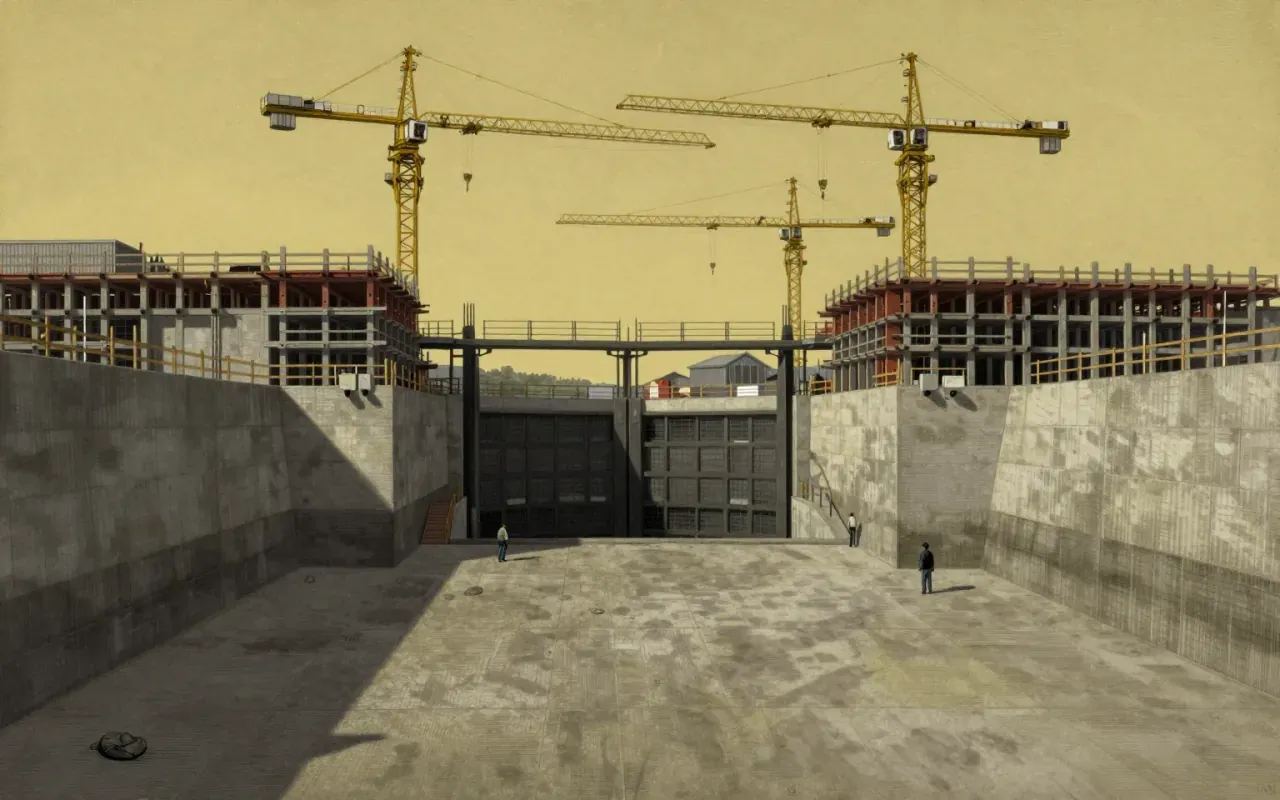
Ferdinand de Lesseps's French company began excavating a sea-level canal across Panama in 1881, a project that collapsed in bankruptcy in 1889 after roughly 22,000 deaths from disease and an underestimation of the terrain's difficulty. The United States acquired the French assets, engineered Panama's 1903 secession from Colombia to secure treaty rights, and completed a lock-and-lake canal in 1914 after further improving disease control, before transferring full sovereignty to Panama in 1999.
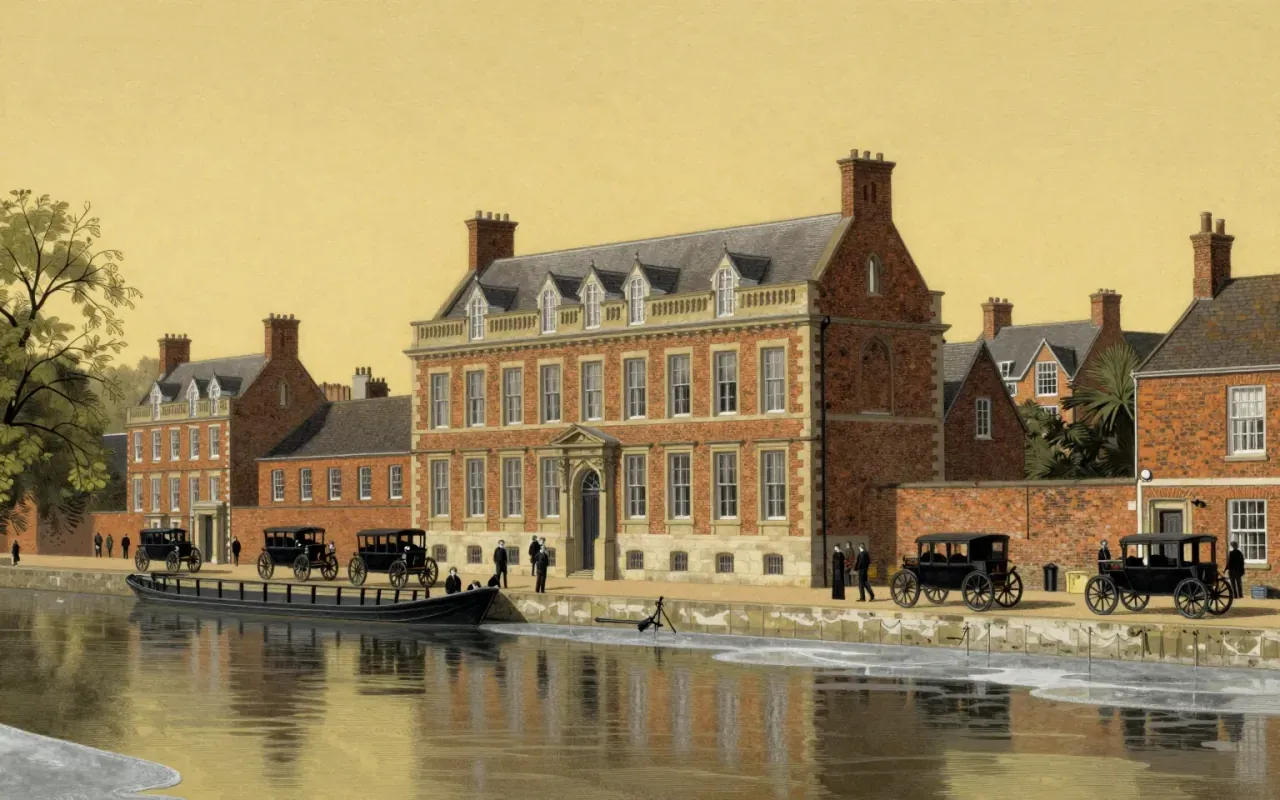
Twenty separate treaties, negotiated at Utrecht between 1712 and 1715, ended the War of the Spanish Succession by confirming Philip V as Spain's king while barring any future union of the French and Spanish crowns. Britain emerged with Gibraltar, Minorca, Canadian territory and a lucrative slave-trading monopoly, cementing its naval and commercial rise even as historian Brendan Simms has argued the settlement addressed France's past threat rather than the Spanish Mediterranean ambitions that would trouble Europe next.
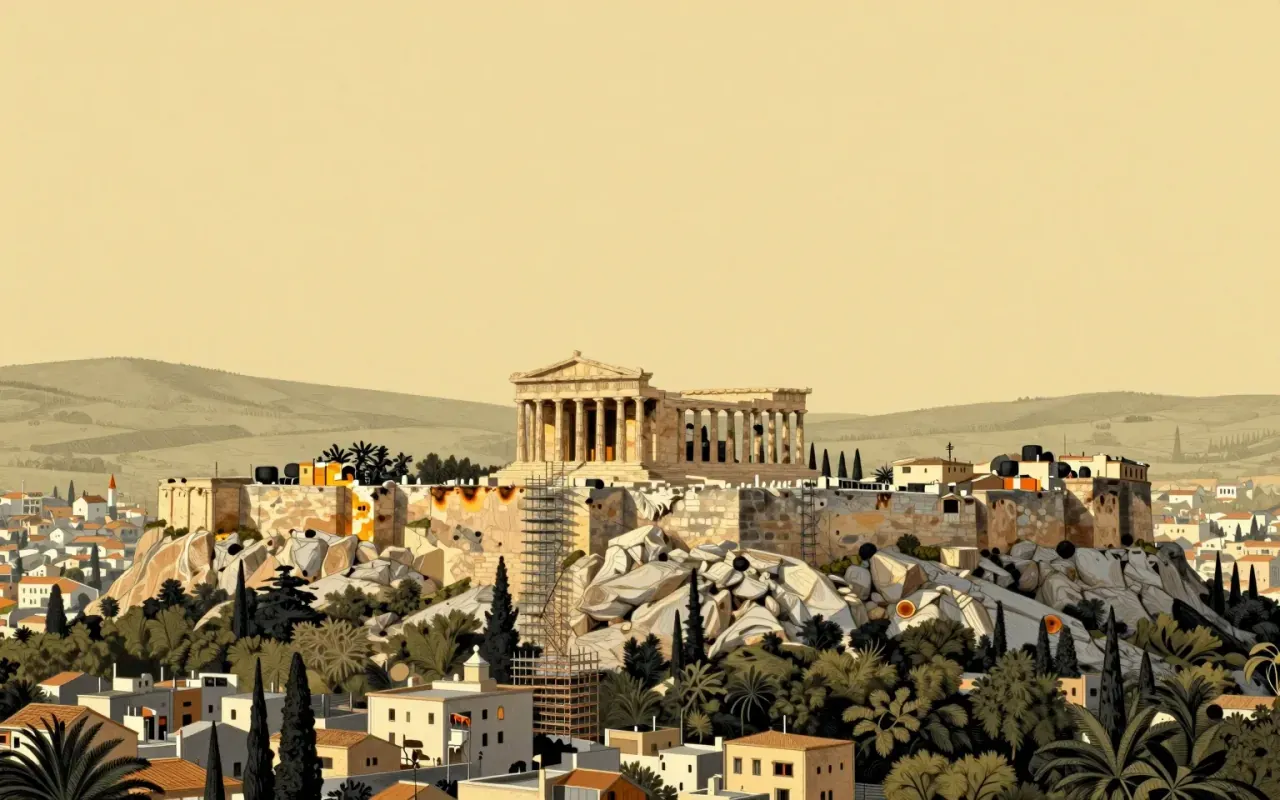
Between 499 and 449 BC, a coalition of Greek city-states resisted repeated Persian campaigns, from the burning of Sardis through the stands at Marathon, Thermopylae and Salamis to the eventual Persian withdrawal. Almost everything known about it comes from Herodotus, writing two generations later, whose troop figures modern historians treat with open scepticism even as they largely accept his outline of events.

Rome and Carthage fought three wars between 264 and 146 BC, moving from a dispute over Sicily through Hannibal's invasion of Italy to the final siege and total destruction of Carthage itself. The whole surviving record comes from Greek and Roman writers, chiefly Polybius and Livy, since no Carthaginian account of any of the three wars has survived.
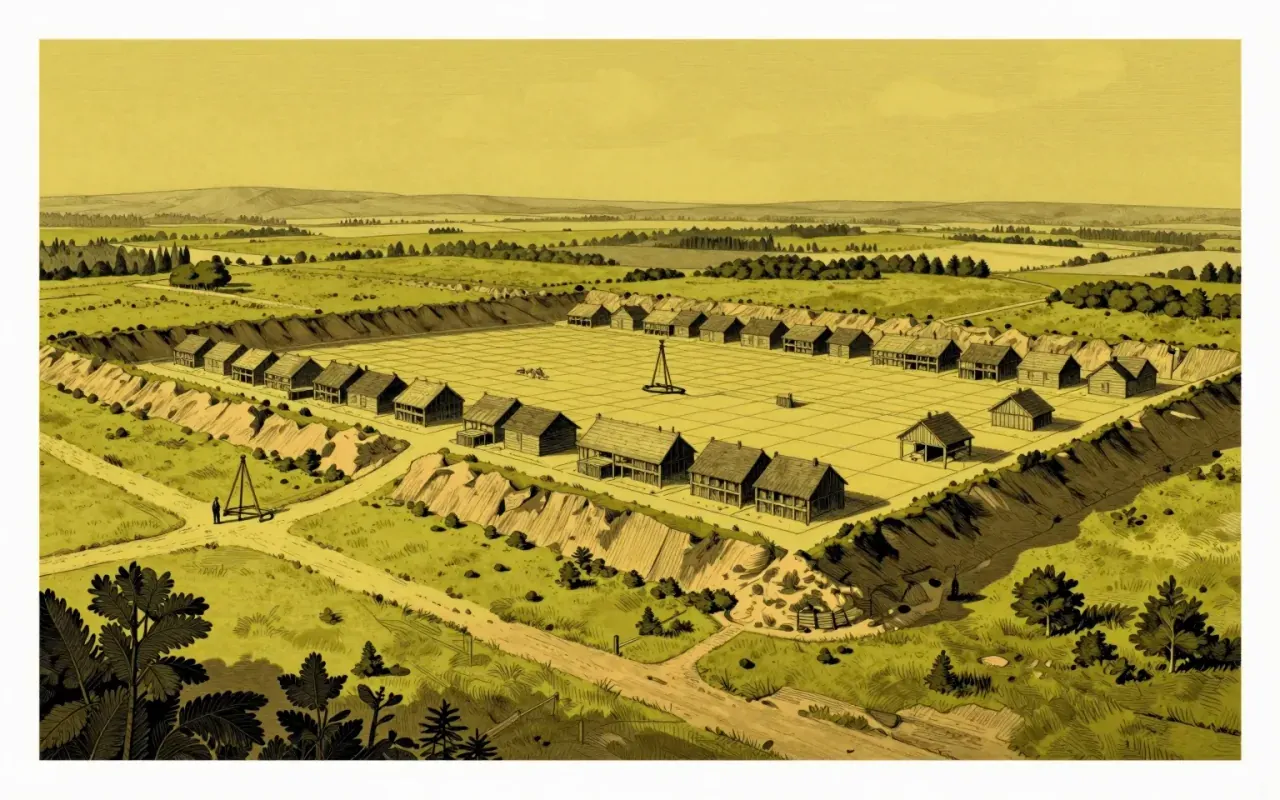
Between the traditional founding date of 753 BC and the completion of Roman rule over the Italian peninsula by the third century BC, Rome expanded from a small Latin settlement into the dominant power in Italy through a sequence of wars against the Latins, Samnites and Greek colonies in the south. The literary record for the earliest centuries, chiefly Livy, is now generally regarded by historians as unreliable in its detail and partly legendary, growing steadily more trustworthy from the fourth century BC onward.
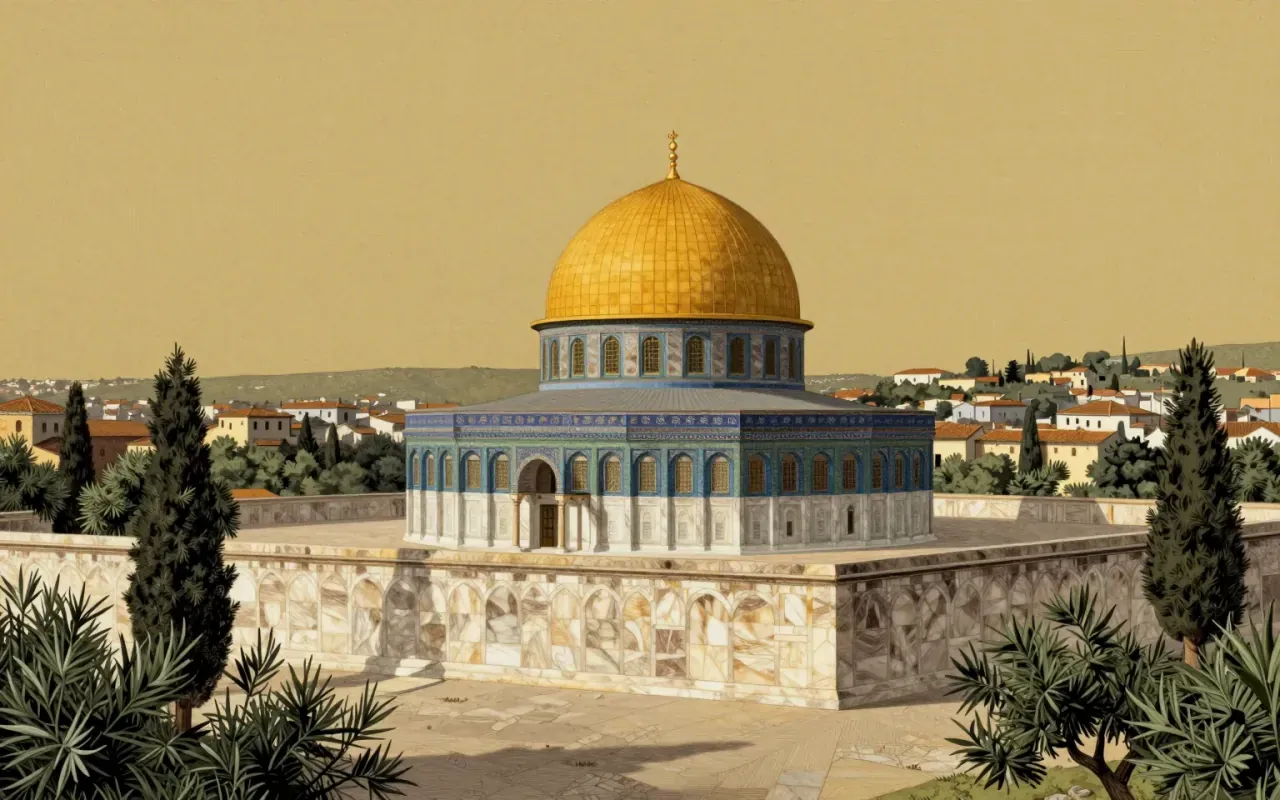
After Ali's assassination ended years of civil war in 661, the Syrian governor Muawiya secured the caliphate through political patience and a well-organised private army rather than religious authority, then broke precedent by nominating his own son as hereditary successor. Later Umayyad caliphs expanded the empire to its greatest extent before the dynasty was overthrown by the Abbasids in 750. Much of the surviving historical record was compiled under that successor dynasty, giving Muslim historiography clear incentive to emphasise Umayyad injustice over administrative achievement, a bias historians now correct using coins, inscriptions and rarer outside sources.
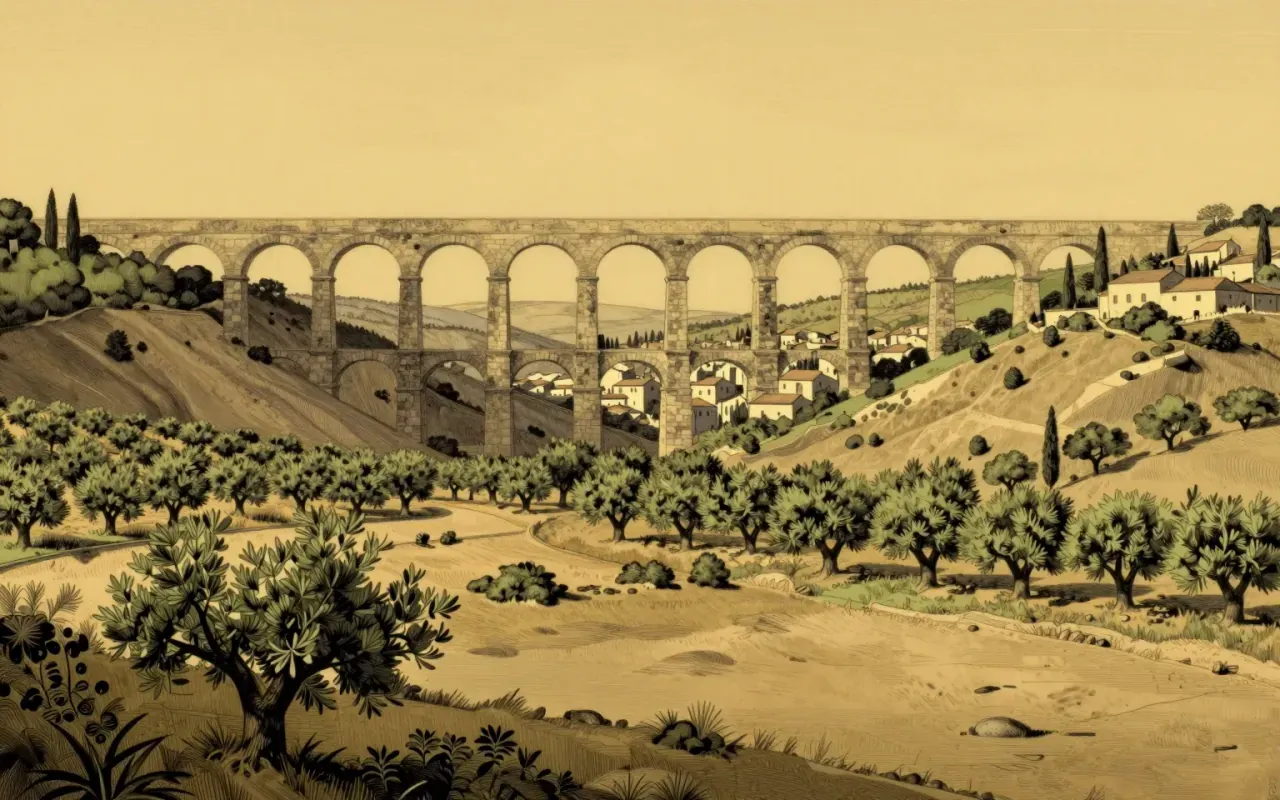
The Roman Empire began in 27 BC when the Senate granted Octavian the title Augustus, and grew to its greatest territorial extent under Trajan around 117 AD before a third-century crisis of civil war and invasion forced administrative reform under Diocletian and Constantine. It split into western and eastern halves, of which the western collapsed in 476 while the eastern, Byzantine half continued for another millennium. Historians differ over whether to treat the empire's later centuries as decline, as Edward Gibbon argued, or as gradual transformation.

After crushing Hungary's army at Mohács in 1526, Suleiman the Magnificent marched on Vienna in 1529 to extend Ottoman control over central Europe, but flooding along the Balkan approach forced him to abandon heavy artillery and pack animals well before he reached the city. His force, estimated between roughly seventy-five thousand and a hundred thousand men at the walls, besieged a garrison of some seventeen to twenty-one thousand defenders under Nicholas, Count of Salm, for about two and a half weeks in September and October before supply shortages, disease, and a failed final assault forced a retreat. The failure marked the effective limit of Ottoman expansion into central Europe and opened a century and a half of recurring conflict with the Habsburgs.

The Spanish-American War ran from April to August 1898, triggered by the unexplained sinking of the USS Maine in Havana harbour in February that year and fought over Spain's brutal suppression of Cuban independence movements. American victories at Manila Bay and Santiago de Cuba, alongside far heavier losses to disease than to combat, forced Spain to sue for peace, and the resulting Treaty of Paris transferred Puerto Rico, Guam and the Philippines to the United States for a payment of twenty million dollars while granting Cuba nominal independence, a settlement that made the United States an overseas imperial power and that historians still debate as either a humanitarian intervention or a calculated act of expansion dressed in moral language.
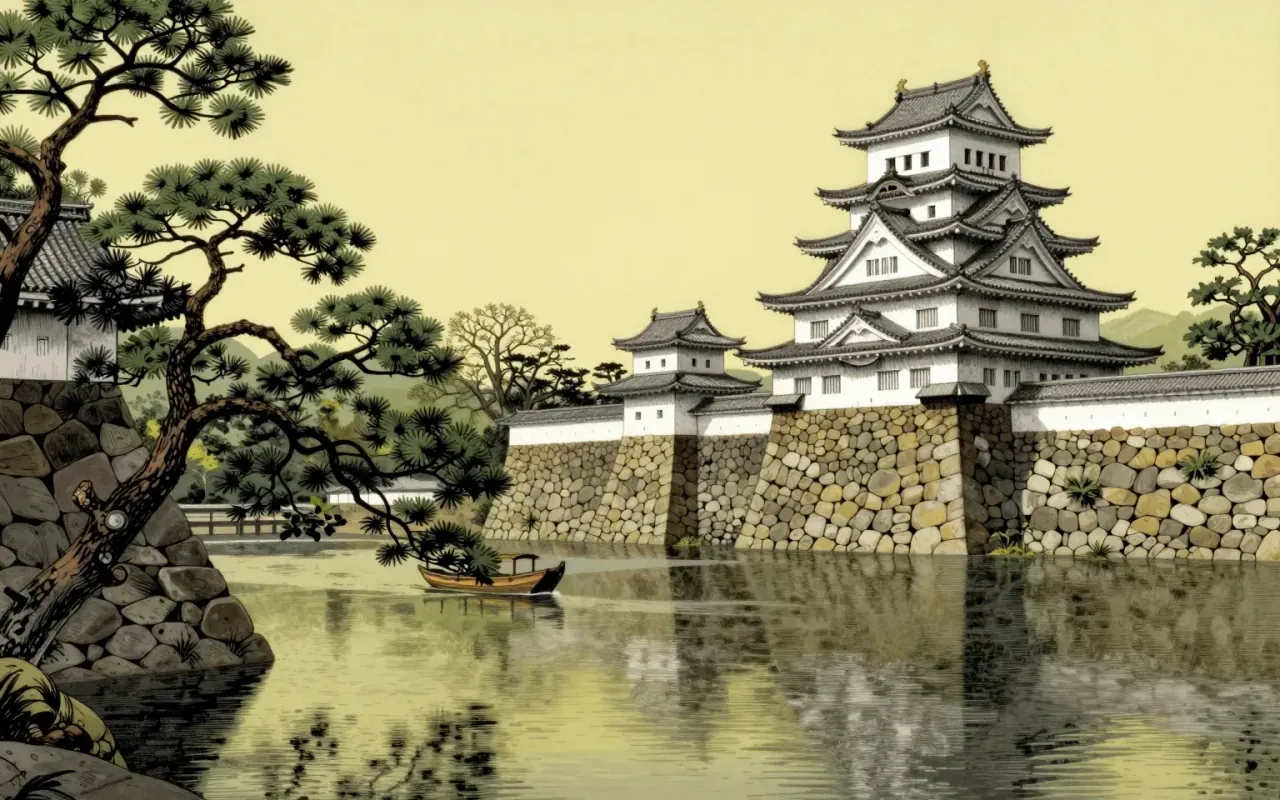
Established by Tokugawa Ieyasu after his 1600 victory at Sekigahara and formalised when he took the title of shogun in 1603, the Tokugawa shogunate governed Japan for over two and a half centuries through a system dividing power between the shogunate in Edo and roughly 270 regional domains, enforced by hostage-style residence requirements on local lords and a strict limitation on foreign contact. The shogunate ended in 1868 when the fifteenth shogun resigned amid the Meiji Restoration, following decades of internal strain and mounting foreign pressure.
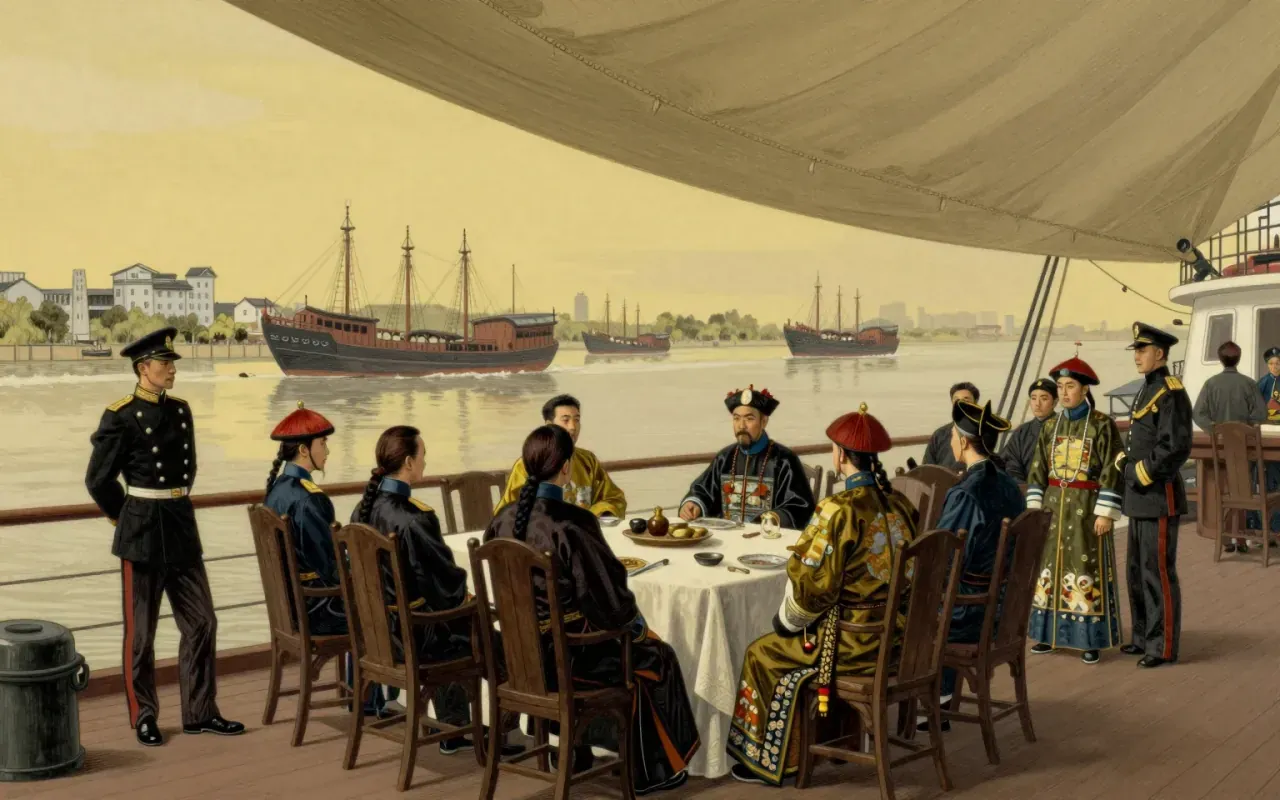
Signed aboard a British warship off Nanjing in August 1842, the treaty that ended the First Opium War opened five Chinese ports to British trade, ceded Hong Kong Island, and imposed an indemnity covering confiscated opium, ransom and war costs. Its one-sided terms followed directly from Britain's military advantage rather than negotiation. Only later did Chinese nationalists label it an unequal treaty and the opening of a century of humiliation, a framing quite different from the Qing court's muted contemporary response.
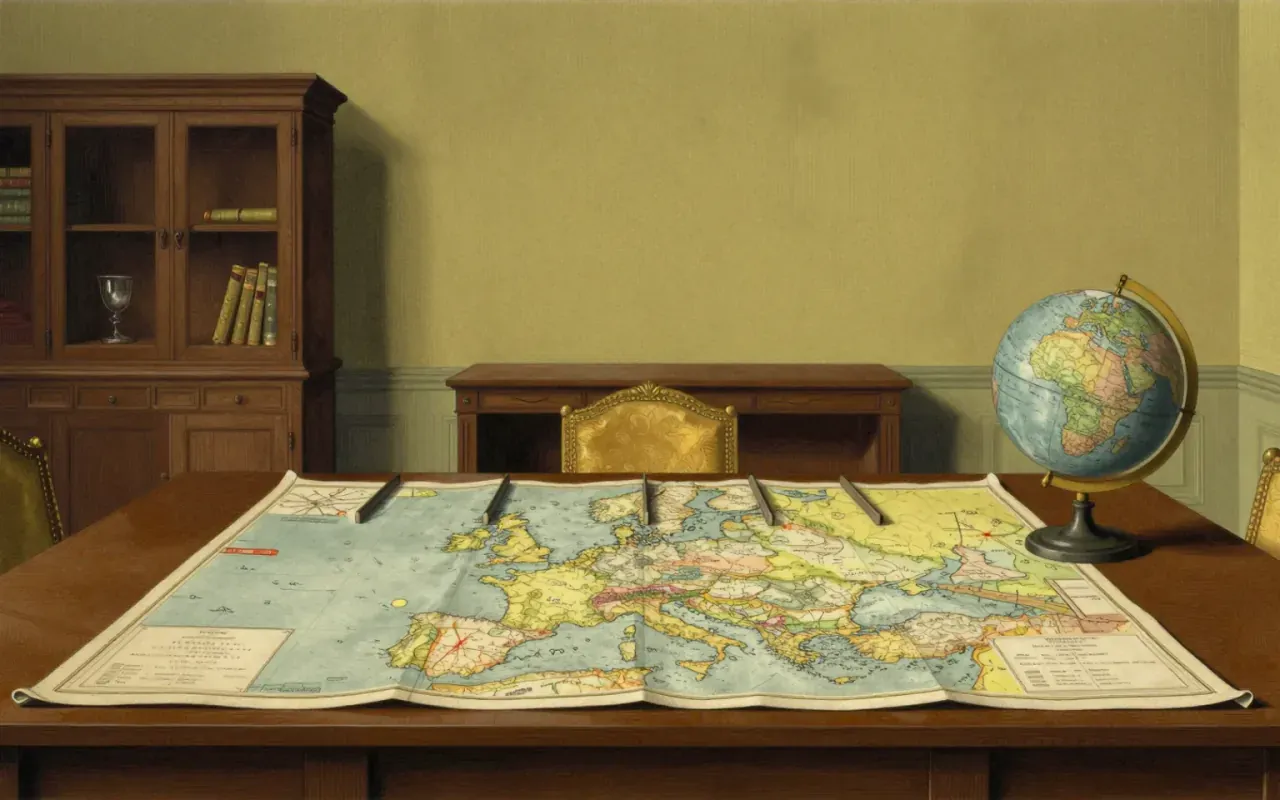
Signed on 10 February 1763 in Paris, the treaty ended the Seven Years' War among Britain, France, Spain and Portugal after a conflict that historians estimate killed well over half a million soldiers across Europe. France ceded Canada and its territory east of the Mississippi to Britain and transferred Louisiana west of the river to Spain, while Spain gave Florida to Britain in exchange for the return of Havana and Manila, redrawing the map of North America and beginning what the treaty's own terms describe as an era of British dominance beyond Europe.
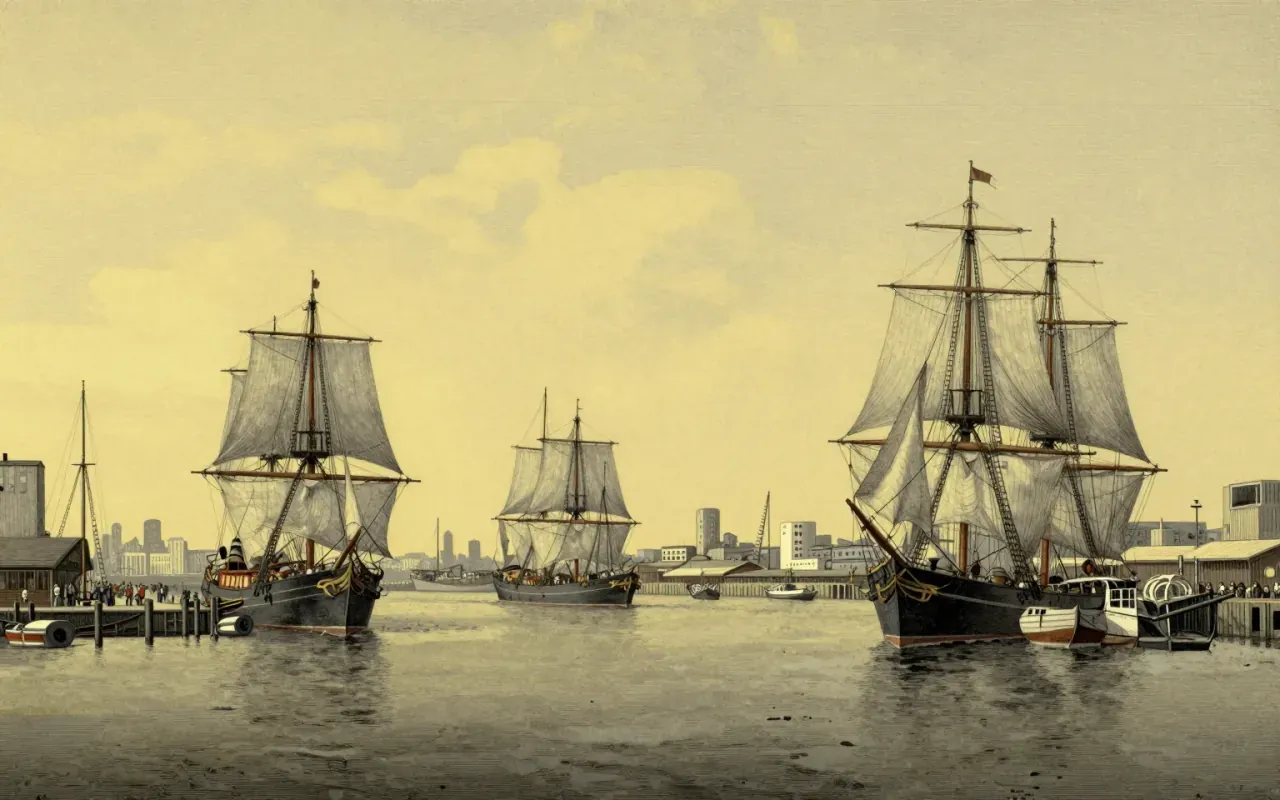
Signed on 3 September 1783 at the Hotel d'York in Paris, the treaty ended the American Revolutionary War, with Britain recognising the thirteen colonies as free and independent states after American negotiators Benjamin Franklin, John Jay, John Adams and Henry Laurens reached terms with British representative David Hartley. It set boundaries running to the Mississippi River, granted American fishing rights off Newfoundland, and included unenforceable promises on debts and loyalist property that left disputes simmering for years, some not resolved until the Jay Treaty of 1794.
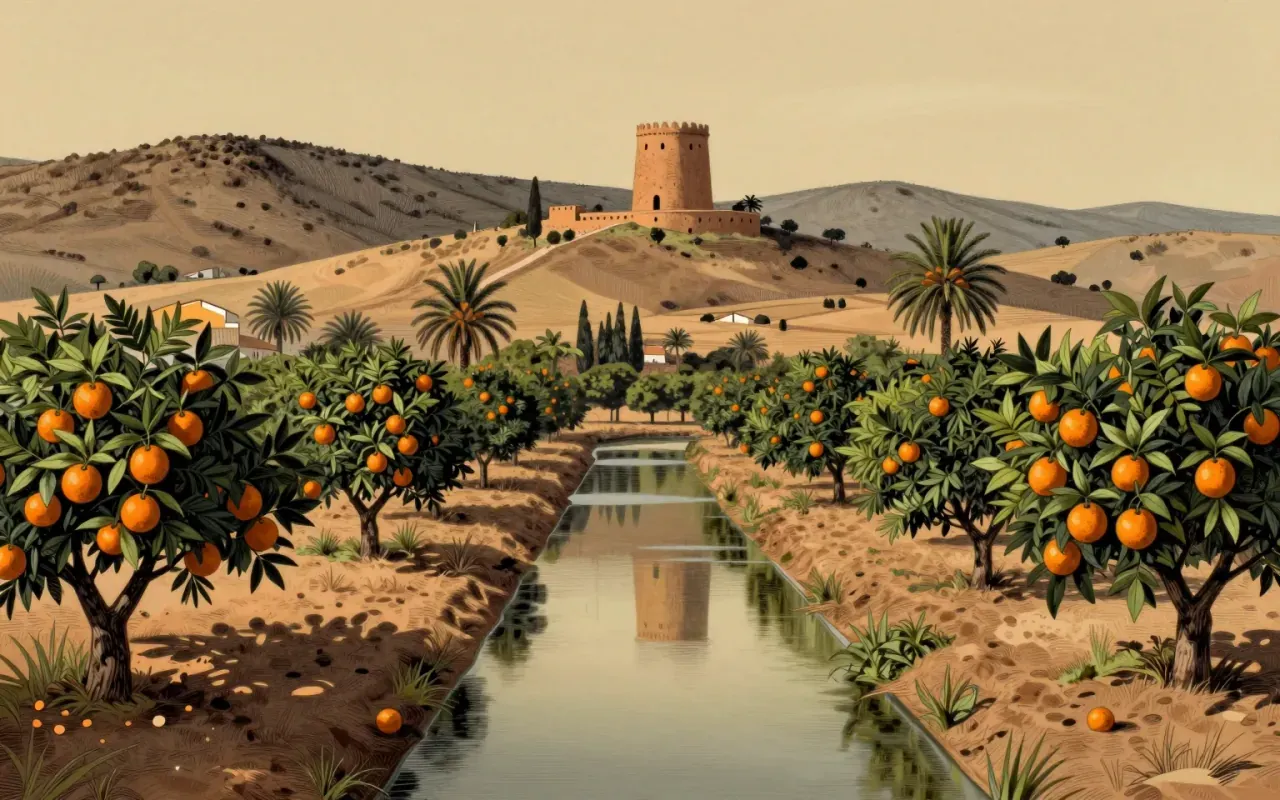
Beginning in 711, a small Muslim force crossed into Iberia, defeated and killed the Visigothic king Roderic, and within a few years had overrun most of the peninsula, aided by how fragile and contested Visigothic rule already was. No contemporary account survives from either side, and much of the conquest's famous detail, including the story of Count Julian's betrayal, is now regarded by historians as later legend rather than established fact. Muslim rule persisted in some form for nearly eight centuries, ending only with Granada's fall in 1492.
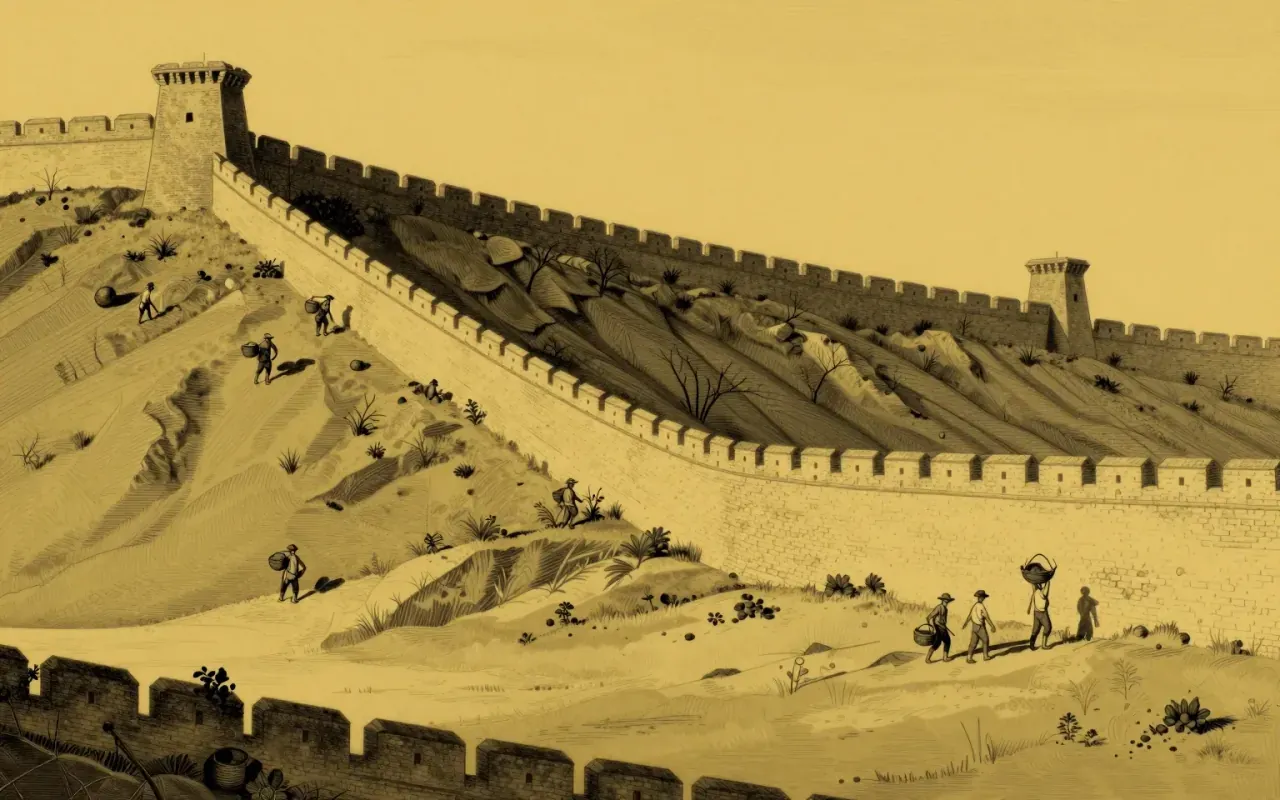
Between 230 and 221 BC, the state of Qin under the future First Emperor conquered the six remaining Warring States of ancient China in succession, Han, Zhao, Wei, Yan, Chu and Qi, using a strategy of allying with distant states while attacking nearby ones, guided by advisors including Li Si and the general Wang Jian. The campaign culminated in China's first unified empire under a single ruler, but the ancient sources reporting individual battle casualties in the hundreds of thousands, including the flooding of Wei's capital and fighting near Zhao, carry no independent corroboration, leaving historians to treat the conquest's scale as more reliably established than its specific, often dramatic death tolls.
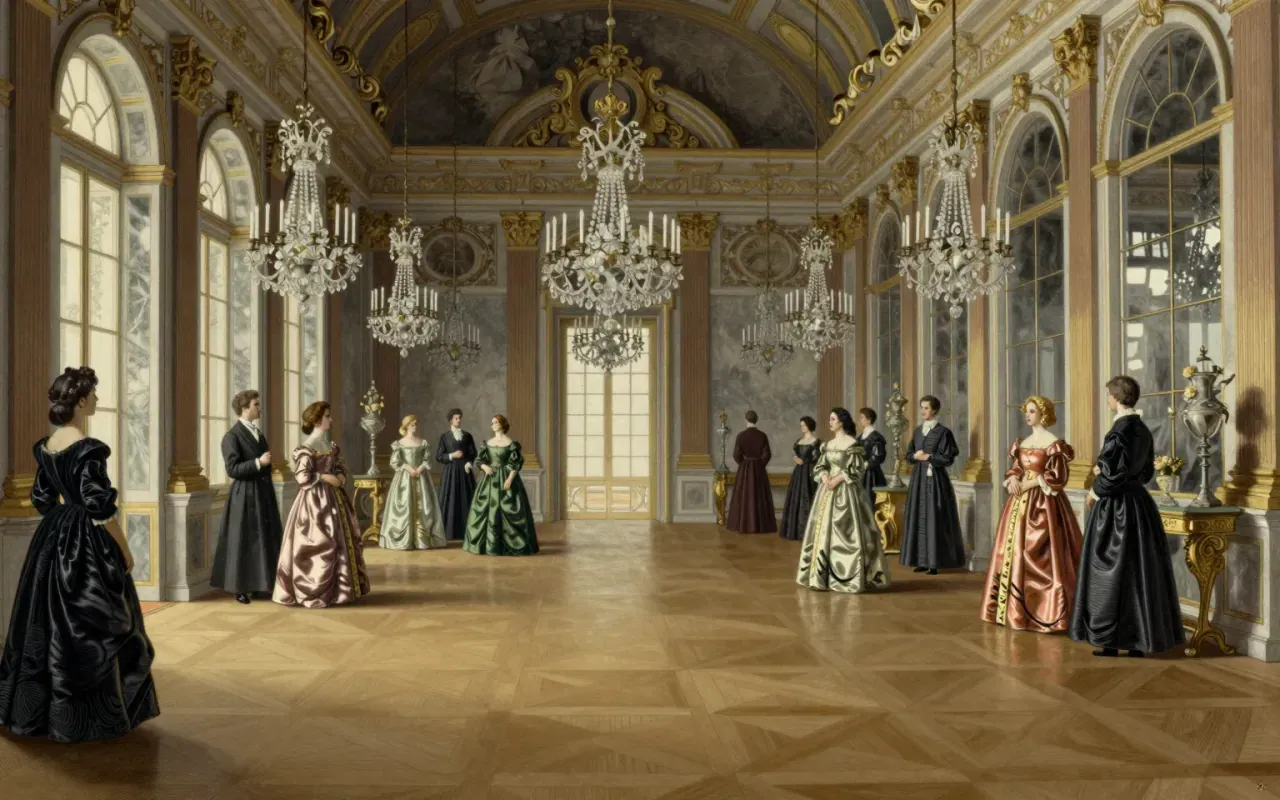
The War of the Austrian Succession began in 1740 when Prussia invaded Silesia within days of Maria Theresa's contested inheritance of the Habsburg lands, drawing in most of Europe's major powers across theatres on four continents. The 1748 peace confirmed Maria Theresa's succession but cost her Silesia permanently, a settlement so resented in Vienna that it triggered a full realignment of European alliances and directly set up the Seven Years' War less than a decade later.

Thutmose III spent twenty-two years as junior partner to his stepmother Hatshepsut before assuming sole rule and launching a sustained run of military campaigns that brought Egypt to its greatest territorial extent, recorded in annals he had inscribed at Karnak. Long attributed to personal resentment, the later defacing of Hatshepsut's monuments has been redated by modern scholars to decades after his own death's approach, pointing instead to a succession strategy pursued under his son. His reign is unusually well checked against independent inscriptions and his own recovered mummy, letting historians separate genuine achievement from official propaganda.

Venice's founding legend puts a precise date, noon on 25 March 421, on a process that in fact unfolded over generations, as people from Roman towns on the mainland retreated into the lagoon ahead of successive invasions. What followed was thirteen centuries of maritime power built on trade with Byzantium and the eastern Mediterranean, a republic that ended when Napoleon took the city in 1797, and a modern afterlife defined by tourism, subsidence, and a flood barrier still not finished decades after it was meant to be.

Winston Churchill spent the 1930s as a marginalised backbencher warning about German rearmament before becoming prime minister in May 1940 and leading Britain through the war largely alone against Hitler until the Soviet Union and the United States joined. British voters rejected him at the ballot box within months of victory in 1945, and his record now carries alongside its wartime achievement a harder scrutiny of his imperialism, his recorded comments on race, and his government's response to the 1943 Bengal famine, questions historians increasingly weigh against his standing as a defender of liberal democracy.
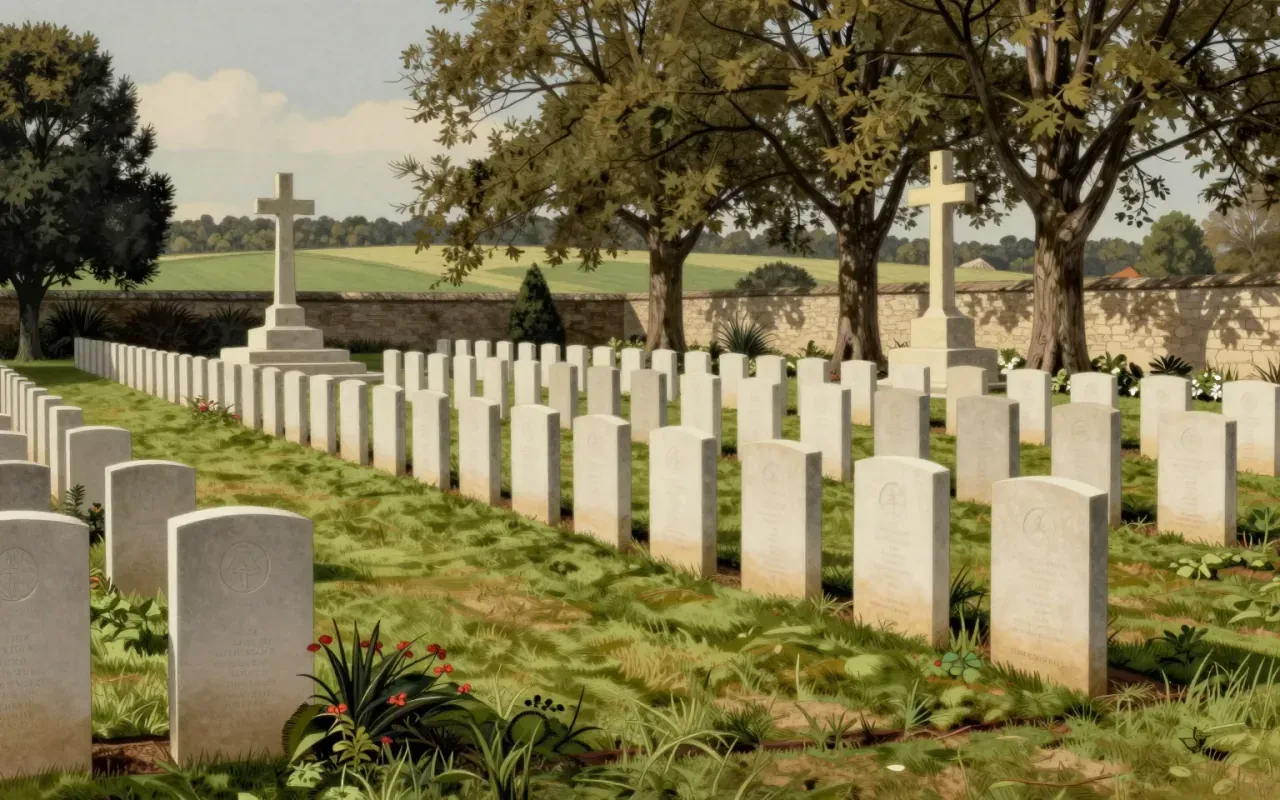
World War I ran from 28 July 1914 to 11 November 1918, triggered by the assassination of Archduke Franz Ferdinand and escalating through a web of alliances into a conflict that killed an estimated fifteen to twenty-two million people across the Western, Eastern and several peripheral fronts. It ended with the collapse of the German, Austro-Hungarian, Ottoman and Russian empires and a peace settlement, centred on the Treaty of Versailles, that many historians connect directly to the political conditions enabling the Second World War two decades later.