Dias proved the sea route to India existed a full decade before Vasco da Gama sailed it, and received strikingly little reward or recognition for making that more famous voyage possible.
Columbus died still insisting he had reached Asia, and the continent he crossed the Atlantic to find ended up named after a different Italian entirely.
Magellan is remembered as the man who circled the globe, but he died three-quarters of the way through the voyage, and it was his subordinate Elcano who actually sailed the last ship home.
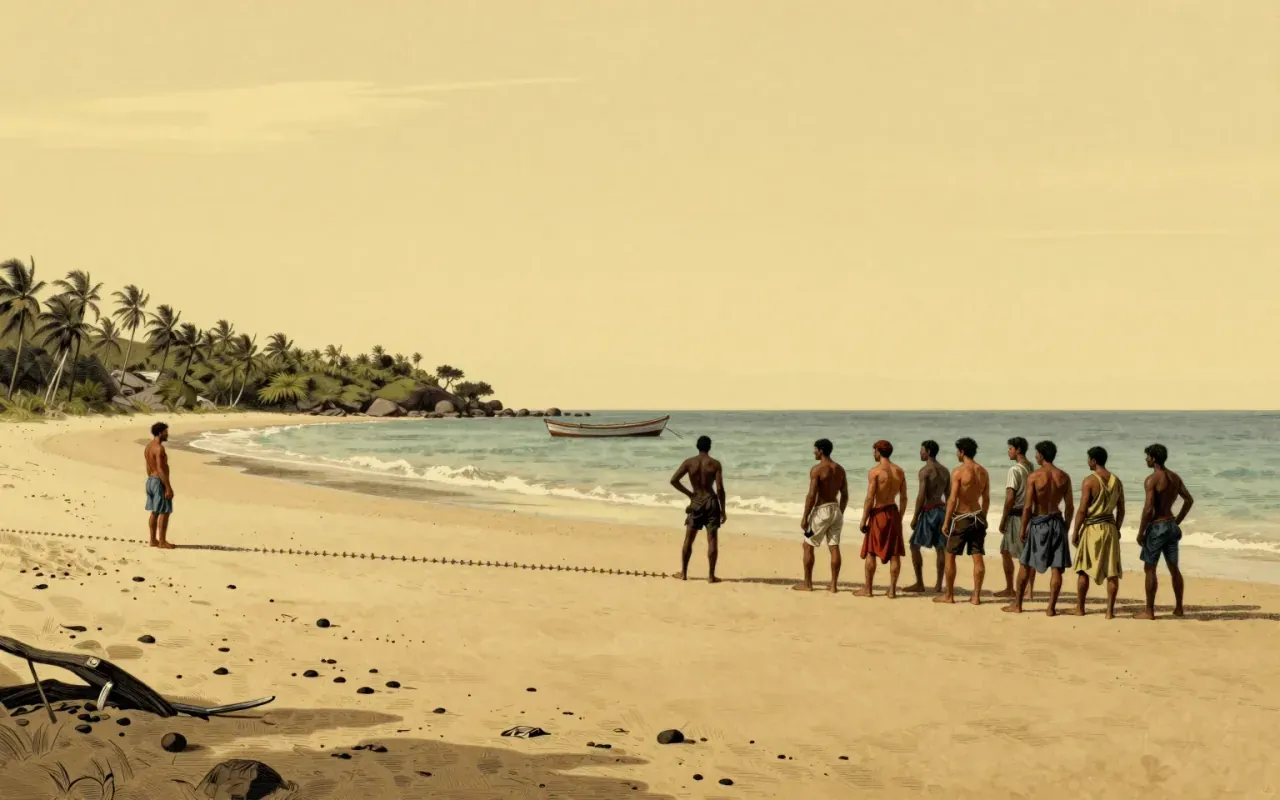
Even his own bones were misidentified for nearly a century, and his most famous act of daring, the line drawn in the sand, rests on no independent confirmation at all.
He wrote the letters that justified his own unauthorised conquest to the king, and several of the flattering claims in them have not survived independent scrutiny.
European sailors called it an age of discovery for lands that were, in every case, already inhabited, and historians now argue the word itself was doing political work.
Only one of the five ships that set out made it all the way around the world, and only eighteen of roughly two hundred and seventy men were aboard it when it finally arrived.
William Clark's enslaved manservant York walked and paddled the same 8,000 miles as everyone else on the expedition, even got a vote on where to camp, and came home to the one reward none of his companions received: continued bondage.
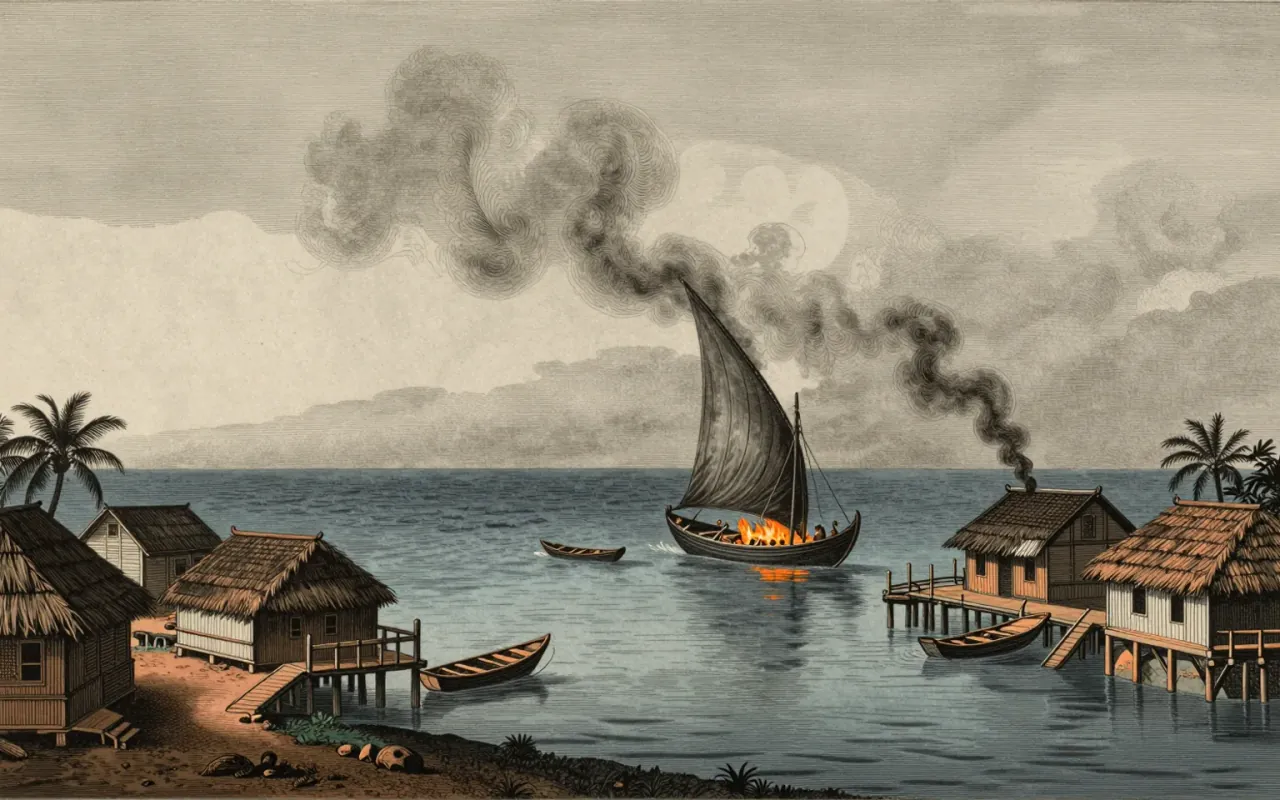
Multiple independent chroniclers, not just a single hostile source, describe da Gama burning a ship of pilgrims and mutilating a captured messenger, which leaves little room to treat these as later exaggeration.
The claim that Zheng He's largest ships stretched over 400 feet traces to a 1597 novel that has the vessels built with help from an immortal carpenter god, and archaeological digs at the actual shipyard suggest something closer to half that length.