From Lisbon to Calicut and back
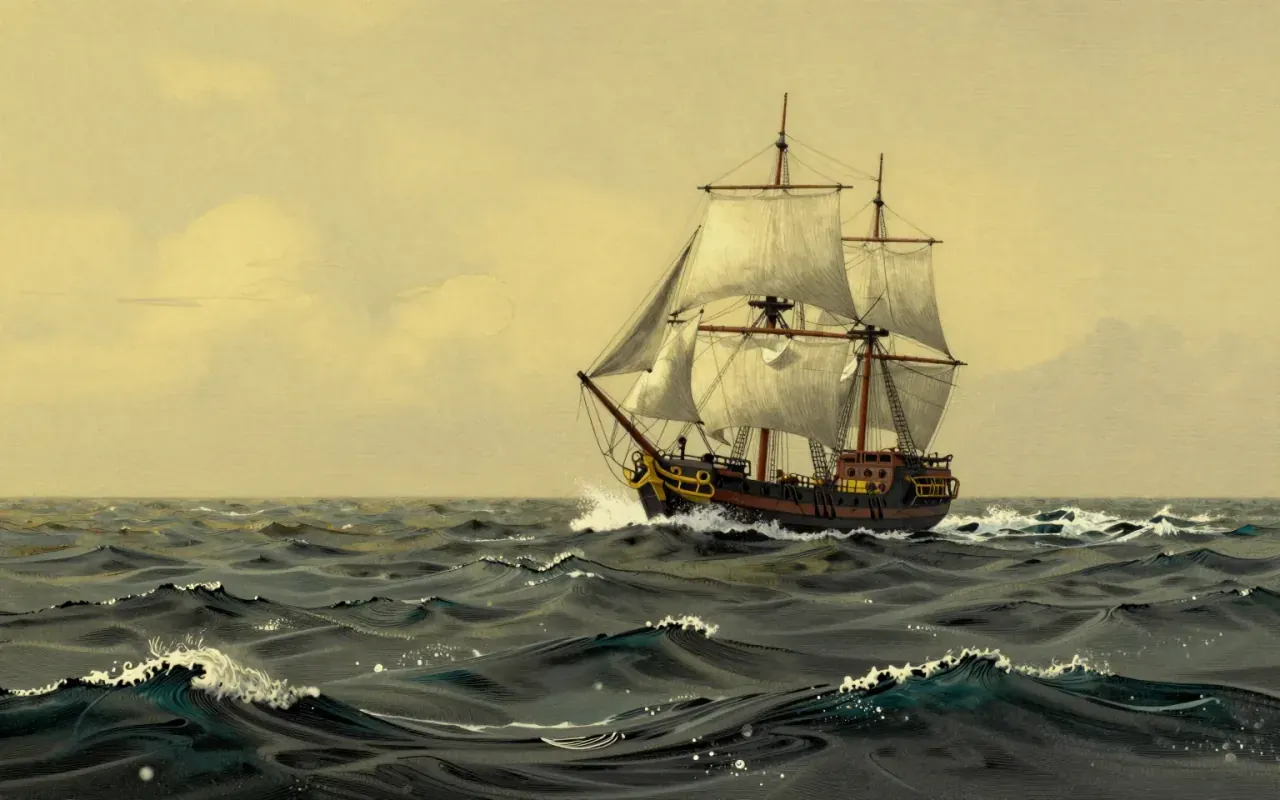
Vasco da Gama was born around 1460 to a Portuguese military family connected to a crusading religious order, and in 1497 King Manuel I chose him to lead a fleet meant to prove that the sea route to India, opened up years earlier by Bartolomeu Dias’s rounding of Africa, could actually be completed. His fleet left Lisbon that July, reached Calicut on India’s coast in May 1498, and returned the following year having lost more than half its crew but having demonstrated that direct trade with India by sea was possible. Da Gama led a second, far larger and more heavily armed fleet to India in 1502, and in 1524 King John III appointed him viceroy of Portuguese India, only the second person to hold the post, but he died of illness in Cochin three months after arriving, that Christmas Eve.
Documented by chroniclers, not by legend
Da Gama’s own account of the first voyage, along with chronicles written afterward by men including Gaspar Correia, forms the core of what is known about his conduct in India, supplemented by letters from King Manuel and merchant correspondents reacting to the news of his return. Modern historians have quietly discarded some of the more colourful details that circulated in older accounts, including a story that a famous Arab pilot personally guided him across the Indian Ocean, a claim now considered implausible given that the pilot in question would have been in his late seventies at the time. The more violent episodes of his career, particularly during his second voyage, are documented by multiple contemporary chroniclers rather than resting on a single account, which leaves relatively little room to doubt that they occurred.
Dominance built on calculated brutality
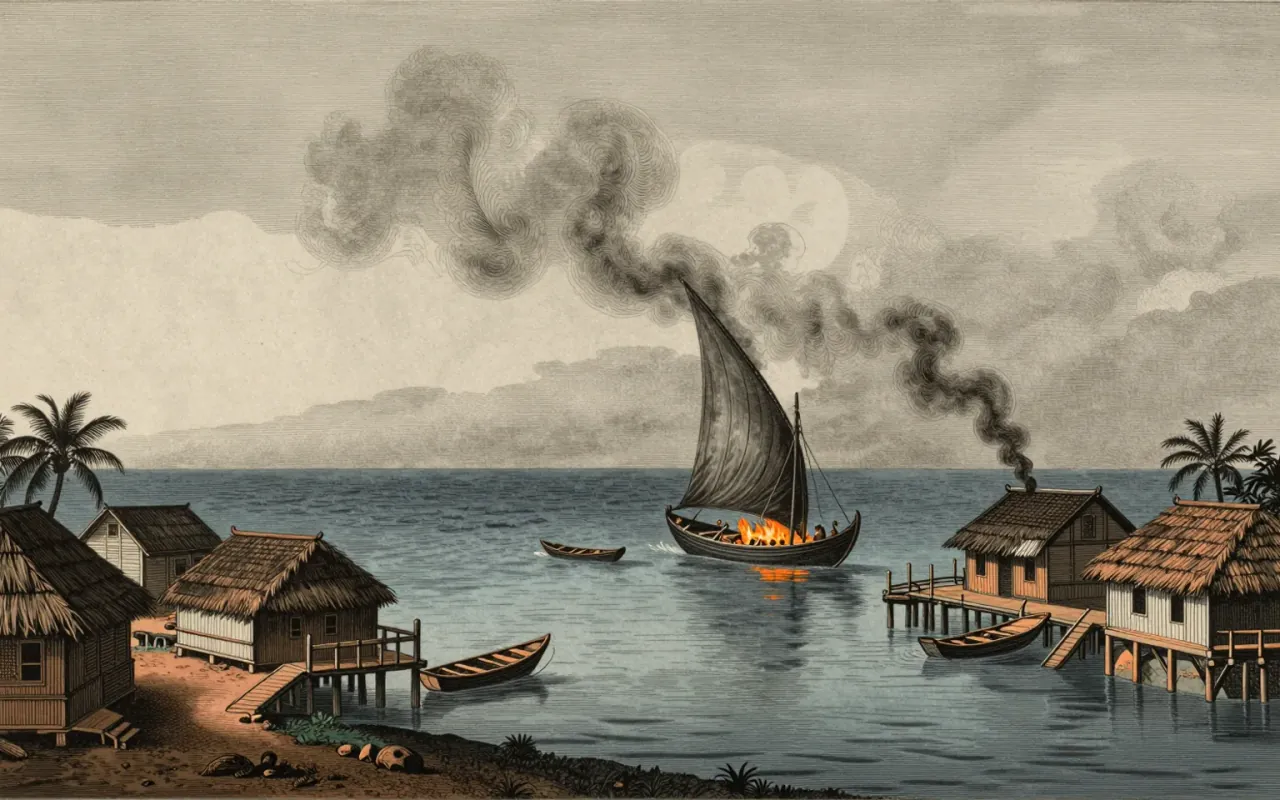
King John II had wanted a navigator who could connect Dias’s proof that Africa could be rounded with intelligence gathered separately by agents scouting the Indian Ocean overland, and da Gama’s family connections and prior naval experience made him a suitable choice once Manuel I inherited the project. His methods in India combined negotiation with deliberate, calculated violence: at Mozambique he opened fire on the town after a suspicious reception, and during his second voyage he burned a ship carrying several hundred Muslim pilgrims and, in a separate episode, ordered the mutilation of a captured messenger before sending him back to a local ruler as a warning. Da Gama treated this brutality as a tool for establishing Portuguese dominance in the spice trade and undermining existing Muslim commercial networks in the Indian Ocean rather than as an occasional excess.
A reputation not seriously disputed, only weighed
Historians generally do not dispute that these violent episodes took place, since they are described consistently across multiple contemporary chroniclers, but they do debate how far such conduct reflected ordinary practice among European and other traders and rulers of the period as against genuinely exceptional brutality even by the standards of the time. Da Gama’s own burial location became a minor historical puzzle in its own right: an 1880 transfer of what were believed to be his remains to a monastery in Lisbon was later found, following further investigation in 1884, to have moved the wrong skeleton, and competing claims about where he actually lay persisted for years afterward. Popular legends surrounding his navigational skill, including claims about specific astronomers who supposedly trained him, are also now treated by historians as later embellishment rather than established fact.
A national hero with a complicated afterlife
Da Gama’s voyage gave Portugal a direct maritime route to Indian markets that bypassed existing Arab and Venetian intermediaries, and the trading and colonial network built on that route over subsequent decades became a central part of the Portuguese overseas empire. He became a celebrated figure in Portuguese national memory, most notably as the central subject of the national epic poem written by Luis de Camoes decades after his death, and his name has since been attached to bridges, ships, a lunar crater and a town in Goa among many other things. His historical reputation has grown more complicated in recent decades, though, as postcolonial scholarship and popular culture, including a 2015 Indian film, have foregrounded the violent episodes of his career alongside the navigational achievement itself.
Achievement and atrocity in the same record
Da Gama is worth attention for how thoroughly his reputation combines a genuine feat of navigation with conduct in India that historians no longer treat as a footnote to that achievement, since multiple independent contemporary accounts describe it in specific and disturbing detail. Readers interested in the mechanics of early Portuguese expansion into the Indian Ocean, including its commercial logic and its violence, will find the material genuinely substantial to work through. Readers looking for a simple story of heroic discovery, without the burned ships and mutilated messengers that accompanied his second voyage in particular, should expect the record to complicate that picture considerably.