historybriefs
Topic

Portugal

The first global empire, run from the smallest capital that ever managed one.

8
in history
13:00
average
104 min
in total
18
across the network
Portugal across the network →
All briefs8
13:00

Bartolomeu Dias

1450–1500

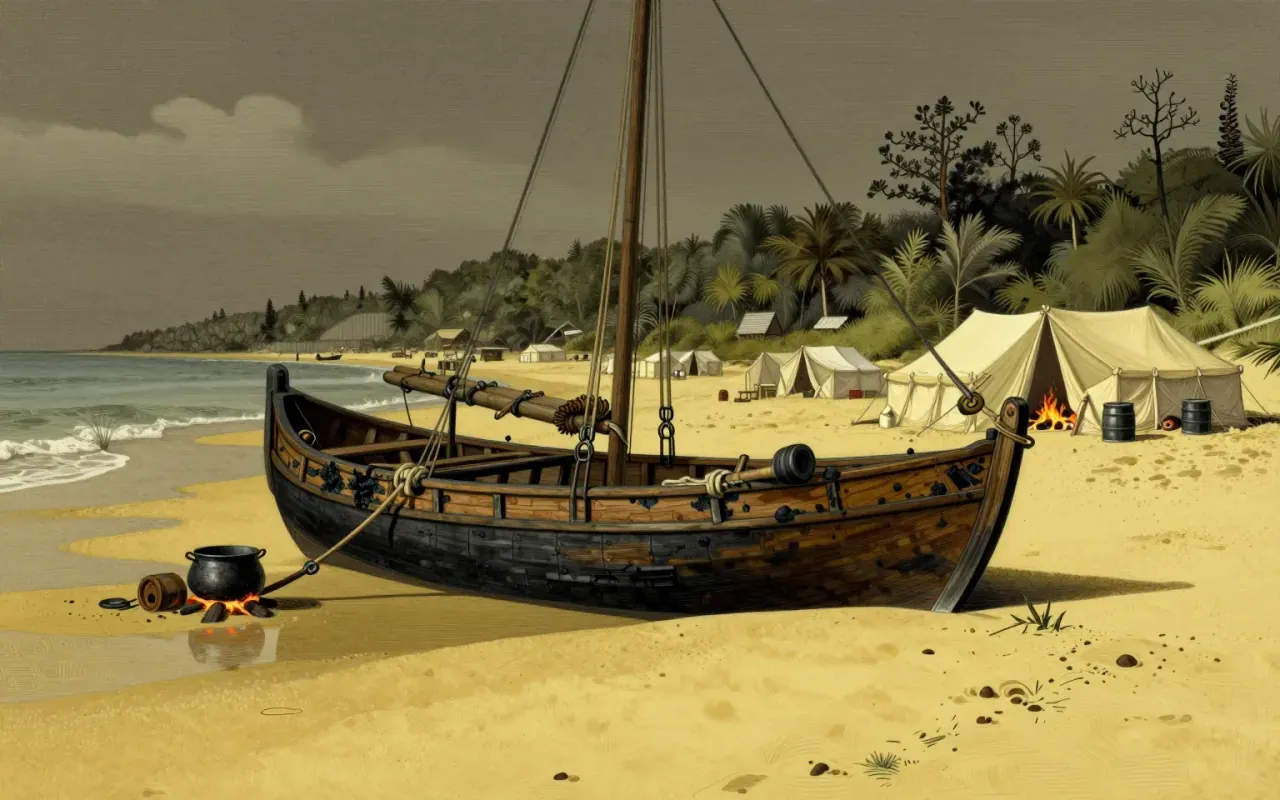
Bartolomeu Dias rounded the southern tip of Africa in 1488, proving for the first time that a sea passage to the Indian Ocean existed, a discovery that directly enabled Vasco da Gama's more celebrated voyage to India a decade later. Almost no contemporary record of his voyage survives, since Portugal's maritime archives were destroyed in the 1755 Lisbon earthquake, leaving historians to rely on an account written some sixty years after the fact.
13:00

Ferdinand Magellan

1480–1521

Ferdinand Magellan proposed a westward route to the Spice Islands, secured Spanish backing after falling out of favour in his native Portugal, and led an expedition that found a passage through South America and crossed the Pacific before his death in the Philippines in 1521. The voyage's completion, and the fuller credit for its most reliable record, belong respectively to his subordinate Juan Sebastian Elcano and to the crew member Antonio Pigafetta rather than to Magellan alone.

13:00

1755 Lisbon earthquake

1 November 1755

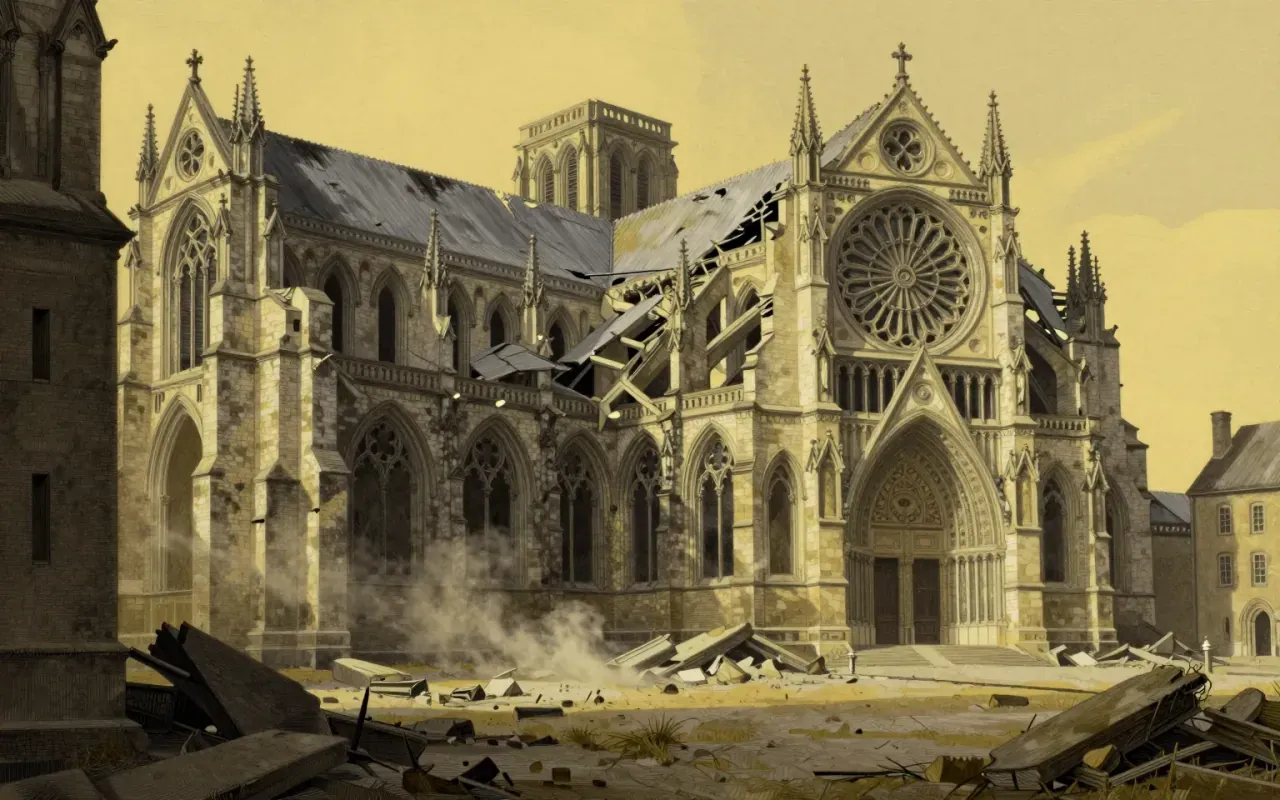
The earthquake that struck Lisbon on the morning of 1 November 1755 is estimated at magnitude 7.7 or higher, destroyed some eighty-five percent of the city's buildings, and was followed by a tsunami and fires that together killed an estimated forty to fifty thousand people across Portugal and Morocco. The disaster shook European intellectual life as much as it shook Lisbon itself, prompting Voltaire's attack on optimistic philosophy in Candide and Immanuel Kant's attempts to explain earthquakes through natural rather than divine causes. The chief minister, the future Marquis of Pombal, organised relief, rebuilt the city centre with some of Europe's earliest earthquake-resistant construction, and commissioned a nationwide survey of the disaster's effects that later became a foundational document for modern seismology.

13:00

Mozambican War of Independence

1964–1974

FRELIMO launched an armed insurgency against Portuguese colonial rule in Mozambique in September 1964, sustaining a decade-long guerrilla campaign that Portugal's military never decisively defeated despite escalating troop deployments. The war ended not through military resolution but through Portugal's 1974 Carnation Revolution, itself partly fuelled by soldiers' discontent over the colonial wars, leading to a negotiated ceasefire and Mozambican independence in June 1975 under FRELIMO's Marxist-Leninist government.

13:00

Carnation Revolution

25 April 1974

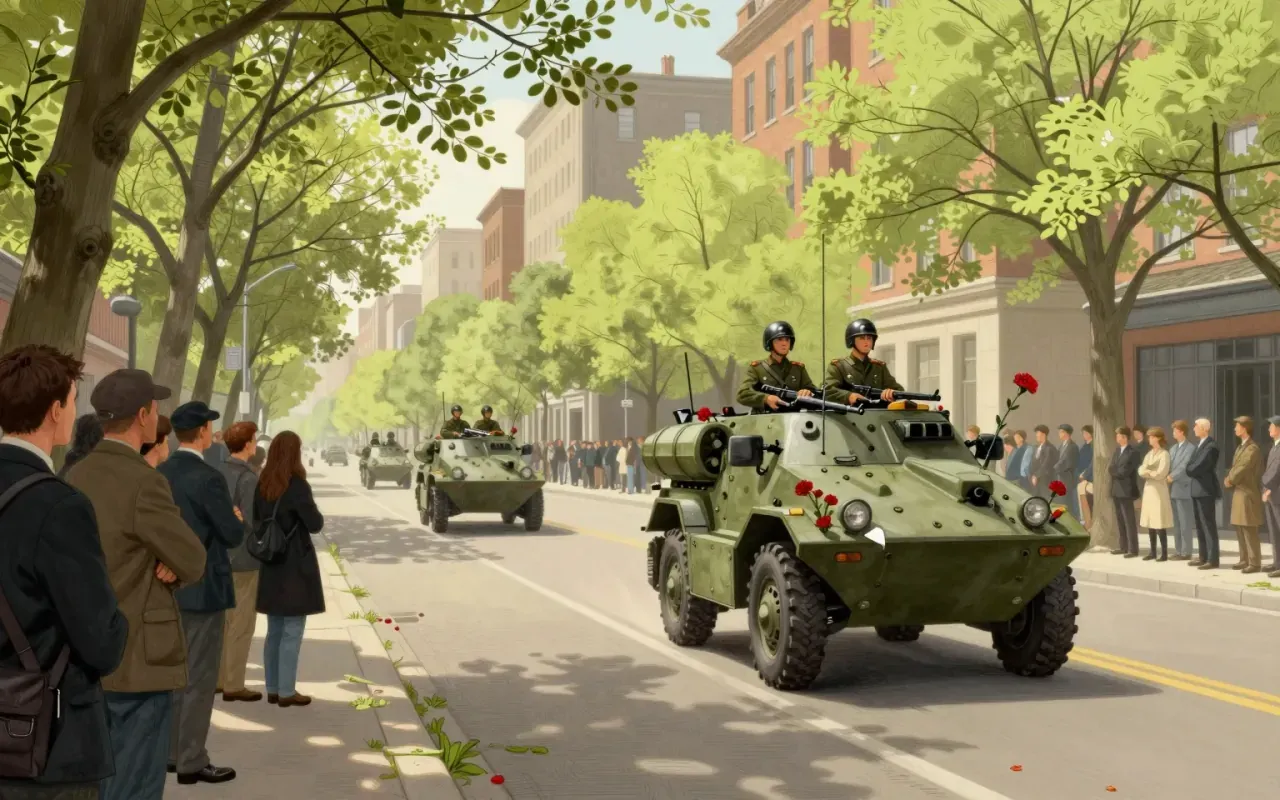
On 25 April 1974, junior military officers in the Armed Forces Movement seized key positions across Lisbon, ending the Estado Novo regime that Antonio Salazar and then Marcelo Caetano had run since 1933. The operation, planned as a military coup against an unsustainable colonial war in Africa, was joined by unexpected crowds who placed carnations in soldiers' rifles, giving the revolution its name, and it triggered the rapid independence of Portugal's African colonies and the return of more than a million Portuguese settlers within two years.

13:00

Treaty of Tordesillas

June 1494

Signed in 1494, the Treaty of Tordesillas divided newly encountered lands between Spain and Portugal along an imprecisely defined line west of the Cape Verde islands, a Portuguese diplomatic win that secured its route to India and a share of the South Atlantic including future Brazil. Other European powers rejected the treaty outright, and Spain and Portugal themselves never enforced its vague boundary with any real precision.

13:00

Portuguese discovery of the sea route to India

1498

Vasco da Gama's 1497 to 1499 voyage rounded Africa, following a route Bartolomeu Dias had already shown was navigable, to become the first known European sea passage to India, reaching Calicut in May 1498 at the cost of most of his crew to disease on the return journey. A once-standard explanation tying the voyage to the Ottoman capture of Constantinople has been undermined by later research, and the expedition itself achieved far less immediate commercial success than its later reputation suggests.

13:00

Vasco da Gama

1469–1524

Vasco da Gama led the first European sea voyage to reach India in 1497 to 1499, opening a direct trade route that bypassed existing Arab and Venetian intermediaries, then returned on a far more heavily armed second voyage in 1502 marked by deliberate, documented violence against Muslim traders and pilgrims. He died as Portuguese viceroy of India in 1524, and his legacy now sits uneasily between celebrated navigational achievement and conduct historians no longer treat as incidental.