historybriefs
all subjects →
Themes

Science & technology

24
briefs
13:00
average
312 min
in total
All briefs24
video still
13:00

Al-Biruni

A scholar who may have arrived in Ghazni as a prisoner of the sultan who conquered his homeland went on to write the most even-handed medieval account of India that survives, sponsored by the same military campaigns that made study of it possible.
video still
13:00

Al-Khwarizmi

The words algebra and algorithm both trace to one Baghdad scholar, yet almost nothing about his personal life survives beyond a bibliographer's secondhand book list.
video still
13:00

Albert Einstein

Einstein rewrote physics twice in a decade, and letters released only in 2006 show how much of his private life he kept as carefully hidden as his equations were public.
video still
13:00

Aristotle

Most of what carries Aristotle's name reached us through students and editors, not Aristotle's own hand for publication, and that fact shapes how confidently anyone can say what he actually thought.
video still
13:00

Francis Bacon

The story of Bacon dying after stuffing a chicken with snow to test refrigeration comes from a biographer known for embellishment, while his own secretary's account says only that he caught a lung ailment.
video still
13:00

Avicenna

Some of his most important writing was produced while fleeing suspicious rulers or hiding from arrest, in an unusually direct autobiography rare for a medieval scholar.
video still
13:00

Isaac Newton

Newton spent enormous private effort on alchemy that never appeared in his published work, and his own students found his lectures so unengaging that he reportedly cut them short whenever no one showed up.
video still
13:00

Johannes Gutenberg

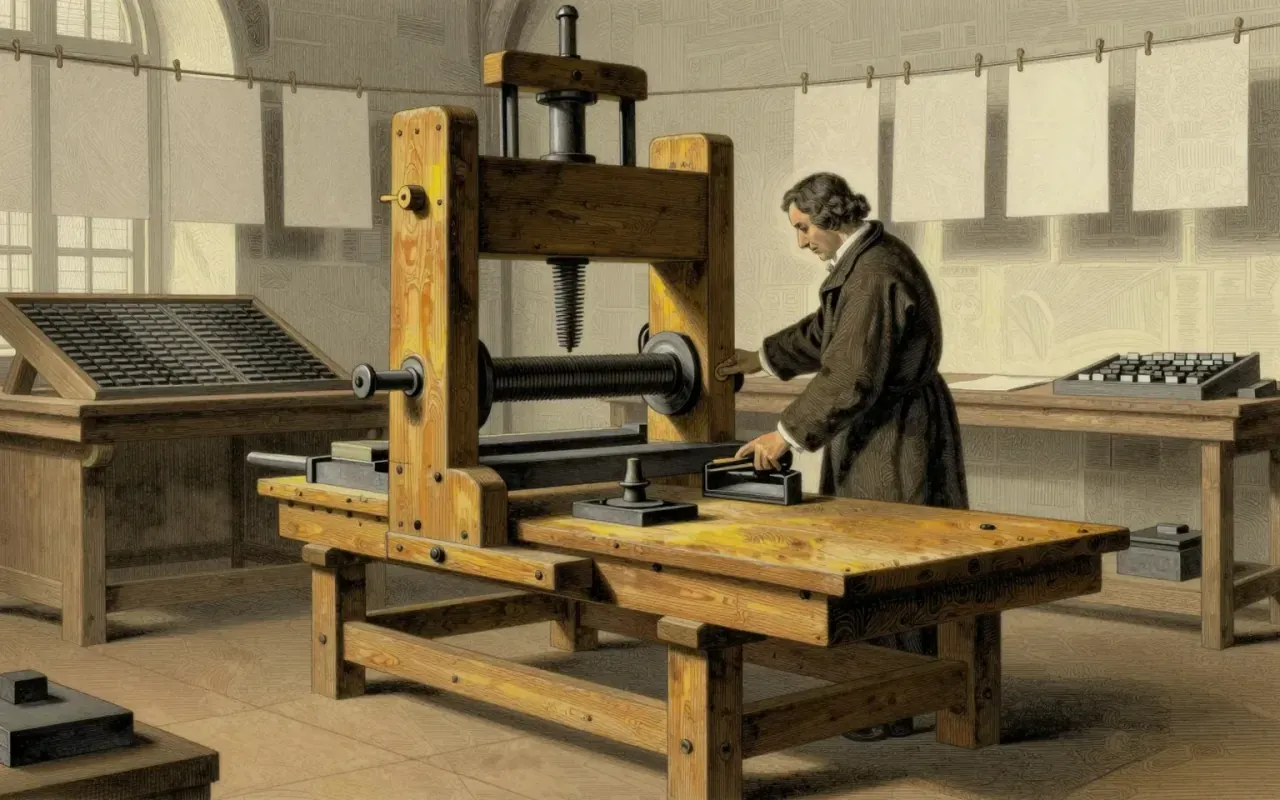
Entire decades of Gutenberg's life pass without a single surviving record, and the fullest evidence of his famous invention comes from a lawsuit accusing him of misusing borrowed money.
video still
13:00

Johannes Kepler

Kepler's mother was tried for witchcraft and briefly imprisoned in a case historians now read as an attack on Kepler himself through his family, not a routine local accusation.
video still
13:00

Leonardo da Vinci

Leonardo's most famous biographer wrote thirty years after his death and is now known to have invented, or at least dressed up, some of the best stories, including, probably, the one about how he died.
video still
13:00

Louis Pasteur

Pasteur kept his laboratory notebooks sealed for a century, and when historians finally opened them they found a scientist who sometimes shaded the truth about his own discoveries.
video still
13:00

Sigmund Freud

Freud built an entire theory of the mind from case histories whose patients he sometimes treated with the same certainty he applied to his conclusions about them.
video still
13:00

Industrial Revolution

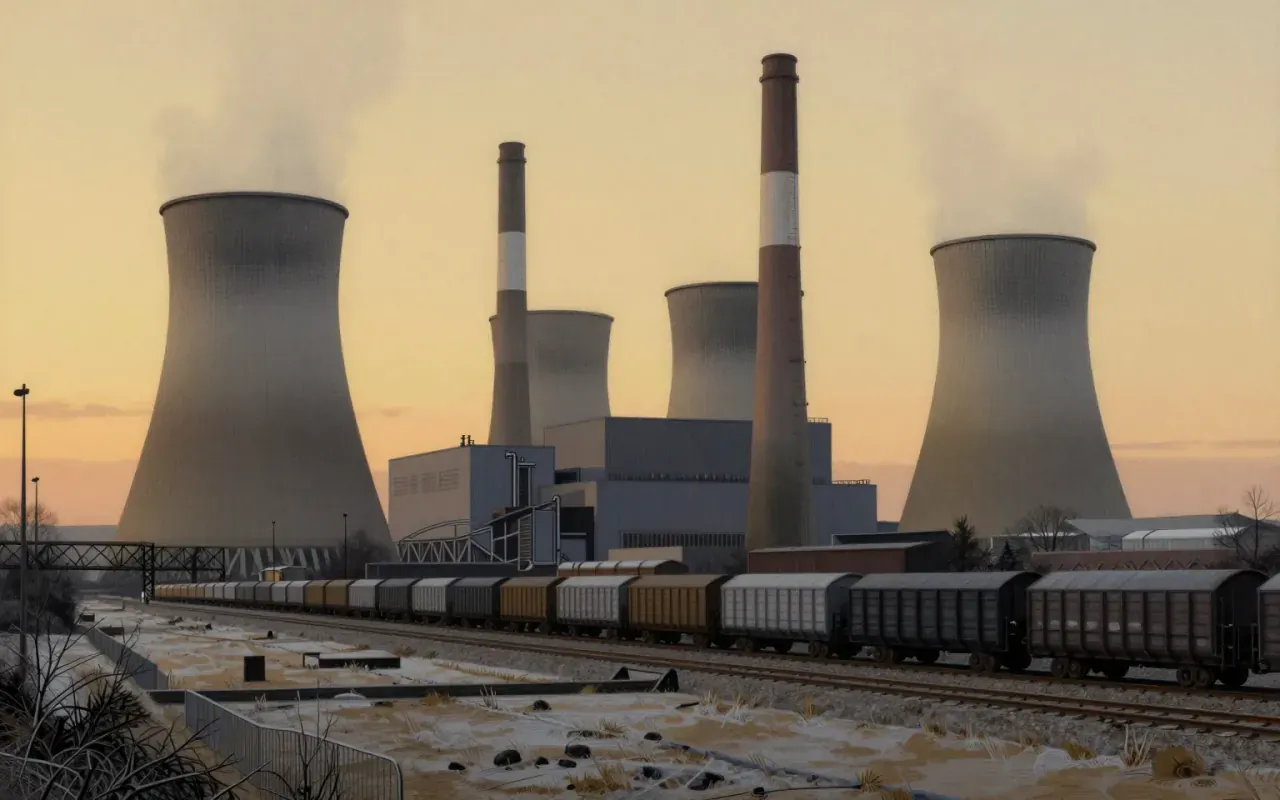
Economists call the switch to steam and factories the most important event in human history since farming began, yet historians still argue whether ordinary workers were better off for a century after it started.
video still
13:00

Islamic Golden Age

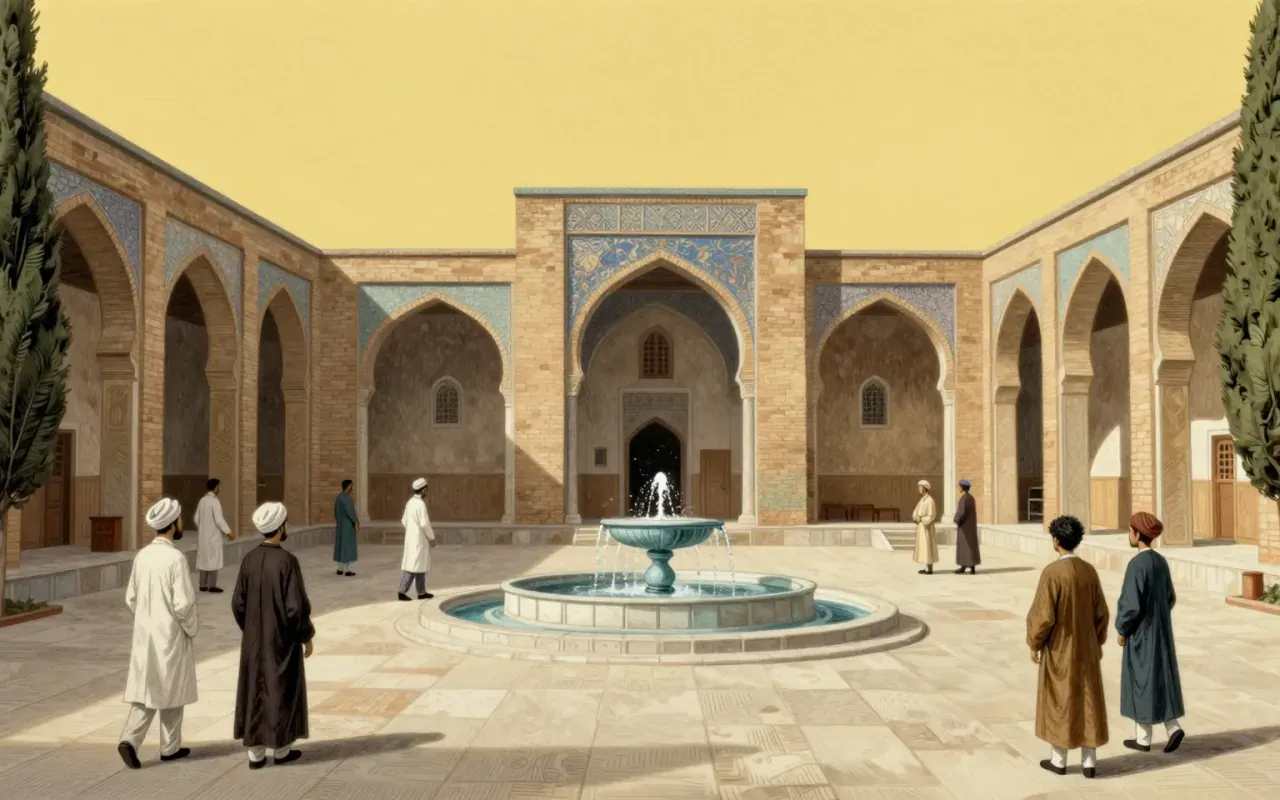
A caliph-funded translation project in Baghdad is credited with sparking centuries of Islamic scholarship, but the historian who named it a 'House of Wisdom' may have mistranslated what the place actually was.
video still
13:00

Moon landing

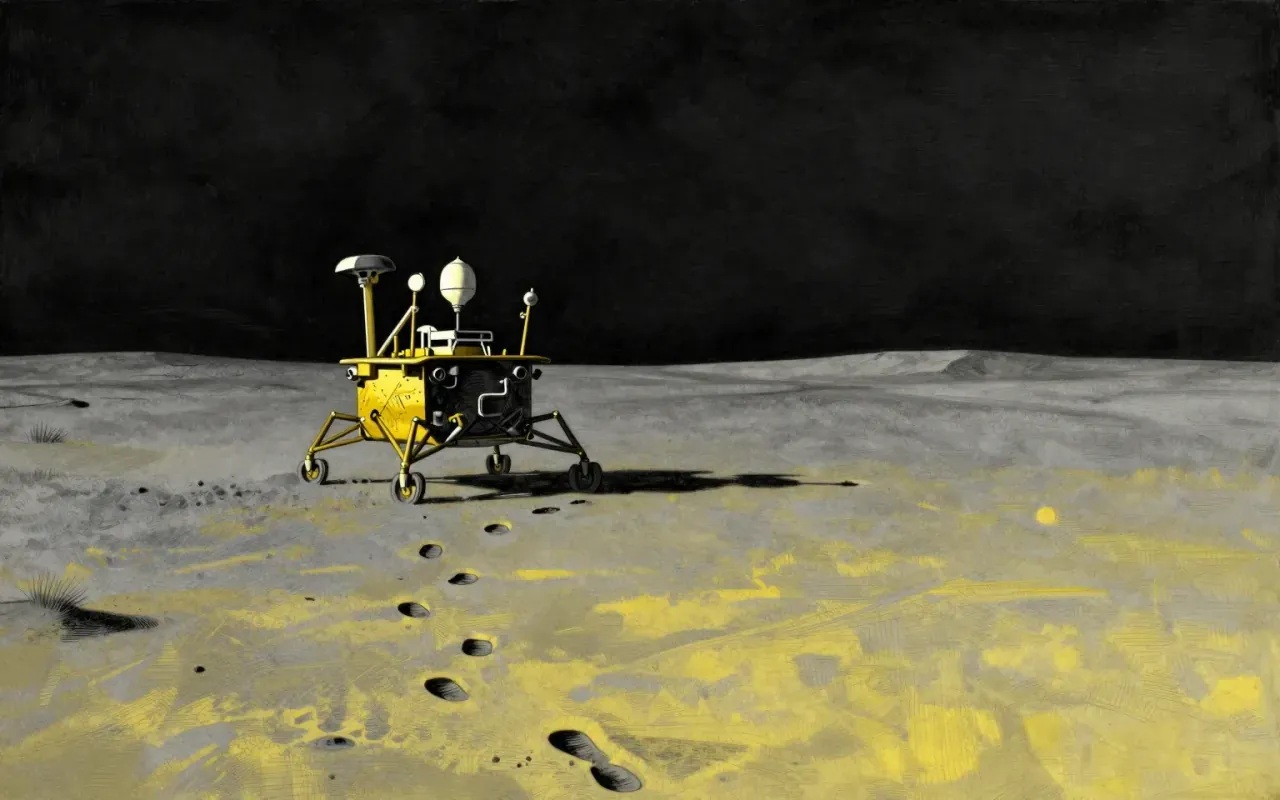
Six hours after landing with ninety seconds of fuel to spare, a man got out and walked, watched by roughly a fifth of the people alive.
video still
13:00

Panama Canal

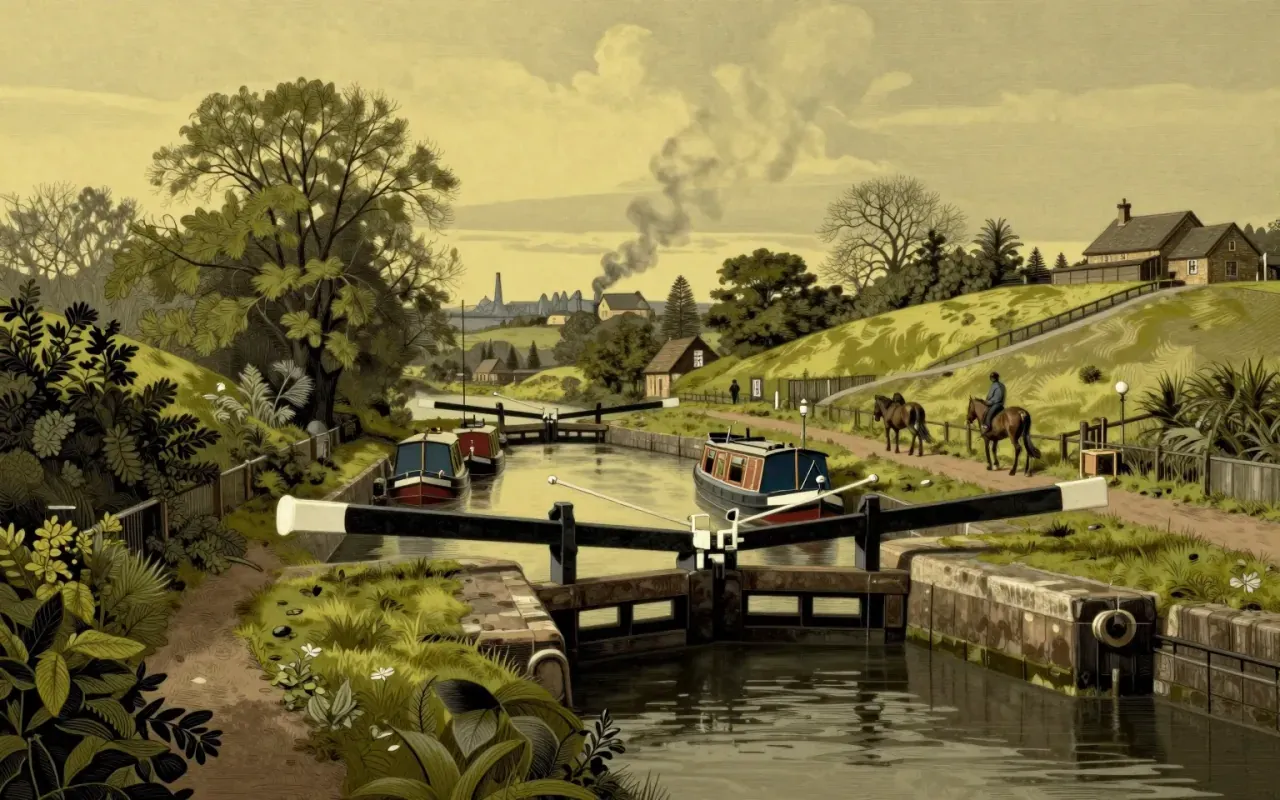
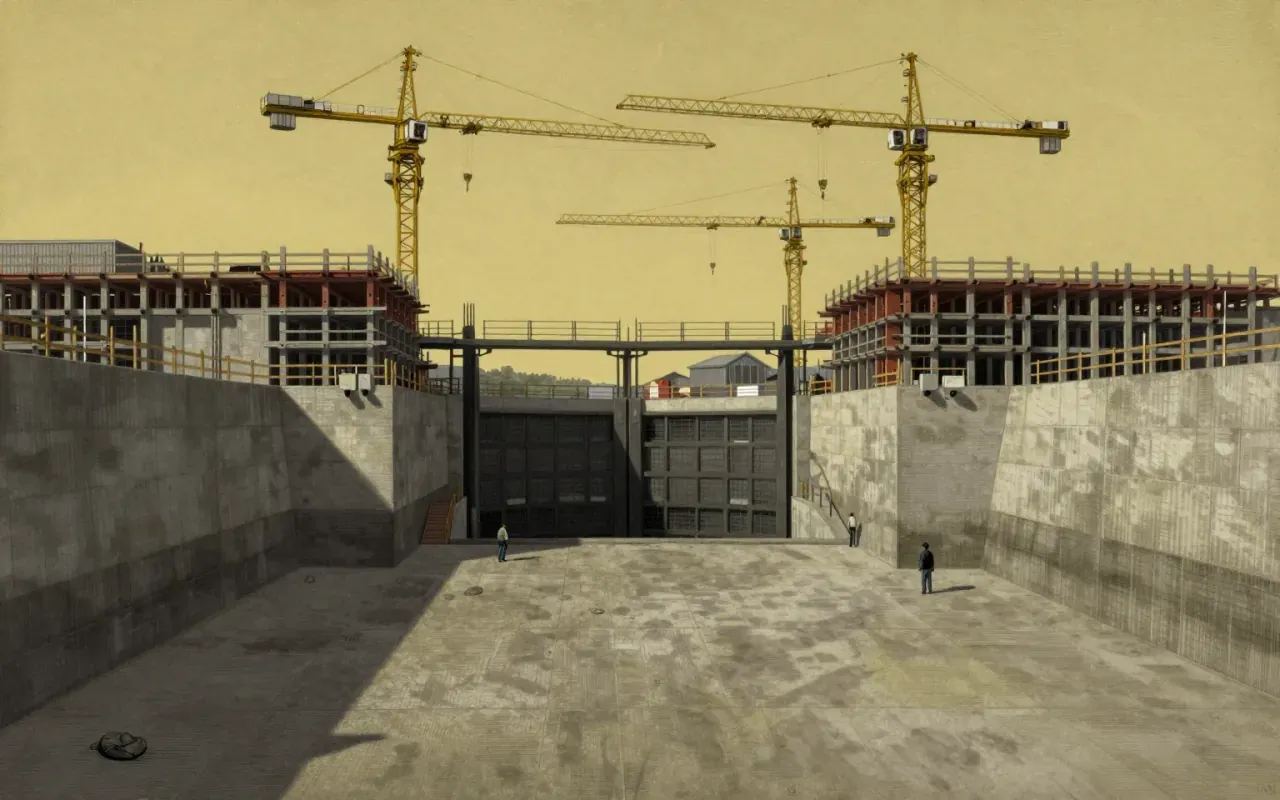
France's canal effort killed an estimated 22,000 workers and bankrupted 800,000 investors before America even began digging its own version of the same idea.
video still
13:00

Gutenberg Bible

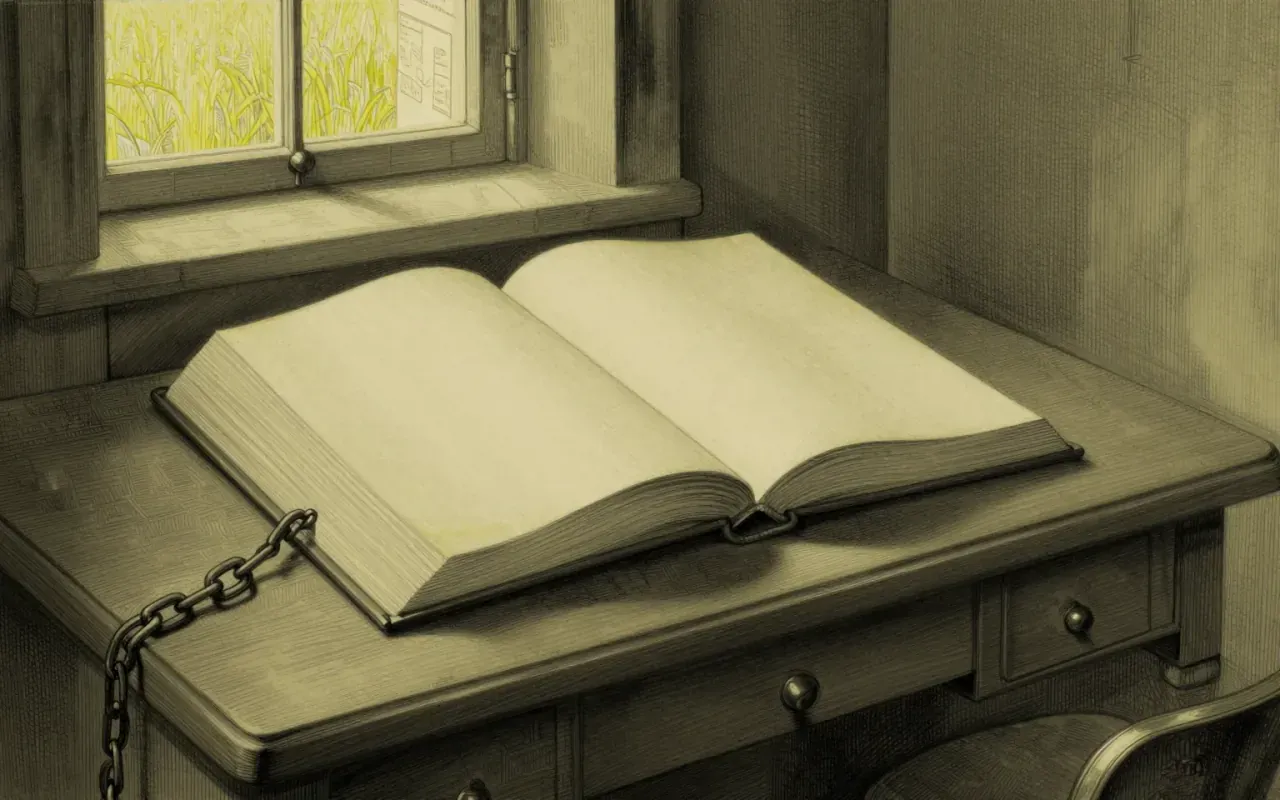
No complete record survives of how the Gutenberg Bible was financed or exactly how many copies were printed, only physical clues in the roughly two dozen complete copies that remain.
video still
13:00

Space Race

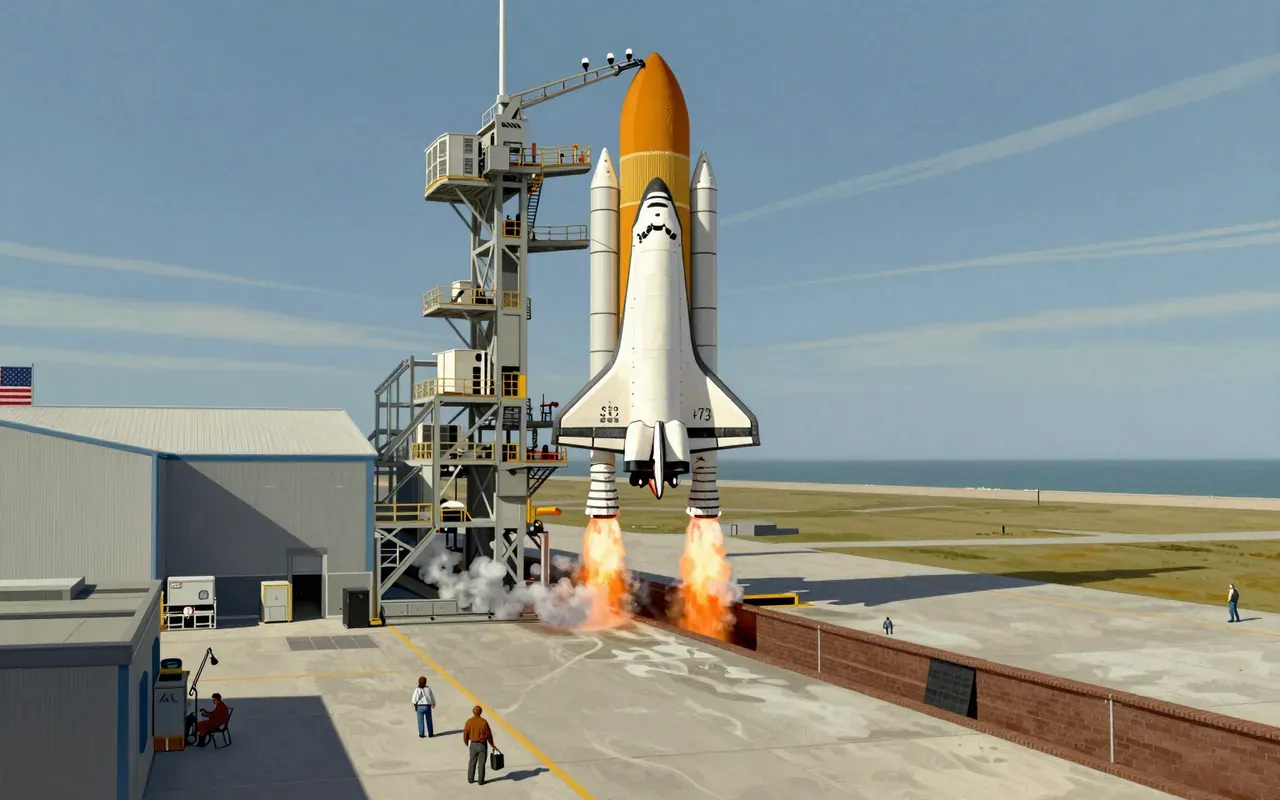
A contest with no agreed winner, because the two sides were competing for different kinds of proof: American landings against Soviet firsts.
video still
13:00

Venetian Arsenal

Dante put the Venetian Arsenal in Hell as a picture of ceaseless, specialised labour, and three centuries later the yard could still turn out nearly a ship a day using techniques that would not look out of place on a modern production line.