10:41in productionCh. 1 · Not the Event. The Inquiry./ 10:41 · ceiling 15 min
Contemporary · Science & technology
The Challenger Disaster
2013
A 2013 film about Feynman’s cancer-ridden probe into the Challenger explosion tells us more about scientific dissent than about spaceflight safety.
A 2013 TV movie dramatises Richard Feynman’s investigation into the 1986 Challenger explosion. It establishes cold-temperature-induced O-ring failure as the cause, shows Feynman discovering he has cancer mid-inquiry, and highlights institutional resistance—but offers no evidence of what changed afterward, no contested interpretations, and no insight into the astronauts’ experience beyond their likely death at takeoff.
This is a dramatisation of Feynman’s role—not a documentary of the disaster.
2:37
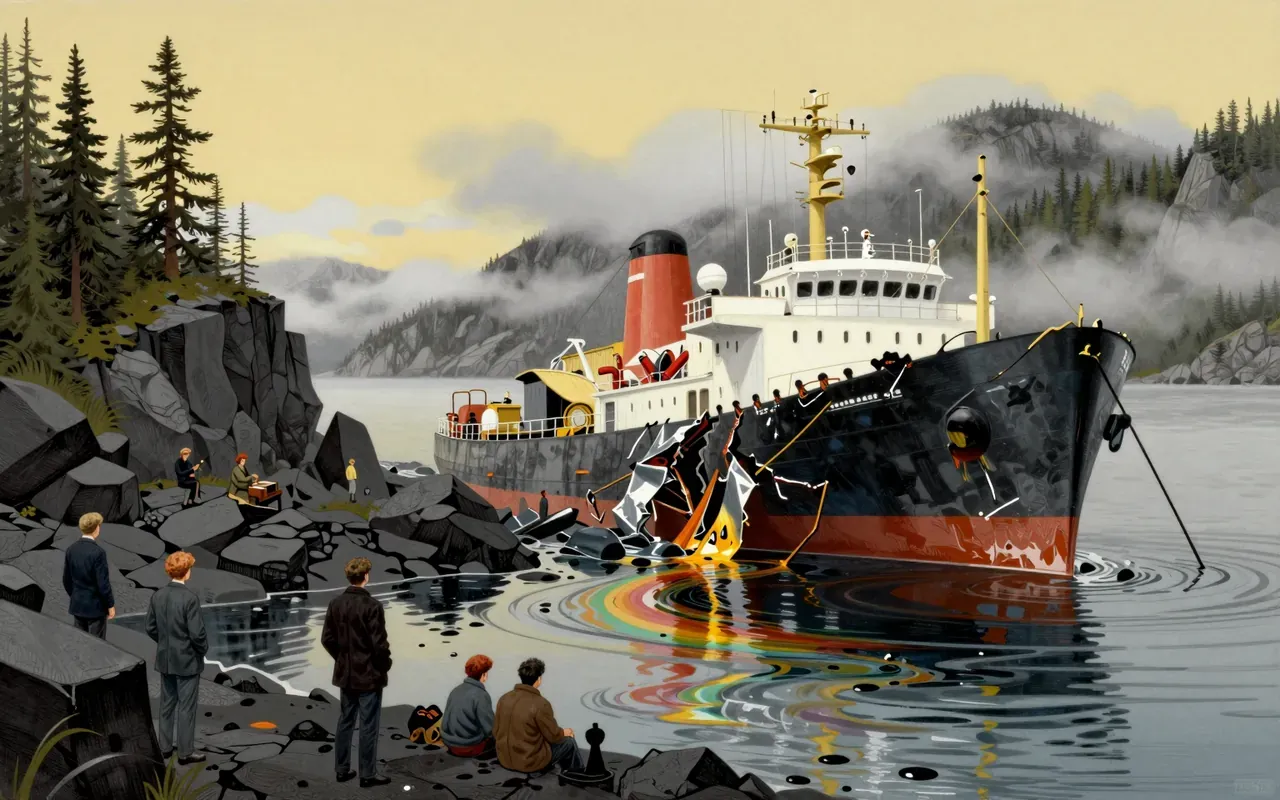
What Actually Happened
The shuttle exploded on takeoff, and the astronauts almost certainly died then.
3:48
The O-Ring Failure
Cold temperatures prevented O-ring expansion—Feynman demonstrated this live.
5:16
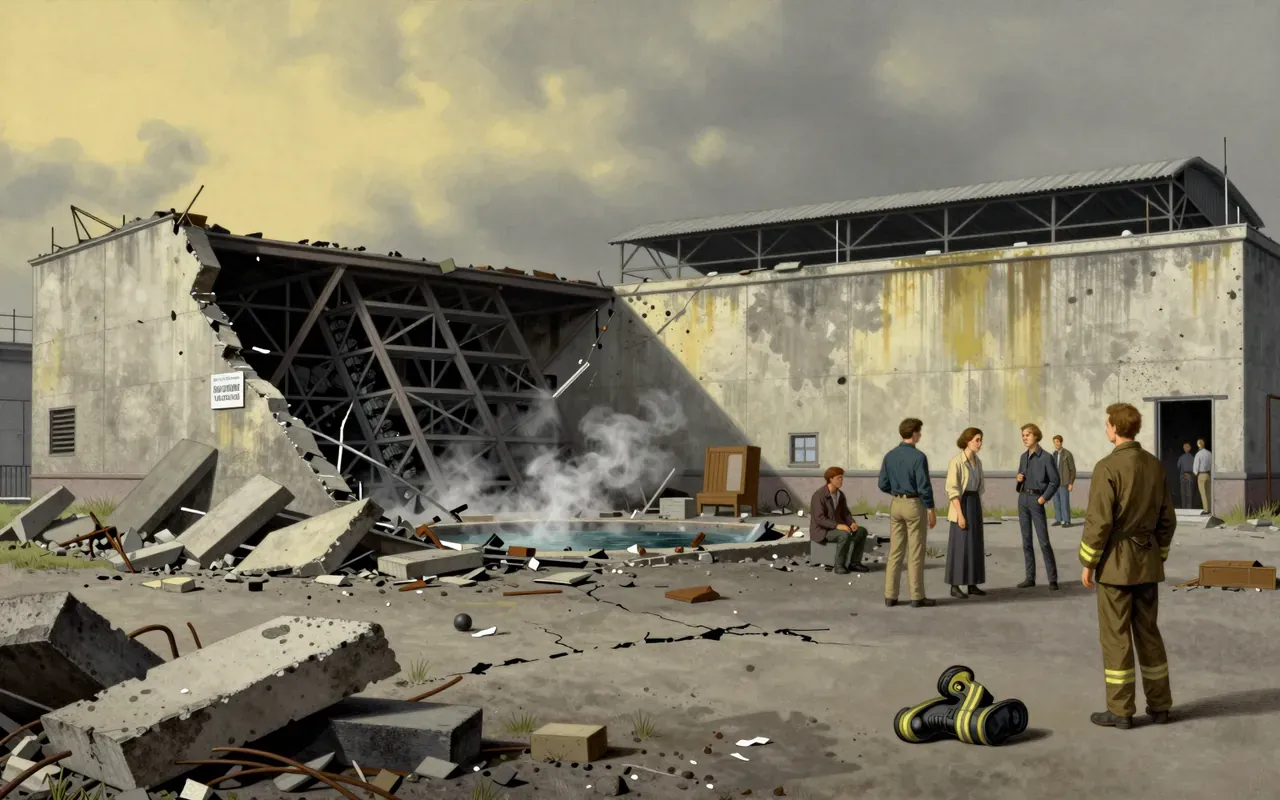
Truth Under Duress
Feynman uncovered the truth while learning he had cancer.
6:37
Who Got Credit, Not What Changed
The film ends by naming contributors—not by showing consequences.
Worth your time?
Yes. Study the whole thing.
3.5/ 5
What works
As a character-driven inquiry into scientific dissent
As a demonstration of how one physicist used simple experiments to expose systemic failure
What does not
Explain NASA’s decision-making chain
Show the astronauts’ final moments
Report disagreement among investigators
State how many people died or when exactly they died
Study it if
Viewers interested in how scientists challenge institutions
Students of physics or engineering ethics
Audiences seeking a tightly focused procedural drama
Skip it if
Those seeking technical details of shuttle design
Readers looking for survivor accounts or memorial narratives
Historians requiring primary-source citations or archival context
The written brief1 min read
What happened
The Space Shuttle Challenger exploded on takeoff in 1986. It is very likely the astronauts perished in the accident.
How we know it
The 2013 TV movie The Challenger depicts Richard Feynman’s investigation into the 1986 Space Shuttle Challenger disaster. It shows him identifying cold-temperature-induced O-ring failure as the cause, demonstrating it publicly during a televised commission hearing.
Why it went that way
Feynman’s investigation proceeded while he discovered he had cancer. The film presents cold temperatures preventing O-ring expansion as the mechanical cause—and shows institutional resistance to that conclusion—but does not specify who resisted, why, or how deeply that resistance ran.
What is still contested
The film does not report disagreement over cause, motive, or responsibility. No contested readings of the event appear in the source material.
What it changed
The film closes with a montage highlighting key members and their contributions—but it does not establish what changed in policy, engineering practice, or public understanding after the real-world investigation.
Is it worth your time
Yes—if you want to see how institutional resistance, personal illness, and scientific rigour collided in a real-time inquiry. The film frames Feynman’s process, not the disaster itself.