Five packets, five subway lines, one rush hour
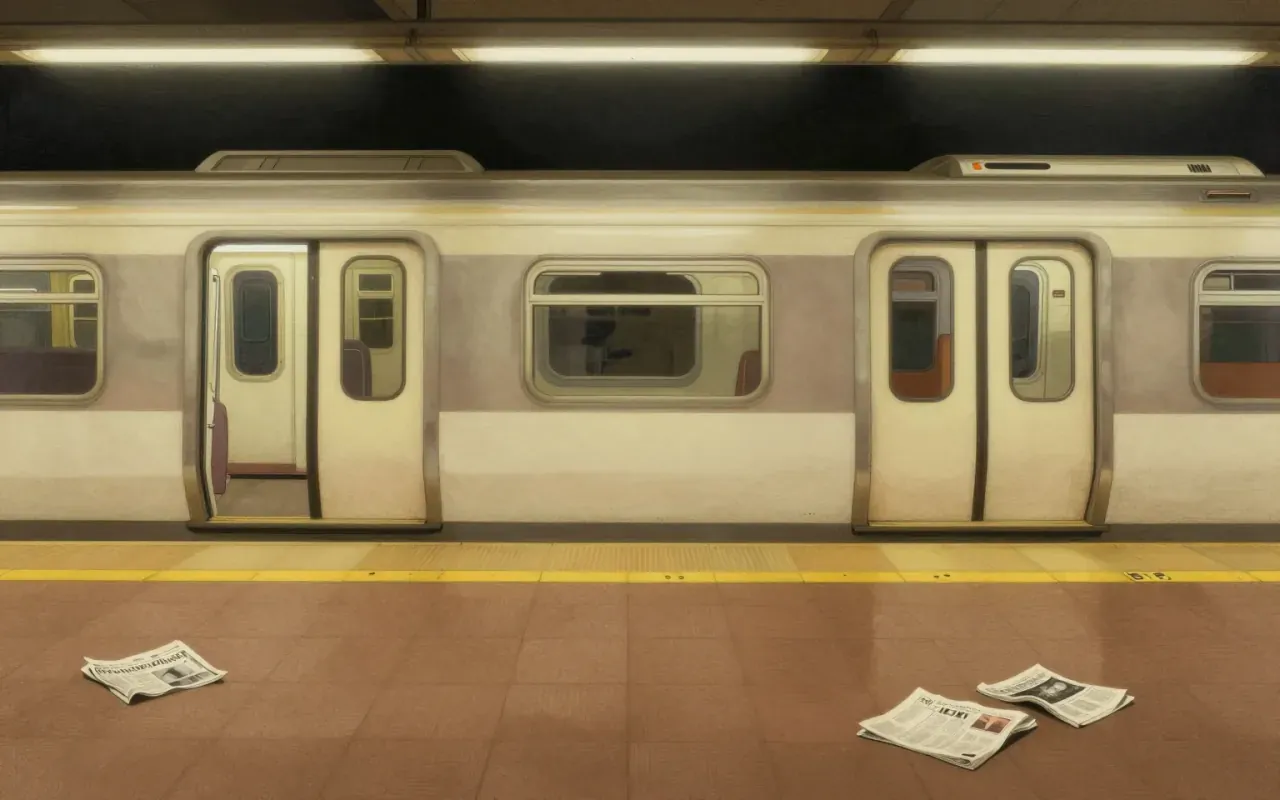
On the morning of 20 March 1995, five members of the Aum Shinrikyo cult boarded trains on Tokyo’s Chiyoda, Marunouchi and Hibiya subway lines carrying plastic bags of liquid sarin wrapped in newspaper, puncturing them with sharpened umbrella tips near stations including Shin-Ochanomizu, Ochanomizu, Yotsuya, Ebisu and Akihabara during the morning rush hour. The attack killed fourteen people and affected roughly a thousand more, with several hundred hospitals treating over 5,500 patients, though a large majority of those treated were later assessed as suffering psychological rather than direct chemical effects. The attack followed the cult’s earlier, smaller sarin release in the city of Matsumoto in June 1994, which had killed eight people.
A death toll and a diagnosis debated for over a decade
The confirmed death toll grew over time rather than being fixed on the day itself: eight fatalities were recorded initially, with additional deaths recognised in the years that followed bringing the confirmed total to fourteen by later official counts, some occurring more than a decade after the attack from long-term complications. Long-term surveys of survivors conducted in 1998 and 2001 found more than sixty percent still reporting chronic eyestrain and roughly a fifth reporting continued insecurity riding trains, evidence gathered specifically to document effects that outlasted the acute medical response and that shaped later compensation programmes for victims.
A tax-exempt religious status that shielded a growing arsenal
Aum Shinrikyo began in 1984 as a yoga school founded by Shoko Asahara and received official religious corporation status from the Tokyo government in 1989, a designation that brought tax benefits and reduced regulatory oversight even as the group’s membership grew from roughly twenty to about twenty thousand by 1992 and its assets expanded from under half a billion yen to more than one hundred billion. That combination of rapid growth and lighter scrutiny under religious protections gave the cult room to build a dedicated chemical weapons facility at its Kamikuishiki compound, where it produced sarin using a synthesis process developed decades earlier, without the kind of sustained investigation its growing wealth and secrecy might otherwise have attracted.
Chemical evidence found and set aside for lack of a law
A specific and consequential gap in Japanese law let a documented warning sign go unpunished. Following an October 1994 accident at the cult’s chemical facility, police investigation found methylphosphonic acid and related compounds, chemical signatures consistent with sarin production, but at the time no law specifically prohibited manufacturing a nerve agent, leaving investigators without a clear legal basis to act on the finding. That evidence later leaked to a newspaper in January 1995, alerting the cult that its activities had drawn attention, a sequence in which a genuine investigative discovery produced no intervention because the relevant law simply did not yet exist.
A warning letter, a leaked tip-off, and a raid that came too late
Beyond the legal gap, specific human warnings also went unheeded or arrived too late. Anonymous letters sent to Japanese media in September 1994 had already predicted a worse attack in a crowded subway following the Matsumoto incident, and a planned police raid on the cult’s headquarters, scheduled for 22 March 1995, was leaked in advance to Asahara by sympathisers within Japan’s Self-Defense Forces, prompting the cult to carry out the subway attack two days earlier than the raid meant to stop further violence. The eventual raid on 16 May 1995 led to the arrest of more than two hundred members and the execution of thirteen senior figures, including Asahara, following lengthy trials.
Worth reading for the failures that preceded the attack
The attack is worth studying most closely for the specific, documented chain of institutional failure that preceded it rather than for the mechanics of the attack alone: a religious exemption that reduced scrutiny of a rapidly growing and increasingly armed organisation, a legal gap that let confirmed chemical evidence go unpunished, and a leaked raid date that pushed the cult to act sooner rather than abandon its plan. Readers drawn to the attack as an isolated act of mass violence gain the most from tracing how each of these separate failures, regulatory, legal and operational, combined to let a group with an already-documented prior attack continue operating largely unchecked until the subway attack made further inaction impossible.