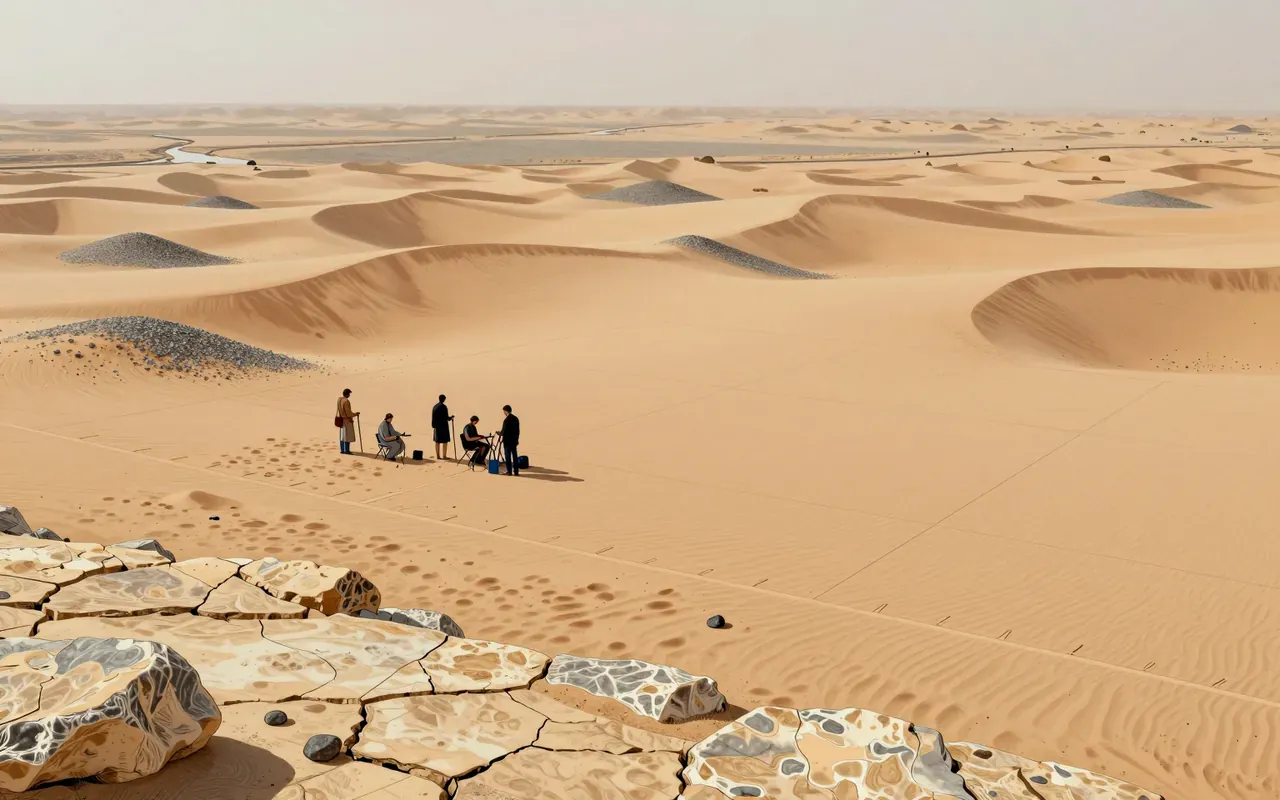
Gulf War
2 August 1990
The Gulf War was a short, sharply bounded conflict defined by UN authorisation, phased military execution, and unprecedented media access — but the record says nothing about its aftermath, costs, or contested legacies.
Forty-five years of proxy wars and mutually assured restraint.
The Gulf War was a short, sharply bounded conflict defined by UN authorisation, phased military execution, and unprecedented media access — but the record says nothing about its aftermath, costs, or contested legacies.
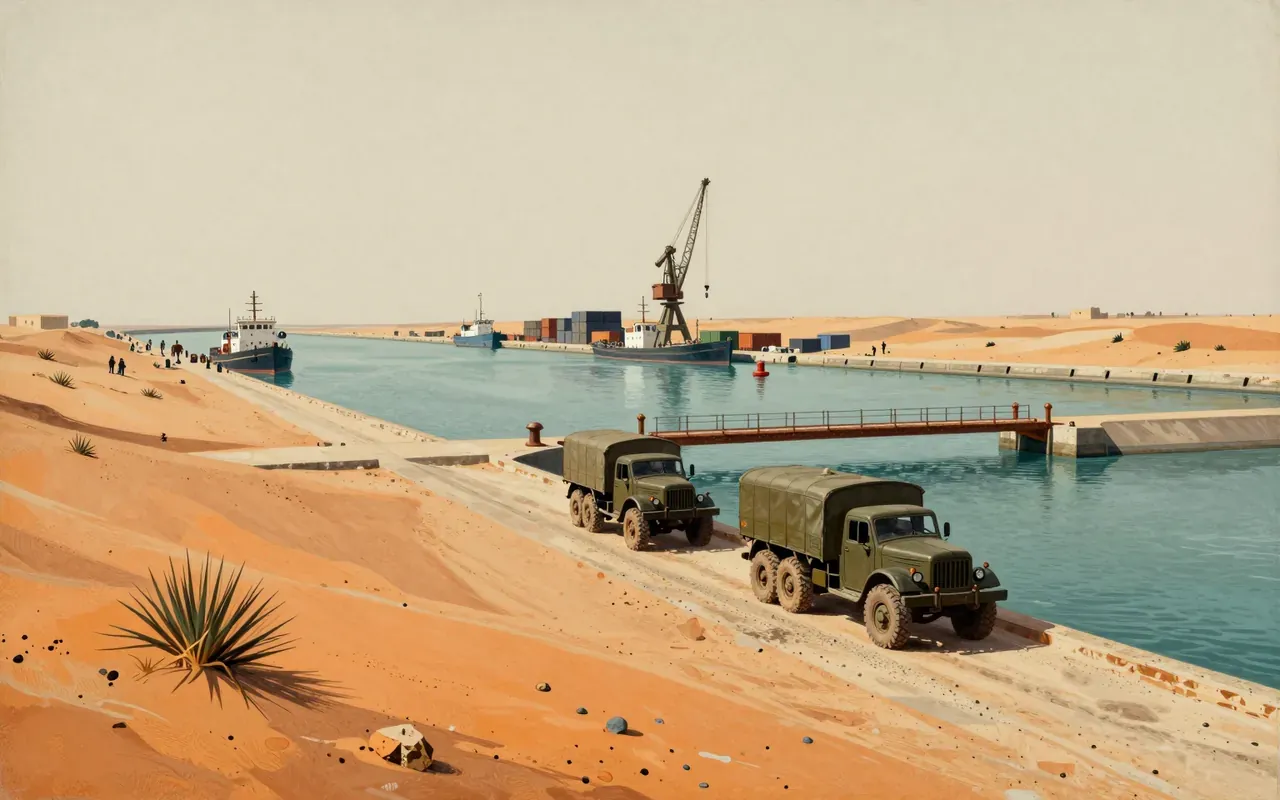
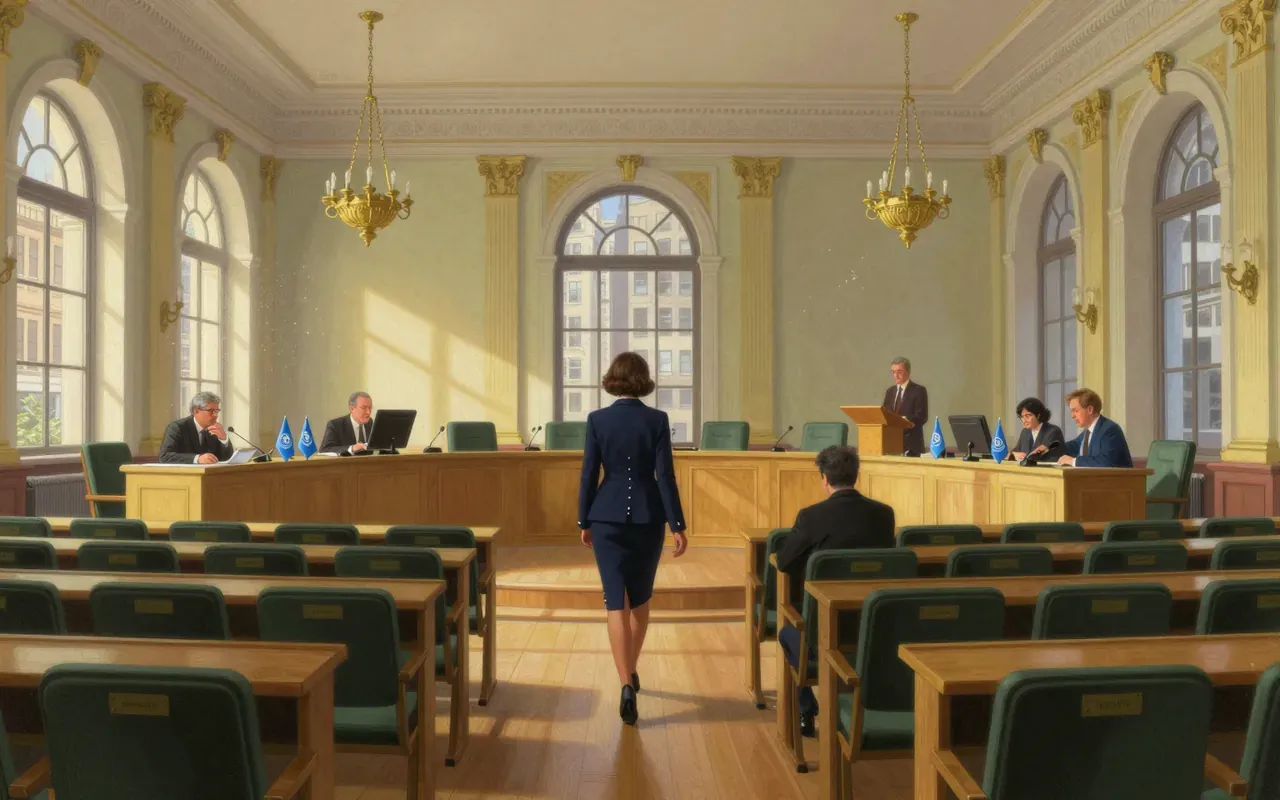
Eleanor Roosevelt redefined the first lady’s role through sustained public engagement, media innovation, and advocacy — including leading the drafting and adoption of the Universal Declaration of Human Rights. Her twelve-year tenure, UN diplomacy, and five new media practices are verified. Arthurdale is explicitly labelled a failure. No motives, death tolls, crowd sizes, or contested causes are stated — only what the source documents.

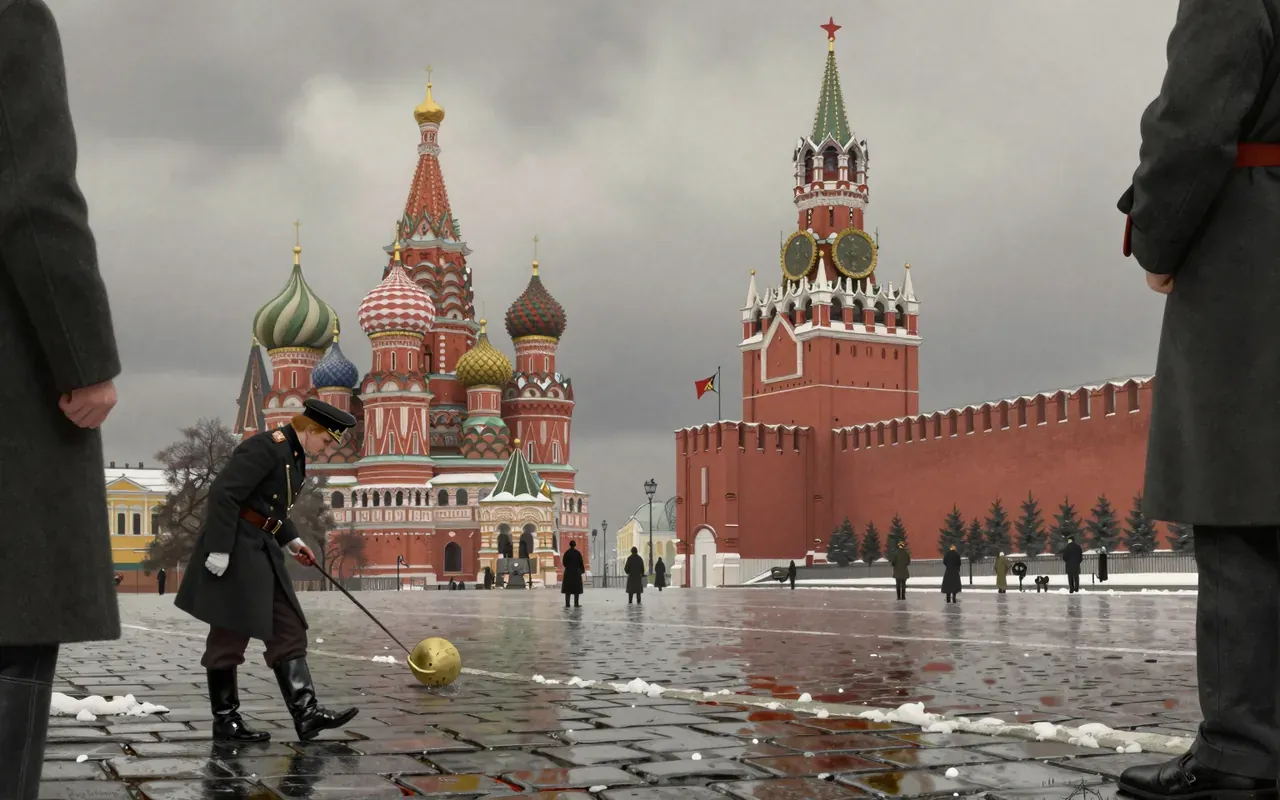
Gorbachev’s leadership was defined by deliberate, irreversible institutional concessions — not negotiation. His policies had no exit ramp. The record shows he did not foresee dissolution. It does not show he welcomed it.
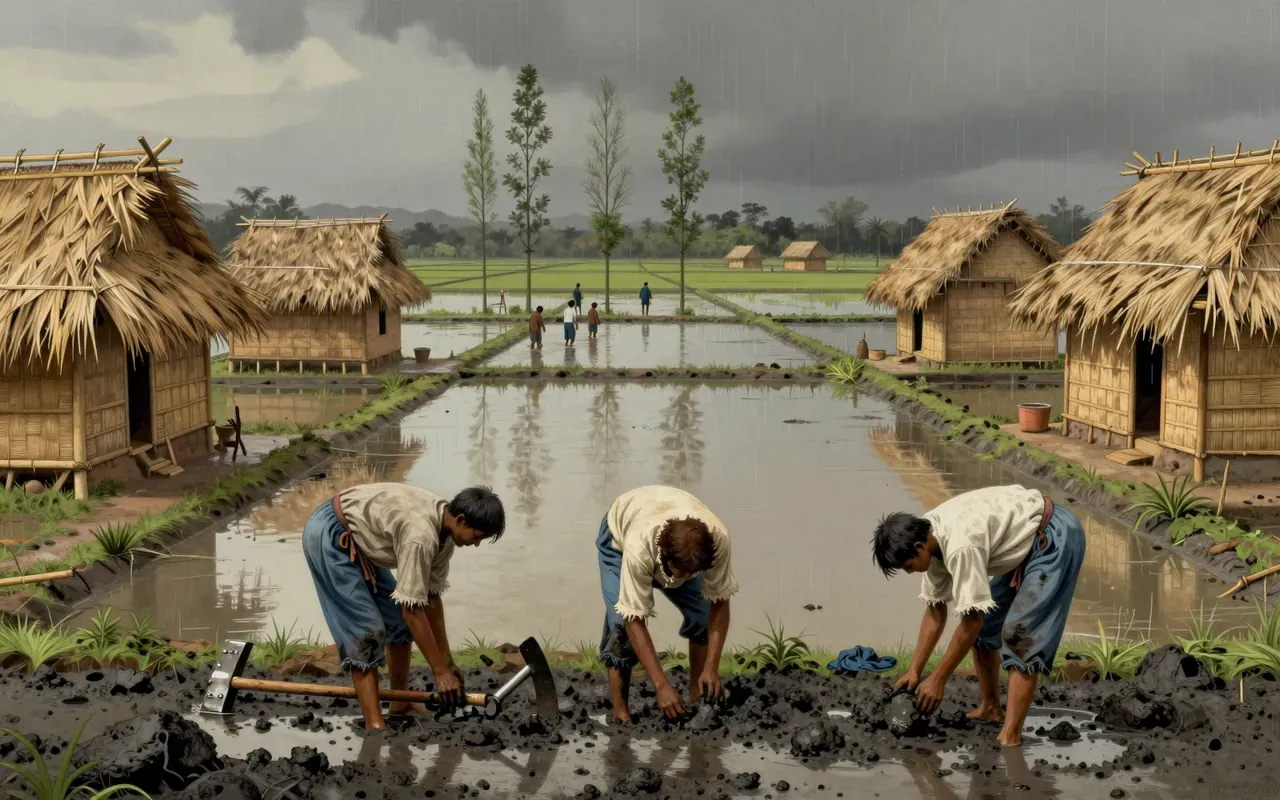
Pol Pot’s rule was a deliberate, ideologically driven dismantling of Cambodian society — not a chaotic collapse. Its end came via foreign invasion, not internal reform. The scale and method of killing remain documented, but the motives behind key decisions do not.
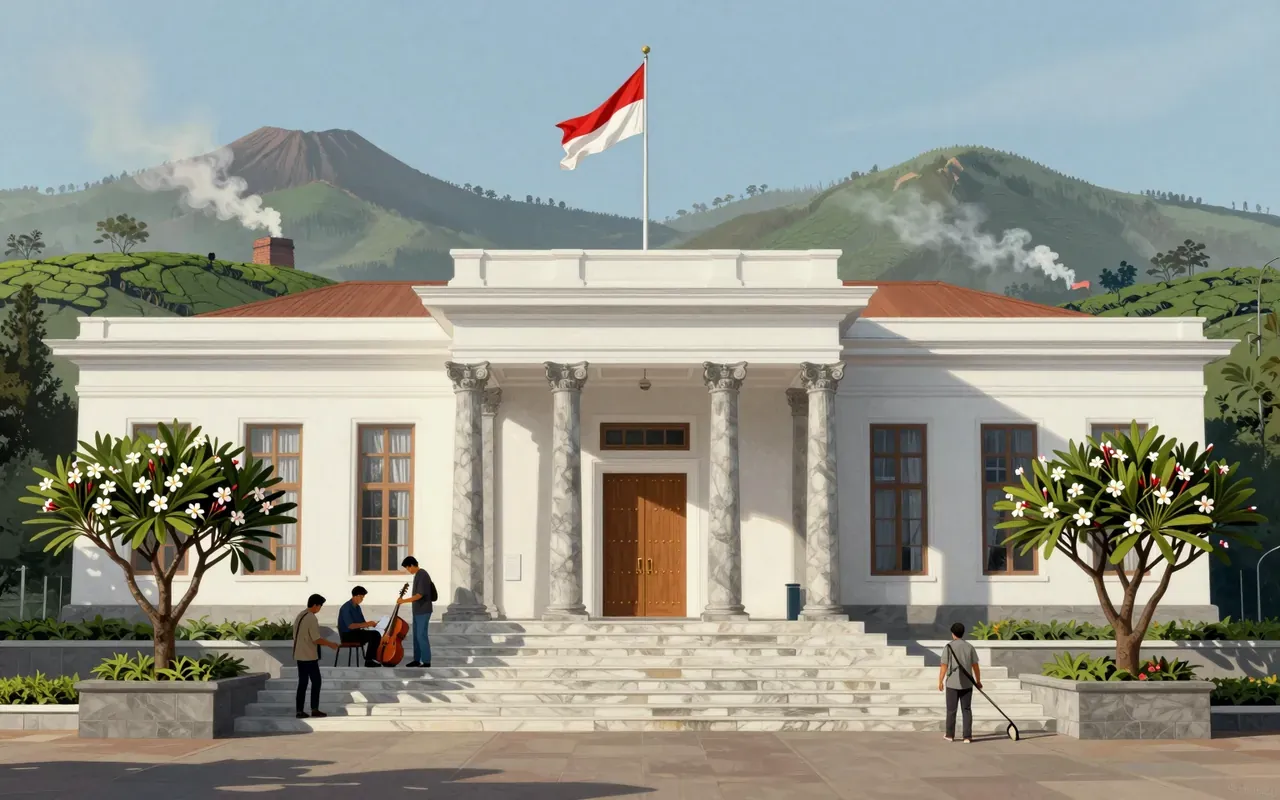
The Bandung Conference was the first large-scale diplomatic gathering of newly independent Asian and African states. It produced a unanimous 10-point declaration condemning colonialism in all forms, affirming peaceful coexistence, and committing to mutual technical and economic cooperation. Twenty-nine countries participated — representing 54% of the world’s population. Organised by Indonesia, Burma, India, Ceylon, and Pakistan, it asserted a collective voice outside Cold War binaries and laid groundwork for later South–South cooperation frameworks.
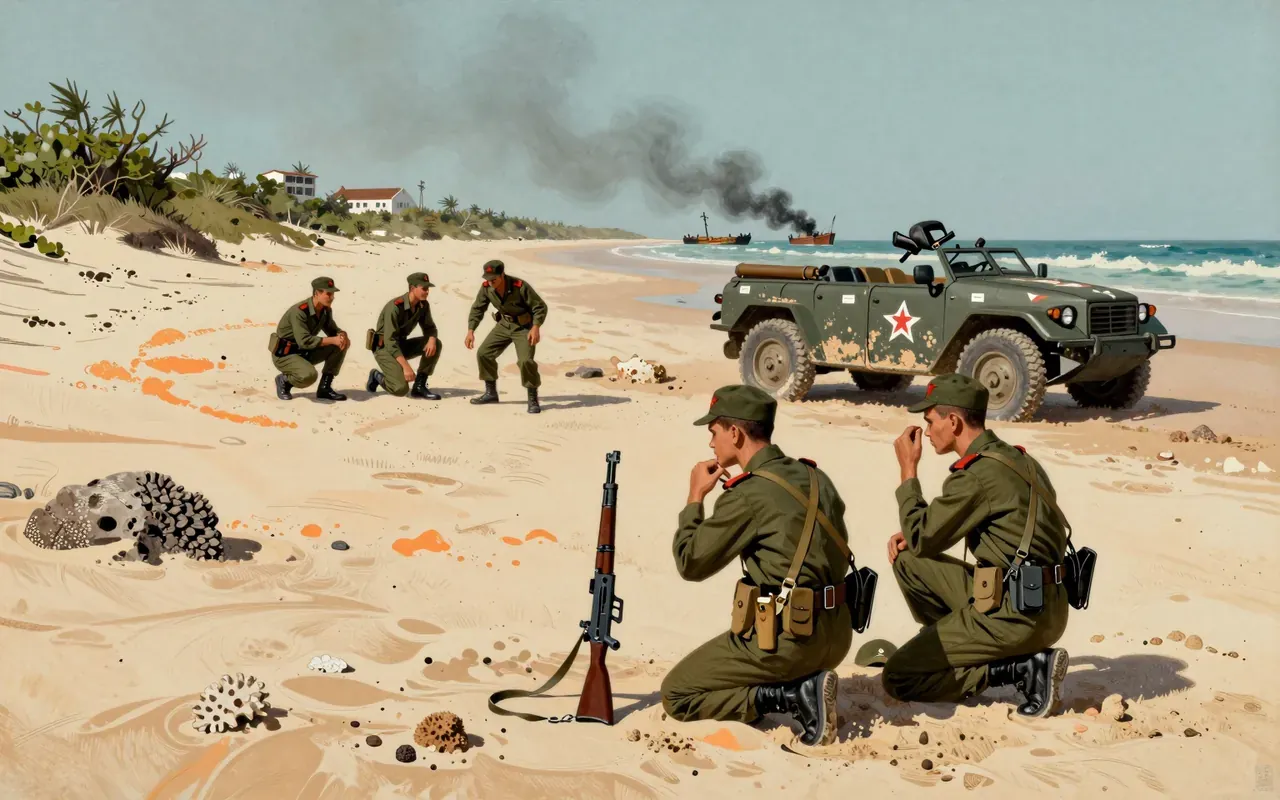
The Bay of Pigs Invasion was a U.S.-backed military operation conducted by over 1,400 Cuban exiles against Fidel Castro's government in April 1961. It began with airstrikes on Cuban airfields on 15 April, followed by the main amphibious landing at Playa Girón on 17 April. Initial success against local militia was reversed when U.S. President John F. Kennedy withheld promised air support, leaving the invaders critically under-resourced. The Cuban Revolutionary Armed Forces defeated the force within three days; it surrendered on 20 April. Most survivors were imprisoned, interrogated, and tried. The operation occurred at the height of the Cold War and marked a major U.S. foreign policy failure.
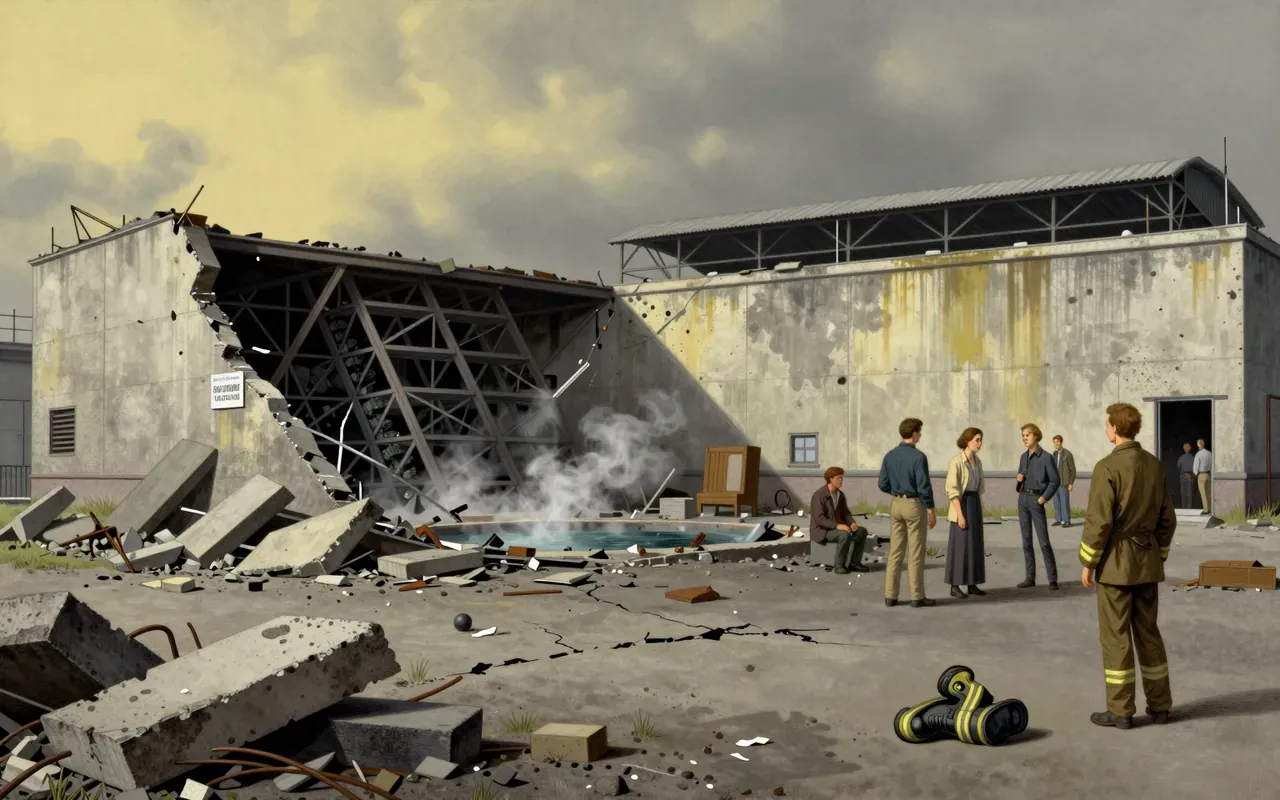
The Chernobyl disaster was a cascade of physical failures triggered by a safety test conducted under unstable conditions — not human error alone, but design flaws made manifest. The Soviet state responded with delay, staging and silence until external detection compelled admission. The record establishes sequence, scale and official action — nothing more.
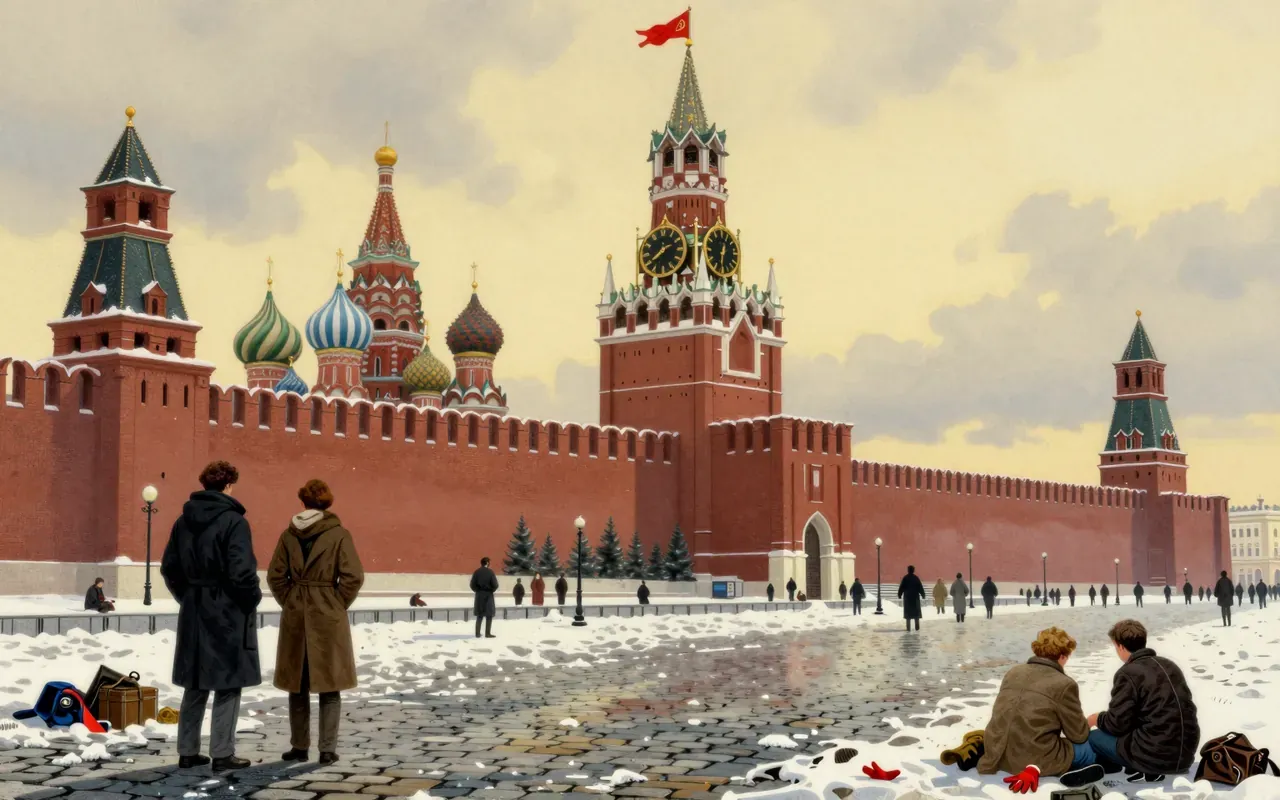
The Soviet Union was formally dissolved on 26 December 1991 — not by uprising or invasion, but by inter-republic treaty, presidential resignation, and parliamentary decree. Its end was legal, deliberate, and televised.
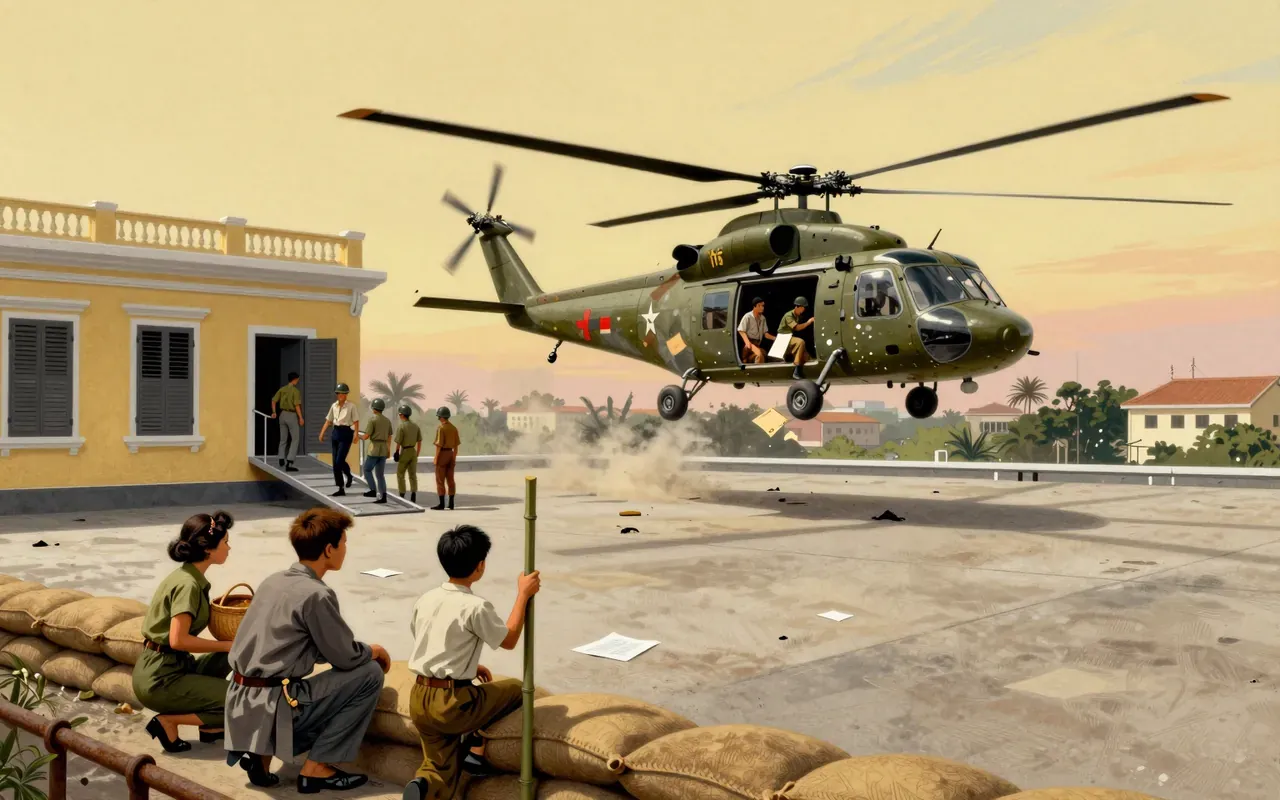
The Fall of Saigon was the conclusive military event of the Vietnam War: North Vietnam captured the city on 30 April 1975, dissolving South Vietnam and unifying the country under one regime for the first time since 1954. Its speed and finality stemmed from the prior U.S. withdrawal and ARVN’s rapid disintegration — not battlefield indecision or last-minute diplomacy. The record is clear on what happened, when, and who carried it out. What remains outside the source — casualty figures, refugee totals, internal debates — stays contested.

The Berlin Wall fell on 9 November 1989 when East Berlin transit restrictions collapsed. Harald Jäger opened the Bornholmer Straße crossing without orders. Crowds poured through. Mauerspechte began chipping away at the Wall that same night. Official dismantling began on 13 June 1990. This event helped trigger the fall of the inner German border, the Malta Summit’s Cold War declaration in early December 1989, and German reunification on 3 October 1990. It was one event in a series that started communism’s fall across Central and Eastern Europe. The source gives two times for Jäger’s decision but no reason for it. It names no other actors, documents no policy change, and does not specify how the Wall’s fall caused wider political change.

The Khmer Rouge was not a spontaneous uprising but a deliberately constructed, externally supported, and strategically rebranded insurgency — one whose name, origins, alliances, and methods are all attested in a single authoritative record.

The Non-Aligned Movement was not a spontaneous reaction but a deliberately constructed diplomatic architecture—forged in the shadow of the Korean War, named at the UN, grounded in Bandung, and launched across two stages: Brijuni in 1956 and Belgrade in 1961. It gave 120 developing nations a shared voice without requiring them to choose sides—a structural innovation in Cold War geopolitics.
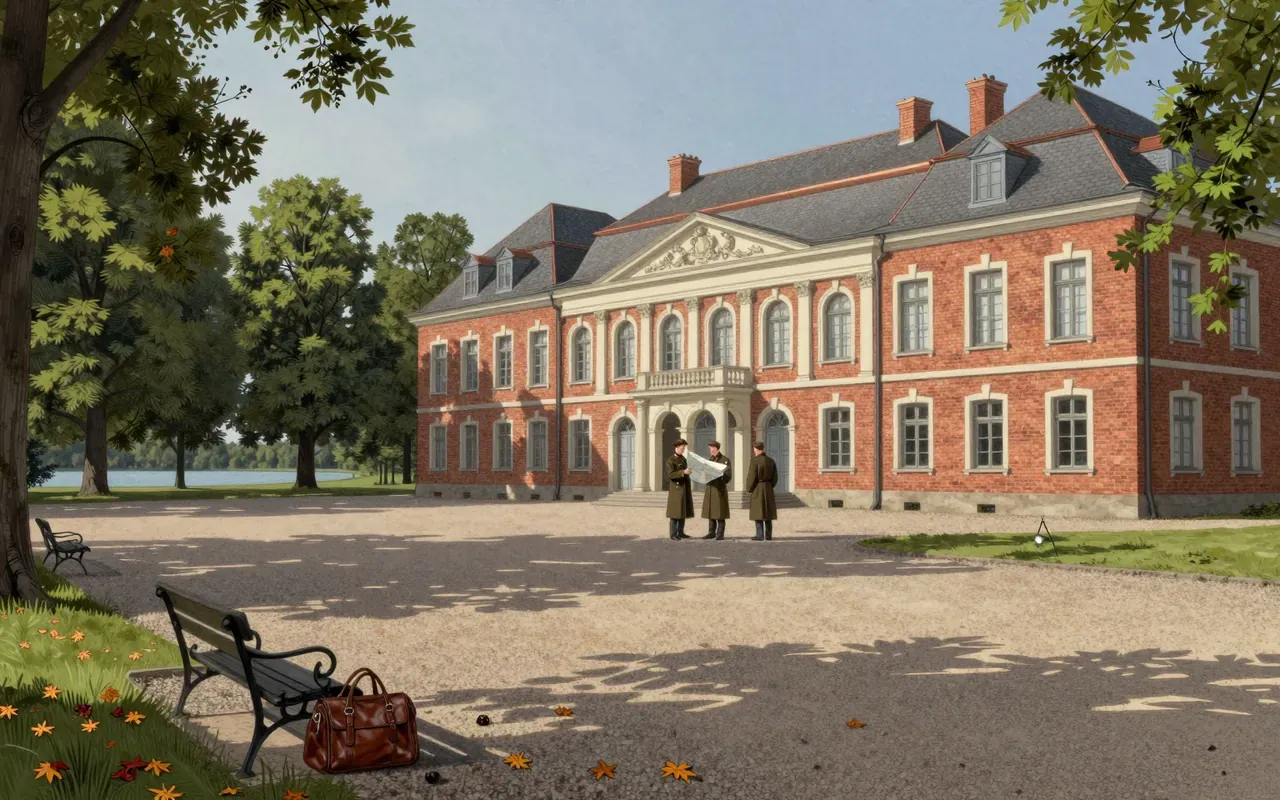
The Potsdam Conference was a tightly bounded, procedurally self-conscious effort to manage postwar Germany — not to end the war (that had happened), nor to build peace (no treaties were signed), nor to reconcile allies (disagreements are unrecorded). Its significance lies in its method: scheduled, interrupted, adaptive, and shadowed by a weapon no one named aloud.
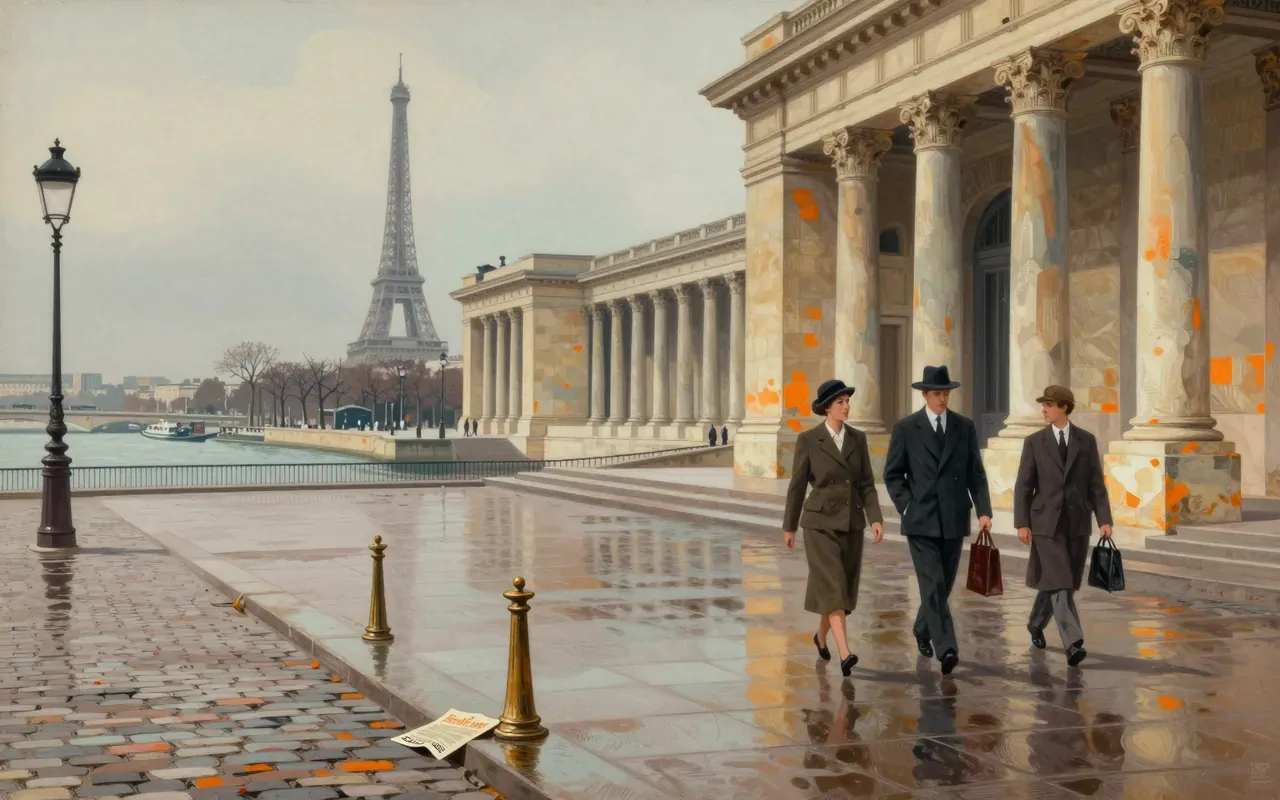
The Universal Declaration of Human Rights established a shared vocabulary for rights — but not a shared understanding of their source, scope, or enforcement.
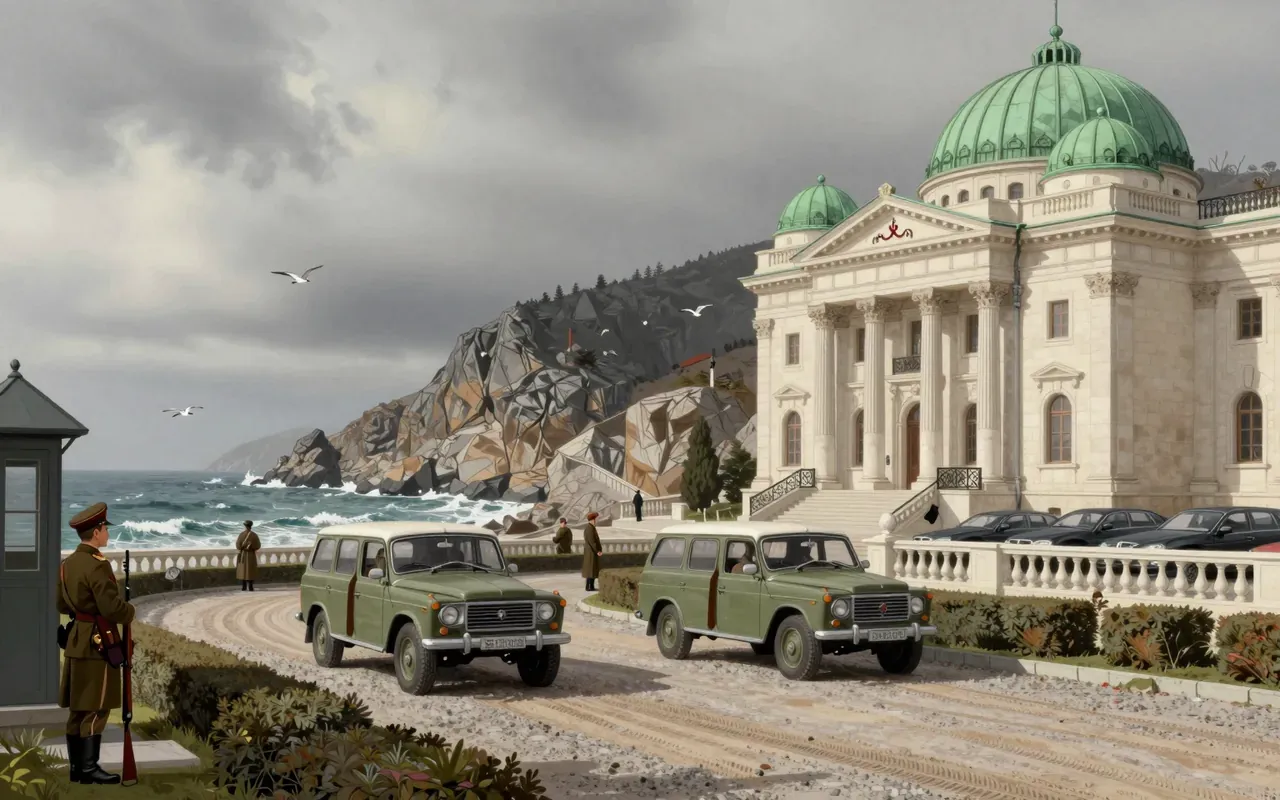
The Yalta Conference was a decisive wartime coordination meeting—not a peace settlement—that formalised Allied control over postwar Germany and pledged democratic self-determination for liberated Europe. Its outcomes were concrete: occupation zones, a French role, and a written declaration. Its limits were structural: no enforcement mechanism, no input from affected nations, and no record of dissent or doubt in the source material.
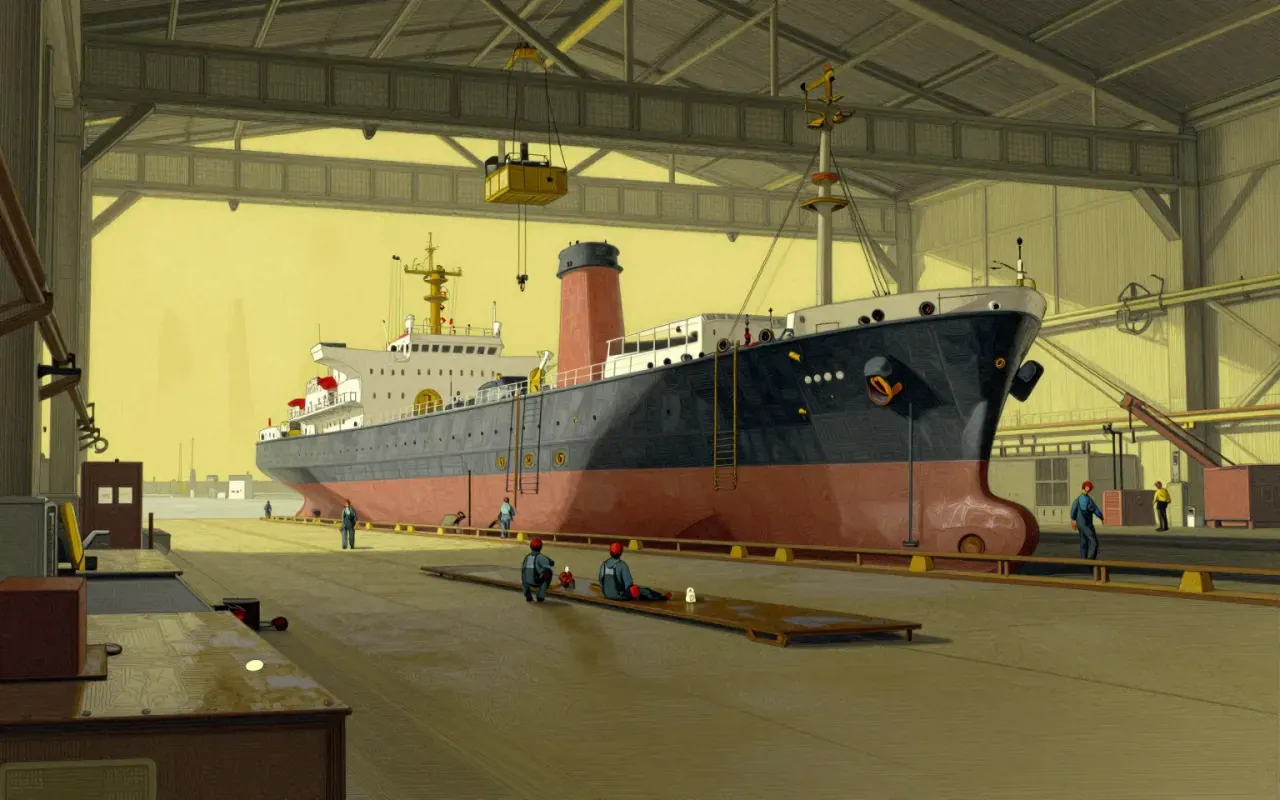
Lech Wałęsa led the August 1980 shipyard strike that produced Solidarity, the first independent trade union recognised in a Warsaw Pact state, surviving martial law and imprisonment before receiving the 1983 Nobel Peace Prize and becoming Poland's first freely elected president in 1990. Documents surfacing between 2008 and 2017, including files seized from a deceased interior minister's home, allege he collaborated with Polish security services as an informant in the early 1970s, a claim he denies and that remains genuinely disputed among historians examining the same evidence.
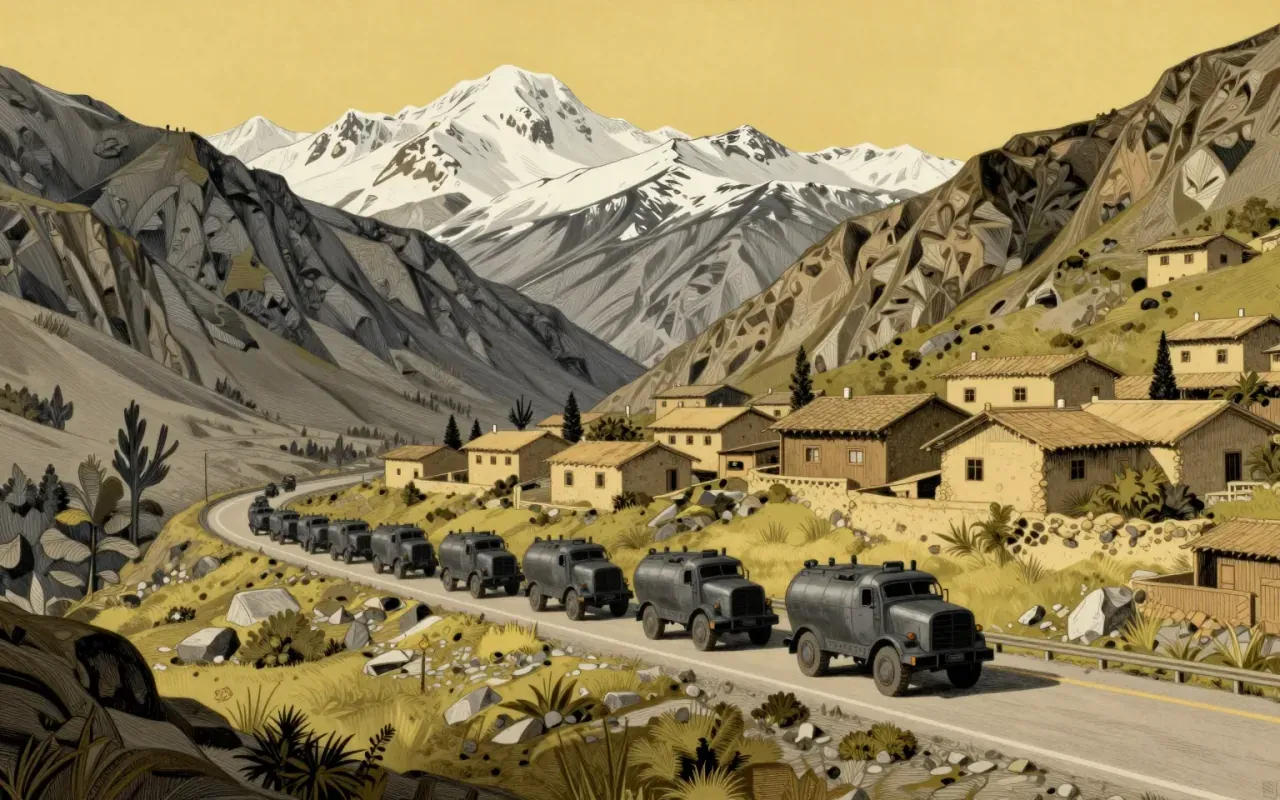
Soviet forces assassinated Afghan leader Hafizullah Amin and installed a replacement government in December 1979, opening a nine-year war against mujahideen fighters backed by the United States, Pakistan and Saudi Arabia that killed between one and three million Afghan civilians by scholarly consensus. Soviet forces withdrew in February 1989 having failed to secure the country, a defeat historians widely cite as a significant contributing factor to the Soviet Union's own collapse two years later, and the war's foreign fighter networks fed directly into al-Qaeda's later formation.
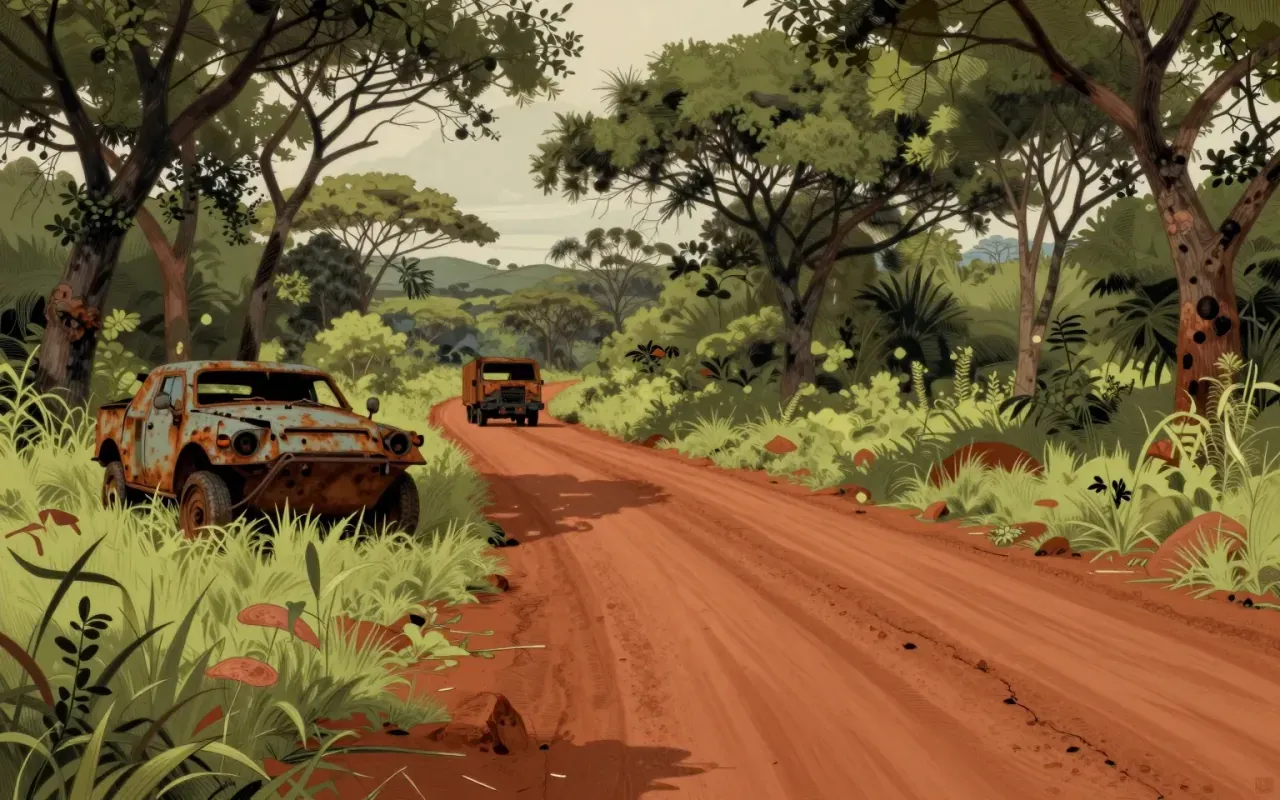
Angola's independence in November 1975 immediately fractured into civil war among the MPLA, UNITA and FNLA, drawing Cuban troops, Soviet advisers, South African forces and covert American funding into a conflict that ran, with interruptions, until Jonas Savimbi's death in 2002. Estimated deaths range from 500,000 to 800,000, with Cuba's intervention, launched independently before Soviet involvement deepened, remaining one of the clearer instances of a Cold War client acting ahead of rather than at the direction of its superpower patron.
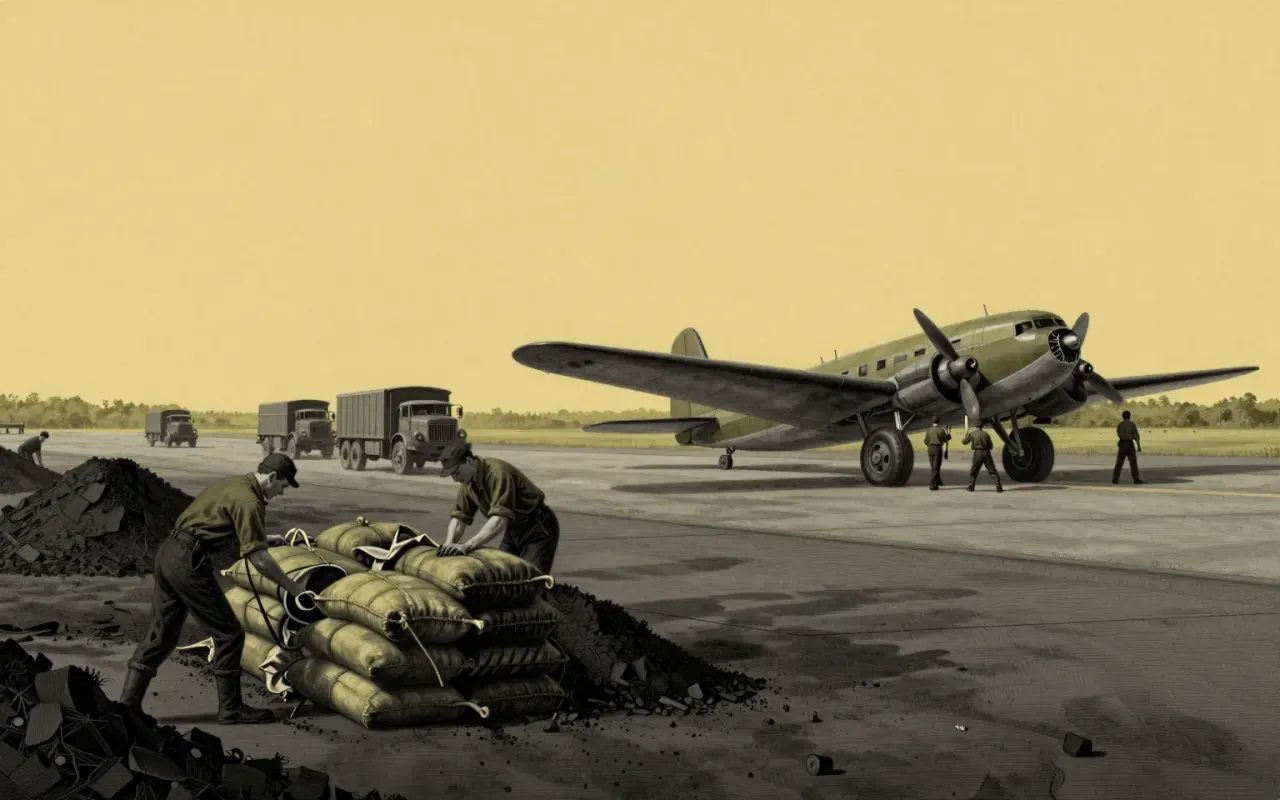
On 24 June 1948, the Soviet Union cut all rail, road and canal access to the Western-controlled sectors of Berlin, an enclave inside its own occupation zone, after Western powers introduced a new currency in their zones of Germany. The United States, Britain and their allies responded with the Berlin Airlift, flying over 2.3 million tons of supplies across 278,000 flights until the blockade was lifted on 12 May 1949, an operation that cost 101 lives in accidents and left West Berlin permanently tied to Western support.
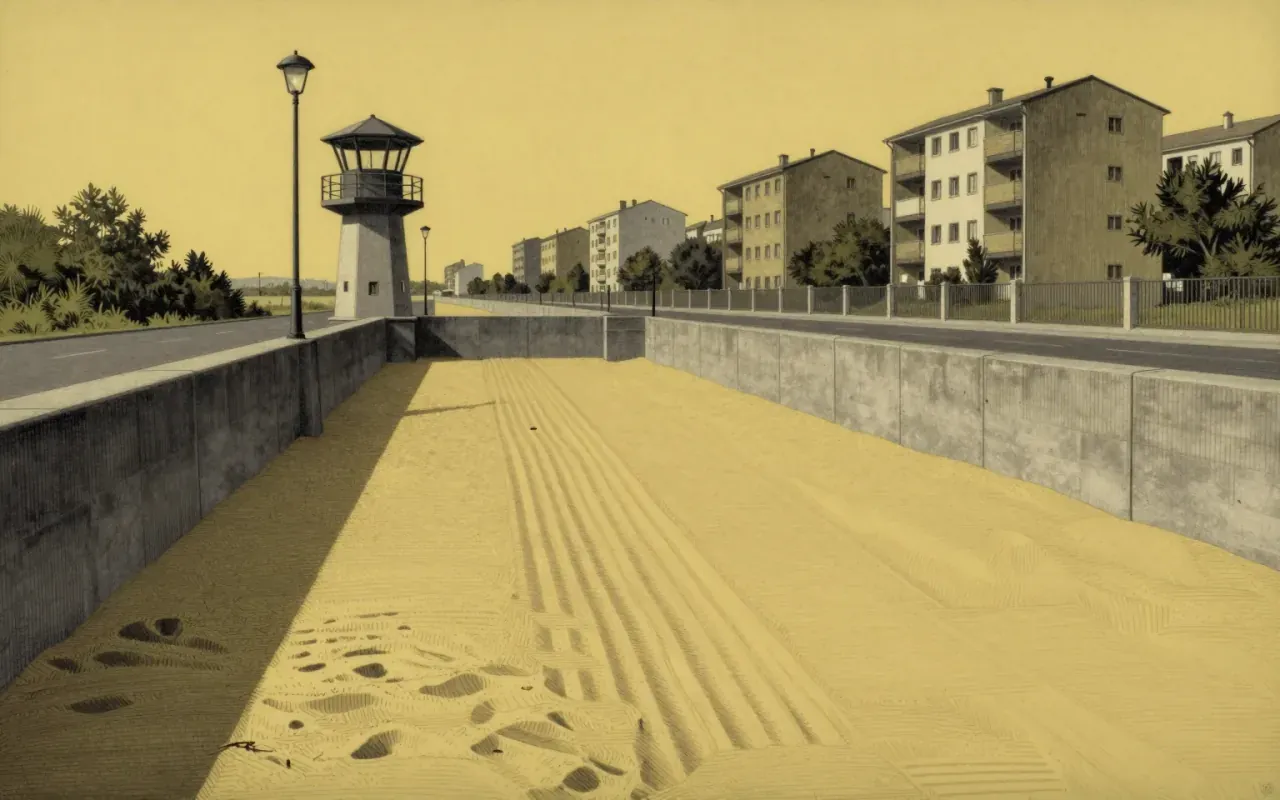
East Germany closed its border with West Berlin overnight on 13 August 1961, building the wall in response to the departure of roughly 3.5 million citizens, disproportionately young and educated, since the country's founding. The wall stood until it was opened on 9 November 1989, a moment triggered less by policy than by a confused press conference, and its full demolition took until 1994. Estimates of how many died attempting to cross range from 136 to over 200.
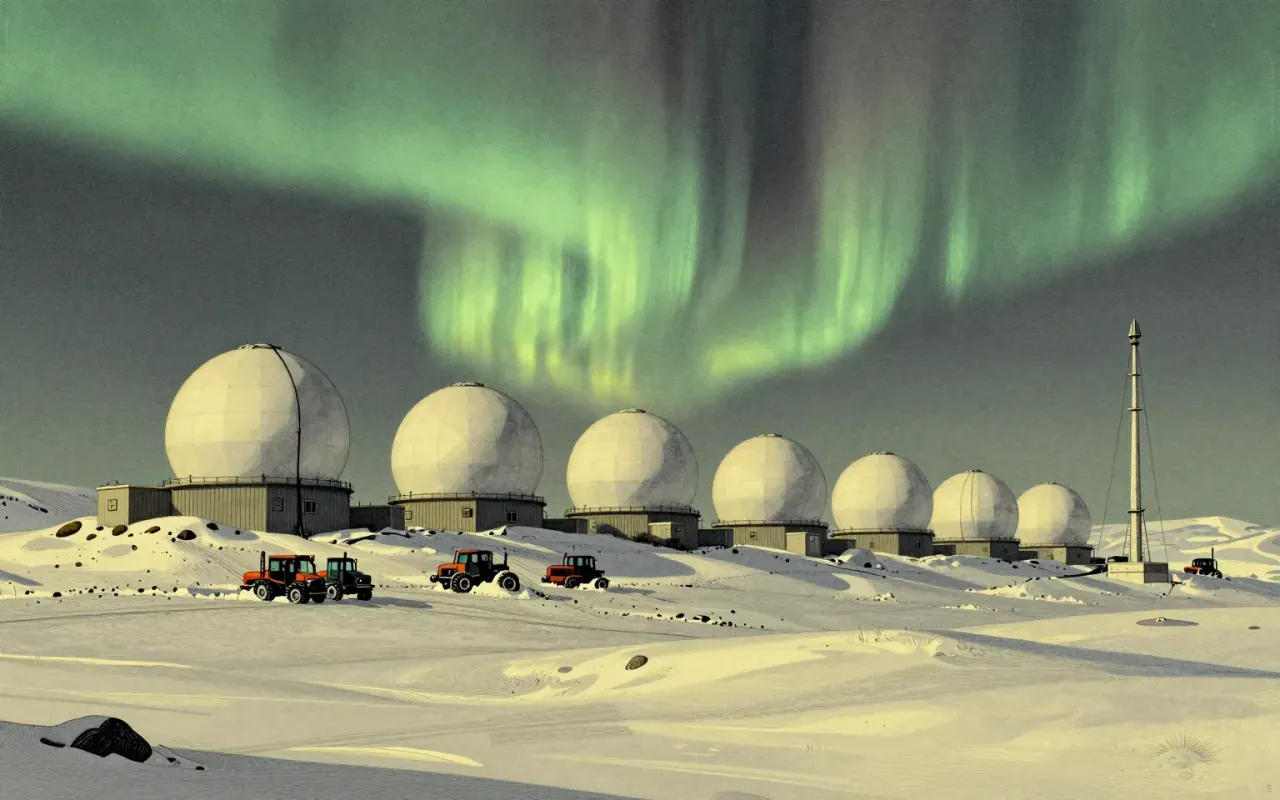
The Cold War ran from roughly 1947 to the Soviet Union's dissolution in December 1991, pitting the United States and its allies against the Soviet Union and the communist bloc. It never produced direct combat between the two superpowers but shaped proxy wars in Korea, Vietnam and elsewhere, an arms race, and a divided Europe, and historians still disagree over how much blame for its outbreak belongs to Soviet expansion versus American containment policy.

The Cuban Missile Crisis unfolded between 16 and 28 October 1962, after American reconnaissance confirmed Soviet nuclear missiles being installed in Cuba. President Kennedy's administration responded with a naval blockade rather than the invasion his military advisers preferred, and the crisis ended with a negotiated withdrawal that included a secret, unpublicised American concession over missiles in Turkey. It is remembered as the closest the Cold War came to direct nuclear conflict.
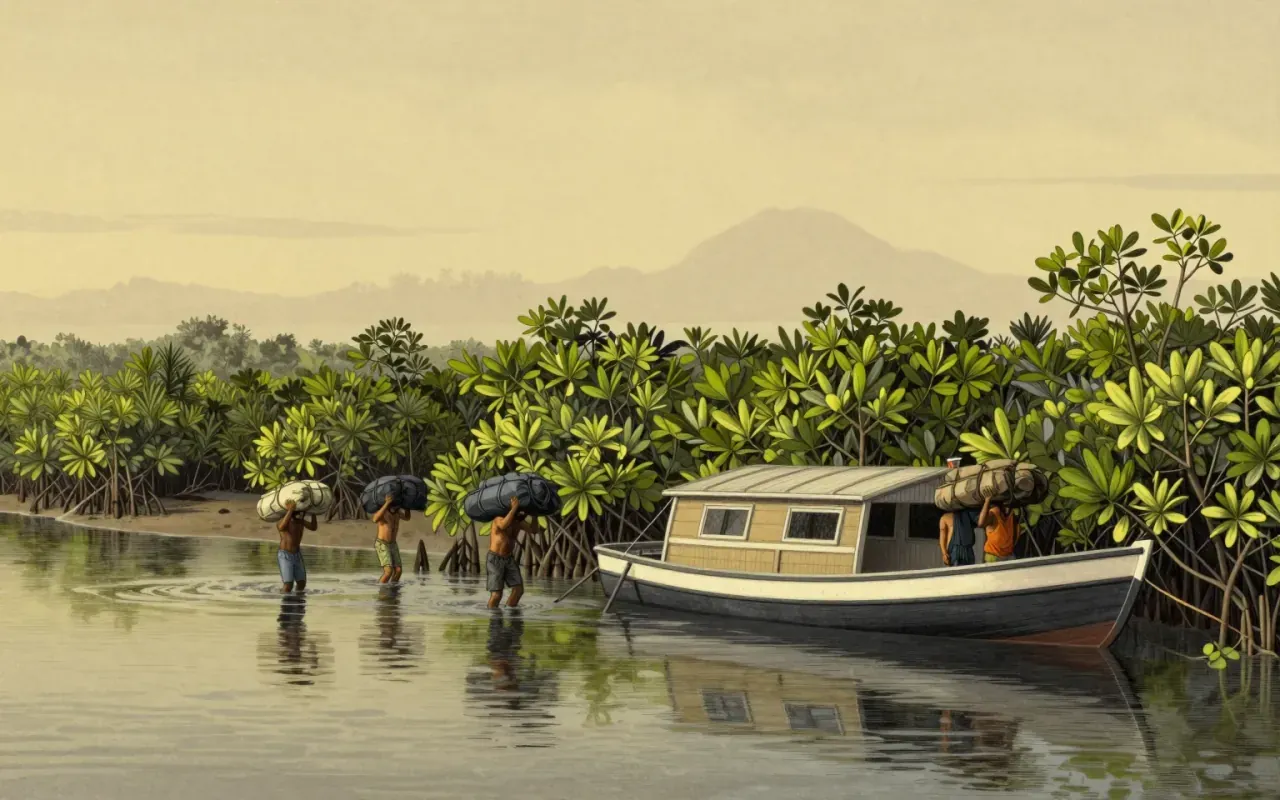
The Cuban Revolution ran from the failed Moncada Barracks attack in July 1953 to Fulgencio Batista's flight from Havana on New Year's Eve 1958, led by Fidel Castro and a small core of allies including his brother Raúl and Che Guevara. It grew out of economic inequality, unemployment and political repression under Batista, and historians still debate whether the movement was communist from the outset or became so only after it took power.
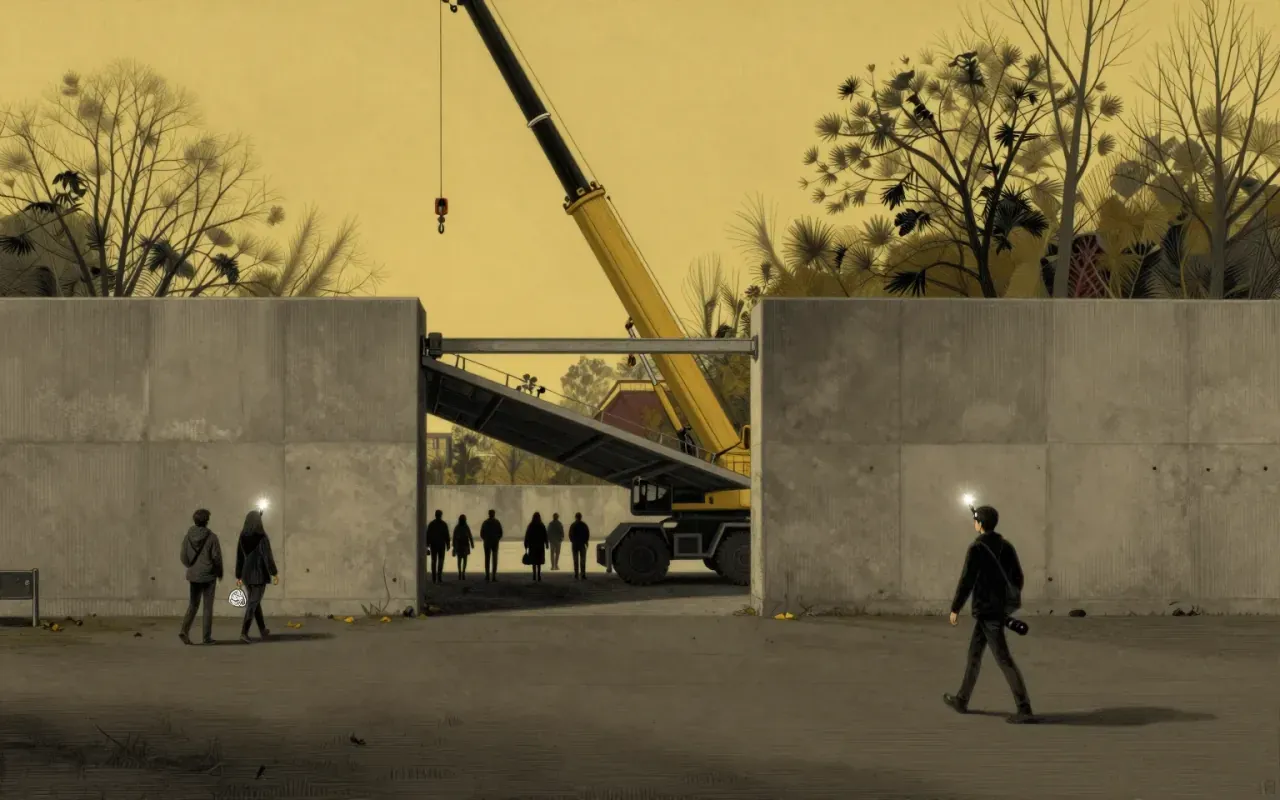
Mikhail Gorbachev's reforms from 1985, combined with a series of summits with Ronald Reagan and the Soviet abandonment of the Brezhnev Doctrine, opened the way for Eastern European communist governments to collapse peacefully through 1989, culminating in German reunification and the Soviet Union's own dissolution by December 1991. Historians remain divided over whether Soviet economic decay, Gorbachev's genuine ideological conviction, or Western pressure deserves primary credit, a debate the evidence supports multiple readings of rather than settling definitively.
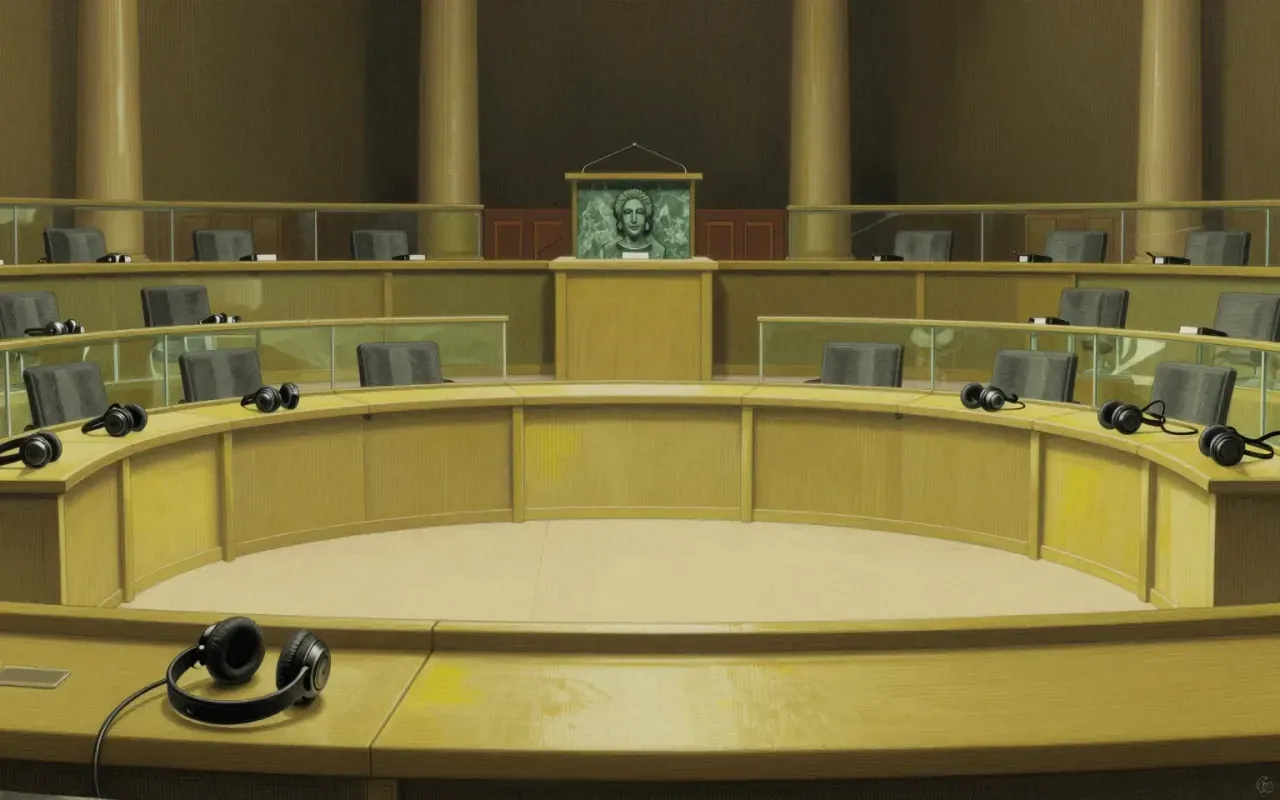
A series of wartime declarations and conferences, from the 1941 Atlantic Charter through Dumbarton Oaks and Yalta, culminated in fifty nations signing the UN Charter at the San Francisco Conference in June 1945, formally establishing the organisation that October. Franklin Roosevelt's vision of great-power cooperation, embedded in the Security Council's veto structure, was designed around wartime Allied unity that had already begun fracturing into Cold War division before the ink on the Charter had properly dried.
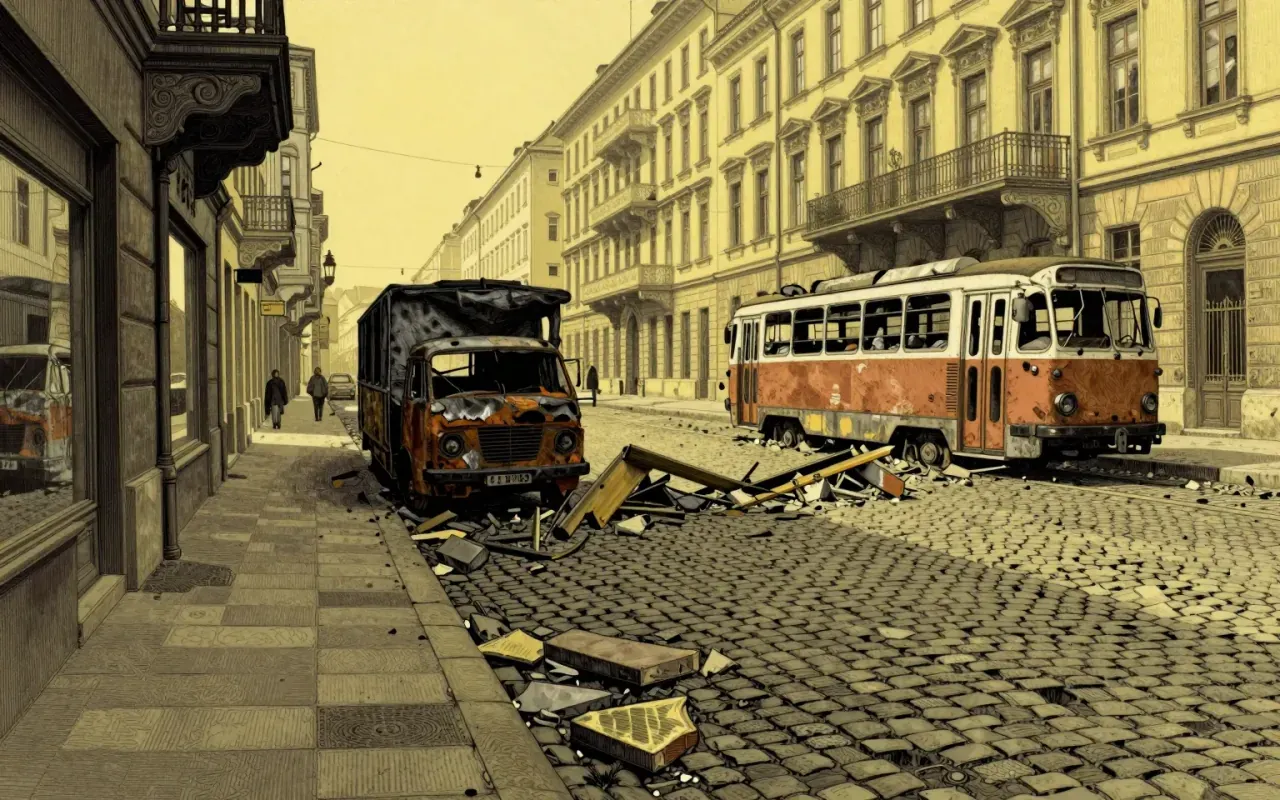
Students, workers and soldiers rose against Hungary's communist government in October 1956, forcing out its Stalinist leadership and briefly installing Imre Nagy, who took the extraordinary step of declaring neutrality and leaving the Warsaw Pact. The Soviet army returned within days and crushed the revolt, executing Nagy after a secret trial.

Saddam Hussein's invasion of Iran in September 1980, aimed at exploiting the chaos of Iran's revolution and reclaiming disputed border territory, opened an eight-year war that killed an estimated 450,000 to 500,000 people and ended in 1988 with no permanent territorial change on either side. The conflict drew simultaneous American, Soviet and Arab state support for Iraq despite documented Iraqi chemical weapons use, a convergence of Cold War and regional interests that historians still treat as one of the war's most striking features.

The Korean War ran from June 1950 to July 1953, pitting North Korea, backed by China and the Soviet Union, against South Korea and a United Nations force led by the United States. It followed directly from the hurried 1945 division of Korea at the 38th parallel, produced casualty estimates that historians still give only as wide ranges, and ended in an armistice rather than a settlement, leaving the peninsula formally still at war.
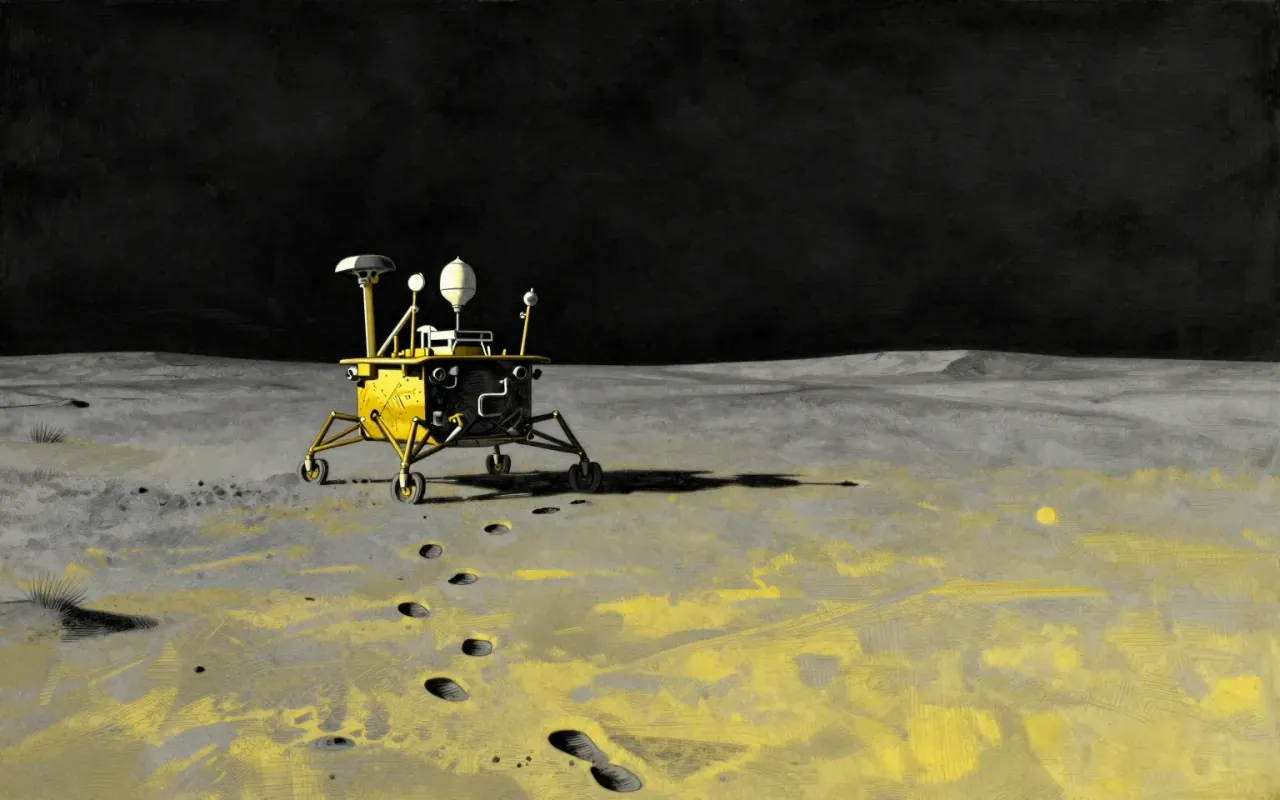
Apollo 11 landed on the Moon on 20 July 1969, with Neil Armstrong and Buzz Aldrin spending about two and a half hours outside the lunar module while Michael Collins orbited above in the command module. The landing itself required Armstrong to take manual control past a boulder field with only seconds of propellant remaining, and the mission was watched live by hundreds of millions of people, a scale of audience unmatched at the time.
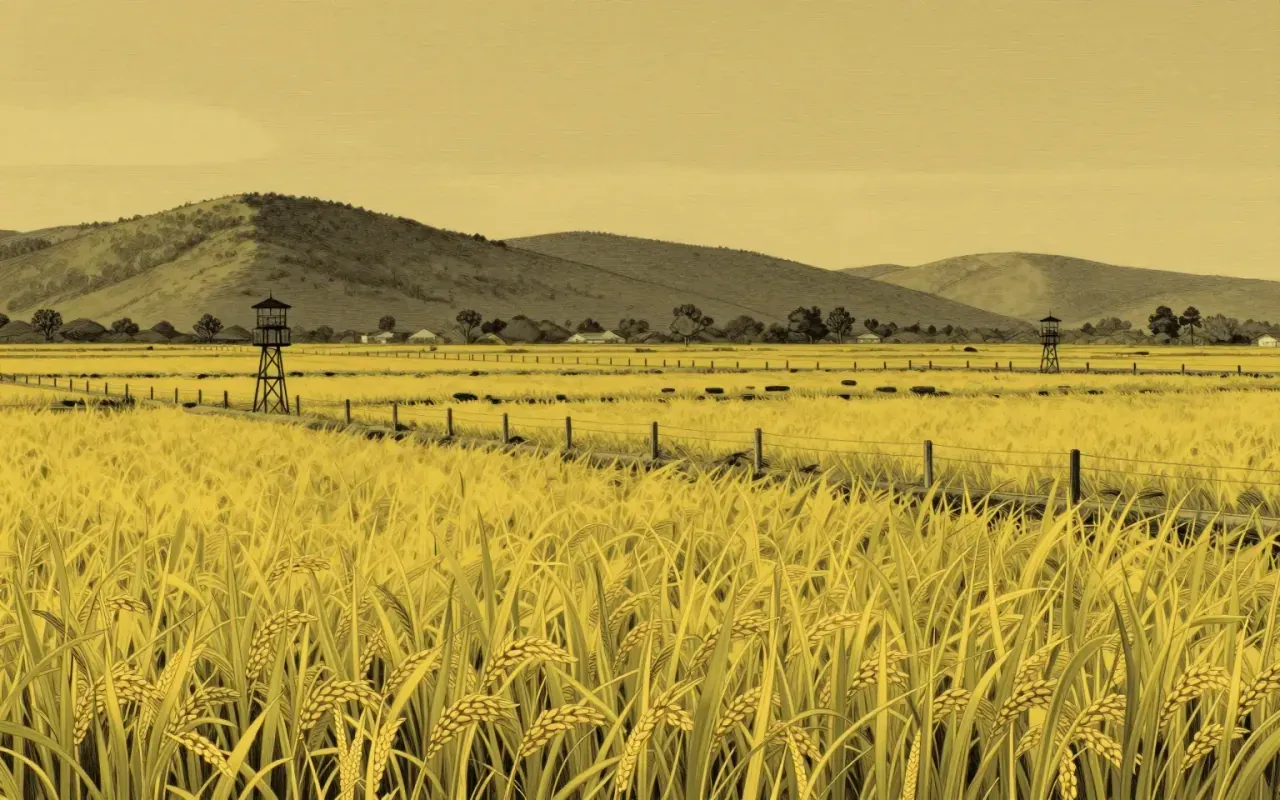
Korea was split at the 38th parallel in August 1945 after two young American officers, working overnight with a commercial atlas rather than any deep regional expertise, proposed the line to ensure Seoul fell under American rather than Soviet control. Separate governments under Kim Il Sung and Syngman Rhee formed by 1948, both claiming the whole peninsula, and the resulting Korean War of 1950 to 1953 killed well over a million civilians before ending in an armistice that left the country divided along almost the same line, without a peace treaty ever being signed.
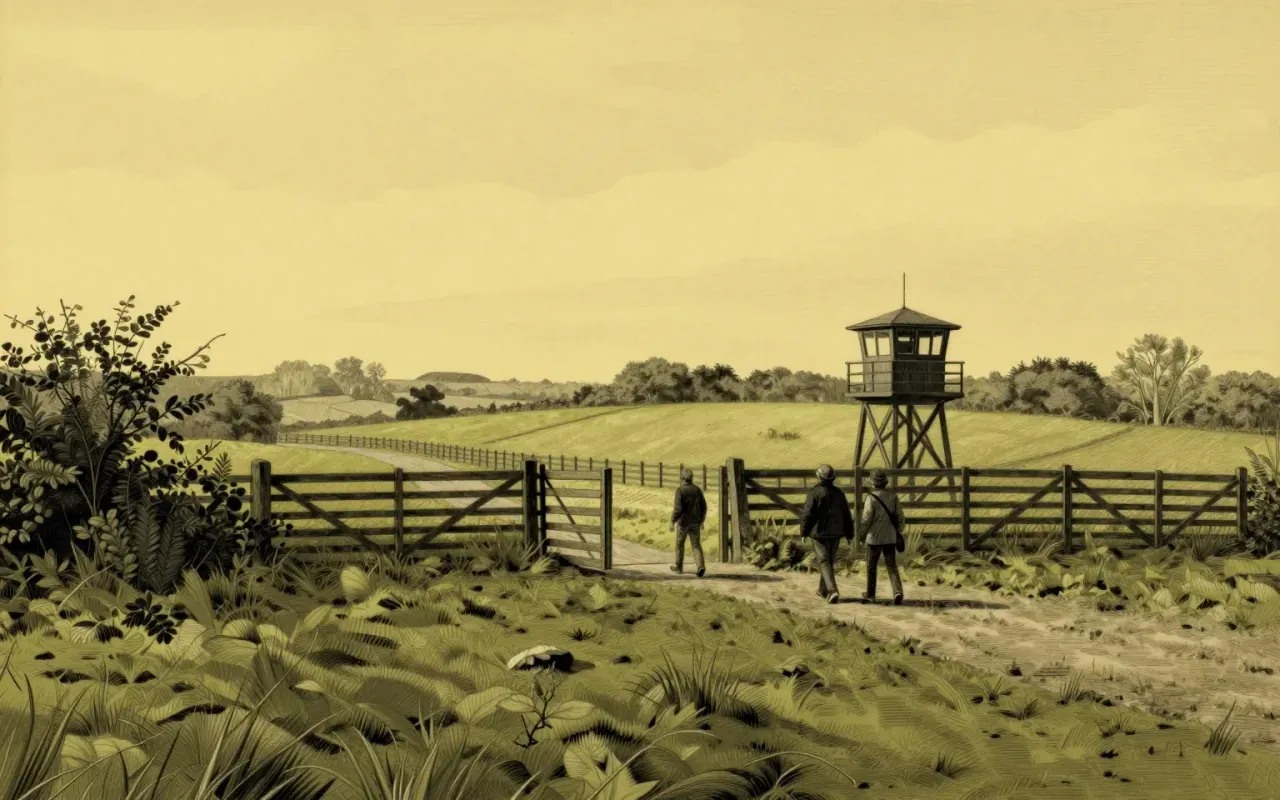
East Germany's parliament voted in August 1990 to dissolve itself and accede to the Federal Republic under Article 23 of the West German constitution, completing formal reunification on 3 October after the Two Plus Four Treaty secured Allied agreement to full German sovereignty and NATO membership. The process, compressed into roughly six months once East Germany's first free elections opened the way, is remembered by most as reunification, though some analysts and politicians have described it in the more contested language of annexation given how completely West Germany's institutions simply absorbed the East.
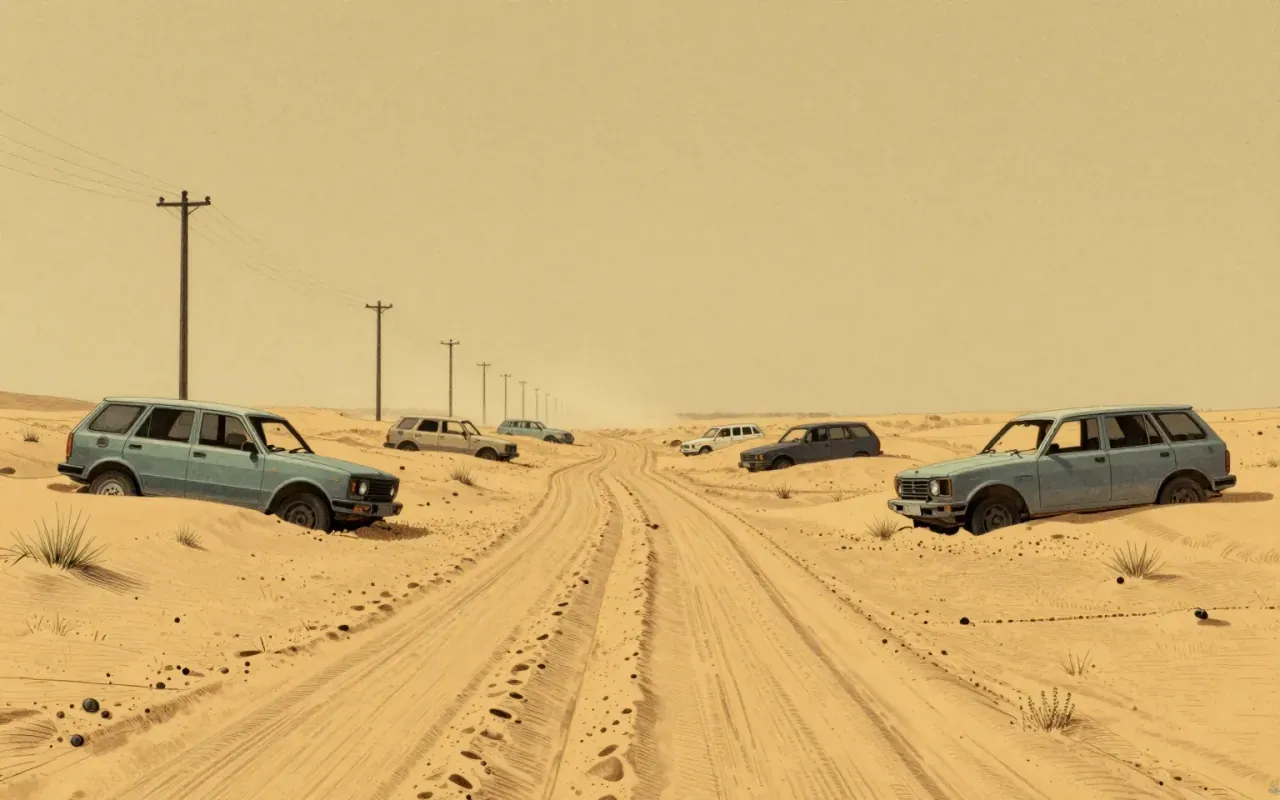
Israel launched a surprise air assault against Egypt on 5 June 1967 after weeks of escalating tension triggered partly by a false Soviet report of Israeli troop movements against Syria, and within six days had defeated Egyptian, Jordanian and Syrian forces, seizing the Sinai Peninsula, the West Bank, East Jerusalem, Gaza and the Golan Heights. The war displaced roughly 413,000 Palestinians and remains disputed over whether Israel's strike constituted legitimate pre-emption or aggression, a question tied to the closure of the Straits of Tiran that preceded it.
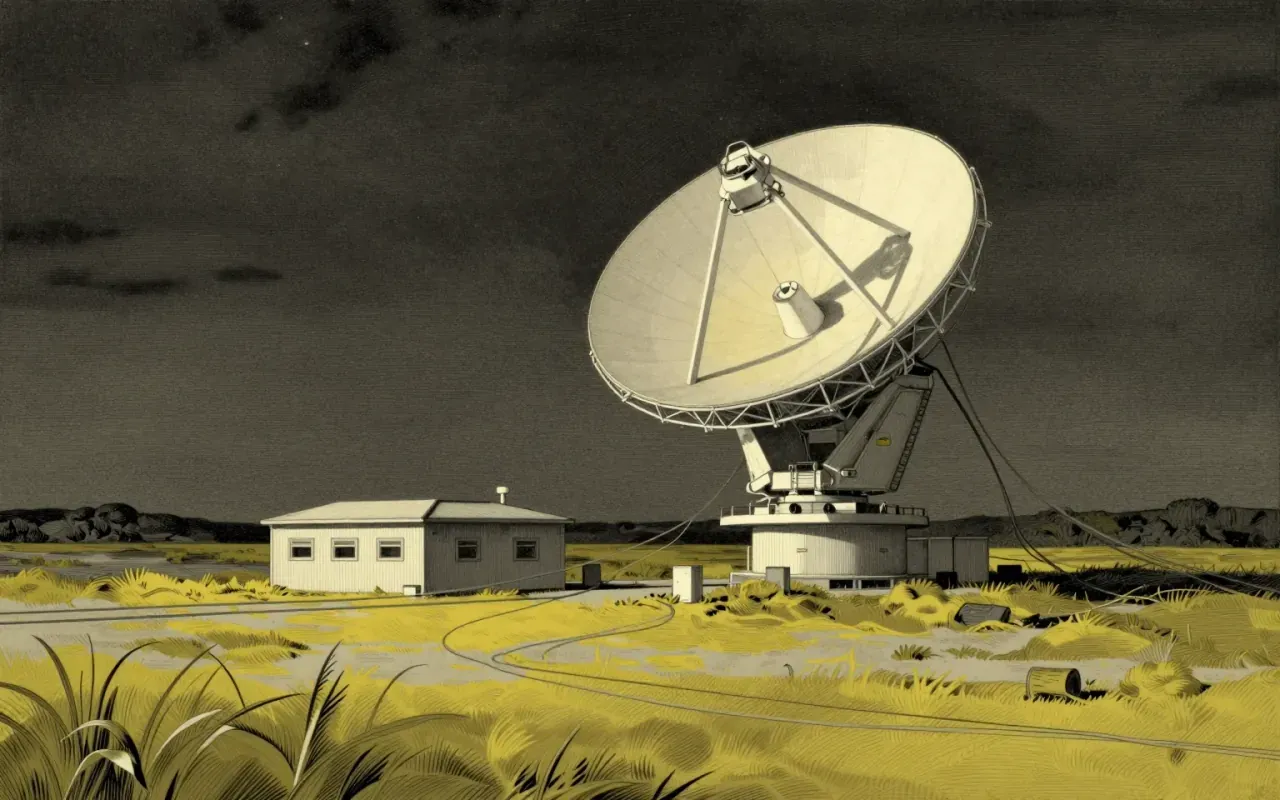
From the mid-1950s to the mid-1970s, the United States and the Soviet Union competed to demonstrate technological supremacy through spaceflight, a rivalry that produced Sputnik, Yuri Gagarin's orbital flight, and the Apollo moon landings. The Soviets pursued a strategy of dramatic firsts announced only after success, while the Americans broadcast their efforts publicly, including their failures, and the competition faded rather than concluded, ending in a joint mission rather than a declared victory.
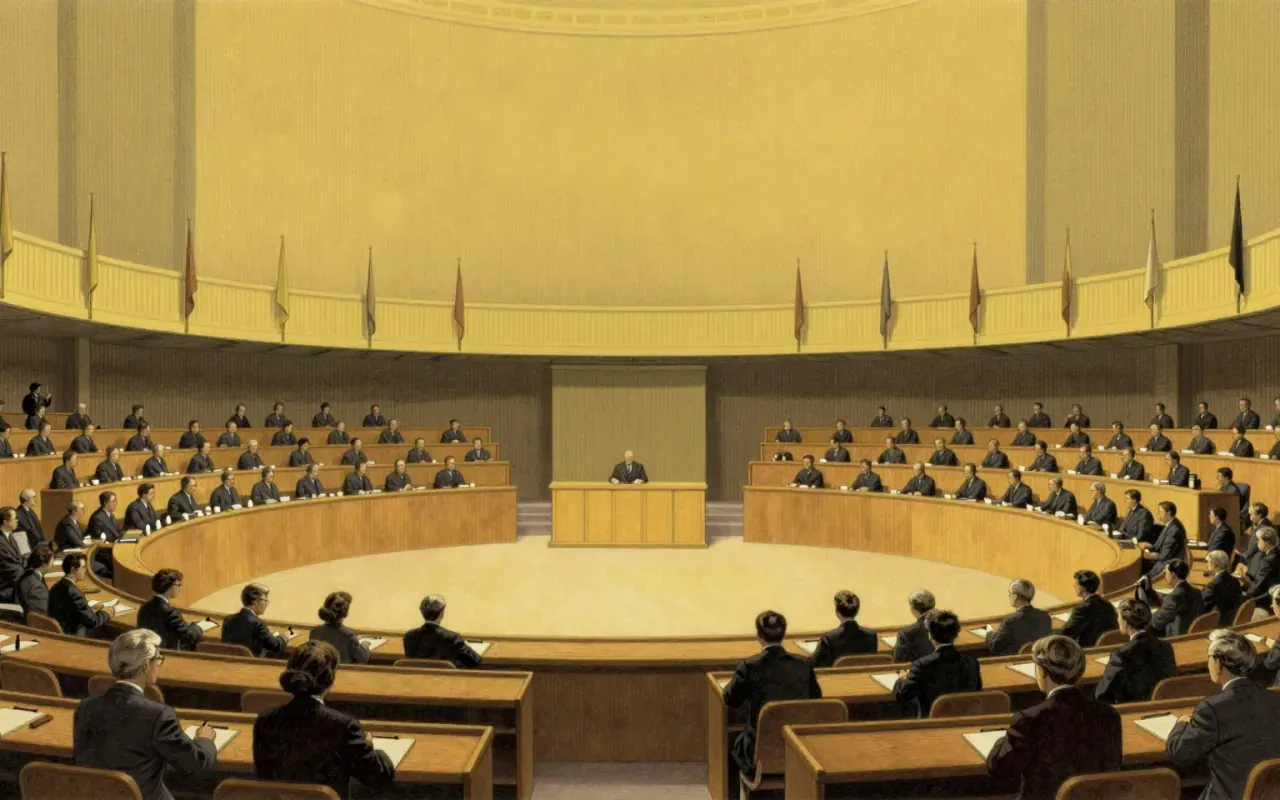
Signed in 1968 and in force since 5 March 1970, the Treaty on the Non-Proliferation of Nuclear Weapons recognises the United States, Russia, Britain, France and China as nuclear-weapon states while committing other signatories not to acquire such weapons, in exchange for access to civilian nuclear technology and a pledge from the five toward eventual disarmament. India, Pakistan and Israel never joined and have since built arsenals, North Korea withdrew in 2003 and tested a weapon in 2006, and the treaty, extended indefinitely in 1995, now has 189 parties even as roughly 13,400 warheads remain among the recognised nuclear powers.
Beginning with a police crackdown on a student march in Prague on 17 November 1989, Czechoslovakia's Velvet Revolution unfolded over six weeks through strikes, mass demonstrations reaching hundreds of thousands, and negotiations led by the newly formed Civic Forum under Vaclav Havel. The Communist Party's leading role was struck from the constitution on 27 November, Havel became president on 29 December, and the transition, named for its lack of violence, was completed without the bloodshed seen elsewhere in the region that year.

Fought from the mid-1950s to 1975 between communist North Vietnam and the American-backed south, the Vietnam War grew out of the unresolved partition that followed France's defeat in Indochina. It drew in the Soviet Union, China and a coalition of American allies, produced casualty estimates that vary by hundreds of thousands depending on methodology, and ended with North Vietnam's victory, reunification, and a war whose spillover into Cambodia and Laos killed hundreds of thousands more.