Twenty-three October
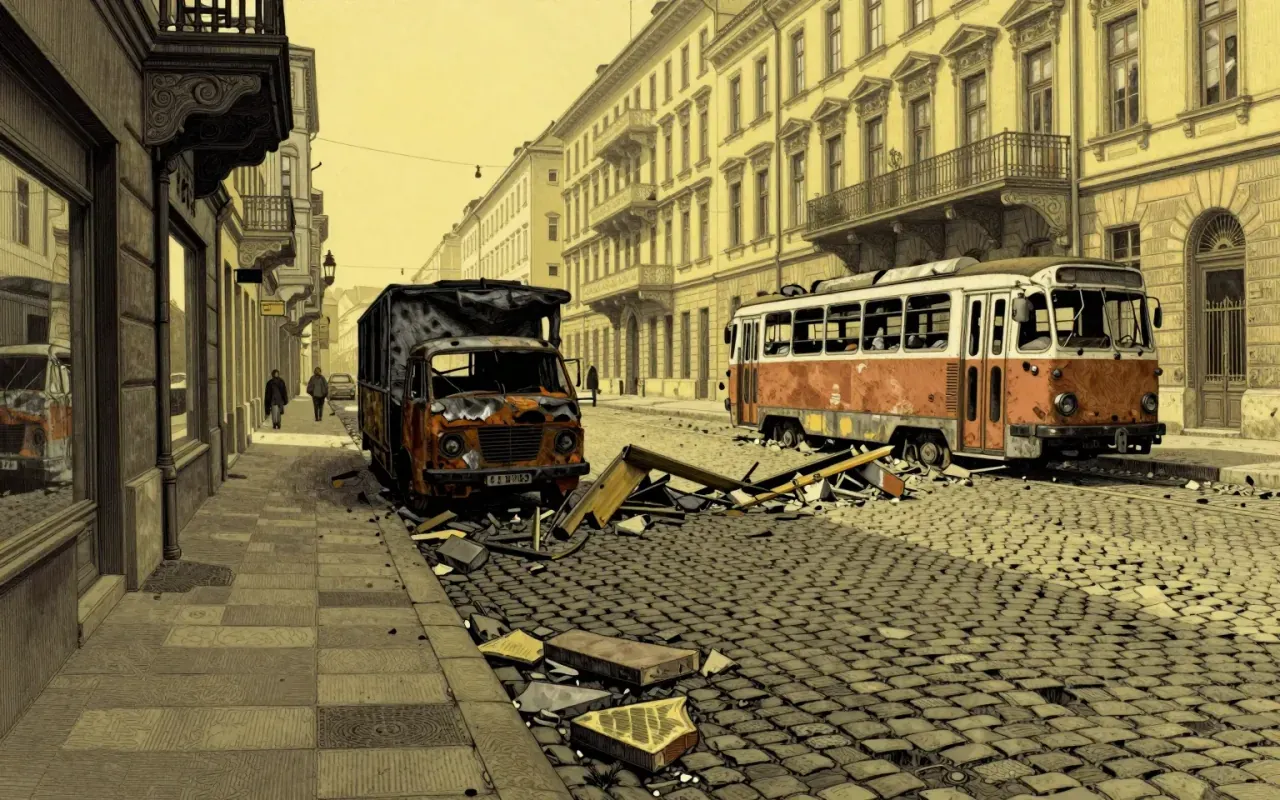
On 23 October 1956, university students in Budapest marched on the parliament building demanding reform and an end to Soviet domination of Hungarian politics. A delegation that tried to broadcast its demands from the state radio station was fired on by security police, and within hours the crowd had armed itself from police and army stores. Revolutionary councils and militias sprang up across the city and then the country, executing some secret-police officers and freeing political prisoners. By 28 October the reforming communist Imre Nagy, installed as prime minister days earlier, had ordered the hated ÁVH secret police dissolved. For a short stretch it looked as though a Soviet satellite state might reform itself from within, with Moscow’s own forces initially withdrawing from Budapest rather than suppressing the revolt outright.
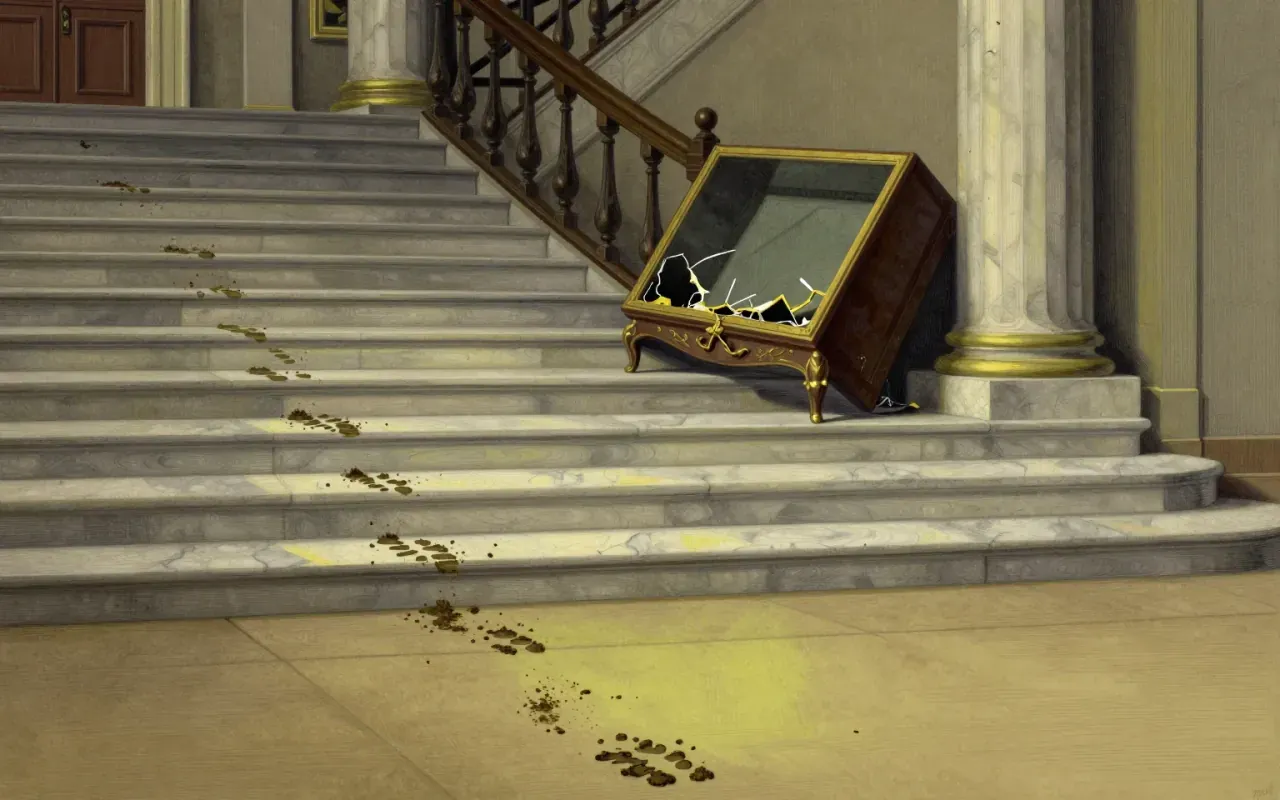
Nagy’s government
Much of what is known about the uprising’s first days comes from contemporary radio broadcasts, Hungarian government records surviving from Nagy’s short-lived administration, and Western reporting filed from Vienna as journalists and refugees crossed the border. The more sensitive material only became available later: Nagy’s trial documents were suppressed for over three decades, released in stages after 1989, and Soviet Politburo records on the decision to invade emerged only after the Soviet Union itself collapsed. That lag matters. For years the standard account rested on émigré testimony and diplomatic cable traffic rather than the internal deliberations in Moscow or the closed courtroom in Budapest, which is why some of the sharpest details about Khrushchev’s decision-making and Nagy’s final hours reached historians only in the 1990s.
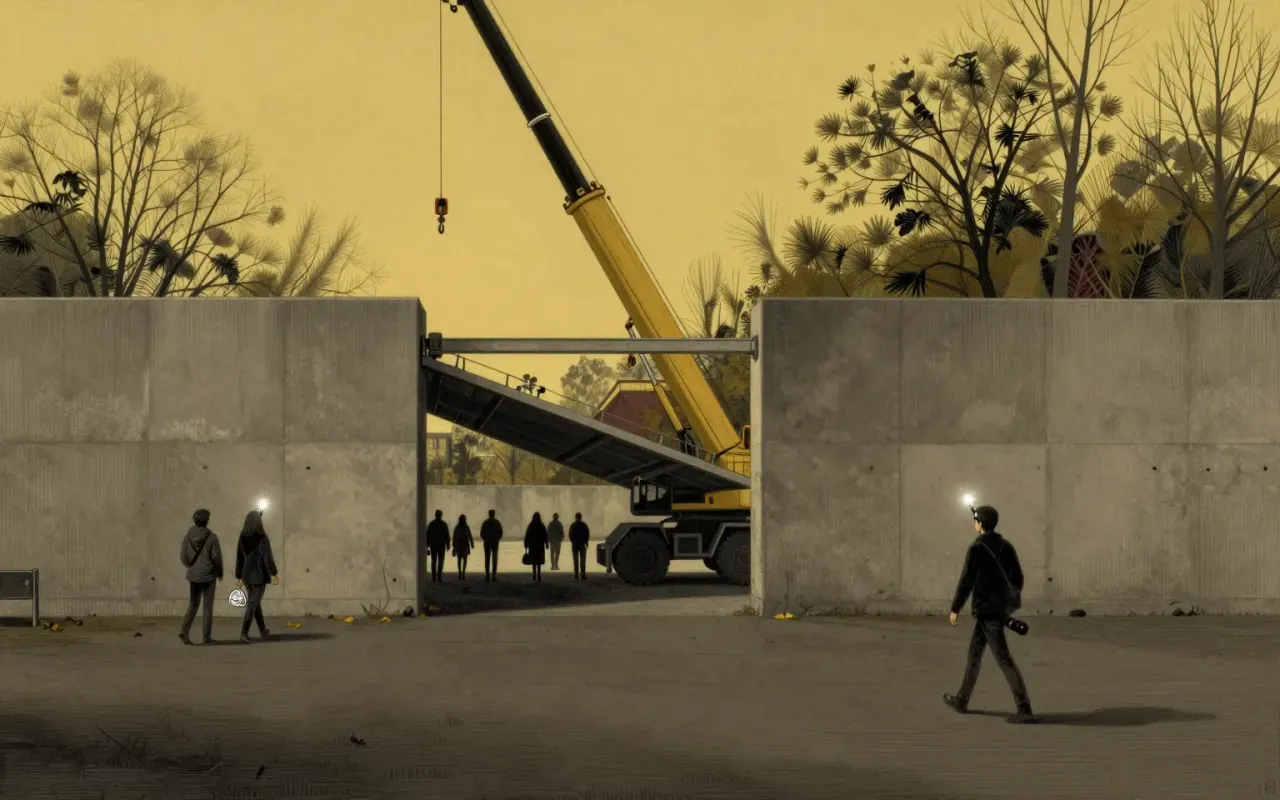
The second invasion
The revolt followed years of economic strain and repression under Mátyás Rákosi’s Stalinist government, compounded by Khrushchev’s own 1956 speech denouncing Stalin, which destabilised orthodoxy across the Eastern Bloc. Poland’s own confrontation with Moscow that October, resolved without invasion, encouraged Hungarians to believe similar concessions might follow. They did not. Nagy’s decision to declare neutrality and leave the Warsaw Pact on 1 November crossed a line Poland’s reformers had not: it threatened the alliance’s cohesion directly rather than merely its internal politics. The Kremlin, having briefly signalled it might tolerate a reformed communist Hungary, reversed course once withdrawal from the bloc entered as a possibility, and Soviet forces returned on 4 November in far greater strength than the units withdrawn days earlier.
A trial kept secret
Historians still argue over how close Khrushchev came to letting Hungary go. Soviet records suggest genuine indecision in the Politburo through early November, with Suez’s near-simultaneous crisis and fear of a domino effect across the bloc both cited as factors tipping the balance toward invasion. Nagy’s own intentions are debated too: whether he sought a fully non-aligned Hungary on the Austrian model or a more modest liberalisation within the socialist camp remains unsettled, since his public statements shifted under pressure from more radical councils around him. Casualty figures are similarly approximate rather than fixed, with Hungarian deaths usually put at two to three thousand and Soviet losses lower, both drawn from postwar tallies rather than a single authoritative count.
Two hundred thousand left
The uprising’s defeat entrenched János Kádár’s Soviet-backed government for over three decades, though Kádár’s Hungary eventually pursued milder economic liberalisation than its neighbours, a policy later nicknamed goulash communism. Some 200,000 Hungarians fled to Austria and beyond, forming one of the Cold War’s largest single refugee movements and shaping Western perceptions of Soviet rule for a generation. Within the Eastern Bloc, the crushed revolt served as a warning rather than an example, reinforcing the pattern by which reform movements in Czechoslovakia in 1968 and Poland in the early 1980s would also be contained, whether by invasion or martial law, before matters reached Hungary’s 1956 point of no return.
A funeral thirty years on
It is worth your time because it compresses, into thirteen days, the central mechanics of Soviet control: how far reform could go, what triggered intervention, and how completely an official record could be rewritten afterward. The story rewards patience with its documentation problem as much as its drama, since the fullest picture only assembled itself after 1989, when Nagy’s reburial drew hundreds of thousands and a young Viktor Orbán used the occasion to demand free elections. Read it for the uprising itself, but also for what it shows about how long a state can keep its own history locked in an archive, and what changes when that archive finally opens.