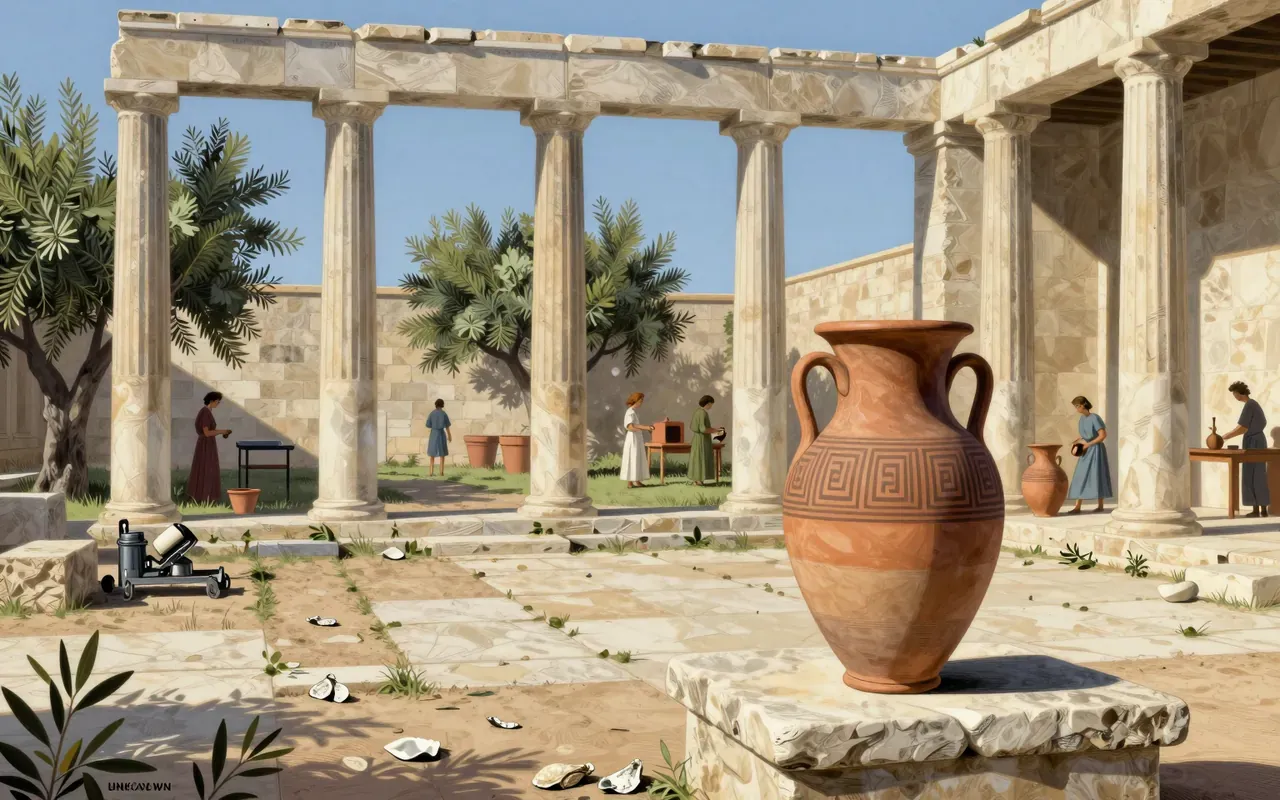
Ancient Greece
Ancient Greece isn’t a place or a nation — it’s the first time history became a written argument about power.
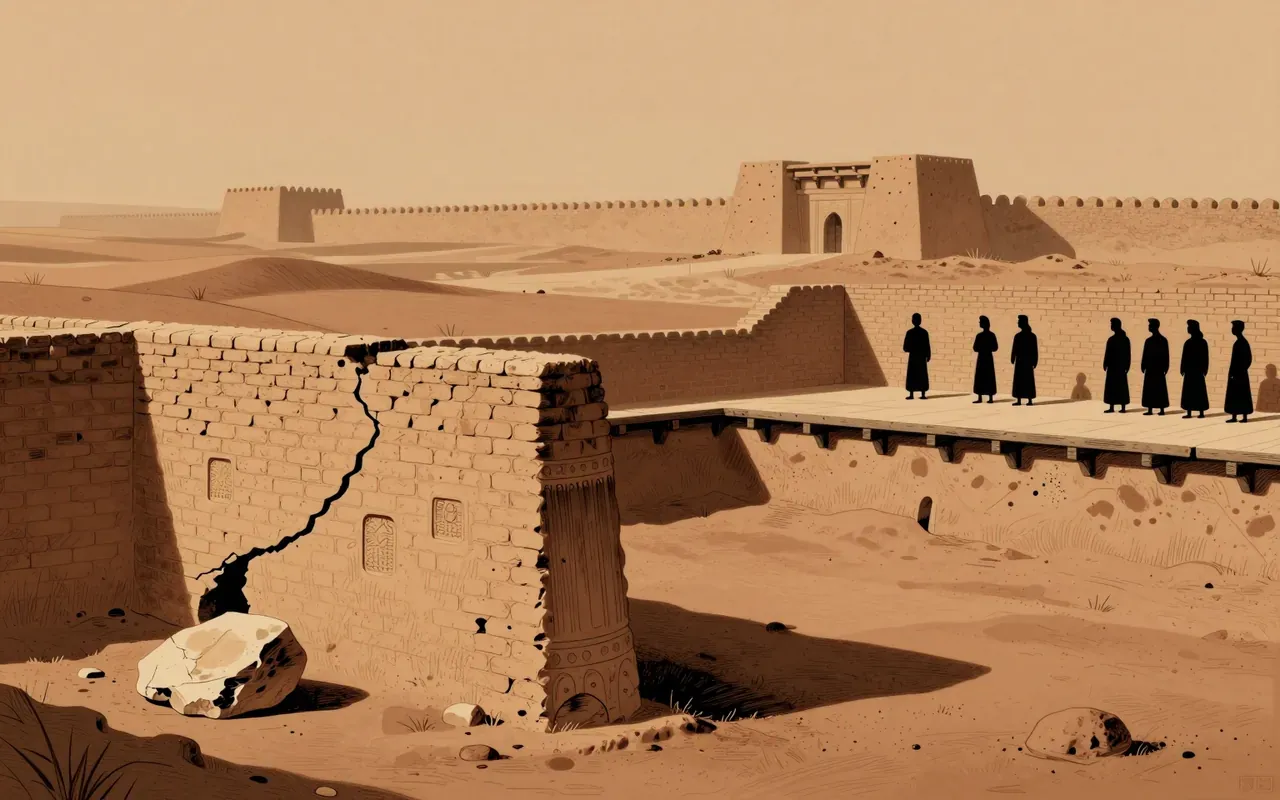
Samarkand at -800 BC is archaeologically verifiable, institutionally attested, and geographically explicable — but its ‘founding’ remains a scholarly estimate, not a recorded event.
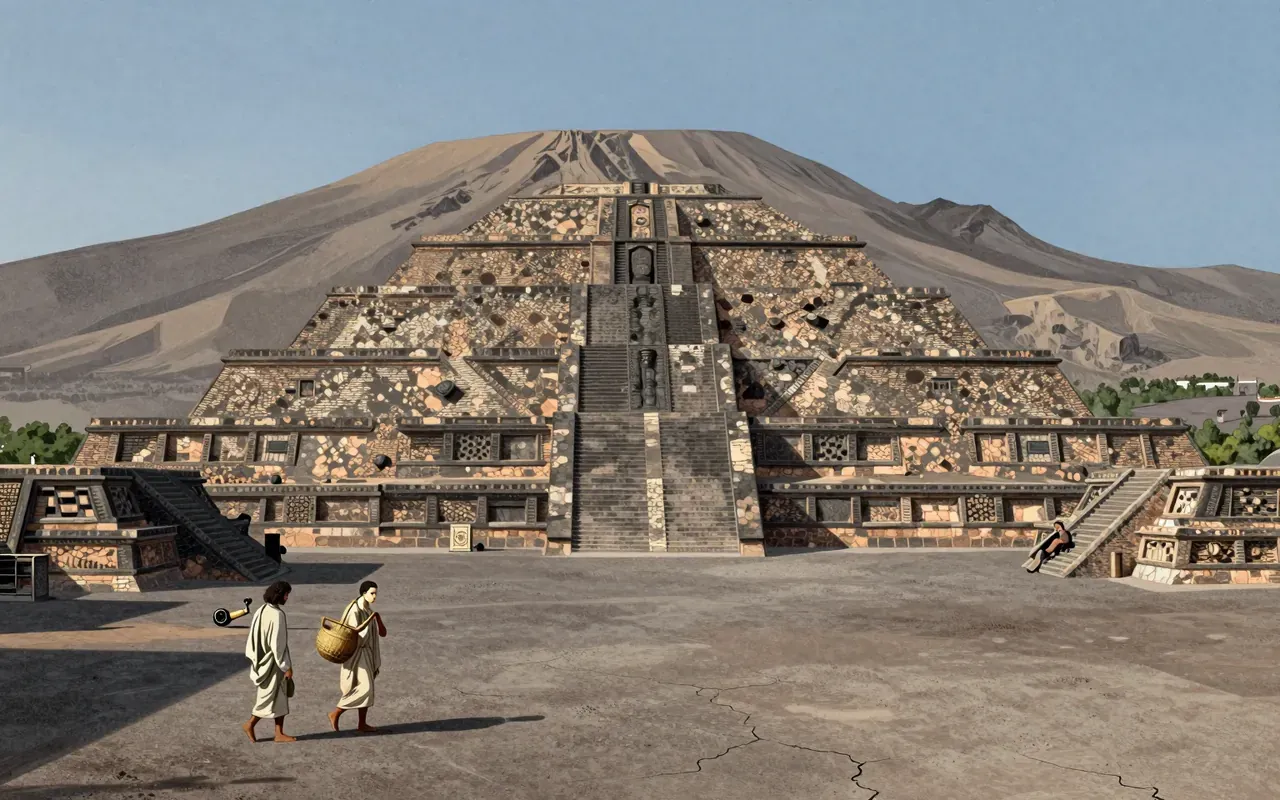
Teotihuacan was the largest city in the Americas before 500 CE. Its monuments were built over 350 years. Its central structures were burned around 550 CE. It housed ~100,000 people — 80–90% of the Valley of Mexico’s population. It ended between the 7th and 8th centuries CE. We know none of its rulers’ names. We do not know why it burned. We do not know what its people called it.
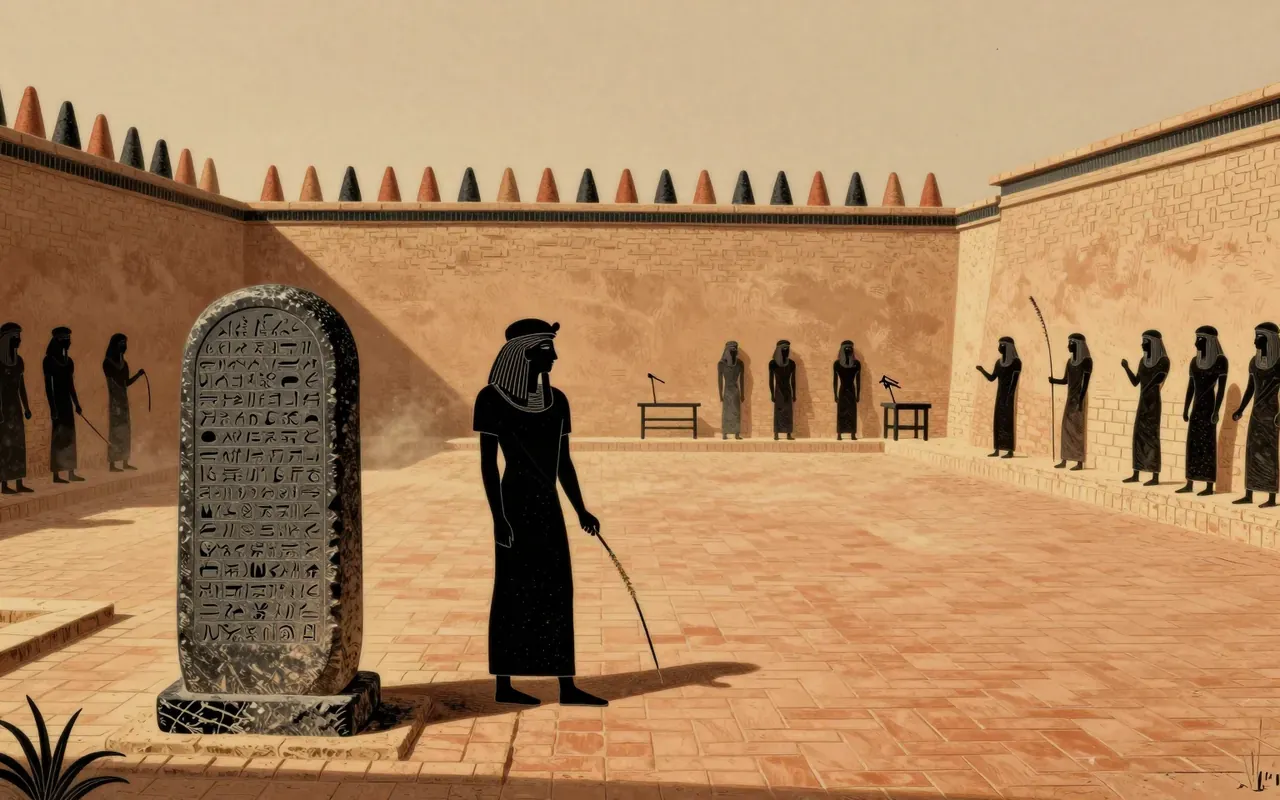
The Code of Hammurabi is the earliest complete, datable, and materially intact legal code — a monument to royal authority, not a manual for courts. It declares intent, not practice. Its survival rests on one stele, one language, one date, and one claim: that justice flows from the king through the gods. That claim is legible. Its implementation is not.
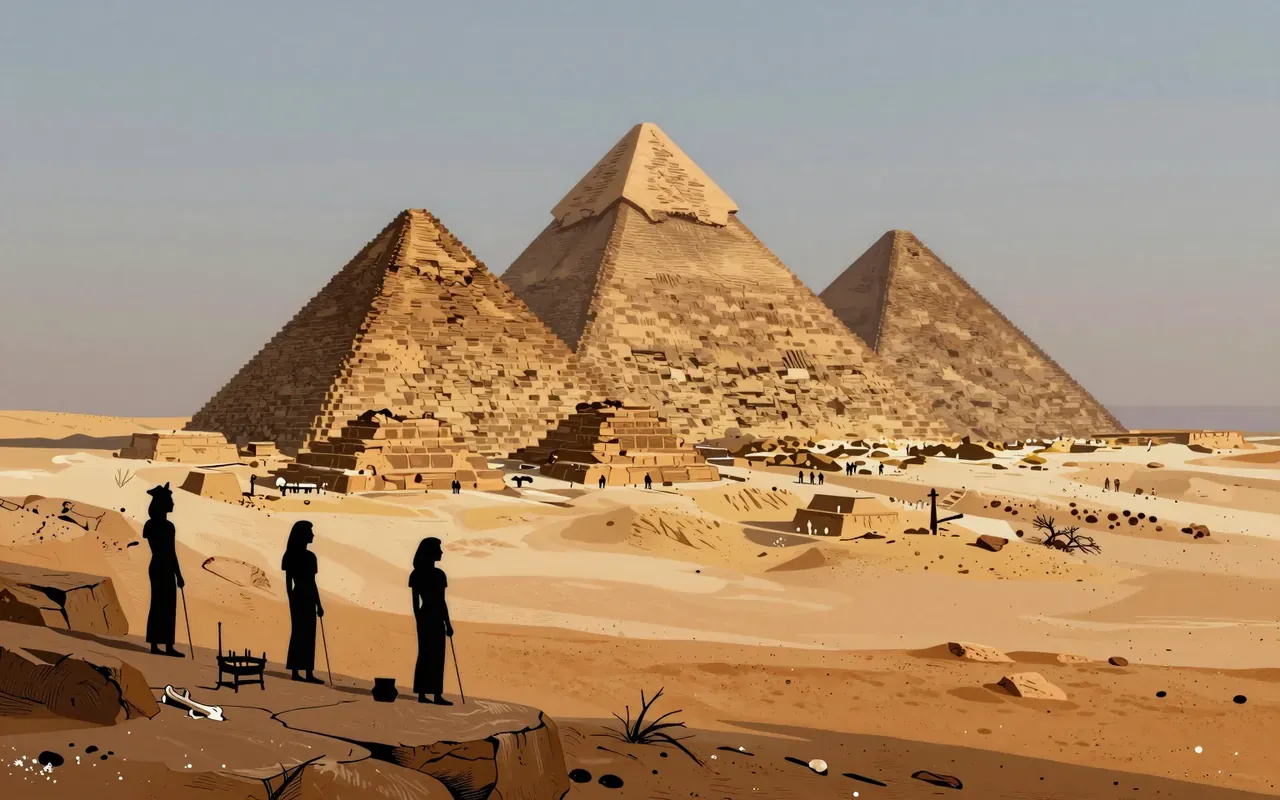
The Great Pyramid of Giza is the oldest and only largely intact Wonder of the Ancient World. Built c. 2600 BC as Khufu’s tomb, it stood 146.6 m tall for over 3,700 years. Its dimensions — 230.3 m per side, 2.6 million m³ volume — are precisely measured. What remains visible today is the underlying core structure, after most of its smooth white limestone casing was removed.
Alexander III of Macedon inherited his father's throne and army at twenty and, over the following decade, defeated the Achaemenid Persian Empire and pushed as far as northwestern India before turning back and dying at thirty-two. The battles and territory are documented reasonably well; the personal anecdotes that make him vivid, such as the taming of the horse Bucephalas and the meeting with the philosopher Diogenes, come mostly from Plutarch, writing about four centuries after Alexander's death.
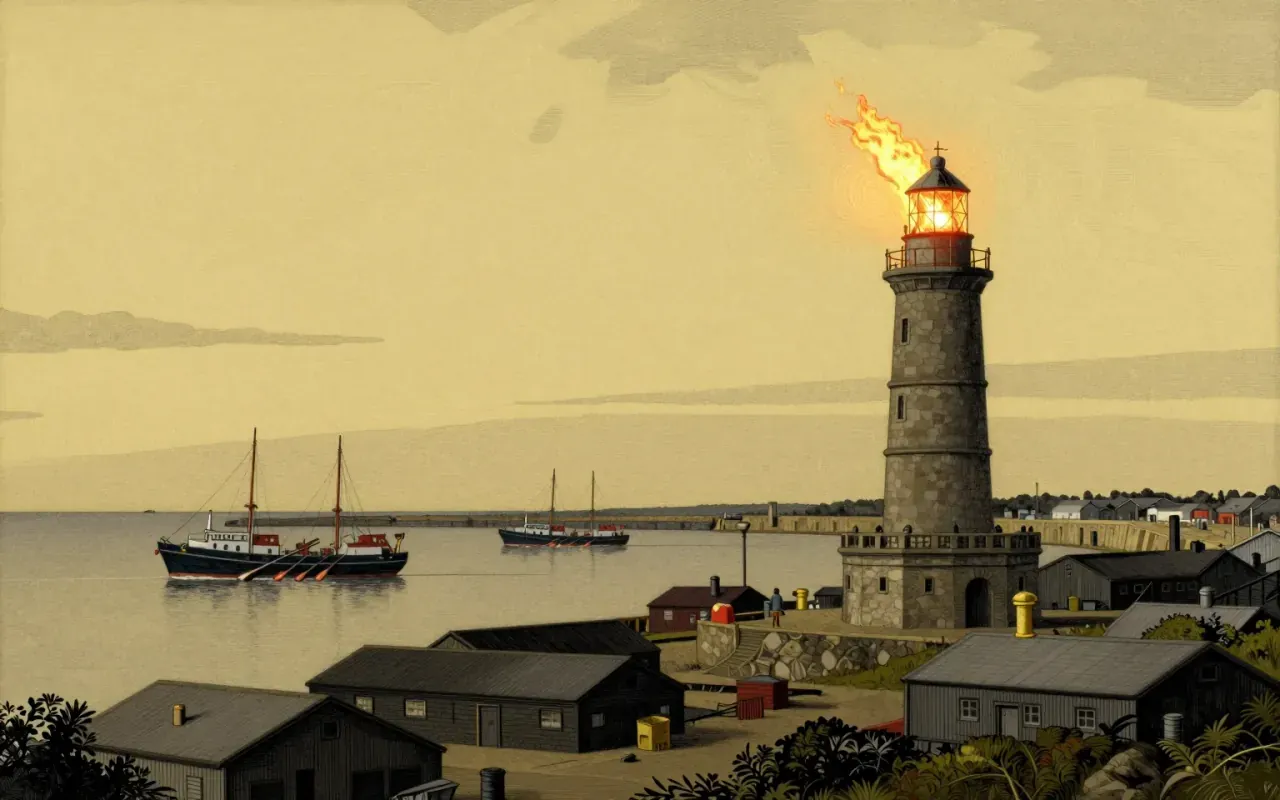
Alexander the Great founded Alexandria in April 331 BC after taking Egypt from Persian control, then departed shortly afterward, leaving his successors, particularly Ptolemy I, to build it into the largest city in the world within a century through institutions including its famous library and the Pharos lighthouse, one of the ancient world's seven wonders. The library's eventual destruction, often attributed to a single dramatic event during Julius Caesar's siege in 47 BC, remains disputed among historians, and the city's long decline followed Portuguese discovery of alternative sea routes to India in the late fifteenth century.

Ashoka took the Mauryan throne in the third century BC and conquered the kingdom of Kalinga at enormous human cost before turning, over subsequent years, toward an ethical code he called dhamma and eventually Buddhism. His own edicts are the only contemporary evidence for his reign; the dramatic stories of fratricide and conversion come from Buddhist chronicles composed centuries afterward, and the two surviving legendary traditions disagree with each other. His empire declined quickly after his death, and he was largely forgotten until nineteenth-century decipherment restored him to history.
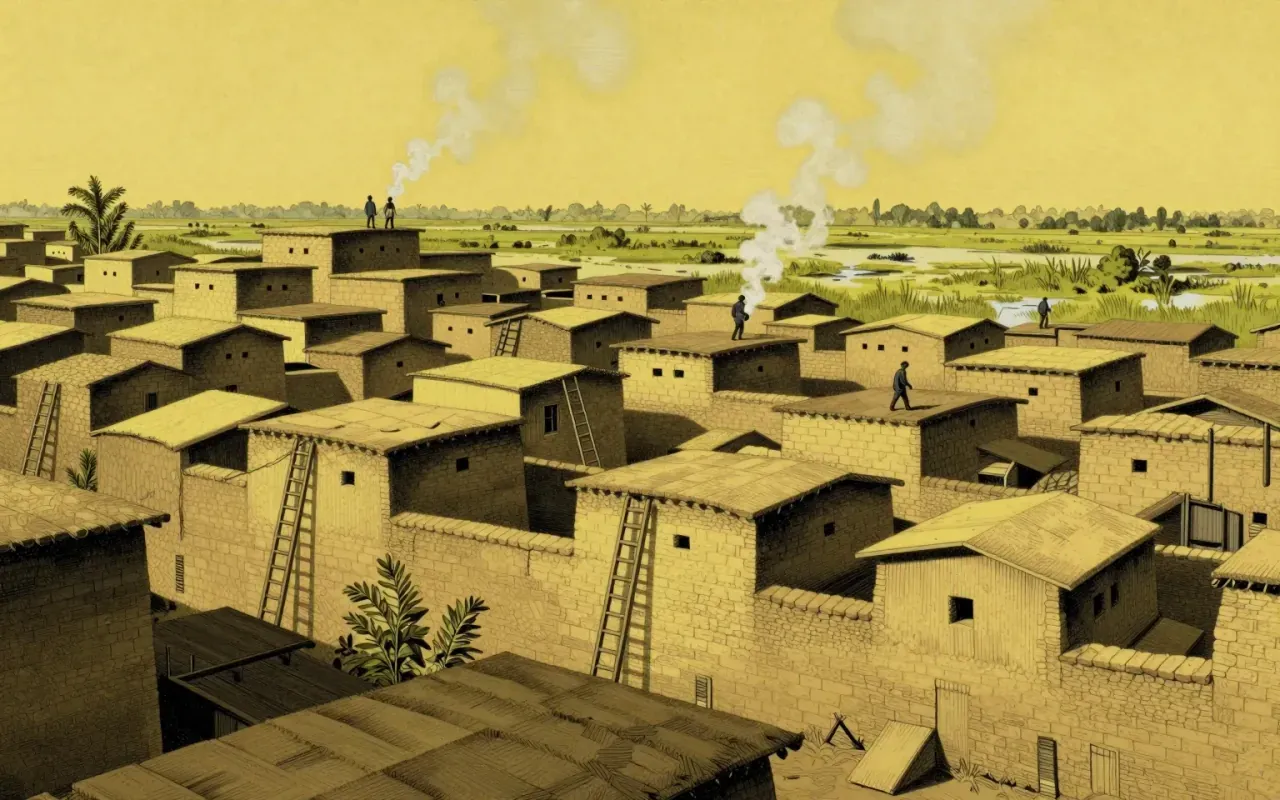
Catalhoyuk was a densely built Neolithic settlement in southern Anatolia occupied from roughly 7500 to 5600 BC, notable for honeycomb-like mudbrick houses entered through their roofs and for eighteen successive layers of rebuilding uncovered by archaeologists. James Mellaart, who discovered the site in 1958, argued its clay figurines pointed to a mother-goddess religion and an egalitarian social structure, but later excavations led by Ian Hodder, examining thousands more figurines and other evidence, found little support for a dominant female deity and some evidence of growing inequality over time.
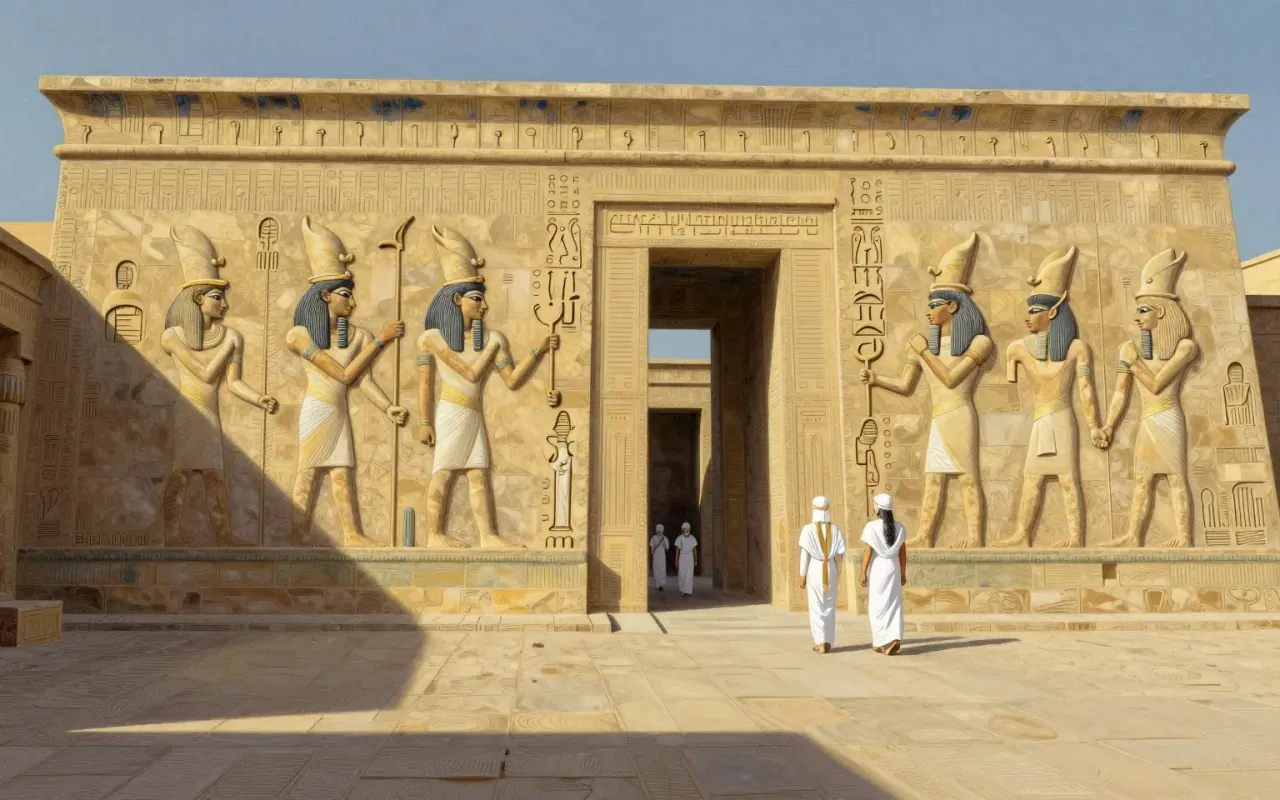
Cleopatra VII ruled Ptolemaic Egypt from 51 to 30 BC, allying in turn with Julius Caesar and Mark Antony and bearing children by both, before Octavian's forces defeated Antony at Actium and she died by suicide as Rome absorbed Egypt. The fullest ancient account, Plutarch's, was written about a century and a half after her death, and much of the negative Roman portrait that shaped later European memory of her originated as wartime propaganda against Antony rather than as neutral reporting.
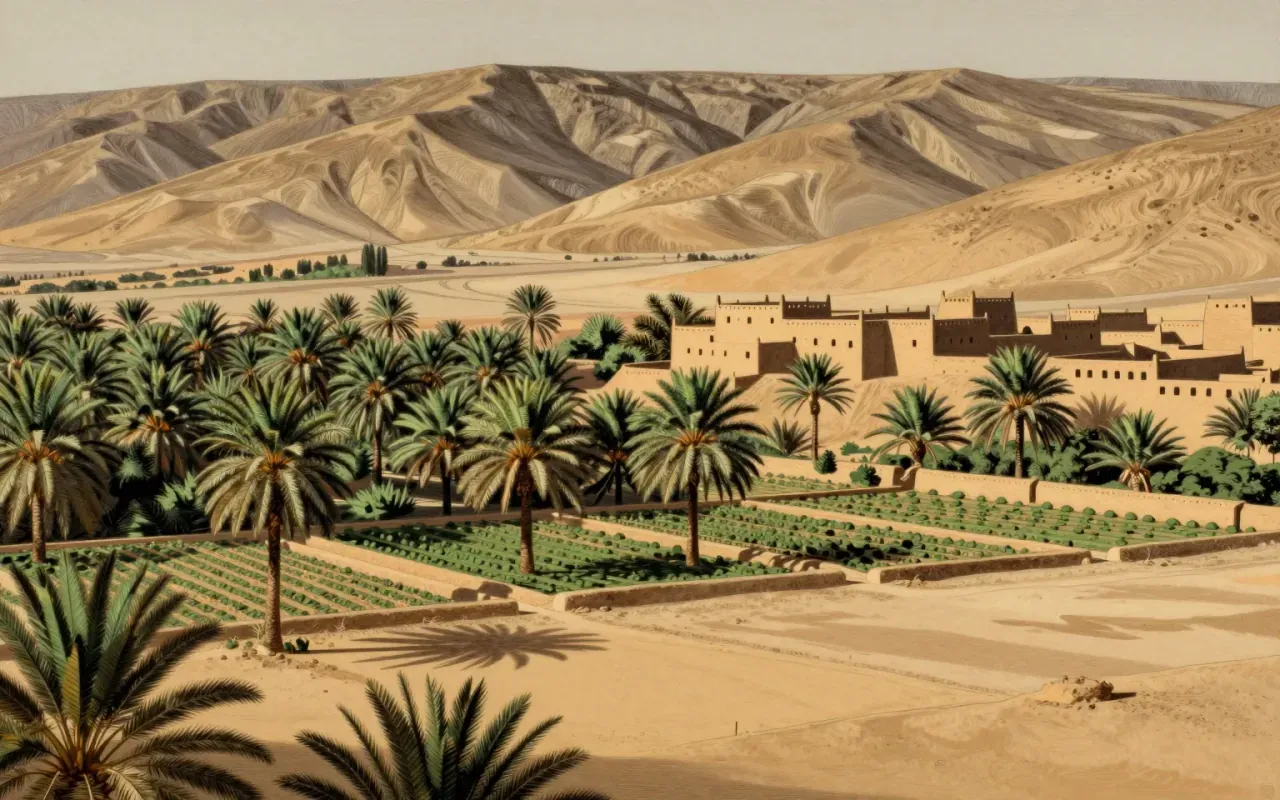
Long before it was a byword for tumbling walls, Jericho was a spring-fed settlement in the Jordan Valley occupied, on and off, for some eleven thousand years. A century of digging has traced a Neolithic tower and wall from around 8300 BC through Bronze Age destructions to a Byzantine revival, but the excavators disagree about what some of it was for, and the famous conquest story from the Hebrew Bible sits awkwardly beside what the trenches actually show.
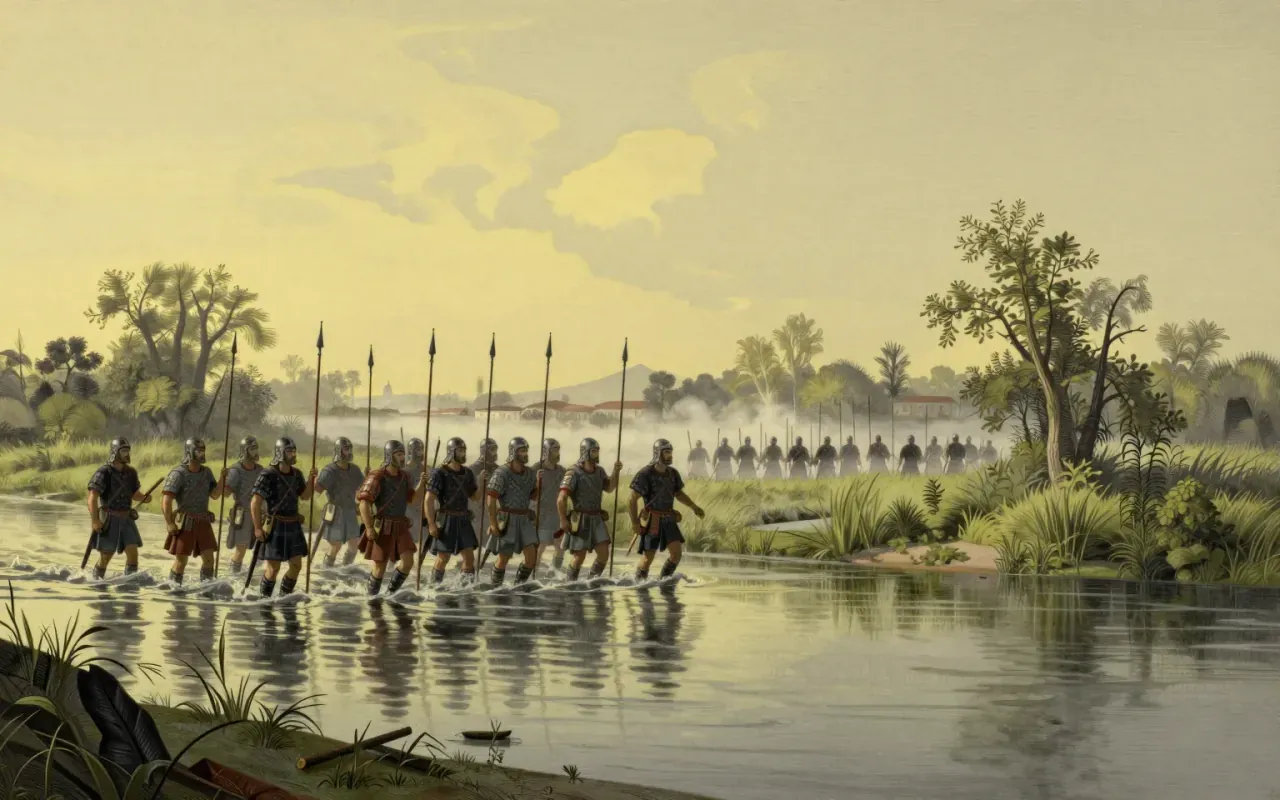
Julius Caesar rose through Roman political and military office in the first century BC, conquered Gaul in the 50s BC, and then led an army against the Senate and his former ally Pompey in a civil war that made him dictator of Rome. He was assassinated by a group of senators, including Brutus and Cassius, on the Ides of March in 44 BC. The fullest evidence for his career comes partly from his own self-justifying commentaries and partly from biographers writing more than a century later.
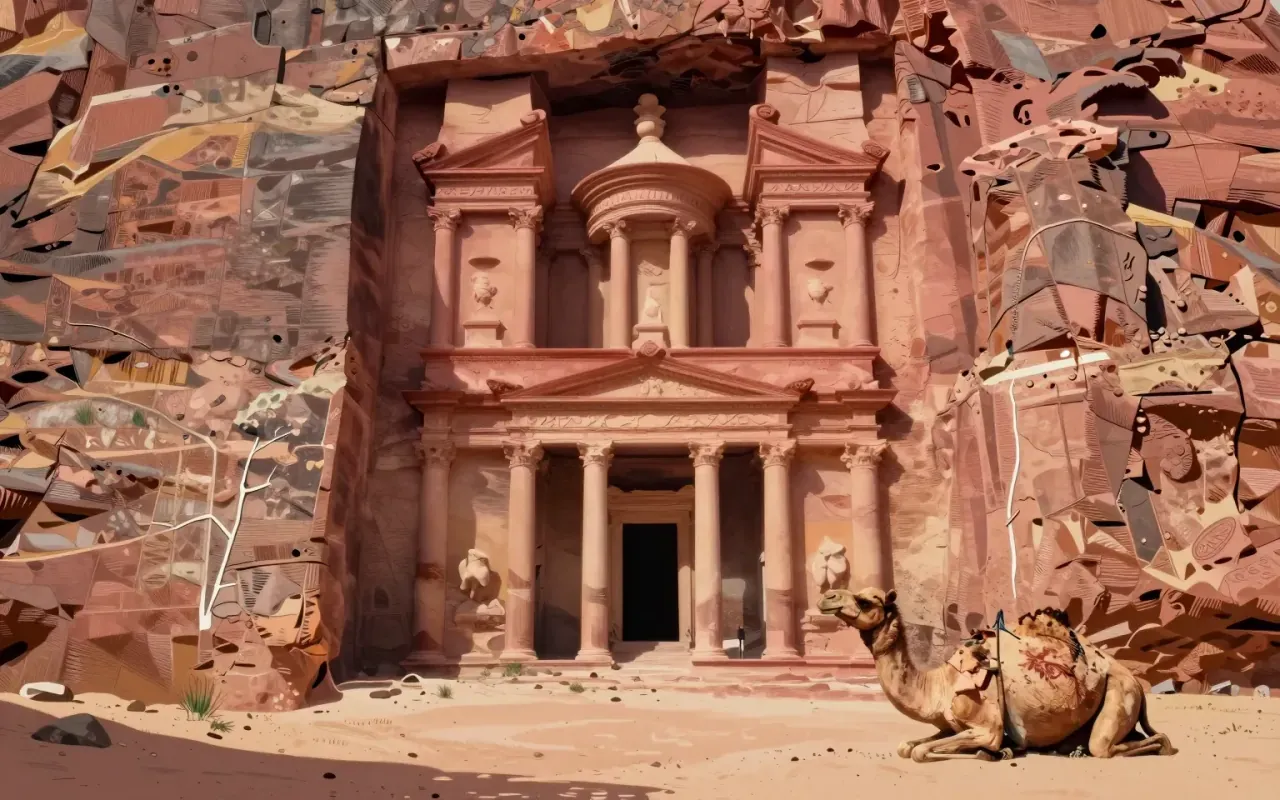
The Nabataeans, an Arab people whose origins scholars no longer trace to Aramean roots, built Petra into a thriving trading city that reached a population of roughly twenty thousand in the century before Rome annexed it in 106. A 1964 discovery of Nabataean inscriptions established the city's original name as Raqmu, and after earthquake damage and the decline of the trade routes it depended on, Petra faded from written record by the seventh century until the Swiss traveller Johann Ludwig Burckhardt, disguised as a local, rediscovered it for European scholarship in 1812.
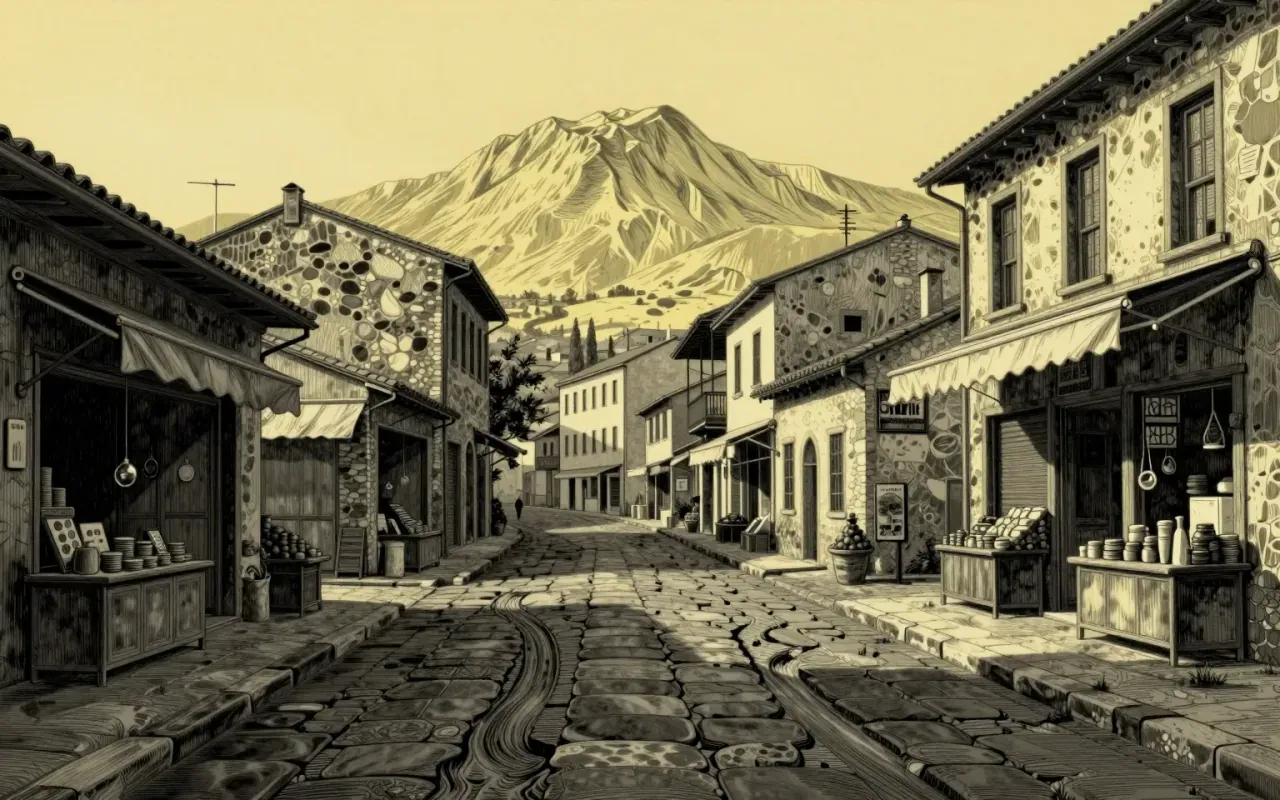
Mount Vesuvius erupted over roughly two days, first burying Pompeii under nearly eighteen hours of falling pumice that let many residents flee, then killing those who remained with pyroclastic flows hot enough to be fatal even at a distance of ten kilometres. Pliny the Younger's eyewitness letters, written years afterward, long placed the eruption in August, but a 2022 study using seasonal produce, clothing and coin evidence redated it to late October, correcting a chronology that had stood for centuries.
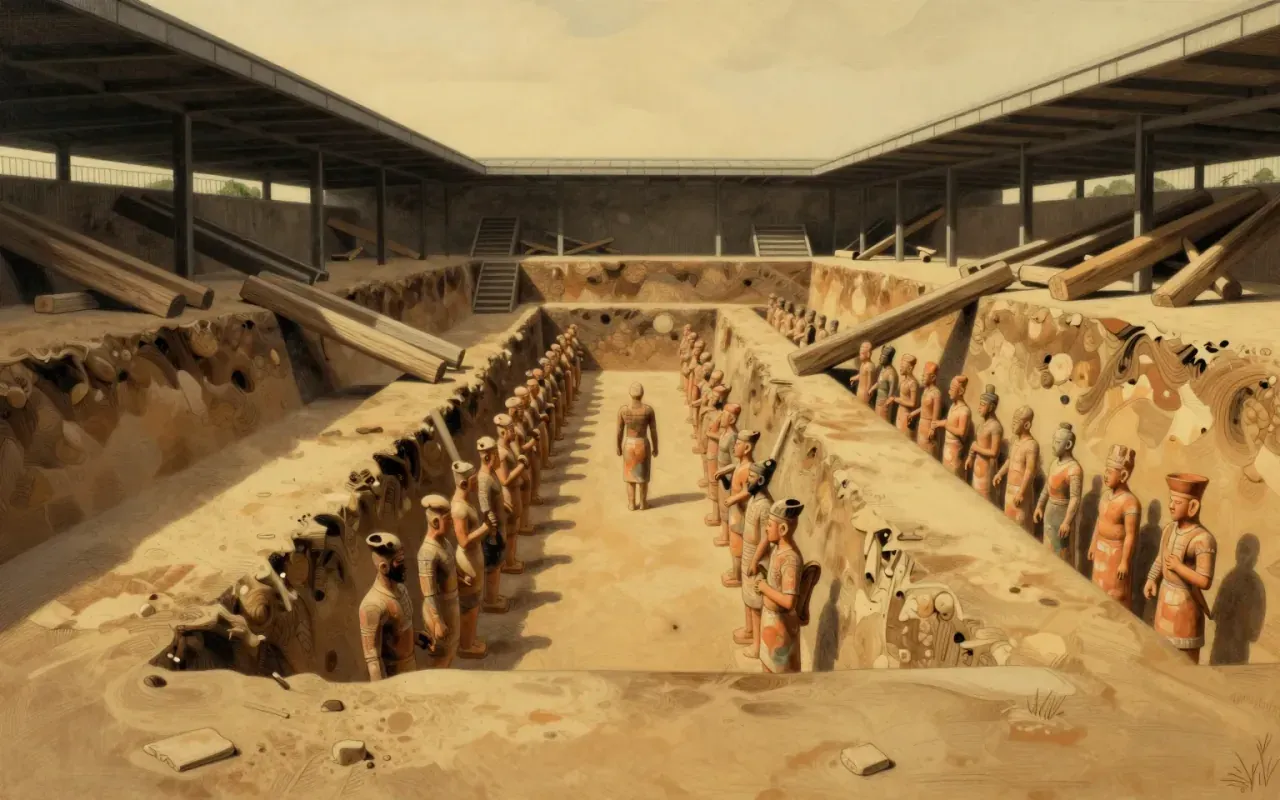
Qin Shi Huang unified China by 221 BC after conquering the six remaining Warring States, took the newly created title of emperor, and standardised the empire's writing, currency, weights and measures while organising it into centrally administered commanderies rather than hereditary fiefs, reforms whose influence Sinologist Michael Loewe has argued shaped Chinese history until 1911. He also conscripted enormous labour forces for the early Great Wall and his own vast mausoleum, discovered in part through the Terracotta Army unearthed in 1974, and died in 210 BC, probably in his forty-ninth year, while still searching for an elixir of immortality, leaving behind a reputation as a brutal tyrant that historians now trace largely to Sima Qian's history, written roughly a century later for the dynasty that had replaced his own.
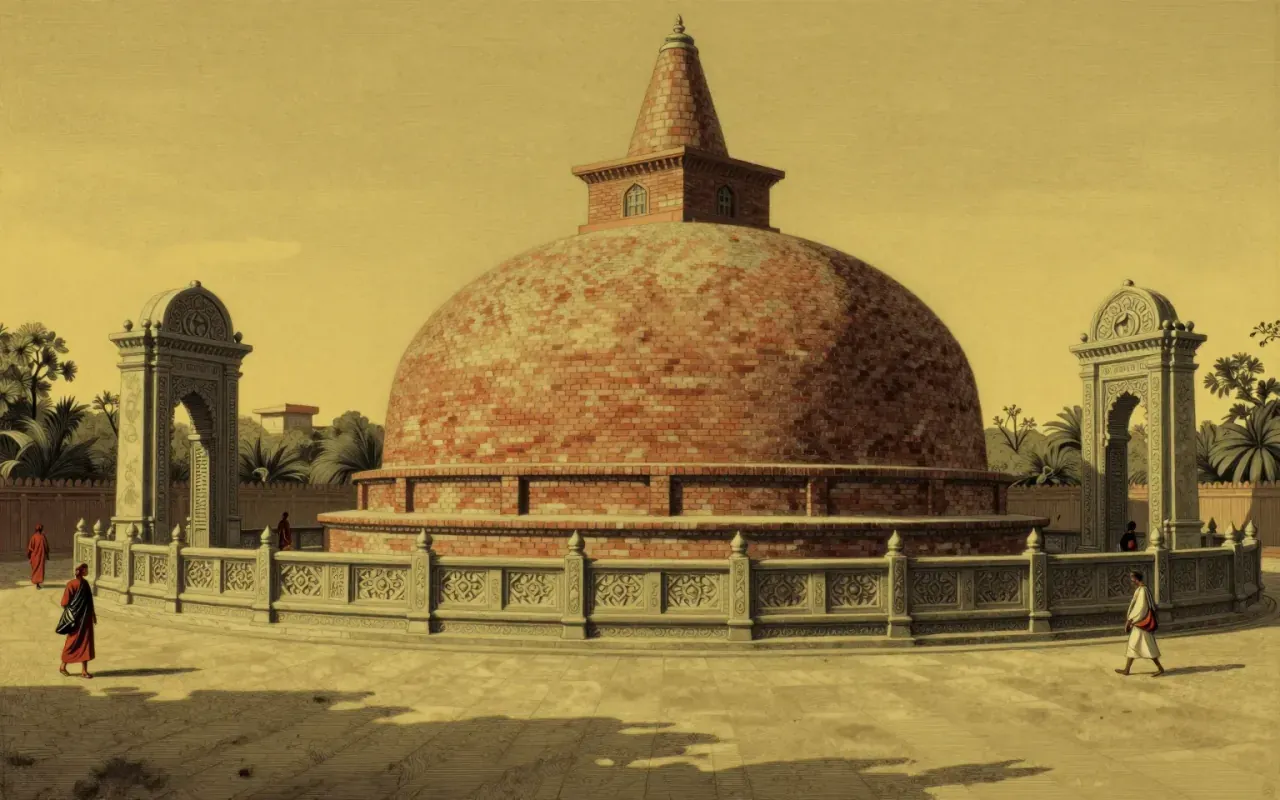
Across more than thirty rock faces and pillars from Afghanistan to Bangladesh, the Mauryan emperor Ashoka had proclamations on ethical governance carved in the third century BC. Lost to readers once Brahmi script fell out of use, the edicts were only deciphered in the 1830s, and their authorship was confirmed as Ashoka's only in 1915, when an inscription at Maski paired his personal name with the title used elsewhere. They remain the earliest datable written texts from the Indian subcontinent.
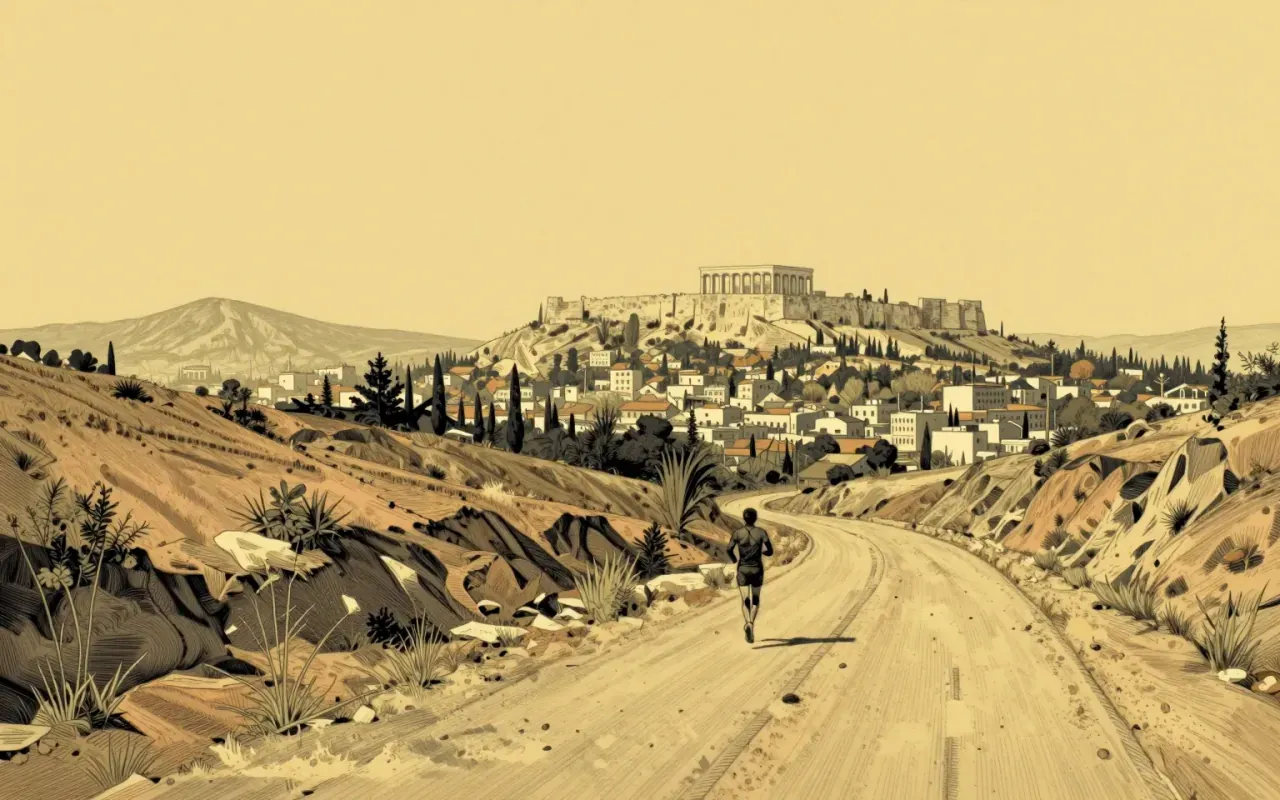
In September 490 BC, an outnumbered Athenian force under Miltiades defeated a Persian invasion army at Marathon, ending Darius I's first attempt to conquer mainland Greece. The account rests almost entirely on Herodotus, writing decades later in what amounted to a genuinely new form of historical inquiry, and while his broad narrative is trusted, his specific troop and casualty figures are treated with real scepticism. The battle's most famous element, a dying messenger announcing victory in Athens, does not appear in Herodotus at all and was assembled centuries later from separate, unrelated stories, eventually inspiring the modern Olympic marathon.
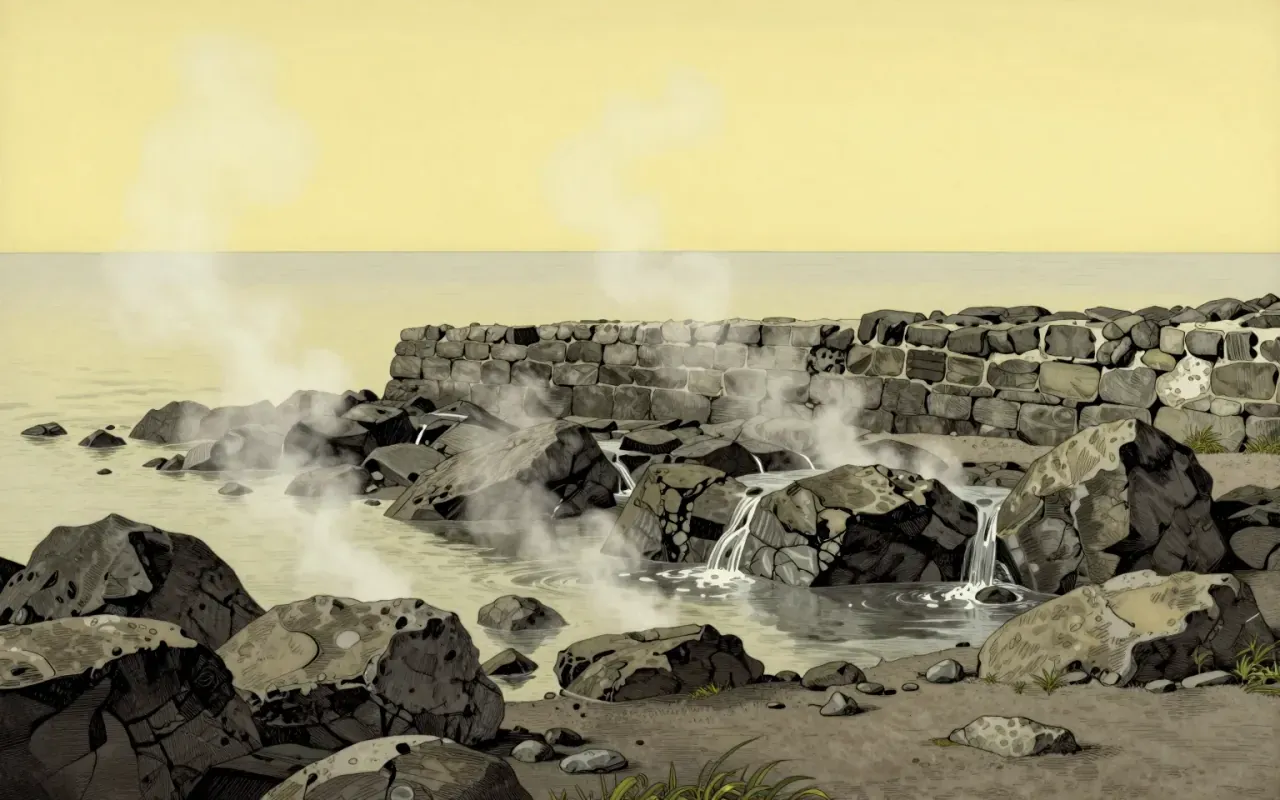
In 480 BC, roughly seven thousand Greek defenders, including three hundred Spartans under Leonidas, held the narrow pass at Thermopylae against a vastly larger Persian invasion force for two days before a betrayed mountain path let Persian troops outflank them, and the rearguard fought to the death. The battle survives almost entirely through Herodotus, whose narrative is broadly trusted even as his Persian troop figures, running into the millions, are universally rejected by modern historians in favour of far lower estimates. Whether the delay meaningfully shaped the subsequent Greek naval victory at Salamis remains disputed, and the battle's cultural fame now rests more on its moral example than on its military outcome.
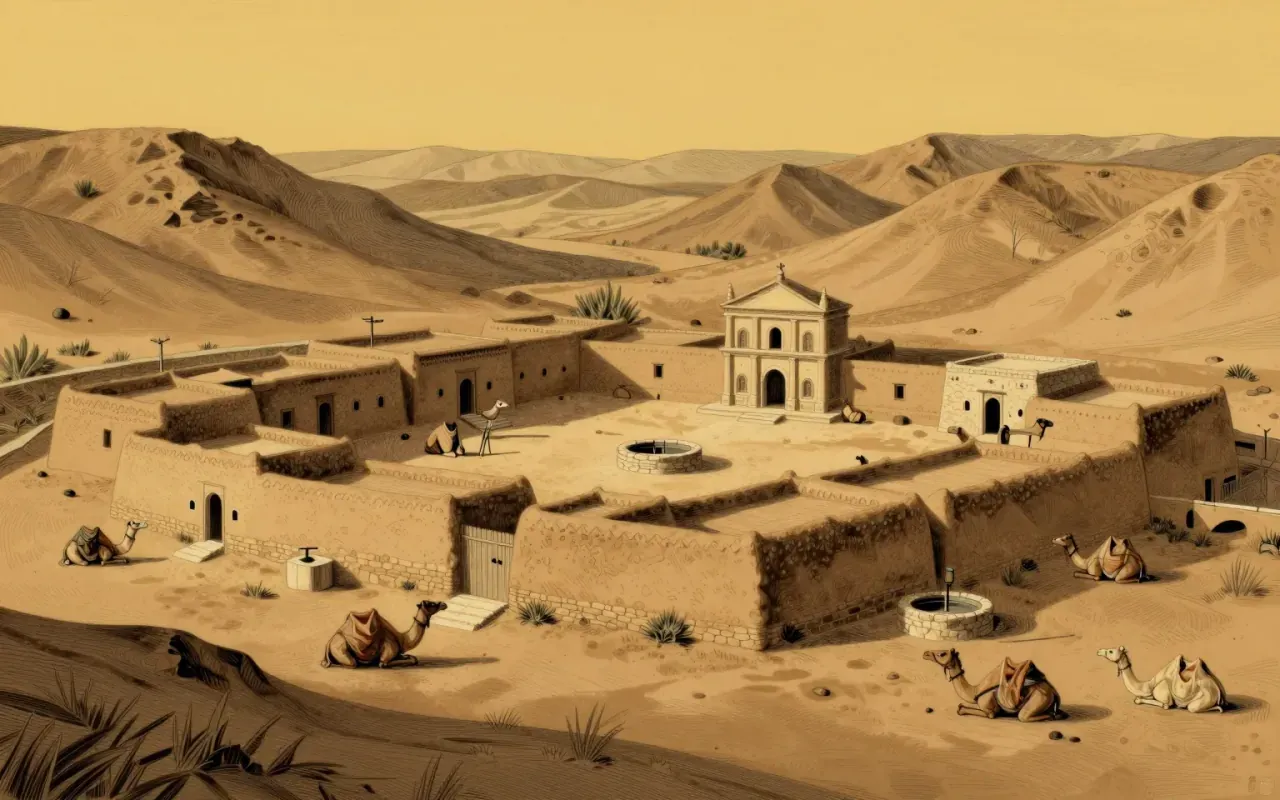
Islam took shape in early seventh-century Arabia around the teaching of Muhammad, who reported his first revelation around 610, migrated from Mecca to Medina in 622, and by his death in 632 had brought most of the Arabian Peninsula under Muslim rule. The earliest full biography was written well over a century later, and historians continue to debate how much of it, and of the hadith literature recording his sayings, reflects reliable transmission rather than material composed afterward to support later theological and legal positions.

According to Sima Qian's Records of the Grand Historian, written about a century after the events it describes, Qin Shi Huang ordered the burning of rival philosophical texts in 213 BC on the advice of his chancellor Li Si and had more than 460 scholars killed the following year after alchemists he had employed to seek immortality fled his court. Modern historians including Michael Nylan and Ulrich Neininger have raised serious doubts about this traditional account, noting that no source earlier than Sima Qian mentions the killings, that texts supposedly burned continued to be quoted in Qin and early Han writing, and that the label of persecuted Confucian martyrs appears to be a later Han-dynasty embellishment layered onto a real but more limited campaign against politically inconvenient texts and individuals.
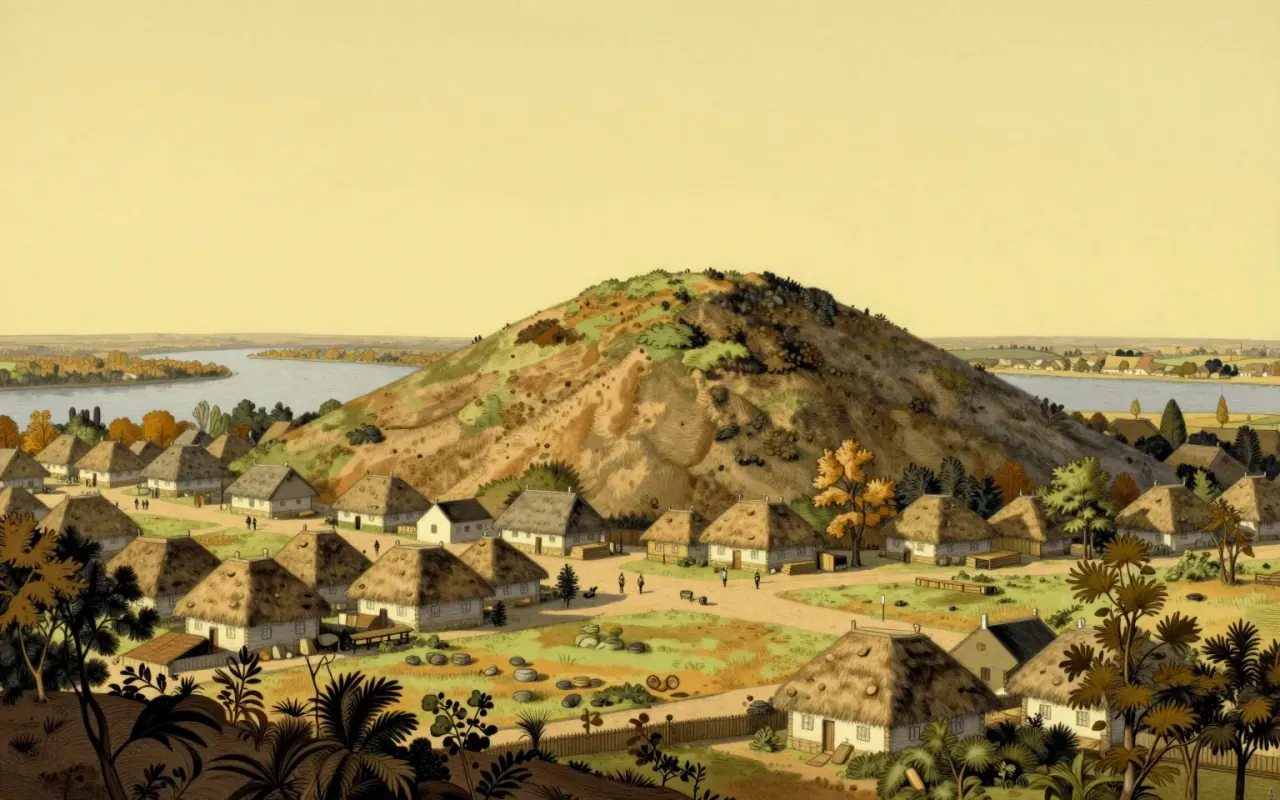
Beginning around 1050, a settlement across the Mississippi from present-day St Louis grew explosively into a city of thousands, its inhabitants moving millions of cubic feet of earth by hand to build over a hundred mounds. Because Cahokians left no written records, everything known about the city comes from excavation, radiocarbon dating and soil analysis rather than testimony, leaving population estimates and the causes of its abandonment by 1350 genuinely disputed among archaeologists. Long misattributed to a vanished non-Native civilisation, the site is now recognised as ancestral heritage by multiple Indigenous nations and holds UNESCO World Heritage status.
The Western Roman Empire's collapse, conventionally dated to 476 AD when the Germanic commander Odoacer deposed the emperor Romulus Augustulus, followed a century of Gothic and other Germanic incursions, military strain and repeated civil war. Historians propose climatic, epidemiological, economic, political and religious explanations, and disagree sharply about whether to describe the process as a catastrophic fall or a more gradual transformation into successor kingdoms that preserved much of Roman law, language and administration.
The Hellenistic period runs conventionally from Alexander's death in 323 BC to Cleopatra VII's death in 30 BC, spanning the successor kingdoms, Ptolemaic Egypt, the Seleucid realm and Macedon among them, that emerged from the wars fought among his former generals. It was a period of active scholarship and cultural mixing, producing figures such as Euclid and Archimedes and blending Greek culture with Egyptian, Persian and other local traditions, before Rome absorbed the last of the successor states.
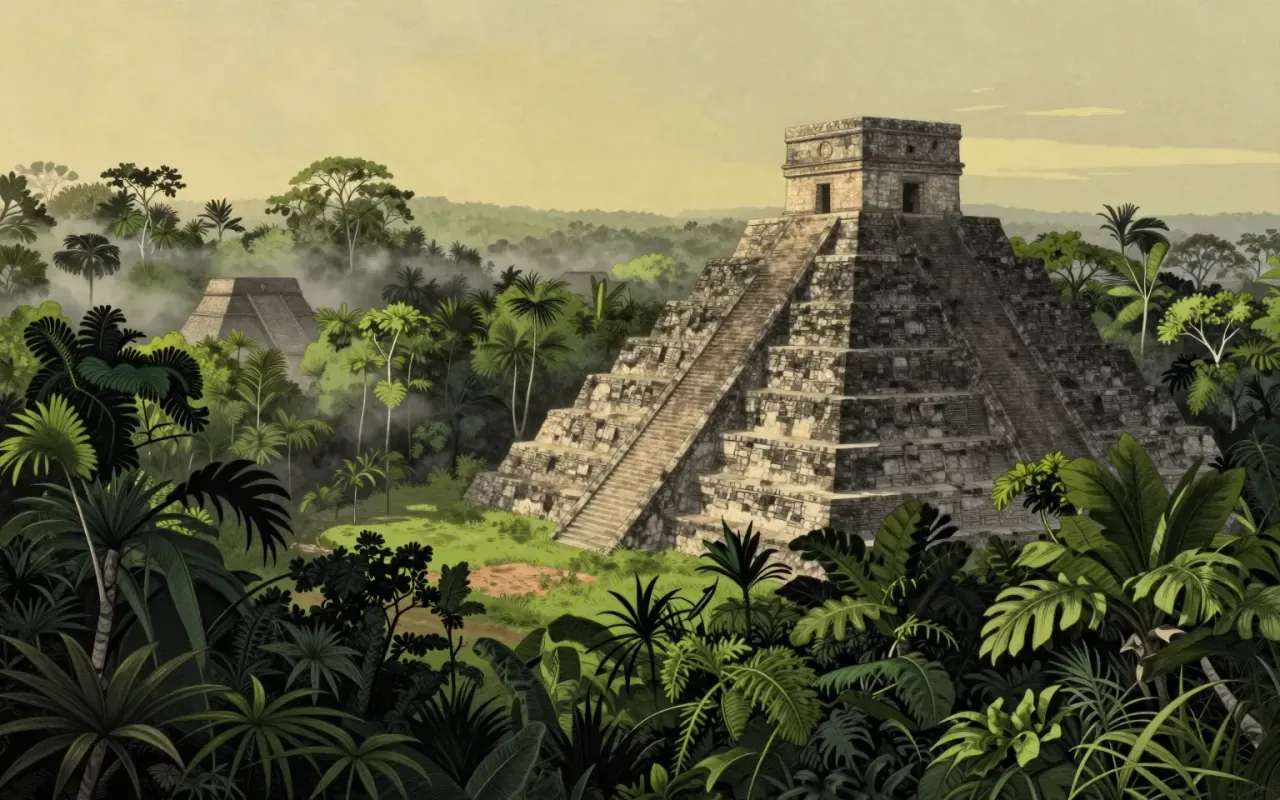
Maya civilisation developed across roughly two thousand years, from early farming settlements around 2000 BC through a Classic period of competing city-states between about 250 and 900, a still-unexplained ninth-century decline, and a Postclassic phase that lasted until Spanish conquest reached the last independent stronghold in 1697. Only three Maya codices survived the conquest, so much of what is known comes from decoded hieroglyphic inscriptions and archaeology, and no single explanation for the Classic collapse commands agreement among historians.
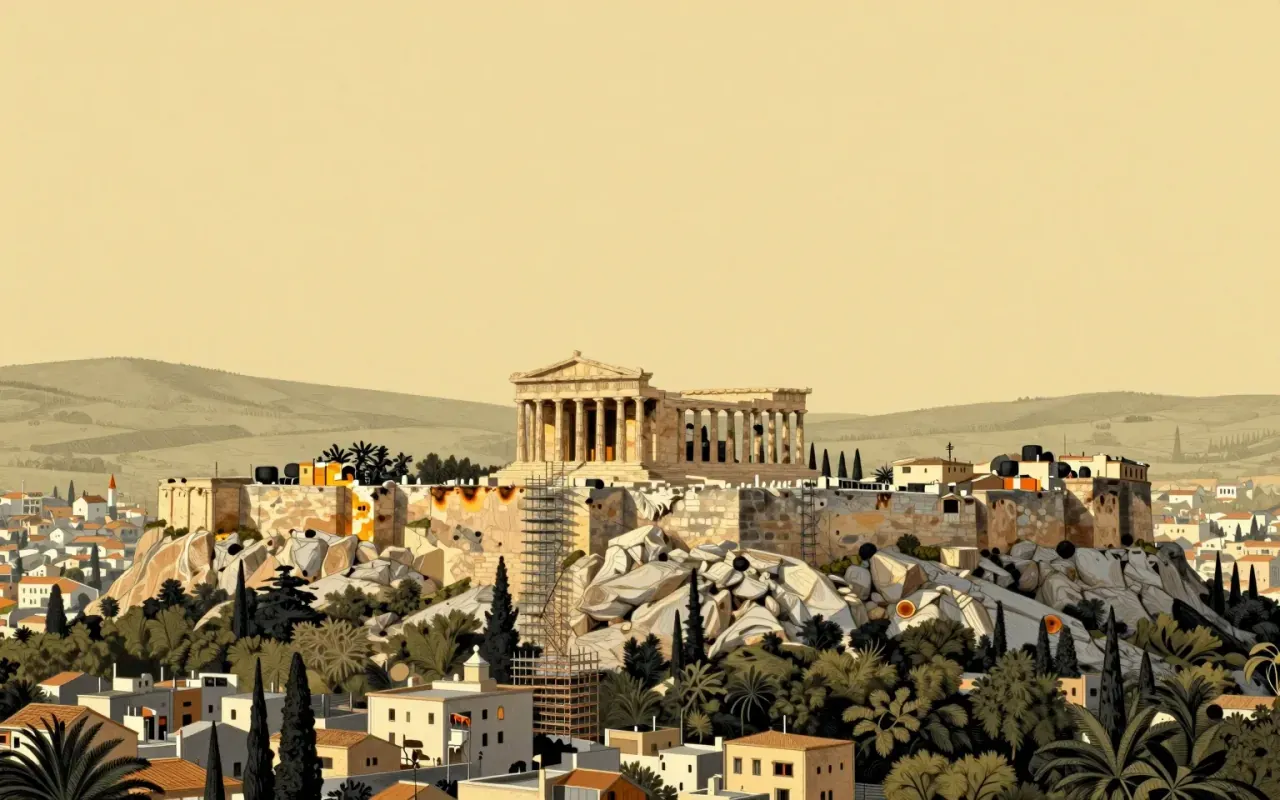
Between 499 and 449 BC, a coalition of Greek city-states resisted repeated Persian campaigns, from the burning of Sardis through the stands at Marathon, Thermopylae and Salamis to the eventual Persian withdrawal. Almost everything known about it comes from Herodotus, writing two generations later, whose troop figures modern historians treat with open scepticism even as they largely accept his outline of events.
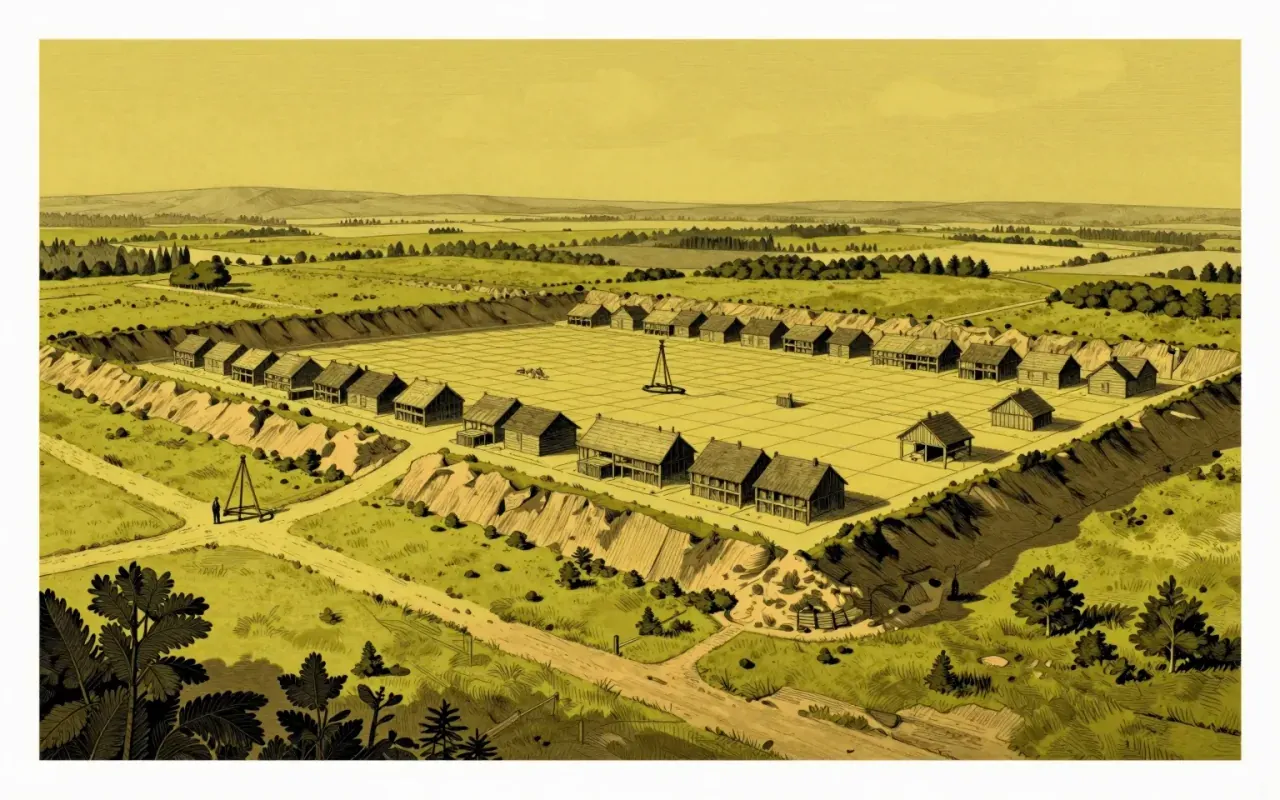
Between the traditional founding date of 753 BC and the completion of Roman rule over the Italian peninsula by the third century BC, Rome expanded from a small Latin settlement into the dominant power in Italy through a sequence of wars against the Latins, Samnites and Greek colonies in the south. The literary record for the earliest centuries, chiefly Livy, is now generally regarded by historians as unreliable in its detail and partly legendary, growing steadily more trustworthy from the fourth century BC onward.
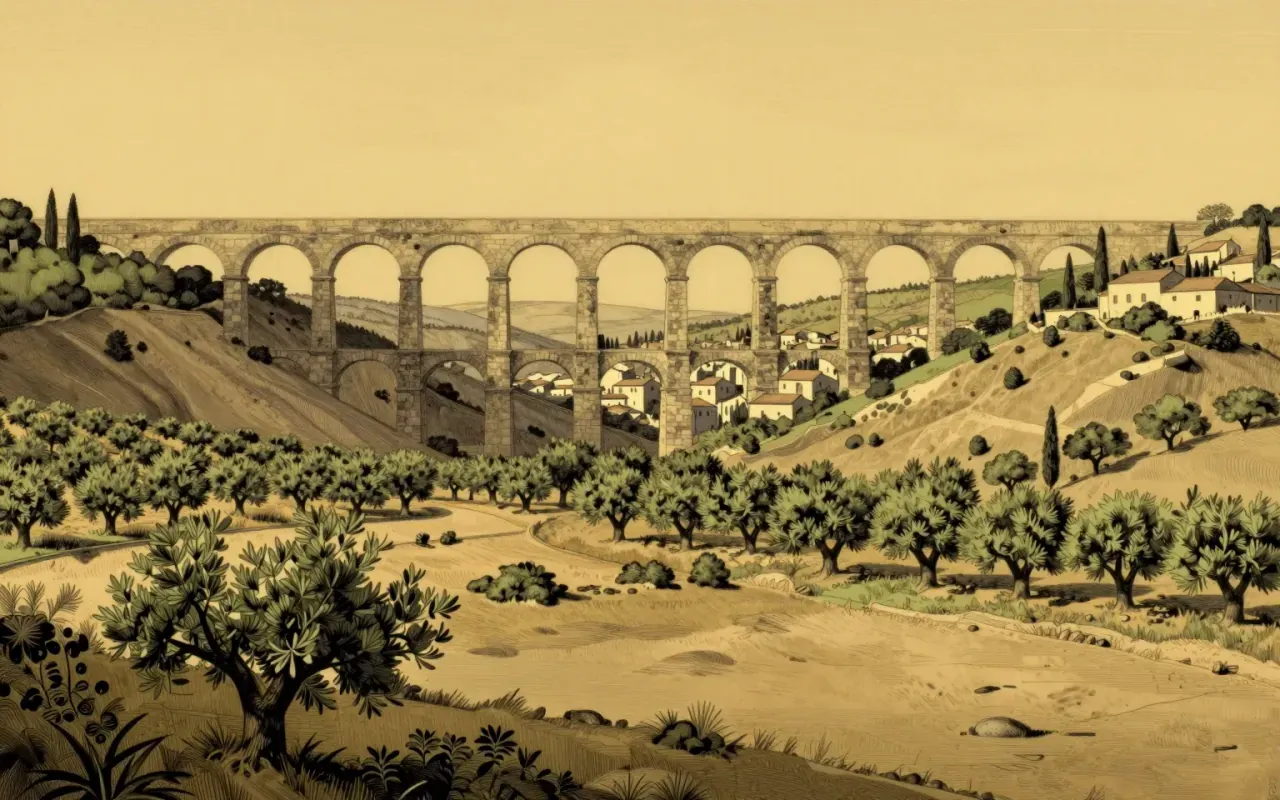
The Roman Empire began in 27 BC when the Senate granted Octavian the title Augustus, and grew to its greatest territorial extent under Trajan around 117 AD before a third-century crisis of civil war and invasion forced administrative reform under Diocletian and Constantine. It split into western and eastern halves, of which the western collapsed in 476 while the eastern, Byzantine half continued for another millennium. Historians differ over whether to treat the empire's later centuries as decline, as Edward Gibbon argued, or as gradual transformation.
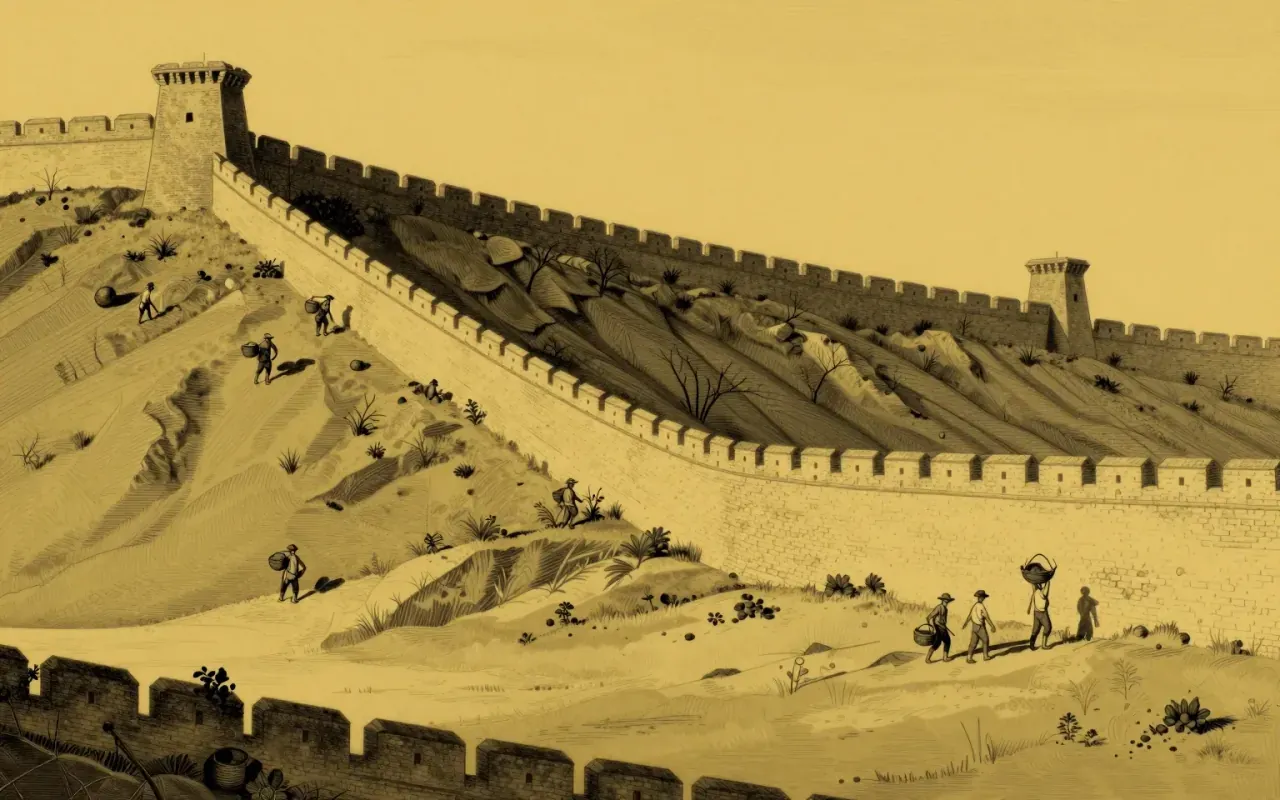
Between 230 and 221 BC, the state of Qin under the future First Emperor conquered the six remaining Warring States of ancient China in succession, Han, Zhao, Wei, Yan, Chu and Qi, using a strategy of allying with distant states while attacking nearby ones, guided by advisors including Li Si and the general Wang Jian. The campaign culminated in China's first unified empire under a single ruler, but the ancient sources reporting individual battle casualties in the hundreds of thousands, including the flooding of Wei's capital and fighting near Zhao, carry no independent corroboration, leaving historians to treat the conquest's scale as more reliably established than its specific, often dramatic death tolls.

Thutmose III spent twenty-two years as junior partner to his stepmother Hatshepsut before assuming sole rule and launching a sustained run of military campaigns that brought Egypt to its greatest territorial extent, recorded in annals he had inscribed at Karnak. Long attributed to personal resentment, the later defacing of Hatshepsut's monuments has been redated by modern scholars to decades after his own death's approach, pointing instead to a succession strategy pursued under his son. His reign is unusually well checked against independent inscriptions and his own recovered mummy, letting historians separate genuine achievement from official propaganda.

Ur grew from a small Ubaid-period settlement on the Euphrates into a Sumerian city-state, and briefly, under its Third Dynasty, into the largest city in the world. Most of what is known comes from Leonard Woolley's 1920s and 1930s excavation of its Royal Cemetery, a find as rich as it was troubling, since scores of attendants were buried alongside the dead. Woolley's theory of how they died has not survived contact with later forensic evidence, and the city's traditional link to the biblical Abraham runs into a chronological problem of its own.