A nomadic people who settled and built
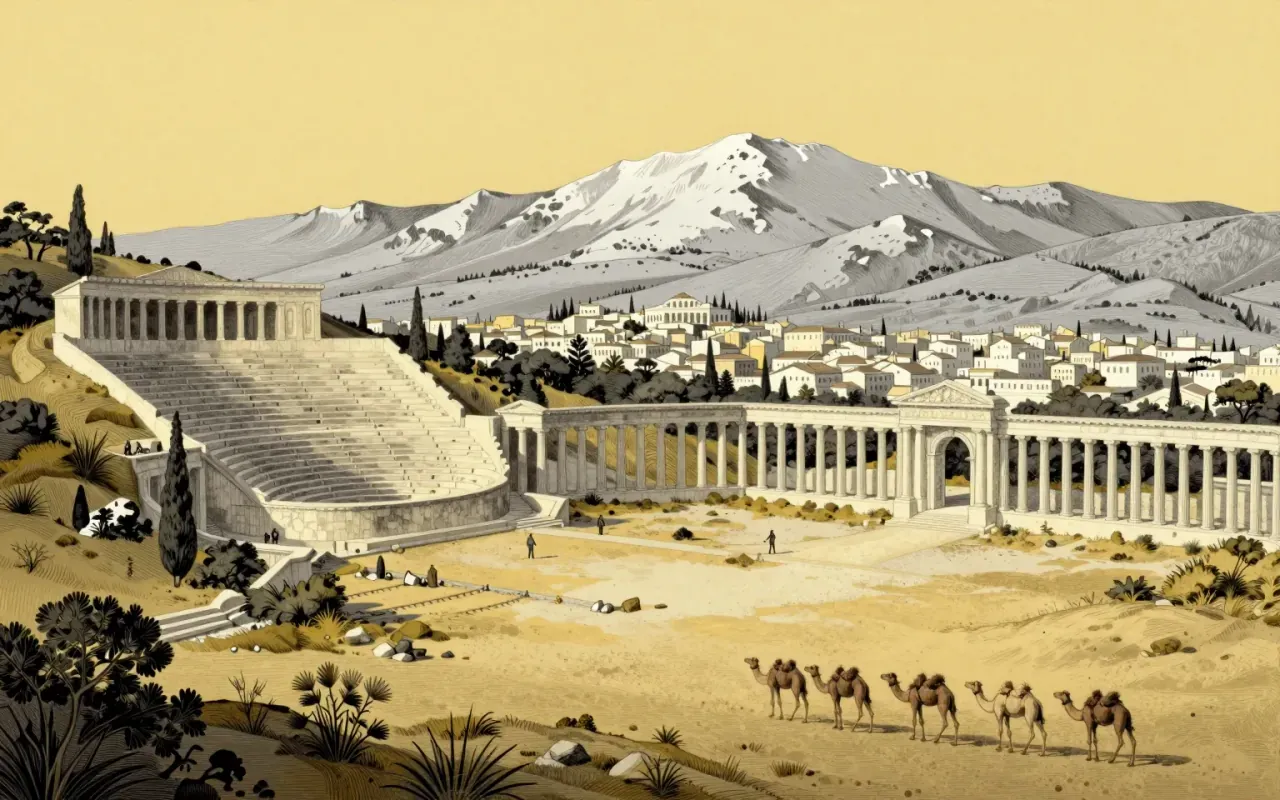
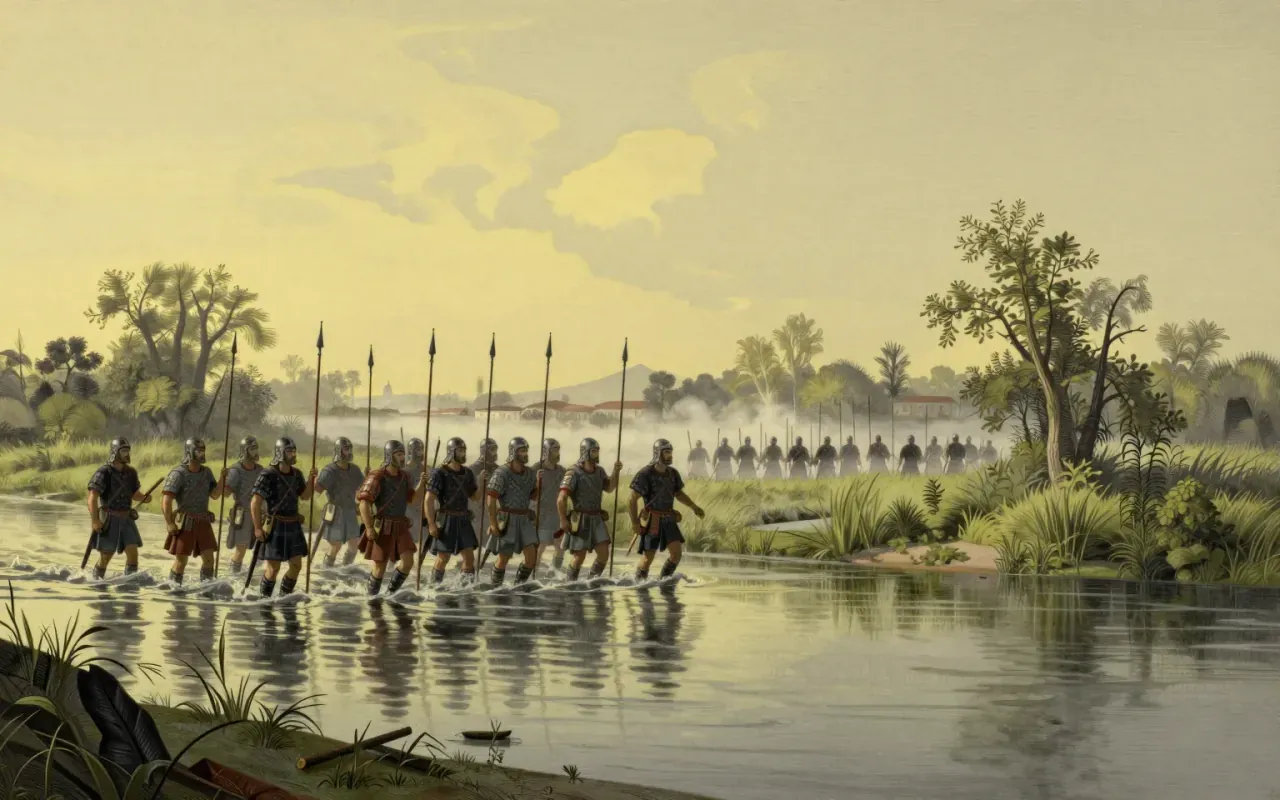
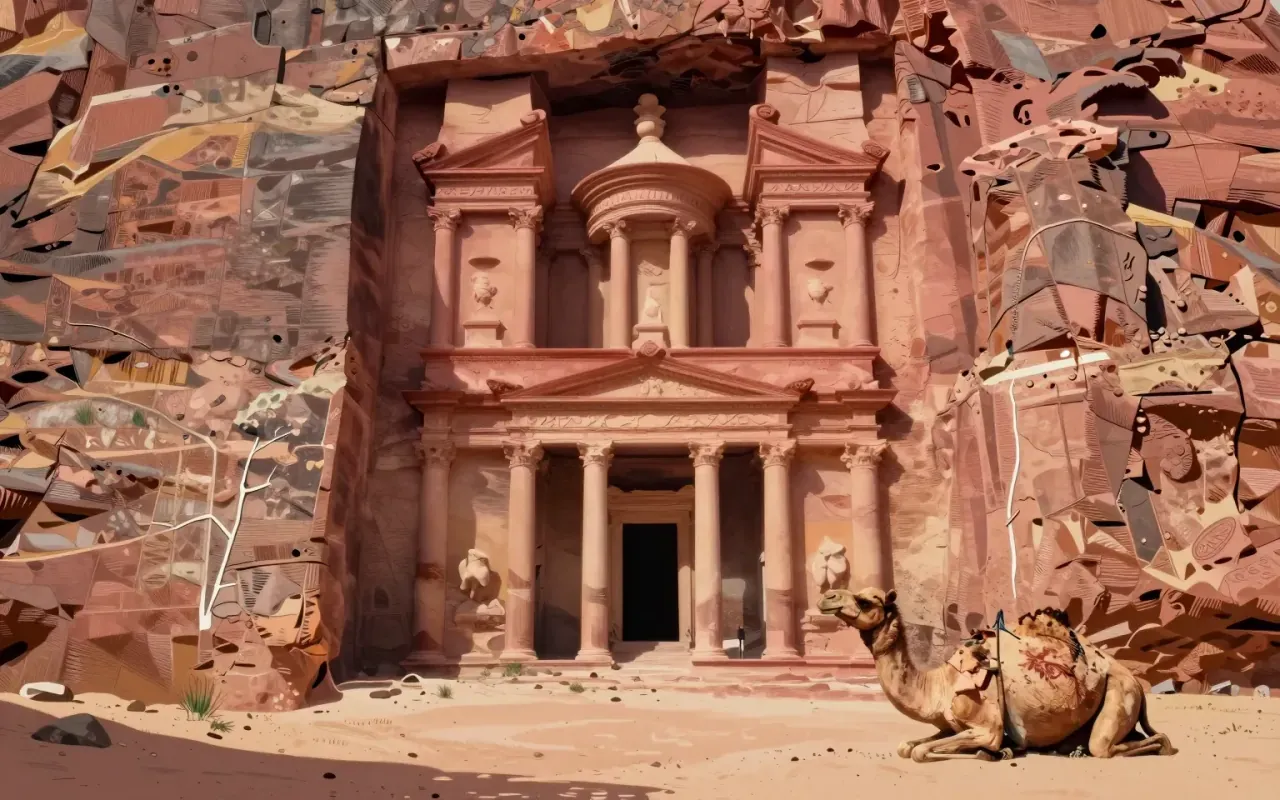
The Nabataeans, described in the historical record as a nomadic Arab people, settled in the Petra region by the fourth century BC, following earlier Edomite occupation of the area during the Iron Age. The city reached its commercial and architectural peak in the century leading up to Roman annexation, when its population reached an estimated twenty thousand and structures including the elaborately carved facade known as Al-Khazneh, possibly built as the mausoleum of King Aretas IV, were constructed. Rome formally annexed the Nabataean kingdom in 106 under the governor Aulus Cornelius Palma Frontonianus, incorporating Petra into the province of Arabia Petraea rather than destroying it through conquest.
A name lost for centuries and found on stone
Much of what is known about Petra’s history and identity comes from a combination of physical excavation and epigraphic discovery rather than continuous written record. Archaeological work has revealed sophisticated water management systems, dams, cisterns and conduits, demonstrating advanced engineering that allowed a substantial urban population to thrive in an arid environment. The city’s original name remained unknown to modern scholarship until 1964, when Nabataean-script funerary inscriptions discovered at the site confirmed it as Raqmu, a name that had not survived in any of the Greek, Roman or biblical references to the city that had been known previously.
Water engineering behind the desert city
Petra’s Nabataean origins are themselves a point of settled correction within scholarship: theories once proposing Aramean roots for the Nabataeans are now rejected by most modern scholars, who instead identify them as a northern Arabian tribal group, a shift reflecting closer analysis of linguistic and cultural evidence uncovered through both archaeology and comparison with surviving Nabataean inscriptions. The city’s commercial prominence rested on its position along trade routes carrying goods across the region, a position that made it wealthy while it lasted but also left it vulnerable once those trade patterns shifted elsewhere in later centuries.
Annexed rather than conquered outright
Some questions about Petra’s early history remain genuinely unresolved: an account of Antigonus’s expedition against the Nabataeans in 312 BC has been read by some scholars as implying no substantial town yet existed at the site at that time, suggesting Petra’s full urban development may postdate this earlier period, though this interpretation is not universally settled. Separately, scholars continue to debate whether Petra corresponds to the biblical site referred to as Sela, a Hebrew term that simply means rock and could plausibly describe multiple locations, leaving the specific biblical identification of Petra an open rather than resolved question.
Papyri that outlasted the city’s prominence
Petra’s decline followed a combination of factors rather than a single cause: a major earthquake in 363 damaged the city considerably, while the growing importance of sea-based trade routes and competition from the rival city of Palmyra undermined the commercial advantage Petra had previously held. Even so, a cache of Byzantine-era documents known as the Petra papyri, dating from the 530s to 590s and comprising some 140 documents, demonstrates that the city remained a functioning urban centre well into the sixth century, well after its peak, before finally fading from written records by the seventh century. European rediscovery came only in 1812, when the Swiss traveller Johann Ludwig Burckhardt gained access to the site by disguising himself as a local visitor.
Rediscovered in disguise
This is a strong subject for readers who want to see how a name, an origin, and a decline can each be reconstructed from different kinds of evidence, inscriptions for the name, archaeology for the engineering, papyri for the later urban life, rather than from a single continuous historical narrative. It rewards attention for that combination of physical and textual detective work. It is less satisfying if you want the disputed biblical identification of the site settled definitively, which the material leaves as a genuinely open question rather than resolving it either way.