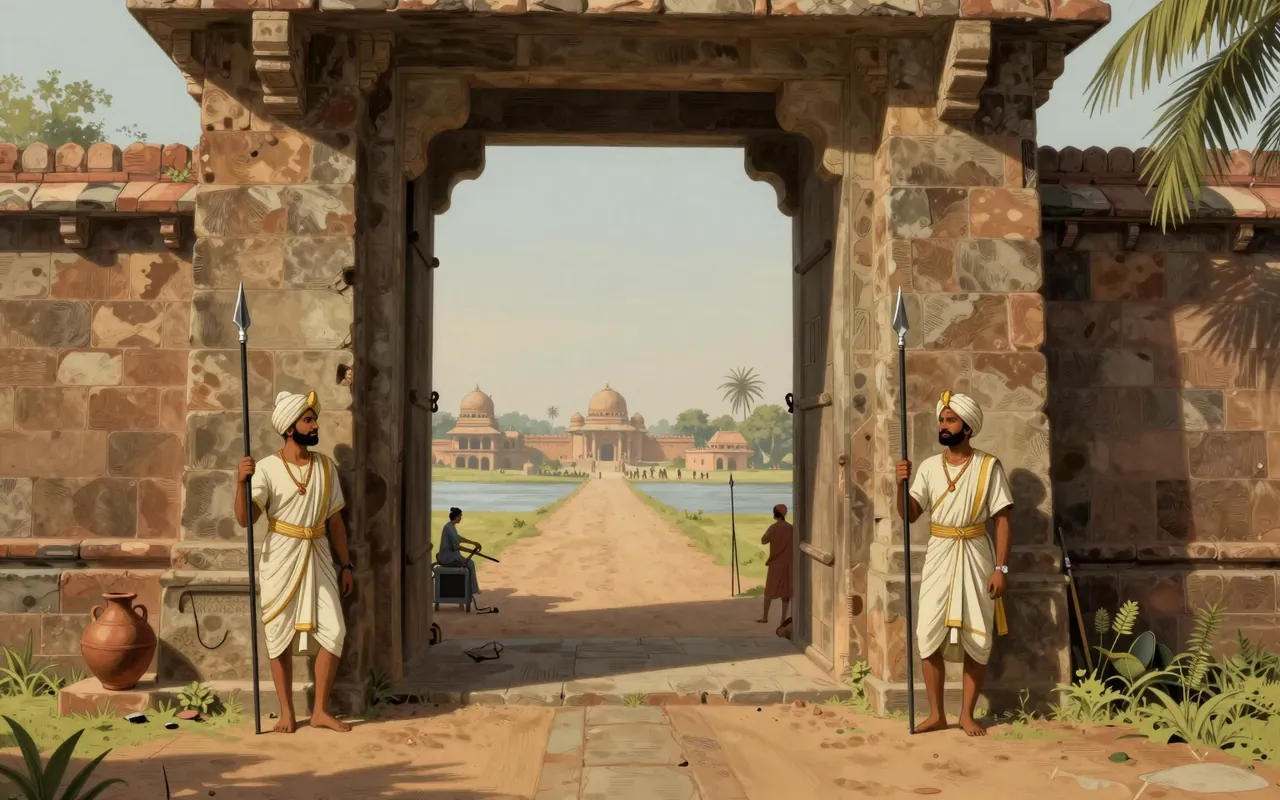
Chandragupta Maurya
Chandragupta didn’t found India — he founded the first empire that forced its geography, trade, and diplomacy to answer to a single capital in Magadha.
Goods moving, and the politics of who gains.
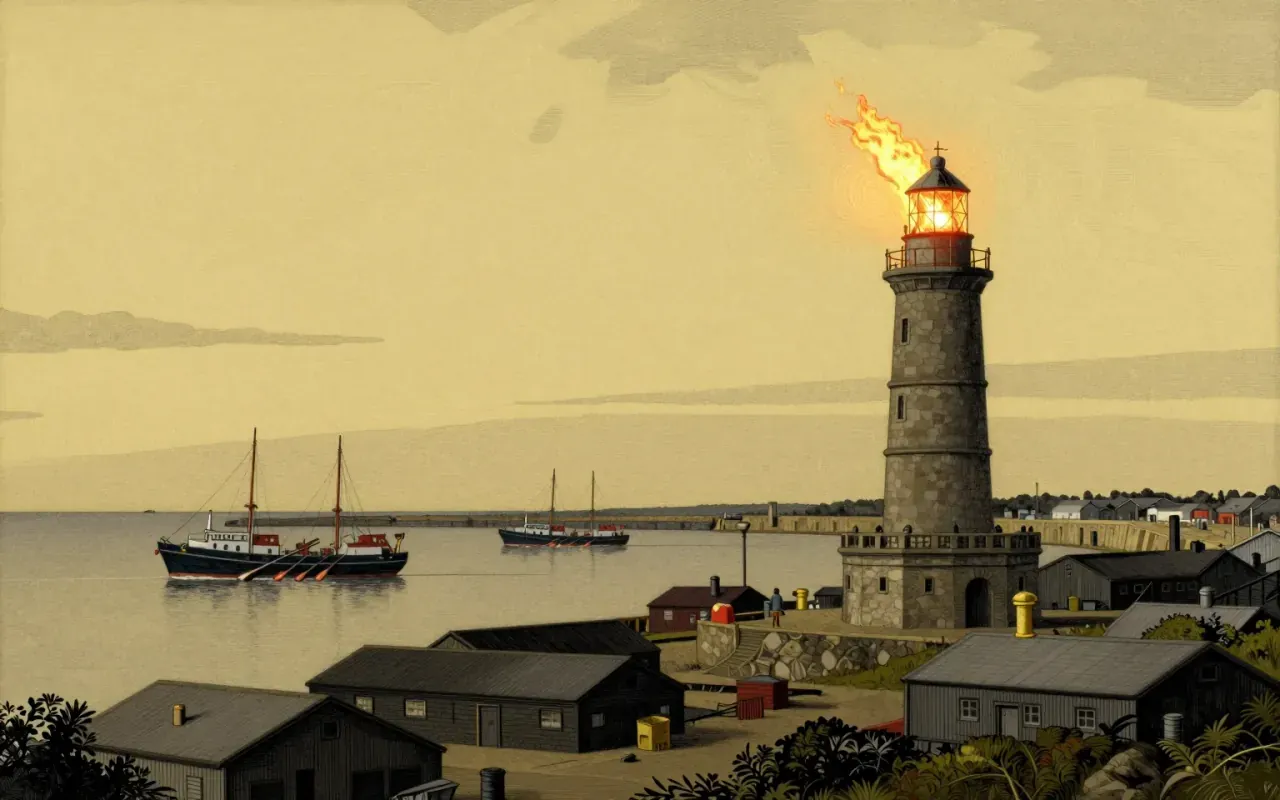
Alexander the Great founded Alexandria in April 331 BC after taking Egypt from Persian control, then departed shortly afterward, leaving his successors, particularly Ptolemy I, to build it into the largest city in the world within a century through institutions including its famous library and the Pharos lighthouse, one of the ancient world's seven wonders. The library's eventual destruction, often attributed to a single dramatic event during Julius Caesar's siege in 47 BC, remains disputed among historians, and the city's long decline followed Portuguese discovery of alternative sea routes to India in the late fifteenth century.
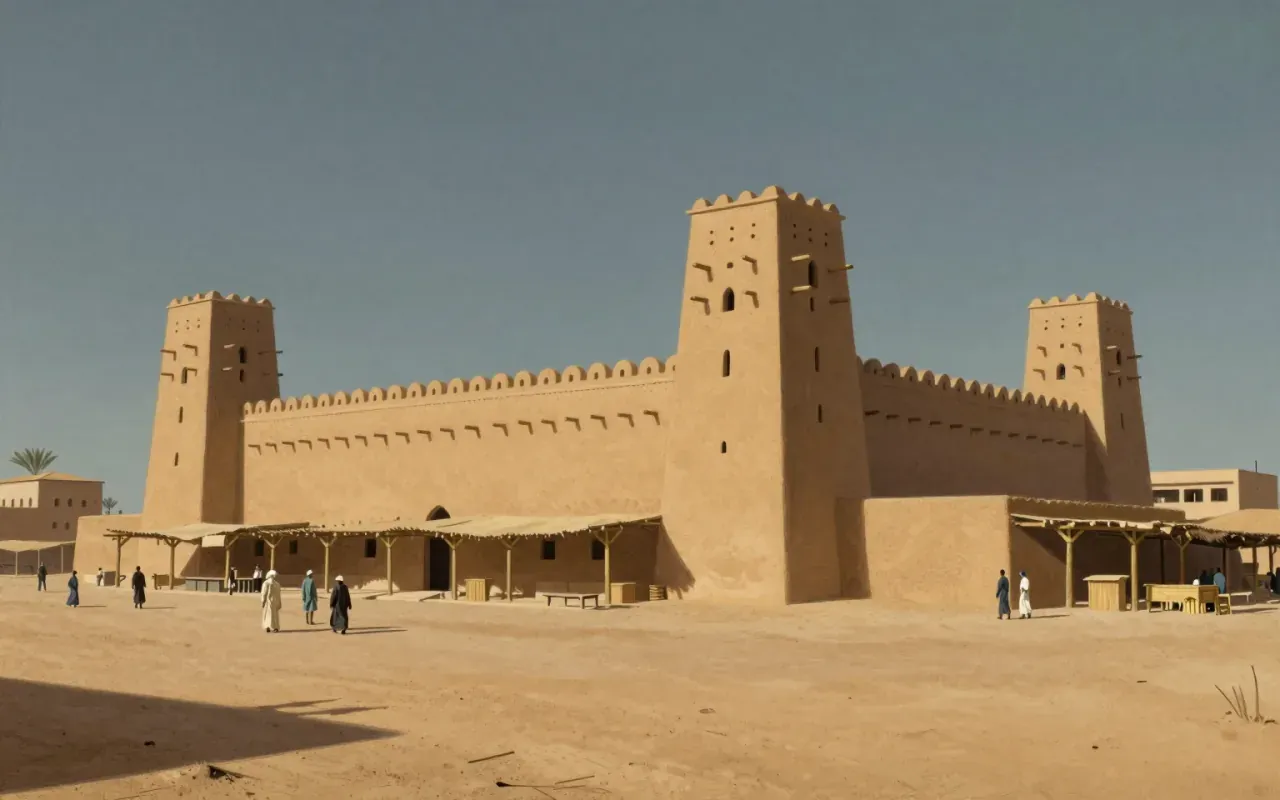
Mansa Musa ruled the Mali Empire from around 1312 to 1337, a reign later chroniclers regarded as its golden age, and became widely known in the Islamic world after his pilgrimage to Mecca in 1324, during which his gold spending reportedly depressed the metal's value in Cairo for years afterward. He annexed Timbuktu and Gao, recruited scholars including the poet Abu Ishaq al-Sahili, and helped establish Timbuktu's Sankore as a centre of Islamic learning, though the precise scale of his wealth, drawn from a handful of Arabic chroniclers writing after the fact, cannot be independently verified.

The Nabataeans, an Arab people whose origins scholars no longer trace to Aramean roots, built Petra into a thriving trading city that reached a population of roughly twenty thousand in the century before Rome annexed it in 106. A 1964 discovery of Nabataean inscriptions established the city's original name as Raqmu, and after earthquake damage and the decline of the trade routes it depended on, Petra faded from written record by the seventh century until the Swiss traveller Johann Ludwig Burckhardt, disguised as a local, rediscovered it for European scholarship in 1812.
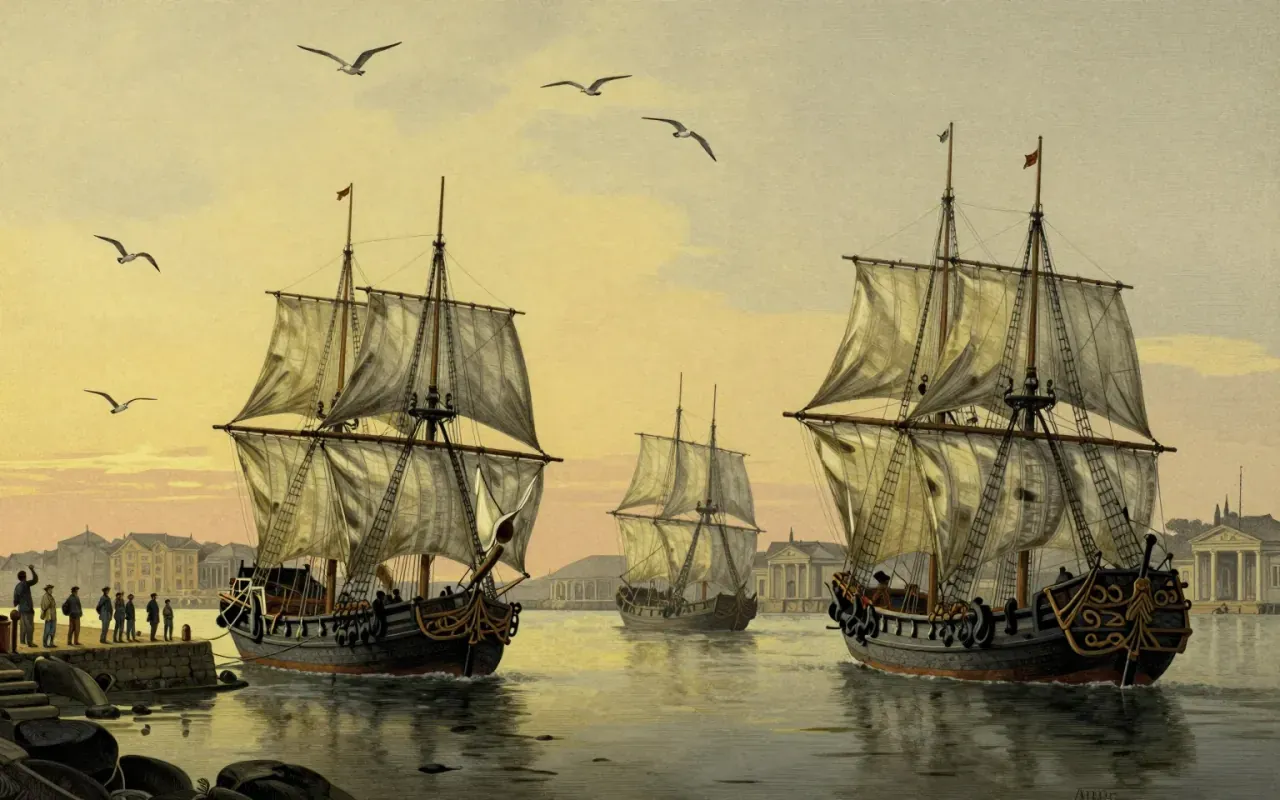
Running roughly from Portugal's systematic exploration of the African coast in the early fifteenth century to the mid-seventeenth century, the Age of Discovery saw Portuguese, Spanish and later other European voyages reach India, the Americas and the Pacific, driven by the search for direct access to Asian trade goods, religious mission and improved navigational technology. The resulting contact produced the Columbian Exchange of goods, people and disease, alongside colonisation, enslavement and catastrophic population loss among indigenous peoples, and historians increasingly question whether discovery is an honest term for a process better described from more than one side.
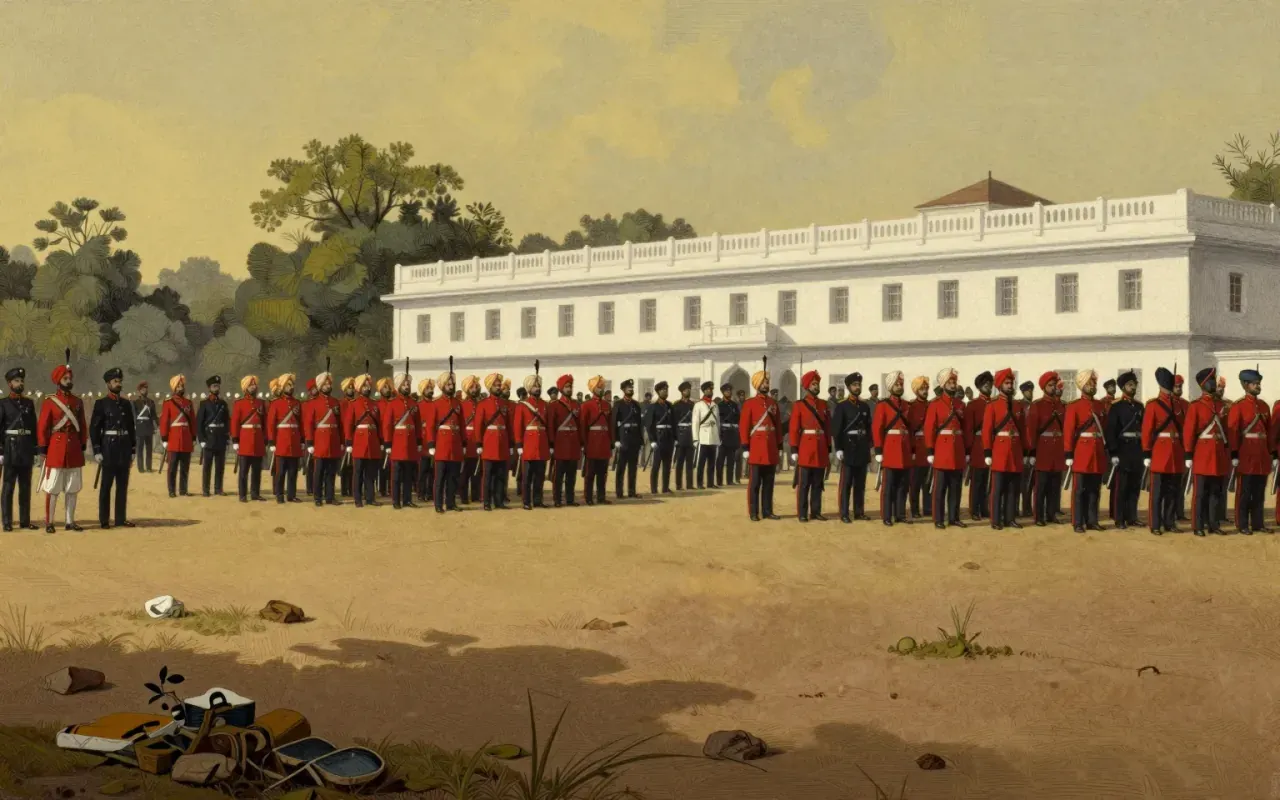
Chartered by Elizabeth I in 1600 with a monopoly on English trade east of the Cape of Good Hope, the East India Company spent its first century as a trading concern before turning, after the 1757 Battle of Plassey, into the effective ruler of large parts of India, funded by taxation of the people it governed and defended by an army that at its peak outnumbered Britain's own. Its opium trade with China, its tax policies during the Bengal famine of 1770, and its use of torture to extract revenue are all part of the documented record. The Indian Rebellion of 1857 ended Company rule outright; the Crown assumed direct control the following year, and the Company itself was formally dissolved in 1874.
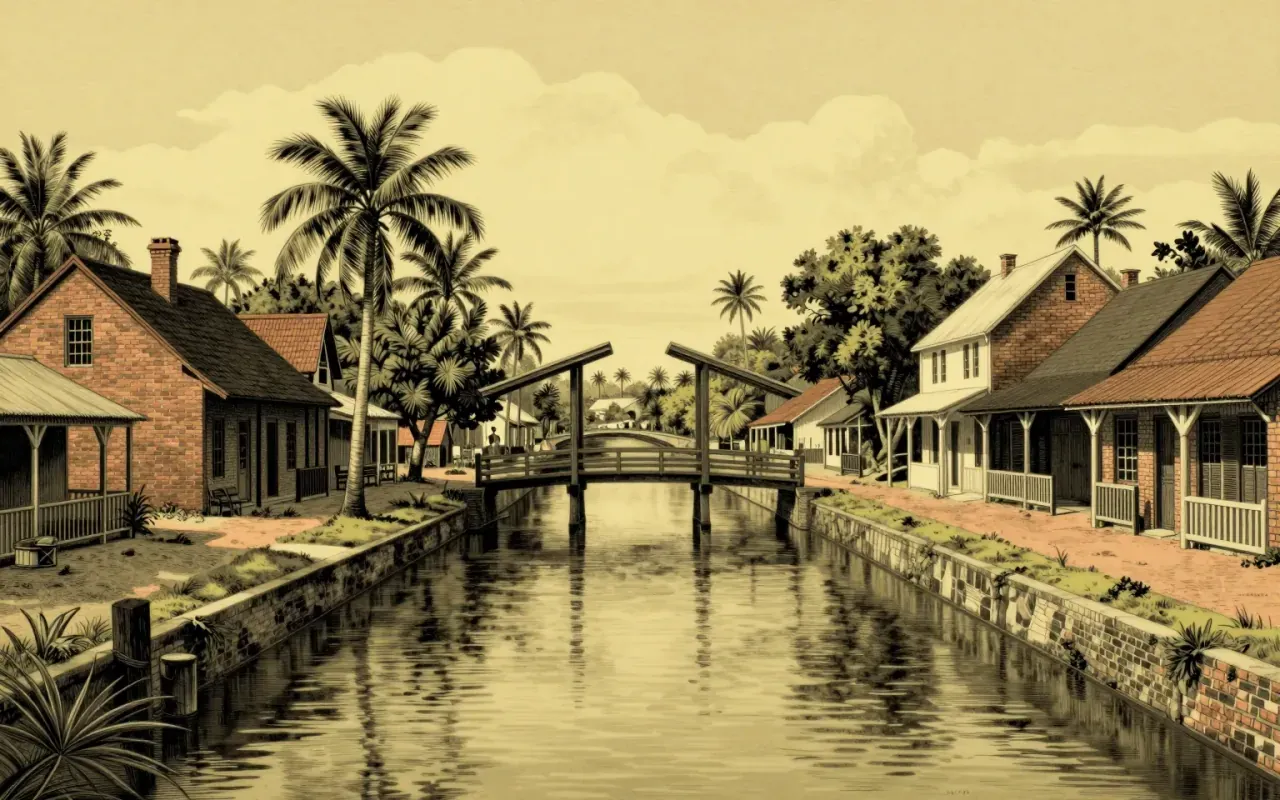
Chartered in 1602 as a state-backed merger of rival Dutch trading firms, the VOC pioneered the joint-stock company, raising capital from shareholders while holding the power to wage war, sign treaties, and mint currency. Its spice monopoly and Asian trading network made it hugely profitable for close to two centuries, but that same monopoly was enforced with documented violence, including the destruction of much of the Banda Islands' population in the 1620s. Debt, war losses, and corruption brought the company down; its charter expired in 1799, and its territories became a Dutch state colony that lasted until Indonesian independence in the twentieth century.
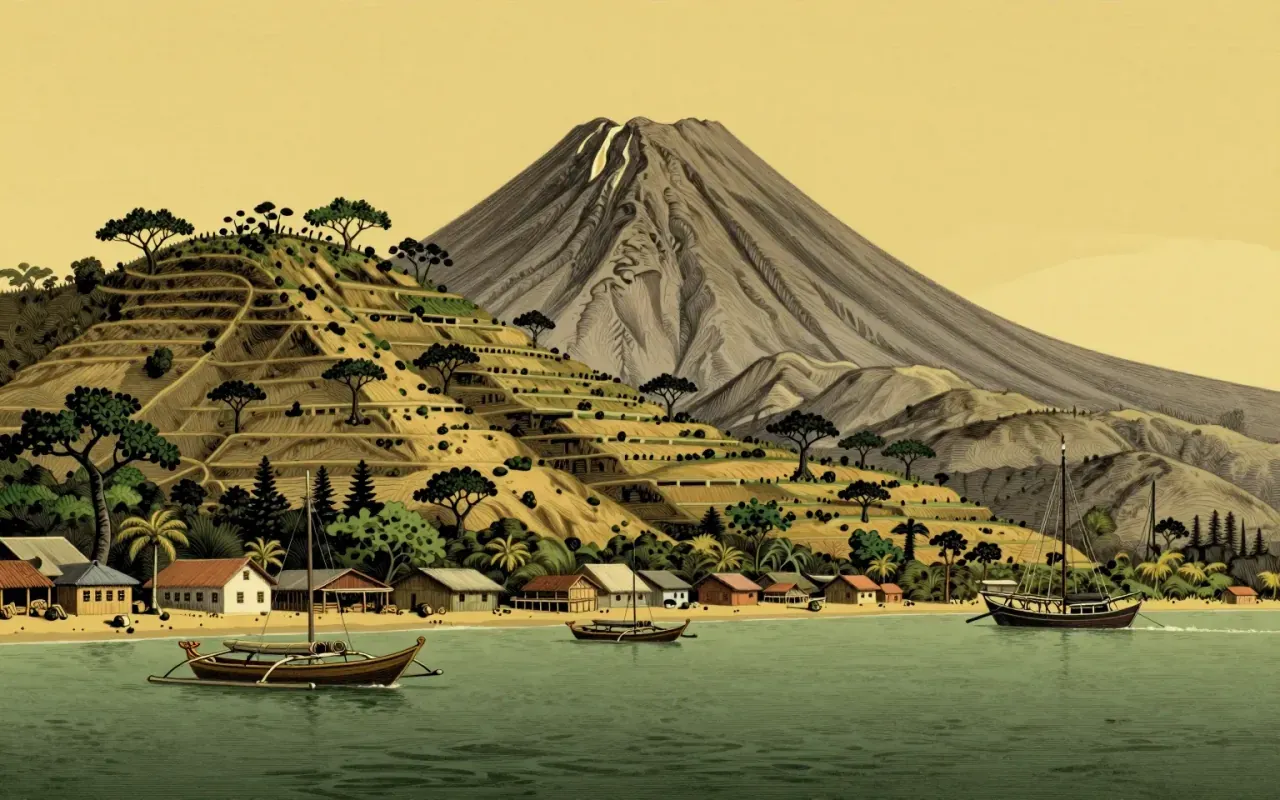
Ferdinand Magellan's 1519 expedition found a passage through South America and crossed the Pacific before his death in the Philippines, after which Juan Sebastian Elcano brought the sole surviving ship home in 1522, completing the first known voyage around the world. The venture proved the earth could be circled by sea and revealed the Pacific's true scale, even though the western route it pioneered turned out too long and costly to be commercially useful.
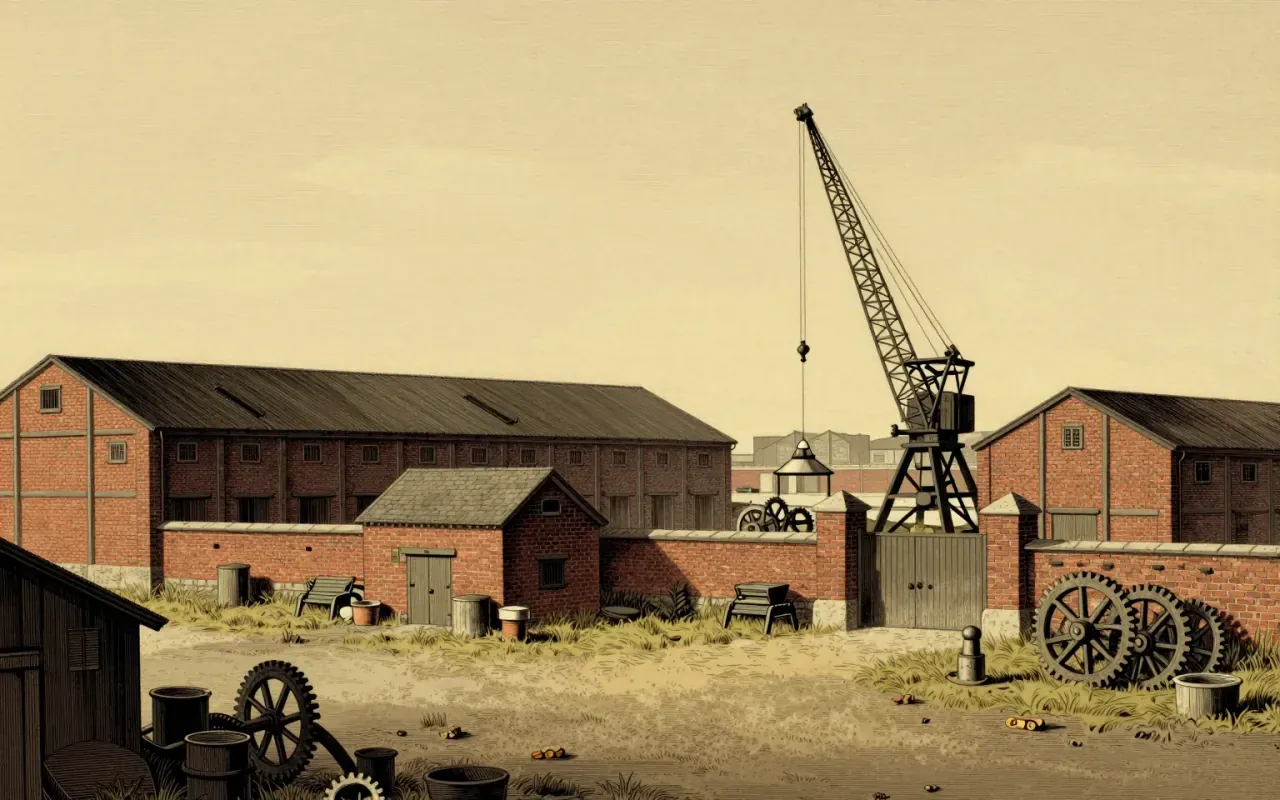
The Hanseatic League grew out of merchant guilds in northern German towns, loosely bound by shared trading privileges rather than any central government, with Lübeck as its de facto leader from the mid-fourteenth century. At its height after the 1370 Treaty of Stralsund it could blockade cities and win wars, running trading posts from Novgorod to London. Dutch and English competition, the closure of its Russian outpost, and the shift of trade toward the Atlantic wore it down over three centuries, and its last formal assembly met in Lübeck in 1669, with no single act ever declaring it ended.
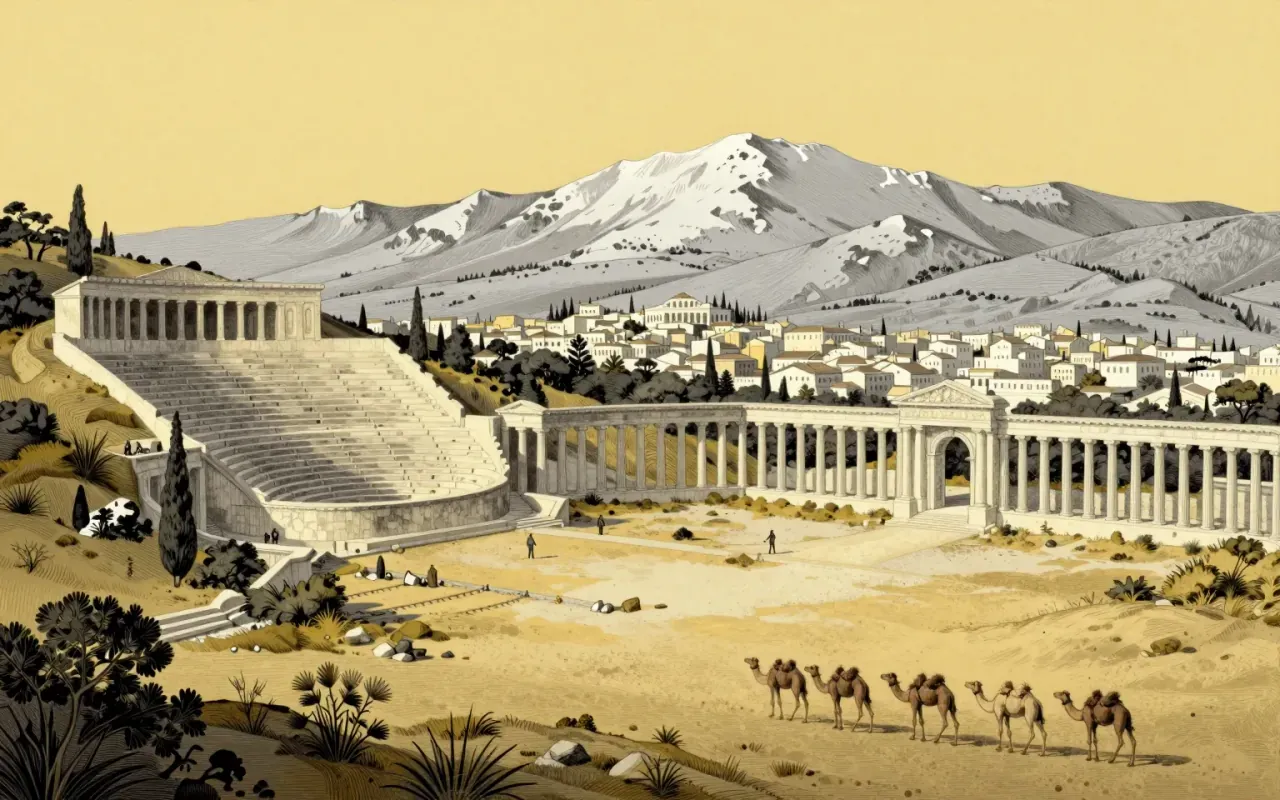
The Hellenistic period runs conventionally from Alexander's death in 323 BC to Cleopatra VII's death in 30 BC, spanning the successor kingdoms, Ptolemaic Egypt, the Seleucid realm and Macedon among them, that emerged from the wars fought among his former generals. It was a period of active scholarship and cultural mixing, producing figures such as Euclid and Archimedes and blending Greek culture with Egyptian, Persian and other local traditions, before Rome absorbed the last of the successor states.
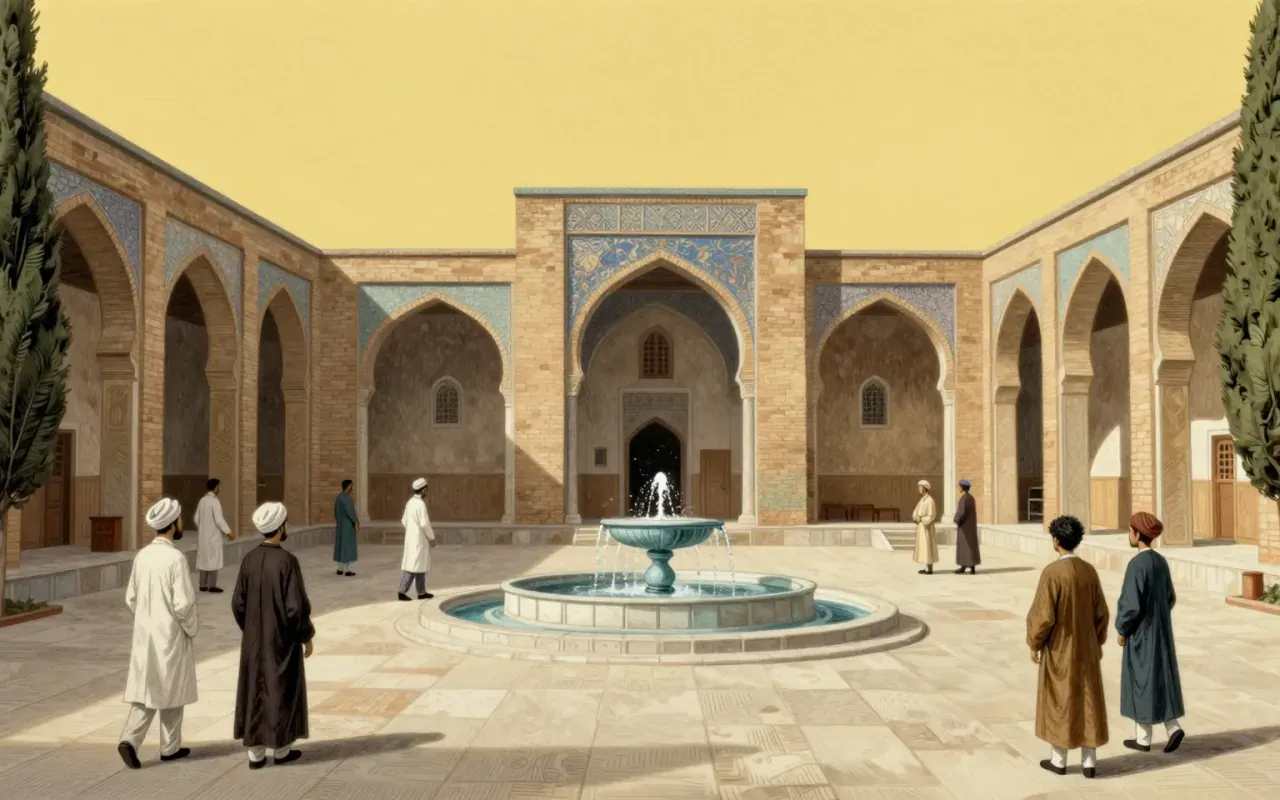
The Islamic Golden Age, running roughly from the eighth to the thirteenth or fourteenth century under the Abbasid Caliphate and centred on cities including Baghdad, Cairo and Córdoba, produced major advances in mathematics, medicine, astronomy and optics, building on translated Greek, Persian and Sanskrit scholarship. Historians disagree both about what caused the flourishing and about how sharply, or whether, it actually declined after the ninth century, and even the existence of Baghdad's famous House of Wisdom as a formal institution is now disputed.
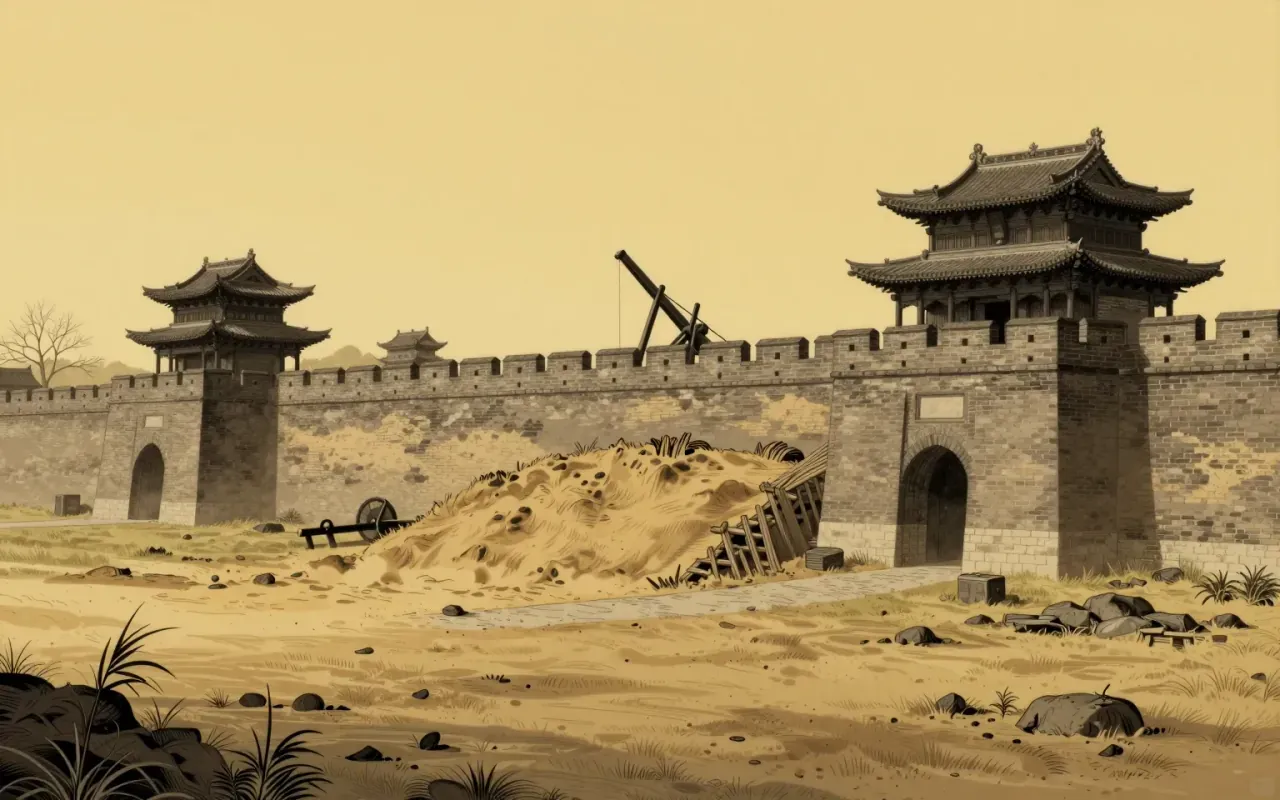
Founded when Temüjin was proclaimed Genghis Khan in 1206, the Mongol Empire expanded within a century to cover roughly 23.5 million square kilometres from the Pacific to Eastern Europe, the largest contiguous empire in recorded history, before splitting after 1260 into four khanates that followed separate paths. Its history is documented through Mongolian, Chinese and Persian chronicles composed at different distances from events and with different loyalties, and historians still debate what actually caused its rapid fragmentation.
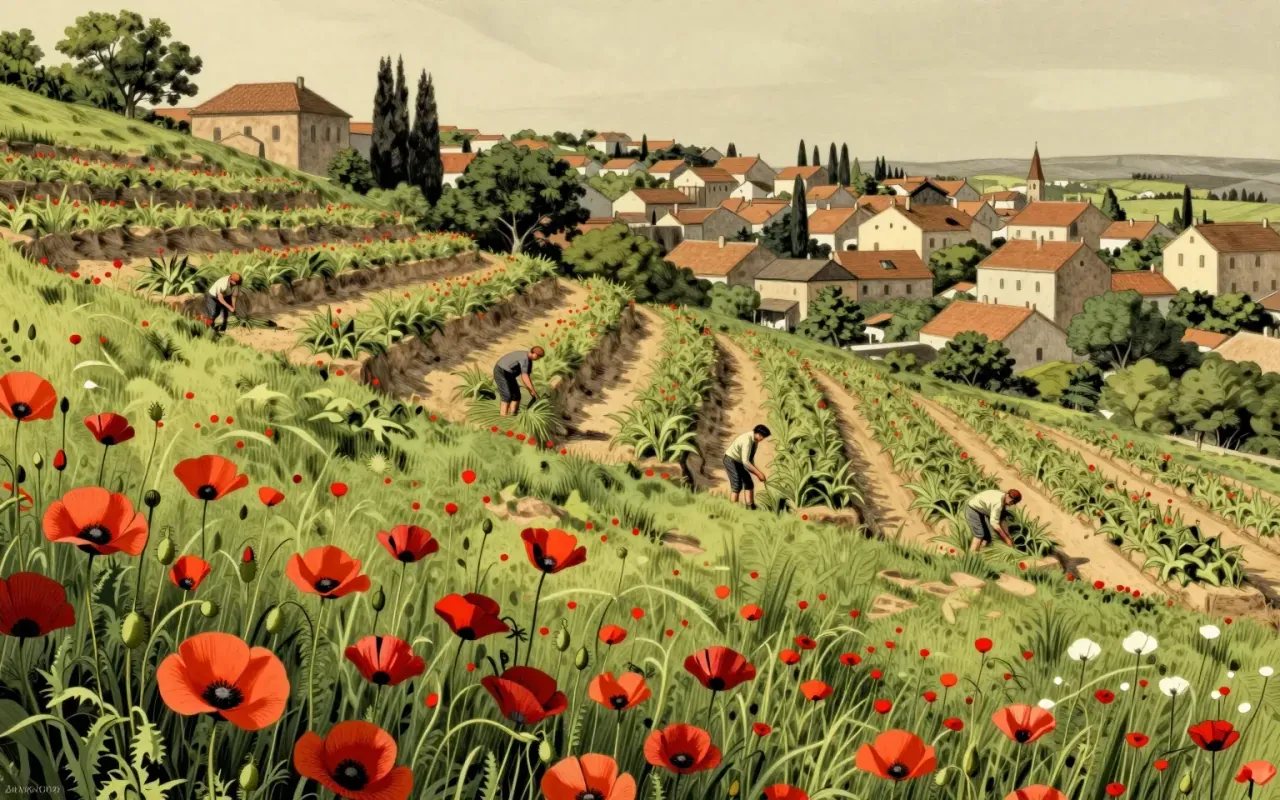
Qing emperors issued prohibitions against opium from 1729 onward, but rising imports and two wars forced China to legalise the trade through the 1858 and 1860 treaties that ended the Second Opium War. Suppression campaigns in the early twentieth century briefly cut consumption sharply, only for the trade to resume under revenue pressure after the Qing collapse in 1911, until the Communist government's often brutal 1950s campaigns finally ended mass addiction within Chinese cities.
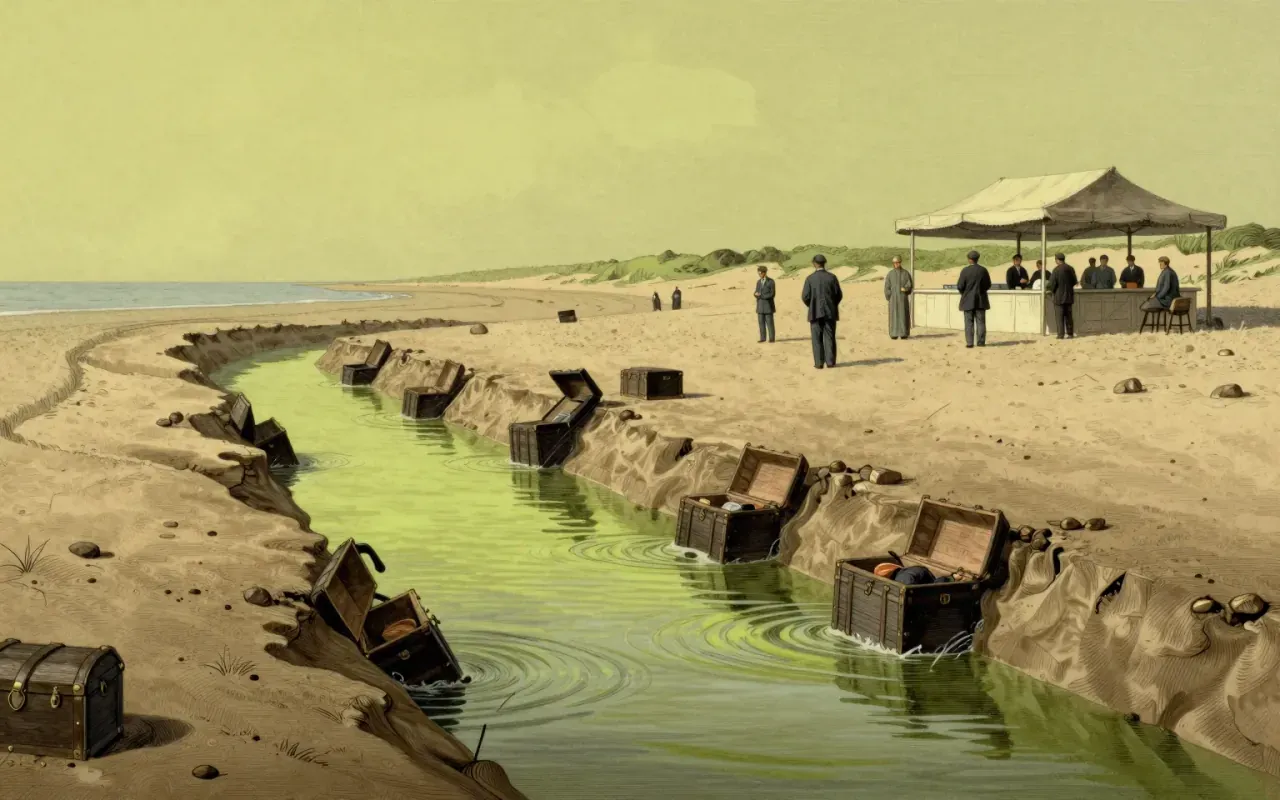
The First Opium War ran from 1839 to 1842 after Chinese commissioner Lin Zexu confiscated and destroyed over 20,000 chests of British-imported opium at Humen, prompting Britain to send a naval and military force that defeated Qing forces along the Pearl and Yangtze rivers while suffering only 87 combat deaths against several thousand Chinese casualties. The resulting Treaty of Nanking, signed in August 1842, ceded Hong Kong to Britain in perpetuity, opened five treaty ports, imposed a 21 to 27 million silver dollar indemnity and granted extraterritorial rights to British subjects, becoming the first of the unequal treaties that Chinese nationalist historiography later dated as the start of a Century of Humiliation.
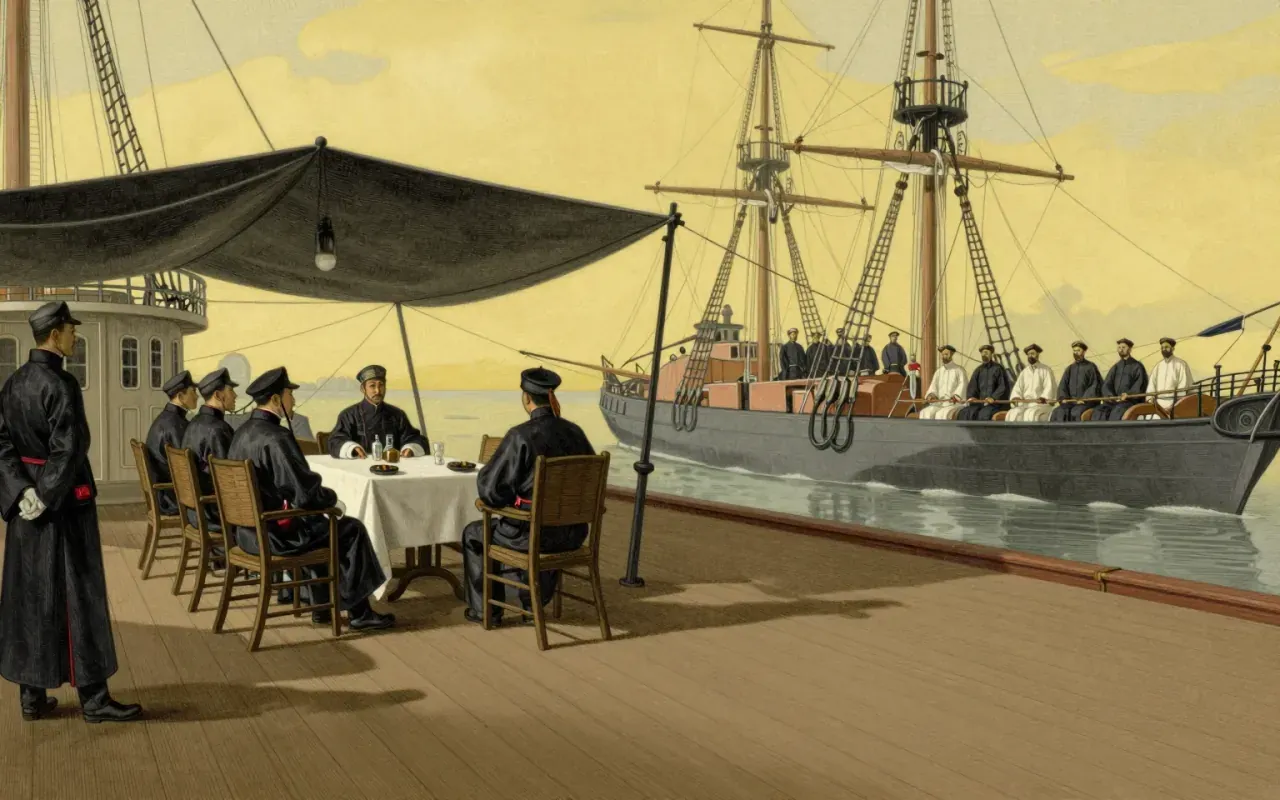
Britain fought two wars against Qing China, from 1839 to 1842 and again from 1856 to 1860, after Chinese officials moved to suppress the opium trade British merchants had built up to offset a longstanding deficit in trade for Chinese tea, silk and porcelain. Chinese defeat in both conflicts led to the ceding of Hong Kong, the opening of treaty ports, and a set of unequal treaties that Chinese historiography treats as the beginning of what is called the century of humiliation.
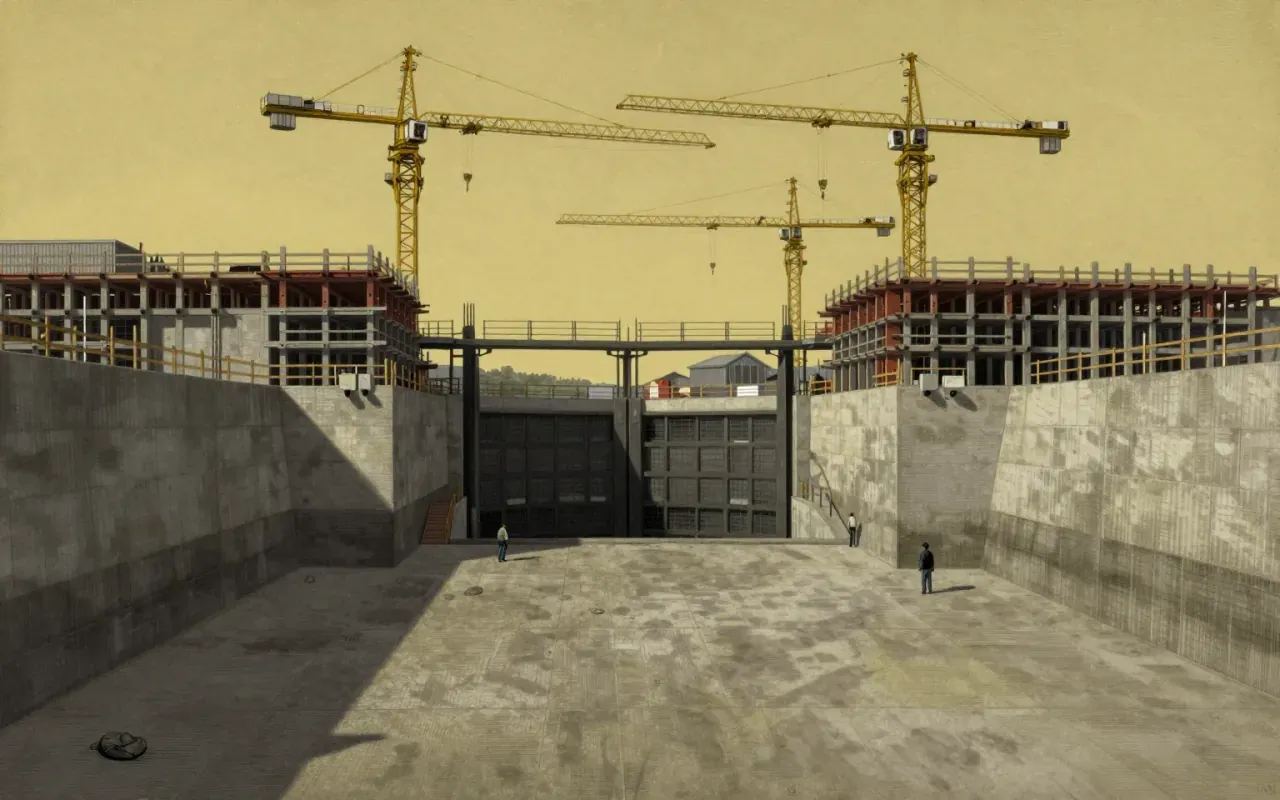
Ferdinand de Lesseps's French company began excavating a sea-level canal across Panama in 1881, a project that collapsed in bankruptcy in 1889 after roughly 22,000 deaths from disease and an underestimation of the terrain's difficulty. The United States acquired the French assets, engineered Panama's 1903 secession from Colombia to secure treaty rights, and completed a lock-and-lake canal in 1914 after further improving disease control, before transferring full sovereignty to Panama in 1999.
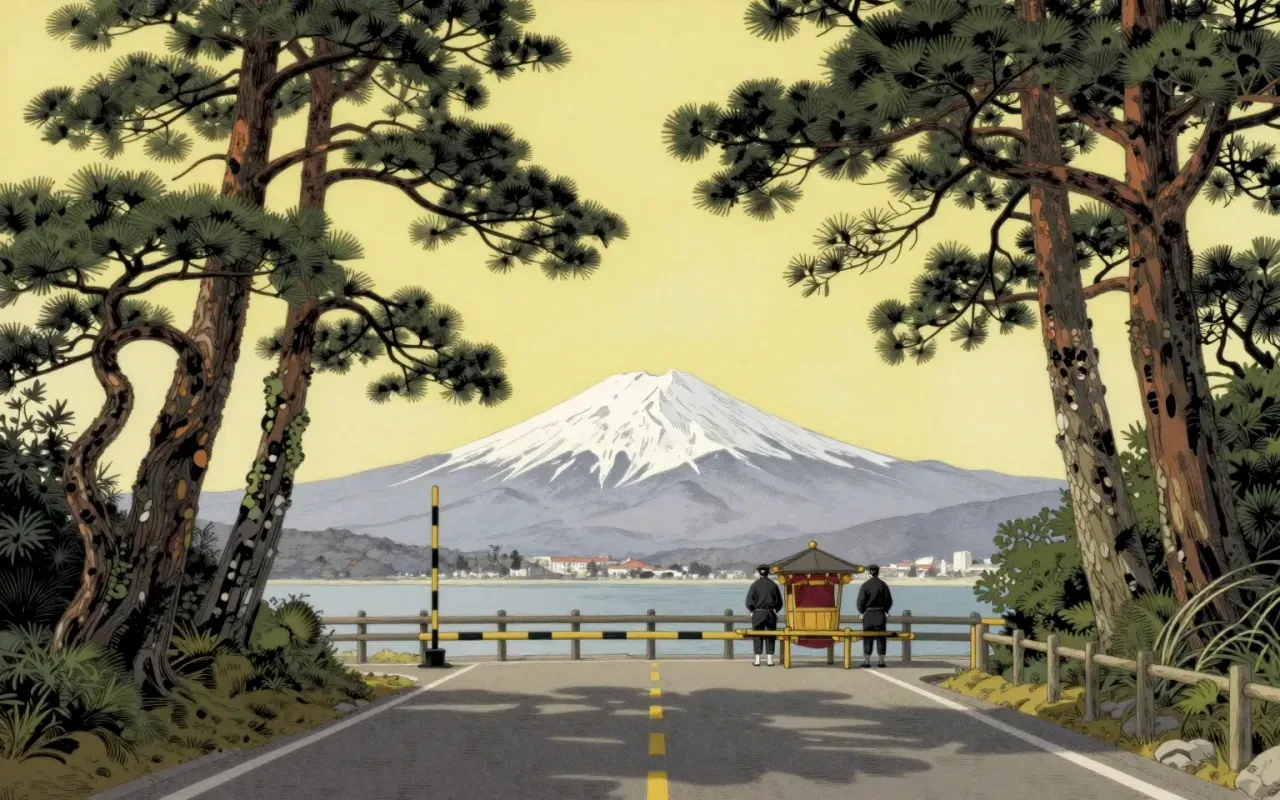
Between 1633 and 1639, the Tokugawa shogunate issued edicts restricting foreign contact and threatening execution for Japanese who left or returned from abroad, a policy later named sakoku that lasted until Commodore Perry's 1853 arrival forced its end. Revisionist historians since the 1970s have argued the policy, better described by the term kaikin or maritime prohibitions, permitted substantial regulated trade through Nagasaki and three other channels throughout its supposed closure.
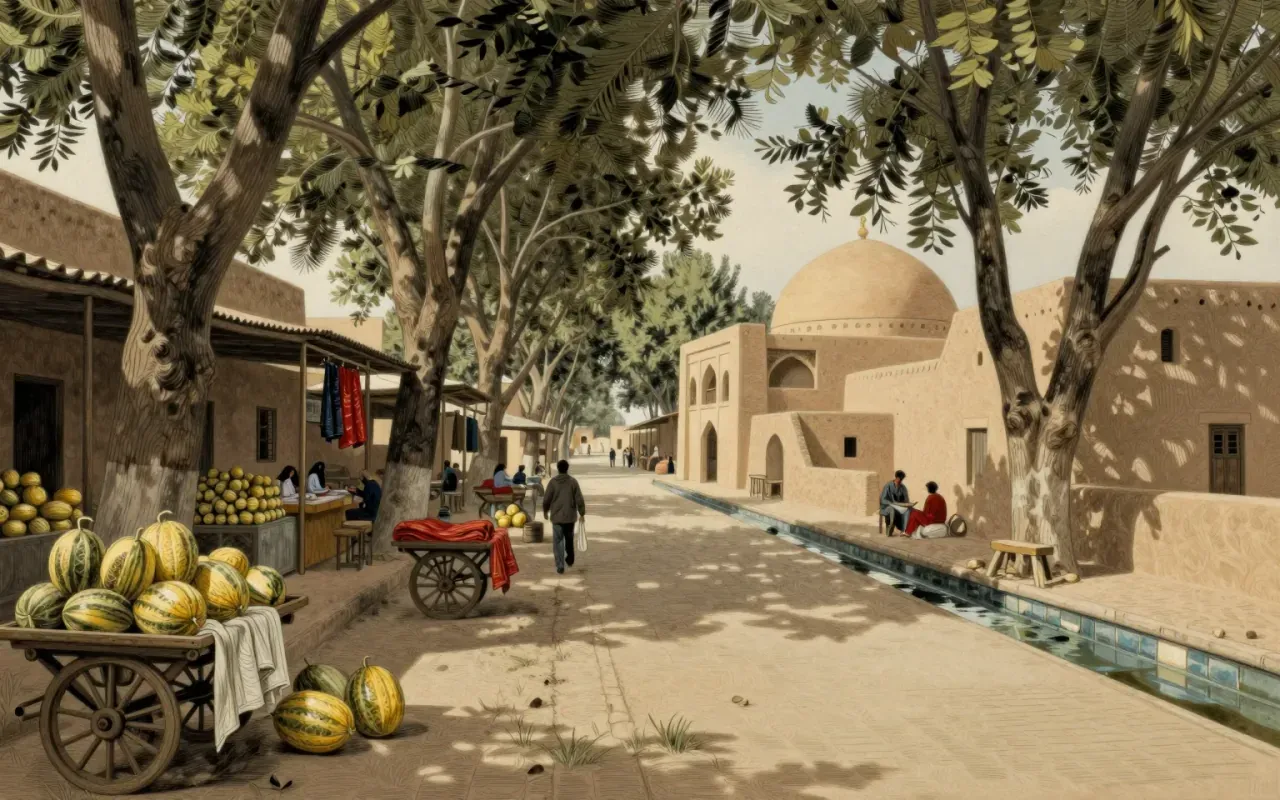
For roughly two thousand years, from around 114 BC until Ottoman control of overland routes hastened its decline after 1450, a shifting network of roads and sea lanes carried silk, spices, paper, religions and disease between China, Central Asia, India and the Mediterranean. The term Silk Road itself is a nineteenth-century coinage, and historians now argue over whether it overstates the coherence of what was really a patchwork of regional trades, with maritime routes through India possibly mattering more economically than the overland paths the name evokes.
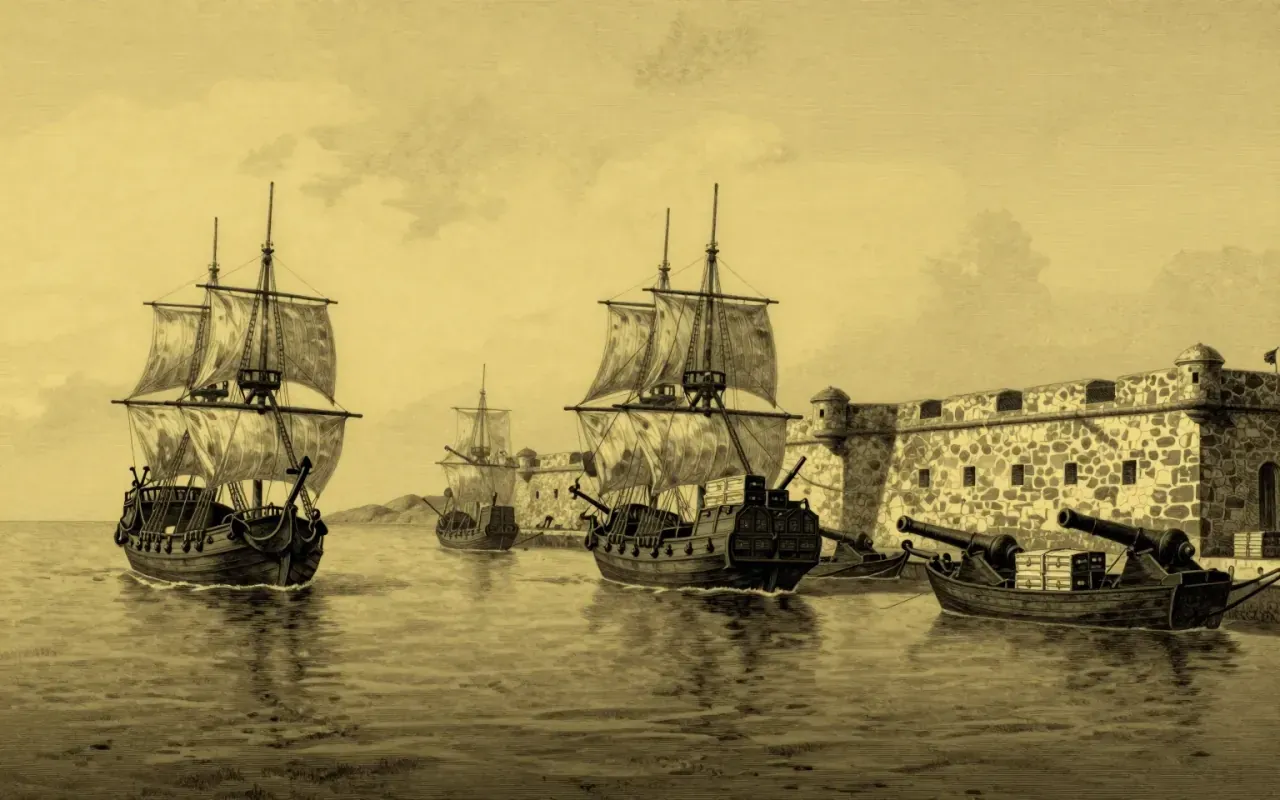
Formed from the 1469 union of Ferdinand of Aragon and Isabella of Castile and launched into overseas expansion by Columbus's 1492 voyage, the Spanish Empire grew to cover roughly 13.7 million square kilometres across the Americas, parts of Europe, Africa and Asia before contracting through independence movements in the 1810s and 1820s and finally ending with the loss of its last colony in 1976. Conquest of the Aztec and Inca empires brought catastrophic population loss to indigenous peoples, a record contemporaries and later scholars have argued over from opposing directions, from exaggerated Protestant-era atrocity propaganda to more recent scholarship documenting genuine and extensive harm.
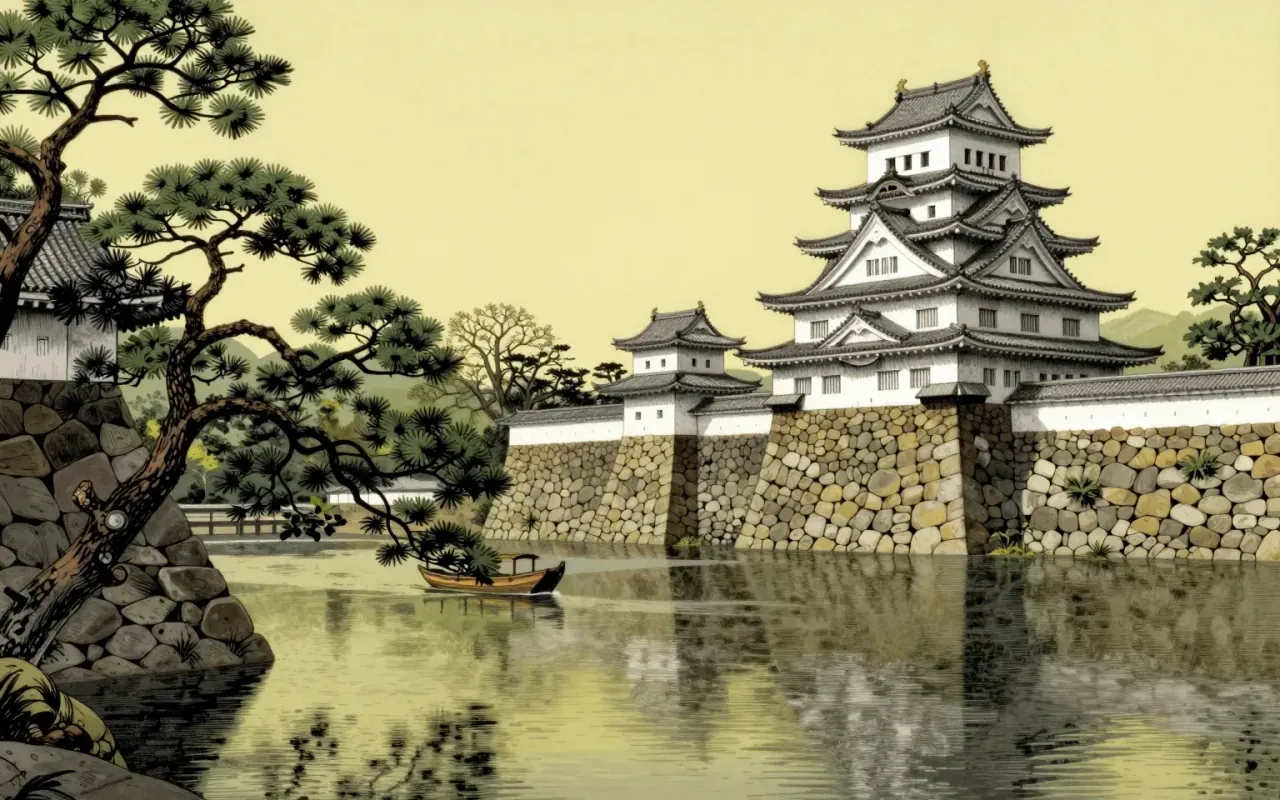
Established by Tokugawa Ieyasu after his 1600 victory at Sekigahara and formalised when he took the title of shogun in 1603, the Tokugawa shogunate governed Japan for over two and a half centuries through a system dividing power between the shogunate in Edo and roughly 270 regional domains, enforced by hostage-style residence requirements on local lords and a strict limitation on foreign contact. The shogunate ended in 1868 when the fifteenth shogun resigned amid the Meiji Restoration, following decades of internal strain and mounting foreign pressure.

Between the fifteenth and nineteenth centuries, European traders transported an estimated 12.75 million enslaved Africans across the Atlantic, purchasing most from African merchants rather than capturing them directly, with roughly two million dying during the voyage itself. Portugal and Britain carried the largest shares, the trade fed plantation economies concentrated heavily in Brazil and the Caribbean, and historians continue to debate how equal a bargaining position African traders actually held against the European commercial networks driving demand.
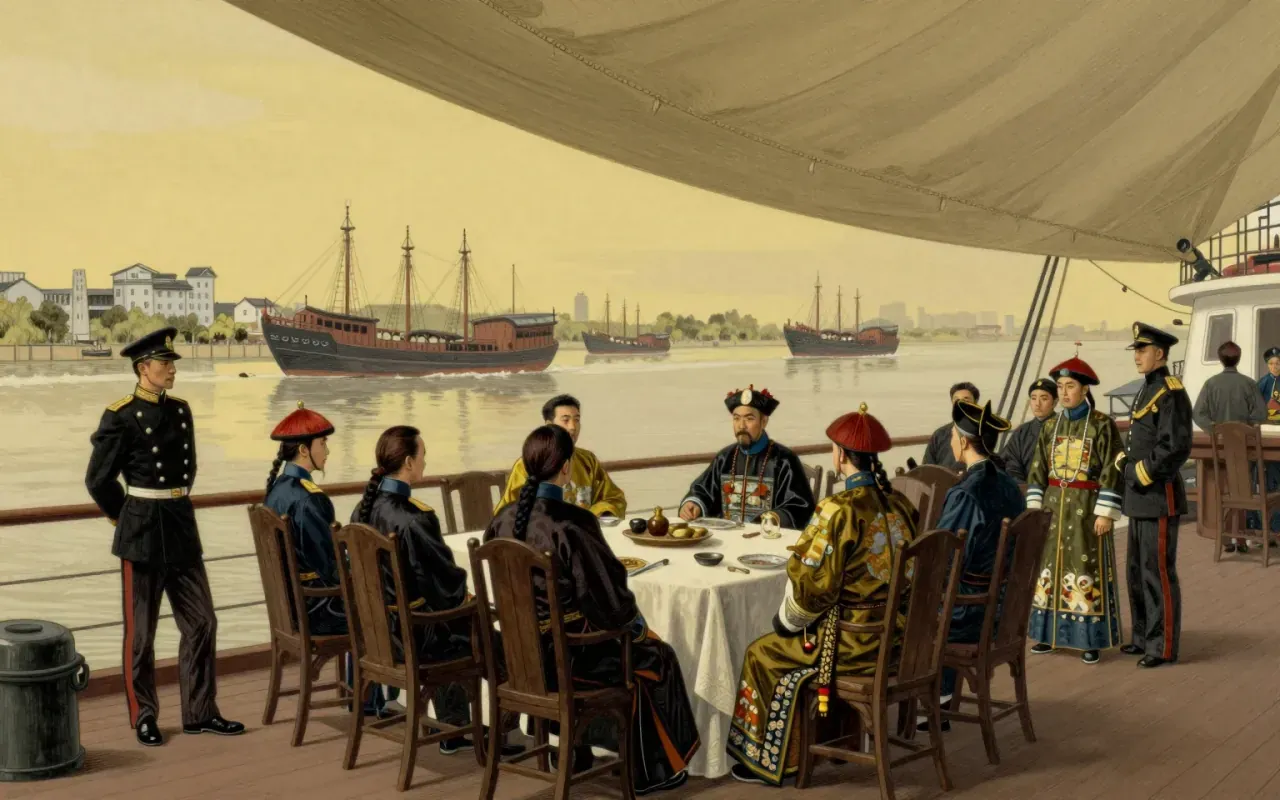
Signed aboard a British warship off Nanjing in August 1842, the treaty that ended the First Opium War opened five Chinese ports to British trade, ceded Hong Kong Island, and imposed an indemnity covering confiscated opium, ransom and war costs. Its one-sided terms followed directly from Britain's military advantage rather than negotiation. Only later did Chinese nationalists label it an unequal treaty and the opening of a century of humiliation, a framing quite different from the Qing court's muted contemporary response.
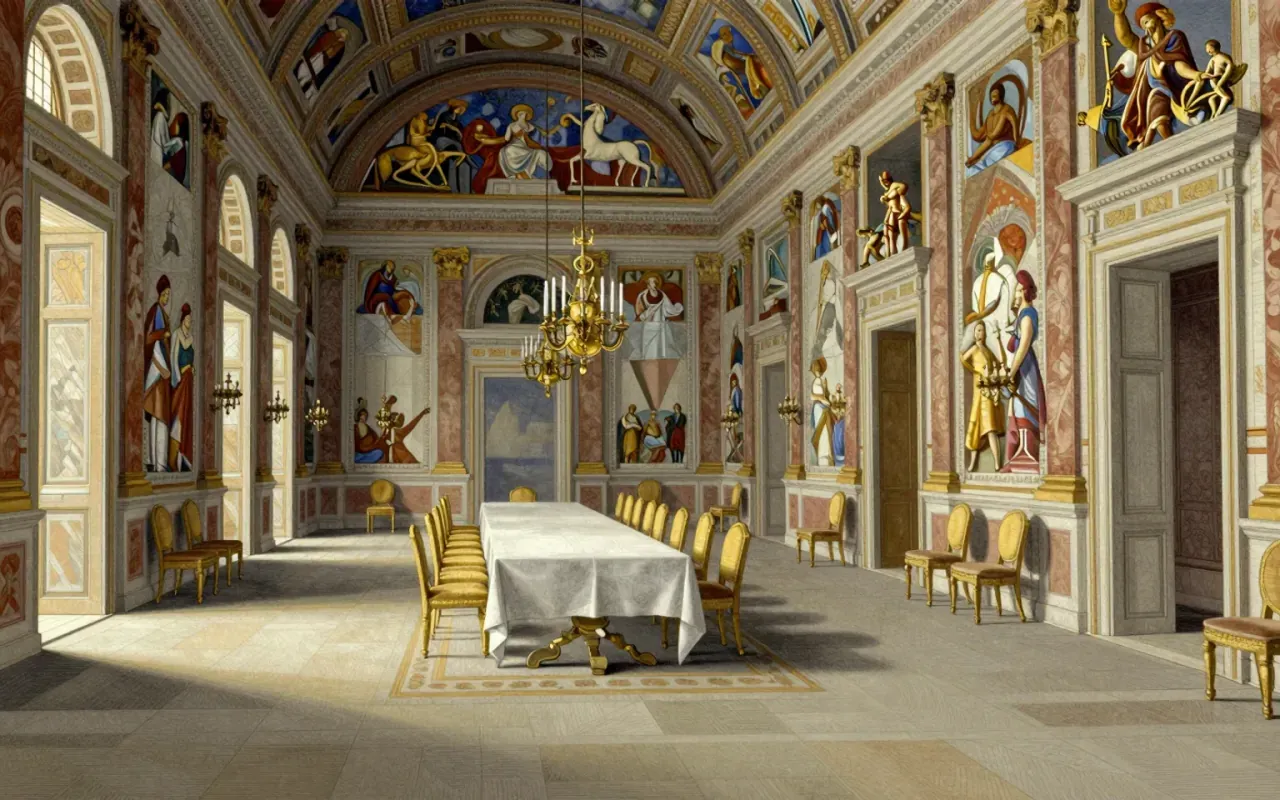
Signed on 25 March 1957 on Capitoline Hill in Rome and effective from 1 January 1958, the Treaty of Rome established the European Economic Community among Belgium, France, Italy, Luxembourg, the Netherlands and West Germany, alongside a companion treaty founding the European Atomic Energy Community. Built on the 1955 Spaak Report and negotiations at Val Duchesse, it created a customs union intended to foster economic integration, and its institutions were later merged with those of the earlier Coal and Steel Community before evolving, through the Maastricht and Lisbon treaties, into the European Union.
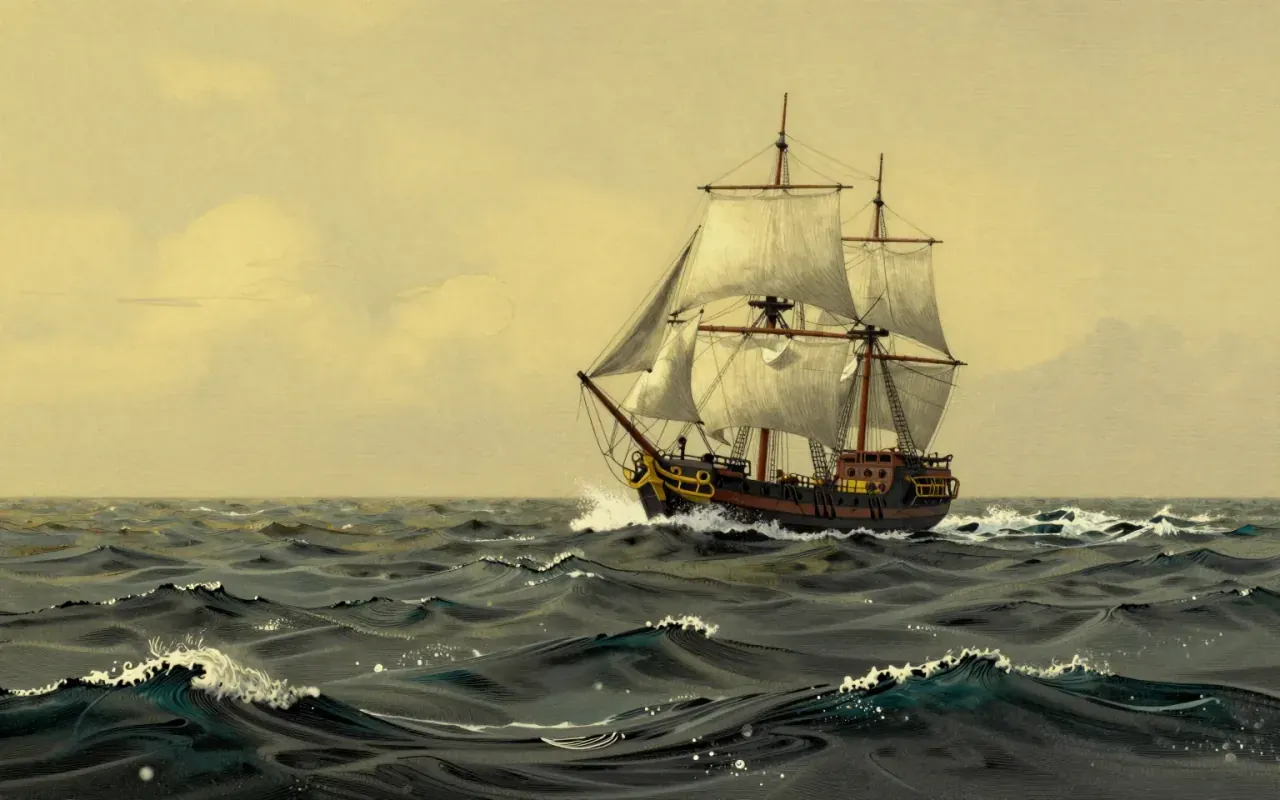
Vasco da Gama's 1497 to 1499 voyage rounded Africa, following a route Bartolomeu Dias had already shown was navigable, to become the first known European sea passage to India, reaching Calicut in May 1498 at the cost of most of his crew to disease on the return journey. A once-standard explanation tying the voyage to the Ottoman capture of Constantinople has been undermined by later research, and the expedition itself achieved far less immediate commercial success than its later reputation suggests.
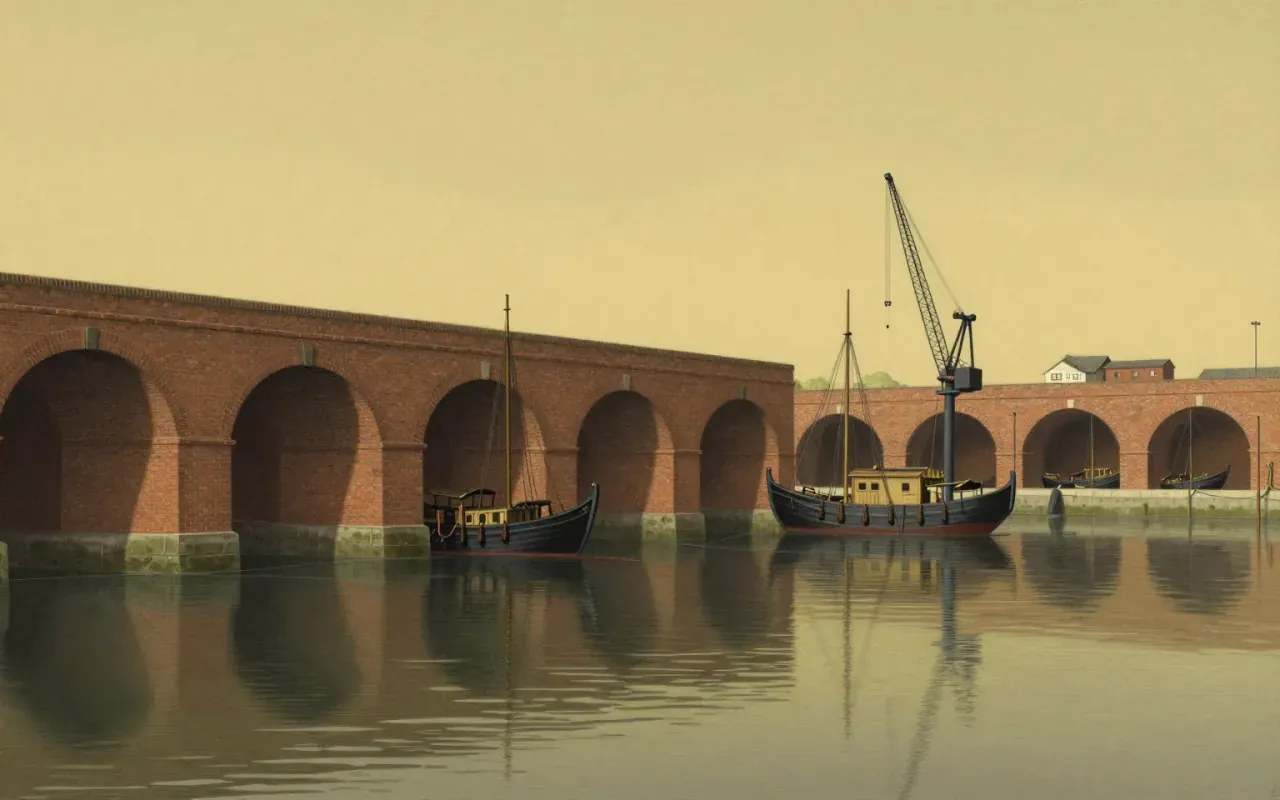
Venice began building its state shipyard around 1104, expanding it into the much larger Arsenale Nuovo in 1320, and by the early sixteenth century the complex employed roughly sixteen thousand workers using standardised parts, frame-first hull construction, and a canal-based assembly process capable of producing close to one ship a day. Dante described its labourers in the Inferno, and the state devoted close to a tenth of its revenue to keeping the fleet built there maintained and outfitted. The Arsenal declined alongside the Republic itself after Napoleon's conquest in 1797, and today it serves as a naval base, research site, and Biennale exhibition venue.
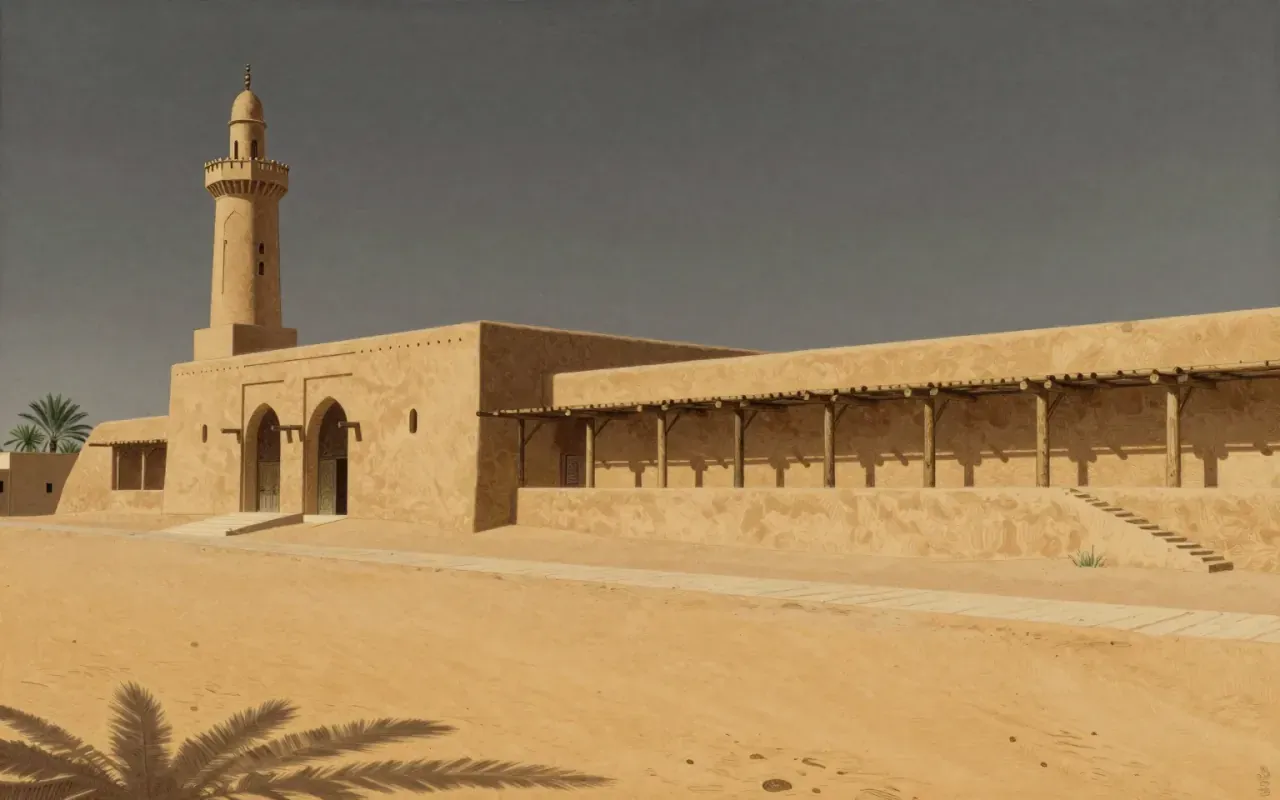
Timbuktu grew from an early twelfth-century settlement into a major trans-Saharan trade and Islamic scholarly centre, its rise accelerated after Mansa Musa's famous visit around 1325, reaching a population of roughly fifty thousand by the 1500s with three madrasas educating some twenty-five thousand students. A Moroccan invasion in 1591 killed or scattered many of its scholars and triggered a long decline, though hundreds of thousands of manuscripts documenting its intellectual life survived, some housed in libraries into the twenty-first century despite recent conflict-related threats.
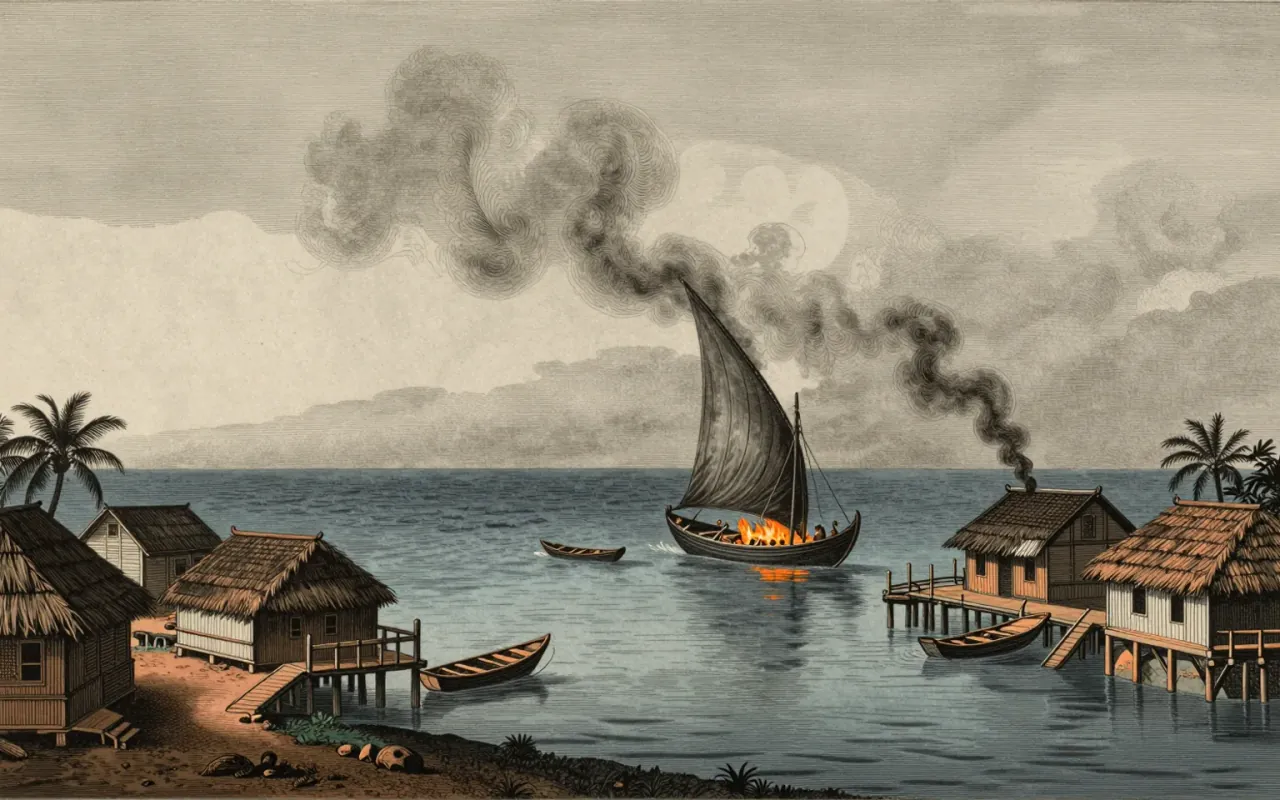
Vasco da Gama led the first European sea voyage to reach India in 1497 to 1499, opening a direct trade route that bypassed existing Arab and Venetian intermediaries, then returned on a far more heavily armed second voyage in 1502 marked by deliberate, documented violence against Muslim traders and pilgrims. He died as Portuguese viceroy of India in 1524, and his legacy now sits uneasily between celebrated navigational achievement and conduct historians no longer treat as incidental.

Venice's founding legend puts a precise date, noon on 25 March 421, on a process that in fact unfolded over generations, as people from Roman towns on the mainland retreated into the lagoon ahead of successive invasions. What followed was thirteen centuries of maritime power built on trade with Byzantium and the eastern Mediterranean, a republic that ended when Napoleon took the city in 1797, and a modern afterlife defined by tourism, subsidence, and a flood barrier still not finished decades after it was meant to be.