A settlement older than its fame
Archaeological evidence points to Iron Age activity near Timbuktu as early as the fifth century BC, but the city as a permanent settlement is generally dated to the early twelfth century, growing steadily thereafter through trade in salt, gold and ivory along trans-Saharan caravan routes. Its transformation into a major centre of Islamic scholarship accelerated after Mansa Musa’s celebrated visit around 1325, and under Mali Empire rule the city reached a population of roughly ten thousand by 1300, expanding to about fifty thousand by the 1500s as merchants and scholars from across the region and beyond settled there.
One visit, an accelerated rise
The city’s intellectual life is documented through an unusually large surviving manuscript tradition, with estimates suggesting up to seven hundred thousand documents held across multiple libraries by 2003, alongside chronicles produced by local Islamic scholars recording the city’s own history in detail. External accounts add a further layer: the sixteenth-century traveller Leo Africanus produced the most influential outside description of the city’s wealth and learning, shaping European perceptions of it for centuries, while the eighteenth-century Moroccan merchant Shabeni later documented a smaller population of around forty thousand, evidence that the city had already begun contracting from its medieval peak well before its final major decline.
A city measured by its students
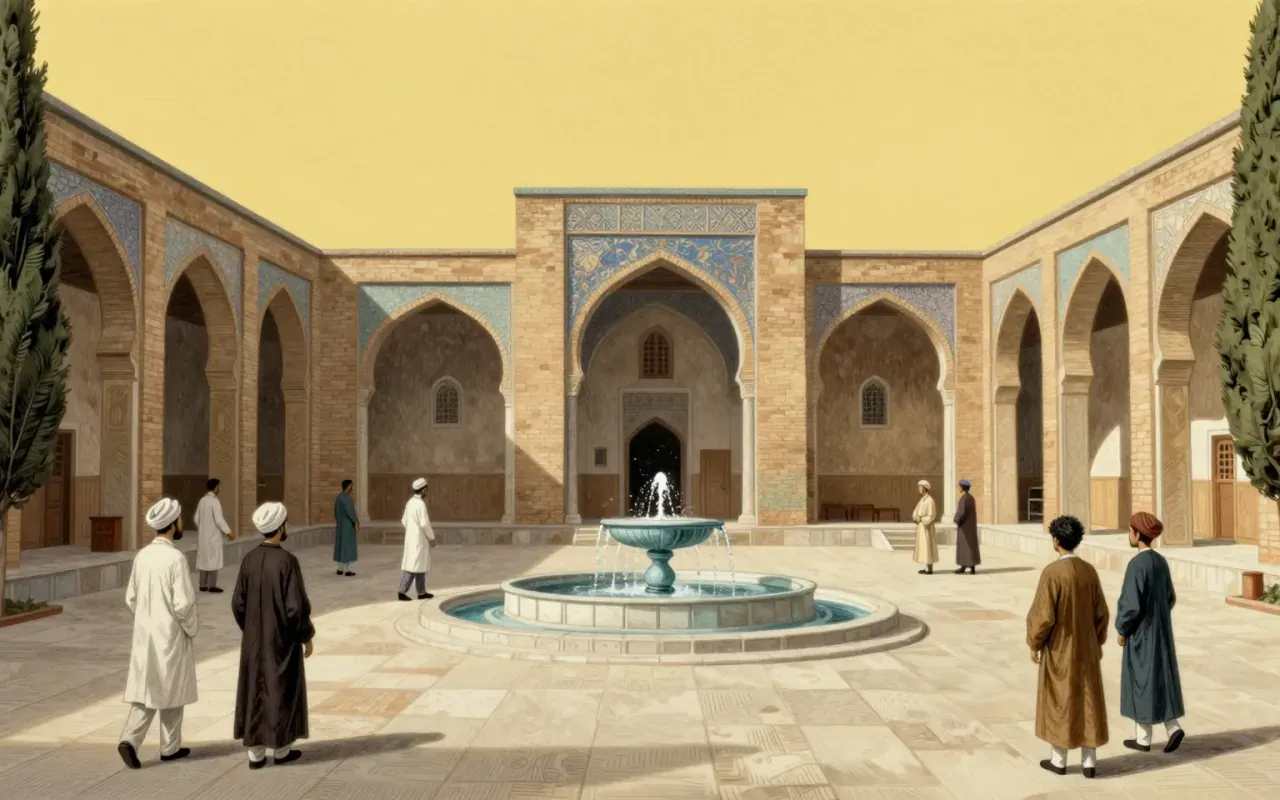
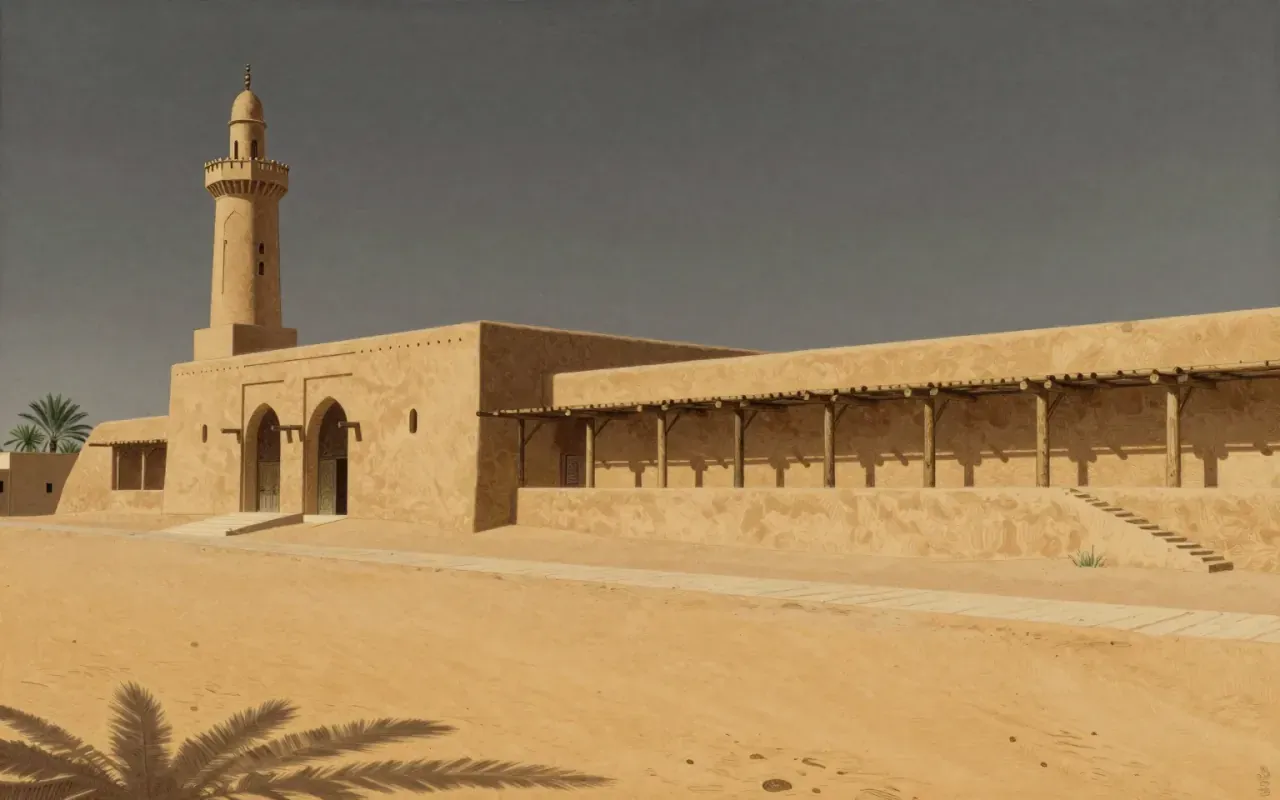
At its height, Timbuktu’s reputation rested on three major madrasas, Djinguereber, Sankoré and Sidi Yahya, which together educated an estimated twenty-five thousand students in subjects including Islamic law, medicine, science and rhetoric, a scale of formal education remarkable for the period and comparable in some respects to major centres of learning elsewhere in the medieval world. This concentration of scholarship depended directly on the wealth generated by the city’s position along trans-Saharan trade routes, since the same commercial networks that brought salt, gold and ivory through the city also brought students, teachers and books from across the wider Islamic world.
An outsider’s account that shaped a continent’s reputation
The precise circumstances of the city’s founding and even the origin of its name remain genuinely disputed, with scholars proposing Songhay, Berber and other linguistic origins for the name Timbuktu without reaching consensus, a gap that reflects the practical difficulty of excavating and dating the earliest layers of settlement at the site. What is better documented is the abruptness of the city’s most serious decline: the 1591 Moroccan invasion led directly to the execution or flight of many of the city’s scholars, a sudden institutional rupture rather than a slow fading, compounded afterward by the broader shift of West African trade toward Atlantic coastal routes that further reduced Timbuktu’s commercial importance.
An invasion that broke the scholarly community
Despite this decline, Timbuktu’s manuscript tradition survived remarkably intact across the following centuries, preserved by local families and institutions through periods of colonial rule and into the modern Malian state, giving historians direct access to centuries of West African intellectual production largely undisturbed by the European colonial archive that shapes so much other regional history. This manuscript heritage has faced renewed threats in recent years from regional conflict, prompting significant preservation efforts even as the city’s population and commercial standing remain a fraction of what they were during its medieval peak.
A legacy preserved on paper
This is genuinely valuable reading for correcting any assumption that Timbuktu’s fame rested on trade wealth alone, since the scale of its formal scholarly institutions, twenty-five thousand students across three madrasas, deserves equal attention. It is a strong illustration of how quickly an intellectual centre can collapse following conquest rather than declining gradually. It leaves open, rather than resolves, the more basic questions of the city’s exact founding and the origin of its name, gaps that reflect real limits in the archaeological record rather than any oversight in the telling.