From the African coast to two hemispheres
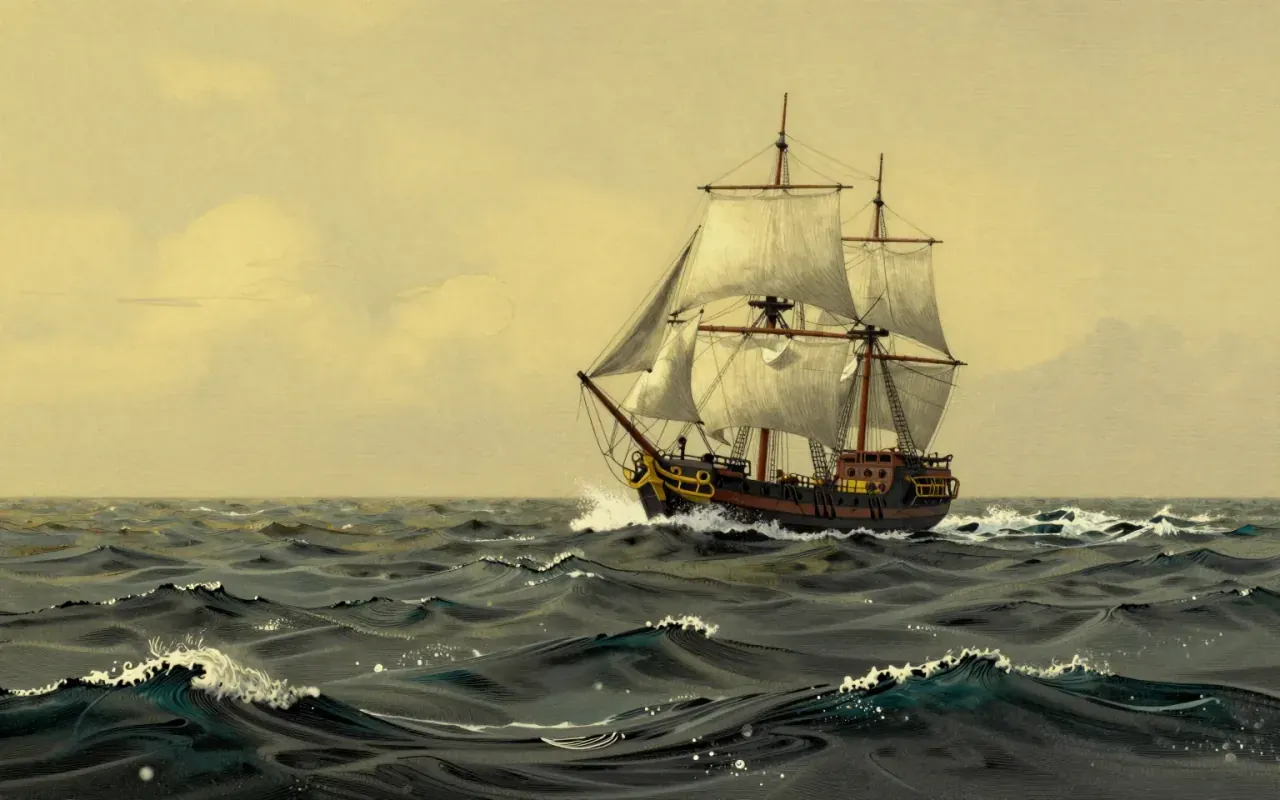
Portuguese exploration of the West African coast, encouraged under Prince Henry from 1418, culminated in Bartolomeu Dias rounding the Cape of Good Hope in 1488 and Vasco da Gama reaching India by sea a decade later. Spain’s parallel effort sent Christopher Columbus across the Atlantic in 1492, followed by Hernán Cortés’s conquest of Mexico in 1519 to 1521 and Francisco Pizarro’s conquest of the Inca in Peru in the early 1530s, while a Spanish-funded expedition under Ferdinand Magellan, completed after his death by Juan Sebastián Elcano, achieved the first circumnavigation of the globe between 1519 and 1522. Northern European powers, England, France and the Netherlands among them, joined the process from the late fifteenth century onward, extending exploration to North America, Australia and the Pacific over the following two centuries.
Whose word is ‘discovery’ anyway
The word discovery itself has come under sustained scholarly criticism, since it derives from a root meaning simply to uncover and implies that the lands European sailors reached were previously unknown, when in fact they were inhabited by populations with their own long histories. The historian Anthony Pagden has framed the process instead as Europe’s invention of America, meaning the incorporation of new information into an existing European worldview rather than a genuine act of discovery in any neutral sense. Indigenous scholars and communities have separately objected to discovery-based framing on the grounds that it underpins a legal doctrine historically used to justify dispossessing them of land, and some historians now prefer terms such as the Age of Contact to describe the same events with less one-sided phrasing.
Spices, souls, and better ships
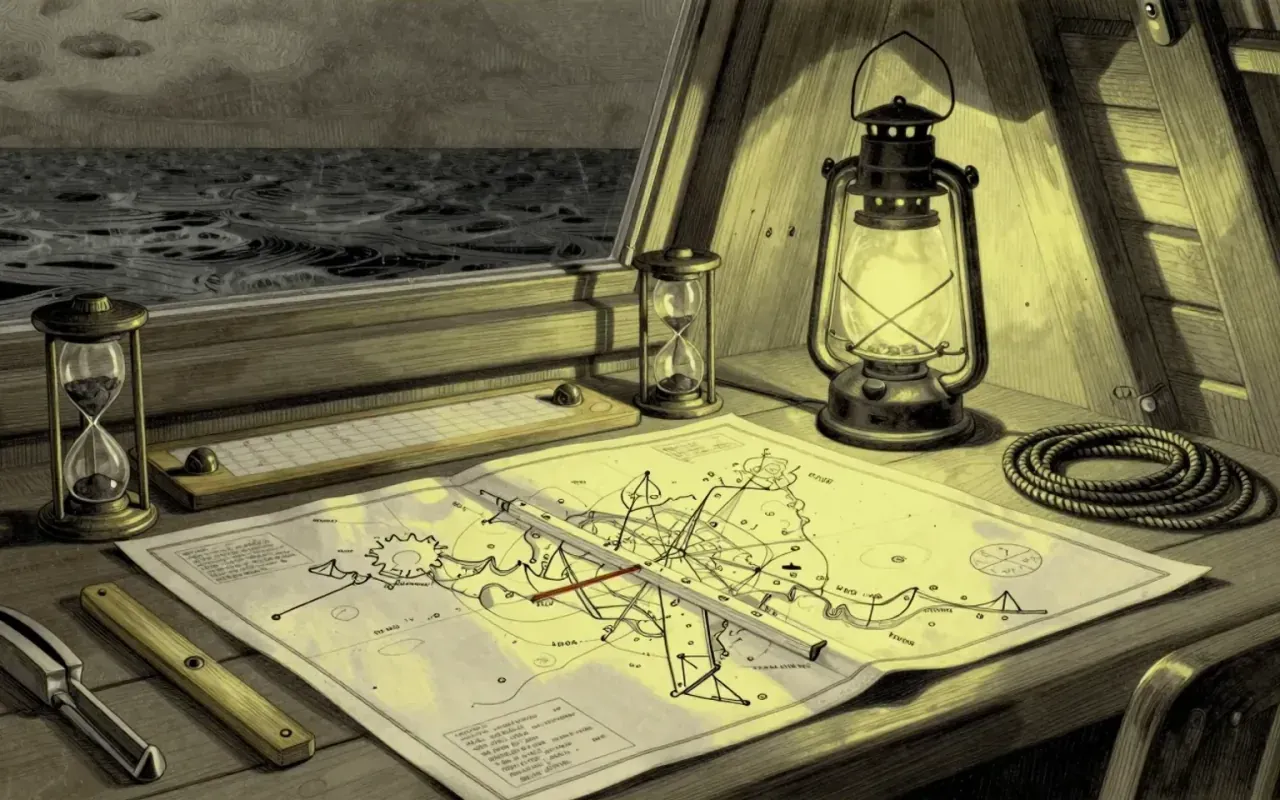
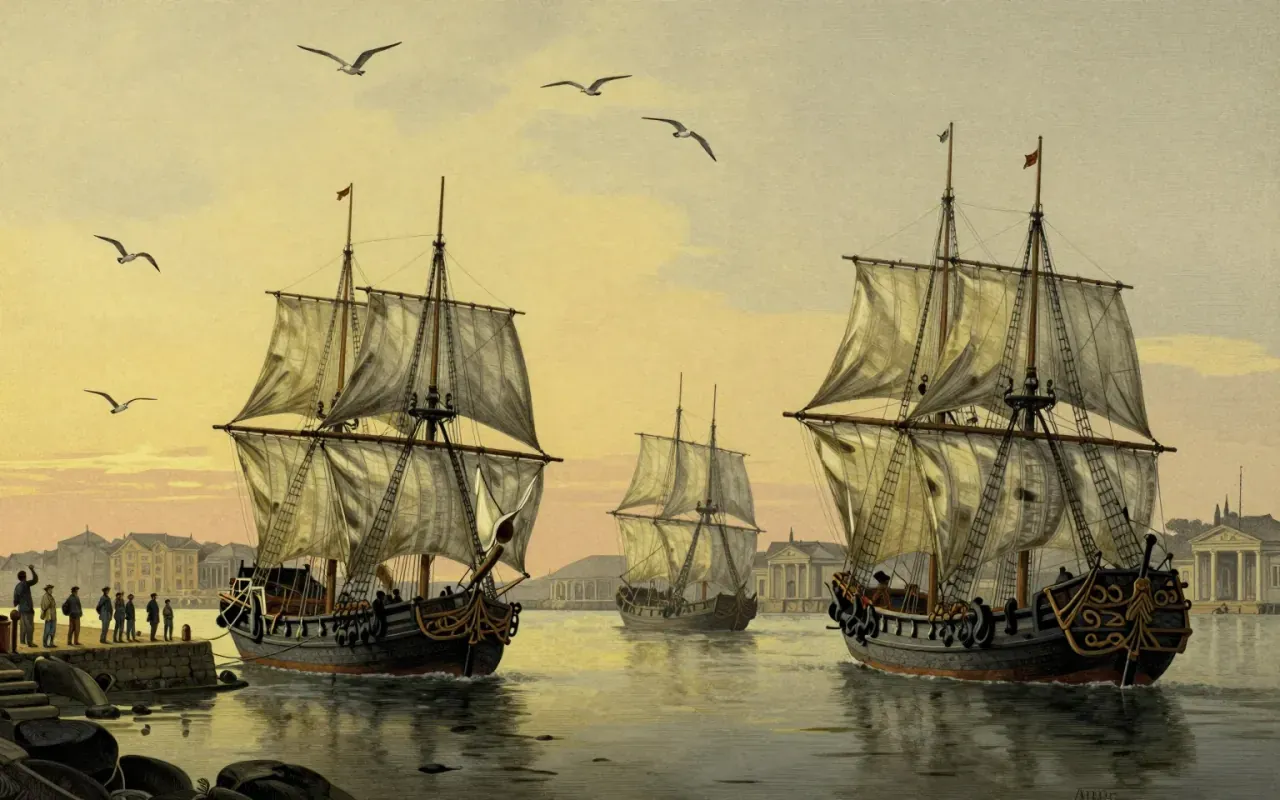
Multiple overlapping motives drove the initial voyages. Direct access to the spice trade, controlled by Muslim intermediaries along existing Indian Ocean routes, offered an obvious economic incentive once overland routes through Mongol-controlled Asia became less secure following the end of the earlier Pax Mongolica. Religious motivation ran alongside commercial interest, with missionary orders including the Franciscans, Dominicans and later the Jesuits accompanying or following the early voyages and, in numerous documented instances, pursuing forced conversion of indigenous populations. Technological developments, refinements to the magnetic compass, and new ship designs combining northern European and Mediterranean building traditions into vessels such as the caravel, made the longer oceanic voyages that these motives demanded practically achievable for the first time.
An exchange that was catastrophic for one side
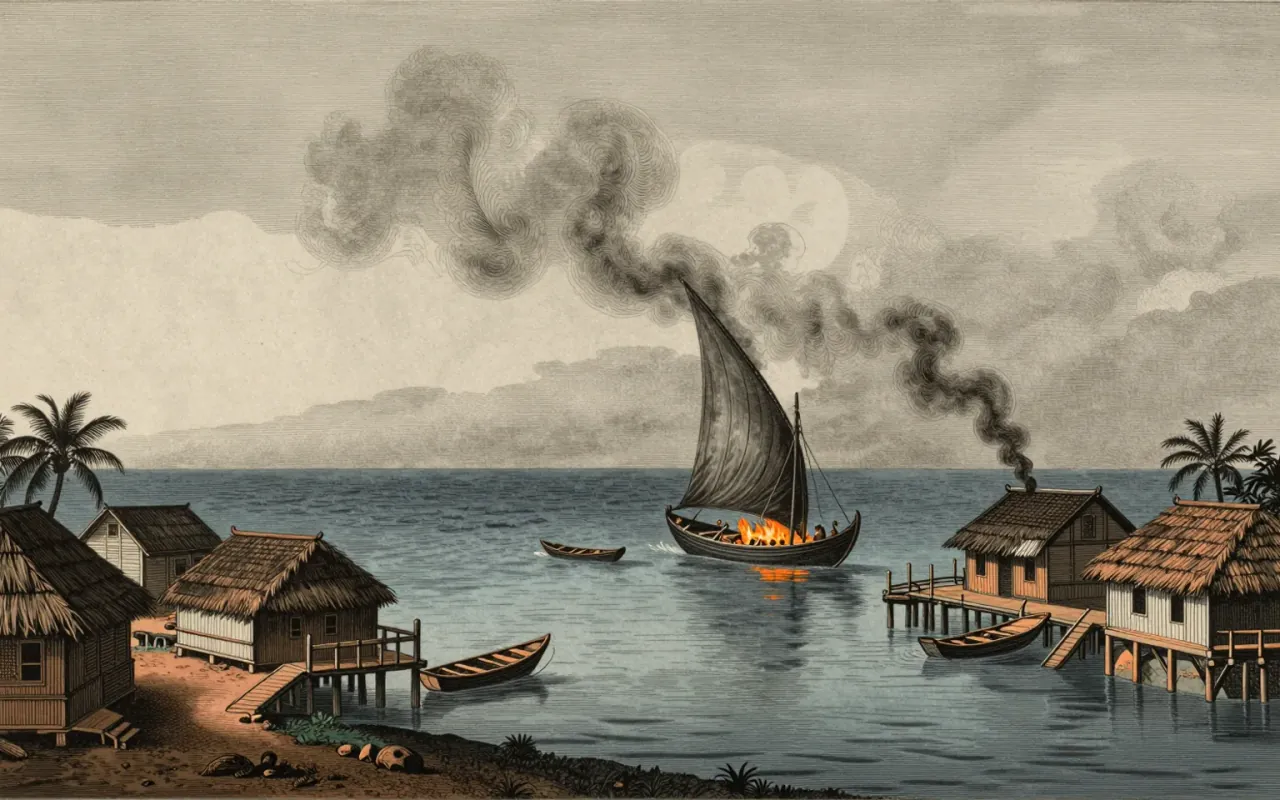
The contact between hemispheres this period initiated, often called the Columbian Exchange, moved plants, animals, people, including enslaved populations, and disease in both directions, but its effects were sharply unequal. Indigenous peoples in the Americas, lacking immunity to diseases introduced from Europe, suffered population losses on a scale the sources describe as catastrophic, compounding the direct violence of conquest and colonisation. Widespread enslavement and forced labour accompanied European settlement from the earliest colonies onward, and the resulting demographic collapse among indigenous populations is treated in current scholarship as one of the defining and most consequential features of the period, rather than as an incidental side effect of otherwise celebrated exploration.
Tordesillas and the division of a world
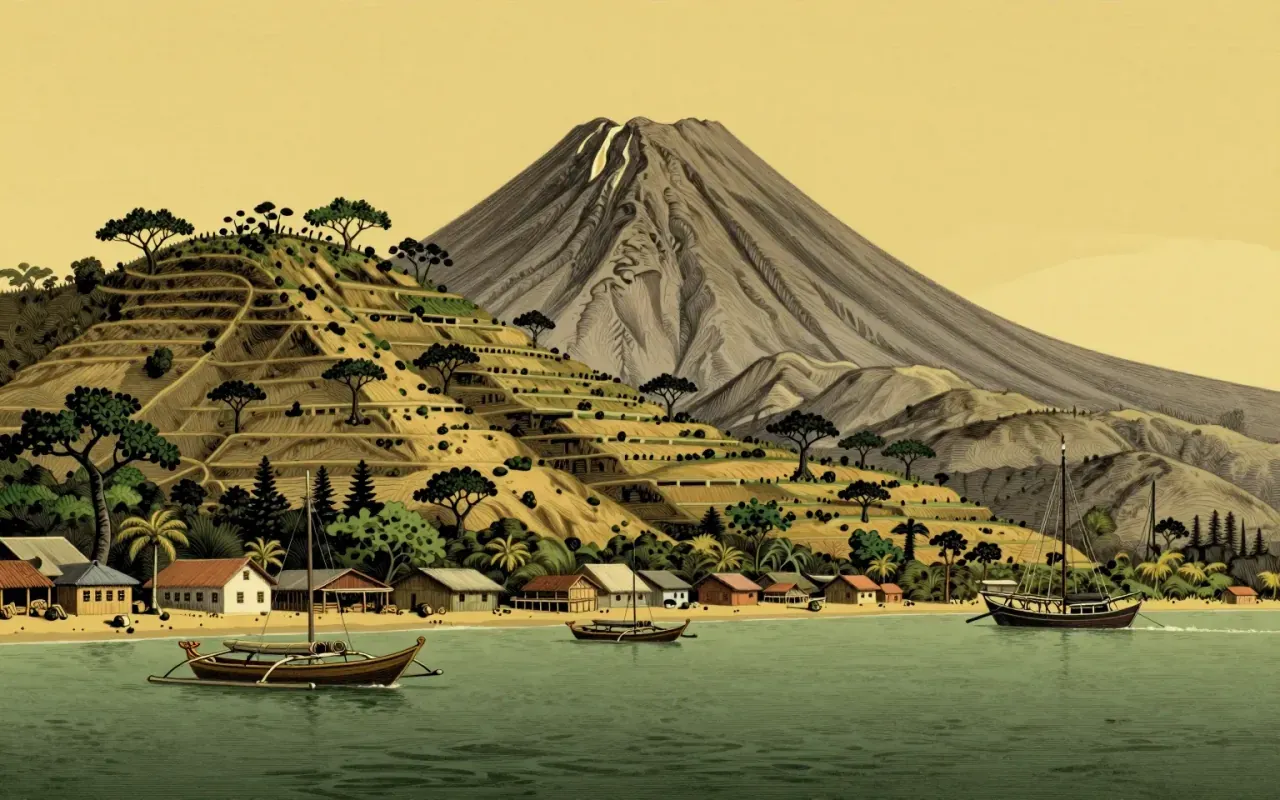
European powers moved quickly to formalise their competing claims: the Treaty of Tordesillas in 1494 divided much of the unexplored world between Portuguese and Spanish spheres of influence, establishing colonial claim-making as an explicit and internationally negotiated element of state policy rather than a matter left to individual explorers or trading companies. This period also produced new global trade patterns that persisted for centuries, including the Manila galleon route connecting the Americas and Asia from 1565, and it laid the institutional and commercial groundwork that later scholarship connects directly to the emergence of the interconnected global economy described in modern accounts of globalisation.
A period best read from more than one direction
The Age of Discovery rewards attention precisely because its conventional framing, exploration and progress, sits uneasily against the historical record of disease, enslavement and conquest that accompanied it from the start, and current historiography treats reconciling those two aspects as the central task rather than a footnote. Readers interested in navigation, trade and the technical history of exploration will find genuine and significant achievement; readers interested in the consequences for the peoples already living in the places being explored will find a record of loss that the word discovery does real work to obscure. Approaching the period through both lenses at once gives a fuller picture than either alone.