A British trade deficit solved by selling opium
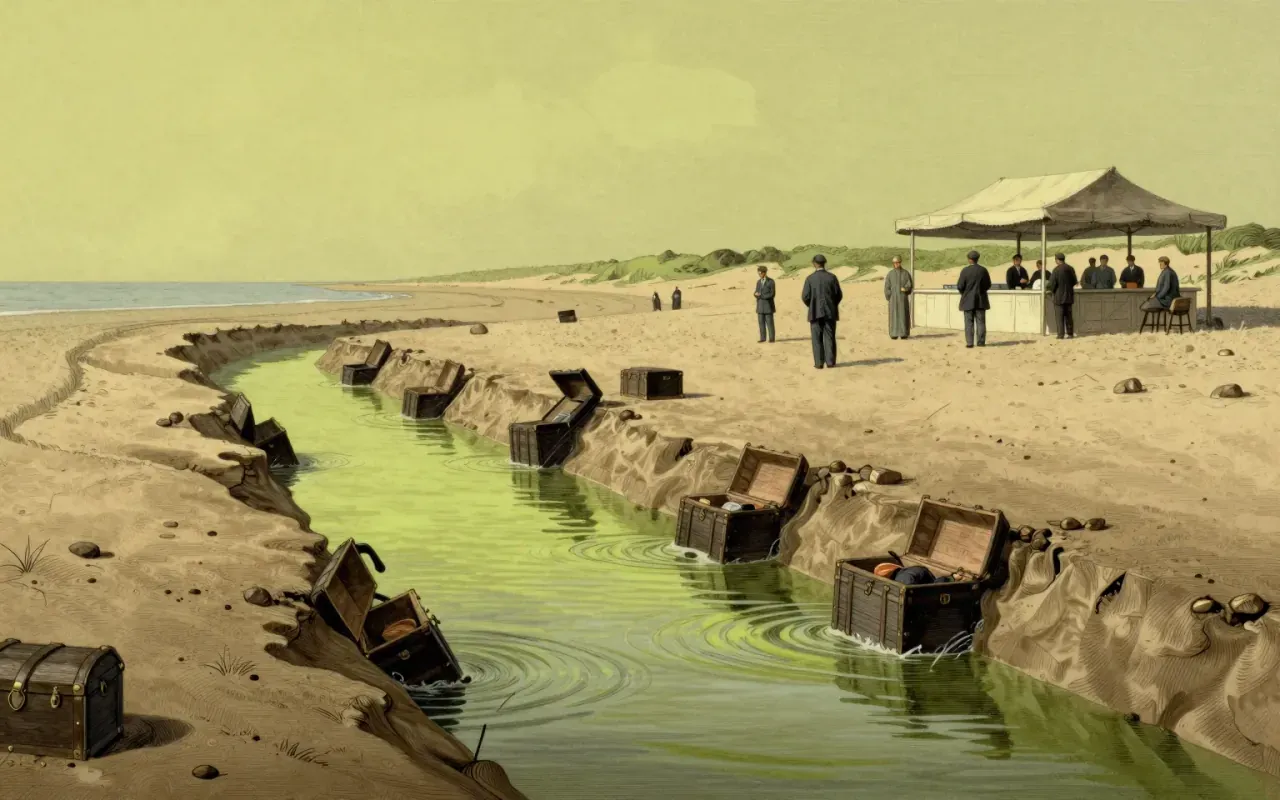
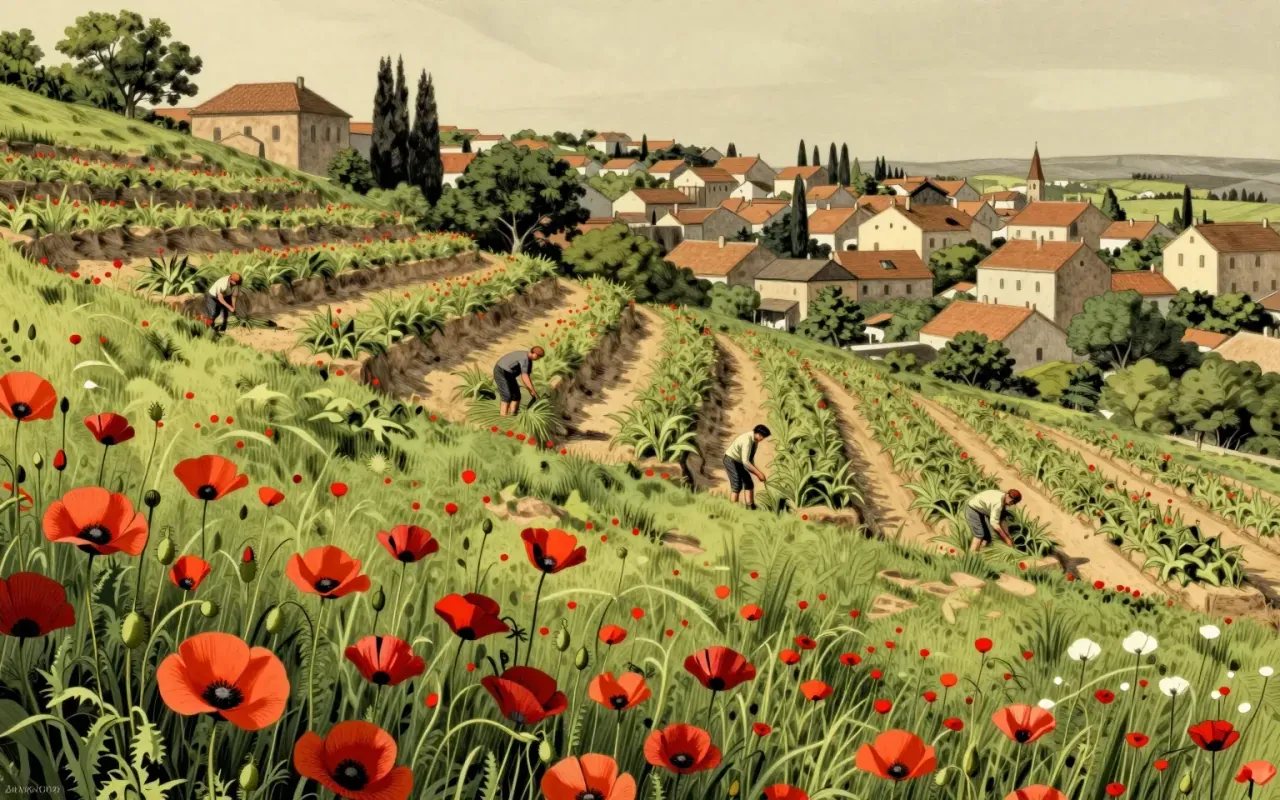
By the late eighteenth century, European demand for Chinese tea, silk and porcelain far outstripped Chinese interest in anything Britain had to sell in return, producing a persistent trade deficit that British merchants addressed by exporting opium grown in British India. The British East India Company was selling around four thousand chests of opium a year to independent merchants who smuggled it into China by 1797, a volume that had grown to some thirty thousand chests annually by 1833, and the resulting scale of addiction alarmed Qing officials enough to prompt a crackdown that triggered the First Opium War in 1839.
Lin Zexu’s letter to Queen Victoria, and the treaties that followed defeat
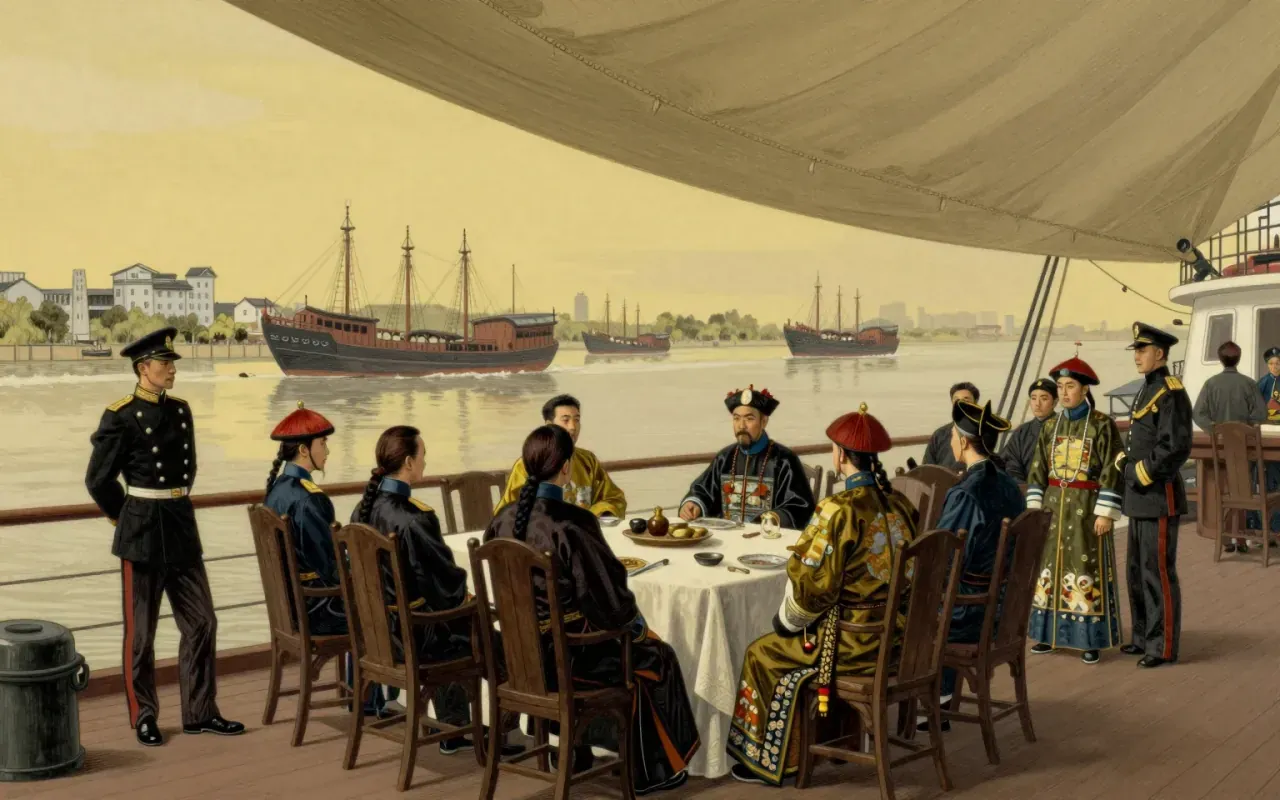
Lin Zexu, the Qing official charged with suppressing the trade, wrote an open letter to Queen Victoria in 1839 appealing to moral principle against the opium trade before British naval forces arrived and defeated Chinese coastal defences, a conflict that ended with the 1842 Treaty of Nanking. A second conflict followed from 1856 to 1860, triggered by the seizure of a vessel called the Arrow, and ended with the Treaty of Tientsin in 1858 and the Convention of Peking in 1860, following the burning of the Old Summer Palace by British and French forces. These treaty texts, together with Lin Zexu’s letter, form the core surviving documentary record of the dispute from both sides.
Two wars, twenty years apart, over the same underlying dispute
The two wars were separated by roughly fifteen years but arose from the same underlying dispute over trade access and the opium trade’s legality, escalating each time from a specific incident, coastal skirmishing in 1839 and the seizure of the Arrow in 1856, into full military campaigns that Qing forces, working with older military technology and organisation, were unable to withstand against British and, in the second conflict, French naval and land forces. Both conflicts ended in negotiated settlement rather than prolonged resistance, since Qing coastal defences, built around older cannon and fortification designs, could not match the range and mobility of contemporary British and French naval artillery.
China’s own framing: the start of a century of humiliation
Chinese historiography treats the First Opium War’s outcome as the beginning of what is termed the century of humiliation, a framing that casts the following hundred years of foreign treaty privileges, territorial concessions and unequal agreements as a sustained period of national degradation reversed only with the establishment of the People’s Republic in 1949. This framing remains politically significant in China today, cited in official historical narratives connected to national restoration, and it sits alongside the Qing dynasty’s own severe internal crises during the same decades, including the Taiping Rebellion and Dungan Revolt, which together caused more than twenty million deaths and compounded the pressure the opium conflicts placed on the dynasty’s authority.
Treaty ports, ceded territory, and a legalised drug trade
The wars’ settlements ceded Hong Kong Island to Britain in 1842 and added the Kowloon Peninsula and Stonecutters Island after the second conflict, while opening a growing number of treaty ports, including Shanghai, to Western merchants under terms that limited Qing sovereign control over tariffs and legal jurisdiction within them. The second war’s settlement went further, compelling China to legalise the opium trade it had originally tried to suppress, compounding the silver drain the trade had already caused to the Chinese economy and cementing a pattern of externally imposed treaty terms that continued for decades afterward.
A conflict worth reading for its long institutional shadow
The Opium Wars reward attention less for their military details, which were comparatively brief and one-sided, than for the institutional and diplomatic pattern they set in motion: treaty ports, extraterritorial privileges and unequal agreements that shaped China’s relationship with Western powers for a century and remain a live reference point in Chinese political discourse today. Readers interested in the mechanics of nineteenth-century imperial trade disputes will find a clearly documented sequence of events; readers interested in how a historical grievance continues to shape contemporary politics will find the century of humiliation framing a genuinely active rather than purely academic legacy.