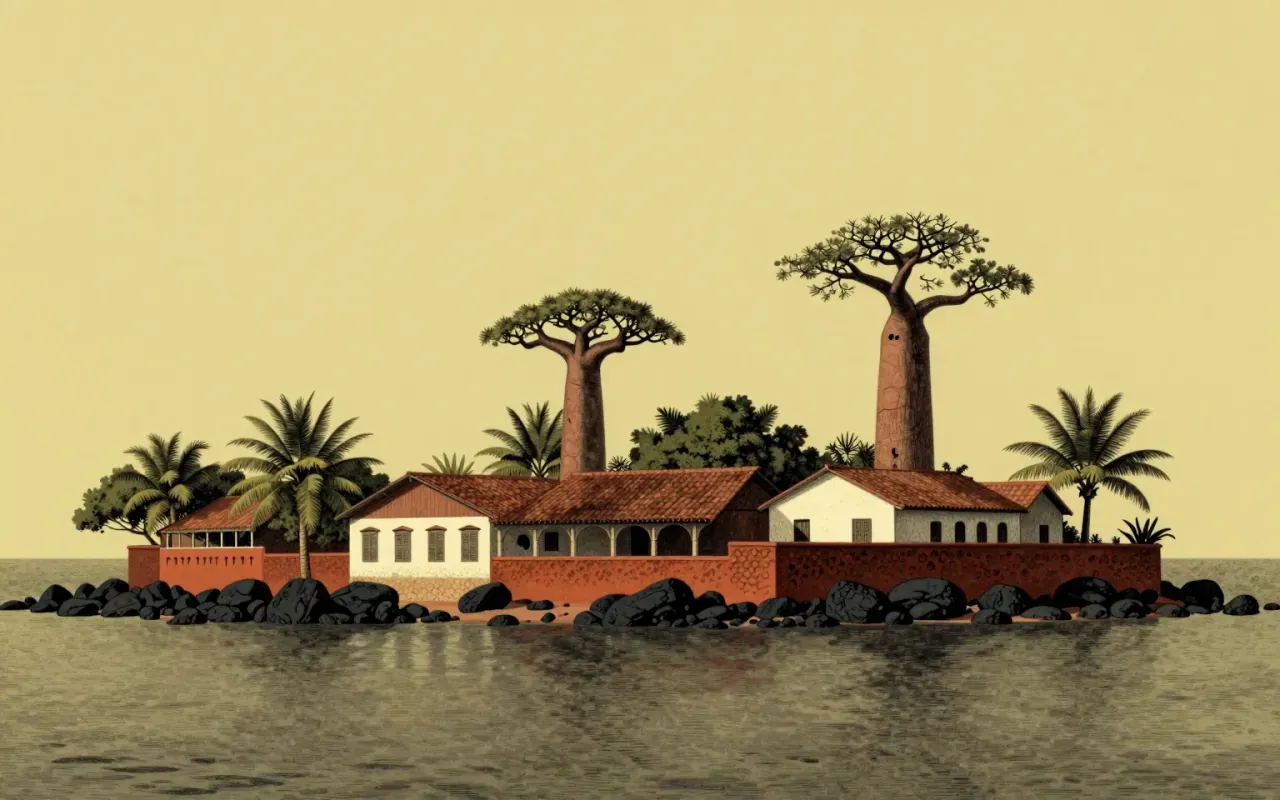
UNESCO calls it the largest slave trading centre on the African coast; researchers who counted the actual numbers put its share at under five per cent.
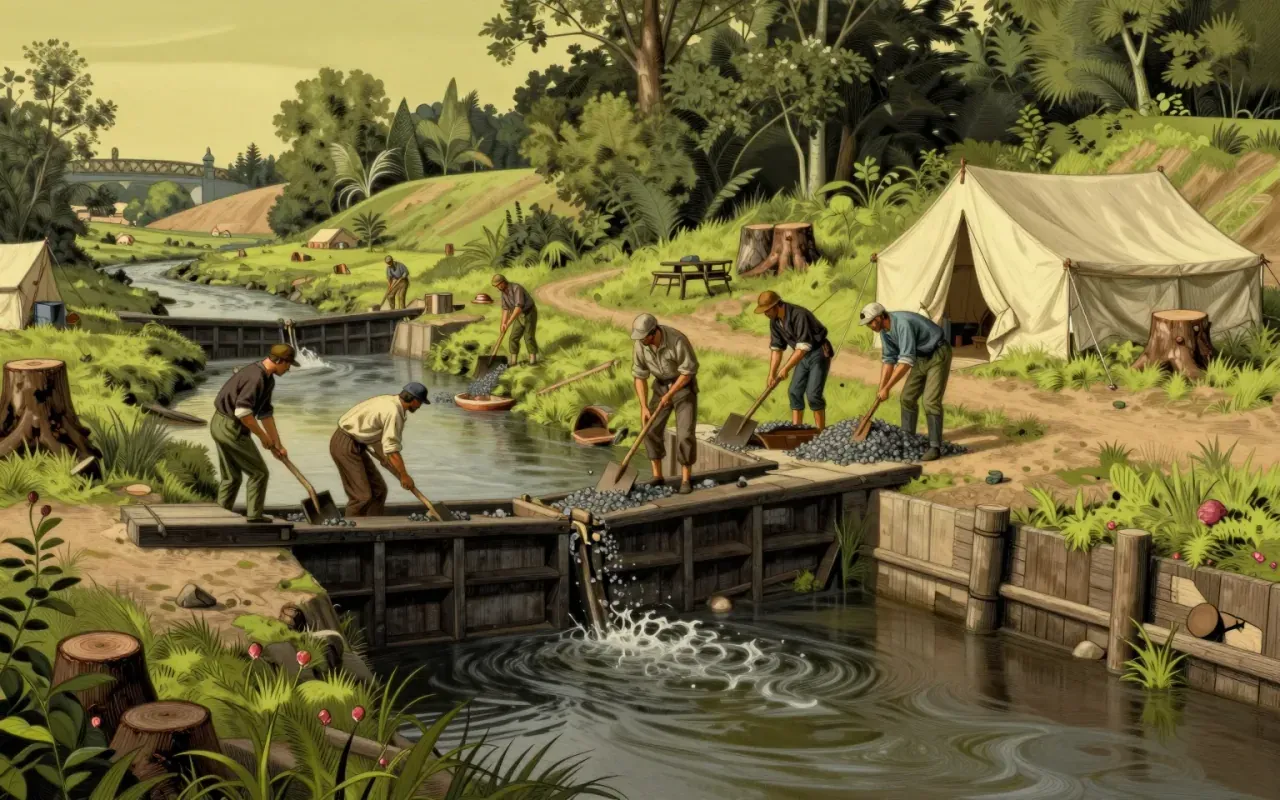
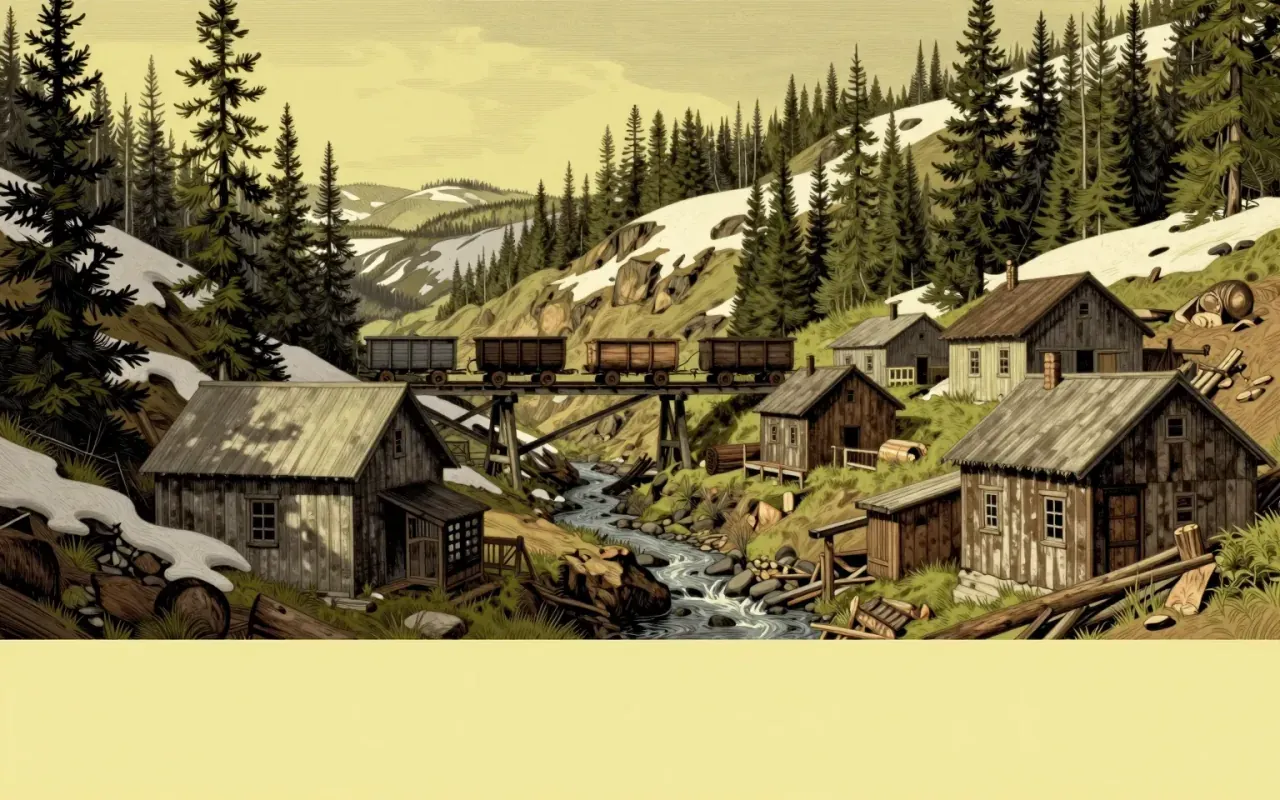
A modest twenty ounces of gold near a creek in 1858 built a territory within three years, and the same rush of settlers set in motion the pressures that led, six years later, to a massacre of Cheyenne and Arapaho people at Sand Creek.
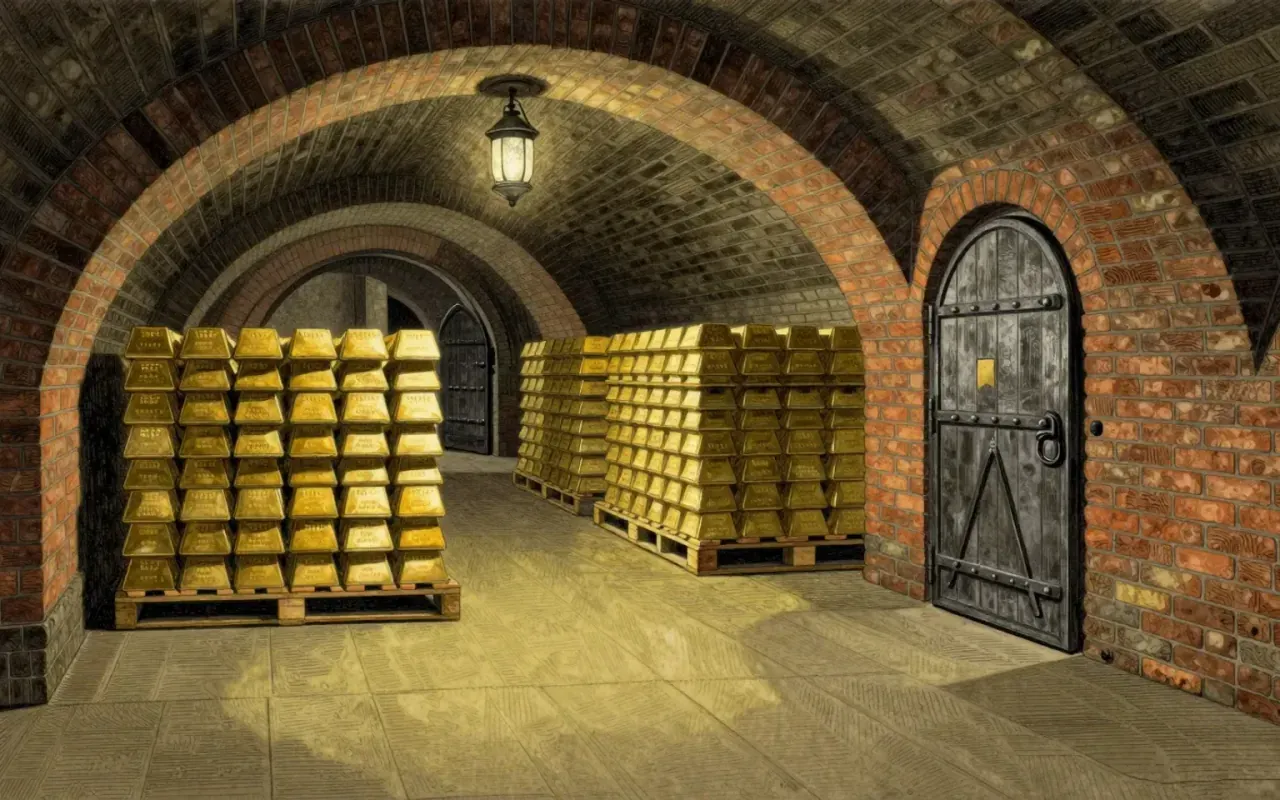
Ben Bernanke once told Milton Friedman flatly that the Federal Reserve caused the Great Depression and promised not to repeat the mistake, a rare case of a sitting central banker conceding a specific historical argument outright.
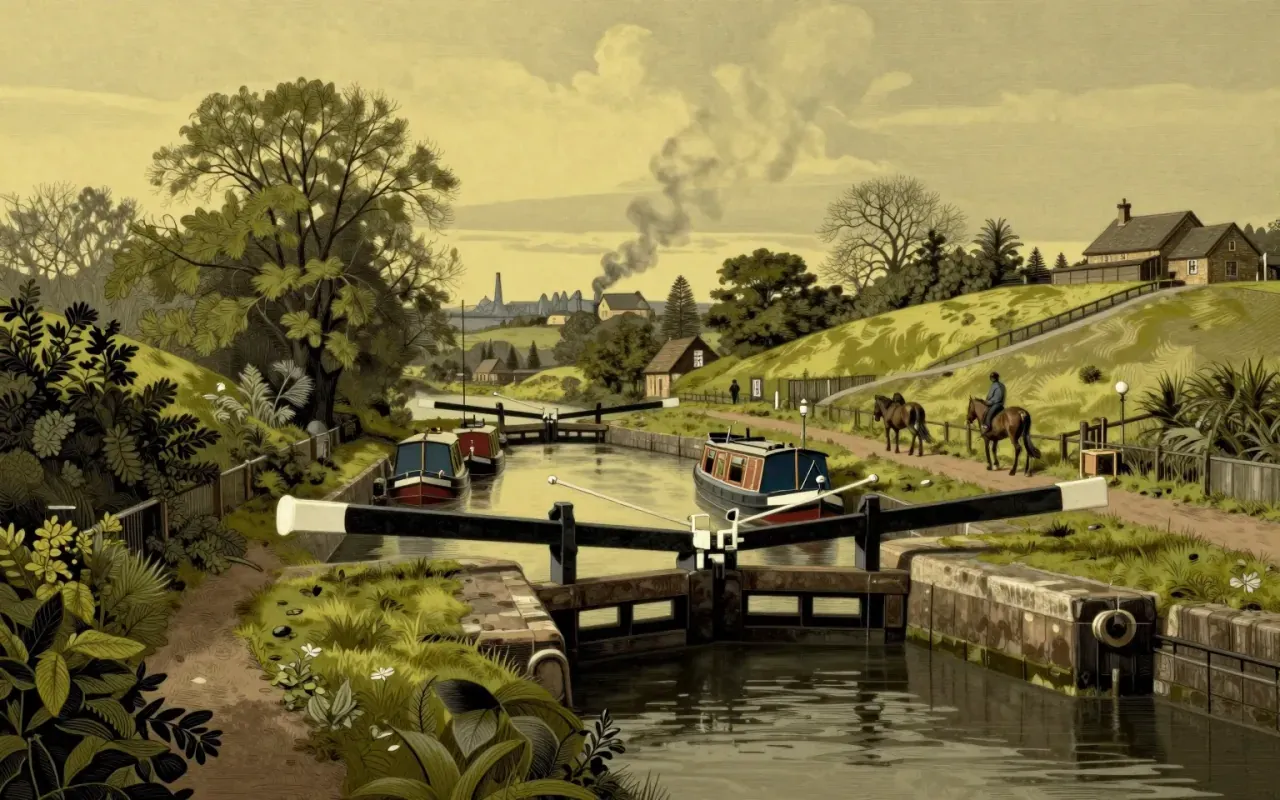
Economists call the switch to steam and factories the most important event in human history since farming began, yet historians still argue whether ordinary workers were better off for a century after it started.
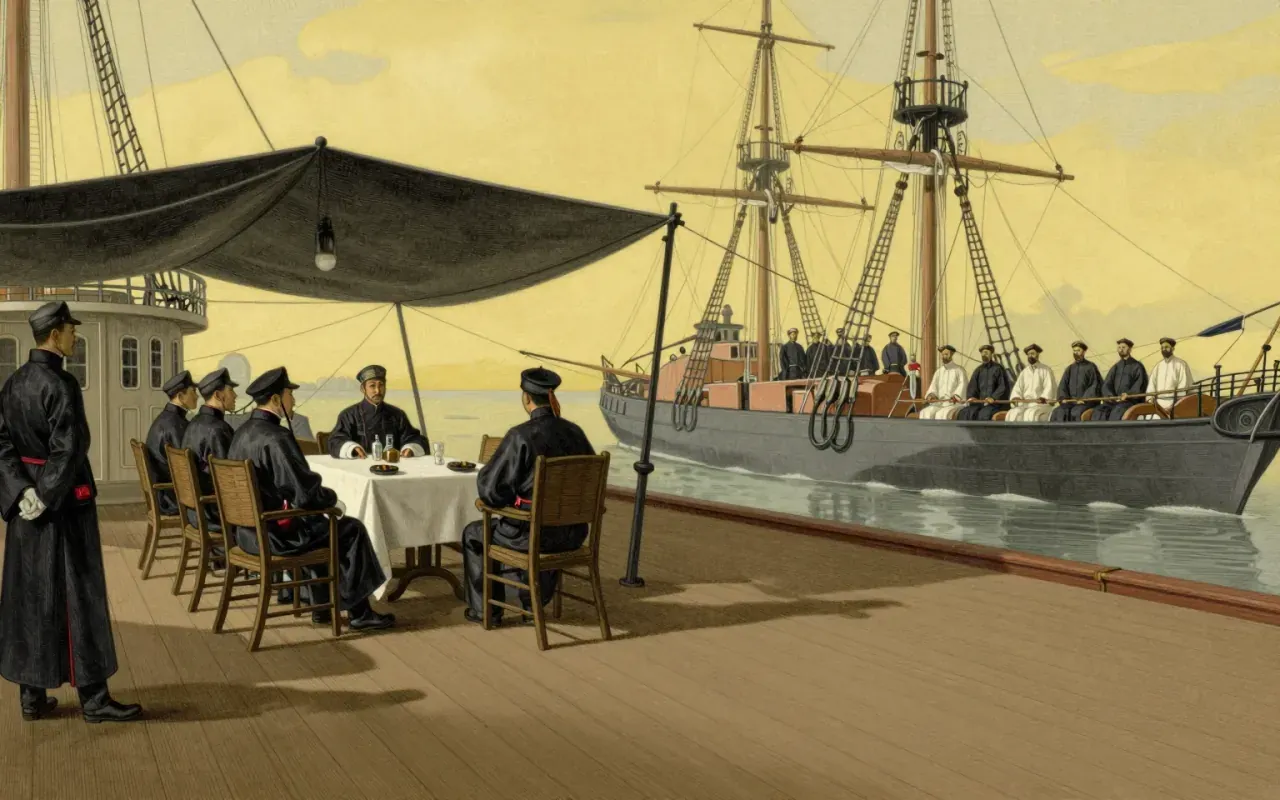
China's own eighteenth-century tea and silk exports so far outstripped British demand for anything in return that Britain turned to selling a drug just to balance the books.
The Roaring Twenties is a name applied after the fact to a decade that farmers, miners and most Black Americans experienced very differently from the cities that gave the label its evidence.
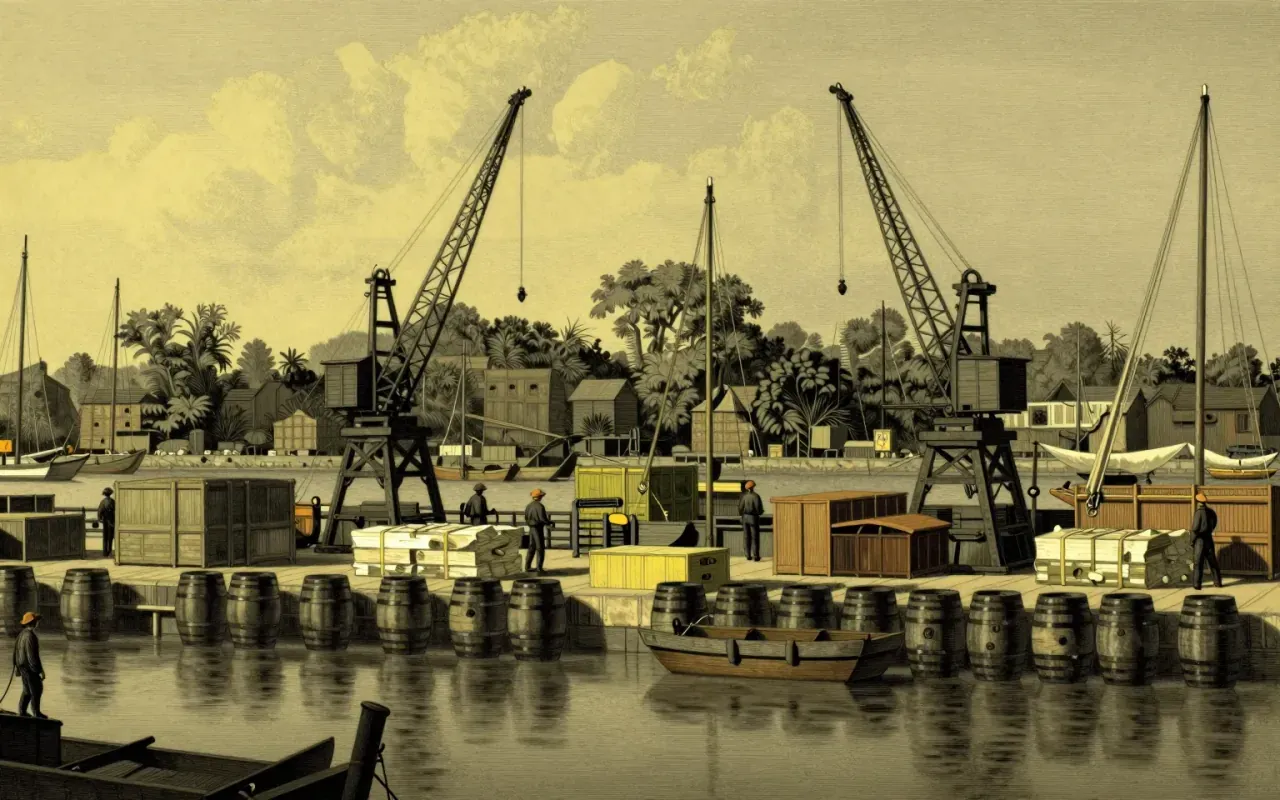
Twelve million people loaded onto ships across four centuries, in a trade historians still argue over calling a partnership rather than simply naming who held the power in it.
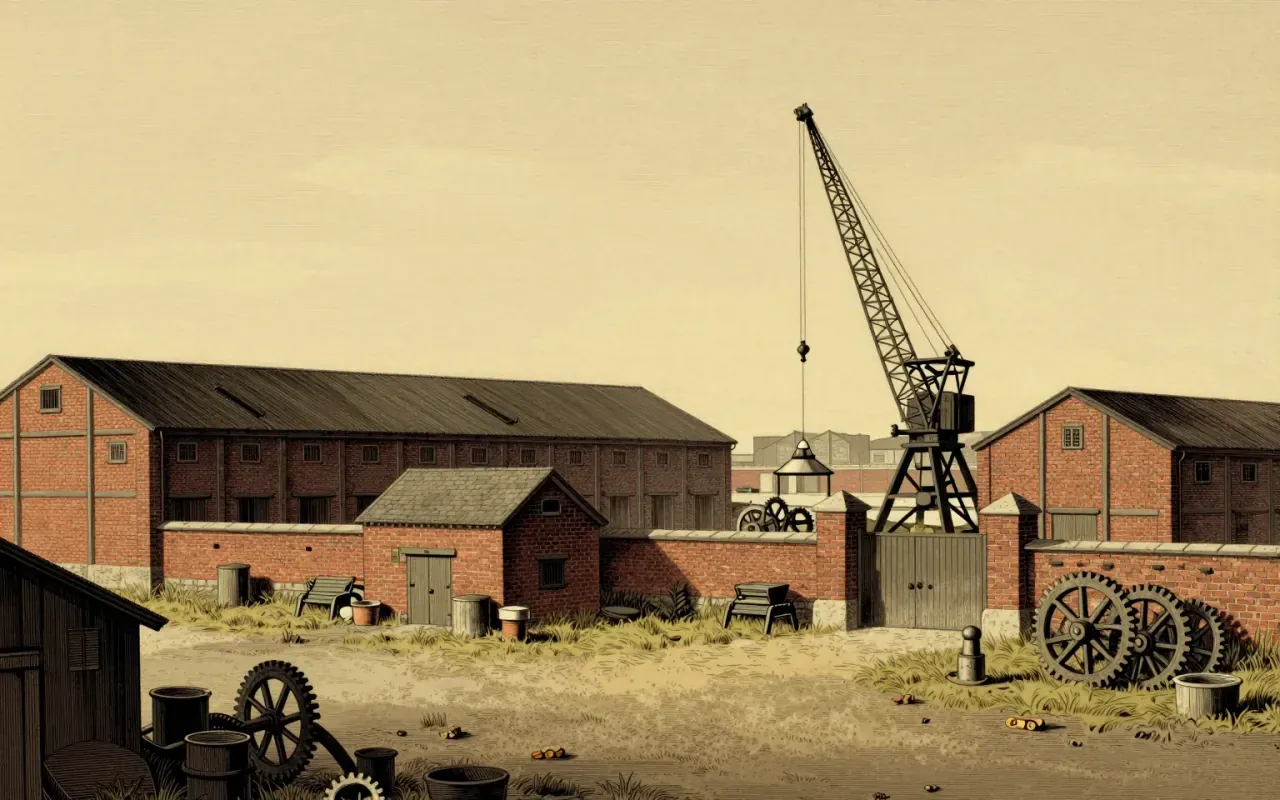
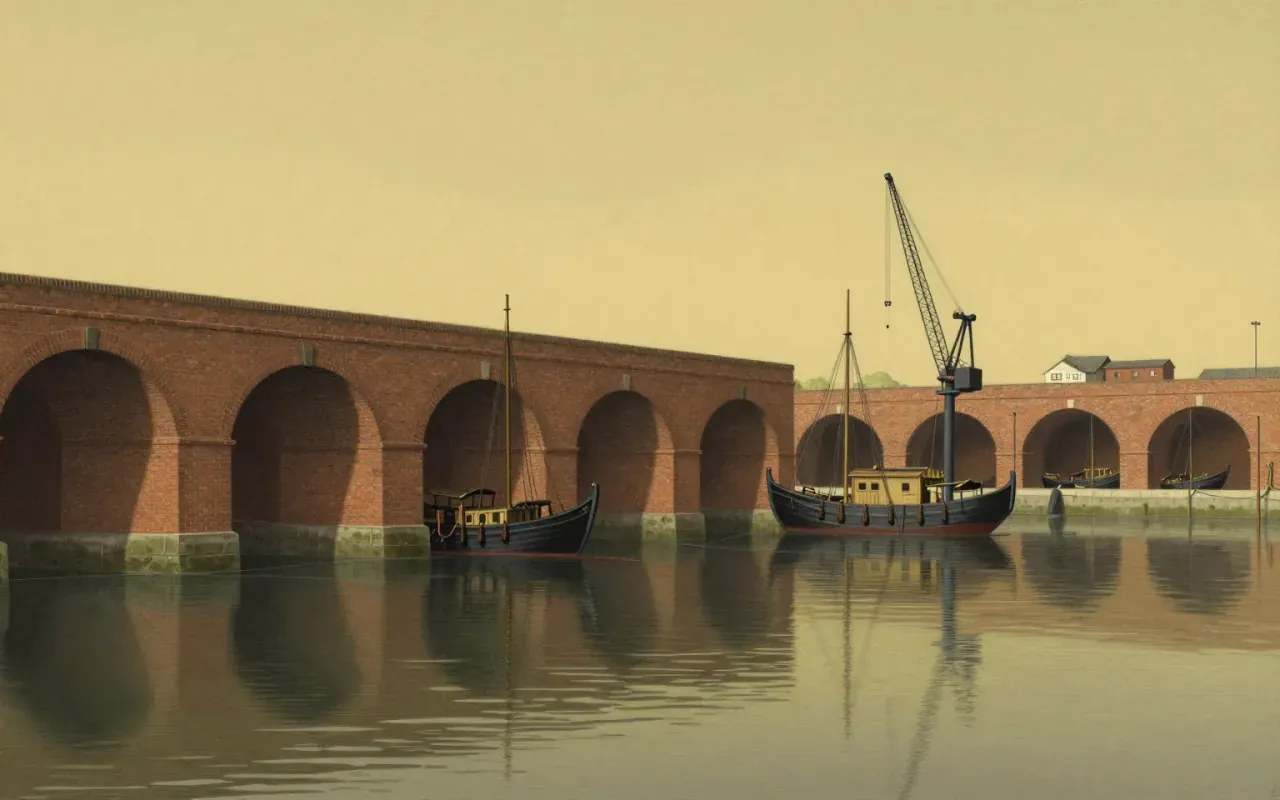
Dante put the Venetian Arsenal in Hell as a picture of ceaseless, specialised labour, and three centuries later the yard could still turn out nearly a ship a day using techniques that would not look out of place on a modern production line.