Twenty ounces near a creek
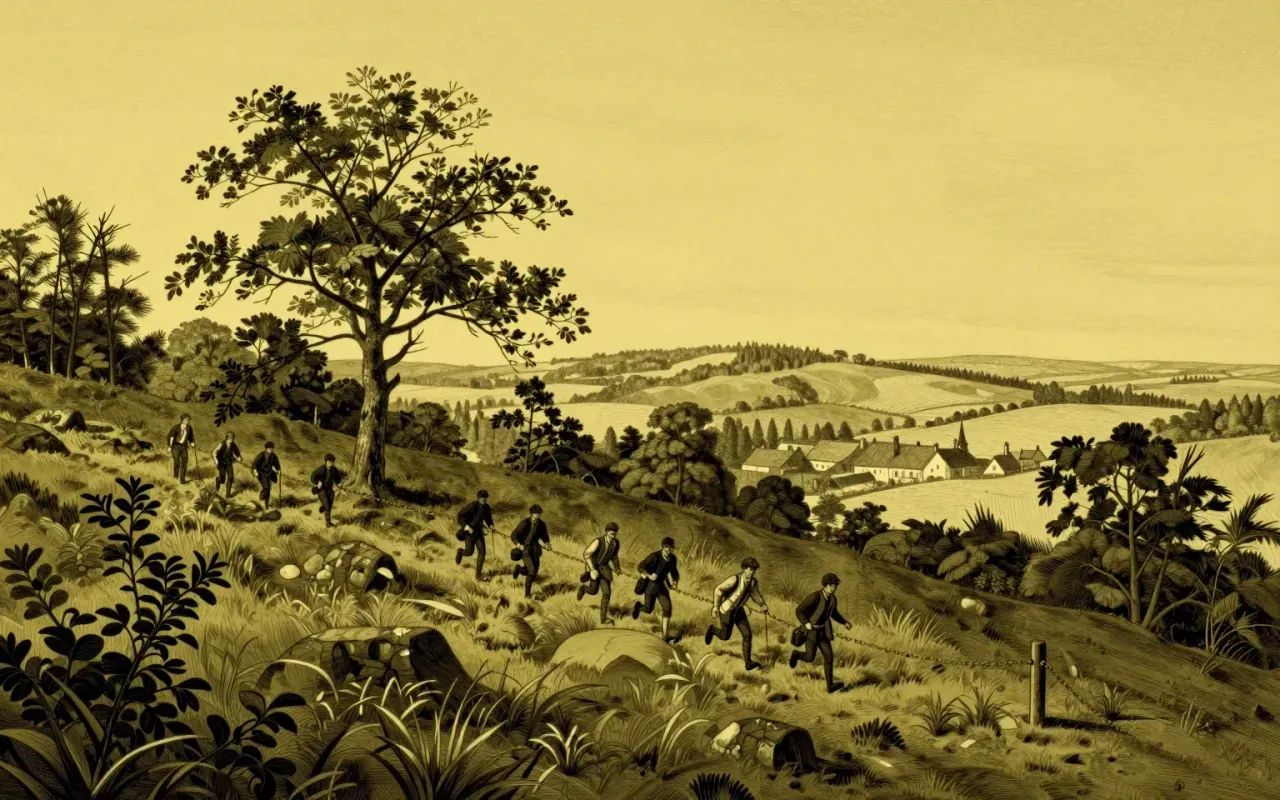
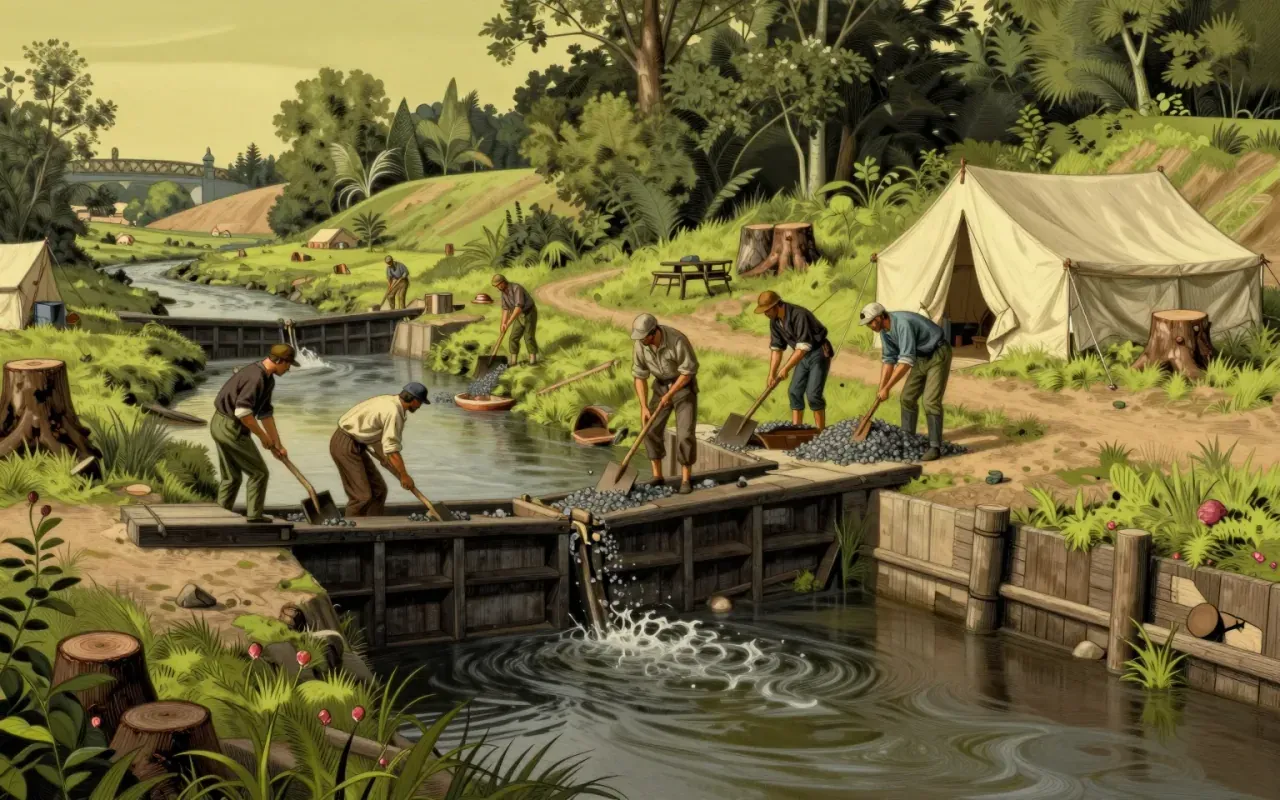
William Greeneberry Russell, a Georgian with experience in the California gold fields, found around twenty troy ounces of gold near Little Dry Creek, close to present-day Denver, in July 1858, a modest yield that nonetheless triggered a rush estimated at a hundred thousand people into the southern Rocky Mountains over the following few years. Settlements including Denver City, Boulder City, and Golden City grew directly out of the boom, and the sudden population was enough to justify carving Colorado Territory out of parts of Kansas, Nebraska, Utah, and New Mexico in February 1861, a piece of federal administration that moved unusually fast because Southern senators had just left Congress over secession, clearing a path for new western territories that a divided Congress might otherwise have delayed.
A record thinner than the rush itself
The documentary record of the rush itself, drawn from territorial and mining records, is considerably fuller on settlement and gold output than on the rush’s effect on the Cheyenne and Arapaho people already living in the region; the Wikipedia account of the gold rush proper mentions the Ute people only in passing and says nothing substantive about treaty violations or displacement. That gap is filled, unevenly, by the separate record of Colorado Territory’s early government, which documents Governor John Evans and Colonel John Chivington pursuing what is described as an exterminationist approach toward Native bands during the Civil War years, a fuller and more troubling account than the gold rush’s own narrative offers on its own.
A territory built ahead of schedule
The territory’s rapid formation reflected a genuine demographic fact: tens of thousands of people had moved into a region with essentially no prior American settlement structure, and some form of governance was needed regardless of how the gold rush’s other consequences were handled. President Lincoln appointed William Gilpin as the first territorial governor in 1861, and the first territorial assembly met that September, creating seventeen counties within two months, an unusually fast institutional build-out driven entirely by the population the gold rush had delivered rather than by any prior settlement pattern that had developed at a more typical pace.
A gap the record leaves open
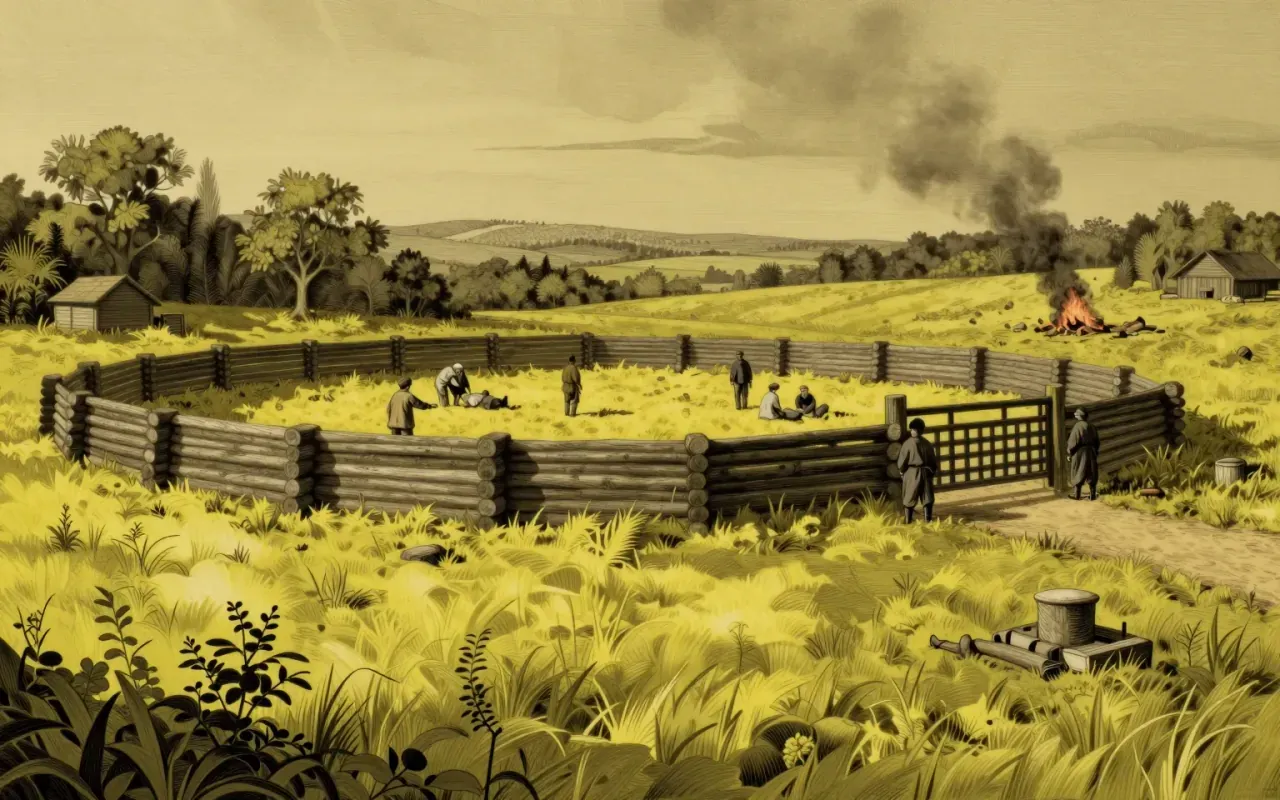
How directly the gold rush caused the Sand Creek Massacre of 1864, in which Colorado militia under Chivington attacked a Cheyenne and Arapaho encampment, is a connection historians draw rather than one spelled out in a single continuous record, since the sources treat the gold rush and the territorial government’s Native American policy as related but separately documented episodes. The reasonable inference, that a hundred thousand new settlers competing for land and resources sharply increased the pressures that led to conflict and eventually to Evans’s and Chivington’s policies, is not the same as a fully traced causal chain, and readers should recognise that gap rather than assume the connection has been established with the same specificity as the gold production figures.
Towns that outlived the gold
Gold production from the rush grew substantially even after the initial excitement faded, reaching some hundred and fifty thousand troy ounces in 1861 and two hundred and twenty-five thousand the following year, with a cumulative total of one and a quarter million ounces by 1865, output that sustained permanent towns including Denver, Central City, Black Hawk, and Georgetown well after the first wave of prospectors had moved on or given up. Many other mining camps did not survive the transition from boom to settled town and became the ghost towns that dot the region today, a pattern common to gold rushes generally but documented here with specific named examples on both sides of the divide.
Statehood delayed by politics
Colorado’s path from territory to state took considerably longer than the initial rush had suggested it might: an 1865 admission act passed Congress only to be vetoed by President Andrew Johnson, and further advocacy under President Grant in 1870 produced no action either, leaving Colorado to wait until 1876 for statehood, fifteen years after the gold rush had justified its territorial creation in the first place. Read alongside a fuller account of Sand Creek rather than in isolation, the material is a useful, if incomplete, illustration of how quickly a resource boom can outpace the political and human consequences it sets in motion.