historybriefs
Topic

Migration

People moving, and the politics that follows them.

11
in history
13:00
average
143 min
in total
95
across the network
Migration across the network →
All briefs11
13:00

Alaric I

370–410

Alaric led Visigothic forces in an on-again, off-again relationship with the Roman Empire for over a decade, seeking recognised rank, land and provisions before finally sacking Rome in 410 after repeated refusals. What survives of his story comes entirely from Roman and later Gothic writers with their own agendas, leaving his exact origins and true motives genuinely uncertain.
13:00

Ellis Island

1892 to 1954

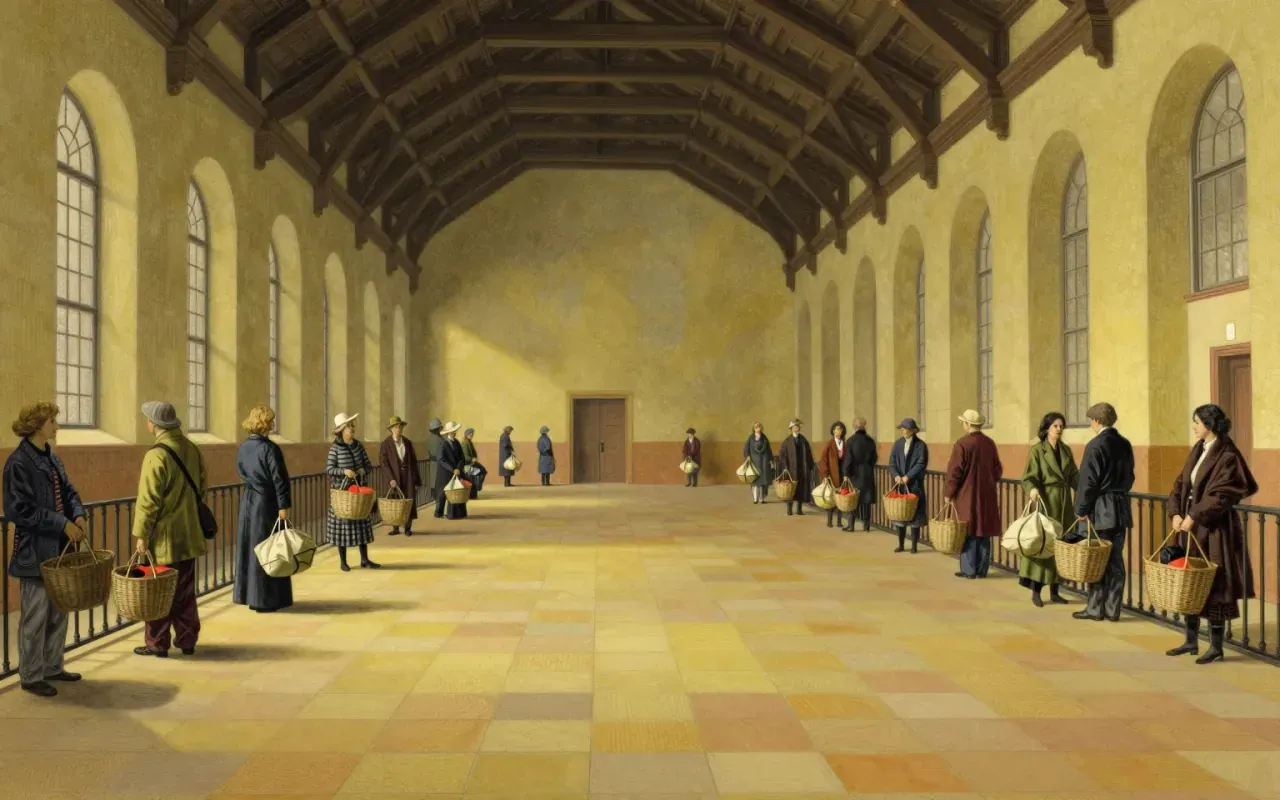
Ellis Island operated as an immigration station from 1892 to 1954, processing roughly twelve million immigrants across two distinct buildings, the first destroyed by a fire in 1897 that also burned all immigration records dating back to 1855. Its function shifted sharply after the Immigration Act of 1924 downgraded it from a primary inspection point to a detention facility, and even its own physical land remained under legal dispute until a 1998 Supreme Court case split jurisdiction between New York and New Jersey.

13:00

Black Death

1346–1352

The Black Death reached Europe through Crimea in 1347 and, over the following six years, killed an estimated quarter to three-fifths of the continent's population, though contemporary records kept no census and modern historians' own population baselines vary enough to make precise mortality figures unreliable. Even the mechanism of its spread, long assumed to run mainly through rat fleas, is now disputed by researchers who argue human fleas and lice, or straightforward person-to-person transmission, better explain how fast it moved through cooler parts of Europe.

13:00

California gold rush

1848–1854

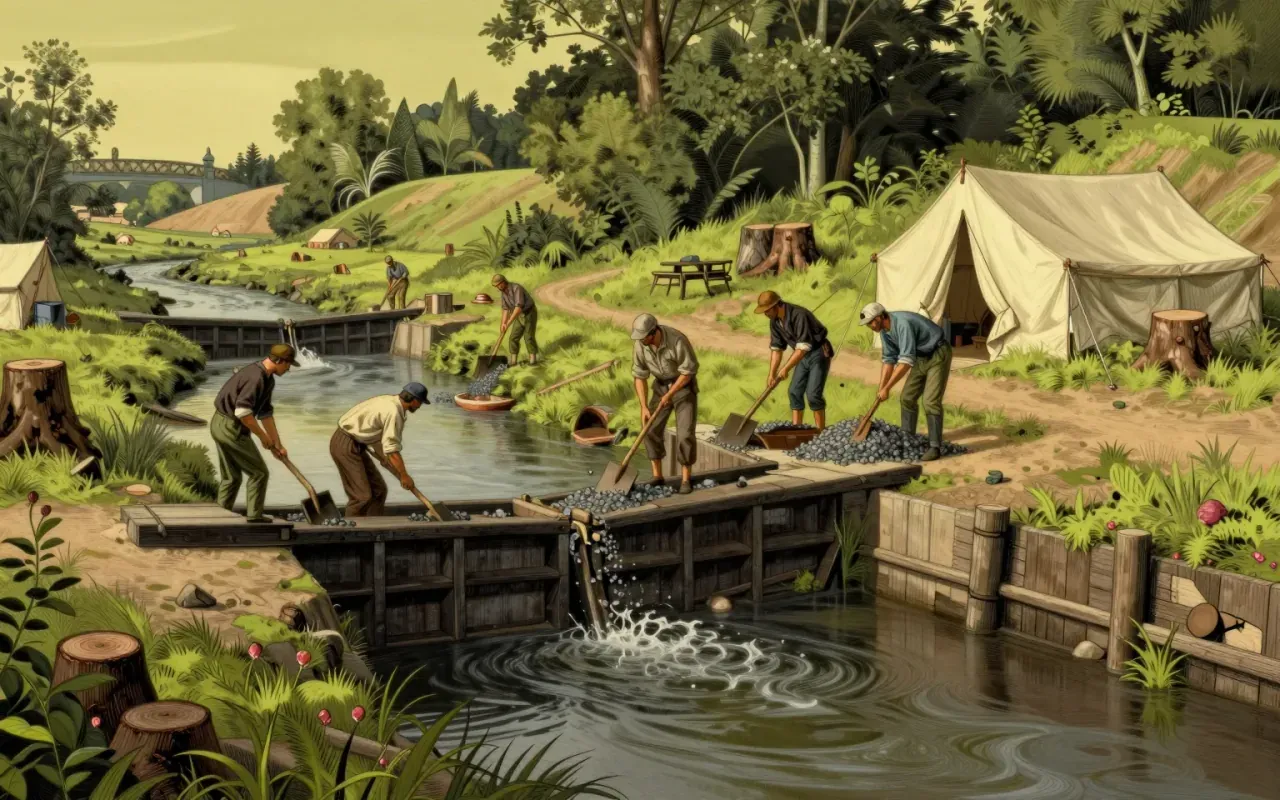
James Marshall's discovery of gold at Sutter's Mill in January 1848 drew roughly three hundred thousand people to California within seven years, most of whom made little or no profit while merchants supplying them, and California itself, gained wealth and statehood by 1850. The boom also brought organised violence against Native Californians on a scale some historians now describe as genocide, a consequence the gold rush's popular memory has generally left out.

13:00

Pike's Peak gold rush

1858

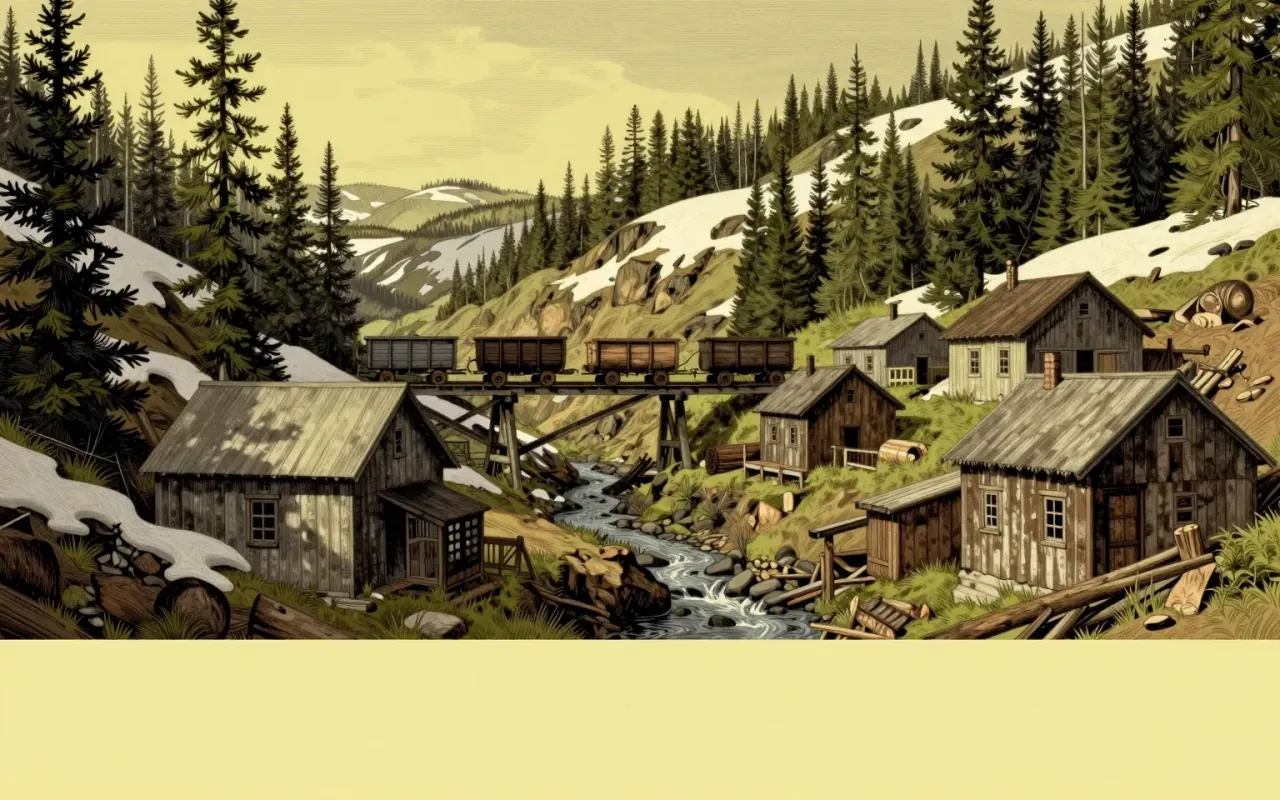
A Georgian prospector's 1858 discovery near present-day Denver drew an estimated hundred thousand people into the southern Rockies, fast enough to justify creating Colorado Territory in 1861, years before the region had otherwise earned that status. The same wave of settlement fed the tensions that produced the Sand Creek Massacre in 1864, an atrocity historians treat as a direct consequence of the demographic pressure the gold rush created, even though the Wikipedia record of the rush itself says comparatively little about that connection.

13:00

Edict of Nantes

April 1598 to October 1685

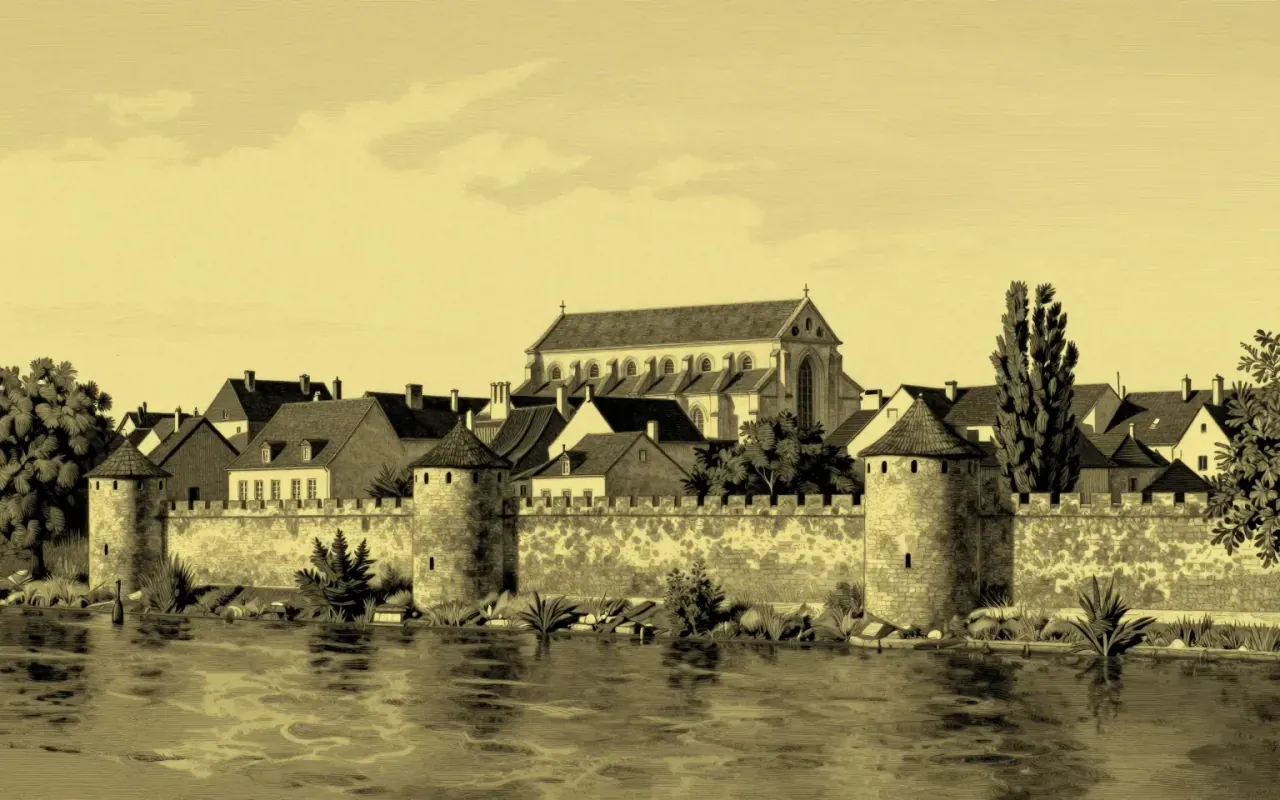
Issued in April 1598 to end decades of the French Wars of Religion, the Edict of Nantes gave French Protestants freedom of worship in specified areas, access to public office, state-funded schools, and control of fortified towns including La Rochelle, while leaving them subject to Catholic tithes and holidays. Henry IV, who had converted to Catholicism himself in 1593 after years fighting as a Protestant leader, signed it to secure a fragile peace, and provincial parlements delayed its registration for years. His grandson Louis XIV revoked it through the Edict of Fontainebleau in October 1685, triggering an exodus of roughly 400,000 Huguenots that religious freedom in France would not formally match again until 1787.

13:00

Great Famine (Ireland)

1845–1852

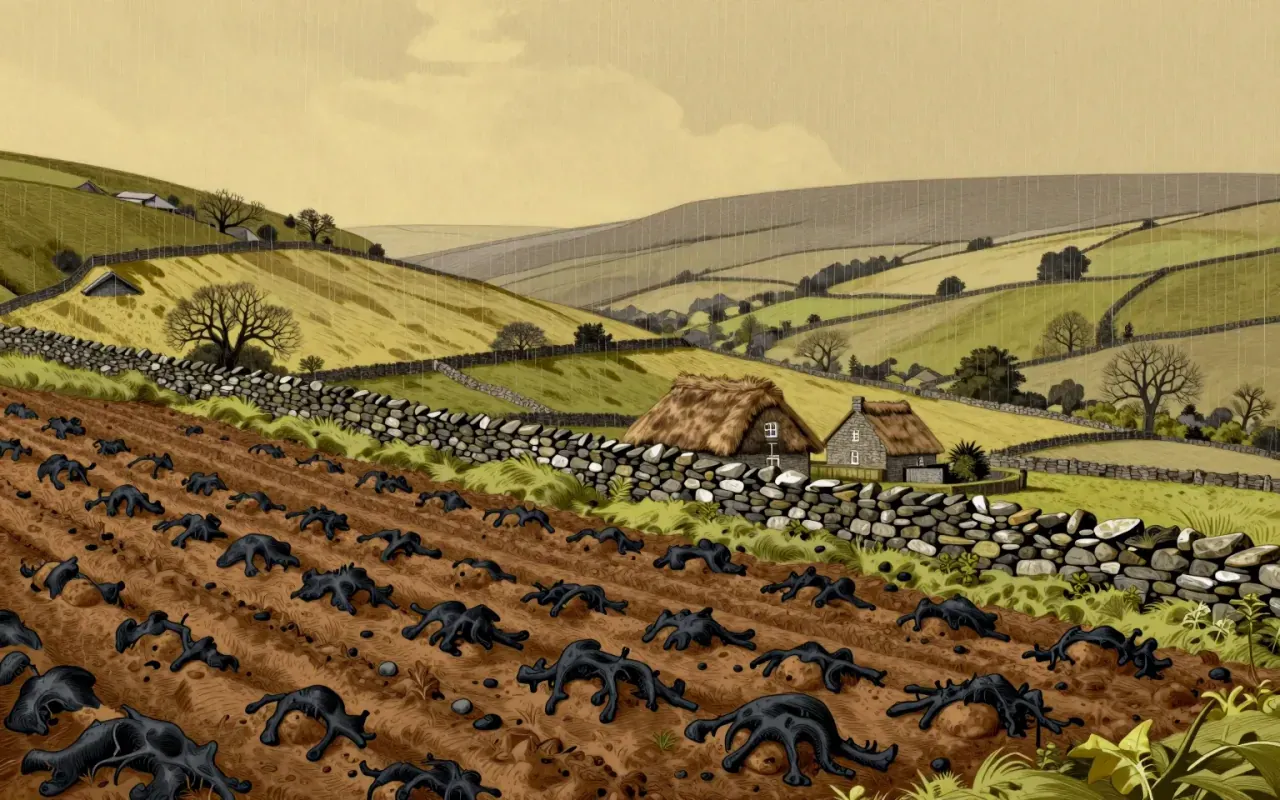
A potato blight that destroyed most of Ireland's harvest in 1846 became a famine that killed around a million people and drove more than two million to emigrate, worsened by a British government that leaned on laissez-faire economics and refused to halt food exports even as people starved. Historians still argue over whether that response amounts to policy failure or something closer to deliberate neglect, an argument the contested name for the event, famine, great hunger, or worse, reflects directly.

13:00

Indian Removal Act

1830

The Indian Removal Act of 1830 passed Congress by narrow margins and authorised the federal government to exchange western land for territory held by tribes east of the Mississippi, language that in practice became coercion and, for the Cherokee in particular, an armed forced march that killed thousands. The Supreme Court ruled against Georgia's authority over Cherokee land in 1832, a decision Andrew Jackson's administration did not enforce, and historians now debate not whether the removals caused mass death but whether the policy and its intent amount to ethnic cleansing.

13:00

Lewis and Clark Expedition

1804–1806

Between May 1804 and September 1806, Meriwether Lewis and William Clark led roughly forty-five people up the Missouri River, over the Continental Divide, and down to the Pacific coast and back, on President Jefferson's orders to survey the Louisiana Purchase and find a practical route to the ocean. The party met dozens of Native nations, recorded hundreds of new plant and animal species, and lost only one member to illness, but its written record was published in a severely cut version for ninety years before the full journals appeared.

13:00

Silk Road

114 BC – 1450

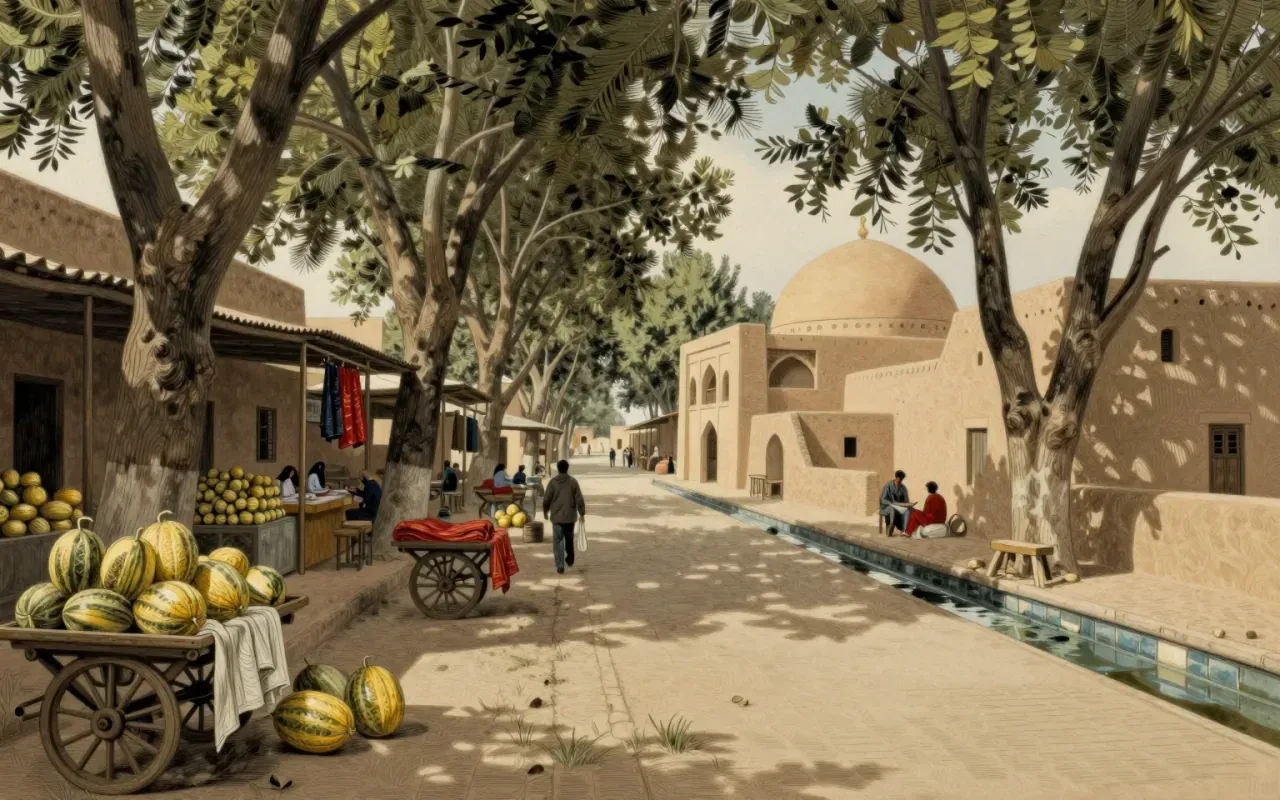
For roughly two thousand years, from around 114 BC until Ottoman control of overland routes hastened its decline after 1450, a shifting network of roads and sea lanes carried silk, spices, paper, religions and disease between China, Central Asia, India and the Mediterranean. The term Silk Road itself is a nineteenth-century coinage, and historians now argue over whether it overstates the coherence of what was really a patchwork of regional trades, with maritime routes through India possibly mattering more economically than the overland paths the name evokes.

13:00

Viking activity in the British Isles

789–878

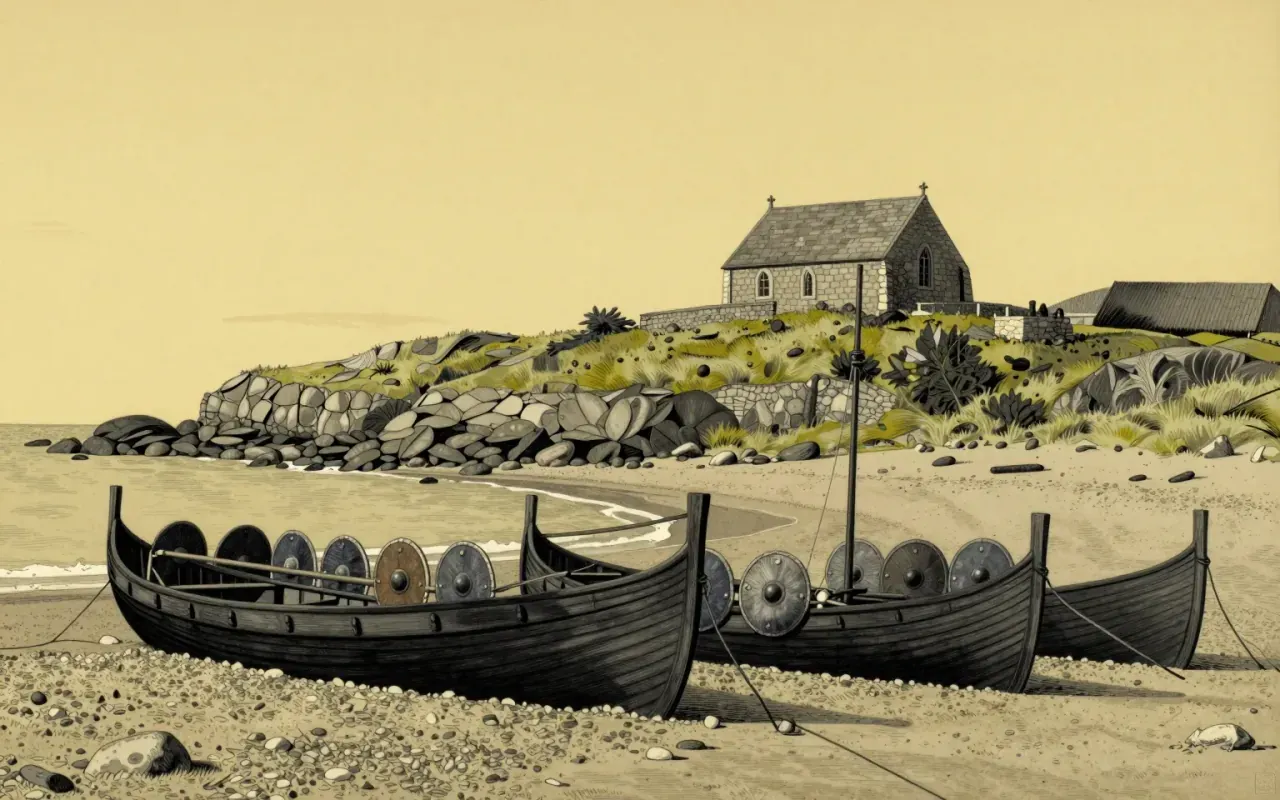
Scandinavian raids on England began around 789 and turned, from 865 onward, into sustained conquest by a force later called the Great Heathen Army, which took East Anglia, York and much of Mercia before King Alfred of Wessex halted it at Edington in 878. The main source, the Anglo-Saxon Chronicle, was compiled under Alfred's own patronage, and historians read its figures for Viking numbers with real caution as a result.