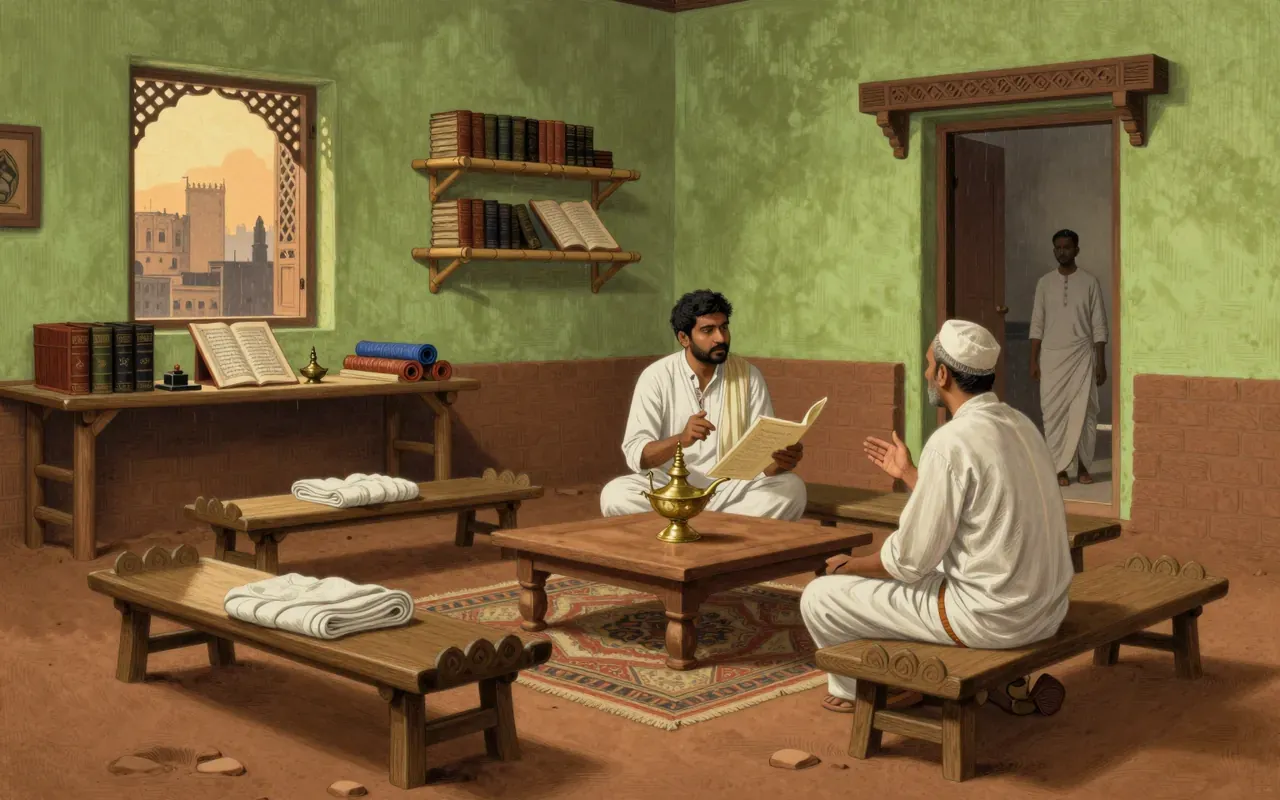
A jurist exiled for fourteen years after a foreign invasion still produced work specialists treat as the best surviving source on his field, proof of how portable book-based scholarship could be.
He walked away from the most prestigious teaching post in the Islamic world at the height of his career, and only then wrote the work that made him a renewer of the faith.
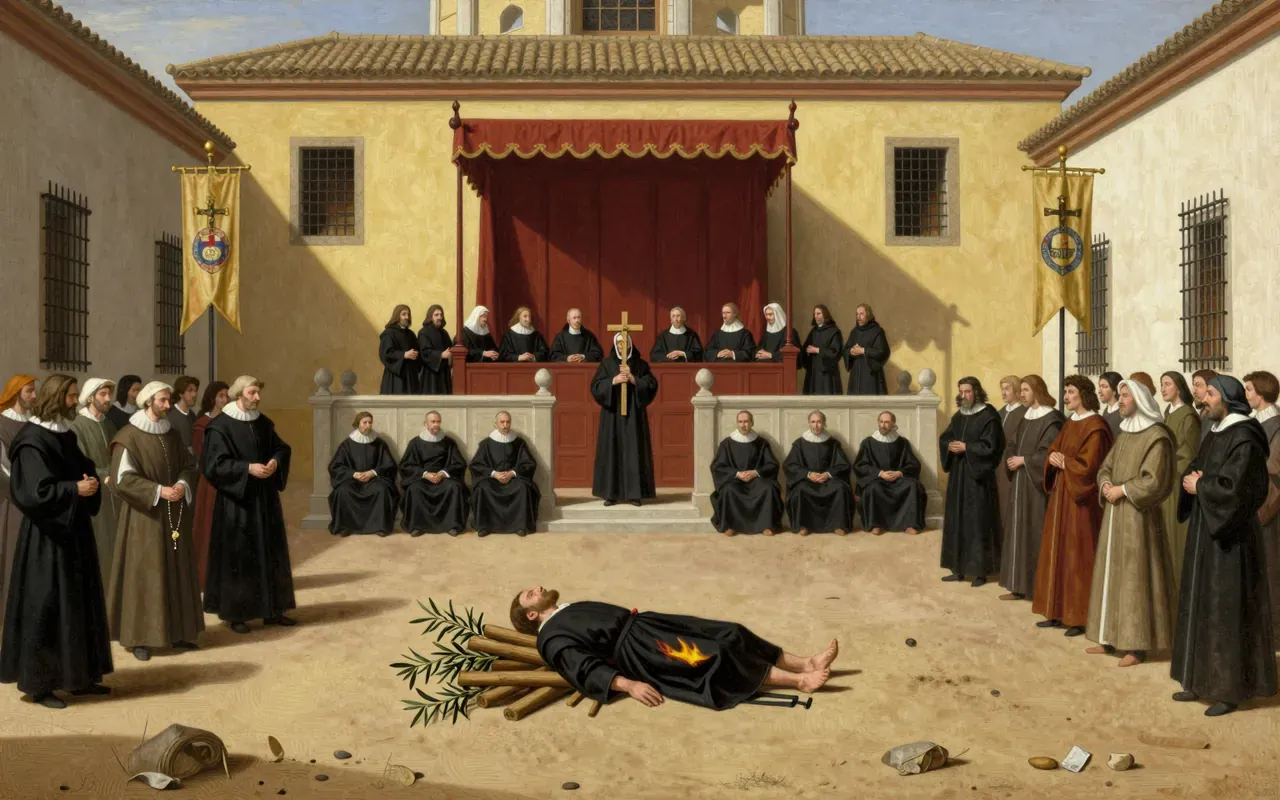
The priest who spent decades pleading against enslaving Native Americans initially told Spain to import Africans instead, then wrote in his own history that he had come to see that stance as equally unjust, a reversal historians rarely put beside his more famous advocacy.
The Analects, the book most people mean when they cite something Confucius said, was assembled by his students' students long after his death, which means most quotations attributed to him rest on someone else's memory of someone else's memory.
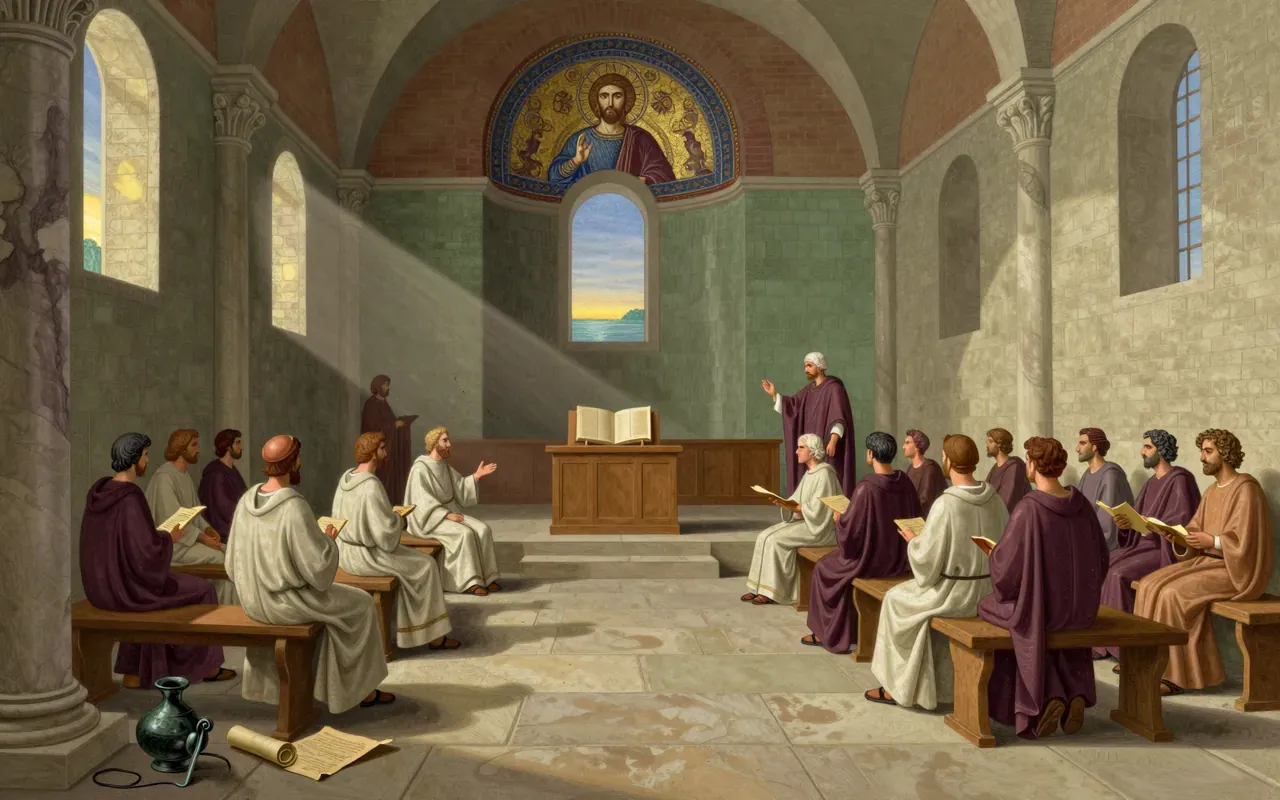
The two earliest accounts of the vision that supposedly turned Constantine to Christianity do not even agree on whether he was asleep or awake when he saw it.
Whether he marched to Kufa out of ambition, principle, or a deliberate wish for martyrdom is a question the evidence supports three ways and settles none.
Only one ancient writer ever names Cyril of Alexandria as responsible for Hypatia's murder, and that writer also demeaned her intellect elsewhere in the same text, a contradiction later admirers of Hypatia rarely mention.
Its main surviving account comes from a monk who broke his own country's travel ban to get there, and whose reliable observations sit mixed in with tales scholars regard as legend.
Even the meaning of his own name is disputed, and scholars still cannot agree whether the Socrates in his dialogues speaks with his teacher's voice or Plato's own.
He wrote nothing himself, so the man scholars still argue over is entirely a construction of students, satirists and a philosopher born after his death.
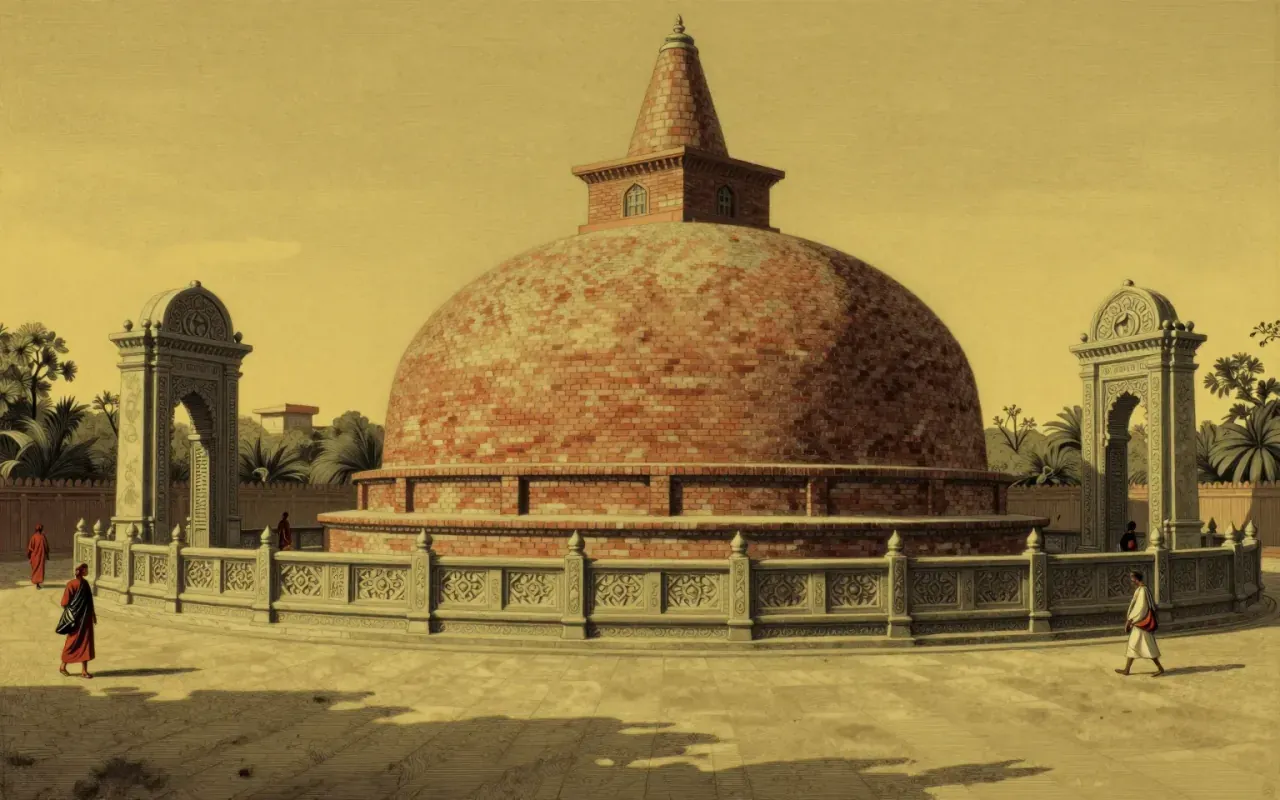
Deciphered in the 1830s, the emperor's own carved words went unattributed to him for another eighty years until one inscription finally named its author.
Muhammad's biography was written more than a century after his death, by which point, one historian notes, almost nothing of documentary use to a historian remained beyond confirming he had lived.
No original copy of the Edict of Milan survives, historians increasingly doubt it was ever a formal edict at all, and it did not make Christianity Rome's religion, whatever the name suggests.
The Roman Curia has been rewritten by nearly every kind of pope going, and the latest version, in force since 2022, quietly let a nun run one of its departments for the first time.
Historians can't even agree Luther nailed anything to a church door; the story rests partly on a secretary's note that was not found until nearly four hundred years after the fact.
Aquinas stopped writing after a single Mass in 1273, calling everything he had produced straw, and historians still cannot agree whether that was revelation or the effects of a head injury weeks earlier.