From slaveholding colonist to renouncing his own encomienda
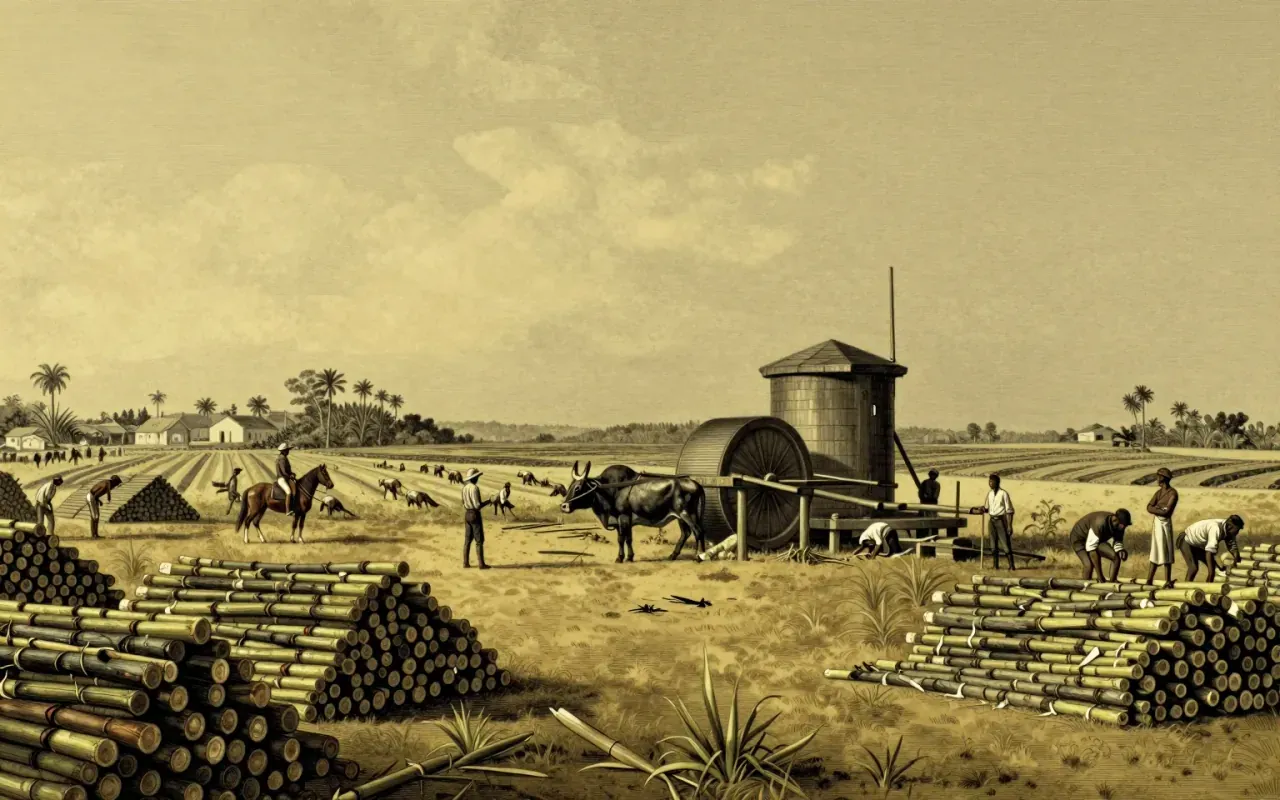
Born on 11 November 1484 in Seville, Las Casas arrived in Hispaniola in 1502 and initially worked within the colonial system as an encomendero, holding Indigenous labourers under a grant of forced service, and took part in the conquest of Cuba in 1513. In 1514, while preparing a sermon and studying a passage from the biblical book of Ecclesiasticus, he concluded that Spanish treatment of Indigenous peoples in the Americas was fundamentally unjust, renounced his own encomienda and the labourers held under it, and began a decades-long career of advocacy. He was named the first official Protector of the Indians in 1517, joined the Dominican Order in 1523, and later served as Bishop of Chiapas from 1544 to 1550.
His own writings are the main record of his transformation
Much of the documented record of Las Casas’s transformation and subsequent advocacy comes from his own extensive writing, most notably his multi-volume History of the Indies, composed over several decades and covering the conquest’s first decades from his own vantage point as both participant and later critic. His Short Account of the Destruction of the Indies, written in 1542 and published a decade later, catalogued colonial abuses in detail and directly urged Spanish authorities to reconsider by what right, as he put it, they held Indigenous peoples in such servitude. Because so much of the record is autobiographical, historians read his account as a committed advocate’s testimony rather than a neutral chronicle, even where its underlying facts are considered broadly reliable.
Witnessing conquest firsthand, in Cuba and beyond
Las Casas’s shift did not occur in the abstract; it followed direct exposure to colonial violence, including his participation in the conquest of Cuba, where he witnessed episodes that later informed his written accounts of atrocity. His subsequent missionary work in Guatemala’s Verapaz region put his alternative approach into practice, using peaceful conversion rather than forced subjugation in an area subsequently renamed from Land of War to True Peace, according to his own account. This combination of firsthand experience of conquest and a later career spent testing a different method gave his written advocacy a practical grounding that theological argument alone would not have carried in the same way.
A debate with no declared winner, and a legacy historians still argue over
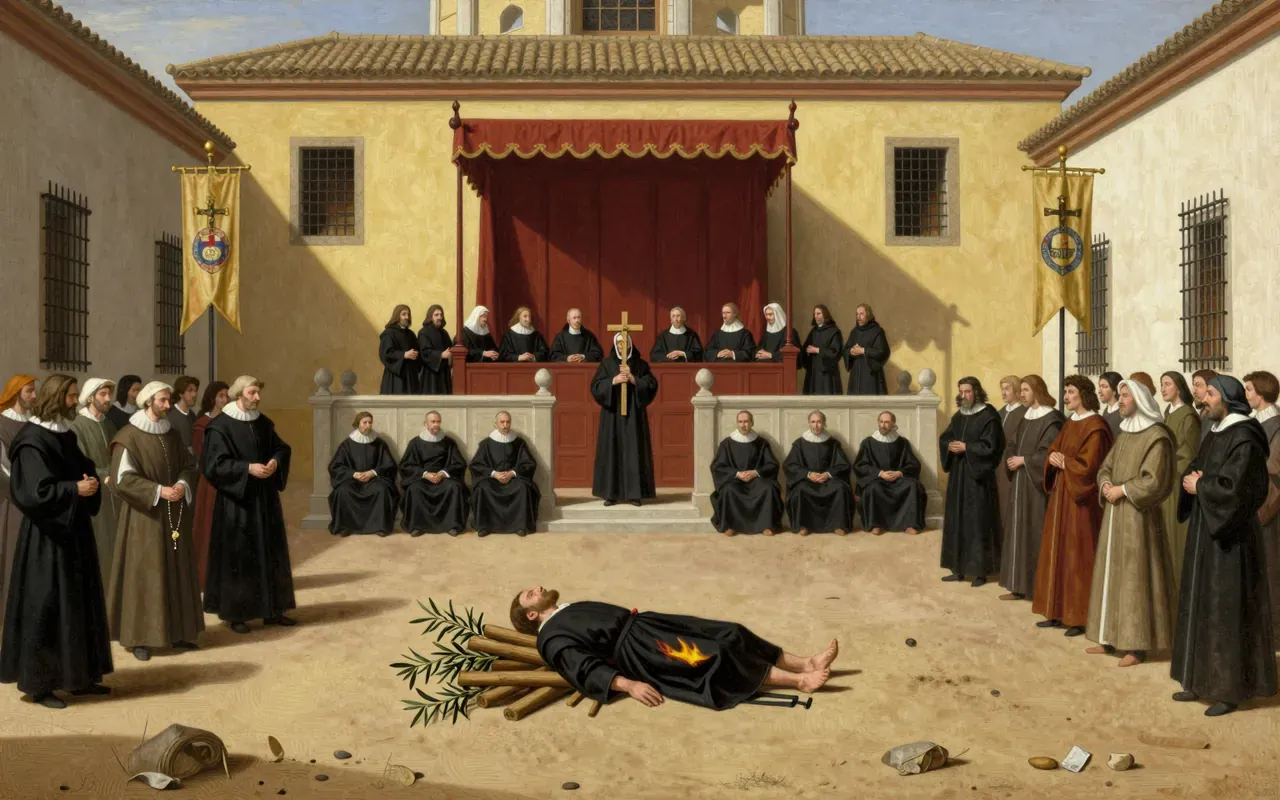
The Valladolid debate of 1550 and 1551, held before Spanish jurists, pitted Las Casas against the scholar Juan Gines de Sepulveda over whether Indigenous peoples were, as Sepulveda argued, naturally suited to Spanish rule, or whether, as Las Casas maintained, they possessed functioning societies that should be converted through peaceful means rather than subjugated by force. No formal verdict was issued at the debate’s conclusion, and historians continue to disagree over how directly Las Casas’s arguments shaped subsequent royal policy, though his broader advocacy is credited with contributing to the New Laws of 1542, which restricted the encomienda system and are described as the first formal restriction on Native slavery in European colonial law.
A stance on African slavery he later called his own error
Las Casas’s record includes a documented reversal on a separate question: he initially supported importing enslaved Africans as a substitute labour source to relieve pressure on Indigenous populations, reasoning at the time that African enslavement could be justified under existing doctrine governing captives of a just war. Later in life, writing in his History of the Indies, he stated he had come to regard that earlier position as an error, judging African slavery as unjust as the Indigenous slavery he had spent decades opposing. This retraction, less frequently discussed than his Indigenous advocacy, complicates any simple account of his moral consistency across the full span of his career.
Worth reading past the legend built on his testimony
Las Casas’s writings fed directly into what became known as the Black Legend, a broader narrative, embraced particularly outside Spain, portraying Spanish colonialism as uniquely brutal, a characterisation Spanish nationalist historians later attacked as exaggerated and self-serving on his part. Modern demographic research complicates his own numerical claims somewhat, since scholars now attribute much of the era’s population collapse, estimated in places at eighty to ninety percent, to disease rather than violence alone, without thereby validating the harshest colonial defenders. Readers approaching Las Casas today gain the most from separating his actual documented arguments and their real effect on policy from the far larger legend his testimony was later made to carry.