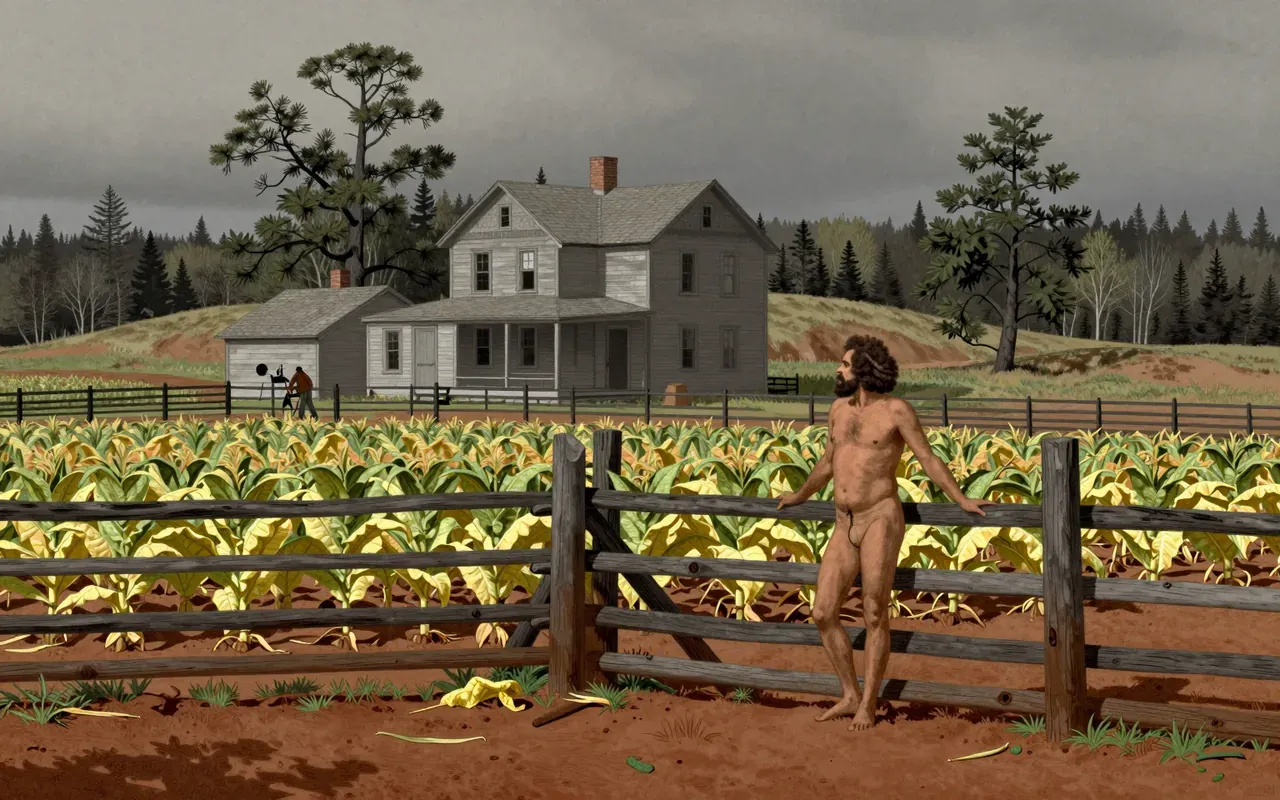
Frederick Douglass
Douglass didn’t rise by inspiration—he built his authority brick by brick: a fist, a book, a constitution, a sentence.
The institution the modern economy was partly built on.
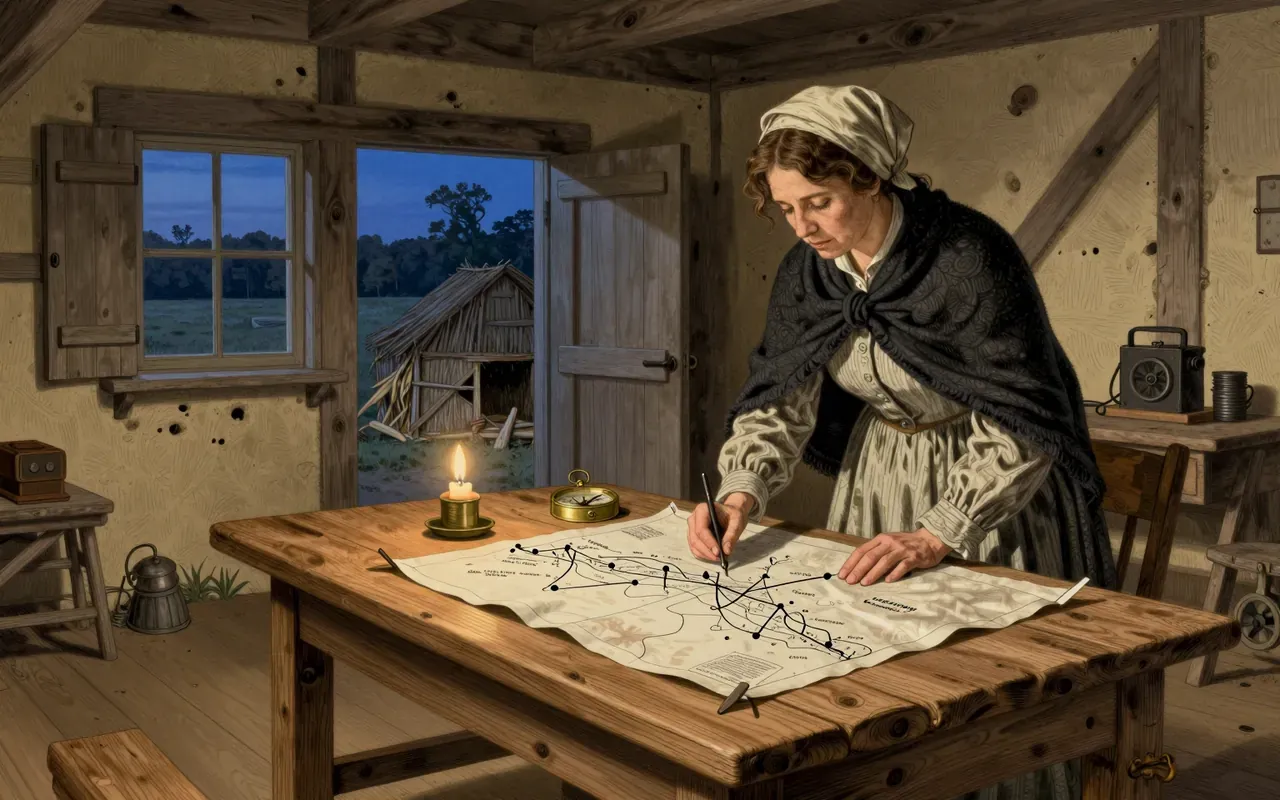
Harriet Tubman’s documented actions redefine what was possible for an enslaved woman in 19th-century America — not through myth or retrospective praise, but through three verifiable, high-stakes operations: 13 rescues, armed intelligence work, and a 700-person military liberation.
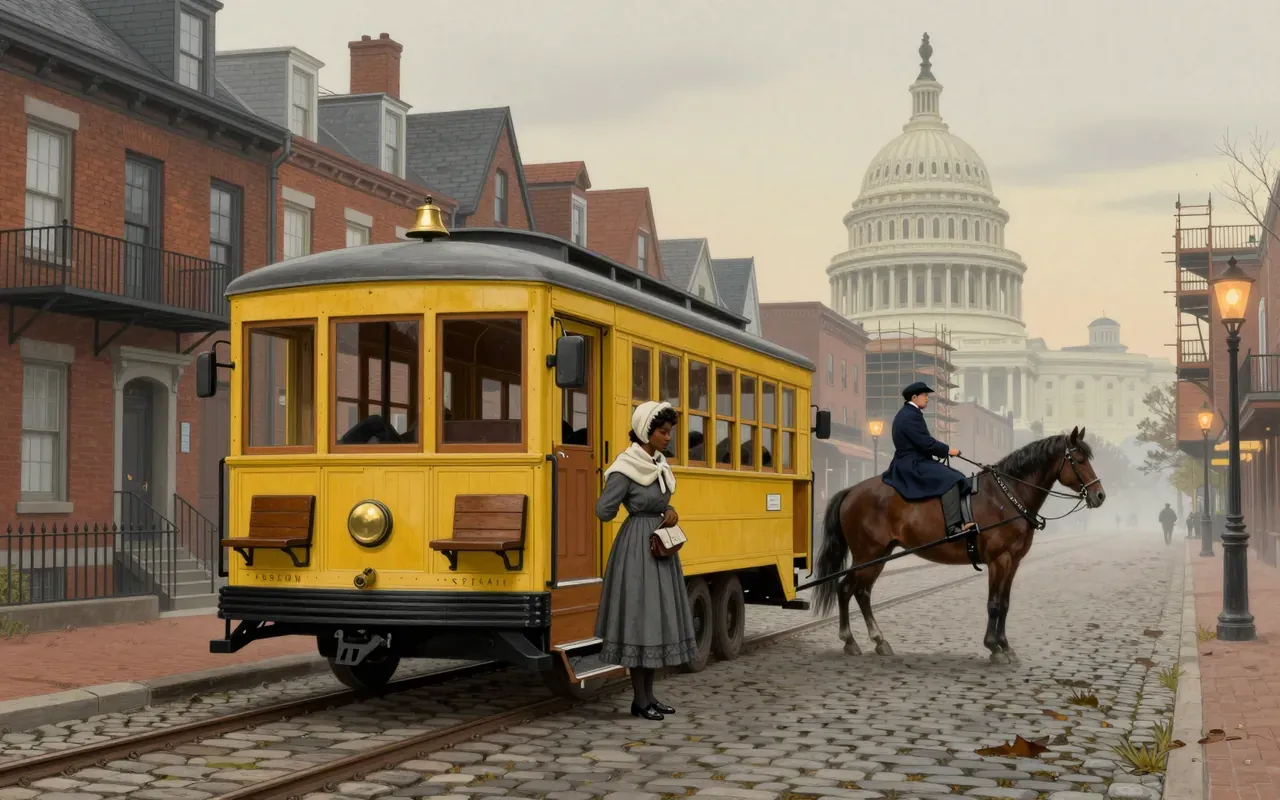
Sojourner Truth’s documented actions — legal, rhetorical, organisational, and bodily — show a consistent pattern of using available institutions to assert Black women’s personhood and agency. The record confirms specific victories and methods, but not their systemic outcomes or contested reception.
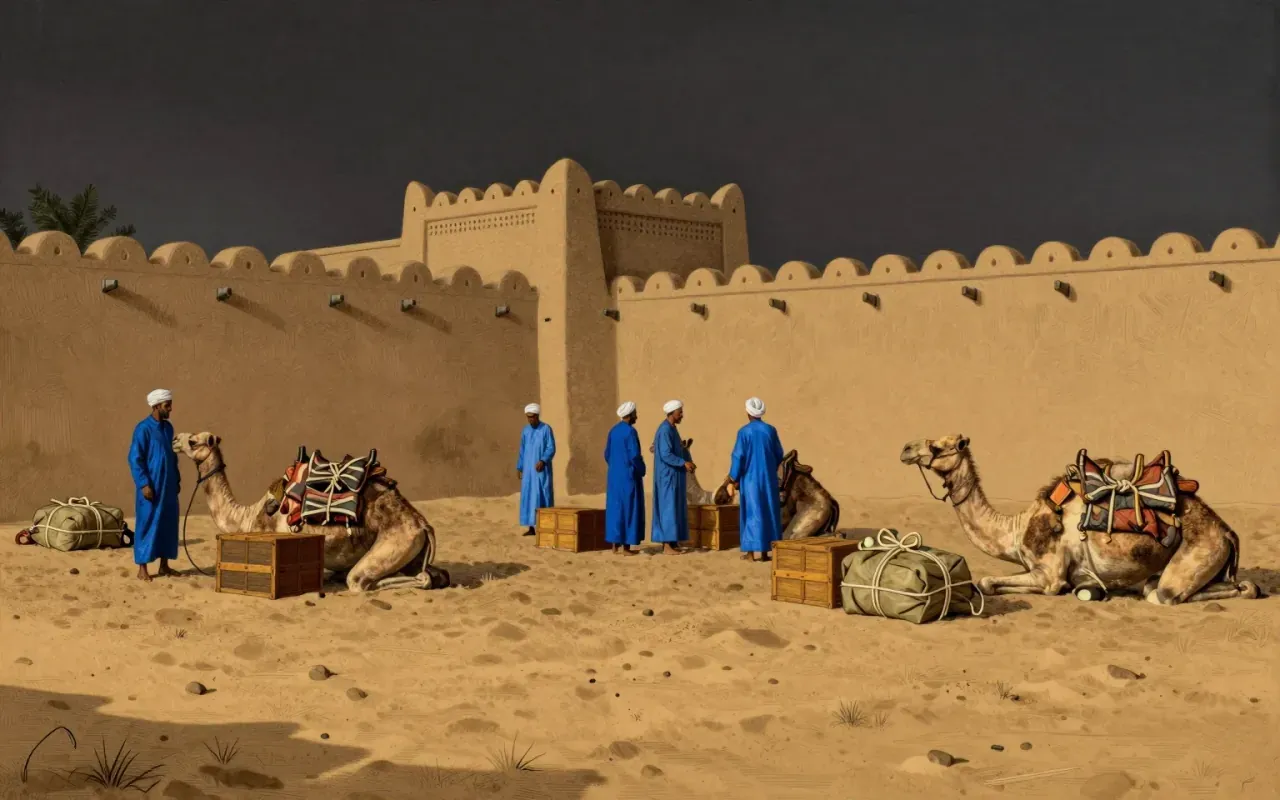
Ahmad Baba became one of Timbuktu's most prominent Islamic jurists before Moroccan forces invading the Songhai empire deported him to Marrakesh in 1594, where he remained until 1608. He continued writing throughout his exile and after his return, authoring more than forty works, including a nuanced treatment of slavery that historians still interpret differently. His career and library form part of the much larger Timbuktu manuscript tradition, whose survival was tested again in 2012 when local families and archivists evacuated the bulk of the collection ahead of an armed conflict.
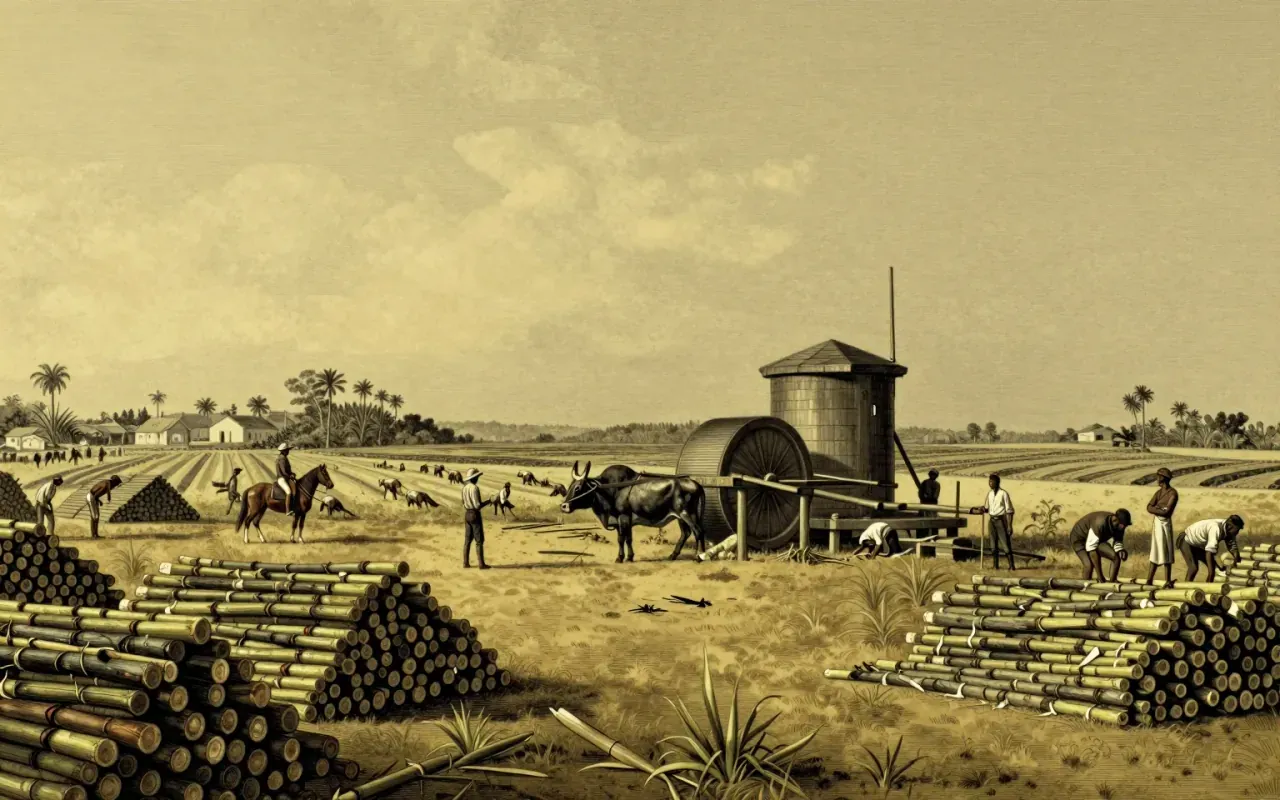
Bartolome de las Casas arrived in the Caribbean in 1502 as a colonist who held enslaved Native labourers under the encomienda system, before a 1514 reading of scripture convinced him Spanish treatment of Indigenous peoples was fundamentally unjust. He spent the following decades as a Dominican friar and eventually bishop, writing A Short Account of the Destruction of the Indies and debating Juan Gines de Sepulveda at Valladolid in 1550 and 1551 over whether Indigenous peoples could be justly subjugated, work that helped shape Spain's 1542 New Laws and later fed into the broader Black Legend narrative about Spanish colonial brutality.
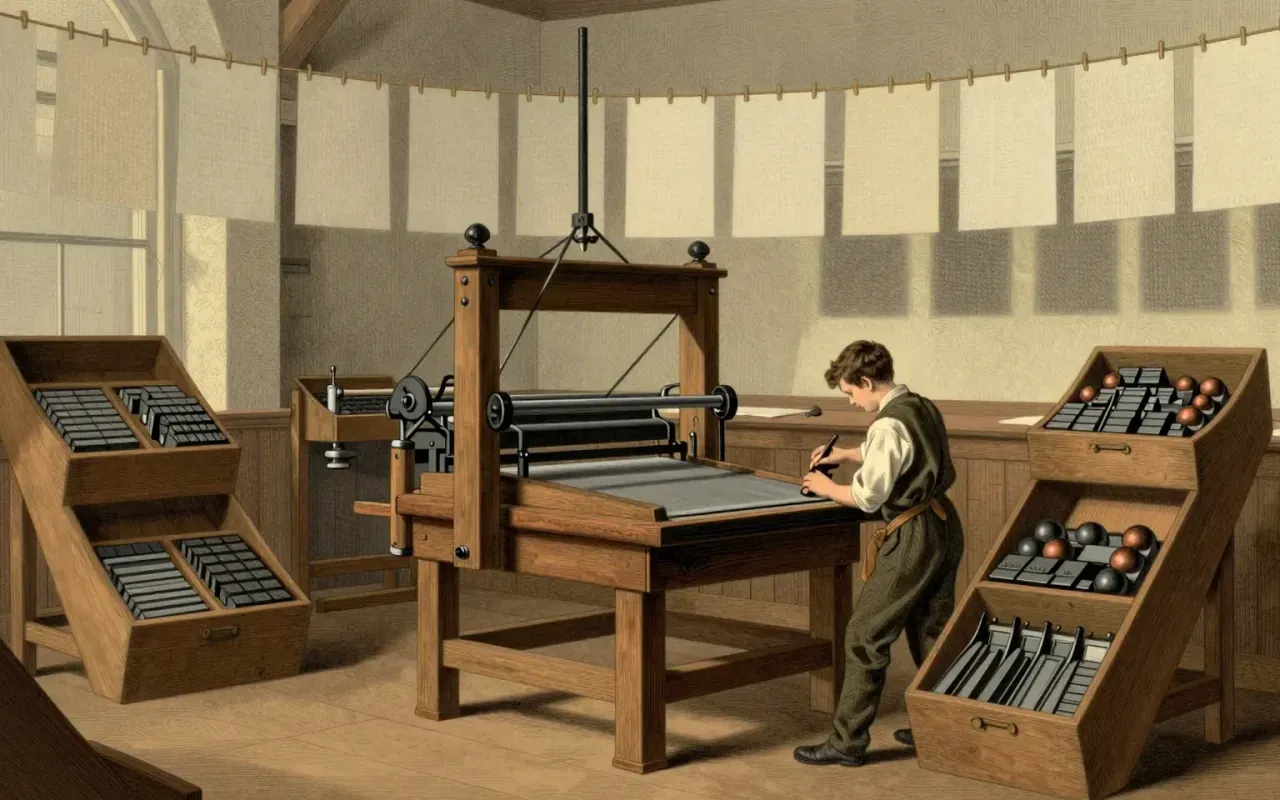
Benjamin Franklin built a career as printer, scientist, and diplomat before becoming the only person to put his signature on the Declaration of Independence, the Treaty of Paris, and the Constitution. His electrical experiments and his years securing French support for the Revolution are well documented; less often mentioned is that he owned enslaved people for decades before turning, late in life, into president of Pennsylvania's abolition society.
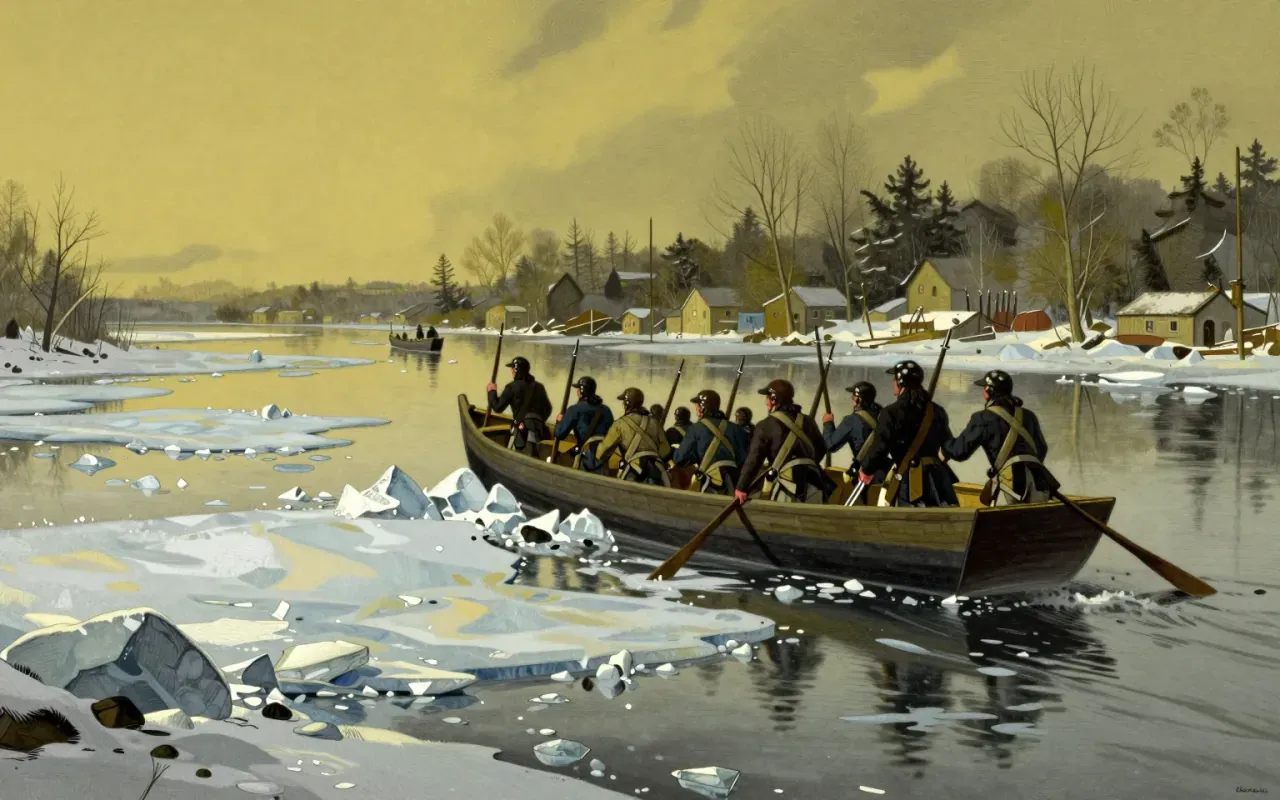
George Washington's ambush at Jumonville Glen in 1754 helped trigger the French and Indian War, and two decades later he commanded the Continental Army through a war he did not always look likely to win, from a chaotic retreat across New Jersey to the decisive siege at Yorktown. As president he set precedents, including a voluntary two-term limit, that outlasted the law requiring them by more than a century, while his own household at Mount Vernon depended on more than a hundred enslaved people whose freedom he provided for only in his will.
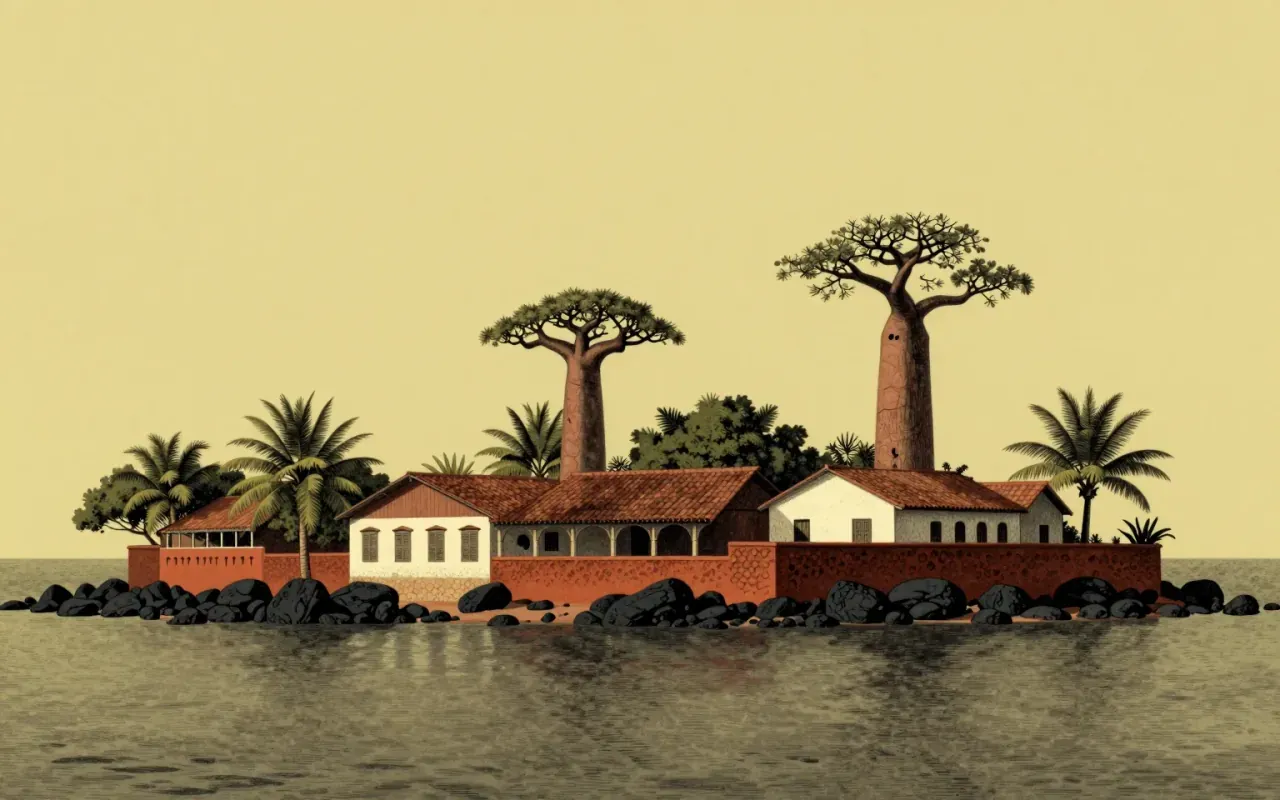
Portuguese traders reached Goree Island off Senegal in 1444, and the island passed through Dutch and then French control before Senegalese independence in 1960, developing a reputation as a major hub of the Atlantic slave trade that UNESCO's own heritage listing still describes as the largest on the African coast. Historical research has since challenged that framing directly, estimating no more than five hundred people were traded through the island annually, a small fraction of regional slave exports, and finding that the famous House of Slaves building itself lacks archaeological evidence of large-scale trans-Atlantic trafficking, complicating a narrative that took shape largely through one influential curator's account from the 1990s onward.
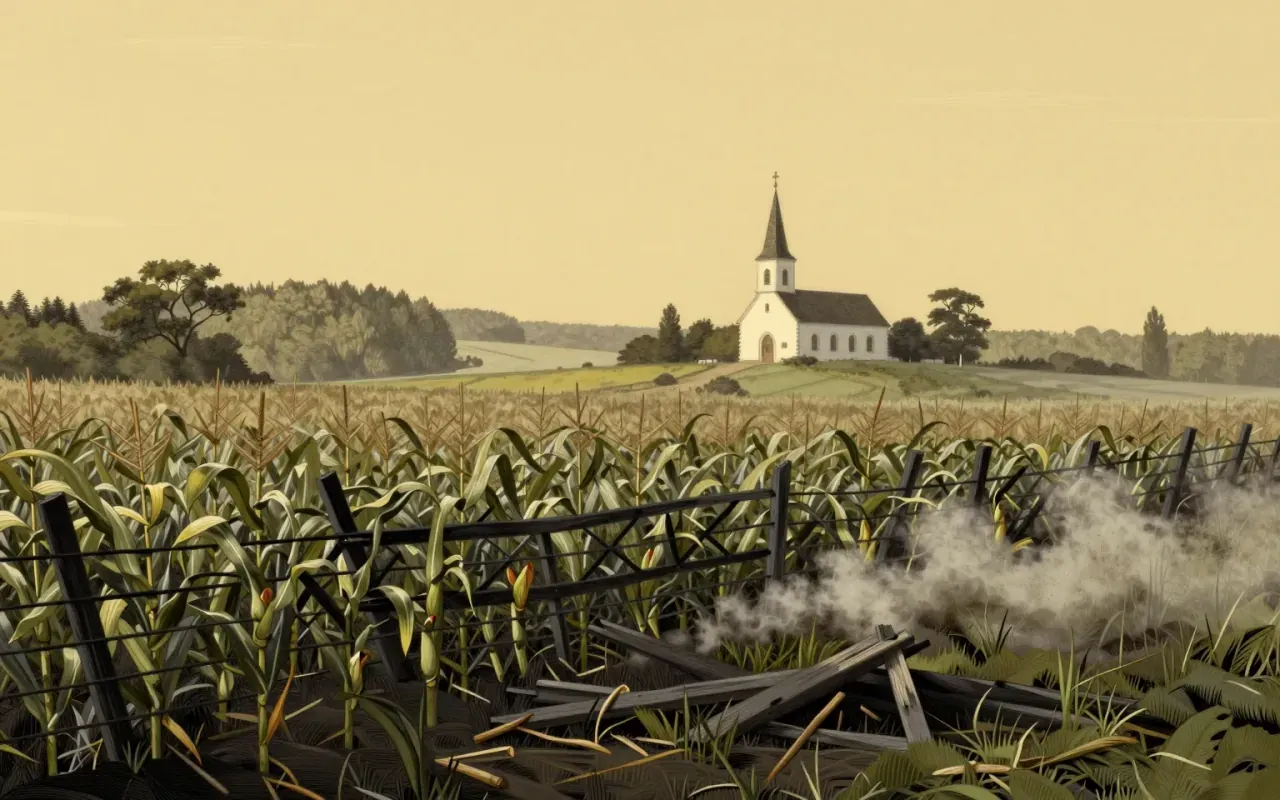
The American Civil War, fought from 1861 to 1865 after eleven Southern states seceded following Abraham Lincoln's election, killed an estimated 616,000 to over a million people through combat, disease and civilian and enslaved deaths whose exact toll remains genuinely uncertain, and ended with Confederate surrender, the abolition of slavery, and a Union preserved under expanded federal authority. Modern historians overwhelmingly identify slavery as the war's central cause, a conclusion the seceding states' own secession documents support directly, in explicit contrast to the later Lost Cause narrative that denied it.
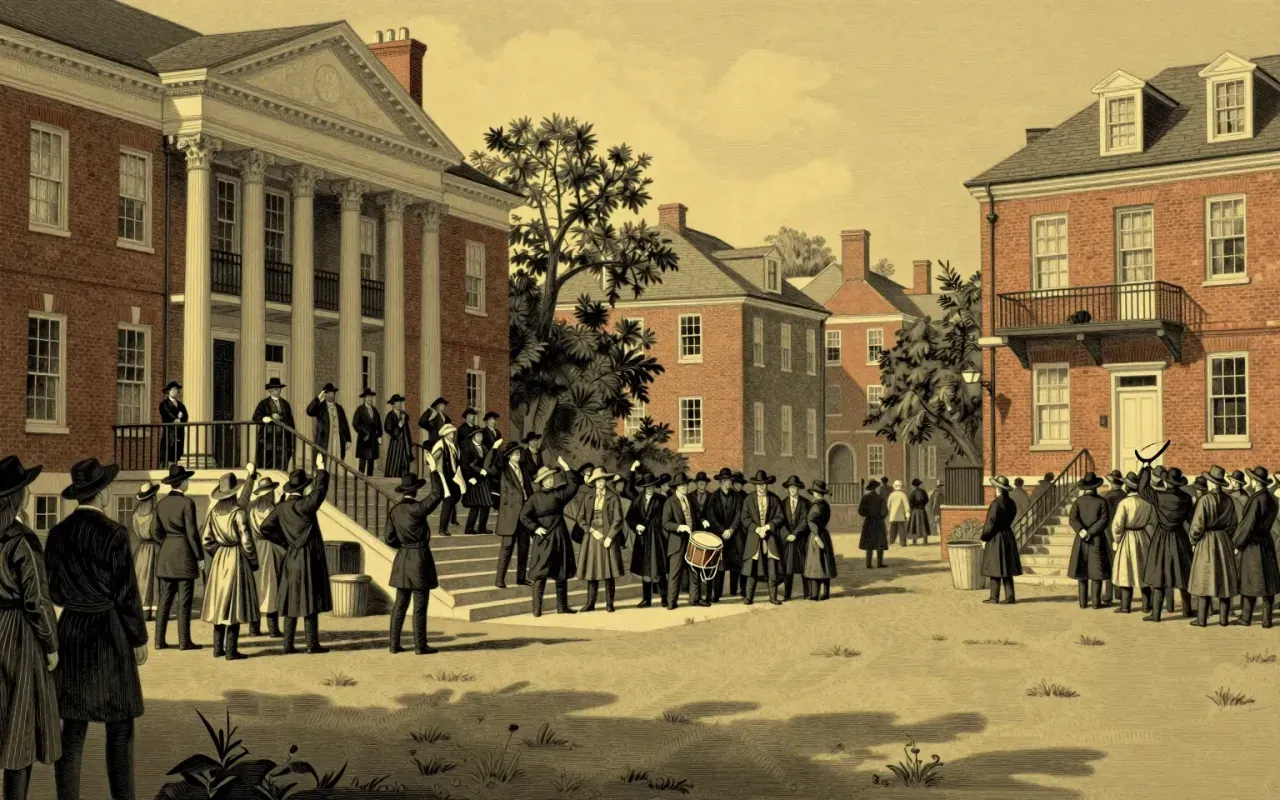
Congress voted for independence on 2 July 1776 and approved Jefferson's wording two days later, but the parchment copy most people picture, with fifty-six signatures, was not signed by most delegates until 2 August and later still. The gap between the vote, the text, and the signing says something about how founding documents get simplified in memory.
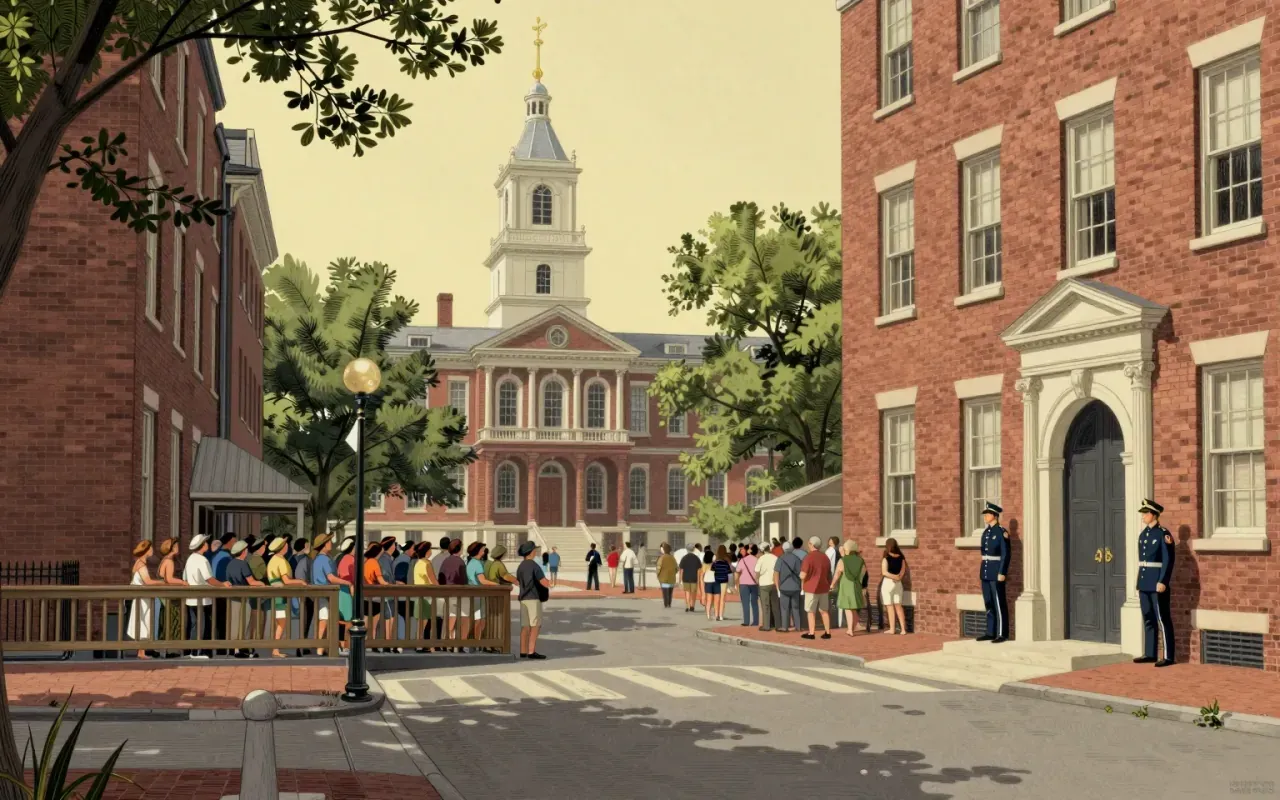
Delegates from twelve states met in Philadelphia from May to September 1787, intending only to revise the Articles of Confederation and instead writing an entirely new constitution, with the size-versus-population dispute settled by the Connecticut Compromise and slavery accommodated through the three-fifths clause. The convention's secrecy was deliberate and effective; James Madison's notes, the most complete record of the debates, were not published until 1840, decades after the document itself had already taken effect.
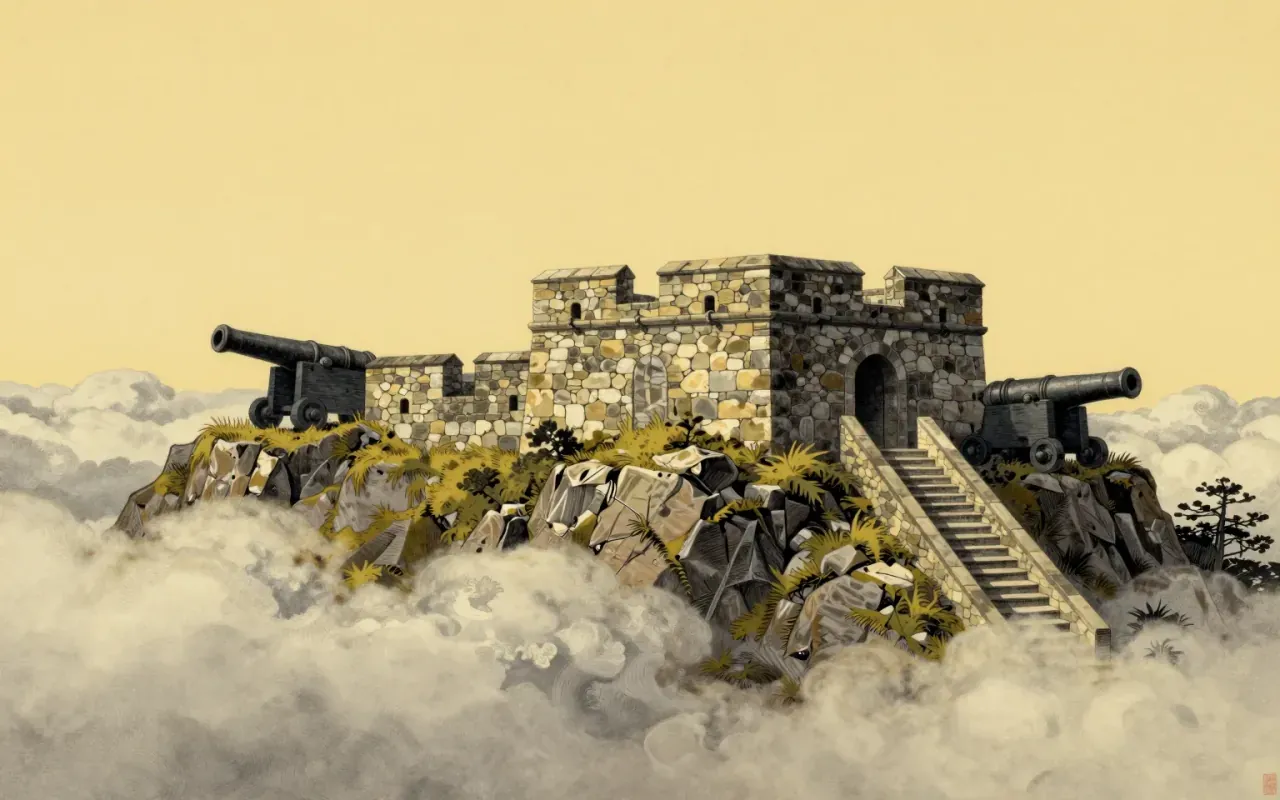
Beginning with a 1791 uprising among the roughly 450,000 enslaved people of the French colony of Saint-Domingue and continuing through wars against French, British and Spanish forces, the Haitian Revolution ended in January 1804 with the declaration of Haiti's independence, the only successful slave revolt in history to establish a sovereign state. Historian Michel-Rolph Trouillot has argued the revolution has been systematically overshadowed in mainstream history compared with the French Revolution it followed, despite its more direct and lasting consequences for the institution of slavery itself.
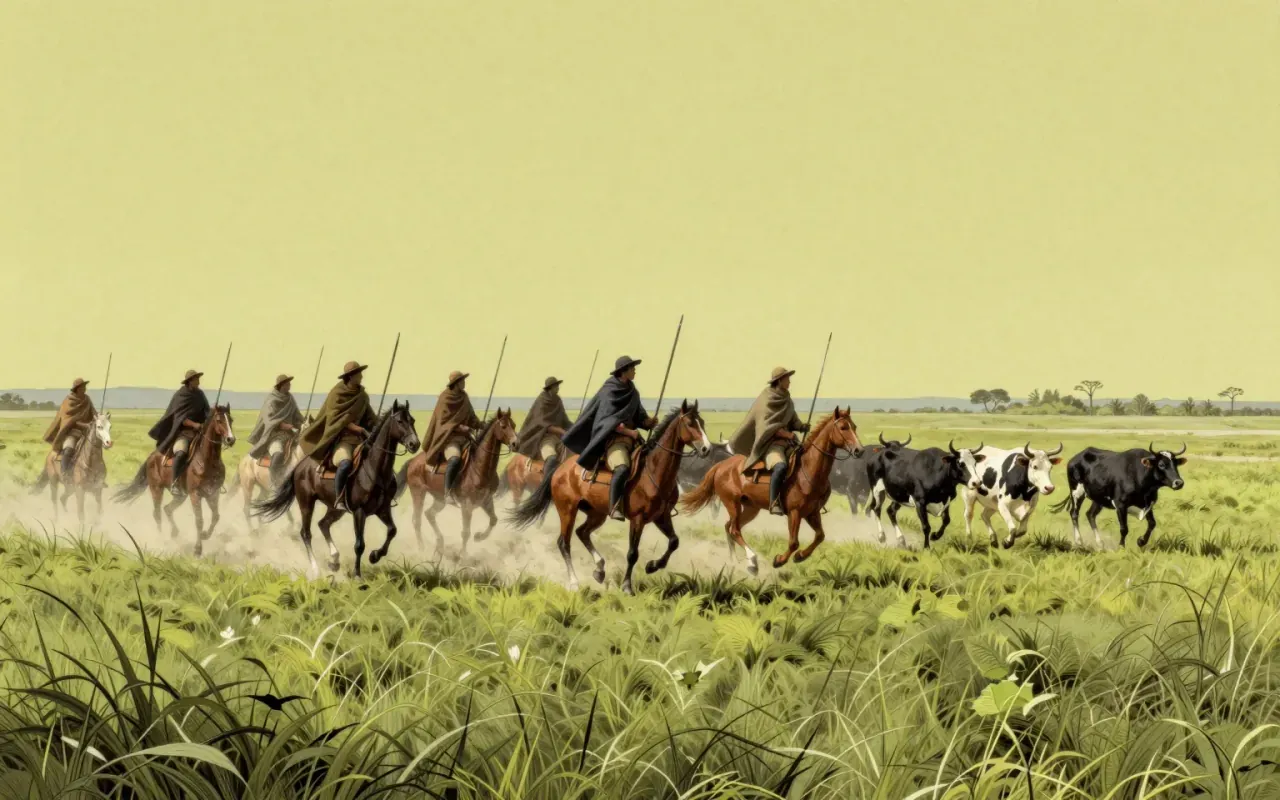
When Napoleon deposed Spain's king in 1808, colonial elites across the Americas formed juntas that at first claimed loyalty to the deposed monarchy rather than independence outright. Over the following two decades that position collapsed into open war, fought regionally under leaders such as Simón Bolívar in the north and José de San Martín in the south, producing new republics whose independence did not by itself resolve the social inequalities the fighting had exposed.

Between the fifteenth and nineteenth centuries, European traders transported an estimated 12.75 million enslaved Africans across the Atlantic, purchasing most from African merchants rather than capturing them directly, with roughly two million dying during the voyage itself. Portugal and Britain carried the largest shares, the trade fed plantation economies concentrated heavily in Brazil and the Caribbean, and historians continue to debate how equal a bargaining position African traders actually held against the European commercial networks driving demand.
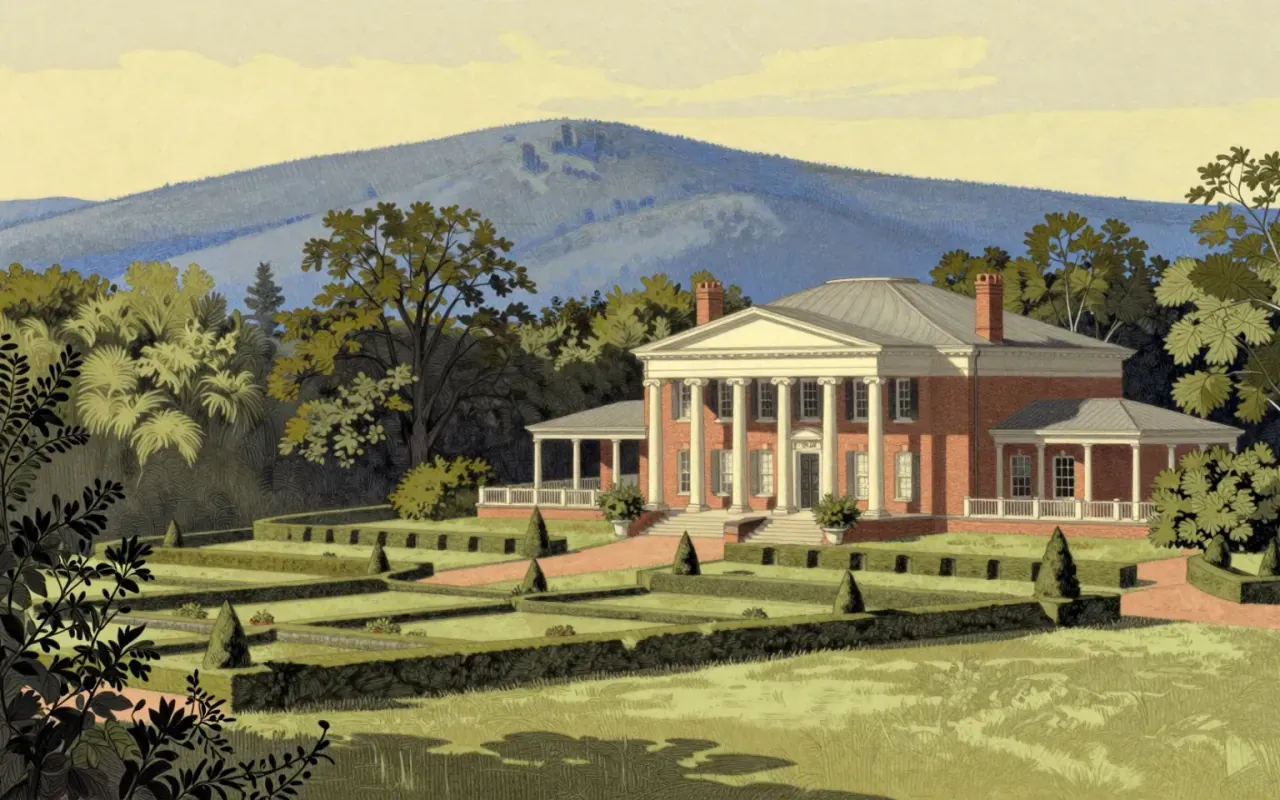
Thomas Jefferson drafted the Declaration of Independence, served as governor, diplomat, secretary of state, and two-term president, and doubled the country's territory with the Louisiana Purchase, all while running a plantation worked by hundreds of enslaved people. For decades historians treated his likely children with Sally Hemings as unproven or unlikely; DNA evidence in the late 1990s forced a reckoning with what his own writing on liberty had left out.
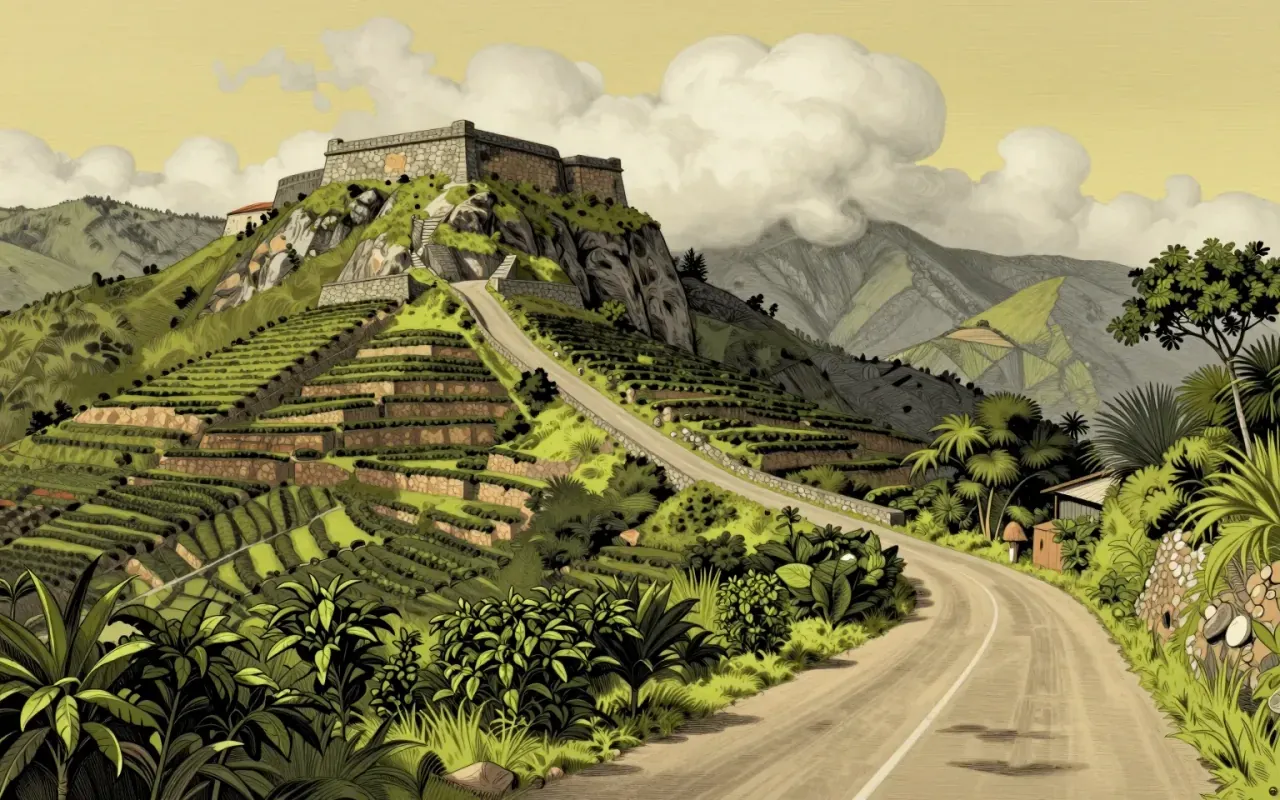
Toussaint Louverture, freed well before the Haitian Revolution began, rose from plantation overseer to the colony's commander and governor, negotiating with Spain, Britain, and revolutionary France in turn before his own 1801 constitution provoked Napoleon into sending an invasion force. Captured under a broken amnesty and imprisoned in France, he died in 1803, months before his former officers completed the revolution and declared Haiti's independence.