Founded and abandoned within months
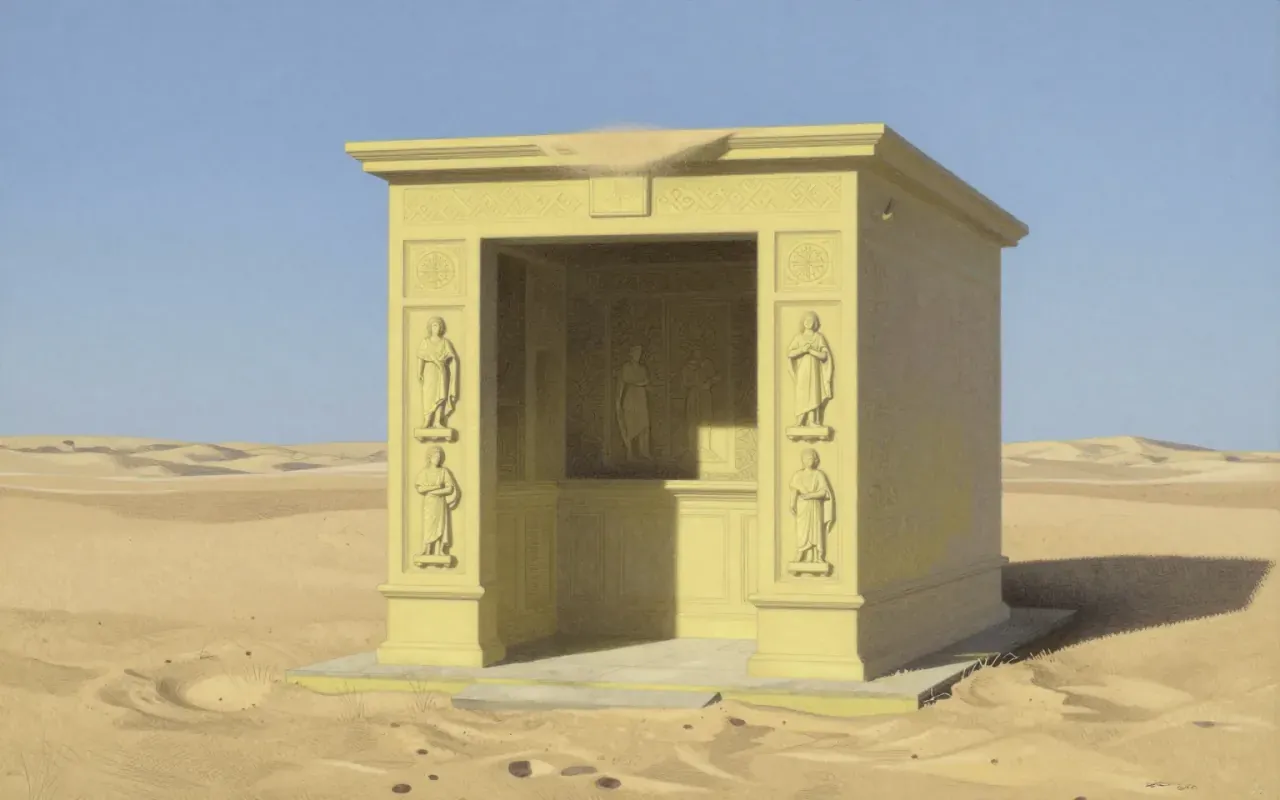
Alexander the Great founded Alexandria in April 331 BC, shortly after taking control of Egypt from Persian rule, envisioning a Greek city that would connect the Mediterranean world to the Nile valley. He left Egypt not long after the founding and never returned, leaving the actual development of the city to his successors, chiefly Ptolemy I Soter, under whose Ptolemaic dynasty Alexandria grew within roughly a century into the largest city in the world, reaching a population exceeding 180,000 adult male citizens and an estimated total population around half a million.
Ptolemy’s city, not Alexander’s
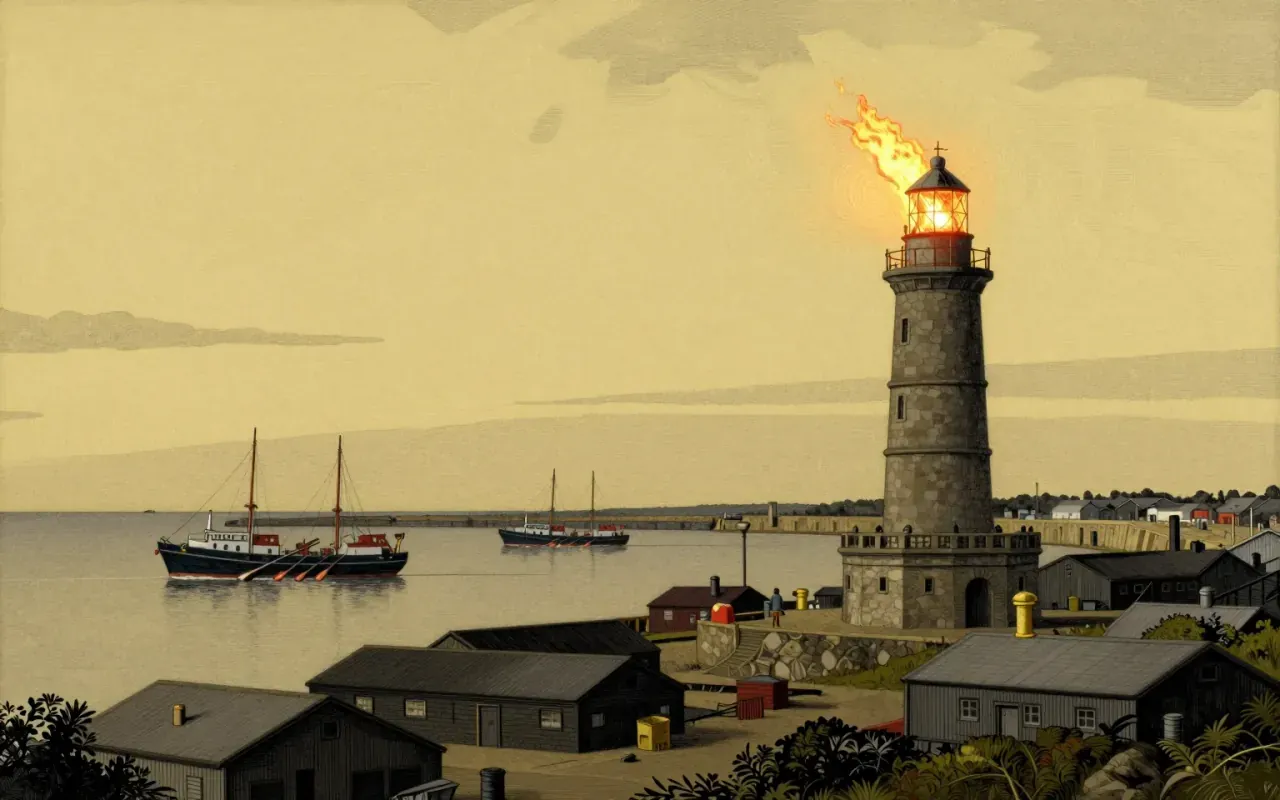
Alexandria’s reputation as a centre of learning rested substantially on two institutions documented through both ancient literary references and archaeological investigation: the Library of Alexandria, described as the largest such repository in the ancient world and central to Hellenistic scholarship, and the Pharos lighthouse, one of the Seven Wonders of the Ancient World, which stood an estimated 138 metres tall and took twelve years to construct at considerable expense. The lighthouse’s design subsequently served as a template for lighthouse construction elsewhere in the ancient world, giving it a practical legacy well beyond its original function guiding ships into Alexandria’s harbour.
The largest city in the world within a century
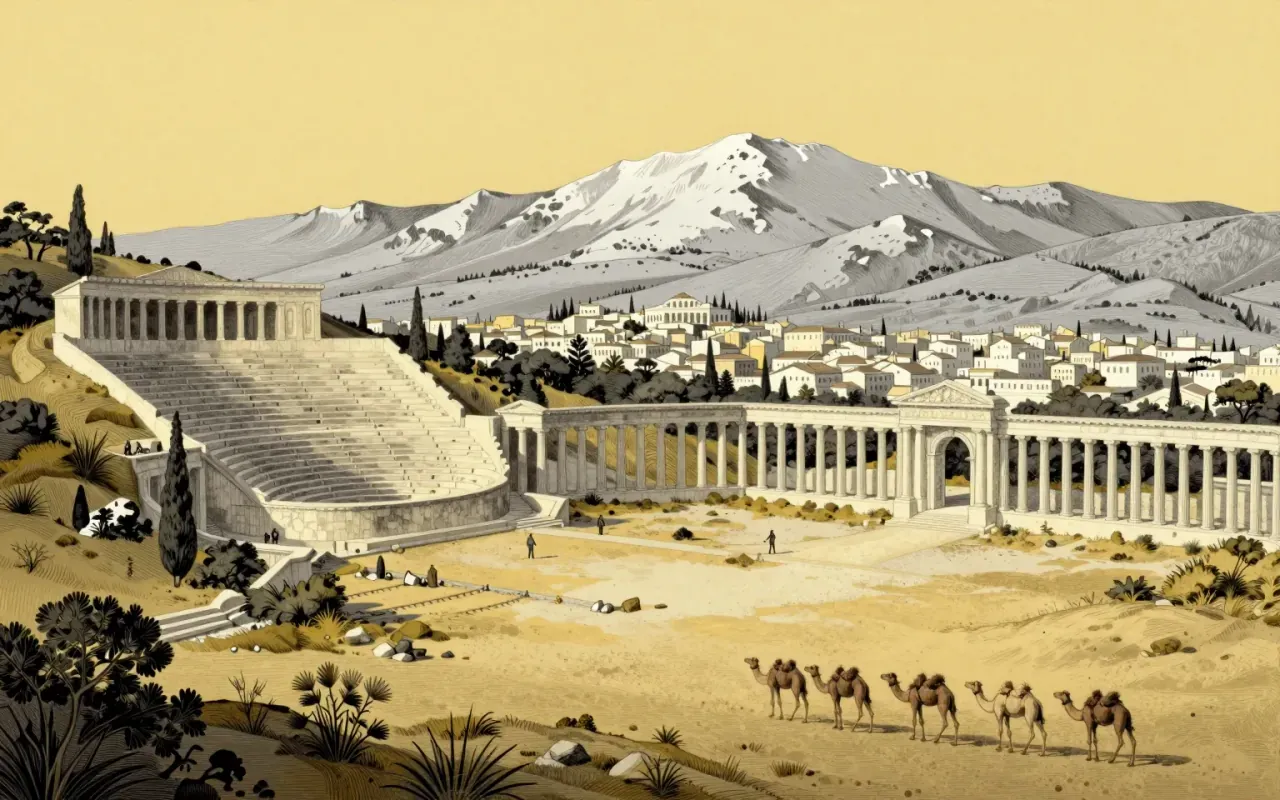
The city’s rapid rise depended on deliberate imperial investment rather than organic growth alone, since Ptolemy I and his successors used Alexandria’s position as a link between Greek and Egyptian worlds to concentrate scholarship, trade and administrative power there, drawing scholars, merchants and administrators from across the Mediterranean and turning what began as Alexander’s largely symbolic founding into a genuine centre of Hellenistic civilisation. This concentration of intellectual and commercial resources is what allowed the city to reach its enormous scale and cultural prominence within a comparatively short span of dynastic rule.
A library whose fate is still argued over
The Library of Alexandria’s ultimate fate remains one of the more genuinely disputed questions in ancient history: it faced significant danger during Julius Caesar’s siege of the city in 47 BC, an episode often cited as the moment of its destruction, but historical accounts of exactly what was lost, when, and through what specific process remain disputed among historians rather than settled into a single agreed narrative. This uncertainty reflects the limited and sometimes contradictory nature of ancient sources describing the library’s decline, which appears to have been gradual and multi-staged rather than the result of one clean, dramatic destructive event as popular retellings often suggest.
A lighthouse built to be copied
Alexandria’s long-term decline followed a shift in global trade patterns rather than any single conquest or disaster: Portuguese navigators’ discovery of alternative sea routes to India in the late fifteenth century gradually redirected trade that had previously passed through Alexandria and the broader eastern Mediterranean, eroding the commercial foundation on which much of the city’s wealth and importance had rested. Despite this long decline, Alexandria’s historical contributions to ancient science, literature and architecture ensured it retained lasting cultural significance across subsequent centuries of Mediterranean history, long after its commercial and political importance had been eclipsed by other cities.
Decline through a rerouted map
This is a rewarding subject for correcting the common assumption that Alexander himself built the city bearing his name, when in fact its rise to prominence was almost entirely the achievement of his successors working over the following century. It is equally valuable for treating the library’s destruction with appropriate historical caution rather than repeating the more dramatic popular version uncritically. It is less useful if you want a confirmed, singular account of exactly what happened to the library and when, a question the available ancient sources simply do not allow historians to settle definitively.