Ancient Greece
Ancient Greece isn’t a place or a nation — it’s the first time history became a written argument about power.
A few hundred thousand people who set the agenda for everyone after.

Alexander III of Macedon inherited his father's throne and army at twenty and, over the following decade, defeated the Achaemenid Persian Empire and pushed as far as northwestern India before turning back and dying at thirty-two. The battles and territory are documented reasonably well; the personal anecdotes that make him vivid, such as the taming of the horse Bucephalas and the meeting with the philosopher Diogenes, come mostly from Plutarch, writing about four centuries after Alexander's death.
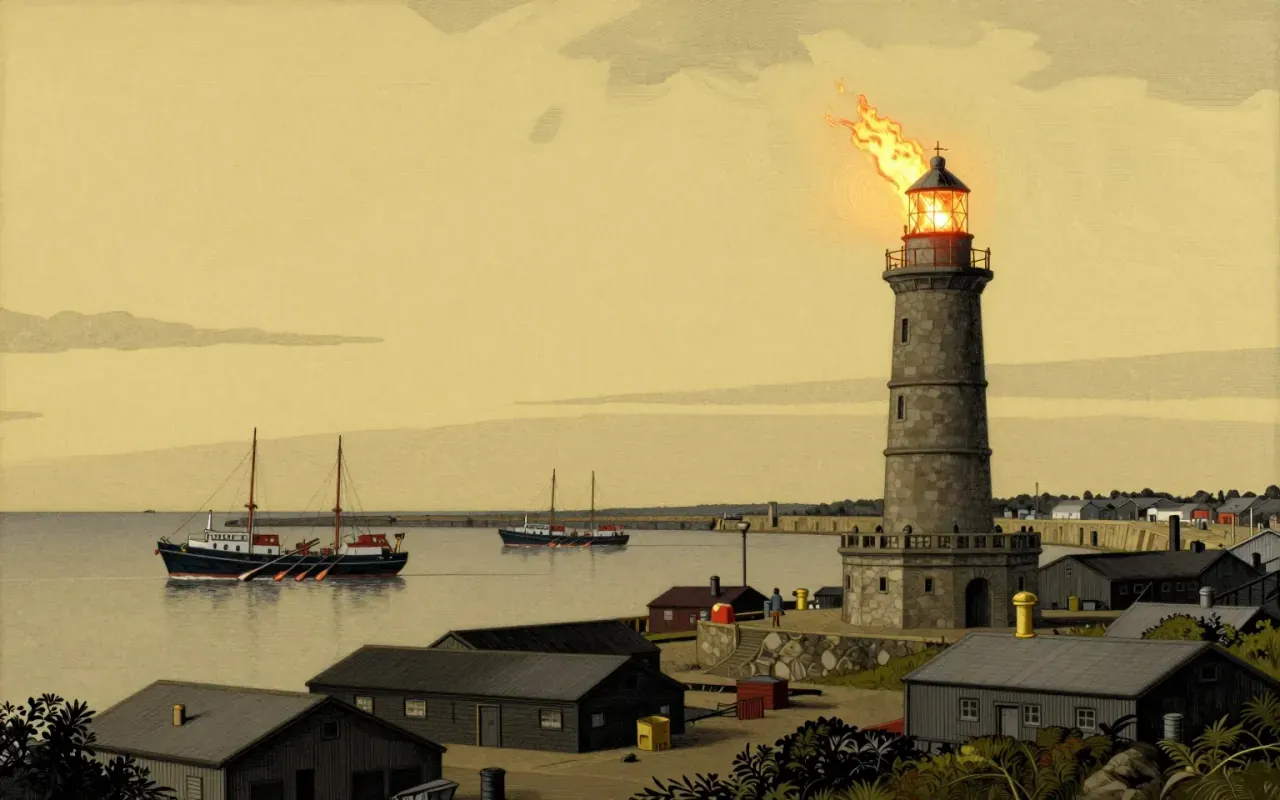
Alexander the Great founded Alexandria in April 331 BC after taking Egypt from Persian control, then departed shortly afterward, leaving his successors, particularly Ptolemy I, to build it into the largest city in the world within a century through institutions including its famous library and the Pharos lighthouse, one of the ancient world's seven wonders. The library's eventual destruction, often attributed to a single dramatic event during Julius Caesar's siege in 47 BC, remains disputed among historians, and the city's long decline followed Portuguese discovery of alternative sea routes to India in the late fifteenth century.
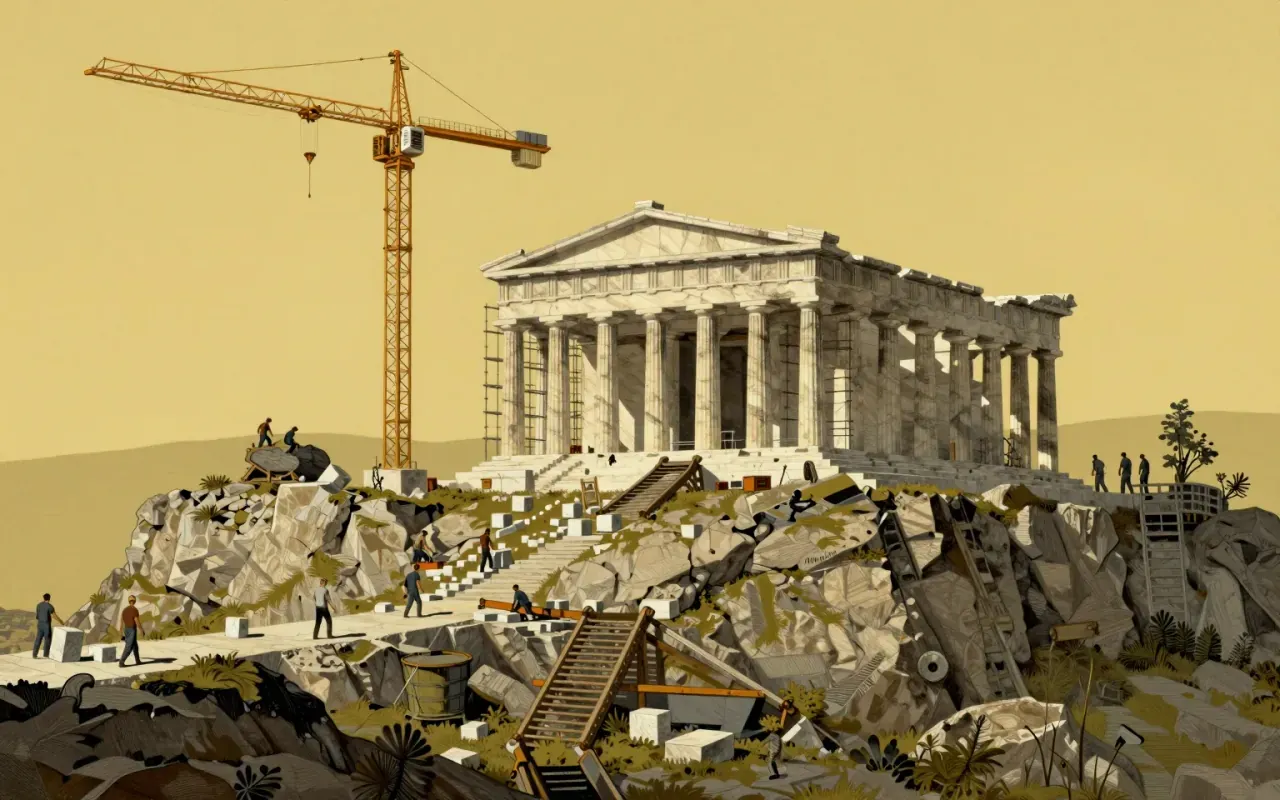
Pericles rose to unchallenged leadership of Athens by the 440s BC through repeated use of prosecution and ostracism against rivals, then financed the Parthenon and other monuments with treasury redirected from the Delian League before leading Athens into the Peloponnesian War, dying of plague in 429 BC. Thucydides's admiring portrait, including a famous funeral oration he admitted reconstructing from memory, sits alongside Plato's sharp condemnation and Aristophanes's contemporary mockery. Historians remain divided over his responsibility for the war, the soundness of his defensive strategy, and whether his imperial management of allied states undermined the democratic ideals he is credited with championing.
Socrates spent much of his adult life questioning prominent Athenians in public rather than pursuing wealth or office, a habit that made him enemies in a small city where reputational damage carried real consequences. Tried and executed in 399 BC on charges of impiety and corrupting the young, he left no writing of his own, so everything known about him comes through Plato, Xenophon and Aristophanes, sources that genuinely contradict each other in what scholars call the Socratic problem. Historians remain divided on whether his famous claim to know nothing was sincere humility or rhetorical strategy, whether he was religiously sincere, and whether his trial reflected genuine belief or a political pretext.
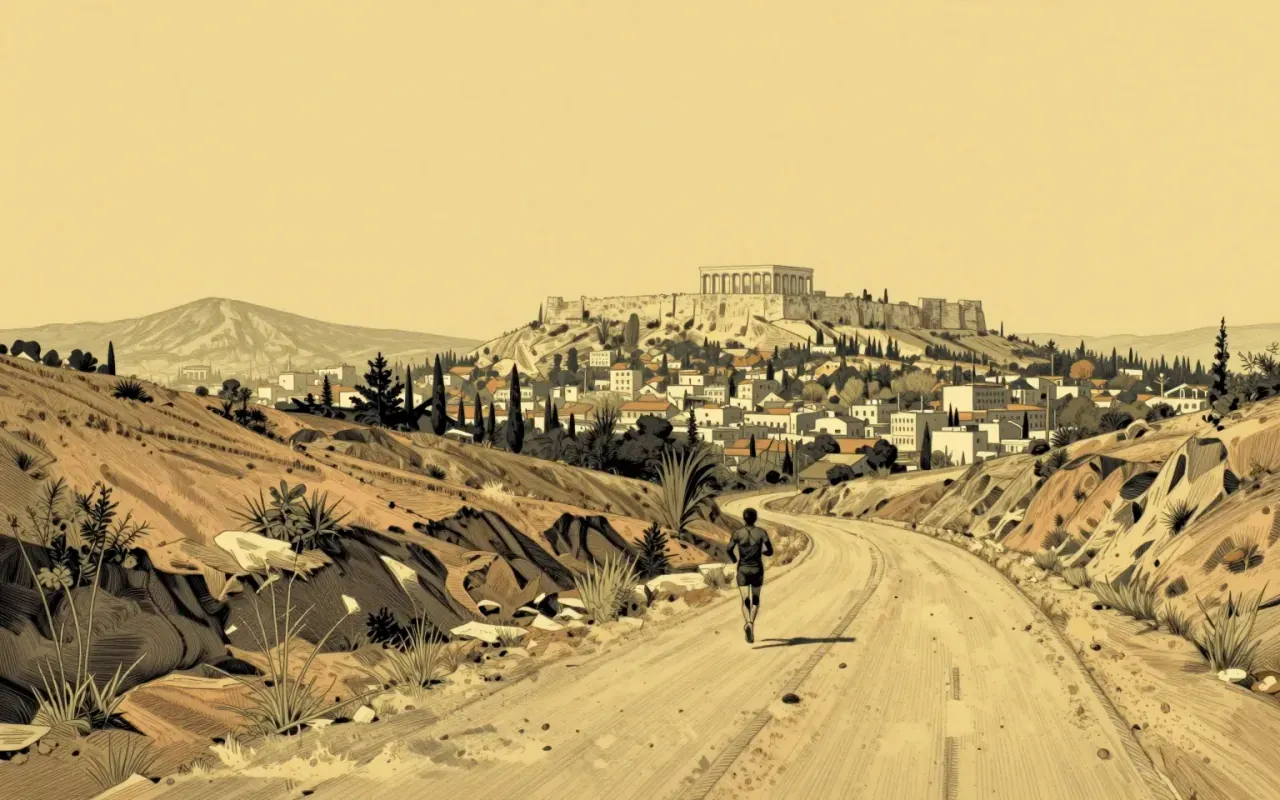
In September 490 BC, an outnumbered Athenian force under Miltiades defeated a Persian invasion army at Marathon, ending Darius I's first attempt to conquer mainland Greece. The account rests almost entirely on Herodotus, writing decades later in what amounted to a genuinely new form of historical inquiry, and while his broad narrative is trusted, his specific troop and casualty figures are treated with real scepticism. The battle's most famous element, a dying messenger announcing victory in Athens, does not appear in Herodotus at all and was assembled centuries later from separate, unrelated stories, eventually inspiring the modern Olympic marathon.
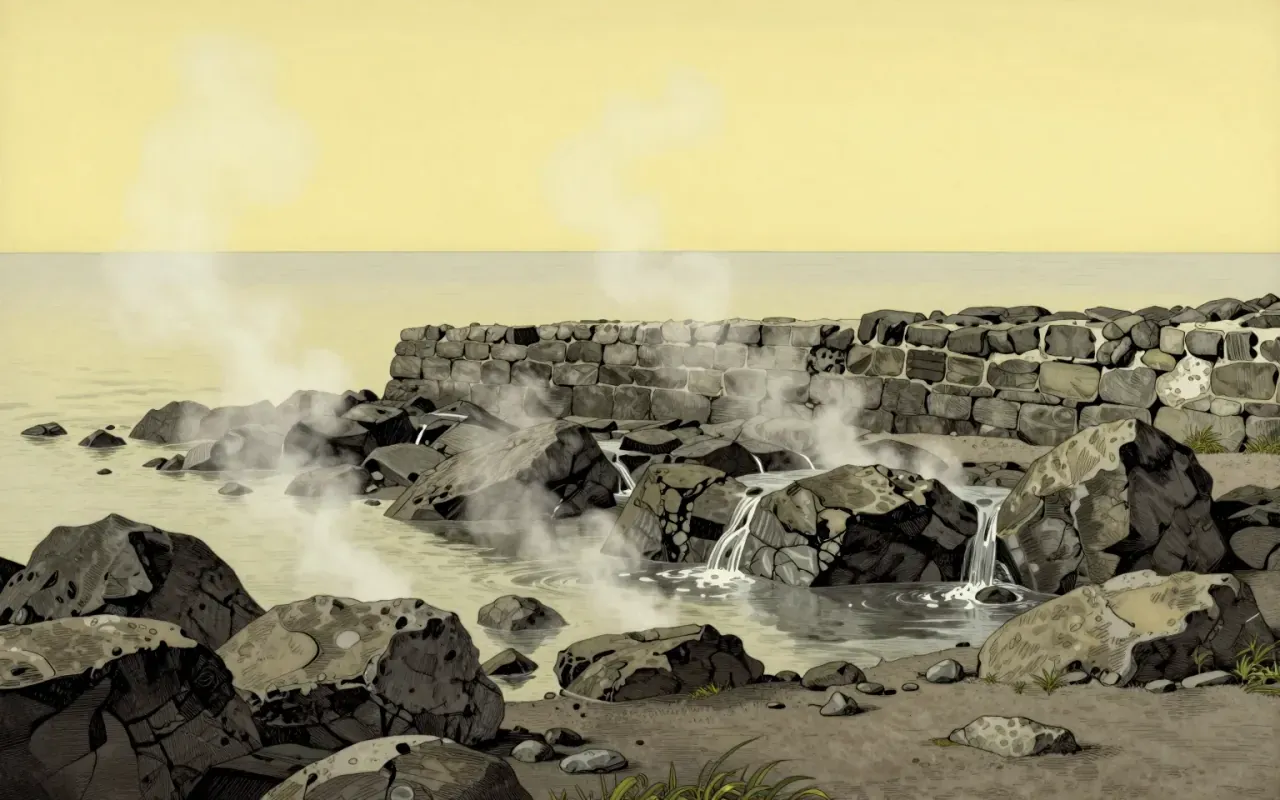
In 480 BC, roughly seven thousand Greek defenders, including three hundred Spartans under Leonidas, held the narrow pass at Thermopylae against a vastly larger Persian invasion force for two days before a betrayed mountain path let Persian troops outflank them, and the rearguard fought to the death. The battle survives almost entirely through Herodotus, whose narrative is broadly trusted even as his Persian troop figures, running into the millions, are universally rejected by modern historians in favour of far lower estimates. Whether the delay meaningfully shaped the subsequent Greek naval victory at Salamis remains disputed, and the battle's cultural fame now rests more on its moral example than on its military outcome.
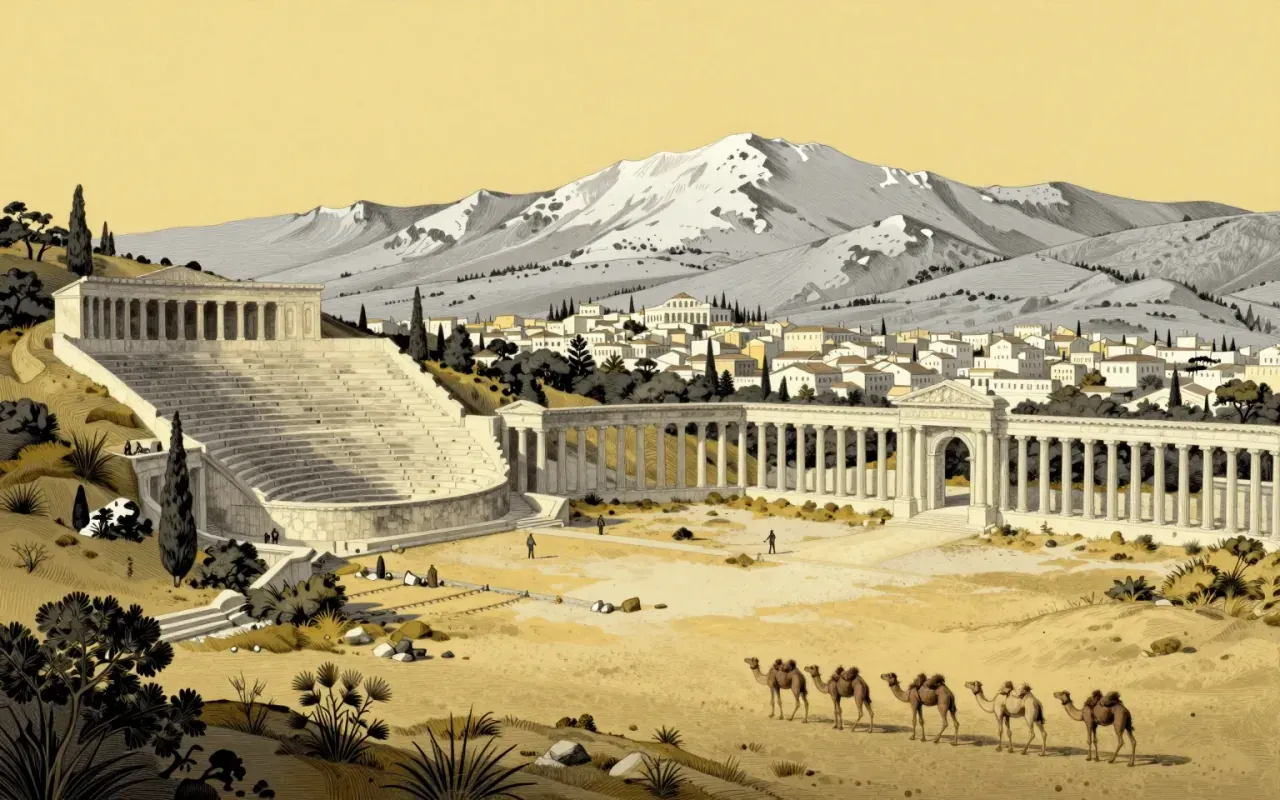
The Hellenistic period runs conventionally from Alexander's death in 323 BC to Cleopatra VII's death in 30 BC, spanning the successor kingdoms, Ptolemaic Egypt, the Seleucid realm and Macedon among them, that emerged from the wars fought among his former generals. It was a period of active scholarship and cultural mixing, producing figures such as Euclid and Archimedes and blending Greek culture with Egyptian, Persian and other local traditions, before Rome absorbed the last of the successor states.

From 431 to 404 BC, Athens and Sparta fought for dominance of the Greek world, a conflict of shifting alliances, a devastating plague, and a catastrophic Athenian invasion of Sicily that ended in naval defeat and surrender. Nearly everything known about it comes from the Athenian general Thucydides, writing partly from exile, and from Xenophon's later, more Spartan-leaning continuation, sources historians still weigh carefully rather than take at face value.
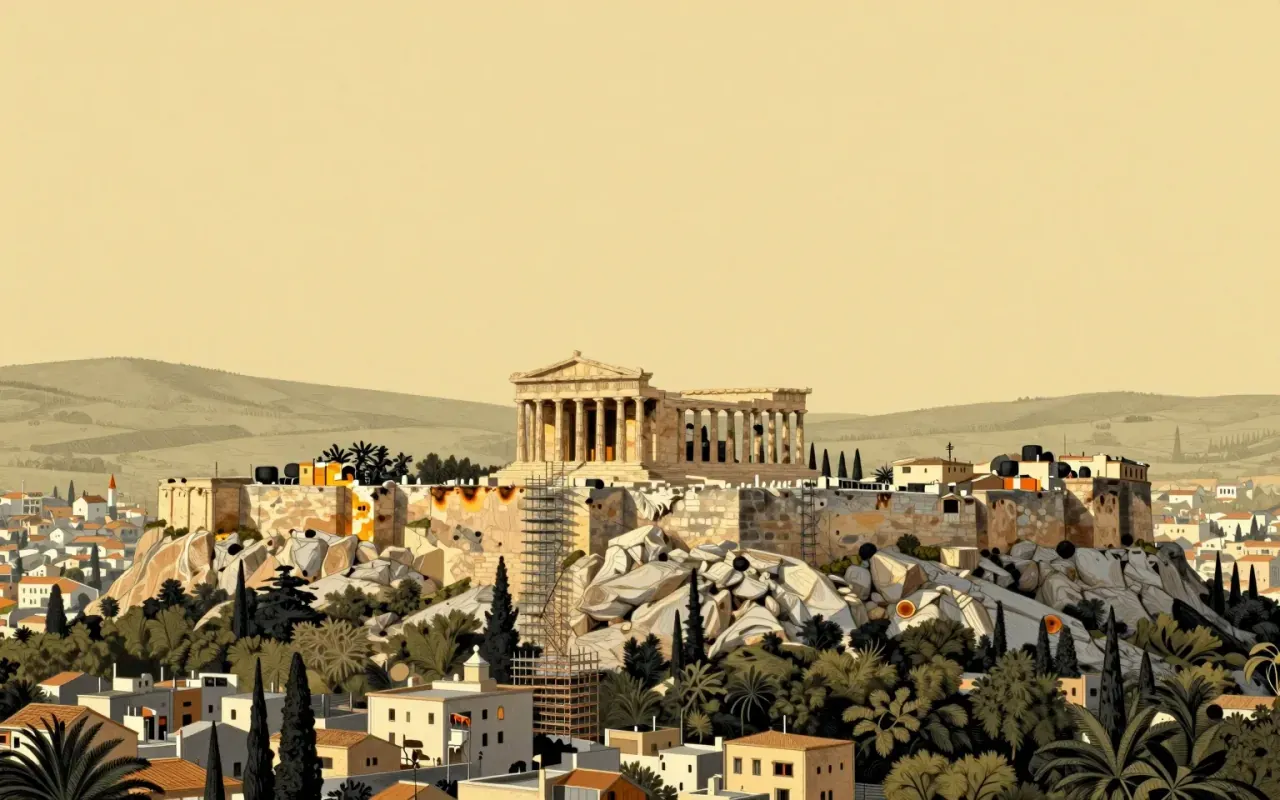
Between 499 and 449 BC, a coalition of Greek city-states resisted repeated Persian campaigns, from the burning of Sardis through the stands at Marathon, Thermopylae and Salamis to the eventual Persian withdrawal. Almost everything known about it comes from Herodotus, writing two generations later, whose troop figures modern historians treat with open scepticism even as they largely accept his outline of events.