historybriefs
11:36in productionCh. 1 · Not a country. A chronology./ 11:36 · ceiling 15 min
Ancient

Ancient Greece

Ancient Greece isn’t a place or a nation — it’s the first time history became a written argument about power.

Ancient Greece is the first civilisation attested in sustained narrative historiography — but that narrative excludes economics, social life, and most people. Its influence flowed through Rome, not directly. Its unity is a later construct. Its dates are broad, its boundaries porous, and its coherence contested.

Chapters & takeaways4
  1. 1:00
    Not a country. A chronology.

    Ancient Greece spans over 1,700 years — from Mycenaean collapse to late antiquity — and was never a unified state.

  2. 2:47
    The first historians left out half of life.

    Herodotus and Thucydides invented narrative history — but only for war, politics, and diplomacy.

  3. 5:40
    No Greek legacy without Roman transmission.

    Rome didn’t inherit Greek ideas — it translated, adapted, and repackaged them for empire.

  4. 7:23
    The archive starts here — not earlier.

    Before the 8th century BC, we have no narratives — only fragments. The 'beginning' is where the record thickens.

Worth your time?

Yes. Study the whole thing.

4.5/ 5
What works
  • establishes the origin and duration of Ancient Greece using only attested dates and transitions
  • identifies the methodological break Herodotus and Thucydides represent — and its limits
  • names Rome as the vector, not Greece as the source, of Western inheritance
  • refuses to treat 'Ancient Greece' as a monolith while still accounting for its documented cohesion
What does not
  • praise without reason
  • invent facts
  • state contested causes as settled
  • write from hindsight
Study it if
  • readers who need to decide whether this subject carries evidential weight — not whether it feels important
Skip it if
  • readers seeking inspiration, moral lessons, or cultural affirmation
The written brief1 min read

What happened

Ancient Greece existed from the 12th–9th centuries BC to c. 600 AD. It began with the collapse of Mycenaean Greece c. 1100 BC, entered the Archaic period with city-state formation in the 8th century BC, reached its Classical phase (c. 480–323 BC), and ended with the close of classical antiquity c. 600 AD.

How we know it

Greek historiography begins with Herodotus and Thucydides, whose surviving works are comprehensive narrative accounts focused on political and military events. Earlier periods are known only from fragmentary evidence: annals, king lists, and inscriptions — not continuous narrative.

Why it went that way

City-states formed in the 8th century BC amid population growth, maritime trade expansion, and the re-emergence of writing — conditions that enabled civic institutions, colonisation, and competitive cultural production. No single cause explains the arc; the record shows adaptation, not design.

What is still contested

The term ‘Ancient Greece’ bundles disparate, often rival polities over 1,700 years. Scholars disagree whether it names a coherent civilisation or a retrospective label applied by later cultures — especially Rome and the Renaissance — to a loose constellation of language, religion, and custom.

What it changed

Classical Greek culture directly shaped Ancient Rome’s intellectual and political frameworks, which then transmitted those ideas across the Mediterranean and into medieval and early modern Europe. Its legacy was not self-sustaining: it required Roman adoption, Byzantine preservation, and Renaissance retrieval.

Is it worth your time

Yes. Ancient Greece is the first civilisation for which we have direct, sustained, authorial narrative history — not just records, but interpretation, argument, and selection. That method reshaped how humans record time, power, and consequence.
Same strand · Ancient4 of 31
12:27
Samarkand800 BCSamarkand at -800 BC is archaeologically verifiable, institutionally attested, and geographically explicable — but its ‘founding’ remains a scholarly estimate, not a recorded event.
9:59
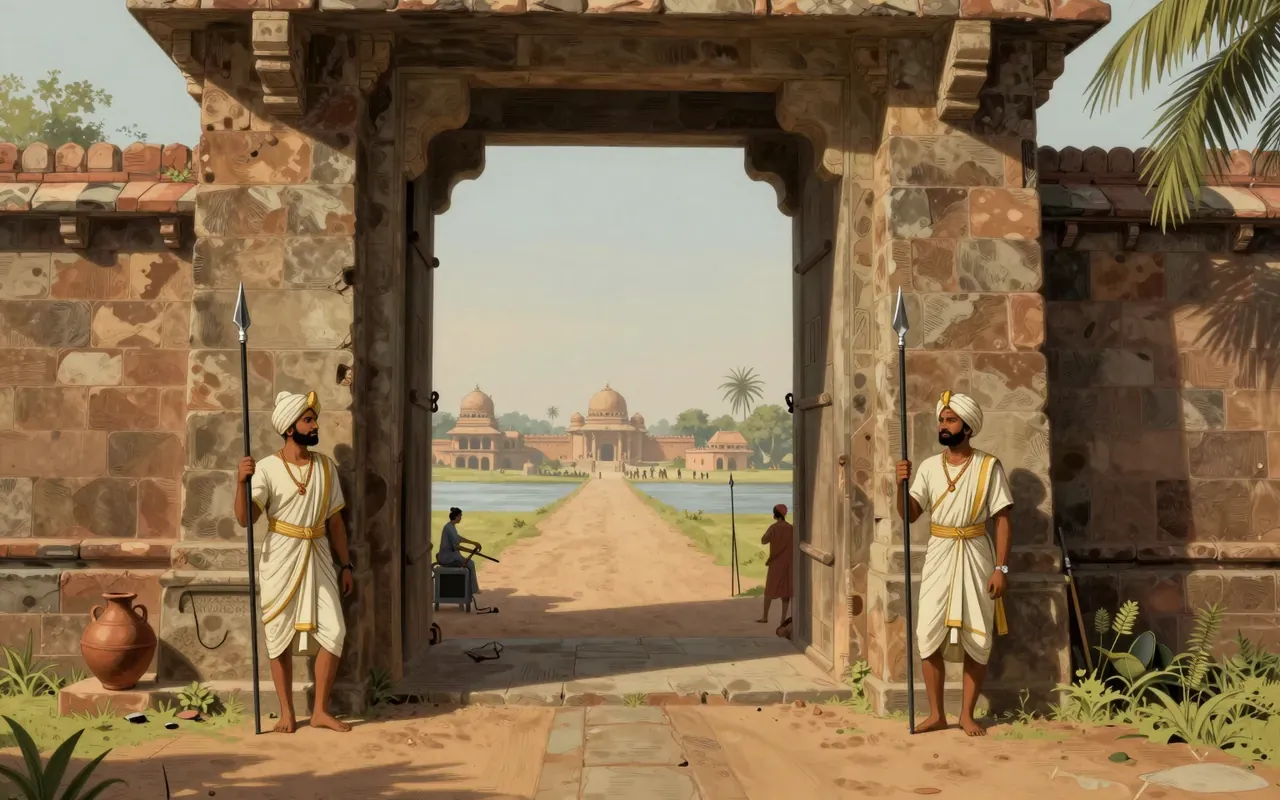
Chandragupta MauryaChandragupta Maurya founded the first verifiable pan-Indian empire by defeating the Nandas and Greek garrisons, then securing territory through diplomacy with Seleucus. His reign (c. 320–298 BCE) established administrative reach across Gujarat, Magadha, and the Indus Valley — backed by trade-routes and cities. But chronology, Chanakya’s role, and Afghan control remain contested. This is the earliest Indian state whose scale, method, and diplomacy are attested — not mythologised.
13:04
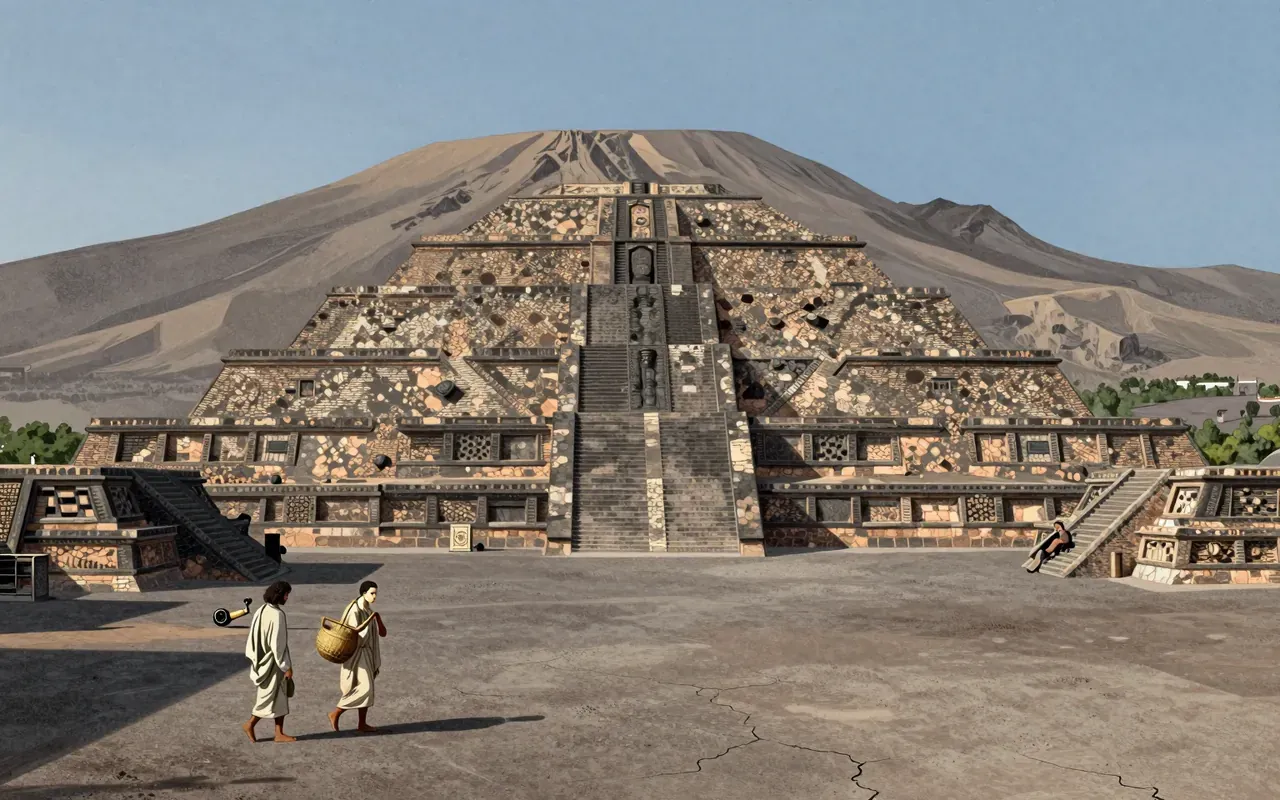
TeotihuacanTeotihuacan was the largest city in the Americas before 500 CE. Its monuments were built over 350 years. Its central structures were burned around 550 CE. It housed ~100,000 people — 80–90% of the Valley of Mexico’s population. It ended between the 7th and 8th centuries CE. We know none of its rulers’ names. We do not know why it burned. We do not know what its people called it.
11:52
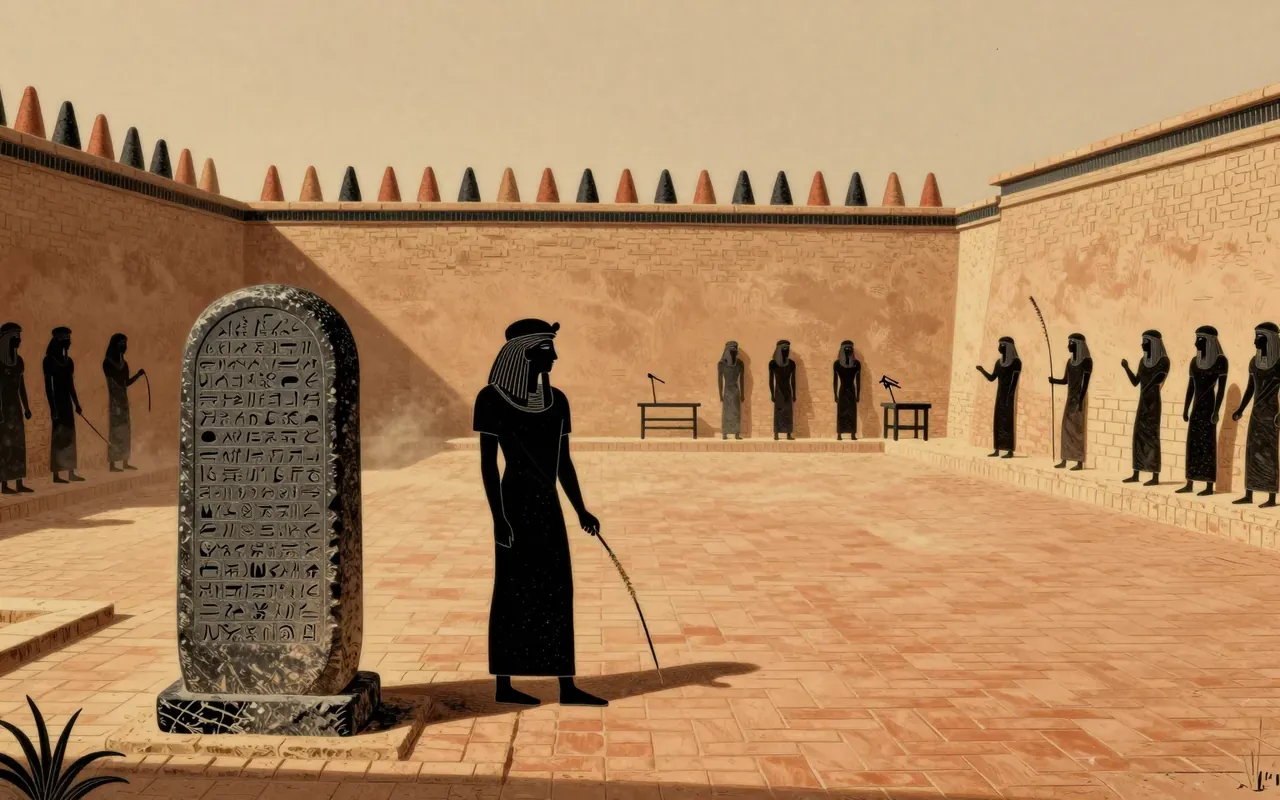
Code of Hammurabi1752 BCThe Code of Hammurabi is the earliest complete, datable, and materially intact legal code — a monument to royal authority, not a manual for courts. It declares intent, not practice. Its survival rests on one stele, one language, one date, and one claim: that justice flows from the king through the gods. That claim is legible. Its implementation is not.
Up next in History

Samarkand

800 BC · 12:27

Samarkand wasn’t built for silk or saints — it was wired into empire 2,400 years before Timur.

12:27