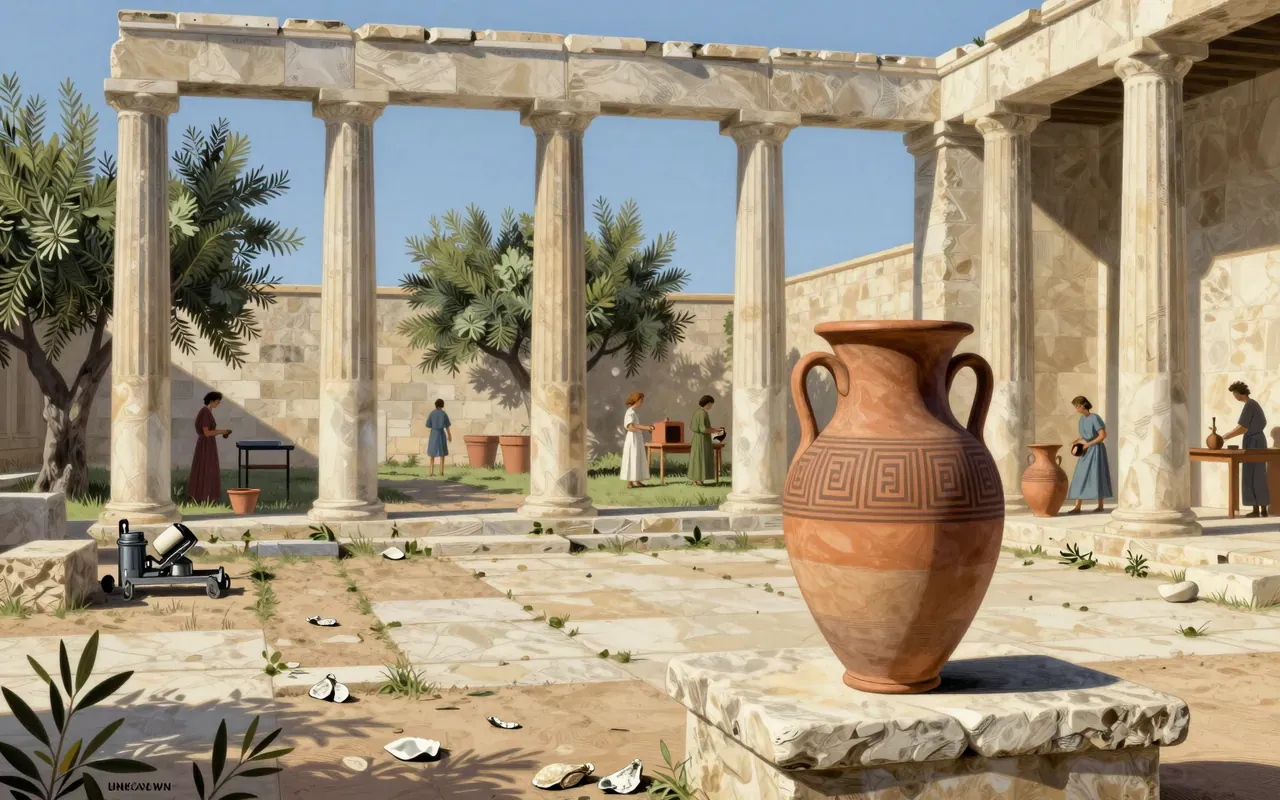
Ancient Greece
Ancient Greece isn’t a place or a nation — it’s the first time history became a written argument about power.
Rule by the ruled, in whichever diluted form is currently available.
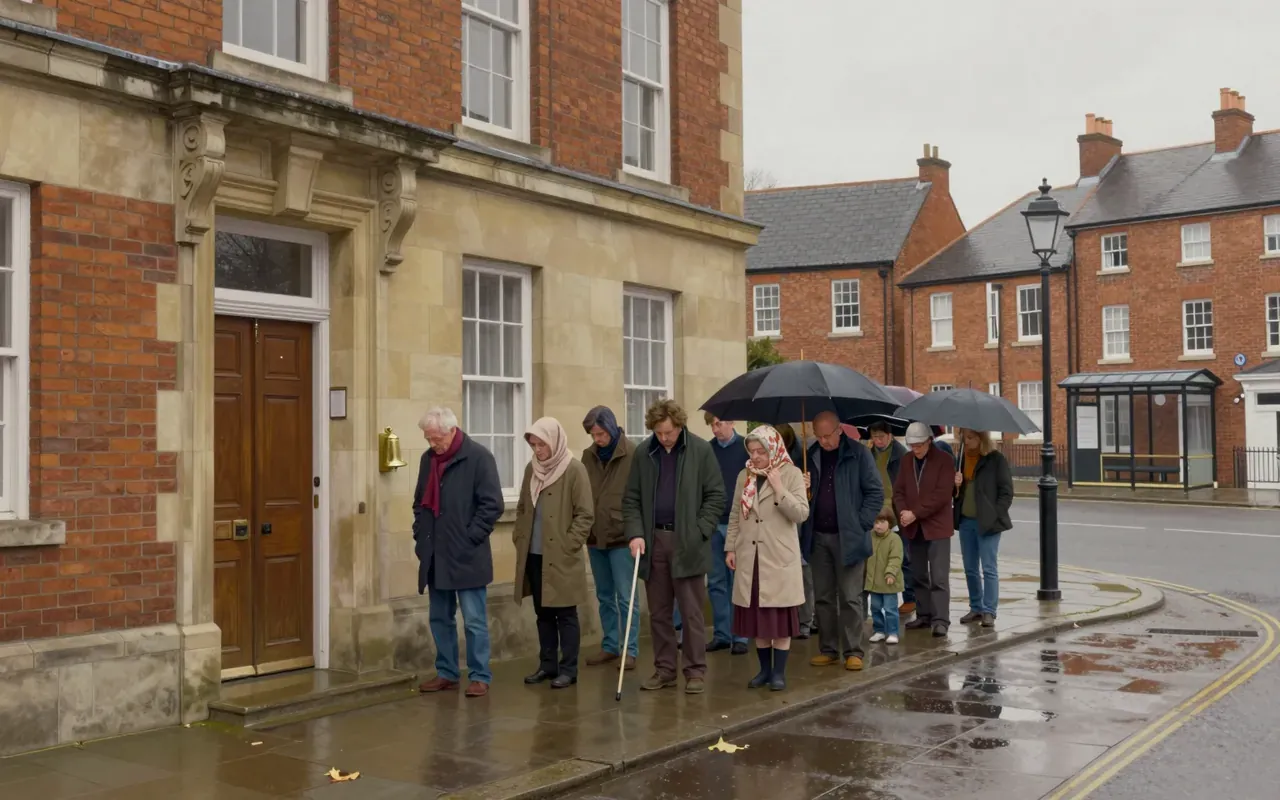
A legally non-binding referendum produced a narrow Leave majority — triggering Brexit through political promise, not statute. Its authority rested on convention, not law. That gap remains unbridged.
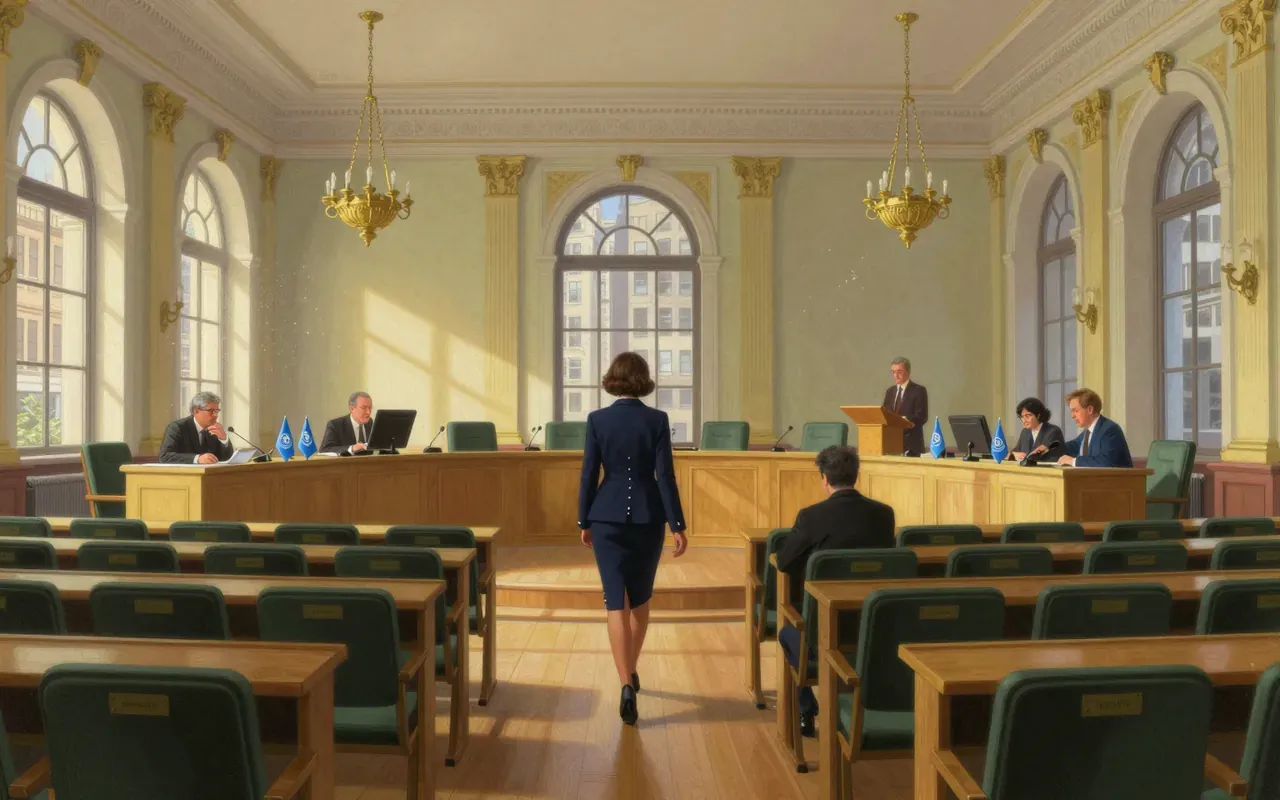
Eleanor Roosevelt redefined the first lady’s role through sustained public engagement, media innovation, and advocacy — including leading the drafting and adoption of the Universal Declaration of Human Rights. Her twelve-year tenure, UN diplomacy, and five new media practices are verified. Arthurdale is explicitly labelled a failure. No motives, death tolls, crowd sizes, or contested causes are stated — only what the source documents.
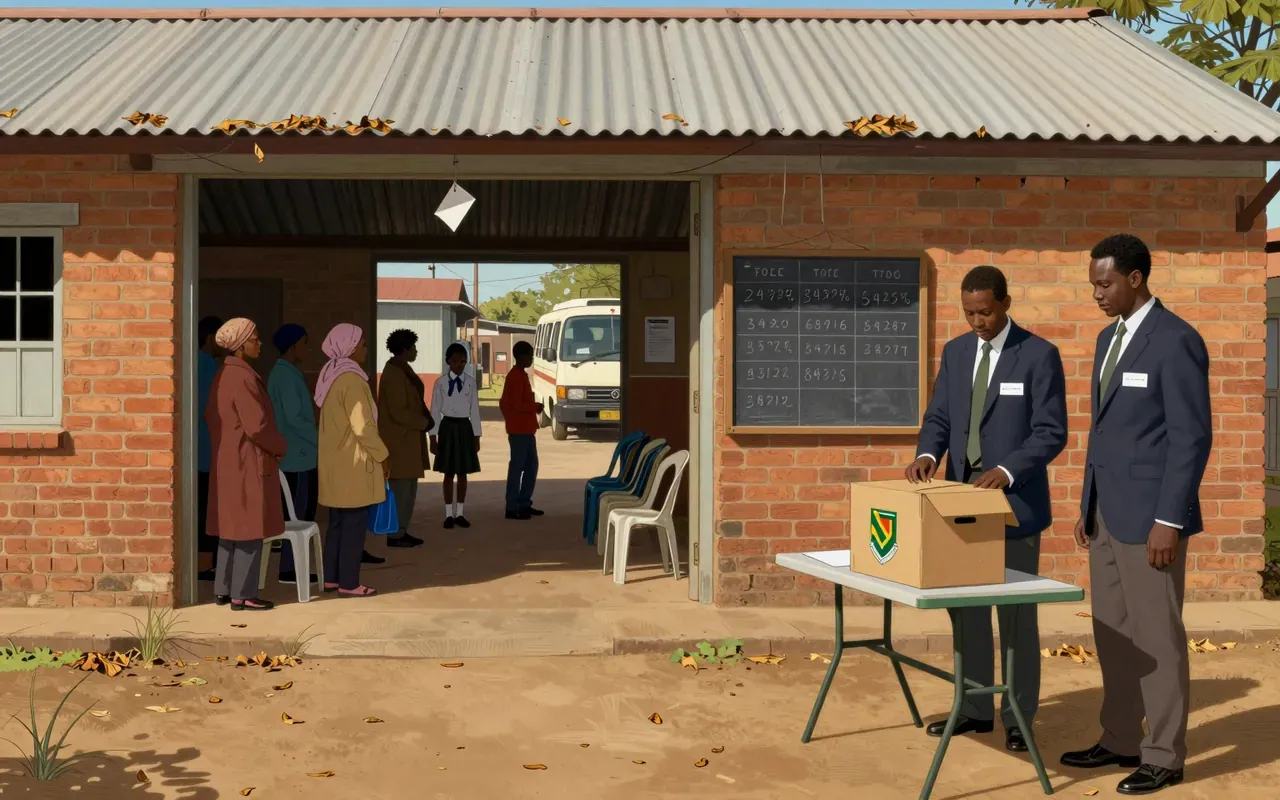
The negotiations to end apartheid were a deliberate, documented, stage-gated process — not a spontaneous uprising or a top-down decree. They succeeded because both sides accepted that negotiation was the only remaining option. But the record does not confirm who forced whom to the table, or why violence recurred when talks paused.
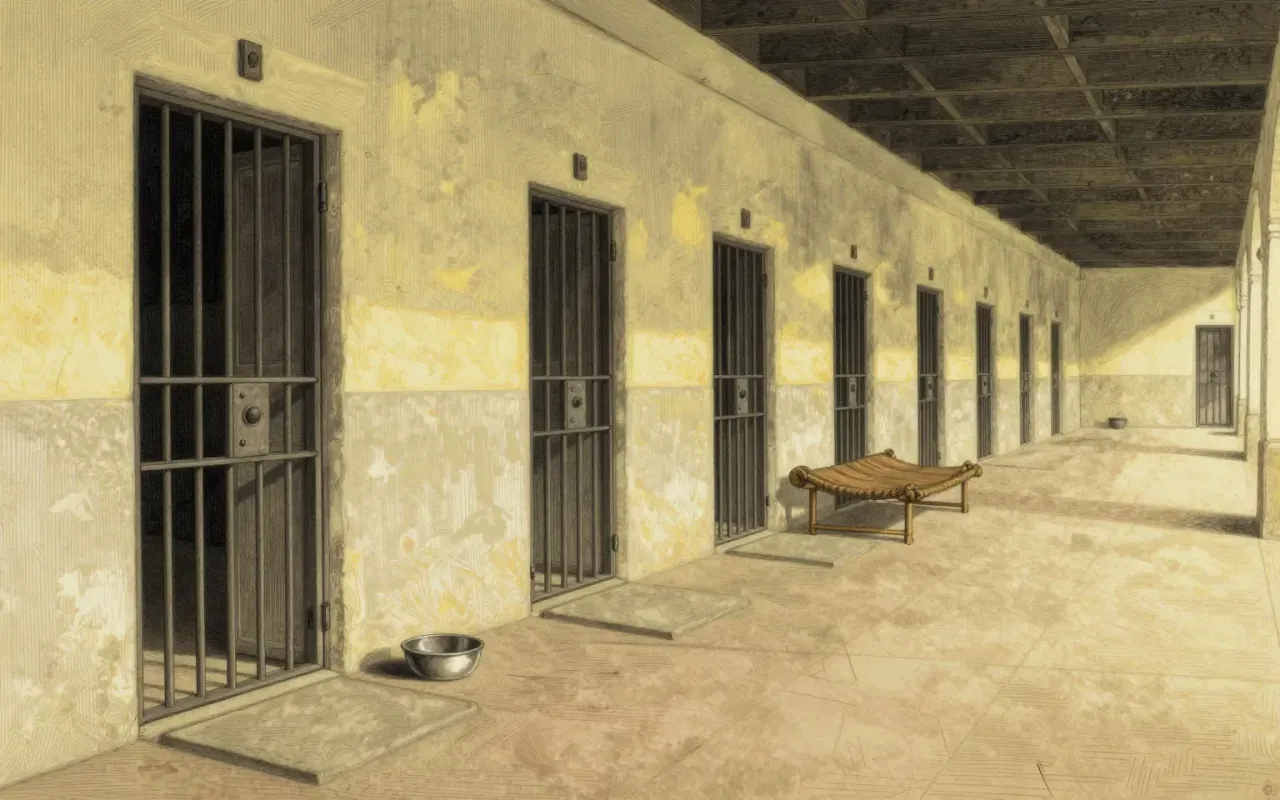
Benazir Bhutto became the first woman to lead the government of a Muslim-majority country when she was sworn in as Pakistan's prime minister in December 1988 at thirty-five, following her father's execution and years of imprisonment and exile under military ruler Zia-ul-Haq. She served two terms, in 1988 to 1990 and 1993 to 1996, each ended by presidential dismissal over corruption allegations that later produced a 2003 Swiss conviction, and after a decade of exile she returned to Pakistan in 2007 only to be assassinated that December in Rawalpindi, an attack that killed roughly twenty others and whose exact circumstances remain disputed among competing forensic and investigative accounts.
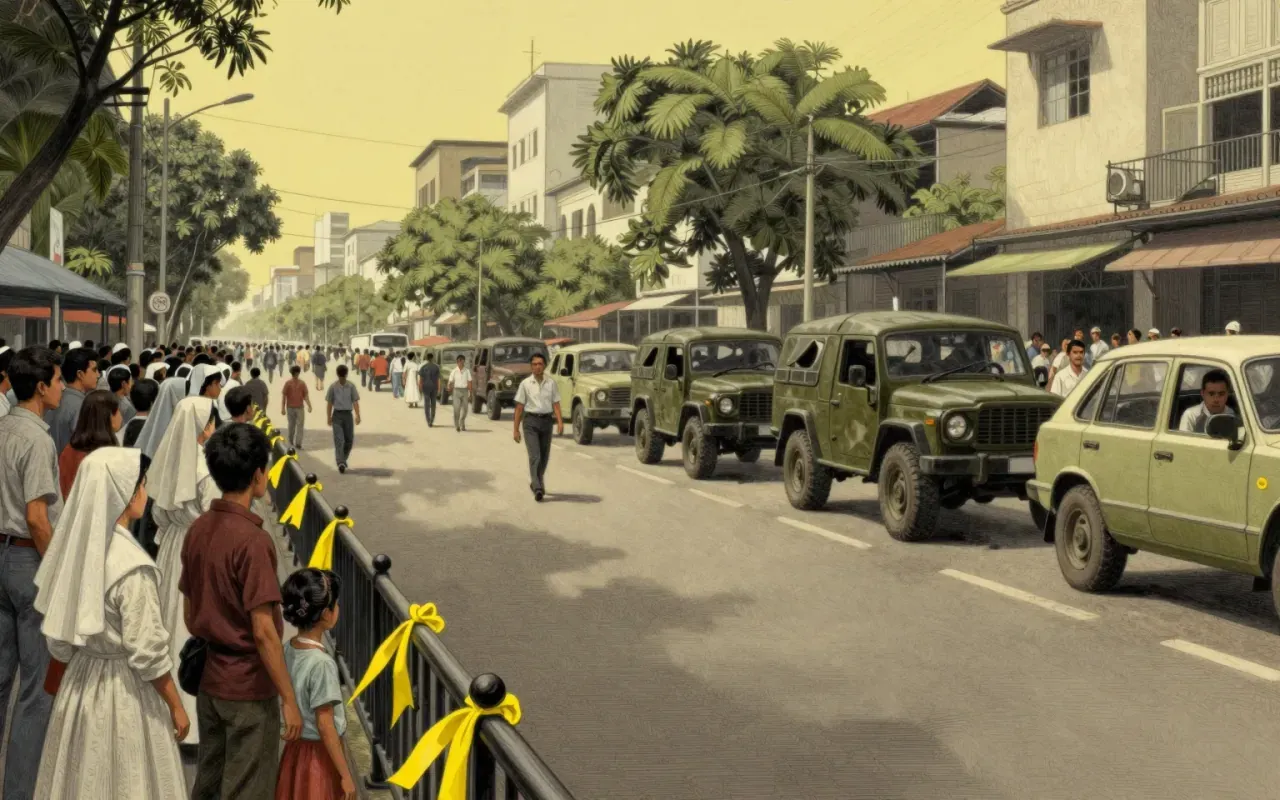
Corazon Aquino became the Philippines' first female president after leading the 1986 People Power Revolution that ousted Ferdinand Marcos following her husband's 1983 assassination and Marcos's fraud-marred snap election. Her presidency restored democratic constitutional government and paid down billions in inherited debt, but her family's own Hacienda Luisita underwent a disputed stock-redistribution scheme rather than the land division her Comprehensive Agrarian Reform Law imposed elsewhere, an inconsistency critics cited for years afterward.
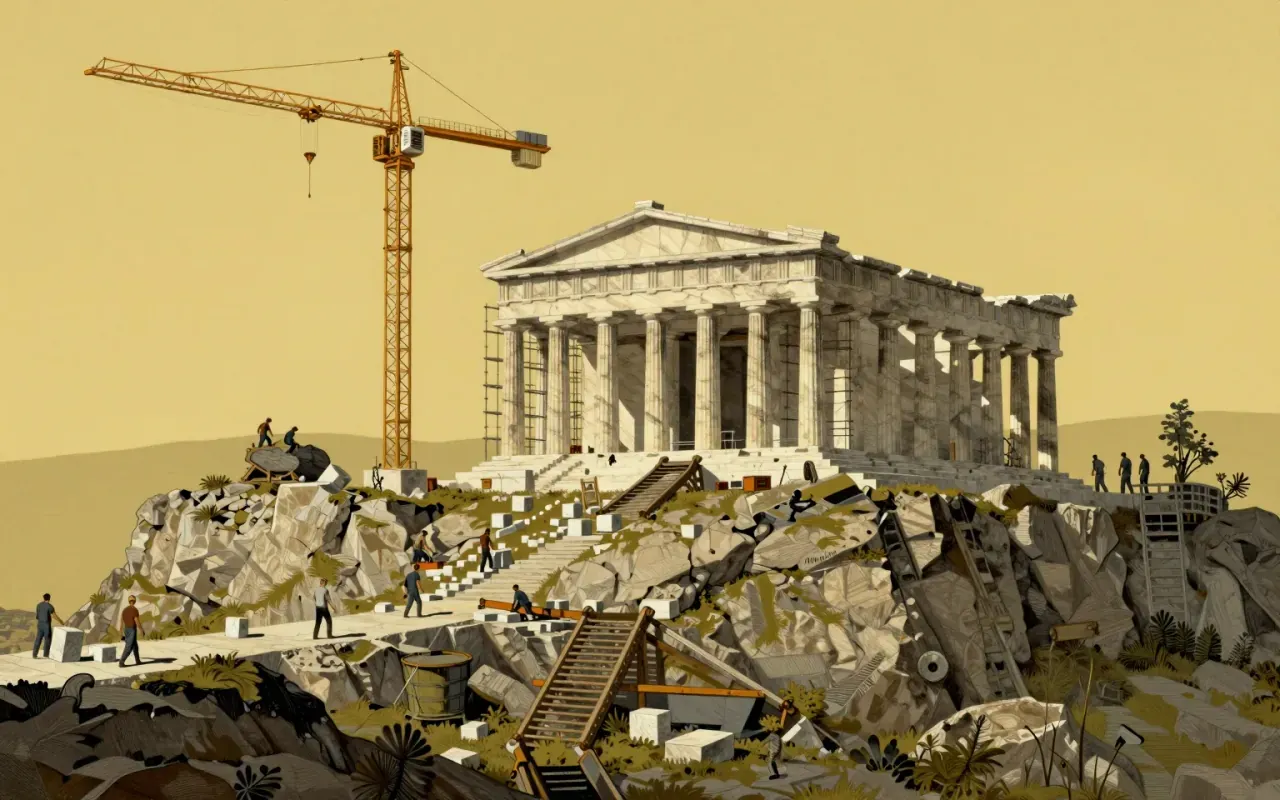
Pericles rose to unchallenged leadership of Athens by the 440s BC through repeated use of prosecution and ostracism against rivals, then financed the Parthenon and other monuments with treasury redirected from the Delian League before leading Athens into the Peloponnesian War, dying of plague in 429 BC. Thucydides's admiring portrait, including a famous funeral oration he admitted reconstructing from memory, sits alongside Plato's sharp condemnation and Aristophanes's contemporary mockery. Historians remain divided over his responsibility for the war, the soundness of his defensive strategy, and whether his imperial management of allied states undermined the democratic ideals he is credited with championing.
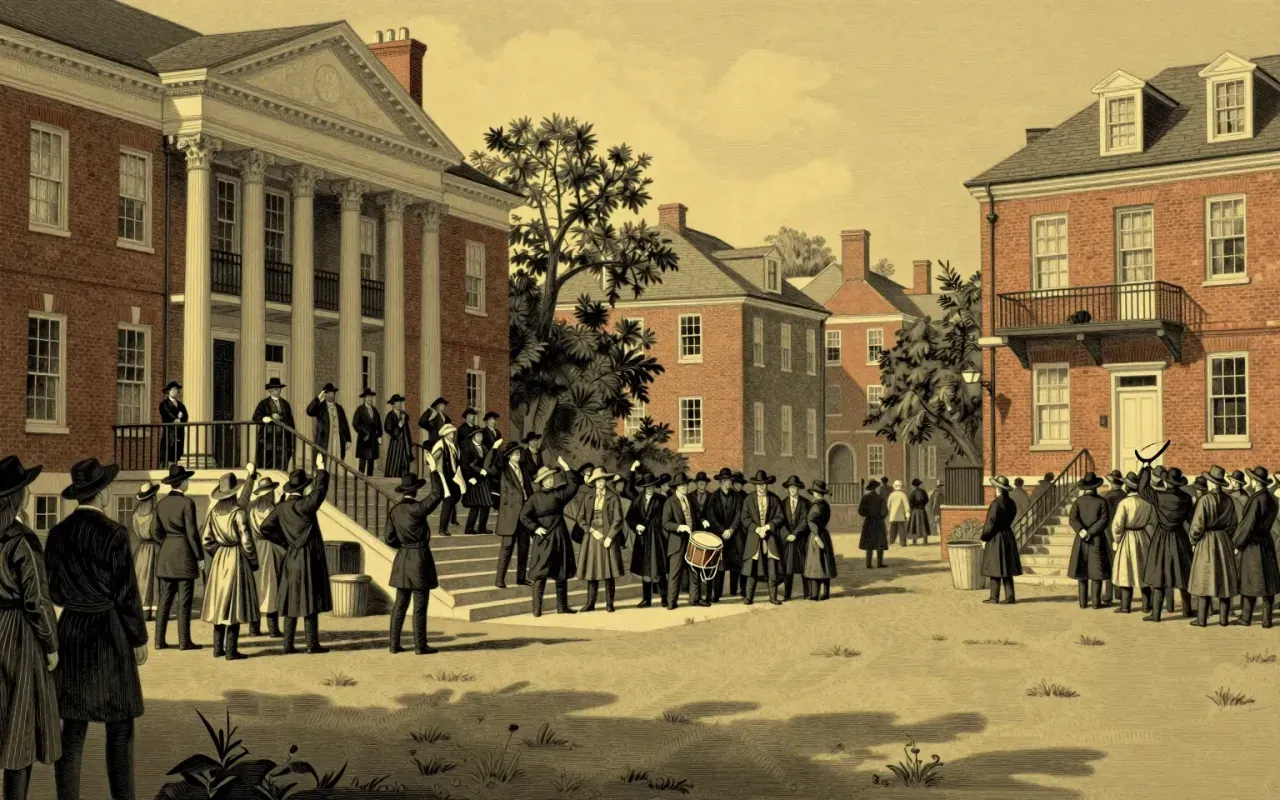
Congress voted for independence on 2 July 1776 and approved Jefferson's wording two days later, but the parchment copy most people picture, with fifty-six signatures, was not signed by most delegates until 2 August and later still. The gap between the vote, the text, and the signing says something about how founding documents get simplified in memory.
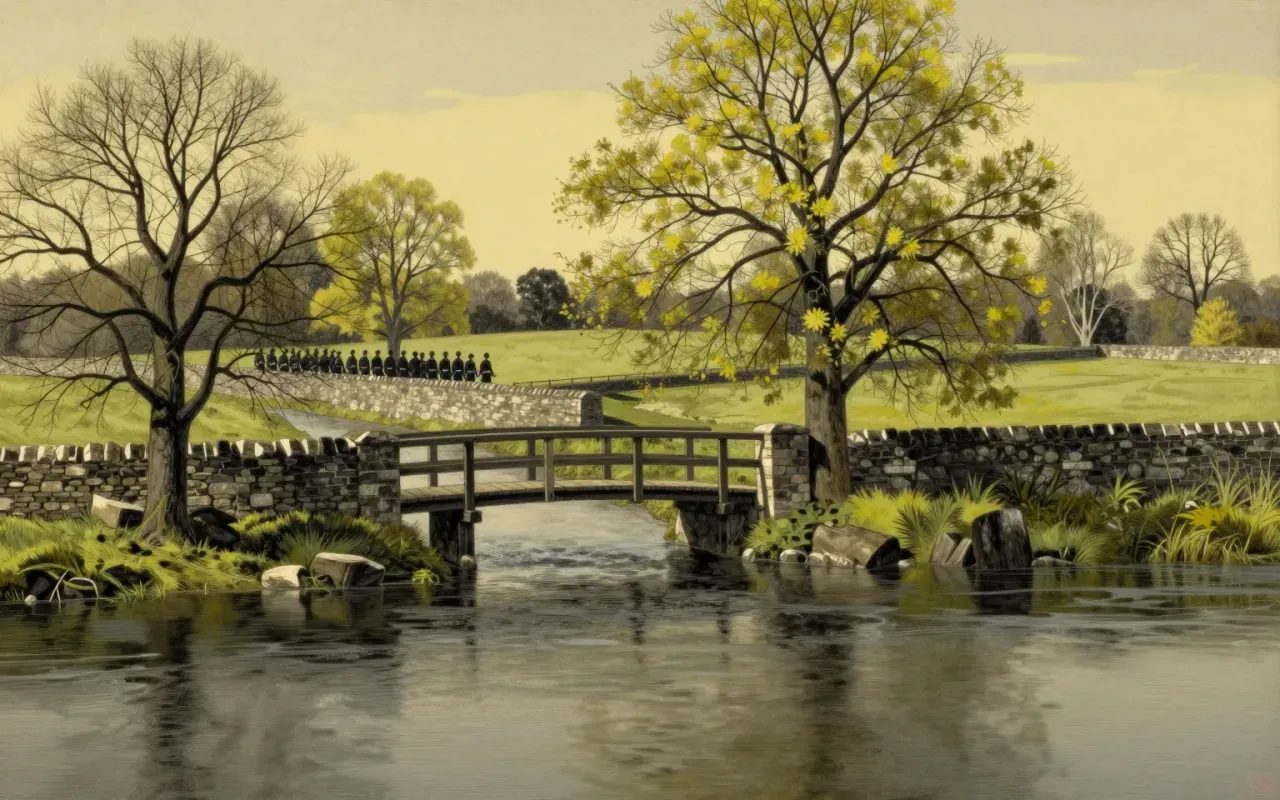
Sparked by British attempts after 1763 to tighten control and taxation over colonies that had grown accustomed to a policy of salutary neglect, the American Revolution moved from organised political resistance, the Stamp Act Congress of 1765 and the Boston Tea Party of 1773 among its landmarks, into open war after the Battles of Lexington and Concord in April 1775, and culminated in the Declaration of Independence in July 1776 and, after French intervention, British recognition of American sovereignty in the 1783 Treaty of Paris. Historians continue to debate how far ideology, economic interest, or the simple desire to preserve existing self-governance actually drove the revolution.
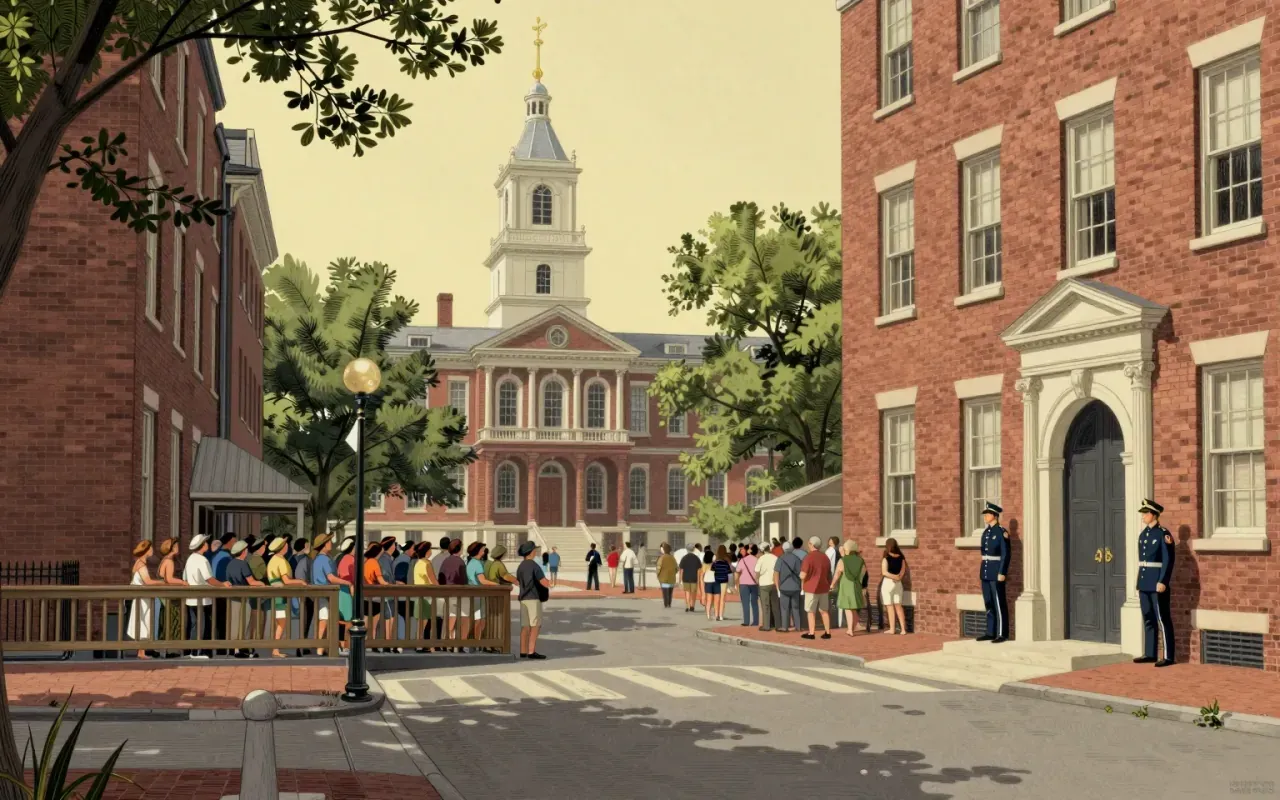
Delegates from twelve states met in Philadelphia from May to September 1787, intending only to revise the Articles of Confederation and instead writing an entirely new constitution, with the size-versus-population dispute settled by the Connecticut Compromise and slavery accommodated through the three-fifths clause. The convention's secrecy was deliberate and effective; James Madison's notes, the most complete record of the debates, were not published until 1840, decades after the document itself had already taken effect.

Between 26 and 29 April 1994, South Africans of every race voted together for the first time, and the African National Congress won just under 63 percent, enough to make Nelson Mandela president without the two-thirds majority that would have let his party govern alone. The vote followed four years of negotiation, boycotts and mass violence since Mandela's release in 1990, and it produced a compromise government sharing power with the outgoing National Party and the Inkatha Freedom Party.
The Enlightenment is conventionally dated somewhere between the late seventeenth century and 1789, though scholars propose starting points as early as Descartes' 1637 treatise and end points as late as Kant's death in 1804. Thinkers including Voltaire, Rousseau, Locke and Kant promoted reason, empirical method and individual liberty through salons, academies and printed works like the Encyclopédie, but historians remain divided over whether this amounted to one coherent movement or several distinct, sometimes conflicting, strands of thought.

After a disputed snap presidential election on 7 February 1986, in which the government's electoral commission and an independent monitoring group reported opposite winners, defense minister Juan Ponce Enrile and armed forces deputy chief Fidel Ramos broke from President Ferdinand Marcos on 22 February. Over the next three days, an estimated two million civilians filled Manila's EDSA avenue to shield the defectors, in a peaceful confrontation that ended Marcos's twenty-year rule and sent him into American-brokered exile in Hawaii, installing Corazon Aquino as president.

Ten bombs exploded across four commuter trains in Madrid on the morning of 11 March 2004, killing 193 people and injuring roughly 2,500 in the deadliest terrorist attack in Spanish history. The government of José María Aznar pointed to the Basque separatist group ETA within hours, even as evidence mounted toward a loosely organised, internet-radicalised cell of Moroccan, Syrian, and Algerian extremists inspired by rather than directed by al-Qaeda. Spontaneous protests erupted once that evidence became public on 12 and 13 March, and three days after the bombings, voters delivered an upset general election victory to the opposition Socialist Party, a result researchers have linked directly to public anger over the government's initial handling of the attack's aftermath.

From 431 to 404 BC, Athens and Sparta fought for dominance of the Greek world, a conflict of shifting alliances, a devastating plague, and a catastrophic Athenian invasion of Sicily that ended in naval defeat and surrender. Nearly everything known about it comes from the Athenian general Thucydides, writing partly from exile, and from Xenophon's later, more Spartan-leaning continuation, sources historians still weigh carefully rather than take at face value.
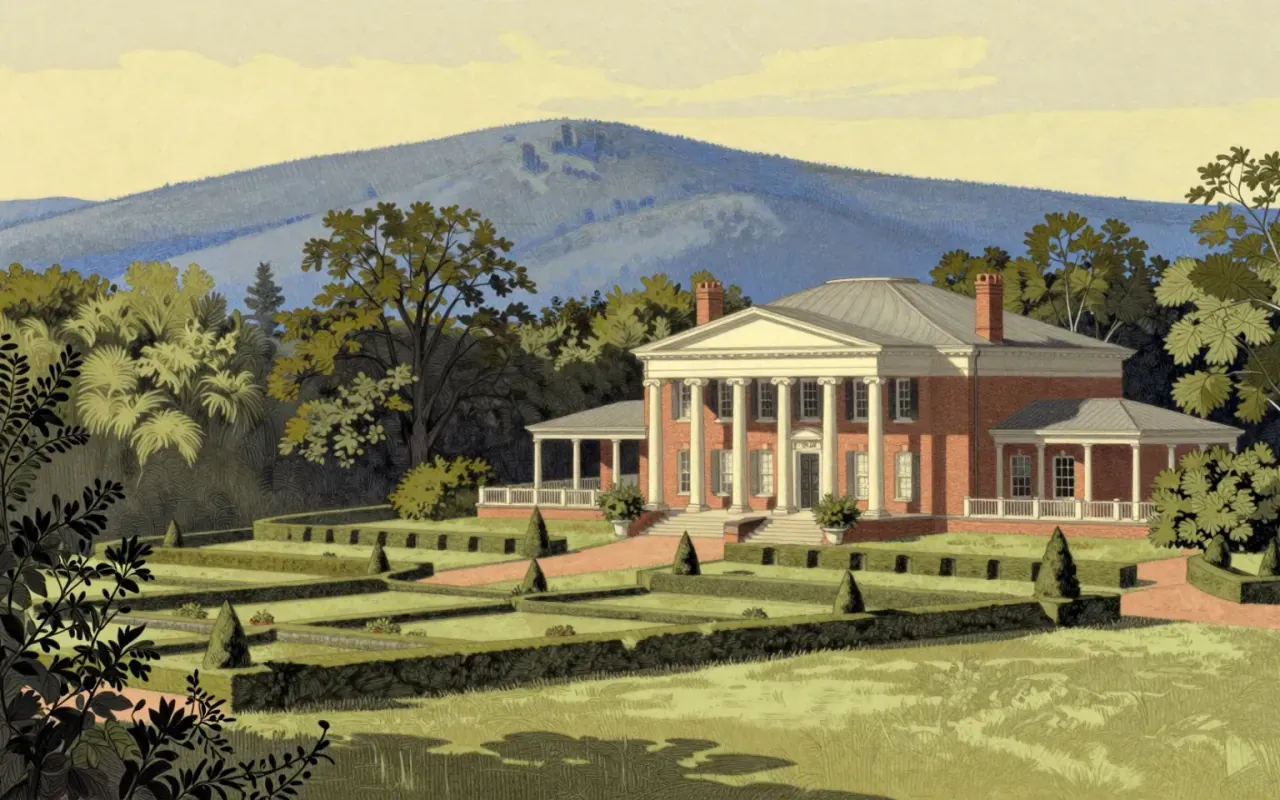
Thomas Jefferson drafted the Declaration of Independence, served as governor, diplomat, secretary of state, and two-term president, and doubled the country's territory with the Louisiana Purchase, all while running a plantation worked by hundreds of enslaved people. For decades historians treated his likely children with Sally Hemings as unproven or unlikely; DNA evidence in the late 1990s forced a reckoning with what his own writing on liberty had left out.