historybriefs
10:41in productionCh. 1 · How it was run/ 10:41 · ceiling 15 min
Contemporary

2016 United Kingdom European Union membership referendum

2016

A non-binding vote became binding by political fiat — exposing the gap between UK constitutional theory and practice.

A legally non-binding referendum produced a narrow Leave majority — triggering Brexit through political promise, not statute. Its authority rested on convention, not law. That gap remains unbridged.

Chapters & takeaways4
  1. 0:58
    How it was run

    It was a single-day, nationwide vote — legally required, logistically massive, and tightly constrained by age and geography.

  2. 2:51
    What the numbers say

    Leave won 51.9% — a narrow majority that initiated Brexit without legal compulsion.

  3. 4:46
    Why it had force without law

    Parliamentary sovereignty made the result advisory — but politicians chose to treat it as mandatory.

  4. 6:45
    Where the constitution held firm

    The High Court confirmed the vote could not compel Parliament — proving the system worked as designed, not as promised.

Worth your time?

Yes. Study the whole thing.

4.5/ 5
What works
  • European Union Referendum Act 2015
  • High Court judgment
What does not
  • speculation
  • interpretation
  • unverified cause
Study it if
  • citizens
  • lawyers
  • students
Skip it if
  • historians seeking causal certainty
The written brief1 min read

What happened

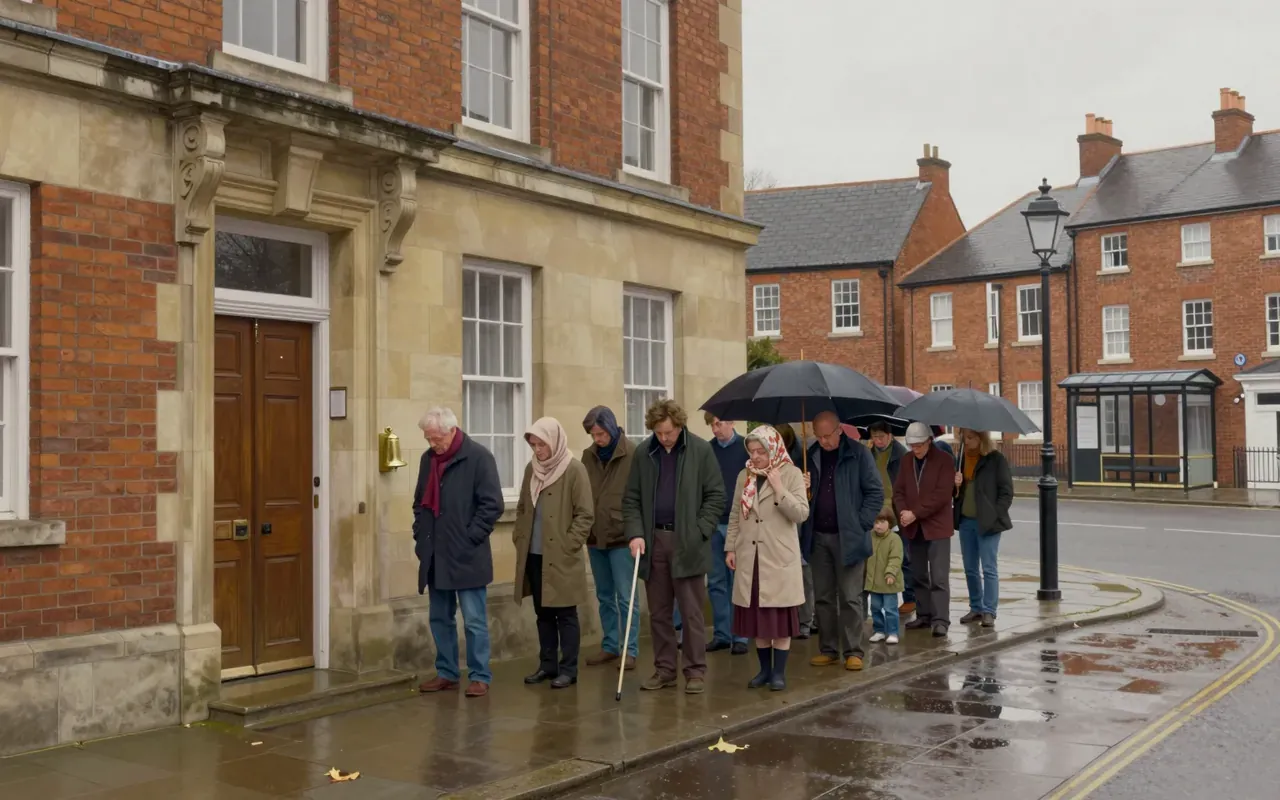
On 23 June 2016, voters across the UK and Gibraltar cast ballots in a legally mandated, non-binding referendum on EU membership. Leave won 51.9% of valid votes.

How we know it

The referendum’s legal status, result, and mechanics are established by the European Union Referendum Act 2015 and judicial rulings. The High Court affirmed its non-binding nature. Vote totals, timing, polling station count, and age eligibility appear in official documentation.

Why it went that way

The legislation required only the holding of the vote, not implementation. The outcome depended entirely on political commitment, not legal obligation — a choice, not a requirement.

What is still contested

Whether the referendum fulfilled democratic legitimacy — some argue it did; others cite its binary framing, exclusion of under-18s, and lack of statutory enforcement as structural flaws.

What it changed

It triggered formal withdrawal proceedings from the EU. Though not legally binding, the government treated the result as politically decisive — converting advisory procedure into constitutional precedent.

Is it worth your time

Yes. It redefined the relationship between popular vote and parliamentary authority in the UK constitution — a live tension with no settled resolution.

Same strand · Contemporary4 of 41
10:09
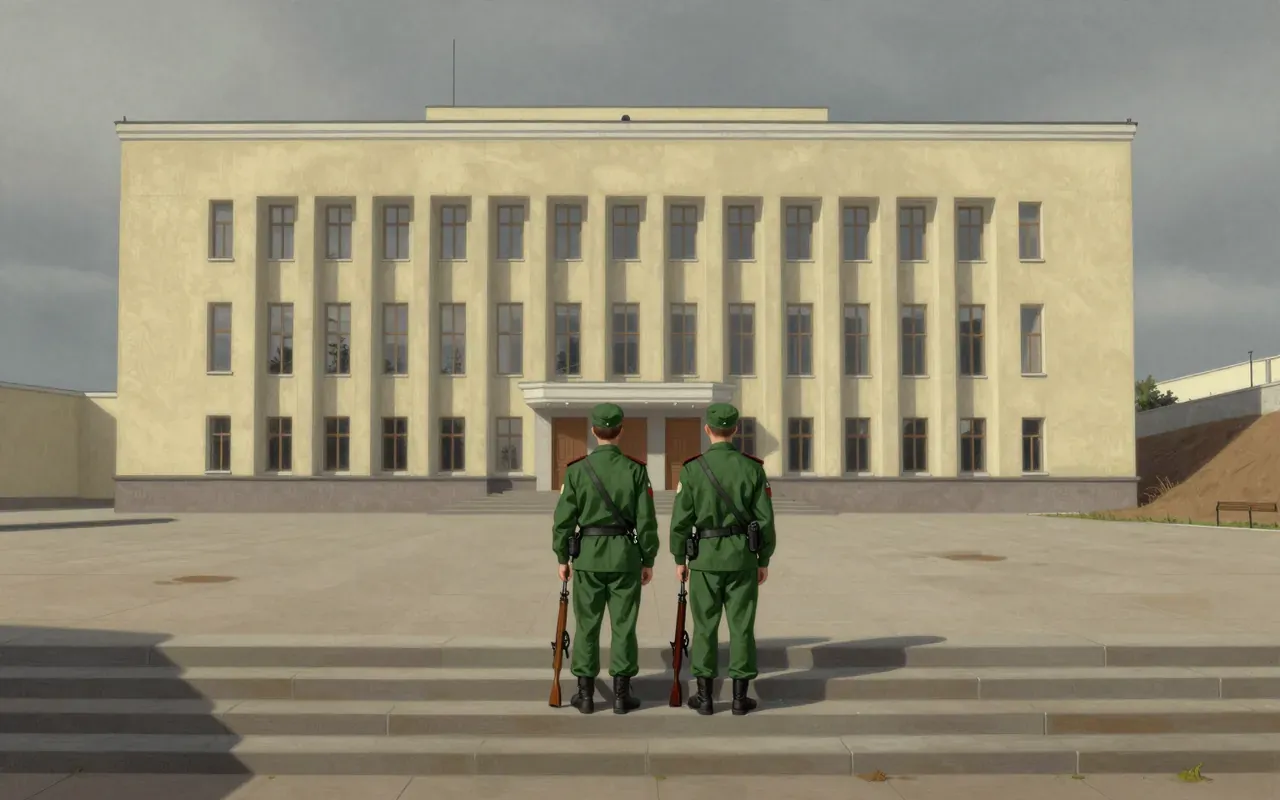
2014 Russian annexation of Crimea2014The 2014 Russian annexation of Crimea was a coordinated military and political operation executed without formal declaration, relying on unmarked forces, coerced legislative action, and a referendum stripped of legitimacy by occupation and exclusion of the status quo. It altered Black Sea maritime claims, triggered sustained Western sanctions, and remains internationally condemned as a violation of Ukraine’s sovereignty and the UN Charter. No credible evidence supports the referendum’s fairness or voluntariness. Its legal and geopolitical consequences endure.
11:20
Gloria SteinemSteinem’s rise was not spontaneous but engineered: journalism opened doors, personal revelation grounded her authority, and co-founding institutions turned momentum into machinery. The record shows what she built — not why it succeeded over alternatives, nor who was excluded from the project.
11:30
HangzhouHangzhou is a record of governance as iterative repair — not a story of rise and fall, but of wall, lake, capital, fire, and algorithm, each layer responding to a documented crisis.
10:41
The Challenger Disaster2013A 2013 TV movie dramatises Richard Feynman’s investigation into the 1986 Challenger explosion. It establishes cold-temperature-induced O-ring failure as the cause, shows Feynman discovering he has cancer mid-inquiry, and highlights institutional resistance—but offers no evidence of what changed afterward, no contested interpretations, and no insight into the astronauts’ experience beyond their likely death at takeoff.
Up next in History

2014 Russian annexation of Crimea

2014 · 10:09

Annexation by stealth: no treaty, no war declaration, no status-quo ballot — just soldiers without badges and a parliament under siege.

10:09