historybriefs
Topic

Law

Rules with force behind them, and the profession that interprets them.

20
in history
11:50
average
237 min
in total
90
across the network
Law across the network →
All briefs20
10:09

2014 Russian annexation of Crimea

February and March 2014

The 2014 Russian annexation of Crimea was a coordinated military and political operation executed without formal declaration, relying on unmarked forces, coerced legislative action, and a referendum stripped of legitimacy by occupation and exclusion of the status quo. It altered Black Sea maritime claims, triggered sustained Western sanctions, and remains internationally condemned as a violation of Ukraine’s sovereignty and the UN Charter. No credible evidence supports the referendum’s fairness or voluntariness. Its legal and geopolitical consequences endure.

11:30

Hangzhou

221 BC

Hangzhou is a record of governance as iterative repair — not a story of rise and fall, but of wall, lake, capital, fire, and algorithm, each layer responding to a documented crisis.

10:34

Maria Theresa

20 October 1740

Maria Theresa’s accession in 1740 exposed the hollowness of diplomatic guarantees divorced from military and fiscal reality. Her survival depended not on inherited legitimacy but on real-time negotiation — especially with Hungary — and decades of reform that entrenched central control while excluding dissenters. It changed who ruled, how the state functioned, and what territory it held — but not its foundational inequalities.

9:40

Rosa Parks

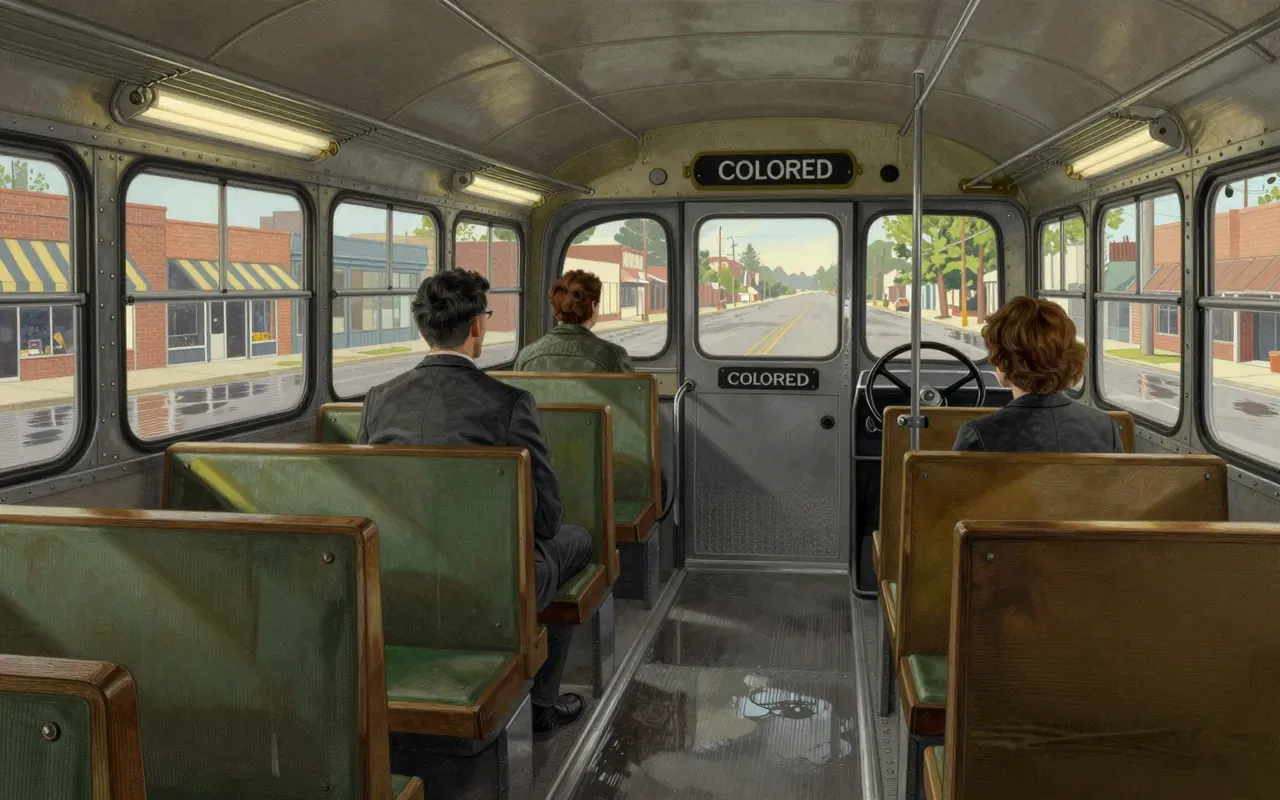
Rosa Parks didn’t sit down by accident — she sat down to start a war of attrition against segregation, and won.
11:26

Sojourner Truth

c. 1797 – November 26, 1883

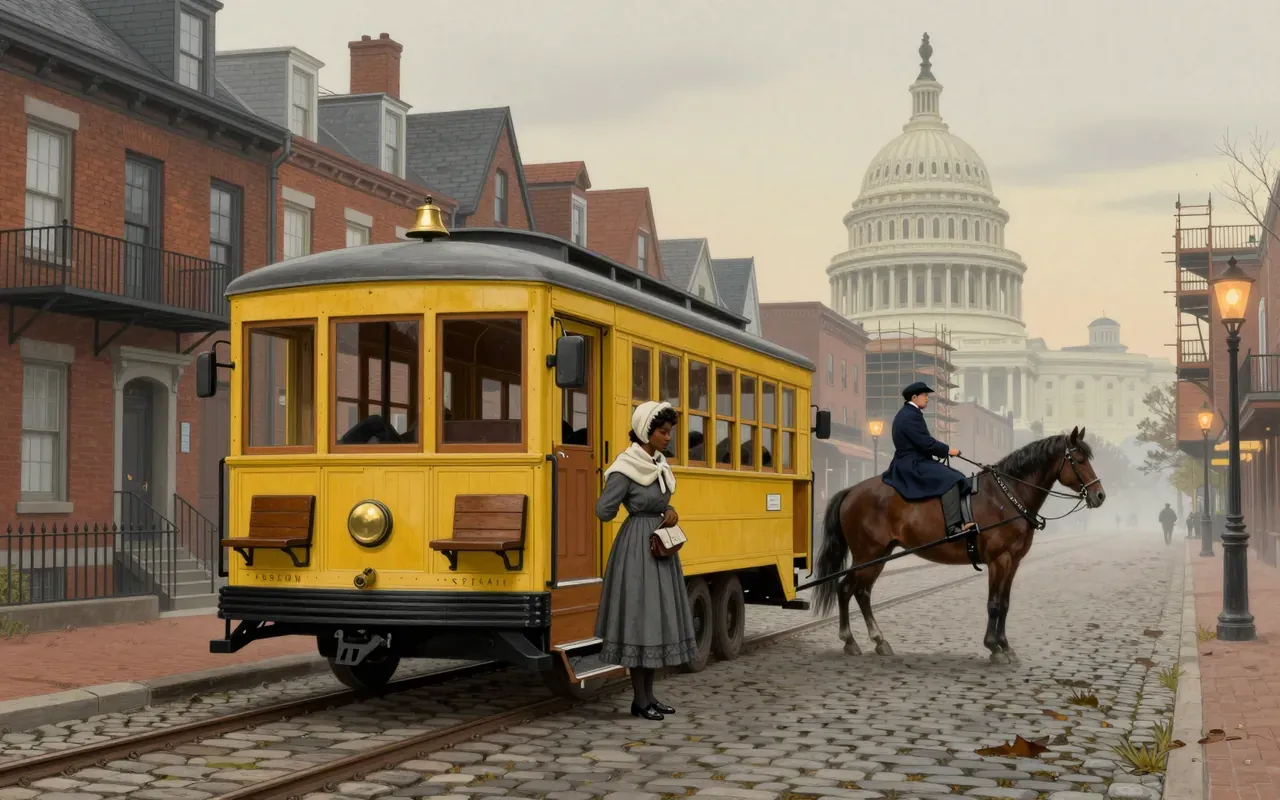
Sojourner Truth’s documented actions — legal, rhetorical, organisational, and bodily — show a consistent pattern of using available institutions to assert Black women’s personhood and agency. The record confirms specific victories and methods, but not their systemic outcomes or contested reception.

11:52

Code of Hammurabi

c. 1753 BC

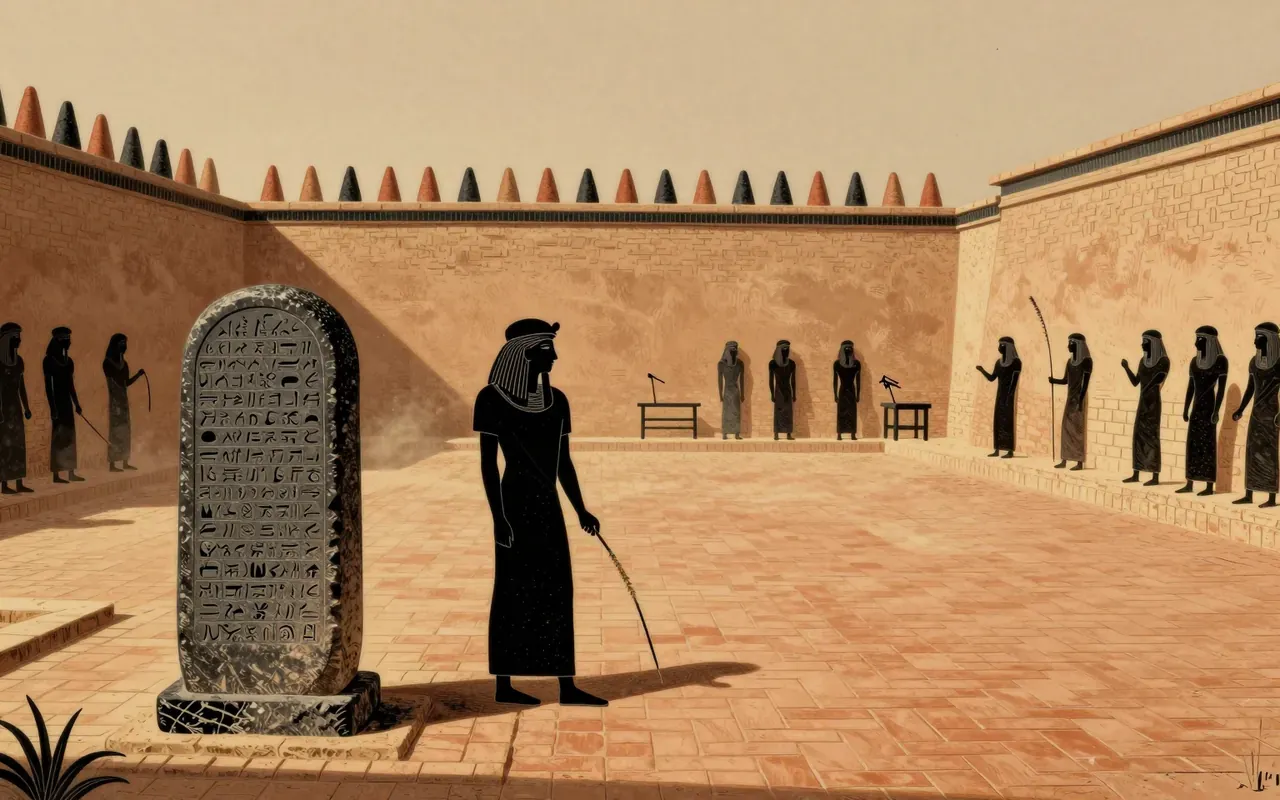
The Code of Hammurabi is the earliest complete, datable, and materially intact legal code — a monument to royal authority, not a manual for courts. It declares intent, not practice. Its survival rests on one stele, one language, one date, and one claim: that justice flows from the king through the gods. That claim is legible. Its implementation is not.

10:14

Night of the Long Knives

30 June to 2 July 1934

The Night of the Long Knives was not a spontaneous outburst. It was a calculated, multi-day purge ordered by Hitler and executed by Nazi security organs to eliminate rivals and win over the army — then legally ratified by Germany’s own courts and cabinet. It established that legality could be weaponised, not just suspended.

10:18

Reichstag fire

27 February 1933

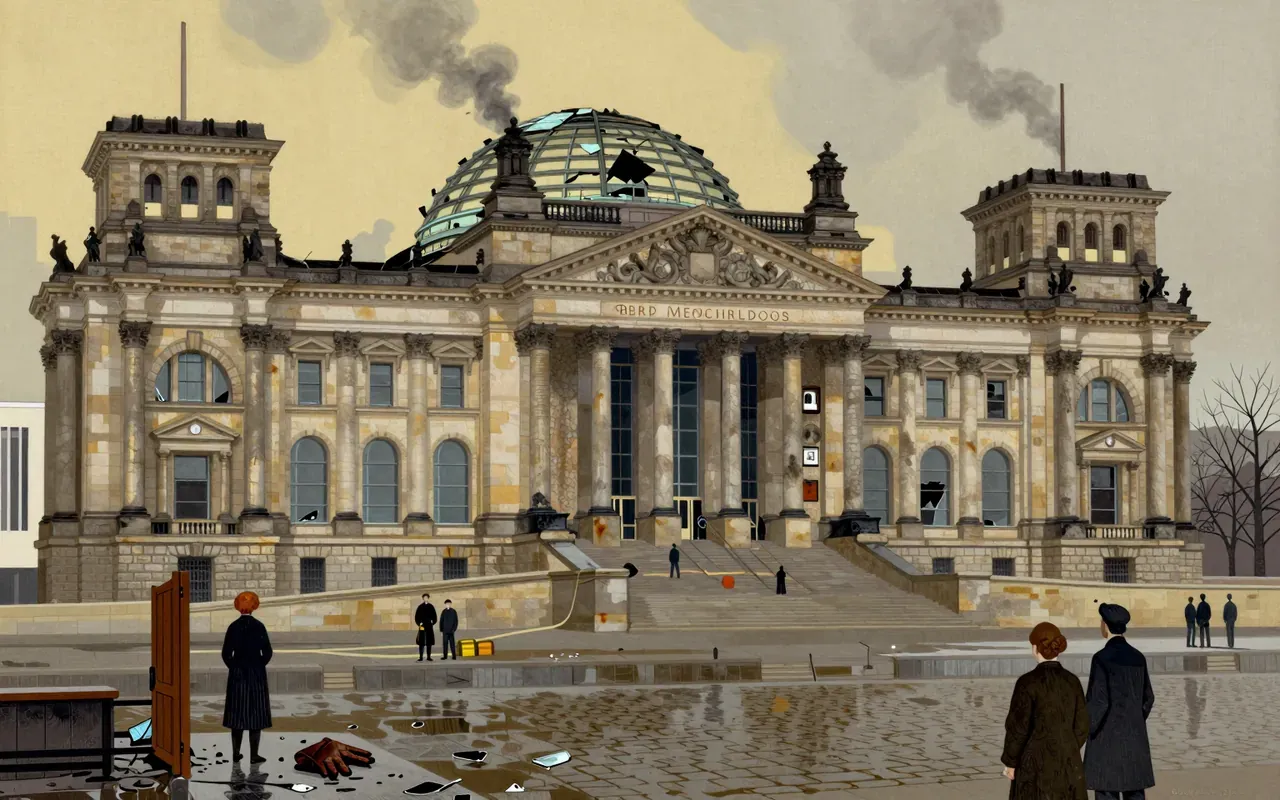
The Reichstag fire was an arson attack on 27 February 1933 in Berlin. It was reported at 9:00 p.m., extinguished by 11:30 p.m., and gutted most of the building. Van der Lubbe was arrested inside. Twenty unburned firelighters were found. The Nazi government used it within 24 hours to suspend civil liberties. Who started it remains contested. The record proves method and consequence — not motive, conspiracy or sole agency.

10:22

Thurgood Marshall

Marshall didn’t just win cases — he rebuilt how courts measure equality, one plain-spoken, evidence-led opinion at a time.
13:00

Socrates

470–399 BC

Socrates spent much of his adult life questioning prominent Athenians in public rather than pursuing wealth or office, a habit that made him enemies in a small city where reputational damage carried real consequences. Tried and executed in 399 BC on charges of impiety and corrupting the young, he left no writing of his own, so everything known about him comes through Plato, Xenophon and Aristophanes, sources that genuinely contradict each other in what scholars call the Socratic problem. Historians remain divided on whether his famous claim to know nothing was sincere humility or rhetorical strategy, whether he was religiously sincere, and whether his trial reflected genuine belief or a political pretext.
13:00

Assassination of John F. Kennedy

22 November 1963

President Kennedy was shot in Dallas on 22 November 1963 and died within the half hour, and his accused killer, Lee Harvey Oswald, was himself shot dead two days later before facing trial. The Warren Commission concluded within ten months that Oswald acted alone, a finding scholarly consensus still broadly supports, but a later congressional investigation found a probable conspiracy without identifying who was involved, and public opinion has never fully aligned with either official inquiry's conclusions.

13:00

Assassination of Martin Luther King Jr.

4 April 1968

Martin Luther King Jr. was shot at the Lorraine Motel in Memphis on 4 April 1968 and died within the hour. James Earl Ray was captured two months later, pleaded guilty, and then recanted within days, spending decades unsuccessfully trying to withdraw his plea. A 1999 civil trial found a Memphis businessman and unnamed others liable for a conspiracy in King's death, a verdict that carried no legal effect on Ray's conviction and left the case formally split between two contradictory findings.

13:00

Cherokee removal

1838–1839

Following the 1828 Georgia gold rush and the 1830 Indian Removal Act, a minority Cherokee faction signed the Treaty of New Echota in 1835, ceding tribal land against the wishes of the elected leadership and over sixteen thousand petitioning Cherokee. When voluntary emigration fell short, federal troops forcibly removed roughly fifteen thousand five hundred Cherokee people in 1838 and 1839, a journey historians estimate killed between two and six thousand people, figures that cannot be fixed precisely from the surviving records. Historians remain divided over whether the policy amounted to genocide, ethnic cleansing, or a catastrophic outcome of paternalistic but non-murderous intent.

13:00

Deepwater Horizon oil spill

2010

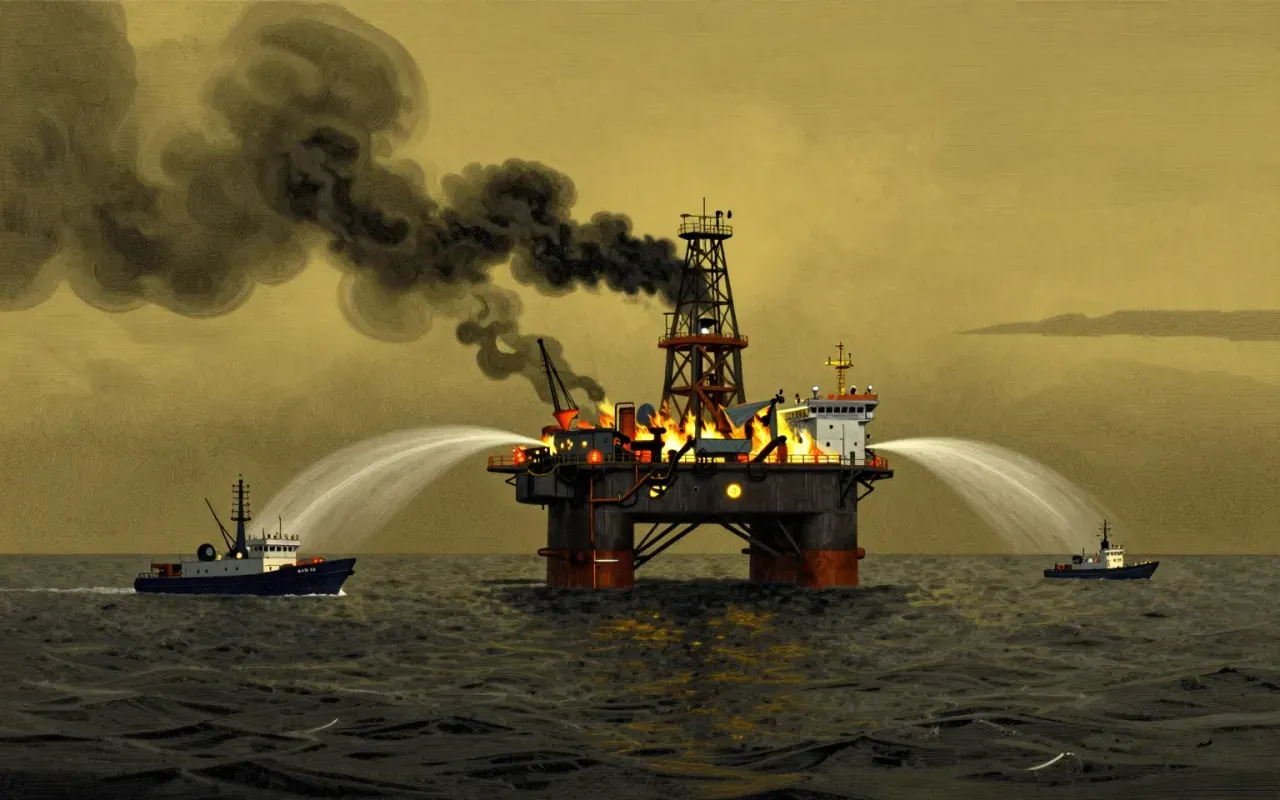
An explosion aboard the Deepwater Horizon drilling rig on 20 April 2010 killed eleven workers and began the largest marine oil spill in history, releasing an estimated 4.9 million barrels of oil into the Gulf of Mexico over eighty-seven days before the well was finally capped. The flow rate BP initially reported, one to five thousand barrels a day, turned out to understate the true figure of roughly 62,000 barrels a day by more than tenfold. BP pleaded guilty to eleven counts of manslaughter in 2012 and was later found grossly negligent, culminating in a 2016 settlement of 20.8 billion dollars, the largest environmental damage settlement in American history, on top of total costs that had reached over 65 billion dollars by 2018.

13:00

Edict of Milan

February 313

In February 313, Constantine and Licinius agreed at Milan to grant Christians legal standing and restore confiscated property, a policy Licinius then circulated to eastern governors that June. Known today only through two later, differing accounts, it granted toleration rather than establishment, a status Christianity would not formally gain for another sixty-seven years.

13:00

Indian Removal Act

1830

The Indian Removal Act of 1830 passed Congress by narrow margins and authorised the federal government to exchange western land for territory held by tribes east of the Mississippi, language that in practice became coercion and, for the Cherokee in particular, an armed forced march that killed thousands. The Supreme Court ruled against Georgia's authority over Cherokee land in 1832, a decision Andrew Jackson's administration did not enforce, and historians now debate not whether the removals caused mass death but whether the policy and its intent amount to ethnic cleansing.

13:00

Nuremberg trials

1945–1946

Twenty-two senior Nazi leaders stood trial before judges from the four Allied powers between November 1945 and October 1946, charged under a newly created legal framework that made individuals, not just states, criminally responsible for aggression and atrocity, resulting in eleven death sentences and three acquittals. The trials established lasting precedents for international law even as critics have long pointed out their selective scope, a charter narrow enough that Soviet purges and deportations never came under the same scrutiny applied to the defendants in the dock.

13:00

Scopes trial

1925

John Scopes agreed to be prosecuted for teaching evolution under Tennessee's 1925 Butler Act, turning a publicity stunt for the town of Dayton into a national confrontation between defence attorney Clarence Darrow and prosecutor William Jennings Bryan. Scopes was convicted and fined, a verdict later overturned on an unrelated technicality, and while the trial is widely remembered through the largely fictionalised 1955 play Inherit the Wind, historians still dispute how much it actually changed American attitudes toward evolution in schools.

13:00

Watergate scandal

1972–1974

A break-in at the Democratic National Committee's Watergate offices in June 1972 unravelled over two years into a constitutional crisis, as investigation revealed Nixon's own White House taping system had captured him ordering the FBI investigation obstructed. Nixon resigned on 9 August 1974 rather than face near-certain impeachment, but the burglary's actual purpose and who ordered it have never been conclusively established, even after sixty-nine people were charged in connection with the wider scandal.