10:09in productionCh. 1 · The Seizure/ 10:09 · ceiling 15 min
Contemporary
2014 Russian annexation of Crimea
2014
Annexation by stealth: no treaty, no war declaration, no status-quo ballot — just soldiers without badges and a parliament under siege.
The 2014 Russian annexation of Crimea was a coordinated military and political operation executed without formal declaration, relying on unmarked forces, coerced legislative action, and a referendum stripped of legitimacy by occupation and exclusion of the status quo. It altered Black Sea maritime claims, triggered sustained Western sanctions, and remains internationally condemned as a violation of Ukraine’s sovereignty and the UN Charter. No credible evidence supports the referendum’s fairness or voluntariness. Its legal and geopolitical consequences endure.
those seeking moral commentary unsupported by documentation
those expecting analysis of Ukrainian internal politics beyond the dismissal of the government
those assuming the referendum’s result reflects popular will
The written brief1 min read
What happened
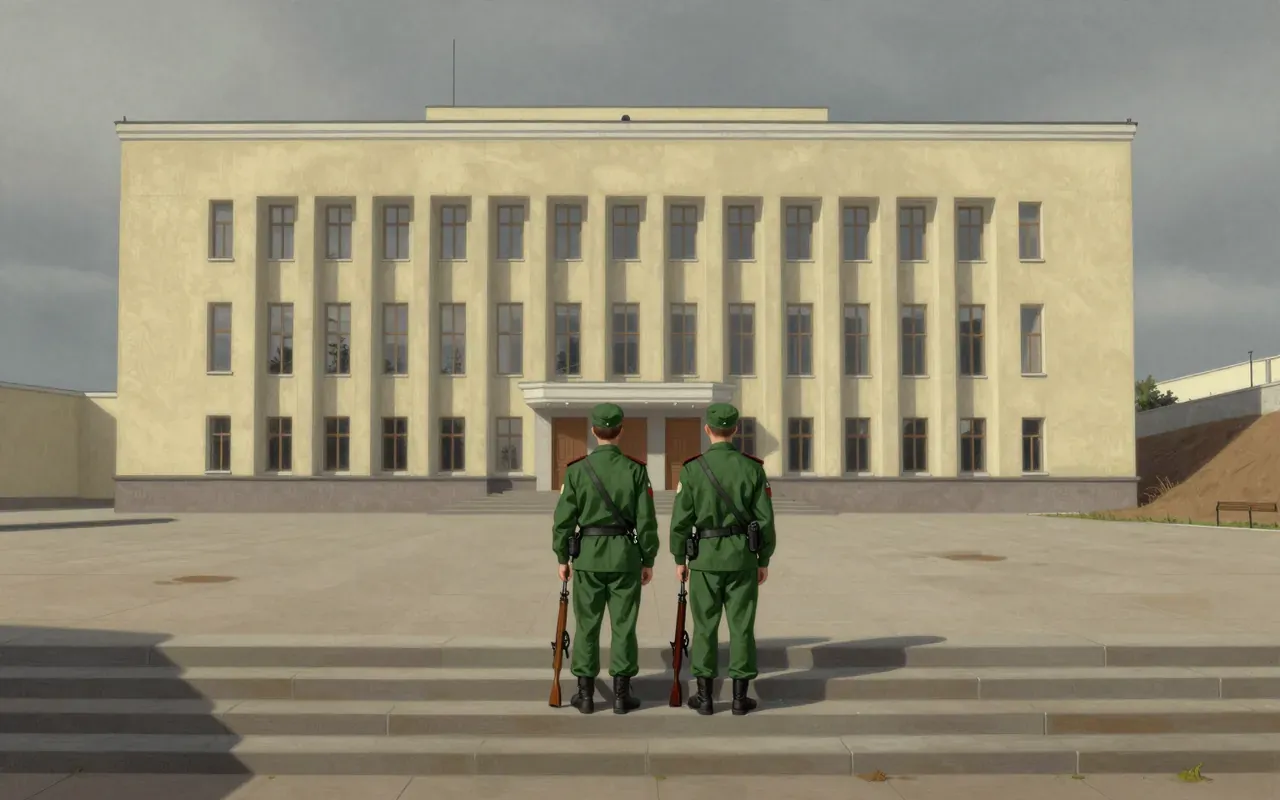
Russia invaded Crimea in February 2014. Special forces without insignia seized strategic sites. The Crimean parliament, under occupation, dismissed its government and installed Sergey Aksyonov. A referendum with no status-quo option was held under Russian military control. Crimea declared independence on 17 March. Russia incorporated it on 18 March as the Republic of Crimea and federal city of Sevastopol.
How we know it
The sequence is documented in contemporaneous reports and official statements: Russian special forces without insignia seized sites on 27 February; the occupied parliament dismissed the Crimean government and installed Aksyonov; the referendum was held under occupation with no status-quo option; Russia incorporated Crimea on 18 March.
Why it went that way
Russia acted while Ukraine’s central government was in flux after the February 2014 ousting of Viktor Yanukovych. The absence of Ukrainian military resistance in Crimea, combined with rapid deployment of unmarked forces and political coercion inside the parliament, enabled swift administrative takeover.
What is still contested
The legitimacy of the referendum result is contested: the Russian-installed authorities reported overwhelming support for joining Russia, but no independent international observers certified the vote, and Ukraine and most UN member states reject its validity.
What it changed
It ended Ukraine’s territorial integrity as internationally recognised since 1991. It expanded Russia’s Black Sea exclusive economic zone. It triggered EU and US sanctions targeting Russian officials, banks, and energy firms — sanctions repeatedly renewed through 2024.
Is it worth your time
Yes. It redefined post-Cold War sovereignty norms, triggered sanctions still in force in 2024, and established a template for hybrid annexation that other states have studied and referenced.