Saved
Topic

Geology

The planet as a document, read in layers.

3
in history
10:22
average
31 min
in total
96
across the network
Geology across the network →
All briefs3
10:09

2014 Russian annexation of Crimea

February and March 2014

The 2014 Russian annexation of Crimea was a coordinated military and political operation executed without formal declaration, relying on unmarked forces, coerced legislative action, and a referendum stripped of legitimacy by occupation and exclusion of the status quo. It altered Black Sea maritime claims, triggered sustained Western sanctions, and remains internationally condemned as a violation of Ukraine’s sovereignty and the UN Charter. No credible evidence supports the referendum’s fairness or voluntariness. Its legal and geopolitical consequences endure.


10:32

Dissolution of the Soviet Union

December 26, 1991

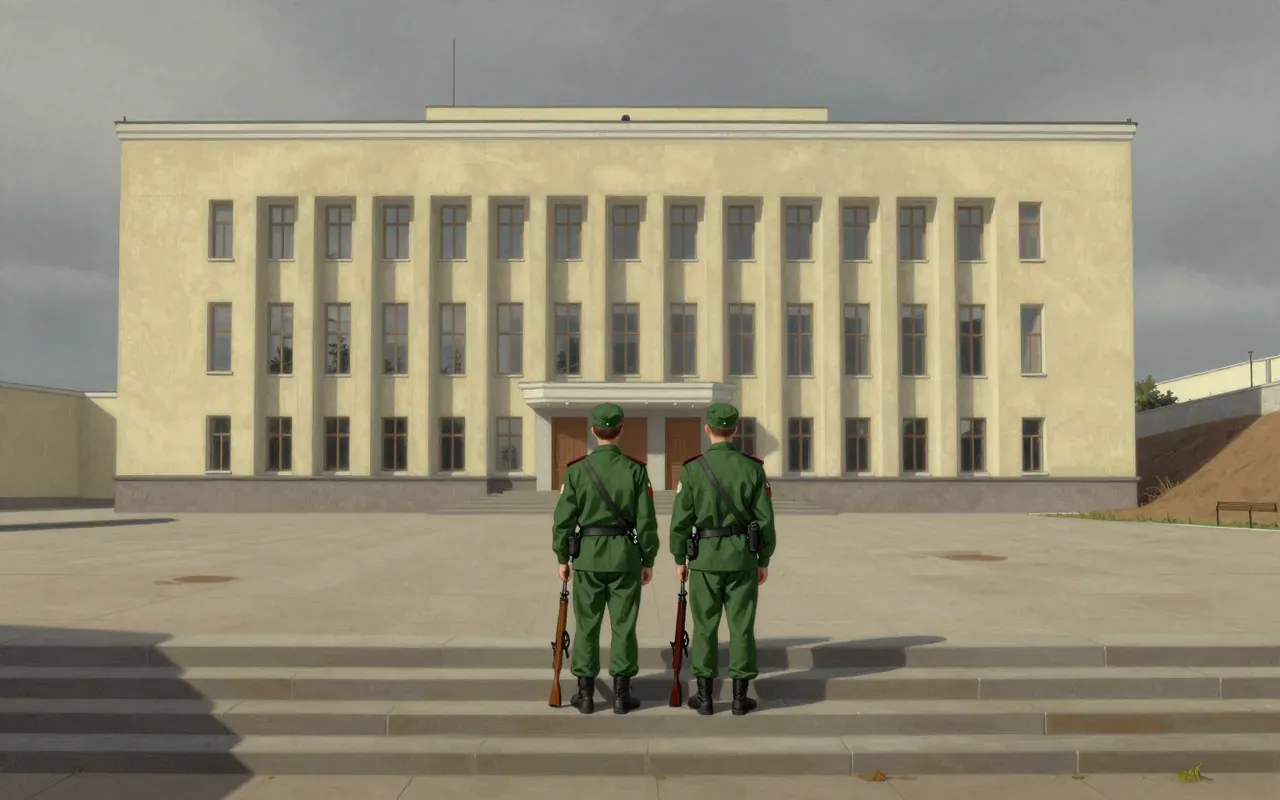
The Soviet Union was formally dissolved on 26 December 1991 — not by uprising or invasion, but by inter-republic treaty, presidential resignation, and parliamentary decree. Its end was legal, deliberate, and televised.

10:26

Iraqi invasion of Kuwait

2 August 1990

The Iraqi invasion of Kuwait was a swift, centrally ordered act of annexation — verified by its codename, timing, troop composition, and administrative reorganisation. It triggered the first major test of UN collective security after the Cold War. The record shows no ambiguity in sequence or outcome — but also no evidence of motive, dissent, or alternative interpretations. Its legacy is procedural: it proved the Security Council could unify and enforce borders — but only once, under narrow conditions.

More from history

All briefs →
11:36

Ancient Greece

Ancient Greece isn’t a place or a nation — it’s the first time history became a written argument about power.
12:27

Samarkand

329 BC

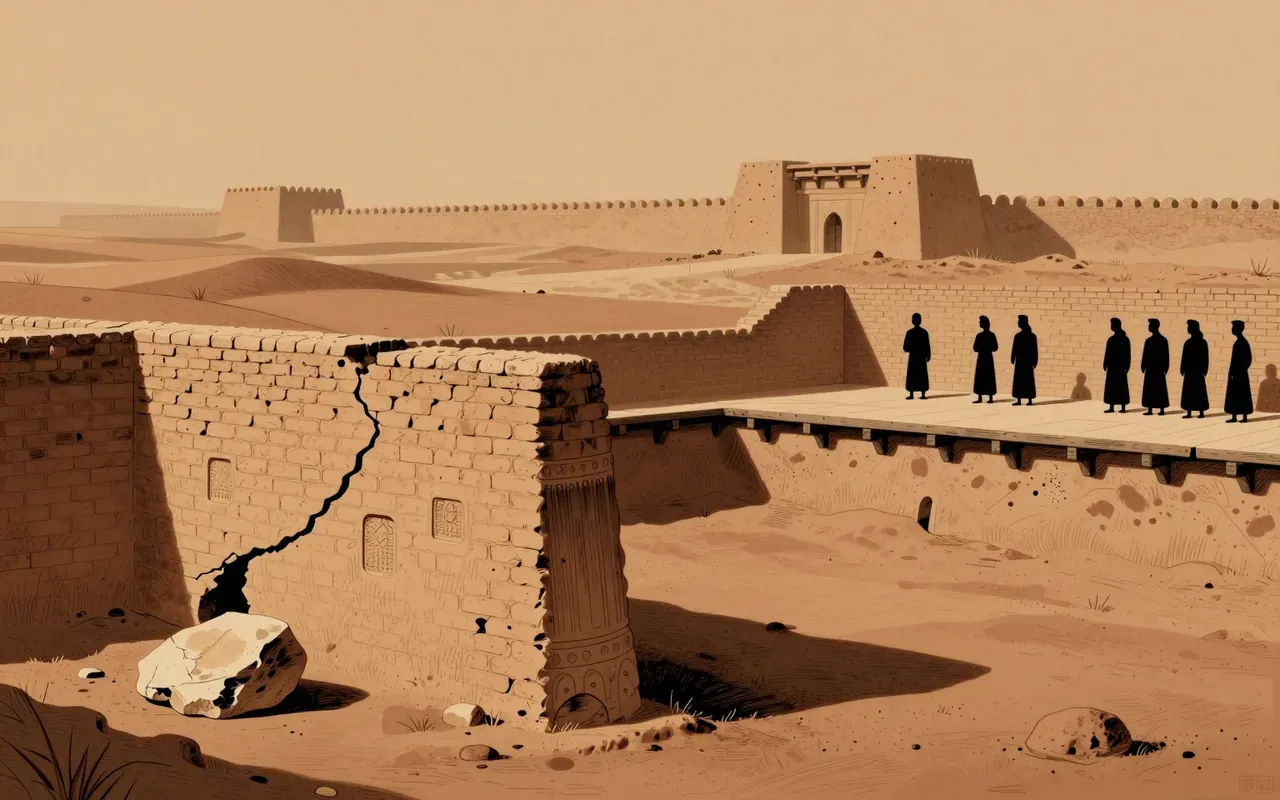
Samarkand at -800 BC is archaeologically verifiable, institutionally attested, and geographically explicable — but its ‘founding’ remains a scholarly estimate, not a recorded event.

11:49

Atomic bombings of Hiroshima and Nagasaki

6 and 9 August 1945

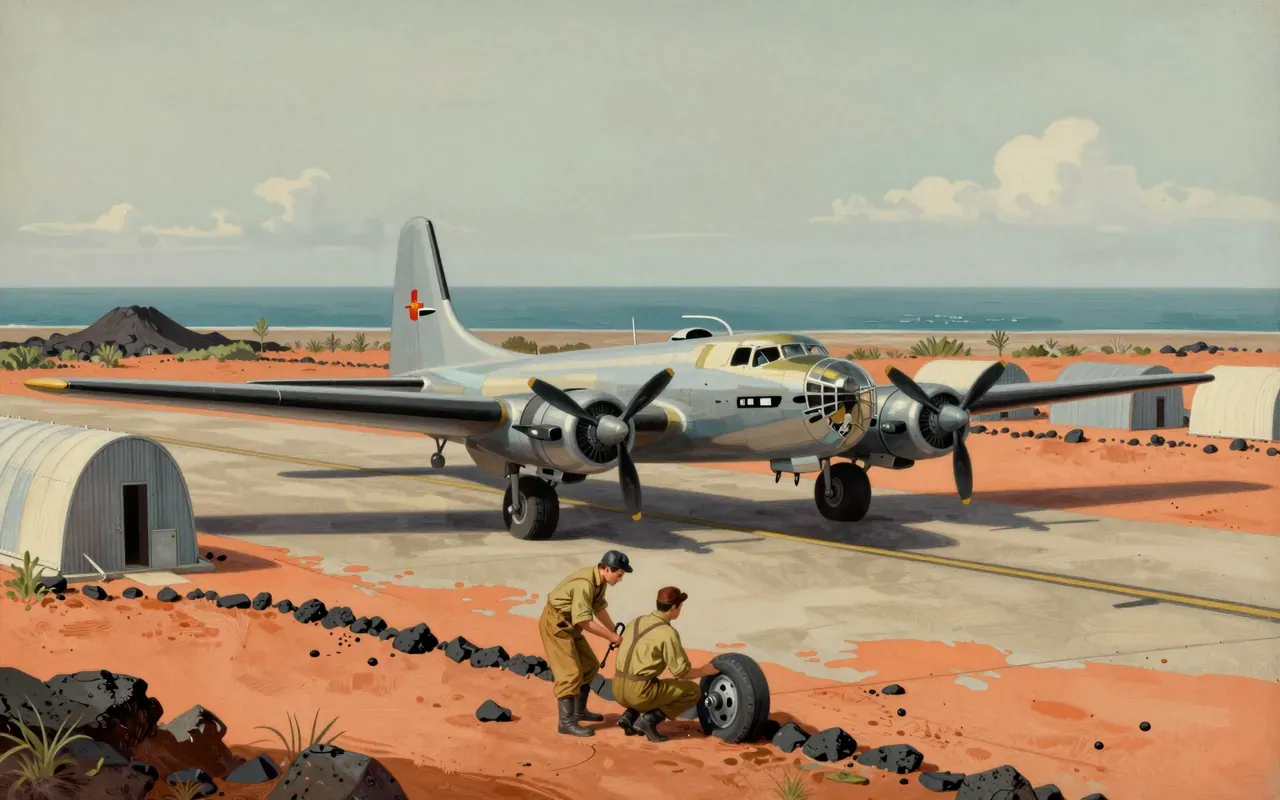
The atomic bombings of Hiroshima and Nagasaki were deliberate, authorised, and executed military operations using newly developed nuclear weapons. Their scale, method, and human impact are well-documented in the source. Their causal relationship to Japan’s surrender is asserted only as ‘precipitation’—not proof of necessity or sufficiency. No claim about motives, alternatives, or internal Japanese decision-making appears in the material.

9:37

Battle of Talikota

23 January 1565

The Battle of Talikota was a decisive military defeat for Vijayanagara, caused by coalition warfare and military asymmetry — not civilizational conflict. Its legacy lies in how early-modern South Asian states negotiated power, not in mythic binaries.