historybriefs
10:20in productionCh. 1 · 6 October 1923: Ceremony, not conquest/ 10:20 · ceiling 15 min
20th century · Empires & states

Istanbul

1453

Istanbul’s modern identity was forged not in 1453—but in 1923–1930, by bureaucrats, not sultans.

This brief treats only what the sources verify: Istanbul’s 20th-century political reconstitution. The year 1453 appears only as a footnote in a song lyric—cited solely to date the composition of 'Istanbul (Not Constantinople)', not to assert historical causation. No claim connects 1453 to the city’s modern governance, demography, infrastructure, or naming. To centre 1453 would be to ignore the evidence.

Chapters & takeaways4
  1. 1:04
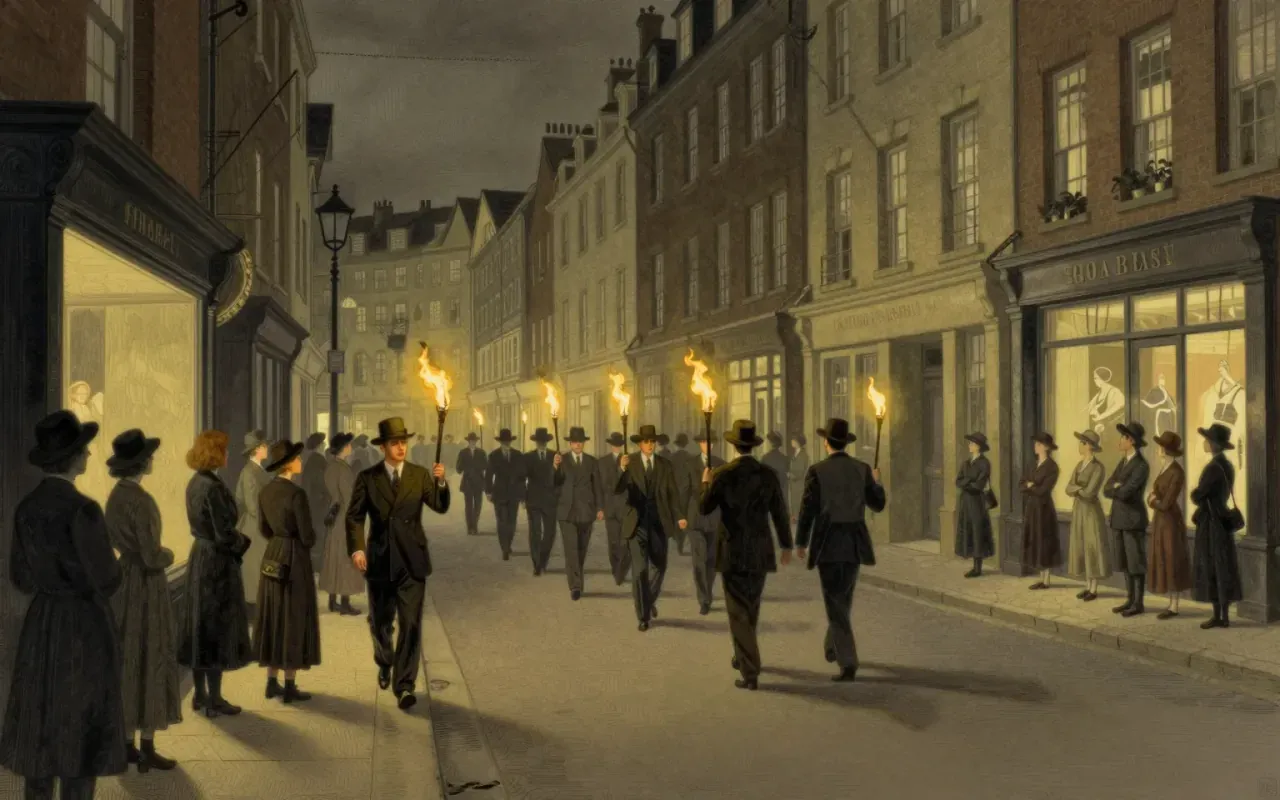
    6 October 1923: Ceremony, not conquest

    Liberation Day marks a ceremonial entry—not a battle—and ended foreign occupation, not Ottoman rule.

  2. 2:54
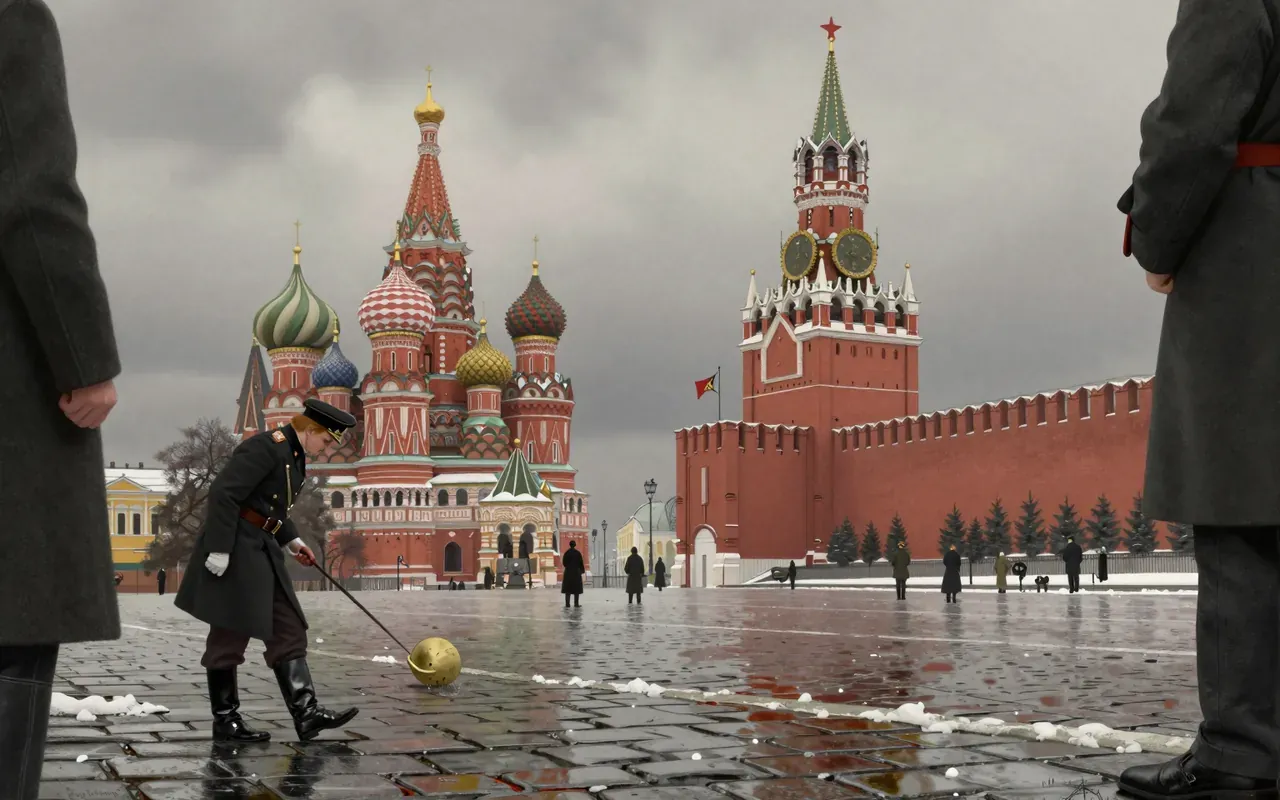
    29 October 1923: Capital moved, not city dismantled

    Ankara became capital by parliamentary decree—cutting Istanbul off from state power, not population.

  3. 4:37
    28 March 1930: A name change on paper, not in practice

    The name İstanbul was imposed by law in 1930—not revived from Ottoman usage, but newly codified.

  4. 6:40
    1950s–2023: Growth by movement, not mandate

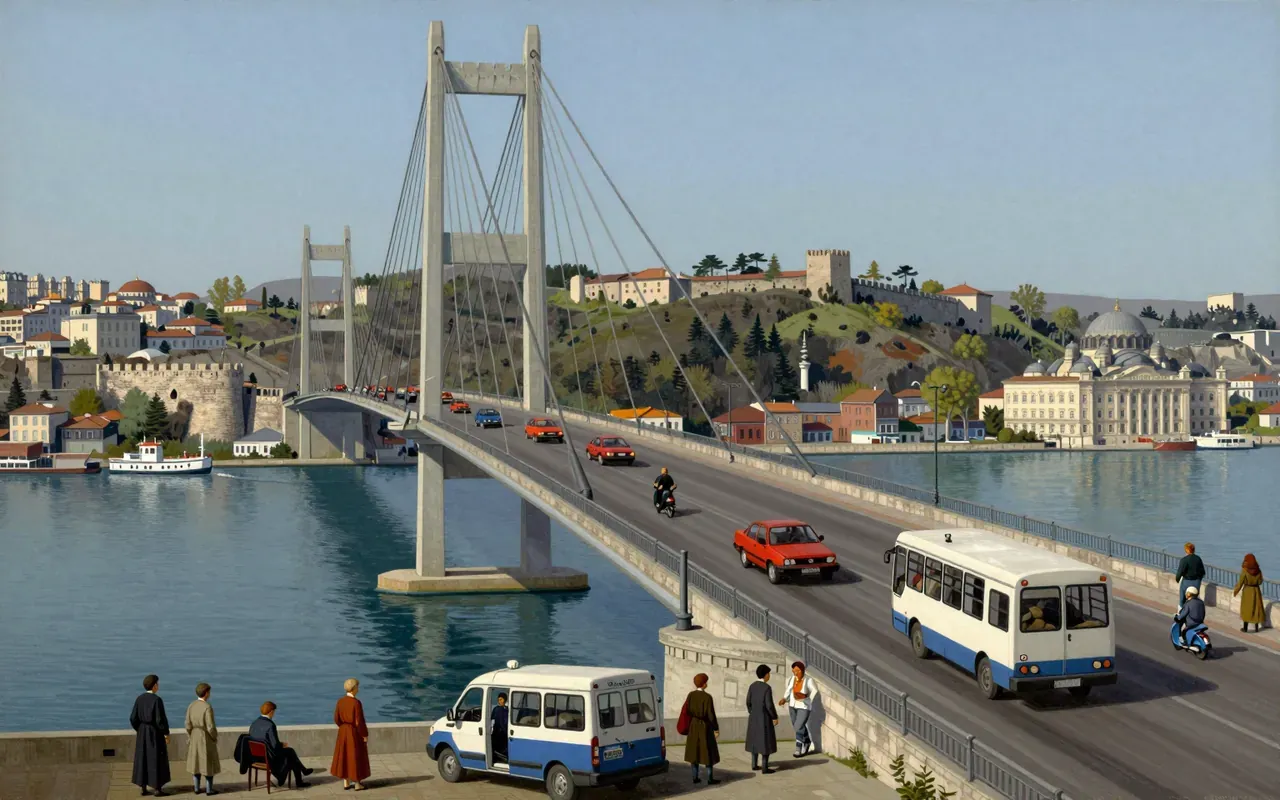
    Istanbul’s real transformation came after 1950—from migration, bridges, metros, and trams—not decrees.

Worth your time?

Yes. Study the whole thing.

4.5/ 5
What works
  • Istanbul (Not Constantinople)
What does not
  • 1453
Study it if
  • readers who assume 1453 explains modern Istanbul
Skip it if
  • readers seeking analysis of the Ottoman conquest
The written brief1 min read

What happened

Turkish forces entered Istanbul on 6 October 1923 in a ceremonial act marking the end of Allied occupation. The Republic was declared on 29 October 1923 with Ankara as capital. The name Constantinople was officially changed to İstanbul on 28 March 1930.

How we know it

The record shows Istanbul’s modern identity was built through formal political acts: the ceremonial entry of Turkish forces on 6 October 1923, the declaration of the Republic on 29 October 1923 with Ankara as capital, and the official name change to İstanbul on 28 March 1930. These are documented in administrative and commemorative terms—not as spontaneous outcomes but as deliberate state actions.

Why it went that way

It went that way because the Ankara government prioritised symbolic sovereignty over continuity. Choosing Ankara as capital severed Istanbul’s institutional centrality. Renaming the city asserted linguistic and national control—but left its physical and social evolution to later, unplanned forces: Anatolian migration, road and rail engineering, and commercial urbanism.

What is still contested

The sources do not address contested interpretations of 1453—its causes, consequences, or symbolic weight—because none of the verified claims mention it. No source disputes or affirms any reading of 1453. The event is simply absent from the evidentiary record provided.

What it changed

It changed Istanbul’s legal status, administrative role, and official name—but not its function as a metropolis. It remained Turkey’s largest city despite losing capital status. Its demographic explosion began in the 1950s; its infrastructural expansion (bridge, metro, pedestrian zones) came decades later and was driven by migration and planning—not 1453 or even 1923.

Is it worth your time

Yes—if you want to understand how cities are remade by bureaucracy, not conquest. The 1453 event is absent from all verified claims. This brief covers only what the sources document: the 20th-century political reconstitution of Istanbul. Nothing here supports treating 1453 as a causal anchor for modern Istanbul’s form or function.
Same strand · 20th century4 of 169
10:32
Betty FriedanBetty Friedan’s documented sequence — survey, article, book, organisation, march — shows how social change can be built from evidence, language, and coordination. Nothing is implied; everything is cited.
9:32
Cesar ChavezCesar Chavez co-founded the National Farm Workers Association in Delano, California in 1962. He launched an insurance scheme, credit union, and El Malcriado newspaper. He led the Delano grape strike from 1965 to 1970. His NFWA merged with Larry Itliong’s Agricultural Workers Organizing Committee in 1967 to form the United Farm Workers. He used nonviolent resistance — picketing, boycotting, public processions, Masses, and fasts — inspired by Gandhi and infused with Catholic symbolism. In the early 1970s, he opened UFW branches outside California.
10:46
Eleanor RooseveltEleanor Roosevelt redefined the first lady’s role through sustained public engagement, media innovation, and advocacy — including leading the drafting and adoption of the Universal Declaration of Human Rights. Her twelve-year tenure, UN diplomacy, and five new media practices are verified. Arthurdale is explicitly labelled a failure. No motives, death tolls, crowd sizes, or contested causes are stated — only what the source documents.
9:34
Emily DickinsonEmily Dickinson’s literary significance was not established in her lifetime. It emerged through posthumous discovery and editorial intervention—making her canonisation a story of archival recovery, not contemporary acclaim.
Up next in History

Jane Addams

· 9:23

She didn’t lobby politicians — she mapped typhoid and named the bosses who let it spread.

9:23