historybriefs
Topic

Turkey

Where Europe and Asia have been negotiating for three thousand years.

6
in history
12:33
average
75 min
in total
18
across the network
Turkey across the network →
All briefs6
10:20

Istanbul

6 October 1923

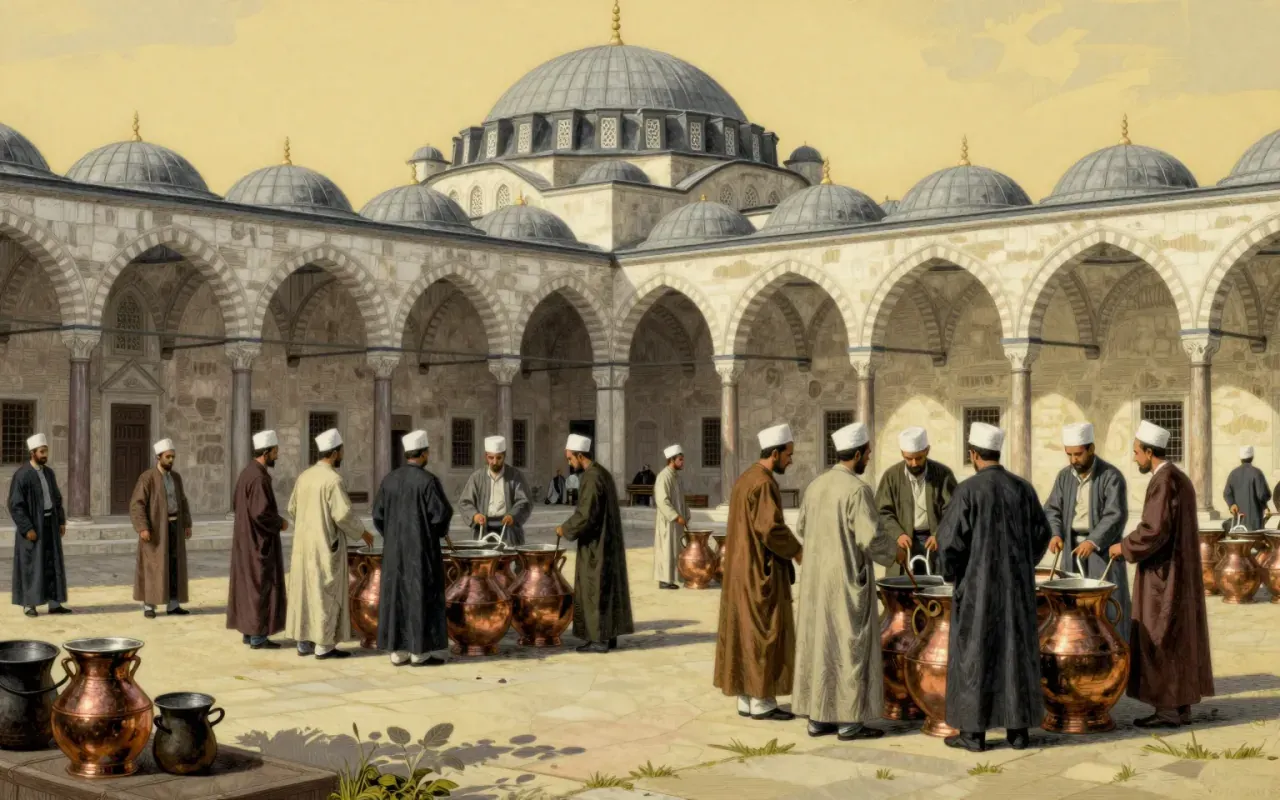
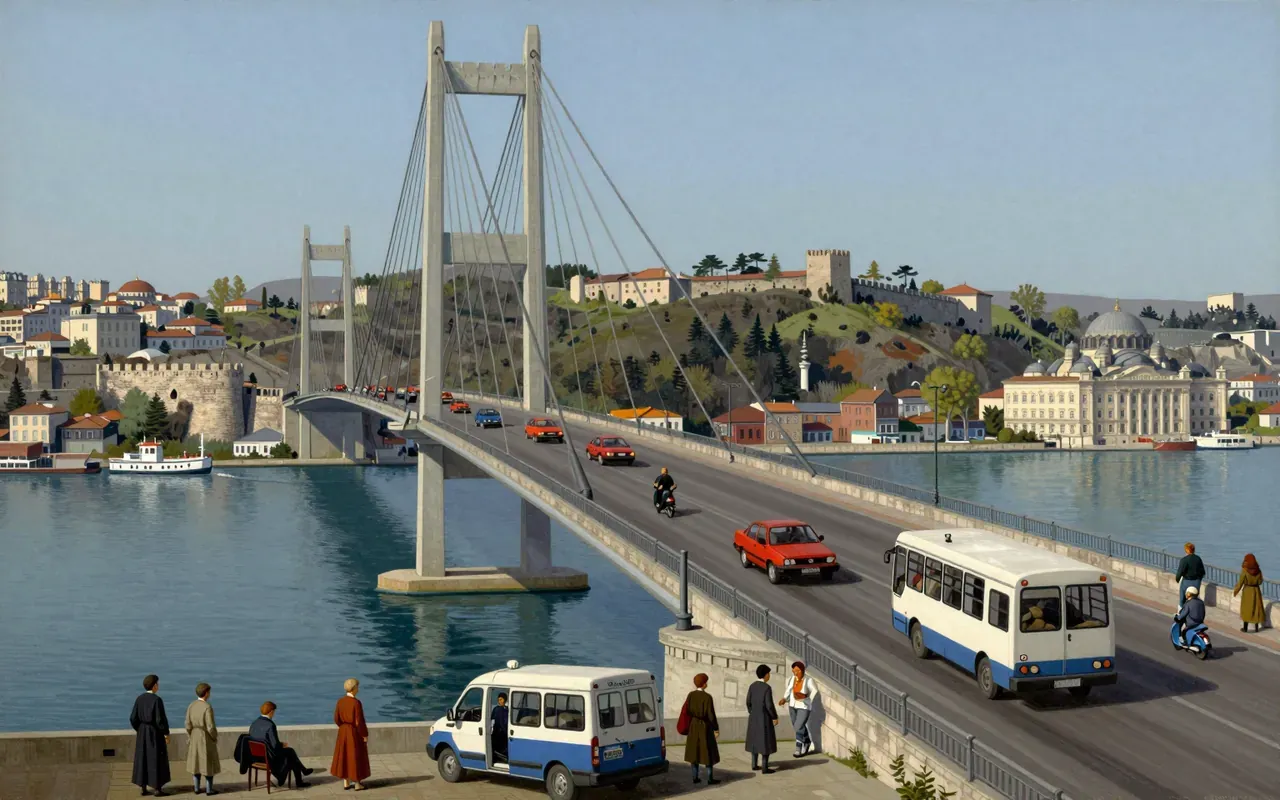
This brief treats only what the sources verify: Istanbul’s 20th-century political reconstitution. The year 1453 appears only as a footnote in a song lyric—cited solely to date the composition of 'Istanbul (Not Constantinople)', not to assert historical causation. No claim connects 1453 to the city’s modern governance, demography, infrastructure, or naming. To centre 1453 would be to ignore the evidence.
13:00

Suleiman the Magnificent

1494–1566

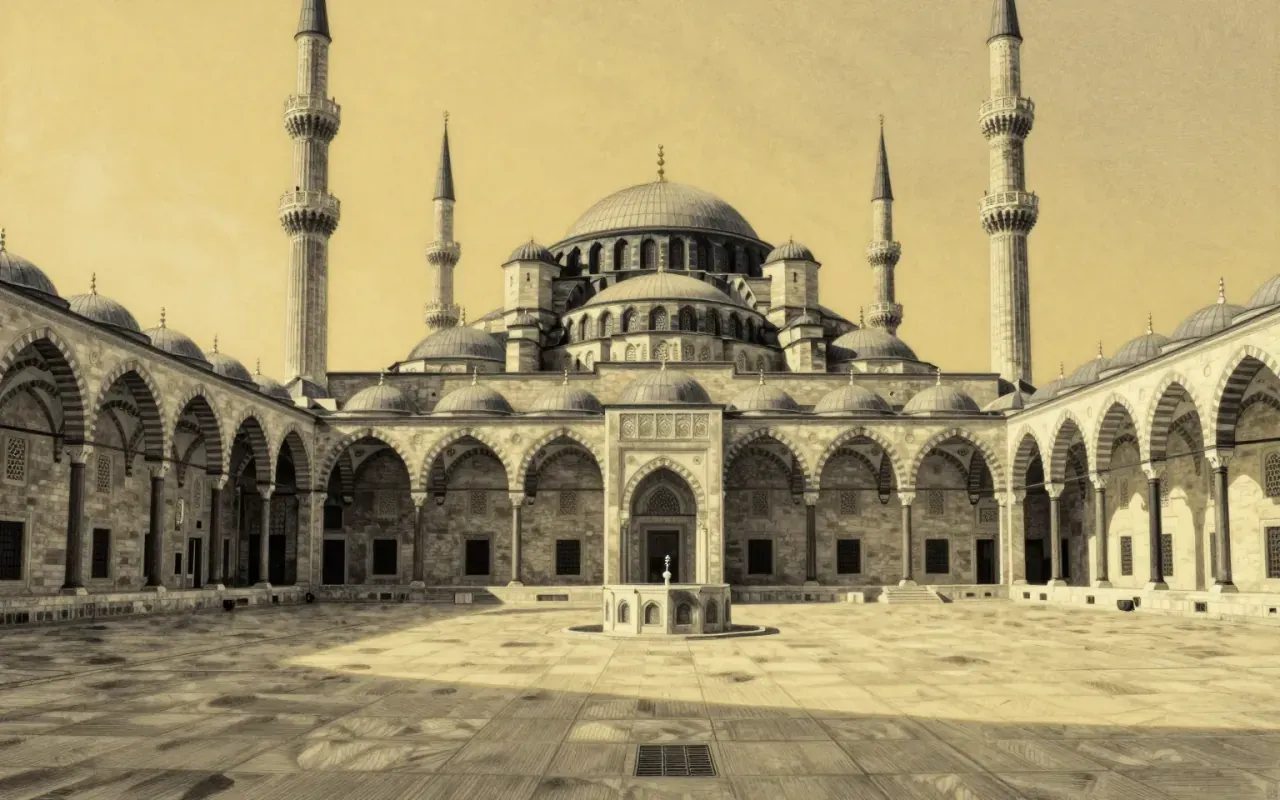
Suleiman I ruled the Ottoman Empire from 1520 to 1566, its longest reign, extending Ottoman territory through campaigns that captured Belgrade, Rhodes and much of Hungary while twice failing to take Vienna, and commissioning architect Mimar Sinan to build hundreds of structures including the Suleymaniye mosque complex. He compiled a unified legal code drawing on nine previous sultans' judgments, earning the Ottoman title Kanuni, or Lawgiver, even as his court saw his wife Hurrem Sultan rise to unprecedented influence and his eldest surviving son, Mustafa, executed on his own order in 1553 amid succession politics.

13:00

1999 İzmit earthquake

17 August 1999

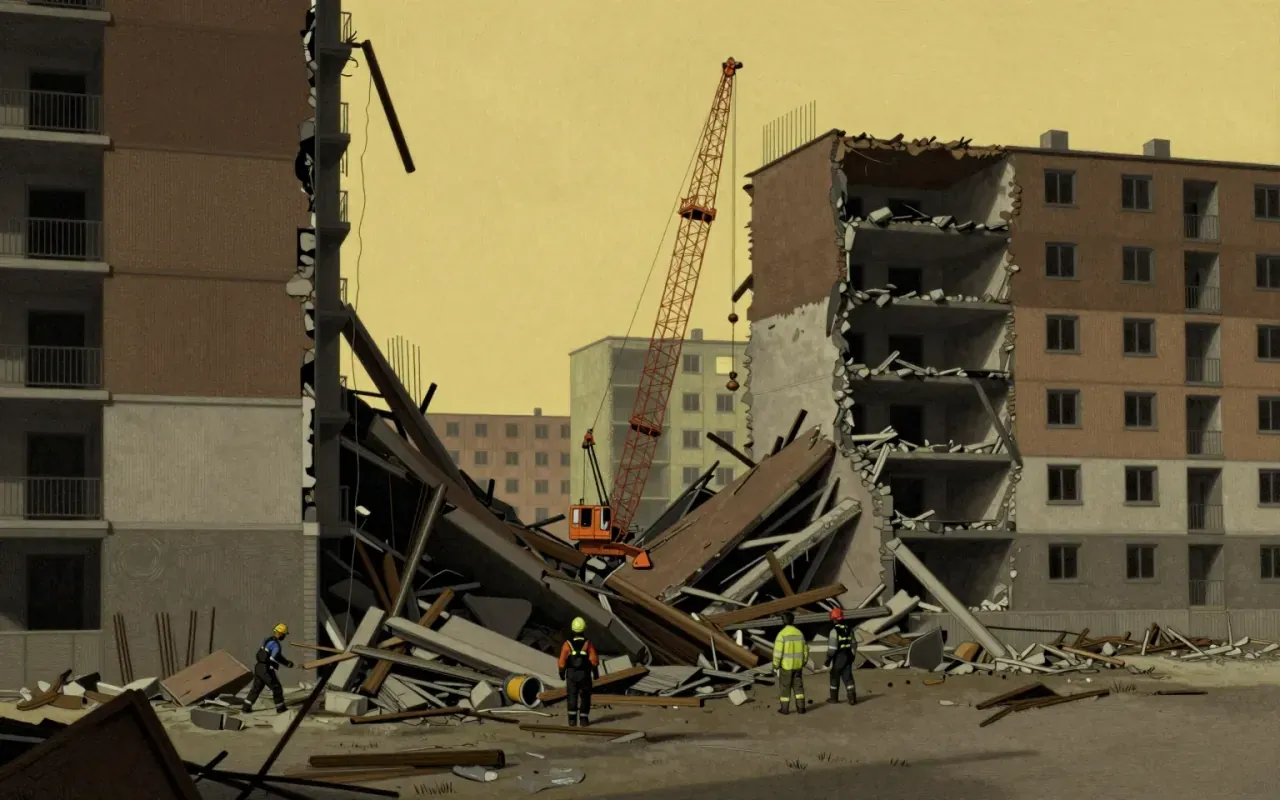
A magnitude 7.6 earthquake struck Kocaeli province in northwestern Turkey on 17 August 1999, killing between roughly 17,000 and 18,000 people by official count, with some estimates running considerably higher, largely because of widespread substandard construction that caused over 60,000 buildings to collapse outright. A second, magnitude 7.2 earthquake struck nearby Duzce on 12 November that year, killing a further 845 to 894 people in a region already weakened by the first quake, and the two disasters together prompted Turkey to create earthquake insurance requirements and stricter enforcement of building codes, reforms whose adequacy remains tested by continuing seismic risk along the same fault system beneath the Sea of Marmara.

13:00

Ottoman Empire

1302–1922

Founded around 1299 by the Turkoman leader Osman I and expanded over the following two and a half centuries into a state spanning Southeastern Europe, West Asia and North Africa, the Ottoman Empire reached its territorial peak under Suleiman the Magnificent in the sixteenth century before undergoing a long process of institutional adaptation that older historiography mischaracterised as straightforward decline. It survived until the aftermath of the First World War, when military defeat, genocide against Armenians, Assyrians and Greeks, and the Turkish War of Independence led to the sultanate's abolition in 1922 and the caliphate's in 1924.

13:00

Janissary

1363–1826

Founded in the fourteenth century as the Ottoman sultan's personal infantry, the Janissary corps was filled for nearly three centuries through the devshirme, a periodic levy of Christian boys from the Balkans who were converted, trained, and bound to lifelong service. Their early adoption of firearms made them one of the first true gunpowder infantry forces in the world, but by the seventeenth century the corps had opened membership to hereditary recruits, taken up trade and property, and turned repeatedly on the sultans who depended on it. Sultan Mahmud II finally destroyed the institution in 1826, in an episode still known as the Auspicious Incident.

13:00

Siege of Vienna (1529)

27 September – 15 October 1529

After crushing Hungary's army at Mohács in 1526, Suleiman the Magnificent marched on Vienna in 1529 to extend Ottoman control over central Europe, but flooding along the Balkan approach forced him to abandon heavy artillery and pack animals well before he reached the city. His force, estimated between roughly seventy-five thousand and a hundred thousand men at the walls, besieged a garrison of some seventeen to twenty-one thousand defenders under Nicholas, Count of Salm, for about two and a half weeks in September and October before supply shortages, disease, and a failed final assault forced a retreat. The failure marked the effective limit of Ottoman expansion into central Europe and opened a century and a half of recurring conflict with the Habsburgs.