Forty-six years, the longest of any Ottoman sultan
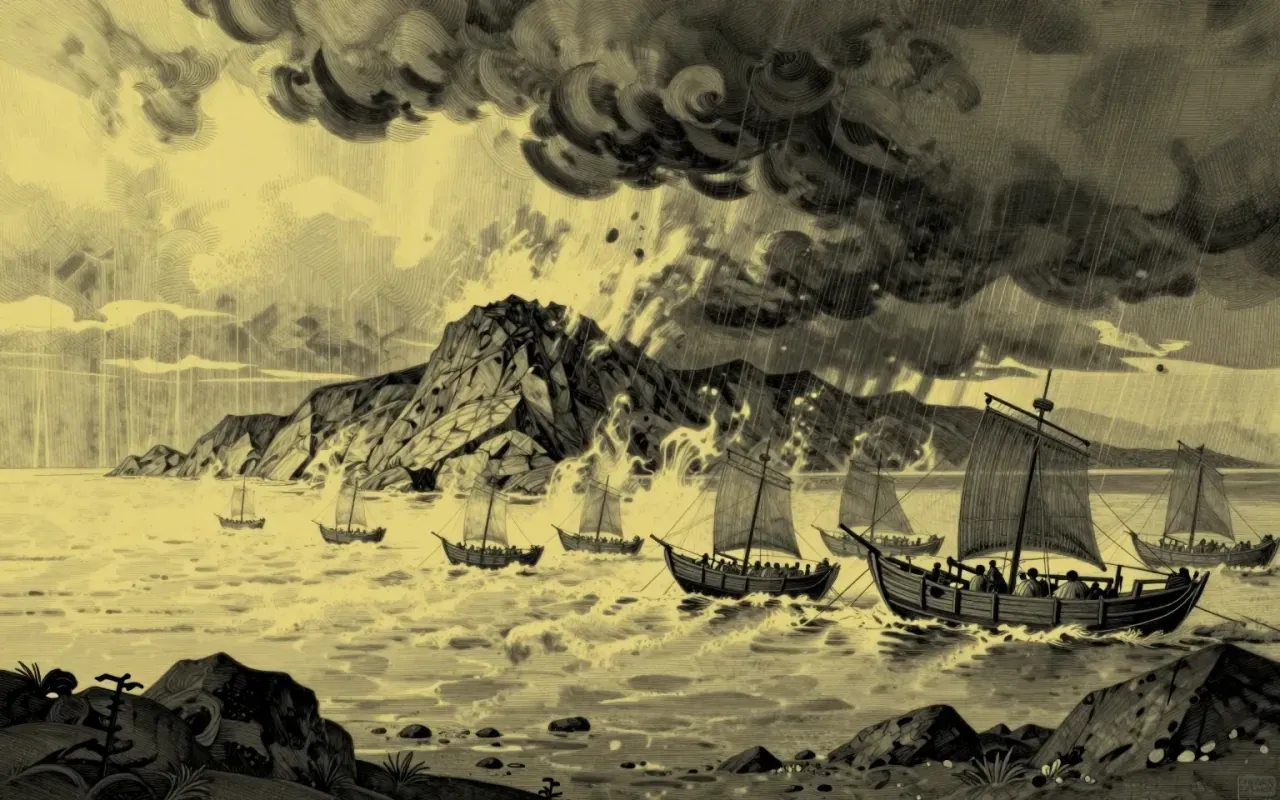
Suleiman I reigned from 30 September 1520 to 6 September 1566, the longest tenure of any Ottoman sultan, during which the empire’s population reached an estimated twenty-five million subjects at what is generally regarded as its peak of military and economic strength. His campaigns captured Belgrade in 1521, forced the Knights Hospitaller from Rhodes after a five-month siege in 1522, and destroyed the Hungarian royal army at the Battle of Mohacs in 1526, though sieges of Vienna in 1529 and 1532 both failed. Further campaigns against Safavid Persia brought most of Iraq under Ottoman control, and naval operations extended Ottoman reach into the Mediterranean and the Indian Ocean.
Two names for one sultan, and neither quite complete
Suleiman’s reputation splits along the line between Ottoman and European sources. Ottoman chronicles and later tradition knew him as Kanuni, the Lawgiver, for his legal reforms, while European accounts, including reports from Venetian envoys describing him in his twenties as tall, slender and affable in manner, emphasised his conquests and court splendour and settled on the title Magnificent. Some modern scholars have noted that the term Kanuni itself does not appear in surviving Ottoman sources from the sixteenth or seventeenth centuries, suggesting the label now most associated with his own culture’s memory of him may only have taken hold considerably later than his actual reign.
A legal code built to outlast any single conquest
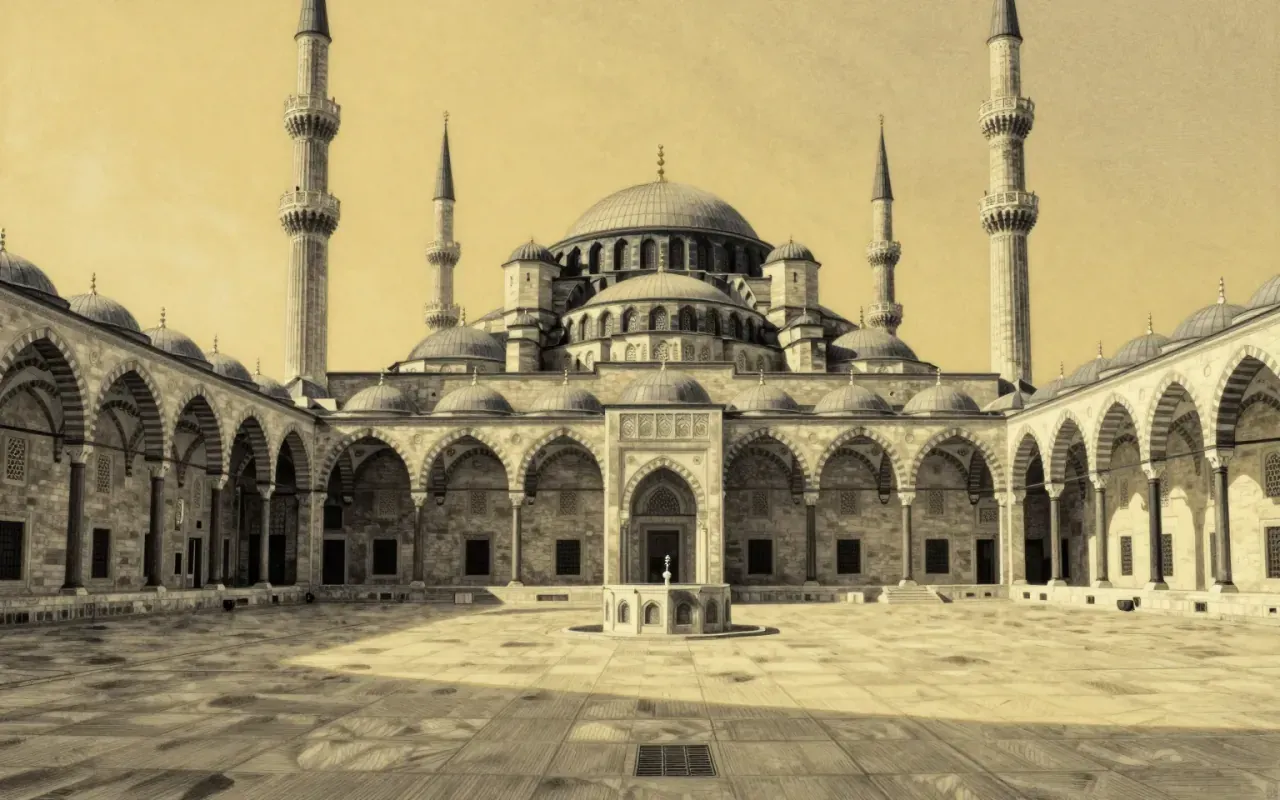
The legal reforms behind the Lawgiver title were substantial and specific. Suleiman had the judgments of nine preceding sultans compiled, removing contradictions and duplications, and worked with his grand mufti Ebussuud to integrate this sultanic law with Islamic religious law into a single code that governed criminal justice, land tenure and taxation for more than three centuries after his death. His patronage extended to architecture through his chief architect Mimar Sinan, credited with several hundred buildings including the Suleymaniye mosque complex, built between 1550 and 1557 with attached schools, a hospital and a hostel, reflecting a reign that combined military expansion with lasting institutional and physical construction.
Whether his epithet as Lawgiver is even his own era’s word
Whether the Kanuni title reflects contemporary sixteenth-century usage or a later historical framing remains an open question among specialists, complicating any simple claim about how Suleiman’s own subjects actually referred to him during his lifetime. A related, more personal complication involves his wife Hurrem Sultan, a former harem concubine whom he married in 1534 in a break from Ottoman tradition, and who came to sign documents, attend council meetings and correspond directly with foreign rulers including the Polish king. Her documented influence over succession politics, favouring her own sons, is closely tied to the 1553 execution of Mustafa, Suleiman’s eldest surviving son by another wife, though how much Hurrem’s own advocacy versus broader court rivalry drove that decision is not fully settled.
A wife with the imperial seal, a son executed on his order
The execution of Mustafa on 6 October 1553, carried out on Suleiman’s own order in Konya, removed the son many observers had expected to succeed him, clearing a path that eventually led to Selim, one of Hurrem’s own sons, becoming the next sultan. Hurrem herself, granted the specially created title of haseki sultan, is described as the first Ottoman woman to participate directly in state affairs, corresponding with rulers such as Sigismund II Augustus of Poland and helping to shape a Polish-Ottoman alliance, an institutional shift in the visibility of imperial women that outlasted her own lifetime and shaped the following decades of Ottoman court politics.
Worth reading past whichever single label gets attached first
Suleiman’s reign is worth engaging on its own layered terms rather than through either the conqueror or the lawgiver alone, since both were genuinely true of him at once, along with a father who ordered his own son’s execution amid the same court politics that elevated his wife to unprecedented influence. Readers who know him mainly through one tradition, whether the European emphasis on military grandeur or the Ottoman emphasis on legal codification, gain the most from holding both alongside the domestic drama of succession that ran underneath them, since none of the three threads fully explains the sultan without the other two.