historybriefs
Topic

Cities

The machine most people now live inside.

9
in history
12:30
average
112 min
in total
90
across the network
Cities across the network →
All briefs9
12:35

Baghdad

762 AD

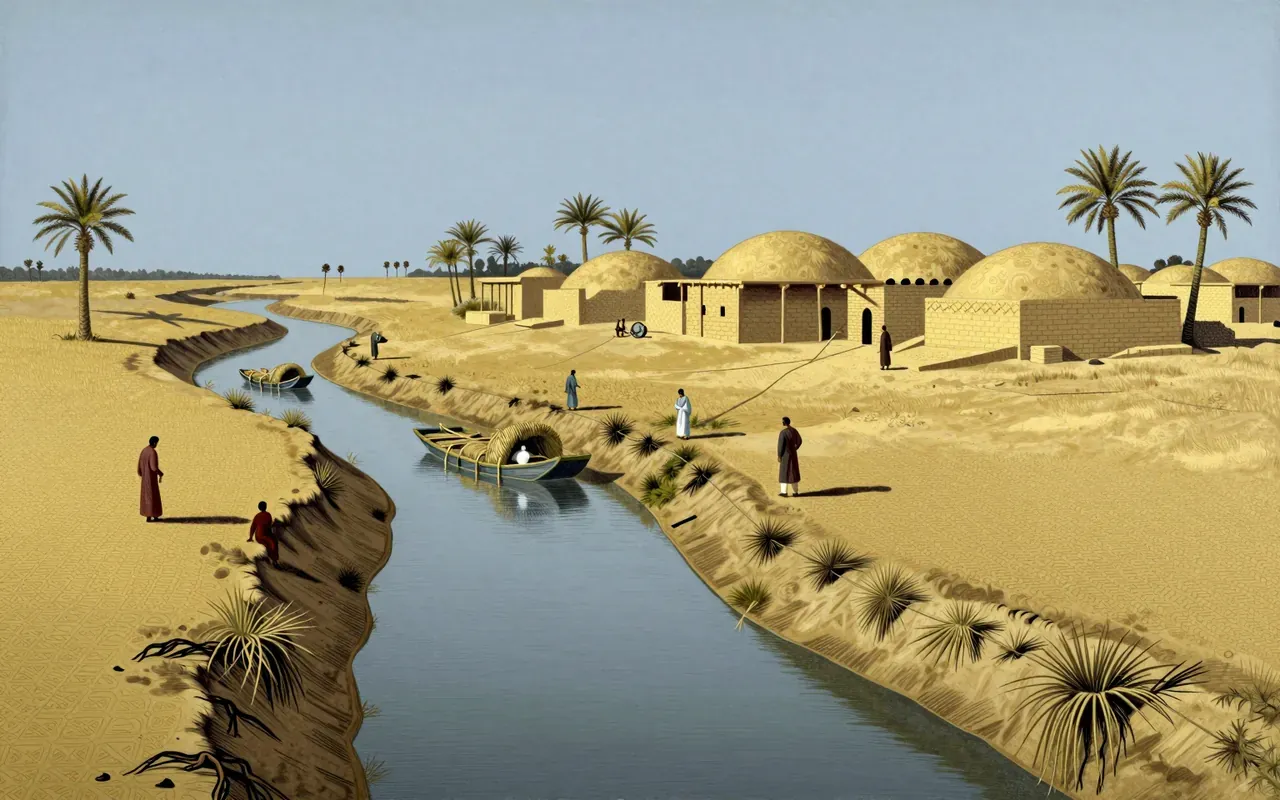
Baghdad’s founding in 762 was a decisive, documented act of imperial design — not evolution, not accident. It created a new kind of capital: planned, symbolic, and engineered for intellectual and administrative dominance. Its scale, longevity and influence are verifiable. Its motives and internal politics are not.

11:30

Hangzhou

221 BC

Hangzhou is a record of governance as iterative repair — not a story of rise and fall, but of wall, lake, capital, fire, and algorithm, each layer responding to a documented crisis.

10:20

Istanbul

6 October 1923

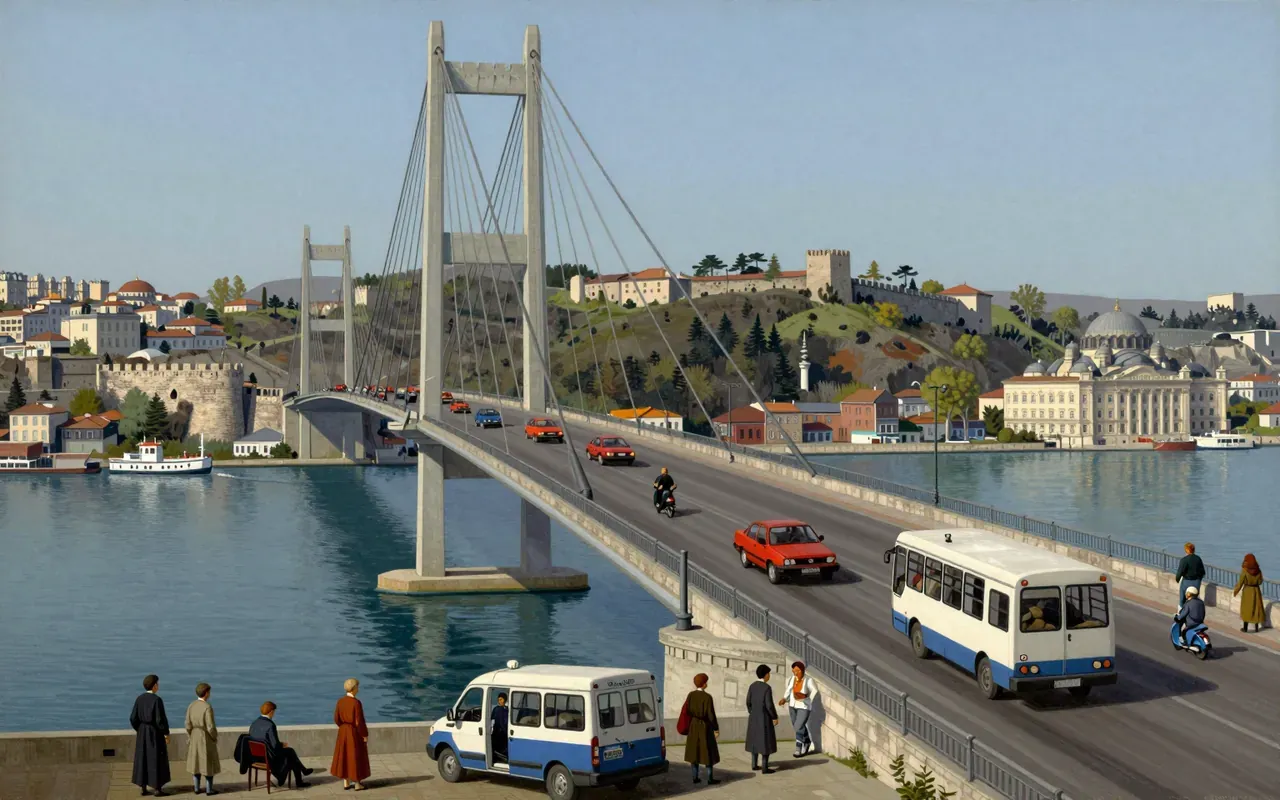
This brief treats only what the sources verify: Istanbul’s 20th-century political reconstitution. The year 1453 appears only as a footnote in a song lyric—cited solely to date the composition of 'Istanbul (Not Constantinople)', not to assert historical causation. No claim connects 1453 to the city’s modern governance, demography, infrastructure, or naming. To centre 1453 would be to ignore the evidence.

13:04

Teotihuacan

100 BCE to 250 CE

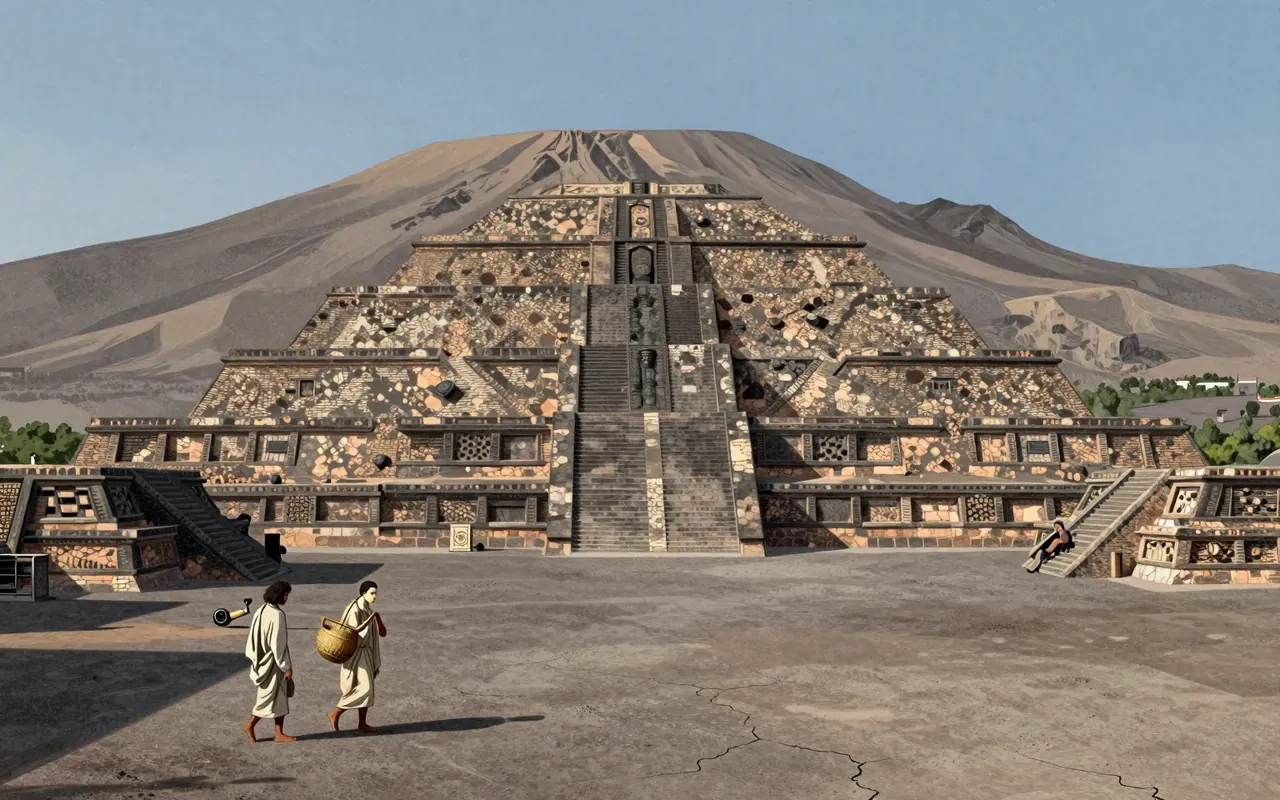
Teotihuacan was the largest city in the Americas before 500 CE. Its monuments were built over 350 years. Its central structures were burned around 550 CE. It housed ~100,000 people — 80–90% of the Valley of Mexico’s population. It ended between the 7th and 8th centuries CE. We know none of its rulers’ names. We do not know why it burned. We do not know what its people called it.

13:00

Ellis Island

1892 to 1954

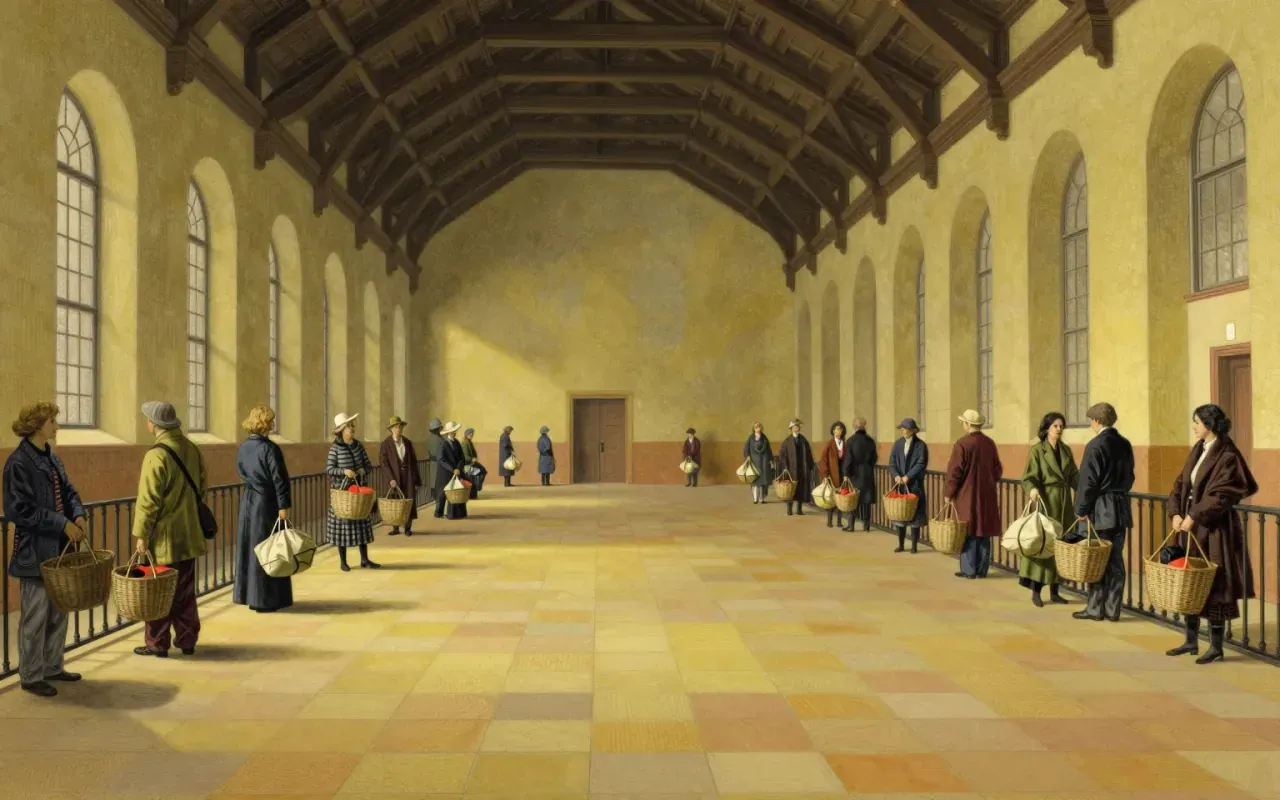
Ellis Island operated as an immigration station from 1892 to 1954, processing roughly twelve million immigrants across two distinct buildings, the first destroyed by a fire in 1897 that also burned all immigration records dating back to 1855. Its function shifted sharply after the Immigration Act of 1924 downgraded it from a primary inspection point to a detention facility, and even its own physical land remained under legal dispute until a 1998 Supreme Court case split jurisdiction between New York and New Jersey.

13:00

Jericho

Founded 9600 BC

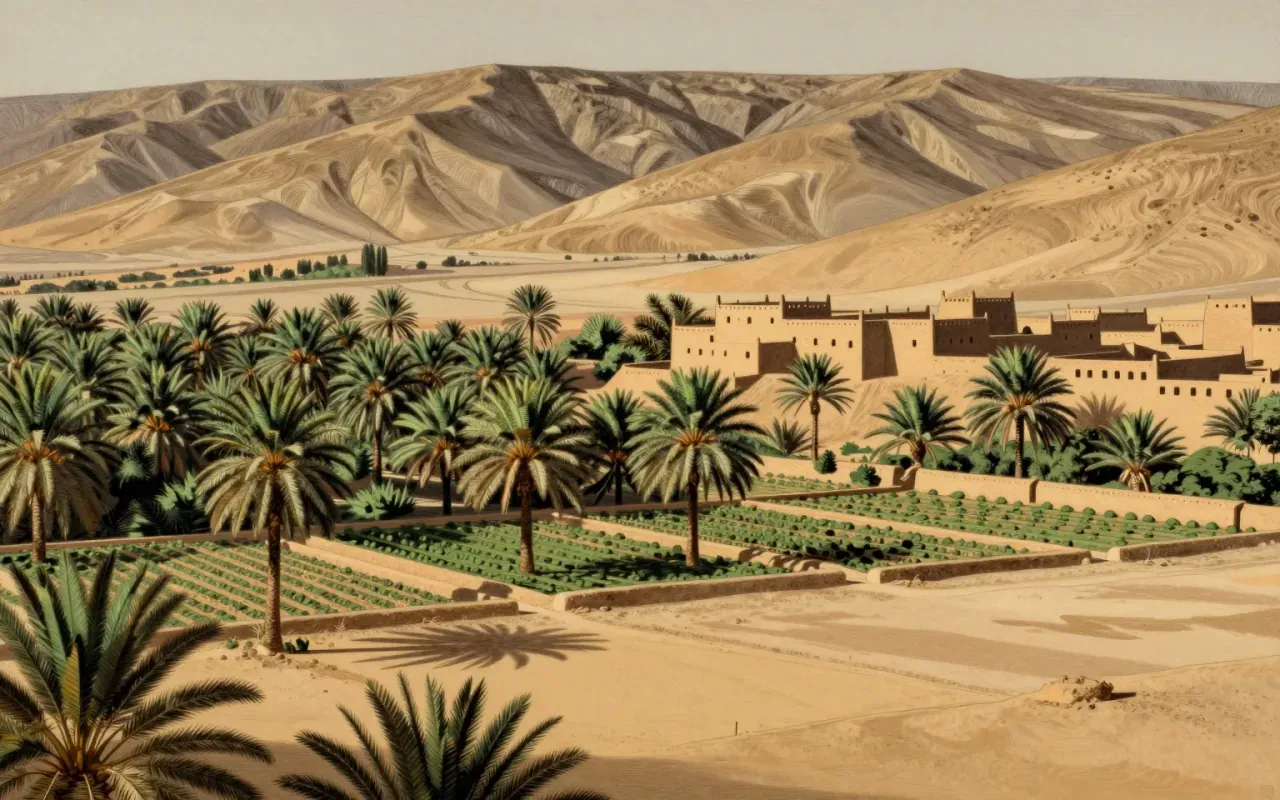
Long before it was a byword for tumbling walls, Jericho was a spring-fed settlement in the Jordan Valley occupied, on and off, for some eleven thousand years. A century of digging has traced a Neolithic tower and wall from around 8300 BC through Bronze Age destructions to a Byzantine revival, but the excavators disagree about what some of it was for, and the famous conquest story from the Hebrew Bible sits awkwardly beside what the trenches actually show.

13:00

Cahokia

Founded 1050

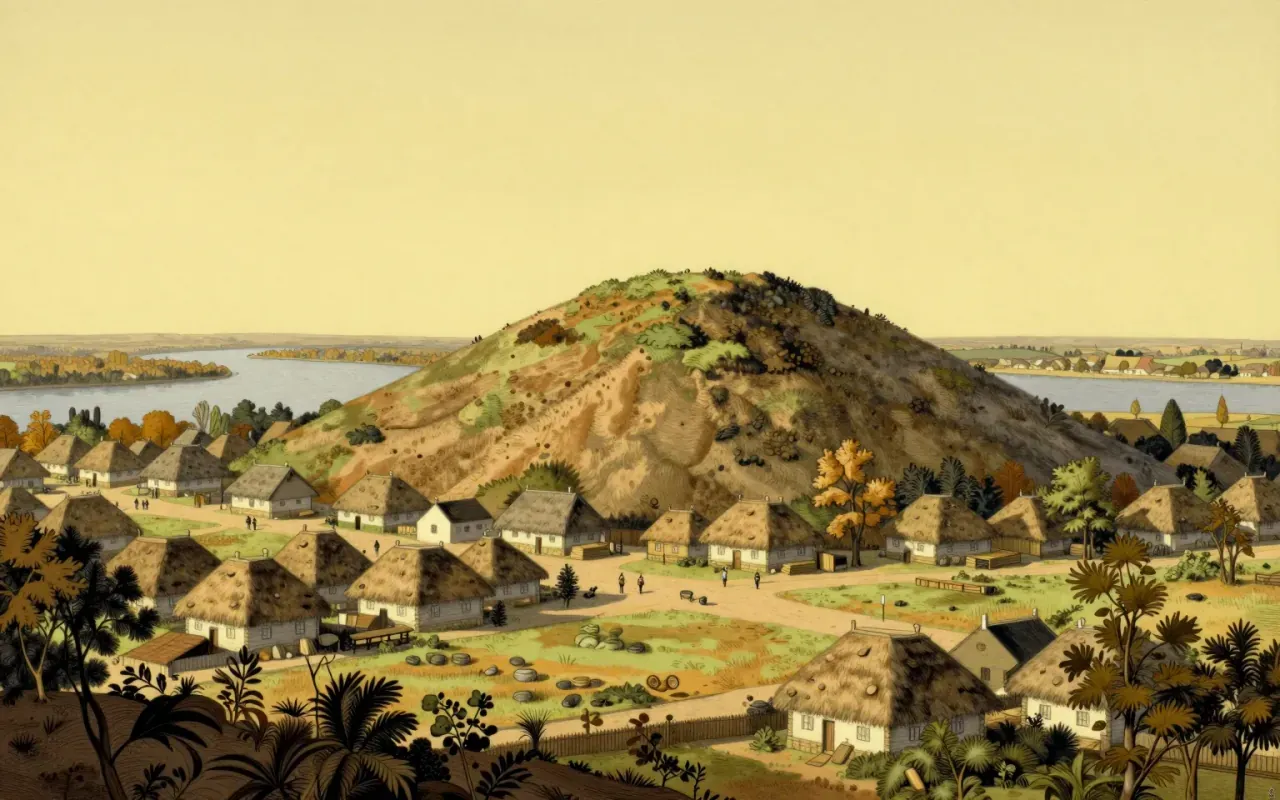
Beginning around 1050, a settlement across the Mississippi from present-day St Louis grew explosively into a city of thousands, its inhabitants moving millions of cubic feet of earth by hand to build over a hundred mounds. Because Cahokians left no written records, everything known about the city comes from excavation, radiocarbon dating and soil analysis rather than testimony, leaving population estimates and the causes of its abandonment by 1350 genuinely disputed among archaeologists. Long misattributed to a vanished non-Native civilisation, the site is now recognised as ancestral heritage by multiple Indigenous nations and holds UNESCO World Heritage status.

13:00

Eruption of Mount Vesuvius in 79 AD

24 August 79

In 79 AD, Mount Vesuvius buried Pompeii, Herculaneum and neighbouring towns under ash and superheated volcanic flows over roughly two days, killing an unknown but substantial number of people. The event is known chiefly through two letters Pliny the Younger wrote to Tacitus a quarter-century later, and through the archaeology itself, which has recently pushed the long-accepted August date toward autumn instead.

13:00

Ur

3800–500 BC

Ur grew from a small Ubaid-period settlement on the Euphrates into a Sumerian city-state, and briefly, under its Third Dynasty, into the largest city in the world. Most of what is known comes from Leonard Woolley's 1920s and 1930s excavation of its Royal Cemetery, a find as rich as it was troubling, since scores of attendants were buried alongside the dead. Woolley's theory of how they died has not survived contact with later forensic evidence, and the city's traditional link to the biblical Abraham runs into a chronological problem of its own.