What happened
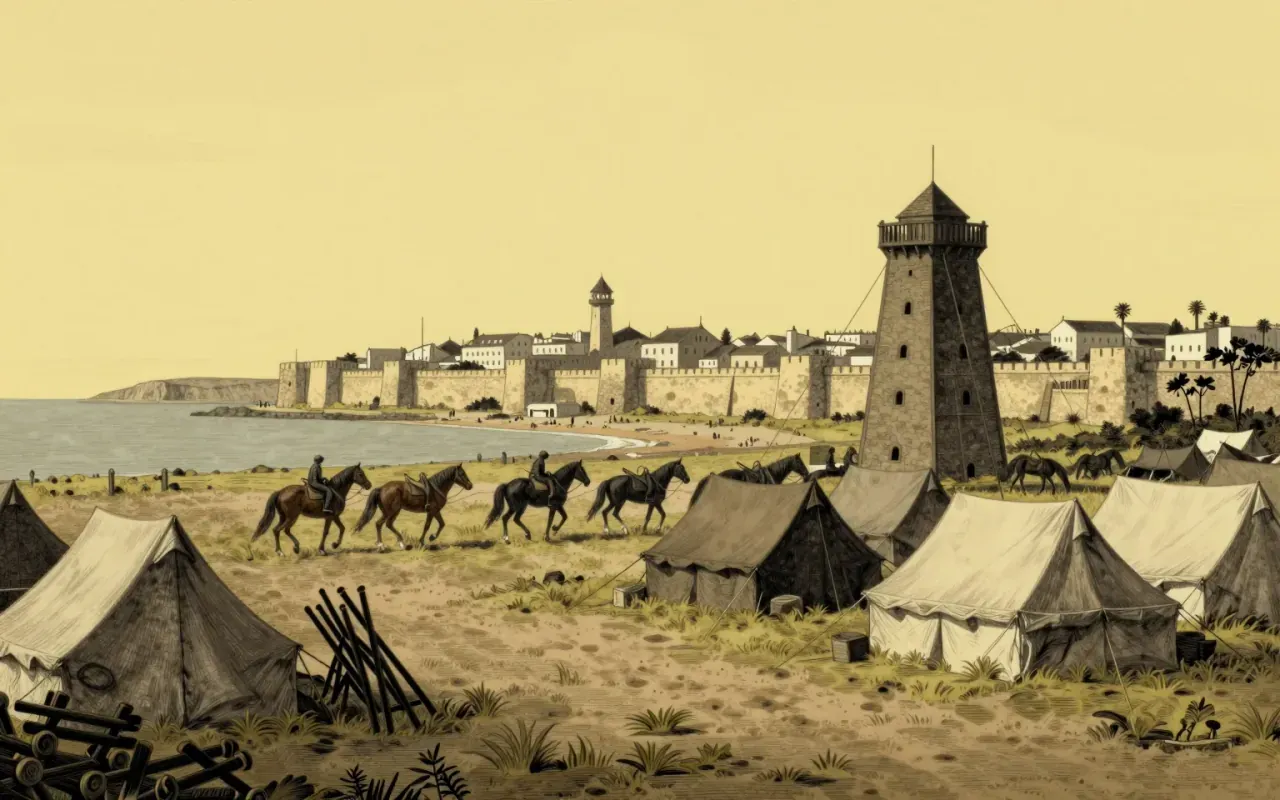
Hangzhou was made a prefectural seat with a wall in 589; its lake infrastructure was repaired by Bai Juyi; Su Shi built a 2.8 km causeway from dredged silt; it became the Southern Song capital in 1132; it institutionalised fire response after repeated conflagrations between 1208 and 1275; and in 2019 it launched an AI-powered Internet Court for digital commerce disputes.
How we know it
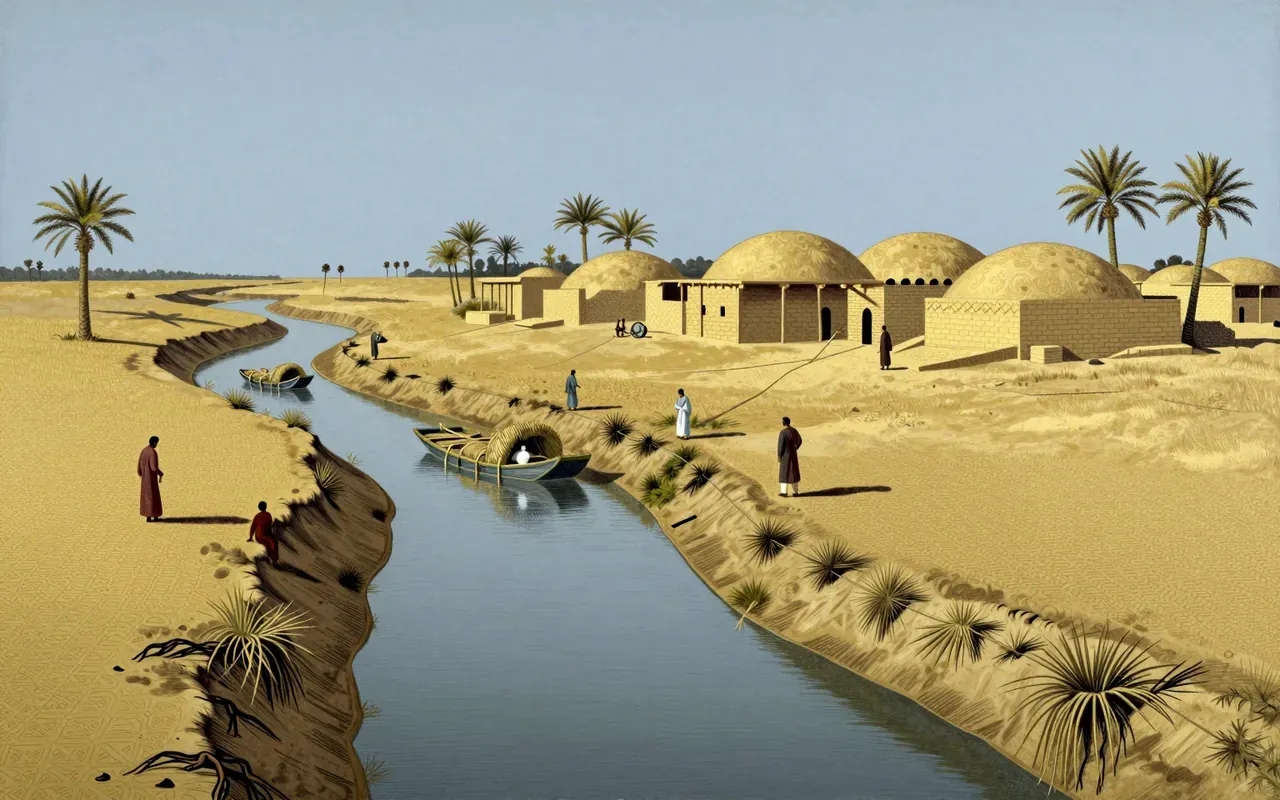
The record consists of verified administrative, hydraulic, infrastructural, and judicial interventions documented in the source material — wall construction in 591, Bai Juyi’s dyke in the 9th century, Su Shi’s causeway in 1089, Southern Song capital designation in 1132, fire-response systems attested for 1208–1275, and the 2019 AI court pilot. Each claim is anchored to a specific, cited action with date, actor, scale, or outcome.
Why it went that way
Each intervention responded directly to a documented pressure: Sui centralisation required walled prefectures; West Lake’s collapse threatened agriculture; Southern Song displacement demanded capital infrastructure; dense wooden housing enabled catastrophic fires; and digital commerce outpaced analog courts. No intervention preceded its trigger.
What is still contested
The source does not state motives behind the Sui wall-building beyond administrative entitlement, nor Bai Juyi’s or Su Shi’s political aims — only their hydraulic actions. It does not specify who contested the AI court’s legal authority, nor whether fire-response reforms reduced recurrence. No source evaluates long-term effectiveness of any intervention.
What it changed
Hangzhou shifted from regional administrative node to imperial capital, then to technological jurisdictional testbed. Its governance model evolved from defensive enclosure to ecological management, crisis institutionalisation, and algorithmic adjudication — each layer responding to immediate material constraints, not ideology.
Is it worth your time
Yes — Hangzhou shows how cities govern not through continuity but through repeated, evidence-based recalibration: walls, water, war, fire, and algorithms are all tools of adaptive statecraft, not relics of eras.