A charter written to convict individuals
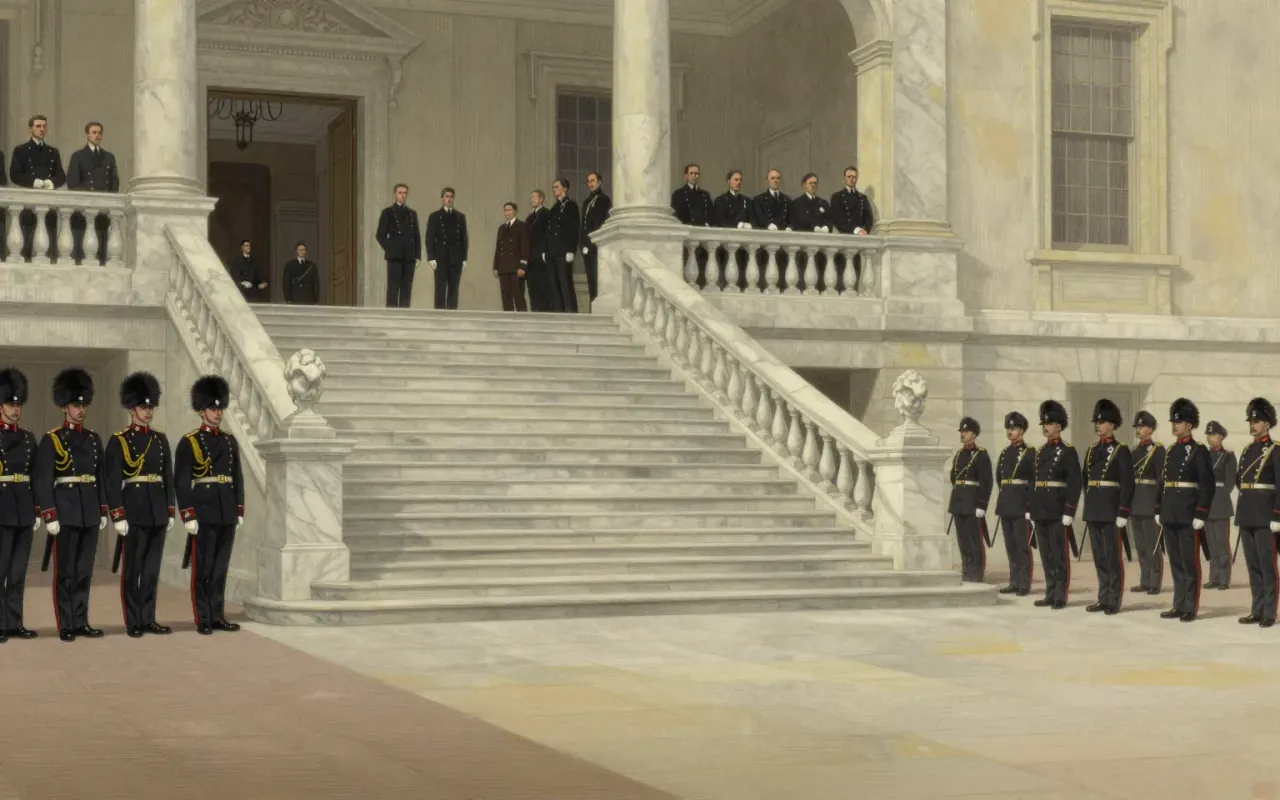
The International Military Tribunal, created jointly by France, the Soviet Union, Britain, and the United States under a charter signed on 8 August 1945, broke with prior international law by holding individuals, rather than only states, criminally responsible for waging aggressive war, for war crimes, and for crimes against humanity. That last category, crimes against humanity, was deliberately restricted in scope to offences connected to the aggressive war itself, a compromise that reflected both American and Soviet interest in keeping their own domestic policies outside the tribunal’s reach, a legal boundary drawn as carefully as the charges themselves.
A paper trail measured in tonnes
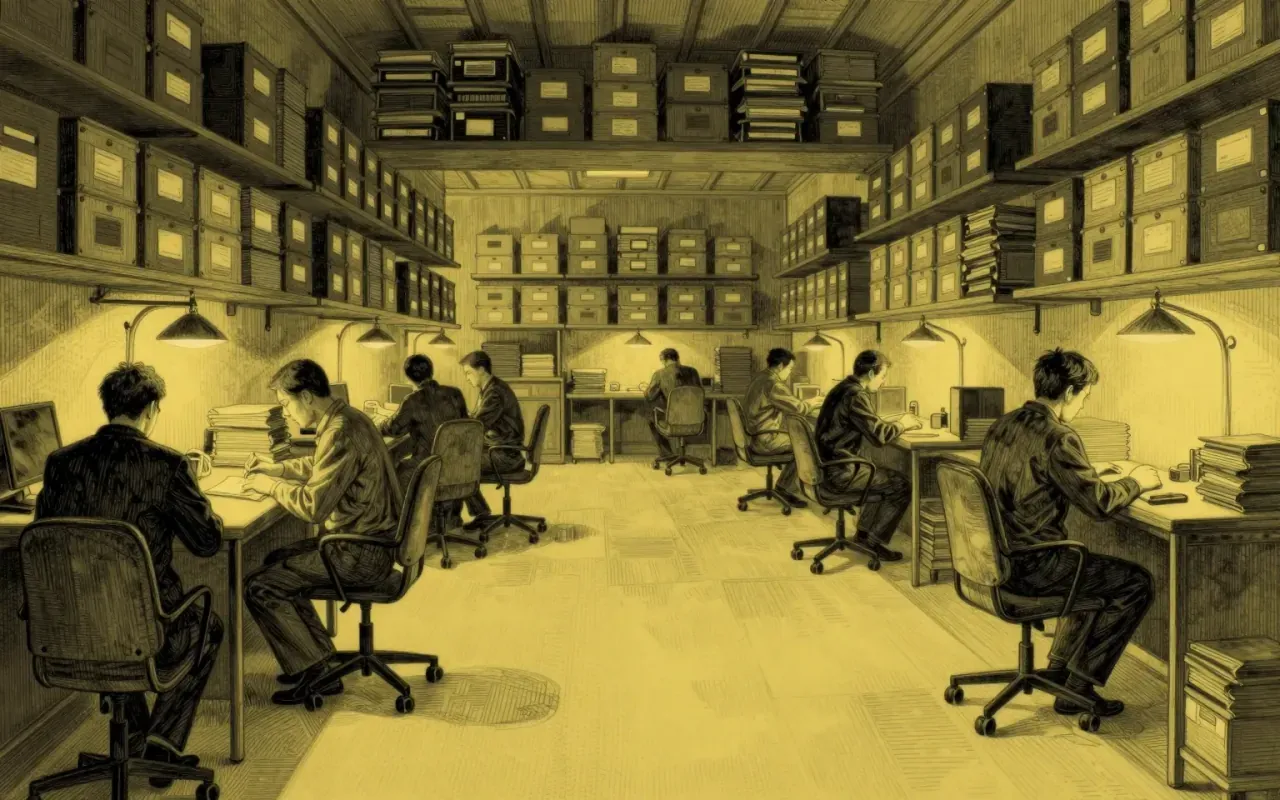
The main trial, held at Nuremberg’s Palace of Justice from 20 November 1945 to 1 October 1946, rested on an unusually extensive documentary record: prosecutors drew on roughly a hundred and ten thousand captured German documents, entering forty-six hundred of them as evidence, alongside thirty kilometres of film and twenty-five thousand photographs, material that let the case against the defendants be built substantially from the Nazi regime’s own paperwork rather than relying primarily on witness testimony, of which the defence in fact called far more witnesses, eighty-three, than the prosecution’s thirty-seven.
Twenty-two names, uneven fates
Of twenty-four men originally indicted, twenty-two were actually tried, since Hitler, Himmler, and Goebbels had already died by suicide and other defendants were tried in absentia or excused due to illness. The verdicts, announced on 1 October 1946, produced eleven death sentences, including for Hermann Göring, who took his own life before his scheduled execution, alongside life or long prison terms for figures including Rudolf Hess and Albert Speer, and outright acquittals for three defendants, Hjalmar Schacht, Franz von Papen, and Hans Fritzsche, a spread of outcomes that shows the tribunal distinguishing degrees of culpability rather than issuing a uniform verdict against every man in the dock.
A scope drawn to exclude the judges’ own conduct
The clearest structural criticism of the trials concerns what their charter left out rather than what it included: by tying crimes against humanity specifically to the war of aggression, the charter’s authors ensured that Soviet conduct, including the Great Terror purges and mass ethnic deportations carried out before and during the war, never came under the tribunal’s jurisdiction at all, even though a Soviet judge sat on the bench passing judgment on German conduct. Defence lawyers attempted to raise comparable Allied conduct directly, arguing German deportations paralleled the postwar expulsion of ethnic Germans and that Allied detention practices resembled Nazi camps, but judges barred most of this tu quoque evidence from consideration.
A defence that blamed the absent
Court records show defendants overwhelmingly directed blame toward absent or dead figures rather than accepting individual responsibility themselves: Hitler’s name reportedly came up some twelve thousand times during proceedings, more than the combined mentions of the five most prominent defendants actually present, alongside repeated references to Himmler, Heydrich, and Eichmann, none of whom stood trial to answer for themselves. Some defendants further argued that Germany’s authoritarian culture of obedience diminished their personal culpability for following orders, an argument the tribunal’s charter had already anticipated and limited by ruling that superior orders could reduce but not eliminate individual responsibility.
A model copied more than it was resolved
Historians and legal scholars still debate how much the trials’ undeniable procedural innovations, individual criminal liability, rejection of sovereign immunity, a working model for prosecuting mass atrocity, are diminished by the charter’s selective scope and its retroactive application of previously uncodified crimes. That unresolved tension has not stopped the Nuremberg model from becoming the template later international tribunals for Yugoslavia, Rwanda, and eventually the permanent International Criminal Court all drew on directly, meaning the trials’ architecture proved durable and influential even as the specific victor’s-justice criticism first levelled against them in 1945 and 1946 has never been fully answered.