Five beaches, one morning, and the largest seaborne invasion in history
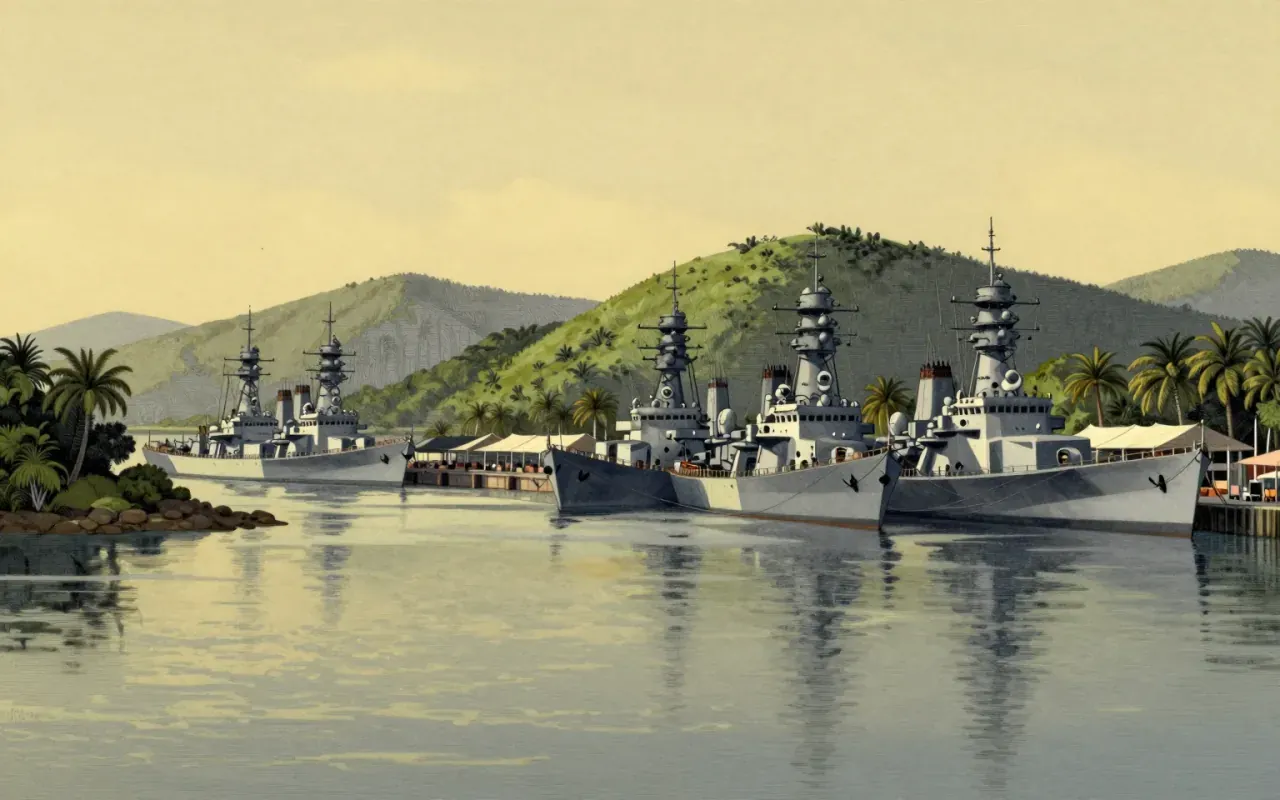
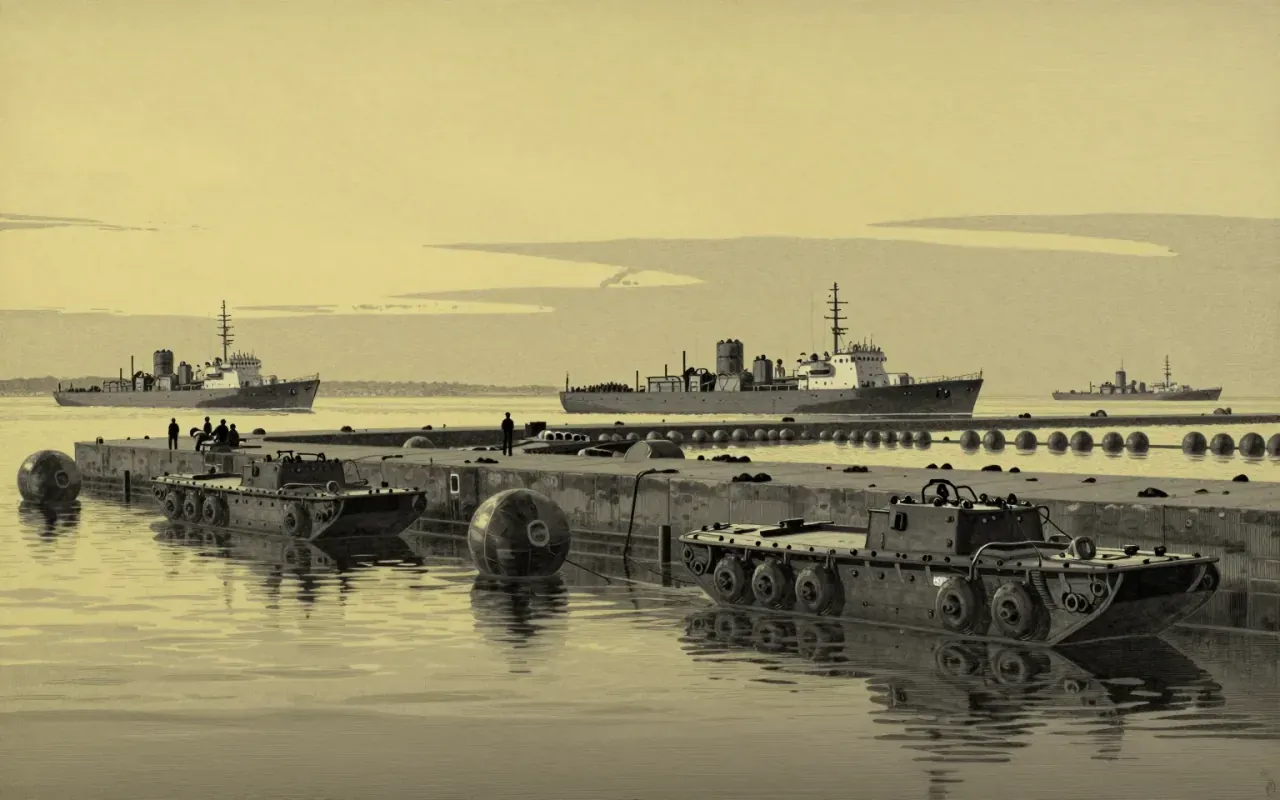
The Normandy landings took place on 6 June 1944, after planning that began in 1943 and a deliberate postponement from an initial May date to allow the invasion force to expand from three to five divisions with adequate landing craft. Roughly 160,000 troops came ashore on the first day across five designated beaches, Utah and Omaha under American command, Gold and Sword under British command, and Juno under Canadian command, supported by a 1,200-plane airborne assault and an amphibious force of more than five thousand vessels, in what the record describes as the largest seaborne invasion in history.
SHAEF records and a double agent’s messages to Madrid
Allied planning and command are documented through Supreme Headquarters Allied Expeditionary Force, or SHAEF, records under General Dwight Eisenhower, while the deception campaign that preceded the landings is documented partly through the transmissions of the Spanish double agent Juan Pujol Garcia, known to his German handlers as Garbo, who built a fictitious network of informants and sent hundreds of fabricated intelligence reports to Madrid in the months before the invasion, successfully reinforcing German expectations of an attack at Calais rather than Normandy. Garbo’s reports were deliberately timed so that some arrived too late to be acted upon, preserving his credibility with German intelligence for future use even as the invasion itself proceeded elsewhere.
Fortitude South and a fake army group under Patton’s name
Operation Bodyguard, the broader Allied deception effort, included Fortitude South, which constructed a fictitious First United States Army Group supposedly commanded by General George Patton and stationed in Kent and Sussex, complete with dummy tanks, trucks and landing craft positioned to be visible to German reconnaissance, reinforcing the false impression that the main invasion would target the Pas-de-Calais region rather than Normandy. On the night before the landings themselves, Royal Air Force squadrons deployed metal foil and dummy paratroopers to distort German radar readings and inflate estimates of the assault’s true scale and location.
Rommel’s tanks, Hitler’s compromise, and a weakened German response
German commanders disagreed over how to deploy their armoured reserves against a potential invasion, with Field Marshal Erwin Rommel advocating positioning Panzer divisions close to the beaches themselves while other commanders, including Leo Geyr von Schweppenburg and Gerd von Rundstedt, preferred a more centralised deployment inland; Hitler’s compromise between these two positions left German armour poorly placed to respond quickly once the actual landing began. Many senior German commanders, including Rommel himself, were away from their posts, at a war-gaming exercise in Rennes or on leave in Germany, when the invasion began, a further consequence of the deception campaign’s success in obscuring both the timing and location of the actual attack.
A beachhead becomes a campaign: Cherbourg, Caen, and Paris
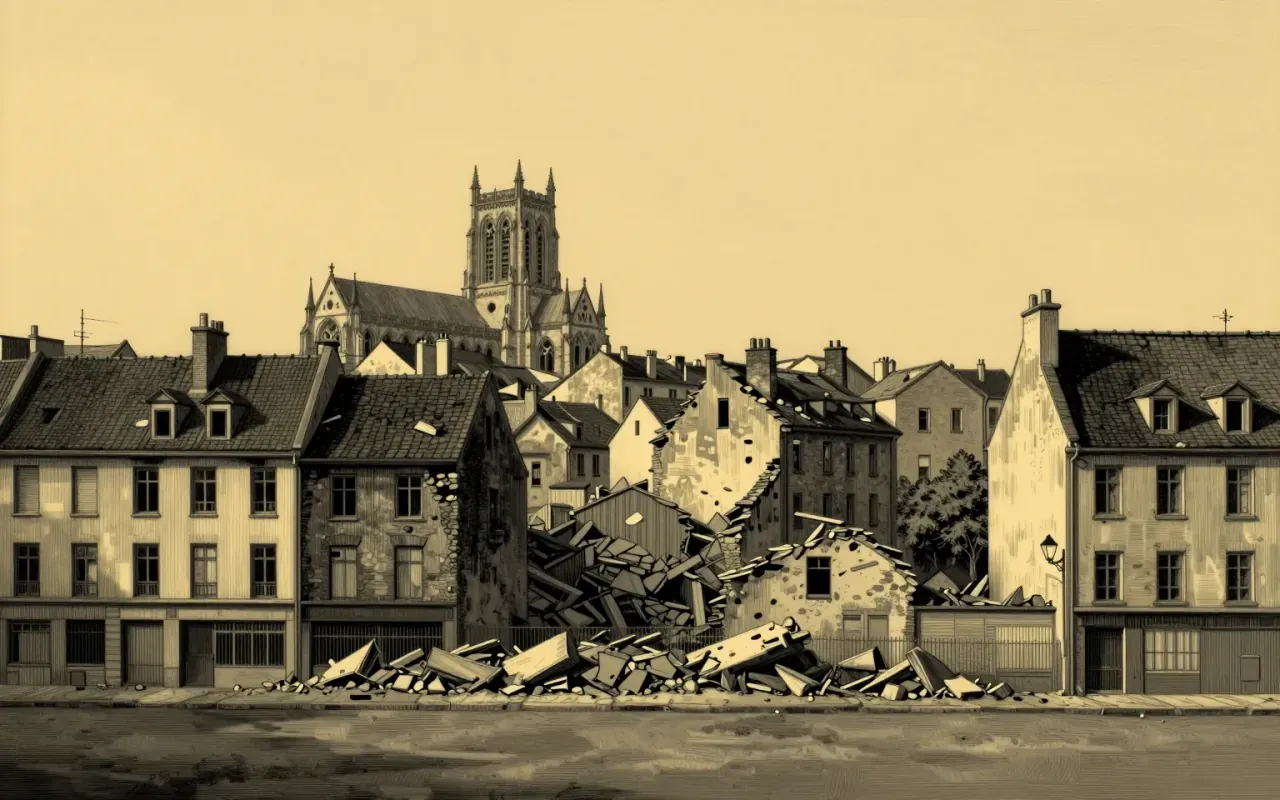
Allied casualties on 6 June are recorded at a minimum of 10,000, including 4,414 confirmed dead, against German casualties estimated between 4,000 and 9,000, figures compiled from SHAEF records that historians treat as broadly reliable in outline while acknowledging the wide range reflects genuine uncertainty about missing and wounded personnel. Beachheads were secured on all five sectors by the day’s end, linked into a single continuous front by 12 June, though Caen was not fully captured until 21 July; the broader Normandy campaign eventually committed thirty-nine Allied divisions and over a million troops, capturing Cherbourg in late June, encircling German forces in the Falaise Pocket by 19 August, and liberating Paris on 25 August 1944.
An invasion worth reading for the deception that preceded it
D-Day rewards attention as much for the deception operation that preceded it as for the landings themselves, since Operation Bodyguard’s success in convincing German commanders that Calais, not Normandy, was the true target directly shaped how slowly and how poorly German forces were able to respond once the actual invasion began. Readers interested in military logistics will find in the scale of the operation, five beaches, nearly five thousand vessels, over a million troops committed to the wider campaign, a genuinely instructive case of large-scale coordination; readers interested in intelligence and deception will find in Garbo’s fabricated network and the fictitious army group under Patton’s name one of the most successful deception operations in military history.