Manchuria, Ethiopia, or Poland: three credible starting points
Germany’s invasion of Poland on 1 September 1939 is the date most historians use to mark the war’s beginning in Europe, prompting Britain and France to declare war two days later, but the historian Antony Beevor has proposed the Battles of Khalkhin Gol between Japanese and Soviet forces in mid-1939 as an alternative starting point, while other accounts trace the war’s roots to Japan’s invasion of Manchuria in September 1931 or Italy’s invasion of Ethiopia in October 1935, treating the conflict as a continuation of earlier, geographically separate aggressions rather than a war that began cleanly with the invasion of Poland. Fighting ended in Europe with Germany’s unconditional surrender on 8 May 1945 and in the Pacific with Japan’s surrender, announced 15 August and formally signed 2 September 1945.
Surrender documents and a range no one can narrow further
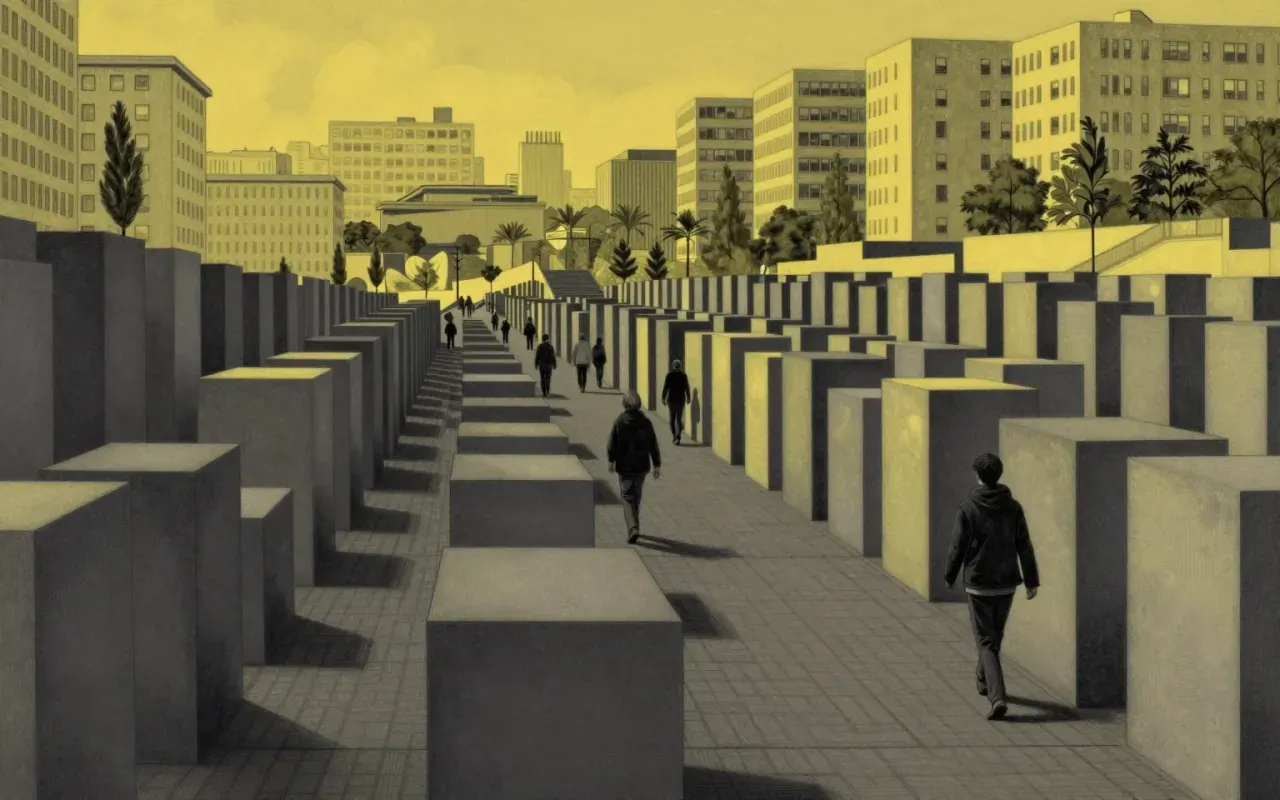
The war’s death toll is documented through surrender instruments, postwar treaties including the 1951 Treaty of San Francisco, and wartime diplomatic records including the Molotov-Ribbentrop Pact between Germany and the Soviet Union, but total mortality is given only as a range, sixty to seventy-five million people, a majority of them civilians, reflecting genuine difficulty in reconciling incomplete records across multiple theatres, particularly the Soviet Union’s own wartime record-keeping. This total folds together combat deaths, massacres, starvation, disease and genocide, including the Holocaust, without a detailed nation-by-nation breakdown available from the summary record alone.
Three theatres, one deadliest conflict in history
The war unfolded across three major theatres: the European theatre, encompassing Poland, France, the aerial Battle of Britain, the Balkans, the Mediterranean and the vast Eastern Front against the Soviet Union; the Pacific theatre, spanning China, Southeast Asia and the Pacific islands toward the Japanese home islands; and a further Mediterranean and Middle Eastern theatre covering North Africa, Malta, East Africa, and Syria-Lebanon and Iraq. Pivotal turning points included the Soviet victory at Stalingrad in early 1943, the American naval victory at Midway in June 1942, and the Allied Normandy landings in June 1944, each marking a shift toward the eventual Allied victory achieved by 1945.
Why even the war’s start and end dates are still argued
The disagreement over when the war began reflects a genuine underlying question about how to treat the relationship between separate aggressions, Japanese expansion into Manchuria and China, Italian expansion into Ethiopia, and German expansion into Central Europe, that eventually merged into a single global conflict but did not obviously constitute one connected war from their own individual outset. A parallel disagreement affects the war’s end: some accounts treat Japan’s 15 August 1945 surrender announcement as the effective close, while others insist on the formal 2 September signing, and the record notes that no formal peace treaty between Japan and the Soviet Union was ever concluded, leaving a technical loose end from the war’s conclusion that persisted for decades afterward.
Two new superpowers, and an old world order dismantled
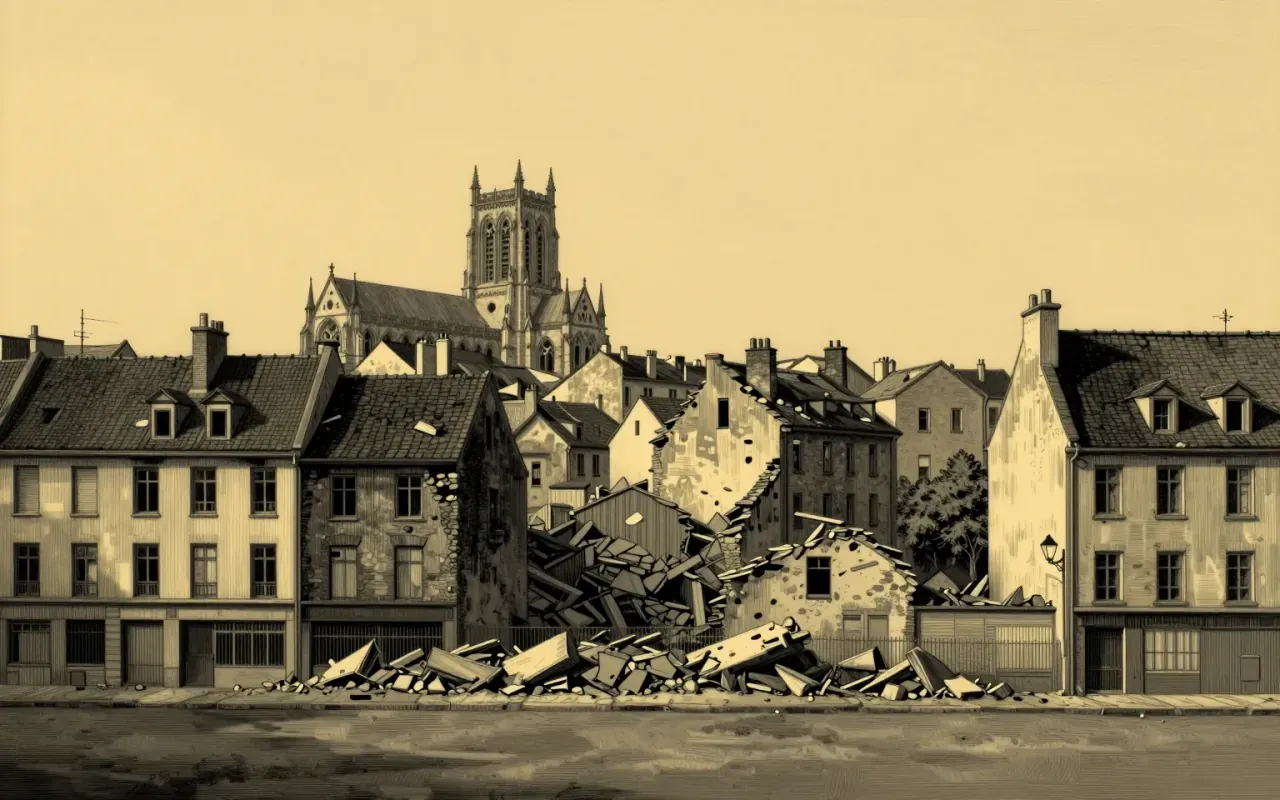
The war’s end brought Allied occupation of Germany, Austria, Japan and Korea, war crimes trials for surviving leaders of the defeated powers, and the replacement of the failed League of Nations with the United Nations, structured around five permanent Security Council members. The United States and Soviet Union emerged as the two dominant global powers, setting the stage for the Cold War as older European great powers’ relative influence declined sharply, while the devastation the war inflicted on European colonial powers is directly credited with triggering the subsequent decolonisation of large parts of Africa and Asia over the following decades.
A war worth reading for the disagreements built into its very dates
World War II rewards attention for the genuine historiographical disagreement built into even its most basic chronological facts, since historians credibly place its beginning anywhere from 1931 to 1939 depending on which aggression is treated as decisive, and its total death toll can only be given as a fifteen-million-person range rather than a settled figure. Readers interested in military history will find three genuinely distinct theatres each worth studying on its own terms; readers interested in how historians periodise complex global events will find in the start-date debate a clear demonstration that even the most extensively documented conflict in history resists a single uncontested timeline.